
Overview
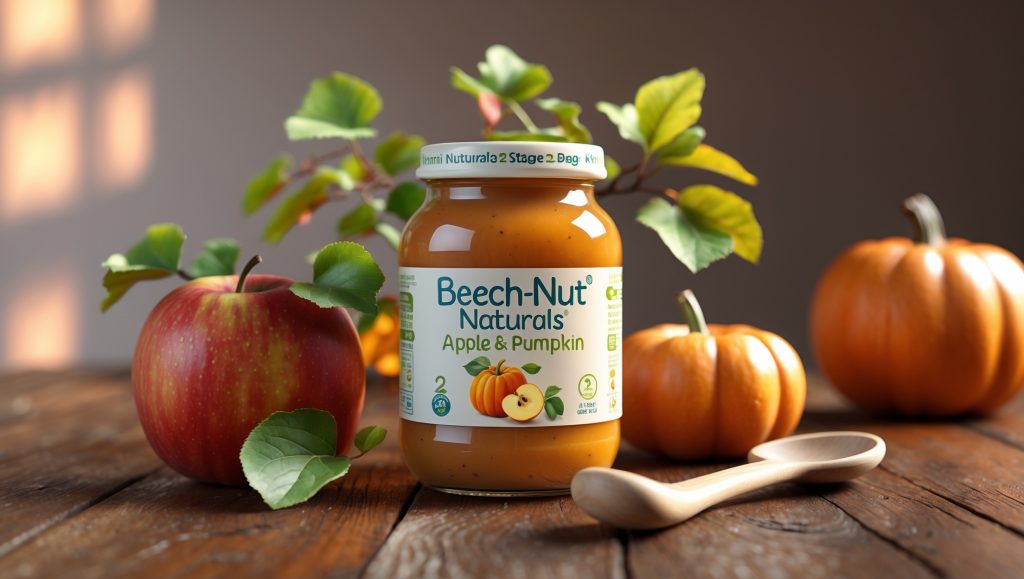
As the leaves turn and cool breezes signal autumn, many families look for seasonal flavors to introduce to their little ones. Beech-Nut Naturals Stage 2 Apple & Pumpkin Baby Food Jar brings the comfort of apple orchards and pumpkin patches into the high chair. This review takes a close look at how this simple blend caters to babies—especially those with picky eating habits—in 2025, examining its ingredients, taste, convenience, and more.
Brand: Beech-Nut Naturals
Product: Stage 2 Apple & Pumpkin Baby Food Jar
Recommended Age: Around 6 months and up, for babies ready for Stage 2 purees.
Format: Glass jar (4 oz)
Ingredients & Nutrition
Beech-Nut Naturals lives up to its name with a short, transparent ingredient list. The Apple & Pumpkin variety contains:
- Apples
- Pumpkin
- Lemon juice concentrate (for freshness)
No added sugar, salt, or artificial preservatives. The ingredients are non-GMO and the product is free from common allergens like dairy, soy, and gluten. Both apples and pumpkin are rich in vitamins, especially vitamin C and beta-carotene (a precursor to vitamin A), and supply a gentle source of fiber.
Nutrition Highlights (per 4 oz jar):
- Calories: ~50
- Sugars (naturally occurring from fruit): ~9g
- Vitamin C: 20% DV
- Vitamin A: 70% DV
- Fiber: ~2g
- No added sodium
This blend offers a mild way to introduce veggies with a touch of natural sweetness, supporting a varied palate from the start.
Taste & Texture
Many parents of picky eaters struggle with strong flavors or unfamiliar textures. The Apple & Pumpkin blend strikes a balance: the apple delivers familiar sweetness while the pumpkin adds a creamy, earthy undertone. The overall flavor is gentle—not as bold as a straight pumpkin or veggie puree, but less sugary than apple-only options.
Texture: This Stage 2 puree is smooth with a slight thickness, making it easy for babies transitioning from Stage 1 foods but still learning to manage more substantial consistencies. There are no chunks or stringy bits, which is especially important for texture-sensitive eaters.
Parents report that the flavor profile seems to appeal to babies who are wary of plain vegetables, plus the orange hue piques visual interest at mealtime.
Convenience & Storage
Beech-Nut’s glass jars are both a plus and a minus. They feel sturdy and eco-friendly, are widely recyclable, and allow you to see the contents before serving. However, glass is heavier and less portable than pouches or plastic containers. The jars are easy to open and reseal if your baby doesn’t finish in one sitting.
Storage: Unopened jars are shelf-stable and can be stored in a cool, dry place for months. Once opened, any leftovers should be refrigerated and used within 2 days. The 4 oz serving size is practical for most babies at the Stage 2 level.
Pros & Cons
Pros
- Very simple, transparent ingredient list
- Natural sweetness with veggie nutrition—a good “bridge” for picky eaters
- No added sugars, salt, or artificial preservatives
- Non-GMO and free from common allergens
- Glass jar is eco-friendly and lets you see the food
- Smooth, consistent texture for easy eating
Cons
- Glass jars are heavier and less travel-friendly than pouches
- Flavor may be too mild for babies who enjoy bolder tastes
- Not as convenient for self-feeding practice compared to squeeze pouches
- Limited variety—only combines apple and pumpkin
Alternatives & Similar Products
For families looking for variety or alternative packaging, consider these options:
- Earth’s Best Organic Apple & Pumpkin Pouch: Similar flavor, but in a convenient pouch for on-the-go feeding.
- Happy Baby Organics Clearly Crafted Apples, Pumpkin & Carrots: Adds carrot for a slightly more complex flavor and extra nutrition; available in clear pouches.
- Homemade Purees: Steaming and blending apples and pumpkin at home allows for full control over flavor and texture, and can be adjusted to suit your baby’s preference.
- Beech-Nut Naturals Stage 2 Just Apple: For babies who lean strongly toward fruit flavors, but want to stay in the same brand family.
Verdict
Beech-Nut Naturals Stage 2 Apple & Pumpkin Baby Food Jar delivers on its promise of clean, simple nutrition. The gentle combination of apple and pumpkin is ideal for babies (and parents!) navigating picky eating phases, offering a comforting flavor without overwhelming the senses. While the glass jar may not be the best fit for every family’s lifestyle, the product itself stands out for its ingredient integrity and appealing texture.
Final Thoughts: If you’re introducing vegetables or want a mild, autumn-inspired puree that bridges the gap between fruit and veggies, this Beech-Nut blend is a solid pick in 2025. It’s a particularly good option for little ones hesitant about new flavors or textures, and a nice addition to a broader rotation of baby foods.
FAQ
+Is Beech-Nut Apple & Pumpkin suitable for babies with food allergies?
+How does the taste compare to other vegetable or fruit purees?
+Is the glass jar recyclable?
+Can I freeze leftover puree?
+How long does the opened jar last in the fridge?
+Is this product appropriate for baby-led weaning?
+Does this contain any added sugar?

Beech-Nut Naturals Stage 2 Apple & Pumpkin Baby Food Jar offers a delightful autumn-inspired option for parents seeking wholesome flavors for their little ones. As the leaves turn crisp, this blend of apple and pumpkin provides a gentle introduction to seasonal tastes while maintaining a smooth, palatable texture ideal for babies advancing to Stage 2 foods. The natural sweetness of apples pairs seamlessly with the mild earthiness of pumpkin, making it particularly appealing for picky eaters who might shy away from bolder flavors.
Parents will appreciate that Beech-Nut emphasizes transparency and simplicity in their ingredients, using real fruits and vegetables with no added sugars or artificial additives. This not only supports healthy eating habits but also allows parents to confidently serve a product that closely mirrors homemade purées. The convenient glass jar packaging is easy to store and recycle, adding another layer of practicality for busy families.
Overall, Beech-Nut Naturals Apple & Pumpkin stands out as a comforting, nutritious choice for autumn mealtimes, encouraging little ones to explore new flavors in a gentle, approachable way.
- Simple, transparent ingredients: just apple and pumpkin
- Appealing flavor for selective eaters
- Convenient, eco-friendly glass jar packaging
- No added sugars or artificial additives
My little one is very sensitive to textures and sometimes refuses anything that’s not super smooth. Does this puree have any noticeable grittiness or seeds from the pumpkin, or is the consistency reliably uniform in each jar?
It’s completely understandable to be concerned about texture when your little one is sensitive. The Beech-Nut Naturals Stage 2 Apple & Pumpkin puree is generally known for its smooth, uniform consistency without noticeable grittiness or seeds, as the pumpkin is well strained and blended. When introducing any new food, start with a small amount on a spoon and observe your child’s reaction, offering encouragement but not pressure. Always check each jar before serving to ensure consistency and safety, especially for sensitive eaters. This isn’t medical advice; if you’re concerned about texture issues or reactions, consult your pediatrician.
Is it okay to introduce this Stage 2 puree to a baby who is a little younger than six months but has already shown readiness signs, or should I stick strictly to age guidelines regardless of their interest in thicker foods?
It’s great that you’re paying close attention to your baby’s cues and interest in new foods. While signs of readiness—like good head control, sitting with support, and showing interest in eating—are important, most pediatricians recommend waiting until around six months to introduce Stage 2 purees due to their thicker texture and more complex ingredients. If your baby is just under six months, you might start with single-ingredient, thinner purees first, watching closely for any signs of difficulty swallowing or allergic reactions. Always supervise mealtimes and introduce new foods one at a time. This isn’t medical advice; if you’re concerned, check in with your pediatrician.
the breakdown about the glass jars being more eco-friendly but less portable. For families on a tight budget who need something safe for daycare or travel, do you think it’s practical to transfer this puree into reusable containers, or would that affect the freshness or safety?
It’s thoughtful to find the safest and most practical way to offer healthy food on a budget. If you decide to transfer Beech-Nut Naturals puree from the glass jar to a reusable, BPA-free container, use a clean spoon and close the new container tightly. Refrigerate immediately if not serving right away, and use within 48 hours to maintain freshness and safety. Choose containers designed for baby food to avoid leaks and keep portions manageable. Always label with the date, and make sure your daycare can refrigerate the food. This isn’t medical advice; if you’re concerned, check in with your pediatrician.
Does the glass jar make this apple and pumpkin puree tricky to bring along on a long road trip? I wonder if there are tips for keeping it safe and easy to serve when we are on the go, since my toddler sometimes eats in the car.
You’re thoughtful to plan ahead for safe, easy mealtimes on the road. For glass jars like the Beech-Nut Naturals Stage 2, wrap them in a towel or use a padded cooler to prevent breakage. Keep the jars chilled with an ice pack until serving, since purees need refrigeration once opened. Bring a small spoon and a wipeable bib for less mess, and always supervise your toddler while they eat in the car to prevent choking. If you’re worried about glass, you might pre-portion into a shatterproof container before you leave. This isn’t medical advice; if you have concerns, check in with your pediatrician.
Can you share any advice for parents whose babies dislike the orange color of this puree? Sometimes my child refuses foods just because of how they look, even if the taste is mild and appealing.
It’s completely understandable to feel concerned when your baby rejects foods based on color, not taste. Try offering the puree in a covered or opaque spoon to hide the color at first. You can also mix a small amount with a familiar, more neutral-colored food your baby likes, gradually increasing the orange puree over time. Sometimes, serving the food in low lighting or on colorful plates can shift focus away from the puree’s color. Remember, for babies around 6–9 months, new food aversions are common, and safety is key—always supervise and avoid pressure. This isn’t medical advice; if you’re concerned, check in with your pediatrician.
My little one is quite sensitive to new textures, and I saw that you mentioned the Apple and Pumpkin blend is smooth but slightly thick. Would you suggest thinning it out with a little breast milk or formula when first transitioning from thinner Stage 1 purees, or is the consistency generally accepted by most babies?
It’s completely understandable to want the transition to new textures to be gentle for your baby. If your child is used to very thin Stage 1 purees, it’s perfectly fine to thin the Beech-Nut Naturals Apple & Pumpkin blend with a bit of breast milk or formula at first. Try mixing in small amounts until it reaches a familiar consistency, and gradually reduce the added liquid as your baby gets comfortable. Always supervise feeding and watch for any signs of gagging or difficulty swallowing, especially with thicker foods. Every baby is different, so go at your child’s pace. This isn’t medical advice; if you’re concerned, check in with your pediatrician.
My 7-month-old is starting to show more interest in different colors and tastes, but he’s suspicious of plain veggies. Do you think the apple in this Beech-Nut blend is enough to help him get used to more savory flavors, or is it still mainly sweet?
It’s great that you’re tuning into your baby’s curiosity and preferences. This Beech-Nut blend balances apple’s natural sweetness with pumpkin’s earthier flavor, so it can gently introduce your 7-month-old to new tastes without overwhelming him. Offer a small spoonful at first, watching for his reactions, and keep mealtimes low-pressure. You can also alternate bites of this blend with plainer veggies to help broaden his palate. Make sure all foods are smooth and free of lumps at this age to prevent choking. This isn’t medical advice; if you’re concerned, check in with your pediatrician.
Do you have suggestions for how to gradually introduce more veggie-forward purees after babies get used to the apple and pumpkin blend? We want to make sure our little one stays open to new vegetables as we try more flavors.
It’s great that you want to help your baby enjoy a variety of vegetables early on. Try introducing veggie-forward purees one at a time, starting with milder flavors like sweet potato or carrots before moving on to stronger tastes like peas or green beans. Mix a small amount of a new veggie puree into the familiar apple and pumpkin blend, gradually increasing the proportion over several days. Offer the new puree when your baby is calm and hungry, and allow your child to explore the flavors without pressure. Always ensure the texture is smooth and age-appropriate, and supervise closely to prevent choking. This isn’t medical advice; if you’re concerned, check in with your pediatrician.
The blend sounds gentle, but our picky eater reacts strongly to even small flavor changes. Was there feedback from parents who successfully transitioned their babies from single-ingredient purees to this combo, and what seemed to help most with acceptance?
You’re right to be thoughtful about introducing new blends to a picky eater. Some parents in our review found success by mixing a spoonful of the Beech-Nut Apple & Pumpkin with a familiar single-ingredient puree at first, then slowly increasing the amount of the new blend over several days. Others offered the new food alongside a favorite, so baby could explore at their own pace. Keeping portions small and maintaining a relaxed, pressure-free mealtime helped many little ones accept the change. Always watch for any signs of allergies and consult your pediatrician if you’re unsure—this isn’t medical advice.
Do you find the glass jars are easy to store in the fridge if opened, especially when juggling several foods for a picky eater? I worry about leftovers going to waste if we only use a little at each meal.
You’re right to think about how to manage leftovers, especially with a picky eater who may not finish a jar in one sitting. After opening, cover the glass Beech-Nut jar tightly (the original lid works) and store it in the fridge—generally for up to 2 days. Label jars with the date opened, and organize them in one fridge spot so you can find and use them before they spoil. For less waste, you can spoon a portion into a bowl and refrigerate the rest, reducing contamination. Always check for spoilage signs and follow safety guidelines for babies 6 months and older. This isn’t medical advice; if you’re concerned, check in with your pediatrician.
With the glass jars being a bit bulkier, do you have tips for organizing and storing different flavors during toy and food rotation? I want to avoid overcrowding our pantry but still have variety on hand for my little one.
It’s great that you want to keep your pantry organized while offering your child a variety of flavors. Try sorting jars by flavor or mealtime in shallow bins or baskets, labeling each for easy access. Store only a week’s worth of jars within reach and keep extras on a higher shelf, rotating new jars to the back. If space is tight, consider removing outer packaging but always check jar seals for safety. For added safety, place jars out of your child’s reach to prevent breakage. This isn’t medical advice; if you’re concerned, check in with your pediatrician.
For toddlers who are just getting into potty training routines, do you have tips on how to fit snacks like this into the day so it does not interfere with meal times or toilet practice?
You’re thoughtful to plan snacks around new potty training routines. You might try offering the Beech-Nut apple and pumpkin jar as a mid-morning or mid-afternoon snack, at least 1.5–2 hours after meals so your toddler stays hungry for main meals. Serve the snack after a successful potty attempt to help reinforce the routine. Keep everything relaxed and unhurried, reminding your child to try the toilet before eating. For toddlers, supervise eating to prevent choking and always check for food allergies. This isn’t medical advice; if you have concerns about potty training or feeding, check in with your pediatrician.
How does this apple and pumpkin blend compare, taste-wise and nutritionally, to mixing my own cooked apples and canned pumpkin at home? I’m weighing store-bought convenience against costs and homemade options.
It’s great that you’re thoughtfully weighing convenience, taste, and nutrition for your baby. The Beech-Nut Naturals blend offers consistent texture and no added sugar, but homemade cooked apples with canned pumpkin let you adjust flavors and textures to your baby’s preference, and you’ll know exactly what’s inside. Nutritionally, both options are similar if you avoid added sugar and salt at home. Store-bought jars are tested for safety and lack added preservatives. For babies around 6 months and older, both choices are safe with supervision and attention to texture. This isn’t medical advice; if you have concerns about allergies or nutrition, check with your pediatrician.
I try to balance introducing new veggies with my child’s need for familiar flavors. Would this apple and pumpkin blend be a good first step for easing a picky eater into more vegetable-based purees, or do you suggest pairing it with something else?
It’s great that you’re mindful of balancing new foods with familiar tastes for your picky eater. The apple and pumpkin blend is a gentle introduction since apple offers natural sweetness while pumpkin adds a mild veggie note. Start by offering small spoonfuls on their own to gauge your child’s reaction. If accepted, gradually mix in a little plain pumpkin or another mild veggie puree over time. For babies around 6 months and older, always supervise meals and check labels for any potential allergens. This isn’t medical advice; if you’re concerned, check in with your pediatrician.
Do you have tips for offering this apple and pumpkin puree to a toddler who has outgrown jars but still refuses to eat most vegetables at the table?
It’s understandable to want your toddler to eat more vegetables, especially as they become picky. Try using the apple and pumpkin puree as a dip for whole grain crackers or soft-cooked veggie sticks. Mix a spoonful into oatmeal, yogurt, or pancake batter for extra flavor and nutrition. You can also spread it thinly on toast or swirl it into smoothies. For toddlers, ensure all additions are age-appropriate in size and texture to prevent choking. This isn’t medical advice; if you’re concerned, check in with your pediatrician.
My baby is almost 10 months but still struggles with transitioning to chunkier foods. Would it make sense to stick with this Stage 2 puree a bit longer, or should I encourage a switch to Stage 3 varieties even if it’s hard for her?
It’s understandable to feel uncertain about moving to chunkier foods when your baby is still having trouble with texture transitions. At 10 months, it’s common for some babies to prefer smooth purees, and the Beech-Nut Naturals Stage 2 is safe and appropriate if she’s not ready for Stage 3 yet. You can gently introduce thicker textures by mashing soft foods or mixing small amounts of Stage 3 into her usual puree, always watching for choking risks and making sure food pieces are very soft. Let her go at her own pace, and keep mealtimes positive and low-pressure. This isn’t medical advice; if you’re concerned, check in with your pediatrician.
We’re often on the go, and glass jars make me nervous in the diaper bag. Does Beech-Nut offer this apple and pumpkin flavor in pouches, or do you have any tips for safely carrying glass baby food jars when traveling?
It’s completely understandable to worry about carrying glass jars when you’re out and about with your baby. Currently, Beech-Nut’s apple and pumpkin combo is mainly available in glass jars, not pouches. For safer travel, try wrapping jars in a thick cloth or placing them inside a padded lunch bag to prevent breakage. Always check jars for cracks before use, and keep them separate from hard or sharp items. If you’re concerned about glass, you might consider transferring the food to a reusable, BPA-free silicone pouch before leaving home. This isn’t medical advice; if you’re unsure, your pediatrician can help you find the safest option for your baby.
I noticed the article mentions glass jars are less portable. Do you have any tips for storing opened jars safely on-the-go, or is it best to transfer leftovers to another container for daycare?
You’re right to think carefully about safe storage for your little one’s food. If you need to bring opened Beech-Nut glass jars on-the-go, make sure the lid is tightly sealed and the jar is kept upright in an insulated bag with an ice pack. However, for daycare, it’s often safer and more convenient to transfer leftovers into a BPA-free, leakproof plastic container to prevent glass breakage and maintain freshness. Always label with your child’s name and the date, and discard any food left at room temperature for over two hours. This isn’t medical advice; if you’re concerned, check in with your pediatrician.
Would this apple and pumpkin flavor still be appropriate to offer to an older toddler who struggles with vegetables, or is it better suited only for the typical Stage 2 age range?
It’s understandable to want to expand your older toddler’s diet, especially with a familiar flavor like apple and pumpkin. This puree is safe for older toddlers, though it may be less filling than textured options. Try offering it as a dip for soft veggie sticks, mixing it into oatmeal or yogurt, or spreading it on toast to introduce new textures. Always supervise your child during meals and watch for any food sensitivities. This isn’t medical advice; if you’re concerned, check in with your pediatrician.
We sometimes travel or visit grandparents—are there any tips for bringing these glass jars along safely, or is it better to look for a similar puree in a pouch for portability?
It’s great that you’re planning ahead for safe and easy feeding on the go. If you choose glass jars, wrap each one in a soft cloth or use padded sleeves to prevent breakage, and keep them upright in a sturdy lunch bag or cooler. Always check that lids are tightly sealed before packing. For travel, purees in pouches can be more convenient and lighter, but watch for age recommendations and potential choking hazards—supervise closely if your baby self-feeds from a pouch. This isn’t medical advice; if you’re concerned, check in with your pediatrician.
Is it OK to give this Stage 2 blend to my 13-month-old, or is she past the age where these purees are useful? I want to keep offering veggies, but I’m not sure if I should start offering chunkier foods at this stage.
It’s great that you want to keep offering veggies and are thinking about your child’s developmental stage. At 13 months, most children are ready for more textured, finger foods, but it’s still perfectly safe to offer Stage 2 purees like Beech-Nut Naturals, especially if your child enjoys them or is easing into new textures. You can start offering small, soft-cooked veggie pieces alongside purees, and let her practice self-feeding with a spoon or fingers. Always supervise meals and watch for any choking hazards. This isn’t medical advice; if you have concerns about textures or feeding skills, check in with your pediatrician.
Is there any concern about glass jar safety if I need to toss one in the diaper bag for daycare, or should I stick to pouches for on-the-go feedings?
It’s understandable to want safe, easy options for feeding your baby on the go. Glass jars like the Beech-Nut Naturals Stage 2 can break if dropped or banged around in a diaper bag, which could be dangerous due to sharp shards. If you must use a glass jar, wrap it securely with a cloth or keep it in a padded compartment, and always check for cracks before opening. For daycare and travel, pouches may be safer and more convenient since they’re less likely to break and easier for caregivers to use. This isn’t medical advice; if you’re concerned, check in with your pediatrician.
Do you think the natural sweetness from apples in this Beech-Nut jar might make it too exciting as a pre-nap snack for babies, especially if we’re trying to establish calm routines in both English and Spanish? I want to avoid any sugar spikes before sleep.
You’re thoughtful to consider how snack choices affect your baby’s nap routine. The natural sugars in apples are milder than added sugars, but some sensitive babies may perk up from fruity flavors. To support calm before naptime, offer this Beech-Nut jar at least 30–60 minutes before sleep, and try pairing it with quieter activities and gentle language in both English and Spanish. Observe how your baby responds, as every child is different. Always supervise feeding and introduce solids in age-appropriate portions. This isn’t medical advice; if you have specific concerns, check in with your pediatrician.
Is it practical for families on a budget to use mostly pre-made purees like this one, or would cereal be better since it’s usually fortified with iron? I want to balance nutrition with cost, especially as my baby grows.
Balancing cost and nutrition is such a thoughtful approach for your growing baby. Pre-made purees like Beech-Nut are convenient and often have simple ingredients, but they can be pricier over time. Iron-fortified baby cereal is budget-friendly and supports your baby’s iron needs, especially after 6 months when iron stores run low. You might try offering cereal daily and using purees as a supplement or for variety. Homemade purees from affordable produce can also stretch your budget. Always check for age-appropriate textures and supervise meals to keep feeding safe. This isn’t medical advice; if you’re concerned, check in with your pediatrician.
Since the jars need to be used within 2 days after opening, do you have any advice on storing leftovers so they stay fresh and safe, especially if I want to offer a small portion as part of a bedtime wind-down snack?
It’s great that you’re thinking ahead about safe storage for your baby’s bedtime snacks. To keep leftovers fresh, immediately refrigerate the jar after each use—scoop out what you need with a clean spoon rather than feeding straight from the jar to prevent introducing bacteria. Keep the lid tightly closed and label the jar with the opening date. When serving again, take out a portion into a separate bowl so the rest stays cold, and discard any food your baby doesn’t finish. Always check for changes in smell or texture before re-serving. This isn’t medical advice; if you’re concerned, check in with your pediatrician.
My baby is really sensitive to new textures and even a bit of thickness can be challenging. Would it be possible to thin out this puree with water or breast milk, or would that affect the nutrition or flavor?
It’s completely understandable to want to make new foods easier for your sensitive eater. You can definitely thin out Beech-Nut Naturals Stage 2 Apple & Pumpkin puree by stirring in small amounts of breast milk, formula, or water until you reach a consistency your baby accepts. Add liquid gradually and mix well to avoid lumps. While this may dilute the flavor slightly, it won’t significantly affect nutrition if you’re only adding a little. Always supervise your baby during feeding and ensure the puree stays smooth to reduce choking risks. This approach is appropriate for babies ready for Stage 2 foods, but if you have concerns about nutrition or feeding challenges, please consult your pediatrician. This isn’t medical advice.
Our little one sometimes refuses new flavors unless we introduce them alongside familiar favorites. Would you suggest mixing this apple and pumpkin blend with other fruits or grains, or is it best served alone to support picky eaters?
It’s completely normal to want to make new foods less intimidating for a picky eater. You can try mixing the apple and pumpkin blend with a familiar fruit or a mild grain like baby oatmeal to help your little one feel more comfortable. Start with mostly the favorite food and a small spoonful of the new blend, then gradually increase the new flavor. Always watch for any signs of allergy or sensitivity when combining foods, and keep textures age-appropriate to avoid choking risks. This isn’t medical advice; if you’re concerned, check in with your pediatrician.
My toddler sometimes has reactions to acidity. With the lemon juice concentrate in the ingredients, have you ever noticed any sensitivities or tummy upset, or is it generally well tolerated for most babies?
It’s understandable to be cautious if your toddler is sensitive to acidic foods. Most babies tolerate the small amount of lemon juice concentrate in Beech-Nut Naturals Stage 2 jars, but some with sensitive tummies might experience mild discomfort or diaper rash. If you’re trying it, start with a small spoonful and watch closely for any reaction for 24 hours. Always serve the purée at room temperature, as cold foods can sometimes irritate sensitive stomachs. This food is age-appropriate for older babies and toddlers, but if your child has a history of food sensitivities, it’s okay to wait or consult your pediatrician. This isn’t medical advice; if you’re concerned, check in with your pediatrician.
If I’m signed up for a monthly baby food subscription that mainly sends pouches, do you think it’s worth buying these Beech-Nut glass jars individually for the added variety? Or would sticking to the subscription’s standard flavors be just as helpful for a picky eater?
It’s great that you’re thinking about variety for your picky eater. Offering different types of containers, like glass jars alongside pouches, can help some babies explore new tastes and textures and may spark their interest in eating. You might try introducing a Beech-Nut Naturals jar once or twice a week alongside your regular subscription to see how your child responds. Always supervise feeding, especially with glass jars, and check for any food allergies. This isn’t medical advice; if you’re concerned, check in with your pediatrician.
Is it OK to introduce this puree to a baby who is just starting on Stage 2 foods, especially during evening routines? I want to make sure it won’t upset his stomach or disrupt sleep.
It’s great that you’re being thoughtful about easing your baby into new foods and routines. For little ones just starting Stage 2 foods, Beech-Nut Naturals Apple & Pumpkin has a smooth texture and simple ingredients, making it generally suitable after single-ingredient purees are tolerated. Start by offering a small amount earlier in the day to watch for any reactions or tummy upset. If your baby digests it well, you can gradually try it during the evening routine. Always supervise, and make sure your baby is developmentally ready for Stage 2 foods. This isn’t medical advice; if you have concerns about digestion or sleep, check in with your pediatrician.
With all the talk about eco-friendly packaging, how does the sustainability of these Beech-Nut glass jars compare to plastic or pouch options when it comes to overall environmental impact and what’s most practical for busy families?
You’re raising an important point about balancing sustainability with convenience. Glass jars like Beech-Nut’s are often more eco-friendly since they’re widely recyclable and don’t leach microplastics, but they are heavier to transport and can break. Plastic tubs and pouches are lighter and less breakable, making them practical for travel or quick feeds, but they’re less likely to be recycled and can contribute to landfill waste. For busy families, consider reusing jars at home or recycling when possible, and use pouches only when needed for outings. Always supervise babies around glass to avoid accidents. This isn’t medical advice; if you have questions about safety or environmental impact, your pediatrician can help.