
Overview
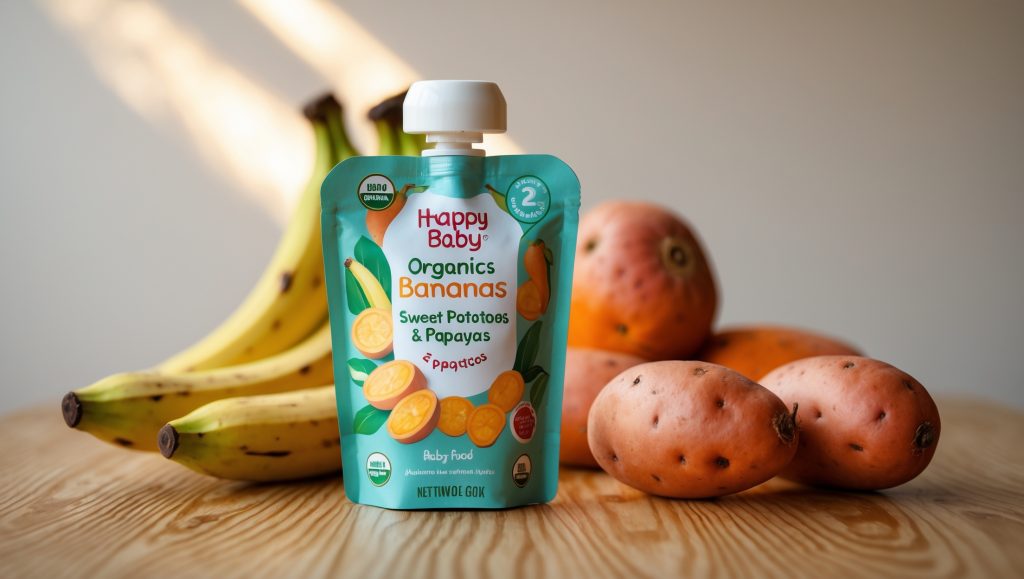
For parents navigating the world of first foods, selecting a nutritious, appealing, and convenient baby food can feel overwhelming. The Happy Baby Organics Stage 2 Bananas, Sweet Potatoes & Papayas Pouch is a popular choice among U.S. families seeking organic, fruit-and-vegetable blends for babies ready to expand beyond single-ingredient purees. In this review, we take a close look at this colorful pouch—exploring its ingredients, nutritional profile, taste and texture, storage, and how it compares to similar products on the market in 2025. Whether your baby is a first-time eater or already a tiny food explorer, this evidence-informed review aims to support families in making confident, informed choices.
Ingredients & Nutrition
The Happy Baby Organics Stage 2 Bananas, Sweet Potatoes & Papayas Pouch contains a simple ingredient list: organic bananas, organic sweet potatoes, organic papayas, and a touch of ascorbic acid (vitamin C) as a preservative. All ingredients are certified organic, non-GMO, and free from artificial flavors or preservatives.
Nutrition Highlights (per pouch, approx. 113g):
- Calories: 80
- Protein: 1g
- Fat: 0g
- Carbohydrates: 20g
- Fiber: 2g
- Sugars: 12g (naturally occurring)
- Vitamin A: 60% DV
- Vitamin C: 30% DV
- Potassium: 8% DV
This blend offers a balanced profile of vitamins and minerals, with the sweet potato providing beta carotene (for vitamin A) and the fruits contributing potassium, vitamin C, and fiber. There are no added sugars, and the sweetness comes naturally from the fruits and vegetables themselves. The food is suitable for babies ready for Stage 2 foods—generally around 6+ months and showing readiness for purees with more complex flavors and combinations.
Taste & Texture
When it comes to baby food, taste and texture are just as important as nutrition. The Happy Baby Organics Stage 2 Bananas, Sweet Potatoes & Papayas Pouch presents a bright orange color and a smooth, slightly thick consistency that’s ideal for spoon feeding or self-feeding with supervision. The dominant flavor is banana, with sweet potato adding a gentle earthiness and papaya bringing a subtle tropical note. Most parents report that babies respond well to the naturally sweet, mellow taste, and the texture is free from lumps or grittiness.
Some babies may find the flavor combination a little bolder than single-ingredient purees, but for those ready for more variety, this blend can introduce new flavors in a gentle, accessible way. The pouch’s consistency also makes it suitable for mixing into oatmeal or yogurt for older infants or toddlers expanding their palates.
Convenience & Storage
One of the major selling points of the Happy Baby Organics pouch format is its portability and ease of use. The screw-top cap allows parents to reseal and store unused portions in the refrigerator for up to 24 hours. The pouch can be served at room temperature, slightly warmed in a bowl of warm water, or even chilled on hot days, depending on your baby’s preferences. Unlike glass jars, the pouch is lightweight and less prone to breakage, making it ideal for diaper bags, travel, or quick snacks on-the-go.
While the packaging is not yet fully recyclable in all localities, the brand participates in some recycling programs, and families interested in sustainability may wish to explore these options or choose reusable containers for home use.
Pros & Cons
Pros
- Certified organic ingredients with no added sugars or artificial flavors
- Balanced blend of fruits and vegetables for diverse nutrient exposure
- Convenient, resealable pouch ideal for travel and busy families
- Appealing, naturally sweet taste liked by many babies
- Stage 2 texture suitable for babies ready to progress beyond single-ingredient purees
- Available in most major retailers and online in the US
Cons
- Some parents may prefer glass jars or reusable containers for environmental reasons
- Flavor combination may be too adventurous for babies who prefer very mild tastes
- Packaging is not fully recyclable everywhere
- Price per pouch can be higher than homemade purees
Alternatives & Similar Products
For parents seeking variety or comparing other Stage 2 organic blends, several alternatives are widely available in 2025:
- Gerber Organic 2nd Foods Banana, Mango & Sweet Potato – Similar fruit and veggie profile with a milder mango flavor.
- Once Upon a Farm Organic Sweet Potato, Mango & Coconut – Dairy-free, coconut-based blend for a creamy texture.
- Beech-Nut Organics Pear, Pumpkin & Banana – Gentle flavor profile, available in glass jars for those seeking recyclable packaging.
- Earth’s Best Organic Carrot, Sweet Potato & Pea – Heavier on vegetables for a less sweet, more savory option.
Each of these options offers slightly different flavors, textures, and packaging—allowing families to experiment and find favorites for their child’s preferences and dietary needs.
Verdict
The Happy Baby Organics Stage 2 Bananas, Sweet Potatoes & Papayas Pouch stands out as a wholesome, accessible, and baby-friendly option for families seeking to introduce a variety of flavors and nutrients. Its organic ingredients, naturally sweet taste, and convenient packaging make it a parent favorite in 2025. While the pouch format may not suit every family’s environmental priorities, and the flavor may be bold for some new eaters, most babies and toddlers respond well to the blend. For parents looking to expand their baby’s palate with confidence and ease, this pouch earns high marks for both nutrition and convenience.
FAQ
+Is this baby food suitable for babies with allergies?
+Can I use this pouch for baby-led weaning?
+How should I store opened pouches?
+Is the pouch packaging recyclable?
+Does this pouch contain added sugars?
+Can I travel with these pouches?
+Is this product suitable for vegetarians or vegans?
+Where can I buy Happy Baby Organics pouches?

Happy Baby Organics Stage 2 Bananas, Sweet Potatoes & Papayas Pouch shines as a thoughtfully crafted choice for parents seeking nutritious and flavorful options for their little ones. This blend brings together the sweetness of ripe bananas, the earthy richness of sweet potatoes, and the tropical flair of papayas, creating a taste profile that’s both appealing and adventurous for babies developing their palates. With organic ingredients and no added sugars or artificial flavors, parents can feel confident about what’s inside each pouch. The texture is smooth, making it easy for babies transitioning to more complex foods. The convenient, resealable pouch is perfect for busy families on the go, offering a mess-free way to feed your baby at home or out and about. Happy Baby Organics also prioritizes transparency in sourcing and nutrition, which resonates with health-conscious parents. Overall, this Stage 2 pouch delivers a harmonious blend of flavor, nutrition, and practicality—an excellent option for nurturing your baby’s curiosity and healthy growth.
- Organic ingredients support healthy development
- Balanced flavor introduces new foods gently
- Convenient pouch ideal for travel and outings
- No added sugars or artificial additives
My toddler is super active and loves exploring different textures and flavors during mealtimes. Is the texture of the Happy Baby Organics Stage 2 pouch smooth enough for sensory-sensitive kids, or would you recommend mixing it with other foods for more variety?
It’s wonderful that you’re mindful of your toddler’s sensory experiences at mealtimes. The Happy Baby Organics Stage 2 pouch has a very smooth, pureed texture, which is often well-tolerated by sensory-sensitive children around 6 months and older. If your toddler is seeking more texture or variety, you could mix the puree with a small amount of mashed banana or soft-cooked sweet potato, gradually increasing texture as they’re ready. Always supervise to ensure safe swallowing, especially as you add new foods. This isn’t medical advice; if you have ongoing concerns about texture sensitivities or swallowing, your pediatrician can offer more tailored guidance.
I noticed this pouch blends banana, sweet potato, and papaya. For babies who show sensitivity to new flavors or bolder tastes, is it better to introduce each ingredient separately first before giving this combination?
You’re right to be thoughtful about introducing new flavors, especially for babies sensitive to tastes. Start by offering each ingredient—banana, sweet potato, and papaya—one at a time over several days, watching for any reactions. This makes it easier to spot sensitivities or allergies. Once your baby has tried each food separately without issues, you can offer the pouch blend. For younger babies (around 6 months), single-ingredient purees are safest at first. Always supervise and check textures for age-appropriateness. This isn’t medical advice; if you’re concerned, check in with your pediatrician.
My baby prefers chunkier textures lately and seems to be getting bored with super smooth purees. Is it possible or advisable to mix this Stage 2 pouch with mashed foods or soft solids, or would that alter the nutritional balance?
It’s normal to notice your baby getting curious about new textures as they grow. You can safely mix this Stage 2 pouch with age-appropriate mashed foods like banana, avocado, or cooked sweet potato to introduce more texture. Start by blending a small amount of mashed food into the puree until you find a consistency your baby likes. Always supervise your baby during meals and check that food pieces are soft and small enough to prevent choking. Combining the pouch with whole foods may slightly change the nutritional profile, but it’s usually safe if you offer a variety of healthy options. This isn’t medical advice; if you have concerns, please consult your pediatrician.
I noticed the pouch can only be stored for 24 hours once opened—what’s the safest way to transport partially used pouches during a busy day out with my toddler?
You’re right to think about safe storage when you’re on the go with your toddler. After opening the pouch, transfer any leftovers into a clean, airtight container or keep the original cap tightly closed. Place it in an insulated cooler bag with an ice pack to maintain a cold temperature. Try to use the rest of the pouch within 24 hours and discard any uneaten portions that have been left out for more than 2 hours. Always check the texture and smell before serving to your child. This isn’t medical advice; if you’re concerned, check in with your pediatrician.
I noticed this pouch has a bit of a bolder taste than single-ingredient purees. If my nine-month-old is still struggling with bedtime after giving up the second nap, would offering this flavor closer to dinner be too stimulating, or could it be a good option for her evening meal?
It’s understandable to wonder how new flavors might affect your baby’s evening routine, especially with recent nap changes. At nine months, most babies can enjoy bolder blends like this one at dinner, as long as they tolerate the ingredients well. Try offering a small amount at dinner and watch for any signs of overstimulation or digestive discomfort. Keep the rest of her bedtime routine calm and predictable to help her wind down. Always supervise meals to ensure safety, and avoid introducing new foods right before bedtime in case of any reaction. This isn’t medical advice; if you’re concerned, check in with your pediatrician.
If I want to stretch my budget and avoid waste, do you see any issues with splitting a pouch between two meals within a day, especially when both twins have unpredictable appetites?
It’s smart to think about ways to reduce waste and manage your twins’ changing appetites. Once you open a pouch, you can safely refrigerate any unused portion right away and use it within 24 hours, as long as you squeeze it onto a clean spoon or bowl and avoid letting mouths or fingers touch the opening. Always check the texture and smell before the second serving. For infants under one, this approach works well, provided you follow safe storage and hygiene. This isn’t medical advice; if you have concerns about storage or your twins’ nutrition, please consult your pediatrician.
With budget in mind, I’m curious if there are similar organic pouches that compare well with this one, or tips for making a homemade version that’s just as nutritious and portable for busy family days?
It’s so thoughtful that you’re considering both nutrition and budget for your little one. For store-bought options, many major brands like Earth’s Best and Plum Organics offer similar organic blends—just check ingredient lists for simple, whole foods and no added sugar. If you’d like to make your own, steam and purée ripe banana, sweet potato, and papaya, then portion into reusable baby food pouches. Make sure everything is smooth to prevent choking, and always supervise babies while eating. Homemade purees let you control ingredients and can be stored in the fridge or freezer for convenience. This isn’t medical advice; if you’re concerned, check in with your pediatrician.
If my toddler sometimes struggles with new textures or flavors, do you have suggestions for introducing this pouch gradually? Could mixing it with something familiar help ease the transition?
It’s understandable to want to make new foods less overwhelming for your toddler. Try offering a small spoonful of the pouch alongside a food your child already likes, such as mixing it with plain yogurt or oatmeal. Start with a tiny amount of the new puree so the familiar taste dominates, then slowly increase the ratio over a few days. Let your toddler explore the pouch with their fingers or a spoon to get used to its texture at their own pace. Always supervise closely and ensure the mix is smooth to avoid choking hazards. This isn’t medical advice; if you’re concerned, check in with your pediatrician.
If my little one doesn’t finish the pouch in one sitting, you mention storing it in the fridge for 24 hours. Does it lose any of its flavor, texture, or nutrients after being refrigerated and served later?
It’s understandable to want the best for your baby’s meals, even if they’re saved for later. When you refrigerate an opened Happy Baby Organics Stage 2 pouch and use it within 24 hours, most of the flavor, texture, and nutrients are well preserved. To help, reseal the pouch tightly, store it upright in the coldest part of your fridge, and make sure to use a clean spoon. Before serving, gently stir or knead the pouch, as some separation is normal. Always check for any unusual smells or changes in appearance before offering it again. This isn’t medical advice; if you’re concerned, check in with your pediatrician.
Do you have any tips for parents whose babies are sensitive to new textures or may gag with thicker purees? I’d like to try this blend but want to make the transition as smooth as possible for my daughter, who’s had mild issues with texture changes.
It’s completely understandable to want the transition to new textures to go gently for your daughter. Start by mixing the Happy Baby Organics Stage 2 blend with a thinner puree your baby already likes, gradually increasing the amount of the new blend over several days. Offer small spoonfuls and let her explore the texture at her own pace—no rush. If she gags, pause and try again later, keeping mealtimes calm and positive. For safety, always supervise closely and watch for signs of true choking. This isn’t medical advice; if you’re concerned, check in with your pediatrician.
As a parent trying to make eco-friendly choices, I’m curious—does Happy Baby use recyclable materials for their pouches and caps? It would be helpful to know how this packaging compares to glass jars or other sustainable baby food options for families wanting to minimize waste.
It’s wonderful that you’re prioritizing eco-friendly choices for your family. Happy Baby Organics pouches use #2 HDPE plastic caps, which are widely recyclable, but the pouches themselves are not curbside recyclable in most areas. Compared to glass jars, which can be recycled or reused almost everywhere, pouches create less packaging weight but more landfill waste. If minimizing waste is your goal, glass jars or reusable containers are a more sustainable option, though always supervise for safety and avoid glass with infants who self-feed. This isn’t medical advice; if you’re concerned, check in with your pediatrician.
My toddler has a mild sensitivity to certain textures and sometimes gags with new foods. For parents using Montessori-style food exploration, does this particular pouch’s texture blend smoothly into oatmeal or yogurt, or does it become watery once mixed?
It’s understandable to want to support your toddler’s texture sensitivities, especially with Montessori-style food exploration. The Happy Baby Organics Stage 2 pouch has a smooth, puree-like texture that generally blends evenly into oatmeal or yogurt. To avoid it becoming too runny, add small spoonfuls at a time, mixing gently and observing the consistency. If your child prefers thicker textures, use less pouch or let the mixture sit briefly so it thickens. Always supervise your toddler during meals, especially when introducing new textures. This isn’t medical advice; if you have ongoing concerns, please check in with your pediatrician.
I saw you mention storing the pouch in the refrigerator for up to 24 hours after opening. Is it still safe to use if my baby has eaten directly from the pouch, or should I transfer the leftovers to a separate container?
You’re right to think carefully about food safety with baby pouches. If your baby has eaten directly from the pouch, bacteria from their mouth can get inside, so it’s safest to use any leftovers within 1–2 hours and then discard them. For longer storage (up to 24 hours in the fridge), squeeze the amount you’ll serve into a clean bowl or spoon, and avoid letting your baby suck directly from the pouch. This helps prevent germs from growing and keeps the food safe for your little one. This isn’t medical advice; if you’re concerned, check in with your pediatrician.
When comparing the cost of regularly buying these organic pouches versus including similar items in a toy or snack subscription box, have you found one option to be more budget-friendly over time for U.S. families?
It’s smart to consider both nutrition and your budget when choosing foods for your baby. Generally, buying organic pouches individually tends to cost more per serving compared to including snacks in a subscription box, especially over several months. If you’re comparing prices, calculate the cost per pouch or snack, and factor in any shipping fees or discounts from subscribing. Also, make sure the snack subscription offers age-appropriate, safe foods without choking hazards for your child’s developmental stage. This isn’t medical advice; if you have concerns about your child’s diet, check in with your pediatrician.
Do you have suggestions for safely storing the pouch after opening? I usually worry about whether the screw cap is secure enough, and I’d like to avoid any contamination or accidental spills if I keep it in the diaper bag while out and about.
It’s completely understandable to want to keep your baby’s food safe and fresh while on the go. After opening the pouch, reseal it tightly with the screw cap and check for a snug fit by gently pressing the pouch. For extra protection, place the pouch in a clean, reusable zip-top bag or a small airtight container to guard against spills and germs. Store it in a cooler bag with an ice pack if you’ll be out for more than an hour, since perishable baby foods should stay chilled. Always label with the date and use within 24 hours. This isn’t medical advice; if you’re concerned, check in with your pediatrician.
If one of my twins is ready for Stage 2 but the other is still mostly on single-ingredient purees, is it okay to introduce this blend gradually, or should I wait until both are showing clear signs of readiness for more complex flavors?
It’s very common for twins to be ready for new foods at different times, and it’s wonderful you’re tuning into each child’s needs. It’s fine to gradually introduce this Stage 2 blend to the twin who’s ready, while continuing single-ingredient purees for the other. Offer small amounts at first and watch for any signs of intolerance or allergies, since this pouch contains multiple fruits and veggies. Make sure your less-ready twin sticks with simpler options until they reliably handle single-ingredient purees and have shown readiness for more complex textures and flavors. Always supervise feeding and watch for choking hazards. This isn’t medical advice; if you have any concerns, check with your pediatrician.
My little one is just turning six months but still seems sensitive to new textures and flavors. Is the consistency of this Stage 2 blend gentle enough for babies who struggled with single-ingredient purees, or should I wait until she is more comfortable with solids?
It’s completely understandable to want a gentle transition for your baby as she explores new foods. The Happy Baby Organics Stage 2 blend is a bit thicker and combines flavors compared to Stage 1 single-ingredient purees, so it may be slightly more complex for sensitive eaters. You might try offering a very small spoonful alongside her familiar purees, watching her cues closely, and spacing out new foods. If she resists, it’s perfectly fine to wait and reintroduce in a few weeks. Always supervise closely and ensure the pouch content is smooth with no lumps. This isn’t medical advice; if you’re concerned, check in with your pediatrician.
I like the convenience of these pouches for travel, but I worry about babies who have sensitivity to new textures or flavors. Have you found that the combination in this blend is generally well accepted by babies with sensory challenges?
It’s great that you’re thinking about both convenience and your baby’s sensory needs. Many babies find purees like this blend smoother and easier to accept, especially if texture is a concern. To help with flavor sensitivity, try offering a tiny taste first and watch your baby’s reaction. You can also mix a small amount with a more familiar food or serve it at room temperature for milder flavors. Always supervise your baby with pouches and introduce new foods one at a time if allergies are a concern. This isn’t medical advice; if you’re concerned, check in with your pediatrician.
I’m curious about the storage. If my baby only eats half the pouch at bedtime, is it safe to use it for the next day’s nap snack, or is the 24-hour window strict? How do you recommend managing leftovers within a busy family routine?
—managing leftovers with a busy schedule can be tricky. Once a pouch is opened and your baby has eaten directly from it, bacteria from their mouth can get inside, so it’s safest to refrigerate any leftovers right away and use them within 24 hours. If you know your baby won’t finish the pouch, squeeze some into a clean bowl or spoon before feeding to avoid contamination. Label leftovers with the date and time opened. Always check for any changes in smell or texture before offering it again. This isn’t medical advice; if you’re concerned, check in with your pediatrician.
Since many pediatricians in the US recommend iron-fortified cereals as a first food mainly for the iron, do you know if there is a need to provide a supplement or offer additional iron sources when using fruit and vegetable purees like this one?
You’re right to be thoughtful about your baby’s iron needs, especially when starting solids. Fruit and vegetable purees like this blend are not significant sources of iron, so it’s important to include iron-rich foods, such as iron-fortified infant cereals, pureed meats, or lentil puree, in your baby’s diet starting around 6 months. Always ensure foods are age-appropriate in texture to prevent choking. If your baby doesn’t eat enough iron-rich foods or you have concerns about their iron status, discuss this with your pediatrician, as they may recommend a supplement. This isn’t medical advice; if you’re concerned, check in with your pediatrician.
We’re comparing our monthly toy subscription costs to our food budget. Do you find that a baby food pouch like this can be an economical option for families who already invest in educational toys, or does the cost add up quickly compared to making purees at home?
It’s thoughtful to consider both nutrition and enrichment in your family budget. Pre-made baby food pouches like Happy Baby Organics are convenient and safe, with careful ingredient sourcing, but their cost per serving is usually higher than homemade purees. If you have time and access to fresh produce, making purees at home can save money, though it does require effort and attention to texture and safety for your baby’s age. For some families, a mix of both—using pouches when busy or traveling, and homemade purees when possible—works well. This isn’t medical advice; if you’re concerned, check in with your pediatrician.
For families preparing meals on the go, are the Happy Baby Organics pouches more durable or leak-proof compared to other brands you have reviewed, especially given the screw-top cap?
It’s understandable to want reassurance about leaks when you’re packing food for outings. The Happy Baby Organics pouches, especially with their sturdy screw-top cap, generally hold up well compared to most other brands I’ve reviewed. To minimize risk: 1) Always check the pouch for puffiness or damage before packing. 2) Store upright in a cooler bag if possible. 3) Supervise little ones during self-feeding, as squeezing too hard can still cause spills. These pouches are designed for babies starting solids (often around 6 months), but always watch for choking hazards with caps. This isn’t medical advice; if you’re concerned, check in with your pediatrician.
The article mentions you can store the opened pouch in the fridge for up to 24 hours. If my toddler doesn’t finish the pouch in that time, is it safe to freeze the rest and thaw it later, or is freezing not recommended for this product?
It’s great that you’re being careful about food safety for your toddler. Freezing commercially prepared baby food pouches, like this one, isn’t usually recommended by manufacturers because freezing can affect the texture and possibly the nutrient quality. If your toddler doesn’t finish the pouch within 24 hours after opening and refrigerating it, it’s safest to discard the remainder. Always check for changes in smell or texture before serving. This isn’t medical advice; if you’re concerned, check in with your pediatrician.
Would this specific blend be suitable for a baby who is closer to 12 months but still prefers smoother purees, or should I look for more textured options at that stage?
It’s understandable to want the right texture for your baby’s stage. At 12 months, many babies are starting to try chunkier foods, but it’s also normal for some to prefer smoother purees a bit longer. This Happy Baby blend is safe and age-appropriate if your child still enjoys smooth textures. You can gradually introduce soft mashed foods alongside purees to encourage chewing skills, watching closely for readiness and safety. Always supervise meals and check for potential allergens. This isn’t medical advice; if you’re concerned, check in with your pediatrician.
If I mix the Happy Baby Organics pouch into oatmeal or yogurt, do you have any tips on how much to use so it doesn’t get too runny? I want to make sure it stays appetizing for my toddler.
It’s great that you want to keep your toddler’s meals appetizing and enjoyable. Start by adding just one or two spoonfuls of the Happy Baby Organics pouch to the oatmeal or yogurt and mix well, checking the texture as you go. If it looks too runny, add more oatmeal or yogurt to thicken it up. For toddlers, a thicker consistency is safer and easier to manage, reducing the risk of choking. Always supervise meals and adjust portions to your child’s preference. This isn’t medical advice; if you’re concerned, check in with your pediatrician.
Since this pouch contains a variety of flavors and textures, do you have any suggestions for how to introduce it to babies who are a little hesitant with new tastes? I’d love tips for encouraging exploration without overwhelming my little one.
It’s wonderful that you want to gently encourage your baby’s curiosity about new flavors. Start by offering just a teaspoon on a familiar spoon, letting your baby touch and smell the puree first. You can model tasting by pretending to enjoy it yourself, which builds trust. Try mixing a small amount with a flavor your baby already likes to make the transition easier. Keep mealtimes calm and low-pressure, and if your baby turns away, pause and try again another day—repeated, relaxed exposure often helps. Always supervise and check for any allergic reactions. This isn’t medical advice; if you’re concerned, check in with your pediatrician.
Is it safe to warm this pouch directly in a bowl of warm water, or would you recommend transferring it to another container before heating? I want to make sure I’m serving it at the right temperature for my baby.
It’s wonderful that you’re mindful about serving your baby food safely. Warming the pouch by placing it in a bowl of warm (not hot) water is a common and generally safe method—just be sure the water is not boiling, and never microwave the pouch, as it can cause uneven heating. Before serving, always knead the pouch and test the puree’s temperature on your wrist to ensure it’s not too hot. If you prefer, you can transfer the puree to a clean bowl and heat gently. Always supervise your baby during feeding. This isn’t medical advice; if you’re concerned, check in with your pediatrician.
My toddler sometimes refuses new textures at daycare, even if she eats them at home. Do you have advice for introducing this pouch blend in a group setting, especially since it has a slightly thicker texture than what she’s used to?
It’s understandable to feel frustrated when your toddler accepts foods at home but resists them in new settings. To help her try this thicker pouch blend at daycare, you might start by practicing with it together at home during pretend ‘daycare’ meals to build familiarity. Ask daycare staff to offer the pouch in a calm, low-pressure way, perhaps alongside a food she already enjoys. If allowed, send the pouch in her favorite cup or spoon for comfort. Because the blend is slightly thicker, closely supervise to ensure safe swallowing, and let her explore it at her own pace. This isn’t medical advice; if you’re concerned, check in with your pediatrician.
You mentioned this blend is suitable from around six months. Would this pouch still be a good snack option for a toddler, or should I start looking for foods with a chunkier texture?
—it’s understandable to want to meet your toddler’s changing nutritional and developmental needs. For older babies and toddlers, offering foods with more texture helps support their chewing skills. You can still use this pouch as an occasional snack, especially on-the-go, but try to introduce chunkier foods at mealtimes, like soft-cooked veggies, small pieces of fruit, or mashed foods with lumps. Always supervise your toddler to prevent choking, and avoid foods that are hard or round. This isn’t medical advice; if you’re concerned, check in with your pediatrician.
Does this blend have enough protein and substance to serve as a full snack at daycare, or should I pair it with something like yogurt or cereal to keep my child satisfied until the next meal?
You’re wise to think about keeping your child full and energized between meals. Happy Baby Organics Stage 2 Bananas, Sweet Potatoes & Papayas is mainly fruits and veggies, so while it offers vitamins and fiber, it’s naturally low in protein and fat. For a more satisfying snack, consider pairing it with plain yogurt (for protein and calcium), or mixing in a small portion of infant cereal if your child is developmentally ready. Always supervise snack times and check for any allergies. This isn’t medical advice; if you’re concerned, check in with your pediatrician.
If my baby is a little older, around 11 months, and we’re doing some Spanish vocabulary at bedtime, do you think this Stage 2 pouch still works as a part of the wind-down, or is it better as a snack earlier in the day?
It’s wonderful that you’re bringing Spanish vocabulary into your bedtime routine and thinking about your baby’s nutrition. At 11 months, your child may be ready for more textured foods, but the Stage 2 pouch is still safe and age-appropriate if chewed or swallowed easily. For bedtime, a light snack like this pouch can work if your baby is hungry, but some little ones sleep better with a snack earlier in the evening to allow time for digestion. If you use it at bedtime, supervise for safety and watch for any changes in sleep or digestion. This isn’t medical advice; if you’re concerned, check in with your pediatrician.
My toddler is starting potty training and sometimes snacks on purees like this Happy Baby pouch during the day. Would the natural sugars in this blend affect our potty training routine or make bathroom trips more frequent?
It’s understandable to wonder how your child’s snacks might impact potty training. The natural sugars in the Happy Baby Organics Stage 2 pouch, mainly from fruits like bananas and papayas, are unlikely to cause major changes in potty habits for most toddlers if eaten in moderation. Offer the puree as part of a balanced diet and monitor your child’s individual reactions. Encourage regular bathroom visits rather than waiting for cues, as some children may urinate more often with extra fluids or certain foods. Always supervise young children with pouches to prevent choking. This isn’t medical advice; if you’re concerned, check in with your pediatrician.
Are there any tips for introducing this more complex flavor blend to a toddler who is used to very plain foods and sometimes resists new textures or combinations?
It’s understandable to want to help your toddler feel comfortable with new flavors and textures. Start by offering a very small taste on a spoon alongside a familiar favorite, and celebrate even tiny tries. You can mix a little of the Happy Baby Organics pouch into foods your child already likes, gradually increasing the amount over time. Let your toddler explore the pouch with their senses—smelling, touching, or even playing with the puree under supervision. Remember, repeated gentle exposure often helps; it may take several tries before acceptance. Make sure to supervise and watch for any signs of allergies. This isn’t medical advice; if you’re concerned, check in with your pediatrician.
Since this pouch contains both fruits and veggies, do you have any advice on how to incorporate it into a daily feeding routine? Should it be paired with other foods, or can it serve as a complete snack on its own?
It’s great that you’re thinking carefully about how to include balanced foods in your child’s diet. For babies around 6+ months, this pouch works nicely as a snack or part of a meal, but it’s not a complete meal by itself. You can offer it alongside iron-rich foods like mashed beans or fortified cereals, since iron is important at this age. If using it as a snack, watch portion sizes and supervise for safe swallowing. Rotate with other flavors and textures to support varied eating. This isn’t medical advice; if you’re unsure about your child’s needs, check in with your pediatrician.
My baby is really sensitive to strong flavors and new textures. Do you have any suggestions for introducing pouches like this that combine several ingredients, or should I mix it with something plainer at first to help him adjust?
It’s completely normal to want to ease your sensitive baby into new flavors and textures. You could start by offering a tiny spoonful of the pouch alongside a familiar single-ingredient puree, like plain banana or sweet potato. If the combination feels too bold, try mixing a small amount of the pouch with the plainer food to dilute the new flavors. Go slowly, watching for your baby’s reactions, and always supervise to be sure he handles the texture safely. Babies around 6 months can try blended pouches, but every child is different. This isn’t medical advice; if you’re concerned, check in with your pediatrician.
My toddler has some language delays and tends to be sensitive to new textures. Would mixing this Happy Baby pouch into oatmeal, as you mentioned, be a gentle way to introduce the blend without overwhelming him? Do you have other simple ideas for gradually trying new flavors together?
It’s thoughtful to consider your toddler’s sensitivities as you introduce new foods. Mixing the Happy Baby pouch into oatmeal is a gentle way to blend familiar and new textures, making it less overwhelming. Start with a small amount of the pouch mixed in, and gradually increase as your child gets comfortable. You could also try spreading a thin layer on toast fingers or stirring a little into unsweetened yogurt. Always supervise your toddler to ensure safe eating, and follow their cues for readiness. This isn’t medical advice; if you’re concerned, check in with your pediatrician.
If my baby is not a fan of cereal textures but I’m concerned about making sure they get enough iron, can blends like the Happy Baby Organics pouch meet those needs, or should I be adding something else to their diet?
It’s great that you’re thinking about your baby’s iron needs, especially if they’re not into cereal textures. Many fruit and veggie pouches, including the Happy Baby Organics blend, are not significant sources of iron. You might try offering pureed meats, beans, or iron-fortified purees, which can be mixed into pouches or served on their own. For babies around 6 months and older, these options are generally age-appropriate, but always watch for texture and allergens. This isn’t medical advice; if you’re concerned, check in with your pediatrician.
I try to encourage my daughter to try new textures by mixing baby food purees into pretend tea parties with her play dishes. Is this blend thick enough to scoop with toddler spoons for pretend serving, or does it become too runny once opened?
It’s wonderful that you’re making trying new foods playful and inviting for your daughter. The Happy Baby Organics Stage 2 Bananas, Sweet Potatoes & Papayas blend is on the smoother, thinner side, so it may be a bit runny for scooping with toddler spoons, especially once opened and stirred. To help, you could chill the pouch in the fridge, which may thicken it slightly, or mix in a bit of baby oatmeal to create a more scoopable texture. Always supervise closely to ensure safe tasting and avoid choking hazards. This isn’t medical advice; if you’re concerned, check in with your pediatrician.
I like the idea of bringing pouches on-the-go, but if a pouch is opened and then left out at room temperature for a little while before refrigeration, does that impact its safety for later use?
You’re right to be mindful about food safety for your little one. Once opened, baby food pouches like the Happy Baby Organics blend should be refrigerated right away if not finished, as bacteria can quickly grow at room temperature. If a pouch has been left out for more than 1–2 hours, it’s safest to discard it, especially for babies under 1 year old. Always check the pouch for any change in smell, color, or texture before use. This isn’t medical advice; if you’re concerned, check in with your pediatrician.
I noticed the pouch has a screw-top cap for resealing, but I’m a bit worried about choking hazards with small parts like this. Do you know if the cap is designed to be child-safe, or should I be extra cautious when using it around my baby?
You’re thoughtful to think about choking risks with packaging like screw-top caps. Most baby food pouches, including the one you mentioned, use larger caps that are harder to swallow and often meet child-safety standards, but they can still pose a risk for babies and toddlers. Always keep the cap out of reach during feeding, and supervise your baby while eating. Discard the cap immediately after opening if your child is especially curious. For little ones under three, extra caution is wise. This isn’t medical advice; if you’re concerned, check in with your pediatrician.
Our pediatrician recommended we watch for added sugars. I see the sugar here is all naturally occurring, but is the 12 grams in one pouch typical for stage 2 foods, or is it on the higher side?
You’re right to be thoughtful about sugars at this stage. For Stage 2 baby foods, 12 grams of natural sugar per pouch is a bit higher than average, since most blends range from about 6 to 10 grams per pouch—often depending on the fruits used. The blend you mentioned includes banana and papaya, which both naturally contain more sugar. If your baby is otherwise eating a variety of lower-sugar foods (like veggies, grains, proteins), an occasional pouch like this is usually fine. As always, this isn’t medical advice; check with your pediatrician if you’re unsure about your baby’s diet.
My little one is easily overwhelmed by new textures first thing in the morning. Do you think the texture of this particular pouch would be suitable for a baby with mild sensory sensitivities, or should it be mixed with something else?
It’s completely understandable to want mornings to feel gentle for your baby, especially with sensory sensitivities. This pouch is pureed very smoothly, making it easier for most babies to accept, but every child is different. You might offer a very small taste first and watch your baby’s reaction, or mix a bit of the pouch with their usual cereal, yogurt, or milk to create a more familiar, thinner texture. Always supervise closely and avoid adding mix-ins that are not age-appropriate or could be allergenic. This isn’t medical advice; if you’re concerned, check in with your pediatrician.
The review mentions storing an opened pouch for up to 24 hours. If I portion part of it into a small bowl for a meal, is it still safe to refrigerate the rest of the pouch for the next day?
It’s great that you’re thinking about safe handling for your baby’s food. If you squeeze some puree into a clean bowl (without letting your baby’s spoon touch the pouch opening), you can safely refrigerate the rest of the unopened pouch for up to 24 hours. Be sure to reseal the pouch tightly and store it in the refrigerator right away. If your baby’s spoon touches the pouch opening, it’s best to use the rest within the same meal to avoid bacteria growth. This isn’t medical advice; if you’re concerned, check in with your pediatrician.
Do you have recommendations for introducing this blend to a baby who has shown sensitivity to the smell or texture of papaya in the past? I want to expand her palate but not cause extra mealtime stress.
It’s so thoughtful that you want to expand your baby’s palate while respecting her sensitivities. Start by offering a small amount of the Happy Baby Organics pouch on a spoon, mixing it with a familiar puree your baby already likes to dilute the papaya flavor and smell. Allow her to explore the food with her hands if she seems hesitant—sometimes touching helps build comfort. Watch for any signs of discomfort and pause if needed; there’s no rush. This blend is appropriate for most babies starting solids, but always supervise closely, especially with new ingredients. This isn’t medical advice; if you’re concerned, check in with your pediatrician.
Do you have any tips for storing leftover baby food pouches beyond just refrigerating for 24 hours? I sometimes end up with open pouches and wonder if freezing is safe or affects the texture.
It’s great that you’re thinking about food safety and reducing waste with your baby’s pouches. If you want to store leftovers beyond the standard 24 hours in the fridge, you can freeze the puree: transfer it from the pouch into a clean, airtight container or silicone baby food tray to avoid freezer burn and contamination. Label with the date and use within 1–2 months for best quality. Thaw in the fridge overnight, not at room temperature, and give it a good stir, as freezing may slightly change the texture (sometimes making it a bit more watery). Always check for any signs of spoilage before serving. This isn’t medical advice; if you’re concerned, check in with your pediatrician.
If my little one is still getting used to stage 2 foods but isn’t quite six months old yet, is it better to start with this blend, or should I stick with single-ingredient options for a bit longer?
It’s understandable to want the best start for your baby as they explore new flavors. For babies under six months or just starting solids, it’s generally safest to introduce single-ingredient purees first, so you can watch for any reactions and help your little one adjust to new tastes and textures. Once your baby is comfortably tolerating a few single ingredients, you can slowly introduce gentle blends like the Happy Baby Organics pouch. Always supervise feedings and watch for any signs of allergies or gagging. This isn’t medical advice; if you’re unsure or have concerns, check in with your pediatrician.
For families trying to cut down on the number of products at home, is this Stage 2 pouch versatile enough to be used in different meals, like breakfast or snacks, or would you recommend it only for specific times of day?
It’s great that you’re thinking about simplifying mealtime routines while meeting your baby’s needs. The Happy Baby Organics Stage 2 pouch is versatile for most babies around 6 months and older, as long as they’re ready for purees. You can mix the pouch contents into oatmeal for breakfast, serve it as a standalone snack, or stir it into plain yogurt for extra flavor and nutrients. Always supervise during mealtimes and check for any allergies to the ingredients. This isn’t medical advice; if you have specific concerns about your baby’s nutrition, reach out to your pediatrician.
My toddler is just starting to get adventurous with flavors and textures, but sometimes he struggles with thicker purees. How does the consistency of this pouch compare to other Stage 2 blends, and is it easy to thin out if needed?
It’s great that you’re supporting your toddler as he explores new flavors and textures. The Happy Baby Organics Stage 2 Bananas, Sweet Potatoes & Papayas pouch has a smooth yet slightly thicker consistency typical of Stage 2 blends, but it’s not as dense as some others with grains or meats. If your child prefers a thinner texture, you can mix in a small amount of breast milk, formula, or water, stirring well until you reach the right consistency. Always supervise for safe swallowing, and check the temperature and texture before serving. This isn’t medical advice; if you’re concerned, check in with your pediatrician.
My toddler is pretty sensitive to new textures and sometimes refuses foods if they feel even a bit gritty. Based on your review, would this pouch’s smoothness likely make it toddler-friendly for kids who are picky about textures?
It’s completely understandable to be concerned when your toddler is sensitive to textures. According to the review, Happy Baby Organics Stage 2 Bananas, Sweet Potatoes & Papayas Pouch is described as very smooth and creamy, which could make it suitable for toddlers who dislike gritty or lumpy foods. You might try offering a small amount on a spoon first to see how your child reacts, and serve it at room temperature for the gentlest texture. Always supervise your toddler while eating and check the pouch for any inconsistencies before serving. This isn’t medical advice; if you notice ongoing feeding issues, please consult your pediatrician.
If we like to alternate between different brands and flavors for bedtime snacks, how does the Happy Baby Organics pouch compare in terms of calming flavors and ease of digestion compared to similar organic options on the market?
It’s wonderful that you’re thinking carefully about soothing, nutritious bedtime snacks. The Happy Baby Organics Stage 2 Bananas, Sweet Potatoes & Papayas pouch offers mild, naturally sweet flavors from banana and sweet potato, which many babies find calming before bed. The pureed texture and simple ingredient list make it gentle on little tummies, comparable to other organic blends like Earth’s Best or Plum Organics. Always check for any new ingredient sensitivities and, for children under one, supervise for swallowing safety. Every baby is different, so watch how your child responds to each new pouch. This isn’t medical advice; if you’re concerned, check in with your pediatrician.
If my baby is not a big fan of bold flavors yet, do you suggest introducing this banana, sweet potato, and papaya blend gradually, or is it best to jump right in with full servings?
It’s understandable to want your baby’s first flavor experiences to go smoothly. For little ones who are still warming up to new or bolder tastes, try offering just a small spoonful of the Happy Baby Organics blend alongside familiar foods, then slowly increase the amount over several days. Watch your baby’s reactions, and don’t worry if it takes several tries—babies often need repeated exposure to accept new flavors. Always supervise, and check that the texture suits your baby’s developmental stage. This isn’t medical advice; if you’re concerned, check in with your pediatrician.
The flavor combination sounds interesting, but I’m curious if you’ve noticed any babies having a reaction to papaya, since it’s less common in baby food. Is there anything I should look out for when offering it to a child for the first time?
It’s thoughtful to check for possible reactions when offering a new ingredient like papaya. When introducing papaya, offer a small amount first, and watch for signs of allergy such as rash, vomiting, diarrhea, swelling, or trouble breathing during and after eating. For babies under 6 months, consult your pediatrician before introducing new foods. Make sure the texture is appropriate for your child’s age and always supervise during feeding. As with any new food, introduce only one new item at a time so you can spot any reactions easily. This isn’t medical advice; if you’re concerned, check in with your pediatrician.
My toddler occasionally helps himself to his sister’s pouches, so I am curious if this blend is suitable for older children or if there is a recommended age range to stop offering Stage 2 foods?
It’s understandable to wonder if Stage 2 pouches like this one are okay for older kids. While the blend is safe for toddlers and even preschoolers, Stage 2 purees are designed for babies around 6–12 months who are learning to eat solids. For older children, offer the pouch as an occasional snack rather than a meal, and encourage more textured foods to support chewing skills. Always supervise to prevent choking, especially if your child tends to suck down pouches quickly. This isn’t medical advice; if you have concerns about your child’s nutrition or feeding behaviors, check in with your pediatrician.
My baby is just turning 6 months and starting purees. Would you recommend introducing this multi-ingredient blend right away, or is it better to stick with single-ingredient options a bit longer?
It’s wonderful that you’re thinking carefully about your baby’s introduction to solids. For most babies just starting purees at 6 months, it’s usually best to begin with single-ingredient foods—this can help you spot any potential allergies or sensitivities. Try offering one new food at a time, waiting 3–5 days before introducing another. Once your baby has tolerated several single ingredients like banana or sweet potato, you can move to blends like the Happy Baby Organics Stage 2 pouch. Always supervise your baby during meals and check the pouch for any allergens. This isn’t medical advice; if you’re concerned, check in with your pediatrician.
I noticed you mentioned no added sugar, but with the fruit content, is there any worry about the naturally occurring sugars affecting baby’s taste preferences compared to introducing more veggie-forward blends?
You’re right to think about how early foods can shape your baby’s taste preferences. Naturally occurring sugars in fruits can make purees taste sweeter, so it’s wise to balance fruit blends like this one with veggie-forward options. Try offering plain or mildly flavored vegetable purees a few times a week, serving new veggies when your baby is calm and hungry, and repeating exposures—babies often need several tries to accept less sweet tastes. For safety, always supervise during feeding and check for any signs of allergies. This isn’t medical advice; if you’re concerned, check in with your pediatrician.
My toddler is starting to want what everyone else is eating. How adaptable is this pouch for mixing into older kids’ snacks or meals, and do you have suggestions for making it more appealing to a picky eater on the go?
It’s natural to want your toddler to feel included at mealtimes. You can mix the Happy Baby Organics pouch into yogurt, oatmeal, or smoothies for older kids, or use it as a topping for pancakes or waffles. To make it more fun for picky eaters, try serving the puree with whole-grain crackers for dipping, or freeze small dots to create colorful, melt-in-the-mouth bites. Always supervise your child to prevent choking, and be mindful of any food allergies. This isn’t medical advice; if you’re concerned, check in with your pediatrician.
For families with older infants or toddlers, have you found that mixing this pouch into foods like oatmeal or yogurt really helps reduce mess and the number of separate jars or toppings needed at mealtime?
You’re looking to simplify mealtime while minimizing mess—such a helpful goal with busy toddlers. Mixing Happy Baby Organics Stage 2 pouches into oatmeal or yogurt can be a great way to add nutrition, flavor, and moisture, often cutting down on extra toppings and dirty dishes. For older infants and toddlers, be sure the foods are the right texture and temperature, and supervise to prevent choking. Start with small amounts to see what your child enjoys. Remember, this isn’t medical advice; if you have feeding concerns, it’s wise to check in with your pediatrician.
My family has a history of food allergies, so I am being careful with every new food for my 9-month-old. For parents who are cautious, would you recommend introducing this banana, sweet potato, and papaya mix at home, or is it better to try each fruit and vegetable separately before combining them in a blend?
You’re wise to be cautious about food introductions with a family history of allergies. For your 9-month-old, it’s generally safest to introduce new foods—like banana, sweet potato, and papaya—one at a time over several days, watching closely for any reactions before offering a mixed blend. This helps clearly identify any potential allergy and keeps things simple if a reaction occurs. Once you know your baby tolerates each ingredient, you can confidently offer the Happy Baby Organics blend. Always supervise your baby during feeding, and remember that textures in purees should be appropriate for your baby’s developmental stage. This isn’t medical advice; if you notice any reactions or have concerns, check in with your pediatrician.
With this pouch having a naturally sweet taste from bananas and papaya, do you think serving it as an afternoon snack could affect a baby’s nap routine due to the natural sugars, or is it best offered alongside a meal?
It’s thoughtful of you to consider how snacks may impact your baby’s nap routine. The natural sugars in bananas and papaya are much milder than added sugars, but some sensitive babies might become a bit more alert after a sweet-tasting snack. To support steady energy, you could try serving the pouch as part of a meal (like lunch) rather than right before naptime. If you want to offer it as a snack, give it at least 30–60 minutes before the nap and watch how your baby responds. Every child is different, so a little observation goes a long way. This isn’t medical advice; if you’re concerned, check in with your pediatrician.
How does this product compare with similar Stage 2 pouches in terms of cost per serving and convenience for on-the-go meals? We travel often and I’m hoping to find something budget-friendly and easy to pack.
It’s great that you’re considering both cost and convenience for your travels. Happy Baby Organics Stage 2 pouches are generally similar in price per serving to other organic brands like Plum or Earth’s Best, but you might find a slight premium for the certified organic ingredients. Convenience-wise, these pouches have a resealable cap and a sturdy design, making them safe and easy to use on the go for babies 6 months and up. For budget, buying multi-packs can help save, and always check expiration dates when packing. This isn’t medical advice; if you have concerns about nutrition or allergies, check in with your pediatrician.
My baby seems to prefer soft cereal textures to purees—do you have any tips for introducing fruit and veggie blends like this for babies who hesitate with new flavors or slightly different consistencies?
It’s completely normal for babies to have preferences about texture and taste as they explore new foods. To help your baby get used to fruit and veggie blends like the Happy Baby Organics pouch, try mixing a small amount of the puree into their favorite cereal to create a familiar texture. Gradually increase the ratio of puree as your baby gets comfortable. You can also offer the blend on a preloaded spoon so your baby can self-feed at their own pace. Always supervise mealtimes and ensure the texture is appropriate to avoid choking hazards. This isn’t medical advice; if you’re concerned or unsure, check in with your pediatrician.
If my baby only takes a few spoonfuls during our early morning routine, can I safely refrigerate the rest until the next day, or is there a point where the flavor or safety declines even within 24 hours?
You’re being wonderfully attentive to both your baby’s nutrition and safety. Once a pouch like Happy Baby Organics Stage 2 has been opened and your baby has eaten from it, it’s best to refrigerate the remainder right away and use it within 24 hours. Some babies are sensitive to flavor or texture changes after refrigeration, so you might notice a slight difference—warming it gently can help. Always check for any off smells or changes before serving again. For babies under one year, extra caution is wise because of their developing immune systems. This isn’t medical advice; if you’re ever unsure, your pediatrician is the best resource.
Is the flavor combination of banana, sweet potato, and papaya generally well-liked by older toddlers, or should I expect a little resistance compared to more traditional flavors when introducing this pouch during travel?
It’s understandable to wonder how your older toddler will react to a new flavor mix, especially during travel. Many toddlers enjoy the natural sweetness of banana and sweet potato, but papaya is less familiar and may get mixed reactions. Try offering a small taste at home first, so it’s not brand new on the road. Serve it chilled if your child prefers cold foods, and use positive language about trying something new. For ages 12 months and up, supervision is key to ensure safe eating, and always check for allergy concerns. This isn’t medical advice; if you’re concerned, check in with your pediatrician.
With all the options for baby food pouches out there, how does the Happy Baby Organics Stage 2 pouch compare when it comes to packaging safety, especially regarding choking hazards or small detachable parts?
You’re right to prioritize safety with baby food packaging. The Happy Baby Organics Stage 2 pouch is designed with a larger, tamper-evident cap that’s harder for babies to swallow, helping reduce choking risks. Always keep the cap out of your child’s reach and supervise closely during use. Before offering, check the pouch for punctures or swelling to avoid spoiled contents. For babies just starting solids, squeeze the puree into a spoon rather than letting them suck directly, further minimizing choking chances. This isn’t medical advice; if you’re concerned, check in with your pediatrician.
Since the dominant flavor is banana, I’m wondering how this blend goes over with babies who are a bit sensitive to new textures or are still adjusting to more complex taste combinations. Does the smooth texture tend to reduce sensory challenges for kids who might be picky about food consistency?
It’s great that you’re tuned into your baby’s reactions to new textures and tastes. This blend offers a very smooth consistency, which can help ease the transition for little ones who are still getting used to solids or who are sensitive to texture changes. Start by offering small spoonfuls, watching for your baby’s cues, and keep portions tiny if they’re hesitant. For babies around 6–8 months, always supervise mealtime and avoid forcing the pouch if your child resists. If your baby does well with banana purées, this blend’s mild, familiar base may help make new flavors less overwhelming. This isn’t medical advice; if you’re concerned, check in with your pediatrician.
My little one is right around 6 months and starting to show more interest in self-feeding. Do you think this pouch is suitable for encouraging spoon practice, or would you recommend waiting until they are a bit older?
It’s wonderful that your little one is interested in self-feeding—this is an exciting stage! At around 6 months, it’s safe to let babies try spoon practice with purees like the Happy Baby Organics Stage 2 pouch, as long as your child is showing signs of readiness (like good head control and interest in food). You can squeeze a small amount onto a shallow baby-safe spoon, then guide their hand as needed. Always supervise closely to prevent choking, and avoid letting your baby suck directly from the pouch at this stage. This isn’t medical advice; if you’re unsure or have concerns, check in with your pediatrician.
Is it possible to introduce the Happy Baby Organics Stage 2 pouch to a baby who is just over 6 months but hasn’t yet tried single-ingredient purees, or would you recommend starting with more basic flavors first for a Montessori-inspired food introduction?
It’s wonderful that you’re thinking carefully about your baby’s first foods and a Montessori-inspired approach. For a baby just over 6 months who hasn’t tried single-ingredient purees, it’s generally recommended to start with one-ingredient foods, such as plain banana or sweet potato. This helps you watch for potential reactions and lets your child explore each flavor and texture at their own pace, which fits well with Montessori principles. Once your baby has tolerated these basics, you can gradually offer more complex blends like the Happy Baby Organics Stage 2 pouch. Always supervise closely and make sure the texture is safe for your baby’s developmental stage. This isn’t medical advice; if you’re concerned, check in with your pediatrician.
My toddler sometimes refuses foods with even a slightly different texture. Based on your review, do you think the consistency of this pouch would be appropriate for a child who is particularly sensitive to lumps or thicker purees?
It’s understandable to be concerned when your toddler is sensitive to food textures. Based on the review, the Happy Baby Organics Stage 2 pouch offers a very smooth, puree-like consistency with no noticeable lumps, which can be helpful for children who are wary of thicker or textured foods. You might try offering a small taste on a familiar spoon in a low-pressure setting, and keep mealtimes calm and positive. Always supervise closely, and check the pouch before serving to ensure the texture hasn’t changed. This isn’t medical advice; if you’re concerned, check in with your pediatrician.
My baby sometimes has trouble with new textures. Is this blend truly smooth and lump-free, and is there any chance the sweet potato or papaya could be stringy or hard to swallow for more sensitive babies?
It’s completely normal to worry about textures if your baby is sensitive or just starting solids. The Happy Baby Organics Stage 2 blend is designed to be smooth and suitable for babies around 6 months and up, with pureed banana, sweet potato, and papaya—all blended to minimize lumps. However, some occasional slight texture from the papaya’s natural fibers is possible, though it’s rare in well-made pouches. Always give a small spoonful first, watching closely for any signs of gagging. If you notice any stringiness or your baby struggles, stop and try a different pouch. This isn’t medical advice; if you’re concerned, check in with your pediatrician.
My baby just turned six months, and we are still mostly doing single-ingredient purees. Would you suggest waiting a bit longer before introducing this Stage 2 blend, or is it appropriate for babies just starting to transition to more complex foods?
It’s great that you’re mindful about introducing new foods to your baby. Around six months, many babies are ready to try Stage 2 blends like the one in this review, but it’s still important to introduce new ingredients gradually and watch for any reactions. You might start by offering one new fruit or vegetable from the blend on its own for a few days before combining, so you can spot any sensitivities. Always supervise your baby during feeding, and check the pouch’s texture to ensure it’s smooth enough for early eaters. This isn’t medical advice; if you’re unsure or your baby has allergies or feeding concerns, check in with your pediatrician.
We are trying to stick to a budget and avoid food waste on trips. Is this Happy Baby Organics pouch usually cost-effective compared to making homemade purees or choosing other store-bought options, considering both nutrition and portion size for a toddler?
It’s great that you’re thinking about both nutrition and budget for your toddler. Ready-made pouches like Happy Baby Organics can be more expensive per ounce than homemade purees, but they offer convenience and less risk of spoilage while traveling. For toddlers, one pouch is usually an age-appropriate portion, and the resealable cap helps reduce waste if your child doesn’t finish it all at once. Store-bought jars or larger tubs might be cheaper, but may require refrigeration and careful portioning. Always check the ingredient list for potential allergens and supervise eating to avoid choking. This isn’t medical advice; if you’re concerned, check in with your pediatrician.
Our baby sometimes struggles with new textures and flavors. For little ones who are hesitant about blended flavors, do you have any advice on gradually introducing this pouch, or should we stick to single-ingredient purees a bit longer?
It’s completely normal to worry when your baby is hesitant with new tastes or textures. If your little one is showing resistance, start by offering a small spoonful of the blend alongside a familiar single-ingredient puree at mealtime. Let your baby explore the pouch at their own pace—smelling, touching, or tasting just a tiny amount. You can also mix a bit of the blend into their favorite puree and slowly increase the ratio over several days. For babies around 6–8 months, it’s fine to experiment with blends, but move slowly if your child seems unsure. Always supervise feeding and watch for any allergic reactions. This isn’t medical advice; if you’re concerned, check in with your pediatrician.
My toddler has started to refuse most veggie purees, but loves anything with banana. Since the main flavor here is banana, do you have any tips for introducing this pouch to a child who’s suspicious of new tastes, especially the sweet potato part?
It’s so common for toddlers to be wary of new flavors, especially veggies, so you’re not alone. You might try offering a small spoonful of the pouch alongside plain banana to help bridge the taste. Mix a little of the pouch into mashed banana, gradually increasing the amount over time. Keep portions tiny and low-pressure, letting your child explore at their own pace. For a bit of fun, let your toddler squeeze or spoon the pouch themselves (with supervision). The smooth texture is age-appropriate, but always watch for any allergy signs. This isn’t medical advice; if you’re concerned, check in with your pediatrician.
Are there any tips for introducing combinations like banana, sweet potato, and papaya to a child who has some mild sensory aversion to mixed textures or stronger flavors?
It’s thoughtful that you’re looking for ways to introduce new blends to a child with sensory sensitivities. Start with single, familiar flavors—like plain banana or sweet potato—before gradually mixing in a small amount of papaya. Offer the blend at room temperature, as extreme cold or heat can heighten strong flavors or textures. Use a familiar spoon and serve just a tiny taste to reduce overwhelm. Watch for any discomfort and let your child set the pace. Always supervise, and remember, it’s okay to revisit combinations later if your child isn’t ready. This isn’t medical advice; if you’re concerned, check in with your pediatrician.
My toddler is closer to 2 and already eats a variety of table foods. Would this pouch still add value to her diet as a travel snack, or is it mostly aimed at younger babies just starting mixed purees?
It’s great you’re thinking about healthy snacks for your adventurous toddler. While this Stage 2 pouch is designed for babies starting mixed purees, it can still be a convenient, nutritious travel snack for older toddlers, especially when you want something mess-free and hydrating. You might offer it alongside finger foods to ensure your child gets enough texture for oral development. Always supervise to avoid choking and check ingredient lists for any new allergens. This isn’t medical advice; if you’re concerned, check in with your pediatrician.
For babies who are just starting Stage 2 foods and might not finish a whole pouch in one sitting, is it okay to save the rest for the next meal? After opening, can it be safely offered again within 24 hours, and do you have tips for minimizing waste?
You’re thoughtful to want to keep your baby’s food safe and minimize waste. For Stage 2 pouches like Happy Baby Organics, once opened, you can refrigerate the unused portion in a clean, airtight container and use it within 24 hours. Always use a spoon to serve rather than feeding directly from the pouch, as saliva can introduce bacteria. Before offering leftovers, check for changes in smell or appearance and discard if in doubt. Only warm the amount you plan to use, and never refreeze thawed or previously warmed food. This isn’t medical advice; if you’re concerned, check in with your pediatrician.
My baby experiences some texture sensitivities. Since the texture of this pouch is described as smooth but slightly thick, would it be suitable for babies who sometimes gag on thicker purees, or is diluting it recommended?
It’s completely understandable to be cautious when your baby has texture sensitivities. If your baby sometimes gags on thicker purees, start by offering a very small amount of the Happy Baby Organics Stage 2 pouch on a spoon and observe their reaction. If the texture seems to be too thick, you can mix in a bit of breast milk, formula, or water to thin it out to a consistency your baby tolerates better. Always supervise closely and go slowly with new textures. This blend is suitable for babies around 6 months and up, but every child is different. This isn’t medical advice; if you’re concerned, check in with your pediatrician.
For parents of toddlers already past the puree stage, could this blend be used in different ways for older kids, or is it mainly meant for young babies? Any bedtime-friendly ideas for serving it?
It’s great that you’re looking for creative, age-appropriate ways to use baby food as your child grows. While Happy Baby Organics Stage 2 pouches are designed for infants, you can safely use the blend with older toddlers by mixing it into oatmeal, stirring it into yogurt, or spreading it on whole grain toast for a bedtime snack. You might even try freezing it in small silicone molds for a soothing sorbet-style treat. Always supervise toddlers closely, especially with new textures, and check ingredients for allergies. This isn’t medical advice; if you have concerns, check in with your pediatrician.
My toddler sometimes gets really energetic after evening snacks. Would serving this pouch before bedtime be likely to affect her sleep, since it has naturally occurring sugars? I’m looking for calmer routines and want to be careful about pre-bed foods.
It’s great that you’re thinking carefully about your toddler’s bedtime routine and how food might affect their sleep. While the Happy Baby Organics pouch does contain naturally occurring sugars from fruit, most toddlers tolerate these in moderation, especially when paired with a balanced diet. To create a calmer pre-bed routine, you could: offer the pouch earlier in the evening rather than right before bed, observe your child’s reaction to it over a few nights, and consider pairing it with a protein-rich snack to slow sugar absorption. Always supervise your toddler during eating for safety. This isn’t medical advice; if you notice ongoing sleep issues or have concerns, it’s best to consult your pediatrician.
I see that the pouch is resealable and can be kept in the fridge for up to 24 hours. Is it okay if my baby eats from the pouch several times in a day, or is it safer to portion it out separately since we are being cautious about cross-contamination?
Your focus on food safety is so important, especially for little ones. To minimize the risk of introducing germs, it’s safer to squeeze the desired amount into a clean bowl for each feeding instead of letting your baby eat directly from the pouch multiple times. Use a clean spoon each time and refrigerate any leftovers promptly, discarding the pouch after 24 hours. This is especially important for babies under 12 months, whose immune systems are still developing. This isn’t medical advice; if you’re concerned, check in with your pediatrician.
We often blend household playtime with snack time. Would it be okay to mix the Happy Baby Organics bananas, sweet potatoes, and papayas pouch into my toddler’s yogurt for a pretend cooking session, or should I stick to using it as a standalone snack?
It’s wonderful that you’re making playtime engaging and fun around food. Mixing the Happy Baby Organics pouch into yogurt for a pretend cooking session is a creative way to encourage exploration, as long as your toddler is already comfortable with the ingredients in both foods. Use a safe, clean surface and supervise closely to prevent choking or messy spills. Let your child help with simple steps, like stirring, to build confidence and fine motor skills. For toddlers over 12 months, combining these textures can support sensory learning. This isn’t medical advice; if you’re concerned, check in with your pediatrician.
Budget is a big factor for us with twins. Do you have tips for making these organic pouches go further, like mixing them with other foods or splitting servings, without losing out on nutrition?
It’s completely understandable to look for ways to make nutritious foods stretch further with twins. You can mix the Happy Baby Organics pouch contents into plain, unsweetened whole-milk yogurt or iron-fortified baby cereal to boost calories and nutrition. For younger babies, it’s safe to split one pouch between twins if you serve it right away and use clean spoons for each child. You can also freeze leftover puree in small portions to avoid waste. Always check textures and ingredients for age-appropriateness, and supervise meals to prevent choking. This isn’t medical advice; if you’re concerned, check in with your pediatrician.
My toddler sometimes refuses anything with a hint of texture. Is this pouch really totally smooth or should I expect any bits or slight grittiness? Trying to avoid another mealtime meltdown if possible.
You’re right to want to avoid mealtime struggles, especially when texture can trigger refusals. The Happy Baby Organics Stage 2 pouch is designed to be very smooth, suitable for babies and toddlers learning purees, with no intentional chunks or bits. However, because it contains papaya and sweet potato, there may be a hint of natural grit or occasional tiny fibers, though these are usually very minimal. Always supervise closely, and if ultra-smooth is essential, you might squeeze some onto a spoon first to check before serving. This isn’t medical advice; if you’re concerned, check in with your pediatrician.
My toddler sometimes gets very energetic after something naturally sweet before bed. Do you think serving this Happy Baby pouch as an evening snack could affect his ability to wind down for sleep, or is the sugar content low enough that it shouldn’t overstimulate him?
It’s completely understandable to wonder how evening snacks might affect your toddler’s sleep. While the Happy Baby Organics Stage 2 pouch is made with natural fruits and has a moderate sugar content from those ingredients, some sensitive toddlers can be more energetic after sweet foods, even if the sugar is naturally occurring. You might try offering it earlier in the evening—at least an hour before bed—or choose a snack with more protein or complex carbs to promote fullness and calm. Watch your child’s pattern: if you notice repeated bedtime struggles after sweet snacks, consider reserving fruit pouches for earlier in the day. This isn’t medical advice; if you’re concerned, check in with your pediatrician.
If I wanted to mix this pouch into oatmeal for breakfast for both twins, would the added fruit and vegetable flavors blend well with plain oats, or does the papaya make the taste a bit too bold? Curious how picky eaters might react.
It’s great that you’re thinking about ways to introduce new flavors while making breakfast enjoyable for your twins. Mixing the Happy Baby Organics Stage 2 Bananas, Sweet Potatoes & Papayas pouch with plain oats usually creates a mild, naturally sweet blend—the banana and sweet potato tend to mellow the bolder papaya taste. For picky eaters, start with a small amount of the pouch mixed in and gradually increase as they get used to the flavor. Serve the oatmeal warm and well-stirred to ensure an even taste, and watch for any allergic reactions or changes in tolerance. This combo is generally safe for babies 6 months and older, but always supervise meals. This isn’t medical advice; if you’re concerned, check in with your pediatrician.
If my baby is closer to 10 months and already eating some finger foods, is it still beneficial to offer this Stage 2 pouch, or should I move on to more textured options?
It’s great that you’re thinking about how to support your baby’s eating skills as they grow. At 10 months, many babies are ready for more textured foods, but Stage 2 pouches like this one can still be useful—especially when you need a quick, convenient option or want to introduce new flavors. You might offer the pouch alongside soft finger foods, let your baby practice self-feeding by squeezing some onto a spoon, or mix it into oatmeal or yogurt for added variety. Always supervise meals, watch for choking hazards, and check ingredients for any allergens. This isn’t medical advice; if you’re concerned, check in with your pediatrician.
For families trying to stick to a budget, are there store brand or less expensive alternatives that come close to this product’s ingredient quality and nutritional profile?
It’s great that you’re looking for nutritious options while being mindful of your budget. You might try store brands or generic pouches labeled organic with similar simple ingredient lists—look for products that list fruit and vegetables first, with no added sugars or preservatives. Compare nutrition labels for vitamin content and added ingredients, and when possible, choose blends without common allergens. For older babies, you could also mash banana and cooked sweet potato at home, adding papaya if available, to closely match the texture and nutrition. Always supervise your baby while eating, and check for age-appropriateness on packaging. This isn’t medical advice; if you have nutrition concerns, check in with your pediatrician.
How do you suggest storing partially-used pouches when we’re out for the day? If we open a pouch at the park, is it safe to refrigerate and reuse later, or should I plan to discard anything not eaten right away?
You’re right to want to keep things safe when feeding your little one on the go. If you open a Happy Baby Organics Stage 2 pouch at the park, use a clean spoon to serve—avoid letting your baby suck directly from the pouch, as saliva can introduce bacteria. Any leftovers from a pouch that’s been sucked on should be discarded. If you’ve spoon-fed, reseal the pouch, store it in a cooler bag with an ice pack, and refrigerate as soon as possible—most guidelines say to use refrigerated leftovers within 24 hours. Always check for changes in smell, color, or texture before reusing. This isn’t medical advice; if you’re concerned, check in with your pediatrician.
If my baby is used to single-ingredient purees and sometimes refuses bolder flavors, what’s the best way to introduce this blend without overwhelming their palate? Any tips for making the transition smoother, especially around nap or bedtime routines when they’re extra fussy?
It’s understandable to want feeding transitions to feel smooth, especially when your baby is sensitive to new flavors or textures. You might start by mixing a small amount of the Happy Baby Organics blend into a familiar single-ingredient puree, gradually increasing the ratio over several days. Offer new flavors earlier in the day when your baby is well-rested and less fussy, rather than before naps or bedtime. Watch for signs of readiness and let your baby explore at their own pace—never force feeding. Always supervise meals and check ingredients for potential allergens. This isn’t medical advice; if you have concerns about feeding or reactions, consult your pediatrician.
My little one seems to prefer fruit and veggie purees over cereal, but I read that cereals are often a main source of iron for babies. Is there a risk of missing out on iron if purees like these become the main food at this stage?
You’re right to think about iron at this stage—many babies need extra iron after six months. If your baby prefers fruit and veggie purees, you can try mixing iron-fortified baby cereal into the puree or offering it alongside, which keeps textures familiar while adding iron. You might also introduce pureed meats or beans for more iron, making sure they’re age-appropriate and smooth in texture to prevent choking. Always supervise feeding and watch for allergies. This isn’t medical advice; if you’re concerned about iron intake, your pediatrician can guide you on safe options.
Could you share more insight on whether babies with sensitive palates or mild texture aversions might have issues with the thicker consistency of this puree? I am considering introducing new flavors and want to avoid any stress for my little one.
It’s wonderful that you’re considering your baby’s comfort as you introduce new flavors. For sensitive palates or mild texture aversions, start by offering a very small spoonful to see your baby’s reaction. You can thin the puree with a bit of breast milk or formula to make the texture smoother and less intense. Allow your baby to explore the food at their own pace and don’t rush if they seem hesitant. Always supervise closely and make sure the puree is age-appropriate and safe, especially for babies just starting solids. This isn’t medical advice; if you’re concerned, check in with your pediatrician.
Do you have any advice for adapting this pouch for older toddlers who are transitioning to more solid foods but still enjoy purées? Are there ways to incorporate it into snacks or meals so it remains part of their diet?
It’s great that you want to keep healthy favorites in your toddler’s diet as they move toward solids. Try mixing the pouch with plain yogurt or cottage cheese for extra texture and protein, or swirl it into oatmeal for a heartier breakfast. You can also spread the purée on whole grain toast or pancakes, or use it as a dip for soft fruit slices or mild cheese cubes, always ensuring foods are cut safely to prevent choking. This approach lets your child enjoy familiar flavors in more textured, age-appropriate ways. This isn’t medical advice; if you’re concerned, check in with your pediatrician.
If I want to send part of a leftover pouch with a parent at pickup, how long can the resealed pouch be kept safely in an insulated bag? Would chilled packs be enough for a couple of hours, or should it go straight into a fridge as soon as possible?
You’re thoughtful to want to keep the food safe for your little one. Once opened, Happy Baby Organics pouches should be kept chilled and used within 24 hours. For a couple of hours, a well-insulated bag with chilled packs generally keeps pureed foods at a safe temperature, but if possible, transfer the pouch to a fridge quickly. Always check for any change in smell or texture before serving. For infants and toddlers, food safety is especially important, so when in doubt, err on the side of caution. This isn’t medical advice; if you’re concerned, check in with your pediatrician.
You mention that the dominant flavor is banana, but my daughter loves papaya and tends to seek out the sweeter fruit flavors. Do you have tips on encouraging her to enjoy blends with more vegetable content like this one?
It’s wonderful that you want to expand your daughter’s palate toward more veggie-rich blends. Try offering the pouch slightly chilled, as cool temperatures can mellow strong flavors. Mix a small amount of the blend with a fruit puree she already loves, gradually increasing the veggie ratio over time. Make tasting new blends a playful routine—offer them alongside her favorites and describe the colors and textures together. For her age, ensure the blend is the right texture and supervise feeding to keep it safe. This isn’t medical advice; if you’re concerned, check in with your pediatrician.
I usually buy baby food in bulk to save trips to the store, but I worry about spoilage. Have you noticed this pouch staying fresh if unopened for several weeks, and do you have any storage tips for busy parents?
It’s great that you’re planning ahead to make things easier for yourself and your baby. Unopened Happy Baby Organics Stage 2 pouches are designed to stay fresh for several weeks, as long as they’re stored in a cool, dry place and kept away from direct sunlight. Always check the expiration date before serving. Once opened, refrigerate any unused portion and use within 24 hours. Make sure young children can’t access stored pouches to prevent accidental spills or choking. This isn’t medical advice; if you’re concerned, check in with your pediatrician.
I noticed the review mentions mixing this pouch into oatmeal or yogurt for older infants. Would that be a good way to help transition twins who are close in age but have slightly different levels of readiness for chunkier foods?
It’s great that you’re looking for gentle ways to support both of your twins as they move toward chunkier foods. Mixing the Happy Baby Organics Stage 2 pouch into soft oatmeal or yogurt is a nurturing option, since you can control the texture easily. Start by adding just a little pouch puree to smooth oatmeal or yogurt, then gradually increase the thickness or use less blending as each twin shows readiness. Offer one texture at a time and watch how each baby handles chewing and swallowing. Always supervise closely and avoid large lumps to minimize choking risk. If you have concerns about their readiness or reactions, your pediatrician can offer more personalized guidance. This isn’t medical advice; if you’re concerned, check in with your pediatrician.
If my baby has a sensory aversion to thicker purees, would this pouch’s consistency be considered thick compared to other brands’ Stage 2 foods? I am wondering if I might need to thin it out or try a different option.
It’s great that you’re thinking ahead about your baby’s sensory needs. Happy Baby Organics Stage 2 pouches generally have a smooth, medium-thin consistency, but some parents do find them a bit thicker than certain other brands’ Stage 2 options. If your baby is sensitive to texture, you could try thinning the puree with a little breast milk, formula, or water—start with a small amount and mix well for safety. Always supervise feeding, especially when altering the consistency. If your baby still resists, consider trying a Stage 1 puree or consulting your pediatrician for additional guidance. This isn’t medical advice; if you’re concerned, check in with your pediatrician.
If I’m introducing this pouch to one twin at 7 months but the other isn’t quite ready for more complex flavors, is it okay to mix it with single-ingredient purees to help ease the transition, or would that change the nutrition too much?
It’s thoughtful that you want to support both twins as they explore new foods at their own pace. Mixing the Happy Baby Organics Stage 2 pouch with single-ingredient purees is a gentle way to ease a hesitant eater into more complex flavors, and it’s generally fine nutritionally as long as each twin is getting a variety of foods over time. Start with small amounts of the mixed puree and watch for any signs of allergy or digestive upset. Make sure purees are smooth and age-appropriate, and always supervise feeding to avoid choking. This isn’t medical advice; if you’re concerned, check in with your pediatrician.
If my toddler gets distracted and I need to save half the pouch for later, is it safe to put it back in the fridge more than once within 24 hours, or should any leftovers be tossed after opening it the first time?
You’re right to be thoughtful about safely storing leftover baby food. Once you open a pouch, any portion touched by your toddler’s spoon or mouth should be discarded right after the meal to reduce bacteria risk. If you’ve poured the puree into a clean bowl and your child hasn’t double-dipped, you can refrigerate leftovers in a sealed container for up to 24 hours, but avoid returning food to the pouch and try not to refrigerate it more than once. Always check for changes in smell or texture before serving again. This isn’t medical advice; if you’re concerned, check in with your pediatrician.