
Overview
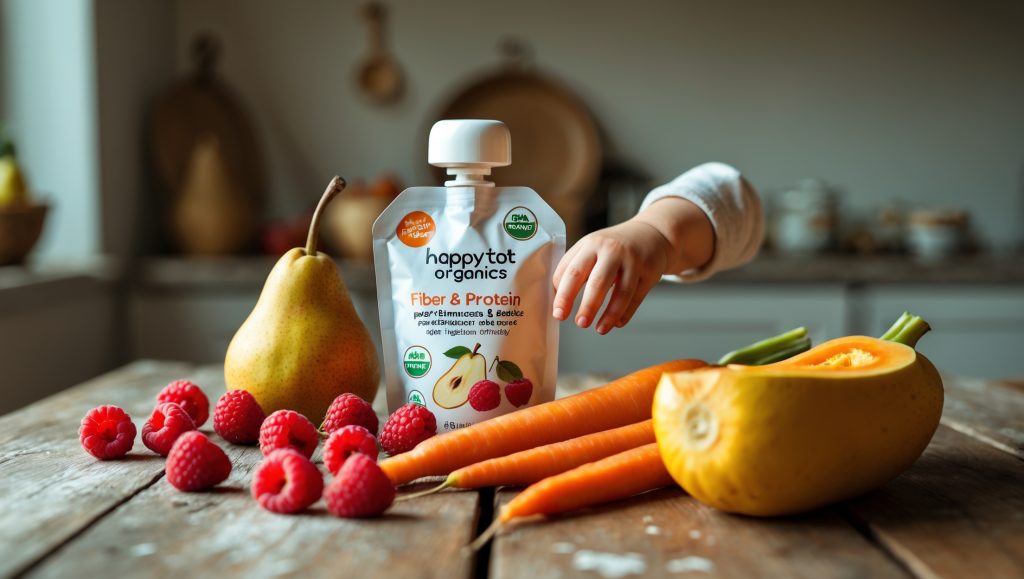
If you’re a parent looking for a nutritious, on-the-go baby food option that balances fruits and veggies with fiber and protein, the Happy Tot Organics Fiber & Protein Pear, Raspberry, Carrot & Butternut Squash Pouch (2025 Edition) is likely on your radar. This pouch is part of Happy Family Organics’ commitment to providing organic, thoughtfully sourced foods for growing toddlers. With a blend of sweet pears and raspberries, earthy carrots, smooth butternut squash, and added fiber and protein, this pouch aims to satisfy picky palates while supporting balanced nutrition for children aged 12 months and up.
How does this pouch stack up in real family routines? Is it as healthy and convenient as it claims? Let’s take a closer look at ingredients, nutrition, taste, texture, storage, and how it fits into busy toddler life.
Ingredients & Nutrition
The Happy Tot Organics Fiber & Protein Pear, Raspberry, Carrot & Butternut Squash Pouch features a blend of USDA-certified organic ingredients:
- Organic pear puree
- Organic carrot puree
- Organic butternut squash puree
- Organic raspberry puree
- Organic chia seeds (for fiber and omega-3 fatty acids)
- Organic lemon juice concentrate
- Organic whey protein concentrate (milk)
Each 4.22-ounce (120g) pouch provides approximately:
- Calories: 100
- Protein: 3g
- Dietary Fiber: 4g
- Total Sugars: 9g (naturally occurring)
- Fat: 2g
- No added sugar or artificial flavors
- Source of vitamin A (from carrots and squash), vitamin C, and iron
This pouch is certified USDA Organic, gluten-free, and non-GMO. The addition of chia seeds and whey protein concentrate sets it apart from many fruit-and-veggie-only pouches, aiming to help toddlers meet daily fiber and protein needs in a convenient format.
Taste & Texture
The flavor profile brings together the sweetness of ripe pears and juicy raspberries, balanced by the subtle earthiness of carrot and butternut squash. The result is a pleasantly sweet taste with a hint of tartness from the raspberry, making it appealing even for selective eaters. The chia seeds are finely blended, so there’s no gritty or lumpy texture, and the puree is smooth and consistent—easy for toddlers to self-feed directly from the pouch or with a spoon.
Some toddlers may notice the gentle earthy undertones of the vegetables, but most testers found the fruit-forward flavor inviting. The pouch is not overly sweet, which many parents appreciate as it helps develop a broader palate.
Convenience & Storage
The pouch format is a major plus for busy families. It’s lightweight, resealable, and suitable for diaper bags, lunchboxes, or travel. Parents can serve it chilled, room temperature, or gently warmed by placing the pouch in warm water (do not microwave in the pouch).
Storage is simple:
- Unopened pouches: Store at room temperature in a cool, dry place.
- After opening: Refrigerate and use within 24 hours.
The twist-off cap is easy for adults and older toddlers to open, and the pouch is designed for little hands to squeeze. However, supervision is always recommended during feeding to minimize choking risks and ensure proper eating habits.
Pros & Cons
Pros
- USDA Organic, non-GMO, and gluten-free
- Good source of fiber and protein for growing toddlers
- No added sugar or artificial flavors
- Appealing fruit-forward flavor with a smooth texture
- Convenient, portable pouch format for on-the-go feeding
- Resealable cap allows for multiple servings
Cons
- Contains dairy (whey protein concentrate), not suitable for children with milk allergies or sensitivities
- More expensive per serving than homemade purees
- Not a meal replacement—best as a snack or supplement
- May not be filling enough for older toddlers with bigger appetites
Alternatives & Similar Products
If your child has specific dietary needs or preferences, or you’re seeking variety, here are some alternatives and similar products to consider:
- Happy Tot Organics Super Morning Banana, Blueberry, Yogurt & Oats Pouch: A breakfast-inspired pouch with whole grains and fruit, also providing fiber and protein.
- Plum Organics Mighty 4 Blends: These blends combine fruits, veggies, grains, and dairy (or dairy alternatives) for a balanced snack.
- Sprout Organic Power Pak: With plant-based protein and a variety of superfoods, these are suitable for dairy-free families.
- Homemade purees: For those who prefer full control of ingredients, making blends at home using a food processor can be a cost-effective choice, though less convenient.
When selecting alternatives, always check for allergens (like dairy, soy, or gluten) and balance fruit content with vegetables and protein for more sustained energy.
Verdict
The Happy Tot Organics Fiber & Protein Pear, Raspberry, Carrot & Butternut Squash Pouch (2025 Edition) earns high marks for nutrition, convenience, and flavor. It’s a smart choice for parents seeking organic, ready-to-serve snacks that go beyond simple fruit purees by adding fiber and protein. The smooth, sweet-tart blend is toddler-approved, and the pouch format supports self-feeding and busy routines.
While not a substitute for regular meals, this pouch fits well as part of a balanced snack rotation or on-the-go option—especially for families navigating travel, daycare, or unpredictable toddler appetites. It’s not suitable for children with milk allergies due to the whey protein, and the cost is higher than DIY options, but for many parents, the ease and peace of mind are worthwhile.
FAQ
+Is this pouch suitable for babies under 12 months?
+Does the pouch need to be refrigerated before opening?
+Can my child self-feed directly from the pouch?
+Is this baby food pouch allergen-friendly?
+Can I freeze the pouch for longer storage?
+Is this pouch suitable for vegetarians?
+What’s the best way to serve this pouch on-the-go?

Happy Tot Organics Fiber & Protein Pear, Raspberry, Carrot & Butternut Squash Pouch (2025 Edition) stands out as a thoughtful option for parents seeking balanced nutrition on the go. The blend of fruits and veggies offers a naturally sweet flavor profile that appeals to toddlers, while the added fiber and protein support healthy digestion and sustained energy. Parents will appreciate the organic ingredient list, free from artificial additives and added sugars. The pouch’s texture is smooth enough for even younger eaters, making it an excellent choice for introducing new flavors and nutrients. Practicality is clearly top of mind—the resealable pouch is perfect for busy families, whether you’re tackling errands or headed to the playground.
The upgraded 2025 formula appears to have improved taste and consistency, based on parent reviews, while still delivering the nutritional punch that Happy Tot Organics is known for. For caregivers mindful of dietary needs, this pouch serves as a convenient supplement rather than a meal replacement, fitting seamlessly into a balanced diet. Overall, it’s a smart, kid-friendly snack that earns high marks for both nutrition and convenience.
- Organic blend with no added sugar or artificial ingredients
- Fiber and protein support healthy digestion and energy
- Resealable pouch ideal for on-the-go families
- Appealing taste and texture for toddlers
I saw that the pouches contain whey protein concentrate from milk. If my child is over a year and not allergic, is there any concern about introducing dairy in this form, especially if we mostly give plant-based foods at home?
It’s great that you’re thoughtfully considering how to introduce new foods to your child. If your toddler is over one year old and has no known dairy allergies, trying a pouch with whey protein concentrate is generally considered safe. Start by offering a small amount and watch for any signs of intolerance, like tummy upset or rash. Since your family prefers plant-based foods, you can keep dairy-containing pouches occasional, balancing them with your usual choices. Always supervise meals to prevent choking. This isn’t medical advice; if you’re concerned or notice any reaction, check in with your pediatrician.
Would this pouch be suitable for a toddler closer to 18 months, or do you think it’s more geared toward younger one-year-olds? My little one is almost 18 months and starting to eat chunkier foods, so I wonder if the puree would still be appealing.
It’s great that you’re thinking about your toddler’s readiness for new textures as they grow. The Happy Tot Organics pouch is safe for toddlers around 18 months, but since it’s a smooth puree, some children at this stage may be eager for chunkier, more textured foods. You might try using the pouch as a snack alongside finger foods or mix it into oatmeal or yogurt for more texture. Always supervise your child while eating, and make sure they’re seated. If your toddler seems uninterested in purees now, it’s perfectly normal as they develop new eating skills. This isn’t medical advice; if you’re concerned, check in with your pediatrician.
Is this particular Happy Tot pouch appropriate for a toddler who is almost four, or should older kids be transitioning to something else nutritionally? We want to keep snack options balanced but also suitable for her age group.
It’s great that you’re thinking carefully about age-appropriate snacks and nutrition for your almost-four-year-old. The Happy Tot Organics pouch is safe and suitable for toddlers and preschoolers, but by age four, many children are ready for snacks with more texture and variety. You might offer this pouch occasionally, especially on busy days or when traveling, but also try to include fresh fruits, veggies, whole grains, and proteins in solid forms. Always supervise your child while eating to prevent choking, and check for any potential allergens. This isn’t medical advice; if you’re concerned, check in with your pediatrician.
Could you explain whether this pouch would be a suitable choice for older toddlers, or if there comes a point when it’s better to switch to more textured meals? I want to make sure I’m supporting healthy eating habits as kids grow.
It’s great that you’re thinking about supporting your toddler’s healthy eating habits as they grow. While pouches like the Happy Tot Organics are convenient and can be part of a balanced diet, older toddlers (18 months and up) benefit from exploring more textured foods. Try gradually offering diced fruits, cooked veggies, and soft proteins at meals to encourage chewing and self-feeding. Use pouches occasionally, but focus on family meals with a variety of textures for skill development. Always supervise for safety and watch for choking hazards. This isn’t medical advice; if you’re concerned, check in with your pediatrician.
If my baby sometimes resists pouches due to texture concerns, would the smoothness of this blend make it easier for a hesitant eater to accept, or does it have any noticeable graininess from the chia seeds?
It’s understandable to want mealtime to be comfortable for your baby, especially if they’re sensitive to textures. The Happy Tot Organics Fiber & Protein pouch is blended smooth, but the inclusion of chia seeds may give it a very slight texture; most babies over 8 months manage this well, but some particularly sensitive eaters might notice it. Try offering a small taste on a spoon, and watch your baby’s response before serving more. Introducing new textures slowly and in a low-pressure way can help build comfort. Always supervise closely, and if your baby is under 12 months or has chewing difficulties, check for any bits before feeding. This isn’t medical advice; if you’re concerned, check in with your pediatrician.
Since the pouch needs to be refrigerated after opening, have you found it still tastes good or keeps its texture if it’s served cold straight from the fridge later? Our sensory-sensitive kid sometimes fusses about changes in food temperature.
You’re right to consider how temperature changes can affect your child’s experience, especially with sensory sensitivities. The Happy Tot Organics pouch generally keeps its flavor and smooth texture when refrigerated, but it may feel thicker and less flavorful cold. To help, try letting the pouch sit at room temperature for 10–15 minutes or placing it in warm water for a few minutes before serving. Always check the pouch for any changes in smell or appearance, and supervise for safety. For age-appropriateness, ensure your child is eating from a spoon or bowl if under 1 year to avoid choking risks. This isn’t medical advice; if you’re concerned, check in with your pediatrician.
The article mentions whey protein concentrate as an ingredient, and my child has only tried plant-based proteins so far. Is it common for daycares to allow pouches with dairy protein, or should I ask in advance?
It’s great that you’re being proactive about your child’s dietary needs. Since whey protein is a dairy ingredient, and policies on allergens can vary widely, it’s wise to check with your daycare before sending foods with dairy protein. Ask the staff about their guidelines on bringing snacks with milk-based ingredients, as some centers have strict rules due to allergies among children. If your child hasn’t had dairy before, you might also want to introduce it at home first and watch for any reactions. This isn’t medical advice; if you’re concerned, check in with your pediatrician.
I noticed that the pouch contains whey protein concentrate—do you think this is suitable for toddlers who are just starting to try dairy, or should I wait until my child is more comfortable with milk products before offering this pouch?
It’s great that you’re thinking carefully about how to introduce dairy to your toddler. If your child is just starting to try dairy, begin with small amounts of single-ingredient dairy foods, like plain yogurt or milk, to watch for any reactions. Whey protein concentrate is derived from milk, so if your toddler has tolerated other dairy foods without issues, this pouch is likely appropriate for their age. Always supervise your child during meals and check for signs of allergy, such as rash or upset stomach. This isn’t medical advice; if you’re concerned, check in with your pediatrician.
Does storing several pouches for use throughout the week make sense cost-wise compared to buying a box of fortified baby cereal, or does one option tend to last longer for iron intake in toddlers?
It makes sense to want the best value and nutrition for your toddler. Pouches like Happy Tot Organics are convenient but may be pricier per serving than a box of fortified baby cereal, which usually offers more iron per dollar and lasts longer when used daily. For iron intake, cereals are often more concentrated and can be portioned out over many meals. If you choose pouches, check iron content on the label and store unopened ones in a cool, dry place. Always supervise eating for safety. This isn’t medical advice; if you’re concerned, check in with your pediatrician.
If I wanted to offer this to my baby on a busy day out, how long can I keep a partially used pouch without refrigeration before it needs to be discarded?
It’s great that you’re thinking ahead about food safety for your baby on the go. Once opened, a partially used pouch should be kept at room temperature for no more than 1–2 hours, according to food safety guidelines, since bacteria can quickly multiply. If possible, refrigerate the rest immediately and use within 24 hours. For babies under 12 months, extra caution is advised—discard any leftovers if refrigeration isn’t possible. Always check for any off smells or changes in texture before serving again. This isn’t medical advice; if you’re concerned, check in with your pediatrician.
When packing this pouch for travel, how long can it safely stay unrefrigerated once opened if I need to space snacks during a road trip? Is the 24-hour guideline pretty strict or is there a little flexibility?
It’s understandable to want flexible snack options for road trips. Once opened, the pouch should be refrigerated and used within 24 hours, but when unrefrigerated, it’s best to use it within 1-2 hours to avoid bacteria growth, especially for little ones with developing immune systems. Don’t leave opened pouches at room temperature for extended periods, even if they seem fine. For longer trips, pack a small cooler with ice packs to keep opened pouches fresh. This isn’t medical advice; if you’re concerned, check in with your pediatrician.
My toddler is really sensitive to certain textures and can get overwhelmed by anything gritty or lumpy. You mention the chia seeds are finely blended for a smooth consistency—would this pouch feel noticeably different from standard fruit-only purees, or is it really that smooth overall?
It’s completely understandable to want reassurance about textures if your toddler is sensitive. The Happy Tot Organics pouch does include finely blended chia seeds, and most parents report it is quite smooth, though some children with extra sensitivity may still notice a mild difference compared to plain fruit purees. You might try offering a small taste first, watching your child’s reaction, and even serve it chilled, which can sometimes help mask texture. Always supervise closely, especially if your child has a history of gagging or food aversions. This isn’t medical advice; if you’re concerned, check in with your pediatrician.
My toddler is super picky about textures, so I’m wondering how noticeable the chia seeds are in this pouch. Do even sensitive eaters tend to accept it, or is there a slight crunch that picky kids might react to?
It’s completely understandable to be thoughtful about texture concerns with a picky toddler. In the Happy Tot Organics Fiber & Protein pouch, the chia seeds are finely ground, making the overall texture mostly smooth, but some sensitive eaters might still notice a slight graininess or very gentle crunch. If your toddler is especially reactive to even small bits, try offering a tiny spoonful first and watch their response before serving the whole pouch. You can also mix a little with yogurt to further smooth out the feel. Always supervise to ensure safety with new foods. This isn’t medical advice; if you’re concerned, check in with your pediatrician.
Our pediatrician wants us to boost fiber, but my toddler is sensitive to dairy. Since this pouch has whey protein concentrate, would you recommend trying a small amount first to check for any digestive upset?
It’s completely understandable to be cautious when introducing new foods, especially with a dairy-sensitive toddler. Since this pouch contains whey protein concentrate, starting with a small taste is a good idea to watch for any signs of discomfort or reaction. Offer just a teaspoon and wait at least a couple of hours to monitor for symptoms like rash, bloating, or changes in stool. If all goes well, you can slowly increase the amount over a few days. Always supervise your child while eating, and remember that even trace dairy can cause issues for some sensitive kids. This isn’t medical advice; if you’re concerned, check in with your pediatrician.
Would this pouch be a good option for a quick breakfast on busy mornings, or is it better used as a snack? How do you see it fitting into a typical baby’s daily routine?
It’s great that you’re thinking about convenient yet nourishing choices for your baby’s breakfast. This Happy Tot Organics pouch can be a good quick option for busy mornings, especially if your baby is 6 months or older and has started solids. For breakfast, you might pair the pouch with some soft finger foods, like banana slices or toast strips, to make it more filling. As a snack, the pouch works well on its own. Always supervise your baby while eating and check for any food allergies. This isn’t medical advice; if you have concerns about your baby’s nutrition or routine, please talk with your pediatrician.
For toddlers who are starting to self-feed, how manageable is the twist-off cap on this pouch? Is it easy enough for a 2-year-old to open by themselves or does it generally require adult help?
It’s great that you’re encouraging your toddler’s independence with self-feeding. For most 2-year-olds, the twist-off cap on the Happy Tot pouch may be tricky to open without help—the cap is small and requires some hand strength and coordination. I suggest loosening the cap slightly for your child, supervising closely to prevent choking hazards, and always keeping small parts out of reach when not in use. Practicing together can build fine motor skills over time. This isn’t medical advice; if you’re concerned, check in with your pediatrician.
My child is sensitive to different food textures and bits. Since the article says the chia seeds are blended in, have other parents found that kids with sensory issues accept the texture of this pouch?
It’s completely understandable to be cautious when your child is sensitive to textures. According to the article, the chia seeds in this pouch are blended in, making the texture smoother than products with whole seeds. Some parents report their sensory-sensitive children tolerate it well, but each child is different. I suggest offering a small taste first, watching for any negative reactions, and keeping wipes or a drink nearby in case your child wants to clear their mouth. Always supervise young children with pouches to prevent choking. This isn’t medical advice; if you’re concerned, check in with your pediatrician.
I saw the pouch is recommended for 12 months and up, but do you think it’s appropriate for an 18-month-old who is more interested in finger foods? Would it still help with fiber and protein needs at that age?
It’s great that you’re thinking about your toddler’s nutrition and evolving eating habits. At 18 months, many children prefer finger foods, but the Happy Tot pouch can still be a helpful, occasional option to meet fiber and protein needs. You could try squeezing the pouch contents onto a spoon, toast, or pancakes for a more hands-on experience. Always supervise to avoid choking and watch for any food allergies. Use the pouch as part of a varied diet rich in whole fruits, veggies, and proteins. This isn’t medical advice; if you’re concerned, check in with your pediatrician.
Since the pouch needs to be refrigerated after opening, how do you approach toy and snack rotation when planning busy days out, especially to keep everything fresh and interesting for a toddler?
You’re thoughtful to plan for both freshness and variety during busy days out with your toddler. Try packing perishable snacks like the refrigerated pouch in an insulated lunch bag with an ice pack. Bring shelf-stable, safe finger foods (like whole grain crackers or freeze-dried fruits) as backup options. Rotate toys and snacks by choosing a few different favorites each outing and letting your child help pick. Always check that snacks are age-appropriate to reduce choking risks, and avoid toys with small parts. This isn’t medical advice; if you’re concerned, check in with your pediatrician.
My toddler loves to grab and play with food packaging. With the twist-off caps on these pouches, are there any particular safety warnings or age-specific precautions I should keep in mind to prevent potential choking hazards in a busy home?
You’re right to be mindful about your toddler’s safety with packaging. Twist-off caps from pouches like these can pose a choking risk, especially for children under three. Always supervise your child closely when they’re eating or playing near food pouches. Store unopened pouches and loose caps out of reach after use. Consider removing the cap before handing the pouch to your toddler. If siblings are around, remind them not to leave caps where the toddler can find them. This isn’t medical advice; if you’re concerned, check in with your pediatrician.
My toddler sometimes only eats half a pouch at a time, and I want to avoid wasting food. Would it be safe to give the rest the next day after refrigerating, or is there a noticeable change in taste or texture once it’s been opened and stored?
It’s understandable to want to make the most of each pouch and avoid waste. After your toddler has eaten from the pouch, tightly reseal it and refrigerate the remainder as soon as possible—ideally within an hour. Use a clean spoon to serve instead of letting your child eat directly from the pouch, which helps reduce bacterial growth. The texture may become a bit thicker or separate slightly, but giving it a gentle shake or stir usually helps. For most store-bought baby purees, it’s best to use the remainder within 24 hours for freshness and safety. This isn’t medical advice; if you have concerns about food safety for your child, please check in with your pediatrician.
If you’re on a budget and trying to select which healthy snacks to rotate along with toys, have you found these pouches to be worth repeating, or do you switch between brands to keep things interesting and cost-effective?
It’s great that you’re balancing nutrition, variety, and budget for your little one’s snacks. Based on the review, these Happy Tot pouches offer a convenient, nutritious option, but it’s smart to rotate between brands and homemade choices for both cost and exposure to new flavors. Try alternating pouches with simple snacks like cut fruits or steamed veggies, depending on your child’s age and chewing abilities. Keep an eye on pouch ingredients for allergens or added sugars, and supervise to avoid choking. This isn’t medical advice; if you’re concerned, check in with your pediatrician.
The pouch includes whey protein concentrate, which I believe comes from milk. If my 10-month-old has not tried dairy yet, is this a good way to introduce it, or should I wait and start with something like yogurt first?
It’s great that you’re thinking carefully about introducing dairy to your baby. For most infants around 10 months, yogurt or plain cheese are often recommended as first dairy foods because they are easier to digest and let you watch for any reactions in a controlled way. Since the pouch uses whey protein (a milk ingredient), it does count as dairy, but it may be harder to notice a reaction to such a small, blended amount. Always introduce new foods—especially common allergens—one at a time, waiting a few days before adding another. Supervise your baby closely for signs of allergy like rash or tummy upset. This isn’t medical advice; if you’re concerned, check in with your pediatrician.
Our toddler has refused some purees in the past due to texture sensitivity. You mentioned the chia seeds in the Happy Tot Organics pouch are finely blended—have you seen any feedback from parents of sensory-sensitive kids on whether these pouches work well for them?
It’s understandable to be cautious when your toddler has shown texture sensitivities. Based on feedback I’ve seen, most parents report that the chia seeds in the Happy Tot Organics pouch are blended very smoothly, making them less noticeable. To help your sensory-sensitive child, you can first squeeze a small amount onto a spoon to check the texture before offering it. Let your toddler explore the pouch at their own pace, and always supervise to ensure safe swallowing. If you’re unsure, try a tiny taste yourself to assess for any grittiness. This isn’t medical advice; if you’re concerned, check in with your pediatrician.
For messy eaters who like to squeeze or play with their food, do you have any tips for making these pouches less messy at the table, especially when practicing self-feeding with a 10-month-old?
It’s completely normal to want less mess when your 10-month-old is learning to self-feed. Try offering the pouch while your child is seated in a high chair with a wipeable tray, and help by guiding their hands at first. You can snip a small hole so less comes out with each squeeze, or squeeze contents onto a spoon for them to try holding. Keep bibs and a damp washcloth handy, and always supervise to prevent choking or pouch misuse. At this age, sensory exploration is important, but safety and minimizing frustration are key. This isn’t medical advice; if you’re concerned, check in with your pediatrician.
My toddler’s about to turn one, and I see this pouch is suggested for 12 months and up. Would you say it’s suitable for a newly turned one-year-old, or should I wait a bit longer for texture or ingredient reasons?
It’s great that you’re checking whether foods are right for your newly one-year-old. This pouch is labeled for 12 months and up, which means the texture and ingredients are generally considered age-appropriate for most toddlers at this stage. Start by offering a small amount and watch for any signs of difficulty swallowing or possible allergies, especially since it contains multiple fruits and veggies. Always supervise closely during eating, and introduce new foods one at a time if possible. This isn’t medical advice; if you have any worries about choking risk or allergies, check in with your pediatrician.
Are these pouches designed with any special features to minimize the risk of accidental choking on caps, or are there best practices to follow to make handling safer for little ones during snack time?
It’s great that you’re thinking ahead about your child’s safety during snack time. Most baby food pouches, including this one, use larger, vented caps that are designed to reduce choking risks, but they’re not completely foolproof. Always supervise your child while eating, and keep the cap out of reach until it’s time to eat. For infants and young toddlers, it’s safest to squeeze the puree into a bowl or spoon rather than letting them suck directly from the pouch. Make sure pouches and caps are never used as toys. This isn’t medical advice; if you’re concerned, check in with your pediatrician.
Since the cap is easy for little hands to twist off, do you have suggestions for using the clean pouch and cap safely in sensory bins or pretend play setups without posing a choking hazard?
It’s great that you’re thinking ahead about safety during play. If you use the empty pouch and cap for sensory or pretend play, supervise closely at all times, especially with children under 3. Consider gluing or taping the cap permanently onto the pouch to prevent removal, or simply leave the cap out of play if children are likely to put small objects in their mouths. Always check the pouch and cap for any sharp edges before use, and clean thoroughly to avoid residue. This isn’t medical advice; if you’re concerned, check in with your pediatrician.
I noticed the pouch uses whey protein concentrate. For families like ours with one twin transitioning to dairy and the other not quite ready, is this a good way to introduce small amounts of dairy, or would you suggest waiting until both are confidently eating dairy elsewhere?
It’s great that you’re carefully considering how to introduce dairy with your twins. For the twin who hasn’t started dairy yet, it’s safest to wait until you’ve introduced plain dairy products (like yogurt or milk) separately, so you can watch for any signs of intolerance or allergy. For the twin already eating dairy, this pouch can be a gentle way to offer small amounts, but be sure to monitor for any reactions. Always supervise new foods and check ingredient lists for potential allergens. This isn’t medical advice; if you have concerns about introducing dairy, please consult your pediatrician.
Are there any concerns about introducing dairy through the whey protein concentrate if my baby hasn’t tried yogurt or cheese yet? I want to make sure I introduce new foods safely.
It’s wonderful that you’re thinking ahead about introducing new foods safely. Since whey protein is derived from milk, it’s best to offer yogurt or cheese first to see how your baby tolerates dairy, starting with small amounts and watching for reactions like rash, vomiting, or diarrhea. If your baby is under 12 months, discuss timing with your pediatrician, especially if there’s a family history of allergies. Always introduce new foods one at a time and wait a few days before adding another. This isn’t medical advice; if you’re concerned, check in with your pediatrician.
My toddler is usually up before 6am and I’m always looking for breakfast options that won’t make a mess or require cooking. Would this pouch work as a quiet early morning snack, and does the nutrition hold up if it’s our only offering before daycare?
It’s understandable to want a tidy, easy breakfast when mornings start so early. The Happy Tot Organics pouch is mess-free and safe for toddlers (over 12 months) if they are supervised and able to handle pouches. As a single morning option, it provides fiber, protein, and fruit/veg, but the protein is on the lower side for a full breakfast. For a more balanced meal, consider offering it alongside something like plain yogurt or whole grain toast if your child is hungry. Always check the pouch for allergens and supervise to avoid choking. This isn’t medical advice; if you’re concerned, check in with your pediatrician.
If you have limited cabinet space in a smaller apartment, how many of these pouches can realistically be stored together at room temperature? Do they stack well, or do you have storage tips to keep them organized and accessible for daily toddler meals?
It’s understandable to want to maximize your small space while keeping meals handy for your toddler. These pouches are shelf-stable and can be stored at room temperature, so you can safely keep several weeks’ worth if you have space—about 10-20 pouches fit in a standard kitchen drawer or small bin. They stack best laid flat or upright in a narrow box, and using a clear container or basket can help you see when you’re running low. Always check expiration dates and keep them away from direct heat. This isn’t medical advice; if you have storage safety concerns, your pediatrician can offer guidance.
My toddler is very sensitive to texture—sometimes even finely blended chia seeds bother her. Can anyone share their experience with the mouthfeel of this pouch? Did your picky eater notice the chia seeds or was it truly smooth enough for them?
It’s completely understandable to want gentle textures for a sensitive toddler. Many parents report that the Happy Tot Organics pouch is quite smooth, but some do mention a slightly grainy undertone from the chia seeds. You might try squeezing a bit onto a spoon to inspect the texture first. Offering a tiny taste and watching your child’s reaction can help you decide if it’s suitable. If your child has struggled with chia seeds before, it’s wise to introduce this pouch slowly and watch for any discomfort. This isn’t medical advice; if you’re concerned or reactions persist, please check in with your pediatrician.
If juggling two toddler sleep schedules means one twin has a meal after the other, would you suggest serving this pouch warmed, chilled, or at room temp for the best taste and acceptance? Have you noticed any temperature preference among picky eaters?
It makes sense to wonder about the best temperature for serving pouches, especially with picky toddlers. For most little ones, room temperature tends to be easiest on sensitive mouths and brings out the natural flavors, but some toddlers enjoy pouches slightly chilled, especially if teething. Warming the pouch gently (by placing it in a bowl of warm water, never microwaving) can sometimes be comforting, but always test the temperature first to avoid burns. If your twins have different preferences, offer a small taste at room temp and chilled to see which they like best. This isn’t medical advice; if you’re concerned, check in with your pediatrician.
Since the pouch is labeled for 12 months and up, is it suitable for older kids around age 3 or 4 as a snack, or does the nutrition profile mainly target younger toddlers?
—wanting healthy snacks for your older child shows a lot of care. While the pouch is labeled for 12 months and up, it can still be a convenient, nutritious snack for preschoolers at age 3 or 4, especially if they enjoy the taste and texture. For older kids, you might want to pair the pouch with something more substantial, like whole grain crackers, to meet their increased energy needs. Always supervise your child while eating and be mindful of any food allergies. This isn’t medical advice; if you’re concerned, check in with your pediatrician.
I noticed this Happy Tot pouch has some iron, but I’m curious how its iron content compares to traditional iron-fortified baby cereals. For parents focusing on iron intake, is a puree pouch like this a good alternative or more of a supplement to cereals?
Your focus on your child’s iron intake is so important, especially in the early years. Puree pouches like the Happy Tot one have some iron, but generally less than traditional iron-fortified baby cereals, which are specifically designed to help meet infants’ iron needs. For babies starting solids, cereals remain one of the most reliable sources of iron. You could offer the pouch as a supplement to other iron-rich foods, but it usually shouldn’t replace fortified cereals entirely. Always check the nutrition label for actual iron content and serve age-appropriate textures, watching for choking hazards. This isn’t medical advice; if you’re concerned, check in with your pediatrician.
Since this pouch includes both fruit and veggies, would it be suitable as a mini meal on especially busy afternoons, or should I pair it with something else to keep my 3-year-old full until dinner? How does it work as part of a main meal versus a snack?
You’re thoughtful to consider if this pouch will keep your 3-year-old satisfied between meals. While the blend of fruit, vegetables, fiber, and protein makes it a nutritious snack, it’s not likely to be filling enough on its own for a mini meal at this age. For busy afternoons, try pairing the pouch with something more substantial, like whole grain crackers, small cubes of cheese, or a hard-boiled egg. As part of a main meal, offer it alongside other textures and food groups to round out nutrition and help your child feel full. Always supervise eating to prevent choking, and check for allergies. This isn’t medical advice; if you’re concerned, check in with your pediatrician.
My little one has a big appetite some days. Would it be okay to offer two of these pouches in one meal occasionally, or would that be too much fiber or protein for a 3-year-old’s stomach?
It’s completely normal to wonder about portion sizes when your child’s appetite varies. For a 3-year-old, occasionally offering two Happy Tot Organics pouches in one meal is usually fine, as long as your child tolerates fiber-rich foods without tummy trouble. Start by offering one pouch and wait a few minutes before serving the second to gauge fullness. Monitor for signs of digestive upset, like gas or loose stools, as too much fiber at once can sometimes cause discomfort in young children. Always supervise meals and check ingredients for any allergens. This isn’t medical advice; if you’re concerned, check in with your pediatrician.
My parents sometimes care for our toddler and often prepare traditional dishes with bold flavors and spices. Would the mild, fruit-forward taste of this pouch conflict with those stronger flavors, or does it adapt well for kids who are exposed to a diverse range of cultural foods at home?
It’s wonderful that your toddler is enjoying such a wide variety of flavors at home. The Happy Tot Organics pouch has a mild, naturally sweet taste, so it may seem blander alongside spicier or more aromatic dishes, but it’s still a nutritious snack or meal supplement. You can offer it as a gentle option when your child needs a palate break or pair it with other foods they enjoy. For toddlers, variety is key, and their taste preferences can change often. Just be sure your child is not filling up only on pouches to avoid limiting their exposure to family foods. This isn’t medical advice; if you’re concerned, check in with your pediatrician.
With toddlers’ curiosity, they often grab the cap after feeding. Should parents dispose of the cap immediately, or is it safe to keep it nearby if resealing is needed? Any safety tips for preventing accidental swallowing or choking?
You’re right to be mindful about choking risks with toddler curiosity. After feeding, it’s safest to immediately dispose of or store the pouch cap out of your child’s reach, since these caps can pose a choking hazard for children under three. If you need to reseal the pouch, keep the cap in a secure spot only accessible to adults. Supervise toddlers closely during snack times and avoid letting them play with caps. This isn’t medical advice; if you’re concerned, check in with your pediatrician.
My toddler is really sensitive to textures and sometimes even smooth purees can be overwhelming for him, especially if there are seeds. You mention the chia seeds are finely blended—would you say there’s any noticeable grittiness or bits left in the pouch, or is it truly completely smooth?
You’re absolutely right to pay attention to texture when your toddler is sensitive—those little differences can really matter. In this pouch, the chia seeds are finely blended, but from my experience and parent feedback, there may be a slight hint of grittiness rather than a totally silky texture. I’d suggest trying a small amount yourself first, then offering just a taste to your toddler to see how they handle it. You might also mix a bit into a familiar smooth food to ease the transition. Always supervise closely for any signs of discomfort. This isn’t medical advice; if you’re worried about your child’s reactions, please check in with your pediatrician.
If my toddler only finishes half the pouch at breakfast, is it safe to store the rest in the fridge and re-serve it the next morning? I want to avoid waste but also keep it fresh and safe.
It’s great that you want to keep your toddler’s food both safe and minimize waste. If your child eats directly from the pouch, bacteria from their mouth can transfer into the food, so it’s safest to discard any leftovers in that case. If you squeezed the food into a bowl and used a clean spoon, you can cover and refrigerate the remainder for up to 24 hours. Always check for changes in smell or texture before serving again. For toddlers, keeping their food fresh and free of contaminants is important. This isn’t medical advice; if you’re concerned, check in with your pediatrician.
My toddler is really sensitive to how food feels in their mouth and usually rejects anything with noticeable seeds or lumps. Since this pouch has chia seeds, even though they’re blended, could you elaborate on how noticeable the texture is for kids who are very particular about smoothness?
It’s completely understandable to want to know how smooth a pouch really is for a sensitive eater. In this pouch, the chia seeds are finely blended, so most toddlers won’t notice individual seeds, but there may be a very slight texture difference compared to ultra-smooth purees. You could try squeezing a small amount onto a spoon to check the texture yourself before offering it. If your child is very sensitive, start with a tiny taste and watch their reaction. Always supervise, especially with new textures, and ensure the pouch is appropriate for your child’s age and chewing skills. This isn’t medical advice; if you’re concerned, check in with your pediatrician.
My toddler is super sensitive to new textures, and sometimes even a slight grittiness will make her refuse a pouch. You mentioned the chia seeds are finely blended, but have you noticed any toddlers being put off by the texture, or is it usually smooth enough for picky eaters?
It’s completely understandable to worry about texture sensitivity, especially with picky toddlers. In my experience and from feedback, the chia seeds in this pouch are very finely blended and the overall texture is smooth—most toddlers do not seem to notice any grittiness. If you’re unsure, you might try offering a small amount on a spoon first to see how your child reacts. Supervise closely, as all toddlers are different with textures. If she seems hesitant, try mixing it with a familiar puree or yogurt to ease her into it. This isn’t medical advice; if you’re concerned, check in with your pediatrician.
If my routine involves a lot of meal prepping and I sometimes freeze homemade purees, would freezing and thawing this pouch (even if the packaging doesn’t recommend it) cause major changes in texture or flavor for sensory-sensitive eaters?
It’s great that you’re thinking about how texture and flavor changes might affect your sensory-sensitive child. Freezing and thawing commercial pouches like the Happy Tot Organics one can sometimes cause separation, graininess, or changes in taste, which could be noticeable for sensitive eaters. If you want to try it, freeze a pouch and do a small taste test after thawing to see how your child responds. Always check for any packaging damage or unusual odors after thawing. For young children, supervise closely and avoid refreezing once thawed. This isn’t medical advice; if you’re concerned, check in with your pediatrician.
My toddler is very tactile and sometimes notices when there are small seeds or bits in purees. Even though the chia seeds are finely blended, have you seen children with sensory issues react to this pouch’s texture?
It’s understandable to be mindful of your toddler’s sensitivities to texture, especially with sensory processing concerns. Some children can detect even finely blended seeds, like those in this pouch, and might react by refusing the food or spitting it out. Try introducing a small amount first and watch your child’s response. You can offer the pouch chilled, as cooler temperatures sometimes reduce texture detection. If your toddler resists, consider pureeing the pouch further at home to smooth it out. Always supervise eating to prevent choking. This isn’t medical advice; if you’re concerned, check in with your pediatrician.
If my toddler prefers slightly chunkier textures, do you have any tips for introducing this smooth puree, or is there a way to mix it with something else to make it more textured while still keeping it safe for their age?
It’s great that you’re tuning into your toddler’s texture preferences. To safely add texture, you could mash in some soft, age-appropriate fruits like banana or cooked pears, or gently stir in tiny cubes of very soft-cooked vegetables. Start with small amounts to gradually adjust the consistency, always supervising and making sure pieces are soft enough to avoid choking. For toddlers under 18 months, keep pieces pea-sized or smaller. This isn’t medical advice; if you’re concerned, check in with your pediatrician.
My toddler is very sensitive to certain textures and usually refuses purees that are a little thick or have noticeable seeds. Since the chia seeds are blended, have you found that sensory-sensitive kids accept this pouch more easily than others?
It’s completely understandable to want snacks that work for a sensory-sensitive toddler. The chia seeds in this pouch are finely blended, so most children won’t notice a gritty or seedy texture. For extra caution, you could try a taste test yourself or start with just a small amount. Serve it chilled for a smoother feel, which some sensory-sensitive kids prefer. Always supervise to ensure your child handles the consistency well. This isn’t medical advice; if you’re concerned, check in with your pediatrician.
My toddler sometimes refuses purees if they notice a gritty or unusual texture. Did any child testers seem bothered by the tiny chia seeds, or did the smooth blend really mask it completely?
It’s understandable to worry about how texture can affect your toddler’s willingness to eat. In our review, most child testers accepted the Happy Tot Organics pouch without hesitation, as the blend is quite smooth overall. However, a few especially texture-sensitive toddlers did notice the tiny chia seeds, though the seeds are soft and not hard or crunchy. If your child is sensitive, try offering a small taste first and supervise closely, especially if they’re under age 2. This isn’t medical advice; if you’re concerned, check in with your pediatrician.
My toddler has recently started noticing textures in purees. You mention the chia seeds are blended smoothly, but can young children still detect them? Any tips for first-timers who are sensitive to new textures?
It’s completely normal for toddlers to become more sensitive to textures as they explore new foods. While the chia seeds in this pouch are blended to be very smooth, some especially sensitive children might still notice a slight change in thickness or feel tiny flecks. To help your child adjust, try offering a small spoonful mixed with a familiar puree, serve the pouch at room temperature so the texture feels consistent, and let your child touch a little before tasting. Always supervise to ensure safe eating, especially with toddlers still mastering purees. This isn’t medical advice; if you’re concerned, check in with your pediatrician.
I have two little ones with different eating speeds, and I’m wondering if these pouches are resealable enough to keep one half-finished snack still fresh later in the day, even after a busy afternoon of play and short TV breaks.
It’s understandable to want to keep snacks safe and fresh for both of your children. The Happy Tot Organics pouches are designed with a screw-on cap, which helps reseal them for short-term storage. If one child doesn’t finish the pouch, tightly reseal it and store it in the refrigerator right away; avoid leaving it out for more than an hour, especially after opening. For toddlers and preschoolers, always check for changes in smell or texture before offering leftovers. Supervise snack times to prevent spills or choking. This isn’t medical advice; if you’re concerned, check in with your pediatrician.
My toddler sometimes has trouble transitioning from fruit-only pouches to ones that contain veggies or seeds. Do you have any tips for introducing this blend, especially with the chia seeds and the subtle earthiness from the carrots and squash?
It’s understandable to want to help your toddler adjust to new flavors and textures. Try mixing a small amount of the new pouch with a familiar fruit-only pouch at first, gradually increasing the veggie blend over several days. Offer it when your child is relaxed and a little hungry, but not overly so. You can also taste the pouch together, modeling curiosity and enjoyment. For little ones, always supervise pouch feeding to avoid choking, and watch closely for any reactions to chia seeds. This isn’t medical advice; if you’re concerned, check in with your pediatrician.
You mentioned the pouch can be served at room temperature, chilled, or warmed. Have you noticed if serving it warm or cold affects the texture or taste in a way that some babies prefer?
It’s great that you’re attentive to how serving temperature might affect your baby’s experience with the pouch. Some parents notice that chilling the pouch makes the texture feel a bit thicker and the flavors slightly more muted, which can be soothing for teething babies. Warming the pouch (by placing it in warm water, never microwaving) can make the flavors and aromas more pronounced, which some babies enjoy, but be sure to test the temperature before serving to avoid burns. Room temperature is often a safe middle ground. Every baby has different preferences, so you might try each method to see what your child likes best. This isn’t medical advice; if you’re concerned, check in with your pediatrician.
Can this pouch be used as part of a meal for a toddler older than 2, or is it mostly nutritionally designed for younger toddlers?
It’s great that you’re thinking about balanced meals for your toddler. The Happy Tot Organics pouch can be included as part of a meal for children over 2, but it works best as a supplement rather than the main component, since older toddlers need more protein, fat, and overall calories than the pouch provides alone. Try pairing it with whole grains, dairy, or lean protein to round out their meal. Always supervise eating and check for any possible allergens. This isn’t medical advice; if you’re concerned, check in with your pediatrician.
With two toddlers, I’m always looking for ways to streamline snack time. Do you know if these pouches can be frozen and thawed later for on-the-go use, or does freezing affect the taste and texture?
It’s great that you’re planning ahead to make snack time easier with two toddlers. These pouches can usually be frozen and then thawed in the fridge or a lunch bag for later use, and most parents find that the taste and texture stay fairly consistent, though the texture may get a little more watery or separated after thawing. Always check for changes in smell or appearance before serving, and supervise closely to avoid mess or choking. Make sure to freeze unopened pouches and avoid refreezing once thawed. This isn’t medical advice; if you’re concerned, check in with your pediatrician.
My toddler is very sensitive to certain textures and flavors, especially when veggies are involved. In your experience, do the earthy undertones or hints of squash or carrot in this pouch stand out much? I’d love to hear if sensory-sensitive kids tend to accept the texture and flavor here.
It’s understandable to be mindful of texture and flavor when your toddler is sensitive. Based on my experience and the pouch’s blend, the fruit flavors—especially pear and raspberry—are more pronounced, which can help mask the earthier notes of carrot and squash. The puree has a smooth, consistent texture without chunks, making it less likely to trigger texture aversions. Try offering a small taste first and observe your child’s reaction. You might also serve it chilled, which can further mute strong flavors. Always supervise and ensure the product suits your child’s age and dietary needs. This isn’t medical advice; if you’re concerned, check in with your pediatrician.
My toddler is just over a year old and we are following a Montessori approach at home with a focus on independent eating. Do you think the texture of this pouch is suitable for children practicing self-feeding with open cups and spoons, or does it encourage more sucking from the pouch itself?
You’re thoughtful to support your toddler’s independence at mealtime. The texture of the Happy Tot Organics pouch is quite smooth and puree-like, which can make it easy for young children to suck directly from the pouch rather than use a spoon or open cup. To encourage Montessori-style self-feeding, you might squeeze the puree into a small bowl and offer a child-sized spoon. Supervise closely to prevent spills and ensure safety. For open cup practice, this puree may be too thick to pour, so pairing it with other suitable textures can help. This isn’t medical advice; if you’re concerned, check in with your pediatrician.
Since this pouch offers more fiber and protein than typical fruit pouches, is it possible it may keep my child feeling full for longer? Would that make it a better choice for a nighttime snack compared to a plain fruit pouch?
It’s thoughtful that you’re considering how different snack options might help your child feel satisfied at night. Higher fiber and protein content can help some children feel fuller for longer compared to plain fruit pouches. You might try offering the Happy Tot pouch as a nighttime snack and observe how your child responds. Make sure your child is old enough for pouches (generally 6 months and up, with supervision) and always check for allergies. If your little one is under 1 year, introduce new foods gradually. This isn’t medical advice; if you’re concerned, check in with your pediatrician.
My child tends to be sensitive to stronger flavors, particularly the earthiness of vegetables like squash and carrots. Do you think the fruit-forward profile of this pouch is usually enough to mask those flavors, or have parents reported push-back from picky eaters?
It’s understandable to be mindful of strong flavors if your child is a selective eater. In this pouch, the pear and raspberry do create a fruit-forward taste, which many parents find helpful for masking the earthier notes of squash and carrot. However, some reports mention that especially sensitive children may still notice subtle vegetable flavors. You might try offering a small taste first, and serving the pouch slightly chilled, as colder temperatures can mute strong flavors. Always supervise young children when trying new foods, and check for individual allergies. This isn’t medical advice; if you’re concerned, check in with your pediatrician.
We share weekly childcare with my child’s grandparents, and they sometimes worry about introducing new proteins. Since this pouch includes whey protein, is it gentle enough for kids who are used to more plant-based or non-dairy foods, or is a slow introduction recommended?
It’s so thoughtful that you want to support your child’s grandparents in making safe food choices. For little ones who mainly eat plant-based or non-dairy foods, introducing whey protein (a milk-derived protein) should be gradual, especially if there’s little or no history of dairy in their diet. Start with a small amount of the pouch and watch for any signs of discomfort or allergy, like rash or tummy upset. Share your plan with the grandparents so everyone feels confident. Always supervise the first few introductions and check labels for other allergens. This isn’t medical advice; if you’re concerned, check in with your pediatrician.
Are there any concerns with potential allergies from the whey protein in this pouch? My toddler hasn’t had milk-based products in pouch form yet, so I’m wondering if there’s a best way to introduce this new ingredient.
It’s wise to be cautious about introducing new ingredients like whey protein, especially if your toddler hasn’t had milk-based products in pouch form before. Start by offering only a small amount of the pouch and watch for any signs of an allergic reaction, such as hives, vomiting, or difficulty breathing. Make sure to serve it when you can observe your child for a couple of hours afterward. Whey protein is derived from milk, so if your child has a known cow’s milk allergy, avoid this pouch. Always check the full ingredient list for other potential allergens. This isn’t medical advice; if you’re concerned, check in with your pediatrician.
My toddler is getting curious about using spoons and squeezing pouches on her own. Have you found this particular pouch easy enough for little ones to manage independently without too much mess, or do most parents still need to guide the process at first?
It’s wonderful that your toddler is eager to practice self-feeding—this is an exciting milestone. With the Happy Tot Organics Fiber & Protein pouch, many parents find that toddlers around 12–18 months can squeeze it with some independence, but the soft pouch and twist cap still often require a grown-up’s help at first. To support her, try demonstrating how to squeeze gently, guide her hands, and offer the pouch while seated to avoid spills. You might start with small amounts, and keep wipes handy for cleanup. Always supervise closely to prevent choking or over-squeezing. This isn’t medical advice; if you’re concerned, check in with your pediatrician.
I see this pouch is designed for 12 months and up. My 10-month-old is starting to self-feed and likes smooth textures. Would it be appropriate to offer this pouch a bit early if I watch for any reactions, or should I wait until she is officially a year old?
It’s great that you’re mindful about introducing new foods and watching for your baby’s readiness. While the pouch is labeled for 12 months and up, some parents offer similar foods a little early if their baby handles purees well. If you decide to try it, start with a small amount and watch closely for any signs of allergy or digestive upset. Make sure your baby is seated upright and supervised, as pouches can pose a choking risk. Double check the ingredient list for potential allergens. This isn’t medical advice; if you’re concerned or unsure, it’s best to check in with your pediatrician.
If I wanted to include this pouch as part of a quiet early morning routine, do you have any suggestions for pairing it with other low-mess or minimal-prep foods to make a more filling breakfast for my toddler?
It’s thoughtful to plan a peaceful, mess-free morning for your toddler. You might pair the Happy Tot pouch with a slice of whole grain toast cut into strips, a handful of soft, steamed diced veggies, or a few cubes of mild cheese for added protein and fullness. If your toddler is old enough (usually over 12 months), a small container of plain yogurt can also be an easy option. Always supervise to prevent choking, and check for any allergies or sensitivities. This isn’t medical advice; if you’re concerned, check in with your pediatrician.
I noticed the pouch is described as a source of iron, but many parents are advised to focus on iron-fortified cereals for toddlers, especially for those at risk of iron deficiency. How does the iron content in this pouch compare to typical baby cereals in terms of meeting daily needs?
—making sure your toddler gets enough iron is important. Most iron-fortified baby cereals provide significantly more iron per serving than fruit and veggie pouches like this one. The Happy Tot Organics pouch contains a modest amount of iron but typically not enough to meet a toddler’s daily needs on its own. You can use it as part of a varied diet, but for toddlers at risk of iron deficiency, continue offering iron-fortified cereals and other iron-rich foods. Always supervise to prevent choking, and check for allergens. This isn’t medical advice; if you’re concerned about iron intake, check in with your pediatrician.
How does the cost of these Happy Tot Organics pouches compare to making similar blends at home from scratch, both in terms of price and time investment for busy parents?
It’s understandable to want to balance your budget and time when choosing foods for your child. Making similar blends at home is often cheaper per pouch, especially if you buy produce in bulk, but it does require extra time for shopping, prepping, cooking, and pureeing. Factor in the cost of reusable pouches and kitchen equipment too. Ready-made pouches like Happy Tot cost more but save significant time and are convenient for on-the-go feeding. For infants and toddlers, always ensure homemade blends are smooth in texture, free of choking hazards, and introduce new ingredients gradually. This isn’t medical advice; if you’re concerned, check in with your pediatrician.
If my baby doesn’t like the taste right away, is it okay to mix this pouch with plain cereal or yogurt, or would that affect its nutrition or texture?
It’s understandable to want to help your baby enjoy new flavors. You can mix the Happy Tot Organics pouch with plain cereal or yogurt to introduce the taste gradually—this is a common and safe approach for babies who are starting solids. Mixing may slightly change the texture and dilute the flavors, but the overall nutrition will still be there, especially if you use unsweetened cereal or plain yogurt. Always make sure both the pouch and whatever you mix in are age-appropriate and supervise your baby as they eat. This isn’t medical advice; if you’re concerned, check in with your pediatrician.
My mother-in-law tends to watch our toddler for whole days, and her schedule sometimes gets hectic. Is it okay if these pouches are left out at room temperature for a few hours after opening, or will that compromise the safety or texture?
It’s understandable to want your toddler’s snacks to be safe and convenient, especially with a busy caregiver. After opening, these pouches should be refrigerated and used within 24 hours to avoid risk of bacterial growth; leaving them out at room temperature for more than 1–2 hours isn’t considered safe, particularly for young children. If your mother-in-law needs quick options, consider pre-portioning snacks in the fridge. Always check for changes in texture, smell, or color before serving. This isn’t medical advice; if you’re concerned, check in with your pediatrician.
My toddler sometimes refuses anything with visible seeds or a gritty texture. You mentioned the chia seeds are finely blended – have you heard from parents whose kids are particularly sensitive to textures, and how did they respond to this pouch?
It’s completely understandable to be mindful about textures if your toddler is sensitive. Some parents have shared that the finely blended chia seeds in this pouch are usually not noticeable and didn’t bother their texture-sensitive children, but every child is different. I suggest offering a small amount first, watching their reaction, and having a familiar food nearby as a backup. You can also try serving it chilled or at room temperature, as temperature can influence texture perception. Always supervise closely to ensure safety. This isn’t medical advice; if you’re concerned, check in with your pediatrician.
My toddler tends to notice even subtle textures and sometimes refuses foods with seeds or anything that’s not completely smooth. Is the consistency of this pouch really comparable to other fruit-only options, or do the chia seeds add any noticeable texture?
It’s understandable to be concerned about texture when your toddler is sensitive to small changes in food. The Happy Tot Organics Fiber & Protein pouch does contain chia seeds, but they are finely ground and generally well-blended, making the pouch smoother than whole-seed options. However, some very texture-aware toddlers might still notice a slight grit compared to fruit-only purees, which are typically completely smooth. You could try offering a small taste and watch your child’s reaction before serving a full pouch. For kids under three, always supervise eating to prevent choking. This isn’t medical advice; if you’re concerned, check in with your pediatrician.
If a toddler has not been exposed to butternut squash or chia seeds before, do you recommend introducing them separately ahead of time, or is this pouch a gentle way to try both at once?
It’s great that you’re thinking carefully about introducing new foods to your toddler. For little ones who haven’t tried butternut squash or chia seeds before, it’s usually safer to introduce one new food at a time so you can watch for any reactions, especially since chia seeds are less commonly introduced early. Offer a small portion of plain, cooked butternut squash first, wait a few days, then try chia seeds in a simple, soft texture. If your child does well with both, this pouch can become a convenient option. Always supervise for choking and be mindful of any family allergy history. This isn’t medical advice; if you’re concerned, check in with your pediatrician.
My baby sometimes refuses pouches with even a hint of earthy taste from vegetables. Is the flavor from the carrots and squash noticeable enough that a sensitive eater might turn it down, or is the pear and raspberry flavor strong enough to mask it?
It’s understandable to worry about strong veggie flavors if your baby is a sensitive eater. In this pouch, the pear and raspberry do help balance out the earthiness from the carrots and butternut squash, but some babies with keen taste buds may still detect the veggie notes. If you’re introducing it, try offering a small amount first and watch your baby’s reaction. Sometimes chilling the pouch or mixing it with a familiar fruit can help. Remember, flavor preferences can change over time. This isn’t medical advice; if you’re concerned, check in with your pediatrician.
Is this pouch filling enough to serve as a quick breakfast or snack for an older sibling, or would you recommend it mainly for 12- to 24-month-olds?
—wanting a quick and filling option for siblings is very understandable. This Happy Tot pouch is designed for toddlers, especially 12- to 24-month-olds, and offers a balanced puree with added fiber and protein. For an older sibling, it might not be filling enough as a stand-alone breakfast, but it can work nicely as a snack or part of a larger meal. Try pairing the pouch with whole grain toast or yogurt for extra energy and satiety. Always supervise to ensure safe eating and check the label for allergens. This isn’t medical advice; if you’re concerned, check in with your pediatrician.
I have a question about the whey protein in this pouch. Since my baby is still under one year old and we haven’t introduced cow’s milk yet, could the whey protein cause any issues or should I hold off until after he’s had regular dairy?
You’re right to be cautious about introducing new ingredients like whey protein before your baby turns one. Since whey is a component of cow’s milk, it can trigger dairy allergies in sensitive infants and is typically not introduced until after one year, unless advised by your pediatrician. Wait to try this pouch until your baby has safely eaten other dairy foods, starting with small amounts like yogurt or cheese. Always check product labels for allergens and watch for any reaction. This isn’t medical advice; if you’re concerned, check in with your pediatrician.
My neighbor’s toddler is just over a year old and still getting used to new textures. Is the puree smooth enough for kids who are still hesitant with lumpy foods, or would it be better to wait a few months before introducing this pouch?
It’s great that you’re looking out for your neighbor’s toddler as they explore new textures. The Happy Tot Organics Fiber & Protein pouch reviewed in the article is described as a smooth puree with minimal lumps, which is generally suitable for children just over a year old who are still adapting to textures. Here are a few tips: Start by offering a small spoonful to check your toddler’s comfort; observe for any hesitation or gagging. Always supervise closely, as every child’s readiness can vary. Ensure the pouch is served at a comfortable temperature and avoid forcing if the child seems unsure. This isn’t medical advice; if you have concerns about texture progression or choking, it’s best to consult a pediatrician.
We have tried several brands, but my child is sensitive to the texture of chia seeds. Are the chia seeds in this pouch completely blended in, or might toddlers still notice their presence? I want to be sure before introducing it during visits with grandparents, where familiarity is important.
It’s understandable that you want your child to feel comfortable with new foods, especially in a new environment. According to our review, the chia seeds in this Happy Tot Organics pouch are finely blended, but some toddlers with heightened texture sensitivity may still notice tiny bits or a slight graininess. If texture has been an issue before, try the pouch yourself first to see if you detect any small seeds. You could also preview it at home with your child before offering it at the grandparents’ house to gauge their reaction. Always supervise toddlers while eating to ensure safety. This isn’t medical advice; if you’re concerned, check in with your pediatrician.
For a 2-year-old who sometimes rejects new textures, does this puree tend to have any noticeable graininess from the chia seeds or is it completely smooth? How have other parents dealt with texture sensitivity using this pouch?
It’s understandable to want to make new foods as approachable as possible for a texture-sensitive toddler. The Happy Tot Organics Fiber & Protein pouch is mostly smooth, but some parents do notice a slight graininess from the chia seeds. To help your child adjust, you could try offering a tiny taste first, mixing the puree into a familiar food like yogurt, or serving it alongside a preferred snack. If your child refuses, try again in a few days—sometimes repeated gentle exposure helps. Always supervise, and check the pouch for any separation or inconsistencies before serving. This isn’t medical advice; if you’re concerned, check in with your pediatrician.
If my toddler does not finish the pouch in one sitting, is it safe to store it in the fridge for the full 24 hours, or do you find the texture or flavor changes enough that it is better to use it sooner?
It’s great that you’re thinking about both your toddler’s safety and their eating experience. Once opened, you can safely refrigerate the pouch for up to 24 hours, provided the cap is tightly closed and the pouch goes into the fridge right away. However, some parents notice a slight change in texture or flavor after several hours—purées can thicken or separate a bit, which some toddlers might not like. If possible, try to use the remainder within 12 hours for best taste and consistency. Always check for any off smell or unusual appearance before offering it again. This isn’t medical advice; if you’re concerned, check in with your pediatrician.