
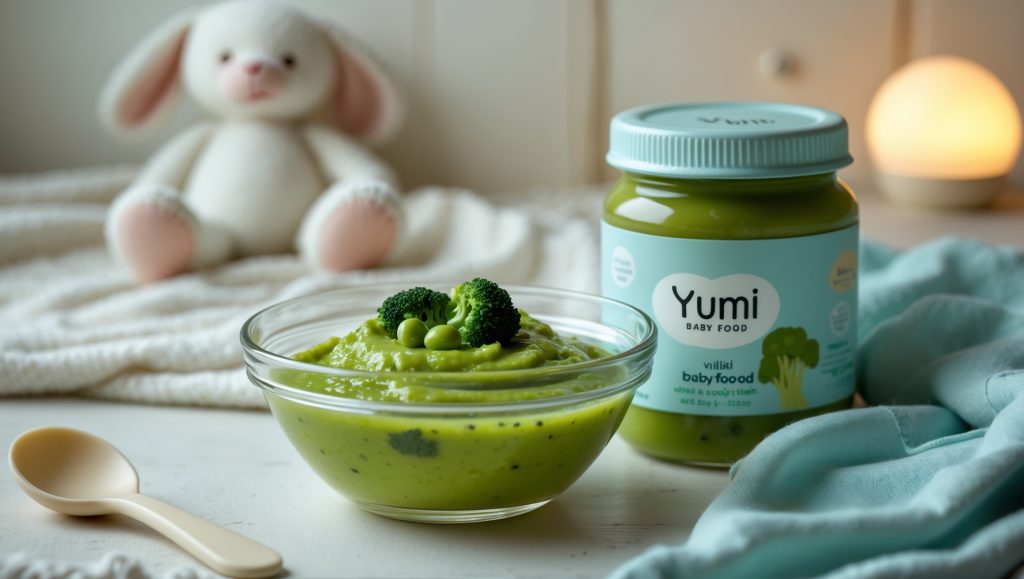
Overview
As the sun sets and bedtime routines begin, many parents seek nourishing, gentle options to help their little ones wind down for the night. Yumi Organic Broccoli, Pear & Pea Puree Baby Food stands out as a thoughtful choice for parents who value organic ingredients, balanced nutrition, and age-appropriate flavor development. In this in-depth review, we explore everything from its ingredient list to its convenience factors, all with a focus on how this puree can fit into your family’s evening routine in 2025.
Ingredients & Nutrition
Yumi’s Organic Broccoli, Pear & Pea Puree is crafted from a short, wholesome ingredient list: organic broccoli, organic pear, organic peas, organic lemon juice concentrate (for freshness), and water. All ingredients are certified organic and free from artificial flavors, colors, and preservatives.
- Broccoli: A nutrient-dense vegetable, broccoli adds fiber, vitamin C, and folate to the blend.
- Pear: Naturally sweet, pear provides gentle flavor and a source of vitamin C and potassium.
- Peas: A plant-based source of protein and iron, peas round out the blend nutritionally.
Each 4-ounce (113g) serving contains approximately:
- Calories: 50
- Protein: 2g
- Fiber: 2g
- Sugars: 4g (naturally occurring)
- Fat: 0g
- Sodium: 5mg
The blend is suitable for babies starting solids, typically around 6 months and older. It is gluten-free, dairy-free, and contains no added sugars or salts, making it a gentle option for sensitive tummies as part of a bedtime or evening snack routine.
Taste & Texture
Yumi’s Broccoli, Pear & Pea Puree offers a subtle, balanced flavor profile. The slight earthiness of broccoli is mellowed by the sweetness of pear, while peas add a mild, almost buttery undertone. The natural fruit sweetness helps mask some of the “green” notes, making it approachable for babies who are learning to accept vegetables.
The texture is smooth and consistent, suitable for beginner eaters and easy to swallow. The puree is neither too runny nor too thick, making it ideal for spoon-feeding and mess-free late-evening snacks. There are no large chunks or tough fibers, and the product passes easily through most standard baby spoons.
Convenience & Storage
Yumi delivers its baby foods in recyclable glass jars with secure, tamper-evident lids. Each jar contains a single serving, making portion control straightforward and minimizing food waste. The jars are easy to open and reseal, and leftovers can be stored in the refrigerator for up to 24 hours if your baby doesn’t finish in one sitting.
Yumi’s subscription and delivery model means that fresh baby food arrives weekly at your doorstep, chilled and ready to serve. This convenience is a major plus for busy families, especially during the evening wind-down. No preparation or heating is required—simply stir and serve. For babies who prefer warm food, the jar can be gently warmed in a bowl of hot water.
Because the product is perishable and free from preservatives, it should be kept refrigerated and consumed by the “best by” date for optimal freshness.
Pros & Cons
Pros
- Certified organic ingredients with no artificial additives or preservatives
- Balanced flavor profile that introduces vegetables in a gentle, approachable way
- Smooth, baby-friendly texture ideal for early eaters
- Delivered fresh to your door, reducing shopping trips and prep time
- Portioned in recyclable glass jars for sustainability and convenience
- No added sugars or salts, making it suitable for sensitive tummies
Cons
- Requires refrigeration and has a shorter shelf life compared to shelf-stable pouches
- Higher price point than many grocery store alternatives
- Subscription model may not suit families who prefer on-demand purchases
- Limited availability in physical retail stores
Alternatives & Similar Products
If you’re seeking other options that combine vegetables and fruits in a baby-friendly puree, consider the following:
- Beech-Nut Organics Just Pear & Green Bean: Shelf-stable and widely available, this blend emphasizes simplicity and ease of storage, though its flavor is slightly less sweet.
- Gerber Organic Carrot, Apple & Pea: Available in convenient pouches, this puree offers a similar combination of vegetables and fruit, but with a slightly more pronounced sweetness due to apple.
- Homemade Purees: Steaming and blending your own broccoli, pear, and peas allows for full control over texture and flavor, though it requires more time and effort.
- Once Upon a Farm Green Kale & Apples: A refrigerated option with a slightly more complex flavor profile, good for babies ready to explore additional greens.
Each of these alternatives brings its own balance of convenience, flavor, and nutrition, but Yumi’s fresh delivery and strict organic standards set it apart for families prioritizing both quality and convenience.
Verdict
Yumi Organic Broccoli, Pear & Pea Puree Baby Food is a standout choice for parents seeking to introduce vegetables as part of their baby’s bedtime or wind-down routine. Its fresh, organic ingredients and balanced flavor profile make it suitable for even picky eaters, while the convenience of weekly delivery and recyclable packaging appeal to eco-conscious, busy families. The main drawbacks—cost, refrigeration, and subscription-only purchasing—are worth considering, but for many, the peace of mind and quality are well worth the investment.
For parents looking to foster healthy eating habits from the start, especially as part of a soothing, predictable bedtime routine, Yumi’s Broccoli, Pear & Pea Puree is an excellent addition to the pantry in 2025.
FAQ
+Is Yumi Broccoli, Pear & Pea Puree suitable for babies just starting solids?
+Does the puree need to be heated before serving?
+How long does the puree last once opened?
+Can I include this puree as part of my baby’s bedtime routine?
+Is this product available in stores or only online?
+Does this puree contain any common allergens?
+Can I freeze leftover Yumi puree?

Yumi Organic Broccoli, Pear & Pea Puree Baby Food stands out as a thoughtful choice for parents looking to introduce their little ones to nutritious, flavorful foods. This blend combines the earthy notes of broccoli with the natural sweetness of pear and the gentle, fresh taste of peas, creating a balanced puree that appeals to babies’ developing palates. Yumi’s commitment to organic, non-GMO ingredients means parents can feel confident about what’s going into their child’s body, and the absence of added sugars or preservatives is a clear win for health-conscious families. The texture is smooth and easy for first eaters to manage, while the resealable packaging adds convenience for busy days on the go. Parents have noted that babies seem to genuinely enjoy the taste, and the serving size is just right for a single meal. While some may find the price a bit higher than mainstream brands, the quality and transparency of ingredients make it a worthwhile investment in early nutrition. Overall, Yumi’s Broccoli, Pear & Pea Puree is a smart and appealing option for parents seeking both convenience and wholesome food for their babies.
- Certified organic, non-GMO ingredients
- No added sugars or preservatives
- Convenient, resealable pouch for on-the-go feeding
- Well-balanced flavor loved by babies
For parents on a budget, the subscription model sounds convenient but maybe a little pricey for everyday use. Do you find that the nutritional quality and convenience justify the recurring cost compared to making similar purees at home, especially for evening meals?
You’re thoughtful to weigh cost, convenience, and nutrition. Yumi’s puree offers well-balanced nutrition and saves time, especially on busy evenings, but making similar purees at home can be just as healthy and more budget-friendly if you have the time. Try batch-cooking and freezing homemade blends with simple, age-appropriate ingredients to streamline meal prep. Always ensure purees are smooth and free from choking hazards for babies under 12 months. Ultimately, the best choice balances your schedule, budget, and baby’s needs. This isn’t medical advice; if you’re ever unsure, check in with your pediatrician.
We’re starting potty training with our 2.5-year-old and sometimes have late dinners. Would giving this Yumi puree as a bedtime snack impact nighttime potty routines, especially since it has pear which can be gentle on the tummy?
It’s great that you’re thinking ahead about how snacks might affect your child’s potty training. Pear is known for its gentle laxative effect, so offering the Yumi puree close to bedtime could increase the chances of a nighttime bowel movement, especially if your child is sensitive to fiber. To reduce disruptions, try offering the puree earlier in the evening and observe how your child responds. Make sure your child uses the potty before bed and keep nighttime routines calm and consistent. Always supervise snacks for safe swallowing, and remember, this isn’t medical advice; if you have concerns, check in with your pediatrician.
How does this Yumi puree compare to homemade blends in terms of flavor mellowing and texture? I have tried making similar combinations at home, but sometimes the taste comes out too ‘green’ or earthy for my sensory-sensitive child.
It’s completely understandable to want a smoother, milder flavor for your sensory-sensitive child. Yumi’s puree tends to have a more mellow, subtly sweet taste and smoother consistency, likely due to their fine blending and gentle cooking methods. At home, you can try lightly steaming the vegetables to soften earthy notes, blending them extra well, or adding a bit more pear to balance the flavors. Always check the puree’s temperature and texture for safety, especially with younger babies. This isn’t medical advice; if you’re concerned, check in with your pediatrician.
I noticed this puree is designed for babies starting solids around 6 months. Would it still be a good option for older toddlers, or do you have suggestions for adjusting portions or combining it with other foods?
It’s great that you’re thinking about how to adapt foods as your child grows. For older toddlers, this puree can still be used, but it may not be filling enough on its own. Try serving it alongside finger foods like soft-cooked veggies or whole grain toast, mixing it into oatmeal or yogurt, or using it as a dip for small pieces of fruit. Adjust the portion size to match your toddler’s appetite and encourage self-feeding for skill development. Always supervise to ensure safety and avoid choking hazards. This isn’t medical advice; if you’re concerned, check in with your pediatrician.
Since the jars are only good for 24 hours after opening, do you have any practical tips on reducing waste if my baby doesn’t finish a full serving in one sitting? I’m always hesitant to throw away leftover food.
It’s completely understandable to want to reduce food waste while caring for your baby. Try serving smaller portions from the jar into a clean bowl, so you can refrigerate the untouched remainder safely. Always use a clean spoon each time you scoop to avoid introducing bacteria. Seal the jar tightly and label it with the time you opened it to keep track. If your baby won’t eat more within 24 hours, consider mixing leftovers into safe, age-appropriate recipes like oatmeal, or offering tiny tastes with supervision. This isn’t medical advice; if you’re concerned, check in with your pediatrician.
Does this particular puree ever cause any digestive issues like gas or discomfort when offered close to bedtime? I’m trying to avoid foods that could disrupt my baby’s sleep after an already tough nap drop transition.
It’s understandable to want to avoid anything that might make sleep harder during a nap transition. Broccoli and peas are naturally high in fiber, which can cause some babies mild gas or tummy discomfort, especially if eaten close to bedtime or if your baby is new to these foods. Try offering this puree earlier in the day and watch for any signs of gassiness or fussiness. Start with small amounts and gradually increase to see how your baby tolerates it. Always supervise feeding and ensure the texture matches your baby’s age and stage. This isn’t medical advice; if you’re concerned, check in with your pediatrician.
My toddler can get overwhelmed by strong flavors and even some textures, especially in the evening when he’s tired. Have you found that the natural lemon juice concentrate in this Yumi blend makes the taste at all tart or noticeable for sensitive kids?
It’s completely understandable to be mindful about strong flavors when your toddler is sensitive, especially at the end of a long day. In our experience, the lemon juice concentrate in the Yumi Broccoli, Pear & Pea blend is very subtle and mainly serves to preserve freshness, not to add tartness. For sensitive kids, try offering a small taste first and watch your child’s reaction. You can also mix the puree with a mild grain like oatmeal to soften any unexpected flavors or textures. Always supervise toddlers with new foods and check for any signs of discomfort or allergies. This isn’t medical advice; if you’re concerned, check in with your pediatrician.
If I wanted to introduce more textures to my baby’s evening routine, would it work to mix the Yumi Broccoli, Pear & Pea puree with soft mashed grains like quinoa or rice, or would that affect the taste and nutrition too much?
It’s great that you’re exploring new textures to support your baby’s development. Mixing the Yumi Broccoli, Pear & Pea puree with soft, well-cooked grains like quinoa or rice is generally a safe and age-appropriate way to introduce more texture, as long as your baby is developmentally ready and tolerating single ingredients first. Start with small amounts to monitor your baby’s reaction, and ensure the grains are mashed thoroughly to avoid any choking risk. The taste may change slightly but the nutrition should remain balanced; both grains add gentle bulk without diluting the puree’s benefits. This isn’t medical advice; if you’re concerned, check in with your pediatrician.
If my baby is 9 months old and already eating chunkier purées, would this smooth texture still be appropriate, or should I be looking to transition to something with more texture for developmental reasons?
It’s wonderful that you’re thinking about supporting your baby’s feeding development. At 9 months, many babies are ready to explore more textured foods, like mashed or finely chopped fruits and veggies, to help develop their oral skills. If your baby is managing chunkier purees well, you can offer the smooth Yumi puree alongside more textured options, or even mix it with soft, mashed foods for added texture. Always supervise meals closely and ensure pieces are soft and small enough to prevent choking. This isn’t medical advice; if you’re concerned, check in with your pediatrician.
This puree sounds gentle, but one of my twins sometimes reacts to new textures. Would you say the consistency is smooth enough for babies who are hesitant with mixed veggie blends, or should I expect a bit of graininess from the broccoli and peas?
It’s thoughtful of you to consider your twins’ sensitivities to new textures. Yumi’s Broccoli, Pear & Pea puree is designed for early eaters and is generally smooth, but broccoli and peas can sometimes add slight graininess, even when well pureed. To help your hesitant twin, you might: stir the puree well before serving, try offering a small spoonful to observe their reaction, or blend it further at home for extra smoothness. Make sure to supervise closely during feeding and watch for any signs of discomfort. This isn’t medical advice; if you’re worried about reactions or texture tolerance, your pediatrician can offer guidance.
I noticed the texture is described as very smooth. One of my babies has some mild sensory aversions and tends to gag on certain textures. Have you found that this puree’s consistency works well for sensitive eaters, or would it be better to mix it with something else?
It’s understandable to be cautious when your baby has sensory sensitivities. The Yumi Organic Broccoli, Pear & Pea Puree is indeed quite smooth, which can make it easier for texture-sensitive babies to accept. Start by offering a small amount on a spoon and observe your baby’s response. If the smoothness still causes gagging, you could try mixing the puree with a familiar solid, like a bit of infant cereal or mashed avocado, to adjust the texture gradually. Always supervise feeding, especially with sensitive eaters, and introduce new foods one at a time to monitor for any reactions. This isn’t medical advice; if you’re concerned, check in with your pediatrician.
I noticed the puree is delivered in single-serving glass jars. If my child only eats half a serving at night, does storing the leftovers for up to 24 hours change the taste or texture noticeably, especially for sensitive eaters?
It’s completely valid to want the best taste and texture for your little one, especially if they’re sensitive to changes. After opening, reseal the glass jar tightly and refrigerate the leftover puree promptly. When serving later, always use a clean spoon to avoid introducing bacteria. Some separation or mild thickening may happen after refrigeration, so stir well before serving. Let the puree sit at room temperature for a few minutes to take the chill off, as cold temperatures can dull flavors and make textures less appealing. Always check for any signs of spoilage. This isn’t medical advice; if you’re concerned, check in with your pediatrician.
Do you have any tips for integrating this puree into a bedtime routine for twins who go to sleep at different times? Sometimes I end up feeding them at slightly staggered intervals and worry about keeping things easy and mess-free.
It’s completely understandable to want a calm, mess-free bedtime, especially with twins on different schedules. Try preparing two separate feeding stations with wipes and bibs ready, so you can quickly transition between children. Offer the puree in easy-squeeze pouches or spoon-feed right from the container to limit spills. If one twin needs to wait, a soft toy or board book can help keep them engaged and nearby. Since this puree is for infants, always supervise closely and check the temperature before serving. This isn’t medical advice; if you’re concerned, check in with your pediatrician.
My baby is a bit sensitive to new textures and tends to reject anything that feels too thick or grainy. From your experience, how does the texture of this puree compare to other Yumi blends, and would it be a good step for a baby who’s still hesitant with new sensory experiences?
It’s understandable to want a smooth, gentle puree for a baby who’s still getting used to new textures. The Yumi Organic Broccoli, Pear & Pea Puree is smoother than some of their chunkier blends, but it may be slightly thicker than fruit-only varieties. Try offering a small spoonful at room temperature, or thin it with a little breast milk or formula for an even silkier feel. Start with tiny amounts and watch your baby’s responses. Always supervise during feeding, and make sure there are no lumps. This isn’t medical advice; if you’re concerned, check in with your pediatrician.
We usually buy baby foods in bulk to save time and money. Since these jars are only good for 24 hours once opened, do you have any tips for minimizing waste if my child eats less than a full serving in the evening?
It makes sense to want to reduce waste when your baby eats only part of a jar. Try spooning a portion into a separate clean bowl so the main jar stays uncontaminated and can be safely resealed for the next meal. Refrigerate any unused puree immediately and offer it at the next feeding within 24 hours. You could also use leftover puree in a smoothie or mix into oatmeal if your child is old enough for those textures. Always check for signs of spoilage and avoid feeding directly from the jar to minimize bacteria. This isn’t medical advice; if you have concerns about food safety or your baby’s intake, consult your pediatrician.
I noticed you mention the puree is suitable for babies starting solids around 6 months. Would this still be appropriate for an older baby or toddler, or would you recommend adjusting serving size or pairing it with other foods as they grow?
It’s great that you’re thinking about how to adapt foods as your child grows. For older babies and toddlers, this puree can still be offered, but you may want to increase the serving size to match their larger appetite. You could also use it as a topping for oatmeal, yogurt, or mix it into soft-cooked grains for added texture. As your child becomes more skilled at eating, pair the puree with soft finger foods to encourage self-feeding. Always supervise meals and watch for any signs of choking. This isn’t medical advice; if you’re concerned, check in with your pediatrician.
Does the puree work well as part of an early evening routine, or would the natural sugars from the pear potentially make my toddler more energetic before bed? We’re trying to find calming snack options in our house.
It’s thoughtful that you’re considering how your toddler’s evening snack might affect bedtime. While the natural sugars in pear are less likely to cause hyperactivity than processed sugars, every child is different. You might try offering the Yumi puree earlier in the evening, about 1–1.5 hours before bedtime, to see how your child responds. Pairing the puree with a small serving of whole grains or another protein-rich food can help keep energy levels more stable. Always supervise young children with new foods and watch for any reactions. This isn’t medical advice; if you have concerns about your child’s sleep or diet, please check in with your pediatrician.
If my baby has shown some sensitivity to new textures during sensory play, could that affect how they respond to trying this puree? Do you recommend any gradual introduction techniques that pair well with toy rotation strategies?
It’s completely normal to wonder how texture sensitivities might affect your baby’s experience with new foods. Since your baby is already showing some sensitivity, try offering a small amount of the Yumi puree on a familiar spoon, and let your baby touch or smell it first without pressure to eat. Gradually increase the amount and frequency as your baby becomes more comfortable. Pair this with toy rotation by introducing soft, food-themed toys or textured spoons during playtime, which can help build positive associations. Always supervise closely to ensure safety, and remember that every baby adjusts at their own pace. This isn’t medical advice; if you’re concerned, check in with your pediatrician.
Is the texture of this Yumi puree truly smooth enough for a baby who sometimes gags on fibers or thicker consistencies? I am cautious because my 14-month-old has had some issues when we’ve tried other vegetable purees.
It’s completely understandable to be cautious when your little one has had trouble with thicker or more fibrous purees. Based on our review, Yumi’s Organic Broccoli, Pear & Pea Puree is designed to be very smooth, without noticeable fibers or lumps, making it suitable for babies who are sensitive to texture—even at 14 months. To help, try offering just a small spoonful at first, and watch closely for any signs of discomfort. Always supervise meals, and check the puree yourself before serving to confirm its consistency. If you notice gagging continues, it’s wise to pause and consult your pediatrician for guidance. This isn’t medical advice; if you’re concerned, check in with your pediatrician.
My toddler is pretty sensitive to new textures and sometimes rejects purées that aren’t exactly the right consistency. Does the Yumi Broccoli, Pear & Pea Puree ever separate or get watery after being stored in the fridge overnight, or does it stay smooth if my child doesn’t finish the whole jar?
It’s understandable to want a consistent puree if your toddler is sensitive to texture changes. With the Yumi Broccoli, Pear & Pea Puree, some mild separation can happen after refrigeration—this is normal for organic blends without added stabilizers. Before serving leftovers, try stirring the puree thoroughly to restore smoothness. If it still seems too thin or uneven, you can mix in a little age-appropriate baby cereal to adjust the consistency. Always check for freshness and never keep opened purees for more than 24–48 hours in the fridge. This isn’t medical advice; if you have concerns about feeding or sensitivities, please check in with your pediatrician.
If my baby is already a little over 8 months and used to slightly chunkier textures, would this puree still be satisfying or should I consider mixing it with something else to make it more filling?
It’s great that you’re paying attention to your baby’s developing texture preferences. Since the Yumi Organic Broccoli, Pear & Pea Puree has a smooth consistency, you could try mixing in some mashed avocado, finely fork-mashed cooked vegetables, or soft-cooked grains to create a more textured, filling meal. Make sure anything added is soft, small, and easy to gum, since choking risk is higher at this stage. Offer new combinations one at a time and watch for any reactions. This isn’t medical advice; if you’re concerned, check in with your pediatrician.
My baby has shown some aversion to green veggies and can be sensitive to new flavors. Is the pear flavor strong enough to help mask the taste of broccoli and peas, or should I try offering it alongside something sweeter on the side?
It’s understandable to want to make green veggies more appealing for your baby. In the Yumi Organic Broccoli, Pear & Pea Puree, the pear adds a gentle sweetness, but the flavor of broccoli and peas can still come through, especially to sensitive little palates. You might start by offering a small spoonful on its own and watch your baby’s response; if they still seem hesitant, try pairing it with a sweeter fruit puree on the side to help with acceptance. Always introduce new flavors gradually and keep mealtimes low-pressure. Make sure your baby is developmentally ready for purees and supervise closely. This isn’t medical advice; if you’re concerned, check in with your pediatrician.
If my baby doesn’t finish the entire jar in one evening, can I freeze the leftovers instead of just refrigerating them for 24 hours? I’m trying to minimize food waste when introducing new purees.
It’s great that you’re thinking about minimizing food waste as you introduce new foods to your baby. If your baby hasn’t eaten directly from the jar, you can freeze the leftovers in a clean, airtight container or ice cube tray—just be sure to label with the date and use within 1-2 months for best quality. Thaw portions in the fridge, not at room temperature, and never refreeze thawed puree. For safety, if your baby has touched the puree with their spoon, it’s best to discard any leftovers to avoid bacterial growth. This isn’t medical advice; if you’re concerned, check in with your pediatrician.
As a twin parent trying to juggle two different bedtime routines, I’m curious how well the Yumi Broccoli, Pear & Pea Puree holds up if it gets opened and then my twins want their snacks an hour or two apart. Is there any noticeable change in texture or flavor if it’s kept in the fridge short-term after opening?
It’s understandable to want a snack that still feels fresh when your twins’ routines don’t line up perfectly. After opening the Yumi Broccoli, Pear & Pea Puree, you can safely store it in the fridge for a couple of hours, and most parents report the texture and flavor stay consistent in that time frame. Be sure to reseal the container tightly and use a clean spoon each time to prevent contamination. For babies under one year, always supervise eating and check the puree for any changes before serving. This isn’t medical advice; if you have concerns about feeding practices or food safety, please check in with your pediatrician.
My little one sometimes struggles with new textures, especially during the bedtime routine when she’s tired. Is the smooth consistency of this puree generally well accepted by babies with sensory sensitivities, or would you recommend another option for those cases?
It’s completely understandable to want bedtime feedings to go as smoothly as possible, especially if your baby is sensitive to textures. The Yumi Organic Broccoli, Pear & Pea Puree is known for its smooth, almost creamy consistency, which many babies with sensory sensitivities do tolerate well. Start by offering a small amount on a familiar spoon, and watch for her cues. If she resists, try serving it slightly warmed or cooler, as temperature can also affect acceptance. Always supervise closely and avoid any foods with lumps or chunks if she’s still learning to manage them. This isn’t medical advice; if you’re concerned, check in with your pediatrician.
How does this blend compare with other Yumi flavors in terms of introducing new vegetables and flavors to a picky eater who is just starting to accept greens?
It’s wonderful that you’re helping your picky eater try new greens. Compared to some other Yumi blends that mix veggies with sweeter fruits, the Broccoli, Pear & Pea puree offers a gentle introduction to green vegetables while still keeping a mild, naturally sweet flavor from the pear. Try offering a small spoonful alongside a more familiar puree, and talk about the colors or textures together. For young babies, supervise closely and watch for signs of readiness. Remember, repeated gentle exposure often helps acceptance. This isn’t medical advice; if you’re concerned, check in with your pediatrician.
My baby is sensitive to strong flavors and sometimes refuses green veggies. Does the natural sweetness from the pear in this puree usually help babies accept the broccoli, or do you have tips for gently introducing this blend to reluctant eaters?
It’s completely normal for babies to be cautious with new or strong flavors, especially green veggies. The natural sweetness from pear in this puree can help balance the broccoli’s taste, making it more appealing for some little ones. Try offering a small amount on a spoon and letting your baby explore the taste at their own pace. You might also mix a bit of the puree with a familiar favorite or serve it slightly warmed to enhance the flavors. Always supervise mealtime and watch for any signs of allergies. This isn’t medical advice; if you’re concerned, check in with your pediatrician.
Given that the jars are described as easy to open and reseal, is there any risk of tiny fragments from the lid or seal breaking off when opening the container, especially if an older sibling tries to help?
It’s great that you’re thinking about safety, especially with siblings eager to help. While Yumi jars are designed for easy opening and resealing, always supervise young children when handling packaging to prevent any risk of small fragments breaking off. Show older siblings how to open the lid slowly and check for loose pieces before serving. Discard any food if you notice a damaged seal or lid. For babies and toddlers, keep all small parts out of reach. This isn’t medical advice; if you’re concerned, check in with your pediatrician.
If the jars are only good for 24 hours after opening, do you have any tips for reducing waste if my baby doesn’t finish a serving? We try to be mindful of both budget and food waste.
It’s great that you’re conscious about both budget and food waste. To make the most of Yumi jars, try serving small portions at a time and refrigerating the rest immediately after opening. Use a clean spoon to avoid introducing bacteria and keep the puree fresh for the full 24 hours. If your baby doesn’t finish a serving, you can mix leftovers into other foods like oatmeal or yogurt (if age-appropriate and your child has tried those foods before). Remember, always check the puree for any changes in smell or texture before serving again. This isn’t medical advice; if you’re concerned, check in with your pediatrician.
Is there any guidance on gradually introducing this puree to older babies who are transitioning from purees to finger foods? I’m wondering if it works as a dip for soft veggies or if the texture would be too thin.
It’s great that you’re considering how to support your older baby’s transition to more textured foods. You can try offering the Yumi puree as a dip for soft-cooked veggie sticks like carrots or zucchini—just be sure these pieces are large enough for your baby to hold and soft enough to squish between your fingers. If the puree seems too thin, you might thicken it by mixing in some mashed avocado or cooked lentils. Always supervise closely and watch for signs of readiness, like the pincer grasp and safe swallowing. This isn’t medical advice; if you’re concerned, check in with your pediatrician.
You mentioned the puree is suitable for babies around six months. If my child is closer to 9 months and eating more solids, would you suggest increasing portions or adding cereals for iron, or is the puree alone sufficient?
It’s great that you’re mindful of your baby’s changing nutritional needs as they grow. At around 9 months, babies often need more iron, so combining the Yumi puree with an iron-fortified baby cereal or offering it alongside soft, finely shredded meats or beans is a helpful step. You can slowly increase puree portions, but also encourage self-feeding with soft finger foods for texture exploration. Always ensure food pieces are small to prevent choking and continue to watch for any signs of allergies. This isn’t medical advice; if you’re concerned, check in with your pediatrician.
If my baby doesn’t finish the whole jar at once, is it safe to reheat the leftovers for another meal the next day, or does the quality and flavor change after refrigeration? How do you suggest warming it up to maintain the smooth texture?
It’s understandable to want to avoid waste while keeping your baby safe. If your baby’s spoon has touched the puree, bacteria from saliva can multiply, so it’s safest to discard any uneaten portion. For untouched leftovers, refrigerate right after opening and use within 24 hours. To warm, place the puree in a heat-safe bowl and set it in a bowl of warm water, stirring gently; avoid microwaving directly, which can cause hot spots and affect the texture. Always check the temperature before serving. This isn’t medical advice; if you’re concerned, check in with your pediatrician.
Sometimes the babies I watch are interested in self-feeding—would this puree work well for letting them practice with a spoon, or is it better for adult spoon-feeding because of the texture?
It’s great that you want to support babies’ interest in self-feeding. Yumi’s Organic Broccoli, Pear & Pea Puree has a smooth, pourable texture, which makes it easy for babies to practice using a pre-loaded spoon, though it may be a bit runny for scooping independently at first. For early self-feeding, offer small spoonfuls on a baby-safe spoon and let them guide it to their mouth. Place a small amount in a shallow bowl to encourage dipping. Supervise closely to ensure safety and minimize mess. This isn’t medical advice; if you’re concerned about readiness or choking risks, check in with your pediatrician.
I noticed the jars are single-serve and can be refrigerated for 24 hours after opening. How strict is this guideline if there is just a small amount leftover—would it be safe to keep a half-used jar for a little longer?
It’s perfectly natural to want to avoid wasting food, especially with baby purees. To keep things safe for your little one, it’s best to follow the 24-hour refrigeration guideline, since bacteria can start to grow after that even if there’s just a small amount left. Always use a clean spoon when serving to reduce contamination, and keep the lid tightly sealed. If your baby hasn’t finished the jar within a day, it’s safest to discard the leftovers, particularly for infants under 12 months. This isn’t medical advice; if you’re concerned, check in with your pediatrician.
We’re considering adding this puree to our bedtime routine, but I noticed it contains no added sugars or salts. Does the natural sweetness from the pear tend to satisfy babies who are used to fruitier blends, or should we expect a period of adjustment?
It’s understandable to wonder how your baby will take to a puree with less added sweetness at bedtime. Many babies do notice the milder, earthier taste in blends like this, especially if they’re used to sweeter fruits. To support the transition, try mixing a small amount of this puree with a familiar fruitier puree at first, then gradually increase the Broccoli, Pear & Pea ratio over several days. Serve it when your baby is hungry but not overtired, and keep mealtimes relaxed. Since it’s suitable for infants starting solids, always supervise and check for any reactions, especially if introducing these ingredients for the first time. This isn’t medical advice; if you’re concerned, check in with your pediatrician.
How does this Yumi puree compare to homemade blends in terms of nutrition and cost? I try to make most of our baby food but sometimes fall behind, so I’m weighing the pros and cons.
It’s understandable to want the best nutrition for your baby while balancing time and cost concerns. Yumi’s puree is made with organic ingredients and is nutritionally comparable to many homemade blends, offering a balanced mix of veggies and fruit without added sugar or salt. Homemade blends let you control freshness and ingredient variety, and are often more cost-effective, especially if you buy produce in bulk. However, Yumi saves time and ensures consistency, which can help on busy days. For babies starting solids, both options are age-appropriate as long as the texture is smooth and safe. This isn’t medical advice; if you’re concerned, check in with your pediatrician.
With the weekly delivery model, do you find it ends up being more cost effective or convenient compared to just buying pouches at the grocery store? I try to keep our grocery budget in check but love having organic options.
It’s wonderful that you’re mindful of both your budget and your baby’s nutrition needs. The weekly delivery model can be more convenient—fresh purees arrive at your door and you don’t have to plan as many grocery trips. To keep costs in check, compare the per-serving price of Yumi to store-bought organic pouches and consider ordering only as much as your baby will eat in a week to minimize waste. Weekly delivery also means you get fresher options, but remember to check for any allergies and store purees safely. This isn’t medical advice; if you’re unsure, ask your pediatrician or a nutritionist.
Our childcare center prefers foods that do not need refrigeration until serving. Since you mentioned Yumi jars are perishable, how long can they safely be out of the fridge before they spoil?
It’s great that you’re being careful about food safety at your childcare center. Yumi purees, including the Broccoli, Pear & Pea jar, are perishable because they don’t use preservatives. Generally, these should not be left unrefrigerated for more than 2 hours (or 1 hour if the room is above 90°F), to reduce the risk of bacteria growth. For younger babies, this helps protect against foodborne illness. Be sure to refrigerate immediately after delivery and only remove just before serving. This isn’t medical advice; if you’re concerned, check in with your pediatrician or your local health department guidelines.
My little one is very sensitive to new flavors and often resists anything with a stronger vegetable taste. Do you have suggestions on gradually introducing this broccoli-based puree, or should I try mixing it with another food to help her get used to the flavor?
It’s completely normal for little ones to be cautious with new, stronger flavors like broccoli. Try offering a small spoonful of the puree alongside a familiar favorite, such as applesauce or plain pear puree, to gently introduce the taste. You can gradually increase the amount of broccoli-based puree over several days as your baby becomes more comfortable. Let your child explore the texture and flavor at her own pace, and avoid pressuring her to finish. Always supervise and ensure the mix is age-appropriate, smooth, and free of choking hazards. This isn’t medical advice; if you’re concerned, check in with your pediatrician.
Since the puree comes in glass jars, I’m wondering about safe storage after opening. If I feed my child from the jar but they don’t finish it, is it still safe to refrigerate the leftovers for 24 hours, or should I portion it out first?
That’s a thoughtful question—safe food storage is so important for little ones. If you feed your baby directly from the jar, saliva can introduce bacteria, so it’s safest not to store leftovers from that jar. Instead, portion out what you think your baby will eat into a bowl and feed from there, keeping the rest of the puree in the original jar for up to 24 hours in the fridge. Always check the texture and smell before reusing. For infants, this helps minimize the risk of foodborne illness. This isn’t medical advice; if you’re concerned, check in with your pediatrician.
Are there any strong “green” flavors left in the puree, or does the pear mostly cover up the broccoli taste? I’m nervous about food refusal since my toddler can be very sensitive to certain tastes and textures.
It’s completely understandable to worry about strong flavors if your toddler is sensitive. In this puree, the pear adds natural sweetness and helps mellow out the broccoli and pea flavors, so the “green” taste is quite subtle. To help your child adjust, start by offering a small spoonful and observe their reaction. You can also mix the puree with a familiar favorite food to make the introduction smoother. Remember, every child’s palate is unique, and it’s normal for toddlers to need several exposures to new tastes and textures. This isn’t medical advice; if you’re concerned, check in with your pediatrician.
Could you clarify if the texture remains consistently smooth throughout, even near the bottom of the jar? Sometimes I’m concerned about surprise lumps or unblended bits in baby food, as I want to avoid any choking risk for my little one just starting solids.
It’s completely understandable to be cautious about texture when your baby is new to solids. In our review, we found that Yumi’s Organic Broccoli, Pear & Pea Puree maintained a consistently smooth texture from top to bottom of the jar, with no noticeable lumps or unblended bits. Always stir the puree well before serving to ensure even consistency, and use a clean spoon to check for any irregularities. This puree is designed for early eaters, but close supervision during feeding is always important. This isn’t medical advice; if you’re concerned, check in with your pediatrician.
My little one has some mild texture sensitivity. Is the smoothness of Yumi’s broccoli, pear, and pea puree uniform enough that it won’t set off sensory issues? Are there ever small chunks or gritty bits?
It’s completely understandable to want reassurance about texture when your baby has sensory sensitivities. Yumi’s Broccoli, Pear & Pea puree is designed to be very smooth and uniform, with no noticeable chunks or gritty pieces in standard batches. Still, because production methods can vary, I suggest gently stirring each pouch before serving and, if needed, straining it through a fine mesh sieve to ensure consistency. Always check the texture yourself first, especially if your child is highly sensitive. This isn’t medical advice; if concerns persist or sensitivities worsen, please consult your pediatrician.
I noticed that the puree comes in glass jars with tamper-evident lids. As a parent of a baby who loves to explore everything, I’m a bit concerned—are the lids or any jar components considered small parts that could pose a choking risk if dropped or handled by little ones?
It’s great that you’re thinking ahead about safety as your baby explores. While glass jars with tamper-evident lids are designed to be secure, the lids themselves can be considered small parts and could pose a choking risk if they come off and your baby gets hold of them. Always open the jar yourself and keep both the lid and the empty jar out of your baby’s reach. Make sure to supervise your baby during feeding and immediately dispose of or safely store all packaging parts. This isn’t medical advice; if you’re concerned, check in with your pediatrician.
My child sometimes avoids anything green in color. Do you have experience with encouraging sensory exploration of new flavors like this in a Montessori-style home environment, especially when a child is hesitant or picky with vegetables?
It’s understandable to feel concerned when your child resists green foods, especially as you want them to explore new flavors. In a Montessori-inspired home, you might try offering the green puree alongside familiar foods, allowing your child to self-serve, touch, or even just smell it without pressure to eat. Involve your child in preparing or serving the food, so they can see, touch, and talk about the ingredients. Present vegetables in different forms—steamed, pureed, or cut into fun shapes—while keeping portions small and manageable. Always supervise to ensure safety with texture and choking risks, and remember that it can take many gentle exposures before a child is ready to taste. This isn’t medical advice; if you’re concerned, check in with your pediatrician.
Since the jars only last 24 hours once opened, what’s the best way to manage leftovers if my child only eats a tiny amount at night? Is it safe to freeze portions for later?
You’re right to want to keep your baby’s food safe and avoid waste. If your child only eats a little, try spooning the portion you need into a separate bowl, which helps avoid contaminating the whole jar. Seal the unused puree tightly and refrigerate; use or discard it within 24 hours as recommended. Freezing is generally not advised unless the manufacturer says it’s safe, since texture and quality can change, and some nutrients may degrade. For babies under one, always check that frozen foods are thawed safely and stirred well to avoid hot spots. This isn’t medical advice; if you’re concerned, check in with your pediatrician.
How well does the puree work for picky eaters who aren’t into ‘green’ flavors? My child sometimes refuses veggies unless they’re really masked, so I’m wondering if the pear makes a big enough difference, or if you have any texture tips for sensory-sensitive toddlers.
It’s understandable to be concerned about picky eating, especially with veggie flavors. The pear in the Yumi puree does add natural sweetness, which can make the green taste milder—some kids may find this appealing, while others may still notice the broccoli and peas. For sensory-sensitive toddlers, you could try serving the puree chilled or slightly warmed to see which texture or temperature they prefer. Mixing a small spoonful into a familiar food, like oatmeal or yogurt, can also help. Always supervise to ensure safe eating, especially if mixing with new textures. This isn’t medical advice; if you’re concerned, check in with your pediatrician.
If my toddler doesn’t finish the whole jar in one sitting, is it safe to store the leftovers in the refrigerator and reuse them the next day, or should I always discard anything that’s been touched by a spoon?
It’s great that you’re thinking carefully about food safety for your toddler. If the puree has been eaten from the jar with a used spoon, bacteria from your child’s mouth can get into the food, so it’s safest to discard those leftovers. In the future, you can spoon a portion into a clean bowl and store the unopened remainder in the fridge for up to 24 hours, as long as your child’s spoon hasn’t touched it. Always make sure the lid is sealed and check for any changes in smell or texture before reuse. This isn’t medical advice; if you’re concerned, check in with your pediatrician.
If my baby is a bit older, closer to 10 or 11 months, do you think this smooth texture is still appropriate, or should I look for a chunkier option for developmental reasons?
It’s great that you’re thinking about your baby’s developmental needs. By 10 or 11 months, many babies are ready to explore more textured and chunky foods to practice chewing and develop oral skills. You can start by mashing the puree with a fork, mixing in small soft-cooked vegetable pieces, or offering finger foods alongside the smooth puree. Always supervise closely to prevent choking and make sure any chunks are soft and small enough for your baby to manage safely. Every child develops at their own pace; if you have concerns about feeding stages, it’s best to consult your pediatrician. This isn’t medical advice.
I try to stick to a budget and organic foods can really add up. How does Yumi’s subscription price compare to buying similar organic baby purees at a grocery store? Is the convenience worth the cost for toddler families in your opinion?
It’s thoughtful to balance your budget with wanting organic options for your toddler. Yumi’s subscription is often a bit pricier per serving than buying similar organic purees at many grocery stores, but it does include perks like delivery and a rotating menu of flavors. For some families, the time saved and consistency of quality ingredients may justify the extra cost—especially if you’re busy or short on local options. For others, shopping sales or making homemade purees might be a better fit. This isn’t medical advice; if you’re concerned, check in with your pediatrician.
We sometimes save leftovers for grandparents to use the next day. Is it safe to refrigerate an opened Yumi jar for more than 24 hours, or is that mainly for quality rather than safety reasons?
You’re being thoughtful about your baby’s safety and your family’s routines. Generally, opened Yumi puree jars should be refrigerated and used within 24 hours to prevent bacterial growth and keep flavors fresh. Beyond 24 hours, the risk of spoilage increases, especially since babies’ immune systems are still developing. To be safe, scoop out only what you need, use clean utensils, and discard any leftovers after a day. Always check for changes in smell or texture before serving. This isn’t medical advice; if you’re concerned, ask your pediatrician.
My child has some sensory sensitivity to certain textures. Is the smooth consistency of this Yumi puree likely to appeal to babies who struggle with lumps and mixed textures?
It’s completely understandable to want a puree that suits your child’s sensory sensitivities. Yumi’s Organic Broccoli, Pear & Pea Puree is described as very smooth, which can be helpful for babies who are uncomfortable with lumps or mixed textures. Start by offering a small amount on a spoon and watch your baby’s cues. If your child prefers it colder or warmer, you can adjust the temperature slightly for comfort. Always supervise your baby while eating, and check that the puree is free from any unexpected chunks before serving. This isn’t medical advice; if you’re concerned, check in with your pediatrician.
My little one is really sensitive to new textures and usually gets overwhelmed if something feels gritty or stringy. Based on your experience with this puree, is it truly as smooth as described, or have other parents found the occasional chunk or unexpected texture in the jar?
It’s completely normal to worry about textures if your baby is sensitive or easily overwhelmed. Based on my review and parent feedback, Yumi’s Broccoli, Pear & Pea Puree is consistently smooth, designed with young babies and texture sensitivities in mind. However, as with any organic blend, there may rarely be a tiny bit of fiber or a slightly thicker spot. To help: stir the puree well before serving, start with a small amount on a soft spoon, and always supervise feeding. If you ever notice a chunk or your baby seems upset, pause and check the puree’s consistency. This isn’t medical advice; if you have ongoing concerns, your pediatrician can guide you further.
With a busy evening schedule and a toddler who gets hungry before bedtime, does the naturally sweet flavor of this blend help settle them for sleep, or is it more likely to give a burst of energy?
It’s understandable to want a soothing option for your toddler’s bedtime snack. The natural sweetness in Yumi’s Broccoli, Pear & Pea puree comes mostly from the pears and peas, which do contain natural sugars, but in a whole-food form with fiber. For many toddlers, this won’t cause a sugar rush, especially if served in small portions 30–60 minutes before bed. Offer it alongside a little protein or healthy fat, like a few bites of yogurt, to help keep blood sugar stable. Always supervise eating to prevent choking, and ensure your toddler is old enough for purees (usually 6 months and up). This isn’t medical advice; if you’re concerned, check in with your pediatrician.
I noticed the product is dairy-free and gluten-free which is great, but how does this puree compare to other bedtime snack options in terms of helping babies feel satisfied and calm before sleep?
It’s great that you’re thinking about how bedtime snacks can support your baby’s comfort and sleep. This puree is gentle and easy to digest, with fiber-rich veggies and fruit, which can help some babies feel full. For bedtime, try offering a small portion about 30–60 minutes before sleep. Make sure your baby is sitting upright and supervised. You can also pair it with a bit of iron-fortified baby cereal if your pediatrician has okayed grains, as this can be more filling. Remember, every baby reacts differently to foods at bedtime. This isn’t medical advice; if you’re concerned, check in with your pediatrician.
How does this Yumi blend compare nutritionally with homemade purees that use similar ingredients? I’m debating whether the convenience is worth it compared to prepping at home, particularly with respect to protein or vitamin content.
It’s great that you’re weighing nutrition alongside convenience for your baby. The Yumi Organic Broccoli, Pear & Pea Puree is formulated to meet infants’ needs, and its nutrition is comparable to homemade versions—though homemade purees may sometimes have higher vitamin content if made with very fresh produce. Protein is naturally low in veggie and fruit blends, whether store-bought or homemade. If you make puree at home, steaming rather than boiling can help preserve vitamins. Yumi’s blend is age-appropriate for babies starting solids, with smooth texture and organic ingredients; always watch for signs of allergies. This isn’t medical advice; if you’re concerned, check in with your pediatrician.
With the convenience of Yumi’s weekly delivery, have you found it easy to fit these purees into an evening or bedtime routine, or do you still recommend supplementing with other snacks to keep things balanced?
It’s great that you’re thinking about how to fit Yumi purees into your child’s evening routine. These purees can be an easy, nutritious part of dinner or a pre-bedtime snack, especially for babies 6 months and up who are exploring solids. Try offering the puree about an hour before bedtime so your baby has time to digest. Pairing it with breast milk or formula ensures a balanced meal. If your baby seems hungry after the puree, a small, age-appropriate snack like soft fruit or whole grain cereal can be added. Always supervise and watch for any signs of allergies. This isn’t medical advice; for specific concerns, please consult your pediatrician.
Our evening routine can sometimes get hectic. Would you recommend serving the Yumi Broccoli, Pear & Pea Puree cold straight from the fridge, or does warming it up make a difference in taste and acceptance for picky eaters?
It’s understandable to want to simplify busy evenings while still offering your baby healthy foods. Many babies will accept Yumi’s Broccoli, Pear & Pea Puree cold, especially if they’re used to it that way, but some picky eaters might prefer the flavors when the puree is gently warmed. Try serving a small spoonful at room temperature or slightly warmed (not hot—always check the temperature first to avoid burns) and see how your child reacts. For infants under one, avoid microwaving directly in the container and stir well to prevent hot spots. This isn’t medical advice; if you’re concerned, check in with your pediatrician.
With a toddler and a newborn, our evening routine can get a bit chaotic. Is this puree filling enough for babies who might still wake up hungry at night, or would you recommend pairing it with something else to keep them satisfied until morning?
Managing evening feeds with a toddler and newborn can feel overwhelming, so it’s great you’re thinking ahead about nighttime hunger. Yumi’s Broccoli, Pear & Pea Puree is a nutritious option, but for most babies—especially those under 12 months—purees are naturally light and may not keep them full all night. Try pairing it with an iron-fortified single-grain baby cereal or mixing in a bit of age-appropriate protein if your baby is ready. Always supervise to prevent choking and introduce new foods one at a time for allergy safety. This isn’t medical advice; if you’re concerned about overnight hunger or feeding amounts, check in with your pediatrician.
I’m curious how you recommend introducing a more textured version of the Yumi Broccoli, Pear and Pea puree as my little one gets older. Should I try mixing in soft chunks of veggies, or does Yumi offer options with more texture for toddlers who are more advanced eaters?
It’s great that you’re thinking about texture progression as your little one grows. Gradually introducing soft, finely chopped or mashed broccoli, pear, and peas into the puree is a safe way to help your child practice chewing, as long as pieces are small and soft to avoid choking. Always supervise closely, especially if your baby is under 12 months. Yumi does offer stage-based purees, including thicker and more textured options for older babies and toddlers, so you might want to check their range. This isn’t medical advice; if you’re concerned, check in with your pediatrician.
The convenience factor sounds great, but as a parent on a budget, I wonder how Yumi’s price compares with other organic baby foods available in stores. Is the subscription worth it if my little one only eats a few jars a week?
It’s completely understandable to weigh convenience against cost, especially on a budget. Yumi’s subscription price per jar is often higher than most organic baby foods found in stores, particularly if you only need a few jars each week. If your baby eats small amounts, you might consider buying organic purees in-store as needed, or making simple purees at home to save money. For families who need regular, larger quantities, the subscription could be more cost-effective. Always check serving sizes and ingredients for age-appropriateness, and supervise your baby during meals. This isn’t medical advice; if you’re concerned, check in with your pediatrician.
For families with unpredictable evening schedules, how well do the single-serving jars fit into a routine compared to prepping homemade purees in bulk? I’m concerned about both convenience and reducing food waste.
It’s understandable to want convenience and less waste with a busy family schedule. Single-serving jars like Yumi’s can help because they’re pre-portioned, so you only open what you need, reducing leftovers and spoilage. You can serve right from the jar or transfer to a bowl—just keep unused jars sealed in the fridge until needed. Homemade purees in bulk can save money but may spoil faster if not used quickly or frozen, which takes extra planning. Whichever you choose, always check for freshness before serving and supervise little ones to prevent spills or choking. This isn’t medical advice; if you’re concerned, check in with your pediatrician.
Since the jars are glass and come with tamper-evident lids, are there any safety measures in place to prevent small parts from detaching during opening? I’m always worried about anything that could become a choking hazard around my baby.
Your concern about choking hazards is completely valid, especially with babies who explore everything by mouth. Yumi’s glass jars use tamper-evident lids that are designed to stay intact when opened by adults, but it’s important to always open the jar yourself and keep the lid and any safety seals out of your baby’s reach. After opening, inspect the rim for any loose bits before feeding. Discard any jars with damaged or irregular lids. For babies under 12 months, supervision is crucial around all packaging, including glass and lids. This isn’t medical advice; if you’re concerned, check in with your pediatrician.
My little one is eight months old and has already been introduced to single-ingredient purees. Would you recommend this blend for a calm morning snack, or is it better suited for just evening routines as described?
It’s great that you’re thinking carefully about when to offer new blends to your eight-month-old. At this age, once single-ingredient purees are tolerated, gentle combinations like Yumi’s broccoli, pear, and pea puree are typically appropriate for either morning or evening. For a calm morning snack, start with a small portion, watching for any reactions or changes in energy. Make sure your baby is seated upright and supervised. The natural flavors aren’t overstimulating, so it’s fine for mornings, not just evenings. As always, this isn’t medical advice; if you have concerns, check with your pediatrician.
Is this puree gentle enough for babies younger than 6 months if our pediatrician gives the okay to start early solids? I want to be sure the texture and flavors won’t overwhelm a younger baby’s senses, especially as a first food in a peaceful morning routine.
It’s great that you want to create a calm and supportive first food experience for your baby. If your pediatrician has cleared early solids, Yumi Organic Broccoli, Pear & Pea Puree is typically a smooth blend with mild flavors, which can be suitable for a younger baby starting solids. Begin with a very small spoonful and observe your baby’s reactions. Offer the puree at room temperature for gentler sensory input, and serve when your baby is calm and alert. Always supervise closely, watch for any signs of discomfort or allergy, and remember that simple, single-ingredient purees are sometimes recommended for very first tastes. This isn’t medical advice; if you’re concerned, check in with your pediatrician.
Is it okay to offer this puree as part of a bedtime routine alongside formula, or should I offer it earlier in the evening? I’m still trying to figure out the best timing for solid foods as we approach eight months.
It makes sense to wonder about the best timing for solids as your baby grows. At around eight months, it’s generally fine to offer purees like Yumi’s alongside formula, but many parents find offering solids earlier in the evening works best, since some babies can have mild tummy upset or increased spit-up if they try new foods too close to bedtime. Try giving the puree an hour or two before bed, watch for any signs of discomfort, and always supervise feeding to prevent choking. Every baby is different, so gentle experimentation is okay. This isn’t medical advice; if you’re concerned, check in with your pediatrician.
How do you recommend storing any leftover puree after opening if my child doesn’t finish the whole jar before bedtime? Is the 24-hour refrigerator guideline strict for older toddlers too?
It’s great that you’re thinking about safe storage for your child’s food. After opening, transfer any leftover puree to a clean, airtight container and refrigerate it promptly—ideally within two hours. The 24-hour guideline is recommended for all ages to reduce the risk of bacterial growth, even for older toddlers. Always use a clean spoon to avoid introducing germs. If the puree smells off, discard it. This isn’t medical advice; if you’re concerned about food safety or your child’s health, check in with your pediatrician.
If my little one is a picky eater and refuses the broccoli flavor in this blend, is it okay to mix this puree with an iron-fortified baby cereal to boost iron intake? Or would this affect the taste or texture too much for beginner eaters?
It’s understandable to want to boost your baby’s iron intake while encouraging new flavors. Mixing a small amount of the Yumi puree with iron-fortified baby cereal is safe for most babies starting solids, usually around 6 months, as long as the texture remains smooth and not too thick. Start with a little cereal and gradually adjust the ratio based on your baby’s acceptance. Watch for changes in taste—sometimes, the cereal can mellow the broccoli flavor, which may help picky eaters. Always supervise eating to prevent choking. This isn’t medical advice; if you’re concerned, check in with your pediatrician.
My baby sometimes reacts to certain textures and refuses thicker foods. Since you mention this puree is smooth, do you think it’s suitable for babies with mild sensory sensitivities just starting solids?
It’s understandable to want an easy start for babies with sensory sensitivities. The Yumi Organic Broccoli, Pear & Pea Puree is very smooth, so it’s generally suitable for babies just beginning solids or those who are wary of thickness. Start by offering a small spoonful and watch for your baby’s cues. Serve it at room temperature if your baby is sensitive to cold. You can also let your baby explore the puree with their fingers if they’re comfortable. Always supervise, and ensure each new food is given separately to spot any possible reactions. This isn’t medical advice; if you’re concerned, check in with your pediatrician.
Since the jars need to be refrigerated after opening and finished within 24 hours, do you have any tips for incorporating leftovers into other meals or snacks if my child doesn’t finish in one sitting?
It’s completely normal for little ones to not finish a whole jar in one go. Here are a few ideas: First, you can stir leftover puree into oatmeal or yogurt for breakfast. Next, try mixing it into mashed potatoes or cooked grains for a nutrient boost at lunch or dinner. You can also spread a thin layer on toast for older babies with good chewing skills. Always check for signs of spoilage, keep portions age-appropriate, and supervise closely if introducing new textures. This isn’t medical advice; if you’re concerned, check in with your pediatrician.
My baby is sensitive to strong tastes and new textures, especially late in the day. Does the broccoli flavor come through strongly, or is it really as mellow as described? I don’t want to risk a bedtime meltdown over something too ‘green.’
It’s understandable to want to avoid any bedtime struggles, especially with a baby sensitive to flavors and textures. According to the article, the broccoli in Yumi’s puree is quite mild and balanced by the sweetness of pear and peas, making it less ‘green’ and more mellow. To ease your child in, try offering a small taste earlier in the day when your baby is less tired, watch for any reactions, and introduce new foods gradually. Always supervise your baby during feeds and check ingredients for allergens. This isn’t medical advice; if you’re concerned, check in with your pediatrician.
If my baby is having trouble settling at bedtime, do you think offering the Yumi Broccoli, Pear & Pea puree as a last snack could help with sleep, or is it better to stick to more familiar fruits in the evening routine?
It’s understandable to want a calming bedtime routine for your baby. If your baby is 6 months or older and already tolerates broccoli and peas, the Yumi puree could be a gentle option since it’s mild and organic. Try offering a small amount about 30–60 minutes before bedtime, watching for any signs of tummy discomfort or new food reactions. If your baby is new to this flavor, it may be better to stick with familiar fruits in the evening at first, as new tastes can be stimulating for some little ones. Always supervise for signs of allergy or choking. This isn’t medical advice; if you’re concerned, check in with your pediatrician.
Is it okay to offer the Yumi Broccoli, Pear & Pea puree as part of dinner for a toddler who’s already 3 years old, or is it mainly designed for younger babies? I’m wondering if the nutrition and portion size would still be appropriate for an older child.
It’s great that you’re thinking carefully about your toddler’s dinner options. While the Yumi Broccoli, Pear & Pea puree is designed for babies starting solids, it can be offered to a 3-year-old as part of a meal, especially if your child enjoys pureed textures. For this age, consider serving it alongside more textured foods, like soft-cooked veggies or proteins, to meet their growing nutritional and developmental needs. You may want to offer a larger portion or use the puree as a dip or spread. Always supervise mealtimes and watch for any potential allergens. This isn’t medical advice; if you’re concerned, check in with your pediatrician.
If my baby shows some signs of pickiness with green vegetables, but usually eats fruit-based purees, do you think introducing this broccoli, pear, and pea blend during evening routines might help them get used to new flavors over time?
It’s understandable to want your baby to become more comfortable with green vegetables. Offering the broccoli, pear, and pea blend during a relaxed evening routine is a gentle way to introduce new flavors. Start by mixing a small amount with a familiar fruit puree, gradually increasing the veggie portion over several days. Keep the experience positive and low-pressure, even if your baby only tastes a little at first. For babies just starting solids, make sure the puree is smooth and watch for any signs of allergy. This isn’t medical advice; if you’re concerned, check in with your pediatrician.
If my baby isn’t finishing a jar at my in-laws’ place and we don’t have access to a refrigerator for a few hours, is it still safe to use the leftover puree later the same day, or should I discard it to be safe?
It’s completely understandable to want to avoid food waste, especially with baby food. If your baby has eaten directly from the jar, bacteria from their mouth can get into the puree, and without refrigeration for several hours, it’s safest to discard the leftovers. Even if your baby hasn’t eaten directly from the jar, perishable purees like this should be refrigerated within 1–2 hours to prevent bacterial growth. For outings, consider using a cooler with ice packs or portioning out only what you think your baby will eat. This isn’t medical advice; if you’re concerned, check in with your pediatrician.
Our mornings can be pretty hectic, so I appreciate foods that are ready to go. Does the subscription offer flexibility to adjust delivery days for when we run out sooner, especially if my baby enjoys the puree as an early morning meal often?
It’s great that you’re planning ahead to keep your baby’s mornings smooth and nourished. Most baby food subscriptions, including Yumi, typically let you adjust delivery schedules to fit your needs—many allow you to pause, skip, or move up deliveries if you start running low. Check your account settings or contact their customer service for help changing your delivery day. This flexibility can help ensure you always have safe, age-appropriate purees on hand for busy mornings. This isn’t medical advice; if you have feeding concerns, check in with your pediatrician.
If my baby only finishes half a jar before bedtime, can I safely let them practice spooning the leftovers themselves the next day, or does the texture or safety change too much after it has been refrigerated?
It’s great that you want your baby to practice self-feeding. If your baby only eats half the jar, refrigerate the leftovers right away and use a clean spoon to avoid adding bacteria. The texture may thicken a bit after refrigeration, but you can stir or add a few drops of breast milk or formula to help. Let your baby try spooning the next day, but discard any leftovers after 24 hours. Always supervise closely to prevent choking, and never reuse food that’s been left at room temperature. This isn’t medical advice; if you have concerns, check in with your pediatrician.
If my toddler is struggling with occasional constipation during potty training, do you think the fiber in this puree is sufficient to help, or would you recommend pairing it with other foods to support regularity?
It’s understandable to want to help your toddler stay comfortable during potty training. The Yumi Broccoli, Pear & Pea puree contains fiber, which can support regularity, but toddlers often need a variety of fiber-rich foods—like whole fruits, veggies, and whole grains—spread throughout the day for best results. Offer plenty of water and keep meals balanced with other soft, easy-to-digest foods. Always supervise your toddler while eating to ensure safety, and be mindful of any new food sensitivities. This isn’t medical advice; if constipation persists or worsens, please consult your pediatrician.
With the subscription model, are there ways to order just a few jars to try before committing to a full week’s delivery? Sometimes my baby’s preferences change a lot and I worry about wasting food or money if he doesn’t like a flavor.
You’re absolutely right to want to try new flavors in small amounts, especially with a baby whose tastes are still developing. For Yumi’s subscription, consider checking if they offer sample packs or allow you to customize your first order with just a few jars—some services provide this flexibility for first-time customers. You can also reach out to their customer service to request a smaller trial before committing to a full week. Always introduce new foods one at a time for safety and to monitor for any allergies. This isn’t medical advice; if you’re concerned, check in with your pediatrician.
Given that the purees come in glass jars and need refrigeration after opening, how do you suggest busy parents handle leftovers if they have more than one child eating at different times? Are there any tips for minimizing waste if my baby only eats a couple spoonfuls?
Your concern about minimizing waste with refrigerated purees is very common, especially with multiple children. Try portioning out only what you expect each child to eat into a separate clean bowl, leaving the rest undisturbed in the jar. Always use a clean spoon to avoid introducing bacteria. Label the jar with the opening date and use refrigerated leftovers within 24–48 hours for freshness and safety. If your baby eats only a few spoonfuls, consider freezing small portions in ice cube trays for easy defrosting later. Make sure to check for age-appropriate foods and allergy risks. This isn’t medical advice; if you have concerns, check in with your pediatrician.
In your experience, does this Yumi puree seem filling enough to be the main part of an early evening snack, or should I plan to pair it with something else if the baby tends to wake up hungry during the night?
It’s thoughtful of you to want your baby to feel satisfied before bedtime. Yumi’s Broccoli, Pear & Pea Puree is nutrient-rich, but because it’s a single pureed food, it may not be filling enough on its own for babies with bigger appetites or those who wake up hungry at night. Try pairing it with iron-fortified baby cereal or a small serving of full-fat yogurt if your baby has started dairy, making sure textures are age-appropriate and allergen introductions are guided by your pediatrician. Always supervise feeding to prevent choking. This isn’t medical advice; if you’re concerned, check in with your pediatrician.
Are there any key differences in nutrition or convenience between the Yumi Broccoli, Pear & Pea Puree and other similar organic jarred baby food brands commonly found in stores, especially if I don’t use delivery services?
It’s great that you’re thinking carefully about your baby’s nutrition and daily routines. Yumi’s Broccoli, Pear & Pea Puree is made fresh and cold-pressed, which can mean more retained nutrients compared to shelf-stable jarred brands that are heat-processed for longer storage. However, jarred options are convenient, widely available, and often fortified with vitamins. If you don’t use delivery services, traditional jars are easier to keep on hand and transport. Always check for age-appropriate textures and ensure all ingredients are safe for your baby. This isn’t medical advice; if you have concerns, please consult your pediatrician.
My little one has some sensory sensitivities and reacts to certain food scents and textures. How strong is the broccoli smell and flavor compared to the pear and pea? I want to avoid anything too overpowering in the evenings.
It’s great that you’re considering your child’s sensory needs around mealtimes. In this puree, the pear and pea provide a mild, slightly sweet base, which tends to soften the earthy broccoli notes. Most parents report the broccoli scent and flavor are subtle, not overpowering, though every child’s sensitivity differs. You might start by offering a small taste earlier in the day, watch for any reactions, and consider serving it chilled, as cooler temperatures can tone down aromas. Always supervise closely and check for any discomfort. This isn’t medical advice; if you’re concerned, check in with your pediatrician.
I noticed you mentioned the puree is suitable for babies starting solids around 6 months. Would this blend still be appropriate for slightly older babies, say 10 or 12 months, or would you recommend adding more texture at that stage?
You’re thoughtful to consider how your baby’s needs change as they grow. At 10 or 12 months, many babies are ready for thicker purees or soft mashed foods to help them learn to chew and explore more textures. You can use the Yumi puree as a base and mix in small soft-cooked veggie pieces or well-mashed grains. Gradually increase the texture as your baby shows readiness, always supervising meals to prevent choking. Make sure any added foods are soft and cut into small pieces. This isn’t medical advice; if you’re concerned, check in with your pediatrician.
You mention the jars are recyclable with secure lids, which sounds great. But once opened, is there any part of the packaging that could potentially become a loose small part that a baby or toddler might grab and put in their mouth?
You’re right to be cautious about packaging and potential choking hazards. After opening Yumi’s jars, the lid and seal could become loose parts—always keep them out of reach of babies and toddlers, as these small items can pose a choking risk. Ensure the jar is placed on a stable surface during feeding and promptly screw the lid back on or discard it safely after use. Never let your child play with empty jars or lids. This isn’t medical advice; if you’re concerned, check in with your pediatrician.
We’re just starting potty training with our 2.5-year-old, and I’m wondering if using this Broccoli, Pear & Pea Puree as a snack before bed could affect nighttime bathroom habits. Have any other parents noticed if this blend seems to impact when toddlers need to go, especially during the night?
Your question about bedtime snacks and potty training shows how thoughtfully you’re supporting your toddler. Broccoli and pears are both high in fiber, and pears especially can have a mild laxative effect, so it’s possible this puree might make some children need to use the bathroom more soon after eating. To see if it affects your child, try offering the puree earlier in the day and observe any changes. Keep snacks light and limit liquids an hour before bedtime. Every child’s digestive timing is different—some parents do notice changes, while others don’t. This isn’t medical advice; if you’re concerned or notice changes in nighttime bathroom habits, check in with your pediatrician.
Can the glass jars be safely handled by a toddler who wants to practice independence at mealtime, or is there a risk of dropping and breaking compared to pouches?
It’s wonderful that you want to encourage your toddler’s independence at mealtime. Glass jars, while sturdy and non-toxic, can be slippery and may break if dropped—something toddlers are still learning to avoid. To keep things safe, try helping your child scoop the puree into an unbreakable bowl, or supervise closely if they want to eat directly from the jar. Avoid letting your toddler handle the glass unsupervised, especially if they are under three. This isn’t medical advice; if you’re concerned, check in with your pediatrician.
My baby sometimes balks at green veggies, but she loves sweeter fruits. Does the pear in this puree really help hide the broccoli flavor, or will a picky eater still notice? Have you seen any tips for introducing more savory blends to babies who favor sweet tastes?
It’s completely normal to worry when your baby prefers sweet flavors over greens. In Yumi’s Broccoli, Pear & Pea puree, the pear adds natural sweetness, which does help mellow the broccoli taste, but some sensitive babies may still notice the veggie notes. To help your baby accept more savory blends, try mixing a small amount of the savory puree with a favorite fruit puree and gradually increase the savory portion. Offer new flavors at the start of a meal when your baby is hungriest, and keep mealtimes relaxed without pressure. Remember, it can take 10–15 tries for a baby to accept a new taste. This isn’t medical advice; if you’re concerned, check in with your pediatrician.
If my baby is sensitive to certain textures and still learning to accept new flavors, would you recommend introducing the Broccoli, Pear & Pea puree during bedtime routines, or is it better to start in the daytime when there is less pressure?
You’re thoughtful to consider your baby’s comfort when introducing new foods and textures. For babies who are sensitive or hesitant, it’s usually best to try new purees like the Broccoli, Pear & Pea during the daytime, when everyone is more relaxed and alert. Start with a tiny spoonful and watch your baby’s cues, offering plenty of encouragement. Keep meals low-pressure and let your baby explore at their own pace. Always supervise closely, especially if your baby is under 12 months. This isn’t medical advice; if you’re concerned about sensitivities or reactions, check in with your pediatrician.
If my baby is just starting solids and sometimes has issues with new textures, would you recommend introducing the Yumi Broccoli, Pear & Pea Puree by itself, or should I try mixing it with a familiar single-ingredient puree at first?
It’s great that you’re paying attention to your baby’s comfort with new textures. If your baby is new to solids and sometimes finds new textures challenging, you might want to start by mixing the Yumi Broccoli, Pear & Pea Puree with a familiar single-ingredient puree your baby already accepts. Begin with mostly the familiar puree and just a small amount of the new one, gradually increasing the ratio as your baby gets used to it. Always watch for any signs of discomfort or allergy, and make sure the texture is smooth and safe for your baby’s developmental stage. This isn’t medical advice; if you’re concerned, check in with your pediatrician.
If my baby only eats half the jar one night, is it still safe to use the rest the next evening, or should the leftovers really be used within 24 hours? We sometimes don’t finish a whole serving in one sitting.
It’s completely understandable to want to avoid waste and keep your baby safe. If your baby has eaten directly from the jar, bacteria from their mouth can get into the food, so it’s best to use leftovers within 24 hours if refrigerated right away and discard any unused portion after that. For next time, try spooning out a portion into a bowl before feeding, then you can safely store the unused puree for up to 48 hours in the fridge. Always check for changes in color, smell, or texture before serving again, and keep in mind that purees are safest for babies under supervision and stored properly. This isn’t medical advice; if you’re concerned, check in with your pediatrician.
My 10-month-old sometimes struggles with thicker purees or gets fussy about certain textures. Does this Yumi blend ever feel gritty or stringy from the broccoli or peas, or is it truly silky smooth throughout? Texture becomes a big deal as babies get pickier, especially at the end of the day.
You’re absolutely right that texture can make a big difference for sensitive babies, especially when they’re tired. With Yumi’s Broccoli, Pear & Pea Puree, the blend is designed to be smooth—most parents report it’s free from grit or stringiness, as the vegetables are well-pureed. If your baby is hesitant, try serving it slightly warmed and stir well to check for any lumps. You can also mix it with a thinner puree your baby already likes to adjust texture, or introduce it at a time when your child is calm and hungry. Always supervise closely and check for any signs of gagging or allergy. This isn’t medical advice; if you’re concerned, check in with your pediatrician.
If my baby is still on mostly milk feeds at 7 months but interested in dinner purees, is this blend suitable for a later evening meal, or should I wait until she’s a bit older for this kind of vegetable mix?
It’s great that you’re tuning in to your baby’s interest in new foods. At 7 months, most babies are ready to explore veggie and fruit purees alongside their usual milk feeds, and the Yumi Organic Broccoli, Pear & Pea blend is generally safe and age-appropriate for introducing at dinnertime. You can start by offering a few spoonfuls after her milk feed, watching for any reactions or signs of fullness. Make sure the puree texture is smooth and supervise closely during mealtime. If she tolerates the ingredients well, you can gradually offer more, but milk should still be her main source of nutrition. This isn’t medical advice; if you’re concerned, check in with your pediatrician.
If my baby sometimes refuses green veggies like broccoli, do you think the sweetness from pear in this puree is usually enough to help with acceptance, or should I try to introduce it earlier in the day instead of at bedtime?
It’s understandable to want your baby to enjoy green veggies, even if they’re sometimes refused. Mixing in a sweeter fruit like pear can help make flavors like broccoli more appealing for many babies, so the puree’s balance may encourage acceptance. You might also try offering new or less-preferred foods earlier in the day when your baby isn’t as tired, and appetite is often higher. Remember to watch for any signs of allergies when introducing new foods, and always supervise during meals. This isn’t medical advice; if you’re concerned, check in with your pediatrician.
How secure are the glass jars if you’re tossing them in a diaper bag for an evening outing? I’m always worried about breakage or leaks, especially since we’re usually on the go until right before bedtime.
It’s understandable to worry about glass jars breaking or leaking when you’re out and about with your baby. Yumi’s glass jars are sturdy, but glass can still chip or crack if dropped or bumped hard. For outings, consider wrapping the jar in a soft burp cloth or placing it inside a padded section of your diaper bag to cushion against knocks. Always check that the lid is tightly sealed before packing. Try to keep the jar upright to prevent leaks, and open it carefully when ready. For babies under 12 months, supervise eating and check for any glass splinters if a break does occur. This isn’t medical advice; if you’re concerned, check in with your pediatrician.
My little one is pretty sensitive to strong food smells, especially at bedtime. Does the Broccoli, Pear & Pea Puree have a noticeable broccoli aroma, or does the pear help mask it enough for kids who might be a bit picky about scents?
It’s understandable to be mindful of food smells, especially with sensitive little ones at bedtime. In my experience and from the review, the pear in the Yumi Broccoli, Pear & Pea Puree adds a natural sweetness that helps mellow out the broccoli aroma, making it less pronounced than plain broccoli purees. Try offering just a small spoonful first to gauge your child’s reaction. Serve the puree slightly chilled, as cooler foods tend to have milder odors. Always supervise during feeding and check for any sensitivities. This isn’t medical advice; if you’re concerned, check in with your pediatrician.
Since the puree is delivered in single-serving jars, how easy is it to store several jars in a small fridge without creating even more clutter? Any tips for organizing them so they don’t take up too much space or get pushed to the back and forgotten?
—keeping baby food organized in a small fridge can be tricky. Try grouping the jars together in a clear storage bin or small basket so they’re easy to see and grab. If stacking is possible, place newer jars at the back and older ones in front to use them before they expire. Label the tops with the date to keep track more easily. Always check that jars are tightly sealed and stored away from raw foods for safety. This isn’t medical advice; if you’re concerned, check in with your pediatrician.
If my toddler already eats a wide range of solids, is there any reason to include purees like this in her bedtime routine, or would more textured foods be more appropriate at this stage?
It’s great that your toddler enjoys a variety of solid foods—many parents hope for that! At this stage, textured foods tend to be more developmentally appropriate, as they help with chewing skills and oral development. However, purees like this can still be included occasionally, such as if your child is tired, teething, or not feeling well and prefers something gentle. If you do offer purees, be mindful to balance them with more solid foods for ongoing skill-building and satiety. Always supervise meals to ensure safety. This isn’t medical advice; if you’re concerned, check in with your pediatrician.
Since the puree is intended for babies starting solids at six months, is there a way to make it more filling or mix it with other foods for an active one-year-old, or would that affect its nutritional balance?
It’s great that you’re thinking about how to keep your energetic one-year-old satisfied. You can blend the puree with whole milk yogurt, mashed avocado, or cooked quinoa for extra calories and texture, as long as your child has already tried these foods without issues. Stirring in finely shredded chicken or lentils can add protein, but introduce one new ingredient at a time to monitor for allergies. Always supervise to ensure the food is a safe, soft consistency for your child’s age. This isn’t medical advice; if you’re concerned, check in with your pediatrician.
If my 2-year-old dislikes the taste of broccoli in other foods, do you have tips for introducing this puree without them rejecting it right away?
It’s understandable to want your toddler to try new foods, especially healthy ones like broccoli. Try offering a very small amount of the puree on a spoon alongside a familiar favorite, so the new taste doesn’t feel overwhelming. Make tasting it playful—dip crackers or soft veggies into the puree, or let your child help with serving. Sometimes, offering a food multiple times (without pressure) helps kids gradually accept it. Since Yumi’s puree is smooth and age-appropriate for two-year-olds, just supervise for safe eating. This isn’t medical advice; if you’re concerned, check in with your pediatrician.
My baby sometimes rejects green vegetables, but is usually ok with sweet flavors. When trying new vegetable-based purees like this one, do you recommend alternating with more familiar tastes on certain days to support acceptance, similar to rotating favorite and new toys?
It’s understandable to want your baby to accept a variety of flavors, especially green vegetables. You can try offering the new vegetable puree alongside a familiar, sweeter puree during the same meal or on alternating days, so your baby has a positive, low-pressure experience. Let your baby taste a small amount of the new puree first, then offer the sweeter option as a follow-up. You can also mix a little of the familiar sweet flavor into the vegetable puree to gently introduce it. For babies around 6 months and older who are ready for solids, this gradual approach is safe and developmentally appropriate. This isn’t medical advice; if you’re concerned, check in with your pediatrician.
I noticed the puree is described as suitable for babies starting solids at around 6 months. If my child is a bit older, say 10 or 12 months, would this puree still be appropriate on its own, or should it be combined with more textured foods at that stage?
It’s thoughtful of you to consider your child’s developmental stage when choosing foods. At 10–12 months, many babies are ready for more texture and finger foods, so combining the Yumi puree with soft, mashed foods or small pieces of cooked veggies can help encourage chewing and self-feeding skills. You can also stir the puree into oatmeal or spread it on toast for added variety. Always supervise meals and ensure pieces are soft and small to prevent choking. This isn’t medical advice; if you’re concerned, check in with your pediatrician.
When I help with the bedtime routine, I sometimes need something quick and non-messy. Based on your experience, does the Yumi puree tend to stain clothes or high chair trays if it gets spilled during a late snack?
It’s understandable to want a quick, tidy option during bedtime routines. The Yumi Organic Broccoli, Pear & Pea Puree is smooth and squeezable, which helps minimize mess, but like many green veggie purees, it can leave some stains if spilled, especially on fabrics. For easier cleanup, use a silicone bib with a pocket, offer the pouch directly to older babies (if age-appropriate), and wipe up spills right away with a damp cloth. For high chair trays, a removable or waterproof tray liner can help. This isn’t medical advice; if you’re concerned, check in with your pediatrician.
If my baby does not finish an entire jar in one sitting, is it safe to refrigerate the leftovers and use them the next evening, or would you suggest finishing within a shorter time frame due to the fresh ingredients?
It’s great that you’re attentive to safe food practices for your baby. For Yumi’s fresh, organic purees, it’s generally safest to refrigerate any leftovers right after the meal and use them within 24 hours. Always use a clean spoon when serving to avoid introducing bacteria, and don’t save any puree that’s been directly fed from the spoon back into the jar. When serving the leftovers, check for changes in smell, color, or texture. If you have any doubts or your baby has specific health concerns, check in with your pediatrician. This isn’t medical advice.
My baby can be sensitive to certain textures and sometimes struggles with even smooth purees. Does the Yumi Broccoli, Pear & Pea option have a noticeably different texture compared to common supermarket brands, or is it especially silky for sensory-sensitive babies?
It’s understandable to want the gentlest texture for a sensory-sensitive baby. Yumi’s Broccoli, Pear & Pea puree tends to be a bit smoother and silkier than many typical supermarket options, as it’s cold-pressed and strained with sensitive palates in mind. If your baby has struggled even with smooth purees before, start with a small taste on a spoon and watch closely for their reaction. You can also thin it out further with a little breast milk or formula if needed. Always supervise mealtimes and check for any signs of discomfort. This isn’t medical advice; if you’re concerned, check in with your pediatrician.
My little one gets bored easily with repeated flavors and textures. How does the Yumi Broccoli, Pear & Pea Puree compare in taste variety to other Yumi flavors for keeping a sensory-seeking toddler interested in their food?
It’s great that you’re tuned in to your toddler’s need for variety at mealtimes. The Yumi Broccoli, Pear & Pea Puree offers a mix of earthy, mild, and slightly sweet flavors, plus a smooth texture, which can help keep things interesting compared to single-ingredient purees. To boost sensory engagement, try alternating this puree with chunkier blends (if age-appropriate), or offer it alongside other Yumi flavors like carrot-apple or beet-pear for more taste combinations. Always supervise closely to ensure safe eating, especially if introducing thicker textures. This isn’t medical advice; if you’re concerned, check in with your pediatrician.
If my baby has been eating iron-fortified cereals in the mornings, is it okay to switch to offering this Yumi puree at night instead, or would you recommend continuing both to ensure adequate iron? I’m curious about balancing iron intake through the day.
Balancing your baby’s iron intake is a thoughtful concern. Iron-fortified cereals are typically a reliable source of dietary iron, while Yumi’s Broccoli, Pear & Pea puree is nutritious but naturally lower in iron unless fortified. If your baby is under 12 months, iron remains crucial for growth, so you could alternate the cereal and the puree, or pair both in smaller portions throughout the day. Watch for signs of fullness and always supervise mealtimes to prevent choking. This isn’t medical advice; if you’re concerned about your baby’s iron levels or nutrition, your pediatrician can help you tailor a plan.
My baby is approaching 8 months and is starting to enjoy chunkier foods. Is this puree still appropriate at that stage, or would it be better suited for younger babies who are just starting solids?
It’s great that you’re noticing your baby’s readiness for new textures. At around 8 months, many babies are eager to try more textured foods, but smooth purees like this one can still be part of meals. You could try mixing the puree with small, soft-cooked vegetable pieces to add texture, or offer it alongside finger foods for more practice. Always supervise your baby during meals and watch for any signs of difficulty handling new textures. If you have concerns about choking or readiness, your pediatrician can offer personalized guidance. This isn’t medical advice; if you’re concerned, check in with your pediatrician.
For a baby who is just moving past the first stage of solids but is still sensitive to new textures, do you think this Yumi puree is suitable to try, or would it be better to wait until they are a little more used to mixed flavors?
It’s completely understandable to want to ease your baby into new tastes and textures. Yumi’s Organic Broccoli, Pear & Pea Puree is smooth in texture, making it generally suitable for babies just beyond stage one, but the mixed flavors may be new for sensitive eaters. Start by offering a small spoonful alongside a familiar single-ingredient puree and watch for your baby’s reaction. Keep initial tastings brief and low-pressure. If your baby resists or seems overwhelmed, it’s okay to pause and try again in a week or two. Always supervise closely and check for any signs of allergy. This isn’t medical advice; if you’re concerned, check in with your pediatrician.
My baby is a bit older and prefers chunkier textures now—do you think mixing this puree with some soft-cooked grains or small veggie pieces would work well, or would that affect its gentle bedtime qualities?
It’s great that you’re tuning in to your baby’s growing interest in chunkier textures. Mixing the Yumi puree with soft-cooked grains like quinoa or small, well-cooked veggie pieces can be a great way to transition to more complex foods—just make sure the pieces are very soft and small enough to avoid any choking risk. As long as you use gentle flavors and avoid anything too stimulating or spicy, it should still work as a calming bedtime meal. Always supervise your baby during meals, and if you have concerns about introducing new textures, check in with your pediatrician. This isn’t medical advice.
My baby is just starting solids and we usually introduce new foods slowly in our family. Is this puree appropriate for mixing with rice porridge or should it be served on its own for babies who are still getting used to different textures?
It’s wonderful that you’re being thoughtful about introducing new foods to your baby. For little ones just starting solids, it’s generally best to offer single-ingredient foods in their pure form at first, so you can watch for any reactions and help your baby get used to new flavors and textures. If your baby has already tried broccoli, pear, and pea separately without issues, you could mix the puree with rice porridge for a gentle combination. Always supervise closely during feeding, and ensure the texture is smooth and age-appropriate. This isn’t medical advice; if you’re concerned, check in with your pediatrician.
Since the puree comes in glass jars, I wondered if there are any safety tips for serving them to energetic kids who haven’t learned to be gentle yet. Would you recommend decanting into a bowl or is the jar generally safe with supervision?
It’s great that you’re thinking ahead about safety while serving food to little ones. For babies and toddlers who are still working on gentle hands, I recommend decanting the puree into a plastic or silicone bowl to avoid any risk of the glass jar breaking. Always supervise closely during meals—glass can shatter if dropped, and sharp edges are a hazard. If you do use the jar, place it on a stable surface and keep it out of reach when not feeding. This isn’t medical advice; if you’re concerned, check in with your pediatrician.
Our family has a bedtime routine that sometimes includes a small snack with grandparents before storytime. Would this puree be filling enough to last through the night, or might we need to pair it with another light food for older infants who might get hungry again before morning?
It’s thoughtful of you to consider whether your bedtime snack will keep your older infant comfortable through the night. Yumi’s Broccoli, Pear & Pea Puree is nutritious but relatively low in protein and fat, so some older infants might wake up hungry if this is their only snack. You could pair the puree with a small serving of iron-fortified baby cereal or a few soft, age-appropriate finger foods like whole milk yogurt or mashed avocado. Always supervise your baby during eating, and make sure any additions are safe for their age and development. This isn’t medical advice; if you’re concerned, check in with your pediatrician.
We have a bedtime routine with a small snack before teeth brushing. Would the natural sugars from the pear in this puree be a concern for toddler dental health if it’s given right before bedtime?
You are thoughtful to consider how bedtime snacks impact your toddler’s dental health. Natural sugars, like those in pear puree, can still contribute to tooth decay if they linger on teeth overnight. To help protect your child’s teeth: 1. Offer the puree earlier in the routine, before teeth brushing. 2. Always brush your toddler’s teeth thoroughly after the snack and before bed. 3. Give a sip of water after brushing if needed, but avoid food or drinks (besides water) after. These steps are especially important for toddlers, whose enamel is more vulnerable. This isn’t medical advice; if you’re concerned, check in with your pediatrician or pediatric dentist.
With the single-serving glass jars, how long can I keep leftovers refrigerated if my child only eats half the portion during bedtime snack time?
It’s great that you want to safely store your baby’s food. If your child eats directly from the jar, bacteria from their mouth can get into the puree, so it’s safest to discard any leftovers after the meal. If you spoon the portion into a bowl and keep the unused puree uncontaminated, you can tightly reseal the jar and refrigerate the leftovers for up to 24 hours. Always check for changes in smell, color, or texture before offering it again. For babies under one, extra care with food storage is important. This isn’t medical advice; if you’re concerned, check in with your pediatrician.
For families with several generations at home, including grandparents who might be budgeting carefully, are there cost savings if we order Yumi purees in bulk, or does the subscription service offer discounts for bigger households?
It’s great that you’re thinking about ways to balance nutrition and budgeting for your family. Yumi does offer subscription plans, and often, bulk orders or larger subscriptions can bring the price per meal down somewhat. Here’s what you can do: 1) Check Yumi’s website or reach out directly to ask about multi-child or family-sized discounts. 2) Compare the costs of different subscription sizes to find the most economical option for your household. 3) Keep in mind that homemade purees can sometimes be a more affordable alternative if your budget is tight. Make sure any choices are age-appropriate and safe for your baby, especially regarding texture and ingredients. This isn’t medical advice; if you’re concerned, check in with your pediatrician.
Since the article mentions refrigerating leftovers for up to 24 hours, how can I best store and serve the remainder safely if my baby only eats half a jar in the evening?
It’s great that you’re thinking about safe storage for your baby’s food. After your baby eats, transfer any uneaten puree immediately into a clean, airtight container rather than leaving it in the original jar. Refrigerate it as soon as possible, ideally within two hours. When you’re ready to serve the remainder, reheat only the portion you need, making sure it’s piping hot, then let it cool to a safe temperature before offering it to your baby. For babies under one year, always use a clean spoon to avoid introducing germs. This isn’t medical advice; if you’re concerned, check in with your pediatrician.