
Overview
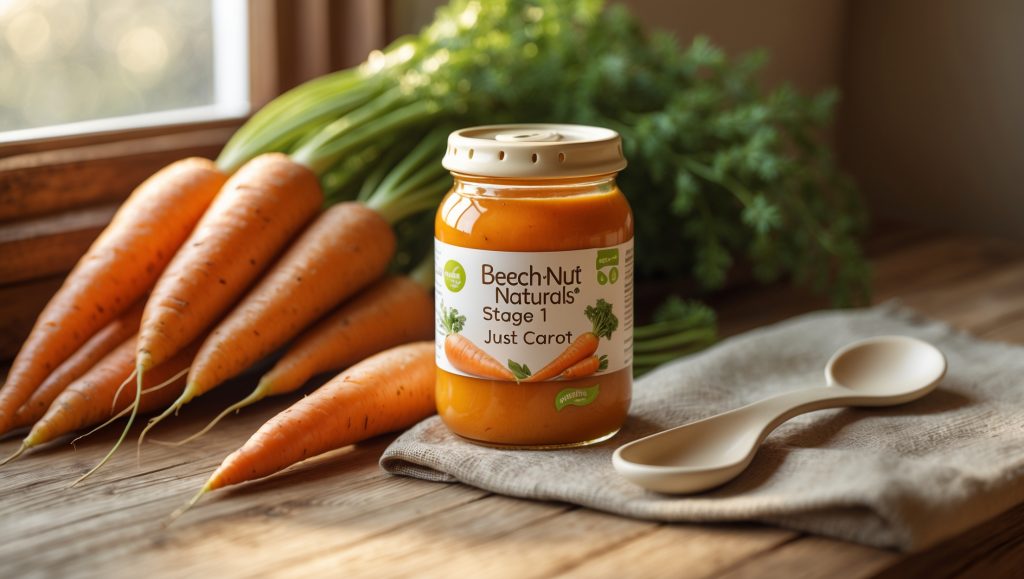
Introducing solids is a major milestone for babies and families alike. In 2025, with so many baby food options lining the shelves, finding a simple, trustworthy first food can feel overwhelming. Beech-Nut Naturals Stage 1 Just Carrot Baby Food Jar stands out for its minimal ingredient list and approachable flavor, making it an appealing choice for parents beginning the journey of complementary feeding. This review explores everything you need to know about this product—from its nutritional content and taste to practical aspects like convenience and storage.
Ingredients & Nutrition
Beech-Nut Naturals Stage 1 Just Carrot is exactly what its name promises: a single-ingredient purée made from carrots. The brand emphasizes transparency and simplicity, opting for non-GMO carrots and no artificial colors, flavors, or preservatives. Each 4 oz glass jar contains only:
- Carrots
- Water (used for cooking and consistency)
The nutritional value per jar (4 oz, or about 113g) is approximately:
- Calories: 35
- Protein: 1g
- Total Fat: 0g
- Total Carbohydrate: 8g (of which sugars are 4g, from natural carrot sugars)
- Fiber: 2g
- Sodium: 20mg
- Vitamin A: Over 100% Daily Value for infants (from beta carotene)
Carrots are naturally rich in beta-carotene, a precursor to vitamin A, important for healthy vision and immune function. The lack of added salt, sugar, or flavorings keeps this jar consistent with current recommendations for first foods in the United States. The product is not certified organic, but Beech-Nut sources non-GMO vegetables and is transparent about ingredient origins. Always check product labels for the latest information, as formulations can occasionally change.
Taste & Texture
Beech-Nut’s Just Carrot purée has a naturally sweet flavor profile, with the earthy notes typical of steamed carrots. The taste is mild and appealing to most babies, especially those newly exploring solids. Texture-wise, the purée is smooth and thin, designed specifically for Stage 1 eaters who may be learning how to move food from the front to the back of their mouths. The consistency is neither too runny nor too thick, making it easy to scoop onto a spoon or mix with a bit of breastmilk or formula if desired.
Some parents find that the natural sweetness makes it a hit with babies who may be hesitant about more bitter or green vegetables. As with all new foods, individual preferences vary—some little ones may take a few tries before accepting the taste and texture, which is a normal part of the introduction process.
Convenience & Storage
Convenience is a major consideration for busy families. Beech-Nut’s Stage 1 Just Carrot comes in a recyclable glass jar with a twist-off metal lid. The jar format makes it easy to serve straight from the container or portion out into smaller servings. Here’s what to keep in mind:
- Shelf-stable before opening; no refrigeration required until after opening.
- Once opened, the jar should be refrigerated and used within 2–3 days for optimal freshness.
- Jars are travel-friendly but require a spoon for feeding (unlike pouches, which can be more portable).
- Clear labeling helps parents track ingredients and expiration dates.
- Glass jars are reusable for homemade baby food or small storage needs.
One consideration: glass is heavier and breakable compared to plastic or pouch alternatives, so extra care may be needed when handling, especially on-the-go.
Pros & Cons
Pros
- Single-ingredient, making it ideal for introducing solids and monitoring for sensitivities
- No added salts, sugars, colors, or preservatives
- Smooth texture suitable for Stage 1 eaters
- Rich in vitamin A (from beta-carotene), supporting healthy development
- Clear, honest labeling and ingredient transparency
- Recyclable glass jar for eco-conscious families
Cons
- Not certified organic (though made with non-GMO carrots)
- Glass jar is less portable and more breakable than pouches
- Some babies may prefer more variety or mixed flavors
- Shelf life after opening is limited to 2–3 days
Alternatives & Similar Products
If you’re looking for other simple, single-ingredient baby foods, several brands offer comparable options. Alternatives in the U.S. market include:
- Earth’s Best Organic 1st Carrots – Certified organic and widely available in jars or pouches.
- Gerber 1st Foods Carrot – Another single-ingredient purée in plastic containers, with a similar smooth texture.
- Plum Organics Stage 1 Carrot – Available in portable pouches, certified organic, with a slightly thicker consistency.
- Homemade carrot purée – For families who prefer to steam and blend carrots at home, allowing for full control over texture and freshness.
When choosing a first food, look for minimal or single ingredients, appropriate texture, and clear labeling. Each baby’s preferences and needs will differ, so trying a few options can help you find the best fit.
Verdict
Beech-Nut Naturals Stage 1 Just Carrot Baby Food Jar is a solid choice for families beginning the introduction of solids. Its single-ingredient simplicity, smooth texture, and gentle natural sweetness make it approachable for most babies. While not organic, the use of non-GMO carrots and absence of unnecessary additives align with evidence-informed recommendations for early feeding. The glass jar packaging is eco-friendly but may be less convenient for travel than pouches. Overall, this product delivers on its promise: a wholesome, straightforward start to your baby’s food journey.
FAQ
+Is Beech-Nut Just Carrot suitable for babies starting solids?
+Does Beech-Nut Just Carrot contain any allergens?
+How should I store the jar after opening?
+Is this product organic?
+What is the texture like? Will my baby be able to handle it?
+Can I mix this purée with other foods?
+Is the glass jar recyclable?
+How do I know if my baby is ready for solids?

Beech-Nut Naturals Stage 1 Just Carrot Baby Food Jar is a thoughtful choice for parents beginning their baby’s journey into solid foods. This single-ingredient puree exemplifies simplicity: it contains only carrots and a touch of water, with no added sugar, salt, or artificial preservatives. The smooth texture is perfect for little ones just starting to explore new tastes and textures, making it gentle on sensitive tummies.
One of the standout features of this product is its commitment to using non-GMO carrots grown in the US, giving parents peace of mind about what’s going into their child’s first foods. The glass jar packaging is not only recyclable but also lets you see exactly what you’re serving. The mild, naturally sweet flavor of carrots is often a hit with babies, helping them develop a taste for vegetables early on.
For busy families, the convenience factor is notable—simply open, stir, and serve. While some parents may prefer making purees at home, Beech-Nut’s offering is a reliable and wholesome option when time is short. It’s a gentle, nutritious way to introduce solids, supporting healthy eating habits right from the start.
- Single-ingredient, non-GMO carrot puree
- No added sugar, salt, or artificial preservatives
- Recyclable glass jar with visible contents
- Convenient and gentle for first solid feedings
Sometimes, my child prefers playing outside over eating, especially after watching TV. Would you recommend serving the Beech-Nut carrot jar before or after some active play, or does timing not matter much for a picky preschooler?
It’s understandable to wonder about the best timing for meals with an active, picky eater. For preschoolers, serving the Beech-Nut carrot jar after some outdoor play can work well, as physical activity often boosts appetite and helps them settle down for a meal. Aim for a calm, screen-free environment at mealtime to support mindful eating. Keep portions small and offer the food at regular, predictable times. Always supervise to ensure safety, especially with jarred foods. This isn’t medical advice; if you’re concerned about eating habits, check in with your pediatrician.
Does the glass jar packaging mean I can store leftovers directly in the jar once it’s opened, or is it better to transfer the purée to a separate container for freshness? Also, how many days does the purée stay safe in the fridge after opening?
—keeping your baby’s food fresh and safe is so important. You can store leftovers in the original Beech-Nut glass jar if you reseal it tightly and refrigerate it right after feeding. Make sure to use a clean spoon to avoid contamination. Generally, opened purée stays safe in the fridge for up to 2 days. If you notice any change in smell or appearance, discard it. For extra freshness, some parents prefer transferring the purée to a smaller airtight container. Always supervise feedings and check for allergies when introducing new foods. This isn’t medical advice; if you have concerns, check in with your pediatrician.
If my child has trouble adjusting to new textures and prefers crunchy foods, do you have any tips for making this smooth purée more appealing? I worry she might reject foods that are too different from what she’s used to.
It’s understandable to worry when your child prefers crunchy foods and resists smooth purées. You might try gradually mixing a small amount of finely crushed crackers or unsweetened cereal into the Beech-Nut carrot purée to add some texture. Offer the blend alongside her familiar crunchy foods, so she feels more comfortable. Let her explore the food with her hands to get used to the new texture at her own pace. Always supervise closely to ensure pieces are small enough to avoid choking, especially for babies or young toddlers. This isn’t medical advice; if you’re concerned, check in with your pediatrician.
My child is very sensitive to textures and sometimes refuses anything too smooth or too thick. How could I adjust the consistency of this carrot purée to help them get used to eating more varied foods, or should I just keep offering it as is and wait for them to adapt?
It’s completely understandable to want to help your child feel comfortable with different food textures. You can try stirring in a small amount of breast milk, formula, or water to thin out the purée, or gently mash in some soft cooked carrots for a bit more texture. Gradually adjust the consistency every few days to help your child get used to variety, watching closely for any gagging or choking risks. Always supervise meals and choose safe, age-appropriate foods with no lumps that could cause choking. This isn’t medical advice; if feeding difficulties continue, consider checking in with your pediatrician.
I’m wondering if the natural sweetness of carrot purée could make it harder for my baby to accept less sweet veggies like peas or green beans later on. Is there a recommended way to introduce more bitter flavors after starting with carrots?
You’re thoughtful to consider how early flavors might shape your baby’s preferences. To help your baby accept less sweet veggies, try offering single-ingredient purées like peas or green beans a few days after carrots, even if your baby makes a funny face at first. Present small tastes repeatedly, since it can take many tries for babies to accept new flavors. Mix a bit of pea or green bean purée with carrot at first, then gradually increase the proportion of the less sweet veggie. Always supervise feeding, and make sure the texture is age-appropriate and smooth for early eaters. This isn’t medical advice; if you’re concerned, check in with your pediatrician.
Does the smooth texture of Beech-Nut’s carrot purée work for homemade pretend play activities, like making ‘carrot paint’ for edible art? Or is there a risk of staining clothes or furniture?
It’s great that you want to explore edible art with your baby using safe foods. The smooth texture of Beech-Nut’s carrot purée makes it easy to spread, so it can work as a base for edible finger painting. To minimize staining, dress your child in a smock or old clothes, and use a washable mat underneath. Carrot purée can leave orange marks on fabrics and some surfaces, so supervise closely and clean up right after play. Always make sure your baby is developmentally ready for this kind of sensory activity and does not have any carrot allergies. This isn’t medical advice; if you have concerns, check in with your pediatrician.
My child reacts strongly to new textures and usually prefers very smooth foods. Is the Beech-Nut Just Carrot purée noticeably different in texture compared to other brands, or would it be easy to thin out further if needed?
It makes sense to want gentle textures for a child who is sensitive to new foods. Beech-Nut Just Carrot purée is generally smooth, but every brand can have slight texture differences. If your baby prefers an extra-smooth purée, you can easily thin this one further with a bit of breast milk, formula, or water—just mix thoroughly until you reach the right consistency. Always introduce new foods slowly and watch for any signs of discomfort. For infants, supervise while eating and ensure the purée stays free from lumps or chunks. This isn’t medical advice; if your child’s reactions seem strong or unusual, check in with your pediatrician.
We try to stick to a tight grocery budget, so I’m curious whether the Beech-Nut Naturals carrot jars offer better value compared to making carrot purée at home or choosing pouches. Has anyone compared cost or waste?
It’s great that you’re thinking carefully about both your budget and reducing waste. To compare value, try these steps: 1) Calculate the cost per ounce of homemade carrot purée by dividing the price of carrots plus prep supplies by total purée made. 2) Compare that to the cost per ounce of Beech-Nut jars and pouches. 3) Consider packaging waste—glass jars are generally recyclable, while pouches can create more landfill waste. 4) Homemade purée can be stored in bulk and portioned as needed, though it does require more time and attention to food safety. Each approach is safe for babies 4–6 months and older, as long as you ensure appropriate texture and cleanliness. This isn’t medical advice; if you have specific concerns, please ask your pediatrician.
Do you have any advice for families who rotate caregivers, like grandparents, on keeping a consistent schedule with introducing single-ingredient foods like this when everyone might have their own routine?
It’s understandable to want consistency for your baby, especially with multiple caregivers involved. To help, try making a shared feeding log—on paper or a simple notes app—where each caregiver records what food was given, the amount, and any reactions. Agree on a simple introduction schedule (like one new food every 3–5 days) and keep a copy visible in the kitchen. Have a quick chat or text check-in at handover times to update everyone. Remind all caregivers to watch for signs of allergy and only introduce single-ingredient foods one at a time for safety. This isn’t medical advice; if you’re concerned, check in with your pediatrician.
My toddler is extremely active and sometimes resists sitting down for meals. Would you recommend offering the Beech-Nut Just Carrot purée as a sensory activity, like letting him explore the texture with his hands before feeding, or is this discouraged for first solids?
It’s completely understandable to want mealtimes to feel positive for your active toddler. Allowing your child to touch and explore the Beech-Nut Just Carrot purée with their hands can actually support sensory development and reduce resistance to new foods, especially at the start of solids. For a toddler (over 12 months), this is both age-appropriate and safe, as long as you supervise closely and ensure the area is clean. Try starting with a small amount on a tray, encouraging gentle exploration before transitioning to eating. Always watch for any signs of allergy. This isn’t medical advice; if you’re concerned about feeding behaviors, check in with your pediatrician.
The article mentions the jar is not certified organic. Do you think there’s a significant difference in nutrition or taste between this and organic options, especially when you’re introducing vegetables for the first time?
It’s great that you’re thinking carefully about your baby’s first foods. Generally, the nutritional content and taste between conventional and organic carrot purees are quite similar, especially for single-ingredient options like this. If you’re introducing vegetables for the first time, focus on smooth texture and freshness, and always supervise for safety. Both types are typically safe when served as recommended for age, but if you’re concerned about pesticides, organic may offer extra peace of mind. This isn’t medical advice; if you have specific worries about ingredients or allergies, please discuss them with your pediatrician.
How long can an opened jar realistically stay fresh in the fridge if my child only eats a few spoonfuls at a time? I want to avoid wasting food, but I also want to be safe.
It’s so thoughtful that you’re balancing minimizing waste with keeping your baby safe. Once opened, Beech-Nut Naturals Stage 1 baby food should ideally be refrigerated and used within 2-3 days. Always use a clean spoon to prevent introducing bacteria, and seal the jar tightly before refrigerating. Discard any leftovers your baby has eaten from directly, as saliva can speed spoilage. Check for any changes in smell, color, or texture before serving again. This isn’t medical advice; if you’re worried, reach out to your pediatrician for extra reassurance.
Does the article suggest any tips for introducing vegetables like carrots to babies who might have a sensitive gag reflex or sensory processing challenges? Would this smooth purée be a good starting point for those concerns?
You’re asking a thoughtful question about introducing solids to babies with gag reflex or sensory sensitivities. The article notes that Beech-Nut Naturals Just Carrot has a smooth texture, which is often helpful for babies with these challenges. Start by offering a small amount on a soft spoon and let your baby explore at their own pace—never force bites. Watch closely for signs of discomfort or distress, and keep feeding sessions brief and positive. Always supervise to ensure safety, especially if your baby is very young or has known sensory issues. This isn’t medical advice; if you’re concerned, check in with your pediatrician.
We spend a lot of time outdoors and sometimes meals happen on the go. Since toddlers can be messy, how sturdy is the glass jar for travel, and do you have any tips for safely storing leftovers when we’re out and about?
It’s great that you’re thinking ahead about safe, easy feeding during your outdoor adventures. The Beech-Nut Naturals glass jar is sturdy for daily use, but glass can break if dropped, especially by active toddlers, so keep it in a padded lunch bag or wrap it in a towel. For leftovers, make sure to use a clean spoon each time and tightly reseal the jar; store it in a small cooler with an ice pack and use within 24 hours. Always check for chips or cracks before use, and supervise closely to avoid little hands handling the jar. This isn’t medical advice; if you’re concerned, check in with your pediatrician.
My twins are sensitive to textures and sometimes struggle with purées that are too thin or too thick. Is the Beech-Nut Just Carrot purée easy to mix with other foods or to slightly thicken up if one baby prefers a less runny consistency?
It’s understandable to want a purée texture that suits both your twins’ preferences. The Beech-Nut Just Carrot purée is smooth and simple, so you can mix it with other single-ingredient purées or small amounts of breast milk or formula to adjust the consistency. To thicken it, try stirring in a bit of infant rice cereal, making sure to go slowly and check for any lumps or choking hazards. Always supervise while your babies are eating, and ensure that any mix-ins are age-appropriate and free from allergens unless already introduced. This isn’t medical advice; if you’re concerned, check in with your pediatrician.
My baby is almost six months but was born prematurely. Is Beech-Nut Just Carrot a good option for delayed introduction to solids, or are there special considerations for adjusting the age or portion size with preemies?
You’re right to think carefully about starting solids with a baby born prematurely. For preemies, readiness cues—not just age—matter most: look for good head control, interest in food, and ability to swallow purees. Start with a very small spoonful of Beech-Nut Just Carrot, watching for any signs of intolerance. Single-ingredient purees like this are appropriate, but always introduce new foods one at a time. Because preemies can have unique nutritional needs, check with your pediatrician for personalized timing, portion guidance, and to rule out allergies or texture concerns. This isn’t medical advice; if you’re concerned, check in with your pediatrician.
We have limited fridge space in our apartment, so I’m wondering if the unopened jars can be stored at room temperature. Are there any specific tips for keeping them fresh, or should they only go in the refrigerator even before opening?
It’s understandable to want to make the most of limited fridge space. Unopened Beech-Nut Naturals Stage 1 Just Carrot jars are shelf-stable and safe to store at room temperature, as long as they’re kept in a cool, dry place away from direct sunlight and extreme heat. Once opened, any leftovers should go straight into the refrigerator and used within the timeframe on the label. Always check that the seal is intact before serving. This isn’t medical advice; if you’re concerned, check in with your pediatrician.
Sometimes my baby gets bored with the same flavors. Could I mix a little bit of this carrot purée with another Beech-Nut Stage 1 vegetable without compromising the smooth, stage-appropriate texture, or would that make it harder for early eaters?
It makes sense to want to offer your baby some variety while sticking to safe first foods. You can gently mix small amounts of two Stage 1 Beech-Nut vegetable purées, like carrot and another single-ingredient variety, as both are designed to be smooth and easy for early eaters around 4–6 months old. Start with a tiny amount of the new veggie to check for any reactions and wait three to five days before introducing another new food. Always supervise, and avoid adding chunky textures or extras at this stage. This isn’t medical advice; if you’re concerned, check in with your pediatrician.
We share caregiving with grandparents who sometimes keep the baby overnight. If the jar is opened and refrigerated at their house and brought back home, is it still safe to use within the stated fridge storage time, or should it be discarded after transport?
It’s great that you’re thinking about your baby’s safety with shared caregiving. If the Beech-Nut jar was opened, refrigerated at the grandparents’ house, and then transported home, it can usually be used within the stated fridge storage time (typically 2–3 days) as long as it stayed cold the whole time. Keep the jar in a cooler bag with an ice pack during transport to maintain a safe temperature. Discard the food if it was left out for more than 2 hours or shows any sign of spoilage. This isn’t medical advice; if you’re concerned, check in with your pediatrician.
If we open a jar and my baby only eats a small amount, how long is it safe to store the leftovers in the fridge? Also, are there creative ways to use up any extra before it spoils?
It’s great that you’re being mindful about food safety and reducing waste. Once opened, Beech-Nut Naturals Stage 1 Just Carrot should be refrigerated right away and used within 1 to 2 days, especially since baby food can spoil quickly. Always use a clean spoon to prevent introducing bacteria. For leftover puree, you can mix small amounts into oatmeal, blend into homemade smoothies for older siblings, or freeze in small portions for future meals. Just remember, purees are best for babies who are developmentally ready, and always watch for any signs of spoilage. This isn’t medical advice; if you’re concerned, check in with your pediatrician.
Is it okay to alternate this Just Carrot purée with homemade carrot baby food, or should I stick to one type during the transition to solids for consistency?
You’re thoughtful to consider consistency as you introduce solids to your baby. It’s generally fine to alternate Beech-Nut Naturals Just Carrot purée with homemade carrot purée, as both provide a simple, single-ingredient option. To reduce the risk of confusion or allergy, make sure both purées are smooth and free of added ingredients, and introduce only one new food at a time. Watch for any signs of intolerance like rash or tummy upset. Always supervise your baby during feeding and check for appropriate texture for their age. This isn’t medical advice; if you’re concerned, check in with your pediatrician.
If my baby doesn’t finish the full 4 oz jar in one sitting, how long can it stay safely refrigerated after opening—especially since it comes in glass rather than plastic packaging? Any tips for keeping leftovers fresh and preventing contamination?
You’re right to want to keep your baby’s food safe and fresh. Once opened, refrigerate the leftover Beech-Nut Naturals Stage 1 Just Carrot jar within two hours, tightly resealing the glass lid. Use a clean spoon each time you serve to avoid introducing bacteria, and try to use the remainder within 1–2 days for best safety and quality. If your baby ate directly from the jar, discard any leftovers to prevent contamination. Always check for changes in smell or appearance before re-serving. This isn’t medical advice; if you’re concerned, check in with your pediatrician.
With a toddler running around and a newborn just starting solids, I need things to move quickly. How long can the Beech-Nut Just Carrot jar safely sit out at room temperature after opening if I get interrupted mid-meal by my toddler needing attention?
It can be tough juggling a toddler and a newborn, especially during mealtimes. For safety, once the Beech-Nut Just Carrot jar is opened, it should not sit out at room temperature for more than 2 hours; in warm environments, even less—try to refrigerate it within 1 hour if you get interrupted. Always use a clean spoon and close the jar promptly. Discard any leftovers your baby has eaten from directly, as saliva can introduce bacteria. This approach helps minimize any risk to your little one’s developing immune system. This isn’t medical advice; if you have specific concerns, please check with your pediatrician.
I see this product uses only carrots and water with no added salt or sugar. If my baby is less than 6 months adjusted age due to prematurity, is it still suitable as a first food or should I wait?
It’s understandable to want the best start for your premature baby as you think about starting solids. For infants younger than 6 months adjusted age, even single-ingredient foods like carrots and water are generally not recommended yet. Their digestive systems and nutrient needs differ, especially with prematurity. Instead, focus on breast milk or formula until your baby’s healthcare provider gives the go-ahead. When your baby shows developmental readiness and your pediatrician approves, you can safely introduce single-ingredient purées like this one. This isn’t medical advice; if you’re concerned, check in with your pediatrician.
Does Beech-Nut provide any guidance on safely disposing of or storing the lid after opening the jar to prevent it from being a choking hazard for babies and toddlers? I am a bit nervous about small parts lying around.
It’s completely understandable to be concerned about choking hazards like small jar lids around little ones. While Beech-Nut doesn’t provide specific guidance in its packaging or on its website about lid disposal, here are a few steps you can take: 1) Immediately after opening, store the lid out of your child’s reach, preferably in a closed container or high cupboard. 2) If you’re saving the food, securely re-cap and refrigerate the jar, still keeping it away from children. 3) Once finished, rinse and recycle or dispose of the lid right away—never leave it on counters or tables. These steps help keep curious babies and toddlers safe, as lids can pose choking risks. This isn’t medical advice; if you’re concerned, check in with your pediatrician.
Does the natural sweetness of this purée make it harder to get babies interested in less sweet vegetables later on? I’m hoping to keep things simple but also encourage a varied palate from the start.
It’s thoughtful to want to encourage a varied palate early on. Babies do tend to prefer sweeter flavors, but offering a vegetable like carrot as one of several first foods is fine. Try alternating with more bitter or less sweet veggies (like peas or green beans) at different meals. Keep portions small and repeat exposures—babies often need to taste a new food several times to accept it. For 4–6 month-olds, always supervise and check texture for readiness. This isn’t medical advice; if you’re concerned, check in with your pediatrician.
Do you have any tips on how much of the jar I should serve at one meal for a baby who is just starting solids? I want to be careful not to overwhelm my child during our first few tries.
It’s wonderful that you’re tuned in to your baby’s comfort as they begin solids. For a first taste, offer just 1–2 teaspoons of the Beech-Nut Naturals Stage 1 carrot puree, watching your baby’s cues and letting them guide the pace. You can gradually increase to a tablespoon as your baby shows interest and readiness. Always use a small, soft-tipped spoon and supervise closely, as babies this age are still learning how to swallow solids. Remember, early meals are mostly about exploration, not quantity. This isn’t medical advice; if you have concerns, your pediatrician can help personalize guidance.
I noticed you mentioned the Beech-Nut Just Carrot is great as a first food. If my baby is starting solids a little later, closer to 8 months, would the texture still be appropriate, or should I look for something chunkier? How would you suggest adjusting?
It’s great that you’re thinking about texture as your baby starts solids a bit later. The Beech-Nut Just Carrot is a smooth puree designed for early eaters, so by 8 months, your baby might be ready for more texture to support chewing skills. You could mix the puree with mashed, soft-cooked veggies for a thicker consistency, or gradually transition to small, soft chunks of carrot as finger foods, ensuring they’re easily squishable to avoid choking risks. Always supervise closely and watch for signs your baby is ready to handle new textures. This isn’t medical advice; if you’re concerned, check in with your pediatrician.
If my baby is already familiar with more textured foods from grandparents’ homemade cooking, would this smooth Stage 1 purée still be suitable, or should we be looking for a thicker consistency?
It’s great that your baby is comfortable with more textured foods already. If your little one is happily eating thicker consistencies and mashing foods in their mouth, you can continue offering those textures with supervision. Stage 1 purées like the Beech-Nut Just Carrot jar are still safe but may feel too simple compared to what your baby is used to. You can mix the purée with mashed veggies or grains to create a thicker texture if you’d like. Make sure all foods are soft and manageable for your baby’s age, and always supervise meals to avoid choking. This isn’t medical advice; if you’re concerned, check in with your pediatrician.
If I want to introduce Beech-Nut Just Carrot as a first food but my baby is a bit older than typical Stage 1 age, would it still be appropriate? Should I adjust serving size, or is it better to move on to thicker textures?
It’s great that you want to offer wholesome options as your baby explores solids. Even if your baby is a little older than the usual Stage 1 age, you can safely use Beech-Nut Just Carrot as long as your child tolerates purees. Try offering a slightly larger serving and consider mixing it with mashed foods or small soft chunks to introduce more texture, which is important for older infants. Always supervise during meals to watch for any signs of choking. If your baby is ready, gradually progress to thicker or lumpier foods. This isn’t medical advice; if you’re concerned about texture progression, check in with your pediatrician.
If my child hasn’t had much experience with vegetables yet, is it a good idea to offer this carrot purée as a first food, or should I try a more neutral vegetable like squash or peas first to encourage a wider range of flavors later?
It’s great that you’re thinking carefully about your baby’s first tastes and supporting their openness to different flavors. Carrot purée is a safe, age-appropriate first food for babies starting solids around 6 months, offering a mild sweetness many infants enjoy. To encourage a wider palate, consider rotating single-ingredient options like carrots, squash, and peas, introducing each new food one at a time with a few days in between to watch for reactions. Offer a small amount on a spoon, keeping mealtime relaxed and low-pressure. Always supervise your baby and check the texture for smoothness. This isn’t medical advice; if you’re concerned, check in with your pediatrician.
I’m planning a road trip and won’t have access to a fridge all day. Once opened, how many hours at room temperature is the puree still safe for my child to eat?
It’s great that you’re thinking about food safety while traveling with your baby. After opening, most baby food purees like Beech-Nut Naturals Stage 1 Just Carrot should be eaten within 1–2 hours if kept at room temperature. To keep it safe, only serve what your baby will eat at one time, use a clean spoon, and store any unused portion in a cooler with ice packs if possible. Discard any puree that’s been left out longer than 2 hours to avoid bacterial growth. This isn’t medical advice; if you’re concerned or your baby has special health needs, check in with your pediatrician.
I noticed the texture is described as quite smooth and thin. For babies who are a little older or ready for thicker purees, is there a way to make this more textured, or would you recommend moving to a different stage or brand at that point?
It’s great that you’re tuning in to your baby’s readiness for more textured foods. For older babies or those ready for thicker purees, you can try mashing cooked carrots and mixing them into the Beech-Nut jar to increase texture, or stir in a little well-cooked rice or oatmeal for gentle thickness. Always supervise closely to ensure safe swallowing, and avoid adding any chunks or foods that may pose a choking risk. If your baby consistently handles thicker mixtures well, you might consider moving up to Stage 2 or 3 foods. This isn’t medical advice; if you’re unsure, check with your pediatrician.
My child sometimes reacts to new foods with some fussiness. Does the natural sweetness of this carrot purée make it easier to add into a regular feeding routine, or should it be paired carefully with other vegetables to avoid developing too much of a preference for sweet flavors?
It’s understandable to want your child to enjoy new foods while keeping their diet balanced. The natural sweetness of carrot purée can make it appealing and may help your baby accept solids more easily, especially around 6 months, but offering a variety is important. Try introducing carrot purée alongside less sweet vegetables like peas or green beans in separate servings. Rotate different single-ingredient purées each day to encourage a broad palate. Watch for any signs of allergic reactions and always supervise your baby during mealtimes. This isn’t medical advice; if you’re concerned, check in with your pediatrician.
The article mentions the jar is not certified organic but uses non-GMO carrots. For families on a tight budget, how does this product compare cost-wise and nutrition-wise to making your own carrot purée at home?
It’s completely understandable to weigh both cost and nutrition when feeding your baby. Store-bought jars like Beech-Nut Naturals Stage 1 are convenient and usually affordable, especially for single-ingredient purées. Making carrot purée at home can be cheaper if you buy carrots in bulk, but it takes time and equipment. Nutritionally, both options provide similar benefits—just carrots and water—but homemade allows you to control texture and freshness. For safety, ensure you peel, cook, and blend carrots thoroughly if preparing at home, and always supervise feeding. This isn’t medical advice; if you’re concerned, check in with your pediatrician.
I noticed this isn’t certified organic, but uses non-GMO carrots. For families looking for an organic-only option, how does this product compare in terms of safety and transparency with organic brands you recommend?
Your focus on safety and transparency is so important when starting solids. While Beech-Nut Naturals Stage 1 Just Carrot uses non-GMO carrots and avoids artificial additives, it is not certified organic, which means the farming practices may differ from certified organic brands. If you prefer an organic-only option, look for jars clearly labeled USDA Organic—they must meet stricter standards for pesticides and fertilizers. Whichever you choose, always check ingredient lists for simplicity and supervise your baby during feeding. This isn’t medical advice; if you’re concerned, check in with your pediatrician.
My preschooler sometimes asks to taste baby foods when his younger sibling eats. Is it okay to let a four-year-old have small amounts of this purée as an extra veggie serving?
It’s completely understandable to want to include your preschooler in mealtimes with their younger sibling. For a four-year-old, an occasional small taste of Stage 1 carrot purée is generally safe, as long as they are not allergic to carrots and can handle smooth textures without choking risk. Offer the purée in a regular spoon and treat it as a fun veggie snack, not a meal replacement. Encourage trying a variety of textures and foods that match their developmental stage. This isn’t medical advice; if you have concerns about your child’s diet or allergies, check in with your pediatrician.
You mention the jar is shelf-stable before opening. Once I open it and refrigerate, how many days can I safely use the leftovers? I am trying to avoid any waste but also want to make sure it stays fresh for my baby.
It’s great that you want to keep your baby’s food safe and minimize waste. Once opened, Beech-Nut Naturals Stage 1 Just Carrot baby food should be covered tightly and stored in the refrigerator. For best safety and freshness, use the leftovers within 2 to 3 days. Always use a clean spoon to prevent contamination and check for any signs of spoilage, like off smells or changes in texture. If your baby has eaten directly from the jar, discard any uneaten portion right away. This isn’t medical advice; if you’re ever unsure, reach out to your pediatrician.
I see that this isn’t certified organic, just non-GMO. How does that compare to some of the pricier organic brands when it comes to safety and nutrition for a first food?
It’s great that you’re looking closely at safety and nutrition for your baby’s first foods. Non-GMO and organic both aim to limit exposure to pesticides and additives, but only certified organic products must meet stricter farming and processing standards. For most babies starting solids, non-GMO options like Beech-Nut Naturals can still be a safe, nutritious choice, especially when introducing single-ingredient purees. Always check jars for freshness and ingredients, and supervise your baby during feeding. If you have specific concerns—like food allergies or sensitivities—talk them over with your pediatrician. This isn’t medical advice; if you’re concerned, check in with your pediatrician.
Based on the article’s focus on straightforward, single-ingredient baby foods, how might using more open-ended toys alongside feedings impact my baby’s sensory experience compared to traditional educational toys that are designed for specific learning outcomes?
Your interest in enriching your baby’s sensory experiences during mealtimes is wonderful. Open-ended toys, like soft blocks or textured rings, can help your baby explore different shapes and surfaces while eating single-ingredient foods like the Beech-Nut Just Carrot. Offer toys that are safe for mouthing and easy to clean, and always supervise closely. Alternate between letting your baby touch, squeeze, or mouth the toy and the food, supporting sensory exploration without rigid expectations. This flexible approach can encourage curiosity and fine motor skills in ways that traditional, purpose-driven toys may not. This isn’t medical advice; if you’re concerned, check in with your pediatrician.
Since my toddler is more interested in playing with food than actually eating it, would mixing the Beech-Nut carrot purée with other safe foods or textures help encourage tasting, or is it better to keep Stage 1 foods simple and separate?
It’s completely normal for toddlers to explore food through play as they develop new tastes and skills. You can start mixing the Beech-Nut carrot purée with other safe, age-appropriate foods—like mashed potatoes or soft-cooked peas—to introduce variety and encourage tasting. Offer the mixture alongside small portions of the plain purée so your child can compare flavors and textures. Always supervise closely to ensure safe swallowing, and avoid foods that pose choking hazards. There’s no harm in experimenting a bit at this stage, but if you have specific concerns about eating habits, it’s a good idea to check in with your pediatrician. This isn’t medical advice.
For parents whose babies have sensitive taste or texture preferences, do you have any tips for gradually introducing this carrot purée, especially if a baby seems unsure about new foods? Can mixing with familiar breastmilk or formula really help, as mentioned?
It’s understandable to want to make your baby’s transition to solids as comfortable as possible, especially with sensitive taste or texture preferences. Try mixing a small amount of the carrot purée with your baby’s usual breastmilk or formula—this can help make the flavor and consistency more familiar and reassuring. Start with tiny tastes on a soft spoon and watch your baby’s cues; there’s no rush to increase quantity. Offer the purée when your baby is calm and not overly hungry or tired. If your baby refuses, it’s okay to pause and try again in a few days. Always supervise feeding and check for allergies. This isn’t medical advice; if you’re concerned, check in with your pediatrician.
If I wanted to offer the Beech-Nut Just Carrot in small amounts over several mornings, is it better to spoon out servings each time to avoid contaminating the jar, or is it okay to use directly from the jar if we finish it within a couple of days?
It’s great that you’re thinking about food safety as you introduce solids. To minimize the risk of bacteria from baby’s spoon or saliva, it’s best to spoon out each serving into a separate bowl rather than feeding directly from the jar, even if you plan to finish it in a couple of days. Store the unused portion in the fridge with the lid tightly sealed, and use a clean spoon each time. This helps keep the puree safe and fresh for your little one. For most babies starting solids around 6 months, this approach is appropriate. This isn’t medical advice; if you’re concerned, check in with your pediatrician.
My baby struggles with certain textures and sometimes gags on purées. Would you say this product is smooth enough for a very sensitive beginner, or does it still have a bit of graininess?
It’s understandable to be concerned about texture if your baby is sensitive or has gagged on purées before. The Beech-Nut Naturals Stage 1 Just Carrot Baby Food Jar is designed for beginners and is generally very smooth, but some parents notice a slight graininess because it’s made with real carrots and minimal processing. Try offering a tiny spoonful to see how your baby manages, and always supervise closely. If your little one continues to gag, consider thinning the purée with a bit of breast milk or formula. This isn’t medical advice; if you’re worried about ongoing texture issues, check in with your pediatrician.
My baby is sensitive to textures and sometimes refuses even smooth purées. Do you have any tips for parents whose babies are not taking well to thin purees like the Stage 1 Just Carrot? Would mixing it with other foods or adjusting the thickness help, or should I try a different approach?
It’s completely understandable to feel concerned when your baby resists certain textures. For babies who dislike thin purees, try thickening the Stage 1 Just Carrot with a bit of infant cereal or mashed vegetables to create a consistency that might feel better in your baby’s mouth. You could also offer small tastes on your finger or a soft-tipped spoon, letting your baby explore at their own pace. Mixing the puree with familiar flavors, like breast milk or formula, can help, but introduce only one new food at a time to watch for reactions. Always supervise closely and avoid any choking hazards. This isn’t medical advice; if you’re concerned, check in with your pediatrician.
If I open a jar and my baby only eats a couple of spoonfuls, how long can I safely keep the rest in the fridge before it needs to be tossed? Also, is it okay to freeze leftovers for later use, or does that impact the texture and safety?
It’s great you’re thinking carefully about food safety for your baby. Once you’ve opened a Beech-Nut Naturals Stage 1 Just Carrot jar and fed from it, refrigerate the leftovers right away and use within 1–2 days for babies under 12 months. Always use a clean spoon to reduce contamination risk. Freezing is not usually recommended for store-bought jars, as it can change the texture and possibly impact safety, especially if the jar has already been opened and exposed to bacteria. This isn’t medical advice; if you’re concerned, check in with your pediatrician.
I noticed the carrots used aren’t organic but are non-GMO. For parents on a budget, is there much difference in nutritional value or safety between this and more expensive organic carrot purées?
It’s understandable to want the best nutrition and safety for your baby, especially when budget is a concern. Nutritionally, both organic and non-GMO conventional carrot purées like Beech-Nut Naturals Stage 1 offer similar vitamins and minerals. The main differences are in farming practices: organic uses fewer synthetic pesticides, but non-GMO conventional options are still tested for safety and regulated. Always check jars for proper seals and expiration dates. For babies starting solids, both types are considered safe as long as they’re age-appropriate and introduced one at a time. This isn’t medical advice; if you have concerns about food safety for your child, your pediatrician can help you decide.
Since Beech-Nut Just Carrot isn’t organic but is non-GMO, how does this compare to similar organic options in terms of safety and nutritional value for a starting solid eater? It’s a bit hard to decide with so many choices on the shelves.
It’s understandable to feel unsure with so many baby food options available. Beech-Nut Just Carrot, while not organic, is non-GMO and tested for safety, which is important for starting solids around 6 months. Organic brands are produced without synthetic pesticides and fertilizers, but both options must meet FDA safety standards. Nutritional value—like vitamin A in carrots—is generally similar if the food is 100% carrot puree. Always check for simple ingredients, no added salt or sugar, and watch for any signs of allergy. This isn’t medical advice; if you’re concerned, check in with your pediatrician.
If my baby isn’t a fan of the carrot purée at first, is it better to keep re-trying it over several days or switch things up and offer a different vegetable to keep mealtimes positive and encourage exploration?
It’s completely understandable to want mealtimes to feel positive as your baby tries new foods. If your baby isn’t taking to carrot purée right away, it’s fine to gently re-offer it every few days, since babies often need multiple exposures to accept a new taste. You can also introduce a different single-ingredient vegetable, like peas or squash, to maintain interest and enjoyment at meals. Always watch for any signs of allergies and offer only one new food at a time. Keep portions small and let your baby take the lead. This isn’t medical advice; if you’re concerned, check in with your pediatrician.
Are there any concerns about giving non-organic carrot purée to toddlers, especially since I noticed this one isn’t certified organic even though it’s non-GMO?
You’re wise to consider the safety of foods for your toddler. Non-organic carrot purée, like the Beech-Nut Naturals reviewed here, is generally considered safe for toddlers, especially when it’s non-GMO and meets baby food safety standards. To reduce any risk of pesticide exposure, you can rinse the purée’s surface before serving, or alternate with organic options if you prefer. Always supervise your child while eating and watch for any allergic reactions. This isn’t medical advice; if you have concerns about ingredients or possible sensitivities, check in with your pediatrician.
My toddler tends to favor sweeter foods. Would starting with a naturally sweet purée like this make it harder to introduce more bitter veggies later on? I am trying to create a balanced palate early but am unsure how the initial flavors might affect that.
It’s great that you’re thinking ahead about encouraging a balanced palate for your toddler. Starting with naturally sweet purées like carrot is common and generally fine, but it can help to introduce a variety of flavors—including less sweet, slightly bitter veggies like peas or green beans—alongside the sweeter options. Offer new veggies repeatedly, even if they’re rejected at first, as it can take many tries for little ones to accept new tastes. Try mixing new flavors with familiar ones, and keep the mealtime atmosphere positive and pressure-free. At this age, supervise closely and ensure all foods are smooth and safe for your child’s developmental stage. This isn’t medical advice; if you’re concerned, check in with your pediatrician.
Given that the Beech-Nut Just Carrot uses glass jars, do they break easily if dropped, and is there any risk of glass chipping during typical use when feeding a wiggly baby?
It’s understandable to be cautious about glass jars with a wiggly baby. While Beech-Nut’s glass jars are fairly sturdy, like any glass, they can break if dropped onto a hard surface. To reduce risk, open and handle the jar on a stable surface out of your baby’s reach, transfer food to a baby-safe bowl before feeding, and always inspect the rim for chips before use. For safety, never let your baby handle the jar. This isn’t medical advice; if you’re concerned, check in with your pediatrician.
My baby seems sensitive to certain textures and is just starting on purees. Is the Beech-Nut Just Carrot purée thin enough for first-timers, or would you recommend mixing it with breastmilk to help with acceptance?
It’s great that you’re noticing your baby’s reactions to different textures as they begin solids. Beech-Nut Just Carrot purée is fairly smooth, but some babies new to purees may find even this texture a little thick. You can easily thin it by mixing in a small amount of breastmilk or formula until it reaches a consistency your baby is comfortable with. Start with a teaspoon, then add more as needed. Always introduce new foods slowly and watch for any signs of allergy. This isn’t medical advice; if you’re concerned, check in with your pediatrician.
My baby has some mild sensory sensitivities, especially with certain food textures. Is this carrot puree thin enough for a child who is just learning to tolerate solids, or would it help to thin it further with breastmilk or formula?
It’s great that you’re tuning into your baby’s sensory needs as they start solids. Beech-Nut Naturals Stage 1 Just Carrot puree is generally smooth and thin, but some babies with texture sensitivities do better with an even runnier consistency at first. You can safely mix in a little breastmilk or formula to thin the puree further for your baby. Start with a small amount and gradually adjust the thickness as your child gets more comfortable. Always supervise feeding and make sure the puree is lump-free to reduce any choking risk. This isn’t medical advice; if you have concerns or notice ongoing feeding difficulties, check in with your pediatrician.