
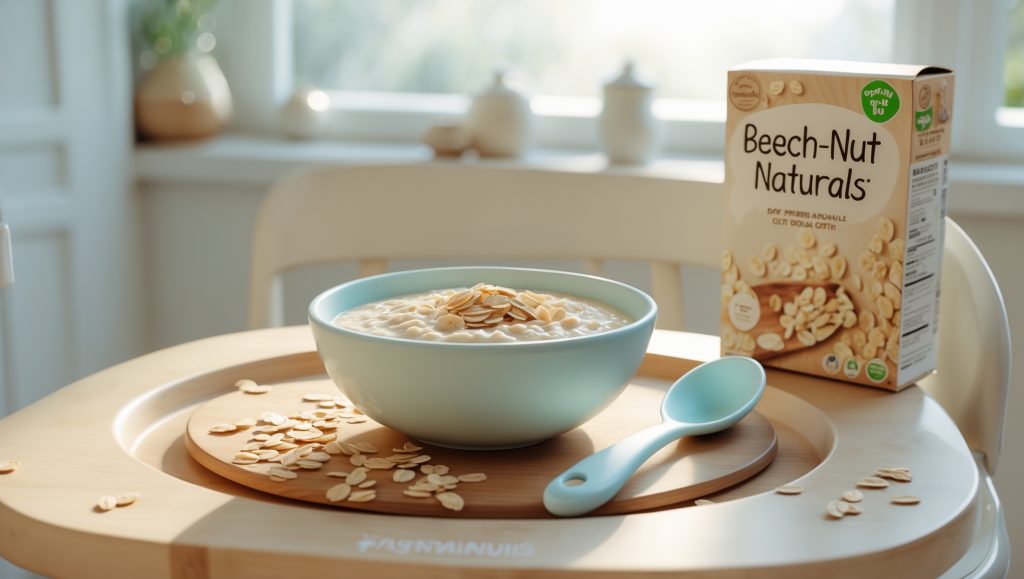
Overview
Introducing solids is a memorable milestone for families with babies around 6 months of age. Among the first foods many parents consider is single grain baby cereal, known for its gentle texture and straightforward nutrition. In this review, we take a comprehensive look at Beech-Nut Naturals Stage 1 Single Grain Oatmeal Cereal—a popular choice for parents seeking pure, easy-to-digest first solids. We’ll explore its ingredient quality, nutritional profile, taste and texture, convenience, and how it stacks up against other leading baby cereals in 2025. If you’re navigating the exciting (and sometimes confusing) world of introducing solids, read on for a detailed, evidence-informed guide.
Ingredients & Nutrition
Beech-Nut Naturals Stage 1 Oatmeal Cereal features a clean, minimal ingredient list:
- Whole grain oat flour
- Vitamins and minerals (including iron, calcium, zinc, and B vitamins), added for infant nutrition
There are no added sugars, artificial flavors or colors, or unnecessary fillers in this cereal. The oats provide a gentle source of fiber and slow-releasing carbohydrates, supporting steady energy for little ones. The cereal is fortified with iron—a key nutrient for babies at this stage, as iron stores from birth begin to decrease around 6 months. Each serving offers:
- Iron: 60% Daily Value (per 1/4 cup dry cereal)
- Calcium: 20% Daily Value
- Vitamin E, B6, B12, and zinc
- Minimal sodium (5mg or less per serving)
Beech-Nut cereals are made without genetically modified ingredients and undergo rigorous testing for heavy metals and contaminants, adhering to US safety standards. The oats are processed to reduce gluten cross-contamination, but the packaging notes that it is not certified gluten-free.
Taste & Texture
For babies new to solids, texture is as important as taste. Beech-Nut’s oatmeal cereal mixes into a very smooth, creamy consistency when prepared with breast milk, formula, or water. The texture can be easily thinned or thickened to suit your baby’s readiness as they progress on their feeding journey.
The taste is mild, slightly nutty, and pleasantly neutral. There are no overpowering flavors or off-putting aftertastes, making it ideal for introducing a single new food. Babies often accept the subtle taste, and parents appreciate the lack of added sugar or flavorings. Older infants may enjoy the cereal mixed with fruit or vegetable purees for variety.
Convenience & Storage
Beech-Nut oatmeal cereal comes in a sturdy, resealable 8 oz plastic canister with a wide opening, making it easy to scoop and measure. Preparation is simple: just add liquid and stir. It dissolves quickly, so there is no need for prolonged waiting.
The shelf-stable packaging means it can be stored in a cool, dry pantry for months (check the expiration date for specifics). Once opened, it should be used within 30 days for peak freshness. The packaging is recyclable in many areas, supporting eco-conscious families.
Pros & Cons
Pros
- Minimal, clean ingredient list with no added sugars or artificial additives
- Fortified with iron and key nutrients for infant growth
- Smooth, easily digestible texture suitable for first solids
- Mixes quickly with breast milk, formula, or water
- Affordable and widely available at most major retailers and online
- Resealable, easy-to-use packaging
Cons
- Not certified gluten-free (may not be suitable for babies with celiac disease or severe gluten sensitivity)
- Single grain cereal is low in protein and healthy fats—should be paired with other foods over time
- Some parents prefer organic oats; this product is not certified organic
- Neutral flavor may be bland for some babies after initial introduction
Alternatives & Similar Products
Several alternatives are available for parents seeking variety or specific attributes in baby cereals:
- Earth’s Best Organic Whole Grain Oatmeal Cereal – Certified organic, similar texture and iron fortification, slightly higher price point.
- Gerber Organic Single Grain Oatmeal Cereal – Organic oats, widely available, comparable in nutrition and convenience.
- Happy Baby Organics Clearly Crafted Oatmeal Baby Cereal – Organic, includes probiotics for digestive support, slightly different taste profile.
- Homemade Oatmeal (blended) – For parents who prefer to prepare baby cereal at home using whole oats, though this may lack iron fortification unless supplemented.
When choosing a baby cereal, parents may wish to compare the source of grains (organic vs. conventional), added nutrients, and the presence of additional ingredients like sweeteners or probiotics.
Verdict
Beech-Nut Naturals Stage 1 Single Grain Oatmeal Cereal remains a trusted, straightforward option for introducing solids in 2025. Its purity, iron fortification, and easy-to-prepare texture make it a favorite among families seeking a gentle, nutritious beginning to their baby’s food journey. While it may not suit every dietary preference (such as those requiring organic or gluten-free options), it stands out for its safety, affordability, and simplicity. For parents prioritizing a no-nonsense, baby-friendly first food, Beech-Nut’s oatmeal cereal is a strong contender in the US market.
FAQ
+Is this oatmeal cereal safe for babies with food allergies?
+How do I prepare Beech-Nut oatmeal cereal for my baby?
+Does this cereal contain iron?
+Can I mix this cereal with fruit or vegetable purees?
+How should I store the cereal after opening?
+Is this cereal organic?
+Is it gluten-free?
+Where can I buy Beech-Nut oatmeal cereal?

Beech-Nut Naturals Stage 1 Single Grain Oatmeal Cereal (2025 Edition) stands out as a thoughtful choice for parents beginning their baby’s solid food journey. This cereal’s straightforward ingredient list—oats, vitamins, and minerals—reflects Beech-Nut’s dedication to simple, wholesome nutrition. The texture is smooth and creamy when mixed with breast milk or formula, making it easy for infants to swallow and digest. Parents will appreciate that the oatmeal is unsweetened and free from artificial colors, flavors, and preservatives.
Beech-Nut’s commitment to transparency is evident in their sourcing and production practices, which prioritize non-GMO ingredients and rigorous quality checks. The resealable packaging is practical for busy caregivers, helping maintain freshness and reducing waste. Most importantly, this cereal provides essential iron, supporting healthy brain development in growing babies. While some may prefer organic options, this product offers excellent value and peace of mind for families seeking a gentle, nutritious first food.
- Single-grain formula helps identify allergies and eases digestion.
- No added sugar or artificial ingredients—just pure oats and nutrients.
- Enriched with iron to support healthy infant development.
- Convenient packaging keeps cereal fresh and easy to store.
Since the packaging says the cereal should be used within 30 days after opening, do you have any tips to help remember when it was opened or ways to keep it fresher for longer, especially if my baby only eats small amounts each day?
It’s great that you want to keep your baby’s cereal safe and fresh. When you first open the Beech-Nut oatmeal cereal, write the date directly on the package with a marker. Store the cereal tightly sealed in its original container, placed in a cool, dry spot away from sunlight. Consider setting a reminder on your phone or calendar to alert you when 30 days have passed. For babies under one, always use a clean, dry spoon to avoid introducing moisture or bacteria. This isn’t medical advice; if you’re concerned, check in with your pediatrician.
The review mentions the canister is recyclable in many areas. How does the packaging compare to other leading brands in terms of eco-friendliness, and is it easy to clean out for recycling?
It’s great that you’re considering the environmental impact of baby food packaging. The Beech-Nut Naturals Stage 1 oatmeal cereal comes in a recyclable canister, which is a step in the right direction compared to some brands that still use mixed-material or non-recyclable packaging. To recycle, rinse out any leftover cereal so the container is clean, then check with your local recycling guidelines. For most communities, the process is straightforward, but always remove the label if required. This isn’t medical advice; if you have specific concerns about recycling safety, your local waste authority can offer more guidance.
I noticed the packaging says the oats aren’t certified gluten-free. If someone in the family has a gluten allergy, is this product still reasonably safe to keep in the house, or is there a contamination risk to be aware of during meal prep?
It’s wise to be cautious about cross-contamination when a family member has a gluten allergy. Since the oats aren’t certified gluten-free, there’s a possibility of trace gluten from processing or packaging. To lower risk: keep cereal and utensils separate from gluten-free foods; clean surfaces before and after preparing baby’s meals; store the cereal away from gluten-free products; and always wash your hands before handling different foods. For families with severe gluten sensitivities, it may be safest to avoid products without clear gluten-free certification. This isn’t medical advice; for specific concerns, please check in with your pediatrician or allergist.
I see that Beech-Nut oatmeal is made in a recyclable canister, which I appreciate. From a budget perspective, do you think it lasts as long as similar brands, or do you end up using more per serving to get the right consistency?
It’s great that you’re thinking about both environmental impact and stretching your budget. Beech-Nut Naturals Stage 1 oatmeal is finely milled, so you should be able to use similar amounts per serving as with other leading brands to achieve the right consistency for your baby. Start with the recommended serving size and add small amounts of liquid, mixing until smooth, to avoid overusing the cereal. Store the canister tightly closed to keep it fresh and prevent waste. For babies just starting solids, small servings are safest and most age-appropriate. This isn’t medical advice; if you’re concerned, check in with your pediatrician.
You mention that the cereal mixes easily with different liquids. Do you have a recommendation for how to incorporate this into a weekday morning feeding routine when parents are in a rush, especially if the baby is also eating purees or other foods?
You’re looking for ways to make mornings smoother while offering your baby a variety of foods—such a common challenge. To streamline things, pre-portion dry cereal into containers the night before. In the morning, just add breast milk, formula, or water and stir. You can mix in a spoonful of fruit or veggie puree for nutrition and flavor. Offer the cereal first or alongside purees, following your baby’s cues for hunger. Always supervise and ensure the cereal is smooth to avoid lumps that could be hard for babies under 8 months. This isn’t medical advice; if you’re concerned, check in with your pediatrician.
I noticed the iron content is pretty high per serving. If my baby is also getting iron-fortified formula, should I be concerned about too much iron, or is it balanced for babies at this stage?
Your attention to your baby’s nutrition is so important. Iron is essential for infants, and both iron-fortified cereals and formulas are designed to meet babies’ needs without generally causing excess. For babies around 4–6 months starting solids, small portions of iron-fortified cereal with formula is usually safe, as foods and formulas for this age are formulated with safety in mind. Start with a small amount, watch for any tummy upsets or constipation, and always supervise your baby during feeding. This isn’t medical advice; if you’re concerned about iron intake or your baby’s unique needs, check in with your pediatrician.
You mentioned mixing fruit or veggie purees into the oatmeal for older infants. Are there any combinations that tend to be most accepted by toddlers who struggle with speech or communication delays, to encourage more interest in eating?
It’s understandable to want to encourage eating, especially for toddlers with speech or communication delays. Try smooth, mild combinations like oatmeal blended with applesauce, mashed banana, or pear puree—these are gentle on sensitive palates and easy to swallow. For veggie options, mix in sweet potato or pumpkin puree for natural sweetness and creamy texture. Always watch for signs of allergies and avoid choking hazards by ensuring everything is well-pureed. Let your child explore with their hands if they show interest, as this tactile experience can help. This isn’t medical advice; if you’re concerned, check in with your pediatrician.
You mention that Beech-Nut oatmeal cereal is not certified gluten-free. Should families who have a history of gluten sensitivity be concerned about cross-contamination, or is it typically safe for most toddlers without a diagnosed allergy?
You’re right to be cautious about gluten, especially if there’s a family history of sensitivity. For toddlers without a diagnosed gluten allergy or celiac disease, Beech-Nut oatmeal cereal is generally considered safe, even though it isn’t certified gluten-free. If your child is at higher risk or you’re introducing solids for the first time, start with small amounts and watch for any reactions like rash, tummy upset, or changes in stool. If your family is very concerned about cross-contamination, you may want to look for a certified gluten-free alternative. This isn’t medical advice; if you have concerns, please consult your pediatrician.
My baby is pretty sensitive to textures and noises, and we try to have a calm routine in the mornings. Would this oatmeal cereal work well for kids who might be wary of new textures or transitions, based on your review?
It’s great that you’re attentive to your baby’s sensitivities and want a gentle start to the day. Based on the review, Beech-Nut Naturals Stage 1 Single Grain Oatmeal Cereal has a very smooth and mild texture, which often works well for babies who are sensitive to new textures. Start by mixing the cereal with extra breastmilk or formula to make it even thinner. Introduce it slowly, offering just a few small spoonfuls at first, and keep the environment calm and predictable. Always supervise meals and watch for any signs of discomfort or allergy. This isn’t medical advice; if you have specific concerns, please check with your pediatrician.
If my child is extra alert to changes in eating routines, do you recommend introducing this oatmeal by itself first, or is it better to mix in a little fruit puree from the beginning to help with acceptance?
It’s understandable to want to make new foods as smooth as possible for a sensitive eater. For babies who are extra alert to changes, it can help to introduce the oatmeal by itself first so your child experiences its taste and texture alone. Start with a small amount, watching for reactions. Once your baby seems comfortable, you can try mixing in a familiar fruit puree to add variety and support acceptance. Always ensure the puree and oatmeal are age-appropriate and free of added sugars or allergens. This isn’t medical advice; if you have concerns about feeding reactions or sensitivities, check in with your pediatrician.
When comparing Beech-Nut oatmeal cereal with iron-rich pureed meats or beans, is the iron in cereal as easily absorbed for babies? I’m trying to decide whether to rely more on cereals or mix in other iron sources as we start solids.
Your care about your baby’s iron intake is so important, especially at the start of solids. Iron from baby cereals like Beech-Nut is usually fortified, but it’s non-heme iron, which isn’t absorbed as well as the heme iron found in meats. To help your baby get enough, you might: 1) Offer a mix of iron-fortified cereal and pureed meats or beans, 2) Serve vitamin C-rich foods (like pureed fruits) alongside non-meat sources to boost absorption, 3) Watch for any signs of intolerance or allergies, especially with new foods, and 4) Always supervise at meals for safety. This isn’t medical advice; if you’re concerned, check in with your pediatrician.
You mentioned the cereal is not certified gluten-free due to cross-contamination risks. For families with a history of gluten sensitivity, would you recommend introducing this oatmeal cereal or looking for alternatives?
Your concern about gluten sensitivity is very valid, especially with a family history. Since Beech-Nut Naturals Stage 1 Single Grain Oatmeal Cereal is not certified gluten-free, there is a chance of cross-contamination. For infants with a known gluten sensitivity or family risk, consider gluten-free certified cereals, such as those made from rice or gluten-free oats. Always introduce new foods one at a time and monitor for any signs of reaction. Check ingredient labels carefully and supervise your baby during feedings. This isn’t medical advice; if you’re concerned, check in with your pediatrician to discuss the safest options.
How does Beech-Nut oatmeal cereal compare taste- and texture-wise to rice cereal for babies who have shown some resistance to mushy textures? I want something easy to adapt within a small feeding setup.
It’s great that you’re looking for something your baby will accept during early feeding. Compared to rice cereal, Beech-Nut oatmeal cereal tends to have a slightly heartier taste and a thicker texture, which can be more appealing for babies who dislike very mushy foods. Try preparing the oatmeal with less liquid at first to achieve a thicker consistency, then gradually adjust based on your baby’s cues. Use a small spoon and offer just a tiny amount at a time, letting your baby explore at their own pace. Always supervise and watch for any signs of intolerance. This isn’t medical advice; if you’re concerned, check in with your pediatrician.
Is it safe to mix this oatmeal cereal with iron-rich purees at the same meal, or could that affect how much iron my baby actually absorbs? I’m curious if there are guidelines for combining these foods during the early stages of solids.
Your question about mixing iron-rich purees with oatmeal cereal shows your care for your baby’s nutrition. You can safely combine Beech-Nut Naturals Stage 1 Single Grain Oatmeal Cereal with iron-rich purees at the same meal. In fact, pairing iron-fortified cereal with purees high in vitamin C (like pureed fruits) can help boost iron absorption. Avoid mixing with large amounts of dairy, which can inhibit iron uptake. For babies just starting solids (around 6 months), ensure all foods are smooth and free of choking hazards. This isn’t medical advice; if you’re concerned, check in with your pediatrician.
We are choosing between Beech-Nut and other iron-fortified cereals for our late-talking 18-month-old who is still learning to eat independently. Based on your comparison, do you think Beech-Nut’s mild taste and smooth texture make it a better fit for kids experiencing feeding challenges?
It’s thoughtful to consider texture and taste when supporting your child’s feeding journey. For an 18-month-old with feeding challenges, Beech-Nut Naturals’ mild flavor and smooth texture can be less overwhelming, making self-feeding and oral exploration a bit easier. Offer small spoonfuls, and let your child touch and play with the cereal to encourage positive experiences. Always supervise mealtime and keep portions manageable to reduce choking risk. Make sure the cereal is iron-fortified for nutritional needs at this age. This isn’t medical advice; if you have concerns about nutrition or feeding skills, check in with your pediatrician or a feeding specialist.
You mention mixing the cereal with fruit or veggie purees for older infants. If a daycare has strict rules about allergens or added sugars, do you have any tips for simple, safe combinations to make it more appealing without breaking the rules?
It’s great that you’re thinking carefully about safe and appealing options within daycare guidelines. To keep things simple and within most rules, try mixing the oatmeal with plain, unsweetened fruit purees like banana or pear, which are typically low allergen and sugar is naturally present. If veggies are allowed, plain purees like sweet potato or carrot can add mild sweetness and color. Always double-check daycare policies on specific fruits, veggies, and preparation methods, and ensure all purees are age-appropriate (smooth texture, no chunks) and free of added ingredients. This isn’t medical advice; if you have concerns, reach out to your pediatrician or the daycare nurse.
We like that this oatmeal is shelf-stable, but when sharing care with grandparents in different households, is it safe for us to divide and store portions of the cereal in separate containers for the week, or should it always be kept in the original packaging?
It’s thoughtful to plan ahead for easy sharing between households. To keep the oatmeal cereal safe, use clean, dry, airtight containers to portion out servings and clearly label them with the date. Store them in a cool, dry place, just like the original packaging. Make sure each container is tightly sealed to prevent moisture or pests. Always check for any changes in smell, color, or texture before serving. This isn’t medical advice; if you have any concerns about storage or food safety, check in with your pediatrician.
The review talks about safe storage and shelf life for the canister. We sometimes end up with half-used boxes of cereal because our schedule gets thrown off by travel or extra playdates. Do you think this packaging really holds up for the full 30 days after opening?
It’s understandable to want to trust that your baby’s cereal stays fresh, especially when routines change. Beech-Nut’s canister is designed to be airtight, which helps preserve the oatmeal’s quality if you reseal it tightly after each use and store it in a cool, dry place. Mark the date you open it so you can track the 30-day window. Before each use, check for any changes in smell, texture, or color, and discard if you notice anything off. Always use clean, dry utensils to avoid introducing moisture or contaminants. This isn’t medical advice; if you’re concerned about freshness or safety, it’s best to check with your pediatrician.
Any advice for introducing this to a toddler who usually prefers crunchy foods? I noticed you said the texture is very smooth, so I’m wondering if that could be a problem for older babies with texture preferences.
It’s understandable to wonder how your toddler will respond to a smoother texture if they usually like crunchy foods. Try mixing the Beech-Nut Naturals Stage 1 Oatmeal with a bit less liquid so it’s thicker, or stir in small amounts of finely chopped soft fruit or crushed, unsweetened cereal to add gentle texture—just be sure pieces are age-appropriate to prevent choking. You might also offer the oatmeal alongside crunchy finger foods so your child can alternate textures. Always supervise meals, and introduce new textures gradually to support comfort and safety. This isn’t medical advice; if you’re concerned, check in with your pediatrician.
Can this oatmeal cereal be mixed with fruit purees for a toddler snack during travel, or would that affect its texture or shelf life if prepared a few hours ahead of time? Just trying to plan some on-the-go snack options for our trip.
It’s great that you’re planning ahead for your toddler’s snacks during travel. You can mix Beech-Nut Naturals Stage 1 Single Grain Oatmeal Cereal with fruit purees for a nutritious snack. To prepare: 1) Mix the cereal and puree just before you leave to minimize time at room temperature. 2) Use a clean, airtight container. 3) Store the mixture in a cooler bag with an ice pack if it will be more than 1-2 hours before eating. 4) Discard any leftovers if they have been out for more than 2 hours to avoid food safety risks. Always supervise your toddler while eating, and make sure the texture is safe and not too thick or lumpy. This isn’t medical advice; if you’re concerned, check in with your pediatrician.
My toddler has some sensory challenges and is sometimes picky about textures. Would you recommend offering Beech-Nut oatmeal thinner or thicker at first, and do you have any tips for making the transition to more textured cereals smoother for language-delayed kids?
It’s understandable to want texture transitions to go smoothly for your toddler, especially with sensory challenges and language delays. Start by offering Beech-Nut oatmeal in a thinner consistency, since it’s usually easier for children with sensitivities to accept. Gradually thicken the cereal as your child gets comfortable, watching for cues of acceptance or resistance. Try mixing in tiny amounts of familiar purees to bridge flavors and textures, and give your toddler opportunities to touch and explore the oatmeal with their hands. Always supervise closely to ensure safety and prevent choking. This isn’t medical advice; if you’re concerned, check in with your pediatrician.
that the cereal is shelf-stable, but how do you recommend storing the opened container to maintain freshness, especially in a humid climate? Is it better to refrigerate after opening, or does that affect the texture?
It’s thoughtful to think about keeping the cereal fresh, especially in humidity. After opening, store the oatmeal cereal tightly sealed in its original container or transfer it to an airtight jar. Keep it in a cool, dry place away from direct sunlight. Refrigeration isn’t necessary and can cause clumping due to moisture, which might change the texture. Always check for clumps or odd smells before serving. Make sure the storage spot is out of reach of young children for safety. This isn’t medical advice; if you have concerns, check in with your pediatrician.
What is the recommended serving size for a toddler who’s already eating table foods? I’m always unsure if I’m feeding too much or too little, since the box seems focused on infants around 6 months.
It’s so common to wonder about appropriate serving sizes as your toddler grows more independent with table foods. For toddlers (12 months and older), 2–4 tablespoons of iron-fortified cereal like Beech-Nut Naturals once or twice a day is generally enough, alongside a variety of other foods. Start with smaller amounts and let your child’s appetite guide you—toddlers are good at self-regulating. Always supervise eating, ensure the cereal’s texture matches your child’s chewing ability, and avoid adding honey or sweeteners. This isn’t medical advice; if you’re concerned, check in with your pediatrician.
How much of the canister’s 8 oz serving is realistic to get through in a month for a single baby just starting solids? I want to avoid wasting space and food if my child doesn’t finish it within the freshness window you mentioned.
It’s thoughtful to plan ahead and avoid waste, especially when starting solids with your baby. For most infants just beginning oatmeal cereal (around 4–6 months), you’ll likely offer 1–2 tablespoons of dry cereal per feeding, once daily at first. This means the 8 oz canister could easily last a month or even longer, depending on your baby’s appetite and how quickly you increase servings. Always pay attention to freshness—close the container tightly and store it in a cool, dry place. If your baby loses interest or you see changes in smell or texture, it’s best to discard the remainder. This isn’t medical advice; if you have concerns or notice any feeding issues, check in with your pediatrician.
With potty training underway, I am wondering if the gentle fiber in this oatmeal could help or hinder bathroom routines. Do you find that the fiber content is appropriate for toddlers moving away from purees?
It’s great that you’re thinking about how foods like oatmeal can support your child during potty training. Beech-Nut Naturals Stage 1 oatmeal cereal has a gentle fiber content that is usually well-tolerated by toddlers starting solids or transitioning from purees. You can introduce small amounts, watching for any changes in your child’s stool or signs of discomfort. Offer plenty of water alongside meals to support healthy digestion. Always supervise meals to prevent choking, and make sure the oatmeal is prepared to a soft, lump-free texture for younger toddlers. This isn’t medical advice; if you’re concerned, check in with your pediatrician.
Can this Beech-Nut oatmeal cereal work as a quick breakfast for a busy morning routine with a toddler, or does it take extra time compared to instant oatmeal for older kids?
It’s great that you’re looking for a quick and healthy breakfast for your toddler. Beech-Nut Naturals Stage 1 Single Grain Oatmeal is designed for infants and young toddlers, so it’s milder and often needs to be mixed with breast milk, formula, or water, which can take a few minutes. To save time, you can pre-measure the cereal and the liquid the night before, or even prepare a small batch in advance and refrigerate it safely for up to 24 hours. Unlike instant oatmeal for older kids, this cereal is smoother and safer for younger children but may take a little more prep. This isn’t medical advice; if you’re concerned, check in with your pediatrician.
If my baby is almost 7 months and we’ve just started solids, would the texture of the Beech-Nut oatmeal cereal still be appropriate, or should we move toward chunkier foods for sensory development? Should I adjust the consistency as we go?
It’s great that you’re thinking about your baby’s sensory development as you introduce solids. For a 7-month-old just starting solids, a smooth texture like Beech-Nut oatmeal cereal is appropriate and gentle on their digestive system. You can gradually thicken the consistency by mixing in less liquid as your baby gets comfortable swallowing, and eventually introduce mashed or finely chopped foods. Always supervise meals and watch for signs your baby is ready for more texture, such as handling thicker purees easily. This isn’t medical advice; if you’re concerned, check in with your pediatrician.
You mentioned the cereal isn’t certified gluten-free, but it’s processed to reduce cross-contamination. For families with a history of gluten sensitivity (not allergy), is it generally considered safe, or should we look for a certified option?
It’s completely understandable to want to keep your little one safe if there’s a history of gluten sensitivity in your family. While the Beech-Nut Naturals Oatmeal Cereal is processed to reduce cross-contamination, it’s not certified gluten-free, so there’s still a small risk of trace gluten. For babies with mild sensitivities (not allergies or celiac), some families feel comfortable with this, but choosing a certified gluten-free cereal adds extra reassurance. Always supervise your baby while eating, and monitor for any symptoms. This isn’t medical advice; if you’re concerned about your child’s specific needs, check in with your pediatrician.
Can this cereal be prepped in advance for busy mornings, or does it get too thick after sitting in the fridge? I’m looking for time-saving routines that work for a toddler who may take a while to finish eating.
It’s great that you’re looking for routines to make mornings easier and support your toddler’s pace. You can prepare Beech-Nut Naturals Stage 1 Oatmeal Cereal ahead of time and store it in the fridge; it may thicken as it sits, but you can stir in a little extra breastmilk, formula, or water to thin it out before serving. Always check the temperature and texture—make sure it’s smooth and not too lumpy or sticky for your toddler to safely swallow. Use a clean container and refrigerate for up to 24 hours. This isn’t medical advice; if you have concerns about storage or your child’s eating, consult your pediatrician.
Our family is interested in eco-friendly products, so I’m curious how the packaging compares to other baby cereal brands in terms of recyclability or waste. Have you found any practical tips for reducing packaging waste with Beech-Nut cereals?
It’s great that you’re mindful about eco-friendly choices for your family. Beech-Nut Naturals Stage 1 Oatmeal Cereal packaging is typically a plastic canister, which is recyclable in many communities—just rinse and check local recycling rules. Compared to some brands that use mixed-material pouches, these canisters are often easier to recycle. You can also repurpose empty containers for craft storage or sensory play (with supervision for babies under three). If you buy in bulk or look for larger sizes, that can also help reduce waste. This isn’t medical advice; if you’re concerned, check in with your pediatrician.
If my baby is almost 8 months and already eating fruits and veggies, can I still include Beech-Nut Stage 1 oatmeal in the rotation as a breakfast option, or is it better suited just for the very start of solids?
It’s great that you’re thinking carefully about your baby’s breakfast options as they grow. At almost 8 months, you can absolutely include Beech-Nut Stage 1 oatmeal in the rotation, even though it’s marketed for the start of solids. Oatmeal offers gentle texture and iron, which remains important at this age. Try mixing it with mashed fruits or veggies for added flavor and nutrition. Always ensure the texture is right for your baby’s stage—some babies are ready for thicker consistencies by 8 months. Monitor for any reactions and supervise all meals to prevent choking. This isn’t medical advice; if you’re concerned, check in with your pediatrician.
We serve lots of international porridge textures at home. How does the Beech-Nut oatmeal cereal compare in thickness and smoothness, and can its texture be adjusted to match what grandparents usually serve?
It’s great that you’re mindful of texture and family traditions at mealtime. Beech-Nut Naturals Stage 1 oatmeal cereal is quite smooth and fine, designed for beginners just starting solids—usually 4 to 6 months old. You control its thickness by adding more or less breast milk, formula, or water, so you can easily adjust it to match the porridge style your grandparents prepare. Start with a thinner consistency for young babies, then gradually make it thicker as your child gets older and more experienced. Always supervise your baby when eating and check for any reactions to new foods. This isn’t medical advice; if you have concerns, please consult your pediatrician.
Can you clarify whether the oats in this cereal might ever clump up after mixing, creating pieces that could be hard for young babies to swallow safely? I’m always worried about unexpected choking hazards when starting solids.
It’s completely understandable to worry about choking hazards when starting solids. Beech-Nut Naturals Stage 1 oatmeal is finely milled and designed for easy mixing, but oats can sometimes form small clumps if not stirred thoroughly. To reduce this risk, mix the cereal with enough liquid—breast milk, formula, or water—to achieve a smooth, runny consistency. Stir well and check for lumps before serving. Always supervise your baby closely during feeding. For very young babies (around 4–6 months), stick to thin textures. This isn’t medical advice; if you’re concerned, check in with your pediatrician.
You mention the oats are processed to reduce gluten cross-contamination, but the packaging isn’t certified gluten-free. For families with a history of gluten sensitivity, is this cereal still a safe first choice, or would you recommend a different option?
You’re right to be cautious about gluten if there’s a history of sensitivity in your family. Although Beech-Nut processes their oats to minimize gluten cross-contamination, the lack of a certified gluten-free label means trace amounts could still be present. For babies at risk for celiac disease or severe gluten intolerance, it’s safest to choose a cereal that is explicitly labeled gluten-free. Always introduce one new food at a time and watch for any reactions. This isn’t medical advice; if you have concerns about introducing oats or potential allergies, please consult your pediatrician.
Does the iron content in this cereal change if I mix it with milk instead of water, or do I need to stick to formula or breast milk to ensure my toddler gets enough iron?
It’s great that you’re thinking about your toddler’s iron intake. Mixing Beech-Nut Naturals Stage 1 Oatmeal with water, breast milk, or formula won’t actually change the amount of iron in the cereal itself. However, cow’s milk can make it harder for the body to absorb iron, so for babies under 12 months, it’s usually best to use breast milk or iron-fortified formula. For older toddlers, keep offering a variety of iron-rich foods alongside the cereal. This isn’t medical advice; if you’re concerned, check in with your pediatrician.
Does the mild taste of this Beech-Nut oatmeal help with picky eaters or toddlers who gag easily? My child has a hard time trying anything with strong flavors, so I want to introduce gentle solids without too much stress.
It’s understandable to want a gentle start when your child is sensitive to strong flavors or textures. The mild taste and smooth texture of Beech-Nut Naturals Stage 1 Single Grain Oatmeal can be a good fit for picky eaters and toddlers who gag easily. Start by offering a very small amount on a soft spoon, allowing your child to explore at their own pace. You might try mixing in a bit of breast milk or formula to further soften the flavor and consistency. Always supervise closely and watch for any signs of allergy or discomfort. This isn’t medical advice; if you’re concerned, check in with your pediatrician.
You mentioned the cereal is not certified gluten-free, even though the oats are processed to reduce cross-contamination. For families with a history of gluten sensitivities, would you recommend starting with this product or looking for a certified gluten-free alternative?
You’re right to be cautious if your family has a history of gluten sensitivities. For infants with known or suspected gluten sensitivities or celiac disease risk, I recommend choosing a certified gluten-free baby cereal to ensure the lowest possible risk of cross-contamination. If you do decide to try the Beech-Nut oatmeal, introduce only a very small amount and watch carefully for any reactions, but this approach may not be as safe as using a certified product. Always supervise your baby during feeding, and check labels for hidden allergens. This isn’t medical advice; please consult your pediatrician if you’re unsure what’s safest for your child.
You mentioned the cereal is fortified with iron, which I know is important after six months. If we’re already giving iron-rich purees like lentils or beef, should we serve the oatmeal on the same day or try to alternate the sources?
It’s great that you’re thinking carefully about your baby’s iron intake. You can offer iron-fortified cereal and iron-rich purees like lentils or beef on the same day or alternate them, depending on what works for your family’s routine. Many parents choose to serve different sources throughout the day for variety and to help with taste acceptance. Just be sure portions are age-appropriate and textures are suitable for your baby’s developmental stage. Always supervise during mealtimes to prevent choking. This isn’t medical advice; if you’re concerned, check in with your pediatrician.
My baby is not a fan of plain oatmeal, even when I mix it with breast milk. Are there age-appropriate fruits or veggies you’d recommend adding for flavor, and at what age is it okay to start mixing these in according to current nutrition guidelines?
It’s completely normal to want to make oatmeal more appealing for your baby. Around 6 months, many babies are ready to try single-ingredient pureed fruits or vegetables like apples, pears, bananas, sweet potatoes, or carrots mixed into their cereal. Start by introducing one new fruit or veggie at a time, waiting 3–5 days before adding another to watch for any reactions. Always ensure the texture is smooth to avoid choking hazards, and avoid honey or added sugars before age 1. This isn’t medical advice; if you’re concerned, check in with your pediatrician.
My child is 2.5 years old and just potty training—we’re moving toward more independence with eating, too. Is it suitable to occasionally use Beech-Nut’s single grain oatmeal cereal for quick breakfasts, or is it intended only for younger infants?
It’s great that you’re encouraging your toddler’s independence with eating. Beech-Nut’s single grain oatmeal cereal is designed for infants starting solids, but it can be safely offered to a 2.5-year-old as part of a varied diet. Serve it with milk or a milk alternative for added nutrition, and consider mixing in fruit or nut butter (if there are no allergies) to increase fiber and flavor. Let your child try using a spoon independently—expect some mess, which is part of learning! Just be sure the cereal texture isn’t too runny, so it’s easier to scoop. This isn’t medical advice; if you have concerns about your child’s diet, please check in with your pediatrician.
You mention that the cereal contains minimal sodium, but I’m wondering if there are any other potential allergens I should look out for when using this as one of the first foods, especially if we’re starting to introduce dairy mixes soon.
It’s great that you’re being thoughtful about possible allergens as you start introducing solids. Beech-Nut Naturals Stage 1 Single Grain Oatmeal Cereal itself is oat-based and doesn’t contain common allergens like dairy, soy, or nuts, but always check the label for any updates or cross-contamination warnings. When mixing in dairy (like breast milk, formula, or yogurt), introduce only one new food at a time and wait three to five days before adding another to watch for reactions. For babies under one year, use breast milk or formula rather than cow’s milk as a mixer. Always supervise your baby during meals. This isn’t medical advice; if you’re concerned, check in with your pediatrician.
Since the packaging says it is not certified gluten-free, how cautious should we be about cross-contamination if another family member has celiac disease but the baby does not?
You’re right to be thinking about cross-contamination given a family member’s celiac disease. For safety, keep the Beech-Nut oatmeal and its utensils separate from the gluten-free foods and dishes used by the person with celiac disease. Wash hands and clean surfaces well after preparing or serving the baby cereal. Store it in a dedicated space away from gluten-free items. If the person with celiac is very sensitive, consider preparing the baby’s food in a different area. This isn’t medical advice; if you’re concerned, check in with your pediatrician or a dietitian for extra guidance.
How does this oatmeal cereal compare with rice cereal in terms of keeping babies full overnight, especially when we’re creating consistent sleep routines in both English and Spanish at home?
It’s great that you’re thinking about your baby’s overnight fullness and sleep routines in a bilingual home. Oatmeal cereal, like Beech-Nut Naturals, generally has more fiber than rice cereal, which can help some babies feel fuller for longer, but every baby is different. Try offering oatmeal cereal as part of the bedtime routine and observe if your baby stays satisfied. For younger infants, always use single-ingredient cereals and introduce new foods one at a time for safety. Stick with gentle, consistent sleep cues in both languages to support routines. This isn’t medical advice; if you’re concerned about sleep or feeding, check in with your pediatrician.
You mentioned that Beech-Nut stacks up well against other cereals. How does it compare in terms of price and convenience to similar oatmeal cereals from Gerber or Earth’s Best, especially for families trying to budget for baby foods?
It’s understandable to want the best option for your baby while sticking to a budget. Beech-Nut Naturals Stage 1 Oatmeal is generally priced comparably to Gerber and Earth’s Best cereals, though prices can vary by store and region. Beech-Nut often comes in a slightly smaller package, so check the price per ounce for an accurate comparison. In terms of convenience, all three brands offer easy-to-mix powders with similar preparation steps and resealable packaging. Always ensure the cereal is age-appropriate, usually starting around 4–6 months, and supervise your baby while eating. This isn’t medical advice; if you’re concerned, check in with your pediatrician.
If my child isn’t quite ready for chunkier foods yet, is there a recommended way to make the oatmeal even smoother, or can it be mixed with extra liquid to help him practice with new textures?
It’s completely understandable to want your baby to have a gentle transition to new textures. To make the Beech-Nut Naturals Stage 1 oatmeal even smoother, start by mixing it with extra breast milk, formula, or water to reach a thinner consistency. Stir well and let it sit for a minute to ensure there are no lumps. Gradually thicken the mixture as your baby gets more comfortable. Always supervise feedings and check that the temperature is safe, and remember that very young babies or those new to solids may need a runnier texture at first. This isn’t medical advice; if you’re concerned, check in with your pediatrician.
You mention that the cereal dissolves quickly when mixed, but are there any risks of clumping or undissolved powder forming lumps that could be a choking issue for younger babies just starting solids?
It’s very thoughtful to consider safety as your baby starts solids. To help prevent clumping or lumps, always add the cereal powder gradually to liquid (breastmilk, formula, or water) while stirring constantly. Use a whisk or fork to mix thoroughly until the texture is smooth and thin for early eaters. Let the mixture sit for a minute, then stir again and check for any remaining lumps. Always supervise your baby while eating and avoid thick mixtures until your baby is more practiced. This isn’t medical advice; if you’re concerned, check in with your pediatrician.
I noticed the packaging mentions possible gluten cross-contamination. If our family tries to limit gluten due to sensitivities (not allergies), is Beech-Nut Naturals still a reasonable option, or should we look for a certified gluten-free cereal?
It’s completely understandable to want to avoid even trace gluten if your family is sensitive. For babies who have gluten sensitivities (but not diagnosed allergies or celiac), Beech-Nut Naturals can be considered, but there is a small risk of cross-contamination as the packaging notes. If you want to be especially cautious, choosing a certified gluten-free baby cereal would be a safer step. Always introduce new cereals gradually and watch for any tummy issues or rashes. Make sure the cereal is age-appropriate and prepared as directed for your baby’s developmental stage. This isn’t medical advice; if you have concerns about sensitivities, it’s wise to check in with your pediatrician.
You mention the oatmeal cereal is tested for contaminants and heavy metals, which is reassuring. Do you have any advice on how to minimize exposure to contaminants when rotating between different cereals and brands for variety?
It’s great that you’re thinking about how to reduce your little one’s exposure to contaminants while offering variety. You can rotate between trusted brands that publish safety testing, and look for products labeled as tested for heavy metals. Prepare cereals with filtered water and avoid rice cereals, which often contain more arsenic. If you make homemade cereals, wash grains well before cooking. Always supervise your baby during feeding and introduce new cereals one at a time to watch for any reactions. This isn’t medical advice; if you’re concerned, check in with your pediatrician.
Do you have any tips for gradually exposing my baby to new textures when starting with Beech-Nut oatmeal cereal? I am curious how to introduce textural changes without overwhelming my 6-month-old, especially if they seem sensitive to small lumps or changes in consistency.
It’s great that you’re tuning into your baby’s cues and want to make texture transitions gentle and positive. Start with very smooth, thin oatmeal to help your 6-month-old adjust. As your baby gets comfortable, gradually thicken the cereal by adding less liquid or mashing in a small spoonful of very soft fruit puree. Wait a few days between changes so your baby can adapt. Always supervise for safety and avoid any large lumps or choking hazards at this age. If your baby refuses or seems distressed, back up to the previous texture and try again later. This isn’t medical advice; if you’re concerned, check in with your pediatrician.