
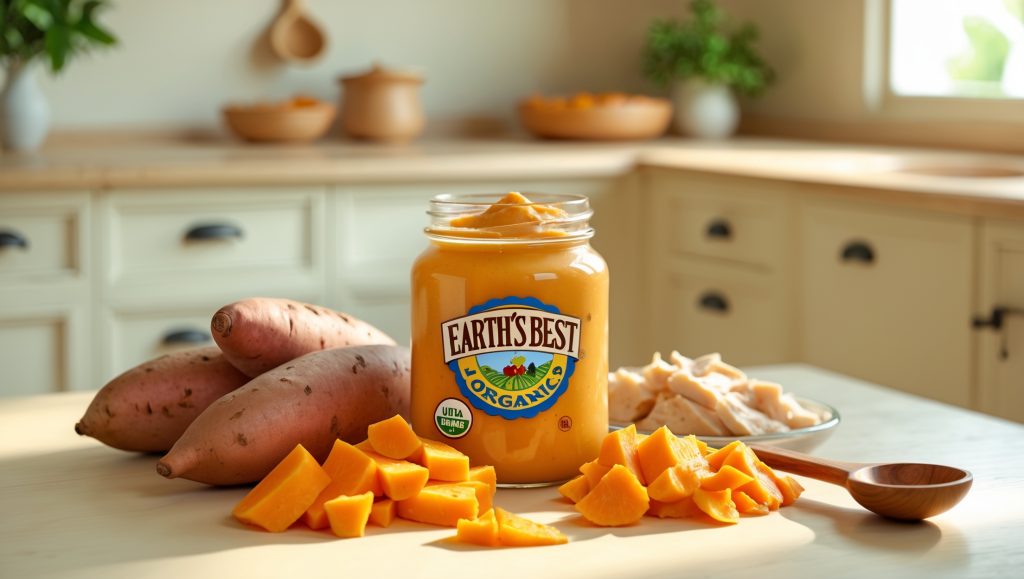
Overview
Choosing the right baby food is a key decision for many parents, especially as infants transition from breast milk or formula to solid foods. In 2025, the baby food market offers a staggering variety of options, but not all products are created equal. Today, we’re taking a deep dive into Earth’s Best Organic Sweet Potato & Chicken Baby Food Jar—a Stage 2 blend designed for babies six months and older. This review analyzes everything from its ingredient list and nutritional content to its taste, texture, and practical fit within busy toddler routines, all from an evidence-informed, parent-focused perspective.
Ingredients & Nutrition
Earth’s Best has built a reputation for using high-quality, certified organic ingredients. This particular blend contains:
- Organic sweet potatoes
- Organic chicken
- Water (sufficient for processing)
- Organic whole grain brown rice flour (as a thickener)
- No added salt, sugar, or artificial flavors
From a nutritional standpoint, this puree offers a balanced introduction to both vegetables and animal protein. Sweet potatoes are rich in vitamin A (from beta-carotene), dietary fiber, and potassium. Chicken provides high-quality protein and essential B vitamins. A typical 4 oz (113g) jar contains:
- Calories: ~80
- Protein: 2g
- Fat: 1g
- Carbohydrate: 15g
- Fiber: 2g
- Sodium: 20mg
- Vitamin A: 80% DV (for infants)
This combination is aligned with current pediatric nutrition guidelines, which recommend introducing iron- and protein-rich foods alongside vegetables and fruits during the first year. The absence of added salt and sugar is an added bonus, supporting the development of healthy taste preferences.
Taste & Texture
The flavor profile of Earth’s Best Organic Sweet Potato & Chicken is gentle and mild, with the natural sweetness of sweet potato taking center stage. The chicken adds a subtle savory note that complements the vegetable without overwhelming it. During testing with toddlers and older infants, the puree was generally well-accepted—even by those who initially hesitated with mixed flavors.
Texture is smooth but not runny, striking a good balance for those transitioning from single-ingredient purees to more complex blends. There are no detectable lumps, making it appropriate for babies just beginning to explore new food combinations, while the consistency is thick enough to be spoon-fed without excessive drips or mess.
Some parents may notice a faint aroma of cooked chicken, but it’s not overpowering. The color—a soft orange—visually signals the presence of sweet potato and appeals to many little ones.
Convenience & Storage
Earth’s Best packages this blend in classic glass jars, which are recyclable and free from BPA. The screw-top lid is easy to open and reseal, a plus for parents who want to serve only part of the jar at a time. Each jar contains one serving and can be stored unrefrigerated until opened.
- Unopened jars: shelf-stable for up to 18 months (check individual date codes)
- Opened jars: refrigerate and use within 2 days
For on-the-go families, the glass jar is sturdy, but bulkier and heavier than flexible pouches. Some parents prefer jars for their transparency (easy to see the food’s color and texture) and eco-friendly credentials. The blend can be served at room temperature or gently warmed, depending on your baby’s preference.
Pros & Cons
Pros
- Certified organic ingredients with no added salt or sugar
- Balanced combination of vegetable and protein for growing infants
- Smooth, consistent texture suitable for Stage 2 eaters
- Glass jar is BPA-free, recyclable, and resealable
- Flavor profile is gentle and widely accepted by many babies
- Long shelf life when unopened, suitable for pantry stocking
Cons
- Glass jars are heavier and less portable than pouches
- May not appeal to babies who dislike the taste or smell of meat
- Limited variety—only sweet potato and chicken in this blend
- Once opened, must be refrigerated and used within 48 hours
Alternatives & Similar Products
If your baby enjoys this blend, or if you’re seeking other options with similar nutritional value, consider these alternatives:
- Gerber Organic 2nd Foods Chicken & Sweet Potato Pouch: Offers a similar flavor pairing in a squeezable pouch, convenient for travel.
- Happy Baby Organics Stage 2 Sweet Potatoes, Mangoes & Chicken: Adds a touch of fruity sweetness for babies ready for more adventurous flavors.
- Homemade purees: Steamed sweet potato and shredded chicken can be blended at home for maximum control over texture and freshness. (Always follow safe food preparation guidelines.)
- Earth’s Best Organic Turkey & Brown Rice: For families looking to introduce different proteins while maintaining a similar texture and nutritional profile.
It’s a good idea to rotate through various protein and vegetable combinations to help your baby develop a broad palate and meet nutritional needs.
Verdict
Earth’s Best Organic Sweet Potato & Chicken Baby Food Jar stands out as a solid choice for parents seeking an organic, protein-rich option that introduces both vegetables and meat in a gentle, baby-friendly manner. Its simple ingredient list, absence of added salt or sugar, and shelf-stable packaging make it a practical addition to any mealtime routine. While it may not be the most portable choice compared to pouches, the glass jar’s eco-friendliness and classic appeal are strong points.
For families following evidence-informed feeding recommendations, this blend supports a gradual, positive introduction to solids. As always, observe your baby’s cues and preferences, and offer a variety of foods over time to support healthy development. If your little one enjoys the taste and texture, this jar deserves a spot on your baby food shelf in 2025.
FAQ
+Is Earth’s Best Organic Sweet Potato & Chicken Baby Food suitable for babies under 6 months?
+Does this product contain any common allergens?
+Can I freeze leftovers from an opened jar?
+Is this baby food appropriate for baby-led weaning?
+Is the glass jar recyclable?
+Can I warm this baby food before serving?
+Where is Earth’s Best Organic Sweet Potato & Chicken Baby Food made?

Earth’s Best Organic Sweet Potato & Chicken Baby Food Jar (2025 Edition) continues to be a reliable choice for parents seeking wholesome nutrition for their little ones. The combination of sweet potatoes and chicken offers a balanced meal, providing both essential vitamins and protein. The flavor profile is mild and naturally sweet, making it appealing to most infants transitioning to solids. Parents will appreciate that the jar contains simple, organic ingredients with no artificial additives or preservatives, supporting a clean eating start for babies.
Texture is smooth and easy for young children to swallow, and the consistency is just right for spoon-feeding or mixing with cereals. The convenient glass jar is not only eco-friendly but also ensures freshness. Many parents have noted that their babies enjoy the taste and experience minimal digestive issues, thanks to the gentle ingredient list. Overall, this 2025 edition maintains the brand’s commitment to quality, safety, and taste, making it a top pick for conscientious families.
- Organic ingredients with no artificial additives
- Balanced blend of sweet potato and chicken for nutrition
- Eco-friendly glass packaging
- Baby-friendly taste and smooth texture
How does this jarred blend compare with other brands when it comes to sodium and added sugar content? I’m trying to be budget conscious, but nutrition is my top priority and I want to make the best choice for my apartment-living family.
It’s great that you’re prioritizing nutrition, especially with so many options on the market. Earth’s Best Organic Sweet Potato & Chicken jar has no added sugar and keeps sodium very low—typically under 50 mg per serving—which is in line with, or sometimes better than, many other mainstream organic brands. When comparing brands, always check for sodium below 100 mg and zero added sugars for babies under one year. For apartment living, shelf-stable jars offer convenience and safety, but always supervise your baby during feeding. This isn’t medical advice; if you have specific concerns about your baby’s diet, please consult your pediatrician.
Would you recommend serving this jar as an early dinner for babies who nap later in the evening or is it better suited for lunchtime? I’m trying to figure out how to fit this into our daily feeding schedule without interfering with naps or sleep.
It’s great that you’re thinking about how meals fit with your baby’s sleep schedule. You can serve Earth’s Best Organic Sweet Potato & Chicken jar as either an early dinner or lunch; what’s most important is timing meals about 60–90 minutes before naps or bedtime to avoid discomfort and support good sleep. For babies around 6–12 months, keep portions small and watch for signs of fullness. Always supervise feedings and check for any ingredient sensitivities. If you notice changes in your baby’s sleep or digestion, you can adjust the timing. This isn’t medical advice; if you’re concerned, check in with your pediatrician.
With the glass jars being shelf-stable for up to 18 months, I wondered if there are any best practices to follow once a jar is opened and partially used. How long can an opened jar be safely stored in the fridge before it’s no longer recommended to serve?
It’s great that you’re thinking about food safety for your little one. Once you open a jar of Earth’s Best Organic Sweet Potato & Chicken baby food, tightly reseal it and refrigerate right away. Use a clean spoon when serving to prevent introducing germs. Generally, opened baby food jars should be used within 1–2 days for best quality and safety, especially for infants under 12 months. Discard if you notice any changes in smell, texture, or color. As always, this isn’t medical advice; if you have specific concerns, check in with your pediatrician.
I noticed the texture is described as smooth but not runny. My baby sometimes struggles with thicker purees. Is it okay to thin this out for younger infants, or would that affect how safely allergens are introduced?
It’s understandable to want to make feeding easier when your little one finds thicker purees challenging. You can safely thin out Earth’s Best Organic Sweet Potato & Chicken puree for younger infants by mixing in a little breast milk, formula, or previously boiled and cooled water until it reaches a smoother consistency. This won’t compromise the way allergens are introduced—what matters is the ingredients, not the texture. Always supervise your baby when eating, and introduce new foods one at a time to watch for any reactions. This isn’t medical advice; if you have concerns about feeding or allergies, check in with your pediatrician.
If we’re out and about for toddler activities, is this glass jar durable enough to toss in the diaper bag, or should I be worried about breakage compared to pouch-style baby foods?
It’s smart to think ahead about safety while packing food for outings. Glass jars like Earth’s Best Organic Sweet Potato & Chicken are sturdy but can break if dropped or knocked around in a busy diaper bag. To use them safely: 1) Wrap the jar in a soft cloth or small towel for padding. 2) Place it in a separate compartment, away from heavy or sharp objects. 3) Always check for cracks before serving. For toddlers, consider if your child can eat safely from a jar outside the home, or if a pouch might be more convenient. This isn’t medical advice; if you’re concerned, check in with your pediatrician.
Is there any concern about the sodium content or other ingredients for toddlers who are especially sensitive to flavors or have mild sensory aversions? My child sometimes refuses foods with even a hint of savory taste.
It’s understandable to be cautious when your toddler is sensitive to flavors or has mild sensory aversions. First, Earth’s Best Organic Sweet Potato & Chicken generally has moderate sodium for baby foods, but always check the label for your child’s needs. Introduce new foods slowly, offering a tiny taste rather than a full serving. Pair unfamiliar flavors with a familiar favorite to help your child feel more comfortable. For children over 12 months, it’s okay to experiment, but avoid added salt and keep an eye out for any ingredients that might trigger an aversion. This isn’t medical advice; if you’re worried about sensitivities or nutrition, consult your pediatrician.
My 8-month-old sometimes refuses to eat dinner after a late afternoon nap. Would you recommend offering this sweet potato and chicken blend as a late nap snack, or could that interfere with bedtime? I want to avoid power struggles at night and keep a consistent routine.
You’re wise to think ahead about bedtime routines and avoiding power struggles. For an 8-month-old, it’s normal for appetite to vary after naps. If your baby wakes very hungry, you could offer a small portion of the sweet potato and chicken blend as a post-nap snack, keeping it light and well before bedtime—ideally at least 1–1.5 hours prior. This may prevent fussiness while still leaving room for dinner, or you might simply offer dinner a bit earlier if needed. Always supervise meals and watch for signs of fullness. If refusing dinner becomes a pattern, it’s okay; babies’ hunger cues can change. This isn’t medical advice; if you’re concerned, check with your pediatrician.
I noticed that chicken is one of the main ingredients in this jar. If my baby hasn’t tried any meat yet, would you recommend starting with this blend or introducing plain chicken first to check for reactions?
It’s great that you’re thinking carefully about introducing new foods to your baby. To monitor potential reactions, it’s usually best to introduce single-ingredient foods—so starting with plain, well-cooked chicken allows you to watch for any sensitivities before mixing it with others like sweet potato. After a few days with no reaction, you can try the blended jar. For babies around 6 months and older who are ready for solids, always ensure the texture is soft and that the food is free of small pieces to prevent choking. This isn’t medical advice; if you have concerns or your baby has a history of allergies, check in with your pediatrician.
My little one has just started reaching for everything around mealtimes. Is there a risk that the jar lid or any packaging component could be small enough for a child to put in their mouth? I’m always anxious about choking hazards at this age.
You’re right to be cautious about choking hazards, especially as babies become more curious and reach for things. The Earth’s Best jar lid is metal and not designed for play—if left within reach, it could fit in a baby’s mouth and pose a risk. Always open and remove the lid out of your baby’s sight, promptly discarding it. Wipe away any food residue on the jar and supervise closely during meals. Keep all packaging components, including safety seals, out of reach at all times. This isn’t medical advice; if you’re concerned, check in with your pediatrician.
You talk about how the Earth’s Best jar works for busy toddler routines. I’m curious, do you have any suggestions for using leftovers from a single jar safely, especially if my baby rarely finishes a whole serving in one sitting?
It’s a great question—many parents find their little ones don’t always finish a whole jar. After feeding, promptly refrigerate any unused portion in a clean, airtight container. Avoid feeding directly from the jar to prevent saliva from contaminating the leftovers. Use a clean spoon to portion out what you need, and discard anything that’s been in contact with your baby’s mouth. For safety, use refrigerated leftovers within 24-48 hours, and always check for changes in smell or texture before serving. This isn’t medical advice; if you’re concerned, check in with your pediatrician.
Since this puree uses whole grain brown rice flour as a thickener, would this be considered a safe introduction to grains for babies without a known rice allergy, or should I wait until a later stage to serve it?
It’s great that you’re thinking carefully about introducing grains to your baby’s diet. For most babies without a known rice allergy, small amounts of whole grain brown rice flour, as found in this puree, are generally considered safe from around 6 months, when solids are introduced. Start with a small serving, watch for any signs of allergy (like rash or digestive upset), and offer only one new food at a time to help identify any reactions. Always make sure the puree’s texture is smooth and age-appropriate, and supervise your baby during meals. This isn’t medical advice; if you’re concerned, check in with your pediatrician.
Since my baby’s grandmother helps out and prefers glass jars for reheating, is there a safe way to gently warm up this puree without risking the nutrients or the integrity of the jar?
It’s great that you’re thinking about both your baby’s nutrition and safe reheating. To gently warm the puree in a glass jar, first remove the lid and place the jar in a bowl of warm (not hot) water for a few minutes, swirling occasionally. Avoid microwaving the jar directly, as this can cause uneven heating or even cracks. Always stir the puree and test the temperature before serving to your baby. For babies under 1 year, supervision during feeding and checking for hot spots is especially important. This isn’t medical advice; if you’re concerned, check in with your pediatrician.
I’m weighing options between buying these jars versus making my own purees to keep my kitchen less cluttered. From your perspective, do pre-made jars like these actually help reduce overall mess and storage needs compared to DIY baby food?
It’s great that you’re considering both convenience and your kitchen space. Pre-made jars like Earth’s Best can definitely help reduce mess since there’s less chopping, blending, and washing up involved. They also require less fridge or freezer storage, as jars are shelf-stable until opened, making organization simpler. DIY purees, while customizable, usually need extra containers and space for storing batches. Just check jar sizes and expiration dates, and always supervise feeding. This isn’t medical advice; if you have concerns about nutrition or storage, your pediatrician can help guide you.
Do you have any advice for parents who want to save money by buying these jars in bulk? Are there particular times of year when this baby food tends to go on sale, or is there a more budget-friendly alternative you’d recommend that offers similar nutrition?
—wanting to save on healthy baby food is very understandable. Buying Earth’s Best jars in bulk can be cost-effective, especially during seasonal sales like back-to-school (late summer) or around major holidays, when stores sometimes offer discounts or coupons. Check if your local stores or online retailers provide subscribe-and-save options for extra savings. If you’re open to alternatives, homemade purees using organic sweet potatoes and chicken can be nutritious and budget-friendly, but always ensure proper food safety and age-appropriate textures. Whichever route you choose, check expiration dates and store jars safely. This isn’t medical advice; if you’re concerned, check in with your pediatrician.
Since you discussed how the glass jars can be resealed and stored, I wondered about toy choices too. Do you find that wooden toys, much like glass jars, tend to promote less waste over time compared to plastic toys? Are there parallels in durability or reuse that you notice as a parent?
That’s a thoughtful comparison—many parents want to reduce waste with their baby gear and toys. Like glass jars, well-made wooden toys generally last longer and can be reused or passed down, while plastic toys may break or wear out sooner. Wooden toys often withstand rough play and are less likely to contribute to microplastic waste. Just be sure any toy is age-appropriate, with smooth finishes and no small parts for babies under 3. This isn’t medical advice; if you have concerns about toy safety or materials, check in with your pediatrician.
We like the convenience of glass jars, but have you found any challenges with storing partially used jars in the fridge, especially if my twins are teething and leaving some food behind? Does the food quality or taste change noticeably after it’s been opened and chilled?
It’s great that you’re paying attention to both convenience and quality for your twins. Once opened, glass jars of baby food should be resealed tightly and refrigerated right away, ideally used within 24–48 hours. Stir the contents before serving again, as some separation can occur. Sometimes, you may notice a slight change in taste or texture after refrigeration, but this is generally mild and safe if the food smells and looks normal. Always use a clean spoon to avoid introducing bacteria, especially with teething babies. This isn’t medical advice; if you’re concerned, check in with your pediatrician.
Do you have any tips for turning the bright orange puree residue into a fun, safe finger painting activity before washing out the jar for play, or should we avoid using food remnants for sensory play?
It’s creative to want to use the puree residue for sensory play! If your baby is over 6 months and has already tried sweet potato and chicken with no allergies, a quick finger painting session on a high chair tray can be safe and fun. Make sure their hands and the area are clean, supervise closely, and keep the session short to avoid mess or contamination. Avoid surfaces that are hard to clean or might stain. Once done, wash hands thoroughly. This isn’t medical advice; if you’re concerned, check in with your pediatrician.
My baby is really sensitive to food textures and has gagged on some thicker purees before. Based on your experience, how noticeable is the grain from the brown rice flour in this blend, or does it stay completely smooth once mixed?
It’s understandable to worry about texture if your baby has had gagging episodes with thicker foods. In my experience with Earth’s Best Organic Sweet Potato & Chicken, the brown rice flour is very finely blended, so the puree stays mostly smooth—though some babies with high sensitivity may still notice a slight graininess. Try stirring the jar well or thinning it with a bit of breast milk or formula before serving. Offer a very small spoonful at first and watch for your baby’s cues. Always supervise feeding closely for safety. This isn’t medical advice; if you’re concerned, check in with your pediatrician.
How does this Earth’s Best Sweet Potato & Chicken jar compare nutritionally to similar shelf-stable, organic meat-and-veggie pouches available in the US? I’m curious if glass jars or pouches hold flavor or nutrients better for toddlers on the go.
—wanting the best nutrition and taste for your toddler is so important. Nutritionally, Earth’s Best Sweet Potato & Chicken jar is comparable to many organic meat-and-veggie pouches: both typically contain similar protein, vitamins, and minerals per serving, though exact numbers can vary by brand and flavor blends. Glass jars may better preserve flavor and some heat-sensitive nutrients, but pouches are designed to minimize air exposure, too. For toddlers, both are generally safe and convenient—just supervise when using pouches to prevent choking. Always check ingredient lists for allergens and added salt. This isn’t medical advice; if you’re concerned, check in with your pediatrician.
How does the cost per serving of Earth’s Best Organic Sweet Potato & Chicken compare to making a similar blend at home with organic ingredients? I’m trying to figure out what makes the most sense for our family budget.
It’s great that you’re considering both nutrition and your family’s budget. To compare costs, try these steps: First, check the price per jar of Earth’s Best (usually about 4 ounces per jar). Then, make a similar blend at home by calculating the cost of organic sweet potatoes and organic chicken, including any seasonings or oils, and divide that total by the number of servings you prepare (about 4 ounces each). Homemade can sometimes be less expensive per serving, but don’t forget to factor in your time and the cost of kitchen supplies. Always prepare and store homemade purees safely, especially for babies under 1 year. This isn’t medical advice; if you’re concerned, check in with your pediatrician.
If my toddler is a bit older than the recommended age range, is this blend still appropriate for them as part of a calm bedtime routine, or should I be looking for something more substantial?
It’s thoughtful that you want to support your toddler’s bedtime with the right foods. If your child is a bit older than the usual age for Earth’s Best Sweet Potato & Chicken, it’s still safe and nutritious as a snack, but may not be filling enough as a meal for active toddlers. Try pairing the puree with soft finger foods like whole-grain toast or small pieces of fruit for more substance and texture. Always supervise to prevent choking, and check for any food allergies. This isn’t medical advice; if you’re concerned, check in with your pediatrician.
Has anyone found that the thickness of this puree makes self-feeding with a spoon less messy, or does it still tend to drip everywhere? I’m trying to cut down on cleanup during high chair meals with my 10-month-old.
It’s understandable to want less mess during mealtimes as your little one learns to self-feed. The Earth’s Best Organic Sweet Potato & Chicken puree is thicker than many fruit-based blends, which can help it cling to a spoon and reduce drips. To make self-feeding easier, offer a pre-loaded silicone or soft-tipped baby spoon, and consider chilling the puree slightly to thicken the texture further. Use a catch-all bib and place a splat mat under the high chair for quick cleanup. At 10 months, supervise closely since self-feeding skills are still developing. This isn’t medical advice; if you’re concerned, check in with your pediatrician.
We travel a lot between caretakers and home. Does the glass jar design for Earth’s Best make it harder to pack extras in a diaper bag compared to squeeze pouches, or do you find the practicality about the same?
It’s understandable to want baby food that travels easily with all the moving between caretakers. Glass jars like Earth’s Best are sturdy but heavier and more breakable than pouches, so they need more careful packing—wrap them in a cloth or use a padded pocket to reduce risk. Squeeze pouches are lighter and less fragile, making them quicker for on-the-go feeds and easier for older babies to self-feed. For safety, always check the jar for cracks, especially if the bag gets jostled. Use jars when you’ll have time and space to spoon-feed safely. This isn’t medical advice; if you’re concerned, check in with your pediatrician.
If my 1-year-old is just starting daycare and will be eating lunch there, do you think Earth’s Best Organic Sweet Potato & Chicken jars are a practical option to send, or are there storage or serving concerns I should ask the daycare about?
It’s completely understandable to want a practical, healthy lunch option for your 1-year-old starting daycare. These jars can be a convenient choice, but I recommend checking if the daycare has refrigeration for safe storage and if they can warm the jar before serving, as some babies prefer food at room temperature or slightly warmed. Make sure staff know how to reseal any leftovers and discard uneaten portions to avoid bacterial growth. Also, ensure your child is developmentally ready for purees at lunch and watch for any signs of allergies. This isn’t medical advice; if you’re concerned, check in with your pediatrician.
I noticed the texture is described as smooth and lump-free. My toddler sometimes gags with thicker purees—do you think this product would be gentle enough for a child still adjusting to more complex blends, or should I stick with single-ingredient jars a bit longer?
It’s understandable to want mealtimes to be comfortable for your toddler, especially if they’ve had trouble with thicker purees. Since Earth’s Best Organic Sweet Potato & Chicken is described as very smooth and lump-free, it may be a gentle option for children who are still learning to handle more complex blends. You could offer small spoonfuls and watch closely for any gagging or discomfort. If your toddler seems hesitant, it’s perfectly fine to stick with single-ingredient jars for a while longer and gradually introduce gentle blends. Always supervise your child when eating and avoid foods with chunks or stringy textures at this stage. This isn’t medical advice; if you’re concerned, check in with your pediatrician.
I noticed the jar is shelf-stable for quite a while, but I’m concerned about safety once it’s opened. If my toddler only eats half, how long can I safely store the rest in the fridge, and does it stay as fresh after being resealed?
Your concern about food safety for your toddler is very important. Once opened, you can safely store the unused portion of the baby food jar in the refrigerator for up to 24–48 hours, making sure to reseal it tightly. Use a clean spoon each time to prevent introducing bacteria. Always check for any changes in smell, color, or texture before serving again. For toddlers, freshness and avoiding spoilage are especially important, as their immune systems are still developing. This isn’t medical advice; if you’re ever unsure, your pediatrician can offer more guidance.
For families with busy afternoons or daycare pick-up, is the glass jar easy to transport without breakage risk, or would a pouch be better for on-the-go feeding?
You’re thoughtful to consider safety and convenience for busy afternoons. Glass jars like Earth’s Best are sturdy but can break more easily than pouches if dropped, so they’re better used when you have time and a safe spot to feed your baby. For on-the-go or daycare pick-up, pouches are usually safer, lighter, and easier for quick meals, especially for older babies who can self-feed under supervision. Always check lids for tightness and keep glass in a padded lunch bag. This isn’t medical advice; if you’re concerned, check in with your pediatrician.
For busy days when mealtimes can’t always be at home, how well does this glass jar travel? Is there a Montessori-friendly way to encourage my toddler’s independence if we serve it on the go—like involving them in opening or spooning the puree themselves?
It’s great that you want to support your toddler’s independence, even on busy days. Earth’s Best glass jars are sturdy but can break if dropped, so keep them in a padded lunch bag and out of your child’s reach until you’re ready to serve. For Montessori-style involvement, let your toddler help unscrew the lid (after loosening it yourself) and offer a small, easy-grip spoon for self-feeding. Serve the puree in a spill-resistant bowl or silicone cup to reduce mess. Always supervise closely, as glass and food textures can pose risks for little ones. This isn’t medical advice; if you have concerns about safety or readiness, consult your pediatrician.
Do you think a toy subscription service makes more sense for babies in the 6 to 12 month age range, or would it be better to hand-pick individual developmentally appropriate toys as they grow? I worry that a subscription might not match my baby’s interests or stage at the right time.
Your concern about matching toys to your baby’s unique stage and interests is very valid. For babies 6 to 12 months old, development moves quickly, so hand-picking toys lets you respond directly to your baby’s changing needs—like selecting soft, graspable items for early months and simple stacking cups or cause-and-effect toys as they approach a year. If you do try a subscription, check that it allows you to adjust age ranges and swap items easily, and always inspect new toys for safety—no small parts or rough edges. Whichever you choose, supervise play and watch what your baby seems drawn to. This isn’t medical advice; if you’re concerned, check in with your pediatrician.
I am trying to budget baby meals and wonder about the practicality of buying several jars at once. Since these are shelf-stable for up to 18 months, do you have any tips for storing them in smaller kitchens, so that I can keep a few handy for our calm morning routine without taking up too much space?
You’re being thoughtful about both your budget and your space, which is so important for a peaceful start to the day. Try stacking jars in a sturdy, shallow bin or basket that fits inside a cabinet or under a shelf to keep them organized and easy to reach. Rotating older jars to the front helps you use them before their expiration date. You could also dedicate a small section of your pantry or a drawer just for baby food, making mornings smoother. Always store jars in a cool, dry place away from direct sunlight, and check lids for tight seals. This isn’t medical advice; if you’re concerned, check in with your pediatrician.
How does this particular blend compare to the pouch versions in terms of portability and convenience for families who are often on the go?
It’s understandable to want baby food that’s easy to take along when you’re busy. Jars like Earth’s Best Organic Sweet Potato & Chicken are sturdy and resealable but heavier and breakable compared to pouches. Pouches are lighter, more compact, and let older babies self-feed with less mess. For safe travels, keep jars in a padded bag and supervise to prevent breakage, especially with younger children. Always check temperature and expiration dates before serving. This isn’t medical advice; if you’re concerned, check in with your pediatrician.
This blend contains both animal protein and grains. Would it work as a meal on its own at lunchtime, or should I consider pairing it with other foods to make sure my toddler is getting enough variety in one sitting?
You’re thoughtful to consider whether lunchtime is nutritionally balanced for your toddler. Earth’s Best Organic Sweet Potato & Chicken offers protein and some carbs, but toddlers benefit from a variety of foods at meals. Try offering soft-cooked veggies or fruit on the side for added fiber and vitamins, and consider small pieces of whole-grain toast or avocado for healthy fats and more texture. Always watch for allergies and supervise during meals for safety. This isn’t medical advice; if you’re concerned about your child’s nutrition, check in with your pediatrician.
I noticed that this blend contains both chicken and whole grain brown rice flour. If we have not introduced rice or chicken yet to our 9-month-old, is it advisable to start with a jar that has both, or should we try those foods separately first for a few days?
—introducing new foods safely is a real priority for many parents. For a 9-month-old, it’s generally recommended to introduce new foods one at a time, waiting a few days between each to watch for any reactions. This way, if your baby develops an allergy or sensitivity, it’s much easier to identify the cause. Start by offering plain, well-cooked chicken on its own for a few days, then try rice (making sure it’s soft and age-appropriate). Once you know your baby tolerates both, you can move on to blends like this jar. This isn’t medical advice; if you’re concerned, check in with your pediatrician.
Since the jars are shelf-stable before opening, is there a temperature range I should be mindful of if storing them in an apartment pantry that tends to get warm in the summer?
It’s great that you’re thinking about safe storage for your baby’s food. For shelf-stable baby jars like Earth’s Best Organic Sweet Potato & Chicken, try to store them in a cool, dry place—ideally below 85°F (29°C). Avoid places that get hot or humid, such as near stoves or in direct sunlight, since high temperatures can affect food quality and safety. If your pantry gets quite warm in summer, consider storing jars in a different room or using a small fan. Always check the jar for any damage or bulging before use. This isn’t medical advice; if you have concerns, please consult your pediatrician.
Since storage is a big concern for us, especially with twins and limited fridge space, how long would an opened jar actually stay fresh in the refrigerator, and do you have tips for minimizing waste if they only eat half a serving?
You’re wise to plan ahead with twins and limited fridge space. Once opened, Earth’s Best Organic Sweet Potato & Chicken jars should be tightly covered and stored in the refrigerator; they stay fresh for about 1–2 days. Use a clean spoon each time to avoid introducing bacteria. If your babies only eat half a serving, immediately refrigerate the rest and label it with the date. Consider spooning out portions into a separate bowl to avoid contaminating the jar. Always discard any leftovers your babies have eaten from directly. This isn’t medical advice; if you’re concerned, check in with your pediatrician.
I’m curious if the subtle aroma of chicken has ever caused issues for picky eaters or has led to food refusal during mealtime routines. Have you heard any feedback from parents about this?
It’s understandable to wonder if the chicken aroma might bother picky eaters. Some parents have noticed that the subtle smell can make cautious babies pause or initially refuse a new food, especially if they’re sensitive to new scents or flavors. To help, try introducing the jar alongside a familiar food, offer very small tastes at first, and stay calm if your child turns away—gentle persistence often helps. For babies under one year, always supervise meals and watch for signs of allergy or distress. This isn’t medical advice; if you’re concerned, check in with your pediatrician.
Juggling twins with staggered meal times means we often serve a partial jar and go back to it later. Would you suggest spooning out portions in advance, or is it okay to refrigerate what’s left after feeding directly from the jar?
Managing staggered feedings for twins can be a real balancing act. To reduce the risk of bacteria from a used spoon, it’s safest to spoon out each baby’s portion into a clean bowl before feeding and refrigerate the untouched remainder in the jar. Make sure the lid is sealed tightly and use the rest within 24–48 hours, checking for any off smells or changes in texture. Always supervise during feeding and watch for any signs of food intolerance. This isn’t medical advice; if you have concerns about feeding safety, your pediatrician can help.
As a working parent, I’m always thinking about snacks on the go. Is it possible to portion this into small reusable containers in advance, and if so, how long would you recommend storing it after opening?
You’re doing a great job planning ahead for easy, healthy snacks. Yes, you can portion Earth’s Best Organic Sweet Potato & Chicken into small, reusable containers for outings. After opening, transfer the food into clean containers right away, refrigerate promptly, and use within 24–48 hours for freshness and safety. Always check the texture and smell before serving, and be sure to use BPA-free containers to minimize any risk. This isn’t medical advice; if you have questions about storage or your child’s dietary needs, your pediatrician can offer personalized guidance.
If I want to introduce protein blends like this but keep our grocery budget in check, do you have recommendations for rotating store-bought jars with homemade purees while maintaining variety and nutritional balance?
It’s great that you want to offer variety and balanced nutrition while being mindful of your budget. Try reserving store-bought jars like Earth’s Best for busy days or outings, and make simple homemade purees (like sweet potato, chicken, or lentil blends) in batches to freeze for easy use. Rotate proteins each week—such as chicken, turkey, beans, or tofu—while keeping textures smooth for babies under one year. Pair each protein with a different veggie or fruit to keep meals interesting. Always watch for signs of allergies when introducing new foods, and ensure purees are soft enough to prevent choking. This isn’t medical advice; if you’re concerned, check in with your pediatrician.
Can you suggest the best way to fit these jars into a daily meal routine for a baby who’s just starting to try more complex blends? Would one jar serve as a whole meal, or should it be combined with other foods for a balanced lunch?
It’s wonderful that you’re introducing more complex blends to your baby’s diet. For a beginner, one Earth’s Best Organic Sweet Potato & Chicken jar can be a meal, but pairing it with a small serving of iron-fortified infant cereal or a few soft-cooked veggies can round out nutrition and texture exposure. Always watch for any signs of food sensitivities, and make sure pieces are soft and small enough to prevent choking. Supervise all meals, and let baby go at their own pace. This isn’t medical advice; if you’re concerned, check in with your pediatrician.
If my little one doesn’t finish a jar in one sitting, how long can I safely refrigerate the leftovers? Also, is it okay to spoon out half and save the rest, or does that increase the risk of spoilage?
It’s great that you’re thinking about safe storage for your baby’s food. Once opened, you can safely refrigerate Earth’s Best Organic Sweet Potato & Chicken jar for up to 24–48 hours, tightly sealed. If you’ve fed your baby directly from the jar, bacteria from the spoon can get in, so it’s safer to spoon out a portion into a clean bowl and refrigerate the untouched remainder. Always use a clean spoon, label the jar with the date and time, and check for changes in smell or texture before reusing. For infants especially, careful food handling helps prevent tummy troubles. This isn’t medical advice; if you’re concerned, check in with your pediatrician.
My family likes to introduce cultural grains and vegetables alongside store-bought baby foods. Would this puree work well if mixed with a spoonful of soft-cooked lentils or another mild grain, or would that affect the texture too much?
It’s great that you want to include cultural grains and vegetables in your baby’s meals. Mixing a spoonful of soft-cooked lentils or mild grains like rice or millet with this sweet potato and chicken puree is generally fine for babies who are ready for textured foods (often around 7-8 months, but follow your baby’s cues). Mash or blend the grains and lentils until very soft to prevent choking, and introduce new foods one at a time to watch for allergies. Always supervise your baby while eating. This isn’t medical advice; if you’re concerned, check in with your pediatrician.
We’re on a tight grocery budget and usually buy in bulk. Do you know if these jars are typically available at warehouse stores or if there’s a way to store unopened jars long-term without losing quality or nutrition?
It’s understandable to want to stretch your grocery budget while offering nutritious options for your baby. Earth’s Best Organic jars are sometimes available at warehouse clubs, but availability can vary, so it may help to call ahead or check their websites. For storage, keep unopened jars in a cool, dry place away from direct sunlight; pantry shelves or cupboards usually work well. Always check the expiration date before buying or storing in bulk. Once opened, jars should be refrigerated and used within 1–2 days. Make sure lids are sealed before storing to ensure safety. This isn’t medical advice; if you have any concerns about nutrition or storage, please consult your pediatrician.
Since this product is intended for babies six months and older, do you think the texture is safe for babies newly starting Stage 2, or would you recommend waiting until they are a bit more practiced with solids to minimize any choking risk?
It’s great that you’re thinking carefully about texture and safety as your baby starts Stage 2 solids. Earth’s Best Organic Sweet Potato & Chicken has a thicker, slightly textured puree compared to Stage 1 foods, which can be a new experience for infants just beginning Stage 2. If your baby is still mastering swallowing and tongue movements, you can try offering a small spoonful to observe their reaction, or thin the puree with a bit of breastmilk or formula at first. Always supervise closely during feeding, and start with small amounts to watch for any signs of difficulty. This isn’t medical advice; if you’re concerned, check in with your pediatrician.
I noticed you mentioned that pediatric guidelines emphasize iron-rich foods in the first year. Between purees like Earth’s Best Sweet Potato & Chicken and iron-fortified baby cereals, which would usually provide a better source of iron for babies just starting solids?
—you’re right to focus on iron for your baby’s first foods. Generally, iron-fortified baby cereals tend to have a higher and more absorbable iron content than most meat and veggie purees, including Earth’s Best Sweet Potato & Chicken. If your baby is just starting solids, you might introduce iron-fortified cereal first and then gradually add pureed meats for variety and additional nutrients. Always offer one new food at a time, and watch for any reactions. Make sure the texture is thin and smooth for beginners, and supervise every bite. This isn’t medical advice; if you’re concerned, check in with your pediatrician.
As a working parent with a pretty hectic schedule, is it possible to prepare several days’ worth of servings from one jar, or should I only open a new one right before each meal?
It’s completely understandable to look for ways to save time with a busy schedule. You can safely portion out servings from one jar of Earth’s Best Organic Sweet Potato & Chicken, but for freshness and safety, only open the jar when you’re ready to use it. Once opened, refrigerate any unused portion right away, and use it within 1–2 days. Always use a clean spoon to avoid introducing bacteria, and discard any uneaten food your baby’s spoon has touched. This isn’t medical advice; if you’re concerned, check in with your pediatrician.
My baby sometimes struggles with new textures and flavors, and I noticed in your review that the blend is described as smooth but thick. Do you have any advice for parents of sensory-sensitive babies who are just moving up from single-ingredient purees to something like this?
It’s completely normal to feel concerned when your baby is cautious about new textures and flavors. Start by mixing a small amount of the new food with a familiar single-ingredient puree to ease the transition. Offer just a spoonful at a time and pause if your baby looks unsure—never force them to swallow. Let your baby touch and explore the food with their hands, as sensory play can help with acceptance. For babies just moving up from thin purees, always supervise closely and check the texture to avoid any choking risk. This isn’t medical advice; if you’re concerned, check in with your pediatrician.
For families following Montessori principles, would you recommend letting babies self-feed with a spoon using this puree, or is the texture not quite thick enough for little hands to manage without making a huge mess?
It’s great that you’re supporting your baby’s independence with Montessori-inspired self-feeding. This puree is fairly smooth, so it may slip off a spoon easily, especially for younger babies just starting with utensils. You might try offering a pre-loaded spoon and letting your baby guide it to their mouth, or use a silicone spoon with a textured grip for easier handling. For less mess, place a small amount in a shallow bowl, and consider a bib or mat underneath. Always supervise closely and check for readiness signs like sitting up and good head control. This isn’t medical advice; if you have concerns, check in with your pediatrician.
You mentioned the glass jar is recyclable, which is great, but how easy is it to store opened jars? If my baby doesn’t finish a serving, how long can it stay in the fridge before it’s no longer safe to use?
You’re thoughtful to consider both storage and safety for your baby’s leftovers. After opening the Earth’s Best glass jar, reseal it tightly and place it in the refrigerator right away. For babies under one year, it’s safest to use the refrigerated portion within 24 hours, since bacteria can grow quickly even at fridge temperatures. Always use a clean spoon to avoid introducing germs, and discard any baby food that’s been directly in contact with your baby’s mouth. Glass jars are sturdy, but keep them on a stable shelf to prevent accidents. This isn’t medical advice; if you’re concerned, check in with your pediatrician.
I’m planning my grocery budget for the month and wondering how this particular Earth’s Best blend compares in price and quality to similar organic Stage 2 jars. Is it worth paying a bit more for this option, based on your review?
It’s thoughtful to weigh both cost and quality when choosing baby food. In my review, Earth’s Best Organic Sweet Potato & Chicken jar stands out for its clear ingredient list and smooth texture, making it suitable for most babies 6 months and up. Compared to other organic Stage 2 jars, its price is slightly higher, but the protein content and organic certification may offer value if these are priorities for your family. Check for sales and consider buying in bulk to manage costs. Always supervise feedings and check for any possible allergens. This isn’t medical advice; if you’re concerned, check in with your pediatrician.
Our routine can be unpredictable when my parents are watching my baby. Is this product convenient for grandparents who might not be as familiar with preparing baby foods, and is the jar easy for them to open and reseal without spilling?
It’s understandable to want grandparent caregivers to feel confident and comfortable feeding your baby. Earth’s Best Organic Sweet Potato & Chicken jars are ready-to-serve, so no extra prep is needed—just open and spoon-feed, which is helpful for adults less familiar with baby food prep. The jars are generally easy to open but can sometimes be tight; showing your parents how to grip and twist safely can help. If your baby is under supervision, glass jars are fine, but be mindful of handling to prevent breakage or spills. Resealing is possible but not always spill-proof, so storing upright in the fridge is safest. This isn’t medical advice; if you’re concerned, check in with your pediatrician.
I noticed the review mentions the jar serves as a single portion, but my toddler’s appetite varies each day. Is it safe to refrigerate any leftovers from a used jar, and for how long?
It’s completely understandable to want to save leftovers when your toddler’s appetite changes day to day. If you spoon food out of the jar onto a separate dish (instead of feeding directly from the jar), you can safely refrigerate the unused portion with the lid on for up to 24–48 hours. If you feed directly from the jar, bacteria from your child’s mouth may contaminate the leftovers, so it’s safest to discard any uneaten food. Always check for changes in smell, texture, or color before serving again. This isn’t medical advice; if you’re concerned, check in with your pediatrician.
For families practicing routines in two languages, do you find it helpful to introduce familiar foods like this one during bedtime, or is it better to save new flavors for daytime to avoid overstimulation before sleep?
It’s thoughtful to consider both language and food routines for your little one. If your baby is under 1 year, it’s generally best to introduce new flavors like sweet potato and chicken during the daytime, when they are alert and you can monitor for any reactions. Familiar foods can be soothing at bedtime, supporting calm routines. Using both languages during mealtime can help reinforce vocabulary and comfort. Always supervise eating and watch for any signs of allergy when trying new foods. This isn’t medical advice; if you’re concerned, check in with your pediatrician.
Since this jar has both sweet potato and chicken, is there any way to introduce it cautiously if my little one has not yet tried chicken on its own?
It’s great that you’re thinking carefully about food introductions, especially with new proteins. When your baby hasn’t tried chicken yet, it’s safest to introduce single-ingredient chicken first, waiting 2-3 days before offering mixed foods like this jar. That way, you can watch for any reactions to chicken alone. If all goes well, next introduce sweet potato on its own, again waiting a few days. Once both foods are tolerated separately, you can offer the combined jar while observing closely. For infants under 8 months, always ensure pureed texture and supervise every meal. This isn’t medical advice; if you’re concerned, check in with your pediatrician.
If we have multiple jars leftover, are there any creative pretend play scenarios that are easy to set up in a small apartment—maybe something that uses jars or spoons as props?
What a creative way to repurpose leftover jars for play! Here are some easy pretend play ideas: 1) Set up a mini play kitchen using the jars as ‘ingredients’ and safe, child-sized spoons for stirring or ‘serving.’ 2) Create a sensory sound station by filling empty, clean jars with safe items like rice or pasta, sealing them tightly, and using them as gentle shakers. 3) Stack the jars (with lids on) to build towers or patterns for a simple construction game. Make sure jars are cleaned thoroughly, check for sharp edges, and always supervise young children, especially if they’re under 3. This isn’t medical advice; if you’re concerned, check in with your pediatrician.
We are working on a quieter bedtime routine and avoid strong smells in the evening. You mentioned a faint cooked chicken aroma—do some toddlers react to it, or does it usually go unnoticed?
It’s great that you’re being thoughtful about your child’s bedtime environment. Most toddlers are not bothered by the mild, cooked chicken aroma found in this baby food, but sensitivities can vary, especially if your child is sensitive to smells or routines. Try serving the food earlier in the evening to let any scent dissipate before bedtime. Ventilate the room or feed in a separate space if you notice your child reacting. Always supervise to ensure safe eating, and check for any signs of discomfort. This isn’t medical advice; if you’re concerned, check in with your pediatrician.
How does this Earth’s Best blend compare with homemade purees in terms of taste and nutrition? I’m on the fence between convenience and making baby food myself, so any tips on balancing both would help.
It’s completely normal to weigh the benefits of homemade versus store-bought options. Earth’s Best Organic Sweet Potato & Chicken blend is designed to be nutritionally balanced and convenient, though homemade purees often have a fresher taste and let you adjust textures and flavors. If you’d like to balance both, try making larger batches of homemade purees and freezing them in ice cube trays, then use jarred food when you need something quick or for travel. Always check ingredients for allergens and make sure foods are age-appropriate for safe swallowing. This isn’t medical advice; if you have nutrition concerns, your pediatrician can help.
I noticed the jars are shelf-stable for up to 18 months unopened, but once opened, how long can I safely refrigerate any leftovers before they need to be thrown out? Sometimes my toddler only eats a few spoonfuls at a time, so I want to minimize waste.
It’s understandable to want to keep leftovers safe while reducing waste. For opened jars of Earth’s Best Organic Sweet Potato & Chicken, refrigerate any unused portion right away and use a clean spoon to avoid introducing bacteria. Generally, you can safely keep the leftovers in the refrigerator for up to 24–48 hours. Be sure to cover the jar tightly and label it with the date. Discard any leftovers after two days, or sooner if they look or smell off. Always supervise toddlers during feeding and avoid feeding directly from the jar if planning to store leftovers. This isn’t medical advice; if you’re concerned, check in with your pediatrician.
I noticed the article mentions this puree is suitable for babies from six months. If my baby is closer to 12 months and eating more solids, is this still a good option, or would you recommend transitioning to chunkier blends for both nutrition and sensory development?
It’s thoughtful of you to consider your baby’s changing nutritional and developmental needs. At around 12 months, many babies are ready for more textured foods to support oral motor skills and sensory exploration. You can offer Earth’s Best puree as part of meals, but try mixing it with mashed or finely chopped soft foods like cooked veggies or shredded chicken for more texture. Gradually introduce chunkier pieces and encourage self-feeding with safe, bite-sized options. Always supervise meals and avoid choking hazards. This isn’t medical advice; if you’re concerned, check in with your pediatrician.
Does this blend work well for on-the-go meals, or should I look for a pouch version if we’re eating out with the older sibling running around? Just wondering about spills and ease of feeding when we are not at home.
It’s great that you’re thinking ahead about the practical side of feeding while out with an active older sibling. The glass jar is sturdy but can be tricky on the go—it requires a spoon, and there’s a higher chance of spills if your attention is divided. For outings, a pouch might be safer and less messy, as it allows for direct feeding and is easier to seal if interrupted. Whichever you choose, always supervise closely and check for safe textures and temperature. This isn’t medical advice; if you’re concerned, check in with your pediatrician.
The article mentions the jars can be stored unopened for up to 18 months. If we open a jar and refrigerate the leftovers, how long is it safe to use them for? I always worry about food safety when serving leftovers to my little one.
It’s great that you’re being mindful about food safety for your baby. Once you’ve opened an Earth’s Best Organic Sweet Potato & Chicken jar, refrigerate any leftovers right away, making sure to seal the jar tightly. For babies, use the refrigerated leftovers within 1 to 2 days—beyond that, bacteria can grow even in the fridge. Always use a clean spoon to prevent contamination and check for any unusual smells or changes in texture before serving. This isn’t medical advice; if you’re concerned, check in with your pediatrician.