
Overview
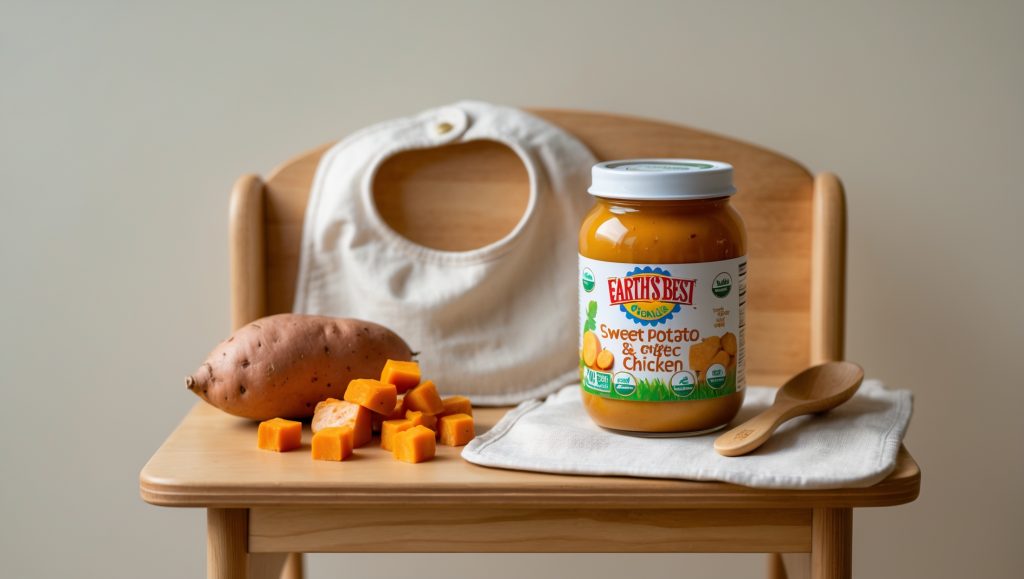
Earth’s Best Organic Sweet Potato & Chicken Baby Food Jar is a classic blend designed for babies ready to explore more complex flavors and protein-rich options. With a focus on organic ingredients and minimal processing, this Stage 2 puree aims to gently introduce little ones to the taste of real vegetables and meat. For U.S. families embracing Montessori principles, mealtimes with this jar can support independence and sensory discovery. But how does it measure up nutritionally, and what can parents expect in terms of taste, convenience, and overall value? This in-depth review covers everything you need to know in 2025.
Ingredients & Nutrition
The hallmark of Earth’s Best is its commitment to organic, non-GMO ingredients. The Sweet Potato & Chicken blend typically contains:
- Organic sweet potatoes
- Organic chicken
- Water (for texture and blending)
- Organic lemon juice concentrate (to preserve freshness)
This straightforward ingredient list is reassuring for parents seeking transparency and avoiding unnecessary additives or preservatives. The product is gluten-free and contains no added salt or sugar, in line with current nutritional guidelines for infants.
Nutrition highlights (per 4-ounce jar, approximate values):
- Calories: 60
- Protein: 2g
- Fat: 1g
- Carbohydrates: 11g
- Sugars (naturally occurring): 3g
- Fiber: 1g
- Iron: 0.5mg
- Calcium: 20mg
This blend provides a gentle introduction to animal protein and iron, both important nutrients for developing babies. The inclusion of sweet potato adds vitamin A and dietary fiber, supporting healthy vision and digestion. For families following Montessori-inspired routines, the simple, whole-food ingredients align well with the approach of offering real, recognizable foods and flavors.
Taste & Texture
The flavor profile of this jar is mild but appealing. Sweet potatoes lend natural sweetness and creaminess, while chicken adds a subtle savoriness without overwhelming the palate. The result is a balanced blend that many babies enjoy, especially if they have already been introduced to single-ingredient purees.
Texture-wise, Earth’s Best purees are generally smooth and spoonable, making them suitable for babies transitioning from Stage 1 foods or those learning to self-feed with a spoon. The consistency is neither too runny nor too thick, which supports Montessori practices of encouraging children to participate in feeding themselves—whether with a pre-loaded spoon or by exploring the puree with their fingers in a sensory-rich way.
Convenience & Storage
The glass jar packaging is sturdy, recyclable, and resealable. Parents can easily portion out servings, reseal the jar, and store leftovers in the refrigerator for up to 2 days. This is particularly helpful for families who prefer to offer small, manageable portions and follow their child’s hunger cues, as encouraged in Montessori environments.
Earth’s Best jars are shelf-stable until opened, making them a reliable pantry staple for busy families or travel. The compact size fits well in diaper bags and lunch boxes. One note: glass does add weight compared to pouches, so consider this for on-the-go situations.
Pros & Cons
Pros
- Certified organic, non-GMO ingredients
- No added salt, sugar, or artificial preservatives
- Balanced introduction to protein and vegetables
- Smooth, spoonable texture for easy feeding
- Recyclable glass jar supports eco-conscious choices
- Simple ingredient list aligns with Montessori feeding principles
Cons
- Glass jars are heavier and less portable than pouches
- Texture may be too smooth for older babies seeking more chew
- Limited variety in flavor for adventurous eaters
- Once opened, must be refrigerated and used within 2 days
Alternatives & Similar Products
If your baby enjoys Earth’s Best Organic Sweet Potato & Chicken, several other brands offer comparable Stage 2 protein-vegetable blends. Consider:
- Happy Baby Organics – Offers chicken and vegetable blends in both pouches and jars, often with added grains for extra texture.
- Gerber Organic 2nd Foods – Features a variety of protein and veggie combinations, sometimes with slightly chunkier purees for texture exploration.
- Beech-Nut Naturals – Known for simple, transparent ingredients and glass jar packaging, including blends like sweet potato and turkey or chicken.
- Homemade Purees – For families who enjoy preparing food at home, blending cooked organic sweet potatoes and chicken can be a great way to customize flavor and texture.
When choosing alternatives, look for products with clear labeling, no added sugar or salt, and an ingredient list you recognize. For Montessori-inspired routines, consider serving purees in small, open dishes with child-sized spoons to encourage independence.
Verdict
Earth’s Best Organic Sweet Potato & Chicken Baby Food Jar stands out for its commitment to simple, organic ingredients and balanced nutrition. It offers a gentle way to introduce animal protein alongside a familiar, naturally sweet vegetable. The smooth texture and mild flavor are well-received by most babies, especially those in the early stages of exploring solids.
While glass jars may not be as convenient as pouches for every family, they support eco-friendly values and Montessori principles of offering real, visible foods in practical containers. For parents seeking a nutritious, trustworthy option that bridges the gap between single-ingredient purees and more adventurous meals, this product is a dependable choice in 2025.
FAQ
+Is Earth’s Best Organic Sweet Potato & Chicken appropriate as a first meat for babies?
+How should I serve this puree in a Montessori-inspired way?
+Can I freeze leftovers from the jar?
+Is the product allergen-free?
+Why choose a glass jar over a pouch?
+What age is this jar suitable for?
+Is this product suitable for baby-led weaning?

Earth’s Best Organic Sweet Potato & Chicken Baby Food Jar is a thoughtful choice for parents seeking wholesome, convenient nutrition for their little ones. This blend expertly balances the natural sweetness of sweet potatoes with tender organic chicken, creating a pleasing flavor profile that appeals to developing palates. The texture is smooth and easy to swallow, making it suitable for babies transitioning to solids. Parents will appreciate the clean ingredient list, free of artificial additives, and the inclusion of organic produce and poultry raised without antibiotics.
What truly sets this jar apart is its commitment to both taste and nutrition. Sweet potatoes provide a rich source of vitamins A and C, while chicken offers essential protein and iron—key nutrients for growing babies. The mild, savory-sweet flavor encourages little explorers to enjoy a variety of tastes early on, supporting healthy eating habits for the future. Convenient packaging and shelf stability make it a reliable option for busy families on the go. In summary, Earth’s Best has delivered a baby food that is as nourishing as it is delicious, giving caregivers peace of mind with every bite.
- Balanced blend of organic sweet potato and chicken
- No artificial flavors, colors, or preservatives
- Rich in vitamins, protein, and iron
- Convenient for at-home or on-the-go feeding
For a family on a tight budget, does purchasing these jars individually end up costing more than subscribing to a regular delivery box of baby foods or toys? I am trying to balance quality ingredients with affordability and convenience.
You’re thoughtful to weigh both quality and cost for your baby’s needs. Buying Earth’s Best jars individually can sometimes add up, especially if your baby eats them often, while subscription boxes may offer discounts but sometimes include items your baby might not need. To stretch your budget, compare the per-jar price from different stores and check if larger packs are cheaper. With subscriptions, review exactly what’s included—some focus more on variety or toys, not just food. Always choose age-appropriate foods and supervise meals for safety. This isn’t medical advice; if you’re concerned, check in with your pediatrician.
I am curious how often you recommend rotating different protein-based purees like this sweet potato and chicken blend into my baby’s weekly meals. Does introducing varied protein options support better acceptance of new flavors, or can it overwhelm a sensitive eater?
It’s great that you’re thinking about how to introduce variety while respecting your baby’s preferences. For most babies around 6–12 months, offering different protein-based purees 2–3 times a week can help with flavor acceptance without overwhelming them. Start with a single protein for a few days, then slowly rotate in new options like chicken, turkey, or lentils, watching for any signs of discomfort or allergy. If your baby is sensitive, keep portions small and repeat familiar flavors before adding new ones. Always supervise meals and check for potential allergens. This isn’t medical advice; if you’re concerned, check in with your pediatrician.
I noticed this product is shelf-stable until opening, but once opened, can I freeze leftover puree to use later if we do not finish the jar in two days, or is refrigeration the only safe option?
It’s great that you’re thinking about safe storage for your baby’s food. For Earth’s Best Organic Sweet Potato & Chicken puree, refrigerate any leftovers right after opening and use within 1–2 days for freshness and safety, especially for infants under one. Freezing isn’t typically recommended for jarred baby food because freezing and thawing can change the texture and sometimes impact quality. Always use a clean spoon to avoid introducing bacteria. If you have ongoing concerns about food safety, it’s best to consult your pediatrician. This isn’t medical advice.
I noticed you mentioned the gentle introduction to animal protein and iron with this jar. If my toddler already eats a mix of vegetables and some table foods, should I offer this as a full meal or just part of a snack before bed?
It’s great that you’re thinking carefully about your toddler’s protein and iron intake. For most toddlers who are already eating a variety of vegetables and table foods, the Earth’s Best jar is best used as part of a meal or as a nutritious snack rather than a full meal, since it’s a single-ingredient puree intended for small appetites. You can pair it with soft finger foods like toast strips or small fruit pieces to round out the offering. Make sure your child is seated and supervised during eating, and always monitor for any new ingredient sensitivities. This isn’t medical advice; if you have any concerns about nutrition or portion size, check in with your pediatrician.
Are there any tips for introducing this blend to a baby who seems sensitive to new textures and has only had very smooth single-ingredient purees before?
It’s understandable to want to make this transition gentle for your baby, especially if they are sensitive to texture. Start by mixing a small spoonful of the Earth’s Best blend with your baby’s usual smooth puree to create a familiar consistency. Gradually increase the amount of the new blend over several days as your baby adjusts. Offer the food when your baby is calm and not too hungry or tired. Watch for any signs of discomfort, and pause if needed. The ingredients are age-appropriate for babies around 6 months and up, but always supervise and watch for any allergic reactions. This isn’t medical advice; if you’re concerned, check in with your pediatrician.
Since you mention storing leftovers for up to 2 days, do you think it’s practical to coordinate new toy rotations with meal prep days? I’m looking for ways to streamline our weekly routines without things getting chaotic.
It’s great that you’re looking for ways to simplify your routine and keep things calm for both you and your child. Coordinating new toy rotations with meal prep days can work well: 1) After making baby food, use the extra kitchen time to quickly swap out a few toys, keeping only age-appropriate and safe options within reach; 2) Store both leftovers and out-of-rotation toys in clearly labeled containers to avoid confusion; 3) Set a gentle reminder (like a calendar note) so you remember when both food and toys need attention; 4) Always supervise play, especially after introducing new toys. This isn’t medical advice; if you’re concerned, check in with your pediatrician.
I noticed this blend is Stage 2—would you recommend introducing Earth’s Best Sweet Potato and Chicken to a curious 2-year-old, or is it more appropriate to transition to chunkier textures and more complex meals at that age?
It’s great that you’re thinking about your child’s nutrition and developmental needs. For most 2-year-olds, it’s recommended to move towards chunkier textures and family foods, as this helps with oral motor skills and introduces them to a wider variety of tastes and textures. If your child is able to chew well, try offering small, soft pieces of cooked vegetables and chicken instead of purees. Reserve Stage 2 blends like Earth’s Best for occasional use, such as travel or if your child is feeling unwell. Always supervise meals closely for choking risks. This isn’t medical advice; if you’re concerned, check in with your pediatrician.
The texture sounds smooth and spoonable, but what if my baby prefers chunkier purees or is starting to show interest in chewing? Do you have any tips for safely modifying this Stage 2 blend for older infants?
It’s great that you’re noticing your baby’s readiness for more textured foods. To make this Stage 2 puree chunkier, you can mash in some soft, cooked sweet potato or shredded cooked chicken with a fork, gradually increasing the chunk size as your baby gets used to chewing. Always supervise closely and ensure the pieces are small, soft, and manageable to reduce choking risk. For older infants (usually 8+ months), this progression is appropriate, but watch for signs your baby is ready. This isn’t medical advice; if you’re concerned, check in with your pediatrician.
When following a Montessori-inspired feeding approach, would you recommend offering this puree alongside iron-fortified baby cereals, or is it more beneficial to stick with one source for consistency? How do you suggest balancing different iron sources in a baby’s routine?
It’s great that you’re thinking carefully about balancing iron sources for your little one. With a Montessori-inspired feeding approach, variety is encouraged—so you can absolutely offer Earth’s Best Sweet Potato & Chicken puree alongside iron-fortified cereals. Try offering different iron-rich foods at separate meals rather than mixing them all at once, so your baby can explore each taste and texture. Rotate between purees, cereals, and soft finger foods as your baby develops chewing skills. Check that foods are age-appropriate and safe for your child’s stage, avoiding choking hazards and allergens. This isn’t medical advice; if you’re concerned, check in with your pediatrician.
Some purees seem to have a strong smell that can bother my kid and make mealtime stressful. How would you describe the aroma of this sweet potato and chicken jar when you first open it?
It’s understandable to worry when your little one is sensitive to food smells, as this can affect mealtime ease. When you first open the Earth’s Best Organic Sweet Potato & Chicken jar, the aroma is generally mild and a bit earthy, with a gentle hint of sweet potato and a subtle note of cooked chicken—not overpowering or sharp. For children sensitive to scents, try serving a small amount in a shallow dish to let the puree air out for a minute, and always supervise closely. This isn’t medical advice; if you’re concerned, check in with your pediatrician.
Do you have any suggestions for encouraging independent spoon use with this particular puree, especially for parents new to Montessori approaches? I want to make sure I’m supporting my baby’s fine motor development while keeping mealtimes positive and low-stress.
You’re thoughtful to support your baby’s independence and development at mealtime. Start by offering a short, easy-grip baby spoon and place a small amount of the sweet potato & chicken puree in a shallow bowl. Let your baby try dipping and scooping, even if it gets messy—this is normal and helps fine motor skills. Try sitting together and modeling slow spoon use, pausing to let your baby imitate you. Keep portions small to limit spills, and use a wipeable mat for easier cleanup. Stay patient and praise your baby’s efforts rather than results. This puree’s smooth texture is safe for babies 6 months and up, but always supervise closely. This isn’t medical advice; if you have concerns, check with your pediatrician.
For families interested in promoting independence with Montessori routines, at what age would you recommend letting babies try to self-feed with the sweet potato and chicken blend? Are there precautions to keep in mind with the consistency at different ages?
It’s wonderful that you’re fostering independence through Montessori routines. Most babies can begin trying to self-feed with a spoon around 8-10 months, though readiness varies—look for signs like an interest in self-feeding and improved hand coordination. The Earth’s Best blend is smooth, making it suitable for early self-feeding, but always supervise closely to prevent choking. Offer small spoonfuls, and let your baby explore with their hands if they wish; just be patient with the mess. For younger babies or those still mastering swallowing, double-check the texture to ensure it isn’t too thick or sticky, which could pose a risk. This isn’t medical advice; if you’re concerned, check in with your pediatrician.
If daycare prefers to offer finger foods, can this particular puree be mixed with something like soft rice or tiny pasta shapes to encourage self-feeding, or does it lose its consistency?
That’s a thoughtful way to support your child’s self-feeding skills. You can absolutely mix Earth’s Best Organic Sweet Potato & Chicken puree with soft-cooked rice or tiny pasta shapes to create a more scoopable, textured blend. Start with a small amount of grain and gradually add more until you reach a consistency your child can pick up with their fingers or a spoon. Make sure both the rice or pasta and the puree are soft enough to mash with little gums, and supervise closely to prevent choking. This isn’t medical advice; if you’re concerned about textures or allergies, check in with your pediatrician.
With the glass jars being resealable, can I safely freeze any leftovers, or is it best to only keep it in the fridge for up to two days as you mentioned?
That’s a great question—it’s important to keep your baby’s food safe. While Earth’s Best jars are resealable, glass jars can crack or shatter in the freezer due to expansion, so it’s safest to store leftovers in the fridge for up to two days as recommended. If you need to freeze leftovers, transfer the puree to a freezer-safe container, leaving some space for expansion. Thaw in the fridge and use within 24 hours; never refreeze thawed baby food. Always check texture and smell before serving. This isn’t medical advice; if you have concerns, please check in with your pediatrician.
I have a one-year-old just starting daycare and they’re still practicing with self-feeding. Do you think the texture of this sweet potato and chicken jar is easy enough for babies to manage on their own, or would you recommend mixing it with something else for added grip?
It’s completely natural to wonder if your baby will be able to manage new textures while self-feeding at daycare. The Earth’s Best Organic Sweet Potato & Chicken jar reviewed has a smooth, spoonable texture, which is great for one-year-olds still developing their pincer grasp but may be a bit slippery for self-feeding by hand. You could try mixing in a small amount of plain mashed potato, baby cereal, or well-cooked quinoa to thicken it just a little for easier scooping. Always supervise closely and avoid large lumps to keep things safe. This isn’t medical advice; if you’re concerned, check in with your pediatrician.
Our family often prepares our own purees, but I sometimes buy jars like these for convenience. How does this blend compare in taste and acceptance with homemade sweet potato and chicken purees, especially for babies who can be sensitive to subtle flavor differences?
It’s great that you’re thinking about your baby’s preferences and sensitivities. Store-bought blends like Earth’s Best Organic Sweet Potato & Chicken are designed for a mild, consistent taste, which can be less complex than homemade purees. For babies sensitive to flavors, start with a small amount alongside your usual puree and watch their reaction. Serve at room temperature for a closer texture match, and mix with a spoonful of your homemade puree if needed. Always supervise for any reactions and check the ingredients for potential allergens. This isn’t medical advice; if you’re concerned, check in with your pediatrician.
Can you suggest a way to involve my toddler in serving this jar during our evening routine, maybe giving a bilingual cue or using Montessori methods? I’d love to make the process more interactive and language-focused.
It’s wonderful that you want to make mealtime interactive and language-rich for your toddler. Try letting your child help twist open the jar with your guidance, using a simple bilingual cue like ‘Open, abrir.’ Offer a small spoon and invite them to scoop or serve, saying ‘Spoon, cuchara.’ You can set out a place mat together, naming items in both languages as you go. Montessori methods encourage independence, so allow your toddler to pour a little food into their bowl, keeping supervision close for safety. Make sure all utensils are toddler-safe and avoid glass near the edge of the table. This isn’t medical advice; if you have concerns, check in with your pediatrician.
I noticed the article mentions Montessori principles and encouraging self-feeding. Have you seen any challenges with babies making a mess or throwing the jar when they’re allowed to explore the puree themselves, especially with this glass packaging?
It’s very normal to worry about messes and safety when babies start self-feeding, especially with glass jars. Try offering the puree in a sturdy, unbreakable bowl instead of the jar, and use baby-sized spoons or allow your child to use their fingers. Always supervise closely during mealtime to prevent accidents. Consider placing a mat under the high chair to make cleanup easier, and keep glass jars out of reach once opened. Remember, messy eating is part of learning, but safety comes first. This isn’t medical advice; if you’re concerned, check in with your pediatrician.
For babies just moving beyond single-ingredient purees but not yet eating chunkier textures, do you think this Earth’s Best blend is a good step for Montessori-style independent feeding during calm mornings, or is it aimed more at older infants?
Your thoughtfulness about supporting independence at mealtimes is wonderful. This Earth’s Best blend is smooth and simple, making it appropriate for babies transitioning from single-ingredient purees, especially those not yet ready for lumps or chunks. For Montessori-style self-feeding, try offering small spoonfuls in a shallow bowl and let your baby practice with a baby-safe spoon or dip their fingers (supervised, of course). Watch for any signs of texture discomfort, and keep the environment calm and relaxed to encourage exploration. Remember, each baby’s readiness is unique—if you have specific concerns about texture or feeding milestones, it’s best to check with your pediatrician. This isn’t medical advice.
Since this is designed for Stage 2 eaters, is it still appropriate for a 3-year-old who mostly eats table foods? Should I use this as a quick meal in a pinch, or is it better as a supplement to more complex family meals?
It’s great that you’re thinking about your child’s nutrition and convenience. While Earth’s Best Organic Sweet Potato & Chicken is safe for a 3-year-old, it’s intended for younger babies and is quite smooth in texture and mild in flavor. You can use it as an occasional quick meal or snack, especially if your child enjoys it, but try to pair it with more textured family foods to encourage chewing and variety. Just be sure your child isn’t looking for new textures and flavors that purees don’t provide. This isn’t medical advice; if you have nutrition concerns, talk to your pediatrician.
We try to limit screens before meals, but sometimes it’s the only way to get our little one to sit long enough to eat. Do you think occasional screen time during meals with this baby food could affect how they experience new flavors and textures?
It makes sense to want mealtime to go smoothly, especially when introducing new foods like Earth’s Best Organic Sweet Potato & Chicken. Allowing occasional screen time can help in the short term, but it may distract your little one from fully noticing flavors and textures, which is important for their sensory development. If possible, try to offer the new food when your child is calm and alert, perhaps starting with a few minutes of focused eating before turning on a screen. Keep mealtimes short and low-pressure, and always supervise closely, especially for babies under 1 year. This isn’t medical advice; if you have ongoing concerns, it’s a good idea to check in with your pediatrician.
Is there a noticeable difference in taste or acceptance when transitioning from single-ingredient purees to this blend, and how can parents support picky eaters during this stage?
You’re right to think about how your baby adjusts to new flavors and textures. Moving from single-ingredient purees to blends like sweet potato and chicken can sometimes meet resistance, as the taste is more complex. Start by mixing a little of the blend with a familiar puree to ease the transition. Serve new foods when your baby is relaxed and a bit hungry, not overtired. Let your child explore the food with their hands or spoon—mess is okay. Remember, it’s normal if it takes several exposures for acceptance. This stage is best suited for babies around 6 months and up; always watch for allergies and supervise feeding. This isn’t medical advice; if you’re concerned, check in with your pediatrician.
For families introducing this Earth’s Best puree as part of a Montessori mealtime routine, do you have any tips for encouraging babies to use a pre-loaded spoon without too much mess? We are just starting self-feeding and would love some practical advice.
It’s wonderful that you’re encouraging self-feeding and independence at mealtime. To help your baby use a pre-loaded spoon with less mess, start by offering a short-handled, soft-tipped spoon that’s easy for little hands to grip. Only fill the spoon with a small amount of puree each time, and guide your baby’s hand to their mouth as needed, gradually stepping back as they gain confidence. Place the jar or bowl on a non-slip mat, and consider using a bib with a wide catch pocket. Stay close for supervision, as babies this age (usually 6 months and up) still explore with their hands and mouths. This isn’t medical advice; if you’re concerned, check in with your pediatrician.
Do you have any advice on introducing this blend to a toddler who’s already self-feeding but sometimes prefers chunkier textures? Is it possible to mix it with other foods for more variety?
It’s great that you’re supporting your toddler’s self-feeding and interest in different textures. You can try mixing Earth’s Best Organic Sweet Potato & Chicken baby food with soft-cooked, finely diced veggies or shredded chicken to add chunkiness. Stirring it into cooked rice, small pasta shapes, or mashed beans can offer more variety while keeping it manageable for toddlers. Always supervise meals and ensure pieces are small enough to avoid choking. This isn’t medical advice; if you have concerns about your child’s eating or texture preferences, it’s a good idea to check in with your pediatrician.
How does the glass jar packaging compare to pouches in terms of ease of use and safety with Montessori-style self-feeding for toddlers just starting to feed themselves? I wonder if jars are easier for babies to handle or if they pose more risk for dropping and breaking during independent mealtimes.
You’re thoughtful to consider both ease and safety as your toddler explores self-feeding. Glass jars can be tricky: they’re heavier and more likely to break if dropped, which isn’t ideal for little hands just learning to eat on their own. Pouches are lighter and easier for toddlers to grasp and squeeze, making them more Montessori-friendly and safer for independent use. If you prefer jars, consider spooning the food into a small, unbreakable bowl for self-feeding. Always supervise meals and choose utensils with easy-to-hold handles. This isn’t medical advice; if you’re concerned, check in with your pediatrician.
Is this sweet potato and chicken blend suitable for every meal at this age, or should I be rotating other flavors and textures more regularly? I’m trying to balance variety and consistency as my baby learns to self-feed.
It’s wonderful that you’re thinking about both variety and consistency as your baby learns to self-feed. While Earth’s Best Organic Sweet Potato & Chicken is a nutritious option, it’s important to offer a mix of flavors and textures to help your baby develop a diverse palate and gain exposure to different nutrients. Try rotating this blend with other single-ingredient and combination purees, and, when age-appropriate, introduce soft finger foods for texture exploration. Always supervise self-feeding and watch for choking hazards or food allergies. This isn’t medical advice; if you’re concerned, check in with your pediatrician.
We follow a Montessori-inspired routine at home, and I love that the jar is resealable. If I portion some out for my baby at breakfast, how can I ensure the leftovers stay fresh for use at lunch or dinner later that same day?
It’s great that you’re thinking about freshness and independence with your Montessori approach. After you portion out the baby food, promptly reseal the jar and refrigerate it right away. Use a clean spoon each time to avoid introducing bacteria, and keep the jar away from the fridge door where temperatures fluctuate. For safety, discard any leftovers after 24 hours or sooner if you notice changes in smell or texture. This isn’t medical advice; if you’re concerned, check in with your pediatrician.
In terms of storage, if I save leftover puree in smaller containers, are there any playful ways to involve my baby in choosing containers or pretending to pack their own snacks that you’d recommend?
It’s wonderful that you want to make snack time playful and involving for your baby. For little ones (about 8 months and up), you can offer two colorful, baby-safe containers and let your child point or reach for their choice while you name the colors. Pretend play can start early: as you pack, narrate what you’re doing and let your baby tap the lid or help ‘close’ the container with your guidance. Always supervise closely to prevent choking or mishandling of small parts. This isn’t medical advice; if you’re concerned, check in with your pediatrician.
Can you clarify if Earth’s Best uses any special process to guarantee their jars are free from contaminants like BPA or glass shards? I sometimes worry about packaging safety with glass jars, especially since my little one likes to try holding everything herself.
Your concern about packaging safety is so important, especially with little hands eager to explore. Earth’s Best states that their jars are BPA-free and made with food-safe materials, and as required by FDA regulations, manufacturers must check for contaminants like glass shards during production. Still, supervise closely when your baby handles glass jars, and always inspect jars and lids for chips, cracks, or loose seals before serving. If you notice anything unusual, do not use the product. This isn’t medical advice; if you’re concerned, check in with your pediatrician.
I noticed the jar needs to be refrigerated after opening and is good for two days. Would it still be safe if my toddler doesn’t finish it within that timeframe, or do you have any tips for minimizing waste in households where leftovers happen often?
It’s great that you’re thinking carefully about food safety and reducing waste. Once opened, it’s important to refrigerate the Earth’s Best jar and use it within 2 days—after that, bacteria could grow, making it unsafe for your toddler. To minimize waste, try portioning out only what you think your child will eat into a separate bowl, keeping the rest uncontaminated. You can also use a clean spoon each time and label jars with the opening date. For toddlers, offering smaller servings first can help avoid leftovers. This isn’t medical advice; if you have concerns, it’s always best to check with your pediatrician.
We follow a Montessori-inspired routine and encourage our 3-year-old to help himself at meals. Would this purée be suitable as a snack or side at his age, or is it mainly meant for younger babies?
It’s wonderful that you’re fostering independence at mealtimes. While Earth’s Best Organic Sweet Potato & Chicken purée is designed for babies starting solids, a 3-year-old can certainly enjoy it as a snack or side, especially if you serve it in a small bowl with a spoon for self-feeding. To encourage age-appropriate skills, offer it alongside more textured foods or let your child dip soft crackers or veggies in it. Always supervise to ensure safe eating, and double-check for any ingredient sensitivities. This isn’t medical advice; if you’re concerned, check in with your pediatrician.
Can you suggest any household items or simple kitchen tools that could make self-feeding with this kind of puree easier for little hands, especially when we’re trying to minimize mess?
It’s great that you want to support your little one’s self-feeding skills while keeping things tidy. Try using a silicone-tipped baby spoon with an easy-grip handle, as it’s gentle on gums and easier for babies to hold. A shallow, non-slip suction bowl can help prevent tipping and sliding. For less mess, place a wipeable food-safe mat or tray under your child’s eating area. You might also offer a silicone feeder (sometimes called a mesh feeder) so your baby can safely explore the texture by holding and sucking. These tips are best for babies over 6 months who are ready for solids, and always supervise during meals. This isn’t medical advice; if you’re concerned, check in with your pediatrician.
Would you recommend serving this blend cold right out of the fridge, or is it better to warm it up slightly for babies who are sensitive to new textures and temperatures?
It’s thoughtful to consider your baby’s comfort with textures and temperatures. For babies who are sensitive to new experiences, serving the sweet potato and chicken blend slightly warmed can help make the taste and texture more familiar and soothing. Try gently warming the jar by placing it in a bowl of warm water, stirring well, and always testing the temperature before feeding. For young babies, avoid microwaving directly in the jar to reduce uneven heating. Always check for hot spots and serve lukewarm, not hot. This isn’t medical advice; if you’re concerned, check in with your pediatrician.
You mention that this blend is a gentle way to introduce animal protein and iron. How does Earth’s Best Sweet Potato & Chicken compare to homemade purees in terms of nutrition and taste, especially if I want to cook in batches on weekends?
It’s great that you’re thinking carefully about introducing protein and iron to your baby’s diet. Store-bought blends like Earth’s Best Sweet Potato & Chicken are formulated to meet infant nutrition standards, with consistent textures and iron content, and are tested for common allergens and safety. Homemade purees can be just as nutritious if you use age-appropriate, cooked ingredients and avoid added salt or sugar; however, you’ll need to ensure meats are thoroughly cooked and blended very smooth for babies under 9 months. Batch cooking on weekends is a smart approach, but be sure to store portions safely in the fridge or freezer. This isn’t medical advice; if you’re concerned, check in with your pediatrician.
Is this sweet potato and chicken jar okay to offer as a lunch option for a 2-year-old, or would you suggest mixing it with something else to make it more filling for older toddlers?
It’s great that you’re thinking about offering a balanced and satisfying lunch for your 2-year-old. The Earth’s Best Organic Sweet Potato & Chicken jar is safe and age-appropriate, but older toddlers often need more variety and calories than baby food jars alone provide. You could serve it with soft-cooked pasta, mashed avocado, or pieces of whole grain toast to make the meal more filling. Including small-cut fruits or steamed veggies on the side can offer extra nutrients and texture. Always supervise meals to prevent choking, and introduce new foods gradually to watch for allergies. This isn’t medical advice; if you’re concerned, check in with your pediatrician.
I’m setting up a toy rotation system at home and wonder how often you recommend introducing new textures or tastes like this sweet potato and chicken blend, especially when following Montessori approaches at mealtime?
It’s great that you’re thoughtful about introducing new experiences for your child. With a Montessori approach, offering new tastes or textures every 3–7 days works well, allowing your baby time to explore and get comfortable with each new food. For the sweet potato and chicken blend, let your child touch and self-feed when possible, always supervising to ensure safety. Watch for any signs of allergy, and keep pieces soft and age-appropriate to prevent choking. Remember, each child’s pace is unique, so follow their cues. This isn’t medical advice; if you’re concerned, check in with your pediatrician.
You mentioned the Earth’s Best sweet potato and chicken jar suits babies transitioning from Stage 1. If my child is a bit delayed in starting solids, would this blend still be appropriate, or should I stick with single-ingredient options for longer?
It’s completely understandable to want the best start for your baby, especially if they’re taking a little longer to begin solids. For babies who are delayed in starting solids, it’s usually gentlest to begin with single-ingredient purees, as these make it easier to spot any sensitivities or allergies. Once your child is comfortable and tolerating single foods well, you can gradually introduce simple blends like the Earth’s Best sweet potato and chicken jar. Always check the texture to ensure it’s smooth enough for your baby’s developmental stage, and watch closely during feeding. This isn’t medical advice; if you have concerns, it’s wise to check in with your pediatrician.
Our family sometimes shares baby food jars between cousins at gatherings. Would sharing a partially used Earth’s Best jar between two babies during one meal pose any food safety risks, or should each child get their own unopened jar?
It’s thoughtful to consider food safety when sharing baby food at family gatherings. Once a baby eats directly from a jar, saliva can introduce germs that may multiply, especially if the jar sits out. For safety, serve some of the food into separate bowls with clean spoons for each child, rather than sharing from the same jar. Always refrigerate any unused portion right away if it hasn’t been in contact with mouths. For infants and toddlers, keeping portions and utensils separate helps prevent the spread of illness. This isn’t medical advice; if you’re concerned, check in with your pediatrician.
If my child has already been exposed to single-ingredient purees, when would it be a good time to introduce this combined flavor, and should I watch for any signs that it is too complex for their palate?
It’s wonderful that you want to support your child’s food exploration thoughtfully. After your little one has tried and tolerated single-ingredient purees (like plain sweet potato and plain chicken) without reactions, you can usually introduce a simple combination like Earth’s Best Organic Sweet Potato & Chicken around 6–8 months, as long as they’re showing readiness for solids. Start with a small amount and observe for any signs of discomfort, rash, or digestive upset. If your baby turns away or gags, it may be a sign to slow down and try again later. This isn’t medical advice; if you’re concerned, check in with your pediatrician.
We’re trying to stick to a baby food budget, but I like the idea of organic options. How would you say the Earth’s Best sweet potato and chicken jars compare in price and nutritional value to just making a similar puree at home?
It’s great that you want to balance nutrition and budget for your little one. Store-bought Earth’s Best jars offer convenience and consistent quality, with strict organic standards, but usually cost more per serving than making your own puree at home from organic sweet potatoes and chicken. Homemade purees take more time but can be tailored for freshness and texture, and may be more budget-friendly, especially if you buy ingredients in bulk. Just remember to cook ingredients thoroughly, blend them to a smooth consistency, and avoid added salt or seasonings for babies under one year. This isn’t medical advice; if you have concerns, check with your pediatrician.
How would you compare the nutritional value and sensory experience of this sweet potato and chicken jar to offering simple homemade purees? Is there a significant developmental advantage to one approach over the other for babies in the US?
It’s great that you’re thinking about both nutrition and your baby’s eating experience. Store-bought jars like Earth’s Best are designed to meet safety and nutrition standards, but homemade purees can offer more variety and fresher textures. Try both: offer homemade purees when you have time, letting your baby experience different flavors and textures, and use jars for convenience or when you’re on the go. Both options can support healthy development if you watch for allergens and age-appropriate textures (smooth for younger babies, thicker as they get older). There’s no strong evidence that one approach is superior for development in most US babies. This isn’t medical advice; if you have concerns, check with your pediatrician.
You mention the jar is good for Stage 2 eaters, but if my child is already over 18 months and not talking much, is this option still suitable for their nutritional needs, or should we look for something with more texture or different ingredients?
It’s understandable to want the right food for your child’s needs, especially as they grow and develop. At over 18 months, many children are ready for more texture and variety in their foods, which can help with oral motor skills and encourage language development during mealtimes. Try offering soft finger foods or gently mashed meals alongside purees like this jar, checking for safe sizes and avoiding choking hazards. Mix in small, soft-cooked veggies or grains for added nutrition and texture. This isn’t medical advice; if you’re concerned about your child’s eating or speech development, it’s a good idea to check in with your pediatrician.