
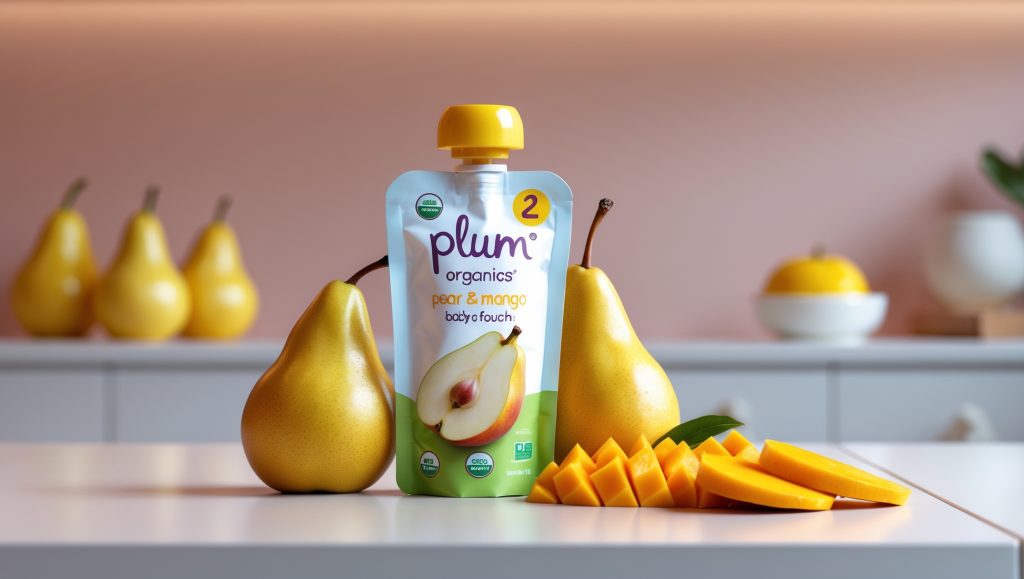
Overview
As little ones transition from single-ingredient purees to more complex flavors, parents often look for options that are both nutritious and enticing. Plum Organics Stage 2 Pear & Mango Baby Food Pouch aims to fill that need, blending ripe pears and tropical mangoes into a smooth, easy-to-eat puree. In 2025, with families placing greater emphasis on ingredient transparency, convenience, and supporting early food exploration, this pouch stands out as a popular choice on store shelves and in online carts.
But how does it stack up when it comes to taste, nutrition, and practicality? This in-depth review will help you decide if Plum Organics Pear & Mango deserves a spot in your baby’s feeding rotation.
Ingredients & Nutrition
Plum Organics emphasizes simple, organic ingredients. The Stage 2 Pear & Mango pouch contains:
- Organic Pear Puree
- Organic Mango Puree
- Ascorbic Acid (Vitamin C, to maintain color and freshness)
That’s it—no added sugars, artificial flavors, or thickeners. Both pears and mangoes are naturally sweet and packed with vitamins, making this a wholesome blend for babies exploring new tastes.
Nutrition Highlights (per pouch, 113g):
- Calories: 60
- Total Sugars: 12g (naturally occurring)
- Fiber: 2g
- Vitamin C: 20% Daily Value
- Fat: 0g
- Protein: <1g
- Sodium: 5mg
This pouch provides a gentle way to introduce vitamin C-rich fruit varieties. While it contains fruit sugars, all are naturally present from the pears and mangoes. There’s a modest amount of fiber, which can be helpful for digestion during the early stages of solids.
Taste & Texture
Flavor: Pears bring a mellow, juicy sweetness, while mangoes add a floral, tropical note. The result is a bright, naturally sweet puree that appeals to many babies’ developing palates without being overpowering.
Texture: Plum Organics Stage 2 purees are designed to be smooth but slightly thicker than Stage 1, helping babies practice moving food around in their mouths. The consistency is spoon-friendly and can also be sipped directly from the pouch (with supervision for older babies).
Parents frequently note that the blend is well-balanced—not too tart, not too bland. Some find that the mango flavor is more pronounced, while others appreciate the gentle pear undertone. This flavor pairing can be a good step for babies ready to explore beyond single fruits.
Convenience & Storage
One of the biggest draws of the Plum Organics pouch line is portability. The resealable spout allows for easy, on-the-go feeding, and leftover puree can be refrigerated and used within 24 hours. The pouch is lightweight and fits easily into diaper bags or lunch boxes.
Storage & Use:
- Shelf-stable until opened (store at room temperature)
- Refrigerate after opening and use within one day
- Do not microwave pouch; instead, warm by placing in hot water if desired
Busy parents appreciate the minimal prep time—just open, squeeze, and serve. The clear labeling and transparent ingredient list are also reassuring for families with dietary restrictions or allergies.
Pros & Cons
Pros
- Simple, organic ingredients—just pear and mango, with no added sugars or artificial additives.
- Appealing flavor pairing—naturally sweet, gently tropical taste encourages adventurous eating.
- Convenient pouch packaging—resealable, travel-friendly, and easy to use on the go.
- Smooth, age-appropriate texture—supports oral motor development for babies 6 months and up.
- Transparent labeling—clear list of ingredients and nutritional information for peace of mind.
- Widely available—found in most major grocery stores and online retailers.
Cons
- Higher natural sugar content—contains 12g of fruit sugars per pouch, which may be a concern for some families.
- Limited protein and fat—as with most fruit purees, this pouch is not a significant source of these nutrients.
- Texture may be too smooth—babies ready for more complex textures may outgrow this stage quickly.
- Not suitable for home freezing—pouch is not designed for freezing and thawing at home.
Alternatives & Similar Products
If your baby enjoys the bright flavors of pear and mango, consider these other options:
- Earth’s Best Organic Pear, Carrot & Apricot Stage 2 Pouch – Adds a subtle vegetable note and a different fiber profile for variety.
- Happy Baby Organic Bananas, Mangoes & Spinach Pouch – For those looking to sneak in a leafy green alongside tropical fruits.
- Gerber Organic Pear, Mango & Avocado Purée – A creamy alternative with healthy fats from avocado, providing a new texture and nutritional boost.
- Homemade pear-mango purée – For families interested in DIY, blending ripe pears and mangoes at home can let you tailor the texture and portion size.
Each of these alternatives offers a slightly different taste, texture, or nutritional spin, allowing you to find the best fit for your baby’s preferences and dietary needs.
Verdict
Plum Organics Stage 2 Pear & Mango Baby Food Pouch remains a parent favorite in 2025 for good reason. The simple, organic ingredient list and approachable flavor make it an appealing starting point for introducing babies to more adventurous foods. Its smooth texture and travel-friendly packaging ease mealtime challenges, especially for busy families.
While it’s not a complete meal on its own—lacking protein and fats—it can be a satisfying snack, a meal component, or a base for mixing with other purees or grains. As with any packaged baby food, rotating with homemade options and a variety of flavors supports well-rounded food exploration.
If you value clean ingredients, convenience, and a crowd-pleasing fruit blend, this pouch is worth adding to your baby food lineup.
FAQ
+Is Plum Organics Pear & Mango suitable for babies starting solids?
+Does this pouch contain any common allergens?
+Can I serve this puree warm?
+How long can I keep the pouch after opening?
+Is this pouch recyclable?
+Can older babies and toddlers enjoy this pouch?
+Are there any artificial sweeteners or preservatives?

Plum Organics Stage 2 Pear & Mango Baby Food Pouch stands out in the crowded world of baby nutrition with its vibrant flavors and thoughtfully sourced ingredients. As babies transition to more varied tastes, this blend of pear and mango offers a naturally sweet introduction to fruit without added sugars or artificial ingredients. The texture is smooth, making it ideal for little ones just starting on solids, and the pouch design is both convenient for parents and encourages self-feeding as motor skills develop.
What truly sets this pouch apart is Plum Organics’ commitment to organic, non-GMO ingredients, which provides peace of mind for health-conscious families. The pear and mango combination is not only appealing to young palates but also delivers a healthy dose of vitamin C and fiber—important building blocks for growing bodies. Parents frequently note the pouch’s portability, making it a go-to snack for outings or busy days. Overall, this pouch is a smart, tasty choice that supports both nutritional goals and the realities of everyday parenting.
- Bright, naturally sweet flavor from real fruit
- Organic, non-GMO, and no added sugars
- Convenient pouch design for on-the-go feeding
- Rich in vitamin C and dietary fiber
I see that the Pear & Mango pouch is a Stage 2 food. At what age should I consider offering this blend, and are there any signs that might indicate my baby is ready to move on from single-ingredient purees to something like this?
It’s great that you’re tuning into your baby’s readiness for new flavors and textures. Stage 2 foods like the Pear & Mango pouch are typically introduced around 6 to 8 months, once your baby has tolerated single-ingredient purees without reactions. Signs of readiness include showing interest in food, sitting up with support, and being able to swallow purees easily. Make sure the blend is smooth and watch for any signs of allergy or intolerance. Always supervise feeding and introduce new foods one at a time. This isn’t medical advice; if you’re concerned, check in with your pediatrician.
Do you have any tips on incorporating this pouch into a routine for toddlers with texture sensitivities? For example, have you tried freezing it into pops or using it in sensory bins for exploratory play without overwhelming them?
It’s great that you’re looking for creative ways to help your toddler with texture sensitivities. You might start by offering the pouch chilled or slightly warmed to see which temperature your child prefers. Freezing the puree into small pops can provide a different texture and might be more enjoyable for some toddlers—just supervise closely to prevent choking. For sensory play, you can introduce tiny spoonfuls in a bowl for your child to explore with fingers or utensils, but avoid large amounts in bins to prevent overwhelming sensations. Always check ingredient lists for potential allergens. This isn’t medical advice; if you’re concerned, check in with your pediatrician.
Would you recommend this pouch as a calming snack on busy evenings, or is there another Plum Organics flavor you find works better when helping little ones unwind before bedtime?
It’s great that you’re thinking about calming snack options for your little one during busy evenings. Pear & Mango offers bright, tangy flavors that may energize some babies rather than promote relaxation. For a more soothing bedtime snack, you might look for Plum Organics pouches featuring milder flavors, like pear or banana blends, which are gentle and less stimulating. Always serve cool or at room temperature to avoid tummy discomfort, and supervise to ensure safe eating, especially for babies under 12 months. This isn’t medical advice; if you’re concerned, check in with your pediatrician.
Is there any residue or stickiness left behind in the pouch after squeezing out the puree? With a toddler who likes to finish every drop and a baby who can be messy, I’m curious how easy cleanup is.
It’s thoughtful that you’re considering cleanup with both a toddler and a baby. Plum Organics Stage 2 pouches are designed to minimize residue, but you may notice a small amount of puree left in the corners or near the cap after squeezing. To help, encourage your toddler to squeeze from the bottom up, and supervise both children to prevent spills. For stubborn residue, you can gently flatten the pouch to push out any remaining puree, though avoid letting little ones chew on the pouch. Always wipe hands and faces afterward, as fruit purees can leave some stickiness. This isn’t medical advice; if you’re concerned, check in with your pediatrician.
My baby is particularly sensitive to certain textures. The review mentions that Stage 2 is slightly thicker than Stage 1. Would you say this Pear and Mango blend is a good next step for babies who struggled with thicker blends before, or is there a way to thin it out safely at home?
It’s completely understandable to be mindful of texture when introducing new foods. If your baby has found thicker blends challenging, you can thin out the Pear and Mango Stage 2 pouch by mixing in a little breast milk, formula, or water until it reaches a smoother consistency your baby tolerates. Start with small amounts and mix well to avoid lumps. Always supervise mealtimes and offer small spoonfuls. Stage 2 foods are generally safe for babies around 6 months and up, but adapt to your child’s readiness. This isn’t medical advice; if you’re concerned, check in with your pediatrician.
For families shopping on a tight grocery budget, how does Plum Organics Stage 2 Pear & Mango compare price-wise to store-brand options or making similar fruit blends at home? Are there any savings in buying in bulk or subscription packs?
It’s understandable to want the best for your baby while staying within your budget. Plum Organics pouches generally cost more per serving than most store-brand alternatives or homemade blends, since you pay for convenience and organic certification. Making your own fruit purees at home with fresh pears and mangoes is usually the cheapest, though it takes extra time and care with hygiene. Buying Plum Organics in bulk or through subscription services can sometimes lower the price per pouch, but it may still be pricier than store brands. Always check that any option you choose is age-appropriate and safe for your baby. This isn’t medical advice; if you’re concerned, check in with your pediatrician.
I like to keep evening routines soothing, and sometimes new flavors can make my child a bit restless. From your experience, does the mango’s brightness make this flavor more stimulating, or do most kids find it calming enough for pre-bedtime?
You’re thoughtful to consider how new flavors affect your child’s bedtime routine. Mango does have a naturally bright, slightly tangy flavor, which some sensitive children might find more stimulating, especially if introduced close to sleep. If you’re concerned, offer the Plum Organics Pear & Mango pouch earlier in the day and stick to more familiar or mild tastes in the evening. Always supervise for any signs of excitement or discomfort after trying new foods. For babies under 12 months, gradual flavor exposure during calm times can help. This isn’t medical advice; if you’re concerned, check in with your pediatrician.
My child has a strong preference for smoother textures and sometimes gags on thicker purees. Is this Stage 2 pouch appropriate for a texture-sensitive 3-year-old, or should I stick with Stage 1 options for now?
You’re right to be thoughtful about your child’s texture sensitivities at mealtimes. While Plum Organics Stage 2 pouches are generally safe for older toddlers, they do tend to be a bit thicker than Stage 1 purees. For a texture-sensitive 3-year-old, it’s fine to keep offering Stage 1 options if those are more comfortable, even if they’re marketed for younger babies. You can also try thinning Stage 2 purees with water, breast milk, or formula, and always supervise closely to watch for gagging. This isn’t medical advice; if you’re ever unsure or your child’s sensitivity seems to persist, chatting with your pediatrician is a good next step.
We go through baby food pouches pretty quickly, but sometimes I like to buy in bulk to save money. Do you know how long these Plum Organics pouches typically last unopened in the pantry? I want to make sure they won’t expire before we use them.
It’s great that you’re planning ahead for your baby’s nutrition and budget. Unopened Plum Organics Stage 2 pouches generally have a shelf life of 12 to 18 months when stored in a cool, dry pantry. Always check the expiration or ‘best by’ date on each pouch before buying in bulk. Rotate your stock so the oldest pouches are used first, and avoid keeping them in direct sunlight or high heat. Once opened, refrigerate any unused portion and use within 24 hours. This isn’t medical advice; if you’re concerned, check in with your pediatrician.
My parents like to offer new foods at family gatherings. Would this Pear & Mango pouch work well paired with cultural finger foods, or is it better served solo for babies exploring new flavors? Any advice for combining with other textures?
It’s wonderful that your family enjoys introducing new foods together. For babies around 6–8 months, the Plum Organics Pear & Mango pouch can complement soft finger foods, like well-cooked vegetables or small pieces of bread, as a dip or topping. This encourages texture exploration but always supervise closely to avoid choking. Start by offering the puree on its own, then gradually mix with small spoonfuls of familiar foods. Avoid pairing with foods that are hard, sticky, or contain common allergens unless already introduced. This isn’t medical advice; if you’re concerned, check in with your pediatrician.
We tend to take things slow with new foods because my baby often reacts to strong flavors and changes in consistency. Is the texture of this pouch truly uniform, or are there occasional lumps or chunks that could surprise a sensitive mouth?
It’s completely understandable to want reassurance about texture when your baby is sensitive to new foods. According to our review, Plum Organics Stage 2 Pear & Mango pouch is designed for smooth consistency without lumps or chunks, making it suitable for babies transitioning to purees. When introducing, squeeze a small amount onto a spoon and inspect the texture yourself before offering it to your baby. Always supervise your child while eating to watch for any unexpected reactions. Remember, each baby is different, so proceed at your baby’s pace. This isn’t medical advice; if you have concerns about reactions, consult your pediatrician.
When introducing this pouch, is it a good idea to mix it with yogurt or oatmeal to help my toddler feel fuller for longer, or does blending it with other foods affect its digestibility or taste?
It’s great that you’re thinking about how to make your toddler’s meals both filling and enjoyable. Mixing the Plum Organics Pear & Mango pouch with yogurt or oatmeal is a safe, age-appropriate way to create a more satisfying texture and add nutrients, especially for toddlers over 12 months. Start by folding a small amount of the pouch into plain yogurt or cooked oatmeal and offer it in a bowl with a spoon. Watch for any new sensitivities, especially if introducing dairy for the first time. Blending with other foods won’t harm digestibility, but the taste will become milder, which some toddlers may prefer. This isn’t medical advice; if you’re concerned, check in with your pediatrician.
Is it safe to send these pouches in a lunchbox if they might sit out for several hours before being eaten, or should I always include an ice pack even though they are shelf-stable before opening?
—it’s wise to be cautious about food safety for your little one. Although Plum Organics pouches are shelf-stable before opening, once they’re opened, they need refrigeration and should be eaten within 24 hours. For unopened pouches, it’s generally safe to keep them in a lunchbox at room temperature, but if the lunchbox could get very warm, using an ice pack adds extra safety, especially for babies under 1 year. Always check the pouch for damage or swelling before use. This isn’t medical advice; if you have specific concerns, check in with your pediatrician.
As a parent planning meals, I’m curious about whether these fruit purees can fully replace cereals in terms of iron, or should they be combined for better nutrition? Would you recommend serving both types in a daily routine?
It’s great that you’re thinking about your baby’s nutrition and iron intake. Fruit purees like Pear & Mango are tasty and provide vitamins, but they are not a significant source of iron compared to iron-fortified cereals. For babies around 6 months and up, combining purees with iron-rich foods or cereals is recommended for balanced nutrition. Try offering cereals at one meal and fruit purees at another, or swirl some puree into the cereal for variety. Always supervise meals and check for any allergies when introducing new foods. This isn’t medical advice; if you’re concerned, check in with your pediatrician.
My daughter just moved up from single-fruit purees, and we’re slowly introducing potty training. Would the thicker texture of this Stage 2 pouch be too much for a child who’s still getting used to more solid foods?
It’s understandable to want to make this transition smooth for your daughter. Plum Organics Stage 2 pouches are designed with a slightly thicker texture, but they’re still soft and safe for babies just moving beyond single-fruit purees—typically suitable for babies around 6-8 months, as long as they can handle gentle mashing with their tongue. Offer small spoonfuls and watch closely for signs of difficulty swallowing. Go slowly, and don’t worry if she prefers to stick with thinner purees for a bit longer. Always supervise her while eating, and pay attention to any signs of allergies. This isn’t medical advice; if you’re concerned, check in with your pediatrician.
My child sometimes has sensory aversions to tart or strong flavors, especially while we’re figuring out dietary changes for potty training. Does this pear-mango combo lean more sweet or tangy, and have you noticed any toddlers refusing it because of taste or texture?
It’s completely understandable to be mindful of sensory preferences, especially during transitions like potty training. The Plum Organics Stage 2 Pear & Mango pouch tends to be mildly sweet, as pear balances out the brighter mango notes, making it less tangy than some other fruit blends. Most toddlers accept the smooth, soft texture well, though a few children sensitive to new flavors may notice the slight tartness from mango. Introduce it in small tastes, watch for your child’s reaction, and don’t push if they seem hesitant. This isn’t medical advice; if you’re concerned, check in with your pediatrician.
My little one has some mild texture sensitivities and sometimes refuses thicker purees. How does the Plum Organics Stage 2 consistency compare to other brands or homemade blends for babies who are just moving beyond the smoothest purees?
You’re not alone—texture sensitivities are very common as babies learn to enjoy new foods. Plum Organics Stage 2 pouches are generally a little thicker than Stage 1 purees but still quite smooth, with a consistency often closer to applesauce rather than chunky blends. Compared to some homemade blends, they’re well-pureed and uniform, but you might find them slightly thicker than brands that specialize in Stage 1 offerings. For babies with sensitivities, start by mixing the pouch with a bit of breast milk or formula to thin it further, offer small spoonfuls, and watch your baby’s cues. Always supervise meals and avoid forcing bites. This isn’t medical advice; if you’re concerned, check in with your pediatrician.
How does the naturally occurring sugar content in this pouch compare to other Stage 2 fruit blends? I am trying to limit added and high natural sugars in my toddler’s travel snacks.
It’s great that you’re mindful of sugar content in your toddler’s snacks, especially when traveling. Plum Organics Stage 2 Pear & Mango contains only naturally occurring sugars from the fruits—there are no added sugars. Compared to many other Stage 2 fruit blends, its sugar content per pouch is similar or slightly lower, since neither pear nor mango is among the highest-sugar fruits. For travel, offer a variety of snacks and include options like cut-up veggies, whole grain crackers, or plain yogurt if refrigeration is possible. Always supervise your child while eating to prevent choking, and check ingredient labels for any fruit concentrates that can add extra sugar. This isn’t medical advice; if you’re concerned, check in with your pediatrician.
My baby has some mild texture sensitivity and tends to gag on thicker purees. Is the consistency of this pouch noticeably chunkier compared to Stage 1, or does it remain quite smooth?
It’s understandable to be mindful about texture if your baby is sensitive or tends to gag. The Plum Organics Stage 2 Pear & Mango pouch is smoother than many other Stage 2 options, but it is a bit thicker than typical Stage 1 purees. The consistency is still mostly smooth, without noticeable chunks, but some babies may notice the slight change. If your baby struggles, you can try thinning the puree with a little breast milk or formula, offer tiny spoonfuls, and watch closely for signs of discomfort. Always supervise feedings and go at your baby’s pace. This isn’t medical advice; if you’re concerned, check in with your pediatrician.
Could you suggest ways to introduce more flavors alongside this pouch, or use it in simple finger food recipes to help expand my child’s palate?
It’s wonderful that you want to help your child explore new flavors and textures. Start by mixing a small spoonful of the Plum Organics pouch with a mild pureed veggie, like sweet potato or carrot, to gently introduce new tastes. You can also spread a bit of the pouch on soft toast strips or cooked oatmeal fingers for supervised self-feeding. For older babies (8+ months), try dipping soft fruit pieces, such as banana or steamed pear, into the puree. Always supervise and ensure foods are soft and cut to prevent choking. This isn’t medical advice; if you’re concerned, check in with your pediatrician.
Do you have any tips for gradually introducing fruits like mango to babies who might be sensitive to new textures or flavors, especially since this pouch blends two fruits together?
It’s completely understandable to want to support your baby as they get used to new tastes and textures. Try offering a small spoonful of the puree alongside a familiar food to start, so the new flavor isn’t overwhelming. Watch your baby’s cues and let them explore at their own pace—there’s no need to rush. If your baby is sensitive, you might first offer plain pear or mango separately before trying the blended pouch. Make sure the texture is smooth and age-appropriate, and always supervise mealtimes to ensure safety. This isn’t medical advice; if you’re concerned, check in with your pediatrician.
With twins on alternating nap schedules, I’m often feeding one a bit later than the other. Does the Plum Organics Stage 2 Pear & Mango pouch stay fresh for a few hours if opened and resealed, or is it best to use up the whole pouch right away?
Managing twins with different nap times is a real juggling act, and feeding logistics can get tricky. Once you open a Plum Organics Stage 2 Pear & Mango pouch, it should be refrigerated immediately and used within 24 hours, according to food safety guidelines. If you plan to use it within a few hours, reseal the pouch tightly and keep it cold until the next feeding. Never leave opened baby food at room temperature for more than 2 hours, as bacteria can grow quickly. Always check for changes in smell, color, or texture before serving. This isn’t medical advice; if you’re concerned, check in with your pediatrician.
My child sometimes reacts strongly to new flavors or textures first thing in the morning. Do you have any tips for making the transition to this puree smoother during our quiet breakfast routines?
It’s completely normal for little ones to be sensitive to new tastes or textures, especially early in the day. Try offering a small amount of the Plum Organics Pear & Mango puree alongside a familiar food your child already likes, letting them explore at their own pace. Serve it at room temperature, as cold foods can sometimes seem harsher to sensitive mouths. Use a soft, shallow spoon and offer gentle encouragement without pressure. For babies under 12 months, always supervise closely and watch for any signs of allergy. This isn’t medical advice; if you’re concerned, check in with your pediatrician.
Are there any notable differences in using Plum Organics Pear & Mango versus other brands’ pouches when supporting a 2.5-year-old’s independence and routine during the early potty training stage? I’m curious about both nutrition and convenience.
It’s great you’re considering both nutrition and routine as your child navigates potty training. Plum Organics Pear & Mango offers a straightforward fruit blend without added sugars, similar to most reputable brands, so nutritional differences are minimal for a 2.5-year-old. For fostering independence, the pouch format is convenient and easy for little hands to manage, but always supervise to avoid choking hazards. Look for pouches with clear labels and resealable tops, which help with portion control and minimize messes during busy routines. As always, encourage your child to sit and eat calmly to support healthy habits. This isn’t medical advice; if you have concerns, check in with your pediatrician.
How does the cost of regularly buying Plum Organics Stage 2 pouches compare with using a toy subscription or buying toys for encouraging sensory exploration during mealtime? I’m curious which choice might be more budget-friendly for supporting both nutrition and play.
It’s thoughtful to consider both nutrition and sensory play within your budget. If you buy Plum Organics Stage 2 pouches regularly, costs can add up quickly compared to a one-time toy purchase or a monthly toy subscription, which often provides several items for ongoing play. For babies 6 months and older, you can encourage sensory exploration at mealtime by offering safe, soft foods, letting baby touch and mash food, or using simple, washable toys. Supervise closely to avoid choking hazards. Finding a balance—perhaps fewer pouches and a couple of versatile toys—might be most budget-friendly. This isn’t medical advice; if you’re concerned, check in with your pediatrician.
Do you have ideas on how to use leftover puree if my child doesn’t finish the pouch within the 24-hour refrigeration window? I’m always looking for budget-friendly ways to avoid food waste with baby pouches.
It’s great that you’re thinking about reducing waste and being resourceful with your baby’s food. If your little one doesn’t finish the pouch, you can add the puree to unsweetened yogurt for a fruity snack, stir it into baby oatmeal, or freeze it in small portions using an ice cube tray for later use in homemade purees or smoothies when your child gets older. Remember to check for any signs of spoilage before reuse, and always supervise to ensure age-appropriate textures and avoid choking hazards. This isn’t medical advice; if you’re concerned, check in with your pediatrician.
Is the sweetness from the pears and mangoes likely to make it harder for picky eaters to transition to more savory or less sweet foods later on?
Your concern about sweetness shaping your child’s taste preferences is very valid. To help your little one accept a variety of flavors, offer a mix of fruits, veggies, and proteins—even if they prefer sweeter foods at first. Pair sweet purees like the Plum Organics pouch with small tastes of less-sweet options, such as mashed peas or avocado. Serve new flavors when your child is calm and a little hungry, and introduce each new taste without pressure. For babies around Stage 2 age (typically 6–8 months), this variety supports healthy eating habits and keeps things safe. This isn’t medical advice; if you’re concerned, check in with your pediatrician.
My child is sensitive to certain textures and sometimes rejects purees that are thicker. Would this Stage 2 blend work for babies who have mild sensory preferences, or is there a way to make it smoother without altering the taste?
It’s understandable to want feeding to be comfortable for your child, especially when they’re sensitive to textures. The Plum Organics Stage 2 Pear & Mango blend is generally smooth, but some babies may still find it too thick. You can try stirring in a small amount of breast milk, formula, or water to make the puree thinner and easier to swallow without changing the flavor much. Always introduce new textures slowly and watch for any signs of discomfort or allergy. This product is made for babies around 6 months and older, but if your child continues to have difficulty, it’s a good idea to check in with your pediatrician. This isn’t medical advice; if you’re concerned, a professional can guide you further.
I’m a bit concerned about natural fruit sugars—if my baby really loves this pouch and wants it daily, should I limit the frequency, or is it fine as a regular part of her meal routine at this age?
It’s understandable to wonder about fruit sugars, especially when your baby enjoys a pouch like this one. For babies around 6 months and older, fruit purees can be part of a balanced diet, but variety is important. Try to offer this pouch alongside or alternating with single-ingredient veggies, grains, and protein sources to help your baby explore different flavors and nutrients. Watch for signs of over-reliance on sweeter foods, such as hesitancy with less-sweet options. Always supervise pouch feeding to reduce choking risk. This isn’t medical advice; if you’re concerned about sugars or nutrition, please talk with your pediatrician.
Do you have any tips on introducing this blend to a toddler who’s used to single fruit purees and is a little hesitant about mixed flavors? Would mixing a small amount with their usual puree help with the transition?
It’s understandable to want to make new flavors less intimidating for a cautious toddler. Start by mixing a small amount of the Plum Organics Pear & Mango blend into their familiar single-fruit puree, gradually increasing the ratio over several days. Offer the new mix when your child is relaxed and a little hungry, but not overly so. Give your child a chance to explore the pouch with a spoon, or even with their fingers, to encourage comfort with new textures and tastes. At this stage, supervision is key to ensure safe eating, and watch for any signs of allergies. This isn’t medical advice; if you’re concerned, check in with your pediatrician.
Do you have any tips for offering this puree to toddlers who still prefer eating with their hands, rather than using a spoon or sipping from the pouch? I am looking for ways to encourage self-feeding without too much mess.
It’s great that you want to support your toddler’s self-feeding while managing the mess. Try squeezing the puree onto a suction plate or shallow bowl, then offer soft dippable foods like banana strips, toast fingers, or rice rusks to scoop up the puree—safe for toddlers and fun for little hands. Silicone dipper utensils can also encourage utensil practice while still letting them use their hands. Keep a damp cloth nearby for quick cleanups, and use a bib or mat to contain spills. This isn’t medical advice; if you’re concerned, check in with your pediatrician.
If my baby has shown some hesitation with tropical flavors before, do you think the balance between pear and mango in this blend makes it a better starting point than just plain mango pouches? I would love to avoid any strong rejections during mealtime.
It’s understandable to want to make mealtime enjoyable and avoid strong rejections. The Pear & Mango blend has a milder, slightly sweeter profile because pear can soften the boldness of mango, which might help a hesitant eater. Start by offering a small spoonful at room temperature, and watch for your baby’s cues without pressuring them. You can also mix a bit of this blend with familiar foods to gradually introduce the new flavor. For infants just starting purees, always supervise closely and watch for any signs of allergy. This isn’t medical advice; if you’re concerned, check in with your pediatrician.
For parents on a budget preparing travel supplies, how does this pouch compare in value to making a homemade pear and mango blend, especially in terms of convenience and nutrition?
—balancing convenience with value is a common concern for parents. Plum Organics pouches offer ready-to-go ease, no prep or clean-up, and are shelf-stable for safe travel, which can be priceless on a busy day. Making your own pear and mango blend at home may save money and lets you control the ingredients, but it takes time and requires refrigeration for safe storage. Nutritionally, both options are age-appropriate for babies starting solids, but homemade blends may retain more fiber if you include pulp. Always ensure textures suit your baby’s developmental stage and avoid choking hazards. This isn’t medical advice; if you have concerns about nutrition, check in with your pediatrician.
If I’m watching a baby on a tight budget, is this pouch a better deal nutrition-wise compared to making homemade pear and mango puree, or is there a big price difference for what you get?
You’re thoughtful to weigh nutrition and cost for your little one. Store-bought pouches like Plum Organics are convenient and often have consistent nutrition, but homemade purees can be more affordable and let you control exactly what goes in. If you have time and access to fresh pears and mangos, making your own puree can save money and avoid added ingredients—just be sure to blend thoroughly for a smooth, safe texture for babies around 6 months and up. Always supervise while eating. This isn’t medical advice; if you’re concerned, check in with your pediatrician.
You mention that the texture is slightly thicker than Stage 1 purees. My baby sometimes gags on new textures—do you have tips for helping a baby adjust to this consistency when making the switch?
It’s very normal to worry when your baby gags on new textures—many parents go through this during transitions. Start by offering very small spoonfuls of the Stage 2 puree, letting your baby control the pace. You can mix a little breast milk or formula into the puree to thin the texture and gradually increase thickness over time. Always supervise your baby during feeding, and watch for signs of readiness, like good head control and interest in eating. Remember, some gagging is a typical part of learning. This isn’t medical advice; if you’re concerned, check in with your pediatrician.
As my baby is ready to move beyond single grains, I’m wondering if purees like these are suitable as a primary source of nutrition or if iron-fortified cereals are still considered a must-have for iron intake at this stage.
It’s great that you’re thinking carefully about your baby’s nutrition as you expand their diet. At around 6 months, babies still need a reliable source of iron, since their natural stores start to drop. While fruit purees like the Plum Organics Pear & Mango pouch are tasty and offer vitamins, they’re low in iron. To ensure your baby gets enough iron, keep offering iron-fortified cereals or introduce pureed meats, beans, or tofu in addition to fruit and veggie blends. Always supervise meals and check for possible allergens. This isn’t medical advice; if you have concerns about iron or your baby’s diet, please check in with your pediatrician.
Since this flavor combination is a bit thicker than Stage 1 and has a notable mango taste, could the stronger flavors or texture cause issues for babies who are sensitive to new sensory experiences? Any advice for helping hesitant eaters adjust at nap or bedtime?
It’s understandable to be concerned about introducing new textures and flavors to a sensitive baby. For hesitant eaters, start by offering just a small taste of the Plum Organics Pear & Mango pouch alongside familiar foods, observing their reaction. If your baby resists, try mixing a small spoonful of the pouch with a Stage 1 puree they already enjoy to help ease the transition. Offer new foods during calm, alert times rather than near nap or bedtime, as babies are usually more receptive when they’re well-rested and not overtired. Always supervise closely, and remember that it’s normal for babies to need several tries before accepting a new food. This isn’t medical advice; if you have concerns, check in with your pediatrician.
For parents on a tight budget, how does Plum Organics Stage 2 compare to store brand baby food pouches in terms of value for money? Is the ingredient quality really that much different?
It’s completely reasonable to want the best for your baby while also watching your budget. Plum Organics Stage 2 pouches do emphasize organic ingredients and specific fruit blends, which may appeal to some families. However, many store brands now offer similar organic options at a lower price point. If you read the ingredient lists closely, you’ll often find comparable fruit purées and no added sugars in both. For babies around 6 months and older, both options can be safe if you watch for allergens and confirm age suitability. This isn’t medical advice; if you’re concerned, check in with your pediatrician.
Since this product has a naturally higher sugar content from the fruits, should I be concerned about offering the whole pouch in one sitting, or is it better to spread it out over multiple meals for my baby?
It’s great that you’re mindful of your baby’s sugar intake, even when it comes from fruit. For most babies around 6 months and older, it’s generally fine to offer a single pouch in one sitting, as part of a balanced diet. If your baby is just starting solids or you notice any tummy troubles, you might try offering half and saving the rest for later. Make sure to refrigerate any leftovers and use them within 24 hours for safety. Always supervise feeding to prevent choking, and watch for signs of fullness. This isn’t medical advice; if you’re concerned, check in with your pediatrician.
I see the pouch is shelf-stable until opened, but if my baby only eats half, is it safe to store the remainder in the fridge overnight and offer it the next day, even after the pouch has been out for a while during an outing?
It’s great that you want to keep your baby safe when storing leftovers. If the pouch has been out at room temperature for more than 2 hours, it’s safest to discard any remaining puree, as bacteria can grow quickly in opened baby food. If your baby only ate part of the pouch and it was immediately refrigerated (within 2 hours), you can usually offer the rest within 24 hours. Always use a clean spoon and avoid feeding directly from the pouch if planning to store leftovers, to prevent germs. This isn’t medical advice; if you’re concerned, check in with your pediatrician.
If my child does not finish an entire pouch while we’re on the go, is it safe to reclose and use the rest later the same day, or would it need refrigeration immediately after opening? What’s best for short travel days?
You’re wise to think about food safety while traveling with your baby. Once opened, Plum Organics Stage 2 pouches should be refrigerated right away to prevent bacterial growth, especially since babies are more vulnerable. If refrigeration isn’t possible, try offering smaller amounts in a clean container, or discard any unfinished pouch after an hour at room temperature. For short outings, consider packing the pouch in an insulated bag with an ice pack. Always check for changes in smell or texture before reusing. This isn’t medical advice; if you’re concerned, check in with your pediatrician.
If my baby has some sensory sensitivities and prefers less sweet flavors, do you have suggestions for introducing this pear and mango blend without it being overwhelming? Is it okay to mix it with plain cereal or yogurt?
You’re thoughtful to consider your baby’s sensory needs and flavor preferences. To make the pear and mango pouch less intense, try mixing a small amount into plain baby cereal or unsweetened yogurt, gradually increasing the blend as your baby gets used to the taste and texture. Start with just a teaspoon, and always observe your child for their reaction. For babies under 12 months, use only plain, whole-milk yogurt and ensure the cereal is age-appropriate with no added sugars or allergens. This isn’t medical advice; if you have ongoing concerns or notice any reactions, please talk with your pediatrician.
Are there any concerns about offering this pouch to a baby who already eats small finger foods, or is it better to stick with more textured options at this stage? I want to make sure we keep progressing with solids.
It’s great that you’re focused on helping your baby progress with solid foods. If your baby is already handling small finger foods, it’s usually best to keep offering more textured options to build chewing skills. You can still offer purees like the Plum Organics pouch occasionally, especially for convenience or on-the-go, but make textured solids the mainstay. Always watch for signs of readiness and supervise meals to prevent choking. Make sure any food offered is age-appropriate and cut into safe sizes. This isn’t medical advice; if you’re concerned, check in with your pediatrician.
I noticed the pouch needs to be used within 24 hours after opening. With a busy household and two kids, what’s the best way to safely store leftovers to avoid waste if my baby does not finish it in one sitting?
You’re doing your best to minimize waste while keeping your baby safe, and that’s so important. After opening the Plum Organics Pear & Mango pouch, reseal it tightly and store it in the refrigerator right away; use a clean spoon to avoid introducing germs. Label the pouch with the date and time opened so you remember when to use or discard it. For young babies, transfer leftovers to a small, airtight container to reduce exposure to air. Never feed directly from the pouch if planning to save any, as saliva can speed up spoilage. This isn’t medical advice; if you’re concerned, check in with your pediatrician.
Do you have any tips for introducing this puree to a baby who is a bit cautious with new smells and flavors? Sometimes the kids I watch are hesitant if a blend smells really fruity or strong.
It’s completely normal for some babies to be wary of new and strong-smelling foods. Start by offering a tiny spoonful of the Plum Organics Pear & Mango puree alongside familiar foods, so it doesn’t feel overwhelming. Let the baby explore the pouch and even smell it before tasting, without any pressure. You can also mix a small amount of the puree into a more neutral puree your baby already likes to gently introduce the new flavors. Always supervise closely and watch for any reactions, especially since Stage 2 foods can have a bit more texture. This isn’t medical advice; if you’re concerned, check in with your pediatrician.
Does this pouch work well as a quiet activity for early morning snack time, or does the slightly thicker texture get messy if my little one tries to self-feed in the high chair while I’m getting ready?
It makes sense to want a quiet, low-mess snack while you get ready. The Plum Organics Stage 2 pouch has a slightly thicker texture, which can be helpful for older babies (usually 6 months and up) learning to self-feed, but some mess is likely, especially if your baby squeezes hard or waves the pouch. Try offering the pouch while your child is buckled upright in the high chair, and keep a washcloth nearby for quick cleanups. For extra independence, you might show your little one how to hold and gently squeeze the pouch. Always supervise to prevent choking or accidental spills. This isn’t medical advice; if you have concerns, your pediatrician can help.
We’re on a tight grocery budget but also don’t want to end up throwing out unused pouches. Since they need to be used within a day after opening, do you have any tips for minimizing waste with single-serve pouches like these?
It’s great that you’re thinking about both your budget and reducing waste. To make the most of single-serve pouches, try squeezing only the amount your baby will eat into a separate bowl, keeping the rest sealed and refrigerated for up to 24 hours. You can also plan meals to use the remainder soon, like stirring it into oatmeal or yogurt for older babies. Make sure to label opened pouches with the date and time. For safety, never save leftovers from a pouch if your baby has sucked directly from it. This isn’t medical advice; if you’re concerned, check in with your pediatrician.
We’re on a tight budget with double the baby food needs. How does the cost of these Plum Organics pouches compare to making a similar pear-mango blend at home? Is there a noticeable benefit in buying the pouch for busy parents?
It’s understandable to look for budget-friendly options, especially with twins or siblings in the baby food stage. Homemade pear-mango blends are usually less expensive per serving, especially if you buy fruit in bulk or on sale. To make your own, peel and steam pears and mangoes until soft, then puree until smooth; always check for a safe texture and avoid added sugar or honey for infants under one. The Plum Organics pouches do offer convenience for busy days and outings: they’re pre-portioned, shelf-stable, and mess-free, which some parents find helpful. This isn’t medical advice; if you have concerns about nutrition or allergies, consult your pediatrician.
If my baby prefers fruit purees like this one and refuses cereals, are there specific strategies to help encourage more iron-rich options without making mealtime stressful? Is there a big nutritional difference in iron content between purees and traditional baby cereals?
It’s understandable to worry about iron if your baby prefers fruit purees over cereals. To gently encourage more iron-rich foods, try mixing a small amount of iron-fortified cereal into fruit purees your baby already likes. You can also offer smooth purees of iron-rich foods like lentils or meats, blending them with fruit for familiar flavors. Using a spoon to let your baby self-feed can make the experience more positive. Generally, baby cereals are fortified with more iron than fruit purees, which contain very little. Always supervise for safety and go slowly with new textures. This isn’t medical advice; for ongoing concerns, consult your pediatrician.
Does this pear and mango blend work well as a breakfast option on busy mornings, or have you found it better as a snack throughout the day with your little one?
It’s great that you’re thinking about convenient and healthy options for your baby on busy mornings. The Plum Organics Stage 2 Pear & Mango pouch can work as either a quick breakfast or a snack, especially for babies 6 months and up who are ready for purees. For a more filling breakfast, consider pairing the pouch with iron-fortified baby cereal or yogurt if your child has started dairy. Always supervise your baby during feeding and check the pouch for any signs of spoilage before use. Every child is different, so see when your little one seems most satisfied with it. This isn’t medical advice; if you’re concerned, check in with your pediatrician.
My baby sometimes turns away from new flavors, especially anything with a pronounced taste. Is the mango in this pouch strong enough to pose a challenge for more sensitive eaters, or does the pear help mellow it out?
It’s understandable to be mindful of strong flavors if your baby is hesitant with new tastes. In this pouch, the mellow sweetness of pear does help balance out the mango, making the overall flavor more gentle and approachable for sensitive eaters. Try offering a small spoonful first, watching your baby’s cues, and allowing them to explore at their own pace. Mixing the pouch with a familiar puree can also ease the transition. Remember that all babies are different, and it can take several tries before a new flavor is accepted. This isn’t medical advice; if you’re concerned, check in with your pediatrician.
Do you have tips for heating the puree when feeding on the go, especially if we’re outside the house at different times for each twin? I noticed it says not to microwave the pouch, but I am wondering if there are safe quick-warming options.
It’s great that you’re thinking ahead about safely warming purees for your twins on the go. Try placing the unopened pouch in a cup of warm (not hot) water for a few minutes—this gently raises the temperature without risking overheating or damaging nutrients. Always test the temperature on your wrist before serving, and serve one pouch at a time to keep things fresh. Avoid using direct heat sources or microwaves, as the packaging isn’t designed for that. For little ones, room temperature is also safe if warming isn’t possible. This isn’t medical advice; if you’re concerned, check in with your pediatrician.
Is there any concern about the ascorbic acid in the ingredients list for sensitive babies, or is it generally well-tolerated in products like this?
You’re right to double-check ingredients for your sensitive little one. Ascorbic acid is simply vitamin C and is generally well-tolerated, even for babies with sensitive systems, especially in the small amounts found in baby food pouches. However, if your baby has reacted to acidic foods before, start with a small taste and watch for any signs of discomfort like rash, fussiness, or tummy upset. Always introduce new foods one at a time to spot any reactions. For most infants around 6 months and up, ascorbic acid is considered safe, but if you have any concerns or notice reactions, reach out to your pediatrician. This isn’t medical advice; if you’re concerned, check in with your pediatrician.
Do you have any advice for parents who want to introduce pouches like these as part of a calming bedtime routine, instead of higher-sugar treats or crunchy snacks? I’d love to know if you’ve seen any differences in sleep quality or bedtime behavior.
You’re thoughtful to look for soothing, nourishing bedtime options for your little one. To use fruit and veggie pouches in a calming bedtime routine, try offering the pouch while your child is sitting quietly with you, ideally 30–60 minutes before sleep. Keep lights dim and limit distractions to help build a restful mood. For babies under 12 months, always supervise to prevent choking and help them eat slowly. Choose pouches with minimal added sugar and gentle flavors. While there’s no strong evidence that pouch use directly improves sleep, replacing stimulating snacks with something mild and familiar might make bedtime feel more peaceful. This isn’t medical advice; if you’re concerned, check in with your pediatrician.