
Overview
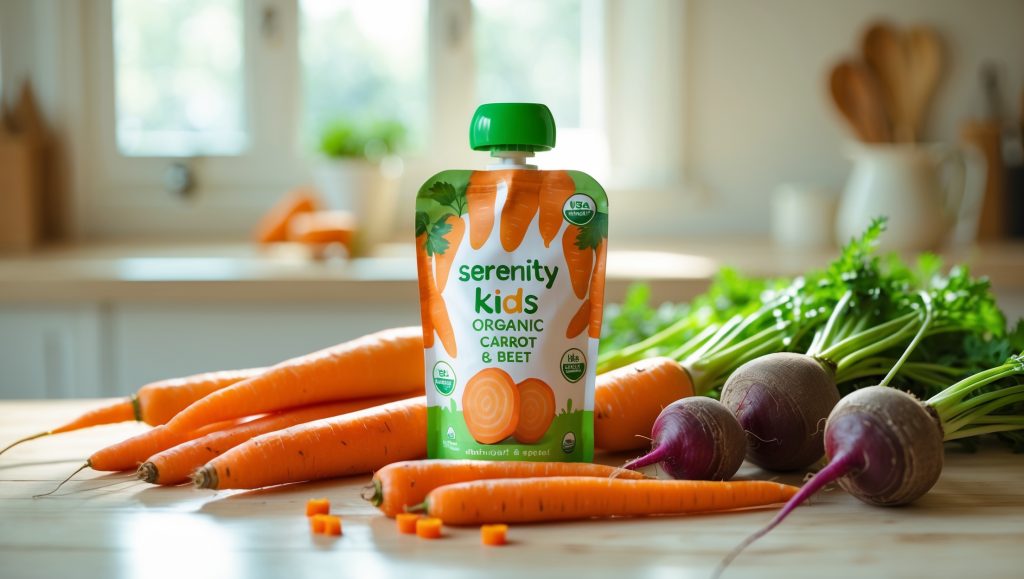
In today’s busy world, parents want baby food that’s not only nourishing but also convenient and made with real, recognizable ingredients. The Serenity Kids Organic Carrot & Beet Baby Food Pouch aims to deliver just that—a veggie-forward blend that introduces little eaters to the earthy sweetness of root vegetables. Designed for babies 6 months and up (Stage 2), this pouch spotlights two powerhouse vegetables and is part of a brand known for low-sugar, high-nutrient recipes. But how does it fare in taste, nutrition, convenience, and value? We take an evidence-informed, parent-focused look at this popular pouch for 2025.
Ingredients & Nutrition
The ingredient list is refreshingly short and easy to understand—just organic carrots, organic beets, organic olive oil, and a dash of water. Serenity Kids is committed to using only organic produce, and their pouches are free from added sugars, preservatives, or artificial flavors. The inclusion of olive oil is a thoughtful touch, providing healthy fats that support babies’ brain development and help their bodies absorb fat-soluble vitamins.
- Carrots: Rich in beta-carotene (a precursor to vitamin A), fiber, and naturally sweet flavor.
- Beets: Packed with folate, vitamin C, and minerals like manganese and potassium.
- Olive oil: Supplies unsaturated fats and promotes smoother texture.
Each pouch (3.5 oz/99g) contains approximately:
- Calories: 60
- Fat: 2.5g (0g saturated)
- Carbohydrates: 9g
- Sugars: 5g (naturally occurring)
- Fiber: 2g
- Protein: 1g
Serenity Kids pouches are also free from common allergens (no dairy, gluten, eggs, or nuts), and the brand highlights their products are Non-GMO Project Verified and certified organic.
Taste & Texture
The real test for any baby food is whether little ones will enjoy it. The Carrot & Beet blend offers a gentle introduction to root veggies with a naturally sweet undertone from carrots and a subtle earthiness from beets. The addition of olive oil mellows the flavors and creates a smooth, creamy mouthfeel that’s not too thick or runny.
Parent testers report:
- Color: A vibrant magenta hue, thanks to the beets—visually appealing for curious eaters.
- Taste: Mildly sweet, earthy, and not overpowering. It’s a far cry from sugary fruit blends, making it a strong pick for families prioritizing vegetable acceptance from the start.
- Texture: Smooth and consistent, easily dispensed from the pouch, and suitable for babies ready to move beyond pureed single-ingredient foods.
Some babies may need a few exposures to get accustomed to the earthiness of beets, but the blend is balanced enough to appeal to most.
Convenience & Storage
Serenity Kids pouches are designed with busy families in mind. The twist-off cap is easy to use, even one-handed, and the pouch travels well—just toss it in a diaper bag or lunchbox. The packaging is sturdy yet soft enough for little hands to squeeze (with supervision), and the portion size is appropriate for a single meal or snack.
- Storage: Unopened pouches are shelf-stable and do not require refrigeration. Once opened, the pouch should be refrigerated and used within 24 hours.
- Serving: Can be served directly from the pouch, spooned into a bowl, or warmed gently in hot water if your baby prefers a warm meal. Do not microwave the pouch itself.
- On-the-go: No need for bowls or utensils if your baby is comfortable self-feeding from a pouch.
The packaging is BPA-free and recyclable through select programs, supporting eco-conscious families.
Pros & Cons
Pros
- Short, organic ingredient list with no added sugar or preservatives
- Veggie-forward blend helps support early vegetable acceptance
- Includes healthy fats from extra virgin olive oil
- Shelf-stable and easy to transport for busy families
- Free from common allergens; suitable for most dietary needs
- BPA-free packaging and some eco-friendly initiatives
Cons
- Higher price point compared to some mainstream baby food brands
- Earthy beet flavor may require multiple exposures for some babies
- Limited protein content for families seeking higher-protein options
- Recycling program for pouches not available in all areas
Alternatives & Similar Products
If your baby isn’t a fan of beets or you’re looking to expand their palate, there are several veggie-forward baby food options available in the U.S. market:
- Peter Rabbit Organics Carrot, Squash & Apple Pouch: A slightly sweeter, fruit-forward blend with a gentle veggie introduction.
- Happy Baby Organics Sweet Potato, Carrot & Cinnamon: Adds a hint of spice for flavor exploration.
- Serenity Kids Organic Butternut Squash & Spinach: Another low-sugar, high-veggie blend from the same brand, with a different nutrient profile.
- Amara Organic Baby Food Beet, Pear & Pea Blend: Freeze-dried, shelf-stable option with beets and added fruit for sweetness.
Homemade purees using steamed carrots and beets are also an option for families who enjoy batch cooking and want full control over texture and flavors.
Verdict
The Serenity Kids Organic Carrot & Beet Baby Food Pouch is a standout choice for parents who want to introduce their babies to vegetables early, with an emphasis on real, organic ingredients and healthy fats. It’s a practical, portable option that supports veggie acceptance and is free from many common allergens. While the price is higher than some big-brand alternatives and the flavor may take a few tries for beet newcomers, its nutrient profile, convenience, and clean label make it a strong contender for health-conscious families in 2025.
Ultimately, this pouch shines for families prioritizing whole foods and balanced nutrition over sweetness. Pair it with a variety of other flavors and textures to help your baby build a lifelong love for veggies—and enjoy the peace of mind that comes from knowing exactly what’s in your little one’s meal.
FAQ
+Is Serenity Kids Carrot & Beet suitable for babies with allergies?
+Can I serve this pouch directly from the package?
+How should I store unused portions?
+Is this product appropriate for baby-led weaning?
+Does it contain added sugar?
+Is the packaging recyclable?
+How does the taste compare to fruit-based pouches?

Serenity Kids Organic Carrot & Beet Baby Food Pouch is a standout choice for parents who want to nourish their little ones with wholesome, flavorful ingredients. This pouch blends organic carrots and beets—two root vegetables packed with vitamins and minerals—into a smooth, convenient puree perfect for growing appetites. The vibrant color and naturally sweet taste make it appealing even for picky eaters, while the absence of added sugars or artificial ingredients ensures peace of mind for caregivers.
What sets Serenity Kids apart is their commitment to sourcing high-quality, organic produce from trusted US farms. The pouch is easy to serve at home or on-the-go, and its resealable design helps minimize waste. For parents practicing baby-led weaning or introducing solids, this pouch offers a balanced, veggie-forward option that supports healthy development and encourages adventurous eating habits.
Overall, Serenity Kids Organic Carrot & Beet Baby Food Pouch is a practical, nutritious addition to your baby’s diet. Its thoughtful ingredient list and convenient packaging make it a favorite among busy families striving for clean, delicious nutrition.
- Organic carrots and beets provide natural sweetness and key nutrients
- No added sugars, fillers, or artificial ingredients
- Convenient, resealable pouch ideal for travel and busy days
- Supports healthy eating habits from the start
My child is sometimes sensitive to strong flavors or new textures. Do you have any suggestions for how to introduce the carrot and beet pouch to a toddler who might be hesitant about earthy vegetables like beets?
It’s understandable to want to help your toddler try new flavors without overwhelming them. Start by offering a small spoonful of the carrot and beet pouch mixed into a familiar food, like applesauce or mashed sweet potato, to mellow the earthy taste. Let your child explore the pouch with their fingers or a spoon so they can get used to the texture. You can also taste the puree together and show positive reactions. Keep introducing the pouch without pressure—sometimes it takes several tries for toddlers to accept new foods. Make sure your child is seated upright and supervised while eating. This isn’t medical advice; if you’re concerned, check in with your pediatrician.
I read that the pouch is designed for babies 6 months and older. If my child is closer to 10 months and already experimenting with some finger foods, can this puree still be a good option as a snack, or should I be encouraging more texture by now?
It’s great that you’re thinking about your baby’s readiness for new textures. At 10 months, it’s developmentally appropriate to introduce more textured foods and soft finger foods alongside purees. You can still use the Serenity Kids pouch as a nutritious snack, perhaps squeezing a bit onto a spoon or mixing it with mashed foods for added texture. Offering a variety of consistencies helps encourage chewing skills. Always supervise your baby during meals and ensure foods are soft and cut to prevent choking. This isn’t medical advice; if you have concerns about feeding stages, check in with your pediatrician.
How does this pouch compare to homemade carrot and beet purees in terms of nutrition and texture? I usually make baby food myself but am interested in convenient options as I get busier.
It’s great that you’re considering both homemade and convenient options for your baby’s nutrition. Serenity Kids pouches offer a consistent texture—smooth and safe for babies starting solids, though homemade purees may let you adjust chunkiness as your child grows. Nutritionally, the pouch is designed to preserve key vitamins and minerals, but homemade versions can sometimes retain more nutrients, depending on your cooking method. Always check for allergens and supervise your baby during meals. This isn’t medical advice; if you have concerns about nutrition or baby’s readiness, check in with your pediatrician.
My little one is a bit wary of new textures and flavors, especially anything earthy. Do you have any suggestions for gently introducing a pouch like this without it causing extra bedtime resistance or food refusal at the end of a long day?
It’s understandable to want to avoid food struggles, especially when your child is sensitive to new tastes and textures. Try offering the pouch earlier in the day, when your little one is more relaxed and not overtired. Let them explore the pouch with their hands first, or offer a small taste on a spoon alongside a familiar food. You might also eat a similar food yourself to model curiosity and acceptance. Keep the atmosphere low-pressure—it’s fine if they just touch or taste a little at first. This isn’t medical advice; if you’re concerned, check in with your pediatrician.
I saw that the pouch has a twist-off cap and soft packaging. Are there any safety concerns if my baby tries to play with the pouch or cap after eating, especially as they get more coordinated?
You’re wise to think about potential safety issues as your baby becomes more curious and coordinated. After eating, keep the twist-off cap out of your baby’s reach—these small parts are choking hazards, especially for children under three. The soft pouch itself could be chewed or sucked on, so supervise if your baby handles it after mealtime. Consider discarding the pouch right away to avoid any risk. If your little one enjoys exploring objects, offer safe, appropriately sized toys instead. This isn’t medical advice; if you’re concerned, check in with your pediatrician.
We like to prepare snacks in advance, so how long does an opened Serenity Kids Carrot & Beet pouch stay fresh in the fridge? Is it practical to use one pouch for multiple mini meals throughout the day for a toddler?
It’s great that you’re planning ahead for your toddler’s snacks. Once opened, Serenity Kids Carrot & Beet pouches should be refrigerated and used within 24 hours for freshness and safety, since baby food can spoil quickly after exposure to air. You can use one pouch for several mini meals throughout the same day, but always squeeze portions into a separate bowl to avoid contaminating the pouch with saliva. Make sure your toddler doesn’t eat directly from the pouch if you plan to save the rest. As always, check the food for any changes in smell or texture before serving. This isn’t medical advice; if you’re concerned, check in with your pediatrician.
Is it okay to occasionally mix in a spoonful of this pouch with oatmeal or yogurt for an older sibling, or should it only be served plain for babies under one? Wondering about flexibility as I try to streamline meal prep for both kids.
It’s smart to look for ways to simplify meals for both your kids. For older siblings without allergies, it’s fine to mix a spoonful of the Serenity Kids pouch into oatmeal or yogurt—just check that all ingredients are age-appropriate and safe for your child. For babies under one, mixing it with plain, unsweetened yogurt or iron-fortified baby cereal should be okay if they’ve already tried and tolerated each food separately, and the textures are manageable. Always supervise meals to prevent choking, and introduce new combinations slowly to watch for any reactions. This isn’t medical advice; if you’re concerned, check in with your pediatrician.
Does the vibrant magenta color from the beets ever cause staining on clothes or hands? If so, do you have any tips for minimizing the mess when letting a toddler self-feed from the pouch?
It’s great that you’re encouraging your toddler’s independence with self-feeding. The natural beet color in this pouch can sometimes stain hands, clothes, or even highchair trays. To help minimize mess, try putting a full-sleeve bib or old shirt on your child during meals. Wipe hands and faces soon after eating, before the beet juice dries. For clothes, rinse any spots right away with cold water and treat with a gentle stain remover safe for kids. Consider having your toddler eat in a highchair with a wipeable tray for easy cleanup. This isn’t medical advice; if you’re concerned, check in with your pediatrician.
I see that this pouch is marketed for babies 6 months and up, but would it still be appropriate for a toddler who prefers veggie blends, or is there a point when I should transition to more complex foods?
It’s great that you’re thinking about your toddler’s nutrition and preferences. While Serenity Kids pouches are safe and convenient for toddlers, you can begin offering more complex textures and flavors as your child grows—think soft-cooked veggies, mixed grains, or small pieces of fruit. Continue supervised meals to watch for choking, especially under age 3. You can use pouches occasionally for on-the-go snacks, but try to model eating from a spoon or fork as much as possible. If you have any concerns about your child’s eating habits or readiness for new foods, check in with your pediatrician. This isn’t medical advice.
Both of my little ones are on staggered feeding routines, so convenience really matters. How easy is it to pack these pouches for daycare and keep them fresh until it’s time to eat? Any advice for storing them during a busy day out?
You’re juggling a lot with staggered routines, and convenience is key. These pouches are designed for on-the-go use—just pack them straight from the pantry or fridge. For daycare or outings, keep unopened pouches in an insulated lunch bag with an ice pack; they’re shelf-stable but taste best chilled and will be safer that way. Once opened, refrigerate and use within 24 hours. Always check the pouch for damage before serving. This isn’t medical advice; if you’re concerned, check in with your pediatrician.
With the price of organic baby food these days, does Serenity Kids offer any multipack discounts or subscription options to make it a bit more affordable for families who go through several pouches a week?
It’s understandable to look for ways to save when your baby goes through several pouches each week. Serenity Kids often offers multipacks and subscription options directly through their website or select retailers, which can help lower the cost per pouch. If you’re buying online, look for bulk packs or the option to subscribe for regular deliveries—these usually come with a price break. Compare prices at different stores and consider combining manufacturer coupons with discounts. Always check expiration dates and storage instructions when buying in bulk. This isn’t medical advice; if you have concerns, your pediatrician can help guide the best choices for your baby.
Does the carrot and beet blend tend to stain clothes or sippy cups? I am planning to pack a few pouches for an upcoming road trip and want to be prepared in case my 2-year-old tries to squeeze out the pouch on her own.
It’s thoughtful that you’re planning ahead for possible spills with your toddler. Carrot and beet purees can definitely stain fabrics and sippy cups because of their vibrant natural pigments. For your road trip, I suggest: 1. Pack a bib and some wipes within easy reach. 2. Dress your child in darker or older play clothes for snack times. 3. If using a sippy cup, rinse it soon after use to avoid long-term stains. 4. Supervise closely when your toddler squeezes the pouch to minimize mess. The pouch is appropriate for a 2-year-old, but a little prep can help with cleanup. This isn’t medical advice; if you’re concerned, check in with your pediatrician.
My toddler has a speech delay and can be picky about textures. Do you have any suggestions for making the Carrot & Beet pouch more interactive or appealing for kids who are hesitant about new flavors or colors?
It’s understandable to want mealtimes to feel positive when your toddler is working through a speech delay and sensitivity to textures. Try squeezing a little of the Carrot & Beet pouch onto a plate for fun finger painting or dipping favorite crackers, which lets your child explore texture without pressure. Offer a small spoon so your toddler can practice scooping and feeding themselves. You might also play a color game—talk about the bright beet color and compare it with red toys or foods. Always supervise closely, especially since toddlers are still learning to manage new foods safely. This isn’t medical advice; if you’re concerned, check in with your pediatrician.
If my toddler is over a year old and still enjoys pouches, is this particular blend appropriate as part of their regular snacks, or does it lack some elements older toddlers might need for a more complete snack?
It’s great that you’re thoughtful about your toddler’s nutrition as they grow. The Serenity Kids Carrot & Beet pouch is safe for toddlers over one, but older toddlers often need more texture, protein, and healthy fats than purees usually provide. You can use the pouch as part of a snack, but pair it with finger foods like cheese, soft-cooked veggies, or whole grain crackers to support chewing skills and balanced nutrition. Always supervise meals to prevent choking and check for any food sensitivities. This isn’t medical advice; if you’re concerned, check in with your pediatrician.
We are trying to rotate new foods to minimize waste and cost. How long can an opened Serenity Kids pouch be safely stored in the refrigerator, and can leftovers be used for more than one meal if my baby only eats a little at a time?
It’s great that you’re thinking about safe storage while also managing waste and cost. Once opened, Serenity Kids pouches can generally be refrigerated for up to 24 hours—just reseal tightly and label with the time opened. Offer the leftovers within that period, but avoid reusing food that’s been directly in contact with your baby’s mouth, as saliva can introduce bacteria. For babies under 12 months, extra caution is wise. Discard any unused portion after 24 hours, even if it looks and smells fine. This isn’t medical advice; if you’re concerned, check in with your pediatrician.
We are on a bit of a budget for baby food. Compared to other organic pouches, is Serenity Kids considered a good value for the nutrition it provides, or are there more affordable options with similar ingredients?
It’s understandable to want nutritious options that also fit your budget. Serenity Kids pouches are priced a bit higher than some other organic brands because they focus on nutrient density and quality ingredients, like pastured meats and root veggies. For a similar nutritional profile, compare ingredient lists and nutrition labels of other organic pouches—some store brands or bulk packs may offer similar veggies at a lower cost. You can also make simple carrot and beet purees at home to save money, ensuring you skip added salt or sugar. Always check for age-appropriateness and supervise for safe eating. This isn’t medical advice; if you’re concerned, check in with your pediatrician.
What is the best way to store the pouch after opening if my baby does not finish it in one sitting, and how long will it stay fresh in the fridge once opened?
It’s great that you’re thinking about safe storage for your baby’s food. After opening the Serenity Kids pouch, firmly reseal the cap and place it in the refrigerator right away. For freshness and safety, use the remaining puree within 24 hours. Always check for changes in smell or texture before serving again, and never feed directly from the pouch if you plan to save leftovers—spoon out a portion instead to avoid introducing bacteria. This helps keep the food safe for babies as young as 6 months. This isn’t medical advice; if you’re concerned, check in with your pediatrician.
We’re trying to introduce more veggies at breakfast for one twin who wakes up super early, while the other sleeps in. Do you think the carrot and beet combo works well as a first meal, or should I save it for lunch or dinner when their appetites are bigger?
It’s great that you’re finding ways to offer more veggies, especially for a little one with an early start. The Serenity Kids carrot and beet pouch can be a gentle, nutritious option for breakfast, as both vegetables have mild flavors and natural sweetness. For an early meal, serve a small amount first to see how your child tolerates it, and watch for any signs of tummy upset. Make sure the pouch is at a comfortable temperature and that your child is seated and supervised. Both carrots and beets are safe for most babies once solids have been introduced, but if you’re ever unsure, check with your pediatrician. Every child’s appetite and preferences can vary.
Do you have any advice for offering new flavors like beets to a baby who is sensitive to textures or strong smells? My little one sometimes refuses anything that is not very mild.
It’s completely understandable to feel concerned when your baby is hesitant about new, strong flavors or unfamiliar textures. Start by mixing a small amount of the beet puree with a familiar, mild food your baby already likes, gradually increasing the ratio as they get used to the taste. Offer the mixed puree when your baby is calm and hungry, but not overly tired. Let your child explore the food with their fingers, as touching can help them feel more comfortable. Remember, it can take many tries for a baby to accept a new flavor or texture. Always supervise, and avoid choking hazards by ensuring food is pureed smoothly and age-appropriate. This isn’t medical advice; if you’re concerned, check in with your pediatrician.
Since my child is now three, would this Serenity Kids pouch still be appropriate as a snack or lunchbox addition, or is it mainly formulated for younger babies? Should I be considering larger portion sizes at this age?
It makes sense to wonder if baby food pouches are still a good fit for your three-year-old. At this age, kids often need more variety and larger portions, but pouches like Serenity Kids can still be a convenient snack or lunchbox side, especially if your child enjoys the taste and texture. You might want to pair the pouch with other finger foods, like whole grain crackers or cheese, to create a more filling snack. Always supervise to ensure safe eating and check for any potential allergens. This isn’t medical advice; if you’re concerned, check in with your pediatrician.
Since the pouch is free from dairy, gluten, and common allergens, do you feel comfortable offering it right after your baby wakes up, or do you ever worry about any reactions from root vegetables like beets in the early hours?
It’s completely understandable to want to keep mornings easy and safe for your baby. Most healthy babies can try root vegetables like carrots and beets once they’re ready for solids, usually around six months, as long as the foods are well-pureed and free from choking hazards. You can offer the pouch after your baby wakes up, but start with a small amount if it’s their first time with beets, and watch for any reactions like rash or tummy upset. Always supervise, and take note of any new ingredients. This isn’t medical advice; if you’re concerned or have a family history of allergies, check in with your pediatrician.
Since the pouch doesn’t have preservatives, how long does it stay fresh once opened if my little one doesn’t finish it all at once? Is it safe to put it back in the fridge and use again the next day?
It’s great that you’re thinking carefully about food safety for your baby. Once opened, most preservative-free pouches like Serenity Kids should be refrigerated right away and used within 24 hours. Make sure to squeeze the unused portion into a clean, airtight container rather than letting your baby eat directly from the pouch, as this reduces bacteria growth. Always check for changes in smell, texture, or color before offering leftovers. For infants under one, err on the side of caution and discard anything left out for over two hours. This isn’t medical advice; if you’re concerned, check in with your pediatrician.
Do these pouches need to be refrigerated after opening, and how long are they safe to use once opened? I am wondering about storage since we are often on the go.
It’s great that you’re thinking about safe storage for your little one. Once you open a Serenity Kids Organic Carrot & Beet pouch, refrigerate it right away and use the remainder within 24 hours for freshness and safety. If you’re out and about, try to keep the pouch cool using an insulated bag or ice pack, and discard any leftovers if it has been unrefrigerated for more than two hours. Always check for changes in smell or texture before serving. This isn’t medical advice; if you’re concerned, check in with your pediatrician.
Do you have any advice for introducing the earthy flavor of beets to babies who are used to sweeter fruit pouches? My little one sometimes hesitates with new tastes, and I want to help him enjoy more veggie-forward blends like this.
It’s so thoughtful that you want to help your little one enjoy a wider variety of flavors. To ease the transition from sweet fruits to earthier veggies like beets, start by mixing a small amount of beet puree into familiar fruit pouches, gradually increasing the beet ratio over several days. Offer new blends when your baby is calm and a bit hungry, but not overly so. Use positive facial expressions and eat some yourself to model enjoyment. Remember that it might take several tries before acceptance—keep things low-pressure and relaxed. For babies over 6 months who are ready for solids, always supervise meals and watch for any signs of allergy. This isn’t medical advice; if you’re concerned, check in with your pediatrician.
My child can be sensitive to thick textures, even if they are smooth. Is the consistency of this pouch truly thin enough for babies who struggle with denser purees, or would you recommend diluting it further for those just starting with mixed foods?
It’s completely understandable to want the right texture for a sensitive eater. The Serenity Kids Carrot & Beet pouch is smooth but on the thicker side compared to some first-stage purees. For babies just starting solids or those sensitive to thickness, try mixing a spoonful of the pouch with a little breastmilk, formula, or water to thin it out. Offer small tastes and watch for cues that your baby is comfortable with the consistency. Always supervise during feeding and consult your pediatrician if you have ongoing concerns about texture sensitivity. This isn’t medical advice; check in with your pediatrician for tailored guidance.
With how quickly babies go through pouches and cereal, do you find the veggie-based pouches are a better value for meeting daily iron needs, or do most parents stick with cereals for cost reasons?
You’re right to consider both nutrition and value as you plan your baby’s meals. Veggie-based pouches like the Serenity Kids Carrot & Beet can offer vitamins and some iron, but most pouches are not as iron-rich as fortified baby cereals. For cost and consistency in meeting iron needs, many parents use cereals as a reliable staple and offer veggie pouches for variety and taste exposure. Always check serving sizes and iron content on labels, and supervise your baby during meals. This isn’t medical advice; if you’re concerned, check in with your pediatrician.
My little one sometimes prefers to feed herself, but she can get a bit too enthusiastic with squeezing pouches. Do you have suggestions for managing mess and helping her learn to use it more independently without making a huge cleanup afterward?
It’s wonderful that your little one wants to feed herself—self-feeding is an important milestone! To manage mess, help her hold the pouch upright and gently model how to squeeze slowly. Try offering the pouch with a silicone or reusable spoon attachment designed for baby pouches, which can help her control flow and avoid spills. You might also sit her in a highchair with a washable bib and keep wipes nearby for easy cleanup. Always supervise closely, especially with younger babies, to prevent choking or overeating. This isn’t medical advice; if you have concerns about feeding, check in with your pediatrician.