
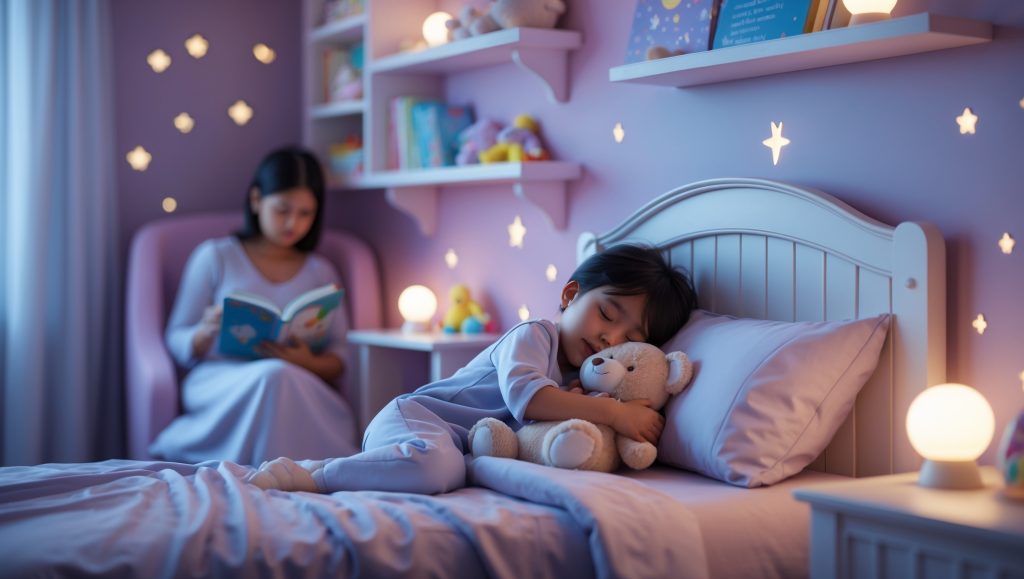
Introduction
Bedtime is a cornerstone of family life, shaping not only children’s sleep but also their sense of security, emotional wellbeing, and even their memories of childhood. In 2025, as families navigate busy schedules and abundant options for toys and activities, establishing a consistent and nurturing bedtime routine has never been more essential—or more complex. The right bedtime routine, supported by thoughtfully chosen toys, can help children wind down, feel safe, and transition smoothly into restful sleep. This article explores evidence-informed strategies for bedtime routines, the role of toys in creating calming environments, age-based recommendations, and practical tips for families seeking peaceful evenings and healthy sleep habits.
Why Bedtime Routines Matter
Bedtime routines are more than just a series of tasks before lights out. Research consistently shows that predictable routines:
- Promote earlier and longer sleep durations in children
- Reduce nighttime awakenings and sleep resistance
- Support emotional regulation and security
- Strengthen parent–child bonds
- Encourage independence and self-soothing skills
These routines provide comfort and signal to the brain that the day is ending, preparing the body for rest. Toys, when chosen with intention, can be powerful tools in this transition—whether offering sensory comfort, encouraging quiet play, or fostering connection through shared bedtime rituals like reading together.
Building an Effective Bedtime Routine
Elements of a Calming Routine
While every family’s bedtime routine varies, effective routines generally share several characteristics:
- Consistency: Routines work best when they occur in the same order and at roughly the same time each evening.
- Calming Activities: Gentle play, bathing, reading, or listening to soothing music can all help children wind down.
- Predictable Cues: Simple, repeated actions—like dimming lights, putting on pajamas, or cuddling a favorite toy—signal bedtime is near.
- Connection: Bedtime is an opportunity for positive, undistracted parent–child interaction, such as storytelling or quiet conversation.
- Environment: The sleep setting should be cool, quiet, and free of overstimulating toys or electronics.
Age-Based Recommendations for Bedtime Toys
The best bedtime toys vary by age and developmental stage. Here are some general guidelines for selecting toys that support soothing routines:
- Infants (0–12 months): Soft, safe loveys or security blankets; simple plush animals without loose parts; gentle musical toys with lullabies.
- Toddlers (1–3 years): Cuddly stuffed animals; soft dolls; board books; glow toys that emit a gentle light; tactile comfort objects.
- Preschoolers (3–5 years): Favorite plush toys or dolls; bedtime storybooks; nightlights with calming designs; simple, quiet fidget toys.
- School-Age Children (6+ years): Chapter books for independent or shared reading; stress balls; breathing or mindfulness games; journals for bedtime reflection.
Always ensure toys are age-appropriate, safe, and free of small parts or hazards that could disrupt sleep or pose risks during the night.
The Role of Toys in Bedtime Routines
Comfort Objects and Security
Many children form attachments to specific toys or comfort objects—often called “loveys”—which can play an important role in helping them feel safe and secure as they separate from caregivers at bedtime. These objects can ease transitions, soothe nighttime anxiety, and provide a sense of continuity when routines are disrupted (such as during travel or illness).
Quiet Play and Winding Down
Calming toys can be integrated into bedtime routines to gently shift children from active play to rest. Soft plush toys, gentle music boxes, or tactile objects like fabric books encourage quiet, focused engagement. Avoid electronic toys with bright lights or loud sounds, which can overstimulate and delay sleep.
Storytime and Imagination
Bedtime stories, whether read aloud by caregivers or acted out with puppets or dolls, help children process the day’s events and transition to sleep. Toys that encourage storytelling and imagination—such as simple puppets, stuffed animals, or story cubes—can become cherished parts of the bedtime ritual.
Adapting Routines for Different Needs
Supporting Sensitive Sleepers
Some children are more sensitive to changes or stimulation at bedtime. For these children, routines may need extra structure and predictability. Choose toys with soothing textures, muted colors, or calming scents (such as lavender sachets), and keep the bedtime environment free of screens and overly stimulating items.
When Siblings Share a Room
If siblings share a bedroom, consider establishing shared rituals (such as group storytime) alongside individual comfort objects. White noise machines or soft music can create a calming background and muffle household sounds. Ensure each child has a dedicated space for their favorite bedtime toy or book.
Travel and Routine Changes
Bringing familiar bedtime toys and comfort objects when traveling can help maintain a sense of security and continuity. Portable nightlights, travel-sized books, or a favorite plush friend can transform unfamiliar spaces into cozy, restful environments.
Common Mistakes
- Inconsistency: Skipping or frequently changing the routine can confuse children and make bedtime more challenging.
- Overstimulation: Allowing active or electronic toys near bedtime can make it harder for children to settle down.
- Too Many Choices: Offering too many toys or activities can overwhelm children and prolong the routine.
- Unclear Boundaries: Letting routines drag out or negotiating too much can lead to bedtime resistance.
- Neglecting Environmental Factors: Forgetting to consider lighting, noise, or comfort can disrupt sleep, even with a strong routine.
- Using Toys as Rewards or Threats: Linking bedtime toys to behavior (“You can’t have your teddy if you don’t go to bed!”) can undermine their comforting purpose.
Quick Checklist
- Is the bedtime routine consistent in timing and steps each night?
- Are activities and toys soothing rather than stimulating?
- Does your child have one or two favorite comfort objects available?
- Is the sleep environment calm, quiet, and free of screens?
- Are books or quiet storytelling part of the routine?
- Do you allow time for parent–child connection before bed?
- Are toys and objects age-appropriate and safe for overnight use?
- Have you adapted the routine for travel or changes in schedule?
FAQ
+How long should a bedtime routine take?
+What kind of toys should not be included in bedtime routines?
+Is it okay for children to sleep with stuffed animals?
+How can I help my child transition to bedtime if they resist?
+What if my child wants many toys in bed?
+Can bedtime routines help with nighttime fears?
+Should the routine change as my child grows?
Conclusion
In 2025, with the abundance of toys and the demands of modern family life, bedtime routines remain a crucial anchor for children’s wellbeing. Thoughtfully chosen toys and comfort objects can transform the evening transition from chaos to calm, offering security and supporting healthy sleep habits. By focusing on consistency, soothing activities, and connection, families can build bedtime rituals that nurture their children’s development and foster treasured memories. Remember: the simplest routines, grounded in love and predictability, are often the most effective—and the most enduring.

Establishing a consistent bedtime routine is one of the most effective ways to help children feel secure, calm, and ready for sleep. In 2025, families in the US are increasingly turning to thoughtfully designed toys as part of these routines, blending comfort with creativity. Soft, sensory-rich plushies, soothing nightlights, and interactive storybooks can all play a vital role in easing the transition from the busyness of the day to the tranquility of night. The right toys not only provide comfort but also signal to children that it’s time to wind down, creating positive associations with bedtime. Importantly, these toys should be age-appropriate, safe, and easy to clean. Parents might consider limiting stimulating or screen-based toys close to bedtime, instead opting for those that encourage gentle play or relaxation. By making bedtime routines enjoyable and predictable, caregivers can help children develop healthy sleep habits that last a lifetime. Remember, the best bedtime toys are those that foster a sense of security and joy, making nightly routines something children look forward to.
- Choose calming toys like plush animals or soft dolls to promote relaxation.
- Incorporate storytime with interactive books or audio storytellers.
- Use gentle nightlights or projection toys to create a soothing environment.
- Keep routines consistent to help children feel safe and ready for sleep.
My child is very sensitive to textures and gets fussy with certain fabrics at bedtime. Are there specific types of comfort objects or bedtime toys that work better for toddlers who have sensory preferences, especially for children who may find some plush toys too rough or tags irritating?
It’s completely understandable to want your toddler to feel comfortable at bedtime, especially when they’re sensitive to certain textures. Try offering comfort objects made from ultra-soft materials like organic cotton or bamboo, which are often smoother on delicate skin. Look for stuffed animals labeled hypoallergenic and tag-free, or whose tags can be easily removed. Some toddlers enjoy smooth cotton muslin blankets or soft, silicone teething toys if they dislike fabric textures. Always avoid small parts and ensure any toy is age-appropriate and safe for unsupervised sleep. This isn’t medical advice; if you’re concerned, check in with your pediatrician.
As a parent concerned about choking hazards, are there brands or materials you recommend for bedtime toys that are reliably designed with infant and toddler safety in mind?
It’s very thoughtful to prioritize safety when choosing bedtime toys for little ones. Look for toys made from soft, non-toxic fabrics, and always check labels to ensure they meet ASTM or CPSIA safety standards. Brands like Manhattan Toy and Jellycat are known to prioritize safety, but always inspect toys for loose stitching or small parts that could detach. For infants and toddlers, avoid toys with buttons, beads, or ribbons, and regularly wash plush toys to keep them hygienic. This isn’t medical advice; if you’re concerned, check in with your pediatrician.
My 10-month-old tends to get fussy if her bedtime routine changes even a little, especially with new toys. How long should I stick with the same bedtime toy or activity before introducing something new, or is consistency at this age more important than variety?
It’s understandable to worry when your baby is sensitive to changes at bedtime. At 10 months, consistency is especially comforting because routines help babies feel secure. Try sticking with the same familiar toy or activity for several weeks before slowly introducing something new, and always keep one or two elements unchanged (like a favorite blanket or song). If you do add a new toy, introduce it outside of bedtime first so it feels familiar. For now, consistency matters more than variety, and safety is key—avoid small parts or anything that could pose a choking hazard. This isn’t medical advice; if you’re concerned, check in with your pediatrician.
Does the type of material matter when choosing a calming toy for bedtime? I’m weighing the sustainability of wooden toys versus plastic ones, but I’m unsure if wooden toys are actually soothing enough or safe for sleep routines, especially for toddlers.
It’s great that you’re considering both comfort and sustainability for your child’s bedtime routine. For toddlers, safety and soothing qualities do matter: 1) Choose toys made of smooth, non-toxic materials—wooden toys can be safe if they’re free from sharp edges, splinters, and harmful finishes. 2) For bedtime, opt for soft, washable items like plush toys or fabric dolls, as hard toys (wood or plastic) can be uncomfortable or become hazards in the crib. 3) If you prefer sustainability, look for natural-fiber stuffed animals or blankets. 4) Always supervise, and remove larger or firm toys before your child falls asleep. This isn’t medical advice; if you’re concerned, check in with your pediatrician.
My toddler has become attached to a plush toy for bedtime, but is there a point when I should gently encourage other options or rotate toys to avoid over-reliance on just one comfort object?
It’s completely normal to wonder about your toddler’s attachment to a single comfort object at bedtime. At this age, having a special plush toy can help them feel safe and calm, so it’s usually fine to let them hold onto it. If you want to encourage flexibility, try introducing another soft toy during playtime or storytime, making both toys part of bedtime stories or routines, and talking about how different toys can help us feel cozy. Make sure any toy is safe for your toddler—no small parts, loose stitching, or choking hazards. If your child’s attachment seems to interfere with daily life or causes distress, check in with your pediatrician. This isn’t medical advice; if you’re concerned, a professional can help.
My child has sensory sensitivities and prefers certain textures that remind them of our family’s heritage, like silk or handwoven fabrics. Are there suggested ways to incorporate these kinds of comfort objects into bedtime while ensuring they are safe and not overstimulating?
It’s wonderful that you want to honor your child’s sensory preferences and family heritage at bedtime. Start by choosing a small piece of silk or handwoven cloth as a comfort object, making sure it’s free of loose threads and choking hazards. Wash it with gentle, hypoallergenic detergent to avoid skin irritation. Introduce it gradually during the wind-down routine to gauge your child’s response and watch for signs of overstimulation, like restlessness or agitation. For young children, avoid very long ribbons or large pieces of fabric to reduce suffocation risks. This isn’t medical advice; if you’re concerned, check in with your pediatrician.
Books are always a favorite at bedtime, but I worry about running out of story ideas in the early hours. Have you found that audiobooks or soft music work as well as reading together for calm, quiet mornings?
It’s completely understandable to want peaceful morning routines, especially if you’re short on fresh story ideas. For young children, listening to gentle audiobooks or soft music can absolutely help maintain a calm atmosphere. Try selecting age-appropriate audiobooks with soothing narration and stories that aren’t overstimulating. For music, opt for slow tempos and simple melodies. Make sure the volume is low and the device is out of reach for safety. You can also rotate a small collection to keep things fresh. This isn’t medical advice; if you’re concerned, check in with your pediatrician.
With so many bedtime toys aimed at different age groups, I sometimes worry about the older sibling’s toys mixing with those for the baby. Do you have tips for storing or organizing toys to keep small parts away from little hands at bedtime?
It’s completely understandable to want to keep bedtime safe and calming for both your children. To help, try designating separate storage bins or baskets for each child’s toys, keeping the baby’s toys in a lower, easily accessible spot and the older sibling’s toys with small parts up high or in a closet with a latch. After playtime, involve both children in tidying up, making it part of the bedtime routine. Double-check that plush or soft toys left in the crib are age-appropriate and free from choking hazards. Always supervise at bedtime, especially if siblings share a room. This isn’t medical advice; if you’re concerned, check in with your pediatrician.
Our bedtime routine sometimes gets derailed when my kid wants to keep playing instead of winding down. If I offer a calming toy, is it best to use it just at bedtime or can it be part of playtime earlier in the evening too?
It’s understandable to want bedtime to feel smoother, especially when transitions are tough. For young children, reserving a calming toy just for bedtime can help signal that it’s time to wind down, reinforcing the nighttime routine. However, if your child finds extra comfort in the toy, letting them use it briefly during quiet evening play is also fine—as long as it keeps its special role at bedtime. Make sure the toy is age-appropriate and safe for overnight use. This isn’t medical advice; if you’re concerned, check in with your pediatrician.
If I prefer not to use any electronic nightlights or glow toys due to cost and storage limitations, what are some affordable and simple alternatives that can still help create a soothing environment?
It’s thoughtful to seek calming bedtime solutions that fit your budget and space. Try soft, washable stuffed animals or a favorite blanket for comfort—just be sure these are safe for your child’s age to avoid suffocation risks. You can use gentle room lighting, like a dimmable lamp with a warm bulb, instead of specialized nightlights. Playing quiet lullabies on your phone (kept out of reach) or softly singing together can also help set a peaceful mood. Reading a short story becomes a comforting ritual and signals bedtime. This isn’t medical advice; if you’re concerned, check in with your pediatrician.
How can families manage toy storage when following your age-based recommendations for different bedtime toys? Should we keep all options available or rotate a small selection to avoid clutter and decision fatigue at bedtime?
You’re wise to think about avoiding clutter and bedtime overwhelm. For most families, rotating a small, age-appropriate selection of bedtime toys works best: 1) Choose 2–3 calming toys or comfort items suitable for your child’s age and safety needs, keeping small parts and allergens in mind. 2) Store the rest out of sight, perhaps in a labeled box. 3) Every few weeks, invite your child to help swap in new choices, making it a positive ritual. 4) Keep favorites consistent if your child is attached to a particular comfort object. This isn’t medical advice; if you’re concerned, check in with your pediatrician.
My child prefers very quiet and dim rooms at night, but sometimes family routines or noise from siblings disrupts that calm environment. How can we create a more predictable and soothing bedtime for a sensory-sensitive child in a busy household?
It’s understandable to want to protect your sensory-sensitive child’s need for a calm bedtime. Try using blackout curtains and a white noise machine or soft fan to mask unpredictable sounds and light. Give your child noise-cancelling headphones or soft earplugs (if age-appropriate and safe from choking hazards) for extra quiet. Establish a visual bedtime schedule so your child knows what to expect, even if the environment changes. Let them choose a familiar comfort toy or blanket to help them self-soothe. This isn’t medical advice; if you’re concerned, check in with your pediatrician.
If our evening routine gets thrown off by a late family event, what are some quick ways to re-establish the calming cues you mention, so my child can still settle for sleep?
It’s understandable to want your child to settle after an unusual evening. Try dimming lights and lowering noise as soon as you get home to signal winding down. Offer a familiar comfort item, like a favorite stuffed animal, to reinforce bedtime cues. Do a shortened version of your usual bedtime routine, such as a quick story or lullaby. Keep your tone calm and reassure your child that it’s okay for things to be different sometimes. Make sure sleep toys are safe and appropriate for your child’s age. This isn’t medical advice; if you’re concerned, check in with your pediatrician.
If my toddler has trouble settling down after an active evening, are there certain types of toys or activities you recommend adding (or avoiding) in our bedtime routine to help them calm down? I want to find the right balance between play and winding down.
It’s thoughtful that you want to help your toddler wind down after an active evening. Try adding quiet, comforting toys like soft stuffed animals, textured blankets, or storybooks to your bedtime routine. Gentle activities such as reading together, simple puzzles, or listening to soft music can also help signal it’s time to relax. Avoid energetic toys, screens, or anything with loud sounds or flashing lights, as these can make it harder to settle. Always choose age-appropriate toys free of small parts to ensure safety. This isn’t medical advice; if you have ongoing concerns, check in with your pediatrician.
Do you have any suggestions for budget-friendly or space-saving bedtime toys that would be appropriate for a 7-month-old? We have a small apartment, so I want to be practical but still create a comforting routine.
It’s wonderful that you’re thinking about comfort and practicality for your bedtime routine. For a 7-month-old in a small space, consider a soft, machine-washable lovey or small blanket (free of loose threads and choking hazards) as a soothing companion. A simple fabric book with high-contrast images can double as a toy and part of your bedtime story ritual, and it stores flat. Soft, textured teething rings are also easy to clean and store while offering comfort. Avoid toys with small parts or electronic features at this age. Always supervise your baby with any soft items during sleep for safety. This isn’t medical advice; if you’re concerned, check in with your pediatrician.
Do you have any tips for parents who are working with a tight budget or limited space? I would love ideas for affordable and easy-to-store bedtime toys that still promote comfort and routine.
It’s wonderful that you’re thinking creatively about comfort and routine even with budget or space constraints. Soft washcloths or small, smooth scarves can double as soothing bedtime items and are easy to clean and store. Consider making a simple DIY sensory bottle (sealed tightly and supervised for safety) or a small, portable stuffed animal that fits in your child’s hand. Rotate just one or two toys to keep things uncluttered and special. Always check that items are age-appropriate, with no small parts for young children. This isn’t medical advice; if you’re concerned, check in with your pediatrician.
You mention avoiding overstimulating toys in the sleep environment. Can you explain the difference between a calming glow toy and one that might be too stimulating? Are there certain features I should look out for?
—finding the right bedtime toy can make a big difference for your child’s sleep. Calming glow toys usually emit a soft, steady light and may play gentle lullabies or soothing sounds at low volume. In contrast, overstimulating toys often have bright, changing lights, loud music, talking, or moving parts that can keep children alert instead of helping them relax. For safety and restful sleep, choose toys with simple designs, soft textures, and batteries secured from little hands. Always supervise young children and avoid small parts for those under 3. This isn’t medical advice; if you’re concerned, check in with your pediatrician.
My child gets easily overstimulated before bed, so I am careful about toys with sounds or lights. Which types of simple comfort objects do you find are most calming for sensitive toddlers?
It’s wise to notice how your child responds to stimulation at bedtime. For sensitive toddlers, soft stuffed animals, smooth cotton blankets, or a simple cloth doll are often soothing choices. Offer just one or two comfort items in the crib to avoid clutter and distraction. Let your child hold and snuggle the object before lights out, making it part of your predictable bedtime routine. Always choose age-appropriate, safe items without small parts or loose fibers. This isn’t medical advice; if you’re concerned, check in with your pediatrician.
Do you have thoughts on whether buying specific bedtime toys individually makes more sense financially or developmentally compared to subscribing to a toy service? I am also concerned about sustainability and not accumulating too many toys we don’t use.
It’s thoughtful of you to consider both your child’s development and the impact of toy choices. Buying bedtime toys individually lets you choose age-appropriate, safe items that fit your child’s needs and avoid clutter, but it can add up financially if you buy often. Subscription toy services might offer variety and sustainability—many rotate toys and reduce overall waste—but check that the toys are clean, in good condition, and suitable for your child’s age. Try choosing a few high-quality, multi-purpose bedtime toys and limiting the total number available at once. Always supervise with new toys, especially for younger children. This isn’t medical advice; if you’re concerned, check in with your pediatrician.
We have a small space and too many toys seem to make bedtime more chaotic. Do you recommend rotating bedtime comfort toys, or is it better for a 3-year-old to form a strong attachment to just one familiar toy each night?
You’re right to notice that too many toys at bedtime can feel overwhelming for little ones. For a 3-year-old, it’s often comforting to have one or two consistent, familiar toys for bedtime, which can help signal that it’s time to wind down. Try storing extra toys out of sight and letting your child choose their favorite comfort toy before starting your routine. If your child wants variety, you can gently rotate options every few weeks, but stability is usually reassuring at this age. Always make sure toys are safe, clean, and free of small parts. This isn’t medical advice; if you’re concerned, check in with your pediatrician.
Sleep routines can come with added costs if families try to have the recommended toys for each stage. Do you have suggestions for budget-friendly or multipurpose bedtime toys that work well as children grow or for families wanting to limit clutter?
You’re thoughtful to consider both your child’s comfort and your family’s budget. Try choosing a single, soft, washable stuffed animal or blanket that can remain a consistent bedtime companion from toddlerhood through early childhood. Look for toys without small, detachable parts and free from allergens. A simple nightlight can also provide comfort over several years. Involve your child in picking their special item to make it meaningful. Remember, it’s the routine, not the number of toys, that matters most for calm bedtimes. This isn’t medical advice; if you’re concerned, check in with your pediatrician.
Our twins have very different sensory needs—one calms down with soft music while the other prefers silence or tactile objects. How do you recommend incorporating both preferences into a single bedtime routine?
It’s great that you’re tuned into your twins’ unique sensory needs at bedtime. Try alternating quiet music and silence every other night, or use soft headphones for the child who likes music while the other enjoys a favorite plush or textured object. Begin your routine together, then allow each child to settle with their preferred comfort (music or tactile toy) as you dim the lights and read a calming story. Always supervise young children with headphones or small items, and make sure all toys are age-appropriate and safe. This isn’t medical advice; if you’re concerned, check in with your pediatrician.
I am interested in starting a bedtime routine inspired by Montessori principles at home, but my child is very sensitive to textures and sounds. Do you have recommendations for how to choose calming toys or activities for bedtime that would suit a sensory-sensitive toddler?
It’s great that you want to create a soothing, Montessori-inspired bedtime routine for your sensory-sensitive toddler. Start by observing which textures and sounds your child finds comforting or overwhelming. Offer soft, natural-fiber toys or loveys without tags or rough seams, and avoid toys with crinkly or squeaky parts. Try quiet, predictable activities like gentle picture book reading or soft lullabies at low volume. Keep the bedtime environment dimly lit and free from strong smells or bright colors. Always supervise bedtime play, and select toys designed for your child’s age to ensure safety. This isn’t medical advice; if you’re concerned, check in with your pediatrician.
About bedtime routines, if our toddler’s schedule gets thrown off by late evenings or travel, what’s the best way to get back on track? Should we reintroduce routines gradually or reset everything at once?
It’s understandable to feel concerned when your toddler’s bedtime routine gets disrupted by changes like travel or late nights. Most toddlers respond well to resetting the routine all at once, returning to the usual bedtime steps as soon as possible—this helps send clear signals that it’s time for sleep again. Keep the routine simple and familiar: bath, pajamas, favorite comfort toy (safe for their age), and a quiet activity like reading together. Be patient if your child resists or needs extra reassurance for a few nights. This isn’t medical advice; if you’re worried about your child’s sleep or adjustment, check in with your pediatrician.
My toddler has sensory sensitivities and often resists traditional plush toys. Are there alternative bedtime comfort items you suggest for children who might not like typical soft textures?
It’s understandable to want your toddler to feel comfortable and secure at bedtime, especially with sensory sensitivities in the mix. You might try smooth or cool-textured comfort objects, like silicone teething rings, wooden toys with rounded edges, or soft cotton muslin blankets if your child tolerates them. Some children prefer weighted blankets or small, safe metal or plastic items they can hold. Always check for choking hazards and supervise closely at bedtime. This isn’t medical advice; if you’re concerned, check in with your pediatrician.
You mention that bedtime routines should be consistent and calming, but what if our family’s schedule changes often due to work or activities? How can I adapt the routine to stay flexible yet still provide a sense of security for my toddler?
It’s understandable to worry about routine changes affecting your toddler’s sense of security. Try to keep a few key bedtime steps consistent, like brushing teeth, reading a favorite book, or cuddling with a comfort toy, even if the timing shifts. Let your child know in advance about changes by talking through what to expect that night. Offer a clear cue that bedtime is approaching, such as playing a calming song or dimming lights. If you’re traveling or not at home, bring familiar items (like a special blanket) to help your toddler feel safe. This isn’t medical advice; if you’re concerned, check in with your pediatrician.
How can parents ensure that nightlights or gentle musical toys for younger children are safe, especially when it comes to electrical components or small parts? Are there specific features we should look for or avoid when selecting these items for bedtime?
Your attention to safety with bedtime toys and nightlights is so important. Choose products labeled for your child’s age and made from non-toxic, BPA-free materials. For nightlights and musical toys, look for battery compartments secured with screws and avoid items with loose or small detachable parts that could pose a choking hazard. Check that electrical cords are short or fully enclosed, and only use reputable brands that meet safety certifications. Always supervise young children during use, and regularly inspect toys for wear or damage. This isn’t medical advice; if you’re concerned, check in with your pediatrician.
My toddler is super sensitive to textures and lights, so some stuffed animals and glow toys actually seem to bother them instead of calming them. Do you have recommendations for bedtime toys that work well for kids with sensory sensitivities?
It’s completely understandable to want bedtime to feel soothing for your sensory-sensitive toddler. Try choosing plush toys made from super-soft, uniform fabrics without tags or hard seams, and wash them a few times to further soften the texture. Opt for toys in muted colors and avoid anything with lights, crinkly materials, or sounds. Weighted stuffed animals or small, smooth fabric loveys can offer calming pressure for some children, but always check the weight is safe for your toddler’s age and size. Observe your child’s reactions closely and introduce new toys gradually in a calm setting. This isn’t medical advice; if you’re concerned, check in with your pediatrician.
My twins are nearly three, but one still loves infant-style soft toys, while the other prefers more toddler-appropriate books and glow toys. Is it okay to let them have different types of bedtime toys based on their preferences, or could that affect their sleep routine?
It’s completely normal for twins to have different bedtime preferences, and your sensitivity to their needs is wonderful. Letting each child choose their own comfort items can actually help them feel secure and relaxed at bedtime. For your child who enjoys soft toys, make sure the toy is safe for their age—no loose parts or choking hazards. For the one who likes books and glow toys, keep glow toys dim and calm before sleep to avoid overstimulation. Individualizing their routines is healthy for emotional development and won’t harm their sleep habits. This isn’t medical advice; if you’re concerned, check in with your pediatrician.
My toddler gets really attached to specific stuffed animals and insists on bringing two or three into bed. Is it okay to let him sleep with multiple toys or should I try to limit it to one comfort object at bedtime?
It’s very normal for toddlers to want the comfort of several favorite stuffed animals at bedtime. As long as your child is over 12 months old and the toys are small, soft, and free of choking hazards or loose parts, it’s generally safe to allow a few in bed. You might set a reasonable limit, like choosing two or three, to keep the sleep space uncluttered and safe. You can involve your child in picking which ones join bedtime each night, making it a reassuring part of the routine. This isn’t medical advice; if you have concerns about sleep safety, checking with your pediatrician is always a good idea.
Some bedtime toys can be pricey, especially the ones with nightlight features or calming music. Do you have recommendations for budget-friendly bedtime toys that still help create a soothing environment without breaking the bank?
It’s understandable to want soothing bedtime options that fit your budget. Consider simple plush toys made from soft, hypoallergenic materials—just ensure they have no small, detachable parts for children under 3. You can also add calming comfort with a favorite blanket or by playing soft music from your phone at a low volume. Making a DIY nightlight, like a small flashlight under a scarf, can provide gentle light without extra cost. Always supervise young children with any new bedtime item. This isn’t medical advice; if you have concerns about sleep or safety, check in with your pediatrician.
My toddler seems overstimulated by musical or light-up toys before bed, even those described as gentle. Should I stick to only soft, silent toys for bedtime, or is it just a matter of finding the right balance?
You’re wise to notice your toddler’s response to bedtime toys. Many toddlers can be sensitive to lights and sounds before sleep, even if toys seem gentle. Try offering only soft, silent toys—like plush animals or fabric books—during your bedtime routine for a week to see if your child falls asleep more easily. Keep the sleep space dim and quiet, and use musical or light-up toys earlier in the evening instead. Always check that bedtime toys are safe and free of small parts or choking hazards. This isn’t medical advice; if you’re concerned, check in with your pediatrician.
What suggestions do you have for parents with toddlers who are very sensitive to touch or texture? My son gets attached to soft toys, but sometimes even those seem to bother him at bedtime.
You’re doing a great job noticing your son’s sensitivities and trying to support his comfort. For toddlers who are sensitive to touch, try offering a variety of gentle fabrics—such as cotton, bamboo, or fleece—so your child can choose what feels best each night. Wash soft toys and bedding with fragrance-free, hypoallergenic detergent to reduce irritation. Keep bedtime items simple: one favorite toy or a small soft blanket, avoiding tags or rough seams. Offer extra snuggles or a calming bedtime story as alternatives when he doesn’t want to hold a toy. This isn’t medical advice; if sensitivities seem to increase or cause distress, check in with your pediatrician.
If a toddler has a habit of putting things in their mouth, would you suggest avoiding stuffed animals altogether at bedtime? Or are there certain features we should absolutely avoid to ensure there’s no choking hazard?
You’re right to be mindful about bedtime toys for a toddler who mouths objects. You don’t need to avoid stuffed animals entirely, but choose plush toys that are age-appropriate and labeled safe for under-threes. Avoid any with sewn-on buttons, plastic eyes, ribbons, or loose parts that could detach and pose a choking risk. Opt for well-constructed, one-piece animals without small accessories, and check seams regularly. Supervise at bedtime until you’re sure it’s safe, and remove toys if you notice fraying or damage. This isn’t medical advice; if you’re concerned, check in with your pediatrician.
My child is very sensitive to textures and dislikes traditional stuffed animals. Do you have recommendations for alternative comfort items that would work well for a calming bedtime routine?
It’s completely understandable to want bedtime comfort options that respect your child’s texture sensitivities. Try offering a soft cotton pillowcase or a smooth, tag-free blanket—many children find these soothing. You could also consider silicone or wooden comfort objects, always ensuring they are large enough to avoid choking hazards and free from sharp edges. Some children enjoy gentle glow nightlights or even a favorite book as a bedtime ritual. Always supervise young children with any new item, and select materials suited to your child’s age. This isn’t medical advice; if you’re concerned, check in with your pediatrician.
Do you have advice for choosing nightlights for kids who are sensitive to bright or changing lights at bedtime? Some options seem soothing, but I worry they might keep my child more alert instead of helping them relax.
You’re right to be thoughtful about how nightlights can affect a sensitive child’s sleep. First, opt for nightlights with a soft, warm, and steady glow (like amber or red tones), as these are less likely to disrupt melatonin and alertness. Avoid lights that change colors, blink, or are very bright. Place the nightlight across the room from the bed to reduce direct exposure. Always check that the nightlight is cool to the touch and safe for your child’s age group. This isn’t medical advice; if you’re concerned, check in with your pediatrician.
We are starting potty training with our 2.5-year-old, and bedtime has become a little stressful. Do you have recommendations on how to include potty time in the bedtime routine so it feels calming rather than disruptive?
It’s understandable that adding potty training to bedtime can make things feel unsettled. Try offering a calm potty break as one of the first steps in your routine, so your child knows what to expect. Use gentle reminders, not pressure, and let them sit for a few minutes while you read a short story or sing a quiet song together. Keep the bathroom environment soft with dim lights and familiar comfort items nearby, like a favorite stuffed animal. For a 2.5-year-old, always supervise and use a child-sized potty or safe seat adapter. This isn’t medical advice; if you’re concerned, check in with your pediatrician.
We have a pretty tight evening schedule with after-school activities most nights. Do you have tips for families who have limited time to keep routines consistent, without making bedtime feel rushed or stressful for kids?
It’s understandable to want a calm bedtime even with a busy evening schedule. Try choosing just 2–3 simple, soothing steps you repeat every night, like a quick bath, pajamas, and a favorite bedtime story or soft toy cuddle. Stick to the same order and keep the routine brief—consistency is more important than length. Give gentle warnings (like “five more minutes”) before starting to help your child transition. Keep lighting low and voices soft to signal wind-down time. For younger children, ensure any toys are safe for sleep and supervise as needed. This isn’t medical advice; if you’re concerned, check in with your pediatrician.
I noticed the article mentions cuddly stuffed animals and glow toys for toddlers. Is one type generally better than the other for encouraging self-soothing, or should I offer both to see what my child responds to best?
It’s great that you want to support your toddler’s self-soothing at bedtime. Both cuddly stuffed animals and gentle glow toys can help, but every child has different preferences and needs. Try offering one option at a time for a few nights to observe which your child seems to find most comforting. Make sure any stuffed animal is free of small parts and safe for your child’s age, and that glow toys emit a soft light and don’t overheat. Sometimes, a combination works best, but simple is often soothing for toddlers. This isn’t medical advice; if you’re concerned, check in with your pediatrician.
For families with limited storage space, do you recommend rotating a smaller set of bedtime toys or sticking to individual favorites? I’m curious how this might affect a child’s sense of security at bedtime.
Your question about balancing storage limits with your child’s bedtime comfort is very thoughtful. Rotating a small set of toys can work well—try letting your child pick one or two favorites for the week, which keeps things fresh but familiar. Make sure any toy offered at bedtime is safe (no small parts or choking hazards) and appropriate for your child’s age. If your child has a strong attachment to one item, prioritize keeping that favorite available, as it may be especially comforting. Changing toys too often can feel unsettling for some children, so observe their reactions and adjust as needed. This isn’t medical advice; if you’re concerned, check in with your pediatrician.
We have limited space at the grandparents’, so keeping a full set of bedtime toys there is not practical. Are there particular comfort toys that travel well and offer the same soothing benefits across different sleeping environments?
It’s understandable to want your child to feel comforted at bedtime, even when space is limited at grandparents’ house. Consider choosing a small, soft comfort item like a favorite stuffed animal, lightweight blanket, or a cozy sleep sack—these are easy to pack and familiar scents can add reassurance. For children under age three, ensure toys have no choking hazards or loose parts. You might also involve your child in picking their travel bedtime toy, which can help them feel more secure in new environments. This isn’t medical advice; if you’re concerned, check in with your pediatrician.
Could you clarify how long a typical bedtime routine should last for preschoolers? Is it better to keep it short and simple, or can a longer routine with reading and quiet play support better sleep?
It’s great that you’re thinking about how bedtime routines can support your preschooler’s sleep. For most preschoolers, a bedtime routine of about 20 to 30 minutes works well—long enough to wind down, but not so long that it becomes stimulating or drags on. Including steps like washing up, changing, reading together, and a bit of quiet play or snuggles can help signal that it’s time for sleep. Keep the activities calm and consistent, avoiding anything too active or screen time. Every child is different, so see what feels soothing for your child. This isn’t medical advice; if you’re concerned, check in with your pediatrician.
You mention plush toys and loveys for infants, but I worry about safety with soft toys in the crib. What are the safest types of comfort objects for babies under one year, and when is it appropriate to start letting them sleep with a toy?
Your concern about sleep safety for infants is absolutely valid. For babies under one year, it’s safest to keep the crib free of plush toys, loveys, or loose objects to reduce the risk of suffocation. If you want to introduce a comfort object, offer it during supervised awake times only. Once your child turns one and can move objects away from their face, you may gradually introduce a small, breathable lovey without small parts or loose strings. Always follow safe sleep guidelines and check for choking hazards. This isn’t medical advice; if you’re concerned, check in with your pediatrician.
Are there any safety issues I should be thinking about when letting a toddler sleep with soft toys or glow nightlights, especially if they’re prone to chewing or pulling things apart during wind-down time?
It’s great that you’re thinking about safety as you help your toddler wind down for bed. For toddlers who like to chew or pull at things, choose soft toys without small parts, loose stitching, or buttons that could be a choking risk. Avoid toys with batteries or wires inside. For nightlights, go for models designed for young children—make sure they don’t heat up, have no exposed bulbs or cords, and are out of reach. Always supervise closely during wind-down and check toys for wear and tear regularly. This isn’t medical advice; if you’re concerned, check in with your pediatrician.
You mention dimming lights and using calming nightlights for preschoolers. Are there certain colors or types of nightlights that are more effective for sleep, or could some actually make bedtime more difficult?
Your attention to how nightlights affect your preschooler’s sleep is thoughtful. Soft, warm hues like red or orange are generally best, as they support melatonin production and minimize stimulation. Avoid blue or white lights, since these can suppress melatonin and make falling asleep harder. Choose nightlights with adjustable brightness and no harsh glare, and ensure the device is child-safe and cool to touch. Always supervise cords and plug-ins to prevent hazards. This isn’t medical advice; if you’re concerned, check in with your pediatrician.
The section on calming activities got me thinking—does having a favorite stuffed animal or blanket always help with sleep, or can some kids become too attached, making it hard when their comfort item is unavailable?
It’s a thoughtful question—many parents wonder about the balance between comfort and dependence on favorite sleep items. For most young children, a special blanket or stuffed animal can be soothing and is a healthy, age-appropriate part of bedtime routines. To prevent over-attachment, try rotating a few different comfort items, practice short periods without the item during the day, and gently reassure your child if the item is missing. Always choose items safe for your child’s age—no loose parts for infants. This isn’t medical advice; if you’re concerned, check in with your pediatrician.
If my child prefers to bring several toys into bed, how can I help set boundaries without causing bedtime struggles? Is there a recommended limit on how many comfort items are part of the bedtime routine, especially for toddlers?
It’s completely normal to want to support your child’s need for comfort at bedtime. For toddlers, try setting a gentle limit, such as picking two favorite toys or comfort items together before bed, and explain this as part of the routine. Give your child some choice by letting them switch which toys they bring each night. Ensure all chosen items are safe for sleep—no small parts, loose pieces, or objects that could cover the face. Offer extra cuddles or a special bedtime story to help smooth the transition. This isn’t medical advice; if you’re concerned, check in with your pediatrician.
My child is very sensitive to sounds and textures, so some bedtime toys or plushes can actually make winding down harder. Do you have any suggestions for specific toy materials or types that tend to be less overwhelming for sensory-sensitive kids during bedtime routines?
It’s completely understandable to want bedtime to feel soothing for your sensory-sensitive child. Try selecting plush toys made of ultra-soft, tag-free cotton or bamboo—these tend to be gentle on sensitive skin and less likely to cause irritation. Avoid toys with crinkly, scratchy, or noisy fillings; opt for ones that have a consistent, quiet texture. Some children prefer weighted plushes, as the gentle pressure can be calming, but always choose weights and sizes that are safe for your child’s age and sleep habits. Offer choices together so your child can share preferences. This isn’t medical advice; if you’re concerned, check in with your pediatrician.
I see you mention nightlights for preschoolers. Are there safety considerations I should keep in mind when choosing a nightlight or glow toy for my child’s room, especially if he sometimes likes to play with them in bed?
It’s very thoughtful of you to consider safety when adding comfort items to your child’s bedtime routine. For preschoolers, choose nightlights and glow toys that are cool to the touch (LED is best), have no small detachable parts, and are made from sturdy, shatter-resistant materials. Make sure cords are out of reach or opt for battery-operated models, and check that any batteries are securely sealed. Place the nightlight or toy where your child can’t roll onto it or wrap bedding around it. Always supervise any new item for the first few nights. This isn’t medical advice; if you’re concerned, check in with your pediatrician.
If our evening schedule is sometimes unpredictable due to travel, how important is it to keep every step of the bedtime routine the same for a toddler, and which parts are the most essential to prioritize?
It’s understandable to worry about routine disruptions when traveling with a toddler. Consistency does help children feel secure, but it’s okay if every step can’t happen each night. Try to prioritize the most calming, predictable elements—such as reading a favorite story, cuddling with a familiar toy, or singing a gentle lullaby. These sensory cues reassure your child and signal that it’s bedtime, even in a new environment. Keep routines safe and age-appropriate, avoiding choking hazards with toys and using hypoallergenic materials. This isn’t medical advice; if you’re concerned, check in with your pediatrician.
If our bedtime routine sometimes gets delayed because of a late dinner or an event, do you have any advice for helping my 4-year-old transition to sleep more smoothly, or should I keep the routine exactly the same but shorter when we’re running late?
It’s understandable to want bedtime to feel calm, even when routines run late. If you’re running behind, try keeping the core steps of your routine—like brushing teeth, using the bathroom, and a brief cuddle or story—but shorten each one slightly. Offer a consistent comfort object, like a favorite stuffed toy, to signal that it’s bedtime. Keep the environment quiet and dimly lit to help your child wind down. For a 4-year-old, predictability matters, but flexibility helps everyone manage occasional late nights. This isn’t medical advice; if you’re concerned, check in with your pediatrician.
We just started introducing a bedtime routine for our 9-month-old, but sometimes she wants to play with her rattles or musical toys instead of winding down. Could you elaborate on how to tell if a toy is too stimulating for this age group at bedtime?
It’s understandable to want bedtime to feel calm for your little one. For a 9-month-old, toys with lights, loud sounds, or lots of moving parts can be too stimulating before sleep. Try swapping out musical or electronic rattles for soft, plush toys or simple cloth books with gentle textures. If your baby becomes more active, vocal, or seems energized by a toy at bedtime, it’s likely too stimulating. Always supervise toy use, avoid small parts, and stick with age-appropriate items. This isn’t medical advice; if you’re concerned, check in with your pediatrician.
You mention removing overstimulating toys from the sleep environment. What are some examples of toys that seem calming during the day but might actually interfere with winding down at bedtime?
—it’s common for toys that soothe kids during the day to become disruptive at bedtime. For example, light-up plush animals, musical mobiles, or interactive stuffed toys with voices or movement can seem calming but actually keep little ones alert. Even soft toys that vibrate or play lullabies on touch might encourage repeated interaction instead of settling down. For bedtime, choose simple, quiet soft toys with no lights or sounds, and always check for small parts if your child is under age three. This isn’t medical advice; if you’re concerned, check in with your pediatrician.
If my toddler seems to get more energetic after playing with glow toys before bed, should I switch to regular stuffed animals instead, or is it okay to keep using the gentle light toys as part of our bedtime routine?
It’s understandable to want your toddler’s bedtime routine to help them wind down rather than get more energetic. If you notice that glow toys make your child more active before bed, try switching to a soft, regular stuffed animal as a calming alternative. Start by offering the stuffed animal during your usual routine and see if your toddler settles more easily. If you keep light-up toys, choose ones with a gentle, steady glow and avoid those with flashing lights or music. Always supervise with any toy, and make sure it’s safe for your child’s age. This isn’t medical advice; if you’re concerned or notice ongoing sleep issues, check in with your pediatrician.
We read together before bed in both Spanish and English, but sometimes bedtime drags out because my daughter wants to keep switching between books. Any tips for maintaining a consistent, calming bedtime routine while supporting her interest in both languages without extending the routine too much?
It’s wonderful that you’re nurturing your daughter’s love of reading and both languages at bedtime. To keep things calm and consistent, try setting a limit of one book in each language per night, letting her help choose them earlier in the evening. Create a visual bedtime chart together so she knows what to expect next. Stick to a predictable order—perhaps bath, pajamas, reading, then lights out. If she asks for more books, gently remind her you’ll read her other favorites tomorrow. Always supervise with age-appropriate books to ensure safety. This isn’t medical advice; if you’re concerned, check in with your pediatrician.
My toddler has a ton of energy in the evenings and loves sensory toys, but those sometimes seem to get him more wound up rather than calm before bed. Are there specific types of sensory toys you recommend for bedtime that aren’t overstimulating?
It’s understandable to want calming options when your toddler is energized at bedtime. Try softer, quieter sensory toys like plush stuffed animals with gentle textures, weighted blankets or lap pads (if your child is over 2), or simple fabric fidget squares. Avoid toys with lights, loud sounds, or rapid movement, as these can be stimulating. You might also offer a soft, squishy ball or a soothing, non-electronic nightlight to create a peaceful environment. Always supervise your toddler with any new toy to ensure safety. This isn’t medical advice; if you’re concerned, check in with your pediatrician.
You mention that bedtime toys should be calming and developmentally appropriate. For twins with different sensitivities—one is easily overstimulated by music or lights—what are some safe sensory toy options that work well for both children?
It’s great that you want to support both twins’ unique needs at bedtime. For calming and inclusive sensory toys, consider soft, plush toys without electronics or noisy features—these can offer comfort without overstimulating either child. Textured blankets or loveys (like those with satin tags or gentle bumps) can engage touch in a soothing way. Soft, silicone teething toys are another safe option if your twins are still mouthing objects. Always check for age-appropriate materials and avoid small, detachable parts to ensure safety. This isn’t medical advice; if you’re concerned, check in with your pediatrician.
We are raising our toddler in both English and Spanish, and I am wondering if you have any tips for incorporating books or bedtime routines in both languages. Does alternating languages at bedtime impact the calming effect or the consistency you mention?
It’s wonderful that you’re nurturing your toddler’s bilingual development and also want a calm bedtime. You can gently alternate languages by reading one night in English and the next in Spanish, or choosing two short books—one in each language—during the same bedtime. Use familiar routines and calming cues (like the same lullaby or cuddly toy) to anchor bedtime, regardless of language. Toddlers adapt well to language switching as long as the routine feels predictable and safe. Be sure books are age-appropriate with sturdy pages and avoid any small parts. This isn’t medical advice; if you have concerns about sleep or language development, it’s always wise to check in with your pediatrician.
Board books are part of our nighttime routine, but I find the selection overwhelming. Should I focus more on tactile books or simple storybooks for a 2-year-old to help them wind down at night?
It’s great that you’re building a comforting bedtime routine for your toddler. For a 2-year-old, simple storybooks with gentle plots and calming illustrations can help them settle down before sleep. Tactile books can also be enjoyable, but save those with lots of flaps or textures for daytime, as they may be more stimulating than soothing at night. Try to create a quiet, cozy atmosphere and let your child choose one or two favorites to keep things predictable. Always supervise with books, and double-check for any small parts just in case. This isn’t medical advice; if you have concerns about bedtime routines, your pediatrician can help.
My child is very sensitive to textures and sounds, and some plush toys or soft music actually make it harder for them to relax. Are there specific toys or routine adjustments you’d recommend for children with sensory sensitivities?
It’s so thoughtful that you’re tuning into your child’s sensory sensitivities at bedtime. Try offering smooth, non-fuzzy toys, like silicone or wooden figures, which are less likely to overwhelm sensitive touch. Choose toys without electronic sounds or lights, and keep the room environment quiet and calm. A weighted blanket or soft cotton pillow might provide gentle comfort, but always check for age-appropriateness and supervise with younger children. Keeping routines predictable and dimming the lights early can also help signal that it’s time to wind down. This isn’t medical advice; if you’re concerned, check in with your pediatrician.
We have a small apartment with limited storage for toys and bedtime comfort objects. Do you have any tips for selecting multifunctional bedtime items that work across different ages, so we can minimize clutter?
It’s understandable to want cozy bedtime routines without clutter in a small space. Try choosing a soft stuffed animal that doubles as a pillow—look for washable, hypoallergenic materials and avoid small parts for younger children. Consider a lightweight, breathable blanket with a fun print that appeals to multiple ages. A simple nightlight or sound machine can also be soothing for a range of ages, as long as it’s child-safe and easy to use. Rotate items as your child grows to keep things relevant and manageable. This isn’t medical advice; if you’re concerned, check in with your pediatrician.
Our toddler loves playing with interactive musical toys, but sometimes the songs and lights seem to make it harder for her to settle down. Would you suggest limiting these toys before bed, or are there any quieter bilingual options that still support language learning?
It’s understandable to want to support your toddler’s language skills while also helping her wind down at bedtime. Try limiting interactive musical toys with bright lights or loud sounds in the hour before sleep, as they can be too stimulating. Instead, choose soft, quiet bilingual toys, like plush animals that play gentle lullabies or softly spoken phrases. Sharing a bilingual bedtime story or singing calming songs together can also support language learning without overstimulation. Always supervise play to ensure toys are age-appropriate and safe. This isn’t medical advice; if you’re concerned, check in with your pediatrician.
Some of the bedtime toys recommended seem expensive or take up a lot of space. Do you have any tips for choosing affordable, easy-to-store options for soothing a 7-month-old at bedtime?
It’s understandable to want calming bedtime toys that won’t strain your budget or clutter the nursery. For a 7-month-old, consider soft, machine-washable loveys or small comfort blankets—just be sure they have no loose parts and are labeled safe for infants. Simple fabric books with different textures can also be soothing and easy to store. Avoid stuffed animals with buttons or ribbons at this age to reduce choking hazards. Keep just one or two items in the crib to maintain safety and make storage easier. This isn’t medical advice; if you’re concerned, check in with your pediatrician.
With a toddler and a newborn, I often have to split my attention between the two at bedtime. Do you have suggestions for how to adjust bedtime routines so both kids feel secure, even when I can’t always be with them at the same time?
It’s understandable to want both your toddler and newborn to feel secure, even when you can’t be with them at the same time. Try starting the bedtime routine together—perhaps singing a calm song or reading a short story—before focusing on each child’s individual needs. Offer your toddler a comfort item or special soft toy for reassurance if you need to step away. Keep routines predictable and consistent so both children know what to expect. For newborns, a gentle lullaby or soothing touch can help. Always make sure toys and comfort items are age-appropriate; avoid small parts or loose bedding for infants. This isn’t medical advice; if you’re concerned, check in with your pediatrician.
If my 14-month-old has trouble settling down with their usual plush animal, how can I tell if the toy is helping or actually contributing to sleep resistance? Should I try switching it out for something else?
It’s understandable to wonder if your toddler’s favorite plush is soothing them or making bedtime harder. Watch if your child gets more energetic, frustrated, or distracted when they have the plush—these can be signs it’s not helping them settle. Try removing the toy for a night or gently substituting it with a simpler, softer comfort item. Offer extra snuggles or a calming bedtime book to support the transition. For 14 months, make sure toys are safe: no loose parts, choking hazards, or strong scents. This isn’t medical advice; if you’re unsure or your child’s sleep stays disrupted, check in with your pediatrician.
If my toddler wants to bring several stuffed animals to bed every night, should I limit how many go in the crib for safety reasons? I’m also wondering if too many toys at bedtime could make it harder for them to wind down.
It’s great that you’re thinking about both safety and helping your toddler settle at bedtime. For children under 12 months, it’s safest to keep the crib clear of all stuffed animals to reduce suffocation risk. For toddlers over 12 months, limit stuffed animals to just one or two small, soft toys—too many can crowd the crib and may become a distraction at bedtime. Involve your child in choosing their favorites to keep the routine comforting without overwhelming them. This isn’t medical advice; if you’re concerned, check in with your pediatrician.
You mention using soft, safe loveys for infants, but are there specific safety guidelines or certifications I should look for in bedtime toys to reduce risks like suffocation or choking, especially for babies who still roll around at night?
Your attention to safety with bedtime toys for infants is so important. For babies under 12 months, avoid toys with small parts, loose fibers, or buttons that could come off, as these are choking hazards. Look for loveys labeled as suitable for infants and that meet ASTM or CPSC safety standards. Only use lightweight, breathable fabrics—nothing larger than the baby’s chest. Always supervise your baby with a lovey and remove all toys from the sleep space if your baby can roll. This isn’t medical advice; if you’re concerned, check in with your pediatrician.
As a family on a budget, we’re hesitant to buy duplicate bedtime toys for both our home and the grandparents’. Do you have advice for choosing versatile toys or managing transitions between spaces without causing bedtime stress?
It’s understandable to want consistency at bedtime while also being mindful of your budget. Try choosing a small, easily portable comfort item—like a soft cloth or favorite stuffed animal—that can travel between homes. You could also create a familiar bedtime routine (like a special song or story) that doesn’t rely on physical toys. If your child is old enough, involve them in packing their bedtime kit for visits. For very young children, supervision is key to ensure safety with any toy, especially those with small parts or loose stitching. This isn’t medical advice; if you’re concerned, check in with your pediatrician.
You mention the importance of calming activities and specific bedtime toys by age. If siblings of different ages share a room, how can parents set up routines and choose toys that support everyone’s needs without causing bedtime conflicts?
It’s great that you want to support both children’s needs at bedtime, even when they share a room. Try setting a shared calming activity first, like reading aloud or listening to soft music together. Afterward, let each child choose their own age-appropriate bedtime toy—soft dolls or plush for toddlers, or a small reading light and book for older kids. Store toys separately to avoid mix-ups. Use a visual routine chart so both children know what to expect. Always check that toys are safe for the youngest child and supervise as needed. This isn’t medical advice; if you’re concerned, check in with your pediatrician.
the practical tips, but I’m wondering about managing the number of bedtime toys. If space is tight or budgets are limited, what are the essential items to focus on for supporting a restful bedtime routine across different ages?
It’s thoughtful of you to balance comfort with space and budget concerns. For infants, a single soft, safe lovey or blanket (without small parts) is usually enough. Toddlers might enjoy one special stuffed animal plus a favorite bedtime book. Preschoolers benefit from a comfort item and perhaps a calming nightlight. Older children can choose one or two meaningful items, like a cherished toy or journal. Keep extra toys out of bed to avoid clutter and distractions. Always check for age-appropriate, safe materials and supervise for choking hazards with younger kids. This isn’t medical advice; if you’re concerned, check in with your pediatrician.
As I look for bedtime toys that promote calm, I am also mindful about budget and storage space. Could you suggest a few versatile bedtime items that work across age groups and do not clutter up the bedroom?
It’s great that you’re prioritizing calm and practicality at bedtime. For versatility, consider a small, soft, washable stuffed animal with no loose parts—these are safe for toddlers and comforting for older kids too. A simple, soothing bedtime storybook can be shared at any age and easily stored on a shelf. A lightweight, cuddly blanket or comfort cloth offers reassurance and works for various ages without taking up much space. Be sure all items are free from choking hazards and suitable for your child’s age. This isn’t medical advice; if you’re concerned, check in with your pediatrician.
My toddler gets very attached to her bedtime stuffed animals, but we rotate between a few different ones depending on her mood. Is it better for her sense of security to stick to the same toy every night, or is some variety okay at this age?
It’s completely understandable to wonder how bedtime routines impact your toddler’s sense of security. Both consistency and a little variety can be helpful at this age: letting your child choose among a few familiar stuffed animals allows her some control while still offering comforting, known objects. You might try keeping the rotation limited to 2–3 favorites, so none feel too unfamiliar. Check that each toy is safe and age-appropriate—no loose parts or choking hazards. Watch how your child responds: comfort and calm at bedtime matter most. This isn’t medical advice; if you’re concerned, check in with your pediatrician.
You mention using musical toys with lullabies for infants. Are there things I should watch out for when choosing these, like volume limits or features that can accidentally overstimulate at bedtime?
Your thoughtfulness about creating a calming bedtime is wonderful. When choosing musical toys for infants, look for toys with adjustable or preset low volume settings to protect sensitive ears. Avoid toys with flashing lights or fast, unpredictable music, as these can overstimulate little ones before sleep. Choose simple lullabies and gentle sounds instead of complex melodies or sudden noises. Make sure the toy is age-appropriate with no small parts or loose batteries, and always supervise its use in the crib. This isn’t medical advice; if you’re concerned, check in with your pediatrician.
We live in a small apartment with limited space for storing toys. Do you have any strategies for rotating or organizing bedtime comfort items so the sleep environment stays uncluttered and calming for my preschooler?
It’s wonderful that you want to keep your preschooler’s sleep area calm and organized, even in a small space. Try keeping only one or two favorite comfort toys near the bed, and store others in a labeled basket or bin out of sight. Rotate these items weekly, involving your child in the process so they feel part of the routine. Soft bins or hanging organizers can make toy storage safer and more accessible for young children. Ensure all toys are age-appropriate and avoid small parts at this stage. This isn’t medical advice; if you’re concerned, check in with your pediatrician.
Budget-wise, is it important to invest in special bedtime-specific toys, or can regular stuffed animals and favorite objects work just as well for comfort and routine?
Your question about whether you need special bedtime toys is very thoughtful. Most young children find comfort in familiar, safe stuffed animals or favorite objects they already love. You can designate an existing toy as a bedtime buddy, making it part of the nightly routine. Keep the sleep area consistent, and avoid toys with small parts or anything not age-appropriate for your child. The main goal is to create a sense of security, not to purchase new items. This isn’t medical advice; if you’re concerned, check in with your pediatrician.
The article discusses using plush animals and musical toys at bedtime for infants. Are there any recommendations for families on a budget regarding affordable, safe bedtime toys for this age?
It’s great that you’re seeking gentle, comforting bedtime options without overspending. For infants, you can use a soft, well-sewn washcloth as a lovey—just ensure it’s free of loose threads and remove it from the crib when your baby is sleeping to prevent suffocation. Simple homemade fabric squares or hand-me-down plush animals (washed well and checked for safety) can also work. Avoid toys with small parts, buttons, or batteries for infants under 12 months. Musical toys should be soft, with securely enclosed batteries, but gentle singing or white noise apps (played at a safe distance) are also soothing. This isn’t medical advice; if you’re concerned, check in with your pediatrician.
When it comes to bedtime routines, do you have any suggestions for parents who worry about small pieces on toys or unexpected parts coming loose at night? I want to keep the experience calming but also as safe as possible.
It’s so thoughtful of you to prioritize both safety and comfort during bedtime. To keep things relaxing and secure, choose soft toys made for your child’s age group, avoiding those with sewn-on eyes, buttons, or any detachable parts. Check stuffed animals regularly for loose stitching or damage. Keep only one or two familiar, large plush toys in the bed to reduce clutter and risk. Always supervise younger children when introducing new bedtime items, and if your child is under 12 months, it’s safest to keep soft toys out of the crib entirely. This isn’t medical advice; if you have concerns, please check in with your pediatrician.
Do you have recommendations for budget-friendly bedtime toys that also don’t take up much space, especially for families living in small apartments?
That’s a thoughtful question—finding soothing, space-saving bedtime toys is important for families in smaller homes. Soft, compact stuffed animals or small fabric loveys can provide comfort without clutter. Consider hand-sized sensory fidget toys (like small plushies with different textures) that are calming and easy to store. Cloth books with simple images are also gentle, safe for young children, and easily tucked away. For safety, choose toys with no small parts and washable fabrics, especially for children under three. This isn’t medical advice; if you have concerns about sleep or safety, please check in with your pediatrician.
You mention soft loveys and plush animals for infants, but I always worry about potential choking hazards. Are there certain materials or construction details that make a bedtime toy safer to keep in the crib overnight, or should soft toys be removed once the baby has fallen asleep?
It’s completely understandable to worry about your infant’s safety at bedtime. For babies under 12 months, the American Academy of Pediatrics recommends keeping cribs free of soft toys and loose bedding to minimize suffocation risks. If you want to introduce a lovey, wait until after their first birthday and choose one that is small, has securely stitched features, and no buttons or loose parts. Always check for rips and wash regularly. Until your child is old enough, remove soft toys from the crib once your baby falls asleep. This isn’t medical advice; if you’re concerned, check in with your pediatrician.
How do you suggest adjusting bedtime routines or toy choices for young children who seem especially sensitive to textures or certain fabrics? I want my child to feel comfortable, but I worry about overstimulation.
It’s wonderful that you want to support your child’s comfort, especially with sensitivities to fabrics and textures. Try offering a choice of pajamas and bedding in soft, natural materials like cotton, and avoid synthetic or scratchy fabrics. Introduce only one or two bedtime toys made from gentle, familiar textures—watch how your child reacts, and remove items that seem to bother them. Keep the bedtime environment calm and predictable, and involve your child in picking out their comfort items. Always supervise with new toys, and avoid anything with small parts. This isn’t medical advice; if you’re concerned, check in with your pediatrician.
I’ve noticed my baby is sensitive to certain textures and gets fussy with some stuffed toys. For infants with mild sensory sensitivities, do you have recommendations on materials or toy types that are better suited for bedtime use?
It’s understandable to want bedtime to feel soothing for your baby, especially when they’re sensitive to textures. Try toys made from ultra-soft, hypoallergenic cotton or bamboo fabrics, which are gentle against delicate skin. Avoid toys with scratchy tags, rough stitching, or synthetic fur that could irritate. Opt for simple, unembellished loveys or blankets—sometimes less is more for infants with sensory sensitivities. Always check for loose parts or potential choking hazards, and keep toys small and lightweight for safe crib use. This isn’t medical advice; if you’re concerned, check in with your pediatrician.
I’m curious how bedtime routines might change if a child has two homes due to shared custody. Would bringing the same comfort toy between both households help with consistency, or should each home have its own set of bedtime items?
You’re thoughtful to consider how bedtime routines can support your child in two homes. Having the same comfort toy travel between both households can provide a reassuring sense of continuity and security, especially for young children (ages 2–7). Try establishing a similar bedtime routine in both places—same story, same comfort toy, and familiar steps. If the favorite toy might get lost, consider having a duplicate in each home. Ensure all bedtime items are age-appropriate, safe, and easy to wash. This isn’t medical advice; if you notice big changes in your child’s sleep or mood, check in with your pediatrician.
My toddler tends to get very stimulated by certain textures or sounds, which makes bedtime tricky. Do you have advice for choosing bedtime toys that are appropriate for children with sensory sensitivities?
It’s understandable to want bedtime to feel soothing when your toddler is sensitive to certain textures or sounds. Try offering soft, smooth fabrics like cotton or fleece for plush toys, and avoid toys with sequins, rough materials, or scratchy tags. If your child is sensitive to sound, skip toys that make noise or play music—choose silent comfort objects instead. Keep bedtime toys simple, with minimal parts that are safe for toddlers, and supervise if there’s anything new. This isn’t medical advice; if you’re concerned about sensory issues, check in with your pediatrician.
We live in a small apartment with limited space for extra toys and storage. Do you have tips on choosing bedtime toys that are multi-purpose or easy to store, especially for toddler routines?
You’re thoughtful to consider both comfort and practicality in a small space. Choose soft toys like a washable stuffed animal or cuddly blanket that can double as a comfort item and pillow. Opt for compact toys, such as a small plush or a nightlight with gentle music, which can serve both as a calming tool and a storage-friendly option. Storage baskets or wall-mounted pockets keep bedtime items tidy and within reach. For toddlers, avoid toys with small parts or hard edges, and check for hypoallergenic materials. This isn’t medical advice; if you’re concerned, check in with your pediatrician.
My child has a habit of picking at seams and tags on stuffed animals. Are there certain materials or toy designs that are less likely to come apart and become a choking risk during bedtime?
It’s understandable to worry about your child’s safety if they tend to pick at seams or tags on stuffed animals. Look for plush toys labeled as ‘seamless,’ ‘reinforced seams,’ or ‘one-piece construction,’ which are designed to reduce breakage. Avoid toys with sewn-on buttons, ribbons, or loose accessories, as these can become choking hazards. Choose stuffed animals made from tightly woven, durable fabrics like velour or microfiber, and check regularly for wear or loose threads. For children under age 3, stick with soft toys that meet safety standards and have securely attached features. This isn’t medical advice; if you’re concerned, check in with your pediatrician.
You mentioned glow toys with gentle light for toddlers. Are there any risks with having these in the crib overnight, or should we only let our two-year-old use them during the winding down part of the routine?
It’s thoughtful to consider your toddler’s safety with bedtime toys. For a two-year-old, glow toys can be comforting, but there are some precautions to take: 1) Choose toys specifically labeled as safe for overnight use and designed for toddlers, avoiding any with small removable parts or button batteries. 2) Ensure the light is soft, not too bright, and the toy doesn’t overheat. 3) Regularly inspect the toy for wear or damage. 4) If you have concerns, it’s often safest to reserve glow toys for the winding down routine and remove them once your child is asleep. This isn’t medical advice; if you’re concerned, check in with your pediatrician.
Our bedtime routine sometimes gets thrown off when we come home late or travel. How important is it to stick to the exact same bedtime every night with an infant, or is some flexibility okay as long as the routine’s steps are consistent?
It’s completely understandable to wonder how much flexibility is okay with an infant’s bedtime, especially during travel or late nights. While a consistent bedtime helps infants feel secure and develop healthy sleep habits, occasional changes are generally fine if you keep the core steps of your routine the same—like bath, story, and cuddle time. Try to create a calm, familiar environment wherever you are, bringing a favorite soft toy or blanket if possible (make sure it’s safe for your infant’s age and sleep space). A little flexibility can help everyone adapt, as long as overall sleep needs are met. This isn’t medical advice; if you’re concerned, check in with your pediatrician.
You mention soft dolls and comfort objects for toddlers. Are there any safety tips to keep in mind when choosing a bedtime toy for a child who may still be in a crib and starting potty training?
It’s great that you’re thinking about both comfort and safety during this stage for your toddler. For crib-aged children, choose soft dolls or comfort objects that are small, have no loose parts, and are free from buttons, ribbons, or beads that could pose a choking hazard. Make sure the toy is washable, as potty training can get messy. Avoid heavy or oversized items that might interfere with breathing or movement. Always check for wear and tear, and supervise closely if your child is younger than 18 months. This isn’t medical advice; if you’re concerned, check in with your pediatrician.
You mentioned avoiding overstimulating toys in the sleep environment. Can you give some examples of toys that seem calming but might actually be too stimulating for bedtime?
That’s a thoughtful question—parents often want to choose toys that help with sleep, but it can be tricky to spot the overstimulating ones. Some toys that seem calming, like stuffed animals with flashing lights or lullaby buttons, can actually disrupt rest. Musical mobiles with changing lights, plushies that talk or vibrate, and textured fidget toys may also be too engaging for bedtime. For young children, especially under age three, stick with simple, soft toys with no electronics or detachable parts. Always check for safety and supervise if you’re unsure. This isn’t medical advice; if you’re concerned, check in with your pediatrician.
Since we started potty training, our bedtime routine takes longer because there are more steps and conversations. Do you have suggestions for keeping the routine calm and consistent without making bedtime too late?
It’s understandable to want bedtime to feel calm even as new routines like potty training add steps. Try to keep your routine in the same order every night so your child knows what to expect. Offer gentle reminders about using the potty early in the routine, before books or cuddles, to avoid last-minute rushes. Limit extra conversations to reassuring words, saving big discussions for daytime. If possible, start your routine just 10–15 minutes earlier while potty training. For toddlers and preschoolers, supervision and praise can help them feel secure. This isn’t medical advice; if you’re concerned, check in with your pediatrician.
Is it okay for a sensory-sensitive child to have a fidget toy in bed, or could that be too stimulating at night? I worry about finding the balance between comfort and overstimulation as part of the bedtime routine.
Your concern about balancing comfort and overstimulation at bedtime is very thoughtful. For a sensory-sensitive child, a simple, soft-textured fidget toy can provide comfort without being too stimulating. Choose one that is quiet, free of lights or moving parts, and safe to have in bed—avoid small pieces or rough textures. You might offer the toy during your bedtime routine, then gently remove it once your child is relaxed or asleep. Observe how your child responds and adjust as needed. This isn’t medical advice; if you’re concerned, check in with your pediatrician.
Sometimes my preschooler seems overstimulated when we alternate between English and Spanish bedtime stories. Are there sensory-friendly toy suggestions or strategies that work well for bilingual families to help children wind down without losing the language connection?
It’s great that you’re nurturing your child’s bilingual skills, and it’s understandable to notice overstimulation at bedtime. Try picking just one language for bedtime routines to create predictability. Choose soft, sensory-friendly toys like plush animals or textured blankets that can be used during storytime, giving your preschooler something calming to hold. You could rotate which language you use each week to maintain both languages. Gentle lullabies or soft audio stories in your chosen language can also help signal wind-down time. Always supervise with toys to ensure safety, especially with small parts. This isn’t medical advice; if you’re concerned, check in with your pediatrician.
When choosing toys that help create a calming bedtime environment, how do wooden toys compare with plastic ones in terms of sensory appeal and soothing properties? Are there any specific types of wooden toys that work well for bedtime routines in young children?
You’re thoughtful to consider which toys can best help your child wind down at bedtime. Wooden toys often have a smoother, warmer feel and a gentle weight, which some children find calming, while plastic toys can sometimes be brightly colored or noisy, which may be more stimulating. For bedtime, consider wooden toys such as simple animals, cars, or stacking shapes—avoid small parts for children under three and look for water-based, non-toxic finishes. A wooden puzzle or a soft, smooth rattle can also support a soothing routine. Always supervise young children with toys at bedtime. This isn’t medical advice; if you’re concerned, check in with your pediatrician.
For a child with mild sensory sensitivities, are there specific types of bedtime toys or materials that tend to work best? I want to avoid anything that could be irritating or distracting during wind-down time.
It’s thoughtful of you to consider your child’s sensory needs at bedtime. Start by choosing soft, hypoallergenic fabrics like cotton or bamboo for plush toys and blankets. Avoid toys with tags, sequins, or scratchy materials that might irritate sensitive skin. Weighted stuffed animals or small, smooth-textured comfort items can offer calming pressure but should be age-appropriate and used under supervision. Try to keep toys simple—no lights, sounds, or strong scents that might be distracting. This isn’t medical advice; if you’re concerned, check in with your pediatrician.
I noticed you suggest nightlights and glow toys for preschoolers. Is there any guidance on the kind of light or brightness that’s best for sleep, or ways to incorporate these into a calming routine without overstimulating my child?
You’re right to think about how light can affect your preschooler’s sleep and mood. Choose dim, warm-toned nightlights or glow toys—soft amber or red hues are gentler on young eyes and less likely to disrupt melatonin. Keep the brightness low and avoid blue or white lights, which can be stimulating. Turn on the nightlight only as part of a wind-down routine, like after storytime, to signal bedtime. Make sure any glow toys are safe for your child’s age, with no small parts or batteries they can access. This isn’t medical advice; if you’re concerned, check in with your pediatrician.
You mentioned dimming lights and soothing music as part of calming routines. How long should a typical bedtime routine last for a toddler, especially on nights when our evening schedule is rushed after daycare pickup?
You’re thoughtful to find calm bedtime routines, even on busy nights. For toddlers, aim for a bedtime routine of about 20–30 minutes—enough time to signal winding down but short enough to fit into a rushed evening. Prioritize 2–3 calming steps, like dimming lights, a quick bath or wash-up, and a brief story or lullaby. Try to keep each step predictable, even if the routine is shorter some nights. Make sure the environment remains safe and soothing—watch for small objects around bedtime toys. This isn’t medical advice; if you’re concerned, check in with your pediatrician.
You mention that stuffed animals are great for preschoolers, but are there any concerns about having multiple plush toys in bed at this age? Should we limit it to just one, or can a few favorites still support healthy sleep?
It’s thoughtful to consider how many plush toys your preschooler brings to bed. Having a few favorites is usually fine and can offer comfort, as long as the bed isn’t overcrowded. To keep bedtime calm, limit the number to two or three so your child can easily settle down and the sleep space stays safe. Make sure all toys are age-appropriate—no loose parts, choking hazards, or long strings. Wash plush toys regularly to minimize allergens. This isn’t medical advice; if you have specific sleep or safety worries, your pediatrician can help.
You mention gentle musical toys, but sometimes even low-volume music is too much for my child at night. Are there non-musical toys or other objects you recommend to help signal bedtime for sensitive kids?
It’s wonderful that you’re tuned in to your child’s sensitivity to sound at bedtime. For children who find music overstimulating, consider soft, non-musical comfort objects like a favorite plush stuffed animal, a smooth worry stone, or a small, cozy blanket. Some families use a gentle night light or a picture book with calming images as part of the bedtime routine. Always check that any object is safe for your child’s age—avoid small parts and choose hypoallergenic materials. This isn’t medical advice; if you’re concerned about your child’s sleep or sensitivities, check in with your pediatrician.
With my toddler starting to use the potty right before bed, I am curious if changing the order of our bedtime routine could help make the process smoother, or if consistency in activities is more important for sleep success.
It’s great that you’re thinking about how routine changes can help your toddler with bedtime and potty training. You can absolutely try moving the potty step earlier or later to see what feels smoothest—some families have success with potty time right before stories, or as the last step before bed. Try to keep the rest of the routine consistent so your toddler knows what to expect. Offer lots of praise and patience with any accidents, and make sure the bathroom is safe and easy to access. Remember, small tweaks are fine, but keep a predictable flow overall. This isn’t medical advice; if you’re concerned, check in with your pediatrician.
Some bedtime toys seem bulky or complicated to clean, and we’re also managing potty training messes. Do you have advice for choosing toys that are easy to store and maintain during this stage, or are simpler comfort objects better?
You’re right to want bedtime toys that are easy to handle, especially while potty training. Choose soft, machine-washable comfort items like a small stuffed animal or cloth blanket—avoid plush toys with electronics or lots of attachments, which can trap moisture and be hard to clean. Store bedtime toys in a washable basket near the bed for quick access. Limit the number of toys at bedtime to one or two, so cleanup is simple and routines stay calm. Make sure any toy is safe for your child’s age—no loose parts or choking hazards. This isn’t medical advice; if you’re concerned, check in with your pediatrician.
Do you have suggestions for budget-friendly bedtime toys that are easy to clean and store in a small apartment, especially when caring for more than one child on different days?
It’s wonderful that you’re thinking about practical, soothing bedtime toys for a shared, small-space situation. Consider soft, machine-washable stuffed animals or simple cotton loveys—these are cozy, safe for toddlers and preschoolers, and easy to launder. Small board books can double as bedtime comfort and storytime, and stack neatly on a shelf. For older children, a calming nightlight or a set of washable sensory balls can work well, provided there are no choking hazards for younger kids. Store each child’s preferred items in labeled bins or cloth bags for easy rotation and tidiness. This isn’t medical advice; if you’re concerned, check in with your pediatrician.
When you talk about using music and musical toys as part of the bedtime environment, are there safety considerations I should keep in mind for infants or toddlers? How do I know which features are safe versus overstimulating or potentially distracting at night?
Your attention to safety and soothing bedtime cues is so important. For infants and toddlers, choose musical toys that have soft, gentle lullabies at a low volume and no detachable small parts. Avoid toys with flashing lights, loud sounds, or many buttons, as these can be overstimulating or keep your child awake. Opt for simple designs with easy on/off switches, and keep musical devices out of the crib to prevent entanglement risks. Always supervise the first few uses at night to see how your child responds. This isn’t medical advice; if you’re concerned, check in with your pediatrician.
How can I adjust bedtime routines for my 18-month-old as she starts showing interest in board books, but still likes her soft comfort blanket? Should I include both in the nighttime ritual or choose one?
It’s wonderful that your toddler is showing new interests while still cherishing her comfort items. You can definitely include both her board book and soft blanket in the bedtime routine. Try reading a short board book together as part of your wind-down, then let her snuggle with her blanket as you finish and get her settled in bed. Keep book time short and calming to avoid overstimulation. Make sure her blanket and books are safe for her age—no small parts or loose pieces. This isn’t medical advice; if you’re concerned, check in with your pediatrician.
You mention that the bedtime environment should be cool, quiet, and free of overstimulating toys. What are some signs that a toy might be too stimulating for bedtime, especially for sensitive kids or those with varying sensory preferences?
It’s great that you’re thinking about how toys can affect your child’s ability to settle at bedtime. Signs that a toy might be too stimulating include flashing lights, loud or unpredictable sounds, fast-moving parts, or textures your child finds exciting rather than soothing. For sensitive kids, even mild sounds or bright colors can be overstimulating. Try offering soft, quiet toys with calming textures and avoid anything that activates when touched or moved. Watch your child’s behavior: if they seem more alert, fidgety, or have trouble winding down after playing with a toy, it might not be bedtime-friendly. This isn’t medical advice; if you’re concerned, check in with your pediatrician.
Are there specific types of toys or materials you recommend for children with sensory sensitivities to help them wind down at night, especially when overstimulation is a concern?
It’s wonderful that you’re thinking about your child’s sensory needs at bedtime. Try offering soft, weighted plush toys or blankets for calming deep pressure, and explore toys with gentle, consistent sounds like white noise machines rather than musical toys with unpredictable tunes. Smooth, cool-textured items or fidget toys can help some children, but avoid anything with lights or rough fabrics that might be overstimulating. Always supervise young children with weighted items and ensure all materials are age-appropriate and safe from choking hazards. This isn’t medical advice; if you’re concerned, check in with your pediatrician.
What are your thoughts on the effectiveness of buying individual bedtime toys versus rotating new ones from a subscription service? I am trying to balance variety and novelty with helping my child develop a sense of security at night.
You’re thoughtfully balancing stability and novelty, which is wonderful. For most children, especially under age 6, having one or two consistent bedtime toys helps foster a sense of security. If you enjoy variety, you could rotate a small selection every few weeks, but avoid frequent changes that might disrupt routines. Subscription services can be fun, but introduce new toys gradually and always preview them for age-appropriateness and safety (like choking hazards or allergens). Ultimately, what matters most is that your child has a familiar, comforting item at bedtime. This isn’t medical advice; if you’re concerned, check in with your pediatrician.
The article mentions using a nightlight with calming designs. Could you give some examples of what makes a nightlight ‘calming’? Are there any common features that might actually make them less suitable for bedtime?
It’s great that you’re thinking carefully about creating a restful bedtime environment for your child. Calming nightlights often use soft, warm colors like amber or gentle blue rather than bright white or multi-colored lights. Simple cloud or star patterns can be soothing, while fast-moving, flashing, or very bright lights may be overstimulating. Avoid nightlights that play loud music or have buttons that encourage your child to interact rather than relax. For young children, ensure the nightlight is cool to the touch and out of reach. This isn’t medical advice; if you’re concerned, check in with your pediatrician.
Our preschooler has sensory sensitivities and prefers certain textures at bedtime. How can we adapt your recommendations for calming toys to better meet the needs of children who are particular about how things feel?
It’s great that you want to support your child’s unique sensory needs at bedtime. Start by offering a choice of soft, familiar textures—such as smooth cotton, fleece, or a favorite plush—so your child can select what feels best. Introduce new calming toys gradually, letting your child touch and explore them without pressure. Avoid toys with rough seams, scratchy tags, or materials that have triggered discomfort before. Always supervise to ensure small parts or loose stuffing are not a safety risk. This isn’t medical advice; if you’re concerned, check in with your pediatrician.
My toddler has some mild sensory sensitivities and can get upset by certain fabrics or lights. Are there specific types of bedtime toys or routines you suggest for kids with sensory preferences?
It’s understandable to want bedtime to feel soothing when your child has sensory sensitivities. Choose plush toys with soft, tag-free, hypoallergenic fabrics—let your toddler touch and pick what feels comfortable. Try dimmable or warm-toned nightlights, but avoid anything too bright or flashing. For routines, keep steps predictable and calm, like gentle music, a soft blanket, or a slow rocking motion. Always supervise with new items, and avoid small parts or scents that could bother sensitive noses. This isn’t medical advice; if you’re concerned, check in with your pediatrician.
Do you have recommendations for safe nightlights or glow toys for bedtime, especially for families with younger children who might put things in their mouths? Sometimes I worry about small parts in calming toys.
It’s understandable to worry about safety, especially with little ones who explore with their mouths. For nightlights, choose plug-in or battery-operated models with secure battery compartments and no detachable small parts. Look for soft, one-piece silicone nightlights that are labeled as BPA-free and toddler-safe. If using glow toys, pick large, seamless designs without beads, removable batteries, or squeeze-to-activate mechanisms. Always supervise children with any light-up item at bedtime, and check for any wear or damage regularly. This isn’t medical advice; if you’re concerned, check in with your pediatrician.