
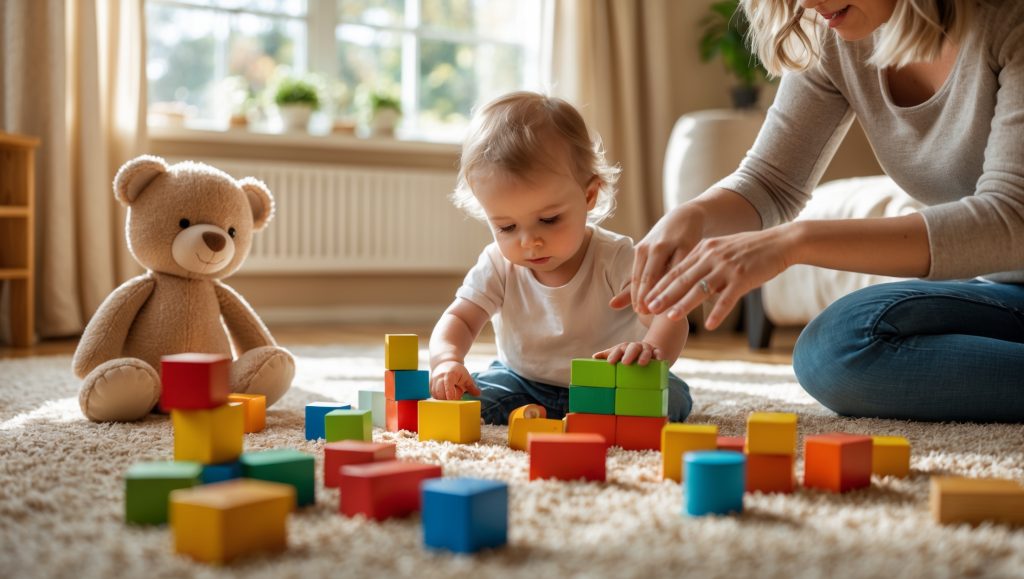
Introduction
Establishing routines is crucial for toddlers’ healthy development and family harmony. Predictable routines give young children a sense of security and help them learn self-regulation, independence, and important life skills. In 2025, families continue to face unique challenges balancing busy lives, remote work, and changing childcare landscapes. Fortunately, toys—when thoughtfully chosen and used—can play a powerful role in supporting, reinforcing, and even transforming daily toddler routines.
This article explores evidence-informed strategies for integrating toys into toddler routines, offering practical tips, age-based recommendations, and guidance for common challenges. Whether you’re building a new routine from scratch or looking to refresh your approach, you’ll find actionable ideas to make daily transitions smoother and more joyful for your little one.
Why Routines Matter for Toddlers
Toddlers thrive on predictability. Consistent routines help children learn what to expect—and what is expected of them. Research shows that routines can reduce anxiety, encourage cooperation, and promote social-emotional growth. For families, routines make daily life more manageable, reducing power struggles and supporting positive parent-child relationships.
Key benefits of routines for toddlers include:
- Emotional security: Predictable routines help toddlers feel safe in a rapidly changing world.
- Skill development: Repeated activities support language, motor, and self-care skills.
- Building independence: Participating in routines empowers toddlers to take small steps toward autonomy.
- Preparation for transitions: Routines help children manage change and handle transitions with greater ease.
The Role of Toys in Toddler Routines
Toys are more than entertainment—they’re essential tools for learning, comfort, and routine-building. By integrating toys into routines, parents can support engagement, make transitions smoother, and turn everyday moments into opportunities for connection and growth.
How Toys Support Routines
- Signaling transitions: Using a special toy (such as a favorite stuffed animal) to mark the start of a routine—like nap or clean-up—can cue your toddler that it’s time to switch gears.
- Fostering participation: Toys like stacking cups or puzzles can be woven into activities such as tidy-up time, making the process playful.
- Encouraging independence: Toys that toddlers can manage themselves, like simple shape sorters or soft dolls, empower them to take charge of parts of their routine.
- Providing comfort: Comfort objects can ease anxiety during transitions, drop-offs, or new experiences.
- Supporting learning: Routine-based play (like pretend cooking or doctor sets) helps toddlers process daily events and practice social skills.
Age-Based Toy Recommendations for Routines
Choosing toys that are developmentally appropriate is key to supporting routines effectively. Here are some age-based ideas:
- 12–18 months: Simple soft toys, stacking rings, large-piece puzzles, and sensory balls for promoting independent play and clean-up routines.
- 18–24 months: Push toys, shape sorters, picture books, and pretend-play items like toy phones or tea sets to encourage participation in daily activities.
- 24–36 months: Dress-up clothes, play kitchens, doll strollers, and building blocks can be integrated into routines like getting dressed, meal times, and organizing toys.
Always choose toys that meet current safety standards, are free from small parts (for children under 3), and are easy for little hands to manipulate.
Integrating Toys into Key Toddler Routines
Morning Routine
Starting the day with a predictable routine sets a positive tone. Consider using a favorite soft toy as a “helper” for getting dressed or brushing teeth. Some families use a visual schedule board with movable toy pieces to guide toddlers through each step.
Meal Times
Meal times offer rich opportunities for routine and learning. Soft dolls or animal figures can “join” the table, modeling table manners. Play food sets can be used for pretend play before or after meals, helping toddlers understand food prep and cleanup as part of the daily rhythm.
Clean-Up Time
Many parents find clean-up time challenging. Make it playful by turning clean-up into a game using a toy shopping cart or colorful bins. Singing a tidy-up song or using a timer shaped like a toy can also motivate toddlers to participate.
Nap and Bedtime
Comfort objects—such as a favorite stuffed animal or soft blanket—can help cue rest time. Board books and calming musical toys are excellent additions to wind-down routines, signaling to your toddler that it’s time for sleep.
Transition Moments
Transitions, like leaving the house or switching activities, can be tough. A special “on-the-go” toy kept in a bag or car can help ease these moments. Simple fidget toys or a small sensory object can offer comfort during drop-offs at daycare or playdates.
Common Mistakes
- Overloading routines with too many toys: Too many choices can overwhelm toddlers and detract from the structure of the routine.
- Inconsistent use of toys: Using a toy as a cue one day and not the next can confuse children. Consistency is key.
- Choosing toys that are not age-appropriate: Toys that are too advanced or too simple may frustrate or bore your toddler, undermining routine-building.
- Relying on toys as the sole motivator: While toys can support routines, parent engagement and positive reinforcement are equally important.
- Ignoring safety guidelines: Failing to check for choking hazards or product recalls can pose risks, especially for younger toddlers.
- Neglecting to rotate toys: Keeping the same toys in the routine every day can lead to boredom. Rotating toys keeps routines fresh and engaging.
Quick Checklist
- Observe your toddler’s interests to choose motivating toys for routines.
- Keep toy choices simple and limit the number of routine-supporting toys.
- Use the same toy(s) consistently to signal specific routines.
- Involve your toddler in toy selection and clean-up to foster independence.
- Ensure all toys are age-appropriate and meet current US safety standards.
- Rotate toys periodically to maintain novelty and excitement.
- Pair toy-supported routines with verbal cues, songs, and positive attention.
- Monitor your child’s response and adjust routines as needed for family harmony.
FAQ
+How do I know if a toy is appropriate for my toddler’s routine?
+What types of toys work best for encouraging clean-up?
+Can toys really help with toddler transitions?
+How often should I rotate the toys used in routines?
+What if my child resists using toys in routines?
+How can I use toys to support bedtime without overstimulating my toddler?
+Are there benefits to using the same toy for multiple routines?
+How do I balance toys with other routine cues?
Conclusion
Toddler routines are the backbone of a calm, connected, and thriving family life. By thoughtfully integrating toys into these routines, parents can create a nurturing environment that supports learning, independence, and positive behavior. The key is to choose developmentally-appropriate toys, use them consistently, and remain flexible as your child grows and changes. Remember: toys are powerful tools, but your engagement, attention, and love are the most important elements of any routine. With the right strategies, you can make daily transitions smoother and more meaningful for your toddler—and for your whole family.

Building effective routines for toddlers is foundational to their growth, and toys play a pivotal role in this process. Research consistently shows that structured routines paired with intentional play support cognitive, emotional, and social development. For families in the US, where busy schedules often challenge consistency, integrating toys into daily patterns can transform routine moments into engaging learning opportunities.
Start by selecting open-ended toys—blocks, dolls, or art supplies—that foster creativity and problem-solving. These toys adapt to your child’s interests and developmental stage, making them ideal companions for everyday routines. For instance, a morning “build and chat” session with blocks can ease transitions while nurturing language skills. Similarly, incorporating favorite toys into bedtime rituals, like reading with a plush animal, creates comfort and predictability.
Experts recommend keeping routines simple and flexible. Allow your toddler to lead play within the structure you provide. This balance encourages independence while maintaining the security of routine. Remember, the goal isn’t perfection but connection—using toys as tools to bond, teach, and support your child’s unique rhythm.
- Choose versatile, open-ended toys for routine activities.
- Blend playtime naturally into daily transitions.
- Let your child guide some play choices within routines.
- Focus on creating connection, not rigid schedules.
My toddler is 15 months old and gets really attached to one specific stuffed animal for every transition. Is it okay to use the same comfort toy throughout the day, or should I try introducing different toys for different routines?
It’s perfectly normal for a 15-month-old to rely on one special stuffed animal for comfort, especially during transitions. If this helps your toddler feel secure, it’s okay to let them use the same toy throughout the day. You might gently introduce other soft toys during play or story time, but don’t force a switch—familiarity is soothing at this age. Make sure the comfort toy is clean and free from small parts or loose stitching for safety. If your child starts exploring new routines with different toys over time, that’s great, but it’s also fine if they stick with their favorite. This isn’t medical advice; if you’re concerned, check in with your pediatrician.
In your experience, how often should toys used as transition signals (like a special stuffed animal for nap time) be rotated or changed to keep them effective for toddlers who get bored quickly?
It’s understandable to want your toddler’s transition toys to keep working well, especially if they lose interest quickly. Try rotating or refreshing the transition toy every 2–4 weeks, observing your child’s reactions—some toddlers need more consistency, while others enjoy novelty. Involve your child in choosing the new transition item, but keep the routine around it predictable. Choose age-appropriate, safe toys free of small parts and choking hazards, especially for younger toddlers. If your toddler resists changes or struggles with transitions, keeping the same comfort object longer may be helpful. This isn’t medical advice; if you’re concerned, check in with your pediatrician.
My son has some sensory sensitivities and loud or textured toys seem to upset him. What are some gentle toy options that would still help with routines like tidy-up or bath time?
It’s completely understandable to want routine-supportive toys that won’t overwhelm your son’s senses. For tidy-up time, try soft-sided baskets or fabric bins, and use plush toys or smooth wooden blocks—these are gentle on touch and quiet when handled. For bath time, look for silicone cups or simple rubber ducks with a soft feel and no squeakers. Keep the environment calm by using one or two toys at a time and giving your child a choice. Always supervise, and check for small parts or potential allergens. This isn’t medical advice; if you’re concerned, check in with your pediatrician.
We have a pretty busy household and sometimes routines get disrupted on weekends. Do you have any advice on how to keep routines with toys consistent, or how flexible we can be without confusing our toddler?
It’s completely understandable to worry about keeping routines on track in a busy home. Try anchoring one or two toy-related activities to daily events (like after breakfast or before bath), even on weekends. If routines shift, give your toddler a simple heads-up: ‘Today we’ll play with blocks after lunch instead of before.’ Offer familiar toys in a dedicated play space for consistency. Toddlers benefit from some flexibility; occasional changes are okay as long as you offer reassurance and predictability overall. Always supervise play and ensure toys are age-appropriate and safe. This isn’t medical advice; if you’re concerned, check in with your pediatrician.
Could you share more about which toys are best for helping with morning routines? My little guy resists getting dressed, and I’m wondering if certain toys can actually make that part of the day easier for both of us.
It’s completely normal for toddlers to resist getting dressed, and toys can help make this routine more playful and less stressful. Try offering a favorite soft doll or stuffed animal and pretend to dress it together before your child gets dressed, modeling each step. Use dress-up toys with big, easy fasteners so your toddler can practice skills at their own pace. Visual routine cards with simple toy images can help your child anticipate what comes next. Keep all toys safe for your child’s age—watch for small parts and always supervise. This isn’t medical advice; if you’re concerned, check in with your pediatrician.
Our daily routine always gets messy during meals, and sometimes toys just get sticky or stained. How can I realistically use toys to encourage routine without creating extra cleaning stress every day?
It’s understandable to want routines that are helpful without making more work for you. Try using washable, easy-to-clean toys like silicone blocks or plastic figures for mealtime routines—just for this part of the day. Store them in a small basket near the table so they’re easy to grab and put away. Limit the number of toys at meals to one or two so cleanup stays simple. If your toddler is old enough (around age 2 and up), involve them in wiping down their special mealtime toy after eating. As always, supervise closely and avoid toys with small parts for children under 3. This isn’t medical advice; if you’re concerned, check in with your pediatrician.
Are there budget-friendly or DIY toy options that still help toddlers build independence and self-regulation during routines, or is it necessary to invest in specific products?
Your question about affordable ways to support your toddler’s independence and self-regulation is thoughtful and practical. Many effective routine-building toys can be created at home—try using safe household items like plastic containers for sorting games or wooden spoons for pretend play. You can also make simple picture charts together to guide daily routines. Encourage your child to help with tasks like putting away toys or setting nap blankets, as these activities foster independence. Always supervise closely and avoid small or sharp objects for toddlers. This isn’t medical advice; if you have concerns about your child’s development, check in with your pediatrician.
Do you have recommendations for incorporating fine-motor skill toys into our evening routine, especially when our schedule sometimes changes because of late work meetings or varying bedtime?
It’s understandable to want consistency with fine-motor skill activities, even when evenings get unpredictable. Try keeping a small basket of simple, safe toys like chunky puzzles, nesting cups, or snap beads in the living area for easy access. Choose activities that take just 5–10 minutes and can be paused or finished quickly, such as stacking blocks or threading large beads (for ages 2 and up, with supervision to avoid choking hazards). Invite your toddler to help clean up as part of the routine, which also supports fine-motor skills. Flexibility is key—some nights you might have a longer play session, other nights just a quick activity before bed. This isn’t medical advice; if you’re concerned, check in with your pediatrician.
My 1-year-old is starting daycare soon, and I am wondering how I can use toys at home to help him transition more smoothly into the new routine there. Do you have suggestions for which types of toys might be most helpful for easing separation anxiety during drop-off?
It’s completely normal to want to ease your little one’s transition into daycare and help with any separation anxiety. Start by introducing soft comfort toys or a familiar lovey at home that your child can also bring to daycare, making the new environment feel safer. Try brief pretend play sessions with dolls or stuffed animals to act out drop-off and pick-up routines, helping your toddler know what to expect. Simple stacking cups or chunky puzzles similar to those at daycare can build familiarity. For a 1-year-old, ensure all toys are age-appropriate—no small parts, and easy to clean. This isn’t medical advice; if you’re concerned, check in with your pediatrician.
If my toddler gets really attached to a comfort object and wants it during every routine, is it okay to let them have it all day, or should I set limits to strengthen their independence?
It’s understandable to wonder about the best way to support your toddler’s need for comfort while encouraging independence. You might allow the comfort object during stressful or transition times, then gradually encourage your child to put it aside during play or meals. Create predictable routines where the object is available, such as naps and bedtime, so your toddler knows when to expect it. For safety, make sure the object is age-appropriate, free from small parts, and clean. Remember, early childhood attachment to objects is normal and usually fades over time. This isn’t medical advice; if you’re concerned, check in with your pediatrician.
With so many toys on the market, how do I know which are truly helpful for routines versus those that just create more clutter? Are there any evidence-based criteria I should look for when choosing toys for routine-building?
It’s understandable to want toys that support your toddler’s routines rather than add clutter. Look for toys that are open-ended, meaning they can be used in multiple ways (like blocks or pretend food), and those that mirror daily activities, such as toy dishes for mealtime routines. Choose items that match your child’s age and developmental stage, avoiding small parts or unsafe materials. Limit the number of toys available at once to keep routines clear and manageable. Most importantly, watch how your child interacts—if a toy helps guide transitions or participation in routines, it’s likely a good fit. This isn’t medical advice; if you’re concerned, check in with your pediatrician.
Our budget for new toys is limited. Can common household objects double as effective routine tools, or are there any low-cost options you recommend that can support transitions and independence for toddlers?
It’s completely understandable to seek affordable ways to support your toddler’s routines. Many everyday items can be wonderful tools: for example, use plastic containers for stacking or sorting, wooden spoons for drumming or pretend play, and laundry baskets for toy transport or tidy-up races. You can also create simple routines using picture cards drawn on paper to help your child follow steps independently. Always supervise closely to ensure objects don’t pose choking hazards and are safe for your child’s age. This isn’t medical advice; if you have concerns, your pediatrician can offer more guidance.
Do you recommend any particular approach for families on a tight budget trying to balance the cost of toy subscriptions versus buying single toys that fit into daily routines?
It makes sense to want routines that support your toddler’s growth without overspending. Start by choosing a few open-ended toys—like blocks or stacking cups—that work for multiple activities and ages. Rotate toys in and out of your routine to keep interest high without needing more. Consider swapping toys with other families or checking local libraries or community centers for free lending. If you choose to buy, look for sturdy, easy-to-clean options without small parts, and avoid potential allergens. This isn’t medical advice; if you’re concerned, check in with your pediatrician.
If my toddler tends to get really attached to one comfort object, should I still introduce a special toy for different routines like bedtime or clean-up, or is it better to keep using the same item for consistency?
It’s great that you notice how important your toddler’s comfort object is to them. You can absolutely keep using the same item for consistency, as toddlers often benefit from familiar objects. If you want to introduce new toys for specific routines, do so gradually—maybe let your child explore a new toy during a calm time and involve their comfort object, too. This helps build positive associations without causing distress. Make sure any new toy is age-appropriate, safe, and free of small parts. Remember, every child is different, so follow their cues. This isn’t medical advice; if you’re concerned, check in with your pediatrician.
Are there any safety concerns with bringing certain toys into the bathroom during potty training? I want to keep things fun, but I’m worried about germs or choking hazards with some toys.
You’re absolutely right to consider safety and hygiene when using toys during potty training. Choose toys that are large enough to prevent choking and free from small detachable parts. Opt for plastic or silicone toys that are easy to wash after each bathroom session; avoid plush toys, as they’re harder to clean and can harbor germs. Always supervise your toddler closely to prevent toys from falling into the toilet or being mouthed. This isn’t medical advice; if you’re concerned, check in with your pediatrician.
My toddler tends to get very focused on certain toys and sometimes resists moving on to the next activity. Any advice for helping with those challenging transitions without triggering meltdowns?
It’s completely normal for toddlers to get absorbed in favorite toys and feel upset when it’s time to switch activities. Try giving a gentle 5-minute warning before transitions, so your child has time to prepare. Use a visual timer or sing a special transition song to make the change predictable. Offer choices when possible, like carrying a small toy to the next activity, to give them some control. Keep new activities engaging and age-appropriate, and supervise closely if the transition involves different toys or environments. This isn’t medical advice; if you’re concerned, check in with your pediatrician.
Our toddler has sensory sensitivities. Are certain types of toys better for incorporating into routines when grandparents visit and want to share traditional objects that might have strong textures or scents?
You’re thoughtful to consider your toddler’s sensory sensitivities when grandparents visit. First, let grandparents know which textures or scents your child finds overwhelming, so everyone can avoid them. Offer a few alternative toys that your toddler already enjoys and feels comfortable with—soft fabrics, smooth wooden toys, or scent-free items are often preferred by children with sensitivities. Let your child explore new objects at their own pace, and keep transitions gentle. Always supervise to ensure safety, especially if new items contain small parts or strong scents. This isn’t medical advice; if you’re concerned, check in with your pediatrician.
My child sometimes struggles with transitions, especially when leaving playtime for bedtime. Do you recommend comfort objects over interactive toys to make this kind of switch easier, or should I use both?
It’s so common for toddlers to find transitions challenging, especially after playtime. You might try introducing a familiar comfort object, like a favorite stuffed animal, during the transition to bedtime, as these can offer soothing continuity. You can also use interactive toys with calming features (like soft lights or lullabies) as part of a gentle wind-down routine, but keep it low-key to avoid overstimulation. Offer choices when possible—for example, letting your child pick which comfort object to bring to bed. Always supervise with any toys or objects in the crib to ensure safety and avoid any items with small parts or loose fabric. This isn’t medical advice; if you’re concerned, check in with your pediatrician.
Do you have any advice for families who want to support their toddler’s independence but worry about safety with new or unfamiliar toys received through a subscription service? How can parents ensure routine-related toys are truly appropriate?
It’s completely understandable to want your toddler to grow more independent while still keeping them safe. First, always check toy labels for age recommendations and potential hazards like small parts or sharp edges. Second, test new toys yourself for sturdiness and possible choking risks before adding them to routines. Third, supervise initial play sessions closely and observe how your toddler interacts with the toy. Finally, store unfamiliar toys out of reach when not in use, and rotate them in gradually. If you have any doubts about a toy’s safety, trust your instincts—this isn’t medical advice; if you’re concerned, check in with your pediatrician.
If my toddler is sensitive to certain textures or sounds, are there particular types of toys you would recommend or avoid for smoother daily transitions?
You’re thoughtful to consider your toddler’s sensitivities when choosing toys for daily routines. Try selecting toys with soft, non-irritating textures—like plush or silicone—and avoid those with rough surfaces or scratchy fabrics. For sound sensitivities, choose toys that are quiet or have adjustable volume, and steer clear of ones with sudden, loud noises. Use simple, familiar toys during transitions to create a sense of predictability. Always supervise playtime and check for small parts, especially if your child is under three. This isn’t medical advice; if you’re concerned, check in with your pediatrician.
If I’m trying to establish a more consistent pre-bed routine, how many different toys should be part of the routine versus keeping it simple with just one comfort object?
You’re thoughtful to consider how toys fit into your toddler’s bedtime routine. For most toddlers, one familiar comfort object—like a soft stuffed animal or blanket—helps signal that it’s time to wind down. To avoid overstimulation, keep other toys out of the bedtime area. If your child wants a pre-bed playtime, choose one quiet, soothing toy activity (such as a short puzzle or board book) and transition to the comfort object for sleep. Always check that the item is safe for your child’s age—no small parts or loose stuffing. This isn’t medical advice; if you have concerns about sleep routines, your pediatrician can help.
We’re trying to build a dinner routine, but my little one gets overwhelmed by messy textures and often throws her food and toys. Do you have tips for choosing toys that support routine while minimizing mealtime mess and sensory overload for a 10-month-old?
It’s completely understandable to want calmer, less stressful mealtimes for your little one. For a 10-month-old who’s sensitive to messy textures, try offering a few smooth, easy-to-clean toys at the high chair—like solid silicone teethers or textured, but non-sticky, grasping balls. Keep toy choices simple and limit to one or two at a time to reduce overwhelm. Offer these only during specific mealtime moments (like while you prepare food) to reinforce routine. Always supervise, and make sure everything is large enough to prevent choking. This isn’t medical advice; if you’re concerned, check in with your pediatrician.
My toddler tends to get overstimulated with too many toys during routine times. What are your suggestions for choosing toys that support routines without causing sensory overload?
It’s understandable to want routines to feel calm rather than overwhelming for your toddler. Try offering just one or two toys at a time during routine moments like getting dressed or winding down, and choose ones with simple designs and muted colors to minimize sensory input. Soft, textured toys or quiet play items like stacking cups can be soothing and easy to manage. Rotate toys regularly so your child doesn’t feel overloaded by choices. Always supervise play and make sure toys are age-appropriate, free of choking hazards, and safe for your child’s unique needs. This isn’t medical advice; if you’re concerned, check in with your pediatrician.
You mention using toys like stacking cups or puzzles for tidy-up. Is there a point where those types of activities become less engaging as kids get older, and should I rotate different toys to keep the routine working?
—it’s normal to notice toddlers lose interest in certain toys over time. To keep tidy-up routines engaging, try rotating toys every couple of weeks so there’s always something fresh. As your child grows, introduce more complex toys or games (like sorting by color or shape) to match their developmental stage. Involve your child in choosing which toys to tidy up to boost motivation. Always check for age-appropriate pieces and supervise closely, especially with small parts. This isn’t medical advice; if you have concerns, please check in with your pediatrician.
Do you have any tips for quiet toys that work well for early morning routines, especially when we’re trying not to wake up other family members? I’d love some suggestions that help keep my toddler busy in a calm way while everyone else is still asleep.
It’s understandable to want calm, quiet ways for your toddler to stay engaged in the early mornings. Try soft fabric or plush toys, chunky wooden puzzles, and simple board books, all of which make minimal noise and are safe for toddlers over 12 months. Busy boards with latches or zippers also work well and can be used on a soft surface to muffle sound. Rotating a few of these quiet toys keeps things interesting. Always supervise, especially if any pieces are small or detachable. This isn’t medical advice; if you’re concerned, check in with your pediatrician.
Some toys marketed as routine helpers are electronic and quite flashy, while others are simple and open-ended. Is there evidence that one type is more effective than the other for supporting routines and independence in toddlers?
You’re asking a thoughtful question about choosing the right kind of toy to help with routines and independence. Research generally supports that simple, open-ended toys—like picture schedules, soft dolls, or stacking blocks—encourage toddlers to use their imagination, make choices, and understand sequences more actively than flashy, electronic toys. Step-by-step, you might: 1) Choose toys that reflect your child’s daily routine; 2) Involve your toddler in setting up or using the toy; 3) Use consistent language and model the steps together; and 4) Supervise closely to make sure toys are safe for your child’s age, avoiding small parts or loud noises. This isn’t medical advice; if you’re concerned, check in with your pediatrician.
I’m working on creating a more sustainable play routine for my two-year-old and wonder if there are any drawbacks to using mainly wooden toys instead of plastic. Do you find toddlers respond differently to these materials during routine-based activities?
It’s wonderful that you’re thinking about sustainability and your toddler’s play routine. Wooden toys are usually safe, durable, and support open-ended play, which fits well for two-year-olds. Some toddlers may initially show more interest in brightly colored plastic toys, but wooden toys can encourage sensory exploration and creativity. Make sure the toys have smooth finishes and are free from small parts or toxic paints, as safety is crucial at this stage. It’s normal for children to explore both types and preferences might shift. This isn’t medical advice; if you have specific concerns, checking in with your pediatrician can help.
If a toddler tends to get very attached to one comfort object for routines, is there any risk in relying on the same toy every day, or should parents encourage using different items for different routines?
It’s completely natural to wonder if relying on the same comfort object every day is okay for your toddler. Many toddlers form strong attachments to a favorite toy, which can actually help them feel safe and manage transitions. You can gently introduce variety by involving the favorite toy in new types of play or routines, or by offering choices between two safe, age-appropriate comfort objects. If your child resists change, that’s normal—avoid forcing the issue, and watch for signs the attachment interferes with other daily activities. Always ensure toys are safe and easy to clean. This isn’t medical advice; if you’re concerned, check in with your pediatrician.
What are some ways to incorporate routine-building toys into a small apartment, where we are limited on storage space? Are there particular types of toys that work well for routines but do not take up much room?
It’s understandable to want routines for your toddler without cluttering a small space. Try choosing compact toys like stacking cups, small puzzles, or soft blocks that can be stored in a bin or basket and used as part of daily rituals (like post-nap play or clean-up routines). Rotate a few toys weekly to keep things fresh without needing more storage. Multi-use items—such as a play mat that doubles as storage—can also help. For toddlers, ensure toys are free of choking hazards and easy to clean. This isn’t medical advice; if you’re concerned, check in with your pediatrician.
When building a routine around tidy-up time, you mention using puzzles and stacking cups. How does this play out if our toddler gets frustrated and doesn’t want to participate? Any strategies for encouraging positive involvement without turning it into a power struggle?
It’s understandable to want tidy-up time to feel positive rather than stressful. First, offer choices—let your toddler pick which toy to tidy first (puzzle pieces or stacking cups) so they feel some control. Second, make it playful: sing a clean-up song or set a gentle timer for a short tidy-up race. Third, break tasks into small steps, like focusing on one puzzle or cup at a time. Fourth, model calm participation and praise any effort, no matter how small. For toddlers, keep expectations realistic and avoid forcing participation if big feelings arise. This isn’t medical advice; if you’re concerned, check in with your pediatrician.
My child is sensitive to certain textures and sounds. Are there particular types of toys you recommend or advise against when weaving them into routines like potty training, especially for sensory-sensitive toddlers?
It’s completely understandable to want routines that are comfortable for your sensory-sensitive toddler. Try using toys with smooth, predictable textures (like soft cloth or silicone) and avoid those with rough, sticky, or noisy features during routine times like potty training. Choose toys that don’t make sudden sounds—soft, silent plush toys often work well. Let your child touch new toys at their own pace, watching for any signs of discomfort. Always supervise, and double-check for choking hazards, especially if your child is under three. This isn’t medical advice; if you’re concerned, check in with your pediatrician.
My toddler loves sensory play with things like kinetic sand and water tables, but sometimes those can get really messy. Do you have suggestions for integrating sensory toys into our daily routines without it feeling overwhelming or disrupting the rest of our schedule?
It’s understandable to want sensory play to be fun without creating chaos in your day. Try picking a set time, like right after breakfast, so your toddler knows when to expect it and clean-up is built into the routine. Use trays or shallow bins to help contain messes, and keep towels or wipes nearby for quick cleanup. Limit sensory play to one spot in your home, such as the kitchen or outdoors, to make boundaries clear. For younger toddlers, always supervise closely to ensure safety and prevent mouthing of small parts. This isn’t medical advice; if you’re concerned, check in with your pediatrician.
We live in a small apartment and only have limited space to store toys. How can I decide which types of toys are most essential for supporting toddler routines without overcrowding our living area?
It’s understandable to want an organized space while still supporting your toddler’s growth. Focus on a few versatile, open-ended toys like blocks, stacking cups, or simple puzzles—these encourage creativity and can be used in multiple routines, like play, clean-up, and quiet time. Rotate toys every week to keep things fresh without needing more storage. Choose items that are easy to clean and safe for your child’s age, avoiding small pieces for children under three. Try to include at least one sensory toy and one pretend-play item. This isn’t medical advice; if you’re concerned, check in with your pediatrician.
As a bilingual family with relatives sending toys from abroad, how can I make sure the toys we use for nap and bedtime routines are safe and support consistency, especially when the labeling and safety standards might differ?
It’s thoughtful to want both safety and consistency for your toddler’s routines. First, inspect all toys for small parts, loose seams, or sharp edges, as some countries have different safety standards. Wash or wipe toys before use to reduce allergen or material risks. For nap and bedtime, choose a few soft, simple items your child associates with sleep, and rotate in new toys only after checking their safety. Keep a consistent bedtime routine, regardless of language or origin, so your child feels secure. This isn’t medical advice; if you’re concerned, check in with your pediatrician.
Are there recommendations for integrating toys into routines for toddlers who are very sensitive to noise or certain textures? My child sometimes refuses toys that seem overstimulating, so I am looking for alternatives that still help with routines.
It’s understandable to want routines that support your toddler’s sensitivities while encouraging healthy play. Start by choosing toys made of soft fabrics or smooth wood, avoiding loud sounds or rough textures. Try introducing only one toy at a time, allowing your child to explore at their own pace. Consider using simple visual timers or soft puppets as gentle signals for transitions in routines. Always supervise play and watch for signs of discomfort, swapping out toys if needed. Remember, every child’s comfort zone is unique—adjust as you go. This isn’t medical advice; if you’re concerned, check in with your pediatrician.
How do you balance sustainability with affordability when selecting toys for routines? Sometimes I find that plastic toys are cheaper and easier to source, but I worry about their environmental impact and how long they might last.
It’s very thoughtful to consider both your budget and the environment when choosing toys for your toddler’s routines. Try rotating a few high-quality, durable toys—wood, cloth, or recycled materials—which often last longer and can be found second-hand or through toy swaps. For plastic toys, look for BPA-free options and prioritize those designed for longevity and safety. Repairing or repurposing toys can also extend their life. Always check that toys are age-appropriate, free from small parts, and safe for mouthing. This isn’t medical advice; if you’re concerned, check in with your pediatrician.
We are working with a smaller budget and limited storage. How can we choose toys that are versatile enough to support multiple routines and developmental areas, without having to buy a lot of different items?
It’s wonderful that you’re thinking carefully about both your child’s needs and your resources. Focus on open-ended toys, like wooden blocks, stacking cups, or textured balls, which can be used for building, sorting, pretend play, and even bath time. Rotate a small selection to keep things fresh—store the rest out of sight. Choose toys that are easy to clean and safe for your toddler’s age, avoiding small parts. Everyday household items, like plastic containers or scarves, can also encourage imaginative play. This isn’t medical advice; if you’re concerned, check in with your pediatrician.
My toddler is extremely active and loves sensory play, but he often resists transitions between activities. Could you give specific examples of how to use toys as transition signals, especially for kids who get easily overstimulated or distracted?
It’s completely normal to want smoother transitions when your active toddler resists change, especially during sensory play. Try using a special transition toy—like a soft, calming fidget or a favorite stuffed animal—only at transition times, so it becomes a consistent cue. You might gently ring a musical toy or shake a rain stick to signal ‘clean-up time’ is coming. For sensitive kids, choose toys that aren’t too loud or flashy, and offer a moment to squeeze or hold them during the change. It helps to narrate each step: ‘Let’s put away the blocks together, then we’ll squeeze your transition ball before snack.’ Always supervise, choose safe, age-appropriate toys, and remember: This isn’t medical advice; check in with your pediatrician if you’re worried.
Can you share tips for using toys as signals for morning routines, like moving from breakfast to getting dressed, especially for toddlers who resist transitions in the early hours?
It’s understandable to want smoother morning transitions, especially with toddlers who find change difficult. Try using a special toy as a visual cue, like placing a favorite soft animal by the breakfast table and then moving it to the bedroom to signal it’s time to get dressed. Narrate each step aloud for clarity, and invite your child to help move the toy, making them part of the routine. Choose toys with no small parts and easy-to-clean surfaces for safety. Keep transitions gentle and use the same toy consistently. This isn’t medical advice; if you’re concerned, check in with your pediatrician.
For families on a budget, what are a few versatile toys that can be used across different routines, like playtime, bath time, and bedtime? Are there specific types that work best for multiple transitions?
It’s great that you’re looking for versatile toys to support routines on a budget. Simple items like stacking cups, soft washable plush toys, and board books can work well across playtime, bath time, and bedtime. For example, plastic cups are safe for water play and can be used for sorting or building. Soft toys offer comfort at bedtime and can be part of pretend play. Board books help with winding down and can be part of both quiet play and bedtime routines. Always choose toys without small parts or choking hazards for toddlers, and supervise during bath time. This isn’t medical advice; if you’re concerned, check in with your pediatrician.
I would love more insight on whether toys made from renewable materials, like wood, are just as effective for routine-building as plastic toys. Are there situations where one type works better for certain daily transitions?
It’s great that you’re considering different toy materials while shaping your toddler’s routines. Both wooden and plastic toys can be equally effective for building routines if they are well-chosen for your child’s age and interests. Wooden toys tend to be simpler, which may support open-ended play and smoother transitions like clean-up or bedtime. Plastic toys, with their variety and color, might engage toddlers more during active routines such as getting dressed or picking up. Always check for age-appropriate size to avoid choking hazards, and ensure finishes are non-toxic. This isn’t medical advice; if you’re concerned, check in with your pediatrician.
For families with limited budgets, how can parents prioritize which toys are most effective for supporting routines, and are there everyday household items that can fill a similar role for toddlers?
It’s wonderful that you want to support your toddler’s routines even on a budget. First, prioritize toys that encourage pretend play, problem-solving, and fine motor skills—such as simple blocks, stacking cups, or shape sorters. Everyday household items can absolutely help: safe kitchen utensils, pots, plastic containers, and soft cloths are great for play and can be woven into routines like meal prep or clean-up time. Rotate a small selection of toys and items to keep play interesting. Always avoid items with small parts, sharp edges, or choking hazards, and supervise play. This isn’t medical advice; if you’re concerned, check in with your pediatrician.
Our daily schedule sometimes changes because of work shifts. How can we best use toys to help our toddler cope with unpredictable routines or transitions?
It’s understandable to want to help your toddler feel secure when your family’s schedule changes. Try creating a simple visual routine chart with pictures of toys or playtimes to help your child know what to expect, even when the timing shifts. Offer a familiar comfort toy during transitions, like leaving the house or bedtime, for reassurance. Set up a consistent play area with a few favorite toys your toddler can always find, which provides a sense of stability. Use play-based cues, such as a special song with a toy drum, to signal upcoming changes. Always supervise play, and choose age-appropriate, safe toys without small parts. This isn’t medical advice; if you have concerns, please consult your pediatrician.
My toddler has some sensory sensitivities and gets overwhelmed with noisy or flashing toys. Are there research-backed types of toys you suggest for helping sensitive children transition smoothly between different parts of the day?
It’s completely understandable to want smoother transitions for a sensory-sensitive toddler. Research suggests that simple, open-ended toys like soft blocks, textured balls, or plush figures can be calming and predictable, supporting children during changes in routine. Try using the same familiar toy as a gentle transition cue, for example, holding a soft toy when moving from playtime to mealtime. Sensory bins with safe, non-irritating textures (like dry beans or rice, if age-appropriate and supervised) can also help ground your child. Always check for small parts and avoid allergenic materials. This isn’t medical advice; if you’re concerned, check in with your pediatrician.
Budget is a big factor for our family. If I want to refresh our routine with toys as suggested, do you have advice for affordable options or creative repurposing of everyday items to fit into routine-building activities?
It’s completely understandable to want engaging routines for your toddler while keeping costs in check. Try rotating existing toys to make them feel new again, and use everyday items—like plastic containers for stacking or wooden spoons for pretend play. Create sensory bins with dry pasta, rice, or safe household objects. Cardboard boxes can become cars, forts, or tunnels. For younger toddlers, always supervise play and avoid items that could be a choking hazard. This isn’t medical advice; if you’re concerned, check in with your pediatrician.
Do you have any advice for families living in small spaces? What are some toy options that can support routines without taking up a lot of storage room but are still effective in engaging toddlers?
It’s understandable to want engaging routines for your toddler, even when space is limited. Try rotating a few versatile, open-ended toys like nesting cups, stacking blocks, or a small set of animal figurines—all of which can be used in different routine activities, from bath time to meal prep. A felt storyboard or magnetic tiles store flat and work for creative and learning routines without clutter. Involve your toddler in clean-up by having a dedicated bin or basket; this builds routine and responsibility. Look for toys that are safe for your child’s age—without small parts or choking hazards. This isn’t medical advice; if you’re concerned, check in with your pediatrician.
With budget in mind, do you have advice for parents who want to choose sustainable toys for routines but notice that wooden options are usually more expensive than plastic? Are there ways to balance sustainability, cost, and effectiveness in supporting routines?
You’re not alone in wanting sustainable toys that won’t break the bank and still support your toddler’s routines. Try focusing on a few open-ended toys (like wooden blocks or stackers) that can be used in many ways, rather than buying lots of items. Check local buy-sell groups or swaps for gently used wooden toys, which are often more affordable. Everyday household items—like pots, wooden spoons, or fabric scraps—can also be safely incorporated into routines with supervision. Remember to check all items for age-appropriate size, smooth edges, and non-toxic finishes. This isn’t medical advice; if you’re concerned, check in with your pediatrician.
Do certain types of routine-building toys work better for toddlers with sensory sensitivities? My child can get easily overwhelmed by noise or textures, so I wondered if you have suggestions for gentle and engaging options.
It’s great that you’re considering your child’s sensory needs while building routines. For toddlers with sensory sensitivities, choose toys with soft, consistent textures and quiet operation—think plush blocks, simple stacking cups, or wooden puzzles with smooth edges. Avoid toys with loud sounds, flashing lights, or rough materials. Offer one toy at a time and watch your child’s reactions, adjusting as needed. Always supervise play to ensure safety with smaller pieces. This isn’t medical advice; if you have concerns about your child’s sensory responses, check in with your pediatrician.
Is there a certain age when it makes sense to let toddlers choose their own ‘transition toy’ for routines, or should parents always select and introduce those toys to help with consistency?
—wanting to encourage your toddler’s independence while keeping routines smooth is important. Around 18 to 24 months, many toddlers can start to express preferences, so offering a limited choice between two safe, familiar toys can work well. Before that age, you might choose the transition toy yourself to maintain consistency and avoid overwhelm. Always ensure the toy is age-appropriate, with no small parts or hazards, and keep supervision in mind during transitions. This isn’t medical advice; if you’re concerned, check in with your pediatrician.
Do you have any suggestions for parents who are on a tight budget? Are there everyday household items that can double as routine-building toys for a 9-month-old, or is it better to stick with specific types of toys?
You’re wise to look for affordable ways to support your 9-month-old’s routine and development. Many safe household items work wonderfully: plastic measuring cups for stacking, soft washcloths for peekaboo, and large wooden spoons for supervised banging or grasping. Always check for choking hazards—avoid small parts, sharp edges, or anything that could splinter or break. At this age, babies love exploring different textures and sounds, and you don’t need specialized toys for that. Just be sure to supervise play and clean items beforehand. This isn’t medical advice; if you’re concerned, check in with your pediatrician.
Are there specific guidelines or safety considerations for using educational toys, especially electronic ones, as part of daily routines for toddlers? I want to make sure they support learning without being overwhelming.
You’re absolutely right to prioritize both safety and learning when using educational toys, especially electronic ones, in your toddler’s routine. Start by choosing toys labeled for your child’s specific age to avoid small parts or choking hazards. Limit screen-based or electronic toy use to short, predictable sessions—about 10–20 minutes at a time—to prevent overstimulation. Always supervise play, and regularly check toys for loose pieces or battery compartments. Opt for toys that invite interaction instead of passive watching, and balance electronic toys with plenty of hands-on, sensory play. This isn’t medical advice; if you have concerns about your child’s reactions to any toy, please consult your pediatrician.
For families on a tight budget, what are some essential toys you recommend for supporting daily routines? Is it possible to make effective routines without needing a lot of different toys?
It’s understandable to want supportive routines for your toddler without stretching your budget. Simple, versatile toys like stacking cups, wooden blocks, and pretend play items (like a spoon or soft doll) can be used in many ways throughout the day—think meal prep, bath time, or quiet play. Everyday household objects (like plastic containers or safe kitchen utensils) can double as toys, too. Aim for open-ended items that spark imagination rather than single-use gadgets. Always consider age-appropriateness and supervise play, especially with small parts. This isn’t medical advice; if you’re concerned, check in with your pediatrician.
Our routine often gets off track due to unpredictable work schedules. Do you have any tips for using toys to help maintain consistency when the routine changes from day to day?
It’s understandable to feel frustrated when routines get disrupted by changing work schedules. Try preparing a small basket of favorite toys your toddler can use as ‘routine anchors’—let your child choose one to signal the start of a key activity, like snack time or quiet play. Create simple visual cues with pictures of the toys for different parts of the day, which helps toddlers anticipate what comes next. Stick to age-appropriate, safe toys that are easy to clean and free of small parts. Even if the timing shifts, repeating the same play cues builds a sense of predictability. This isn’t medical advice; if you’re concerned, check in with your pediatrician.
If my toddler tends to get too attached to a single comfort toy, how can I encourage them to participate in our routines using a wider variety of toys as suggested here?
It’s completely normal to worry when your toddler relies on just one comfort toy. Start by introducing new toys during low-stress, enjoyable parts of your daily routine, such as playtime after naps. Offer choices between two or three toys, making the experience playful and low-pressure. You can also involve the comfort toy by pretending it ‘chooses’ or ‘helps’ with new toys. Keep all toys age-appropriate, free of small parts, and supervise closely. Gradual exposure and consistency can help broaden your child’s interest. This isn’t medical advice; if you’re concerned, check in with your pediatrician.
Do you have any tips for integrating routine-supporting toys when we have limited space for storage, or suggestions for budget-friendly options that still help build effective routines?
It’s completely understandable to want to support your toddler’s routines even with limited space and budget. Try choosing a few versatile toys like stacking cups or blocks that can be used in different daily routines, such as for clean-up games or bath time play. Rotate toys weekly to keep interest high without needing many items out at once. Everyday household objects, like plastic containers or wooden spoons, can double as play tools in routines. Store toys in clear bins or small baskets for easy access and tidy-up. Always check that items are safe for your child’s age and free of choking hazards. This isn’t medical advice; if you have specific concerns, check in with your pediatrician.
My toddler is obsessed with sensory bins, but I struggle to fit this kind of play into our daily routine without it turning into chaos or taking up way too much time. Do you have suggestions for making sensory play a regular, manageable part of our day, especially for high-energy kids?
It’s understandable to want to balance your toddler’s love of sensory bins with the realities of a busy day. Try setting up sensory play in a contained, easy-to-clean area like a plastic mat or tray, and use bins with just one or two simple materials to limit mess and prep time. Keep sessions short—10 to 15 minutes is often enough for high-energy toddlers, and you can signal the end with a fun routine like a clean-up song. Store sensory supplies in easily accessible tubs so you’re not scrambling each time. Always supervise for safety, especially with small parts or new textures. This isn’t medical advice; if you’re concerned, check in with your pediatrician.
How can routines involving toys be adapted for a slightly younger baby, like a 9-month-old, who is just starting to develop independence? Would you recommend any specific types of toys for this age when building daily routines?
It’s wonderful that you’re thinking about routines and independence for your 9-month-old. At this age, choose safe, easy-to-clean toys that encourage sensory exploration, like soft blocks, textured balls, or rattles. Try short play sessions woven into daily routines, such as a few minutes after naps or before meals, always with close supervision. Keep toys large enough to avoid choking hazards and avoid toys with small parts or loose pieces. Let your baby explore at their own pace, describing what they’re doing to foster language and connection. This isn’t medical advice; if you’re concerned, check in with your pediatrician.
Do you have any suggestions for affordable toys that can support daily routines, like bedtime or cleanup, without breaking the bank? Sometimes the recommended toys seem pricey, so I am looking for budget-friendly options suitable for a 2-year-old.
It’s so thoughtful that you want to support your toddler’s routines without spending too much. For bedtime, consider simple plush toys or a favorite blanket for comfort—just ensure there are no small parts and they’re washable. For cleanup, create a game using a small basket or box (even a decorated shoe box works) where your child can toss toys inside together with you. Picture cards made from recycled cardboard can help visualize steps in routines. All these options are safe for a 2-year-old with supervision. This isn’t medical advice; if you’re concerned, check in with your pediatrician.
If my 2-year-old seems to outgrow certain routine toys quickly, how often should I be updating or swapping them, and are there types that tend to hold their appeal longer for active toddlers?
It’s understandable to want toys that keep your toddler engaged as their interests change so quickly at this age. Try rotating toys every couple of weeks so old favorites feel new again, rather than constantly buying new ones. Open-ended toys like blocks, simple pretend-play sets, and stacking cups usually stay interesting longer because they can be used in many ways. For active toddlers, consider items that encourage movement and creativity, like balls or ride-on toys, but always check for age-appropriate sizes and supervise to ensure safety. This isn’t medical advice; if you have concerns about your child’s play or development, please check in with your pediatrician.
For parents on a tight budget, what are some simple or homemade toy ideas you recommend that can be effectively integrated into calming bedtime routines?
It’s wonderful that you’re looking for bedtime routines that support your child, even on a budget. Try making a sensory bottle with water, glitter, and a well-sealed plastic bottle—watching it settle can be soothing. Soft fabric scraps or an old t-shirt can become a comfort blanket for snuggles. Gather household items like wooden spoons or soft blocks for gentle, quiet play before bed. For toddlers, always check that homemade toys have no small parts or choking hazards, and supervise use. This isn’t medical advice; if you’re concerned, check in with your pediatrician.
When grandparents help out, they often use classic toys like wooden blocks and dolls. Are there benefits or drawbacks to using these compared to some of the modern interactive or electronic toys for daily routines?
It’s great that you’re thinking about the toys your child uses with grandparents. Classic toys like wooden blocks and dolls encourage imaginative play, problem-solving, and fine motor skills, which are wonderful for toddlers. They’re usually safe for young children if you check for small parts and splinters. Modern interactive toys can add variety, but too much stimulation or noise may overwhelm some toddlers. It’s helpful to balance both types, focusing on play that matches your child’s age and interests. This isn’t medical advice; if you’re concerned, check in with your pediatrician.
For families in smaller spaces, are there multi-purpose toys that support different parts of a toddler’s routine but do not take up too much room or clutter?
It’s so thoughtful to want practical, space-saving options for your toddler’s routines. Look for sturdy nesting cups or blocks—these can be stacked, used for pretend play, or even bath time, supporting learning in multiple routines. A play mat with different textures or images can double as a play area and a cozy spot for reading or quiet time. Consider a small basket of open-ended items like wooden rings or scarves, which encourage creativity, movement, and sensory exploration without clutter. Always check that toys are safe for your child’s age, especially avoiding small parts. This isn’t medical advice; if you’re concerned, check in with your pediatrician.
Do you have tips for adapting routine-based toy play for toddlers who are more sensitive to loud sounds or certain textures? My child sometimes avoids toys with specific materials or noises.
It’s understandable to want your toddler’s play routine to feel comfortable and enjoyable for them. Start by offering toys with gentle textures and quiet sounds, introducing new items gradually so your child can explore at their own pace. Let your toddler observe or touch new toys before involving them in play, and offer choices between toys to give them control. If your child reacts strongly, calmly remove the toy and try again another time. Always supervise play to ensure safety, especially with new materials. This isn’t medical advice; if you’re concerned, check in with your pediatrician.
If my 2.5-year-old gets really attached to comfort objects and wants to bring lots of toys into the bathroom during potty training, how do I help them limit it to just one or two without causing a meltdown or making them anxious?
It’s understandable to want potty training to feel safe and manageable for your toddler. Try offering choices by inviting them to pick one or two favorite toys for bathroom time, giving them a sense of control. Create a special basket just for those chosen toys to make the process predictable. Praise their efforts in making decisions, focusing on how grown-up they’re getting. If parting with other toys is hard, have a goodbye ritual—wave or reassure them the toys will wait outside. For this age, simple routines build confidence and reduce anxiety. Always supervise to prevent small toys from becoming a safety hazard. This isn’t medical advice; if you’re concerned, check in with your pediatrician.
If my toddler prefers to play with the same toy all day, how can I use that toy to encourage smoother transitions between different parts of our routine, like mealtimes or getting ready for bed?
It’s understandable to want routines to go smoothly, especially if your toddler loves one specific toy. You can use that favorite toy as a gentle bridge between activities: try inviting the toy to help with transitions (for example, “Let’s show Teddy how we wash hands before dinner”), or have your child bring the toy along to the next activity. You might create a routine where the toy gets its own mealtime or bedtime role, making the change feel more familiar. Always supervise closely to ensure the toy doesn’t have small parts if your child is under three. This isn’t medical advice; if you’re concerned, check in with your pediatrician.
When you mention using toys to signal transitions, like starting clean-up or bedtime, how long does it usually take toddlers to catch on to these cues? I’m wondering if it’s normal for them to resist at first or if there are ways to make it smoother.
It’s absolutely normal for toddlers to resist new routines or cues at first—adjusting takes time. Most toddlers need several days to a few weeks of consistent, gentle practice before they start responding to toy-based transitions. Try introducing the cue toy calmly and in the same way each time, giving a short warning before the transition. Celebrate small successes, even if your child just notices the cue. Keep cues simple and age-appropriate—larger, colorful, soft toys are safest for toddlers. This isn’t medical advice; if you’re concerned about your child’s adjustment, check in with your pediatrician.
I worry about storage space with all the toys accumulating over time. Do toy subscription services help reduce clutter, or do you still end up with just as many toys when using them for routine-building?
It’s very understandable to feel overwhelmed by toy clutter as your toddler grows. Toy subscription services can help limit accumulation because they offer new toys on a rotating basis, so you return toys before receiving new ones. Try designating a specific shelf or bin for subscription toys only, and involve your child in packing up returns as part of your routine. Before signing up, check that the service offers age-appropriate, easy-to-clean toys without small parts that could be a hazard. Remember, this isn’t medical advice; if you’re concerned about your child’s development or play habits, check in with your pediatrician.
When you mention using a special toy to signal transitions like nap or cleanup time, do you recommend switching up the toy occasionally, or is it better for toddlers if the transitional object stays the same every day?
—consistency really helps toddlers feel secure, especially with transitions. Using the same special toy each day as a cue can make routines more predictable and comforting. However, if your child seems bored or resistant, it’s okay to slowly introduce a new toy now and then, allowing your child to get familiar with it before using it as the new signal. Make sure the toy is safe for your toddler’s age—avoid small parts that could be choking hazards. This isn’t medical advice; if you’re concerned, check in with your pediatrician.
What are some safe toy options for introducing into a toddler’s bathroom routine, especially with potty training in mind? I’m concerned about hygiene and keeping things easy to clean.
You’re right to think about hygiene and safety when choosing toys for bathroom routines. Try simple, non-porous plastic toys like stacking cups or rubber ducks—these can be easily washed after each use. Opt for toys without small parts to prevent choking hazards and avoid fabric or plush items that can harbor germs. For potty training, a washable sticker chart or laminated picture cards can make the process engaging and are easy to wipe down. Supervise your toddler closely during bathroom play to prevent accidents. This isn’t medical advice; if you’re concerned, check in with your pediatrician.
Is there guidance on how often to check toys used in routines for wear and tear, especially those that might develop small, loose parts over time? I want to make sure our routine toys stay safe for daily use.
It’s wonderful that you’re prioritizing your child’s safety during daily routines. For toddlers, I recommend inspecting routine toys at least once a week for any cracks, loose parts, or sharp edges—especially if the toys are used daily. After any rough play or if a toy is dropped, do a quick check for damage. Immediately remove any toys that show signs of small, loose, or broken parts, as these pose a choking hazard. Always supervise your toddler during play, and choose toys designed specifically for their age. This isn’t medical advice; if you’re concerned, check in with your pediatrician.
My baby is 7 months old, so not quite a toddler yet. Are there ways I can start using toys now to help set up routines for when she gets a bit older? Or should I wait until she’s walking and more independent?
It’s wonderful that you’re already thinking about routines for your little one. At 7 months, you can gently introduce toys into daily activities, like having a soft toy present during diaper changes or tummy time, to signal transitions. Choose safe, age-appropriate toys without small parts or choking hazards, and always supervise play. Repetition helps your baby start to recognize patterns, even at this young age. You don’t need to wait until she’s walking—early routines can grow as she gets older and more independent. This isn’t medical advice; if you have concerns, please consult your pediatrician.
My son tends to get overwhelmed by toys that make loud noises or have lots of flashing lights, especially before naps. Are there specific types of sensory-friendly toys you recommend that help ease into quiet routines without overstimulating toddlers?
It’s completely understandable to want a calming atmosphere for your son, especially before naps. Try offering simple sensory toys like soft fabric books, plush animals, or wooden blocks, as these tend to have muted colors and quiet textures. You might also introduce toys with gentle features, such as stuffed animals with subtle textures or soft, squishy balls, making sure there are no small parts or choking hazards. Consider a short wind-down routine, like reading together or stacking blocks quietly, to signal rest time. Every child is different, so observe how he responds and adjust as needed. This isn’t medical advice; if you’re concerned, check in with your pediatrician.
If my child has sensory sensitivities, are there particular types of toys you’d recommend avoiding or including in daily routines to make transitions less overwhelming? I’d love some tips on making routines more sensory-friendly without overloading my toddler.
You’re thoughtful to consider your child’s sensory needs while building routines. To help ease transitions, choose toys with predictable textures—soft, smooth, or gently textured rather than sticky, rough, or noisy. Avoid toys that flash lights, make loud sounds, or have strong scents, as these can be overstimulating. Try offering one or two calming options, like weighted plush toys or simple stacking cups, during routine changes. Watch for your toddler’s cues and adjust the environment (like lowering lights or background noise) as needed. Always supervise to ensure safety, especially with smaller parts or new materials. This isn’t medical advice; if you’re concerned, check in with your pediatrician.