
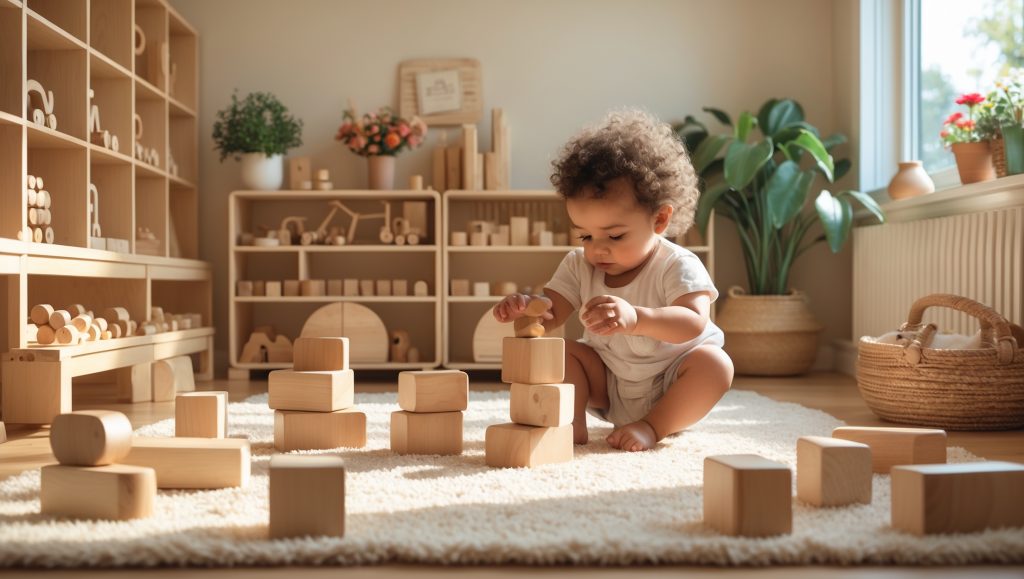
Introduction
Montessori toys have soared in popularity among U.S. families seeking intentional, child-centered play experiences. Inspired by Dr. Maria Montessori’s educational philosophy, these toys are grounded in respect for children’s natural curiosity and their drive to learn independently. But what exactly makes a toy “Montessori”? How do you select the right options for your child’s age and stage? And how can parents foster Montessori principles at home, even without a dedicated classroom? This comprehensive guide unpacks the essentials of Montessori toys in 2025—offering evidence-informed advice on choosing, introducing, and maximizing the benefits of these developmental tools.
Understanding Montessori Toys: Principles and Purpose
The Montessori approach emphasizes hands-on learning, real-life skills, and self-directed activity. Montessori toys, therefore, are designed to nurture independence, concentration, and problem-solving. But they are more than just beautiful wooden blocks: their value lies in how they align with children’s developmental needs.
Core Features of Montessori Toys
- Simplicity and Purpose: Montessori toys are typically simple in design and focus on a single skill—like grasping, sorting, or stacking. This helps children focus, reducing overstimulation.
- Natural Materials: Many Montessori toys use wood, metal, cotton, and other natural materials that provide pleasant sensory feedback and connect children to the natural world.
- Reality-Based: Toys often reflect real-life objects and experiences. For example, child-sized kitchen tools or realistic animal figurines.
- Self-Correction: Well-designed Montessori toys allow children to see and correct their own mistakes, fostering independent learning and persistence.
- Open-Ended Play: Many Montessori toys can be used in a variety of ways, encouraging creativity and experimentation.
How to Choose Montessori Toys by Age
Choosing Montessori toys involves more than picking items labeled “Montessori.” Instead, focus on matching toys to your child’s unique developmental phase. Here’s a guide to age-based recommendations:
Infants (0-12 months)
- Mobiles: High-contrast, simple mobiles stimulate visual focus and tracking.
- Grasping Toys: Smooth wooden rings and rattles encourage early hand-eye coordination and fine motor development.
- Soft Cloth Books: Realistic images and textures engage senses and foster early language exposure.
Toddlers (12-36 months)
- Stackers and Nesting Toys: These build spatial reasoning and hand strength.
- Object Permanence Boxes: Help children understand that objects exist even when out of sight—a key cognitive milestone.
- Simple Puzzles: Large, chunky pieces with realistic images support problem-solving.
- Practical Life Tools: Child-sized brooms, cups, and pitchers encourage independence and real-life skills.
Preschoolers (3-6 years)
- Sorting and Matching Sets: Refine classification and math readiness.
- Lacing Beads: Strengthen fine motor skills and prepare for writing.
- Construction Materials: Open-ended blocks and planks inspire creativity and spatial awareness.
- Role Play Items: Realistic pretend play tools—like doctor kits or kitchen sets—foster social and emotional development.
Integrating Montessori Toys at Home
Montessori toys shine brightest when paired with a thoughtfully prepared environment and mindful parenting practices. Here are steps to bring Montessori principles into your everyday routines:
- Accessible Storage: Use low, open shelves rather than bins or boxes. This allows children to choose and return toys independently.
- Toy Rotation: Keep only a few toys out at a time. Rotate options every couple of weeks to maintain interest and reduce clutter.
- Observation: Watch how your child engages with toys. Follow their interests and introduce new challenges as skills develop.
- Demonstrate, Then Step Back: Show how to use a new toy, then allow your child to explore at their own pace.
- Encourage Care of the Environment: Involve children in cleaning up and caring for their toys, supporting responsibility and order.
Benefits of Montessori Toys: What Research Says
Research supports several key benefits of Montessori-inspired play:
- Self-Regulation: The focus and calm encouraged by Montessori toys can help children develop patience and emotional control.
- Independent Learning: Toys that encourage self-correction foster confidence and problem-solving abilities.
- Better Attention Spans: The simplicity and purpose-driven design of Montessori toys are linked to improved concentration.
- Respect for the Child: Giving children autonomy over their play choices honors their natural curiosity and agency.
While no one toy guarantees developmental success, integrating Montessori principles can create a supportive, enriching home environment for children of all backgrounds.
Common Mistakes
- Overcrowding the Play Space: Too many toys can overwhelm children and reduce engagement.
- Choosing Toys That Are Too Advanced or Too Simple: Mismatched toys may frustrate or bore children, hindering learning.
- Prioritizing Aesthetics Over Function: Beautiful toys are appealing, but functionality and developmental relevance matter most.
- Neglecting Toy Rotation: Keeping all toys out at once can lead to disinterest and clutter.
- Not Involving the Child in Cleanup: Missing the opportunity to teach responsibility and care for the environment.
- Confusing “Montessori” with “Expensive”: Effective Montessori toys do not have to be costly or brand-specific.
- Over-Directing Play: Frequent adult intervention can stifle independence and discovery.
Quick Checklist
- Is the toy made from safe, durable materials?
- Does it focus on a single skill or purpose?
- Is it age-appropriate and matched to my child’s interests?
- Does the toy allow for independent exploration and self-correction?
- Can my child choose and return the toy on their own?
- Is the play area tidy, accessible, and clutter-free?
- Do I rotate toys regularly to keep engagement high?
- Am I observing my child’s play and following their lead?
FAQ
+Are all wooden toys Montessori toys?
+Do Montessori toys have to be expensive?
+How many toys should be out at once?
+What if my child isn’t interested in a toy?
+Can Montessori toys be used with siblings of different ages?
+Is it okay to combine Montessori toys with other types of toys?
+How often should I rotate toys?
Conclusion
Montessori toys offer a thoughtful, evidence-informed approach to play that supports children’s independence, concentration, and joy of discovery. By choosing toys that match your child’s developmental stage, preparing a simple and accessible play space, and observing how your child engages, you can nurture both learning and confidence at home. Remember, the Montessori philosophy isn’t about perfection or expensive materials—it’s about respecting your child’s unique path and offering the tools they need to thrive. With mindful choices and a little creativity, any family can bring the spirit of Montessori play into daily life in 2025 and beyond.

Montessori Toys: A Comprehensive Guide for U.S. Families (2025)
Montessori toys continue to gain popularity among U.S. families who value child-led learning and natural development. These thoughtfully designed toys, rooted in Dr. Maria Montessori’s educational philosophy, emphasize simplicity, purposeful play, and hands-on exploration. In 2025, parents have access to an even wider selection of Montessori-inspired toys made from sustainable materials and tailored for diverse developmental stages.
When choosing Montessori toys, look for items that encourage open-ended play, such as wooden blocks, stacking rings, and practical life tools. These toys allow children to experiment, problem-solve, and build independence at their own pace. Avoid overly stimulating, battery-powered, or single-use toys, as they can limit creativity and engagement. Instead, opt for objects that reflect real-life experiences and foster fine motor, sensory, and cognitive skills.
Most importantly, observe your child’s interests and developmental needs. The best Montessori toys grow with your child, supporting their curiosity and confidence. By thoughtfully curating your play space, you create an environment where your child can thrive, learn, and discover the joy of independent play.
- Choose toys made from natural, non-toxic materials.
- Favor open-ended toys that adapt to different ages and abilities.
- Rotate toys regularly to maintain interest and focus.
- Encourage real-life activities with child-sized tools and utensils.
Do you have advice on how to adapt Montessori activities from your guide for children who are very sensitive to certain textures or sounds, especially for toddlers who might struggle with sensory processing?
You’re thoughtful to consider your toddler’s sensory sensitivities while exploring Montessori activities. Start by offering materials that match your child’s comfort level—soft fabrics instead of rough ones, or wooden items with a smoother finish. Gradually introduce new textures or sounds, observing your child’s response and letting them set the pace. Choose Montessori activities that are quiet and visually engaging, like sorting or nesting, and avoid small parts or loud musical toys to keep things safe and comfortable. Always supervise closely, since sensory-seeking toddlers may mouth objects. This isn’t medical advice; if you’re concerned, check in with your pediatrician.
Does the Montessori approach allow for adjustments if my toddler is a bit behind in speech but advanced in fine motor skills? For example, should I adjust the age recommendations you listed based on his unique strengths?
It’s completely natural to wonder how to best support your toddler’s unique development. The Montessori approach encourages you to follow your child’s individual pace, so it’s appropriate to adjust toy choices based on your child’s strengths and needs. For a toddler with advanced fine motor skills, you can offer toys slightly above the typical age range for that skill, while still providing toys that support speech and language at his current level. Always supervise closely, especially if you introduce toys with smaller parts, and be mindful of choking hazards. Adapt as you observe interest and challenge—not frustration. This isn’t medical advice; if you’re concerned, check in with your pediatrician.
You mention natural materials like wood and cotton for Montessori toys, but with my 10-month-old putting everything in her mouth, are there specific safety standards or finishes I should look for when choosing items in the U.S.?
It’s completely understandable to want safe, baby-friendly materials for your little one. For a 10-month-old who mouths toys, look for toys labeled ASTM F963 or CPSIA compliant—these meet U.S. safety standards for lead, phthalates, and other toxins. Choose solid wood toys with non-toxic, water-based finishes or natural oils, and avoid any varnishes or paints not specifically marked as child-safe. Ensure there are no small parts that can detach and pose a choking hazard. Always supervise play at this age. This isn’t medical advice; if you’re concerned, check in with your pediatrician.
If space is limited in our home or on the road, how can we prioritize which Montessori toys to bring for a 2-year-old? Are there a few versatile options that cover multiple developmental needs, or is it better to focus on one type of skill?
It’s completely understandable to want to make the most of limited space while supporting your child’s development. For a 2-year-old, look for Montessori toys that are open-ended and can be used in different ways—stacking cups, nesting blocks, or a small set of wooden animals are great examples. These encourage problem-solving, fine motor skills, and imaginative play all at once. Rotate toys to keep interest fresh, and avoid those with tiny pieces that could be a choking hazard. Always supervise play, especially on the go. This isn’t medical advice; if you’re concerned, check in with your pediatrician.
Does the guide offer any suggestions for children with sensory sensitivities? For example, do the natural materials used in many Montessori toys present any challenges for kids who are sensitive to textures or certain sensations?
You’re right to consider how sensory sensitivities might interact with the natural materials used in Montessori toys. The guide does acknowledge that children with sensory sensitivities may have strong reactions to specific textures, such as rough wood or wool. If your child is sensitive, start by letting them explore new materials slowly and observe their reactions. Choose Montessori toys made from smoother, sealed woods or soft cotton as needed, and always inspect for possible allergens. Offer alternatives like silicone or cloth if certain textures are overwhelming. Make sure any toys are age-appropriate and supervise use. This isn’t medical advice; if you’re concerned, check in with your pediatrician.
You mention that many Montessori toys are made from natural materials like wood and cotton. Are there eco-friendly plastic options that still align with Montessori principles, or is it better to stick exclusively with wooden toys for both developmental and environmental reasons?
It’s great that you’re thinking about both your child’s development and the environment. While traditional Montessori toys are often wooden or cotton, some eco-friendly plastic options do exist—look for non-toxic, BPA-free, and recycled plastics. 1) Choose simple, open-ended designs that support hands-on exploration. 2) Make sure toys are free from small parts if your child is under three to prevent choking. 3) Prioritize items with recyclable packaging and minimal dyes. Both wooden and safe, sustainable plastics can nurture Montessori principles if selected thoughtfully. This isn’t medical advice; if you have concerns about materials or allergies, check with your pediatrician.
How do Montessori toys compare developmentally to traditional battery-operated toys for preschoolers? I am wondering if there are specific skills my child might miss out on by focusing mostly on Montessori-style options.
It’s thoughtful to consider how different toys support your child’s development. Montessori toys tend to focus on hands-on learning, problem-solving, and real-world skills, encouraging independence and concentration. Battery-operated toys often offer entertainment or teach cause-and-effect, but may provide less open-ended play. To balance development, you could: 1) Offer a mix of both types; 2) Observe which toys spark your child’s curiosity; 3) Rotate toys to keep playtime fresh; 4) Choose battery toys with simple, clear functions. For preschoolers, always check for small parts and supervise play. This isn’t medical advice; if you’re concerned, check in with your pediatrician.
Can you suggest ways to bring Montessori principles into daily routines for a two-year-old without having to buy a lot of new toys? Are there common household items that work well for this age group?
It’s great that you want to use Montessori principles at home without extra spending. For a two-year-old, try creating a low, accessible shelf with safe kitchen items like wooden spoons, measuring cups, or metal bowls for stacking and sorting. Let your toddler help with simple daily tasks, such as wiping tables with a damp cloth or pouring water from a small pitcher into cups. Arrange clothes in drawers they can reach, so your child can practice choosing and dressing with supervision. Always make sure items are age-appropriate—no sharp edges, choking hazards, or breakables. This isn’t medical advice; if you’re concerned, check in with your pediatrician.
Are there certain times of day that are best for introducing Montessori toys to a 7-month-old, or should I just leave them out for independent play whenever my baby seems interested?
It’s great that you want to support your 7-month-old’s play and learning. At this age, babies are most engaged when they’re well-rested and fed, so try introducing Montessori toys after naps or meals when your baby is alert. Offer one or two toys at a time and sit nearby to supervise, as young babies still learn best with your presence. You can leave toys accessible during supervised play, watching for signs of interest or fatigue. Always check toys for safe size and materials to prevent choking hazards. This isn’t medical advice; if you’re concerned, check in with your pediatrician.
For a 7-month-old who still mouths everything, are Montessori wooden toys safe? What should I look out for in terms of finishes or materials to make sure they’re safe for this age group?
It’s completely normal to worry about toy safety when your baby is mouthing everything. For a 7-month-old, choose Montessori wooden toys that are labeled non-toxic and designed for infants. Look for smooth, splinter-free surfaces and finishes made from natural oils or water-based, lead-free paints. Avoid small parts that could pose a choking risk, and always supervise play at this age. If the toy has an odor or sticky residue, skip it. This isn’t medical advice; if you’re concerned, check in with your pediatrician.
As a parent in a small apartment, I worry about accumulating too many toys. Do you have advice on how to prioritize a minimal selection that still supports each developmental stage, especially if we want to avoid clutter while following Montessori recommendations?
It’s understandable to want to support your child’s development without overwhelming your space. Try focusing on a few versatile, open-ended Montessori toys that grow with your child, such as stacking blocks, nesting cups, or simple puzzles. Rotate toys every few weeks to keep them interesting and reduce clutter. Choose items made of safe, non-toxic materials and avoid those with small parts if your child is under three. Creating a dedicated shelf for just a handful of toys also encourages independence and order. This isn’t medical advice; if you’re concerned, check in with your pediatrician.
If my toddler is really interested in pouring and stacking but gets frustrated easily, should I stick with simpler Montessori tools for now or gently introduce more challenging ones? I want to encourage persistence without making playtime overwhelming.
It’s wonderful that you want to support your toddler’s interests and persistence. Start by offering Montessori tools that match their current skills—like simple stacking cups or easy-to-pour pitchers—so they can build confidence without too much frustration. As your child masters these, you can gently introduce slightly more challenging options, staying nearby to offer encouragement. Watch for signs of overwhelm and be ready to switch back to simpler activities if needed. Always supervise closely to ensure safety, especially with water or small parts. This isn’t medical advice; if you’re concerned, check in with your pediatrician.
When trying to foster independence during mealtime for my baby, are there specific Montessori-inspired practical life tools you recommend for a 10-month-old who is still exploring different food textures?
It’s wonderful that you want to encourage your baby’s independence at mealtime. For a 10-month-old, you can start with a small, lightweight open cup (such as silicone or stainless steel), a short-handled silicone or wooden spoon sized for baby hands, and a suction-bottom bowl to minimize spills. Let your baby practice self-feeding with soft, safe-to-handle foods, always supervising closely to prevent choking. Choose tools that are easy to clean and free from small parts. Remember, every child develops at their own pace—this isn’t medical advice; if you have concerns, check in with your pediatrician.
You mention that Montessori toys often use natural materials. How do you balance this with concerns about choking hazards or splinters, especially for infants who put everything in their mouths? Are there specific safety certifications or things to look for when shopping?
You’re wise to prioritize safety, especially with little ones who explore by mouthing objects. When choosing Montessori toys for infants, always check that the item meets U.S. safety standards, like ASTM or CPSC certification. Pick toys specifically labeled for your child’s age group to ensure parts are too large to swallow and free from choking risks. Inspect wooden toys for a smooth finish—no rough edges or splinters—and make sure they’re finished with non-toxic, child-safe paints or oils. Always supervise play at this age. This isn’t medical advice; if you’re concerned, check in with your pediatrician.
When considering stackers or nesting toys for my 18-month-old, how can I be sure that all the parts are large enough to avoid choking risks? Is there a general rule or measurement guide for safe toy sizes at this age?
Your caution about choking hazards is absolutely valid, especially with toddlers. For 18-month-olds, each part should be larger than 1.25 inches (about 3 centimeters) in diameter and at least 2.25 inches (about 6 centimeters) long—roughly bigger than a film canister. Check that no pieces fit inside a standard toilet paper roll, as that’s a quick home test. Always inspect toys for detachable small parts and supervise play. Choose products labeled for 18+ months, as they should comply with U.S. safety standards. This isn’t medical advice; if you’re concerned, check in with your pediatrician.
My toddler is 20 months old and loves stacking things, but quickly loses interest in some toys. How often should I rotate Montessori toys or introduce new ones to keep her engaged without overwhelming her?
It’s great that you want to keep your toddler engaged while respecting her pace. At 20 months, many children benefit from having just a few toys out at a time—enough to explore, but not so many that it gets overwhelming. Try rotating toys every one to two weeks, or sooner if you notice her losing interest. Watch for renewed engagement when you reintroduce previously stored toys. Always choose age-appropriate, safe materials without small parts or choking hazards, and supervise play. This isn’t medical advice; if you’re concerned, check in with your pediatrician.
I noticed you mentioned child-sized brooms and pitchers for toddlers, which sound great for independence. How can I safely introduce these practical life tools to a very active two-year-old without worrying about spills or messes getting out of hand?
It’s wonderful that you want to nurture your toddler’s independence while also keeping things manageable. Start by modeling how to use each tool and practice together in a small, designated area—like the kitchen on a wipeable floor. Choose lightweight, sturdy, child-safe items without sharp edges or breakable parts. Offer only a small amount of water in the pitcher to limit spills, and keep towels nearby for quick clean-up. Supervise closely, turning accidents into learning moments rather than stress. This approach lets your child explore safely at their own pace. This isn’t medical advice; if you’re concerned, check in with your pediatrician.
For a toddler who gets easily overstimulated, are there particular sensory characteristics I should look for or avoid when choosing Montessori toys?
It’s thoughtful of you to consider your toddler’s sensory needs when choosing toys. For children who get easily overstimulated, opt for Montessori toys with muted colors and simple designs, avoiding bright lights or loud sounds. Choose items with one main texture, such as smooth wood or soft fabric, to prevent sensory overload. Limit the number of toys available at once to create a calmer play environment. Always ensure toys are age-appropriate, free of small parts, and made from non-toxic materials. This isn’t medical advice; if you’re concerned, check in with your pediatrician.
We sometimes use everyday kitchen tools at home, which are a big part of our family’s cooking traditions. Are there specific ways to introduce these cultural tools safely for toddlers if we want to follow both Montessori and family routines?
It’s wonderful that you want to involve your toddler in family traditions while using Montessori principles. Start by selecting kitchen tools without sharp edges or small parts—things like wooden spoons, small mixing bowls, or a child-safe butter knife. Show your child how to use each tool slowly and supervise closely. Give just one tool at a time, and let your toddler practice simple, age-appropriate tasks such as stirring or pouring. Always check that tools are clean and free of allergens, especially if your child has sensitivities. This isn’t medical advice; if you’re concerned, check in with your pediatrician.
Is it okay to introduce toys that combine a few skill areas, or should I really try to stick with the single-skill focus for Montessori toys? Sometimes I see products that seem to mix sorting, stacking, and matching together.
It’s thoughtful of you to consider how your child’s toys support learning and development. Combining a few skill areas in one toy is generally fine, especially if the activities are simple, open-ended, and age-appropriate. For infants and young toddlers, make sure toys don’t have small parts or complicated mechanisms. Mixing skills like sorting, stacking, and matching can support problem-solving and creativity, but observe if your child seems overwhelmed—if so, offer one activity at a time. Supervise play and adjust based on your child’s interest and readiness. This isn’t medical advice; if you’re concerned, check in with your pediatrician.
When choosing Montessori toys for a child who sometimes struggles to focus, are there specific features I should prioritize? For a 4-year-old with a lot of energy, would certain Montessori toys help encourage longer independent play without frustration?
You’re thoughtful to support your energetic child’s focus and independence. Look for Montessori toys with simple designs and a clear purpose, such as wooden puzzles, stacking blocks, or practical life activities like pouring or sorting. Choose toys with one step or challenge at a time, avoiding items with too many pieces or loud colors that can overwhelm. For a 4-year-old, activities like threading beads (large enough to prevent choking), matching cards, or knobbed cylinders can channel energy while encouraging concentration. Always supervise play for safety. This isn’t medical advice; if you’re concerned, check in with your pediatrician.
Do Montessori principles recommend phasing out certain plastic toys as children get older, or is it okay to mix plastic and wooden materials as long as the toys themselves are purposeful and simple?
It’s great that you’re thinking carefully about your child’s play environment. Montessori principles typically emphasize natural materials like wood for their sensory qualities and durability, but the main focus is on toys being purposeful, simple, and inviting to exploration. If a plastic toy is well-made, safe, and encourages meaningful play, it’s okay to include it, especially for younger children where safety and easy cleaning matter. As children grow, you might gradually choose more natural materials, but there’s no strict rule against mixing. Always check for age-appropriateness, choking hazards, and supervise as needed. This isn’t medical advice; if you’re concerned, check in with your pediatrician.
I noticed many Montessori toys use natural materials. Is there a big difference in sensory feedback or safety between all-wood options and those that incorporate soft fabrics or metals, especially for toddlers who still mouth things?
You’re right to consider how different materials affect both sensory experience and safety for toddlers who mouth objects. All-wood toys offer firm, consistent textures and are generally safer if finished with non-toxic coatings, but check for smooth edges to prevent splinters. Toys incorporating soft fabrics provide varied tactile feedback and can comfort or stimulate, but ensure fabrics are tightly sewn and washable. Metals can feel cool or heavy, but avoid small parts or sharp edges, and make sure metals are lead-free. Always supervise play and regularly inspect toys for damage or loose parts. This isn’t medical advice; if you’re concerned, check in with your pediatrician.
Does the article’s advice on matching toys to developmental stage apply differently to children learning two languages? I wonder if our preschooler might need more time with certain Montessori toys during bedtime reading or quiet play.
It’s insightful to consider your bilingual preschooler’s unique learning needs. Children learning two languages sometimes benefit from extra time with toys that encourage language, sequencing, or storytelling—especially during quiet play or bedtime reading. Try rotating Montessori toys that invite conversation, like figurines or matching games, and use them alongside books in both languages. Allow your child to linger with a favorite activity if they show interest, as repetition builds confidence. Always choose toys without small parts and supervise nighttime play. This isn’t medical advice; if you’re concerned, check in with your pediatrician.
Some Montessori toys made from natural materials can be pricey. Are there budget-friendly alternatives or DIY versions suitable for a 10-month-old, especially ones that hold up to messy mealtimes?
You’re thoughtful to look for affordable Montessori options that fit daily life with a 10-month-old. Try making simple sensory toys using safe, household items: for example, fill a sealed plastic bottle with colorful rice for shaking, or let your baby explore wooden spoons and silicone measuring cups during supervised play. You can also offer a basket with safe kitchen items for texture exploration, making sure all pieces are too large to swallow and easy to wash. Always supervise closely, avoid small parts, and clean items after messy play. This isn’t medical advice; if you’re concerned, check in with your pediatrician.
With limited space in a diaper bag, are there any specific Montessori toys for 2-year-olds that are especially good for travel, both in terms of portability and engaging different developmental skills on the go?
It’s great that you want to provide enriching play for your toddler while traveling. For a 2-year-old, consider small wooden puzzles with chunky pieces (to avoid choking hazards), simple threading beads on a sturdy string, a soft fabric busy wallet with zippers and snaps, or a set of stacking cups that nest. All are portable, encourage fine motor skills, and can be wiped clean after use. Always supervise closely to ensure safety with small parts. This isn’t medical advice; if you’re concerned, check in with your pediatrician.
You mention practical life tools for toddlers—do you have any advice on safely choosing and introducing items like child-sized brooms or cups? I’m worried about potential choking hazards or injuries during independent play.
It’s completely understandable to be cautious about safety when introducing practical life tools to toddlers. Choose items that are sturdy, lightweight, and specifically sized for little hands, avoiding any with small, detachable parts. Look for smooth edges and materials that are non-toxic and easy to clean. Always supervise your child at first, showing them how to use each tool safely—demonstrate sweeping or pouring, then let them try with your guidance. For toddlers under three, especially, ensure nothing is small enough to fit entirely in their mouths. This isn’t medical advice; if you have specific concerns, check in with your pediatrician.
Is it necessary to buy toys that are specifically labeled as Montessori, or can common simple wooden toys from other brands meet the same developmental needs for a 7-month-old?
—it’s natural to want the best for your baby’s development. For a 7-month-old, the key is offering safe, age-appropriate toys that encourage sensory exploration and grasping, whether or not they’re labeled Montessori. Choose simple, non-toxic wooden toys without small parts or sharp edges, and supervise play to ensure safety. Focus on items that allow your baby to practice holding, mouthing, and banging—common features in many brands, not just those labeled Montessori. This isn’t medical advice; if you’re concerned, check in with your pediatrician.
For children with sensory sensitivities, are there particular Montessori toy materials or types you recommend steering toward or avoiding? My toddler is sometimes bothered by certain textures or sounds.
It’s understandable to want toys that feel comfortable and safe for your sensory-sensitive toddler. With Montessori toys, try to choose materials like smooth wood or soft cotton, as these tend to be less overwhelming than rough or noisy options. Avoid toys with scratchy fabrics, sharp edges, or loud, clattering parts. Always supervise play, and introduce new textures slowly, watching your child’s reactions. Remember, every child is unique, so observing your toddler’s preferences will help guide your choices. This isn’t medical advice; if you’re concerned, check in with your pediatrician.
How do Montessori principles apply to establishing calming routines before naps, especially for families speaking two languages at home? Could certain toys be distracting instead of soothing?
You’re thoughtful to focus on calming routines, especially in a bilingual home. Montessori principles encourage predictable, gentle transitions to nap with minimal stimulation. Choose simple, familiar toys like a soft cloth doll or textured ball—avoid noisy or flashy items that might excite rather than soothe. Narrate each step of the routine in both languages, using a calm voice and consistent phrases. Keep the environment clutter-free and supervise play with any toy before rest, especially for infants or toddlers. Remember, routines should match your child’s age and safety needs. This isn’t medical advice; if you’re concerned, check in with your pediatrician.
Do you have recommendations for safely integrating Montessori kitchen tools with a 10-month-old who still puts everything in their mouth and tends to drop things off the highchair? Should these be reserved for older toddlers?
It’s understandable to want your baby to explore kitchen tools safely, even during this very oral stage. For a 10-month-old, reserve real Montessori kitchen tools for later—small parts, hard materials, and sharp edges can be choking or injury hazards. Instead, offer large, soft, food-grade silicone utensils for supervised play. Let your baby explore these on the floor or in a safe seat rather than at a highchair where dropping can cause accidents. Focus on sensory play: let your baby touch and mouth safe items, but avoid actual kitchen prep until at least 18 months. This isn’t medical advice; if you’re concerned, check in with your pediatrician.
Sometimes the grandparents gift brightly colored and noisy toys during holidays, which seems different from Montessori simplicity. Is there a way to integrate these into our routine, or should we gently encourage only Montessori-style toys?
It’s understandable to want a consistent play environment while also honoring family gifts. You might consider rotating toys so Montessori-style options remain central, but bright or noisy toys can be enjoyed during special times. Talk with your child about how different toys work and encourage gentle play with any that are loud. For babies and toddlers, always check toys for safe parts and supervise play. If family asks, kindly share your toy preferences and the reasons behind them. This isn’t medical advice; if you’re concerned, check in with your pediatrician.
We follow a bilingual routine at home, and I’m curious about how Montessori toys can fit into our bedtime or nap schedule. Are there specific toy types you recommend for winding down in both English and Spanish, or should we avoid certain toys right before sleep?
It’s great that you’re considering how Montessori toys can support your bilingual routine at bedtime. For winding down, choose simple, calming toys like soft fabric books with English and Spanish words, gentle musical toys, or sensory objects such as smooth wooden animals. Use these together as part of your bedtime story or lullaby routine, keeping language exposure natural and soothing. Avoid stimulating toys with bright lights or loud sounds right before sleep, as these may make it harder for your child to settle. Always supervise young children and check for age-appropriate materials to ensure safety. This isn’t medical advice; if you’re concerned, check in with your pediatrician.
I noticed you mention that Montessori toys are often made from natural materials like wood and cotton. If I’m considering a monthly toy subscription service versus buying individual items, which approach tends to provide more authentic Montessori-quality materials, and how do they compare in terms of durability and safety for toddlers?
It’s great that you’re thinking carefully about Montessori-quality materials for your toddler. Subscription services can be convenient and sometimes offer a curated selection of wooden or cotton toys, but quality varies—always check material details before subscribing. Buying individual toys lets you handpick items made from authentic, non-toxic wood or organic cotton, which are typically more durable and safer for toddlers who explore with their mouths. Whichever option you choose, look for toys with smooth finishes, no small detachable parts, and safety certifications. This isn’t medical advice; if you’re concerned, check in with your pediatrician.
Do you have any suggestions for incorporating Montessori toys into a daily routine at home without making playtime feel too structured or overwhelming for a two-year-old?
It’s wonderful that you want to support your two-year-old’s play without making things feel stressful or rigid. Try keeping a small rotation of Montessori toys on a low shelf so your child can choose what interests them. Offer open-ended invitations, like placing a stacking toy or shape sorter on a mat, and watch how your little one explores. Allow for plenty of unhurried time, and let your child decide when they’re finished. Keep activities simple, and supervise closely to ensure safety with small pieces. This isn’t medical advice; if you’re concerned, check in with your pediatrician.
If we’re working with a limited budget, which Montessori toys would you consider most essential at each developmental stage? Is it possible to create some of these toys at home using everyday materials?
It’s wonderful that you want to support your child’s development, even on a tight budget. For infants, focus on simple grasping toys or soft fabric balls. Toddlers benefit from stacking cups, wooden blocks, or homemade shape sorters—try using clean containers and safe household objects. Preschoolers enjoy practical life activities like pouring or scooping with kitchen tools. Always ensure items are safe, non-toxic, and free of small parts for young children. Homemade options can be just as valuable as store-bought toys when thoughtfully chosen. This isn’t medical advice; if you’re concerned, check in with your pediatrician.
I have limited space in my child’s bedroom for toys. Are there any Montessori toy options that are especially good for winding down before bed but are also easy to store or tidy up quickly?
It’s understandable to want calming toys that won’t clutter your child’s space. For winding down before bed, consider a small basket with a few Montessori-inspired items like soft fabric books, stacking cups, or simple wooden puzzles with large pieces. A basket or low shelf makes cleanup quick for both toddlers and preschoolers, and these materials encourage gentle, independent play. Just be sure to choose age-appropriate, non-choking hazard toys and supervise if your child is under three. This isn’t medical advice; if you’re concerned, check in with your pediatrician.
Are there budget-friendly ways to provide both my baby and toddler with Montessori-inspired toys or activities, especially since buying separate sets for different ages can add up quickly?
It’s understandable to want to offer Montessori-inspired experiences without overspending, especially with children of different ages. Try choosing versatile items like wooden blocks, stacking cups, or simple puzzles that both babies and toddlers can use in different ways, always supervising for safety with small parts. You can also create DIY activities with household objects—think sorting spoons or matching lids for toddlers, and safe sensory baskets for babies. Rotate toys to keep interest high and clutter low. Remember, everyday tasks—like pouring water or wiping a table—can be Montessori activities when you involve both children at their level. This isn’t medical advice; if you’re concerned, check in with your pediatrician.
Would you recommend a Montessori toy subscription for parents looking to follow a more minimalistic approach, or is it better to carefully select just a few open-ended toys and stick with those? I am trying to avoid overwhelming my child with options.
You’re thoughtful to want a calm, uncluttered space for your child. For a minimalistic approach, carefully choosing a few high-quality, open-ended Montessori toys often works best—this lets your child focus deeply and reduces overwhelm. Rotate toys every couple of weeks to renew interest without adding clutter. If you prefer subscriptions, pause deliveries if you notice your child has too many choices at once. Always check that toys are safe for your child’s age and development, and supervise play to prevent choking on small parts. This isn’t medical advice; if you’re concerned, check in with your pediatrician.
How do you recommend introducing practical life tools to a toddler who is still developing coordination? Should I let them practice with real miniature versions right away, or start with something simpler until their skills improve?
It’s wonderful that you want to nurture your toddler’s independence with practical life tools. Begin with simple, sturdy items designed for their age—like a large wooden spoon or small cup—rather than real miniature versions with small parts or sharp edges. Show each step slowly and allow plenty of time for your child to practice pouring, scooping, or wiping under your supervision. Choose tools with easy-to-grip handles and avoid anything breakable or heavy. As coordination improves, you can gradually introduce more realistic versions. This isn’t medical advice; if you have concerns about safety or skill development, check in with your pediatrician.
Do you have advice for storing and rotating Montessori toys at home? We tend to accumulate options quickly and I want to keep an uncluttered space, especially since I set things up the night before for my early waker.
It’s great that you want to create a calm, organized play space for your child. Try selecting just a few Montessori toys (4-6) to display on low, open shelves at a time, keeping the rest stored in clear bins out of reach. Rotate toys every week or two, noticing what your child is interested in and swapping based on those cues. When setting up at night, lay out only safe, age-appropriate toys to avoid small parts or choking hazards for young children. Consistency helps your early riser know what to expect. This isn’t medical advice; if you have concerns, check in with your pediatrician.
Since daycare rooms can get crowded, do you have suggestions for Montessori toys that are easy to store but still encourage independent play for a newly transitioned 1-year-old?
You’re thoughtful to consider both space and your child’s need for independent exploration. Choose compact Montessori toys like stacking cups, a simple object permanence box, or small wooden puzzles with knobs. Look for items with smooth edges and large pieces to prevent choking hazards for 1-year-olds. Store toys in low, shallow baskets or trays so your child can access and return them easily, fostering autonomy. Rotate a few toys at a time to reduce clutter and overstimulation. Always supervise play at this age, especially in busy daycare settings. This isn’t medical advice; if you have safety concerns, check with your pediatrician.
My child is used to Montessori toys at home, but sensory-rich activities are a big part of family gatherings with grandparents. Are there specific Montessori toys that help children engage with traditional sensory experiences, like different textures in ethnic foods?
It’s wonderful that you want to help your child feel comfortable with sensory experiences at family gatherings. You can try Montessori-inspired textured boards or fabric swatches at home to introduce a range of sensations similar to those in ethnic foods. Food-safe sensory bins with dry rice, beans, or pasta can help your child explore textures they might encounter at gatherings. Simple wooden tongs or scoops promote safe, hands-on exploration of different items. For younger children, always supervise closely and avoid small parts to prevent choking. This isn’t medical advice; if you have ongoing concerns about sensory sensitivities, it’s a good idea to talk with your pediatrician.
If my toddler already has a lot of plastic toys, does it make sense to gradually add Montessori options or should I switch all at once to natural materials? I am curious how a gradual mix might impact his focus and independence.
It’s great that you’re thinking carefully about your toddler’s play environment. There’s no need to switch all at once—gradually introducing Montessori-inspired toys alongside existing plastic ones can help your child explore new ways to play without feeling overwhelmed. Start by offering one or two open-ended, natural-material toys at a time, observing how your child interacts with them. Rotate toys regularly to maintain interest and reduce clutter. For toddlers, ensure all toys are age-appropriate, free of small parts, and safe for mouthing. Mixing toys can actually support focus and independence if you keep choices limited and well-organized. This isn’t medical advice; if you have concerns, check in with your pediatrician.
You note that Montessori toys are often made with natural materials. Are there any specific safety checks or certifications I should look for when purchasing wooden or metal toys for my active two-year-old who still puts everything in his mouth?
You’re right to be cautious about toy safety, especially with a curious two-year-old who mouths objects. Look for toys labeled as ASTM F963 or CPSIA compliant, which means they meet U.S. toy safety standards. Check that all paints and finishes are non-toxic and labeled as lead- and phthalate-free. Avoid toys with small parts, sharp edges, or loose pieces that could become choking hazards. For metal toys, ensure they are rust-resistant and free from detachable hardware. Always supervise play and inspect toys regularly for wear or splinters. This isn’t medical advice; if you’re concerned, check in with your pediatrician.
Sometimes I see Montessori toy sets offered in plastic rather than wood, and they claim to be eco-friendly. Are there transparent guidelines for parents to evaluate whether a plastic Montessori toy is truly environmentally responsible?
It’s great that you want to choose environmentally responsible toys for your child. To evaluate a plastic Montessori toy, check if it’s made from recycled or plant-based plastics, and look for third-party certifications like GreenGuard or Cradle to Cradle. Research whether the manufacturer discloses their sourcing and production practices. Make sure the toy is free from BPA, phthalates, and other harmful chemicals for safety. Opt for simple, durable designs that will last. Always supervise younger children, especially if the toy contains small parts. This isn’t medical advice; if you’re concerned, check in with your pediatrician.
Montessori toys are often made from natural materials like wood, but plastic is sometimes more affordable and easier to clean. How should parents weigh the choice between plastic and wooden options, especially when budgeting for several toys at once?
It’s understandable to want both quality and practicality when choosing toys for your child. When deciding between wooden and plastic Montessori toys, consider these steps: First, prioritize safety—ensure all toys, regardless of material, are non-toxic and free of small parts for younger children. Second, select toys based on developmental value rather than just material; a well-designed plastic toy can still offer great Montessori benefits. Third, include a mix if your budget allows—perhaps invest in a few key wooden items, then supplement with safe plastic options. Finally, always supervise play, especially with new toys. This isn’t medical advice; if you’re concerned, check in with your pediatrician.
Is there a recommended way to rotate Montessori toys for toddlers? I notice my child loses interest quickly, so I’m curious how often experts suggest changing out toys to keep their attention and support independent play.
It’s understandable to want to keep your toddler engaged and support their independent play. Experts often recommend rotating Montessori toys about once every 1–2 weeks, but watch your child’s cues—if they lose interest sooner, you can rotate more often. Start by offering only a few toys at a time on low shelves within easy reach, then swap out items when you notice decreased interest or new skills emerging. Always check that new toys are age-appropriate and free from small parts or choking hazards. This isn’t medical advice; if you’re concerned, check in with your pediatrician.
Montessori toys seem very open-ended, but sometimes one of my twins gets overwhelmed by too many sensory options. Are there specific kinds of Montessori toys you would recommend phasing in gradually, especially when the kids have different sleep and play patterns?
It’s understandable to want to create a calm play environment when your twins have different needs. Start by introducing one or two Montessori toys at a time, such as a simple wooden puzzle or stacking rings, and observe how each child responds. Rotate toys every week so there aren’t too many options out at once. For twins with different rhythms, consider separate play baskets based on their individual interests and sensitivities. Always ensure toys are age-appropriate, free of small parts, and easy to clean. This isn’t medical advice; if you’re concerned, check in with your pediatrician.
My child sometimes avoids toys with lots of texture or certain materials. Are there Montessori options that work well for kids with sensory sensitivities, or should I stick to just the materials she prefers?
It’s understandable to want your child to feel comfortable while exploring toys. Montessori toys can work well for kids with sensory sensitivities since they often use natural, simple materials and avoid overwhelming features. Start by offering toys made from the materials your child prefers, such as smooth wood or soft cotton. Gradually introduce new textures in small, gentle ways—perhaps letting her touch a new material with just a finger or play with it alongside a favorite toy. Always supervise closely and respect her signals. If a certain texture causes distress, it’s fine to hold off. This isn’t medical advice; if you’re concerned, check in with your pediatrician.
How do you recommend balancing the use of Montessori toys focused on fine motor skills versus those aimed at language or social development when planning playtime for a language-delayed toddler?
It’s great that you’re thinking about supporting your toddler’s language development during play. Try alternating activities: dedicate time for fine motor toys, then switch to language and social-focused ones like picture cards or pretend play. Join in play by narrating actions and encouraging turn-taking. For a language-delayed toddler, prioritize toys that spark communication but continue fine motor play for well-rounded growth. Choose age-appropriate, safe toys and supervise playtime closely. This isn’t medical advice; if you’re concerned, check in with your pediatrician.
If my toddler is especially drawn to realistic animal figurines but seems less interested in practical life tools, should I still encourage the practical items, or follow her lead with her current interests?
It’s wonderful that you’re noticing and honoring your toddler’s interests. Following her fascination with realistic animal figurines can foster learning, language, and imagination in a developmentally appropriate way. You might gently introduce practical life tools by incorporating them into animal play—such as washing animal figures or using tongs to sort them. Keep practical activities low-pressure, offering them alongside but not forcing engagement. For toddlers, engagement and joy are key to learning, and interests often shift over time. Always supervise for safety, especially with small parts. This isn’t medical advice; if you’re concerned, check in with your pediatrician.
My baby often resists certain food textures, especially soft or mushy ones. Are there Montessori strategies or toys that might encourage more acceptance of different textures at this age?
It’s completely normal to feel concerned when your baby resists certain food textures. Montessori-inspired strategies encourage gentle exposure and hands-on exploration. Try offering a variety of safe, textured materials—like silicone teethers or wooden grasping toys—during playtime to help your baby get comfortable with different sensations. Use a weaning spoon or let your baby touch soft foods with their hands, allowing self-paced exploration. Always supervise closely, avoid small objects that could pose a choking risk, and choose non-toxic materials designed for infants. This isn’t medical advice; if you’re concerned, check in with your pediatrician.
My toddler just turned two and a half and we’re starting potty training, but he’s easily distracted by toys. Are there specific Montessori toys that can actually help reinforce potty training independence, or is it better to keep the bathroom completely toy-free?
It’s understandable to want tools that support your toddler’s potty training journey. At this age, fostering independence is key, and Montessori principles can help. You might try a child-sized potty with simple, easy-to-clean features and let your child practice undressing with dressing frames nearby (not in the bathroom, to avoid distraction). Consider a small basket of books about using the potty, but keep other toys out of the bathroom to maintain focus. Always supervise closely, and check for any safety hazards like choking risks. This isn’t medical advice; if you’re concerned, check in with your pediatrician.
I noticed the article mentions practical life tools for toddlers. At what age can most 2-year-olds safely start using child-sized kitchen tools, and are there any specific types of tools you would recommend starting with?
It’s wonderful that you’re interested in helping your toddler build real-life skills. Many 2-year-olds can safely begin using select child-sized kitchen tools with close adult supervision. Start with simple, safe options like wooden spoons, soft-bristle brushes for washing produce, and small pitchers for pouring water. Avoid sharp edges and always check that tools are free of choking hazards, fit your child’s hand, and are easy to grip. As skills grow, you can gradually introduce slightly more complex tools, like plastic crinkle cutters for soft fruits. This isn’t medical advice; if you’re concerned, check in with your pediatrician.
With so many toys marketed as Montessori, how do I tell if a product truly follows the Montessori philosophy, especially when shopping on a tight budget for my young toddler?
It’s understandable to feel overwhelmed by the many ‘Montessori’ labels, especially when budget matters. Start by looking for toys made of natural materials like wood or cotton, with simple designs and no flashy lights or sounds. Choose toys that let your toddler use their hands and senses, such as stacking blocks, shape sorters, or nesting cups. Avoid items with small parts that could be a choking hazard. Focus on open-ended toys that encourage exploration, which is true to Montessori principles. This isn’t medical advice; if you’re concerned, check in with your pediatrician.
I noticed the article mentions natural materials, but my baby sometimes mouths everything, including wooden toys. Are there specific safety standards or finishes we should look for in Montessori toys for infants who are in that stage?
It’s completely normal to worry when your baby puts everything in their mouth. For infants who mouth toys, choose Montessori toys made from untreated or food-grade finished woods—look for labels like BPA-free, lead-free, and non-toxic. Check that finishes are water-based and specifically certified safe for babies under 12 months. Avoid toys with small parts or loose pieces that could be a choking hazard. Always supervise play during this stage to ensure safety. This isn’t medical advice; if you’re concerned, check in with your pediatrician.
I’m curious about the difference between Montessori toys and other educational toys marketed for similar age groups. How can I tell if a toy truly supports Montessori principles versus just looking aesthetically similar?
It’s great that you want to make sure toys genuinely support your child’s learning. Montessori toys are typically simple, made from natural materials, and focus on one skill at a time, encouraging hands-on exploration with clear purpose. Look for toys that are self-correcting (children can see if they’ve used them correctly), fit your child’s developmental stage, and avoid flashy lights or sounds. Check if the toy allows for independent play and real-world learning, not just entertainment. Always consider age-appropriateness and avoid small parts for younger children. This isn’t medical advice; if you’re concerned, check in with your pediatrician.
When introducing practical life tools like child-sized brooms or pitchers to a toddler, how do you suggest balancing supervision with encouraging independence, especially when it comes to tasks involving water or breakable materials?
You’re thoughtful to want both independence and safety for your toddler during practical life activities. Start by modeling how to use each tool or material, narrating your steps in simple language. Allow your child to try, staying nearby but intervening only if safety is at risk. Offer unbreakable or spill-friendly versions at first (like plastic pitchers or small cloths) before introducing more fragile items. Use positive language to guide mistakes, helping your child learn self-correction. Always supervise closely with water or breakables, adjusting your involvement as your child’s skills grow. This isn’t medical advice; if you’re concerned, check in with your pediatrician.
In your guide, you list different toy types by age. The child I care for is a bit advanced for their age in some skills but not others. Is it okay to mix toys from different age categories, or should I stick to their chronological age when choosing Montessori toys?
It’s great that you notice and support the child’s unique development. It’s perfectly fine to mix Montessori toys from different age categories if they match the child’s current interests and abilities—just be sure to consider safety, especially regarding small parts for younger children. Observe which toys engage them and offer a gentle challenge without causing frustration. Rotate toys as needed to keep things fresh and support different skill areas. Always supervise play if a child is using something above their age range. This isn’t medical advice; if you’re concerned, check in with your pediatrician.
My two-year-old chews on everything, even wooden toys. Are there specific safety features I should look for when picking Montessori toys, especially when it comes to choking hazards or finishes on the materials?
You’re right to pay close attention to toy safety at this age, especially with a little one who loves to mouth objects. First, choose Montessori toys labeled as suitable for ages 2 and up, since these are designed to avoid small, breakable parts that could be choking hazards. Second, check that wooden toys use non-toxic, lead-free paint or natural oils, and avoid any strong chemical smells. Third, inspect toys for splinters or rough edges before giving them to your child. Finally, supervise play to make sure nothing is worn down or small enough to go in the mouth. This isn’t medical advice; if you’re concerned, check in with your pediatrician.
How should I rotate Montessori toys at home for my toddler? Is there an ideal number of toys to have out at once so she doesn’t get overwhelmed, or any advice on keeping her interested?
It’s wonderful that you want to keep your toddler engaged without overwhelming her. For most toddlers, having 6 to 8 toys available at a time works well. Rotate toys every one to two weeks or when you notice her losing interest. Store extra toys out of sight and choose options with different textures, colors, and purposes. Watch to see what she’s drawn to, and swap in similar toys as her interests change. Always check for age-appropriate, safe materials and supervise play. This isn’t medical advice; if you’re concerned, check in with your pediatrician.
Do you have suggestions for adapting Montessori toy choices if a child has sensory sensitivities, such as being bothered by certain textures or sounds? Are there alternative materials or toy types that still fit Montessori principles?
It’s wonderful that you’re thinking about your child’s sensory needs when choosing Montessori toys. Start by selecting toys made of soft, smooth materials like untreated wood or silicone, avoiding rough textures or loud noises. Offer toys one at a time to see which sensations your child prefers, and observe their reactions closely. Choose open-ended toys, such as stacking cups or fabric balls, that allow for gentle exploration. Make sure all toys are age-appropriate and free from small parts or potential allergens, and always supervise play. This isn’t medical advice; if you’re concerned, check in with your pediatrician.
My 7-month-old is just starting to sit up and grab things on her own. Would grasping toys or soft cloth books be more beneficial at this stage, or should I try to offer both at the same time?
It’s wonderful that you want to support your baby’s development at this stage. At 7 months, both grasping toys and soft cloth books are age-appropriate and can be offered together. Grasping toys help strengthen hand muscles and coordination, while cloth books encourage visual focus and early curiosity about reading. Choose toys large enough to avoid choking risks and made from safe, washable materials. Rotate between a couple of items to prevent overstimulation. This isn’t medical advice; if you’re concerned, check in with your pediatrician.
Some of the Montessori toys in your guide look wonderful but seem expensive. Do you have budget-friendly suggestions or ideas for DIY Montessori toys that work well for calming routines before sleep?
It’s understandable to want calming, Montessori-style toys without spending a lot. Try making simple sensory bottles with water, glitter, and a secure lid—watching them settle can be soothing before bed. Soft fabric squares in a basket allow gentle sorting or matching. Threading large wooden beads onto a shoelace supports focus and fine motor skills. For toddlers over 18 months, create a DIY ‘mystery bag’ with safe, familiar objects to explore by touch. Always supervise play, especially with small pieces. This isn’t medical advice; if you’re concerned, check in with your pediatrician.
Do you have tips on storing Montessori toys at home in a way that minimizes visual clutter for kids who are sensitive to busy environments, while still encouraging them to pick their own activities?
It’s wonderful that you want to support your child’s sensitivity to visual clutter while encouraging independence. Try using shallow baskets or trays on low shelves, presenting just a few toys at a time and rotating them regularly. Choose neutral-colored storage bins to reduce visual stimulation and label them with pictures for easy identification. Keep shelves at your child’s height so they can access and return toys independently. Always ensure storage is sturdy and free of small parts if your child is under three. This isn’t medical advice; if you’re concerned, check in with your pediatrician.
How do you recommend balancing open-ended Montessori toys with toys that focus more on sensory feedback, especially if one twin gets overstimulated more easily than the other?
It’s wonderful that you’re tuned in to your twins’ different responses to toys. Try offering open-ended Montessori toys during calmer times and reserving sensory-focused toys for shorter, supervised sessions to monitor reactions. Create a quiet corner where the easily overstimulated twin can take breaks or play with gentler textures. Rotate toys frequently so neither child feels overwhelmed or deprived, and observe closely to adjust based on each twin’s comfort. Always check for age-appropriate, non-toxic materials and avoid small parts if your twins are under three. This isn’t medical advice; if you’re concerned, check in with your pediatrician.
My toddler is really interested in stacking toys, but sometimes gets frustrated and loses interest quickly. Does this mean the toy might not be the right developmental match for her age, or should I keep encouraging her?
It’s completely normal for toddlers to get frustrated when mastering new skills, and it shows she’s eager to learn. Try offering stacking toys with larger, easier-to-grasp pieces to match her fine motor skills, and demonstrate stacking yourself to model patience. Limit the number of pieces at first, so she can experience success before adding complexity. Stay nearby to encourage her, but let her lead the play. Always check for age-appropriate materials—no small parts or sharp edges. This isn’t medical advice; if you’re concerned, check in with your pediatrician.
Our space at home is limited. Do you have any suggestions for storing Montessori toys in a way that keeps them accessible but also prevents overwhelming clutter, especially as we add new activities for different ages?
It’s completely understandable to want a tidy space that still lets your child explore freely. Try selecting just a few Montessori toys for each age group to display on low, open shelves or baskets your child can reach. Rotate toys every week or two, storing extras out of sight, so your space stays fresh and manageable. Use clear bins or labels to help children learn where things belong, and choose safe, sturdy storage for items with small parts if you have little ones. This isn’t medical advice; if you’re concerned, check in with your pediatrician.
We have limited space at home and share care between our place and the grandparents’ house. Do you have tips for storing Montessori toys or rotating them between homes without losing consistency for our toddler?
It’s great that you want to keep your toddler’s play environment consistent despite sharing care between homes. Start by choosing a small selection of versatile Montessori toys that can easily fit in a tote or clear bin for transport. Use identical baskets or containers at both homes so the toys are presented in a familiar way. Label bins with pictures or symbols your toddler recognizes to help with organization. Limit the number of toys out at each location to avoid clutter and make rotating items easier. Always check toys for small parts and ensure materials are safe for your child’s age. This isn’t medical advice; if you’re concerned, check in with your pediatrician.
The child I watch is very sensitive to loud or rough textures. Are there Montessori toys that are especially calming or suitable for children with sensory sensitivities?
It’s thoughtful that you’re considering the child’s sensory sensitivities. Montessori toys made of smooth, natural materials like wood or cloth can be especially calming—look for items like soft fabric balls, wooden stacking rings, or gentle sensory bins with dry beans or rice (always supervise closely to prevent choking). Avoid toys with loud sounds, flashing lights, or rough surfaces. You might also try simple puzzles or nesting cups, which offer quiet, focused play. Always check for age-appropriateness and safety, especially with smaller pieces. This isn’t medical advice; if you’re concerned, check in with your pediatrician.
Could you clarify whether natural material Montessori toys, especially wooden ones, require any special cleaning routines to keep them safe for a teething baby who also has an older sibling playing with them?
It’s great you’re thinking about keeping your baby’s toys clean and safe, especially with older siblings sharing them. For wooden Montessori toys, wipe them regularly with a damp cloth and mild soap, avoiding soaking to prevent warping. Let them air dry completely before reuse. For extra sanitation, you can use a diluted vinegar solution, but rinse thoroughly. Avoid harsh chemicals, as babies often mouth toys. Inspect for splinters or loose parts, especially for babies under three. This isn’t medical advice; if you’re concerned, check in with your pediatrician.
Do Montessori toys work well for children who are easily overstimulated by sound or bright colors? I have noticed that some children I care for get distracted quickly, so I’m wondering if there are specific features in Montessori toys that help with focus.
You’re thoughtful to consider how sensory input affects children’s focus. Montessori toys are typically designed with muted colors and minimal noise, which can help reduce overstimulation. Choose toys made of natural materials in soft, neutral shades, and avoid those with flashing lights or electronic sounds. Keep play areas uncluttered and offer one toy at a time to support sustained attention. Always supervise young children to ensure safe play, especially if small parts are involved. This isn’t medical advice; if you’re concerned, check in with your pediatrician.
Since our home space is limited, I wonder if you have advice on storing or rotating Montessori toys for toddlers, especially during potty training when the routine is changing? What’s the best way to keep things organized and uncluttered?
It’s understandable to want a calm, organized space during potty training, especially with limited room. Try storing most toys out of sight and keeping a small selection on low, open shelves—this limits clutter and supports focus. Use clear bins or baskets for easy access and sorting, making sure items are age-appropriate and free of small parts. Rotate toys every week or two to keep your toddler interested without overwhelming them. During potty training, consider placing a few quiet toys near the potty area for comfort. This isn’t medical advice; if you’re concerned, check in with your pediatrician.
For a toddler just under 2, how do you recommend introducing practical life tools like pitchers or brooms at home? Are there specific ways to encourage independence without making too much of a mess or overwhelming my child?
It’s wonderful that you want to nurture your toddler’s independence with practical life tools. Start by choosing child-sized, lightweight pitchers and brooms that are safe for under-twos—nothing with sharp edges or small detachable parts. Demonstrate each task slowly, using simple words, and let your child try just one step at a time, such as pouring a small amount of water into a cup. Expect and accept small spills, keeping towels handy for easy cleanup and treating mistakes as learning. Offer these activities during calm moments, and always supervise closely at this age. This isn’t medical advice; if you’re concerned, check in with your pediatrician.
If I’m watching a child who isn’t quite ready for puzzles listed in the toddler section, is it better to adapt the activity or wait until they show more interest? How can I tell if a toy is too challenging versus just the right amount of challenge for a younger toddler?
It’s thoughtful of you to consider the child’s readiness and comfort with new activities. For younger toddlers, you can adapt puzzle activities by offering only a few large, simple pieces at a time, letting them explore freely, and watching for signs of frustration or boredom. A toy is likely too challenging if the child seems disinterested, upset, or repeatedly unable to engage after gentle support; the right challenge sparks curiosity and short bursts of focused effort, even if they need help. Always supervise closely and check that pieces are too large to be a choking risk. This isn’t medical advice; if you’re concerned, check in with your pediatrician.
I noticed that Montessori toys tend to avoid bright colors and electronic features. How do these compare with more conventional toys in terms of keeping a toddler engaged for longer periods during independent play?
You’re wondering if Montessori toys can hold your toddler’s attention as well as brighter, electronic toys. Montessori toys are designed to engage children deeply by focusing on one skill at a time and encouraging curiosity and exploration. To help your toddler stay engaged: 1) Rotate toys regularly to keep things fresh. 2) Offer a variety of textures and materials that are safe for little hands. 3) Set up a calm, uncluttered play space. 4) Let your child explore at their own pace—Montessori toys are meant for self-directed play and often lead to longer concentration, especially for ages 1–3. This isn’t medical advice; if you’re concerned, check in with your pediatrician.
My baby reacts strongly to slippery or squishy food textures and can become upset during self-feeding. Does the Montessori approach offer guidance or toy suggestions specifically for helping babies become comfortable with new or messy textures at the table?
It’s understandable to want mealtimes to feel positive when your baby is sensitive to certain textures. The Montessori approach encourages gradual, hands-on exploration at your baby’s pace. Start by letting your baby touch new foods with their hands outside of mealtime, keeping sessions brief and relaxed. Try offering a variety of safe, textured materials—such as silicone spoons or soft cloths—for playful practice. Present small amounts of slippery foods like banana or avocado, and allow your baby to squish them on their tray. Always supervise, especially with new textures. Remember, each child moves at their own pace. This isn’t medical advice; if you’re concerned, check in with your pediatrician.
With so many popular ‘Montessori’ toy brands out there, how can parents tell which products are truly Montessori-aligned and which ones are just marketed that way? Are there common red flags to watch out for?
It’s understandable to want to choose toys that genuinely support your child’s development the Montessori way. First, look for toys made from natural materials like wood or fabric, with simple designs and clear purpose. Second, choose items that focus on one skill at a time, avoiding flashy sounds, lights, or screens. Third, read product descriptions carefully—’Montessori-inspired’ is not the same as being truly Montessori-aligned. Red flags include lots of plastic, cartoon characters, or toys with many buttons and functions. Always ensure toys are safe and age-appropriate to avoid choking hazards or unsafe parts. This isn’t medical advice; if you’re concerned, check in with your pediatrician.
Should a 2-year-old be encouraged to use practical life tools like pitchers or cups during every play session, or is it better to introduce them occasionally to avoid frustration or mess?
It’s great that you want to nurture your 2-year-old’s independence with practical life tools. At this age, it’s best to introduce pitchers and cups regularly, but not every session has to involve them—balance is key. Try inviting your child to use these tools when they show interest, and keep sessions short and supervised to prevent frustration or big messes. Offer tools sized for little hands with safe, easy-to-clean materials. Remember, occasional spills are part of learning. This isn’t medical advice; if you’re concerned, check in with your pediatrician.
If a child seems most interested in stacking or sorting toys, does that mean we should hold off on introducing more open-ended materials, or is it better to offer a mix for morning play? Not sure how much variety is best at this age.
It’s wonderful that you’re tuning into your child’s interests and want to support their development. At most ages, especially toddlers and preschoolers, it’s both safe and beneficial to offer a mix—continue providing favorites like stacking and sorting toys, but also gently introduce a few open-ended materials like scarves, blocks, or play dough. Watch how your child explores these new options and rotate toys if they seem overwhelmed. Always supervise play with items small enough to be choking hazards. This isn’t medical advice; if you’re concerned, check in with your pediatrician.
Are there ways to adapt Montessori toys or activities when a child drops their afternoon nap earlier than expected? I’m struggling to keep my preschooler engaged and calm in the late afternoons now that she no longer naps.
It’s completely understandable to feel challenged when your preschooler’s routine changes. Try setting up a quiet time with calming Montessori activities like threading beads, sorting objects, or simple puzzles—make sure they’re age-appropriate and have no small parts that could be a choking hazard. Rotate activities every few days to keep things interesting. Create a cozy space with soft lighting where your child can look at picture books or listen to gentle music. Offer choices so she can exercise independence, but keep options limited to avoid overwhelm. Remember, every child adjusts differently—this isn’t medical advice; if you have concerns, consult your pediatrician.
For a 7-month-old, would you recommend starting with grasping toys or soft cloth books first, or is it better to have both available at the same time? I’m trying to avoid having too many toys out but want to support my baby’s development.
It’s great that you’re thoughtfully choosing how to support your baby’s development while avoiding too much stimulation. At 7 months, both grasping toys and soft cloth books are appropriate and offer different learning opportunities—grasping toys help with fine motor skills, while cloth books encourage visual exploration and early literacy. You might rotate between the two, offering one or two items at a time, and observe which your baby enjoys most. Ensure toys are safe for mouthing, free from small parts, and washable. This isn’t medical advice; if you’re concerned, check in with your pediatrician.
My toddler sometimes gets frustrated with puzzles and stacking toys, even the chunky ones listed for this age group. Do you have tips for introducing these toys without causing them to lose interest or feel discouraged?
It’s completely normal for toddlers to feel frustrated with new challenges, and your concern shows how much you care. Start with the simplest puzzles or stacking toys, offering just two or three pieces at a time, and let your child explore at their own pace. Show how pieces fit together, but resist the urge to step in right away; gentle encouragement and celebrating small successes can boost their confidence. Keep sessions short and positive, stopping before frustration builds. Ensure toys are safe—chunky, well-made pieces without small parts—and always supervise play. This isn’t medical advice; if you’re concerned, check in with your pediatrician.
One child I look after has some sensitivities to different textures. Are there certain Montessori toys or materials you would recommend that provide gentle sensory input without overwhelming kids who are sensitive to rougher or colder objects?
It’s so thoughtful that you’re considering this child’s sensory sensitivities. To provide gentle sensory input, try using Montessori materials made from smooth, warm wood or soft fabrics, such as cloth stacking rings or wooden nesting dolls. Start with toys that are simple to grasp and free from rough edges, cold metals, or sharp contrasts in texture. Offer one new material at a time and observe the child’s response before introducing another. Always supervise play and watch for signs of discomfort. This isn’t medical advice; if you’re concerned, check in with your pediatrician.
Sometimes my toddler wants to play with toys meant for older kids, especially puzzles with smaller pieces, while I’m busy with the baby. How can I balance encouraging independence with making sure the toys are safe and developmentally appropriate for my younger child?
It’s wonderful that you want to nurture your toddler’s independence while also keeping them safe. Try setting up a special play area with toys that match their age and stage—Montessori shelves or baskets work well. Store older-kid puzzles out of reach unless you can supervise play, as small pieces can pose a choking risk. You might offer larger, chunkier puzzles or similar open-ended toys that are safe and satisfying. If the older toy is a favorite, try adapted versions with fewer, bigger pieces. Always supervise closely if your toddler is near baby’s toys or anything with small parts. This isn’t medical advice; if you’re concerned, check in with your pediatrician.
My preschooler tends to get overstimulated with bright or noisy toys. For children with sensory sensitivities, are there particular Montessori toy recommendations or modifications that can help create a calmer play environment at home?
It’s thoughtful to notice how bright or noisy toys affect your preschooler. Choose Montessori toys made of natural materials like wood or cotton in muted colors, such as stacking blocks, nesting cups, or simple puzzles. Opt for items with smooth textures and avoid those with electronic lights or sounds. Offer just a few toys at a time on low shelves to limit visual clutter. Set up a cozy, quiet play area with soft lighting, and supervise play to ensure safety with small parts. This isn’t medical advice; if you’re concerned, check in with your pediatrician.
Do you have recommendations for Montessori toys that would suit a two-year-old who seems overwhelmed by too much sensory input? Some toys are too noisy or colorful for her.
It’s understandable to want to support your two-year-old’s sensory comfort. For children who are easily overwhelmed, try offering simple wooden puzzles with just a few pieces, natural-colored stacking blocks, or soft fabric dolls—all with minimal patterns and muted tones. Choose toys with smooth textures and avoid those with lights, electronic sounds, or bold, busy designs. Rotate toys so only a few are out at one time, creating a calm play space. Always supervise for safety and ensure parts are large enough to prevent choking. This isn’t medical advice; if you’re concerned, check in with your pediatrician.
If a child isn’t drawn to a specific Montessori toy, like stacking rings or object permanence boxes, should I keep encouraging them or switch to something else? How do you know when it’s the right developmental match?
It’s very common to wonder if a toy is truly the right fit when your child isn’t interested. First, observe your child for a few days to see if their interest develops with gentle re-introduction—sometimes timing is key. Try modeling how to use the toy in a simple, inviting way without pressure. If they still aren’t engaged, it may not match their current developmental needs; switch to another activity and revisit the toy in a few weeks. Always choose toys that are safe for your child’s age and avoid forcing play. This isn’t medical advice; if you’re concerned, check in with your pediatrician.
I have twins who are on very different sleep schedules—one is an early riser and the other is more of a night owl. How can I rotate or share Montessori toys between them in a way that keeps things fresh but still consistent with Montessori principles?
You’re navigating a common challenge, and it’s wonderful you want to honor both your twins’ rhythms. Try setting up a shared toy shelf in a neutral space, rotating 4–6 Montessori toys weekly so both children encounter new choices regularly. When one twin is sleeping, quietly select or tidy toys with the other, helping them learn to care for their environment. Be sure toys are age-appropriate, non-toxic, and have no small parts if your twins are under three. Keep the environment calm during transitions to respect each child’s sleep needs. This isn’t medical advice; if you’re concerned, check in with your pediatrician.
When considering Montessori toys that encourage grasping and fine motor skills, how can parents balance offering challenging activities with making sure the toys do not pose a choking hazard? Are there guidelines or certifications parents should check for when buying these types of Montessori toys in the US?
You’re right to want toys that boost fine motor skills but are also safe for little ones. For babies and toddlers, choose toys that are too large to fit through a standard choke tube (about 1.25 inches wide). Look for items labeled for your child’s age and check for ASTM or CPSC safety certifications, which are required for toys sold in the US. Opt for sturdy, well-made materials without small detachable parts, and always supervise play, especially with children under three. This isn’t medical advice; if you’re concerned, check in with your pediatrician.
When adapting Montessori principles at home, do you have tips for setting up a play routine that gives enough sensory breaks throughout the day? My child can become overwhelmed quickly, so I want to make sure our play schedule is supportive.
It’s wonderful that you’re tuning into your child’s sensory needs while exploring Montessori routines. Try creating a daily rhythm with regular, short play sessions, allowing 10–15 minute sensory breaks in between—these could be gentle activities like swinging, deep pressure hugs, or listening to soft music. Keep the play area calm and clutter-free to reduce potential overwhelm, and offer choices so your child feels in control. Observe your child’s cues closely and adjust the routine as needed for their age and sensitivity. Always supervise any sensory play, especially with small items or textured materials. This isn’t medical advice; if you’re concerned, check in with your pediatrician.
My son enjoys stacking and sorting, but he also seems to crave more physical movement during play. Are there Montessori toys or activities that combine both fine motor skills and gross motor energy for an active toddler?
It’s great that you’re tuning into your son’s need for both hands-on and active play. For a toddler, try large wooden stacking rings or blocks that can be carried or rolled across the room, encouraging both sorting and movement. Set up a basket of balls or beanbags for him to sort by color, then toss into matching bins. You can also create a scavenger hunt where he finds and stacks items around the room. Always supervise to ensure small parts aren’t a choking risk and use soft materials for throwing games. This isn’t medical advice; if you’re concerned, check in with your pediatrician.
As a parent, I wonder if there are any safety concerns with subscription-based Montessori toys compared to buying well-researched items individually, especially regarding material quality or choking hazards for toddlers.
Your concern about safety and quality is very understandable. Subscription-based Montessori toys can vary in material and quality, so always check for third-party safety certifications and non-toxic, durable materials. Inspect each new toy for small parts or removable pieces that could pose choking hazards for toddlers under three. Compare the included toys to age-specific safety guidelines, and supervise playtime, especially with new arrivals. If in doubt about a particular item, set it aside until you’re sure it’s appropriate. This isn’t medical advice; if you’re concerned, check in with your pediatrician.
Do you have any advice on organizing and rotating Montessori toys in small spaces? We have limited storage and I want to keep things clutter-free while still providing enough variety for my toddler throughout the week.
It’s great that you want to keep your space inviting and manageable for your toddler. Start by selecting 4–6 toys to display on low, open shelves; store the rest in clear labeled bins tucked away safely. Rotate toys weekly, observing which ones engage your child most. Choose compact, multi-use toys to maximize play options without adding clutter. Always check that stored toys are clean, age-appropriate, and free of small parts if your child is under three. This isn’t medical advice; if you’re concerned, check in with your pediatrician.
The guide offers age-based recommendations, but what should parents do if their child seems interested in toys that are typically designed for a different developmental stage? Is it okay to introduce those earlier or later than suggested?
It’s completely natural to notice your child gravitating toward toys outside their recommended age range. Begin by observing your child’s abilities and interests to see if they can safely use the toy—check for choking hazards, sturdy construction, and easy-to-clean materials, especially for babies and toddlers. Introduce new toys gradually, watching for signs of frustration or overstimulation. Be present during play, offering help if needed, and step back if your child is managing well. Remember, every child develops differently, so it’s fine to adjust timelines as long as safety is your top priority. This isn’t medical advice; if you have concerns about specific toys or developmental milestones, please check in with your pediatrician.
Are there recommended ways to rotate Montessori toys at home to keep my preschooler engaged without overwhelming them? I’d love guidance on how often to switch items out or introduce new materials.
It’s wonderful that you want to keep your preschooler engaged without overwhelming them. Start by displaying a few Montessori toys at a time on low, accessible shelves—about 6–8 options is plenty for this age. Every one to two weeks, observe which toys your child uses less and swap one or two out for different materials. Introduce new items gradually, and always give your child time to explore before rotating again. Remember to choose age-appropriate, safe toys and supervise play, especially with small parts. This isn’t medical advice; if you’re concerned, check in with your pediatrician.
The guide mentions matching toys to developmental phases. If I am watching siblings who are close in age but at different stages, how can I encourage them to play together with Montessori-style toys?
It’s great that you want to support meaningful play between siblings at different stages. Try offering open-ended Montessori toys, like blocks or nesting cups, that allow each child to explore at their own level. Set up a simple activity, such as sorting by color or building together, and invite both children to contribute in their own way. Encourage the older child to demonstrate and the younger to imitate, fostering cooperation and modeling. Always supervise play, especially if there are small parts. This isn’t medical advice; if you’re concerned, check in with your pediatrician.
I have a toddler and a newborn at home, and sometimes the toys end up getting mixed together. Are there specific Montessori toys that are safe and suitable for both age groups, or should I always keep them completely separate?
It’s understandable to want toys that work for both a toddler and a newborn, especially when juggling different ages. Most Montessori toys for toddlers have small parts or harder materials, which can be a choking hazard for babies. For safe overlap, choose large, simple items like soft fabric balls, big wooden rings, or sensory scarves—always free of loose parts and non-toxic. Ensure your newborn only has access to toys designed for their age: think baby-safe rattles or grasping toys. Supervise playtime closely, and keep toddler toys with small pieces stored out of baby’s reach. This isn’t medical advice; if you’re concerned, check in with your pediatrician.
With Montessori toys focusing on simplicity and purposeful design, how do you suggest parents manage toy rotation without overwhelming storage spaces? Are there effective ways to keep only a handful out while ensuring enough variety to engage a child for weeks at a time?
You’re thoughtful to want both variety and simplicity in your child’s play space. Start by selecting 6–8 toys that target different skills (like stacking, sorting, and fine motor) and keep the rest stored out of sight in clearly labeled bins. Rotate toys every two weeks or when your child seems less engaged, observing which ones are favorites. For storage, use shallow baskets or boxes to make swapping easy and avoid clutter. For younger children, ensure toys are age-appropriate—no small parts or choking hazards. This isn’t medical advice; if you have concerns, check in with your pediatrician.
With limited space in our apartment, how can I rotate or store Montessori toys so my toddler has enough variety without things getting cluttered or overwhelming? Any suggestions for balancing a minimalist setup with providing enough options for different developmental needs?
You’re doing a great job wanting to provide your toddler with variety while keeping things manageable. Try choosing 6–8 toys at a time and display them on a low, accessible shelf—swap them out every week or two to maintain interest. Store the rest in clear bins or bags, labeled by type or developmental skill, and keep them out of sight. Select toys that encourage open-ended play so each one offers several uses. Make sure all toys are age-appropriate, safe, and free of small parts. This isn’t medical advice; if you have any concerns about your child’s development, check in with your pediatrician.
What should I look for in a Montessori toy if I am on a tight budget or have limited storage space in our home? Are there specific types that offer the most versatility over several years?
It’s completely understandable to want toys that are both affordable and space-saving. Look for Montessori toys made from natural, durable materials like wood, which can last through different ages. Prioritize open-ended items such as nesting cups, stacking blocks, or wooden puzzles—these can be used in many ways as your child grows. Multi-use toys, like a set of wooden animals or basic shape sorters, also encourage creativity across stages. Always check for age-appropriate sizing to avoid choking hazards and supervise play, especially with younger children. This isn’t medical advice; if you have concerns, reach out to your pediatrician.
Do you have tips for creating a safe play area for Montessori-style toys in a home where older siblings sometimes leave small pieces around?
It’s understandable to want a safe play space for your younger child, especially with older siblings using small toy pieces. Start by designating a specific Montessori play area for your younger child, ideally gated or in a corner where you can supervise easily. Store Montessori toys with small parts out of reach and only bring them out during focused playtime. Ask older siblings to keep their toys in a separate container and clean up together after play. Choose Montessori toys appropriate for your child’s age—avoid any with detachable small parts if your child is under three. This isn’t medical advice; if you’re concerned, check in with your pediatrician.
We’re just starting Montessori at home, and I noticed most recommended toys are made of wood or other natural materials. If my baby already has some favorite plastic toys, is it confusing or counterproductive to keep using both, or should I aim for only natural materials?
It’s great that you want to support your baby’s learning environment. You don’t need to remove all plastic toys right away—babies benefit most from safe, engaging play, no matter the material. Here’s what you can do: 1. Gradually introduce more natural-material toys alongside your baby’s favorites. 2. Choose toys based on simplicity and sensory experience, whether wood or plastic. 3. Supervise play to ensure safety, especially with small parts or textures. 4. Watch which toys your baby is drawn to and rotate them for variety. This isn’t medical advice; if you have specific concerns, check with your pediatrician.
If my child is on the younger side of the toddler stage, should I introduce practical life tools like pitchers and brooms now, or wait until they’re closer to three? How can I tell if they’re ready for these?
It’s wonderful that you want to support your toddler’s independence early on. For younger toddlers (around 12–24 months), you can begin with small, lightweight, and easy-to-handle versions of practical life tools, like tiny pitchers or child-sized brooms. Watch if your child shows interest in pouring, sweeping, or imitating your daily tasks—these are good signs of readiness. Always supervise closely, and ensure tools have no sharp edges or choking hazards. If your child gets frustrated or loses interest quickly, it’s fine to pause and try again in a few weeks. This isn’t medical advice; if you’re concerned, check in with your pediatrician.
When choosing Montessori toys for infants, how can I tell if a toy is actually safe for mouthing and chewing, especially since my baby puts everything in her mouth now?
It’s so normal to worry when your baby puts everything in her mouth! For infants, look for toys labeled for ages 0–12 months, as these are designed to be safe for mouthing. Check that all pieces are larger than your baby’s mouth—generally, at least 1.25 inches in diameter—to avoid choking hazards. Choose toys made from non-toxic, BPA-free materials, and ensure there are no loose parts, sharp edges, or paint that could chip. Wash or wipe toys regularly to keep them clean. This isn’t medical advice; if you have specific concerns, please check in with your pediatrician.
My child really enjoys colorful plastic toys, but I want to introduce more Montessori principles at home. Would you recommend slowly transitioning to wooden toys, or can plastic toys still support Montessori-style independent play if chosen thoughtfully?
It’s wonderful that you want to nurture independent play with Montessori principles. You don’t need to eliminate all plastic toys right away—what matters most is how the toy is used. First, observe which toys truly engage your child and support purposeful play. Second, look for plastic toys that have a simple design, clear function, and encourage hands-on learning; avoid those with lights, sounds, or screens. Third, as your child shows interest, slowly introduce a few quality wooden toys, explaining their purpose. Ensure all toys are safe for your child’s age, free from small parts or harmful chemicals. This isn’t medical advice; if you’re concerned, check in with your pediatrician.
If my child already has a stacking toy and some puzzles, which practical life tools would you suggest adding next for a 2-year-old, and how do I know which ones match her stage of development?
It’s wonderful that you’re thinking about expanding your daughter’s Montessori experience. For a 2-year-old, practical life tools like a small pitcher for pouring water, a child-sized broom or dustpan, tongs for transferring objects, and a simple dressing frame with large buttons or zippers are great choices. Look for items that fit her hands and are safe—nothing with sharp edges or tiny parts. Watch her interest and coordination: if she can pour without too many spills or transfer objects with tongs, she’s ready for that step. This isn’t medical advice; if you’re concerned, check in with your pediatrician.
When choosing between open-ended Montessori toys and more traditional educational toys that focus on letters or numbers, how do you balance fostering creativity with supporting early academic skills, especially for preschoolers?
You’re thoughtful to want both creativity and early academics for your preschooler. Try rotating open-ended Montessori toys—like blocks or pretend play sets—with traditional letter or number puzzles, so your child experiences both styles. Encourage storytelling or building games with open-ended toys, weaving in counting or letter sounds naturally. Look for toys suited for ages 3–5, with safe materials and no small parts. Sit nearby to gently guide when needed, but let your child lead play. This isn’t medical advice; if you’re concerned, check in with your pediatrician.
You mention natural materials like wood and cotton for Montessori toys, but I worry about cleaning and sanitizing when my child puts everything in their mouth. Do you have practical tips for keeping these types of toys safe and clean for toddlers?
It makes sense to want reassurance about cleaning natural Montessori toys, especially with a toddler who loves to explore with their mouth. For wooden toys, wipe them down with a damp cloth and mild soap—avoid soaking, as wood can warp or crack. Cotton toys can often be machine-washed in a gentle cycle; let them air dry completely. For both, check for any splinters or loose parts regularly, and avoid harsh disinfectants that could leave residues. Always supervise play to catch dropped toys before they go back in your child’s mouth. This isn’t medical advice; if you’re concerned, check in with your pediatrician.
When choosing between natural wooden toys and their plastic alternatives, do you have any advice for parents concerned about both durability and sustainability? Are there types of plastic toys that still align with Montessori principles while being safe for the environment?
It’s wonderful you’re weighing both durability and sustainability when choosing toys. For Montessori-aligned options, natural wooden toys are usually more eco-friendly and long-lasting, plus they offer appealing textures for sensory play. If you consider plastic toys, look for ones made from recycled or BPA-free plastics, with simple, open-ended designs—these can fit Montessori principles if they encourage hands-on, purposeful play. Always check for age-appropriate sizes to avoid choking hazards, and inspect toys regularly for wear. This isn’t medical advice; if you’re concerned, check in with your pediatrician.
We are on a tight budget and want to prioritize just a few quality Montessori toys for our 10-month-old. Which types would you consider most beneficial for her developmental stage, and are there safe DIY alternatives that fit Montessori principles?
It’s wonderful that you want to make thoughtful, budget-conscious choices for your baby’s play. For a 10-month-old, focus on toys that encourage grasping, cause-and-effect, and early problem-solving, such as simple wooden rings, stacking cups, or a basic object permanence box. For safe DIY options, you could use a set of measuring cups for stacking or a small box with a hole for dropping soft balls to practice coordination. Always supervise closely, use non-toxic materials, and ensure no small parts or sharp edges. This isn’t medical advice; if you have any concerns about safety or development, check in with your pediatrician.
Are there certain developmental stages where it is better to use plastic Montessori toys over wooden ones, especially if my child tends to put toys in their mouth or has sensory sensitivities?
You’re thoughtful to consider how toy materials affect your child’s development and safety. For infants and toddlers who mouth toys, smooth, BPA-free plastic Montessori toys can be easier to clean and more hygienic than wood. For children with sensory sensitivities, plastic toys sometimes offer softer textures or lighter weights, which may feel more comfortable. Always choose toys labeled non-toxic and age-appropriate, and supervise play to prevent choking. As children grow, you can introduce wooden toys to support tactile and fine motor skills. This isn’t medical advice; if you’re concerned, check in with your pediatrician.
My child is three and loves to pretend to be a chef with real kitchen tools. How do I know which utensils or items are developmentally appropriate for her age based on Montessori guidelines, especially when it comes to size and complexity?
It’s wonderful that you’re supporting your child’s interest in pretend cooking. For a three-year-old, Montessori guidelines suggest choosing real kitchen tools that are child-sized, lightweight, and simple in function, like small whisks, dull butter knives, and mixing bowls with handles. Start by showing her how to use each tool safely, and always supervise, especially with utensils. Avoid items with sharp edges or small detachable parts that could pose a choking risk. Let her practice basic tasks such as stirring or spreading. This isn’t medical advice; if you’re concerned, check in with your pediatrician.
The article mentions lacing beads for preschoolers. At what age is it safe to introduce toys with smaller parts like lacing beads, and what precautions should parents take to minimize choking risks at home?
It’s great that you’re thinking carefully about safety with lacing beads. Most experts recommend introducing lacing beads around age 3 or older, as younger children are more likely to put small objects in their mouths. Choose beads that are at least 1.25 inches in diameter to reduce choking risk, and always supervise your child during play. Store lacing beads out of reach when not in use, and regularly check that no beads are broken or damaged. This isn’t medical advice; if you’re concerned, check in with your pediatrician.
Do you have any suggestions for adapting Montessori toy recommendations for children who are especially sensitive to loud noises or strong textures? I want to make sure the materials provide the right sensory experience.
It’s great that you’re considering your child’s sensory sensitivities when choosing toys. First, select Montessori toys made from soft, natural materials like untreated wood or cotton to reduce intense textures. Second, avoid toys with bells, rattles, or any moving parts that can create unpredictable noises. Third, introduce new toys one at a time, watching your child’s response to both sound and touch. Fourth, always supervise play to ensure your child feels safe and comfortable. Remember, every child is unique—feel free to adapt activities as needed. This isn’t medical advice; if you’re concerned, check in with your pediatrician.