
Introduction
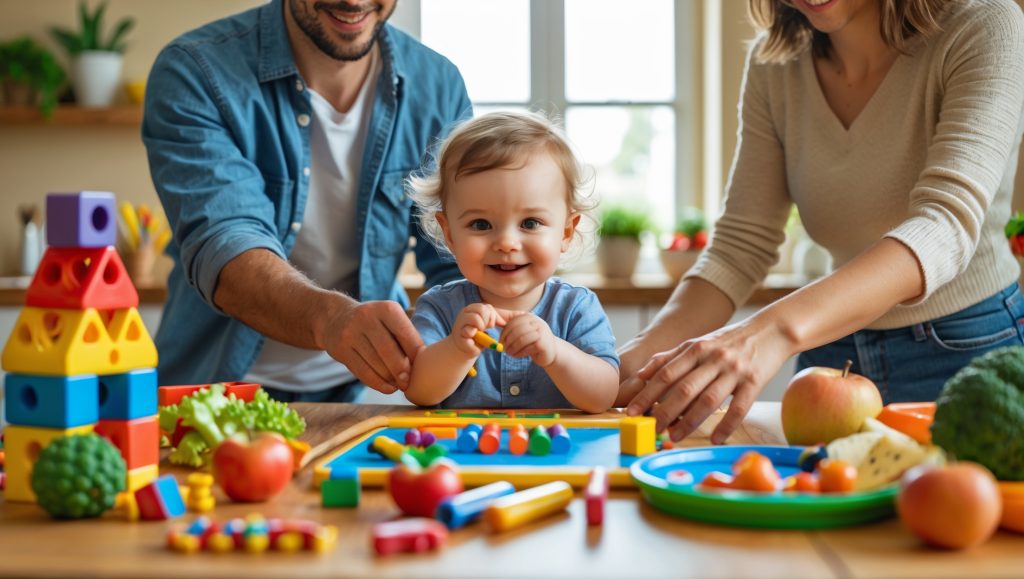
Picky eating is a common phase for many children, often leading to mealtime battles and parental frustration. While it is natural for kids to assert independence through food choices, persistent picky eating can cause concern for families eager to provide balanced nutrition. In 2025, a growing body of evidence suggests that play—and the thoughtful use of toys—can be a powerful ally in supporting children as they navigate new foods and routines. This article explores how toys and playful routines can create a positive, low-pressure environment, helping children feel more comfortable with trying unfamiliar tastes and textures. We’ll provide practical strategies, highlight frequent mistakes, and offer a handy checklist for U.S. parents looking to foster healthy eating habits through play.
Understanding Picky Eating: Developmental Perspectives
Picky eating typically emerges between ages 2 and 6, coinciding with a child’s growing sense of autonomy. For some children, this phase is brief; for others, it can persist into later childhood. Experts point out that food neophobia—a reluctance to try new foods—is a normal developmental stage. Children are learning to assert choices, develop preferences, and sometimes seek control in a world that feels unpredictable.
While every child is unique, several factors influence picky eating:
- Temperament: Some children are naturally cautious, making them more hesitant about new tastes.
- Parental modeling: Children observe family attitudes toward food. Positive modeling can encourage openness.
- Past experiences: Previous negative experiences (e.g., choking, pressure to eat) can reinforce food refusals.
- Family mealtime routines: Predictable, calm meals set the stage for exploration.
The Role of Play in Encouraging New Foods
Research increasingly supports the value of playful exposure to food, both at and away from the table. Play helps reduce anxiety, fosters curiosity, and creates positive associations with new foods. Here’s how toys and playful routines can help:
Food-Themed Toys for Familiarization
Play kitchens, pretend food sets, and toy grocery carts allow children to explore new foods in a pressure-free context. Through imaginative play, children can touch, name, and “prepare” foods they might otherwise reject at the table. This repeated, low-stakes exposure builds familiarity and often leads to increased willingness to taste in real life.
Sensory Play and Texture Exploration
Children often have strong reactions to food textures. Sensory toys—such as textured balls, play dough, or kinetic sand—introduce children to a range of tactile experiences. These activities can make children more comfortable with the varied sensations of real foods, supporting gradual acceptance.
Routine and Ritual: Using Toys to Structure Mealtime
Transitioning to mealtime can be challenging for picky eaters. Special mealtime toys (like a favorite placemat, timer, or utensil set) can serve as cues that it’s time to eat, helping reduce power struggles. These routines foster predictability, which is reassuring for young children.
Evidence-Informed Strategies for Parents
While there is no one-size-fits-all solution, several evidence-informed approaches can help families support picky eaters through play and routine:
- Repeated exposure: Children often need to encounter a new food 10–15 times before they feel comfortable tasting it. Playful exposure counts!
- Non-food rewards: Stickers, stamps, or extra playtime can reinforce positive mealtime behaviors without creating pressure.
- Role modeling: Parents and siblings eating a variety of foods encourages imitation.
- Choice and autonomy: Offering small choices (e.g., selecting a plate or utensil) helps children feel in control.
- Descriptive praise: Noticing effort (“You touched the broccoli!”) is more effective than focusing on outcomes (“Good job eating it”).
Choosing Toys to Support Mealtime Success
Toys can be thoughtfully selected to complement family routines and address picky eating. Here are some categories and examples to consider:
- Pretend food sets: Look for sets that include a variety of colors, shapes, and “foods”—from vegetables to grains—to spark curiosity.
- Play kitchens and accessories: Encourage collaborative cooking and role play. Children love mimicking real-life meal prep.
- Food puzzle toys: Chunky wooden puzzles featuring fruits, vegetables, and other foods can help with identification and familiarity.
- Sensory toys: Non-food sensory materials (like play dough or textured mats) can help children get comfortable with different textures.
- Mealtime role play sets: Doll feeding kits or “restaurant” play can normalize new foods through pretend scenarios.
- Personalized tableware: Plates, cups, or utensils with favorite characters make mealtime more inviting.
Common Mistakes
- Pressuring children to eat: Forcing bites or using bribes can increase resistance and negative associations with food.
- Using food as a reward or punishment: This can interfere with a child’s ability to self-regulate and enjoy meals.
- Excessive focus on eating: Drawing too much attention to what or how much a child eats can lead to power struggles.
- Ignoring the role of play: Overlooking the benefits of play-based exposure misses an important tool for easing food fears.
- Offering limited variety: Serving the same “safe” foods repeatedly can reinforce picky patterns.
- Comparing siblings or peers: Comparing children’s eating behaviors can create anxiety and competition.
- Not involving children in food choices: Failing to offer age-appropriate roles in shopping, preparing, or serving food can reduce engagement.
Quick Checklist
- Incorporate food-themed toys and pretend play into daily routines.
- Use sensory play activities to introduce new textures.
- Establish consistent mealtime routines with playful cues (placemats, special utensils).
- Model curiosity and positivity around new foods.
- Offer choices to foster autonomy (food, tableware, seating).
- Encourage repeated, low-pressure exposure to new foods.
- Celebrate effort and exploration, not just eating.
- Involve children in shopping and meal prep whenever possible.
- Avoid pressuring, bribing, or shaming children for their food preferences.
- Stay patient; progress with picky eating takes time.
FAQ
+How do food-themed toys help with picky eating?
+Is it okay to let my child play with their food?
+What if my child refuses to eat at all?
+How can I make mealtime less stressful?
+Are there toys I should avoid for picky eaters?
+How often should I introduce new foods through play?
+Should I involve my child in grocery shopping or meal prep?
Conclusion
Picky eating is a normal part of childhood, but it doesn’t have to be a source of constant stress. By harnessing the power of play and choosing the right toys, families can gently support children through this stage. Remember, progress is often gradual, and patience is key. Focus on building positive associations, celebrating curiosity, and involving your child in playful routines at home. With time, many children broaden their food preferences and learn to enjoy a wider variety of foods—making mealtimes happier and more harmonious for the whole family.

Navigating picky eating is a common challenge for many US families, but play-based strategies offer a refreshing, evidence-informed approach. Research highlights that children are more willing to try new foods when mealtime feels fun and pressure-free. Playful tools—like food-themed toys, pretend kitchens, and tactile games—can transform anxiety into curiosity, helping kids engage with new textures, colors, and flavors in a relaxed setting.
Introducing playful elements doesn’t mean mealtimes become chaotic. Instead, parents can use toys and role-play to create positive associations with food. For example, letting children “cook” with toy vegetables, or sort play foods by color, builds familiarity and excitement. These activities invite conversation about nutrition and food groups, supporting learning through hands-on discovery. Evidence suggests that repeated, low-pressure exposure to new foods—especially in a playful context—leads to greater acceptance over time.
Ultimately, playful tools are not just about distraction—they’re about empowerment. When children feel in control and involved, their willingness to taste and enjoy diverse foods grows. Parents can foster a lifelong healthy relationship with food by blending evidence-based insights with creative, toy-driven strategies at the table.
- Use food-themed toys for pretend play before meals
- Encourage sorting or “cooking” games with play foods
- Involve kids in setting the table with colorful, playful utensils
- Keep mealtime light and pressure-free for positive food experiences
We’re on a budget and I wonder if you’ve found certain basic household items can substitute for store-bought sensory toys when working on texture acceptance before breakfast?
It’s wonderful that you’re seeking creative, budget-friendly ways to help your child explore new textures. Many safe household items can be great substitutes: 1) Offer clean, damp washcloths for gentle touch and wringing activities. 2) Use uncooked oats or rice in a shallow bowl for supervised finger play—just watch for mouthing, especially under age 3. 3) Let your child crumple, tear, or squeeze paper or foil. 4) Allow supervised squishing of ripe banana or mashed potatoes for edible sensory play. Always supervise closely and ensure no small items present a choking risk. This isn’t medical advice; if you’re concerned, check in with your pediatrician.
My child spends a lot of time with their grandparents, and they often introduce foods from our cultural background that my child is unfamiliar with. Are there any playful routines or toys you would recommend specifically for helping kids warm up to traditional foods that might seem unusual compared to what they eat at home?
It makes sense to want your child to feel comfortable with new, traditional foods shared by grandparents. Try setting up pretend play meals with toy kitchen sets using play versions of these foods, so your child can explore textures and names in a low-pressure way. Invite grandparents to join in pretend cooking or food discovery games, making it a family bonding activity. Let your child help choose, wash, or arrange real ingredients with supervision, empowering them through participation. For children under 3, ensure toys and foods are free from choking hazards. This isn’t medical advice; if you’re concerned, check in with your pediatrician.
My child’s grandparents sometimes worry about food toys being a choking hazard or causing confusion with real food at the table. Are there specific safety guidelines we should follow when using play kitchens with younger children?
It’s understandable to want to keep play safe and clear for little ones. For toddlers and preschoolers, choose food toys that are large enough not to fit in their mouths (check for parts under 1.25 inches for children under 3), made from non-toxic materials, and free from small detachable pieces. Supervise play, especially with mixed-age groups. To avoid confusion, keep real food at the table and explain when something is pretend versus real. This isn’t medical advice; if you’re concerned, check in with your pediatrician.
When introducing new foods using play, is it better to let my child lead the activity or should I gently encourage them to explore certain foods through the toys? Sometimes my child only picks the foods they already like when pretending.
It’s completely normal to wonder how much to guide your child during food play, especially when they stick to familiar favorites. Start by letting your child lead the activity so they feel comfortable and in control. You can then gently introduce new foods into the play scenario without any pressure—offer them alongside their preferred choices. Model curiosity by pretending to taste or talk about new foods with the toys. Keep all food pieces age-appropriate (no choking hazards, safe textures) and supervise closely. Remember, genuine interest often grows from repeated, low-pressure exposure. This isn’t medical advice; if you’re concerned, check in with your pediatrician.
When packing sensory toys for travel, what are some safe and easy-to-clean options for a two-year-old who sometimes still puts things in their mouth? I want to encourage texture exploration but I worry about safety on the go.
It’s understandable to want travel-friendly sensory toys that are both safe and stimulating for your toddler. For a two-year-old who mouths objects, choose large, one-piece silicone sensory balls, textured teething rings, and soft, sealed water mats—these are less likely to pose choking hazards and are easy to clean with soap and water or wipes. Avoid toys with small detachable parts or fabric that traps moisture. Always supervise play, especially in new environments. This isn’t medical advice; if you’re concerned, check in with your pediatrician.
Do you have advice for working playful food activities into our schedule when we barely have energy for dinner some nights? Our evenings are so rushed with work and bedtime routines. Can these play ideas be quick or used on weekends instead?
It’s completely understandable to feel stretched thin during busy evenings. Playful food activities can be simple and flexible: try setting out a plate of colorful veggies for your child to arrange into smiley faces while you prep dinner, or invite them to pick a ‘mystery’ fruit to taste together on weekends. You could encourage food play during grocery shopping or let your child help stir or sprinkle toppings. These ideas can be quick—just a few minutes—and can easily move to less hectic times like weekends. Always supervise, especially with toddlers, and stick to age-appropriate foods to avoid choking hazards. This isn’t medical advice; if you’re concerned, check in with your pediatrician.
My child is extremely sensitive to food textures and can get overwhelmed easily. Are there low-mess sensory play options that work well for picky eaters and are simple to clean up afterwards?
It’s understandable to want sensory play ideas that don’t add extra stress or mess. Try exploring dry sensory bins using dry pasta, rice, or large beans—these offer varied textures without stickiness. For a food-safe twist, let your child handle dry cereal or crackers with different shapes, encouraging touch but not pressure to eat. Offer silicone baking cups or small containers for sorting and pouring, supporting gentle exposure. Always supervise closely, especially with small items, to prevent choking. Remember, it’s okay to go slow and keep sessions brief. This isn’t medical advice; if you’re concerned, check in with your pediatrician.
We have a tiny apartment and not much budget for extra toys. What are a couple of simple, effective playful tools you’d suggest that won’t cost a fortune or clutter up our kitchen?
It’s understandable to want practical options that fit a small space and a tight budget. Try using everyday kitchen items like silicone muffin cups or small containers for food sorting and arranging, which can turn mealtimes playful without new purchases. Let your child use a clean paintbrush or spoon to explore new textures and ‘paint’ sauces on their plate. Both ideas work well for toddlers and preschoolers with supervision, and avoid small parts that could be a choking risk. This isn’t medical advice; if you’re concerned, check in with your pediatrician.
My child is especially sensitive to sticky or slimy textures. Are there specific types of sensory play or food toys you recommend to help children like this gradually become more comfortable with those sensations?
It’s understandable to want to help your child get comfortable with tricky textures like sticky or slimy foods. Try starting with dry sensory play materials (like rice or beans) and gradually introduce slightly damp items, such as play dough or damp sponges, before moving up to stickier options like cooked pasta or gelatin in a playful, low-pressure way. Use utensils or gloves at first, letting your child control how much they touch. Food toys shaped like familiar foods but made of soft silicone can also help, as they allow safe, supervised exploration without the mess. Always supervise closely and avoid small parts that could be a choking risk. This isn’t medical advice; if you’re concerned, check in with your pediatrician.
If my child is particularly sensitive to textures, should we start with certain sensory toys before using others? Is there a recommended order or type of sensory activity that works best for kids with strong reactions to different sensations?
It’s understandable to want to help your child feel comfortable exploring new textures. For kids sensitive to sensations, start with gentle, dry, and familiar materials like soft fabrics or smooth blocks before moving to wet or sticky items. Let your child watch or touch with just a fingertip at first, and slowly increase exposure as they gain confidence. Keep sessions brief and positive, and always supervise closely to ensure safety and prevent overwhelm. Adjust activities to your child’s age—avoid small parts or materials they might mouth if under three. This isn’t medical advice; if you’re concerned, check in with your pediatrician.
My child is especially sensitive to textures and strong smells in food. Are there particular types of sensory activities or toys that have been shown to work better for kids who are reluctant to even touch certain foods?
It’s understandable to want gentle ways to help your child with strong food sensitivities. You might try dry sensory bins (like rice or pasta) so your child can get used to different textures in a non-food context. Play with soft modeling dough or kinetic sand can help, too. For smells, introduce mild scents with play (like scented stickers or scratch-and-sniff books) before tackling food odors. Always avoid small pieces that could be choking hazards, especially for younger children, and supervise play. This isn’t medical advice; if you’re concerned, check in with your pediatrician.
As we start potty training, our daily schedule is shifting a lot. How can we keep mealtime routines predictable enough for a picky eater while still being flexible enough to handle spontaneous potty sessions and accidents?
It’s completely understandable to want both routine and flexibility as you balance potty training and picky eating. Try to anchor meals and snacks around consistent times, but allow a 10–15 minute buffer before or after for unexpected bathroom needs. Keep mealtimes calm and brief—even 15–20 minutes is fine if your child needs a potty break. You might offer a visual schedule or gentle verbal reminders so your child feels secure about what comes next. For safety, supervise during meals and ensure foods stay age-appropriate for your child’s chewing skills. This isn’t medical advice; if you’re concerned, check in with your pediatrician.
My child gets especially picky around new textures, especially with foods made by their grandparents. How can sensory toys be used to help with specific cultural dishes that may have unusual textures for them?
It’s understandable to want your child to feel comfortable with family foods that might seem unfamiliar. Try introducing sensory toys that mimic the textures in those cultural dishes—like soft play dough for sticky rice or squishy balls for gelatinous foods—letting your child squish, poke, or roll them before mealtime. Invite your child to help ‘cook’ with pretend food toys that match the shape and texture of the real ingredients. Gradually encourage them to touch and smell the actual food before tasting it, always letting them set the pace. Keep sessions short, fun, and supervised, ensuring all toys are safe and age-appropriate. This isn’t medical advice; if you’re concerned, check in with your pediatrician.
With all the play kitchens and pretend food sets available, are there particular features or materials you’d recommend that hold up well with rough play and don’t take up too much space in a small apartment?
It’s great that you want a durable and space-friendly play kitchen for your child. Look for compact sets made from solid wood or high-quality BPA-free plastic—these materials tend to withstand rough handling better than thin plastic or cardboard. Choose sets with smooth edges and securely attached parts for safety, especially for kids under 3. Stackable or foldable designs can help save space, and sets with fewer small pieces make cleanup easier and minimize choking hazards. This isn’t medical advice; if you’re concerned, check in with your pediatrician.
We have a small apartment and limited storage space. Do you have suggestions for compact or multi-use nature play toys that still support positive mealtime routines for picky eaters?
It’s understandable to want engaging tools that fit your space and your child’s needs. Consider a small divided tray or bento box for exploring textures and colors—these double as meal and play items. Silicone muffin cups can be used for sorting foods during meals and for sensory play with dry beans or safe, edible items. Stacking cups or nesting containers work for pretend play and serving snacks. Always supervise young children with small parts and choose food-safe, easy-to-clean materials. This isn’t medical advice; if you’re concerned, check in with your pediatrician.
My son is very sensitive to sticky or mushy textures and refuses most fruits because of it. Would regular sensory play with toys really help him get over this, or should we try something more food-specific?
It’s understandable to worry when your child rejects certain textures, especially with healthy foods like fruit. Sensory play with non-food toys can gently build comfort with new sensations, but to address specific food aversions, try including food-based sensory play, like letting your son squish fruit pieces or dip fingers in applesauce—always supervised and without pressure to eat. Start with less sticky options, and keep sessions brief and fun. Over time, this can help reduce anxiety around textures. Remember to avoid potential choking hazards and allergens. This isn’t medical advice; if you’re concerned, check in with your pediatrician.
You mention play kitchens and pretend food sets for picky eaters. Are there certain types of food-themed toys that are safer or more suitable for younger toddlers, like one-year-olds, who still put things in their mouths?
It’s great that you’re thinking about safe options for your one-year-old’s play. For this age, choose food-themed toys that are large enough not to be a choking hazard (look for pieces bigger than 1.25 inches across), made from non-toxic, BPA-free materials, and free of small detachable parts. Soft plush or sturdy wooden food toys are generally safer than hard plastic sets with tiny accessories. Always supervise play to prevent mouthing of any unexpected pieces, and regularly inspect toys for wear or damage. This isn’t medical advice; if you’re concerned, check in with your pediatrician.
We have a pretty busy evening routine, so adding extra playtime before meals can feel overwhelming. Do you have tips for simplifying or streamlining playful food exploration when time is tight before dinner and bedtime?
It’s completely understandable to feel stretched when your evenings are already packed. Try involving your child in one simple food-related play task, like arranging vegetable sticks into shapes on their plate, letting them pick a dinner color theme, or offering a quick taste test with two new foods. Even a minute or two spent naming foods or making funny faces with peas is impactful. Choose activities that don’t create extra mess or prep work. For busy evenings, keep things age-appropriate and supervise your child, especially with small foods. This isn’t medical advice; if you’re concerned, check in with your pediatrician.
If my child is more interested in the pretend play aspect than actually sitting down to eat, how can I gently transition from playful food exploration to tasting real foods without making it feel forced?
It’s completely normal to want your child’s food play to lead to actual eating, and your patience is so important. To ease the transition, start by inviting your child to help prepare food during play, like sprinkling cheese or arranging fruit, making the process a fun part of the routine. Offer tiny tastes on a play plate, letting your child decide if or when to try. Model tasting foods yourself with enjoyment, without pressure for them to copy you. Keep play sessions short and relaxed, then gradually shift towards snack time with the same foods. Always supervise, especially with small or new foods. This isn’t medical advice; if you have concerns, check in with your pediatrician.
I’m concerned about toy safety since young kids often put things in their mouths during play. Are there particular features or materials I should look for when selecting sensory or food-themed toys that support healthy eating habits?
It’s understandable to worry about safety when little ones explore new toys with their mouths. For sensory or food-themed toys, choose items labeled for your child’s age and made from non-toxic, BPA-free materials. Look for toys without small parts that could pose a choking risk and avoid those with easily detachable pieces. Soft, washable surfaces are best for younger children, and always supervise play, especially with pretend food items. If your child has allergies, check for latex, soy, or other potential allergens in the materials. This isn’t medical advice; if you’re concerned, check in with your pediatrician.
Sometimes my child gets overwhelmed by new textures, even during sensory play. Are there gentle ways to introduce textured toys without causing more anxiety about food sensations?
It’s understandable to want to ease your child’s anxiety around new textures, especially if it affects both play and eating. Try starting with familiar or favorite toys that have only slight variations in texture. Introduce one new textured toy at a time, letting your child explore at their own pace and without pressure. Keep sessions short and positive, and model gentle curiosity by touching and describing the toy together. For toddlers, always supervise closely and avoid toys with small parts or potential allergens. This isn’t medical advice; if you’re concerned, check in with your pediatrician.
Given environmental concerns, many parents prefer wooden toys, but plastic pretend food sets seem more common and sometimes more detailed. Have you noticed if the type of material influences children’s willingness to interact with and eventually taste real foods?
It’s thoughtful to consider how toy materials might affect your child’s eating experience. Research hasn’t shown a clear link between the material—wood or plastic—and a child’s willingness to try new foods. Kids tend to respond more to how play is structured: modeling, gentle encouragement, and repeated exposure matter most. For younger children (under 3), choose larger, non-toxic pieces for safety, regardless of material. If you prefer wooden toys for environmental reasons, that’s fine—just engage your child in pretend play with enthusiasm, helping them make connections to real foods. This isn’t medical advice; if you’re concerned, check in with your pediatrician.
Is it better to set aside a separate time for food-related play with toys, or can these activities be incorporated right into our regular mealtime routines? I’m trying to figure out what would feel less stressful for my child.
It’s thoughtful that you’re considering what will feel least stressful for your child. For some children, separate food play outside of mealtimes can reduce pressure and let them explore at their own pace—especially if new foods are a source of anxiety. Others might benefit from gentle, playful interactions with real foods during meals, like making faces with veggies together. Start by observing your child’s reactions: if they seem overwhelmed at meals, try food play separately first. Always supervise, use age-appropriate toys, and avoid small parts for younger kids. This isn’t medical advice; if you’re concerned, check in with your pediatrician.
We have a small apartment with limited space for toys. If I had to pick just one playful tool to help with picky eating, would a food-themed play set or sensory toys make a bigger impact for an 18-month-old?
It’s great that you’re thoughtfully choosing a single tool to encourage eating in a small space. For an 18-month-old, a compact food-themed play set often makes a bigger impact: it encourages pretend play around foods, helps toddlers explore meals without pressure, and models positive eating behaviors. Choose sturdy pieces that are too large to swallow and easy to clean. If you pick a set, try simple role-play together, like ‘feeding’ a doll or pretending to cook. Always supervise play at this age. This isn’t medical advice; if you’re concerned, check in with your pediatrician.
Sometimes I find it hard to stick to a routine with my baby at meals, especially with naps and teething changing our daily schedule. How important is it to be consistent with mealtime rituals at this age, or is some flexibility okay while still encouraging new foods?
It’s completely understandable to feel challenged by changing routines during naps and teething. For babies, having a general mealtime structure helps them feel secure, but some flexibility is absolutely okay, especially during times of discomfort or disrupted sleep. Try to keep a few consistent rituals—like washing hands together or using the same highchair—while being gentle with yourself about timing. Offer new foods when your baby seems alert and calm, and don’t worry if some meals are shorter or skipped. Always supervise eating, especially with new textures, and remember this isn’t medical advice; if you’re concerned, check in with your pediatrician.
You mention using favorite utensils and placemats to make mealtimes smoother. How do I introduce these new routines if my child gets upset when we change anything about dinner time?
It’s understandable to feel concerned when changes upset your child at mealtimes. Start by introducing the new utensils or placemats during a calm playtime, letting your child explore them without pressure. Next, use them alongside their usual items for a few meals so your child can choose. Offer lots of praise for small steps, like touching or naming the new item. Keep the rest of the mealtime routine familiar, making only one change at a time. Always supervise to ensure safety, especially with younger children and small parts. This isn’t medical advice; if you’re concerned, check in with your pediatrician.
We are raising our kids with both Spanish and English at home, and sometimes it takes longer for them to get comfortable with new routines. Do you have any tips for using playful tools at bedtime that work across both languages, so it feels consistent and fun?
It makes sense to want bedtime routines to feel smooth and familiar in both Spanish and English. Try using picture books and songs that alternate languages or include both together, so the tools feel natural to your family. Use a visual bedtime chart with images and simple words in both languages—let your child help decorate it for ownership. Choose a favorite stuffed animal or puppet who ‘speaks’ both languages, narrating each step in the routine. Repetition and playful consistency help kids anticipate what comes next, even if language shifts. Always supervise younger children with small items. This isn’t medical advice; if you’re concerned, check in with your pediatrician.
When choosing between wooden and plastic toy food sets for sensory and mealtime play, is there any evidence that kids respond differently to the textures or colors of these materials when becoming familiar with new foods?
It’s great that you’re thinking carefully about how toy materials might affect your child’s comfort with new foods. Research suggests that children are often drawn to colorful, easily recognizable play food, regardless of whether it’s wood or plastic, but plastic sets usually offer more vivid colors and smoother textures, which can help with familiarization. Wooden toys tend to have more muted colors and varied textures, which may be less appealing to some picky eaters but can offer valuable sensory experiences for others. For toddlers and preschoolers, always check for non-toxic paints, smooth edges, and supervise play to avoid choking hazards. This isn’t medical advice; if you’re concerned, check in with your pediatrician.
Are there any safety considerations I should keep in mind when choosing sensory toys for a toddler who still sometimes mouths objects during playtime?
It’s great that you’re thinking about safety while encouraging sensory play for your toddler. Choose toys labeled for ages 1–3, as these are designed without small parts that can be swallowed. Avoid items with loose pieces, batteries, or long cords. Look for non-toxic, BPA-free materials and washable surfaces, since toddlers may put toys in their mouths. Always supervise closely during play, and regularly check toys for wear or damage. This isn’t medical advice; if you’re concerned, check in with your pediatrician.
My child is almost five and still has a strong tendency to put small objects in her mouth. Is it safe to use pretend food sets at this age, or should I be looking for larger, more basic toys to avoid choking hazards?
You’re right to be cautious about safety given your child’s ongoing habit of mouthing objects. For a five-year-old who still puts things in their mouth, it’s best to choose pretend food sets with large, simple pieces that cannot fit entirely in their mouth. Avoid sets with small parts, loose accessories, or realistic miniature foods. Always supervise play closely and explain why certain toys are safer. You might also involve your child in tidying up to help prevent stray pieces. This isn’t medical advice; if you’re concerned, check in with your pediatrician.
The article mentions that mealtime routines can help with picky eating. How do you suggest incorporating playful tools into a daily schedule without making mealtimes feel like a chore for parents?
It’s understandable to want mealtimes to feel relaxed, not like extra work. Try keeping playful tools—like colorful plates, fun utensils, or food cutters—within easy reach so you can include them quickly, not as a big event. Let your child pick out a tool or placemat before meals to give them some control. Rotate just one or two playful elements at a time rather than using everything at once, keeping things simple. For young children, always supervise and avoid items with small parts. Most importantly, remember you don’t need to be perfect—if a tool feels too much on a busy day, it’s okay to skip it. This isn’t medical advice; if you’re concerned, check in with your pediatrician.
How can the strategies in the article be adjusted for toddlers who need extra iron in their diet? For instance, is there evidence that playful food exploration works differently with iron-fortified cereals than with purees or meat-based foods?
It’s great that you’re focusing on your toddler’s iron needs while navigating picky eating. You can use playful exploration with iron-rich foods by offering small tastes of iron-fortified cereals, purees, or soft meats during food play—let your child touch, smell, and squish these foods without pressure to eat. Present bite-sized pieces or mash meats to prevent choking and keep the texture toddler-friendly. Rotate between iron-fortified cereals, purees, and meats to see which your child responds to best, as research suggests playful strategies can encourage acceptance across different food types. Always supervise, watch for allergies, and adapt textures based on your child’s developmental stage. This isn’t medical advice; if you’re concerned, check in with your pediatrician.
Are there specific types or brands of play kitchen toys that tend to work best for building food familiarity, especially for families on a budget or with limited storage space?
It’s wonderful that you’re looking to encourage food familiarity without breaking the bank or overcrowding your home. For young children, simple, open-ended play kitchen sets—like a small set of plastic or wooden fruits and vegetables—are great for imaginative play and easy to store. Look for sets that include a variety of colors and textures, and avoid tiny pieces if your child is under three, to prevent choking hazards. Repurposing real kitchen items, like clean plastic bowls or spoons, can also be effective and space-saving. Always supervise play, especially with younger kids. This isn’t medical advice; if you’re concerned, check in with your pediatrician.
For families on a tight budget or with limited space, do you recommend any particular types of toys that offer the most flexibility and impact for supporting healthy eating habits?
It’s great that you’re thinking creatively about supporting your child’s eating habits, even with space and budget limits. Choose washable silicone food molds or cutters for sensory food play—they’re affordable, easy to store, and can make trying new foods more fun. Small pretend kitchen sets or even just a mixing bowl and spoons invite role play and food exploration without taking up much space. Consider a set of stackable, colorful containers for sorting or serving snacks, encouraging independence and curiosity. Always supervise young children, and select items free from small parts or choking hazards. This isn’t medical advice; if you’re concerned, check in with your pediatrician.
If my child is sensitive to certain textures, should I focus more on gentler sensory toys in the evening, or is it okay to keep experimenting with a variety even right before bedtime?
It’s completely understandable to want peaceful evenings if your child is sensitive to textures. For bedtime routines, gentle sensory toys—like soft fabrics or simple fidget items—can help avoid overstimulation and support relaxation. Save new or varied textures for earlier in the day, when your child is more alert and less likely to become overwhelmed. Always supervise play, especially if toys have small parts or unfamiliar materials. This approach respects your child’s comfort while still allowing for gradual exploration. This isn’t medical advice; if you’re concerned, check in with your pediatrician.
How should parents balance the use of pretend food toys with offering real foods at the table? Is there any risk that children will become too attached to play scenarios and avoid actual tasting experiences?
It’s understandable to want a good balance between playful learning and real eating experiences. Try offering pretend food toys during playtime to build familiarity and positive associations with new foods, but keep mealtimes focused on real foods to reinforce the difference. Encourage your child to help prepare simple snacks to bridge play and reality. If your child seems reluctant to transition from pretend to actual tasting, use gentle encouragement and model tasting yourself. For toddlers and preschoolers, always supervise play and be mindful of small parts. This isn’t medical advice; if you’re concerned, check in with your pediatrician.
Is there any risk that using certain mealtime toys—like a favorite placemat or special utensils—could become a crutch or make transitions harder in settings outside our home, like at school or grandparents’ houses?
Your concern about relying too much on mealtime tools is very thoughtful. To help your child adapt, try using their special items only at home and gradually introduce meals without them. Practice eating in different settings at home with and without the toy, so transitions feel less abrupt. Before outings, talk to your child about what to expect and bring a comforting, portable item only if needed. Pick toys or tools that are easy to clean and free from small parts if your child is under 3. This isn’t medical advice; if you’re concerned, check in with your pediatrician.
My son is very sensitive to certain textures and gets upset even during sensory play. Are there specific types of sensory toys you’d recommend starting with for kids who are hesitant, and how do I know when to move to more complex textures?
It’s understandable to want gentle ways to help your son with his texture sensitivities. Start with sensory toys that are soft and familiar, like smooth silicone blocks or plush fabric balls, and offer them during calm, non-meal times. Introduce new textures gradually—let him look, touch, or even just hold the toy before encouraging more interaction. If he’s comfortable, try slightly different materials, such as velvety or rubbery toys, always keeping pieces large and safe for his age to prevent choking. Watch his reactions and only move to more complex textures when he seems curious or relaxed. This isn’t medical advice; if you’re concerned, check in with your pediatrician.
When it comes to using food-themed toys for familiarization, are there certain types of pretend food or play kitchen sets that work better for toddlers just starting this phase, or should we just use whatever we already have at home?
It’s great that you’re thinking carefully about how to help your toddler get comfortable with new foods. For little ones just starting to explore, choose chunky, easy-to-hold pretend foods made from safe, non-toxic materials, and avoid small pieces that could pose a choking risk. Soft plastic or wooden food sets often work well, but using simple items from your kitchen (like clean cups or spoons) is also fine for early play. Keep the play supervised and age-appropriate, focusing on fun and relaxed exploration. This isn’t medical advice; if you’re concerned, check in with your pediatrician.
I noticed you suggest using play kitchens and pretend food sets to help with picky eating. Are there specific brands or types of toy food sets you’d recommend that don’t include small parts? I worry about choking hazards for kids under 3, and some of these sets have a lot of tiny pieces.
Your concern about choking hazards for little ones under 3 is completely valid. When choosing play kitchens or pretend food sets, look for those labeled for ages 18 months or 2 years and up, as these usually avoid small parts. Opt for larger, one-piece play foods made of wood or chunky plastic, and avoid sets with detachable pieces like cuttable fruits or velcro sandwiches. Always supervise play and regularly check that nothing is damaged or coming apart. This isn’t medical advice; if you’re concerned about safety, consult your pediatrician or check product recalls before buying.
For a three-year-old who gets bored quickly with toys, how often should I rotate or introduce new food-themed play items to maintain their interest and support their willingness to try new foods?
It’s understandable to want to keep your three-year-old engaged and open to trying new foods. For a child this age, rotating or introducing new food-themed play items every 1–2 weeks can help maintain novelty without overwhelming them. Observe which items capture their interest, and swap out less-used toys for ones with new textures or pretend food types. Offer play items that are large enough to avoid choking hazards and easy to clean. Always supervise play to ensure safety. This isn’t medical advice; if you have ongoing concerns, check in with your pediatrician.
How much time should we spend on food-themed play each day to see an impact on our toddler’s picky eating? Is it better to do shorter, more frequent play sessions with pretend food, or longer, less frequent ones?
It’s completely understandable to want to make the most of playtime to help with picky eating. Research suggests that toddlers often benefit from short, frequent play sessions—around 5 to 10 minutes each—rather than long, occasional ones. Aim for daily pretend food play if possible, keeping it light and pressure-free. This regular exposure helps your child feel more comfortable with new foods over time. Always supervise closely, especially with small play food pieces, and ensure everything is age-appropriate and safe. This isn’t medical advice; if you’re concerned, check in with your pediatrician.
When trying to help my toddler get enough iron, I’m not sure if I should focus on cereals or purees. Do playful routines or toy-based exposure work better with one type over the other, especially if my child dislikes certain textures?
It’s understandable to want to encourage iron intake when your toddler is selective about foods. For toddlers who dislike certain textures, playful routines like pretend feeding dolls or using toy kitchen tools can help familiarize them with both cereals and purees in a low-pressure way. Try offering small tastes of both forms during play, letting your child choose which feels best. Soft cereals and smooth purees can be explored with safe spoons or cups, but always supervise to prevent choking. Remember, at this age, texture sensitivity is common and often improves with gentle exposure. This isn’t medical advice; if you’re concerned, check in with your pediatrician.
I’m concerned about the safety of some sensory toys you listed. Do you have recommendations for safe, non-toxic materials for sensory play that are appropriate for toddlers who might still put things in their mouths?
It’s great that you’re thinking carefully about toy safety for your toddler. For little ones who mouth objects, choose sensory toys made from food-grade silicone, untreated wood (beeswax- or food-grade oil-finished), or 100% cotton fabrics. Avoid small parts, loose fillings, or toys with paint that isn’t labeled non-toxic. Always supervise play and check for wear and tear regularly. Soft, washable items and edible sensory materials (like cooked pasta or homemade playdough with safe ingredients) are also good options. This isn’t medical advice; if you’re concerned, check in with your pediatrician.
My kid’s super sensitive about certain textures. Should I focus more on food-based sensory play, or is using things like play dough and kinetic sand just as helpful?
It’s understandable to wonder which sensory activities best support your child’s comfort with textures. Start by offering non-food sensory play, like play dough or kinetic sand, which lets your child safely explore different sensations without pressure to eat. Over time, you can try gentle food-based play—think dry pasta or cool fruit slices—always supervised and age-appropriate to avoid choking or allergies. Follow your child’s lead and keep experiences low-pressure. Both types of play build sensory tolerance in different ways. This isn’t medical advice; if you’re concerned, check in with your pediatrician.
My 4-year-old can get very distracted by pretend play, so I wonder how long should we let her play with food toys before mealtime without it interfering with her appetite or overall routine?
It’s great that you’re mindful of how pretend play might affect your child’s appetite and routine. To support a smooth transition, you could limit food toy play to about 10–15 minutes before meals, making it a clear, time-bound activity. Use a gentle 5-minute warning before transitioning to the table, and involve your child in simple mealtime prep as a bridge. For a 4-year-old, this duration allows for fun without overexcitement or reduced hunger. Always supervise play with toys, ensuring no small parts are present. This isn’t medical advice; if you’re concerned, check in with your pediatrician.
If my child prefers to play with food rather than eat it at meals, should I lean into that or try to gently redirect? I don’t want to encourage bad habits, but I also want her to feel comfortable exploring.
It’s understandable to want your child to feel safe exploring while also encouraging good eating habits. At mealtimes, consider allowing a bit of play, like touching or stacking foods, especially for toddlers and preschoolers—this is developmentally appropriate and can actually reduce food anxiety. Set clear boundaries by having the expectation that food stays at the table and isn’t thrown. Try offering one or two foods for tactile exploration, then gently guide attention to tasting. Supervise closely to ensure safety and avoid choking hazards. This isn’t medical advice; if you’re concerned, check in with your pediatrician.
If my three-year-old seems interested in pretend food sets but ignores real veggies at the table, should I encourage more play or try to blend the toy and real food experiences together? What has research found most successful in bridging this gap?
It’s great that you’re noticing your child’s interests and looking for ways to make real food more appealing. Research suggests combining pretend play with real food experiences can help picky eaters become more comfortable with new foods. You might let your child ‘cook’ with toy veggies, then help you wash or arrange the real versions. Offer low-pressure opportunities to touch, smell, or decorate plates with real veggies, keeping things playful. Always supervise play with both toys and food to ensure safety, especially to prevent choking or mouthing non-edible items. This isn’t medical advice; if you’re concerned, check in with your pediatrician.
Are there specific benefits to using a special mealtime utensil set versus a routine like a favorite timer or placemat for easing transitions to the table? How do you decide which approach will work best for a particular child?
It makes sense to wonder whether a fun utensil set or a mealtime routine tool is more effective for easing your child to the table. Both can help, but benefits vary: special utensils often encourage sensory exploration and independence for ages 2 and up, while routines like timers or placemats provide predictability and help children who need structure. Try introducing one approach at a time and observe how your child responds—some kids are motivated by novelty, others by consistency. Always supervise with new utensils, especially with younger children. This isn’t medical advice; if you’re concerned, check in with your pediatrician.
Do you have suggestions for simple, affordable play kitchen items or pretend food sets that are easy to store in a small apartment? I want to try food-themed play but need to keep things minimal.
It’s great that you want to encourage food-themed play even with limited space. Try a small basket with a few soft fabric or felt pretend foods, as these are lightweight, easy to clean, and can be tucked away easily. Re-purpose clean, empty food boxes or containers from your kitchen for pretend play—they’re free and space-saving. A simple mini cutting board and a child-safe wooden knife set are compact and support fine motor skills. Always ensure pretend food has no small parts if your child is under three and supervise play. This isn’t medical advice; if you have concerns, check in with your pediatrician.
Are there any safety tips for choosing food-themed toys when you also have a crawling baby who puts everything in their mouth? I worry about small pieces or mixed ages during playtime.
It’s completely understandable to worry about safety when little ones explore with their mouths. Choose food-themed toys that are large, sturdy, and labeled for ages under 12 months or for all ages, as these are less likely to include small or breakable parts. Check for secure seams and avoid any toys with detachable pieces that could pose a choking risk. Supervise mixed-age play closely, and if older children have tiny accessories, set up a special play area out of baby’s reach. Always check for non-toxic materials and easy-to-clean surfaces. This isn’t medical advice; if you’re concerned, check in with your pediatrician.
My child gets overwhelmed by new sensations and can be sensitive to strong smells and textures. Are there certain sensory toys you would avoid for highly sensitive kids, or ways to introduce them gently?
It’s understandable to want to support your sensitive child as they explore new sensations. For highly sensitive kids, avoid sensory toys with intense scents, sticky textures, or sudden loud noises, as these can be overwhelming. Start by introducing toys with gentle, familiar textures—like soft fabrics or smooth balls—and allow your child to touch them at their own pace. Offer one new item at a time in a calm, quiet setting, and observe their reactions closely. If your child seems hesitant, model gentle play or explore the toy together. Always supervise with smaller items to ensure safety. This isn’t medical advice; if you’re concerned, check in with your pediatrician.
How should parents store sensory toys used for food exploration? Is it better to keep them separate from regular toys or even kitchen tools, especially for kids who get easily overwhelmed by clutter or too many choices?
You’re thoughtful to consider how storage impacts your child’s comfort and focus. Try designating a special bin or basket for sensory food exploration toys, separate from both regular toys and kitchen tools. This helps kids who are sensitive to clutter by reducing visual overwhelm and clarifying what each item is for. Store these toys out of reach when not supervised, especially if they have small parts or could get messy. Clean them thoroughly after each use to prevent bacteria growth. This isn’t medical advice; if you’re concerned, check in with your pediatrician.
How can I use special mealtime toys as cues for transitioning to meals if our daily routine isn’t always predictable? Sometimes we eat earlier or later than planned, and I’m not sure how to make the routine feel consistent for my child.
It’s completely understandable to want consistency for your child, even when daily routines shift. Try choosing one special, age-appropriate mealtime toy that only comes out at meals, so your child associates it with eating time, no matter when that is. Give a gentle verbal cue as you bring out the toy, like ‘It’s mealtime now,’ to reinforce the connection. Involve your child by letting them help set the table with the toy, making the transition more predictable. Always supervise use, especially with small parts or textured toys, to keep things safe. This isn’t medical advice; if you’re concerned, check in with your pediatrician.
I noticed you mention using sensory toys like textured balls and play dough to help with food texture aversions. Do you have tips on how to introduce these kinds of toys to a toddler who’s already resistant to messy play? I’m worried it might cause more frustration for my child.
Your concern about adding frustration for your toddler is completely understandable. Start by letting your child simply look at and hold the sensory toy without any pressure to engage in messy play. Offer a dry cloth nearby so your child knows they can clean their hands anytime. You might model touching the toy yourself to show it’s safe and fun. Keep sessions brief and positive, and praise your child for any interaction, no matter how small. Always use non-toxic, age-appropriate toys and supervise closely to ensure safety. This isn’t medical advice; if you have ongoing concerns, check in with your pediatrician.
If I plan to invest in some food-themed toys for my toddler, what should I consider in terms of safety and washability, especially since these toys might end up in my child’s mouth or near real food during play?
You’re wise to think ahead about safety and cleanliness with food-themed toys for your toddler. Choose toys made from non-toxic, BPA-free materials and avoid small parts that could pose a choking hazard. Look for products labeled dishwasher safe or those that can be easily washed with soap and water. Soft toys or plush foods should be machine washable. Always supervise play, especially if toys are near real food or likely to be mouthed. This isn’t medical advice; if you’re concerned, check in with your pediatrician.
I’m overwhelmed by all the toddler feeding toys and gadgets on the market. For a 7-month-old, which playful tools really make the biggest impact, and are there simple, budget-friendly options that don’t take up too much space?
It’s completely understandable to feel overwhelmed by all the feeding products out there. For a 7-month-old, focus on simple tools like a soft, easy-grip silicone spoon for self-feeding practice and a suction bowl to minimize spills. Soft, food-grade silicone feeders allow safe exploration of new textures and flavors. Small, easy-to-clean mats or bibs help contain mess without cluttering your space. Always prioritize BPA-free, age-appropriate items and supervise closely to prevent choking. This isn’t medical advice; if you’re concerned, check in with your pediatrician.
Could you clarify how to adapt the sensory play ideas for younger toddlers, especially those who still put things in their mouths? I want to introduce more food-themed play, but I am not sure which toys are truly safe and age-appropriate for a very active two-year-old.
You’re right to prioritize safety and age-appropriateness with a curious two-year-old. For this age, stick to larger, non-toxic toys without small parts—think chunky plastic food or silicone kitchen tools. Sensory play can include real foods like cooked pasta, banana slices, or yogurt for squishing and exploring, since these are safe if tasted. Always supervise closely, and avoid items that could pose a choking risk or contain allergens. Wipe down play surfaces before and after to keep things hygienic. This isn’t medical advice; if you’re concerned, check in with your pediatrician.
My child is very sensitive to any sticky or mushy textures—she even refuses to touch certain finger foods. Is there a best starting point for sensory play that could gently help her be less reactive, or should I focus on firmer textures first?
It’s understandable to want to help your child feel more comfortable around different textures. Start with firmer, dry materials like uncooked pasta, dry rice, or blocks for sensory play—these feel less overwhelming than mushy or sticky foods. Once she’s at ease, you can gradually introduce slightly softer textures, such as play dough or peeled fruit, always letting her lead the pace. Encourage, but don’t force, any contact, and keep sessions short and positive. Always supervise closely, especially with small items, to ensure safety. This isn’t medical advice; if you’re concerned, check in with your pediatrician.
We’ve used play kitchens with our toddler but I also have a newborn who wants to join in soon. Do you have suggestions for how to adapt food-themed pretend play so it is safe and engaging for both little ones at the same time?
It’s great that you want both your toddler and newborn to enjoy food-themed pretend play together. Try using large, soft play food items that are too big to be a choking risk and easy for small hands to hold. Set up a low, safe play area where your newborn can watch and interact—soft mats work well. Offer simple utensils or cups that are baby-safe and easy to clean. Always supervise closely, especially with small pieces or moving parts. This isn’t medical advice; if you’re concerned, check in with your pediatrician.
If my child dislikes getting his hands messy, even with play dough or finger paints at daycare, what alternative sensory play options could help with food texture acceptance without causing him distress?
It’s understandable to want sensory activities that respect your child’s comfort with messiness. Try dry sensory bins with items like rice, beans, or pasta, which offer tactile input without stickiness. Offer utensils or scoops to let your child interact without direct hand contact. Explore sensory play with fabrics, textured balls, or silicone food toys to gently introduce variety. You might also encourage water play, which is less messy and can still build sensory confidence. Always supervise and choose age-appropriate materials to avoid choking hazards. This isn’t medical advice; if you’re concerned, check in with your pediatrician.
If I want to introduce play kitchens and pretend food sets to my preschooler who has a strong aversion to vegetables, how do I do this without making it feel like a trick or adding pressure around mealtime?
It’s wonderful that you want to make food experiences positive for your preschooler. Start by letting your child lead the play with the kitchen and pretend food sets, focusing on fun rather than food rules. Include a variety of toy foods, including vegetables, without emphasizing them—just let them be part of everyday play. Join in occasionally, modeling curiosity, but avoid asking your child to taste real vegetables right away. Keep all play separate from actual meals to reduce pressure. Ensure all toys are age-appropriate and free of small parts. This isn’t medical advice; if you’re concerned, check in with your pediatrician.
If my child enjoys pretend cooking more than actually eating new foods, should I be concerned, or is the play process enough to help expand their diet over time?
It’s totally normal to wonder if pretend cooking will actually help your child try new foods. Pretend play is a positive step—it builds comfort with food without pressure. Try inviting your child to help with real food prep, like washing veggies or stirring batter, to bridge play and eating. Gently offer new foods alongside favorites during meals, but let your child decide if they want to taste. Stay patient, as exposure often comes before eating. Always supervise for safety and avoid small parts if your child is under three. This isn’t medical advice; if you’re concerned, check in with your pediatrician.
You mention that routine and ritual, like using a favorite mealtime placemat or timer, can help transition picky eaters. How long should a typical mealtime routine last at this age so it feels effective but not overwhelming?
You’re thoughtful to want a routine that supports your child without overwhelming them. For toddlers and preschoolers, aim for a mealtime routine that lasts about 20 to 30 minutes—enough time to eat without feeling rushed or bored. Start by signaling mealtime with a favorite placemat or song, then let your child know when there are five minutes left using a gentle timer. Keep transitions predictable but flexible if your child is especially tired or distracted. Always supervise young children and avoid small objects that could be choking hazards. This isn’t medical advice; if you’re concerned, check in with your pediatrician.
Budget and space are tight in our home. Are there simple, low-cost ways to create playful food exposure for babies without buying a whole toy kitchen set or lots of extra toys, especially when starting allergen introduction?
It’s absolutely understandable to want to keep things simple and affordable, especially when space is limited. You can use everyday items: let your baby safely explore clean measuring spoons, silicone spatulas, or empty plastic containers during meal prep. Offer safe strips or chunks of allergenic foods on a highchair tray for your baby to touch and smell. Turn snack time into a game by stacking or sorting soft foods, always with close supervision. Focus on easy clean-up and avoid small parts to reduce choking risk. This isn’t medical advice; if you’re concerned or have questions, check in with your pediatrician.
Our mealtime routine is pretty inconsistent because of my work schedule. Do you have ideas for simple, playful rituals or toys that could help create more predictability for my language-delayed child, even if our meal times change from day to day?
It’s understandable to want more predictability for your child, especially with a shifting schedule. Try using a special placemat or soft toy that always appears at meals, signaling it’s time to eat. You could sing a short, familiar song as you set the table, or use a picture card to show that mealtime is starting and ending. These simple, visual or sensory cues can help a language-delayed child feel secure, even if the timing varies. Choose items that are easy to clean and safe for your child’s age—no small parts. This isn’t medical advice; if you’re concerned, check in with your pediatrician.
For parents on a budget or trying to keep things simple, which playful tools or routines do you think give the best results for encouraging new foods without buying lots of new toys?
It’s great that you want to encourage new foods while keeping things simple and budget-friendly. Try using what you already have at home: let your child help wash or arrange foods, use cookie cutters to make fun shapes, or offer tastings in an ice cube tray for variety. Make up silly names or stories for new foods to add a playful touch. Always supervise young children, especially if small items are involved. This isn’t medical advice; if you’re concerned, check in with your pediatrician.
My child loves kinetic sand and play dough but sometimes gets overwhelmed by sticky or slimy textures at the table. Do you have tips for helping super-sensitive toddlers bridge the gap between comfortable play textures and real food experiences?
It’s great that you notice your child’s comfort with certain textures and their sensitivity at mealtimes. To help bridge the gap, start by playing with food-themed kinetic sand or dough to make the idea of food less intimidating. Gradually introduce safe, non-sticky real foods (like dry crackers or banana slices) during playtime, letting your child explore with their hands without pressure to eat. Offer gentle encouragement, and celebrate small steps, like touching or smelling new foods. Always supervise and ensure play materials are non-toxic and age-appropriate to prevent accidental ingestion. This isn’t medical advice; if you’re concerned, check in with your pediatrician.
I noticed the article mentions using pretend food sets and sensory toys to help kids try new foods. For infants under a year old, are there specific types of toys that are safest or most effective for sensory play at mealtime?
It’s wonderful that you’re thinking about safe, effective ways to introduce sensory play at mealtime for your infant. For babies under a year old, choose soft, easy-to-clean toys designed for mouthing, such as silicone or food-grade plastic teething rings and textured spoons. Large, one-piece sensory balls or fabric toys with different textures are also safe if they cannot be swallowed or have small parts. Always supervise closely during play and avoid any items with detachable pieces or potential choking hazards. This isn’t medical advice; if you’re concerned, check in with your pediatrician.
We have twins with opposite nap schedules, so sometimes one is awake while the other is eating. Can you suggest playful tools or mealtime routines that work well for families when siblings can’t always eat together?
It’s understandable to want mealtimes to feel positive, even with different nap schedules. Try creating a special mealtime basket with age-appropriate, safe toys (like soft play food or easy-to-clean utensils) so the awake twin can play nearby while the other eats. Rotate a few sensory items—think silicone mats or textured cups—to keep interest high. For the eating child, involve them in simple food prep or playful presentation, like arranging veggies in fun shapes. Always supervise closely and avoid small parts to prevent choking. This isn’t medical advice; if you’re concerned, check in with your pediatrician.
We have a family routine where meals are usually rushed because of work schedules. Do you have suggestions for quick playful rituals or specific toys that could help even when we have limited time at the table?
It’s understandable to want meaningful mealtime moments even on a tight schedule. Try a five-minute ‘food color hunt,’ where your child names or points out different colors on their plate. Use a small, washable toy like a food-safe animal figurine to ‘pick’ the first bite, making the choice fun. Keep a set of textured spoons or forks on hand and let your child pick one each meal. Even a quick mealtime song can create a playful atmosphere. Just ensure any toys are large enough to avoid choking hazards and easy to clean. This isn’t medical advice; if you’re concerned, check in with your pediatrician.
If my child is especially sensitive to textures and avoids certain foods, should I focus more on sensory play away from the table before introducing food-themed toys, or try both approaches at once?
It’s completely understandable to want to support your child’s comfort with new textures. For children who are sensitive to textures, starting with non-food sensory play away from the table can gently build tolerance without any pressure to eat. Once your child seems more comfortable, you might introduce food-themed toys, keeping play low-pressure and fun. Offer a variety of safe, age-appropriate textures, always supervising closely with small toys. Move at your child’s pace and celebrate small steps. This isn’t medical advice; if you’re concerned, check in with your pediatrician.
If my child is particularly sensitive to textures and refuses to touch certain foods, how often should we incorporate sensory play with textured toys? Is every day too much, or should I try to keep it to a few times a week?
It’s completely understandable to want to support your child if they’re sensitive to food textures. Sensory play with textured toys can be helpful—start with short sessions (5–10 minutes) a few times a week, and watch how your child responds. Daily play is fine for most children, but follow your child’s cues and avoid overwhelming them. Use age-appropriate, non-toxic toys, and always supervise closely, especially with younger children. This isn’t medical advice; if you’re concerned, check in with your pediatrician.
My child often refuses foods because of how they feel, not just taste. You mention using sensory toys like textured balls and play dough—should these be introduced right before meals, or is it better to do sensory play at a separate time during the day?
It’s understandable to want to help your child feel more comfortable with different food textures. Sensory play with items like textured balls and play dough is usually most effective when done separately from mealtimes, as this lets your child explore new sensations without the pressure to eat. Try scheduling sensory play earlier in the day or at a different time, making sure all materials are age-appropriate and non-toxic, especially for children under 3. Always supervise to avoid mouthing or choking hazards. This isn’t medical advice; if you’re concerned, check in with your pediatrician.
If my child seems to enjoy pretend food play but it does not actually lead to them tasting new foods during meals, should I try a different approach or just keep being patient and let the play continue for a while?
It’s understandable to hope pretend play will quickly lead to tasting new foods. Pretend food play builds familiarity and comfort, but it may take time before your child feels ready to try real foods. Continue allowing playful exposure without pressure. You can gently invite your child to help with safe, age-appropriate food prep, offer tiny tastes during play, or let them serve food to you or a favorite toy. Always supervise, especially with small items. Patience is key—progress can be slow, and that’s okay. This isn’t medical advice; if you’re concerned, check in with your pediatrician.
If a child is a bit older—say, around 7—and still has strong picky eating tendencies, would the toy-based strategies discussed here still be effective, or do you recommend adjusting the approach to fit their age and interests?
It’s understandable to wonder if playful strategies still work for older kids who are picky eaters. For a 7-year-old, you can adapt toy-based approaches by involving them in meal planning, food-themed games, or simple cooking activities that feel more ‘grown up.’ Try letting your child help choose new foods to explore, use age-appropriate utensils or tools, and encourage playful challenges like taste tests with a reward chart. Always ensure foods are safe and cut into manageable pieces. This isn’t medical advice; if you’re concerned, check in with your pediatrician.
My daughter is six, and picky eating seems to be sticking around longer than with her siblings. Should I use the same playful tools with an older child, or are there age-specific strategies for making food play feel appropriate and engaging?
It’s understandable to wonder if playful food tools still fit for your six-year-old. Older children often enjoy more “grown-up” roles, so try inviting her to help plan meals, pick recipes, or arrange food creatively—this hands-on involvement keeps things playful but age-appropriate. You can also turn food exploration into simple science experiments or taste tests, letting her rate flavors or guess ingredients. For safety, keep an eye on any small utensils or foods that could be choking hazards, and avoid allergens. This isn’t medical advice; if you’re concerned about her nutrition, check in with your pediatrician.
Can you clarify how to fit playful routines or special mealtime toys into a busy daycare schedule? Do you have any suggestions for making transitions to group meals smoother for a child who is slow to warm up to new foods?
It’s understandable to want smoother mealtimes while respecting your child’s pace with new foods. Consider introducing a simple, washable mealtime object—like a soft placemat or a favorite spoon—just for group meals, which signals comfort and routine without disrupting the daycare’s schedule. Before meals, try a brief, familiar song or hand game to mark the transition and give your child a moment to adjust. Ask caregivers if your child can help with a small setup task, like handing out napkins, to build comfort. Ensure all items are age-appropriate, free of choking hazards, and easily sanitized. This isn’t medical advice; if you’re concerned, check in with your pediatrician.
Do you have any suggestions for how to store all these different food-themed toys and sensory play items so they don’t take over my kitchen?
It’s completely understandable to want your kitchen to stay organized while supporting your child’s sensory play. Try using clear, lidded bins or baskets to separate food-themed toys from real kitchen items. Label each container with pictures for younger children who can’t read yet. Rotate a few toys out at a time to keep play fresh and reduce clutter. Always keep small pieces and sensory items out of reach of children under three, and supervise play with messy or edible materials. This isn’t medical advice; if you’re concerned, check in with your pediatrician.
Buying new toys for food-themed play can get expensive and takes up space. Are there ways to use household items creatively as playful tools for supporting picky eaters, or do you think the benefits mostly come from the specialized toys?
You’re absolutely right to consider cost and clutter when encouraging playful approaches to picky eating. Everyday household items can be just as effective as specialized toys. Try using clean measuring cups or spoons for scooping and sorting, muffin tins for creating colorful food “palettes,” or cookie cutters to make playful shapes from safe, age-appropriate foods. Even silicone ice cube trays work well for tasting new foods in tiny portions. Always supervise young children, watch for small parts or choking hazards, and ensure everything is washed thoroughly. This isn’t medical advice; if you’re concerned, check in with your pediatrician.
My child is almost seven and still struggles with trying new foods. Are these playful techniques with food-themed toys and sensory play still effective with older children, or do you recommend adjusting the approach as kids get older?
It’s understandable to wonder if playful strategies are still helpful as your child grows older. Many seven-year-olds can still benefit from sensory play and food-themed toys, but you may need to adapt these techniques to feel more age-appropriate. Try involving your child in food-related board games, simple cooking or food prep tasks, or playful tasting challenges where they help set the rules. Encourage curiosity rather than pressure, and let your child take the lead in exploring new foods. Always supervise sensory activities and avoid small parts that could be a choking hazard. This isn’t medical advice; if you’re concerned, check in with your pediatrician.
I am interested in trying sensory toys for texture exploration, as mentioned in the article. What should I look out for to ensure these toys are safe and age-appropriate, especially when it comes to avoiding choking risks?
Your attention to safety and your child’s exploration is so important. When choosing sensory toys for texture play, check that they are labeled for your child’s age range and made from non-toxic materials. Avoid toys with small, detachable parts if your child is under three years old to reduce choking risk. Large, one-piece items like textured balls or silicone mats are often safer. Always supervise play to ensure toys stay out of your child’s mouth, especially for little ones learning through mouthing. This isn’t medical advice; if you’re concerned, check in with your pediatrician.
For parents using pretend food sets, is there a guideline on which kits are safest for younger kids who might try to chew on the toys? I’m always worried about pieces being too small or breaking off during play.
You’re right to be concerned about safety with pretend food sets, especially for little ones who still explore with their mouths. Choose kits labeled for ages 3 and up, but for toddlers under 3, look for larger, solid pieces (at least 1.25 inches across) with no detachable or breakable parts. Avoid sets with small accessories or realistic-looking pieces that could be mistaken for real food. Opt for BPA-free, non-toxic plastics or unfinished wood, and inspect toys regularly for cracks or loose parts. Always supervise your child during play. This isn’t medical advice; if you’re concerned, check in with your pediatrician.