
Introduction
In 2025, many U.S. families are searching for meaningful ways to support their children’s growth, imagination, and well-being. Open-ended toys—those without a single, fixed purpose—are increasingly recognized for their role in fostering creativity, problem-solving, and independent play. When paired with food play and age-appropriate sensory experiences, these toys can also nurture healthy eating habits, fine motor skills, and family bonding. This guide explores how open-ended toys and thoughtful food play can enrich your child’s development, offering practical recommendations, evidence-informed insights, and tips tailored to modern family life.
Understanding Open-Ended Toys
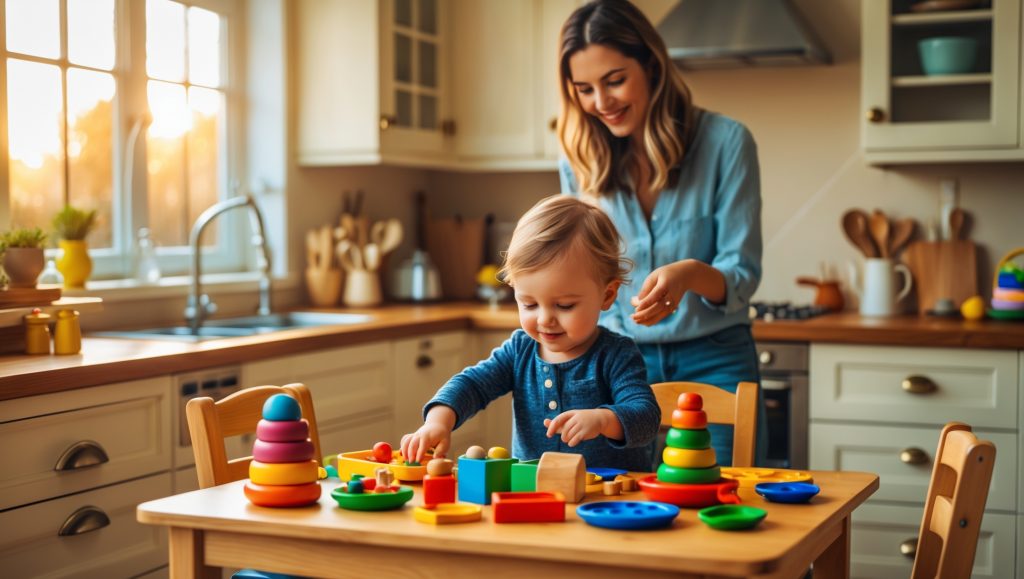
Open-ended toys are designed to spark imagination and encourage children to create their own play scenarios. Unlike toys with a single function or outcome (like a puzzle with one solution), open-ended toys can be used in countless ways, evolving as your child grows. Examples include wooden blocks, play silks, stacking cups, pretend kitchen sets, and realistic play food. These toys invite children to experiment, invent stories, and explore new skills on their own terms.
Benefits for Cognitive and Social Development
Research highlights several advantages of open-ended toys:
- Imagination and Creativity: Children use these toys to act out real-life situations, try different roles, and invent stories—supporting language and creative thinking.
- Problem-Solving: Building, sorting, and experimenting with open-ended materials develops logical thinking and persistence.
- Social Skills: When shared with siblings or friends, open-ended toys encourage cooperation, negotiation, and turn-taking.
- Adaptability: These toys grow with your child, supporting different types of play at various stages—from simple stacking as a toddler to elaborate pretend games in preschool and beyond.
Food Play: Exploring Taste, Texture, and Learning
Food play—using real or play food for hands-on exploration—supports development in unique ways. For babies and toddlers, safe and supervised food play can introduce new textures, colors, and even cultural foods. For older children, pretend cooking, grocery shopping, or restaurant games can encourage curiosity about nutrition and family traditions.
Benefits of Food Play
- Sensory Exploration: Handling different foods or play food items helps children become comfortable with new textures, smells, and even flavors.
- Fine Motor Skills: Scooping, pouring, sorting, and chopping (with child-safe tools or toy versions) practice important hand movements.
- Healthy Habits: Pretend play around food can foster positive attitudes toward trying new foods and mealtime routines.
- Cultural Awareness: Playing with foods from different cultures can spark conversations about family traditions, heritage, and diversity.
Integrating Open-Ended Toys and Food Play at Home
Combining open-ended toys with food play creates rich, layered learning experiences. Here are some practical ways to bring this approach into your home:
- Play Kitchens and Toy Food: Stock a play kitchen with wooden or felt fruits, vegetables, and kitchen utensils. Let your child “cook,” serve, and invent their own recipes.
- Building and Sorting Food: Use blocks to build a pretend grocery store, restaurant, or farm stand. Sort toy foods by color, size, or food group.
- Real Food Exploration (with Supervision): Allow toddlers to touch, smell, and help wash fruits and veggies before meals. Older children can assist with safe food prep, like tearing lettuce or assembling sandwiches.
- Picnic Pretend Play: Spread a blanket inside or outside and let your child set up a picnic, inviting family members or favorite stuffed animals.
- Storytelling with Food: Encourage your child to tell stories about their food creations—where did the food come from? Who will eat it? What adventures might happen at the pretend restaurant?
Age-Based Recommendations for Open-Ended Food Play
Infants (6–12 Months)
- Simple grasping of soft, large toy foods or textured silicone blocks.
- Supervised exploration of real foods (such as ripe banana chunks) to introduce textures and colors.
Toddlers (1–3 Years)
- Stacking cups, chunky wooden fruit, and soft fabric foods for sorting and pretend play.
- Simple pouring, scooping, and transferring with toy kitchenware.
Preschoolers (3–5 Years)
- Play kitchens with accessories, realistic play food, and child-safe tools for imaginative cooking scenarios.
- Role play as chef, server, or shopper to build social and language skills.
Early Elementary (6+ Years)
- Building more complex restaurant or market set-ups, integrating math (counting, making change) and storytelling.
- Helping with family meal prep under supervision—measuring, mixing, or following simple recipes.
Choosing Safe and Developmentally Appropriate Toys
Safety and developmental appropriateness are essential when choosing toys for food play. Here are some considerations:
- Materials: Opt for non-toxic, BPA-free, and easy-to-clean materials like unfinished wood, food-grade silicone, or felt. Avoid toys with small parts for children under 3 years.
- Durability: Select toys that can withstand frequent washing and rough play.
- Realism: Play foods that resemble real produce or common family foods can make the experience more meaningful and relatable.
- Inclusivity: Look for toy sets that include a diverse range of foods, reflecting different cultures and dietary traditions.
Common Mistakes
- Choosing toys with too many electronic features that limit creative play.
- Relying solely on plastic foods or utensils that may not feel realistic or engaging.
- Introducing play foods with small, detachable pieces to young children (choking hazard).
- Over-scheduling playtime, leaving little room for unstructured, imaginative play.
- Expecting children to play independently with new toys right away—some parental involvement and modeling is helpful at first.
- Neglecting to clean play food and kitchen toys regularly, which can lead to hygiene concerns.
- Missing opportunities to connect food play with real mealtime experiences or family traditions.
Quick Checklist
- Choose open-ended toys made from safe, durable, and easy-to-clean materials.
- Rotate toys regularly to keep play experiences fresh and engaging.
- Incorporate pretend food play into daily routines—invite your child to “help” prepare meals or set the table.
- Encourage storytelling and role play around food themes.
- Supervise food play, especially with real foods and younger children.
- Model curiosity and positive attitudes toward trying new foods and experiences.
- Include a variety of foods in pretend play to reflect your family’s culture and explore new traditions.
- Clean toys and play surfaces frequently to maintain hygiene.
FAQ
+What are the best materials for open-ended food toys?
+How do I encourage my child to use open-ended toys creatively?
+Are there ways to connect food play with healthy eating habits?
+What safety tips should I follow for food play with young children?
+How can I make food play culturally inclusive?
+Can open-ended toys support language development?
+How do I know if a toy is truly open-ended?
Conclusion
Open-ended toys and food play offer families a joyful, flexible, and evidence-informed way to support children’s learning and connection. By choosing safe, developmentally appropriate toys and weaving in real and pretend food experiences, parents can nurture creativity, curiosity, and healthy habits that last a lifetime. Whether your child is stacking blocks, preparing a pretend feast, or helping with real meal prep, these playful moments become the building blocks of growth, resilience, and family memories in 2025 and beyond.

Open-ended toys and food play are gaining momentum in 2025 as parents and educators recognize their profound impact on children’s development. These resources invite kids to explore, create, and experiment, transcending the limitations of one-dimensional play. When children engage with open-ended toys—like wooden food sets, play kitchens, or felt groceries—they naturally mimic real-life scenarios, developing language, social skills, and fine motor abilities.
Food play, in particular, offers a unique blend of sensory exploration and imaginative storytelling. Children can pretend to cook, serve, and taste, which not only fosters creativity but also encourages them to try new foods in real life. This approach helps them build a positive relationship with healthy eating from an early age. In the US, many families are integrating multicultural food toys and pretend markets, reflecting diverse tastes and traditions, and supporting cultural understanding.
For parents and caregivers, the key is to provide a variety of open-ended materials and allow children the freedom to direct their own play. By doing so, we nurture curiosity, resilience, and social-emotional growth—skills that last a lifetime.
- Encourages creativity and problem-solving through imaginative scenarios
- Supports fine motor and language development during play
- Promotes openness to new foods and cultural appreciation
- Builds confidence and social skills in collaborative play
My child sometimes gets overwhelmed by strong food smells or unusual textures during real or pretend food play. How can I encourage sensory exploration without causing too much discomfort, especially when introducing cultural foods?
It’s completely normal to want to encourage sensory play while also respecting your child’s sensitivities. Start by introducing new foods or pretend items gradually and allow your child to observe or touch them from a distance before engaging more closely. Offer choices—let your child decide which textures or smells to explore, and keep play sessions short and positive. For cultural foods, involve your child in safe, age-appropriate preparation or play, describing smells and textures beforehand to reduce surprises. Always supervise closely, especially with real foods or small pretend pieces. This isn’t medical advice; if you’re concerned, check in with your pediatrician.
Does the expert advice in this guide suggest that children get more out of having their own set of tried-and-true open-ended toys, or can monthly toy subscription rotations be just as beneficial for skills like creativity and problem-solving?
—it’s natural to want the best environment for your child’s creativity and learning. Both having familiar open-ended toys and trying new ones through subscription rotations can support imagination and problem-solving. If your child is under three, stick to age-appropriate, non-choking-hazard toys, and supervise play. For older kids, rotating toys can keep things fresh and spark new ideas, while a few favorites offer comfort and mastery. Try balancing a core set of beloved toys with occasional new options from a subscription. This isn’t medical advice; if you have concerns about your child’s development, please consult your pediatrician.
We have a small budget and limited space for toys. Are there specific open-ended toys that offer the most flexibility for both food play and night routines, especially for families raising children in two languages?
You’re thoughtfully looking for toys that do double duty, which is a smart way to support your child’s play and routine on a budget. Consider simple wooden blocks or stackable cups—these can be used as pretend food, plates, or even beds during night routines. A set of soft fabric squares or scarves works well too: they become napkins, picnic blankets, or bedtime covers. For bilingual families, make up stories or label items in both languages as you play, encouraging language growth naturally. Always check that toys are age-appropriate, free from choking hazards, and safe for your child’s mouthing and handling. This isn’t medical advice; if you’re concerned, check in with your pediatrician.
My child tends to avoid messy or sticky textures, even with play food or sensory activities. Are there specific types of open-ended toys or food play setups that work better for kids who are sensitive to sensory input?
It’s understandable to want your child to feel comfortable during play, especially if they’re sensitive to certain textures. Start with open-ended toys made from smooth wood or silicone, which are less likely to feel sticky or overwhelming. Try dry sensory bins using rice, beans, or pasta before introducing moist items. For food play, begin with dry, non-messy items like crackers or sliced fruit, letting your child touch or stack them without pressure to taste. Always supervise closely and offer tools like tongs or spoons so your child can interact at their own pace. This isn’t medical advice; if you’re concerned, check in with your pediatrician.
Do you suggest rotating open-ended toys and food play activities on a daily or weekly schedule for toddlers, or is it more beneficial to leave everything accessible all the time for independent play?
It’s great that you’re thinking about how to support your toddler’s curiosity and growth. For most toddlers, rotating open-ended toys and food play activities every week works well—it keeps things fresh without overwhelming them. Try selecting a few toys and activities to leave out, then swap them for different ones each week. Watch how your child engages and adjust rotation frequency as needed. Always supervise food play to prevent choking and check for allergens. Remember, every child is different, so observe what works best for yours. This isn’t medical advice; if you’re concerned, check in with your pediatrician.
My three-year-old has mild sensory sensitivities and sometimes avoids messy food play. Do you have suggestions for gentle ways to introduce food textures or sensory experiences through pretend food play?
It’s understandable to want to help your child feel more comfortable with new textures. Start by offering pretend food toys in a variety of materials, like soft felt or smooth wooden pieces, to let your child explore different sensations without mess. Gradually introduce real foods with familiar, less-messy textures—like dry cereal or cut fruit—alongside pretend play. Use tools like tongs or small scoops to allow safe handling and minimize direct contact. Always supervise your child and watch for small parts. Remember, every child’s pace is different. This isn’t medical advice; if you have concerns, please check in with your pediatrician.
I want to encourage my child to try foods from our family’s culture, but they tend to resist new tastes and textures. Could open-ended play or pretend kitchen games help with this, and do you have any tips for introducing less familiar foods through play?
It’s understandable to want your child to enjoy and feel connected to your family’s cultural foods. Open-ended play, especially with pretend kitchen sets or toy foods, can gently introduce new tastes and textures without pressure. Start by including toy versions of your cultural dishes in play, naming and describing them together. Invite your child to help ‘prepare’ or ‘serve’ these foods in pretend games, then let them help with safe, real-life food prep like washing veggies. Offer tiny tastes alongside familiar favorites during play picnics. Always supervise to prevent choking, and keep play food age-appropriate, avoiding small parts with younger children. This isn’t medical advice; if you’re concerned, check in with your pediatrician.
For working parents with a busy schedule, what are some manageable ways to integrate open-ended and food play into daily routines without feeling overwhelmed?
It’s completely understandable to want enriching play for your child without stretching yourself too thin. Try setting out a small basket of open-ended toys like blocks or play silks for independent use while you prep meals. Involve your child in simple, safe food play—like washing veggies, stirring batter, or arranging fruit—so you can connect during necessary tasks. Consider designating one night a week for a ‘sensory dinner,’ with finger foods or dips. Rotate toys to keep them fresh without adding clutter. Always supervise young children, especially around food to prevent choking. This isn’t medical advice; if you’re concerned, check in with your pediatrician.
Do you have recommendations for adapting open-ended toy play at night for children with sensory sensitivities, especially during our Spanish-English bedtime routine? Sometimes my preschooler gets overwhelmed after busy days, and I want this time to be soothing.
You’re thoughtful to want bedtime to feel soothing for your preschooler, especially after stimulating days. Try choosing soft, quiet open-ended toys like plush dolls, fabric blocks, or large wooden pieces, avoiding small parts and loud textures. Dim the lights and use gentle background music in both Spanish and English to ease transitions. Offer simple, repetitive pretend play—like tucking a toy into bed or saying goodnight in both languages—to create a calming routine. Always supervise, and make sure toys are age-appropriate and free from allergens or rough textures. This isn’t medical advice; if you’re concerned, check in with your pediatrician.
Are there ways to adjust food play activities for children with sensory sensitivities, who might be hesitant to touch certain textures or try new pretend foods?
Your thoughtfulness around your child’s sensory sensitivities is so important. Start by offering just one or two familiar textures during food play—think dry cereal or soft cloth fruits—and allow your child to observe or interact at their own pace. Use tools like tongs or spoons so they can participate without direct hand contact. Gradually introduce new textures, always letting your child lead and say no if they need to. Keep play sessions short and predictable, and always supervise closely to ensure safety. This isn’t medical advice; if your child’s sensitivities seem intense, a pediatrician or occupational therapist can offer more support.
When introducing new textures through food play for a 9-month-old, how can I tell the difference between normal hesitation and signs I should pause or switch foods? My baby sometimes pushes certain foods away—should I keep offering them in play scenarios?
It’s completely normal to wonder what your baby’s reactions mean when trying new food textures. At 9 months, some hesitation—like pushing food away or making faces—is typical as they learn about new sensations. Start with soft, safe pieces that dissolve easily, and let your baby explore with their hands under close supervision. If your baby coughs, gags briefly, or seems unsure, pause and try again another day, but avoid forcing the food. Watch for more concerning signs like choking, persistent vomiting, or hives, and stop immediately if you see these. This isn’t medical advice; if you’re concerned, check in with your pediatrician.
My child is sensitive to new textures and sometimes refuses to touch certain foods. Do you have tips for making food play less overwhelming for sensory-sensitive toddlers?
It’s completely understandable to want to make food play comfortable for a sensory-sensitive toddler. Start by offering familiar textures alongside new ones, so your child always has a safe option. Let them use tools like spoons, tongs, or even gloves at first if direct touch is overwhelming. Keep initial sessions short and low-pressure, allowing your child to observe before joining in. Gradually introduce new textures with calm encouragement, but never force participation. Always supervise closely to ensure safety and avoid potential allergens. This isn’t medical advice; if you’re concerned, check in with your pediatrician.
How do you recommend balancing guided play with letting my child lead during pretend kitchen or grocery store games? Should I step back entirely or offer gentle direction at this age?
It’s great that you want to find the right balance—both guided and child-led play support development in different ways. For pretend kitchen or grocery games, try starting by following your child’s lead: observe what sparks their interest and join in at their level. Offer gentle direction only if your child seems unsure or wants ideas, maybe by suggesting a new recipe or pretending to be a customer. Keep your interventions short and positive, allowing them to return to their own storyline. For toddlers and preschoolers, supervision is key for safety with small parts or toy food. This isn’t medical advice; if you have concerns about your child’s play, check in with your pediatrician.
Does the article’s advice change for children who still put toys or food in their mouths sometimes? I want to make sure our playtime is safe before bed since my 3-year-old still does this occasionally.
It’s great that you’re thinking about safety during playtime, especially with a 3-year-old who still mouths objects occasionally. At this age, it’s normal, but you can help by choosing larger open-ended toys without small or detachable parts, and by avoiding materials that could be choking hazards. For food play, stick with foods that are safe to eat and cut them into appropriate sizes. Always supervise closely, especially before bed when children may be tired. Remember, this isn’t medical advice; if you have concerns, check in with your pediatrician.
When using real foods for sensory play, are there particular foods you recommend avoiding for a 2-year-old, either due to choke hazards or mess? I want to make sure our playtime stays safe but still engaging.
It’s great that you’re thinking about both safety and engagement during sensory food play with your 2-year-old. To minimize choking risks, avoid hard foods like whole grapes, raw carrots, nuts, popcorn, and large chunks of any food—stick to soft, easy-to-mash items like ripe banana, cooked sweet potato, or yogurt. Skip honey due to infant botulism risk, and be mindful of small items like peas or corn. For less mess, use foods that are easy to clean up, such as dry cereal or oatmeal. Always supervise closely, and remember, this isn’t medical advice; if you’re concerned, check in with your pediatrician.
Do you have recommendations for how often to rotate open-ended toys and play food items to keep things fresh for toddlers? I sometimes worry my child gets bored or overstimulated with too many options out at once.
You’re thoughtful to notice your toddler’s reactions to toy variety and stimulation. Try rotating open-ended toys and play food every 1 to 2 weeks—putting some away and bringing out others—so your child can focus and rediscover favorites. Limit the number of items out at once, especially for younger toddlers (1–3 toys or play foods), to avoid overwhelm. Choose toys and play foods that are age-appropriate and free of choking hazards, and supervise food play to ensure safety. Remember, every child is different, so adjust based on your child’s interest and attention span. This isn’t medical advice; if you’re concerned, check in with your pediatrician.