
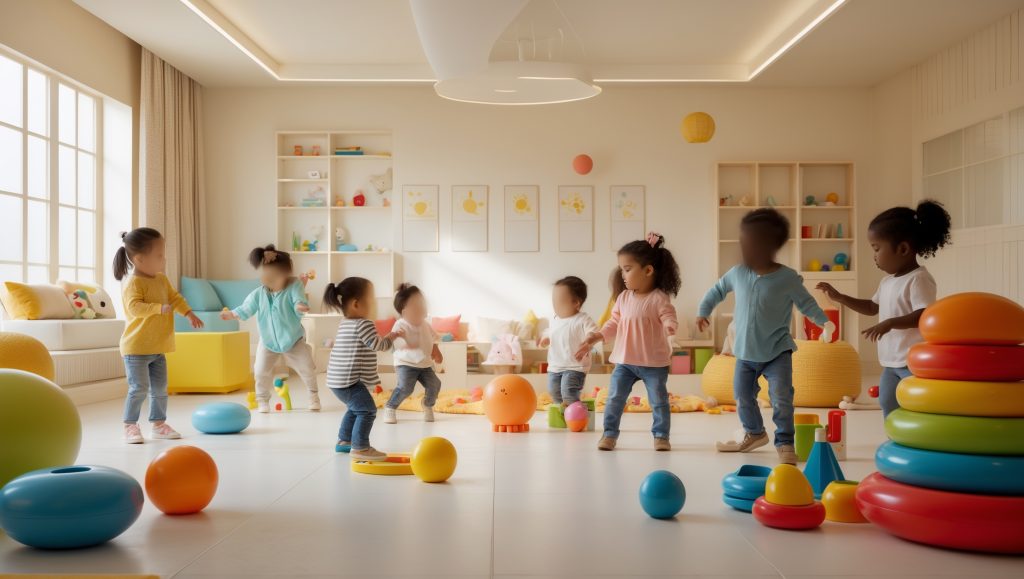
Introduction
Toys are more than just sources of entertainment—they’re essential for learning, development, and family bonding. In 2025, U.S. families have access to an ever-growing range of toys, from classic wooden blocks to high-tech interactive gadgets. However, with this abundance of choice comes a renewed responsibility to ensure that the toys we select for our children are safe, appropriate, and suited to their developmental stages. Toy-related injuries send thousands of children to emergency rooms each year, but most incidents are preventable with evidence-informed practices and careful selection.
This guide will help parents and caregivers understand the latest standards, recognize potential hazards, and make confident decisions about toy safety in 2025. We’ll cover how to choose age-appropriate toys, interpret safety labels, stay informed about recalls, and create a safe play environment at home.
Understanding Toy Safety Standards in 2025
In the United States, toy safety is regulated by the Consumer Product Safety Commission (CPSC), which sets strict guidelines for manufacturers. Toys sold in 2025 must comply with ASTM F963, the Standard Consumer Safety Specification for Toy Safety, alongside other federal regulations. These standards address:
- Small parts: Toys for children under 3 cannot contain small parts that pose a choking hazard. A small parts tester (a tube with the diameter of a young child’s throat) is used to assess risk.
- Lead and toxic chemicals: The use of lead, phthalates, and other hazardous substances is tightly restricted in children’s products.
- Sharp edges and points: Toys must be free from sharp points or edges that could cut or puncture a child’s skin.
- Battery safety: Button batteries and lithium cells must be securely enclosed and inaccessible to children to prevent ingestion or burns.
- Flammability: Fabrics and plastics used in toys must meet fire safety requirements.
Look for the ASTM F963 label, as well as the manufacturer’s age recommendation and any additional warnings. Imported toys, homemade toys, and secondhand items may not meet these standards, so extra caution is needed.
Choosing Age-Appropriate Toys
Selecting toys that match your child’s age and developmental stage is crucial for safety and enjoyment. Age recommendations consider factors like choking hazards, strength, coordination, and emotional maturity.
Infants (0–12 months)
- Choose soft, washable toys with no small parts or removable components.
- Rattles, cloth books, and teething rings are popular and safe when designed for this age group.
- Avoid toys with cords, strings, or ribbons longer than 12 inches to prevent strangulation.
Toddlers (1–3 years)
- Look for sturdy, large toys without detachable small pieces.
- Blocks, shape sorters, and push-pull toys are excellent choices.
- Ensure battery compartments are securely fastened with screws.
Preschoolers (3–5 years)
- Toys may include smaller parts but should still be free of choking hazards.
- Art supplies must be non-toxic and labeled for child use.
- Monitor for magnets, which can cause serious injury if swallowed.
School-Age Children (6+ years)
- STEM kits, building sets, and craft projects can become more complex.
- Supervise use of toys with electrical components or small magnets.
- Continue to check for updated safety recalls and warnings.
Special Considerations
- Children develop at different rates. Always base your choice on your child’s abilities as well as chronological age.
- For households with multiple children, keep toys intended for older children out of reach of younger siblings.
Recognizing Hazards and Red Flags
Even with regulations in place, not every toy on the market is perfectly safe for every family. Awareness of common hazards is vital:
- Choking hazards: Small parts, marbles, balloons, batteries, and magnets are leading causes of toy-related choking incidents.
- Strangulation risks: Cords, ropes, and elastic bands can be dangerous for young children.
- Batteries: Ingested button batteries can cause internal burns within hours.
- Chemical exposure: Cheaply manufactured or counterfeit toys may contain high levels of lead or phthalates.
- Projectile toys: Toys that shoot objects can injure eyes or faces, especially if used improperly.
- Ride-on toys: Scooters, bikes, and powered vehicles require helmets and protective gear.
Check toys regularly for wear and tear, broken parts, or loose components, and remove damaged items promptly.
Staying Informed About Toy Recalls
Despite best efforts, some toys reach the market with hidden defects. In 2025, staying updated is easier than ever:
- Sign up for recall alerts from the CPSC and reputable parenting organizations.
- Check for recent recalls before purchasing toys, especially secondhand items.
- Register new toys with the manufacturer to receive direct notifications about recalls or safety upgrades.
If you discover a recalled toy in your home, stop use immediately and follow the manufacturer’s instructions for return, repair, or disposal.
Creating a Safe Play Environment
Toy safety isn’t just about the products themselves—it’s also about how and where children play. Consider these strategies for a safer play space:
- Supervision: Young children should always be supervised during play, especially with new toys.
- Storage: Store toys for older children separately from those intended for infants or toddlers.
- Regular cleaning: Wash toys regularly to prevent mold, bacteria, and allergen buildup.
- Organize play areas: Keep floors free of tripping hazards and ensure that shelves are stable and anchored.
- Teach safety rules: Encourage children to use toys appropriately and put them away after playtime.
Common Mistakes
- Assuming all toys sold in stores meet the highest safety standards.
- Ignoring age recommendations or warnings on packaging.
- Allowing young children to play with older siblings’ toys containing small parts.
- Overlooking recalls or failing to register new toys for safety notifications.
- Not checking secondhand, homemade, or imported toys for hazards.
- Leaving toys with cords, ribbons, or batteries within reach of infants and toddlers.
- Neglecting to inspect toys regularly for damage or wear.
- Storing all toys together, making it easy for toddlers to access unsafe items.
Quick Checklist
- Check for a valid ASTM F963 label and age recommendation.
- Inspect toys for small parts, sharp points, and secure battery compartments.
- Avoid toys with cords, strings, or ribbons longer than 12 inches for young children.
- Choose non-toxic, lead-free, and phthalate-free materials.
- Register new toys with the manufacturer for recall alerts.
- Supervise play, especially with new, complex, or ride-on toys.
- Separate toys by age group and store them appropriately.
- Regularly check the CPSC’s recall database for updates.
- Teach and model safe play habits for your child’s age and abilities.
FAQ
+How can I tell if a toy is safe for my child’s age?
+What should I do if my child receives a toy from overseas?
+Are secondhand toys safe to use?
+What are the dangers of button batteries and magnets?
+How often should I inspect my child’s toys for safety?
+Where can I find information about recent toy recalls?
+My child has special needs—are there additional toy safety considerations?
Conclusion
Safe play is the foundation for happy, healthy childhoods. By understanding current regulations, choosing age-appropriate products, and staying vigilant about recalls and hazards, families can create rich, secure play environments in 2025 and beyond. Remember: supervision, education, and regular inspection are your best tools for preventing accidents and ensuring that toys remain a joyful part of your child’s life. When in doubt, prioritize safety—and enjoy the many developmental benefits that well-chosen toys can offer.

Toy Safety in 2025: A Comprehensive Guide for U.S. Families
As the toy industry evolves, so do the standards and practices ensuring our children’s safety. In 2025, U.S. families can expect even more rigorous safety measures, thanks to advances in materials science, smarter labeling, and digital monitoring. Parents should look for clear age recommendations and ensure toys are free of small parts that could pose a choking hazard. With the rise of smart toys, safeguarding children’s privacy and monitoring their digital interactions is now just as crucial as checking for physical hazards. Always purchase toys from reputable sources and regularly inspect them for wear and tear, as even the safest toy can become dangerous if damaged. Emphasize open communication with your children about safe play, and stay informed about recalls or updated safety guidelines. By staying proactive and informed, families can confidently provide fun, enriching, and safe play experiences for their kids in 2025 and beyond.
- Check for updated safety labels and age recommendations
- Monitor smart toys for privacy and security features
- Inspect toys regularly for damage or wear
- Stay alert to product recalls and new safety guidelines
Given the potential for small parts and battery risks, does having rotating subscription toys introduce extra safety considerations for families with children of different ages sharing play spaces?
You’re right to be cautious about rotating subscription toys when kids of different ages share play areas. First, always inspect new arrivals for small parts or button batteries, and set aside toys that aren’t age-appropriate for your youngest child. Second, create separate play zones or storage bins for toys suited to different ages. Third, supervise playtime, especially when older siblings have access to toys with small pieces or batteries. Fourth, regularly check that battery compartments are securely fastened. This isn’t medical advice; if you’re concerned, check in with your pediatrician.
Do you recommend rotating high-tech interactive toys differently from classic toys like blocks or books, particularly concerning battery safety and maintenance?
That’s a thoughtful question about keeping play safe and engaging. For high-tech interactive toys, rotate them more frequently to check for battery leaks, loose parts, or software updates. Always store them out of reach when not in use, especially for children under 3, to prevent choking or battery-swallowing risks. Classic toys like blocks or books can be rotated less often since they’re generally lower maintenance, but still inspect for wear or splinters. Supervise all play with high-tech toys, and teach older kids about safe battery handling. This isn’t medical advice; if you’re concerned, check in with your pediatrician.
Do you have advice for families on a tight budget who may receive hand-me-down toys or homemade items for their infant? How can we balance cost-saving with making sure these toys are safely built and suitable for a 9-month-old?
It’s completely understandable to want to save money while keeping your baby safe. For a 9-month-old, inspect all hand-me-down or homemade toys for small, loose, or breakable parts that could pose a choking hazard. Check for peeling paint, sharp edges, or splinters, and be sure any paint is non-toxic and lead-free. Wash and disinfect items thoroughly, especially if they’re made of fabric. Avoid toys with strings longer than 7 inches to prevent strangulation risks. Always supervise playtime. This isn’t medical advice; if you’re concerned, check in with your pediatrician.
How often do you recommend cleaning toys used at the high chair, and are there any cleaning products or methods to avoid to stick with the safety standards mentioned?
It’s great that you’re thinking about keeping high chair toys clean and safe for your child. Wipe down toys that come in contact with food or mouths after each meal using warm, soapy water, and rinse thoroughly. For plastic or silicone toys, a weekly disinfecting soak in a mild bleach solution (1 tablespoon bleach per gallon of water) is appropriate, but always rinse well. Avoid harsh chemicals, antibacterial sprays, and fragranced wipes, which may leave harmful residues. Only use cleaning products labeled as food-safe and non-toxic, and supervise your child when reintroducing toys. This isn’t medical advice; if you’re concerned, check in with your pediatrician.
You mentioned that age recommendations take into account emotional maturity. If my child seems ready for a toy slightly outside their age range, is it safe to introduce it sooner, or should I always stick to the manufacturer’s guidelines?
It’s great that you’re tuned in to your child’s unique development and interests. While some children may appear ready for toys outside their recommended age range, safety guidelines are based on more than just skills—they also consider choking hazards, small parts, and how kids process emotions at different ages. For younger children, always double-check for small parts or sharp edges and supervise play closely. If the toy involves emotional themes, watch how your child reacts and be ready to offer support. When in doubt, err on the side of caution or consult your pediatrician. This isn’t medical advice; if you’re concerned, check in with your pediatrician.
My child has some sensitivity to loud sounds and certain textures. Are there resources or guidelines for identifying toys that are both safe and more suitable for children with sensory sensitivities when following the safety standards outlined for 2025?
You’re thoughtful to seek toys that are comfortable and safe for your child’s sensory needs. Start by choosing toys labeled as suitable for sensory-sensitive children, as more brands are providing clear packaging and sensory descriptors according to updated 2025 standards. Look for options made from soft, non-irritating materials and avoid those with unexpected sounds or rough textures. When possible, test toys in-store or research reviews from other sensory families. Always supervise play and check for small parts or allergen risks, especially for younger children. This isn’t medical advice; if sensitivities are severe or you’re unsure, your pediatrician or occupational therapist can offer tailored recommendations.
Sometimes our grandparents store toys at their house for when the kids visit, but the toys might be a few years old. Does this guide suggest how often we should review or replace older toys to meet 2025 safety standards?
It’s thoughtful to consider the safety of toys your children play with at their grandparents’ house. The guide recommends reviewing all toys annually, especially those more than three years old, to check for updated safety standards, wear, loose parts, and potential recalls. When inspecting, look for broken edges, peeling paint, or small detachable pieces that could be choking hazards, particularly for children under age 3. Always ensure toys meet current safety labels and avoid toys with outdated electronics or batteries. This isn’t medical advice; if you’re concerned, check in with your pediatrician.
When it comes to choosing between classic wooden toys and newer tech gadgets, is one type generally considered safer or more reliable regarding potential hazards mentioned in the guide?
It’s great that you’re thinking carefully about the safety and reliability of different toy types. Classic wooden toys are often safer for younger children since they typically lack batteries, small parts, or sharp edges, but always check for splinters, non-toxic finishes, and sturdy construction. Newer tech gadgets can pose risks like choking hazards (small pieces), button batteries, or data privacy issues; supervise use and check for age-appropriate ratings and secure battery compartments. No toy is risk-free, so regularly inspect all toys for wear and follow the manufacturer’s age guidelines. This isn’t medical advice; if you’re concerned, check in with your pediatrician.
One of my twins loves sensory toys with lots of different textures and parts, but I worry about small pieces since her sibling still mouths things. Any tips for choosing safe sensory toys that still keep both kids engaged?
It’s understandable to want engaging sensory toys while keeping both twins safe, especially with mouthing behaviors. First, choose toys labeled for your youngest twin’s age to ensure no small detachable parts. Second, opt for large, sturdy sensory items like textured balls, silicone mats, or fabric books that can’t be swallowed. Third, inspect toys regularly for wear and tear or loose pieces. Fourth, supervise playtime closely to quickly intervene if a toy becomes unsafe. Finally, rotate a few different safe sensory toys to keep things fresh and interesting. This isn’t medical advice; if you’re concerned, check in with your pediatrician.
Sometimes my toddler puts large wooden blocks in his mouth even though they are not designed for that age range. Should I be worried about potential toxins in the paint or finish, and how can I make sure the blocks are safe for mouthing under 2025 guidelines?
It’s completely understandable to worry when your toddler mouths toys that aren’t specifically made for their age. First, check if the blocks are labeled non-toxic or compliant with current ASTM F963 or CPSIA standards, as these reflect updated 2025 safety rules. Look for any chipping paint or rough edges, and remove blocks that show wear. Consider wiping blocks regularly to minimize germs, and supervise closely since large blocks pose less choking risk but still shouldn’t be mouthed. If the blocks lack clear safety labeling or origin, err on the side of caution and set them aside. This isn’t medical advice; if you’re concerned about exposure or your child’s health, reach out to your pediatrician.
Do you have recommendations for affordable, space-saving toy options in small apartments that still meet all of the 2025 safety standards described, particularly for families with children of multiple ages?
It’s great that you’re thinking about safe, practical toys for a small space with kids of different ages. Start with stackable bins or baskets to keep toys organized and off the floor. Choose multi-use toys like nesting cups, soft blocks, or magnetic tiles that appeal to a range of ages and store compactly. Look for modular play sets certified for 2025 safety standards, checking for age-appropriate labeling to avoid choking hazards for younger kids. Rotate a few toys at a time to reduce clutter and keep play fresh. Always supervise play, especially when older and younger children share toys. This isn’t medical advice; if you’re concerned, check in with your pediatrician.
I have a toddler and a newborn at home and a lot of our toys are hand-me-downs from friends or family. How can I quickly check if older toys or secondhand toys still meet the latest 2025 safety standards or should I just avoid them altogether?
It’s great that you’re thinking about toy safety with a toddler and a newborn at home. To check if older or secondhand toys are safe, first inspect for any broken or loose parts, sharp edges, or peeling paint. Look for safety labels such as ASTM or CPSC, but be aware standards can change—older toys may not meet the latest 2025 guidelines. Avoid toys with small parts, magnets, or button batteries, which pose choking risks, especially with babies. Clean and sanitize all toys before use, and supervise play closely. This isn’t medical advice; if you’re concerned, check in with your pediatrician.
My toddler just turned three, and I’m wondering if I should update our toy rotation schedule to include toys with smaller pieces. How do I know when it’s genuinely safe to introduce new types of toys as kids hit new developmental stages?
You’re thoughtful to consider your child’s readiness for new toys as they grow. At age three, many children can handle slightly smaller parts, but choking hazards are still a concern, so follow manufacturer age recommendations and check that small pieces are larger than 1.25 inches in diameter. Introduce new toys gradually, observing how your child uses and mouths them, and always supervise playtime. If your child still puts toys in their mouth frequently, stick with larger pieces for now. Remember, developmental readiness varies, so regular safety checks and supervision are key. This isn’t medical advice; if you’re concerned, check in with your pediatrician.
How do you recommend balancing a tight toy budget with the need for safe, age-appropriate toys for twins who are not always on the same routine? Are there certain types of toys that are versatile and safe for different ages or stages?
It’s understandable to want safe, suitable toys for twins with different needs while sticking to a budget. Look for sturdy, open-ended toys like blocks, nesting cups, or soft balls—these can engage children at different stages and are generally free from small parts and choking hazards. Choose toys made from non-toxic materials and check labels for age recommendations. Rotate toys to keep interest high, and supervise shared play, especially if one twin is younger. This isn’t medical advice; if you have specific concerns about toy safety or development, consult your pediatrician.
My preschooler loves using kitchen tools for imaginative games, but I worry about things like sharp edges or potential choking hazards. Are there any household items you would definitely recommend avoiding for pretend play based on current safety guidelines?
It’s so thoughtful that you’re considering your preschooler’s safety during imaginative play. For young children, it’s best to avoid items with sharp edges (like real knives, metal peelers, or graters), small detachable parts that could pose a choking risk (such as bottle caps or loose screws), glass objects that can break, and anything heavy or with pinch points (like spring-loaded tongs). Stick to sturdy, child-sized utensils or toys designed for their age. Always supervise their play and periodically check for wear and tear. This isn’t medical advice; if you’re concerned, check in with your pediatrician.
My child is really sensitive to certain textures and loud sounds, so I worry about toys with unexpected noises or rough surfaces. Are there guidelines or labels that help identify toys that are less likely to overwhelm kids who have sensory sensitivities?
It’s completely understandable to want to avoid toys that might overwhelm your child’s senses. Look for toys labeled as ‘sensory-friendly’ or ‘designed for sensory sensitivities,’ as some manufacturers now include this information. When shopping, check packaging for specific material descriptions and noise warnings; some toys carry symbols indicating sound levels or tactile features. Always test toys in-store if possible, or read detailed online reviews for parent feedback about textures and sounds. For younger children, stick to toys with soft, non-irritating materials and avoid those with electronic or surprise sound features. This isn’t medical advice; if you’re concerned, check in with your pediatrician.
My child seems sensitive to some plastics and rubbery materials in certain toys. Are there safer materials I should look for in toys for a 1-year-old, especially concerning possible chemical exposure?
You’re right to be cautious about materials for your 1-year-old, especially with sensitivities and chemical exposures in mind. For this age, look for toys made from untreated wood, food-grade silicone, and organic cotton—these materials are generally less likely to cause reactions and are often free from added chemicals. Avoid toys with strong odors, as these can sometimes indicate chemicals like phthalates or BPA. Always check product labels for safety certifications, and supervise play to prevent mouthing of any questionable items. This isn’t medical advice; if you’re concerned, check in with your pediatrician.
You mention that some sensory toys for toddlers should avoid small, detachable parts. Could you give more detailed guidance on selecting safe materials for sensory bins or playdough kits when my two-year-old is always looking to explore things with her mouth?
You’re right to focus on safety since toddlers love to explore with their mouths. For sensory bins and playdough kits for a two-year-old, choose large, non-detachable items like big silicone blocks or fabric scarves—avoid beads, buttons, or anything smaller than 1.25 inches. If you make playdough, use simple, non-toxic, edible ingredients (like flour, salt, and water), avoiding any choking hazards and allergens. Always supervise play and store materials out of reach when not in use. This isn’t medical advice; if you’re concerned, check in with your pediatrician.
You mention avoiding small parts and removable pieces for toddlers. With older siblings in the house, how can I safely store or rotate toys to keep the unsafe ones out of reach from my language-delayed two-year-old?
It’s great that you’re thinking ahead to keep your toddler safe, especially with older kids around. Start by designating a specific storage area—like a high shelf or locked bin—for toys with small parts. Set clear family rules: only play with those toys in supervised, older-kid spaces, not shared areas. Color-code or label bins for each child’s age group, so everyone knows which toys are for whom. Rotate toys regularly, making sure unsafe items are always put away immediately after use. For your two-year-old, choose sturdy, larger toys without loose pieces, and always supervise playtime. This isn’t medical advice; if you’re concerned, check in with your pediatrician.
I noticed the article highlights both open-ended toys like wooden blocks and high-tech interactive toys. From a developmental and safety perspective, how do you weigh the benefits and risks of open-ended versus more educational, technology-based toys for preschoolers?
Your thoughtful approach to choosing toys for your preschooler is important. Open-ended toys like wooden blocks encourage creativity and problem-solving without many safety risks, especially if they are large enough to prevent choking and made from non-toxic materials. High-tech, educational toys can support specific skills like language or numbers, but supervision is key to limit screen time, prevent overstimulation, and ensure privacy. For preschoolers, balance is best—offer both types, check for age recommendations, avoid small parts, and regularly inspect toys for damage. This isn’t medical advice; if you’re concerned, check in with your pediatrician.
We try to keep our toy shelf simple and open at home. Are there specific storage practices or rotation schedules you would suggest to help minimize safety hazards and clutter for a toddler?
It’s wonderful that you’re focusing on a simple and safe play space for your toddler. To minimize hazards, keep only a few age-appropriate toys within your child’s reach and store the rest in closed bins or on higher shelves. Rotate toys every week or two, inspecting each item for broken parts, loose pieces, or wear before reintroducing it. Avoid storing toys in heavy or lidded boxes your child might tip over. Regularly check for choking hazards or sharp edges, especially as your toddler grows and explores differently. This isn’t medical advice; if you have specific concerns, your pediatrician can help.
My child has become interested in musical and interactive toys, but some are quite loud or have flashing lights. Are there current recommendations on sensory-safe toys for toddlers who may be easily startled or overstimulated?
It’s great that you’re noticing your child’s sensory sensitivities with musical and interactive toys. To support your toddler, look for toys with adjustable volume and soft lighting, avoiding those with sudden, loud sounds or rapid flashing lights. Choose toys with simple, gentle melodies and tactile features instead of bright LEDs. Always supervise play and observe your child’s reactions, stopping if they seem overwhelmed. For toddlers, toys labeled for ages 1–3 are generally designed with safer volumes and fewer intense effects. This isn’t medical advice; if you’re concerned, check in with your pediatrician.
Sometimes my toddler is interested in toys meant for slightly older kids, but I worry about choking risks with smaller pieces. Is there room for parental judgment if a child seems developmentally advanced, or should the age recommendations on packaging be followed strictly when it comes to choking hazards?
Your concern about choking risks is very important, especially with curious toddlers who might reach for older kids’ toys. Even if your child seems advanced, age recommendations on toy packaging about small parts and choking hazards are based on physical safety, not just developmental skills. Always follow these guidelines strictly, supervise play closely, and routinely check toys for loose pieces. If you have any doubts or unique concerns, it’s wise to consult your pediatrician. This isn’t medical advice; if you’re concerned, check in with your pediatrician.
With so many toys on the market, how can I effectively balance my 2-year-old’s love of colorful plastic toys with my desire to avoid items that might contain problematic chemicals or flammable materials?
It’s great that you want to keep your child safe while supporting their curiosity. First, look for toys labeled as meeting ASTM F963 or CPSC safety standards, which address chemicals and flammability. Choose toys specifically labeled BPA-free and phthalate-free, especially for toddlers who mouth objects. Opt for larger, simple designs with smooth edges to prevent choking hazards. Wash new toys before use, as residues can linger. Always supervise play, and avoid old or hand-me-down plastic toys, which may not meet updated safety regulations. This isn’t medical advice; if you’re concerned, check in with your pediatrician.
My child has mild sensory sensitivities, so we avoid toys with certain textures or sounds. Are there safer fine-motor toys in 2025 that are specifically designed for sensory-friendly use but still meet all the safety standards?
It’s great that you’re mindful of your child’s sensory sensitivities and safety needs. For 2025, look for fine-motor toys labeled as sensory-friendly—these are often made with smooth, neutral-texture materials and allow you to avoid triggering sounds. Choose toys made from BPA-free plastics or unfinished wood, and always check for age recommendations and choking hazard warnings if your child is under three. Opt for sets you can easily clean to minimize allergens, and supervise play to monitor your child’s comfort. This isn’t medical advice; if you’re concerned, check in with your pediatrician.
With so many toys requiring regular safety checks, how often should parents inspect toys for potential hazards or wear and tear? Do you have a system or routine to make these checks easier as part of regular organization and cleanup?
It’s great that you want to keep your child’s toys safe and well-maintained. For most toys, a quick inspection once a week during cleanup is a simple way to catch loose parts, cracks, or sharp edges, especially for children under five. When organizing toys, try sorting them by type or material; this makes it easier to spot hazards and check for missing parts. Consider setting aside one day each month for a deeper check of all toys and outdoor play equipment. Always supervise children with toys that have small parts or moving pieces. This isn’t medical advice; if you’re concerned, check in with your pediatrician.
How often should we recheck our children’s toy collection for recalls or wear-and-tear risks, and is there a recommended source for staying updated on toy safety alerts throughout the year?
It’s great that you want to keep your child’s toys safe and up to date. Aim to inspect toys every 1–2 months for damage, loose parts, or wear—especially for babies and toddlers who put toys in their mouths. When it comes to recalls and alerts, the U.S. Consumer Product Safety Commission (CPSC) is the main source for current toy safety information. Consider signing up for their email alerts or checking their website at least every couple of months. Always supervise play, especially with toys that have small parts or batteries. This isn’t medical advice; if you’re concerned, check in with your pediatrician.
When looking for toys for my child who is easily overwhelmed by loud sounds or bright lights, what should I watch out for in terms of sensory overstimulation, especially with the new interactive or tech-based toys mentioned for 2025?
It’s thoughtful to consider your child’s sensory sensitivities when choosing toys. First, opt for toys with adjustable volume or the option to turn off lights and sounds. Second, look for products labeled as ‘sensory-friendly’ or designed for children with sensory processing differences, and always check reviews for real-life feedback. Third, before introducing a new toy, try it yourself to gauge if it might be too stimulating. Lastly, supervise initial play to watch for signs of discomfort. Always check the recommended age range and avoid small parts for younger children. This isn’t medical advice; if you’re concerned, check in with your pediatrician.
If my child is almost three but very cautious and not prone to putting things in their mouth, is it safe to introduce toys labeled for ages 3 and up, or should I stick to items specifically rated for toddlers?
It’s great that you’re thinking carefully about toy safety for your almost-three-year-old. If your child is cautious and past the mouthing stage, some toys labeled for ages 3+ may be appropriate under supervision. First, inspect each toy for small parts, sharp edges, or pieces that could break off. Always supervise play, especially with new toys. Choose toys made from non-toxic materials and check for any potential choking hazards. Every child develops differently, so watch how your child interacts with the toy. This isn’t medical advice; if you’re concerned, check in with your pediatrician.
Budget is a concern for our family, but I still want safe, stimulating toys for my 10-month-old. Do you have any tips for affordable options that meet the latest safety standards or guidelines for storing toys to keep them from becoming hazards?
It’s wonderful that you want both affordability and safety for your little one. For a 10-month-old, look for simple toys like stacking cups, board books, or soft blocks that are labeled for ages under 1 and meet current ASTM or CPSC safety standards. You can often find gently used toys at swaps or consignment shops—just inspect for loose parts and recall information first. For safe storage, use open bins or low baskets with no lids to prevent finger injuries or climbing risks, and regularly check toys for wear or broken pieces. This isn’t medical advice; if you’re concerned, check in with your pediatrician.
When choosing nature play toys for my two-year-old, is there a practical way to check if secondhand wooden toys are truly free of dangerous chemicals or lead, especially if they have no recent safety labels or documentation?
You’re right to be cautious about the safety of secondhand wooden toys for your two-year-old. First, avoid toys with chipping or worn paint, as older finishes may contain lead. If you’re unsure, inexpensive lead test kits are available at hardware stores; follow instructions carefully and test on multiple areas. Look for any musty smells or sticky residues, which could also signal unsafe materials. For very old toys, it’s safest to use them for display rather than play. Always supervise your toddler and check for small parts or splinters. This isn’t medical advice; if you’re concerned, check in with your pediatrician.
Many high-tech toys now come with button batteries. What are some practical steps parents can take to double-check battery compartments at home, especially for toys that get passed between siblings or shared with friends?
You’re right to be cautious about button batteries, as they can pose serious risks if accessed by young children. Start by routinely inspecting all battery-powered toys, making sure the compartments close tightly and require a tool (like a screwdriver) to open. Check for any loose screws or broken latches, especially on older or well-loved toys. When toys are passed between siblings or shared with friends, recheck the compartments for tampering or wear. Store toys with removable batteries out of reach when not in use. Always supervise young children during play. This isn’t medical advice; if you’re concerned, check in with your pediatrician.
When my parents look after our toddler, they sometimes bring handmade toys from our culture that might not have ASTM F963 labeling. Are there specific safety checks we can do at home to make sure these toys are okay for her to play with?
It’s wonderful that your family shares cultural traditions with your toddler, and your attention to safety is so important. When evaluating handmade toys, check for small parts that could be a choking hazard, especially for children under three. Inspect the toy for sharp edges, splinters, or loose pieces. Make sure paints and finishes are non-toxic and the materials are clean and sturdy. Avoid toys with strings or cords longer than 12 inches. Always supervise play, especially with items that haven’t been lab-tested. This isn’t medical advice; if you’re concerned, check in with your pediatrician.
Could you clarify if the recommended age guidelines for toys apply differently if my toddler is also using potty training seats and related training toys? Sometimes those seem like they could have pieces or features I worry about.
You’re right to be cautious about how age guidelines apply when your toddler uses potty training seats and training toys. First, always follow the manufacturer’s recommended age for every item, as these consider choking hazards and small parts. Second, inspect training toys for detachable pieces that could pose risks and supervise closely, especially if your child is under three. Third, ensure all parts are easy to clean and free from sharp edges. Finally, avoid toys with batteries or electronics unless they’re securely enclosed. This isn’t medical advice; if you’re concerned, check in with your pediatrician.
You mentioned looking out for battery compartments to be secured with screws. If I have a toy that looks safe but has a snap-shut battery door, should I avoid it completely, or are there ways to make it safer for a preschooler?
You’re right to be cautious about battery safety for preschoolers. While screw-secured compartments are best, if your toy only has a snap-shut battery door, here are steps you could try: place strong tape (like duct tape) over the compartment; check it regularly for loosening; always supervise your child while playing with the toy; and store it out of reach when not in use. However, for this age group, replacing the toy with a safer alternative is the most reliable way to prevent accidental access and choking risks. This isn’t medical advice; if you’re concerned, check in with your pediatrician.
How strict are the age recommendations related to small parts? My child is about to turn 3 but still puts things in their mouth sometimes. Should I continue avoiding toys with small components even though the packaging says 3+?
It’s great that you’re thinking carefully about your child’s safety, especially as they approach age 3. Even though some toys are labeled for ages 3 and up, the age recommendation assumes most children have outgrown mouthing behaviors. Since your child still puts things in their mouth, it’s wise to keep avoiding toys with small parts for now. Watch for toys labeled as choking hazards or with parts smaller than 1.25 inches. Choose larger, simple toys and supervise closely during play. Every child develops at their own pace, so trust your instincts. This isn’t medical advice; if you’re concerned, check in with your pediatrician.
Our family celebrates with traditional wooden toys during the holidays. Are there any special cleaning or inspection steps you recommend before giving these types of toys to young children?
It’s wonderful that you’re mindful about toy safety during the holidays. For wooden toys, first inspect for loose parts, cracks, or splinters that could pose a risk, especially for babies and toddlers. Wipe the surface with a damp cloth and mild soap, making sure to dry thoroughly to prevent swelling or warping. Avoid harsh chemicals or soaking, as this can damage the wood or leave residues. Check for any peeling paint; only use toys finished with non-toxic, lead-free paints or sealants. Always supervise play with young children, since even well-made wooden toys can become hazards over time. This isn’t medical advice; if you’re concerned, check in with your pediatrician.
My child tends to put everything in her mouth and has sensory sensitivities. Do the updated 2025 guidelines provide extra details on how to choose safe toys for kids who explore by mouthing or chewing?
It’s understandable to want extra guidance when your child explores toys by mouthing, especially with sensory sensitivities. The 2025 guidelines emphasize choosing toys labeled as non-toxic and free from small detachable parts to prevent choking. Look for toys made of soft, durable materials that can be easily cleaned and do not have sharp edges or seams that could break. Avoid toys with strong smells or unusual textures if your child is sensitive. Always supervise play and check regularly for wear. This isn’t medical advice; if you’re concerned, check in with your pediatrician.
For parents concerned about sensory overload in a small living space, do you have suggestions for choosing multifaceted toys that encourage development but don’t overwhelm the environment or create excessive clutter?
It’s completely understandable to want toys that support your child’s growth without making your home feel chaotic. Consider choosing open-ended toys, like wooden blocks or soft stacking cups, that can be used in multiple ways and for different ages. Opt for toys with muted colors and gentle sounds to minimize sensory overload. Store a few toys out of sight and rotate them every week to keep playtime fresh without crowding your space. Always check that toys are age-appropriate, free of choking hazards, and easy to clean. This isn’t medical advice; if you’re concerned, check in with your pediatrician.
My toddler is starting to show interest in toys designed for older children. How can I balance encouraging their development without exposing them to hazards like small parts or batteries that may not be meant for their age group?
It’s wonderful that your toddler is curious and eager to explore new toys. To balance their development and safety, always check age recommendations on toy packaging and avoid items with small parts, loose batteries, or sharp edges that could pose choking or injury risks. Choose toys that allow for open-ended play but are still designed for toddlers, such as large building blocks or simple puzzles. Supervise play with any new or unfamiliar toys, and regularly inspect them for wear or broken pieces. Remember, this isn’t medical advice; if you have specific concerns about your child’s safety, speak with your pediatrician.
With so many high-tech and interactive toys available now, do you recommend sticking to more classic toys like wooden blocks for safety at this age, or are the newer options just as reliable for toddlers in terms of safety?
It’s great that you’re thinking carefully about your toddler’s safety with toys. Both classic toys like wooden blocks and newer high-tech options can be safe if they meet current safety standards. For toddlers, look for toys labeled for their age group, check for choking hazards (no small parts), and ensure materials are non-toxic. Supervise play, especially with interactive toys that use batteries or magnets, and regularly inspect for wear or damage. Ultimately, choose toys that suit your child’s interests and developmental stage. This isn’t medical advice; if you’re concerned, check in with your pediatrician.
My child sometimes reacts strongly to certain textures or sounds in toys. Can you share more about how to choose age-appropriate toys in 2025 that also consider sensory sensitivities, especially for families with diverse backgrounds?
It’s great that you’re looking out for your child’s comfort and sensory needs. First, look for toys labeled as suitable for your child’s age and check for any sensory-friendly features, such as soft fabrics or adjustable sound levels. Introduce new textures and sounds slowly, watching how your child reacts, and prioritize toys that can be modified or muted. Choose toys made from non-toxic, hypoallergenic materials, especially if your family has specific cultural or health considerations. Always supervise play, especially with unfamiliar items. This isn’t medical advice; if you’re concerned, check in with your pediatrician.
We often play during the evening when I may not catch every little piece. What are some routines or storage tips you suggest to keep small parts from mixing with my toddler’s toys and reduce choking risks?
It’s understandable to want to keep playtime safe, especially during busy evenings. Try sorting toys with small parts into clearly labeled bins or containers, and store them on higher shelves, out of your toddler’s reach. Make a quick cleanup part of your evening routine—invite older children to help by using a checklist or song. Consider choosing toys for your toddler that are larger than the recommended choking hazard size (at least 1.25 inches in diameter). Always scan play areas for stray pieces before bedtime. This isn’t medical advice; if you’re concerned, check in with your pediatrician.
My toddler tends to put everything in his mouth, so I’m wondering how I can double-check for small parts or pieces that might break off, especially with older toys or hand-me-downs from family.
It’s completely understandable to worry about your toddler mouthing toys, especially with older or hand-me-down items. To help, first inspect each toy for loose parts, cracks, or peeling paint. Try gently tugging on seams, buttons, or attachments to see if anything comes loose. Check the manufacturer’s age recommendations—if a toy was designed for older kids, it might not be safe for toddlers. Use a small parts tester or an empty toilet paper tube: if a piece fits inside, it’s a choking risk. Always supervise your toddler during play. This isn’t medical advice; if you’re concerned, check in with your pediatrician.
Could you offer guidance on battery-powered toys for toddlers? I worry about the battery compartments—are there particular features or brands that consistently have safer designs?
It’s wise to be cautious about battery-powered toys for toddlers, as battery safety is a real concern at this age. Look for toys with battery compartments that require a screwdriver to open—this is now a safety standard and helps prevent curious hands from accessing batteries. Choose toys labeled for under 3s, as these are designed with toddler safety in mind, including secure compartments and larger parts to prevent choking. Avoid toys with button or coin batteries, as these pose a higher risk if swallowed. Always supervise play and check toys regularly for loose screws or damage. This isn’t medical advice; if you’re concerned, check in with your pediatrician.
Since my toddler is transitioning out of diapers and spending more time in the bathroom, do you have any advice on selecting age-appropriate toys for keeping her entertained safely during potty time?
You’re thoughtful to keep potty time positive and safe for your toddler. Choose simple toys like washable board books, large plastic stacking cups, or chunky animal figures—make sure there are no small parts, sharp edges, or choking hazards. Avoid anything electronic or plush that could be damaged by moisture. Always supervise bathroom play and clean toys regularly to prevent germs. Stick to age-labeled toys (18 months and up) and look for non-toxic, easy-to-grip materials. This isn’t medical advice; if you’re concerned, check in with your pediatrician.
My toddler tends to chew on everything, even toys labeled as safe for his age group. Are there any special recommendations in the 2025 standards for kids who are extra sensory-seeking with their mouths?
It’s completely understandable to want extra reassurance when your toddler puts everything in their mouth. The 2025 toy safety standards place a strong emphasis on non-toxic materials and rigorous testing for choking hazards, especially for toys meant for children under three. For sensory-seeking toddlers, look for toys labeled as BPA-free, phthalate-free, and with smooth, one-piece construction to avoid small parts breaking off. Choose toys specifically designed for mouthing, like silicone teethers, and always supervise play. Regularly inspect toys for wear and damage. This isn’t medical advice; if you’re worried about your child’s chewing or sensory needs, your pediatrician can help.
My child has some mild sensory sensitivities. Are there particular toy materials or features I should watch for or avoid, especially among budget-friendly options, to make sure playtime is both safe and comfortable?
It’s great that you’re looking out for your child’s comfort and well-being during play. For children with sensory sensitivities, choose toys made from soft, non-irritating materials like smooth silicone or cotton, and avoid rough plastics or scratchy fabrics. Steer clear of toys with strong smells, loud sounds, or flashing lights, as these can be overwhelming. Always check labels for potential allergens and ensure that small parts are avoided for younger kids to prevent choking hazards. When trying new toys, supervise play to see how your child responds. This isn’t medical advice; if you’re concerned, check in with your pediatrician.
Is there an ideal frequency for rotating toys for toddlers to keep them engaged but also safe? For example, should I rotate every week or every month, and does frequent handling and storage affect toy durability or safety?
You’re thoughtful to consider how toy rotation impacts both your toddler’s engagement and safety. Rotating toys every 1–2 weeks works well for most toddlers, offering novelty without overwhelming them. When you put toys away, inspect them for loose parts, cracks, or dirt before returning them to play—frequent handling and storage can cause some wear. Clean toys according to manufacturer instructions, especially if your child mouths objects. Choose age-appropriate toys and supervise play, especially with toys that have moving parts or small pieces. This isn’t medical advice; if you’re concerned, check in with your pediatrician.
My child sometimes puts large toys in her mouth even though she’s three—is it still necessary to avoid certain items because of choking risks at this age, or are the age guidelines pretty firm?
It’s completely normal to worry when your three-year-old still mouths toys. At this age, most children are less likely to choke than infants, but safety guidelines are still important. Continue avoiding toys with small, detachable parts, and check labels for age recommendations. Supervise play with larger toys if they’re being mouthed, as parts could break off. Inspect toys regularly for wear and tear. Remember, every child develops at their own pace. This isn’t medical advice; if you’re concerned, check in with your pediatrician.
With so many eco-friendly toy options now available, do wooden toys generally last longer or hold up better to rough play than sturdy plastic ones? I am trying to decide which option makes more sense for active toddlers.
It’s great that you’re thinking about durability and safety for your active toddler. Generally, high-quality wooden toys can handle rough play and often outlast many plastic toys, especially if they are well-made and have smooth finishes. However, some sturdy plastic toys are specifically designed to withstand drops and chewing without splintering or breaking. For toddlers, check for age recommendations, smooth edges, and non-toxic paints or finishes, whether wood or plastic. Supervise play to prevent mouthing of small parts or rough edges. This isn’t medical advice; if you’re concerned, check in with your pediatrician.
My toddler is starting to show interest in toys with batteries, but I’m worried about him getting into the battery compartment even if it has a screw. Is there a specific design I should be looking for that is safest for two-year-olds, or should I just avoid battery toys completely?
It’s very wise to be cautious about battery safety with your toddler. For two-year-olds, look for toys that not only have a secured battery compartment with a screw, but also require a tool (like a mini screwdriver) to open—this adds an extra layer of safety. Check that the compartment is sturdy and cannot be pried open with little fingers. Only choose toys labeled for children under three, as these meet stricter safety standards. Always supervise play with battery-operated toys and routinely check for loose or damaged parts. This isn’t medical advice; if you’re concerned, check in with your pediatrician.
My 10-month-old loves exploring toys by mouthing them and making quite a mess during meals. When looking for new toys, should I prioritize washable fabrics, or are there specific materials that resist staining and are easier to sanitize after feeding sessions?
It’s completely understandable to want toys that stay clean and safe, especially at this stage when mouthing and messes are so common. For a 10-month-old, prioritize toys made from non-porous materials like food-grade silicone or BPA-free plastic, as these resist staining and are simple to wipe down or sanitize after meals. Washable fabric toys are fine too, but check that they’re labeled machine-washable and free from small parts or loose stitching. Always avoid toys with coatings that can chip or peel. Supervise play, especially after eating, to prevent choking hazards. This isn’t medical advice; if you’re concerned, check in with your pediatrician.
For families on a budget, are there guidelines for finding safe, affordable toys that still meet the latest U.S. standards, or tips for checking safety labels when buying toys at discount retailers?
It’s great that you want safe, affordable toys for your child, even on a budget. Look for the ASTM F963 label, which means the toy meets current U.S. safety standards. Check that toys are age-appropriate, with no small parts for children under 3 years. Avoid toys with loose batteries, sharp edges, or peeling paint, especially at discount retailers. Before buying, inspect packaging for intact safety seals and avoid recalled items. Remember to supervise play and regularly check toys for damage. This isn’t medical advice; if you’re concerned about toy safety, check in with your pediatrician.
You mention battery safety, especially with button batteries. My in-laws have a habit of bringing musical toys from local markets when they watch our preschooler. What should I check for to make sure these toys are safe, especially if they are unfamiliar brands?
It’s understandable to want your preschooler to enjoy gifts from loved ones while keeping them safe. First, check if the battery compartment is securely screwed shut—avoid toys with easy-to-open cases or tape instead of screws. Look for clear labeling about age-appropriateness and any safety warnings on the packaging. Inspect toys for loose parts, sharp edges, or small pieces that could detach. Supervise play with unfamiliar toys and store any that seem questionable out of reach. This isn’t medical advice; if you’re concerned, check in with your pediatrician.
Our toddler tends to get startled by lights and sounds on high-tech toys, even if they’re marked as age-appropriate. Are there any labeling requirements in place now that help parents identify toys with sensory triggers before buying?
It’s completely understandable to want to avoid toys that might overwhelm your toddler. As of 2025, U.S. toy safety regulations require clear labeling for hazards like choking or sharp edges, but there aren’t specific national standards for warning about sensory triggers such as flashing lights or loud sounds. Here are some practical steps: check packaging for voluntary sensory warnings, try toys in-store if possible, read manufacturer’s descriptions carefully, and look for reviews from other parents describing sensory features. Always supervise play and choose simple, quieter toys if your child is sensitive. This isn’t medical advice; if you’re concerned, check in with your pediatrician.
Sometimes we rotate toys and bring outdoor nature items inside for rainy day play. Are there recommended routines for checking and cleaning natural play materials to ensure they stay safe for toddlers over time?
It’s wonderful that you’re encouraging nature play indoors and thinking about safety. For toddlers, inspect all natural items for sharp edges, splinters, or choking hazards before each play session. Clean items with mild soap and warm water, then air dry thoroughly to prevent mold. Rotate out items that show signs of wear or have cracks, as these can harbor bacteria. Store nature materials separately from conventional toys, and supervise closely to ensure nothing goes in mouths. This isn’t medical advice; if you’re concerned, check in with your pediatrician.
I have a 7-month-old who puts absolutely everything in his mouth, even his plush toys and rattles. How can I be sure the teething rings and soft toys I buy really meet the latest 2025 safety standards regarding chemicals and choking hazards?
It’s completely normal to worry about what your baby is mouthing at this age. To keep your 7-month-old safe, first check that toys and teethers are labeled as compliant with 2025 U.S. safety standards, including ASTM F963 and CPSC regulations. Choose items designed specifically for infants, as these are less likely to break into small parts and are tested for chemical safety. Avoid toys with loose parts, sewn-on buttons, or beads. Inspect each toy regularly for wear, and clean them often to prevent germ buildup. This isn’t medical advice; if you have concerns, check in with your pediatrician.
My toddler tends to put everything in his mouth, and even with toys labeled for his age, I worry about tiny detachable pieces. Are there any recent changes to the ASTM F963 standard that tighten the definition or testing for choking hazards?
Your concern about choking hazards is so important, especially with curious toddlers. The latest updates to ASTM F963 do include stricter guidelines for small parts, expanding testing to more toy types and clarifying which components must stay securely attached during play. Always check toys for loose or detachable parts before giving them to your child, supervise playtime closely, and regularly inspect for wear and tear. Even with improved standards, not all risks can be eliminated, so staying vigilant is key. This isn’t medical advice; if you’re worried about a specific toy or your child’s behavior, it’s best to consult your pediatrician.
My twins are just under three, but one seems ready for more complex toys while the other still explores by mouthing everything. Should I follow the age guidelines for the younger twin across the board, or are there safe ways to introduce a wider range of toys for both?
It’s wonderful that you’re tuning in to each twin’s unique development. For safety, it’s best to follow age guidelines based on the child who still mouths toys—small parts can be a choking hazard at this age. If you’d like to introduce more complex toys for the twin who’s ready, do so during one-on-one time and keep those toys out of shared areas. Always supervise closely, and regularly inspect toys for loose pieces. Remember, this isn’t medical advice; if you’re unsure, your pediatrician can help you decide what’s safest.
For children with sensory sensitivities, are there any notable differences between wooden and plastic toys in terms of texture, noise, or smell that might affect their play experience or comfort?
You’re thoughtful to consider how toy materials can affect children with sensory sensitivities. Wooden toys usually have smoother, warmer textures and are quieter, while plastic toys may feel cooler, sometimes slick or rough, and can create more noise when banged together. Some plastics also have noticeable odors that might bother sensitive kids. For sensory comfort, let your child touch and handle both types to see what feels best, and supervise play to watch for any discomfort. Choose well-finished, non-toxic products regardless of material. This isn’t medical advice; if you’re concerned, check in with your pediatrician.
You mentioned avoiding toys with ribbons or cords longer than 12 inches for little ones. At daycare, how can I make sure teachers are monitoring this, especially if other parents bring in different toys from home?
It’s understandable to want to keep your child safe, especially in a shared daycare setting. You can start by having a friendly conversation with your daycare provider about their toy safety policy, emphasizing cord and ribbon length limits. Suggest they regularly inspect all toys, including those brought from home, and remove or modify any with long strings. If possible, ask that families be reminded of these rules in newsletters or posted notices. For infants and toddlers, ensure that toys are age-appropriate and supervised during play. This isn’t medical advice; if you’re concerned, check in with your pediatrician.
My child is very sensitive to loud noises and bright lights, so we have to be careful with any electronic or interactive toys. Are there specific safety standards or recommendations for toys that have lights or sounds, especially for kids who may be more sensitive than average?
It’s completely understandable to want extra caution with toys for a sensory-sensitive child. For children who are sensitive to noise and lights, look for toys labeled as having adjustable volume and brightness, or those that allow you to disable these features. Choose toys that meet ASTM F963 and federal safety standards, which set limits on maximum sound levels for children’s toys. Always supervise play, especially with electronics, and inspect toys for any sudden flashes or sounds before giving them to your child. For younger kids, avoid small parts and check for age-appropriate labeling. This isn’t medical advice; if you have concerns about your child’s sensitivities, your pediatrician can help guide you.
When choosing between open-ended toys like wooden blocks and more educational or tech-based toys, how can parents balance creative play with skill development while still following the latest safety standards mentioned for 2025?
You’re thoughtfully looking for a balance between creativity and learning while keeping safety in mind. Try rotating both open-ended toys (like wooden blocks) and educational tech toys so your child gets a variety of play experiences. Always check that toys meet the updated 2025 safety standards—look for clear labeling, non-toxic materials, and appropriate age recommendations. Supervise play, especially with tech toys, to monitor screen time and ensure small parts don’t pose a choking risk. Offer joint activities, such as building challenges or interactive games, to combine skill-building and imagination. This isn’t medical advice; if you’re concerned, check in with your pediatrician.
You discuss battery safety in toys, but some learning tablets and interactive gadgets seem to require frequent battery changes. Is there a best practice to manage battery use safely for a 4-year-old who might be curious about opening compartments?
You’re right to be proactive about battery safety, especially with a curious 4-year-old. First, always choose toys and devices with screw-secured battery compartments. Store spare and used batteries out of reach and sight. Replace batteries only when your child isn’t present, and double-check the compartment is fully closed. Regularly inspect toys for any loose covers or damage. For added peace of mind, supervise play with gadgets, and talk with your child about not opening toy parts. This isn’t medical advice; if you’re concerned or your child swallows a battery, contact your pediatrician right away.
With my little one starting daycare soon, I’m interested in how to balance toy safety and budget when selecting items to send with her. Are there specific affordable brands or materials you recommend that consistently meet the latest standards?
You’re doing a wonderful job thinking ahead about your child’s safety and your budget. For daycare, look for toys labeled as meeting ASTM F963 or CPSC safety standards, which are updated regularly. Simple toys made from solid wood, food-grade silicone, or BPA-free plastics are often safe and durable—just be sure they have no small parts if your child is under three. Brands like Green Toys and IKEA’s children’s line are budget-friendly and known for safety compliance. Always inspect toys for loose parts or sharp edges before sending them. This isn’t medical advice; if you have any doubts, your pediatrician can offer guidance.
My child sometimes puts small pieces from older sibling’s toys in her mouth even though she’s four. Are there updated guidelines for parents managing different age groups at home, especially regarding toy storage to prevent accidental exposure to unsafe parts?
You’re right to be concerned about your four-year-old mouthing small toy parts, especially with older siblings around. Start by storing toys with small pieces in high, closed containers that only older children can access. Teach older siblings to play with these toys in separate areas and to tidy up immediately after. Make regular sweeps of shared spaces for stray pieces, as even at age four, choking risks remain. Check toys for age-appropriate labeling and ensure all toys in your younger child’s reach meet current safety standards. This isn’t medical advice; if you’re concerned, check in with your pediatrician.
Do you have advice for parents who want to buy secondhand toys for toddlers? Are there specific safety pitfalls with used toys that might not meet 2025 regulations, especially with older brands?
It’s great that you’re thinking carefully about safety when considering secondhand toys for your toddler. First, inspect toys for small or broken parts that could pose a choking hazard, especially since older toys may not follow current safety standards. Second, avoid toys with peeling paint or unknown plastics, as these could contain lead or other toxins not allowed by 2025 regulations. Third, check for recalls online by searching the toy brand and model. Always wash secondhand toys thoroughly to remove allergens or germs, and supervise play to ensure safe use. This isn’t medical advice; if you’re concerned, check in with your pediatrician.
When it comes to sensory play for toddlers, do you recommend wooden or plastic toys for kids who are sensitive to certain textures or smells? Are there extra considerations around finishes or coatings?
It’s great that you’re thinking carefully about your toddler’s sensory needs. For children sensitive to textures or smells, wooden toys are often less odorous than plastic, but always check for smooth finishes and avoid toys with splinters. With both materials, opt for toys labeled non-toxic and free of BPA, phthalates, or harmful paints. For wooden toys, look for those finished with food-grade oils or water-based paints, as these are safer if mouthed. Always supervise sensory play and observe your child’s reactions to new toys. This isn’t medical advice; if you’re concerned, check in with your pediatrician.
Budget can be a challenge for many families. Are there recommended strategies for finding safe, age-appropriate toys without spending a lot, maybe by considering which certified features are most important to look for?
It’s understandable to want safe, age-appropriate toys without straining your budget. Look for basic safety certifications like ASTM F963 or the CPSIA label, which ensure toys meet U.S. safety standards. Focus on sturdy, simple designs made of non-toxic materials and avoid toys with small parts for children under 3. Consider gently-used toys from trusted sources, but double-check for recalls and wear. Public libraries or local community centers sometimes offer toy lending programs as well. Always supervise play, especially with new items. This isn’t medical advice; if you’re concerned, check in with your pediatrician.
We sometimes receive hand-me-down toys from family and friends. How can I figure out if older toys, especially those made before 2025, are still safe for my toddler to play with? Are there common warning signs parents should watch out for?
It’s great that you want to keep your toddler safe while enjoying hand-me-down toys. Start by checking toys for small parts, sharp edges, or loose pieces that could pose a choking risk. Look for cracks, peeling paint, or rust, as these can be hazards—especially with items made before modern safety standards. Avoid toys with magnets or batteries unless the compartments are secure and screw-closed. Always clean and disinfect toys before use. For very old items, be cautious of possible lead paint or toxic materials. This isn’t medical advice; if you’re concerned, check in with your pediatrician.
If my 2-year-old has mild sensory sensitivities, are there particular toy materials or features I should favor or avoid according to the latest safety guidelines?
It’s wonderful that you’re considering your child’s sensory needs. For a 2-year-old with mild sensitivities, look for toys made from soft, non-toxic materials like silicone or cloth, and avoid those with rough textures, strong odors, or loud sounds. Simple designs with gentle colors are often best. Check for secure parts to prevent choking, and always supervise play, especially with new toys. This isn’t medical advice; if you’re concerned, check in with your pediatrician.
My preschooler has some mild sensory issues and I want to avoid overwhelming him during toy rotation. Are there particular types of toys or rotation approaches you suggest for children who can be sensitive to new textures or sounds?
It’s thoughtful that you’re considering your preschooler’s sensory needs during toy rotation. Start by introducing only one new toy at a time, choosing items with familiar textures and muted colors. Opt for toys made of soft, predictable materials and avoid those with loud noises or unpredictable lights. Observe your child’s reactions closely and remove anything that seems to overwhelm them. Keep a consistent selection of favorite, comforting toys available for reassurance. Always check toys for age-appropriate safety, such as choking hazards or allergens. This isn’t medical advice; if you’re concerned, check in with your pediatrician.
Could you share recommendations for safely storing rotating toys at home, especially if children of different ages have access to each other’s toys? I worry about small parts from older siblings’ toys being within reach of my toddler.
You’re right to be concerned about small parts from older kids’ toys around your toddler. Start by designating separate storage bins for each child, clearly labeled by age or name, and store older siblings’ toys with small parts on higher shelves or in closets with childproof latches. For shared spaces, use storage boxes with secure lids and regularly check for stray pieces on the floor. Encourage older children to tidy up after playing and explain the importance of keeping small parts away from little ones. Always supervise play when children of different ages are together. This isn’t medical advice; if you’re concerned, check in with your pediatrician.
I noticed you mentioned battery safety and making sure compartments are screwed shut. Sometimes my kid can undo the screws or they get loose over time. Are there any extra steps or products you recommend to help keep batteries completely out of reach?
You’re absolutely right to be vigilant about battery safety, especially since young kids can be very persistent. In addition to checking screws regularly, you can cover battery compartments with a strong layer of duct tape as an extra barrier, and store battery-powered toys high up or out of sight when not in use. For toddlers and preschoolers, choose toys with battery compartments requiring a tool you own (like a mini screwdriver) or those certified with enhanced child-resistant features. Always supervise play with battery-operated toys, and avoid any that show wear or have damaged compartments. This isn’t medical advice; if you’re concerned, check in with your pediatrician.
My child is very curious and often manages to open battery compartments, even when they are screwed in. Is there an extra step or a particular type of toy closure you recommend to keep batteries completely inaccessible?
It’s understandable to be concerned when your child is determined to access battery compartments. First, look for toys that use dual locks, such as a screw plus a latch or locking tab, which add another layer of difficulty. Second, check for toys labeled as tamper-resistant or compliant with the latest ASTM F963 safety standard, as they sometimes feature recessed or tool-specific screws. Third, consider using a small amount of removable, child-safe adhesive over the screw to discourage opening. Always supervise play, especially if your child is persistent, and regularly inspect toys for wear. This isn’t medical advice; if you’re concerned, check in with your pediatrician.
My child is almost 3 but seems ready for more advanced building toys that have smaller parts. How strict should I be with age guidelines if I’m supervising playtime closely, or are there risks even when an adult is present?
It’s great that you’re noticing your child’s readiness for more challenging toys. Even with close supervision, toys with small parts can pose a choking risk for children under 3, as recommended by U.S. safety guidelines. Here are some steps: choose toys just above your child’s age range, and observe how they handle small pieces together; always stay within arm’s reach during play; check for any loose or breakable parts before each session; store advanced toys out of reach when not in use. Remember, safety standards are based on developmental averages, but individual readiness varies. This isn’t medical advice; if you’re unsure or concerned, please consult your pediatrician.
We are trying to limit the number of toys at home to keep clutter down, so we often rotate a small selection every few weeks. Is there any guidance on how often we should switch toys to keep play engaging while still ensuring each toy remains safe and appropriate for our child’s development?
It’s great that you’re focusing on both safety and engagement while managing toy clutter. Rotating toys every two to four weeks is typically effective for most children, as it keeps play fresh without overwhelming them. Before reintroducing stored toys, inspect each one for broken parts, loose pieces, or signs of wear that could pose a safety risk, especially for younger children who may mouth objects. Make sure the toys match your child’s current developmental stage and interests, since skills can change quickly. Always check for age-appropriate labels and avoid items with small parts for children under three. This isn’t medical advice; if you’re concerned, check in with your pediatrician.
If my 4-year-old gets easily attached to certain high-tech toys, how can I balance their interest in interactive gadgets with making sure they still get enough physical playtime each day?
It’s wonderful that you want to nurture your child’s interests while keeping their development balanced. Try setting a daily routine with clear time limits for high-tech toy use, making screen-free blocks part of the day. Offer a variety of engaging, age-appropriate physical toys like balls, building blocks, or ride-ons nearby to encourage active play. Join in and model movement-based games or outdoor activities, making them fun and interactive. Remember to supervise play for safety and watch for small parts. This isn’t medical advice; if you’re concerned, check in with your pediatrician.
Sometimes I’m confused by age recommendations on toy packaging, especially when my child seems ahead or behind in certain skills. Is it better to stick strictly to the recommended ages for safety, or can I adjust based on my child’s abilities?
It’s understandable to feel unsure when age recommendations don’t seem to match your child’s unique development. Start by always following age guidelines for safety hazards like choking, sharp edges, and toxic materials, especially for children under 3. Assess your child’s skills, but supervise closely if trying toys meant for older children. For toys labeled above your child’s age, check for small parts and test sturdiness before use. If your child is advanced, ensure the toy’s complexity doesn’t lead to frustration or unsafe use. This isn’t medical advice; if you’re concerned, check in with your pediatrician.
If my child is developmentally ahead or behind the typical age range for a toy, should I strictly follow the age recommendations on labels, or is it okay to make adjustments based on their abilities as long as the toy doesn’t pose obvious hazards?
It’s great that you’re considering your child’s individual needs and safety. Age recommendations on toy labels are mainly about safety, such as choking hazards or toxic materials, not only skill level. If your child is developmentally ahead or behind, you can make some adjustments, but always check carefully for small parts, sharp edges, or other risks that might not be obvious. Supervise play with any toy outside the typical age range, and watch for signs of frustration or boredom. This isn’t medical advice; if you’re concerned about your child’s development or a specific toy, check in with your pediatrician.
If my child is almost three but still puts everything in her mouth, should I stick to toys meant for younger toddlers? The article mentions age recommendations, but I wonder how flexible those guidelines are when it comes to individual development.
It’s completely understandable to be cautious when your almost-three-year-old still explores toys with her mouth. While age recommendations are helpful, they’re based on average development, so it’s wise to consider your child’s specific habits. Stick to toys labeled for 18–36 months or younger that are too large to swallow and free from small parts, sharp edges, and toxic materials. Always supervise playtime and regularly inspect toys for wear that could create choking hazards. Remember, every child develops at their own pace, and prioritizing safety is always okay. This isn’t medical advice; if you’re concerned, check in with your pediatrician.
With storage space tight during travel, what’s the safest and most practical way to pack multiple large toddler toys while still keeping everything organized and easy to reach?
It makes sense to want a safe, organized way to bring your toddler’s favorite large toys when traveling. First, choose only a few versatile toys that are lightweight, durable, and don’t have small detachable parts. Use clear, zippered storage bags or soft-sided bins to group toys by type, placing heavier items at the bottom and softer toys on top. Secure the bags in the trunk or behind a seat to prevent shifting during travel. If possible, wipe down toys before packing to keep them clean. Always supervise your toddler when unpacking or playing in new environments for safety. This isn’t medical advice; if you’re concerned, check in with your pediatrician.
My child is 2 but seems ready for toys aimed at older toddlers. Is it safer to stick with age recommendations, or are there exceptions where I can select more advanced toys without increasing safety risks, especially from a toy subscription?
It’s wonderful that you’re noticing your child’s readiness for new challenges. Age recommendations on toys are based on typical developmental abilities and important safety factors like choking hazards and small parts, especially for children under three. If you consider toys for older toddlers, check that all pieces are larger than your child’s mouth, inspect for sturdy construction, and avoid toys with magnets or button batteries. Always supervise your child during play, especially with toys meant for older ages from a subscription box. Every child develops differently, but safety guidelines are there for a reason. This isn’t medical advice; if you’re concerned, check in with your pediatrician.
My child is turning two and loves toys with moving parts, but many seem to have small detachable pieces. What are some affordable options that balance interactive features and meet safety standards for toddlers?
It’s great that you’re looking for engaging, safe toys for your two-year-old. For this age, choose toys labeled for 18 months to 3 years, as these are designed to avoid choking hazards. Look for sturdy activity cubes, push-and-pull vehicles with large, fixed parts, or musical toys with securely attached buttons. Avoid anything with pieces smaller than 1.25 inches in diameter. Always supervise play, inspect toys regularly for wear, and check for U.S. safety certifications like ASTM or CPSC. This isn’t medical advice; if you’re concerned, check in with your pediatrician.
We sometimes buy secondhand toys to save money. What precautions should I take during toy rotation to make sure these older toys are still safe, particularly if they’re missing original labels or instruction manuals?
You’re being thoughtful by prioritizing safety with secondhand toys. First, inspect each toy for sharp edges, cracks, or loose parts that could be a choking hazard. Wash and disinfect thoroughly, especially soft items or anything a young child might put in their mouth. For toys missing labels, avoid those with small detachable pieces for children under 3, and skip any with a strong chemical smell. Double-check that paints or coatings aren’t peeling, as older toys may have unsafe finishes. If you’re unsure about a toy’s age-appropriateness or materials, it’s best to err on the side of caution. This isn’t medical advice; if you’re concerned, check in with your pediatrician.
As a parent of twins with different sensory sensitivities, I struggle to find toys that work for both without overstimulating one of them. Are there safety considerations when it comes to musical or light-up toys designed for different sensory preferences?
It makes sense to want toys that both your twins can enjoy without overwhelming either child. For musical or light-up toys, look for volume controls and adjustable light settings, so you can tailor the experience to each child’s needs. Choose toys with a soft, diffused light rather than flashing or strobing features, and avoid toys that emit sudden loud sounds to reduce overstimulation. Supervise play to watch for any discomfort, especially if either child is very young or tends to mouth toys, and check for age-appropriate labeling and secure battery compartments. This isn’t medical advice; if you’re concerned, check in with your pediatrician.
With so many electronic toys now, how can I be sure that battery compartments are truly secure enough for a curious toddler? Are there specific types of closures or materials to look for that offer extra safety?
You’re right to be cautious about battery safety with toddlers, as batteries pose serious risks if swallowed. Choose toys with battery compartments that require a screwdriver to open, rather than just clips or snaps, as this adds an extra layer of security. Look for closures that use metal screws and reinforced plastic, avoiding flimsy or loose-fitting covers. Regularly inspect toys to ensure the compartment is still tightly closed and undamaged. Always supervise play with electronic toys, especially for children under 3. This isn’t medical advice; if you’re concerned, check in with your pediatrician.
You mentioned that blocks and push-pull toys are suitable for toddlers between 1 and 3 years old. My child just turned 3 and seems interested in smaller pieces like puzzles for older ages. Is it okay to start introducing these, or should I wait a few more months?
It’s great that you’re noticing your child’s curiosity and growing skills. Around 3 years old, many children are ready to try puzzles with slightly smaller pieces, but it’s important to check that they’re labeled as safe for ages 3 and up. Start with simple puzzles with larger, chunky pieces and always supervise play to prevent choking risks. Watch how your child handles the pieces—if they still mouth toys or struggle with the pieces, you may want to wait a bit longer. This isn’t medical advice; if you have concerns about readiness or safety, check in with your pediatrician.
My child has sensory sensitivities, so I’m extra cautious about toy materials and finishes. Do current regulations address chemicals in all toy components, including things like paints or fabrics, or should I be looking for additional certifications beyond ASTM F963?
It’s completely understandable to be extra cautious when your child has sensory sensitivities. Current U.S. toy safety regulations like ASTM F963 do include limits on chemicals in materials, paints, and surface coatings, but they may not cover every possible allergen or sensitivity trigger. Consider choosing toys labeled as free from phthalates, BPA, and lead, and look for extra certifications such as Oeko-Tex or GREENGUARD for textiles and finishes. Always inspect toys for strong smells or rough textures that could bother your child, and supervise play, especially with new items. This isn’t medical advice; if you’re concerned, check in with your pediatrician.
If I have a high-energy toddler and a newborn at home, how do I make sure the play area is safe for both ages when they are together, especially with toys that might have small parts for my older child?
It’s great that you’re thinking ahead about safety with two little ones at different developmental stages. First, create a clear separation in your play area—use a play yard or baby gate to give your toddler space for toys with small parts out of your newborn’s reach. Store any toys with small or detachable pieces in bins high up or with secure lids. Supervise your toddler’s play, especially when the newborn is nearby. Choose soft, larger toys for shared playtime and regularly check the floor for stray small items. This isn’t medical advice; if you’re concerned, check in with your pediatrician.
My toddler loves plush toys at bedtime, but I worry about small parts like sewn-on eyes or decorations. Are there specific features or labels I should look for to make sure stuffed animals are truly safe for this age, especially overnight?
It’s understandable to want your toddler’s plush toys to be extra safe, especially at bedtime. Choose stuffed animals labeled as suitable for under 3 years, and look for ones with embroidered eyes and features instead of plastic or sewn-on parts. Make sure the toy is labeled as ASTM or CPSIA compliant, which means it meets U.S. safety standards. Check seams for strength and avoid any decorations or attachments that could come loose. Always inspect plush toys regularly for wear or loose threads. This isn’t medical advice; if you have specific concerns, check in with your pediatrician.
We rotate a small basket of toys for quiet time before bed and wonder if toys with multiple language settings or sound buttons pose extra risks. Should we store these differently, or are there best practices for keeping them available but safe for a preschooler?
It’s great that you’re thinking about safe and calming options for bedtime quiet time. For toys with sound or language buttons, make sure they aren’t too loud—sounds under 85 decibels are safest for preschoolers’ ears. Check that battery compartments are secured with screws to prevent choking or swallowing. Store these toys where you can supervise their use, especially before bed, since sounds and lights can overstimulate some children. Consider switching toys to silent mode or removing batteries during bedtime routines if needed. This isn’t medical advice; if you’re concerned, check in with your pediatrician.
The guide mentions keeping battery compartments secure. Are there any budget-friendly brands or models that offer especially tamper-proof battery compartments for toddler toys?
It’s great that you’re prioritizing battery safety for your toddler. While I can’t endorse specific brands, look for toys labeled as meeting ASTM F963 safety standards, which require screw-secured battery compartments. When shopping, check packaging or product descriptions for mentions of ‘child-resistant’ or ‘screw-locked’ compartments. Always test at home to ensure the compartment stays closed even if dropped or jostled. Consider avoiding toys with button batteries entirely for children under 3, as these are particularly hazardous. This isn’t medical advice; if you’re concerned, check in with your pediatrician.
Could you share some guidance on how to store open-ended toys with many small pieces while keeping safety in mind? We have a mix of educational and open-ended sets, and I want to make sure everything remains easily accessible but safe for my toddler and older child.
You’re doing a great job thinking ahead about keeping play accessible and safe for both your toddler and older child. First, separate small-piece toys from larger ones, storing small items in clear, lidded containers out of your toddler’s reach. Label bins for easy clean-up and to help your older child find what they need. For mixed-age families, consider placing toddler-safe toys on lower shelves and reserving higher shelves for sets with choking hazards. Supervised play with small pieces is key for toddlers. Always check storage solutions for sturdy construction and avoid containers with sharp edges. This isn’t medical advice; if you’re concerned, check in with your pediatrician.
Do you have advice for families who want to keep budget-friendly and culturally significant toys without compromising on current U.S. safety standards, especially for infants and toddlers?
It’s wonderful that you want to honor your family’s culture and budget while keeping your little one safe. First, examine toys for small parts, sharp edges, or loose pieces that could be choking hazards—especially for infants and toddlers. Choose items made from non-toxic materials and check for things like lead-free paint. Wash or wipe down handmade or gifted toys before use, and supervise playtime. You can also rotate toys to make sure they’re not worn out or breaking. This isn’t medical advice; if you’re concerned, check in with your pediatrician.
Could you clarify how often I should check toys we use outdoors for wear and tear, particularly things like ride-on toys or sand tools? I worry about them getting damaged more quickly in the sun and rain compared to indoor toys.
It’s great that you’re thinking about the extra wear outdoor toys face. For ride-on toys and sand tools, try inspecting them every couple of weeks, especially during seasons of heavy use. Look for cracks, sharp edges, loose parts, or rust, and check that all moving parts function safely. Always remove any broken items right away so young children don’t get hurt. Outdoor toys can deteriorate faster due to weather, so storing them in a shed or under cover helps. This isn’t medical advice; if you’re concerned, check in with your pediatrician.
My child has mild sensory sensitivities, and I’m concerned about certain toy materials or noises when rotating toys in and out. Do you have specific advice on how to identify or select safer sensory-friendly options that still engage and support development?
It’s great that you’re thinking carefully about your child’s sensory needs during toy rotation. First, choose toys made from soft, non-irritating materials—avoid rough textures or strong smells, and check labels for hypoallergenic info. Second, test toys for unexpected noises or vibrations before introducing them, and opt for volume-controlled or silent playthings if noise is a trigger. Third, select open-ended toys like blocks or plush items that can be explored at your child’s own pace. Finally, always supervise with new toys to see how your child reacts, and remove anything that seems distressing. This isn’t medical advice; if you’re concerned, check in with your pediatrician.
Do you have any advice for selecting safe toys for children with sensory sensitivities? Sometimes the toys that are safest by standard guidelines can have textures or sounds that overwhelm my toddler, so finding a balance is tricky.
You’re absolutely right—balancing standard toy safety with your toddler’s sensory needs can be challenging. Start by choosing toys made from soft, non-irritating materials and avoid those with rough edges or unexpected textures. Look for toys that don’t light up suddenly or make loud noises, and test them yourself before introducing them. Opt for open-ended toys that allow your child to control the sound, feel, or pace of play. Always supervise playtime and check labels for age recommendations and allergen information. This isn’t medical advice; if you’re concerned, check in with your pediatrician.
If I have some older wooden toys that were passed down in the family, how can I check if they meet the current safety standards for 2025, especially for a three-year-old who still puts things in her mouth sometimes?
It’s wonderful that you want to keep your child safe while preserving special family toys. First, check that the toys are free from splinters, cracks, or loose parts that could be choking hazards. Next, look for any small pieces or detachable parts—these are not safe for a three-year-old. If you’re unsure about old paint or finishes, avoid letting your child mouth the toy, as older paints may contain lead. You can also contact a local toy repair or testing service for safety assessment. Always supervise play with vintage or hand-me-down toys. This isn’t medical advice; if you’re concerned, check in with your pediatrician.
We enjoy singing lullabies in English and Spanish with plush toys at bedtime. Are there flammability or labeling standards I should look out for with musical soft toys, especially when using them every night in close contact with my child?
It’s wonderful that you’re creating a comforting bedtime routine with music and plush toys. For musical soft toys, check that the label shows compliance with the U.S. flammability standard for children’s sleepwear (16 CFR Part 1610 or 1615/1616) and that the toy is clearly labeled as meeting ASTM F963, which covers toy safety. Inspect for secure seams, no loose parts, and battery compartments that are screwed shut. Avoid plushies with long strings or small detachable pieces for younger children. Always supervise bedtime play and regularly check for wear. This isn’t medical advice; if you’re concerned, check in with your pediatrician.
My toddler quickly outgrows toys both developmentally and in terms of interest. How often should I rotate or update the types of sensory toys available to keep playtime engaging without overwhelming our play space or budget?
It’s understandable to want playtime to stay engaging as your toddler grows and changes so quickly. Try rotating sensory toys every 2 to 4 weeks—put a few away and bring out others to maintain novelty without clutter. Choose toys that can be used in multiple ways or that grow with your child’s skills. Observe which items your toddler loses interest in, and replace those first before buying new ones. Always check for age-appropriate features and safety (like choking hazards or non-toxic materials) before reintroducing any toy. This isn’t medical advice; if you’re concerned, check in with your pediatrician.
Does the article have any recommendations for parents with children at multiple developmental stages, particularly when it comes to keeping toys with small parts away from younger siblings in a shared space?
It’s completely understandable to want to keep your younger child safe while still letting older siblings play. The article suggests storing toys with small parts on higher shelves or in locked bins out of reach from little ones. Encourage older children to play with these toys in designated areas, like at a table, and put them away right after use. Supervision is key—remind older siblings why this matters for their brother or sister’s safety. Always check manufacturer age recommendations and inspect toys regularly for loose parts. This isn’t medical advice; if you’re concerned, check in with your pediatrician.
I noticed the article highlights both traditional toys like wooden blocks and newer interactive gadgets. When it comes to encouraging creativity and safe play, is there any evidence that open-ended toys offer more developmental benefits than highly educational or electronic ones for preschoolers?
You’re thoughtful to consider which toys best support your preschooler’s creativity and safety. Research shows that open-ended toys—like blocks, dolls, and art supplies—encourage imagination, problem-solving, and social skills because children can use them in many ways. In contrast, electronic or educational toys often have set functions that can limit creative play. For preschoolers, simple toys made from safe, non-toxic materials without small parts are ideal. Always supervise play to ensure safety, especially with new gadgets. This isn’t medical advice; if you’re concerned, check in with your pediatrician.
I’m creating a play area with both wooden and plastic toys for my kids. Should I store or inspect these differently to make sure they remain safe as they get used and sanitized regularly, or does the type of material not really change how you should handle them?
It’s great that you’re thinking carefully about toy safety and maintenance for your play area. For wooden toys, check regularly for splinters, cracks, or chipped paint, and clean them with a damp cloth—avoid soaking, as excess moisture can damage wood. For plastic toys, inspect for sharp edges, cracks, or warping, and sanitize them with mild soap and water or wipes, ensuring they’re fully dry before storage. Store both types in a dry, clean area out of direct sunlight, and follow the manufacturer’s cleaning instructions. Always supervise young children, especially if toys have small parts. This isn’t medical advice; if you’re concerned, check in with your pediatrician.
For families on a tight budget hoping to incorporate Montessori at home, are there safe, affordable options for sensory activities when some recommended toys seem costly or hard to find? Is there a way to balance cost, developmental benefit, and strict safety guidelines?
It’s great that you want to provide Montessori-inspired sensory activities while staying within your budget. You can use everyday household items like measuring cups, spoons, or fabric scraps for sorting and exploring textures—just ensure objects are too large to swallow and free from sharp edges or small detachable parts. Sensory bins with dried beans, rice, or pasta (for children over three, with close supervision) can be both safe and engaging. Rotating a few simple objects keeps things fresh without overwhelming your child or your wallet. Always check items for safety, especially for choking hazards or potential allergens. This isn’t medical advice; if you’re concerned, check in with your pediatrician.
Sometimes toy manufacturers list age ranges that start at 18 months or 24 months for certain products. Is it safe to give those toys to a child who just turned 2, or should parents always wait until a child is well into the suggested age range?
It’s completely understandable to want clarity about age recommendations on toys. If your child has just turned 2, it’s generally safe to use toys labeled for 18 or 24 months, as long as you follow a few steps: 1) Carefully check for small parts or removable pieces that could be choking hazards. 2) Supervise play, especially if your child still explores by mouthing objects. 3) Watch for any sharp edges or materials that could break easily. 4) Make sure the toy is in good condition and free from recalls. Every child develops differently, so use your judgment. This isn’t medical advice; if you have concerns, check in with your pediatrician.
If my child is almost three but still puts things in their mouth frequently, should I stick to toys labeled for under three years old to be extra safe, or is there a way to transition to next-stage toys while minimizing risk?
It’s completely understandable to want to balance your child’s curiosity with their safety. For a child who still mouths toys, it’s wise to prioritize toys labeled for under three, as they’re designed without small parts or choking hazards. If you want to slowly introduce next-stage toys, check them carefully for small, detachable pieces, avoid anything with button batteries or magnets, and supervise play closely. Choose sturdy, easy-to-clean toys with smooth edges. Every child develops at their own pace, so trust your instincts and adjust as needed. This isn’t medical advice; if you’re concerned, check in with your pediatrician.
Sometimes larger, classic toys seem more expensive upfront but might last longer and be safer. Is it more cost-effective in the long run to invest in one high-quality block set rather than buying several cheaper, trendy toys?
You’re thoughtful to consider both safety and long-term value when choosing toys. Investing in a single, high-quality block set can indeed be more cost-effective and safer: 1) Well-made blocks are usually durable and can grow with your child, supporting open-ended play for years. 2) They tend to have fewer small pieces, reducing choking hazards for young children. 3) Classic designs often use safer materials and are easier to clean. 4) You may ultimately buy fewer toys, which saves money and reduces clutter. Always check for age-appropriate sizing and non-toxic finishes. This isn’t medical advice; if you’re concerned, check in with your pediatrician.
If my 10-month-old shows more interest in playing with certain plastic spoons or cups than her actual toys while eating, are there safety or developmental concerns with letting her play with feeding utensils instead of traditional toys during mealtime?
It’s understandable to wonder if letting your baby play with everyday items like spoons or cups is safe or beneficial. At 10 months, exploring safe household objects is a normal and enriching part of development, as long as the utensils are free from sharp edges, are too large to swallow, and don’t contain small detachable parts. Always supervise closely to prevent choking or accidental injury. Choose BPA-free plastic or stainless steel items, avoiding those that could splinter or crack. While this kind of play can build fine motor skills and curiosity, offer a balance of both traditional toys and safe utensils. This isn’t medical advice; if you have specific concerns, check in with your pediatrician.
With so many electronic and interactive toys now, how can parents balance screen-based play with traditional toys to support healthy development and avoid potential sensory overload for younger kids?
You’re absolutely right to think about balancing screen-based play with traditional toys for your child’s well-being. Try setting clear, consistent daily limits on electronic toy use, prioritizing hands-on activities like blocks, puzzles, and pretend play. Rotate toys so electronic options don’t dominate, and encourage open-ended play where your child can use their imagination. For younger kids, ensure all toys are age-appropriate, free of small parts, and used under supervision to minimize sensory overload. If you notice your child seems overstimulated or has trouble focusing, consider scaling back screen time. This isn’t medical advice; if you’re concerned, check in with your pediatrician.
For families who enjoy homemade or DIY fine-motor toys, what are some practical tips to ensure these creations are safe and meet guidelines for things like small parts, finishes, or secure fasteners, especially for toddlers?
It’s wonderful that you’re creating homemade toys to support your toddler’s development. To keep DIY fine-motor toys safe, use pieces larger than 1.25 inches in diameter to avoid choking hazards, and double-check that nothing can break off or fit inside a toilet paper roll. Choose non-toxic, lead-free paints or finishes, and sand rough edges to prevent splinters. Secure fasteners like buttons or beads tightly, and inspect toys regularly for loose parts. Always supervise play, especially with toddlers under 3, since they often explore with their mouths. This isn’t medical advice; if you have concerns, check in with your pediatrician.
My preschooler is very active and loves sensory play, which sometimes involves using small objects like beads or pom-poms. Are there updated recommendations in 2025 for safely incorporating these materials into supervised activities, or is it best to avoid them altogether for children under a certain age?
It’s great that you’re encouraging sensory play for your active preschooler. For children under age 3, it’s safest to avoid small objects like beads or pom-poms due to choking risks; for ages 3-5, updated 2025 guidelines recommend only using items larger than 1.25 inches in diameter, with close adult supervision. Always check for non-toxic, washable materials, and inspect toys for wear or loose parts before each play session. Clean up thoroughly after play to prevent access when unsupervised. This isn’t medical advice; if you’re concerned, check in with your pediatrician.