
Introduction
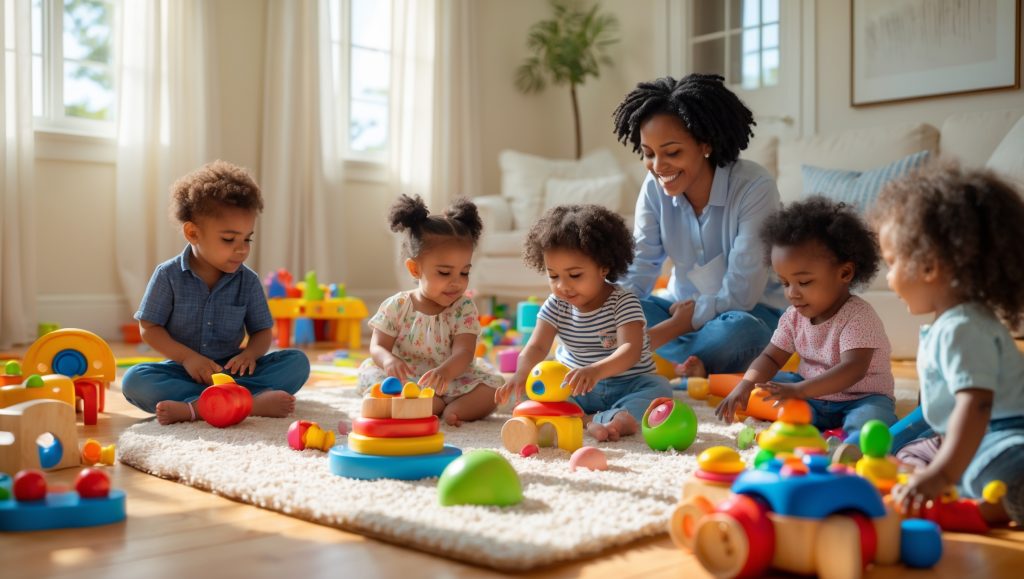
In 2025, toys continue to provide essential opportunities for children to learn, explore, and grow. Yet, as toy technology and design evolve, so do safety considerations. From classic building blocks to interactive electronic gadgets, parents and caregivers face a dizzying array of options—and potential hazards. Understanding toy safety isn’t just about avoiding recalls; it’s about knowing what to look for, how to choose wisely, and how to adapt as your child grows. This evidence-informed guide offers practical tips to empower families in the U.S. to make safer toy choices, reduce risks, and foster joyful, worry-free play.
Understanding Toy Hazards in 2025
Toy safety standards in the U.S. are continually updated to reflect new research and emerging risks. Despite these regulations, accidents and injuries can occur when toys are not selected, used, or maintained correctly. Some hazards are obvious, such as small parts that pose a choking risk, while others are subtler, like toxic materials or digital privacy concerns. Here’s what parents should know about common toy hazards today:
Choking and Suffocation Risks
Choking remains the leading toy-related hazard, especially for children under three. Small detachable parts, loose eyes or buttons, and even packaging materials (like plastic bags or foam) can be dangerous. Any toy or part that fits entirely into a standard toilet paper tube is a choking hazard for young children. Additionally, balloons and deflated parts can pose a suffocation risk.
Sharp Edges and Points
While most reputable toy manufacturers follow guidelines to avoid sharp edges, poorly made or broken toys can expose children to cuts and puncture wounds. Check for splintering wood, brittle plastic, or damaged parts after regular play.
Toxic Materials and Allergens
Many toys are now labeled as BPA-free, phthalate-free, and free of heavy metals like lead. However, imported toys or inexpensive items may not meet U.S. safety standards. Watch for paint chips, strong chemical odors, and unlisted materials. If your child has allergies, check for latex, gluten, or other allergens in toy materials.
Strangulation and Entanglement Hazards
Strings, cords, ribbons, and electrical wires longer than 12 inches can pose a strangulation risk, especially for infants and toddlers. Keep these away from cribs and play areas. Be wary of pull toys with long cords and dress-up items with ties.
Battery and Magnet Dangers
Button batteries and high-powered magnets found in some electronic toys pose serious internal injury risks if swallowed. Ensure battery compartments are securely closed and inaccessible without tools. Avoid toys with loose or easily removable magnets for young children.
Digital Privacy and Security
Connected toys, including smart speakers, app-controlled robots, and interactive games, raise new concerns about data privacy and security. Look for toys that clearly state their privacy policies, limit data collection, and offer parental controls. Always supervise your child’s interactions with web-enabled toys and regularly update device software.
Choosing Age-Appropriate and Safe Toys
One of the most effective ways to prevent injuries is to select toys that match your child’s developmental stage and abilities. Here are some strategies:
- Read Age Labels: U.S. regulations require age recommendations for toys. These are based on safety—not just skill level. Always follow the manufacturer’s guidance.
- Consider Your Child’s Individual Needs: Some children may need toys for a younger age group, depending on their behaviors and developmental progress. Observe how your child interacts with new toys before introducing more complex options.
- Inspect for Quality: Choose toys made from durable, non-toxic materials. Avoid painted toys with chipped surfaces, and check plush toys for secure seams and eyes.
- Supervise Play: Especially for children under five, stay nearby during playtime. Demonstrate safe ways to use new toys, and store hazardous items out of reach.
- Rotate and Retire Toys: Regularly inspect your collection for broken parts, worn-out materials, or toys your child has outgrown. Donate, recycle, or discard as appropriate.
Recognizing Toy Recalls and Safety Updates
Despite rigorous testing, unsafe toys sometimes make it to market. The U.S. Consumer Product Safety Commission (CPSC) tracks recalls and posts updates regularly. Parents should:
- Register New Toys: Many manufacturers offer online registration. This allows you to receive direct notifications about recalls or safety advisories.
- Check for Recalls: Visit cpsc.gov/Recalls before purchasing or when acquiring secondhand toys. Subscribe to email alerts for the latest updates.
- Report Concerns: If you suspect a toy is unsafe—even if not recalled—report your concerns to the CPSC and stop using the toy immediately.
- Be Cautious with Secondhand Toys: Thrifted or hand-me-down toys may not meet current safety standards. Always inspect for small parts, loose batteries, or outdated materials.
Maintaining a Safe Play Environment
Toy safety isn’t only about the products themselves; it’s also about how and where children play. Consider the following tips for a safer home:
Organize and Store Wisely
Keep toys organized by age group and type. Use bins with secure lids and avoid heavy toy chests that could trap small fingers. Store hazardous toys (such as those with small parts or batteries) up high and out of reach.
Teach and Model Safe Play
Show children how to use toys as intended. Teach them to tidy up after play to prevent trips and falls. Explain why certain toys are for older siblings only and reinforce the importance of not putting toys in their mouths.
Regular Inspections and Cleaning
Inspect toys weekly for signs of wear and tear. Clean toys regularly according to manufacturer instructions, especially if they are shared among children or used outdoors. Disinfecting is important for preventing the spread of germs, particularly in group settings.
Common Mistakes
- Ignoring age recommendations and letting younger children play with toys intended for older kids.
- Assuming all toys sold in stores or online meet U.S. safety standards without checking for certifications (like ASTM or CPSC labels).
- Overlooking toy recalls or failing to register new products for recall alerts.
- Allowing children to play unsupervised with toys that have small parts, magnets, or batteries.
- Using secondhand toys without thoroughly inspecting for damage, missing parts, or outdated safety features.
- Leaving packaging materials, such as plastic bags or twist ties, within reach of young children.
- Failing to regularly clean and inspect toys for damage or potential hazards.
- Not considering digital privacy risks with connected or smart toys.
Quick Checklist
- Is the toy labeled for your child’s age group?
- Does it have secure seams, sturdy construction, and no small detachable parts?
- Are all batteries and magnets safely secured inside compartments that require tools to open?
- Is the toy free of cords, strings, or ribbons longer than 12 inches?
- Does the toy have a safety certification (such as ASTM or CPSC labels)?
- Have you checked for recent recalls or safety alerts?
- Is the toy made from non-toxic, hypoallergenic materials?
- Have you registered the toy online for recall notifications?
- Is your child supervised while playing, especially with new or complex toys?
FAQ
+How can I tell if a toy is too small for my baby or toddler?
+Are connected or smart toys safe for children?
+What should I do if I discover a toy recall?
+Can I safely use secondhand or thrifted toys?
+How often should I inspect my child’s toys for safety?
+What certifications should I look for on toys?
+Are there special considerations for toys if my child has allergies?
Conclusion
Toy safety in 2025 is about staying informed, vigilant, and responsive to your child’s needs. By understanding common hazards, following age guidelines, checking for recalls, and maintaining a safe home environment, you can create a nurturing space for your child’s imagination and growth. Remember, the safest toy is one chosen thoughtfully and used with care. Happy—and safe—playing!

Toy Safety in 2025: A Parent’s Guide to Safer Play
As toys become more innovative, ensuring their safety remains a top priority for parents in 2025. Today’s toys often feature smart technology, interactive components, and eco-friendly materials. While these advances are exciting, they also bring new considerations for safeguarding children’s well-being. Parents should look for toys that meet updated U.S. safety standards, including those set by the Consumer Product Safety Commission (CPSC). Always check for age-appropriate labels, avoid toys with small detachable parts for young children, and be cautious with toys that connect to the internet. It’s also wise to regularly inspect toys for damage and keep up with recall alerts. By staying informed and involved, parents can create a safe, joyful play environment that nurtures creativity and learning. Remember, your guidance and awareness are key to turning playtime into a safe, enriching experience.
- Check for CPSC certification before purchasing any toy.
- Monitor smart toys for privacy settings and secure connections.
- Inspect toys regularly for wear, damage, or loose parts.
- Stay updated on recalls and safety news from trusted sources.
We try to keep a range of toys for our multicultural family gatherings, but space is limited. Do you have tips on how to safely store both newer electronic toys and traditional toys, especially to avoid hazards like batteries, magnets, and cords getting mixed together?
It’s great that you’re thinking carefully about safety with a diverse age group and limited space. First, store electronic toys with batteries or magnets up high or in a lockable box out of reach of young children. Next, use clear bins with labels—one for electronic toys, another for traditional toys without small parts. Secure or tie up cords neatly using cable organizers or zip ties, so they don’t tangle or pose tripping risks. Regularly check that toy batteries are secure and battery compartments are closed. Always supervise young children during play. This isn’t medical advice; if you’re concerned, check in with your pediatrician.
Could you elaborate on what to look for when buying toys secondhand? I often purchase gently used toys, but I worry about unseen hazards like missing warning labels or older paints that might not meet current safety standards.
It’s great that you’re thinking carefully about toy safety when buying secondhand. First, check the toy for any small parts, cracks, or loose pieces that could be a choking hazard, especially for young children. Look for updated safety labels (like ASTM or CE), but remember that older toys may not have them or may not meet current standards. Avoid toys with chipped or peeling paint, as these could contain lead, especially in items made before 2008. Clean and disinfect toys thoroughly before use, and steer clear of recalled products by checking recall lists online. This isn’t medical advice; if you’re concerned, check in with your pediatrician.
When traveling with a 2-year-old, how can I balance bringing some digital or electronic toys for distraction without exposing my child to unnecessary privacy or security risks mentioned in the article?
It’s understandable to want to keep your toddler engaged during travel while also staying mindful of safety. First, choose digital toys that work offline, so you don’t have to connect to public Wi-Fi or share personal data. Second, turn off Bluetooth and location services on the device before handing it to your child. Third, select age-appropriate devices with simple functions and no cameras or microphones to minimize privacy risks. Finally, supervise play to ensure safe use and monitor what your child accesses. This isn’t medical advice; if you’re concerned, check in with your pediatrician.
With the focus on battery and magnet dangers, I’m wondering if it’s ever okay to let preschoolers handle bilingual learning devices during quiet time before bed, or should these always be supervised by an adult?
It’s wise to think about safety with electronics like bilingual learning devices, especially for preschoolers. For this age group, it’s safest to supervise use, since batteries and magnets can pose serious risks if accessed. If you choose to allow independent play, check that the device’s battery compartment is securely fastened (preferably with a screw) and inspect the toy regularly for damage or loose parts. Avoid giving them devices that are small enough to be taken apart easily or have removable parts. Quiet play before bed is great, but it’s best if an adult is nearby for safety. This isn’t medical advice; if you’re concerned, check in with your pediatrician.
We have a mix of old-school wooden blocks and newer interactive toys at home. Are wooden toys generally safer, or do they come with their own risks I should watch for, especially with a baby who mouths everything and a curious toddler?
It’s great that you’re thinking carefully about the safety of all your children’s toys. Wooden toys can be very safe, but for babies who mouth everything, watch for splinters, chipping paint, and small parts that could break off. Check that any paint or finish is non-toxic and labeled as safe for children under three. For toddlers, make sure blocks are large enough not to be a choking hazard and inspect regularly for wear. Always supervise play, especially with toys that are handed down or older. This isn’t medical advice; if you’re concerned, check in with your pediatrician.
I noticed that smart and connected toys are mentioned as a new concern. For families following Montessori principles and trying to avoid screens and electronics, are there safer alternatives that still support learning, or should we skip tech toys altogether for young children?
It’s wonderful that you’re thoughtfully considering both safety and Montessori values in your toy choices. For young children, especially under age six, classic materials like wooden blocks, stacking cups, puzzles, and open-ended art supplies can support learning without screens or electronics. Rotate toys to encourage focus and creativity, and opt for items that are simple, durable, and free from small parts or toxic finishes. If you do introduce any tech-enabled toys, always supervise play and check for robust privacy settings, but skipping them in early years is perfectly appropriate and can support independent, hands-on exploration. This isn’t medical advice; if you’re concerned, check in with your pediatrician.
Our space is pretty limited, so a lot of my daughter’s toys end up in bins together. Are there any special storage tips to keep toys safe and prevent small parts from mixing into toys meant for younger toddlers?
It’s great that you’re thinking about keeping playtime safe in a small space. Start by sorting toys by age group and using clearly labeled bins—use symbols or colors for non-readers. Store toys with small parts (like building sets) in sturdy, lidded containers out of reach of younger toddlers. Regularly check bins for stray pieces and do quick sweeps after play. Consider a routine where only one bin comes out at a time to minimize mix-ups. Always supervise play to catch any overlooked small parts. This isn’t medical advice; if you’re concerned, check in with your pediatrician.
What steps would you recommend for regularly checking older toys in our home for newly identified risks, like hidden magnets or outdated battery compartments, especially if different children play with the same toys over the years?
It’s so thoughtful to want to keep older toys safe for all your children. First, regularly inspect each toy for loose parts, exposed magnets, or corroded batteries—pay extra attention to seams and battery compartments. Second, check for product recalls and updated safety standards each year, especially for toys with magnets or electronics. Third, clean toys to spot cracks or broken pieces that might create choking hazards. Lastly, supervise play and set aside toys that are no longer age-appropriate or have wear that makes them unsafe. This isn’t medical advice; if you’re concerned, check in with your pediatrician.
With so many toys having cords, wires, or strings, what is the best way to organize or store these toys when kids aren’t playing with them to avoid the risk of entanglement, especially in shared playrooms or bedrooms?
You’re absolutely right to be cautious about cords and strings, as they can pose an entanglement risk for young children. First, store toys with cords or wires out of reach in closed bins or on high shelves after playtime. Use cord organizers or Velcro ties to bundle loose cords securely. Clearly separate these toys from those meant for unsupervised play, especially in spaces shared with toddlers or babies. Regularly check storage spots to make sure no cords are hanging loose. Always supervise young children around toys with cords. This isn’t medical advice; if you’re concerned, check in with your pediatrician.
Can you recommend safe ways to store toys with batteries or magnets when kids of different ages are playing together in the same room? I watch a kindergartner and a preschooler, and I want to keep things organized but safe.
It’s great that you’re thinking ahead about toy safety for children of different ages. First, store battery- or magnet-containing toys on a high shelf or in a locked container when not in use to prevent unsupervised access. Second, only allow these toys during supervised play sessions, and put them away immediately afterward. Third, regularly check toys for damaged battery compartments or loose magnets. Fourth, teach older children to keep small pieces away from younger ones. Always ensure that storage solutions are sturdy and out of reach for preschoolers. This isn’t medical advice; if you’re concerned, check in with your pediatrician.
As my daughter is getting older, I notice the types of hazards seem to shift. How should I adjust toy selection and safety checks as children transition from toddlerhood to early elementary years?
You’re absolutely right to notice that safety needs change as children grow. As your daughter enters early elementary years, focus on toys that match her developmental skills—look for age labels and avoid items with small parts if she still mouths objects. Check toys regularly for loose pieces or sharp edges, since older kids may use toys more vigorously. Choose materials that are non-toxic and washable, especially for arts and crafts supplies. Encourage her to clean up after play to prevent tripping hazards. This isn’t medical advice; if you’re concerned, check in with your pediatrician.
Storage space is an issue for us, so I tend to keep only a few toys out and rotate the rest. Does storing toys for a while make them less safe, for example, by causing deterioration or hidden hazards like brittle plastic or mold?
You’re wise to think about how storage might affect toy safety. Store toys in a clean, dry place and avoid damp areas to prevent mold and mildew, especially for plush or wooden toys. Check for signs of brittle plastic, cracks, or rust when rotating toys back in—this is particularly important for toys intended for babies and toddlers who may mouth them. Clean and inspect stored toys before offering them again, and discard any items that seem damaged or unsafe. This isn’t medical advice; if you’re concerned, check in with your pediatrician.
My 3-year-old is very sensitive to strong smells and textures. Do you have any advice on choosing safe, non-toxic toys for kids with sensory sensitivities, especially when shopping in-store and not online?
It’s wonderful that you want to support your child’s sensory needs while keeping safety in mind. In stores, look for toys labeled “BPA-free,” “phthalate-free,” and “non-toxic paint” to limit chemical exposure. Choose toys with simple, smooth textures and avoid anything with strong scents or sticky surfaces. Bring your child along if possible and let them touch the toy (if allowed) before buying to gauge their comfort. For a 3-year-old, avoid toys with small parts or loose fibers that could pose choking hazards. Always supervise play and wash new toys before use to reduce allergens. This isn’t medical advice; if you’re concerned, check in with your pediatrician.
With so many building and stacking sets available, how can parents realistically check for pieces that might come loose or detach during play? Are there warning signs that a toy might become a choking hazard over time even if it seems safe at first?
You’re right to be cautious about building and stacking sets, since wear and tear can change how safe they are for your child. To check for loose or detachable pieces, inspect toys regularly for cracks, weakened joints, or pieces that wiggle or come apart more easily than when new. Watch for small parts that could break off or fit inside a toilet paper tube—these can be choking hazards for kids under three. Always follow the manufacturer’s age recommendations and supervise play, especially with younger children or siblings nearby. This isn’t medical advice; if you’re concerned, check in with your pediatrician.
You mention toy hazards changing as children grow. At what age should I start worrying less about small parts or choking hazards, and focus more on other risks you listed, like magnets or privacy concerns?
Your question about shifting toy safety concerns as your child grows is very thoughtful. Small parts and choking hazards are a primary risk for children under age 3, since they often explore by mouthing objects. After age 3, you can begin to worry less about choking but still supervise, as risks vary by individual child. As children reach preschool and school age, their curiosity shifts to things like powerful magnets (which remain a serious swallowing hazard up to age 8 or beyond) and digital toys that may raise privacy concerns. Always check toy labels for age recommendations, and supervise play with new or complex toys. This isn’t medical advice; if you have concerns, check in with your pediatrician.
We cook and play together with both American and cultural items at the grandparents’ place. If a toy or play item has a strong smell or unusual texture, is there a good rule of thumb to decide whether it might contain allergens or chemicals even if the packaging doesn’t list ingredients?
It’s great that you’re mindful about your child’s exposure to new play items and cultural toys. If a toy has a strong smell or unusual texture, it’s wise to be cautious, especially with young children who may mouth objects. First, avoid letting children under 3 play with items that aren’t labeled for their age. Second, check for any warnings or safety certifications on the packaging. Third, wash or wipe items before use if possible. Fourth, observe your child for any skin or breathing reactions. This isn’t medical advice; if you’re concerned about a specific item, consult your pediatrician.
My toddler enjoys toys with lights and sounds, but I’ve noticed some have strong smells right out of the box. Is a chemical smell always a red flag for toxic materials, or can some odors be normal for new toys?
It’s great that you’re paying attention to your toddler’s environment and toy safety. A mild odor from a new toy can be normal, especially with plastics or electronics, but a strong or lingering chemical smell should be taken seriously. First, air out the toy in a well-ventilated space before offering it to your child. Second, check for product safety labels like ASTM or EN71, which show the toy meets safety standards. Third, avoid toys with overpowering odors, especially for toddlers who might mouth toys or have allergies. Always supervise play and inspect toys regularly. This isn’t medical advice; if you’re concerned, check in with your pediatrician.
Can you clarify how often we should check toys for loose small parts or damage that could create a choking hazard? Is a monthly inspection enough, or should it be more frequent for toddlers?
You’re right to be proactive about choking hazards, especially with toddlers. For children under three, I recommend checking toys for loose or broken parts at least once a week, since rough play or teething can create risks quickly. Pay extra attention to seams, batteries, and detachable pieces. After playdates or if a toy is dropped or chewed, do a quick spot-check. Always store damaged toys out of reach until repaired or discarded. This isn’t medical advice; if you’re concerned, check in with your pediatrician.
As my child grows, I’m wondering how to adapt our toy collection to stay safe while supporting fine-motor development. For example, when is it appropriate to introduce toys with smaller pieces or more complex tools, and what should I watch for during this stage?
You’re thoughtful to want toys that boost fine-motor skills while keeping safety front and center. As a general rule, toys with small pieces should only be introduced after age 3, when the risk of choking is lower. For toddlers, stick to larger blocks, snap-together toys, or chunky puzzles. Around age 4 or 5, you can slowly add toys with smaller components—always supervise play and check for age recommendations and sturdy construction. Watch for loose parts, sharp edges, and any signs of wear. This isn’t medical advice; if you’re concerned, check in with your pediatrician.
We love toys that light up or make sounds, but I am worried about the battery compartments since my toddler is very persistent. Is there a particular locking mechanism or certification I should look for when buying electronic sensory toys to make sure the batteries are really secure?
Your concern about battery safety with persistent toddlers is very valid. When choosing electronic toys, look for products labeled as meeting ASTM F963 or EN71 standards, as these require secure battery compartments. Choose toys with battery covers that are fastened by screws or dual-action locks—avoid anything with simple snap closures. Always check that the compartment cannot be easily pried open, even with some effort. Regularly inspect toys for wear and loose screws. For toddlers, adult supervision is key whenever batteries are involved. This isn’t medical advice; if you’re concerned, check in with your pediatrician.
I noticed the article mentioned toy maintenance after regular play. Do you recommend a routine for checking and cleaning toys, especially when kids transition between homes, such as visits to grandparents who might not be aware of updated safety concerns?
You’re right to prioritize toy maintenance, especially with kids moving between different homes. Regularly check toys for loose parts, cracks, or sharp edges that could pose risks, and remove any broken items immediately. Set a weekly or bi-weekly routine for cleaning—wash plastic toys with mild soap and water, and wipe down wooden toys with a damp cloth. For soft toys, follow the manufacturer’s washing instructions. Teach grandparents about current safety standards and ask them to store small or recalled items out of reach. Always supervise young children during play for added safety. This isn’t medical advice; if you’re concerned, check in with your pediatrician.
For kids who are sensitive to loud sounds or strong smells, are there particular toy materials or types I should avoid? I’m trying to build a toy rotation for a child who gets overwhelmed easily but still enjoys playing with a variety of things.
It’s wise to think proactively about toys for a child who is sensitive to sounds or smells. Choose toys made from natural, unscented materials like plain wood, silicone, or cotton, avoiding those with added fragrances or chemical coatings. Skip battery-powered toys that make sudden noises, and instead opt for quiet, open-ended items like blocks or fabric dolls. For safety, check for age-appropriate construction and avoid small parts for young children. Always supervise new play experiences and monitor for any signs of discomfort. This isn’t medical advice; if you’re concerned, check in with your pediatrician.
My child has sensory sensitivities and can be bothered by certain materials or smells. Are there specific toy materials or types you would advise avoiding for kids with these kinds of sensitivities?
It’s completely understandable to want to avoid materials that might bother your child’s senses. For children with sensory sensitivities, try to steer clear of toys with strong scents, such as scented plastics or markers, and those made from latex or rubber, which can have distinct odors or textures. Avoid toys with rough, scratchy, or sticky surfaces, as well as those with noisy or flashing light features. Soft, fabric-based toys—especially those labeled hypoallergenic—are often more tolerable, but always check labels for potential allergens. Always supervise play and introduce new materials gradually. This isn’t medical advice; if you’re concerned, check in with your pediatrician.
With so many toys having long ribbons or cords for dress-up, how do you suggest making sure they are safe for unsupervised pre-bed play? Are there guidelines for modifying or safely using these items with young kids?
It’s great that you’re thinking proactively about playtime safety before bed. For young children, especially under age 3, avoid toys with long ribbons or cords longer than 7 inches, as these can pose strangulation risks. If you already have dress-up items with long ties, consider removing or shortening ribbons to below this length, and securely fastening any loose ends. Store dress-up accessories out of reach when not actively supervised. Always check for small detachable parts or choking hazards as well. This isn’t medical advice; if you have specific concerns about your child’s safety, reach out to your pediatrician.
We have some tech-based interactive toys, but managing privacy settings for both kids feels overwhelming, especially since their screentime isn’t always at the same time. Do you have suggestions for toys or brands that keep digital safety simple for multi-child households?
You’re right to want simple, safe tech for your kids, especially when juggling different screentimes. Look for toys with individual user profiles—many 2025 models let parents set privacy and time limits per child. Prioritize brands with a single parent dashboard that controls all devices in your home, so you don’t have to adjust each toy separately. Check for toys that have strong default privacy settings and minimal data collection. Always choose options that work offline or have robust parental consent features. Make sure the toys are age-rated appropriately, and supervise younger children to prevent accidental changes in settings. This isn’t medical advice; if you’re concerned, check in with your pediatrician.
Can you suggest a manageable routine for regularly inspecting toys for sharp edges or damage, especially when our playroom is overflowing and toys get mixed between baby and toddler bins?
You’re doing a great job keeping playtime safe in a busy, toy-filled home. Try setting aside 10 minutes once a week to scan bins for cracked, broken, or sharp-edged toys—pick one category or bin each time instead of tackling everything at once. Keep baby and toddler toys in separate, clearly labeled bins, and after play, encourage a quick check for any new damage as you tidy up. Remember to remove any small parts or brittle items unsuitable for babies right away. Always supervise mixed-age play to prevent accidents. This isn’t medical advice; if you’re concerned, check in with your pediatrician.
Does the article’s advice change at all for families with children of different ages? For example, shared play areas mean toys meant for older siblings could end up in a toddler’s hands. How can we adapt safety strategies for mixed-age households?
You’re right to think about the extra challenges of mixed-age play—safety strategies do need a few tweaks. First, keep toys with small parts (choking hazards) out of shared spaces if you have a toddler. Second, use clear bins or shelves to separate older kids’ toys from those safe for little ones. Third, make a habit of checking the floor for stray pieces after playtime. Supervise shared play closely and teach older siblings to help keep unsafe items away from younger children. This isn’t medical advice; if you’re concerned, check in with your pediatrician.
My child is sensitive to strong smells, and I’ve noticed some new wooden toys have a chemical odor when first opened. Should I be more concerned about off-gassing from wood finishes or from certain plastics, and how can I safely air them out?
It’s understandable to be concerned about odors if your child is sensitive to smells. Both certain plastics and some wood finishes can off-gas, but strong chemical odors from wood toys often come from finishes or adhesives, while plastics may release VOCs. To minimize exposure, unpack toys outside or in a well-ventilated area, and let them air out for several days before use. Wipe down surfaces with a damp cloth, and avoid placing toys near your child’s sleep space until the smell dissipates. Always check for age-appropriate safety certifications. This isn’t medical advice; if you’re concerned, check in with your pediatrician.
My toddler is in the 12 to 18 month range and loves to chew on everything. How can I be sure the toys we buy don’t contain toxic materials or potential allergens, especially with so many new releases coming out each year?
It’s completely understandable to want extra reassurance about toy safety for a curious toddler who puts everything in their mouth. First, look for toys labeled as BPA-free and made without phthalates or lead—these are common safer choices for this age. Check for certifications like ASTM, CPSC, or EN71, which mean the toy meets strict safety standards. Avoid toys with painted surfaces unless the paint is certified non-toxic. Stick with well-known brands when possible, as they generally follow updated regulations, and always inspect new toys for loose parts or seams. For possible allergens, such as latex or certain plastics, check the packaging or contact the manufacturer. This isn’t medical advice; if you’re concerned, check in with your pediatrician.
You mention digital privacy concerns with smart toys. How can I tell if a connected toy’s privacy policy is really trustworthy, and what features should I avoid to ensure my child’s data stays safe?
You’re right to prioritize your child’s digital privacy with smart toys. Start by reading the toy’s privacy policy carefully—look for clear explanations about what data is collected, how it’s used, and whether it’s shared with third parties. Choose toys that let you adjust privacy settings and require parental consent for data collection. Avoid toys with cameras, microphones, or location tracking unless essential, and always supervise use, especially for children under 8. Regularly update toy software to patch security flaws. This isn’t medical advice; if you’re concerned, check in with your pediatrician.
For families with children who have specific sensory preferences or sensitivities, do toy subscription services usually offer enough customization to avoid allergens or materials that could trigger discomfort, or would selecting individual toys be safer?
It’s understandable to want to keep your child comfortable and safe, especially with sensory sensitivities or allergies. Many toy subscription services now let you note allergies or sensory needs, but options may still be limited compared to picking toys yourself. To stay safe, review service policies on allergens and materials, ask about customization before subscribing, and monitor how your child reacts to new toys. For severe allergies or strong sensory needs, hand-picking toys lets you check materials, textures, and safety labels directly. This isn’t medical advice; if you’re concerned, check in with your pediatrician.
Budget is definitely a concern for me, and I notice that plastic toys tend to be cheaper than wooden toys. Are there safe and budget-friendly wooden toy brands available in the US, or is it better to stick with certain types of plastic toys?
It’s very understandable to want safe toys that also fit your budget. For wooden toys, look for brands that meet US safety standards (ASTM or CPSIA certified) and use non-toxic, water-based paints; sometimes you can find budget options at big-box stores or secondhand (check for recalls and condition). For plastic, choose BPA-free and phthalate-free items, and avoid toys with sharp edges or small pieces for young kids. Always supervise play, especially with babies and toddlers who may mouth toys. This isn’t medical advice; if you have concerns, your pediatrician can help guide your choices.
You mention digital privacy concerns with app-connected toys. If I choose to allow my child to play with these, what simple steps can I take at home to keep our information secure, especially if I am not very tech-savvy myself?
It’s completely understandable to want to protect your child’s privacy with app-connected toys, even if technology feels overwhelming. Start by using strong, unique passwords for toy-related accounts and avoid sharing personal details in profiles. Check the toy’s settings to turn off location tracking or voice recording features if you can. Update the toy’s software regularly, as updates often fix security issues. Finally, supervise play, and unplug or power off the toy when not in use. This isn’t medical advice; if you’re concerned, check in with your pediatrician or a tech-savvy friend for extra support.
My child tends to put things in his mouth and also has some mild skin sensitivities. Are there any certifications or labels I should specifically look for on toy packaging that can help minimize risks from allergens or toxic materials?
It’s completely understandable to be extra cautious when your child is prone to mouthing toys and has sensitive skin. Look for toys labeled with ASTM F963 (the US toy safety standard) or EN71 (the European standard), as these require testing for toxic chemicals and choking hazards. For allergies, seek out toys labeled BPA-free, phthalate-free, and made from food-grade materials. Hypoallergenic labeling can also help, but always double-check for possible allergens in the materials list. Choose toys designed for your child’s age to avoid small parts. This isn’t medical advice; if you’re concerned, check in with your pediatrician.
With younger kids, I’m always worried about small parts from building sets or crafts getting lost around the house. Do you have any tips on organizing or storing toys to minimize choking risks during playdates?
It’s completely understandable to want to minimize choking hazards, especially with younger kids around. Start by sorting toys and crafts by age-appropriateness, keeping sets with small parts stored in clearly labeled, lidded containers out of reach. During playdates, set up a dedicated play area for older kids and remind everyone to keep small pieces in that space. Do a quick sweep before and after play to check for stray parts on the floor. Always supervise play when there are mixed-age groups. This isn’t medical advice; if you’re concerned, check in with your pediatrician.
My toddler chews on everything, so I worry about those hidden toxic materials you mentioned. How can I be sure a toy is really safe if it just says ‘non-toxic’ on the package? Is there a way to check more thoroughly before buying?
It’s completely understandable to worry about hidden toxins when your toddler is exploring with their mouth. First, look for toys certified by reputable organizations like ASTM or JPMA, as these go beyond simple ‘non-toxic’ claims. Check for recent recalls on government databases before buying, and avoid toys with vague labeling or strong chemical smells. Choose toys designed for under-threes, since these are subject to stricter safety standards and are less likely to have small parts or unsafe coatings. Always supervise play, and if you’re unsure about a material, reach out to the manufacturer for detailed safety information. This isn’t medical advice; if you’re concerned, check in with your pediatrician.
We rotate toys often to suit my twins’ evolving interests and sleep schedules, but with so many options nowadays, how do you suggest quickly checking for toxic materials or hidden allergens when buying on a tight schedule?
It’s great that you’re attentive to your twins’ safety and changing needs. When shopping quickly, start by checking product labels for certifications like ASTM or CE, which indicate safety standards. Avoid toys with vague ingredient lists or strong chemical smells, especially for babies and toddlers who mouth objects. Look for toys made from untreated wood, food-grade silicone, or BPA-free plastics to minimize risk. Before giving a new toy, do a rapid wipe-down and inspect for small parts or loose seams. For allergies, stick to materials you know your children tolerate well. This isn’t medical advice; if you’re concerned, check in with your pediatrician.
My child is sensitive to strong smells and certain materials. You mention watching for chemical odors and allergens in toys—how can I tell which toys are most likely to trigger a reaction, and are there safer alternatives you recommend for kids with sensory sensitivities?
It’s completely understandable to want to protect your child from sensory triggers. Start by choosing toys labeled as BPA-free, phthalate-free, and hypoallergenic, and avoid toys with strong fragrances or unfamiliar materials. Look for simple toys made from untreated wood, silicone, or organic cotton, which tend to have fewer chemical additives. Before use, open packaging and let toys air out to reduce residual odors. Always supervise play, especially with new items. This isn’t medical advice; if you’re concerned, check in with your pediatrician.
My child tends to avoid toys with rough textures or unexpected vibrations. Are there strategies for testing or researching toys before buying so we can steer clear of materials that might be uncomfortable for sensitive children?
It’s understandable to want to avoid toys that might overwhelm your child’s senses. Before buying, check product descriptions and reviews for information about toy materials, surface textures, and sensory features. When possible, visit stores to let your child gently touch display models or samples. Look for labels like ‘sensory-friendly’ or ‘soft-touch,’ but always confirm with your own hands. Choose toys with smooth finishes and avoid those with vibration, unless clearly marked as adjustable. For children under three, ensure parts are safe for mouthing and won’t pose a choking hazard. This isn’t medical advice; if you’re concerned, check in with your pediatrician.
My child has some sensory sensitivities, so I am cautious about materials. In your experience, do wooden or plastic toys pose more risks related to strong odors or chemical exposure for kids with sensory issues?
It’s completely understandable to be cautious about materials if your child has sensory sensitivities. Generally, plastic toys may release stronger odors, especially if new or made from lower-quality plastics, and can sometimes contain chemicals like phthalates. Wooden toys can have fewer odors, but if painted or varnished, they might still emit smells or allergens. Choose unfinished or well-sealed, non-toxic wood, and look for plastics labeled as BPA- and phthalate-free. Always supervise young children and check for small parts or rough edges. This isn’t medical advice; if you’re concerned, check in with your pediatrician.
Our apartment is pretty compact and has limited enclosed storage. Are there any strategies for reducing strangulation or entanglement risks—like long cords or ribbons—when storing or organizing toys in small spaces?
You’re wise to prioritize safety even with limited storage space. First, remove or cut off long cords, strings, or ribbons from toys before storing. Use clear bins with secure lids to keep toys organized and out of reach when not in use. Opt for wall-mounted shelves high enough to prevent young children from accessing items with cords. Regularly check for loose parts or tangled items in small storage areas. Always supervise play, especially around toys with ties or straps. This isn’t medical advice; if you’re concerned, check in with your pediatrician.
My toddler is always putting things in her mouth, and it can be hard to tell which toys are actually safe. How can I be sure a toy labeled for 12 months is really safe enough for my 16-month-old who likes to chew everything?
You’re right to be cautious about your toddler’s mouthing habits, as this is a normal but sometimes risky part of their development. First, check that toys labeled for 12 months and up have no small detachable parts, seams, or buttons that could break off. Second, inspect toys for sturdy construction and avoid anything with thin plastic or loose stuffing. Third, choose toys made from non-toxic, BPA-free materials and avoid painted surfaces that could chip. Always supervise play, especially when your child is teething or exploring with their mouth. This isn’t medical advice; if you’re unsure about a specific toy or have concerns, your pediatrician can offer guidance.
If my toddler has mild skin sensitivities but loves different textures, what should I look for to avoid allergens or irritation in sensory toys? Are certain materials usually better tolerated by kids with sensitive skin?
It’s great that you want to support your toddler’s sensory exploration while being mindful of their skin sensitivities. Look for toys labeled hypoallergenic and made from natural materials like untreated wood, silicone, or organic cotton, as these are less likely to cause irritation. Avoid toys with fragrances, dyes, latex, or rough seams that can rub or trigger reactions. Before introducing a new sensory toy, spot test it on a small patch of your child’s skin and supervise play, especially if the toy has multiple materials. Always wash toys regularly to remove potential allergens. This isn’t medical advice; if you’re concerned, check in with your pediatrician.
My child still puts everything in their mouth, especially during sensory activities with playdough or textured objects. Is there a rule of thumb for how to check if a toy or sensory material could be a choking hazard even if it’s marketed for toddlers?
It’s completely understandable to worry when your child explores by mouthing objects. As a rule of thumb, avoid any toy or material that can fit inside a toilet paper roll—this indicates it may be a choking hazard for children under three. For sensory play, choose large, non-breakable items and homemade playdough without small decorations. Always supervise closely, and check for parts that might detach or crumble into small pieces. This isn’t medical advice; if you’re concerned, check in with your pediatrician.
With so many new electronic and connected toys on the market, is it better to stick with traditional toys for a 10-month-old, especially if I am concerned about both safety and overstimulation?
You’re right to think carefully about safety and overstimulation with a 10-month-old. At this age, simple, traditional toys—like soft blocks, stacking cups, and rattles—are usually best, as they don’t have small parts, loud sounds, or complex lights that might overwhelm a baby. Electronic and connected toys can be tempting, but they often add unnecessary stimulation and sometimes pose hidden risks, like choking hazards or battery safety concerns. Always supervise play, check toys for age-appropriate labels, and choose items that are easy to clean. This isn’t medical advice; if you have concerns, it’s always wise to consult your pediatrician.
Do you have any suggestions for making sure household objects used in pretend play do not contain materials that could trigger allergies or have unsafe chemicals, especially if some items were made before current safety standards?
You’re right to be cautious about older household items in pretend play, especially with allergies and chemical safety in mind. First, check labels for ingredient or material lists—avoid items with unclear origins or those made of known allergens like latex or certain plastics. For older or hand-me-down objects, wash them thoroughly and inspect for peeling paint or strong odors that might indicate chemical residue. Keep an eye out for recalled items or those made before major safety updates (usually from 2008 onwards in the US). Always supervise younger children who might mouth objects, and store potential allergens out of reach. This isn’t medical advice; if you’re concerned, check in with your pediatrician.
My toddler tends to put everything in her mouth, but also loves brightly colored wooden blocks. How can I best check these toys for paint chips or toxic finishes before letting her play?
It’s completely understandable to want to keep your toddler safe during play, especially with mouthing behaviors. First, inspect each block closely for peeling, chipping, or uneven paint surfaces. Run your finger along edges and corners to feel for any roughness. Look for safety certifications that indicate non-toxic, lead-free finishes, and avoid any toys with a strong chemical smell. Wipe each block with a damp cloth to check for color transfer, which could signal unsafe paint. Supervise play and regularly re-check toys for new signs of wear. This isn’t medical advice; if you’re concerned, check in with your pediatrician.
My child has some sensitivities to different plastics and fabrics. Are there any certifications or labels I should look for when choosing safe toys for kids with sensory or material sensitivities?
It’s great that you’re looking out for your child’s sensitivities when choosing toys. Look for toys labeled with certifications like OEKO-TEX or GOTS for fabrics, which indicate low chemical content and safer dyes, and BPA-free or EN71-certified for plastics, showing they’ve passed stringent safety checks. Always check manufacturer details for hypoallergenic materials and avoid toys with strong smells or unknown coatings. For younger children, double-check that small parts are not present to reduce choking risks. This isn’t medical advice; if your child reacts to a material, consult your pediatrician for specific guidance.
You mentioned that digital privacy is a newer concern with connected toys. If we want to limit both clutter and potential privacy risks, are there safer alternatives to electronic or smart toys that still keep kids engaged for longer periods?
It’s great that you’re thinking about both safety and simplicity with your child’s toys. Consider classic open-ended toys like wooden blocks, art supplies, puzzles, or building sets; these encourage creativity and can engage children for long stretches. Board games and pretend play sets (kitchens, dress-up) are also age-flexible and encourage social skills without digital risks. Always choose age-appropriate items with no small parts or sharp edges for younger kids. If you do select something with parts, check for non-toxic materials and supervise play as needed. This isn’t medical advice; if you’re concerned, check in with your pediatrician.
With connected toys becoming more common, do subscription services offer enough transparency about digital privacy and data collection? I am wondering how different it is from buying an app-controlled toy myself and checking the manufacturer’s privacy policy in advance.
Your concern about digital privacy with connected toys is very important. Subscription services often provide some information, but transparency can vary—it’s not always more thorough than what you’d find buying a toy or app directly. For any connected toy, check if the service or manufacturer clearly states what data is collected, how it’s stored, and who can access it. Always review privacy settings together with your child, and use parental controls when available. Make sure toys are age-appropriate and supervise device use, especially for younger children. This isn’t medical advice; if you’re concerned, ask your pediatrician or a privacy expert.
As I start potty training my 2.5-year-old, I’m swapping out some of her old toys for new ones she can use in the bathroom and playroom. Are there specific toy materials or designs you recommend for this age to handle possible bathroom messes safely?
It’s great that you’re thinking about safe, practical toys for your toddler during potty training. For a 2.5-year-old, look for toys made of non-porous, easy-to-clean materials like solid plastic or silicone, which resist absorbing bathroom messes. Choose toys with smooth, one-piece designs to prevent trapping water and bacteria—avoid ones with small holes or fabric parts. Always check for age-appropriate sizes to prevent choking, and supervise bathroom play to reduce slipping or germ risks. As always, this isn’t medical advice; if you’re concerned, check in with your pediatrician.
My child is sensitive to textures and sounds, which can make potty training complicated. Are there recommendations on safe, sensory-friendly toy choices that won’t pose risks, especially for toddlers who are still exploring everything with their hands and mouths?
It’s completely understandable to want safe, sensory-friendly options for a toddler with sensitivities. Choose toys made of soft, non-toxic silicone or smooth plastic with simple designs—these are gentle on hands and easy to clean. Look for toys without small parts or batteries, and avoid rough seams or strong scents. Soft, washable fabric dolls or textured balls can support exploration without overwhelming your child. Always supervise closely, since toddlers often mouth toys, and inspect items regularly for wear. This isn’t medical advice; if you’re concerned, check in with your pediatrician.
You mentioned regularly checking toys for damage like brittle plastic or loose parts. How often should parents do this for toys used daily by babies who are still teething and putting everything in their mouths?
It’s great that you’re thinking about how to keep your teething baby safe during play. For toys used daily and mouthed frequently, I recommend inspecting them every day. Look closely for cracks, sharp edges, peeling paint, or loose parts that could pose a choking risk. Wipe down toys after use to spot damage and keep them clean. Remove any toy immediately if you notice even minor wear. Always supervise babies during play, especially with toys meant for teething. This isn’t medical advice; if you’re concerned, check in with your pediatrician.
You mention that cords longer than 12 inches can be a strangulation hazard. How do I safely introduce activity gyms or play mats that often come with hanging toys and detachable parts for infants?
It’s great that you’re thinking about safe play right from the start. For activity gyms and play mats, always check that hanging toys are attached with short, sturdy ties or Velcro—never with cords or ribbons longer than 12 inches. Remove or secure any detachable parts that could pose a choking risk, especially for babies under 12 months. Supervise your infant closely during playtime, and regularly inspect toys for loose pieces or wear. Choose mats and gyms made from non-toxic, easy-to-clean materials. This isn’t medical advice; if you’re concerned, check in with your pediatrician.
My toddler has some sensory sensitivities—certain materials and strong smells can be overwhelming. Do you have advice on how to spot potentially irritating substances in toys, especially when sensory information is not listed on the packaging?
It’s completely understandable to want to avoid toys that might trigger your toddler’s sensory sensitivities. Start by choosing toys made of plain, untreated materials like wood or food-grade silicone, since these are less likely to have strong smells or textures. Avoid toys with synthetic scents, painted surfaces, or plush fabrics that feel rough or fuzzy. For plastic toys, check for strong odors when you open the packaging—if there’s a chemical smell, it’s best to skip it. Whenever possible, let your child touch and smell toys briefly in-store before purchasing. This isn’t medical advice; if you’re concerned, check in with your pediatrician.
We recently bought some interactive toys that connect to our home WiFi for extra features. How can I tell if these smart toys are really safe in terms of digital privacy, and are there guidelines for setting safer boundaries with connected toys for toddlers?
You’re right to consider both digital privacy and age-appropriate play with connected toys. Start by checking if the toy’s manufacturer offers clear privacy policies and parental controls—avoid toys that don’t. Set up toys using secure, unique passwords and disable unnecessary features, like microphones or cameras, especially for toddlers. Limit playtime and supervise interactions, as young children can’t understand digital risks. Finally, keep the toys’ software updated for security patches. This isn’t medical advice; if you have concerns, your pediatrician can help guide you further.
As my kids grow out of the toddler stage, do the main toy hazards change significantly? Should I be looking for different safety labels or avoiding certain features as they transition to preschool age?
It’s thoughtful to keep safety in mind as your children move into the preschool years. As they grow, choking risks from tiny parts remain important, but hazards like magnets, button batteries, or toys with cords and sharp edges become more relevant. For preschoolers, look for age-appropriate labels (like “3+” or “4+”) and make sure toys don’t have small removable parts or toxic materials. Avoid toys that are very loud or have accessible electronics. Always supervise play and regularly inspect toys for wear and tear. This isn’t medical advice; if you’re concerned, check in with your pediatrician.
You mention that any item fitting into a toilet paper tube is a potential choking hazard. Are there affordable storage or organization tips to keep these small parts out of reach when older siblings have toys with tiny pieces?
You’re right to be cautious about keeping small toy parts away from younger children. Try using clear plastic bins or lidded containers and place them on higher shelves that only older siblings can reach. Consider labeling containers with pictures or colors so everyone understands which bins stay out of reach. Encourage older kids to play with small pieces at a table or in a designated area, then return pieces to storage right away. Always check the play area for stray pieces after playtime. Safety is so important at this stage; if you ever have concerns about what’s safe, your pediatrician can help.
My child has some sensory sensitivities, so we try to avoid toys with strong scents or certain materials. Are there specific labels or certifications to look for that can help ensure toys are safe for kids with sensory issues and allergies?
It’s wonderful that you’re being proactive about your child’s sensory needs. Look for toys labeled hypoallergenic and free from common allergens, avoiding those with added scents or fragrances. Certifications like ASTM F963 or EN71 show toys meet safety standards, but they don’t always cover sensory-specific concerns, so always check for ‘BPA-free,’ ‘phthalate-free,’ or ‘latex-free’ on packaging. Choose toys made from smooth, food-grade silicone or untreated wood for fewer irritants. Always inspect toys for unexpected textures and supervise play, especially with new materials. This isn’t medical advice; if you’re concerned, check in with your pediatrician.
If a toy says it is BPA-free and meets US safety standards but was manufactured overseas, how can I be extra sure that it truly doesn’t contain hidden toxic materials or allergens, especially for my sensitive toddler?
It’s completely understandable to want extra reassurance when your toddler is sensitive. First, check for reputable third-party certifications like ASTM or JPMA on packaging. Next, look for clear ingredient or material lists—avoid toys with vague descriptions. Wash new toys with mild soap and water before use to remove residues. For imported toys, stick to well-known brands that have a history of transparent safety practices. Always supervise play, and watch for any skin or respiratory reactions. This isn’t medical advice; if you’re concerned, check in with your pediatrician.
Digital privacy caught my attention, especially since so many modern reward systems use apps or interactive toys. For a child just starting potty training, are tech-based toys safe to use in the bathroom, or should I avoid anything connected?
It’s great that you’re thinking about digital privacy and safety during potty training. For young children, especially toddlers, I suggest using non-digital rewards in the bathroom—stickers or simple toys—since tech-based toys may have water damage risks and privacy concerns. If you do use interactive apps or toys, always supervise their use, keep devices away from water, and disable cameras or microphones when possible. Read privacy policies and adjust settings before allowing any connection. At this age, simple, hands-on motivators are safest and most appropriate. This isn’t medical advice; if you’re concerned, check in with your pediatrician.
We have a small apartment with limited storage, so I tend to rotate toys in and out. How often should I check for wear-and-tear or potential hazards, especially for toys that spend several months in storage before being played with again?
It’s great that you’re being thoughtful about toy safety in a small space. Before reintroducing any toy from storage, give it a thorough check for cracks, loose parts, sharp edges, or broken seams—especially for toys used by children under three, as small pieces can be a choking risk. Look for mold or odors if the toys are soft or plush. Wipe down surfaces and follow the manufacturer’s cleaning guidelines. During play, do a quick monthly check on frequently used toys for new signs of damage. This isn’t medical advice; if you’re concerned, check in with your pediatrician.
My toddler has a habit of mouthing everything, and my newborn is starting to explore too. How often do you recommend parents inspect toys for wear and tear, and are there warning signs that mean a toy should be thrown out immediately?
It’s completely understandable to be vigilant when both a toddler and a newborn are mouthing toys. Inspect toys every few days, and after any rough play or cleaning, to spot early signs of damage. Look for cracks, chipped paint, loose parts, fraying, or sharp edges—if you notice any of these, especially small parts or peeling pieces, discard the toy right away to prevent choking hazards. Choose toys labeled as safe for under-threes, and always supervise play. This isn’t medical advice; if you’re concerned, check in with your pediatrician.
My toddler puts literally everything in her mouth, even when I think she’s outgrown that phase. How often should I actually inspect toys for loose or broken parts? Is there a good routine or schedule for checking things like battery compartments or small pieces?
It’s completely normal to worry when your toddler still mouths toys beyond the typical age. For safety, inspect toys at least once a week, checking for cracks, loose parts, and especially battery compartments. Every time your child plays, do a quick scan for obvious damage or small pieces that could come loose. Pay extra attention to toys labeled for older kids, as small parts may present choking hazards. Always supervise play and remove any broken items right away. This isn’t medical advice; if you’re concerned, check in with your pediatrician.
With so many toys now having digital features, what is the best way to monitor data privacy for young children, and are there trusted labels or certifications to look for on packaging?
It’s wise to be cautious about your child’s privacy with digital toys. First, always read packaging for certifications like the Children’s Online Privacy Protection Act (COPPA) compliance or the kidSAFE Seal, which indicate attention to privacy. Second, set up toys together, reviewing privacy settings and disabling data sharing or voice recording when possible. Third, supervise use and regularly check for software updates or privacy policy changes. For young children, choose toys with minimal data collection and avoid those requiring personal information. This isn’t medical advice; if you’re concerned, check in with your pediatrician.
With so many toys going digital nowadays, what are some practical ways parents can protect their child’s privacy when using connected or smart toys at home? Do you recommend setting daily limits with these?
You’re right to be thoughtful about your child’s privacy with digital toys. First, always check privacy settings together and turn off unnecessary data sharing or voice recording features. Use strong, unique passwords for any connected accounts and keep devices’ software updated for security. Supervise playtime, especially with toys that use cameras or microphones. Setting daily limits is wise—it helps keep screen time age-appropriate and gives you a chance to check in together about safe use. This isn’t medical advice; if you’re concerned, check in with your pediatrician.
My toddler’s favorite toys seem to collect a lot of dust and sometimes break quickly. How often should I check toys for damage or potential hazards like splintering or loose parts, and is there a recommended cleaning or inspection routine for busy parents?
It’s completely understandable to worry about keeping your toddler’s toys safe and clean. Aim to inspect your child’s toys at least once a week, looking for cracks, splinters, sharp edges, or loose parts, especially with wooden or plastic toys. For cleaning, a simple routine can be wiping toys with a damp cloth and mild soap once a week, and more often if your child is sick or the toys are used outside. Always supervise your toddler during play, and remove any toys that show signs of damage right away. This isn’t medical advice; if you’re concerned, check in with your pediatrician.
Budget is definitely a concern for us. Are more affordable toys, especially those bought online or from discount stores, generally riskier when it comes to meeting U.S. safety standards? What should I watch out for if that’s my only option?
It’s understandable to prioritize your budget while also wanting safe toys for your child. Lower-cost toys, especially from online or discount stores, can sometimes skip important safety testing. Always check for a clear ‘ASTM’ or ‘CPSC’ safety label and avoid toys without manufacturer information. Inspect toys closely for small parts, sharp edges, and strong odors, which can signal unsafe materials. For infants and toddlers, ensure toys are large enough to prevent choking and free from loose parts or batteries. Supervise play with new toys. This isn’t medical advice; if you’re concerned, check in with your pediatrician.
My toddler is really into string toys and pull-along animals. If a cord is close to 12 inches but not over, is it still safe, or should I just avoid these when traveling?
It’s great that you’re thinking carefully about toy safety, especially when traveling. For toddlers, cords should generally be no longer than 12 inches to reduce the risk of strangulation. If the cord is close to 12 inches, check that your child is always supervised during play, and avoid letting them play with such toys in strollers or confined spaces where cords can tangle. Consider removing or tying up excess length if you’re unsure. Always check toys for wear and tear, as frayed cords can pose additional hazards. This isn’t medical advice; if you’re concerned, check in with your pediatrician.
With all the new digital toys on the market, how can I make sure my toddler’s privacy is protected when we’re away from home and using public Wi-Fi or hotel networks?
You’re right to be cautious about your toddler’s privacy with digital toys, especially on public Wi-Fi. First, disable Wi-Fi and Bluetooth on the toy if not needed for play. Second, avoid logging into apps or cloud features while on unsecured networks. Third, check if the toy has privacy settings—set them to the highest level and use strong passwords. Fourth, supervise your child closely with connected toys, and store them away when not in use. Always check for updated security patches from the manufacturer. For toddlers, stick to offline play as much as possible. This isn’t medical advice; if you’re concerned, check in with your pediatrician.
With so many toys containing small parts or detachable pieces, how can I be sure that a toy marketed for ages 2+ is actually safe for my toddler, especially when shopping online and not being able to check the toy in person?
It’s understandable to want extra reassurance about toy safety, especially when shopping online for your toddler. Start by closely reading the product description for any mention of small parts or detachable pieces. Check customer reviews for reports of pieces breaking off. Look for toys that are certified by trusted safety standards, such as ASTM or CE marks. When the toy arrives, inspect it yourself before giving it to your child—test for loose parts and durability. For ages 2 and under, avoid anything that could fit through a toilet paper roll, which simulates a choking hazard. This isn’t medical advice; if you’re concerned, check in with your pediatrician.
I see you mentioned digital privacy concerns with smart toys, but for a 7-month-old who isn’t interacting with screens yet, is it still necessary to look out for connected toys, or does that become more relevant at an older age?
You’re right to think about what’s most relevant for your baby’s age. For a 7-month-old, smart or connected toys are rarely age-appropriate, as infants aren’t developmentally ready to interact with them and these toys may present choking hazards or complex parts. Focus on simple, non-digital toys made from safe, durable materials—look for labels like “BPA-free” and ensure the toy is large enough to not be swallowed. As your child gets older and more curious about technology, digital privacy will become more important. This isn’t medical advice; if you’re concerned, check in with your pediatrician.
My toddler gets very attached to new toys and sometimes wants to bring them into bed. Are there certain toy materials or features I should make sure to avoid when letting her have a comfort toy at bedtime?
It’s completely understandable to want your toddler to feel comforted and safe at bedtime. For sleep, choose toys made from soft, breathable fabrics like cotton or plush, and avoid those with buttons, beads, batteries, or any small detachable parts to reduce choking risks. Skip toys with long strings, ribbons, or wires, as these could pose a strangulation hazard. Make sure the toy is labeled as suitable for your child’s age and is easy to wash, since toddlers often mouth their comfort items. Always check for wear and tear. This isn’t medical advice; if you’re concerned, check in with your pediatrician.
We’re on a tight budget and often consider secondhand toys, but I’m worried about outdated safety standards or hidden hazards. Do you have any tips on how to assess used toys or what to avoid completely when shopping thrift or online marketplaces?
Your concern about safety and budget is completely understandable. When buying secondhand toys, first check for recall notices on the product or brand. Avoid toys with chipped paint (especially metal or wood) since older ones may contain lead. Steer clear of items with loose parts or fraying cords if your child is under three, as these can pose choking or strangulation risks. Make sure all batteries are secure and inaccessible to little hands. Always wash and sanitize toys before use. This isn’t medical advice; if you have specific worries, please consult your pediatrician.
You mention dress-up toys with long ties or cords as a risk. Are there safe alternatives for imaginative play that avoid these hazards altogether, or should I just avoid dress-up sets until my child is older?
It’s great that you’re thinking ahead about safe imaginative play. For younger children, opt for dress-up items with Velcro, snap fasteners, or stretchy fabrics instead of long ties or cords—these are much safer and still fun. Simple hats, capes with Velcro closures, soft vests, and slip-on accessories all encourage creativity without the risks. Always check for loose parts, choking hazards, and choose costumes made for your child’s age group. Supervise playtime and store any potential hazards out of reach. This isn’t medical advice; if you’re concerned, check in with your pediatrician.
Our naptime involves some soft music from a bilingual toy speaker. Do battery and cord safety recommendations change at all for night or naptime, when toys may be left on or near a sleeping child for a longer period?
You’re right to consider extra safety for toys left near your child during naps or overnight. For naptime, always use toys with securely enclosed batteries—never loose or button batteries—and inspect the battery compartment regularly to ensure it’s still sealed. Keep cords, even short ones, completely out of the crib or sleep space, as they can pose a strangulation risk. Choose plush speakers with no detachable small parts, and place any electronic toy at least a foot away from your child to avoid overheating and reduce noise exposure. This isn’t medical advice; if you’re concerned, check in with your pediatrician.
My toddler often puts everything in his mouth, especially while teething. Should I avoid all toys with batteries or magnets entirely for now, or are some considered safe with proper supervision?
It’s very common for toddlers to explore with their mouths, especially during teething. For now, it’s safest to avoid toys with small batteries or magnets, as these can be very dangerous if swallowed and are considered high-risk for this age. If you do have battery-operated toys, ensure the battery compartment is tightly secured with screws and check it regularly. Always supervise play when toys have removable parts. Choose toys that are large, sturdy, and labeled for your child’s age group. This isn’t medical advice; if you’re concerned, check in with your pediatrician.
Can you suggest guidelines or a checklist for adapting household objects for pretend play as my child gets older? I want to be sure I am updating my choices based on their developmental stage and changing safety risks.
It’s great that you’re thinking ahead about adapting household objects for safe pretend play. First, always check for choking hazards—avoid small parts for children under age 3. As your child gets older, reassess for sharp edges and breakable materials, especially with kitchen or garden items. Watch for potential allergens (like latex or certain fabrics) and clean items before use. Supervise at first, then gradually allow more independence as your child demonstrates safe play. Finally, regularly review your collection; what’s safe for a 7-year-old might not be for a younger sibling. This isn’t medical advice; if you’re concerned, check in with your pediatrician.
What’s the best way to identify hidden choking hazards in multi-piece toy sets? Sometimes it’s not obvious which pieces are small enough to be dangerous, especially when children mix toy sets together during play.
You’re right to be cautious—hidden choking hazards can be tricky, especially with mixed toy sets. First, gather all pieces and use a small parts tester (or a cardboard tube about the size of a toilet paper roll); if any piece fits entirely, it’s a choking risk for kids under 3. Second, check for loose or detachable parts on larger toys. Third, supervise play when different sets are combined, since tiny pieces can get overlooked. Finally, regularly inspect toys for damage, as broken parts can also become hazards. This isn’t medical advice; if you’re concerned, check in with your pediatrician.
When picking out toys as part of our bedtime wind-down routine, should we avoid certain types because of digital privacy risks, or are there age guidelines for safe introduction of interactive toys in young children’s bedrooms?
You’re right to consider privacy and safety when choosing toys for bedtime routines. For young children, especially under age 6, it’s best to avoid internet-connected or smart interactive toys in bedrooms, as they can pose digital privacy risks and may disrupt sleep. Choose simple, non-electronic toys like soft books or plush toys for winding down. Always read labels for age recommendations and check toys for small parts or choking hazards. Keep bedtime routines calming and screen-free. This isn’t medical advice; if you have concerns about specific toys or risks, your pediatrician can help.
My preschooler has some sensory sensitivities, so I’m always on the lookout for toys with safe, smooth textures and low noise levels. Are there materials or manufacturing labels I can check for to ensure both safety and sensory-friendliness when picking early morning toys?
It’s great that you’re considering both sensory needs and safety for your preschooler. Look for toys labeled BPA-free and phthalate-free, and opt for materials like silicone, natural rubber, or smooth-finished wood, which tend to be gentle on sensitive hands. Check for ASTM or EN71 certification for safety compliance. Avoid toys with rough seams, sharp edges, or loud electronic features—soft fabric or plush toys can also work well. Always supervise play and inspect toys regularly for wear. This isn’t medical advice; if you’re concerned, check in with your pediatrician.
I noticed the article mentions the toilet paper tube test for small parts. Are there any other quick at-home checks or routines you recommend for busy parents to assess toy safety before giving a toy to a young child?
—it’s so important to feel confident about toy safety, especially with little ones. In addition to the toilet paper tube test, check for loose parts or sharp edges by gently pulling and inspecting seams; shake the toy to listen for rattling pieces inside; ensure all batteries are securely enclosed with screws; and read any age or safety labels on the packaging. Always supervise play with new toys, especially for children under 3. This isn’t medical advice; if you’re concerned, check in with your pediatrician.
As a parent trying to keep play areas organized, I find that too many toys can make it hard to spot broken or unsafe ones. Do you have any practical strategies for regularly checking toy safety without getting overwhelmed by clutter?
You’re absolutely right that clutter can make it tough to keep track of toy safety. Try these steps: First, set aside a few minutes each week to do a quick scan—rotate through one small section at a time so it feels manageable. Store toys in clear bins by age group or type, making it easier to spot broken parts or recalled items. Have a dedicated ‘repair or toss’ box for anything suspicious. Involve your child in clean-up and checking for cracks or loose pieces so it becomes part of your routine. Always supervise younger kids and double-check for small or sharp parts. This isn’t medical advice; if you’re concerned, check in with your pediatrician.
You mention concerns about digital privacy with connected toys. If my toddler is interested in interactive or app-based gadgets, what specific privacy features or settings should I look for as a parent, and how can I monitor what data is being collected?
It’s great that you’re mindful of digital privacy for your toddler. For young children, choose toys or apps that clearly state they don’t collect unnecessary data—look for features like minimal data collection, strong parental controls, and clear privacy policies. Set up the toy yourself to disable location tracking and restrict data sharing options. Regularly review the settings to ensure updates haven’t changed privacy defaults. Always supervise play with connected toys to monitor both content and data use. This isn’t medical advice; if you’re concerned, check in with your pediatrician.
How can I help my 3-year-old wind down at night when so many toys light up or make noise? Are there certain types of toys you recommend for calmer evening play that are also safe for younger kids?
It’s great that you’re thinking about helping your child wind down in a peaceful way. For evenings, try offering simple toys like soft plush animals, fabric books, or wooden puzzles with large pieces—these are soothing, quiet, and safe for a 3-year-old. Consider dimming the lights and creating a bedtime routine that includes gentle play, a short story, or quiet music. Always supervise to avoid choking hazards and check that toys are labeled for your child’s age. This isn’t medical advice; if you’re concerned, check in with your pediatrician.
For children with allergies or sensory sensitivities, do toy rental services offer reliable information about toy materials, or is it safer to buy specific toys so I can confirm their components?
It’s very wise to be cautious with toys if your child has allergies or sensory sensitivities. Toy rental services often list materials and allergens, but details can vary and might not cover every component or cleaning product used. If your child is highly sensitive, buying specific toys lets you confirm materials and control how they’re cleaned. For younger children, especially under 3, always check for small parts and avoid common allergens like latex or certain plastics. This isn’t medical advice; if you’re concerned, check in with your pediatrician.
My toddler is on the verge of turning three, but still explores a lot with her mouth. Should we continue avoiding all toys with small parts, or is it sometimes OK to introduce more age-appropriate options if they are labeled as safe?
Your attention to your toddler’s safety is so important at this curious stage. At almost three, many children still mouth objects, so it’s safest to continue avoiding toys with small parts that could pose a choking risk—even if they are labeled as suitable for her age. Choose toys that are larger than her mouth and check labels for age recommendations and safety certifications. Always supervise play closely, and inspect toys regularly for wear or loose pieces. This isn’t medical advice; if you’re concerned, check in with your pediatrician.