
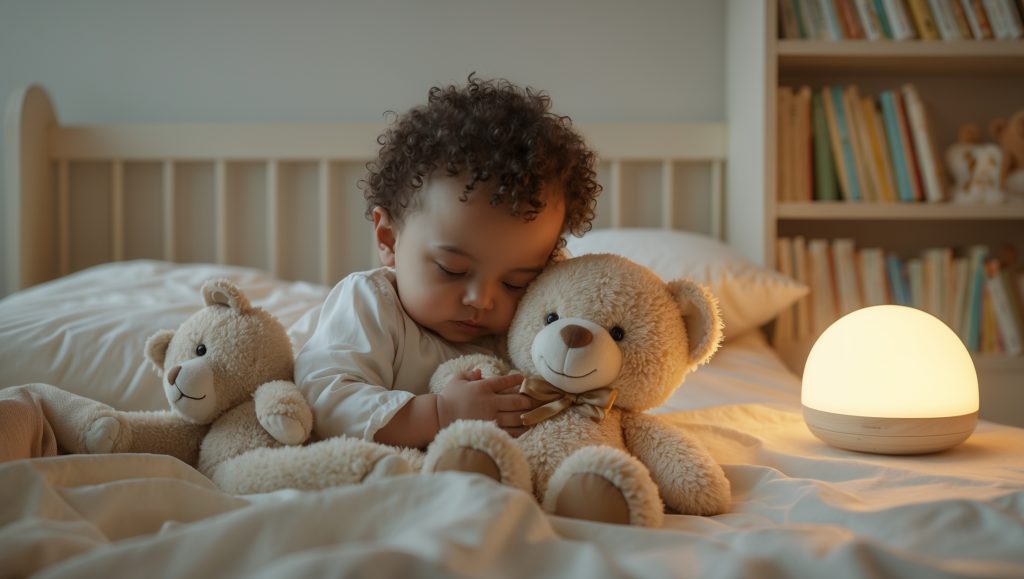
How We Chose
Creating a peaceful bedtime routine can be a game-changer for families, but with so many toys and tools on the market, it’s tough to know what actually helps. Our top picks for bedtime routine toys in 2025 were selected based on expert recommendations, parent feedback, safety standards, and evidence-informed benefits for sleep and calming. We focused on toys that encourage relaxation, promote gentle transitions, and support age-appropriate self-soothing—without screens or overstimulation. Each product was evaluated for durability, ease of cleaning, and developmental fit for babies, toddlers, and preschoolers.
1. Slumberkins Snuggler — Emotional Comfort Meets Bedtime
Why it stands out
The Slumberkins Snuggler combines plush comfort with a storybook, helping children build emotional security as part of the bedtime routine. The snuggler is soft and cuddly, while the storybook introduces calming routines and positive affirmations.
Best for
- Children who need extra comfort at bedtime
- Families looking to blend emotional learning with routine
Key notes
- Age/Stage: 0–6 years
- Materials/Ingredients: Ultra-soft polyester, hypoallergenic fill
- Strengths: Story + plush combo; supports emotional regulation
- Trade-offs: Higher price point than standard plush toys
2. Cloud b Twilight Turtle — Night Sky Projector
Why it stands out
This gentle turtle projects stars onto walls and ceilings, transforming a child’s room into a soothing nighttime environment. The calming lights and colors help kids relax and ease the transition to sleep.
Best for
- Children who are afraid of the dark
- Families seeking a screen-free night light solution
Key notes
- Age/Stage: 2 years and up (use with supervision for younger children)
- Materials/Ingredients: BPA-free plastic shell, plush body
- Strengths: Calming visual cues; adjustable light colors
- Trade-offs: Requires batteries; no built-in sounds
3. Jellycat Bashful Bunny — The Ultimate Cuddle Buddy
Why it stands out
Beloved for its ultra-soft feel, the Jellycat Bashful Bunny is a classic bedtime companion. Its gentle texture and floppy ears make it a comforting friend for winding down at night.
Best for
- Babies and toddlers who crave tactile comfort
- Families wanting a simple, durable plush
Key notes
- Age/Stage: Birth and up
- Materials/Ingredients: Polyester plush, bead-filled bottom
- Strengths: Machine washable; various sizes available
- Trade-offs: Beads may be a concern if seams break (supervise use for young babies)
4. Tonies Toniebox — Audio Storytelling Without Screens
Why it stands out
The Toniebox lets children listen to gentle bedtime stories and calming music by placing character figures on top. It’s easy for little hands to use, and helps establish a predictable wind-down routine.
Best for
- Families avoiding screens at bedtime
- Kids who enjoy stories and music
Key notes
- Age/Stage: 3 years and up
- Materials/Ingredients: Durable fabric, child-safe electronics
- Strengths: Screen-free; wide variety of stories and songs
- Trade-offs: Requires purchase of additional figures for new content
5. Manhattan Toy Sleepy Not Sleepy Book — Routine, Visualized
Why it stands out
This interactive cloth book walks young children through bedtime steps—like brushing teeth and putting on pajamas—using tactile elements and gentle illustrations. It reinforces routine through hands-on play.
Best for
- Toddlers learning bedtime steps
- Younger children developing self-care skills
Key notes
- Age/Stage: 1–3 years
- Materials/Ingredients: Soft cloth, embroidered details
- Strengths: Machine washable; great for travel
- Trade-offs: May not engage older preschoolers
6. VTech Soothing Slumbers Otter — Gentle Motion & Music
Why it stands out
This plush otter moves rhythmically, mimicking breathing motions, and plays lullabies or nature sounds. It’s designed for babies and toddlers who benefit from gentle movement and sound as part of their bedtime routine.
Best for
- Babies who are soothed by gentle movement
- Families seeking a multi-sensory calming tool
Key notes
- Age/Stage: Birth to 3 years
- Materials/Ingredients: Plush fabric, electronic music box (removable for washing)
- Strengths: Adjustable settings; machine washable
- Trade-offs: Requires batteries; motion may not appeal to all children
7. Melissa & Doug Star Diner Night Light — Imaginative Wind-Down
Why it stands out
Combining gentle lighting with a playful diner theme, this night light encourages children to “close” their restaurant for the night. It supports imaginative play while giving a child a sense of control over the nighttime transition.
Best for
- Preschoolers who resist bedtime transitions
- Kids who love role play and routines
Key notes
- Age/Stage: 3–6 years
- Materials/Ingredients: Durable plastic, LED light
- Strengths: Reinforces routines in a playful way
- Trade-offs: May not be soothing for children who prefer quiet wind-downs
8. Fisher-Price Calming Vibes Hedgehog Soother — On-the-Go Comfort
Why it stands out
This small, portable hedgehog plays calming sounds and vibrates gently, making it easy to bring bedtime routines on the road—or use in a stroller for late naps. It’s parent-friendly and simple to clean.
Best for
- Families who travel often
- Babies and toddlers needing soothing outside the crib
Key notes
- Age/Stage: Birth to 2 years
- Materials/Ingredients: Plush exterior, electronic core
- Strengths: Portable; multi-sensory soothing
- Trade-offs: Limited sound options; battery operated
9. Lulla Doll — Heartbeat and Breathing Sounds for Soothing
Why it stands out
The Lulla Doll plays real-life heartbeat and breathing sounds, designed to help babies and toddlers feel secure as they fall asleep. Its soft fabric and gentle soundscape are comforting for solo sleepers.
Best for
- Babies transitioning to sleeping independently
- Children who respond to white noise or rhythmic sounds
Key notes
- Age/Stage: 0–4 years
- Materials/Ingredients: Cotton blend, electronic sound box (removable)
- Strengths: Machine washable; long-lasting sound playback
- Trade-offs: Louder than some parents expect (volume control is helpful)
10. Fat Brain Toys Glow Tiles — Calming Light Play
Why it stands out
Glow Tiles light up with a soft glow when touched, inviting children to create calming patterns or simply enjoy gentle sensory play before bed. This hands-on toy encourages quiet, screen-free winding down.
Best for
- Preschoolers who like tactile, interactive play
- Evening sensory seekers
Key notes
- Age/Stage: 3 years and up
- Materials/Ingredients: BPA-free plastic, LED lights
- Strengths: Engaging, low-stimulation sensory play
- Trade-offs: Not a traditional night light; batteries required
Buying Tips
When shopping for bedtime routine toys, keep these tips in mind:
- Safety first: Look for products that meet U.S. safety standards, have no small parts for young children, and are machine washable or easy to clean.
- Avoid overstimulation: Choose toys with gentle sounds, soft lights, and soothing textures. Skip flashing lights or high-energy songs at bedtime.
- Developmental fit: Consider your child’s age and unique preferences. Babies may benefit from heartbeat dolls or gentle plush, while preschoolers might like interactive storybooks or routine-based play.
- Consistency: Choose toys that can become a regular part of your bedtime routine. Familiarity helps children feel secure.
- Ease of use: Toys that are simple for your child to operate—and for you to clean—are more likely to be used nightly.
Verdict
Supporting a smoother bedtime doesn’t require complicated gadgets—simple, thoughtful toys can make a big difference. Whether your family prefers cuddly plush, soft lights, or interactive stories, the best bedtime routine toys are those that match your child’s needs and help everyone wind down. Explore, experiment, and see what brings the most comfort to your nights in 2025.
FAQ
+How do bedtime routine toys help children sleep?
+Are night lights a good idea for toddlers?
+Should bedtime toys be used during the day?
+How many toys should be part of a bedtime routine?
+What’s the best way to clean bedtime toys?
+Can bedtime toys replace reading books at night?
+Is it okay for children to sleep with electronic toys?

Establishing a calming bedtime routine is essential for children’s emotional well-being and restful sleep. The right toys can make this nightly ritual both soothing and enjoyable, setting the stage for peaceful nights. In 2025, innovative toys are blending classic comfort with new sensory features, helping little ones wind down gently. Plush companions with gentle lights, soft music, or subtle scents are increasingly popular, offering multisensory relaxation. Interactive storybooks and cuddly weighted animals provide a sense of security and help ease nighttime worries. Parents should look for toys that encourage quiet play, mindfulness, and positive sleep associations, avoiding overly stimulating electronics or loud sounds. Thoughtfully chosen bedtime toys can become cherished parts of a child’s nighttime routine, signaling that it’s time to rest and recharge. By focusing on calming textures, soothing sounds, and gentle routines, families can transform bedtime from a struggle into a nurturing, cherished ritual. Remember, the best bedtime toy is one that aligns with your child’s unique needs and personality, fostering a sense of comfort and safety as they drift off to sleep.
- Opt for plush toys with soft lights or gentle melodies to promote relaxation.
- Weighted stuffed animals can provide comfort and a sense of security.
- Interactive storybooks make bedtime more engaging and peaceful.
- Choose toys that support mindfulness and quiet play before sleep.
I try to avoid screen time before bed and was attracted to the Toniebox, but is it easy enough for a toddler with limited fine motor skills to use independently, or does it require a lot of setup from parents?
It’s great that you’re looking for screen-free bedtime options that foster independence. The Toniebox is generally designed for young children: toddlers can start it by simply placing a Tonie figure on top, which doesn’t require much finger strength or coordination. However, adjusting volume, changing stories, or swapping Tonies might still need your help, especially for children under 3 or with limited fine motor skills. Always supervise closely to ensure safe use with small parts. This isn’t medical advice; if you’re concerned about your child’s ability to use toys independently, check in with your pediatrician.
If my toddler is sensitive to certain textures, do you have any recommendations for how to introduce something like the Jellycat Bashful Bunny without overwhelming them at bedtime?
It’s wonderful that you’re honoring your toddler’s sensitivities during bedtime. To introduce a plush toy like the Jellycat Bashful Bunny, let your child explore it during calm daytime moments first—touch it together, and watch their reactions. Offer the bunny near, but not in, their bed at first, and let your toddler decide if and when to cuddle it. Choose a size that’s easy to hold and make sure to supervise, as some plush toys have small parts like sewn eyes. Go slowly, and never force contact. This isn’t medical advice; if you’re concerned, check in with your pediatrician.
For families who tend to accumulate lots of toys, do you have any advice for balancing toy subscriptions versus purchasing individual bedtime toys from your list? I’m wondering how storage space and variety play a role in keeping bedtime routines clutter-free.
It’s very thoughtful to consider clutter and variety when choosing bedtime toys. Start by assessing how much space you have and aim to keep only a few soothing toys available at bedtime. With subscriptions, rotate in one or two new toys at a time and store the rest out of sight. If you purchase individual toys, choose versatile options that can serve more than one purpose, like a plush with a sound feature. Regularly review and donate or store toys not in use. For safety, always check that toys are age-appropriate and in good condition. This isn’t medical advice; if you’re concerned, check in with your pediatrician.
My child sometimes gets sensory overload, especially after daycare. Do any of these bedtime toys work better for kids who are easily overstimulated, or should we avoid light projectors like the Twilight Turtle in that case?
It’s understandable to want calm evenings if your child gets sensory overload after daycare. For sensitive kids, soft plush toys or weighted animals from the list may feel comforting without extra stimulation. Avoid toys with lights or sounds, like the Twilight Turtle, as these can sometimes make it harder for overstimulated children to wind down. Consider a gentle, tactile option such as a textured blanket or a simple stuffed animal. Always supervise with weighted items and ensure nothing poses a choking risk if your child is under three. This isn’t medical advice; if you’re concerned, check in with your pediatrician.
Our child is just about to turn two—would it make sense to start with a plush like the Bashful Bunny before introducing audio storytelling toys like the Toniebox, or would it be fine to have both as part of the evening routine?
You’re thoughtful to consider what’s best for your almost-two-year-old’s bedtime routine. Starting with a soft plush like the Bashful Bunny is a great idea at this age, since it offers comfort and is safe for toddlers—just check for small parts and keep it clean. Introducing an audio storytelling toy like the Toniebox can also be appropriate now, as long as you supervise and limit volume. You might start by using both: offer the plush for cuddling and try short, simple audio stories together to see what your child enjoys. This isn’t medical advice; if you’re concerned, check in with your pediatrician.
Our bedtime routine needs to stay short and calm, especially with my sensory-sensitive preschooler. Out of all the toys you reviewed, which would you recommend for encouraging self-soothing in just a few minutes each night without adding too much stimulation?
You’re wise to keep bedtime simple and gentle for your sensory-sensitive preschooler. Based on the article, I’d recommend a soft, weighted plush toy or a small, fabric fidget like a calming tactile square. These options support self-soothing in just a few minutes, offer comforting textures, and are unlikely to overstimulate. Make sure any toy is age-appropriate (no loose parts, choking hazards, or harsh scents), and stay nearby to help if your child needs reassurance. This isn’t medical advice; if you’re concerned, check in with your pediatrician.
For parents worried about choking hazards, do you find plush toys with sewn features safer than those with attached plastic eyes or noses? Did any of your top picks stand out as being completely free of small detachable parts for infants?
Your focus on choking hazards is absolutely valid, especially for infants. Plush toys with sewn-on features are generally safer than those with plastic eyes or noses that could detach. From the top picks in the article, several options, like the SnuggleBunny and Goodnight Starfish, are specifically designed without any small or detachable parts, making them suitable for babies under 12 months. Always inspect toys regularly for loose stitching, avoid items with glued or button features, and supervise infants during play. This isn’t medical advice; if you’re concerned, check in with your pediatrician.
I noticed the Jellycat Bashful Bunny is machine washable, which sounds perfect for our family since our 10-month-old loves smearing food everywhere. Are there any best practices for cleaning these plushes so they stay soft and last longer through the toddler years?
It sounds like you want to keep your little one’s favorite bunny both clean and cuddly. For a 10-month-old, it’s smart to wash plush toys regularly—use a gentle, fragrance-free detergent and wash on a delicate cycle in a mesh laundry bag. Avoid hot water and skip fabric softener, as those can damage the fibers and irritate sensitive skin. Air-dry the plush bunny flat, reshaping it as it dries, instead of using the dryer, which can cause clumping. Always check for loose seams or parts before returning the toy to your child. This isn’t medical advice; if you’re ever unsure, ask your pediatrician.
I read that the Cloud b Twilight Turtle is recommended for kids 2 and up, but my baby just turned 1. If we use it when supervised, is it still safe at this age, or would you recommend waiting until she’s a little older?
It’s great that you’re thinking carefully about your baby’s safety with bedtime toys. For a one-year-old, the Cloud b Twilight Turtle can be used if you supervise closely, keeping the toy out of the crib and ensuring your baby can’t put any parts in her mouth. Place it on a nearby shelf or dresser so she can enjoy the lights without direct contact. Always check for loose parts and avoid leaving her unattended with it. At this age, safety and supervision are most important. This isn’t medical advice; if you’re concerned, check in with your pediatrician.
Are the beads in the Jellycat Bashful Bunny securely sewn in? One of our twins is a chewer, and I worry about potential choking hazards if the seams come undone over time.
It’s completely understandable to worry about choking hazards, especially with a little one who likes to chew. Jellycat Bashful Bunnies are generally designed with safety in mind and their beads are securely sewn inside the plush, but no soft toy is entirely risk-free if chewed persistently. For infants, toddlers, or frequent chewers, inspect all seams regularly for signs of wear, and supervise play with any stuffed toy. If you notice loose stitching or exposed beads, remove the toy immediately. This isn’t medical advice; if you have ongoing concerns, your pediatrician can offer guidance on safe sleep and play items.
I noticed the Cloud b Twilight Turtle is recommended for ages 2 and up with supervision for younger kids. If my child is almost 4 but still puts things in her mouth sometimes, would this toy be safe for us to use together at bedtime?
It’s completely understandable to be cautious if your almost-4-year-old still mouths objects. For the Cloud b Twilight Turtle, always supervise your child and keep the toy out of reach during sleep. The turtle has small battery components and parts that could pose a risk if mouthed or handled without supervision. Make the bedtime routine a shared experience—set up the turtle’s lights together, then place it somewhere safe out of your child’s immediate reach. This isn’t medical advice; if you’re concerned, check in with your pediatrician.
How would you adapt your toy recommendations for families with limited nursery space? Are there any options from your list that work well in smaller bedrooms or can be stored away easily after bedtime?
It’s thoughtful to consider space limitations when choosing bedtime toys for your child. For smaller bedrooms, look for compact or multi-use items—such as soft, foldable loveys, small plush animals, or lightweight fabric storybooks—which can be stacked or stored in a drawer after use. Nightlight projectors that double as cuddly toys are a space-saving option from the list. Avoid large, bulky items or anything with lots of pieces that could clutter the room. Always choose age-appropriate and safe materials, especially for babies under three. This isn’t medical advice; if you’re concerned, check in with your pediatrician.
For parents with infants and preschoolers sharing a room, are there specific bedtime toys on your list that are versatile and safe enough to bridge that wide age range?
It’s great that you’re thinking about toys that work for both infants and preschoolers sharing a space. For this age gap, focus on soft, plush bedtime toys without small parts or loose stitching—many on our list are designed exactly for this purpose. Consider simple musical soothers or gentle nightlights, which are calming for little ones of different ages. Always choose hypoallergenic materials and check for choking hazards, especially with infants present. Supervise play and remove toys from the crib for babies under 12 months to reduce suffocation risk. This isn’t medical advice; if you’re concerned, check in with your pediatrician.
The Slumberkins Snuggler sounds lovely, but you mention it’s pricier than standard plush toys. For parents on a budget, are there any more affordable options that still support emotional comfort and bedtime routines for toddlers?
It’s wonderful that you’re looking for ways to support your toddler’s emotional comfort at bedtime without stretching your budget. Consider using a simple, soft blanket or an existing plush toy, incorporating it into a calming bedtime routine with cuddles and soothing words. You can also create a routine using a favorite storybook or a gentle lullaby, both of which foster emotional security. Just ensure any toy or blanket is free of small parts and safe for your child’s age. This isn’t medical advice; if you’re concerned, check in with your pediatrician.
Can you clarify if the Toniebox is safe for a just-turned three-year-old to use independently at bedtime, or does it need a parent nearby? I’m curious if there are any small parts I should worry about.
It’s great that you’re prioritizing both safety and independence at bedtime. The Toniebox is generally considered suitable for age three and up, and its design minimizes small parts—Tonie figures are larger and not easily swallowed. Still, at just three, your child may need some initial supervision to ensure they don’t misuse the figures or the device itself. Place the Toniebox on a stable surface within easy reach but out of bed to prevent rolling or falling. Always check for wear and tear, and supervise until you’re confident your child uses it safely. This isn’t medical advice; if you’re concerned, check in with your pediatrician.
Could the Toniebox or something similar be left in a child’s room for early mornings so they can quietly listen to stories when they wake up early? Or would you recommend a different item for encouraging independent, calm play at those times?
It’s great that you want to encourage gentle, independent play during early mornings. The Toniebox can be a safe option for many children, as it’s soft, screen-free, and easy to operate. For ages 3 and up, you can leave it within reach if there are no small parts or choking hazards. Make sure the volume is set at a reasonable level and cords are out of reach. Alternatively, simple board books or soft toys can also support quiet, solo play. Supervision is still important, especially for younger kids. This isn’t medical advice; if you’re concerned, check in with your pediatrician.
Do you have thoughts on how wooden toys might compare to the plastic and polyester options on your list when it comes to both environmental impact and long-term durability for bedtime routines? I am trying to make more eco-conscious choices but still want toys that are soothing and safe for my toddler.
It’s wonderful that you’re thinking about both the environment and your toddler’s comfort. Wooden toys often have a smaller environmental footprint and tend to be more durable than many plastic or polyester options. For bedtime, choose smooth, untreated wood toys with no sharp edges or small parts, as these are safer for toddlers. Avoid heavily painted finishes to reduce allergen risk. While wooden toys aren’t as soft or cuddly, they can be soothing if shaped for gentle handling or used in calming bedtime rituals. This isn’t medical advice; if you’re concerned, check in with your pediatrician.
For families with toddlers who wake up before sunrise, do you think items like the Toniebox or Twilight Turtle would be suitable for quiet morning play, or could those be too stimulating compared to their use at bedtime?
It’s understandable to look for ways to keep early-rising toddlers calm and occupied. Both the Toniebox and Twilight Turtle can be suitable for quiet morning play if you set clear boundaries. Try limiting their features—use only gentle music or stories on the Toniebox, and keep the Twilight Turtle on its softest light setting. Always supervise play, especially with small parts or electronics, and make sure your toddler uses these items safely in their sleep space. Keep in mind that every child reacts differently; if you notice increased stimulation, adjust accordingly. This isn’t medical advice; if you’re concerned, check in with your pediatrician.
We’re on a tighter budget this year and noticed some toys, like the Slumberkins Snuggler, have a higher price point. Are there similar lower-cost alternatives that still support emotional comfort at bedtime?
It’s completely understandable to look for comforting bedtime toys that fit your budget. Soft, simple stuffed animals or a cozy blanket can offer emotional comfort just like pricier options. Involve your child by letting them choose a favorite plush (be sure it’s safe for their age—no loose parts for little ones). You can also create a bedtime ritual by giving the toy or blanket a special role, like a ‘sleep helper.’ Homemade options, like a hand-sewn pillow with calming scents (lavender for older kids), can add personal meaning. This isn’t medical advice; if you’re concerned, check in with your pediatrician.
My toddler tends to get really stimulated by lights before bed. Would something like the Cloud b Twilight Turtle still be helpful, or could the visual effect actually make it harder for some highly sensitive kids to wind down?
Your concern about light stimulation before bed is very valid, especially for highly sensitive toddlers. For some children, even gentle night lights or star projectors like the Cloud b Twilight Turtle can be too stimulating and make winding down harder. Try using soft, indirect lighting instead of light-up toys, and consider calming routines with dim lighting. If you use any light-up toy, keep it on the lowest brightness and turn it off once your child is in bed. Always supervise your toddler during play, and avoid toys with small parts. This isn’t medical advice; if you’re concerned, check in with your pediatrician.
For families with a tight budget, are there affordable alternatives to toys like the Slumberkins Snuggler that still provide emotional comfort for bedtime routines?
It’s wonderful that you want to provide comfort for your child at bedtime, even on a budget. Consider creating a homemade comfort object, like a soft fabric square or an old T-shirt with your scent, for gentle cuddling. You can also read a special bedtime story together or sing a calming song as a bonding ritual. A favorite stuffed animal, even if not branded, can offer similar reassurance. Always ensure items are age-appropriate—no small parts or loose threads for babies and toddlers. This isn’t medical advice; if you’re concerned, check in with your pediatrician.
For routines, do you suggest offering these toys at a certain point in the bedtime sequence? For example, would you give the Snuggler during stories or after lights go out? I’m curious what might work best for a sensitive toddler who resists transitions.
It’s great that you’re thinking carefully about how to support your sensitive toddler during bedtime routines. For little ones who struggle with transitions, introduce the Snuggler or similar comfort toy right before the most challenging part—often when it’s time to turn out the lights. You might try offering the Snuggler after stories, as part of your final goodnight, to help bridge the transition from activity to rest. Keep the toy easily accessible so your child knows it’s waiting for them. Always choose age-appropriate, safe toys without small parts or choking hazards, and supervise if needed. This isn’t medical advice; if you’re concerned, check in with your pediatrician.
My toddler is just over a year old and still puts things in her mouth sometimes. The Jellycat Bashful Bunny sounds cozy, but are there any extra safety tips you recommend for little ones at this stage?
You’re right to be careful about what your toddler handles, especially since mouthing is still common at this age. For the Jellycat Bashful Bunny or similar plush toys, check that all seams are tight and there are no loose parts like eyes or buttons. Wash the toy before first use and regularly after that, as fabric can harbor germs. Always supervise your child with any toy, especially at bedtime, and remove it once your child is asleep to reduce suffocation risks. If your child chews holes in the fabric, retire the toy. This isn’t medical advice; if you’re concerned, check in with your pediatrician.
How would you suggest using toys like the Slumberkins Snuggler or Jellycat Bashful Bunny to support fine-motor development right before bed? Is there a way to work in simple buttoning or zipping skills as part of the bedtime routine without overstimulating my toddler?
It’s great that you’re thinking about supporting your toddler’s fine-motor skills during bedtime. You can gently involve toys like the Slumberkins Snuggler or Jellycat Bunny by having your child help tuck them in, smooth their fur, or practice gentle hugs and pats—these actions exercise small hand muscles without being too stimulating. For buttoning or zipping, you might add a doll-sized sleep sack or a soft fabric pouch with a single large button or zipper, letting your child help close it as part of the toy’s bedtime. Keep these activities brief and calming, avoiding anything too tricky or frustrating. Always supervise closely to ensure safety with small parts. This isn’t medical advice; if you’re concerned, check in with your pediatrician.
For kids who have trouble winding down after busy days, would you say it’s better to use storytelling toys like the Toniebox or calming plush toys, or is it okay to combine both as part of the routine?
It’s understandable to want the best tools to help your child relax after a busy day. Combining storytelling toys like the Toniebox with calming plush toys can actually work very well together, as long as you keep the routine predictable and not overly stimulating. Start with the storytelling toy to signal the transition to bedtime, then offer the plush toy for snuggling as you dim the lights. Make sure both are age-appropriate and safe—no small parts or choking hazards for little ones, and choose hypoallergenic materials if allergies are a concern. This isn’t medical advice; if you’re worried about your child’s sleep, please talk to your pediatrician.
The Slumberkins Snuggler sounds really helpful for bedtime, but I’m wondering if it’s suitable for older preschoolers who have outgrown plush toys but still need comfort. Do you have recommendations for transitioning emotional support routines for kids approaching 6 years old?
It’s completely normal to wonder how to support your child’s need for comfort as they grow out of certain toys. For kids approaching 6, try introducing a soft, reassuring pillow or a cozy blanket as a new bedtime comfort object. Encourage your child to help choose or personalize it, so it feels special. You can also transition to calming bedtime routines like reading together or sharing a gratitude ritual. Guided relaxation exercises or gentle music can offer emotional reassurance without relying on plush toys. Make sure any chosen items are safe and free from choking hazards. This isn’t medical advice; if you’re concerned, check in with your pediatrician.
Do you have recommendations for parents whose children have sensory sensitivities, especially to light or texture? For example, would something like the Twilight Turtle be overwhelming for kids who are sensitive to visual input, or are there ways to adjust the experience for them?
Thank you for being so thoughtful about your child’s sensory needs. For children sensitive to light, you can use the Twilight Turtle on its dimmest setting, point it away from the bed, or place it across the room to soften the effect. Choose plush toys with smooth, tag-free fabrics or textures your child already finds soothing, and avoid toys with rough or bumpy surfaces. Always check for potential allergens and supervise play, especially with younger children. Every child is different, so it’s okay to experiment gently and see what helps your child relax. This isn’t medical advice; if you have concerns, please check in with your pediatrician.
My toddler is extremely active and sometimes has trouble settling down for bedtime. Do you have advice on the best way to introduce something like the Slumberkins Snuggler into our routine so it becomes calming rather than just a new thing to play with?
It’s understandable to want bedtime to feel peaceful, especially with an active toddler. To help the Slumberkins Snuggler become a calming part of your routine, start by introducing it only at bedtime, not during playtime. Let your child help tuck the Snuggler into bed, and use it as a cue for quiet activities like reading a story or singing softly together. Keep the routine consistent each night so your toddler learns the Snuggler signals sleep time. Make sure the toy is safe for your child’s age, with no loose parts. This isn’t medical advice; if you’re concerned, check in with your pediatrician.
Do you have any advice on how to introduce something like the Cloud b Twilight Turtle to a toddler who’s a little wary of new lights or gadgets at bedtime? My 2-year-old sometimes gets overstimulated by bright toys, but I’d love a gentle nightlight option.
It’s great that you’re mindful of your toddler’s sensitivities at bedtime. To introduce a gentle nightlight like the Twilight Turtle, start by showing it to your child during the day so they can explore it in a relaxed setting. Keep it off at first, then turn it on briefly and let your toddler watch from a distance. Use the dimmest setting, and reassure them that you can turn it off at any time. Always supervise, and make sure the light isn’t too bright for your child’s comfort. This isn’t medical advice; if you’re concerned, check in with your pediatrician.
Do you find that open-ended toys like the Jellycat Bashful Bunny work well for kids with sensory sensitivities, or are educational toys with predictable features, like the Toniebox, a safer choice to avoid overstimulation at night?
You’re thoughtful to consider how different toys might affect your child’s sensory experience at bedtime. For many kids with sensory sensitivities, soft open-ended toys like the Jellycat Bashful Bunny can be soothing, especially if the texture is gentle and the toy has no small, detachable parts. If your child craves predictable routines, educational toys like the Toniebox—with simple, consistent features—may feel safer and less likely to overstimulate as part of a calming bedtime ritual. Observe how your child responds, start with short sessions, and always supervise with new toys. This isn’t medical advice; if you’re concerned, check in with your pediatrician.
I wonder if the expense of buying a higher-priced emotional support plush like the Slumberkins Snuggler pays off in the long run, or if a monthly toy subscription that rotates calming toys might actually work out better for both budget and variety. What’s your view on this balance?
It’s thoughtful to weigh both emotional value and budget when selecting bedtime toys for your child. A well-made emotional support plush like the Slumberkins Snuggler can become a comforting companion if your child bonds with it, which often supports long-term soothing routines. On the other hand, a monthly toy subscription offers variety and may prevent boredom, but some children prefer consistency at bedtime. For young children, safety is key—ensure all toys are age-appropriate and free from choking hazards. You could also try a mix: see if your child gravitates toward one plush, then supplement with rotating items for novelty. This isn’t medical advice; if you’re concerned, check in with your pediatrician.
I see that some bedtime toys are more expensive, like the Slumberkins Snuggler. For families who want calming routines but need more budget-friendly options, do you have any similar alternatives or tips for creating the same effect without a high price tag?
It’s completely understandable to want a soothing bedtime routine without stretching your budget. You can create a similar calming effect by using a favorite soft toy or even a homemade fabric doll, as long as it’s safe for your child’s age. Try adding a gentle bedtime ritual, like reading a quiet story together or singing a lullaby with the toy. Encourage your child to give their toy a gentle ‘goodnight hug’ as part of the routine. For infants and toddlers, always avoid small parts and choose washable, hypoallergenic materials. This isn’t medical advice; if you’re concerned, check in with your pediatrician.
I noticed that a couple of the toys, like the Twilight Turtle, have electronics or small parts. What should parents consider in terms of safety or supervision, especially if younger siblings are also interested in these bedtime toys?
You’re right to be thoughtful about safety, especially with toys that have electronics or small parts. For children under age three, avoid toys with easily accessible batteries or removable small pieces that could pose choking hazards. Always supervise younger siblings if they’re drawn to these toys, and opt for options with securely closed battery compartments. Make sure to check the manufacturer’s age recommendations, and regularly inspect toys for any loose parts. This isn’t medical advice; if you’re concerned about a specific toy or your child’s needs, check in with your pediatrician.
My one-year-old just started daycare and has trouble winding down at night, especially after a long day. For a child this age, would you recommend introducing one of these bedtime toys immediately, or should we gradually add them into our nighttime routine?
It’s completely normal for your one-year-old to need extra help settling after starting daycare. At this age, it’s gentle to introduce a new bedtime toy gradually: begin by letting your child explore the toy during quiet play earlier in the day, then bring it into your bedtime routine over several nights. Watch for any strong reactions and keep toys age-appropriate—safe, soft, without small parts or loose stitching. Always supervise at first, and make sure the toy is free of choking hazards. This isn’t medical advice; if you’re concerned, check in with your pediatrician.
Do you have any advice on how to transition a preschooler from a favorite bedtime toy, like a plush, to something like the Toniebox if you want to encourage more independent winding down?
It’s completely normal to want to help your preschooler become more independent at bedtime. Try introducing the Toniebox during playtime first, letting your child explore it without pressure. Gradually use it alongside the plush at bedtime, so both are present and comforting. After a week or so, encourage your child to start bedtime stories with the Toniebox, keeping the plush nearby but maybe off the bed. Praise any small steps toward independence, and ensure the Toniebox content is age-appropriate and the device is used safely. This isn’t medical advice; if you’re concerned, check in with your pediatrician.
One concern I have is about cleaning and maintenance. For families dealing with allergies, how easy is it to wash these bedtime plush toys regularly, and will frequent washing affect their softness or durability?
You’re right to think about cleanliness and allergies with bedtime plush toys. Most high-quality plush toys are machine washable, but always check the care label first. Use a gentle detergent free of fragrances or dyes, and opt for a delicate wash cycle with cold water. To preserve softness, air dry or tumble dry on low with some clean towels. Over time, frequent washing may slightly affect the plushness, but it’s a worthwhile tradeoff for allergy safety. Supervise use with younger children, and regularly inspect for wear. This isn’t medical advice; if you’re concerned, check in with your pediatrician.
I see some toys, like the Toniebox, are meant for older toddlers. Should I wait until my child is closer to three to introduce these, or can they be helpful for younger children if we supervise? How do you handle the age recommendations when starting new routines?
It’s great that you’re thinking carefully about when to introduce new bedtime toys. For items like the Toniebox, manufacturers set age recommendations based on safety and developmental stages, so it’s wise to follow them closely. If your child is younger than the suggested age, check for small parts, volume levels, or other hazards. If you decide to try it under close supervision, stay with your child during use and observe how they interact with the toy. Always introduce new items slowly and watch for signs of overstimulation. This isn’t medical advice; if you’re concerned, check in with your pediatrician.
Our family budget is tight and I noticed some toys, like the Slumberkins Snuggler, have a higher price point. Are there more affordable alternatives that still provide emotional comfort for bedtime?
It’s completely understandable to look for comforting bedtime toys that fit your budget. You might consider a soft washcloth or scarf with your scent, or a simple stuffed animal from a discount store—kids often attach to the comfort and routine, not the brand. You can also make a bedtime ‘comfort object’ together, like a homemade pillow or sock puppet. For toddlers and older children, reading a favorite book together can be just as soothing. Always check that items have no loose parts or choking hazards, especially for children under 3. This isn’t medical advice; if you’re concerned, check in with your pediatrician.
Routine consistency is important in our multilingual home. Do you recommend keeping the same bedtime toys when switching between two languages, or could alternating different toys for each language actually help with wind-down cues?
You’re thoughtful to consider how routines work in your multilingual home. Consistency in bedtime toys can help children feel secure, no matter the language, reinforcing clear wind-down cues. However, gently alternating toys by language could also support language association—just introduce changes gradually so bedtime still feels predictable. For toddlers and preschoolers, keep choices simple and familiar, and always supervise if toys have small parts. Watch your child’s reactions to see what works best. This isn’t medical advice; if you’re concerned, check in with your pediatrician.
Some toys have age guidelines that start at a later stage. For example, the Cloud b Twilight Turtle says 2 years and up, but is it safe to use as a night light in a room with a supervised baby, or are there better options for infants?
You’re wise to check the age guidelines and think about sleep safety. The Cloud b Twilight Turtle is labeled for ages 2 and up because it has small parts and battery access, which could be a hazard for infants. For babies under 2, consider night lights designed specifically for infants—look for soft, enclosed designs that don’t have removable pieces or accessible batteries. Always place any night light out of reach and make sure cords and electronics are well-secured. This isn’t medical advice; if you’re concerned about sleep environment safety, it’s always best to check in with your pediatrician.
Bedtime routines can get expensive if we keep adding new tools. Out of the toys you mentioned, which would you say offers the most value for active toddlers both in terms of sensory engagement and calming benefits?
You’re thoughtful to consider both your child’s needs and your budget. For active toddlers, I’d suggest a weighted stuffed animal as the most versatile option—it provides deep pressure input for sensory engagement and calming, and can double as a cuddle buddy during storytime. Make sure the toy is age-appropriate with securely sewn seams and no small parts. Introduce it as part of a predictable bedtime routine for consistency. Always supervise toddlers with weighted items and check weight recommendations. This isn’t medical advice; if you’re concerned, check in with your pediatrician.
Are there any recommendations for children who have sensory sensitivities to certain fabrics? For example, the ultra-soft materials sound lovely, but do you know if the plushes on your list come in different textures, or are there hypoallergenic options?
It’s thoughtful of you to consider your child’s sensory sensitivities and comfort at bedtime. Many plush toys on our list offer a variety of textures—some brands include options with smoother cotton exteriors or firmer surfaces, which can be less overwhelming than ultra-soft or fuzzy fabrics. Look for toys clearly labeled as hypoallergenic and free from loose fibers, and always check that seams are strong to prevent choking hazards. When possible, let your child feel the fabric before bedtime to see how they react. If you have ongoing concerns about sensitivities or allergies, consult your pediatrician for tailored guidance. This isn’t medical advice; if you’re concerned, check in with your pediatrician.
My preschooler sometimes gets overstimulated with music or lights at night. Would you suggest sticking to something like the Jellycat Bashful Bunny, or can the night sky projector be used in a way that won’t disrupt sensitive sleepers?
It’s understandable to want soothing options for your sensitive sleeper. For preschoolers who get overstimulated, cuddly plush toys like the Jellycat Bashful Bunny are usually a safe, calming choice. If you’d like to try the night sky projector, keep it on the dimmest, slowest setting and avoid sound features—use it only as part of winding down, not during actual sleep. Always supervise the first few uses to watch your child’s reaction. Choose projector models with simple designs and no small detachable parts. This isn’t medical advice; if you’re concerned, check in with your pediatrician.
I noticed the Cloud b Twilight Turtle is recommended for 2 years and up, but is it safe to use for a supervised 10-month-old, especially if he tends to grab and mouth everything at bedtime?
It’s great that you’re being mindful about toy safety at bedtime. For a supervised 10-month-old who mouths objects, here are some steps: 1) Always keep the Twilight Turtle out of reach in the crib—use it as a projection nightlight from a nearby shelf. 2) Never allow your baby to hold or chew on the toy, since it has small parts and hard edges. 3) Regularly check for any loose or damaged pieces. 4) Choose soft, approved teething or comfort toys for direct handling at this age. This isn’t medical advice; if you’re concerned, check in with your pediatrician.
The article mentions the beads in the Jellycat Bunny could be a concern if seams break. How common is this issue, and are there safer alternatives for babies who like to chew or tug on their plush toys?
It’s very wise to think about the safety of plush toys, especially for babies who like to chew or tug. While quality brands like Jellycat rarely have seam failures, no stuffed toy with internal beads is completely risk-free for infants and toddlers. For babies under three, look for plush toys labeled for their age group, made without beads or small parts, and with securely stitched seams. Opt for toys specifically designed for teething or mouthing, such as fabric teethers or plush toys filled only with soft stuffing. Always supervise play and check toys regularly for wear. This isn’t medical advice; if you’re concerned, check in with your pediatrician.
For families with more than one child sharing a bedroom, is it okay to use the same calming toy for both, or would you recommend each child have their own for emotional comfort?
It’s thoughtful to consider each child’s emotional comfort at bedtime. Some siblings enjoy sharing a calming toy, but often, having their own special item helps each child feel secure and valued. You might let each child choose a toy that suits their preferences and sensitivities. For safety, ensure all toys are age-appropriate and free from small parts or allergens, especially if the children are of different ages. Encourage a routine where each child can use their toy without conflict. This isn’t medical advice; if you’re concerned, check in with your pediatrician.
If my toddler has a strong preference for interactive, educational toys during the day, would you suggest switching to only calming plushes and storybooks for bedtime, or is it beneficial to blend both types into the routine?
It’s understandable to want bedtime to feel peaceful after a stimulating day. For toddlers, a gentle transition is key—try introducing calming plushes and storybooks as the last step in your routine, but you can still allow some interactive, but less stimulating, toys earlier in the wind-down period. For example, start with a simple puzzle or quiet activity, then gradually move to cuddly toys and reading. Avoid toys with lights or loud sounds right before bed, as these can disrupt sleep readiness. Always supervise play and avoid toys with small parts for safety. This isn’t medical advice; if you’re concerned, check in with your pediatrician.
Do you have any suggestions for adapting these bedtime toys if our little one has mild eczema and tends to react to certain fabrics? Are all the plush options you listed genuinely hypoallergenic or has anyone reported sensitivities?
It’s great that you’re thinking ahead about your child’s skin sensitivities. For little ones with eczema, choose plush toys made from certified hypoallergenic materials like organic cotton, and avoid those with synthetic or wool fabrics. Before introducing a new toy, wash it with a fragrance-free, gentle detergent and check for any seams or tags that might irritate skin. Not all plush toys listed are guaranteed hypoallergenic, and some children may still react even to labeled options. Supervise your child at first and watch for any signs of discomfort. This isn’t medical advice; if you’re concerned, check in with your pediatrician.
I noticed you recommended the Slumberkins Snuggler for up to 6 years old, but do you have advice for parents who want to use it for both a baby and a preschooler at the same time? Would there be any drawbacks to sharing one or should each child have their own?
It’s thoughtful to consider how siblings can use comfort items together at bedtime. For babies and preschoolers, I recommend giving each child their own Slumberkins Snuggler. This helps with hygiene, prevents sibling conflicts, and lets each child form their unique attachment—especially important for emotional development. For infants under 12 months, keep the Snuggler out of the crib to ensure safe sleep, and supervise use. Sharing one can sometimes lead to frustration or exclusion, so having one for each child supports both safety and emotional needs. This isn’t medical advice; if you’re concerned, check in with your pediatrician.
Your guide focuses on toys for bedtime routines, but I’m curious if dietary choices like iron-rich cereals or purees affect a child’s ability to settle at night. Have you seen any research or expert advice on combining calming toys with certain evening snacks for toddlers?
It’s great that you’re thinking about how both play and nutrition can support your toddler’s sleep. Research suggests that balanced, nutrient-rich snacks—like iron-fortified cereals or purees—can help, especially if your child’s iron levels are low, as iron deficiency sometimes disrupts sleep. For bedtime, choose a light snack about 30–60 minutes before bed: a small serving of fortified cereal with milk or a fruit puree is gentle on little tummies. Pair this with calming toys from the bedtime routine to reinforce a sense of security and predictability. Always supervise snacks to prevent choking, and check for allergens. This isn’t medical advice; if you’re concerned, check in with your pediatrician.
We tend to keep bedtime routines screen-free, but we also want to offer stories in both English and Spanish. Is the Toniebox easy to use for dual-language households, or should we look for other toys from your list that support bilingual development?
It’s wonderful that you want to support bilingual development while keeping bedtime calm and screen-free. The Toniebox can be a helpful tool for dual-language households because you can choose Tonies that tell stories in both English and Spanish. To use it effectively: 1) Select Tonies in both languages, swapping them out as part of your routine; 2) Let your child help choose which language they want each night; 3) Listen together so you can answer questions or translate as needed. Make sure your child is old enough to handle the Toniebox safely, usually age 3 and up, due to small parts. This isn’t medical advice; if you have specific concerns about language development, check in with your pediatrician.
I noticed that some toys include storybooks or audio elements. Are there any options on your list that include or support Spanish language content, or is it easy to adapt these toys for use in a bilingual bedtime routine?
It’s great that you want to support a bilingual bedtime routine for your child. Some toys on our list, like plush toys with audio functions, do offer multiple language options—including Spanish—or allow you to record your own stories. If the toy does not include Spanish, consider using accompanying storybooks in Spanish or making use of digital recordings. For younger children, be sure all toys are age-appropriate and free of choking hazards. Always supervise audio use to avoid excessive volume. This isn’t medical advice; if you’re concerned, check in with your pediatrician.
The Toniebox seems interesting, but I’m wondering if it’s simple enough for a 3-year-old to use independently right before bed or if I’d need to help every night. How much supervision does it usually require at that age?
It’s great that you want to foster independence at bedtime for your 3-year-old. The Toniebox is designed with young children in mind and has simple controls, like placing a Tonie figure on top to start playing stories or music. Most 3-year-olds can learn to use it with some guidance at first. I suggest showing your child how to use it together for a few nights, keeping the volume at a safe level, and ensuring Tonie figures (which are small) aren’t mouthed. After a little practice, many children this age enjoy operating it on their own as part of the bedtime routine. This isn’t medical advice; if you’re concerned, check in with your pediatrician.
The Jellycat Bunny seems like a sweet option, but I am concerned about the beads inside if seams open over time, especially since my in-laws sometimes let my son nap on their couch. How can we minimize any risks with this feature?
You’re right to be cautious about the beads inside stuffed toys, especially if your son might nap unsupervised. First, regularly inspect the Jellycat Bunny for any loose seams or signs of wear, and repair them promptly if needed. Second, only allow the toy during supervised naps, avoiding situations where he’s alone with it. Third, for children under 3, or if you’re worried about choking hazards, consider plush toys without internal beads or with securely sewn seams. Remind your in-laws about these precautions too. This isn’t medical advice; if you’re concerned, check in with your pediatrician.
My child can be nervous about darkness at night, but I worry about night lights being too bright. How adjustable is the Cloud b Twilight Turtle, and does it bother light sleepers?
It’s completely understandable to want your child to feel safe at night without disrupting their sleep. The Cloud b Twilight Turtle offers three gentle color options and a soft glow, which many parents find less disruptive than traditional night lights. You can select your child’s favorite color and adjust room placement to reduce brightness by setting the turtle farther from the bed or pointing it away. The automatic shut-off feature (usually 45 minutes) also helps minimize exposure during the deepest sleep cycles. Always supervise for small parts with younger children and check that the light isn’t overheating. This isn’t medical advice; if you’re concerned, check in with your pediatrician.
Our family is gradually introducing allergens following our pediatrician’s guidance. Did the experts you consulted have any tips on rotating or limiting bedtime plushies to help parents track potential allergic reactions more easily?
It’s great that you’re taking a careful approach to introducing allergens. Experts recommend limiting the number of plushies in your child’s bed to one or two at a time, and rotating them every few days so it’s easier to identify which item might be causing a reaction. Wash plush toys frequently with hypoallergenic detergent to remove dust and allergens, and label them by introduction date. For younger children, choose plushies without small parts to avoid choking hazards. Always supervise and observe for new symptoms. This isn’t medical advice; if you notice any reactions or have concerns, reach out to your pediatrician.
I have a 7-month-old who is just starting to develop a bedtime routine. Would you recommend introducing something like the Slumberkins Snuggler now, or is it better to wait until they are a little older for emotional comfort toys?
It’s wonderful that you’re thinking about your baby’s comfort and bedtime routine. At 7 months, your baby may enjoy soft objects, but for safety, avoid leaving any plush toys or blankets in the crib during sleep to reduce the risk of suffocation. You can introduce the Snuggler as a comfort object during bedtime routines while your baby is awake and supervised, using it for cuddling, stories, or gentle touch. As your child gets older and can roll over or move objects easily, you can reconsider allowing a small comfort toy in the crib. This isn’t medical advice; if you’re concerned, check in with your pediatrician.
For children with sensory sensitivities, are any of these bedtime routine toys known to cause issues with texture or light? I’d love tips on how to introduce these items gently, especially things like the light-up turtle.
It’s great that you’re thinking about your child’s sensory comfort at bedtime. Some toys, especially those with changing lights or certain plush textures, can feel overwhelming for sensitive kids. Start by letting your child explore the toy during the day, keeping it turned off at first. Gradually introduce features like lights or sounds in a dim room, watching for any signs of discomfort. Always supervise, and consider keeping light settings on the lowest brightness. Choose toys labeled hypoallergenic and avoid those with scratchy fabrics or strong scents. This isn’t medical advice; if you’re concerned, check in with your pediatrician.
We are working on a bedtime routine after dinner, but our 10-month-old tends to get overstimulated by lights and sounds. Of the toys you suggest, which are the most calming without risk of excitement or distraction when parents are trying to establish a consistent wind-down period?
You’re trying to create a peaceful bedtime routine, which is so important at this age. For a 10-month-old who is easily overstimulated, choose toys from the list that are simple and soothing, like soft fabric books without lights or sounds, plush loveys, or a gentle textured teether. Avoid anything with flashing lights or music near bedtime. Supervise closely, making sure toys are safe for infants with no small parts or loose stitching. This isn’t medical advice; if you’re concerned, check in with your pediatrician.
We have a small apartment and limited storage space. Are any of these bedtime routine toys compact or easy to put away when not in use?
It’s very understandable to prioritize space when choosing toys in a small apartment. From the article, items like soft bedtime books, plush comfort toys, and compact nightlights are often small and easy to store on a shelf or in a basket. You might also consider a foldable play mat or a small sensory blanket, which can tuck away into a drawer. Just ensure that any toy is safe for your child’s age, with no small detachable parts for little ones. This isn’t medical advice; if you have concerns, check in with your pediatrician.
My toddler wakes up really early and we need quiet activities to keep him calm before the rest of the house is up. Are any of these bedtime toys also helpful for early mornings, or would you suggest something different for those hours?
It’s understandable to want peaceful mornings while your toddler is up early. Many bedtime routine toys—like soft stuffed animals, quiet books, and simple puzzle toys—can also help keep your child calm in the morning, as long as they do not make noise or require bright lights. Try setting up a special basket with safe, age-appropriate toys used only in the mornings. Consider items like chunky wooden puzzles, textured fabric books, or stacking cups, making sure there are no small parts that could be a choking hazard. Always supervise your toddler during play. This isn’t medical advice; if you’re concerned, check in with your pediatrician.
Our pediatrician advised us to try new allergenic materials one at a time. When picking a bedtime routine toy, do you have tips on spreading out introductions or watching for possible sensitivities, since these toys are right by your child’s skin all night?
You’re right to be cautious about new materials touching your child’s skin overnight. Try introducing just one new toy or material at a time, and allow at least 5–7 nights before adding another. Watch for redness, rashes, sneezing, or extra fussiness, especially in the morning. Stick with toys labeled hypoallergenic and wash them before first use to remove any residues. Soft, smooth textures are safest for sensitive skin, and always supervise for loose parts or choking hazards if your child is under 3. This isn’t medical advice; if you’re concerned, check in with your pediatrician.
Our preschooler likes to line up toy cups and pretend they’re sleeping animals before bed. Do you think including this type of imaginative play with regular household items helps with self-soothing the same way expert-chosen routine toys do?
It’s wonderful that you notice and support your preschooler’s imaginative play at bedtime. Including pretend play with safe, familiar items like toy cups can absolutely support self-soothing and transition routines, just as much as expert-recommended toys. You can encourage this by setting aside a few minutes for their ‘sleeping animal’ game, gently guiding toward quieter play as bedtime nears. Ensure any items used are age-appropriate, easy to clean, and free from choking hazards. Watch for signs that the play helps with winding down, and adjust as needed. This isn’t medical advice; if you’re concerned, check in with your pediatrician.
We have a three-year-old who is sensitive to sounds and lights. Are there particular toys on your list that are better for children who can easily get overstimulated, or do you have tips for adapting the routine for kids with sensory sensitivities?
It’s great that you’re considering your child’s sensory needs at bedtime. For a three-year-old who is sensitive to sounds and lights, look for toys like soft, unlit plush animals or simple, untextured comfort blankets from the list, instead of light-up or musical options. Try keeping the environment dimly lit, and avoid toys that make noise or have flashing lights. You can also introduce a gentle, predictable bedtime routine—reading quietly with a soft toy, for example—to help your child feel secure. Always supervise toy use and check for age-appropriate, non-allergenic materials. This isn’t medical advice; if you’re concerned, check in with your pediatrician.
How would you adapt these bedtime toy recommendations for twins who have very different sensory needs? For example, one of my kids is really sensitive to light and sound, while the other finds those features calming.
It’s great that you’re tuned in to each twin’s unique sensory needs at bedtime. For the light- and sound-sensitive child, choose toys with soft textures, gentle colors, and no electronics, like a plush or weighted animal. For the twin who finds light and sound soothing, opt for toys with adjustable volume or dimmable, warm lights. Set clear boundaries by using each toy on the child’s individual bedspace and supervise shared play to prevent overstimulation. Always check that toys meet age guidelines and contain no choking hazards. This isn’t medical advice; if you’re concerned, check in with your pediatrician.
My toddler tends to get excited after having our family’s sweeter cultural desserts in the evening, so I’m trying to extend our calming routine. Of the Slumberkins Snuggler or Jellycat Bunny, which have you found better for helping an energetic child settle down after a busy evening with grandparents?
It’s wonderful that you’re tuning in to your toddler’s needs around bedtime, especially after a lively family evening. Both the Slumberkins Snuggler and Jellycat Bunny are cozy choices, but the Slumberkins Snuggler may offer more of a calming ritual, since it’s designed to be used alongside simple mindfulness or breathing routines. Try dimming the lights, reading a soothing story together, and encouraging your child to hug their Snuggler as you practice a deep breath or gentle squeeze. Always supervise with soft toys in bed, and choose one without small parts for toddlers. This isn’t medical advice; if you’re concerned, check in with your pediatrician.
My child gets easily overwhelmed by lights and sounds in the evening. Between the Slumberkins Snuggler and the Jellycat Bunny, which option is less likely to overstimulate a sensory-sensitive toddler at bedtime?
It’s understandable to want a soothing bedtime for your sensory-sensitive toddler. Of the two options, the Slumberkins Snuggler is likely the gentler choice since it has no lights, sounds, or added textures—just soft fabric and simple design. Here’s what you can do: 1) Choose a toy with no electronics or crinkly parts, like the Snuggler. 2) Before bedtime, let your child hold the toy during a calm, dimly lit part of the routine. 3) Watch for any signs of discomfort with the fabric, as even soft toys can sometimes bother sensitive skin. Always supervise with plush toys and check for loose parts. This isn’t medical advice; if you’re concerned, check in with your pediatrician.
Do you have any recommendations for budget-friendly alternatives to items like the Slumberkins Snuggler or Toniebox that still offer some of the same calming benefits without a high price tag?
It’s great that you’re looking for soothing bedtime options that fit your budget. Instead of a Toniebox, you can use your phone or a simple Bluetooth speaker to play gentle music or calming stories; many apps offer free bedtime stories. For a Snuggler alternative, choose a soft, washable stuffed animal or even a small, cozy blanket—just make sure it’s safe for your child’s age to avoid choking hazards. You can also create a simple calming bedtime routine together, like reading a favorite book or singing a lullaby. This isn’t medical advice; if you’re concerned, check in with your pediatrician.
Do you have any advice for gradually introducing new bedtime toys into an existing routine without causing too much disruption? My preschooler can be resistant to changes at night, so I’d love practical ideas.
It’s very normal for preschoolers to feel unsettled by changes in their bedtime routine. Try introducing new toys gradually: first, let your child explore the toy during the day when things are calm. Next, invite the toy to join your bedtime routine alongside familiar favorites, without removing anything old at first. Let your preschooler lead—offer choices about how the new toy is used, or even where it ‘sleeps.’ Keep the new toy simple and age-appropriate, avoiding anything with small parts. Most importantly, stay consistent with the rest of the bedtime routine. This isn’t medical advice; if you’re concerned, check in with your pediatrician.
My toddler is constantly on the move even at bedtime and sometimes gets overstimulated by toys with lights or sounds. Are there recommendations for sensory-seeking kids who still need help winding down, but who may not need extra stimulation from features like projections or music?
It’s completely understandable to want calming options for an active toddler at bedtime. For sensory-seeking children, try offering soft, textured plush toys or a weighted stuffed animal that they can squeeze or cuddle for gentle input. Incorporate a simple bedtime sensory bin with safe, large objects like fabric squares or silicone shapes—always supervise closely. A soft, non-electronic lovey or a small, breathable blanket can provide tactile comfort without overstimulation. Always choose toys made for your child’s age to avoid choking hazards. This isn’t medical advice; reach out to your pediatrician if you have concerns about your child’s bedtime needs.
My toddler sometimes gets extra restless around bedtime, especially since we began potty training. Are any of these toys particularly helpful for kids who have trouble winding down after bathroom routines or need extra calming cues after nighttime potty visits?
It’s completely normal for toddlers to feel unsettled at bedtime, especially during big transitions like potty training. From the article, soft plush toys or gentle projection nightlights can provide comfort and a sense of security after bathroom routines. Try offering your child a favorite cuddly toy to hold while settling back in bed, or use a quiet musical toy for a soothing cue that signals sleep time. Keep toys simple, avoiding any with small parts or loud noises, and supervise use as needed. This isn’t medical advice; if you’re concerned, check in with your pediatrician.
Are any of these bedtime toys especially suited for keeping little ones quietly occupied if they wake up early in the morning before the rest of the family is up? I am looking for something that can encourage calm, independent play while we finish waking up.
It’s a great idea to encourage quiet, independent play in the early morning hours. Soft plush toys with built-in lights or gentle music (like the CalmGlow Bear featured in the article) are age-appropriate and can help soothe or entertain toddlers and preschoolers safely in their beds. For older toddlers, fabric books or textured quiet boards without small parts are another good option. Place the toy in their bed or within easy reach the night before, explaining it’s for quiet morning play. Always double-check for choking hazards and supervise as needed. This isn’t medical advice; if you’re concerned, check in with your pediatrician.
Bedtime always seems to stretch out in our house. If you could recommend just one toy from your list for a quick and calming sleep routine, which would it be for a two-year-old who’s not great at settling down?
It’s understandable to want a smoother, quicker bedtime when your little one has trouble winding down. For a two-year-old, I’d recommend a soft, soothing bedtime plush with a gentle sound feature—like a stuffed animal that plays lullabies or white noise from the list. Step-by-step: let your child snuggle with the toy during a short story or cuddle time, activate the calming sound, dim the lights, and use soft voices. Always check that the toy is safe for toddlers: no small parts, hypoallergenic materials, and supervised use until your child is fully asleep. This isn’t medical advice; if you’re concerned, check in with your pediatrician.
For a child who is sensitive to textures, especially with plush toys, would you suggest sticking with one type or introducing a few different options like the Jellycat Bashful Bunny and Slumberkins? How do you balance their sensory needs at bedtime?
It’s thoughtful to consider your child’s texture sensitivities when choosing bedtime toys. Start by offering just one toy with a texture your child already finds soothing—consistency can help reduce overstimulation at bedtime. If they seem open, gradually introduce a second option with a slightly different feel, like the Jellycat Bashful Bunny or a Slumberkins, watching closely for any signs of discomfort. Always inspect toys for loose parts and choose hypoallergenic, washable materials. Trust your child’s cues and keep bedtime calm by minimizing sudden changes. This isn’t medical advice; if you’re concerned, check in with your pediatrician.
My toddler is 15 months and very sensitive to lights and sounds before bed. Would something like the Cloud b Twilight Turtle be too stimulating at this age, or is there a way to use night sky projectors without interfering with sleep?
You’re thoughtful to consider your toddler’s sensitivities when choosing a bedtime comfort item. For a 15-month-old who is sensitive to lights and sounds, a night sky projector like the Cloud b Twilight Turtle can sometimes be overstimulating, especially if it’s bright or cycles through colors. If you want to try it, use the softest single color option and keep the room as dim as possible. Limit the use to a short wind-down period (5–10 minutes) and always supervise, as projectors should stay out of the crib for safety. Trust your child’s cues—if they seem more alert or upset, it may be best to skip light-up toys. This isn’t medical advice; if you’re concerned, check in with your pediatrician.
My toddler is easily overstimulated by sounds and lights. How can I tell which of these toys are truly calming versus those that might accidentally make bedtime more chaotic for sensitive kids?
You’re thoughtful to consider your toddler’s sensitivities at bedtime. Start by choosing toys without flashing lights, loud music, or sudden noises—look for those described as soft, quiet, or gentle. Try each toy out during the day together and watch your child’s reaction for signs of calmness or agitation. Opt for plush toys or soft, textured items over electronic ones. Always supervise with new toys, and ensure they’re age-appropriate with no small parts. This isn’t medical advice; if you have concerns about sensory sensitivity, check in with your pediatrician.
If my toddler easily gets overstimulated by lights or sounds, would you recommend skipping the Twilight Turtle projector, or is there a way to use it so it stays calming?
You’re right to be thoughtful about your toddler’s sensitivity to lights and sounds. If you’d still like to try the Twilight Turtle projector, start by using it on its least stimulating setting—no music, dimmest light. Sit with your child to watch their reaction for a few minutes, and turn it off if you notice restlessness or excitement. Limit use to a short, predictable part of the routine, and always supervise. If your child seems unsettled, it may be best to skip the projector and choose a soft, quiet comfort item instead. This isn’t medical advice; if you’re concerned, check in with your pediatrician.
We’ve been looking to simplify our bedtime routine, but it always turns into a long process. How do you recommend introducing one of these toys to make the transition to bed smoother without adding more steps or prolonging bedtime?
You’re not alone—bedtime can easily stretch out when new routines or toys are introduced. Try choosing just one calming toy from the list and set a clear, simple boundary, like using it only during story time or as a cuddly buddy once your child is in bed. Let your child help pick the toy so they feel involved, but keep the rest of the routine unchanged at first. For toddlers and young children, pick toys that are soft, safe, and easy to handle. Monitor for small parts or materials that could pose a hazard at night. This isn’t medical advice; if you’re concerned, check in with your pediatrician.
My child has a sensitivity to flashing lights and certain materials. Are any of the toys you listed especially suitable for kids with sensory sensitivities, particularly in the early morning when they might be extra alert?
It’s thoughtful of you to consider your child’s sensory needs, especially during sensitive early morning hours. From the article, toys like soft, unlit plush animals and simple fabric comforters (without sequins or synthetic fur) are generally well-tolerated by children with sensory sensitivities. Opt for toys with gentle, natural textures and avoid those with lights, sound modules, or rough surfaces. Always check for small parts and ensure the materials are hypoallergenic and machine-washable. Early mornings can be overwhelming, so keep the environment quiet and soothing. This isn’t medical advice; if you’re concerned, check in with your pediatrician.
Do you have recommendations for which items might be most helpful for a 3-year-old who gets sensitive to lights or sounds at night? For example, would the Cloud b Turtle’s projection be adjustable enough for kids who prefer it darker and quieter?
It’s so thoughtful that you’re considering your child’s sensitivities at bedtime. For a 3-year-old who is sensitive to lights or sounds, choose toys with gentle, adjustable features: 1) The Cloud b Turtle does let you control brightness somewhat, but some children may still prefer less stimulation—try it on the dimmest setting and without sound. 2) Consider soft, lightless comfort objects like a plush toy. 3) Use blackout curtains and a white noise machine set on low if outside noises are a concern. 4) Always supervise light-up toys and check for small parts. This isn’t medical advice; if you’re concerned, check in with your pediatrician.
My toddler tends to get really energetic right before bed, often jumping or running around instead of settling down. Would any of the toys you listed work well for helping a very active child shift gears, or do you have tips for integrating these into a more movement-heavy bedtime routine?
It’s completely normal for toddlers to have a burst of energy before bedtime, and you’re not alone in wanting to help your child wind down. Try starting your routine with a few minutes of gentle, supervised movement—like animal walks or stretching—before transitioning to one of the sensory or cuddle-focused toys from the list, such as a soft stuffed animal or calming light projector. Gradually dim lights and lower your voice to signal bedtime is near. Keep movement activities safe and age-appropriate, avoiding vigorous jumping close to bedtime. This isn’t medical advice; if you have ongoing concerns, please consult your pediatrician.
The price of these calming toys can really add up. Are there any similar bedtime routine toys that are more budget-friendly, or tips for DIY routines that have worked well for families?
You’re right—calming toys can get expensive, and it’s wise to look for affordable options. Many families find comfort items like a favorite stuffed animal, a soft cloth, or a homemade lavender sachet can be just as soothing. Try making a simple bedtime box with safe, household items like board books, a small flashlight for shadow play, or a playlist of lullabies. You can also create a bedtime routine chart together with your child using paper and stickers. Always ensure toys are age-appropriate, free from choking hazards, and allergen-free. This isn’t medical advice; if you have concerns, check in with your pediatrician.
How do I balance using more than one of these bedtime toys at once without overstimulating my child or making the routine too complicated?
You’re thoughtful to consider how bedtime toys might impact your child’s routine. Start by choosing just one or two calming toys (like a soft plush and a gentle nightlight) and see how your child responds. Keep the rest of the routine simple and predictable—use toys at the same time each night. Watch your child for signs of overstimulation, such as restlessness or difficulty settling, and remove extra toys if needed. For toddlers and preschoolers, avoid toys with lights or sounds that may be too stimulating. Always supervise, and avoid items with small parts for infants. This isn’t medical advice; if you’re concerned, check in with your pediatrician.
Do you have any suggestions for families on a tighter budget? The Slumberkins Snuggler sounds wonderful for emotional comfort, but the higher price point makes me hesitate. Are there any similar, more affordable options?
It’s completely understandable to want calming bedtime toys that fit your family’s budget. You can look for soft, plush toys at local stores or online—often there are gentle stuffed animals with soothing textures for much less. Some families create DIY comfort objects, like a small, soft blanket or a hand-sewn plush with simple fabric, making sure there are no loose buttons or small parts for younger children. Another idea is to encourage your child to pick a favorite existing toy or stuffed animal, giving it a special bedtime role. Always check that items are age-appropriate and safe—avoid anything with choking hazards for babies and toddlers. This isn’t medical advice; if you’re concerned, check in with your pediatrician.
I noticed the Cloud b Twilight Turtle is recommended for ages 2 and up with supervision for younger kids. Would you say it’s safe to use in a crib if I’m in the room, or is there a different night light option you’d suggest for a younger toddler?
It’s great that you’re thinking carefully about safety for your little one’s bedtime. For children under 2, the Cloud b Twilight Turtle is best kept out of the crib, even if you’re supervising, as hard objects and small parts can pose risks. Instead, consider a soft, crib-safe night light designed specifically for infants—look for items labeled safe from birth, with no loose pieces or batteries accessible to curious hands. Always place any light out of reach and check that it doesn’t overheat. This isn’t medical advice; if you’re concerned, check in with your pediatrician.
My toddler is very sensitive to lights and gets distracted easily. With the Cloud b Twilight Turtle, is it possible to adjust the brightness or colors to keep things calm, or would you recommend another toy from the list for kids with sensory sensitivities?
It’s thoughtful of you to consider your toddler’s sensitivity when choosing a bedtime toy. The Cloud b Twilight Turtle generally projects soft colored lights, but it doesn’t offer detailed brightness adjustments—only color selection—which may still be too stimulating for some sensitive children. Try testing it on the dimmest setting and stay nearby to see how your child reacts. Alternatively, consider a plush toy with no lights from the list, or use a simple white noise machine if your toddler prefers calm and dark environments. Always supervise use and avoid any product with small detachable parts. This isn’t medical advice; if you’re concerned, check in with your pediatrician.
How do you suggest handling the transition as kids outgrow certain toys on this list, especially when siblings of different ages share a room and have different bedtime needs?
It’s very thoughtful of you to consider both your children’s needs as they grow and share a space. Try involving each child in choosing which toys to keep or retire, so they feel included in the process. Set aside a special box for outgrown toys, letting younger siblings pick from them if age-appropriate and safe. Create separate bedtime corners or baskets with each child’s preferred items, making sure any toys with small parts are only for older kids and put away after use. Stick to a bedtime routine that has common elements, like reading together, but also allows for individual calming time. This isn’t medical advice; if you’re concerned, check in with your pediatrician.
With all the extra hand washing during potty training, I’m a bit concerned about how well these plush bedtime toys hold up to frequent washing. Which of these picks is the most durable and easiest to clean regularly?
It’s completely understandable to want bedtime toys that can handle frequent washing, especially during potty training. From the list, look for plush toys labeled as machine washable and made with tightly stitched seams and synthetic fibers—these tend to hold up best. Avoid any with delicate features like sewn-on buttons or special finishes. Check the manufacturer’s washing instructions, and consider choosing smaller toys that fit easily in the machine and dry quickly. Always inspect toys after washing for loose threads or stuffing as a safety precaution, especially for younger children. This isn’t medical advice; if you have concerns, check in with your pediatrician.
With two children at different ages, how do you suggest adjusting these bedtime toys or routines so they work for both a baby and a kindergartener together? Is there one item that suits a mixed-age sibling bedtime?
It’s thoughtful to want a calming bedtime routine that works for both your baby and kindergartener. Try choosing a soft, sensory item like a large, machine-washable plush or a gentle sound machine set to a soothing setting—these are generally safe for babies (over 12 months) and comforting for older kids. Read a bedtime story together, picking a book that appeals to both ages, or let your kindergartener help with simple tasks like dimming the lights. Always keep small toys or loose parts out of reach of babies, and supervise shared play. This isn’t medical advice; if you’re concerned, check in with your pediatrician.
How would you suggest adapting the bedtime routine toys list if we have siblings of different ages sharing a room? Are there certain toys that work well for a mix of toddlers and preschoolers?
It’s thoughtful to consider both siblings’ needs when sharing a bedtime space. Choose toys without small parts or choking hazards, making sure they’re safe for the youngest child. Soft plushies, fabric books, and simple light projectors can work well for both toddlers and preschoolers. Set up a shared calming music routine or use a sensory bottle that is sturdy and sealed. Supervise play to ensure safety and prevent conflicts over favorite toys. This isn’t medical advice; if you’re concerned, check in with your pediatrician.
For a small apartment with limited storage, which of these bedtime toys would you say are the easiest to store or keep tidy when not in use? I look after siblings with lots of toys already and want to avoid extra clutter.
You’re wise to think about storage and keeping things manageable with siblings and limited space. From the list, soft plush comforters or small cuddly toys are usually the easiest to tuck away in a drawer or under a pillow. Compact sound machines or night lights (without lots of parts) also take up very little room and can double as décor. If you choose a bedtime book, it can slide right onto a bookshelf. Just be sure any toys are age-appropriate and safe for the youngest child present. This isn’t medical advice; if you’re concerned, check in with your pediatrician.
We have limited space and already tons of stuffed animals. Which of these bedtime toys would you consider most versatile or compact for small bedrooms? Looking for something that won’t add too much clutter to the bedtime routine.
It’s great that you’re thinking about both your child’s comfort and your space limitations. For smaller bedrooms, I recommend choosing a compact toy like a soft, portable night light or a small, calming music box from the list. These options offer soothing bedtime cues without taking up much room or adding to stuffed animal clutter. Sensory sleep aids, such as a mini tactile fidget or a small lavender sachet (for children over 3 and without allergies), can also be tucked away easily. Always supervise with smaller items to ensure safety. This isn’t medical advice; if you’re concerned, check in with your pediatrician.
For families with a smaller budget or limited space, which toys from your routine suggestions offer the most versatility for both calming evenings and quiet solo morning time?
It’s great that you’re looking for bedtime toys that fit your space and budget. Simple options like a small stuffed animal or a soft, washable blanket can provide comfort for winding down at night and quiet play in the mornings. Board books are also versatile for calming routines and solo reading time. For toddlers and up, a compact set of textured sensory balls can soothe and occupy busy hands without taking up much room. Always choose options without small parts for younger children, and check for hypoallergenic materials if allergies are a concern. This isn’t medical advice; if you’re concerned, check in with your pediatrician.
Some nights my preschooler wants to handle several plush toys during our bedtime routine. Are any of these recommended toys compact enough to keep in a small basket, or do you have tips for keeping bedtime toys organized?
It’s so common for preschoolers to want their favorite plush toys close at bedtime. Many of the recommended plushies in the article are compact—about the size of a hand—so you can easily store a few in a small, breathable basket. Choose only two or three for the night and rotate them regularly to keep clutter down. Involve your child by making a game of picking which toys will ‘sleep’ in the basket. Be sure toys are free of loose parts and easy to clean. This isn’t medical advice; if you’re concerned, check in with your pediatrician.
Some of these toys look a bit pricier than others. For families on a tight budget, are there one or two options from your list that you think provide the best overall value for supporting bedtime routines?
It’s completely understandable to be mindful of budget when choosing bedtime toys for your child. From the list, soft plush animals with soothing textures and simple storybooks tend to be affordable, versatile, and supportive of bedtime routines. You can use a favorite stuffed animal for comfort and role-play, while bedtime books help signal winding down and foster connection. For toddlers and preschoolers, always check for safe materials and avoid small parts. This isn’t medical advice; if you’re concerned, check in with your pediatrician.
If our bedtime routine has to be pretty quick some nights, which of these toys would be the easiest to work in without making things more hectic? My toddler gets overtired fast if things drag out.
It’s understandable to want a soothing routine that doesn’t overstimulate or delay bedtime, especially with a toddler who tires quickly. For busy nights, consider using soft, calming toys like a simple stuffed animal or a gentle nightlight projector from the article; these can be handed to your child or switched on as part of your regular tuck-in, without adding extra steps. If you choose a sensory toy or bedtime book, keep it brief—just one page or a few deep breaths together. Always supervise to ensure age-appropriate and safe use, especially with lights or small parts. This isn’t medical advice; if you have concerns about your toddler’s sleep, check in with your pediatrician.
Do you have any tips for rotating or storing these bedtime routine toys, especially in smaller rooms where space is limited and bedtime clutter can quickly add up?
It’s understandable to want a calm, clutter-free space at bedtime, especially in a smaller room. Try keeping just 2-3 bedtime toys accessible and store the rest in a small basket or clear bin out of reach, rotating weekly to keep things fresh. Use under-bed storage containers for items with soft textures, and avoid choking hazards or toys with small parts for children under 3. Encourage your child to help tidy up as part of the bedtime routine. This isn’t medical advice; if you have concerns about safety or sleep routines, consult your pediatrician.
We have a toddler who sometimes gets very overstimulated before bed, especially after a busy day. Are any of these bedtime toys particularly good for helping children who struggle with winding down from high activity, or would you recommend specific types for sensory-sensitive kids?
It’s understandable to want bedtime toys that truly help your toddler unwind after a busy, stimulating day. Soft, weighted plush toys or gentle sensory objects like fabric fidget squares can be especially helpful for sensory-sensitive children, as their calming pressure or soothing textures may ease overstimulation. Try creating a quiet corner with these toys, dim lighting, and a consistent routine—invite your child to choose and hold one calming toy while you read together. Always check that items are toddler-safe, avoiding loose parts and allergens. This isn’t medical advice; if you have concerns about your child’s sleep or sensory needs, it’s a good idea to consult your pediatrician.
I noticed some of the toys blend emotional learning with routine, like the Slumberkins Snuggler. How do open-ended toys compare to more explicitly educational bedtime toys when it comes to calming night routines for toddlers?
It’s great that you’re thinking about how different toys support your toddler’s bedtime routine. Open-ended toys, such as soft dolls or plushies that allow for imaginative play, can help toddlers express emotions and self-soothe at their own pace—this flexibility can be especially calming before sleep. In contrast, explicitly educational toys (like those with guided stories or prompts) might help teach calming techniques but could feel more structured and less adaptable to your child’s nightly needs. Whichever you choose, ensure the toy is safe for your child’s age, with no choking hazards or harsh materials. This isn’t medical advice; if you’re concerned, check in with your pediatrician.
With limited shelf space in our apartment, do you have any tips for choosing just one or two bedtime routine toys from your list that offer the most benefits for both calming and developmental support?
It’s great that you want toys that are both calming and support your child’s development, especially in a small space. To choose, look for a multi-sensory toy—like a soft, washable stuffed animal with gentle sounds or textures—that encourages cuddling and quiet play. Nightlight toys with soft music can also help soothe and provide sensory input without taking up much room. Check that the toy is age-appropriate, free from small parts or choking hazards, and easy to clean. Most importantly, select something your child shows an interest in, as comfort is personal. This isn’t medical advice; if you’re concerned, check in with your pediatrician.
Some of these calming toys are a bit pricey. Are there any budget-friendly alternatives that still provide comfort and help establish a consistent sleep routine for preschoolers?
It’s understandable to want soothing bedtime options without a big expense. Try making a DIY sensory bottle with warm water, glitter, and a securely sealed plastic bottle—these can be calming to shake and watch. A favorite soft stuffed animal or blanket also offers comfort and familiarity. Reading the same short story each night before bed helps signal sleep time without needing a specialized toy. For preschoolers, ensure any homemade items have no small parts and are safe to cuddle. This isn’t medical advice; if you’re concerned, check in with your pediatrician.
If we want to include both Spanish and English during bedtime wind-down, would you suggest alternating language toys on different nights, or use one language for the full routine? I am curious how these toys can support gentle language transitions at night.
It’s great that you want to nurture both Spanish and English in your child’s bedtime routine. You might try dedicating certain nights or specific parts of the routine to each language—for example, using a Spanish lullaby plush one night, then an English storybook toy the next. Some children find it soothing to have a predictable pattern, so keeping the language consistent within each bedtime can help bedtime feel calm. Choose toys that are soft, age-appropriate, and free of small parts if your child is under three, and always supervise interactive toys. This isn’t medical advice; if you’re concerned, check in with your pediatrician.
We have a small apartment and limited space for new toys. Which of these bedtime routine picks would you recommend for families looking to minimize clutter while still making the routine feel special for their toddler?
It’s great that you want to create a cozy bedtime routine without adding clutter. Consider a soft bedtime book or a small sensory toy, such as a calming plush or soothing nightlight, both of which are easy to store and help toddlers transition to sleep. You might also use a favorite existing stuffed animal and make it part of your nightly ritual, rather than adding more toys. Choose items without small parts to keep things safe for toddlers. This isn’t medical advice; if you’re concerned, check in with your pediatrician.
I noticed some of these toys come at a higher price point. For families with twins, who may need to buy two of everything, do you have recommendations for the most budget-friendly options that still support a calming bedtime routine?
You’re absolutely right—cost can add up quickly with twins, and it’s important to find soothing toys that don’t stretch your budget. Try rotating one special calming toy between them each night, such as a soft lullaby plush or a gentle nightlight, so you only need one. DIY sensory bottles with water, glitter, and secure lids can be calming and very affordable. Simple board books for bedtime stories are budget-friendly and effective for winding down. Always check that toys are age-appropriate, free from small parts, and safe for unsupervised use. This isn’t medical advice; if you have concerns, check in with your pediatrician.
If we have siblings of different ages sharing a room, are there particular toys from your list that work well for both toddlers and preschoolers so we do not have to buy doubles or worry about safety concerns?
It’s so thoughtful to consider both age-appropriateness and safety when choosing bedtime toys for siblings. Look for soft, machine-washable stuffed animals or plush loveys from the list—they’re generally safe for both toddlers and preschoolers, as long as there are no small, detachable parts. Calming night lights with a soft glow can also be shared and enjoyed by both age groups. Simple board books or fabric books are another good option for shared bedtime reading. Always supervise to make sure younger siblings don’t mouth or pull apart toys. This isn’t medical advice; if you’re concerned, check in with your pediatrician.
Can you recommend ways to adapt these bedtime toys as my child grows? For example, is there a point where the Slumberkins Snuggler or the Cloud b Twilight Turtle might be less suitable as kids get older or their sleep needs change?
It’s thoughtful to consider how your child’s bedtime toys might need to change as they grow. For younger children, snuggly toys like Slumberkins or a nightlight turtle offer comfort and security; make sure they have no loose parts and are washed regularly. As your child becomes a preschooler or older, encourage choosing their own comfort item or let them decide if they still want a nightlight. Around school age, some kids may outgrow plush toys or prefer a reading light or calming sound machine instead. Always prioritize safety and your child’s preferences. This isn’t medical advice; if you’re concerned, check in with your pediatrician.
Do you have any tips for keeping plush toys like the Jellycat Bashful Bunny clean when a baby likes to chew or mouth everything? I want to encourage cuddling at night but worry about remnants of food or milk getting transferred onto bedtime toys.
You’re absolutely right to want a clean and safe cuddly friend for your baby. First, choose plush toys that are machine washable and check the label for washing instructions. Wash the toy regularly with gentle, fragrance-free detergent, especially if it’s mouthed often. Make sure it’s fully dry before giving it back to your baby to prevent mildew. Consider having two identical toys so one can be washed while the other is in use. Always supervise if your baby is under 12 months to avoid suffocation risks. This isn’t medical advice; if you’re concerned, check in with your pediatrician.
When you mention supervision for the Cloud b Twilight Turtle with younger kids, what specific safety precautions should parents keep in mind during bedtime?
It’s great that you’re thinking about safe bedtime routines for your little one. For younger children, supervise the Cloud b Twilight Turtle by ensuring it stays out of the crib to prevent rolling onto it or getting tangled with straps. Place the turtle on a nearby dresser or shelf so your child can enjoy the lights without direct contact. Check that batteries are secure and inaccessible, and avoid placing the toy near pillows or soft bedding where it could pose a suffocation hazard. Always follow the age guidelines on the packaging. This isn’t medical advice; if you’re concerned, check in with your pediatrician.
For parents interested in reducing environmental impact, do you have any insights on the sustainability of wooden toys versus plastic bedtime toys? I am curious if wooden options might be better for the planet, or if they have downsides when it comes to safety or comfort at night.
It’s wonderful that you’re thinking about both your child’s comfort and the environment. Wooden toys are generally more sustainable than plastic since they come from renewable resources and are biodegradable, but it’s important to choose ones with smooth finishes and non-toxic paints. For bedtime, make sure wooden toys have no sharp edges or small parts that could be a choking risk, especially for babies and toddlers. While wooden toys are sturdy, they may not be as soft or cuddly as plush toys for nighttime comfort. Always supervise use during sleep for children under three. This isn’t medical advice; if you’re concerned, check in with your pediatrician.
Our bedtime routine sometimes gets disrupted when we travel or visit family. Do you have suggestions from this list that are particularly easy to pack and bring along to help maintain a sense of routine for my 9-month-old?
It’s understandable to want consistency at bedtime, even when routines are disrupted by travel. For a 9-month-old, consider packing soft, washable comfort items like a favorite plush toy or a small muslin blanket from the list—they’re lightweight and familiar. Portable sound machines or compact board books can also help recreate the home sleep environment anywhere. Always check for safe fabrics and avoid toys with small parts or loose pieces at this age. This isn’t medical advice; if you’re concerned, check in with your pediatrician.
Bedtime routines can look very different when we’re on the road. Do you have any suggestions for how to adapt the routines with these recommended toys if we have to change time zones or sleep somewhere unfamiliar?
Travel can definitely disrupt bedtime routines, so your concern is understandable. To help, try packing a few familiar bedtime toys from the article to bring a sense of home wherever you are. Keep routines simple—use portable items like a soft stuffed animal or a favorite night light for comfort. Do the routine in the same order each night, even if the environment changes. Allow extra wind-down time, especially if your child is adjusting to a new time zone. Supervise play, especially in unfamiliar places, to ensure safety. This isn’t medical advice; if you’re concerned, check in with your pediatrician.
Our bedtime routine is pretty short because my toddler finds transitions tricky. Which of these toys would be the most helpful for making the wind-down smoother, without adding too many steps or taking up much space in the bedroom?
You’re thoughtful to keep routines short and gentle when transitions are tough. A soft, calming stuffed animal or a small sensory nightlight from the guide could help your toddler settle without adding clutter or steps. You might invite your child to hold the stuffed animal or press a button on the nightlight as a signal that bedtime is starting—quick and comforting. Both are safe for most toddlers, but always check for choking hazards and supervise use. This isn’t medical advice; if you’re concerned, check in with your pediatrician.
My toddler sometimes gets overstimulated by toys that light up or make noise, especially at bedtime. Did the team find that any of these top picks work well for particularly sensitive kids, or should I stick to just soft plush options?
It’s completely understandable to want a calm bedtime for your sensitive toddler. From our top picks, we found that gentle, non-electronic options like soft plush toys, snuggly blankets, and textured loveys tend to work best for children who are easily overstimulated. You might also try simple fabric dolls or a sensory-friendly comfort object without lights or sounds. Always check for age-appropriate designs with no small parts or loose stitching. This isn’t medical advice; if you’re concerned, check in with your pediatrician.
It’s great to see the toys evaluated for durability and cleaning, but I’m wondering if wooden bedtime toys hold up as well as plastic ones after repeated cleaning and night-time use. Are there specific maintenance tips you recommend for wooden toys at bedtime?
It’s smart to consider how well wooden toys last, especially with nightly use and regular cleaning. For bedtime, choose wooden toys finished with non-toxic, water-resistant coatings for easier wipe-downs. Clean them gently using a damp cloth—avoid soaking or harsh detergents to prevent warping or splintering. Allow toys to air dry fully before the next use to stop mold. Regularly check for cracks or rough spots, sanding gently if needed. Wooden toys can be durable with the right care, but always supervise younger children to avoid mouthing or chewing on damaged toys. This isn’t medical advice; if you’re concerned, check in with your pediatrician.
I noticed some toys like the Toniebox are aimed at kids 3 and up. In homes with siblings of different ages, do you have recommendations for integrating these toys safely while also fostering independence for the older child?
You’re thoughtful to balance safety and independence with siblings of different ages. First, set clear boundaries: keep age-specific toys like the Toniebox up high or in the older child’s room, and only bring them out during supervised times for the older sibling. Second, teach your older child about small parts and why they need to keep these toys away from little hands. Third, select some shared bedtime toys with no small parts, so everyone can participate safely. Finally, encourage your older child’s independence by letting them manage their own routine with their toy while you engage the younger one with an age-appropriate activity. This isn’t medical advice; if you’re concerned, check in with your pediatrician.