
How We Chose
Finding the right bedtime snack can be a game-changer for families striving for smoother evening routines. Our top 10 picks for 2025 were selected based on nutritional value, age-appropriateness, practicality, and popularity among U.S. parents. We prioritized snacks with simple ingredients, minimal sugar, and evidence-informed connections to restful sleep. Each pick is easy to prepare, widely available, and designed to fit seamlessly into family routines.
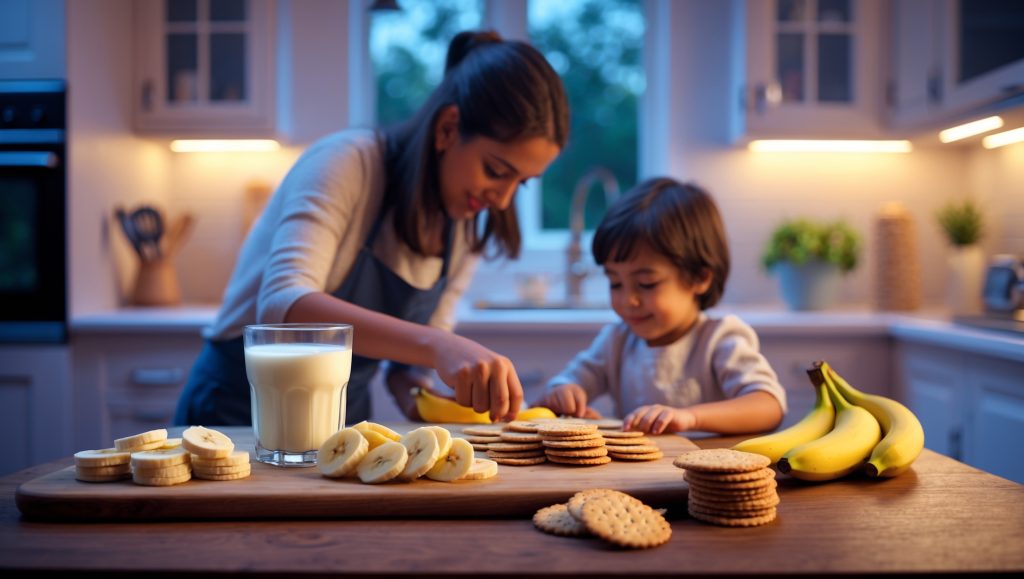
1. Banana Slices with Nut Butter — A Classic Calming Combo
Why it stands out
Bananas are naturally rich in potassium and magnesium, which support muscle relaxation. Paired with nut butter, this snack offers a satisfying balance of carbohydrates and healthy fats, making it a popular choice for bedtime.
Best for
- Preschoolers and school-age children
- Kids who need a filling, easy-to-eat snack
Key notes
- Age/Stage: 2 years and up (watch for nut allergies and choking hazards)
- Materials/Ingredients: Fresh banana, peanut, almond, or sunflower seed butter
- Strengths: Nutrient-dense, quick to prepare, naturally sweet
- Trade-offs: Not suitable for infants; nut allergies require alternatives
2. Whole Grain Toast with Cream Cheese — Comfort Meets Nutrition
Why it stands out
This snack blends complex carbs with a touch of dairy, offering slow-release energy that may help stabilize blood sugar levels overnight.
Best for
- Toddlers and older children
- Kids who prefer familiar, gentle flavors
Key notes
- Age/Stage: 18 months and up
- Materials/Ingredients: 100% whole grain bread, cream cheese (regular or non-dairy)
- Strengths: Easy to customize, soft texture, supports satiety
- Trade-offs: Contains gluten and dairy; check labels for added sugars
3. Warm Milk — The Timeless Sleepytime Beverage
Why it stands out
Warm milk has long been associated with bedtime routines. Its protein and tryptophan content provide a comforting, familiar way to wind down.
Best for
- Toddlers and preschoolers
- Children who enjoy a soothing drink before bed
Key notes
- Age/Stage: 12 months and up (after formula/breast milk stage)
- Materials/Ingredients: Cow’s milk or fortified non-dairy milk alternatives
- Strengths: Supports hydration, calcium needs, and routine-building
- Trade-offs: Not suitable for infants or children with dairy sensitivities
4. Oatmeal Cups with Fruit — Hearty and Customizable
Why it stands out
Oatmeal is a whole grain high in fiber and complex carbohydrates, providing steady energy and satiety. Topped with fruit, it’s a naturally sweet, filling snack.
Best for
- Kids with bigger appetites at night
- Families seeking a warm, comfort-food feel
Key notes
- Age/Stage: 12 months and up (ensure appropriate texture for younger kids)
- Materials/Ingredients: Rolled oats, milk or water, diced fruit
- Strengths: Versatile, easy to prep ahead, fiber-rich
- Trade-offs: May require supervision for hot foods; potential for added sugar in flavored packets
5. Yogurt with Berries — Creamy, Tangy, and Packed with Goodness
Why it stands out
Yogurt delivers protein and probiotics, while berries add antioxidants and natural sweetness. This snack is easy to serve and portion.
Best for
- Children who like creamy textures
- Families looking for a gut-friendly option
Key notes
- Age/Stage: 12 months and up (choose plain, whole-milk yogurt for toddlers)
- Materials/Ingredients: Unsweetened yogurt, fresh or thawed berries
- Strengths: High in nutrients, customizable, supports digestion
- Trade-offs: Check for added sugar; dairy sensitivities may require alternatives
6. Applesauce with Cinnamon — Gentle and Naturally Sweet
Why it stands out
Unsweetened applesauce is easy on little tummies and provides a comforting taste. A sprinkle of cinnamon can add warmth and flavor without sugar.
Best for
- Toddlers and young children
- Kids who need a light, gentle snack
Key notes
- Age/Stage: 6 months and up (ensure texture is safe for age)
- Materials/Ingredients: Unsweetened applesauce, ground cinnamon
- Strengths: Low in allergens, easy to digest, portable
- Trade-offs: Not very filling for older children; check ingredients for added sugar
7. Whole Grain Crackers with Hummus — Savory, Satisfying, and Plant-Based
Why it stands out
This pairing offers fiber, protein, and healthy fats for a satisfying bedtime snack that’s also easy to share and portion.
Best for
- Older toddlers and school-age children
- Families seeking plant-based options
Key notes
- Age/Stage: 18 months and up (monitor for choking hazards)
- Materials/Ingredients: Whole grain crackers, plain hummus
- Strengths: Balanced nutrition, savory flavor, allergen-friendly versions available
- Trade-offs: Not suitable for younger toddlers; check for sesame allergies
8. Cottage Cheese and Pineapple — Protein-Rich and Refreshing
Why it stands out
Cottage cheese is a gentle source of protein, while pineapple adds juicy sweetness and vitamin C. This combo offers a cool, refreshing snack that’s easy to serve.
Best for
- Preschoolers and older children
- Kids who like a mix of creamy and fruity textures
Key notes
- Age/Stage: 12 months and up
- Materials/Ingredients: Low-sodium cottage cheese, diced pineapple (fresh or canned in juice)
- Strengths: High in protein, calcium, and vitamin C; quick to assemble
- Trade-offs: Dairy sensitivity concerns; choose low-sugar pineapple options
9. Rice Cakes with Sunflower Seed Butter — Allergy-Friendly and Crunchy
Why it stands out
Rice cakes are a gluten-free, low-allergen base, and sunflower seed butter offers a nut-free alternative rich in healthy fats.
Best for
- Families with nut allergies
- Kids who like crunchy snacks
Key notes
- Age/Stage: 18 months and up (monitor for choking hazards)
- Materials/Ingredients: Plain rice cakes, sunflower seed butter
- Strengths: Allergy-friendly, easy to customize, portable
- Trade-offs: Not very filling on its own; can be messy for younger kids
10. Sliced Pear with Cheese Cubes — Mild and Mildly Sweet
Why it stands out
This snack pairs naturally sweet pear with mild cheese for a combo of fiber and protein that satisfies without overloading.
Best for
- Children who enjoy finger foods
- Parents looking for a quick, no-cook option
Key notes
- Age/Stage: 12 months and up (ensure pears are soft and cheese is cut small)
- Materials/Ingredients: Ripe pear, mild cheese (like mozzarella or cheddar)
- Strengths: Easy to prep, balanced nutrients, familiar flavors
- Trade-offs: Dairy and potential choking hazards; requires supervision
Buying Tips
- Read ingredient labels: Choose snacks with minimal added sugar and limited processed ingredients. Opt for plain or unsweetened versions whenever possible.
- Prioritize whole foods: Fresh fruits, whole grains, and simple dairy or plant-based proteins make the best bedtime snacks for most children.
- Consider allergies and sensitivities: Always account for your child’s unique needs and check for potential allergens like nuts, dairy, and gluten.
- Portion sizes matter: Keep servings small and age-appropriate to avoid overfilling little tummies before bed.
- Prep ahead: Having ingredients ready can make bedtime routines less stressful and more predictable.
Verdict
Choosing the right bedtime snack can help ease transitions to sleep, provide gentle nutrition, and add a comforting touch to your family’s evening routine. The options above are designed to be practical, evidence-informed, and adaptable to a variety of ages and dietary needs. By focusing on whole foods, simple ingredients, and age-appropriate portions, families can build consistent bedtime rituals that support both restful sleep and positive mealtime habits.
FAQ
+Are bedtime snacks necessary for children?
+What should I avoid giving my child before bed?
+How late should my child eat before bedtime?
+How do I handle allergies in bedtime snacks?
+Can bedtime snacks help with night wakings?
+What if my child refuses bedtime snacks?
+Should infants have bedtime snacks?

Establishing a smoother bedtime routine is a goal for many families, and the right snack can make all the difference. The Top 10 Bedtime Snack Solutions for 2025 are thoughtfully designed to balance nutrition, convenience, and appeal for all ages. As we learn more about how certain foods affect sleep quality, the focus has shifted to snacks that are not only satisfying but also support restful nights. Think of options like Greek yogurt with honey, almond butter on whole grain toast, or a banana with a sprinkle of cinnamon. These snacks are rich in tryptophan, magnesium, and slow-digesting carbs, all known to promote relaxation and help regulate sleep cycles. Importantly, they are quick to prepare and less likely to spike blood sugar, preventing those restless nights. For parents, these solutions offer peace of mind and a practical way to ease the transition from evening activities to bedtime. By making smart snack choices part of your nightly routine, you set the stage for more restful sleep and a happier, healthier household.
- Choose snacks rich in sleep-promoting nutrients like tryptophan and magnesium.
- Keep portions small and timing consistent—aim for 30–60 minutes before bed.
- Opt for minimally processed options to avoid added sugars and artificial ingredients.
- Make it a calming ritual by pairing snacks with quiet, screen-free time.
With busy schedules and different family members sometimes speaking different languages at bedtime, how can we ensure the snack routine stays consistent and doesn’t get confusing for our toddler?
You’re thoughtful to want a calm, consistent bedtime routine for your toddler even with a busy, multilingual household. First, pick 2–3 simple snack options that everyone can name and prepare, and keep them visible in the kitchen. Second, use pictures or a visual chart showing snack choices and steps, so language differences don’t get in the way. Third, communicate with all caregivers about portion sizes and timing—offer the snack 30–45 minutes before bedtime for digestion. Make sure foods are age-appropriate and safe, avoiding choking hazards. This isn’t medical advice; if you have concerns about your child’s nutrition or routines, please check in with your pediatrician.
My 14-month-old is super picky and sometimes refuses warm milk before bed, even though we’re past the formula stage. Would trying yogurt with berries be a good swap, or could that make bedtime too stimulating because of the fruit?
It’s understandable to worry about changing up your little one’s bedtime snack, especially when routines feel fragile. For a 14-month-old, plain whole-milk yogurt is a great alternative to warm milk, offering protein and calcium. You can try adding a few mashed or finely chopped, soft berries—like blueberries or raspberries—for flavor and nutrients, but keep the portion small to avoid too much sugar or possible stimulation. Always supervise closely to prevent choking and watch for possible allergies. If your child seems too alert after fruit, try serving just the yogurt. This isn’t medical advice; if you’re concerned, check in with your pediatrician.
How would you suggest adjusting portion sizes or ingredients for older children or preteens, especially if they are hungrier at night or have different nutritional needs than toddlers?
It’s great that you’re attentive to your older child’s changing needs at bedtime. For preteens, try gradually increasing snack portions while still aiming for balance—such as adding a bit more whole grain toast or extra fruit. Include protein-rich ingredients like Greek yogurt, nut butter (if safe), or a slice of cheese to help keep them full. Choose snacks that are less processed and lower in added sugar, since older kids often need steady energy, not sugar rushes. Always supervise snacks to prevent choking, especially if you have younger siblings around. This isn’t medical advice; if you’re concerned, check in with your pediatrician.
My toddler goes through phases where she gets very hungry just before bed. How can I tell if she genuinely needs a bedtime snack for satiety or if it may be just part of her winding-down routine?
It’s understandable to wonder if your toddler’s pre-bedtime hunger is real or just a comfort habit. Try observing her evening meal—if she eats a balanced dinner but still asks for a snack, it could be routine. Offer a small, healthy snack at a set time before bed, like a slice of banana or whole-grain toast, and see if she eats it with interest. Pay attention to whether she seems distracted or truly hungry. Keep snack portions age-appropriate to avoid overfilling her tiny tummy. If her hunger seems persistent or affects sleep, check in with your pediatrician; this isn’t medical advice.
With yogurt and berries, is plain yogurt better than flavored, or is it okay to use a low-sugar flavored kind for picky eaters? I’m also curious about making this snack budget-friendly with frozen berries.
Your focus on finding a snack that works for your child—and your budget—is wonderful. Plain yogurt is usually best since it avoids added sugars, but a low-sugar flavored yogurt can be a good compromise for picky eaters. Offer a small amount first to check for tolerance. Using frozen berries is a great budget-friendly choice; just thaw them and ensure they’re soft enough to prevent choking (especially for toddlers under three). Always supervise young children while they eat. This isn’t medical advice; if you have specific concerns, check in with your pediatrician.
I noticed some of these snacks have allergens like nuts or gluten. When you suggest alternatives, do you have a favorite for families juggling multiple allergy concerns but still looking for something filling at bedtime?
It’s great that you’re being proactive about allergy safety at bedtime. For families with multiple allergy concerns, you might try plain rice cakes topped with sunbutter (if seeds are safe), or applesauce with a sprinkle of cinnamon for flavor. Warm oatmeal made with a safe milk alternative can also be filling; just check the label for cross-contamination with allergens. If you’re introducing a new food, do so cautiously and watch for reactions. This isn’t medical advice; if you have specific allergy worries, please discuss them with your pediatrician or allergist.
Our toddler is a bit sensitive to textures and sometimes refuses toast with cream cheese because of the softness. Do you have suggestions for modifying that snack so it still works for picky eaters at bedtime?
It’s understandable to want bedtime snacks that your toddler will actually enjoy, especially when texture is a challenge. Try lightly toasting the bread for extra crunch, or use a thin, even layer of cream cheese to reduce the soft texture. You could also offer crackers or mini rice cakes topped with cream cheese for a firmer bite. Letting your child help spread the topping can give them some control and familiarity. Always supervise closely to prevent choking, and check that toppings are age-appropriate and safe for your child. This isn’t medical advice; if you’re concerned, check in with your pediatrician.
We try to keep bedtime routines as simple as possible. How far in advance do you recommend preparing snacks like oatmeal cups or yogurt with berries to help things go smoothly during busy weeknights?
It’s great that you’re looking for ways to streamline bedtime routines. Preparing snacks like oatmeal cups or yogurt with berries the night before can save time—assemble oatmeal cups and portion out yogurt and berries into individual containers, then store them in the fridge. For toddlers and preschoolers, use age-appropriate, soft textures and avoid large berries or toppings that could be choking hazards. Always supervise young children during snack time. Advance prep not only eases busy evenings but also helps keep routines predictable. This isn’t medical advice; if you’re concerned, check in with your pediatrician.
When space is tight in the kitchen, we try to avoid single-use items. Which of these snacks rely mostly on ingredients families probably already have at home, minimizing the need to buy specialty products?
That’s a thoughtful approach—making bedtime snacks simple and practical is important for busy families. From the article, snacks like whole grain toast with nut butter, banana slices, yogurt with fruit, and homemade oatmeal rely on common pantry staples and avoid specialty products. To save space, you can use the same ingredients in different combinations throughout the week. Always ensure that toppings and spreads are age-appropriate, watching for choking hazards and allergies, especially with younger children. This isn’t medical advice; if you’re concerned, check in with your pediatrician.
How far ahead can I prepare some of these snacks, like oatmeal cups or banana slices, so they stay fresh and safe to eat before bedtime?
You’re wise to think ahead about keeping snacks both fresh and safe for your child. For oatmeal cups, you can usually make them up to 3 days in advance and store them in the fridge, tightly covered. Banana slices are best prepared right before serving, as they brown and soften quickly, but if you must prep ahead, a dash of lemon juice can slow browning for a few hours in an airtight container. Always check for any off smells or sliminess before serving, and supervise young children with foods that could be a choking hazard. This isn’t medical advice; if you’re concerned, check in with your pediatrician.
Do you have suggestions for quiet, calming activities my preschooler can do alongside an early morning snack, especially when we want to keep the rest of the house asleep? We’re up early on weekends and I’d love ideas that go well with these snack options.
It’s great that you’re looking for peaceful ways to start your early mornings together. Try simple matching or sorting games with soft blocks or cards, which are gentle and engaging. Coloring with crayons or washable markers works well, especially at a table with their snack. Soft play dough (supervised and age-appropriate) can also be calming and quiet. You could listen to gentle music or nature sounds at low volume. For safety, make sure any materials are non-toxic and don’t pose a choking hazard, and always supervise snack time. This isn’t medical advice; if you’re concerned, check in with your pediatrician.
Our bedtime is usually pretty early, around 6:30 pm, and sometimes my daughter isn’t hungry right after dinner. How far before bedtime should I offer these snacks so it doesn’t disrupt her sleep schedule?
It’s understandable to want your daughter’s bedtime to go smoothly, especially with an early schedule. Aim to offer a light snack about 30–60 minutes before bedtime if she’s not hungry after dinner. Choose easy-to-digest options from the article, like a small piece of banana or plain yogurt, and keep portions small to avoid discomfort or extra energy at bedtime. Always supervise young children with snacks to prevent choking. This isn’t medical advice; if you’re concerned about her eating or sleep habits, check in with your pediatrician.
Which of these snacks tends to store best if prepped in advance? I am looking for budget-friendly options that I can batch prepare for several nights at once without sacrificing nutrition.
It’s great that you’re planning ahead for smoother bedtimes and healthy choices. In the article, snacks like overnight oats, mini whole-wheat muffins, and homemade yogurt parfaits are particularly good for prepping in batches—they keep well in the fridge for several days and are cost-effective. Use fresh or frozen fruit to minimize waste and expense. Store snacks in airtight containers and portion them to save time. For younger kids, check for choking hazards and avoid add-ins like whole nuts. This isn’t medical advice; if you have concerns about allergies or your child’s dietary needs, please consult your pediatrician.
If my toddler is still adjusting to new textures, would you recommend starting with whole grain toast or oatmeal cups, or is there a softer snack option better suited for younger kids?
It’s great that you’re thinking about your toddler’s comfort as they explore new textures. For younger kids still adjusting, start with softer options like mashed banana, applesauce, or well-cooked oatmeal rather than whole grain toast or oatmeal cups, which can be more challenging to chew. You could also offer yogurt or cottage cheese for a gentle transition. Always supervise snack time and avoid foods that could be choking hazards. This isn’t medical advice; if you’re concerned, check in with your pediatrician.
For toddlers who are sensitive to textures and don’t like soft foods like oatmeal or bananas, are there crunchy bedtime snack ideas you’d suggest that still fit your nutrition and sleep guidelines?
It’s completely understandable to want bedtime snacks that respect your toddler’s texture sensitivities. You might try lightly toasted whole grain crackers, small pieces of rice cakes, or unsweetened cereal puffs—these are crisp and can be paired with a thin spread of nut butter if tolerated. Roasted chickpeas are crunchy and protein-rich; just be sure they’re soft enough to avoid choking and are cut or mashed for younger toddlers. Always supervise closely to ensure safety and avoid choking hazards. This isn’t medical advice; if you’re concerned, check in with your pediatrician.
Do you have any tips for storing these snacks ahead of time, especially options like oatmeal cups or yogurt with berries? I’m looking for ways to prep snacks in advance for busy nights.
It’s great that you want to make bedtime snacks easier for your family on busy nights. For oatmeal cups, prep a batch in muffin tins, refrigerate them in an airtight container, and reheat portions as needed—just check they’re cool enough for little ones. For yogurt with berries, assemble individual jars or cups the night before, keeping berries whole to avoid sogginess. Always use age-appropriate containers your child can open, and avoid toppings that are choking hazards for toddlers. Label and date snacks to keep things safe and organized. This isn’t medical advice; if you’re concerned, check in with your pediatrician.
I noticed warm milk and yogurt are both recommended for bedtime, but if my child is sensitive to dairy, what non-dairy alternatives would you suggest that still help promote restful sleep?
It’s great that you’re looking for soothing, sleep-friendly snacks that fit your child’s needs. For dairy-sensitive children, try offering warm oat or almond milk—look for unsweetened, calcium-fortified options. A small serving of banana slices or whole grain toast with sunflower seed butter also makes a gentle snack. For yogurt alternatives, choose plain coconut or soy-based yogurts with minimal added sugar. Always check labels for allergens and supervise young children with new foods to prevent choking. This isn’t medical advice; if you have concerns about sensitivities or nutrition, please consult your pediatrician.
My toddler is very sensitive to textures and sometimes refuses both toast and oatmeal. Are there any other options from your list that work well for picky eaters with sensory issues?
It’s understandable to feel challenged when your toddler is sensitive to textures at snack time. From the article, try offering smooth options like plain yogurt or a mashed banana, which are often easier for sensory-sensitive children. Soft scrambled eggs can also work if your child tolerates that texture. Serve these foods at room temperature and in small amounts to avoid overwhelming your toddler. Always supervise during eating, and remember to check for any allergies. This isn’t medical advice; if you’re concerned, check in with your pediatrician.
Given all the snack options you listed for older kids, how should parents decide when an infant is ready to try some of these bigger kid snacks before bedtime? Is there a particular sign or milestone we should watch for before adding evening solids?
It’s thoughtful to wonder when your baby is ready to try new bedtime snacks. Look for signs like sitting up well with support, showing interest in your food, and being able to move food to the back of their mouth—these usually happen around 6 months. Start with single-ingredient, soft textures and watch closely for any choking risks or allergens. Avoid hard, crunchy, or chunky foods until your baby can chew thoroughly, usually closer to toddlerhood. This isn’t medical advice; if you’re unsure or have concerns, your pediatrician can guide you on what’s safest for your baby.
When making oatmeal cups with fruit, are there certain fruits or preparation methods that are safer for younger children to reduce choking hazards? I’m always a bit nervous about giving berries or firmer fruits close to bedtime.
It’s completely normal to feel cautious about choking hazards, especially at bedtime. For toddlers and younger children, use soft fruits like very ripe bananas or well-cooked apples and pears, and always cut them into small, manageable pieces. If adding berries, slice grapes and large berries like strawberries into quarters, and mash or cut blueberries in half. Avoid hard or dried fruits unless they’re thoroughly softened by cooking. Always supervise your child while eating, especially with new textures. This isn’t medical advice; if you’re concerned, check in with your pediatrician.
Do you suggest any make-ahead options from this list that stay fresh for a few days, especially for busy families who might want to prep bedtime snacks in advance?
It’s great that you’re planning ahead to simplify bedtime routines. From the article, overnight oats, mini whole-wheat muffins, and cut-up fruit stored in airtight containers are all make-ahead snacks that keep fresh for a few days in the fridge. For younger children, ensure muffins are soft and cut into bite-sized pieces to prevent choking, and check for any allergen concerns with oats or fruit. Always serve snacks under supervision, especially with toddlers. This isn’t medical advice; if you have concerns about ingredients or portion sizes, check in with your pediatrician.
You mention allergy concerns with nut butters for the banana slices. Is there a budget-friendly alternative that’s just as filling and easy to prepare for a 2-year-old with multiple food allergies?
It’s great that you’re looking for safe, filling snacks for your 2-year-old with allergies. For an easy, budget-friendly alternative to nut butters, try plain, unsweetened sunflower seed butter if seeds are safe for your child, or chilled full-fat Greek yogurt if dairy is tolerated. You can also mash cooked beans, like white beans, into a smooth spread. Always check ingredient labels for hidden allergens and introduce new foods one at a time, watching for any reactions. Supervise closely with spreads to avoid choking. This isn’t medical advice; if you’re concerned, check in with your pediatrician.
My child is just turning 18 months and is really interested in feeding himself. Are the oatmeal cups with fruit safe for self-feeding toddlers, or would you recommend tweaking the texture to help prevent choking?
It’s great that your toddler is eager to feed himself—this is an important milestone. For 18-month-olds, oatmeal cups with fruit can be safe if you make a few adjustments: Use soft-cooked oats and finely chopped or mashed fruits to avoid large, chewy pieces. Avoid adding nuts, whole grapes, or firm dried fruit, which can be choking hazards. Serve the cups in small, manageable pieces your child can pick up easily, and always supervise at mealtime. This isn’t medical advice; if you’re concerned about texture or choking, check in with your pediatrician.
Our family is pretty busy in the evenings, and I’m curious which of these snacks work best for prepping ahead without sacrificing nutrition. Do any keep well in the fridge for a couple of days?
It’s great that you’re thinking ahead about practical, nutritious snacks for your busy evenings. From the article, options like yogurt parfaits (assembled in jars), mini whole grain muffins, and veggie-and-cheese pinwheels all keep well in the fridge for up to two or three days. You can prepare them in advance and portion out servings for each night. Just be mindful of possible choking hazards for young children—cut foods into small pieces and supervise snacking. This isn’t medical advice; if you have specific dietary concerns, please consult your pediatrician.
Our bedtime is quite early because of school, so sometimes there’s only a short window between dinner and sleep. Is it okay to offer these snacks even if it’s just an hour after dinner, or should we adjust based on schedule?
It’s understandable to want your child to go to bed both full and comfortable, especially with an early school bedtime. If dinner and bedtime are close together, you can still offer a light, age-appropriate snack—just keep portions small to avoid any tummy discomfort. Choose snacks from the article that are easy to digest, like a banana or a little yogurt, and skip anything too heavy or sugary. Watch for any signs of fullness or distress, and supervise younger children to avoid choking. This isn’t medical advice; if you’re concerned, check in with your pediatrician.
For parents trying to keep a consistent bedtime routine, do you recommend offering these snacks at the same time every night or only on days when dinner is early or lighter? How do you decide if a bedtime snack is needed?
You’re thoughtful for wanting to keep bedtime routines predictable for your child. If dinner is early or especially light, a small, healthy snack can help prevent hunger from disrupting sleep. Try offering a bedtime snack at roughly the same time each night if you notice your child regularly wakes up hungry or has trouble settling down. On heavier dinner nights, you can skip the snack. Look for cues like complaints of hunger close to bedtime, and choose age-appropriate, safe foods (avoiding choking hazards for little ones). This isn’t medical advice; if you’re concerned, check in with your pediatrician.
We usually start our bedtime routine around 7:00 PM, but sometimes my daughter asks for a snack closer to 6:30. How early or late should these snacks be offered to avoid disrupting sleep, especially for toddlers who are sensitive to changes in routine?
It’s great that you’re tuned in to how timing affects your toddler’s sleep. For most toddlers, offering a small, balanced snack about 30–60 minutes before bedtime—so, around 6:30 to 6:45 PM if your routine starts at 7:00—can help keep hunger at bay without disrupting sleep. Try to keep snacks light (think banana slices or whole-grain crackers) and avoid added sugars or caffeine. Make sure snacks are toddler-safe in size and texture, and always supervise eating. If you notice sleep disruption, adjust the timing or portion as needed. This isn’t medical advice; if you’re concerned, check in with your pediatrician.
Some nights my preschooler is still full from dinner, but just wants a routine snack to feel ready for bed. Would offering a smaller portion of something from your list still support stable nighttime blood sugar, or should I consider a lighter option entirely?
It’s understandable to want your preschooler to feel comforted by their bedtime routine. If your child isn’t very hungry, you can absolutely offer a smaller portion of a snack from the list, which can still help stabilize nighttime blood sugar. Alternatively, lighter options—like a few berries, half a banana, or a couple of whole-grain crackers—are gentle on little tummies while maintaining routine. For preschoolers, prioritize easy-to-chew, choking-safe textures and avoid potential allergens. This isn’t medical advice; if you’re concerned, check in with your pediatrician.
My child can be pretty sensitive to textures and doesn’t like anything too lumpy or sticky. Are there ways to modify these snack ideas for toddlers who have particular sensory preferences at bedtime?
It’s completely understandable to want bedtime snacks that work with your child’s sensory preferences. Try offering snacks with smooth, consistent textures, like plain yogurt or applesauce, instead of lumpy or sticky options. You can blend fruits into smoothies or mash bananas very thoroughly to make them easier to eat. Avoid crunchy toppings or mix-ins, and serve foods chilled or at room temperature if your child dislikes certain temperatures. Always supervise closely to minimize choking risks, and opt for single-ingredient, allergen-safe foods for toddlers. This isn’t medical advice; if you’re concerned, check in with your pediatrician.
On busy nights, we sometimes skip snack time because prepping two different ones feels overwhelming. Are there any snacks on your list that work cold and can be batch-prepped ahead, so both kids can grab them no matter their bedtime?
You’re doing your best to keep evenings calm, and juggling different snacks is tough. From the list, sliced fruit with yogurt dip, cheese cubes with whole grain crackers, and banana-oat energy bites all work well cold and can be prepared in batches. Store these in small containers so each child can help themselves when ready. For younger kids, avoid foods that pose choking hazards and supervise as needed. This isn’t medical advice; if you’re concerned, check in with your pediatrician.
My child is a little picky with mixed textures, especially anything mushy like oatmeal or yogurt. Are there alternatives from your suggestions that work for kids with sensory sensitivities, or tips on how to introduce those textures gradually at bedtime?
It’s understandable to want bedtime snacks that respect your child’s sensory needs. For kids sensitive to mushy textures, try offering crisp apple slices with a thin layer of nut butter, mini whole-grain crackers, or small cubes of cheese from the article’s list. If you’d like to gently introduce new textures, start by serving familiar foods alongside a tiny portion of the new texture, letting your child explore at their own pace. Avoid pressure and celebrate small tastes or touches. Keep snacks age-appropriate for choking risk and watch for allergies. This isn’t medical advice; if you’re concerned, check in with your pediatrician.
Is it okay to prepare oatmeal cups with fruit in advance for the whole week, or will that affect the texture and nutritional benefits for bedtime?
It’s great that you’re planning ahead for smoother bedtime routines. Preparing oatmeal cups with fruit in advance is generally fine, but keep these tips in mind: 1) Store them in airtight containers in the refrigerator to maintain freshness. 2) Use firmer fruits like apples or blueberries, as softer fruits may get mushy over several days. 3) If your child is under four, chop fruit finely and avoid hard or large pieces to prevent choking. 4) Nutritional benefits will remain, though texture may change a bit. This isn’t medical advice; if you’re concerned, check in with your pediatrician.
When serving warm milk or oatmeal, I worry about it being too hot for my toddler. Do you have guidelines for safe serving temperatures for young kids, or how to quickly cool these snacks if needed?
It’s very thoughtful to be cautious about serving temperatures for your toddler. For warm milk or oatmeal, aim for a temperature no hotter than body temperature—about 98–100°F (37–38°C). Always test a small spoonful on the inside of your wrist before serving. To cool things quickly, stir snacks well, spread oatmeal thinly on a plate, or add a splash of cold milk. Keep in mind that toddlers are especially sensitive to heat, so err on the side of lukewarm. This isn’t medical advice; if you’re concerned, check in with your pediatrician.
My toddler is very sensitive to texture and often refuses toast or oatmeal because they feel too rough or sticky. Are there any bedtime snacks from your list that work well for kids with sensory sensitivities around food textures?
It’s completely normal to worry about mealtime when your toddler has sensory sensitivities to certain textures. From the bedtime snack list, you might try plain yogurt or smooth applesauce—both have a gentle, consistent texture that many sensitive kids find comfortable. Soft scrambled eggs (cooled to a safe temperature) or a banana sliced thinly are often easier to handle, too. Always supervise your toddler during eating to prevent choking, and steer clear of ingredients that might trigger allergies. This isn’t medical advice; if you’re concerned, check in with your pediatrician.
Do you have any advice on how to adjust portion sizes for 2.5-year-olds, especially for things like banana with nut butter or toast? I worry sometimes about offering too much or too little before bedtime.
It’s great that you’re mindful about your toddler’s portion sizes at bedtime. For a 2.5-year-old, aim for small, manageable servings—about half a small banana with a thin smear of nut butter, or a quarter slice of whole-grain toast. Watch that nut butter is spread thinly to avoid choking risks, and always supervise eating. Observe your child’s hunger cues and adjust portions as needed; it’s normal for appetite to vary nightly. This isn’t medical advice; if you’re concerned about nutrition or appetite, please consult your pediatrician.
How far before bedtime should I actually give my two-year-old a bedtime snack so it doesn’t end up giving him more energy or disrupting his sleep?
It’s great that you’re thinking about how snack timing affects your toddler’s sleep. Aim to offer a small, calming snack about 30 to 45 minutes before bedtime—this gives your child time to digest without feeling too full or getting a sugar rush. Choose age-appropriate, easy-to-digest foods like a few pieces of banana, plain yogurt, or a slice of whole grain toast. Avoid chocolate, sugary options, or anything with caffeine. Always supervise eating to prevent choking. This isn’t medical advice; if you’re concerned, check in with your pediatrician.
For kids with nut allergies, what would you recommend as an alternative to the banana with nut butter option that still offers similar nutrients and calming effects?
You’re right to look for safe, nutritious bedtime snacks when allergies are a concern. Try banana slices with sunflower seed butter or soy nut butter (always check labels for cross-contamination and age appropriateness). Pairing banana with plain Greek yogurt is another option, delivering protein and calming tryptophan. For a dairy-free route, sliced banana with a sprinkle of chia seeds or hemp hearts can add healthy fats and a gentle texture—just ensure these are safe for your child’s age and chewing ability. This isn’t medical advice; if you’re concerned, check in with your pediatrician.
I noticed that your bedtime snack suggestions focus a lot on calming and sleep-promoting nutrients. If my main goal is to boost iron intake for my toddler, would fortified baby cereal or pureed meats be a better evening option compared to some of the snacks on your list?
It’s great that you’re thinking about iron for your toddler’s bedtime snack. Both fortified baby cereals and pureed meats are excellent sources of iron—cereals often have non-heme (plant-based) iron, while meats contain heme iron, which is more easily absorbed. For toddlers, offering a small portion of pureed or finely shredded meat can be a good option if your child likes the texture, but ensure it’s soft and supervised for safety. Fortified cereal is also safe and easy, especially if your child isn’t a fan of meats yet. Pair either with a little vitamin C-rich fruit to help absorption. This isn’t medical advice; if you’re concerned, check in with your pediatrician.
You mention nut butter as a good pairing with bananas, but my son’s daycare is nut-free because of allergies. Do you have suggestions for safe but still filling alternatives that would work for younger toddlers?
It’s great that you’re looking for safe, satisfying options for your toddler’s bedtime snack. For a nut-free alternative, try sunflower seed butter (made in nut-free facilities) spread thinly on banana slices. You can also offer plain Greek yogurt with fruit, or soft-cooked oats mixed with mashed banana. For younger toddlers, ensure the textures are soft to prevent choking, and always supervise eating. If allergies are a concern, check ingredient labels carefully. This isn’t medical advice; if you’re concerned, check in with your pediatrician.
Our bedtime routine is already a bit rushed, and I want to avoid foods that may pose a choking hazard if eaten quickly. Are there particular snacks from your top 10 that are considered lower risk in that regard or better suited for kids who tend to eat fast?
You’re right to consider choking risks, especially with little ones who eat quickly in a rushed routine. From the top 10 list, soft options like unsweetened applesauce, plain yogurt, and mashed banana are generally safer and easier to swallow without much chewing. For children under 4, avoid hard, sticky, or chunky foods and always supervise snack time. Try serving snacks in small, manageable portions and encourage your child to sit while eating. This isn’t medical advice; if you’re concerned, check in with your pediatrician.
We have a nut allergy in our home, so I’m cautious with options like banana slices and nut butter. Can you suggest safe, non-nut alternatives that still provide a similar calming effect for bedtime?
It’s completely understandable to be extra careful about allergens at bedtime. For a nut-free but calming snack, you could try banana slices with a thin layer of sunflower seed butter (if seeds are safe in your home), plain Greek yogurt with a bit of honey (for children over 1 year), or whole grain toast with unsweetened applesauce. Oatmeal made with milk is another gentle, filling choice. Always check labels for hidden nuts and supervise younger children to prevent choking. This isn’t medical advice; if you have concerns, please consult your pediatrician.
Some bedtime snacks like whole grain toast might have crusts or uneven pieces that could pose a choking hazard for little ones. Do you have any guidelines on the best way to serve toast safely to toddlers under two?
You’re absolutely right to be mindful about choking risks with toast for toddlers under two. To serve toast safely, cut off the crusts and slice the bread into thin, manageable strips or small bite-sized pieces. Lightly toasting rather than fully crisping helps the bread be soft enough to chew but not gummy. Always supervise your child while eating, and avoid toppings that are sticky or chunky. For very young toddlers, you can even moisten toast pieces with a little breastmilk or formula if texture is a concern. This isn’t medical advice; if you’re concerned, check in with your pediatrician.
If my child is allergic to nuts, what would be a good alternative to banana with nut butter that still offers the same calming effects before bedtime?
You’re right to look for a safe and soothing bedtime snack for your child. Instead of banana with nut butter, try banana slices with sunflower seed butter (if no seed allergy), or pair banana with plain Greek yogurt for protein. Soft cheese on whole wheat toast is another gentle, nut-free option. These choices offer calming protein and complex carbs to help with sleep. Always supervise young children to prevent choking and check labels for hidden allergens. This isn’t medical advice; for concerns about specific allergies or reactions, please consult your pediatrician.
My toddler is a bit sensitive to textures and sometimes refuses foods like oatmeal or toast. Are there any modifications you would suggest for these bedtime snacks to make them more sensory-friendly for picky eaters?
It’s completely understandable to want bedtime snacks that work for your toddler’s sensory needs. Try offering oatmeal as a smoothie by blending it with banana and milk for a creamier texture. For toast, you could cut it into fun shapes or use very thin slices with a smooth spread like yogurt or nut butter (if age-appropriate and allergen-free). You might also offer soft, bite-sized pieces of fruit or plain yogurt as alternatives. Always supervise eating to prevent choking and introduce one new texture at a time. This isn’t medical advice; if you’re concerned, check in with your pediatrician.
My toddler is really sensitive to textures and tends to reject things like whole grain toast or oatmeal. Do you have any suggestions from your list that work better for kids with sensory issues around food?
It’s completely understandable to want bedtime snacks that support your toddler’s sensory preferences. From the article, consider smooth, easy-to-eat options like plain yogurt with a little fruit puree, or a banana mashed until creamy. Soft cheese spread on a thin rice cake can also be less challenging than toast. If you try nut butters, be sure they’re smooth and thinly spread to avoid choking hazards for young children. Always supervise snack time and introduce new foods gradually. This isn’t medical advice; if you’re concerned, check in with your pediatrician.
Since our family sometimes preps snacks in advance for busy evenings, do you have storage tips to keep options like oatmeal cups or yogurt and berries safe and tasty until bedtime?
It’s great that you’re planning ahead to make evenings smoother for your family. For oatmeal cups, store them in airtight containers in the fridge if they contain perishable ingredients—this keeps them fresh and safe. Yogurt and berries should also be kept refrigerated, ideally in separate containers until serving to prevent sogginess. Use containers free from BPA and make sure everything is cooled to fridge temperature within two hours of prep. Always check ingredient labels for allergens, and supervise younger children with berries due to choking risk. This isn’t medical advice; if you’re concerned, check in with your pediatrician.
Our family enjoys fruit, but I am concerned about added sugars from flavored yogurt or pre-packaged oatmeal. What are some practical ways to sweeten these snacks naturally without much prep or mess, especially on busy evenings?
It’s great that you’re mindful about sugar and want to keep snacks simple on busy nights. Try topping plain yogurt or oatmeal with fresh fruit like banana slices or berries for natural sweetness. You can also mash soft fruits, such as ripe pears or peaches, and mix them in. A sprinkle of cinnamon or a small handful of raisins can add flavor without extra sugar. For young children, always cut fruit into safe, age-appropriate pieces to reduce choking risk. This isn’t medical advice; if you’re concerned about sugar or allergies, check with your pediatrician.
We have to be careful about food allergies in our household. Are there any simple, safe alternatives for the nut butter you mention that still have that calming effect, or should I avoid this option entirely for a sensory-seeking toddler?
It’s great that you’re being mindful of food allergies while supporting your toddler’s needs. For a sensory-seeking child, you could try sunflower seed butter (if seeds are safe), unsweetened soy butter, or even plain Greek yogurt as a creamy, calming alternative. Another idea is offering mashed avocado, which has a similar texture and healthy fats. Always supervise closely to avoid choking, and introduce new foods one at a time to watch for reactions. This isn’t medical advice; if you have concerns about allergies or reactions, check in with your pediatrician.
My baby is 7 months and has only tried a few purees so far. If I want to establish a bedtime routine with some kind of snack, what would be a safe and developmentally appropriate option right now?
It’s great that you’re thinking about gentle bedtime routines for your little one. At 7 months, safe bedtime snacks should be simple and suited to your baby’s stage of eating. You can offer a small spoonful or two of familiar, single-ingredient purees (like plain pear or sweet potato). If your baby has already tolerated these, you might slowly introduce new single-ingredient purees, watching for any reactions. Make sure your baby is seated upright and supervised at all times. Avoid any chunky, hard, or sticky foods that could be a choking risk. This isn’t medical advice; if you’re concerned, check in with your pediatrician.
Are there any of these snack ideas that hold up well if I need to prepare them earlier in the evening, since my twins often have staggered bedtimes and I’m trying to avoid a mess at bedtime?
It’s understandable to want easy, low-mess snacks when managing staggered bedtimes. From the article, options like whole grain mini-muffins, cut-up fruit stored in sealed containers, or plain yogurt cups with toppings on the side all hold up well if prepped earlier. You could also try cheese sticks or oat bars, which don’t require refrigeration for a short time. Just be mindful of potential choking hazards—cut food into small, age-appropriate pieces, especially for children under four, and supervise snack time. This isn’t medical advice; if you’re concerned, check in with your pediatrician.
Banana with nut butter sounds easy, but we sometimes struggle with nut allergies in playdates. Are there good alternatives that still offer the same calming benefits without nuts?
You’re right to be cautious about nut allergies, especially with young children and playdates. For a similar calming and satisfying bedtime snack, consider banana slices with sunflower seed butter (if seeds are safe for your group), or try plain Greek yogurt with banana. Another option is oatmeal made with milk and sliced banana. All these choices offer gentle protein and complex carbs to support relaxation. For little ones under age four, watch for any choking hazards and watch for allergies to seeds or dairy. This isn’t medical advice; if you’re concerned, check in with your pediatrician.
If my toddler tends to get hungry again after dinner but bedtime is only an hour away, how close to sleep is it actually okay to serve one of these snacks? Could a late snack affect their ability to settle down quickly?
You’re thoughtful to consider how late snacks might impact your toddler’s sleep. Generally, offering a small, balanced snack about 30–45 minutes before bedtime is safe for most toddlers, as long as it’s not too heavy or sugary. Choose calming, easy-to-digest options like banana slices or a bit of plain yogurt from the article. Keep portions small to prevent tummy discomfort. Always supervise for choking hazards at this age. If you notice your child is restless after even a light snack, try offering it a bit earlier. This isn’t medical advice; if you’re concerned, check in with your pediatrician.
My toddler is sensitive to textures, especially with foods like oatmeal or mixed fruit. Are there any bedtime snacks on your list that work well for picky eaters who might not like mushy or lumpy foods?
It’s understandable to want bedtime snacks that suit a toddler’s texture sensitivities. From the article, you might try plain yogurt with a drizzle of honey (for children over one year old) or thinly sliced cheese, both of which have a smooth, uniform texture. Soft scrambled eggs or small cubes of roasted sweet potato can also be gentle on sensitive mouths. Always offer foods in safe, bite-sized pieces and supervise your toddler while they eat. This isn’t medical advice; if you’re concerned, check in with your pediatrician.
My toddler tends to ask for snacks close to bedtime, but I worry that eating too late might interfere with her sleep. Is there an ideal time window when you recommend serving these snacks for the best sleep benefits?
It’s very normal to wonder about timing snacks so they help, not harm, your toddler’s sleep. Aim to offer a small, healthy snack about 30–60 minutes before bedtime—this gives enough time for digestion but isn’t so close to sleep that it might cause discomfort. Choose age-appropriate foods (soft textures, no choking hazards) and avoid high sugar or caffeine. Keep portion sizes small to prevent a full tummy at bedtime. This isn’t medical advice; if you’re concerned about your child’s eating or sleep, check in with your pediatrician.
If my toddler is sensitive to new textures and tends to refuse oatmeal or whole grain toast, do you have suggestions for making these snacks more appealing or gentle for picky eaters?
It’s understandable to want bedtime snacks your toddler will actually enjoy, especially with texture sensitivities. Try offering oatmeal blended smooth or mixing it with applesauce for a gentler feel. For toast, cut off crusts and spread with a thin layer of familiar, soft toppings like peanut butter (if allergy-safe) or mashed banana. Offer small bites and let your child explore the food with their hands first—no pressure to eat right away. Always watch for choking hazards and use age-appropriate spreads. This isn’t medical advice; if you’re concerned, check in with your pediatrician.
My toddler sometimes skips dinner or eats very little, and then seems too hungry at bedtime. Any advice on balancing the timing of these snacks with the evening meal so it helps the nighttime routine instead of causing more issues?
It’s understandable to want your toddler to go to bed comfortably full without disrupting their routine. Try offering dinner and bedtime snack at least 60–90 minutes apart so your child has a chance to get hungry again but not overly so. Keep bedtime snacks light, such as a small banana or whole grain toast, to avoid spoiling their appetite for meals. Offer water instead of juice close to bedtime, and keep snack time calm and screen-free to reinforce the bedtime routine. For toddlers, watch for choking hazards and make sure snacks are soft and easy to chew. This isn’t medical advice; if you’re concerned, check in with your pediatrician.
If bedtime happens right after dinner in our routine, is it still beneficial to offer one of these snacks, or should we only use them when there’s a bigger gap between dinner and sleep?
You’re thoughtful to consider how timing affects bedtime snacks. If your child goes to bed soon after dinner and isn’t showing signs of hunger, there’s usually no need to add a snack—offering one is most helpful when there’s a longer gap or if your child is waking hungry at night. If you notice your child still seems hungry or has trouble settling, try a small, age-appropriate snack and monitor how it affects their sleep. Choose soft, easy-to-digest options and supervise young children to prevent choking. This isn’t medical advice; if you’re concerned, check in with your pediatrician.
Our bedtime routine is pretty short because we both work late and need simple snacks. Which of your top picks would fit best for a busy schedule without adding too much prep or cleanup?
It makes sense to want snacks that are easy and quick when evenings are rushed. From our top picks, single-serve options like whole grain crackers with a slice of cheese, pre-cut fruit, or a small cup of plain yogurt work well—just grab and go. You can also keep unsweetened applesauce cups or banana slices handy. For little ones under four, avoid whole grapes or large pieces to prevent choking. These choices need almost no prep or cleanup, making them ideal for busy nights. This isn’t medical advice; if you’re concerned, check in with your pediatrician.
My toddler sometimes eats dinner later than usual. Should I still offer an additional bedtime snack, or does that risk disrupting their nighttime sleep routine?
It’s understandable to want to ensure your toddler is comfortable at bedtime. If dinner was eaten close to bedtime, you can usually skip an extra snack—too much food right before sleep may make settling down harder. If your toddler seems hungry, offer a light, age-appropriate option like a small banana slice or a bit of whole grain toast. Avoid sugary foods and keep portions small to prevent stomach discomfort. Always supervise to avoid choking, especially with younger toddlers. This isn’t medical advice; if you’re concerned, check in with your pediatrician.
My toddler is super active in the evenings and often resists winding down. Do you have any tips on choosing between the oatmeal cups with fruit and the banana with nut butter options to help him settle before bedtime?
It’s understandable to want your toddler’s snack to support a calmer bedtime. Both oatmeal cups with fruit and banana with nut butter are good choices, but here’s how to decide: 1) Oatmeal is warm and comforting, and the complex carbs can help with sleepiness—opt for this if your child prefers something cozy. 2) Banana with nut butter offers protein and magnesium; just use a thin spread and check for allergy risks. 3) For very young toddlers, ensure oats are soft and the banana is cut into small, safe pieces. 4) Serve snacks at least 30 minutes before bed to allow digestion. This isn’t medical advice; if you’re concerned, check in with your pediatrician.
My child is easily overstimulated by new textures and strong flavors, especially before bed. Which of these snacks are best for children with sensory sensitivities, and how might I introduce them without making bedtime more stressful?
It’s completely understandable to want bedtime to feel calm and comforting for your child. For kids with sensory sensitivities, gentle snacks like plain yogurt, smooth applesauce, or a soft banana are typically less overwhelming. Start by offering a small portion of just one snack at a time, and consider letting your child touch or smell it first with no pressure to eat. Keep the environment quiet and predictable, avoid introducing new snacks right before bed, and praise any willingness to try. Always supervise young children to prevent choking and watch for allergens. This isn’t medical advice; if you’re concerned, check in with your pediatrician.
I see oatmeal cups with fruit are recommended for kids with bigger appetites. Is there a guideline for how close to bedtime these heartier snacks should be served to avoid disrupting sleep, or does timing not make much of a difference?
That’s a thoughtful question—timing does matter for some children, especially with larger snacks. Aim to offer heartier options like oatmeal cups with fruit about 45–60 minutes before bedtime, which allows for comfortable digestion and helps prevent discomfort that could interrupt sleep. Serve a portion appropriate for your child’s age and appetite, and keep an eye out for any signs of sensitivity to foods close to bedtime. As always, if your child has ongoing sleep issues or digestive concerns, this isn’t medical advice; please check in with your pediatrician.
Is there any guidance about serving warm milk versus yogurt for kids with mild dairy sensitivities, or would a non-dairy alternative be better for sleep support at night?
Thank you for being thoughtful about your child’s bedtime nutrition and sensitivities. For kids with mild dairy sensitivities, non-dairy alternatives like oat or almond milk (unsweetened and fortified) or coconut yogurt can often be gentler, but be sure to check for added sugars and allergens. If you do try dairy, offer a small amount of warm milk or plain yogurt, and watch closely for any digestive upset. Serve all options at a safe temperature and avoid anything that poses a choking hazard. This isn’t medical advice; if you’re concerned about dairy or sleep, check in with your pediatrician.
My child is usually hungry right before bed, but sometimes she struggles with chewing tougher breads. For the whole grain toast with cream cheese suggestion, are there certain types or brands of bread you recommend for young kids with sensory sensitivities or picky eating habits?
You’re thoughtful to consider your child’s sensory needs at bedtime. For kids who struggle with tougher breads, look for soft whole grain sandwich breads—many brands offer versions labeled as ‘soft’ or ‘smooth,’ which are easier to chew than traditional hearty or seedy breads. Avoid breads with large seeds, nuts, or dense crusts. You can lightly toast or even serve the bread untoasted for a gentler texture. Always supervise young children while eating to prevent choking. This isn’t medical advice; if you’re concerned, check in with your pediatrician.
We often have a tight budget and limited fridge space—are there any snacks from your list that can be made ahead and stored at room temperature for a few days?
It’s great that you’re looking for affordable, practical snack solutions. From the list, homemade oat bars or mini whole-wheat muffins can be baked in batches, cooled, and kept in an airtight container at room temperature for up to three days—just be sure to avoid mix-ins like fresh fruit that spoil quickly. Plain rice cakes or unsweetened dry cereal are also safe, budget-friendly options that don’t need refrigeration. For toddlers over 12 months, these snacks are usually age-appropriate, but be mindful of choking hazards and supervise young children while eating. This isn’t medical advice; if you’re concerned, check in with your pediatrician.
If my toddler is sensitive to dairy, could you suggest some non-dairy swaps for the yogurt or warm milk ideas that would still provide the same nutritional benefits for bedtime?
You’re thoughtful to look for soothing, nutritious alternatives for your toddler’s bedtime routine. Try unsweetened soy or pea milk—these are higher in protein and calcium compared to most nut milks. You could also offer a small bowl of non-dairy yogurt made from soy or coconut (choose options with added calcium and protein). For a cozy bedtime snack, warm up the non-dairy milk or blend it with a banana for natural sweetness. Always check labels for added sugars and allergens, and supervise for any reactions. This isn’t medical advice; if you’re concerned, check in with your pediatrician.
For parents juggling evening schedules, is there guidance on whether these snacks should replace dessert or be treated separately? Would serving a snack too late interfere with bedtime routines?
—it’s understandable to want bedtime to go smoothly, even on busy evenings. Treat bedtime snacks as a separate, purposeful part of the routine rather than a dessert; this helps distinguish between treats and snacks that support sleep. Offer the snack about 30–60 minutes before bedtime to give your child time to digest and wind down. Choose age-appropriate, low-sugar options from the article, and supervise young children to prevent choking. Avoid serving snacks too late, as eating right before bed can disrupt sleep. This isn’t medical advice; if you’re concerned, check in with your pediatrician.
If my child still wakes up hungry in the middle of the night even after having a recommended snack, should I try a more filling option from your list, or do you suggest tweaking the timing of the snack before bedtime?
It’s understandable to want your child to sleep through the night without hunger waking them. First, try moving the snack a little closer to bedtime, as this can help keep them fuller for longer. If they’re still waking up hungry, choose a more filling option from the article, focusing on snacks with protein and complex carbs, which digest slowly. Make sure the snack is age-appropriate and avoid choking hazards, especially for younger children. Always supervise your child while eating. This isn’t medical advice; if you’re concerned or the night wakings continue, check in with your pediatrician.
When we visit my parents, they love offering traditional snacks like rice pudding or flatbreads before bedtime. How would you recommend adapting some of these top picks so grandparents can still share their cultural foods while fitting into a calmer bedtime routine?
It’s wonderful that you want to honor family traditions while supporting your child’s bedtime routine. Try offering smaller portions of cultural favorites like rice pudding, using less sugar and mild spices to avoid stimulating tastes. Serve flatbreads with calming toppings, such as a thin layer of plain yogurt or mashed banana. Offer snacks about 30–60 minutes before bed to allow for digestion, and choose soft textures for younger children to reduce choking risk. Always supervise snack time, and check for potential allergens. This isn’t medical advice; if you’re concerned, check in with your pediatrician.
My preschooler sometimes struggles with sensory sensitivities, especially to certain textures like oatmeal or yogurt. Do you have any tips on how to gently introduce these kinds of snacks at bedtime without making it a source of stress?
It’s great that you want to support your child’s sensory needs at bedtime. Start by offering a very small amount of the new texture alongside a familiar, preferred snack—no pressure to eat it, just gentle exposure. Describe the texture together with your child and let them touch or play with the food first. You might also serve oatmeal or yogurt in a different form, like frozen yogurt drops or baked oatmeal bites, to make it more approachable. Always supervise, and go at your child’s pace to keep snack time positive. This isn’t medical advice; if you’re concerned, check in with your pediatrician.
Since nut allergies can be a concern, would you recommend any specific seed butter alternatives or other protein sources that work well for the banana slice snack?
It’s great that you’re thinking ahead about nut allergies and safe snack options. For banana slices, you can try sunflower seed butter or pumpkin seed butter—both are generally safe for nut-free families, but always double-check for cross-contamination. Another idea is to spread a thin layer of plain Greek yogurt (if dairy is tolerated) or soy yogurt for added protein. Chia seeds sprinkled on top provide a tiny protein boost and fun texture, but supervise young kids to minimize choking risk. This isn’t medical advice; if you’re concerned, check in with your pediatrician.
You mention nut butters for banana slices, but with nut allergies becoming more common, what are some equally filling and easy-to-store alternatives that are less likely to trigger allergies?
You’re right to be cautious about nut allergies, especially with little ones. For a filling, easy-to-store swap, try sunflower seed butter or soy nut butter—both are less likely to trigger allergies, but always check labels because some kids can still react. Full-fat Greek yogurt with fruit is another creamy, protein-rich option for most ages over 12 months, as long as dairy isn’t an issue. Hard-boiled eggs, sliced for toddlers who can chew well, are portable and satisfying. As always, introduce new foods one at a time and watch for any reactions. This isn’t medical advice; if you’re concerned, check in with your pediatrician.
My twins are both sensitive to texture, especially at night when they are tired. Do you have any tips for adapting the oatmeal cups or whole grain toast for kids who don’t like mushy foods at bedtime?
It’s understandable to want bedtime snacks that respect your twins’ texture sensitivities, especially when they’re tired. For oatmeal cups, try baking them longer so they become firmer or even slightly crisp on the edges, making them less mushy. You might also serve the oatmeal cups chilled, which can create a denser, bar-like texture. For toast, opt for toasting it until it’s quite crisp, and use a thin layer of spread to avoid sogginess. Always supervise to ensure pieces are small enough to prevent choking, especially if your twins are under four. This isn’t medical advice; if you’re concerned, check in with your pediatrician.
Do you have suggestions for bedtime snacks if my toddler is sensitive to textures and refuses anything mushy like banana or oatmeal? We want to keep things calm but often struggle to find foods he’ll actually eat before bed.
It’s understandable to want bedtime snacks that your toddler will actually eat, especially with texture sensitivities. Try offering crunchy or dry options like small rice cakes, plain dry cereal (low in sugar), or thinly sliced apples—just be sure the pieces are small enough to prevent choking. Lightly toasted whole grain bread cut into fun shapes can also appeal to tactile preferences. Stick to single-ingredient foods to minimize overwhelm, and always supervise eating to ensure safety. This isn’t medical advice; if you’re concerned, check in with your pediatrician.
You mention checking labels for added sugars in products like whole grain bread and oatmeal packets. For families on a budget, how can we find affordable options that are still low in sugar and healthy for bedtime?
It’s great that you’re looking for both healthy and affordable bedtime snack options. Try buying plain whole grain bread or unsweetened oatmeal in bulk, as these are often less expensive and lower in sugar than flavored packets or specialty brands. You can add your own fruit like sliced banana or apples for natural sweetness. Store-brand or generic versions of staples are usually budget-friendly and may have fewer additives. For younger children, ensure pieces are soft and easy to chew to prevent choking. This isn’t medical advice; if you’re concerned, check in with your pediatrician.
Are there any concerns about offering iron-fortified baby cereal as a routine bedtime snack for toddlers compared to purees, like possible effects on sleep, digestion, or nightly routines?
You’re thoughtful to consider how bedtime snacks might affect your toddler’s sleep and digestion. Iron-fortified baby cereal is generally safe for toddlers, but offering it regularly may sometimes lead to mild constipation or a full tummy that can disrupt sleep, especially if served too close to bedtime. Try serving the snack at least 30–60 minutes before sleep, and offer a small portion paired with water. Watch your child’s response: if you notice digestive upset or changes in sleep, consider rotating with gentle purees or fruit. Always ensure the texture is safe for your toddler’s age and supervise eating. This isn’t medical advice; if you’re concerned, check in with your pediatrician.
My child sometimes struggles with mild dairy sensitivities. Are there specific non-dairy alternatives you recommend for snacks like yogurt with berries or warm milk that still provide similar nutritional benefits?
It’s understandable to want bedtime snacks that are gentle on your child’s stomach but still nutritious. For a yogurt alternative, try unsweetened coconut or almond milk yogurt—these often contain added calcium and vitamin D, but check the label for protein content. For a warm milk option, use fortified oat or soy milk, which are usually higher in protein and nutrients compared to other plant-based milks. Add berries or a sprinkle of chia seeds for fiber and healthy fats. Always supervise to prevent choking and choose unsweetened, age-appropriate products. This isn’t medical advice; if sensitivities worsen, consult your pediatrician.
If my 3-year-old is still pretty energetic after our usual bedtime snack of whole grain toast with cream cheese, would you recommend trying something else on your list, or is it better to just keep the routine consistent?
It’s understandable to wonder if your bedtime snack routine needs a tweak when your child is still full of energy. You can try switching to snacks higher in tryptophan, such as a small banana with nut butter or warm milk, as these may help promote sleepiness in some children. Keep portions small and avoid added sugars. Maintain a calming bedtime routine alongside the snack, and watch for signs of food sensitivities. At age 3, always supervise snacks to prevent choking and avoid hard, small, or sticky foods. This isn’t medical advice; if you’re concerned, check in with your pediatrician.
Is there a way to adjust the temperature or texture of snacks like warm milk or oatmeal if my child doesn’t like very hot or cold foods? Sometimes temperature makes a big difference for how well he tolerates a snack before bed.
It’s understandable to want bedtime snacks to be soothing and well-tolerated. Try letting warm milk or oatmeal cool to room temperature, stirring frequently to release heat evenly. For a creamy, less lumpy oatmeal, add a splash of milk or water and mix well before serving. Give your child a small sample to test the temperature before offering a full portion. Always check for safe, lukewarm temperatures to prevent burns, especially for toddlers and preschoolers. This isn’t medical advice; if you’re concerned, check in with your pediatrician.
A lot of the snacks seem to have dairy or nut ingredients, which I am a bit cautious about for my 7-month-old. Are there safe, simple alternatives for infants at this stage, or should I avoid bedtime snacks completely until she is older?
It’s completely understandable to be cautious about introducing dairy or nuts to your 7-month-old. At this age, many babies are just starting solids, so simple, single-ingredient options like plain, unsweetened applesauce, mashed banana, or smooth, well-cooked oatmeal with water or breastmilk can be safer choices. Always supervise closely and offer very small amounts to watch for any reactions. For many infants, a feeding of breastmilk or formula is still the best bedtime option. This isn’t medical advice; if you’re concerned or considering new foods, it’s best to check with your pediatrician.
I noticed you emphasized snacks with simple ingredients and minimal sugar for bedtime. For parents looking at cereals or purees as part of the evening routine, how do these compare in terms of iron intake for toddlers in the US?
Your attention to iron intake is important, especially for toddlers who need it for healthy development. When choosing cereals, look for those fortified with iron (check the label), as many US toddler cereals are designed to meet daily iron needs. Purees, especially those with meats, beans, or dark leafy greens, can also be good iron sources but may contain less iron than fortified cereals. Serve iron-rich foods alongside vitamin C sources, like fruit, to help absorption. Always ensure foods are age-appropriate in texture and free from choking hazards. This isn’t medical advice; if you’re concerned, check in with your pediatrician.
For families looking to support iron intake, how do pureed meats or fortified baby cereals compare to some of your snack suggestions when it comes to fitting into a bedtime routine for young toddlers?
It’s great that you’re thinking about iron intake for your toddler’s bedtime snacks. Pureed meats and iron-fortified baby cereals are excellent sources of iron and can be included as part of a bedtime routine, especially for children around 12–24 months who still need soft, easy-to-eat textures. Serve small portions and watch for cues of fullness to avoid overfeeding before sleep. Some snacks from the article, like unsweetened yogurt or fruit, are lower in iron, so pairing them with an iron source can help. Always supervise eating to prevent choking, and avoid added sugar or honey in snacks for children under 1. This isn’t medical advice; if you’re concerned, check in with your pediatrician.
If a child is under two and has not yet been introduced to nut butters, what would you recommend as a substitution for the banana with nut butter snack that is still satisfying and nutritious?
It’s thoughtful of you to look for safe and healthy options for your little one’s bedtime snack. For children under two who haven’t tried nut butters, you might try banana slices with full-fat plain yogurt, which is creamy and easy to eat. Another gentle choice is mashed banana mixed with unsweetened applesauce. You could also offer soft-cooked oatmeal with finely mashed banana stirred in. Always supervise at snack time and ensure the texture is soft enough to prevent choking. This isn’t medical advice; if you’re concerned, check in with your pediatrician.
If my toddler has a nut allergy, what would you suggest as the best alternative to the banana slices with nut butter option? Does sunflower seed butter work well for most kids, or are there other safe choices that still have similar calming benefits?
You’re right to look for safe and soothing snack options given your child’s nut allergy. Sunflower seed butter can be a good alternative for many toddlers, as long as you’ve checked for any seed allergies and chosen a variety free from added sugar or salt. Other calming options could include banana slices with unsweetened Greek yogurt or soft-cooked oatmeal with a bit of mashed fruit. Always supervise your toddler during snack time to prevent choking, and introduce new foods slowly. This isn’t medical advice; if you’re concerned, check in with your pediatrician.
My toddler sometimes refuses to eat anything close to bedtime, but then wakes up hungry at night. Do you have any advice on adjusting portion sizes or timing for these snacks to encourage smoother sleep?
It’s understandable to want your toddler to sleep through the night without waking up hungry. Try offering a small, balanced snack about 30–60 minutes before bedtime, focusing on foods with some protein and complex carbs, like a few pieces of banana with yogurt. Keep the portion size small—about what would fit in your child’s cupped hand—to avoid an overly full tummy. Make the snack a calm, predictable routine, and avoid highly sugary or caffeinated foods. Always supervise for choking risks, and adjust textures for your child’s age. This isn’t medical advice; if you’re concerned, check in with your pediatrician.
If my toddler is still learning to handle different textures, especially with foods like cream cheese or nut butter, do you have tips for making these snacks easier for a 2-year-old to manage safely?
It’s great that you’re thinking about how your toddler manages new textures. To help, spread a very thin layer of cream cheese or smooth nut butter on soft bread or crackers, cutting them into small, bite-sized pieces. Try mixing nut butter with yogurt or mashed banana for a gentler texture. Always supervise closely to prevent choking and avoid any ingredients your child hasn’t tried before or might be allergic to. At age two, soft, easily dissolvable options are safest. This isn’t medical advice; if you’re concerned, check in with your pediatrician.
My toddler sometimes gets distracted and doesn’t finish snacks before bed. Do you have advice for making the evening snack routine smoother without it dragging out bedtime?
It’s understandable to want a smoother bedtime routine when snacks take longer than planned. Try offering a small, easy-to-eat snack with minimal mess, like banana slices or whole-milk yogurt, and serve it at the same time each evening. Limit distractions by turning off screens and keeping the snack area calm and consistent. Give a gentle five-minute warning before snack time ends to help your toddler transition. Remember to supervise for safety, especially with younger toddlers and bite-sized foods. This isn’t medical advice; if you’re concerned, check in with your pediatrician.
When you mention using nut butter with banana slices, what would you recommend as the best alternative for a child with both nut and seed allergies? Are there any spreads that still provide a filling, nutritious bedtime snack?
It’s great that you’re looking for safe, filling options for your child with nut and seed allergies. For a bedtime snack, try offering plain or Greek yogurt (if dairy is tolerated), cream cheese, or cottage cheese as a spread on banana slices. You could also mash ripe banana and mix it with a little full-fat plain yogurt for extra creaminess and protein. Always check for added sugars and allergens in any store-bought spreads. Be sure to supervise your child, especially if they’re under 4, to avoid choking risks. This isn’t medical advice; if you’re concerned, check in with your pediatrician.
I have a toddler who loves bedtime snacks and a newborn who sometimes watches with interest. Any thoughts on how to include the little one in our routine down the line, or should I wait until she’s at least a year old before even considering these options?
It’s natural to want both your children to share in routines, and you’re wise to think ahead about safety. For now, it’s safest to wait until your newborn is at least a year old before including her in any solid food routines, as infants under 12 months need only breast milk or formula. When she approaches her first birthday, you can gradually offer soft, age-appropriate snacks—think mashed banana or yogurt—always watching carefully for choking hazards and allergies. Let her observe and be part of the atmosphere until then, so she feels included. This isn’t medical advice; if you’re concerned, check in with your pediatrician.
If the child is already eating dinner about an hour before bedtime, is it still helpful to offer a small snack from your list, or could that disrupt their sleep routine?
Your question about timing is very thoughtful—many parents wonder about bedtime snacks when dinner is close to bedtime. If your child is eating a balanced dinner within an hour of going to bed and isn’t showing signs of hunger, it’s usually fine to skip the snack. Offering extra food too close to sleep can sometimes cause discomfort or disrupt sleep, especially in toddlers and preschoolers. If your child asks for a snack, choose something light and easy to digest from the list, and watch for any patterns of disrupted sleep. This isn’t medical advice; if you notice ongoing sleep or appetite issues, reach out to your pediatrician.
Does starting a bedtime snack at this early age make it harder to transition off nighttime feeds later, or can it actually help babies sleep longer stretches? Wondering what’s best for my little one’s sleep habits at 7 months.
Your thoughtfulness about your baby’s sleep and feeding patterns is so important. At 7 months, many babies are developmentally ready for a bedtime snack if they’ve started solids, but milk remains their main nutrition. A small, age-appropriate snack—like pureed fruit or iron-fortified baby cereal—won’t usually disrupt transitioning off night feeds and may gently support longer sleep if your baby is ready. Always supervise, avoid choking hazards, and introduce new foods slowly. Every baby is different, so follow your child’s cues. This isn’t medical advice; if you’re concerned or unsure, check in with your pediatrician.
My toddler is very sensitive to texture and refuses most soft or ‘mushy’ foods. Are there any of these snack ideas that work better for kids who prefer crunchy or firmer foods before bed?
It’s understandable to want bedtime snacks your toddler will actually enjoy, especially with texture sensitivities. For crunchy or firmer options, consider whole grain crackers, lightly toasted mini waffles, or small breadsticks with a safe nut butter for dipping (if allergies aren’t an issue). You could also offer thinly sliced apples or cucumbers—just supervise for choking, and adjust sizes for your child’s age. These all give a satisfying crunch without being mushy. This isn’t medical advice; if you’re concerned, check in with your pediatrician.
Do you have suggestions for alternatives to berries in yogurt for families worried about kids accidentally swallowing larger pieces or getting seeds stuck? Sometimes even halved berries seem a little risky with my preschooler.
It’s completely understandable to be cautious about choking hazards with preschoolers. For yogurt mix-ins, try very ripe, well-mashed banana, finely grated apple or pear (peeled if preferred), or a small spoon of smooth applesauce. You could also stir in pureed fruit pouches or a small sprinkle of finely ground graham crackers for texture. Always supervise young children closely while eating and adjust textures based on your child’s chewing skills. This isn’t medical advice; if you’re concerned, check in with your pediatrician.
We have a child with sensitive textures who dislikes yogurt and oatmeal, but my mother-in-law keeps offering these options. Are there alternatives from your list that work for kids with similar sensory challenges yet still support a restful bedtime?
It’s understandable to want snacks that respect your child’s sensory preferences. For kids who dislike creamy or mushy foods like yogurt and oatmeal, try offering sliced bananas with a thin spread of nut butter, whole grain crackers with mild cheese, or soft-boiled egg slices—all mentioned in the article. These options offer gentle textures and are easy to handle. Always supervise to ensure everything is age-appropriate and cut into safe sizes. This isn’t medical advice; if you’re concerned, check in with your pediatrician.
Do you have any tips for making oatmeal cups less messy? My two-year-old tends to smear anything sticky all over, especially before bed. Is there a toddler-friendly way to serve oatmeal that minimizes cleanup?
It’s completely normal for toddlers to get messy with foods like oatmeal, especially at bedtime. Try serving oatmeal cups in silicone muffin liners for easy gripping and less spillage. Cut the cups into bite-sized pieces so your child can pick them up easily. Use a toddler fork or spoon with a chunky handle to help your child scoop without smearing. You might also spread a washable mat or towel under their chair to catch drips. Always supervise your two-year-old during meals to ensure safety. This isn’t medical advice; if you’re concerned, check in with your pediatrician.
Is it ok to use overnight oats or pre-prepared oatmeal cups for busy evenings, or does freshly cooked oatmeal provide different nutritional benefits for kids’ bedtime routines?
It’s great that you’re thinking about both nutrition and convenience for your child’s bedtime routine. Overnight oats and pre-prepared oatmeal cups can be just as nutritious as freshly cooked oatmeal, as long as you choose options with low added sugar and simple, whole ingredients. For younger children, check the texture to avoid choking hazards and steer clear of added nuts or large dried fruit pieces. Always store overnight oats in the fridge and serve them cold or gently warmed, not hot, for safety. This isn’t medical advice; if you have specific nutrition concerns, check in with your pediatrician.
We have a family history of nut allergies, so I’m curious about good alternatives to nut butter that would still offer the same nutritional benefits at bedtime.
It’s wise to be cautious about nut allergies, especially when planning bedtime snacks. For a similar blend of protein and healthy fats, try sunflower seed butter or soy nut butter (but check labels to ensure they’re produced in nut-free facilities). Greek yogurt with fruit, cottage cheese with berries, or a small serving of hummus with whole-grain crackers are also good options. These choices are safe for most children, but always introduce new foods carefully and supervise if your child is under four. This isn’t medical advice; if you’re concerned, check in with your pediatrician.
If my child is already eating dinner a bit later when staying with grandparents, is it still okay to include a bedtime snack like you suggest, or could it disrupt their natural sleep routine?
You’re thoughtful to consider how timing affects your child’s sleep routine. If dinner is close to bedtime, you might skip the snack to avoid interfering with natural hunger cues and sleep onset. If your child seems genuinely hungry later, offer a light, easily digestible snack, like a small banana or a few whole grain crackers. Avoid sugary or caffeinated foods in the evening. Monitor how your child responds—some children need a snack, others do not. This isn’t medical advice; if you’re concerned, check in with your pediatrician.
My toddler has a language delay and is sensitive to new textures. Would you recommend starting with the banana slices or the oatmeal cups for a bedtime snack, and how can I adapt the texture to help him feel comfortable?
Your thoughtfulness about your toddler’s comfort is so important. With language delays and texture sensitivities, it can help to start with the smoother option—try well-mashed banana slices first, as they’re soft, naturally sweet, and easy to swallow. If you try oatmeal cups, make them extra creamy with milk or a milk alternative, and blend or mash any chunky bits for a uniform texture. Always introduce new foods slowly and in small amounts, watching for your child’s cues. Supervise closely to prevent choking, and avoid adding honey or nuts until age-appropriate. This isn’t medical advice; if you’re concerned, check in with your pediatrician.
Could you clarify if there are any lower-cost alternatives to the snacks listed here, especially for families watching their grocery budgets? I’m wondering if making things like yogurt with berries at home works out more affordable than store-bought options.
It’s great that you’re looking for budget-friendly bedtime snack options for your family. Making snacks like yogurt with berries at home can often be more affordable than buying prepackaged versions, especially if you buy plain yogurt and frozen berries in bulk. Other low-cost ideas from the article include oatmeal with sliced banana, whole grain toast with a little peanut butter (for children over 1 year), and homemade applesauce. Always keep in mind age-appropriate toppings and watch for any allergy risks. This isn’t medical advice; if you have concerns about your child’s diet, please consult your pediatrician.
For a child who is sensitive to textures, would you suggest starting with iron-rich purees at night and transitioning to cereals as they get older, or is it fine to offer both options interchangeably to support a calming bedtime routine?
It’s great that you’re thinking carefully about your child’s sensory needs and nutrition. For a texture-sensitive child, starting with smooth, iron-rich purees at bedtime can be comforting and less overwhelming. As your child becomes more comfortable and older, you can gradually introduce cereals with different textures, watching for their readiness and preferences. Some children do well with both options offered interchangeably, but others may need a slower, step-by-step transition to new textures. Always supervise snack times to ensure safety, especially with new foods. This isn’t medical advice; if you’re concerned, check in with your pediatrician.
If our bedtime routine is already rushed, are there any snacks from your recommendations that work well for prepping in advance or batch-making for babies around 10 months? I am hoping to streamline our evenings.
You’re doing your best to make evenings easier for your little one and yourself. For a 10-month-old, simple make-ahead snacks include plain Greek yogurt with mashed fruit, mini oatmeal bites (baked with soft, baby-friendly ingredients), or soft steamed veggie sticks. Prepare these in batches and portion them out for a few days, keeping safety in mind—avoid added sugar, honey, or choking hazards like whole nuts. Always supervise your baby during eating and check for allergies with new foods. This isn’t medical advice; if you have any concerns, your pediatrician can help with specific guidance.
I noticed some of your suggestions need refrigeration, but our refrigerator space is limited. Are there shelf-stable bedtime snack options you recommend that still fit the calming, low-sugar criteria mentioned?
You’re right to look for calming, low-sugar snacks that don’t need refrigeration, especially with limited fridge space. Here are a few shelf-stable options: Try whole grain crackers or rice cakes paired with a small portion of nut butter (as long as your child is old enough and no allergies are present). Unsweetened applesauce cups or fruit pouches can work well, as can dry, unsweetened cereal. For some children, a handful of plain, roasted chickpeas or pumpkin seeds may also be safe and satisfying. Always supervise young children with these foods to prevent choking. This isn’t medical advice; if you have specific concerns, check in with your pediatrician.
If a child has a mild nut sensitivity, what are some practical and safe alternatives to nut butter for the banana slices that still provide healthy fats for bedtime?
You’re right to be careful about nut sensitivities at bedtime. Instead of nut butter, try spreading a thin layer of sunflower seed butter (if your child isn’t allergic), or top banana slices with full-fat Greek yogurt or a dollop of ricotta cheese for healthy fats. Thinly sliced avocado is another creamy, nutrient-rich option. Always check for allergies to seeds and dairy, and supervise young children to prevent choking. This isn’t medical advice; if you’re concerned, check in with your pediatrician.
You highlighted yogurt with berries, but I always worry about whole berries being a choking risk for younger kids. Would you suggest mashing or chopping the berries, or is it safer to stick with something like pureed fruits for toddlers?
You’re right to be cautious—choking is a real concern with whole berries for toddlers. For little ones under 4, it’s safest to mash or finely chop berries before mixing them into yogurt. Alternatively, smooth pureed fruits are also a great, safe option. Always supervise snack time, and adjust textures based on your child’s age and chewing abilities. This isn’t medical advice; if you’re concerned, check in with your pediatrician.
I noticed you recommend warm milk as a bedtime option starting from 12 months. My daughter just turned one and is still adjusting to regular milk after a transition from formula. Should I wait a bit longer to make warm milk part of her bedtime routine, or is it fine to introduce now?
It’s completely understandable to want a smooth transition as your daughter moves from formula to regular milk. Since she just turned one, it’s generally safe to introduce whole milk in small amounts, as long as she’s not showing any signs of dairy allergy or intolerance and your pediatrician hasn’t advised otherwise. Start by offering a few ounces of warm milk alongside her bedtime routine, watching for any digestive upset or discomfort. Keep the amount modest—no more than 16–24 ounces total milk daily at this age. If she resists, it’s okay to go slowly or mix formula and milk for a while. This isn’t medical advice; if you have concerns or she reacts poorly, check in with your pediatrician.
My child is really sensitive to food textures and tends to avoid creamy or mushy things. Are there any snacks in your list that work especially well for kids who prefer crunchy or more predictable textures at bedtime?
It’s completely understandable to want bedtime snacks that suit your child’s texture preferences. From the article, some good options for crunchy or predictable textures include whole grain crackers, dry cereal, or thinly sliced apple chips. Serve these in small portions to avoid choking risks, especially with younger children, and supervise as needed. You can also try mild rice cakes or plain breadsticks if your child prefers simple flavors. This isn’t medical advice; if you’re concerned, check in with your pediatrician.
If we’re trying to stick to just a few pantry staples for less clutter, are there one or two options from your list that work well for different ages and preferences? I’m hoping to avoid buying a bunch of single-purpose snacks.
It makes sense to want fewer, more versatile snacks for your family. From the article, plain yogurt and whole grain crackers are both flexible choices—yogurt can be topped with fruit or a little honey (for kids over age 1), and crackers pair well with cheese or nut butters (be mindful of allergies and choking hazards for younger kids). Both options suit toddlers through older kids, and you can adjust toppings for preferences and ages. As always, this isn’t medical advice; if you’re concerned about allergies or choking, please check with your pediatrician.
Can you clarify at what age it’s ok to add protein-rich foods like nut butters or dairy before bed? My little one is 7 months, and I’m not sure when it’s appropriate or how to introduce these safely as a bedtime option.
It’s great that you’re thinking carefully about your baby’s nutrition and safety. At 7 months, many babies are starting solids, but introducing protein-rich foods like nut butters or dairy needs extra care. Start by offering plain, full-fat yogurt or cheese in very small amounts, watching for any reactions. Nut butters should be thinned out (mix with breast milk or formula) to avoid choking, and given in tiny amounts to check for allergies. Always supervise closely, and avoid whole nuts or thick globs of nut butter. Every baby is different, so this isn’t medical advice; if you’re unsure or have allergy concerns, your pediatrician can guide you.
I noticed most listed snacks use common American staples. When grandparents visit and prepare items like dulce de leche with bread or coconut rice, how can we make sure these are age-appropriate and safe for our toddler at bedtime?
It’s wonderful that your family shares special traditions with your toddler. To keep bedtime snacks like dulce de leche with bread or coconut rice safe, offer small amounts and choose soft, easy-to-chew breads or rice. Ensure dulce de leche is used sparingly due to its sugar content, and check for any added ingredients that may be choking hazards or allergens. Serve coconut rice plain or with minimal spices, and always supervise your toddler while eating. If your child is under 2, avoid honey and large nut pieces. This isn’t medical advice; if you’re concerned, check in with your pediatrician.
How do you recommend storing snacks like oatmeal cups or cut fruit to keep them fresh and accessible for relaxing bedtime routines, especially if prepping for several nights at once?
It’s great that you’re planning ahead to make bedtime smoother for your child. For oatmeal cups, allow them to cool fully before sealing in individual airtight containers and store in the fridge for up to 3 days. For cut fruit, use containers with tight-fitting lids and add a squeeze of lemon to slow browning—again, refrigerate and prep only enough for a few days. Portion snacks into easy-to-grab containers so your child can help choose, but supervise young ones to avoid choking hazards. Always check for freshness before serving. This isn’t medical advice; if you’re concerned, check in with your pediatrician.
When you mention nut butters for kids as young as 2, is there a way to make them less of a choking risk? For example, should nut butter be thinned out or spread extra thin on the banana slices for toddlers?
You’re absolutely right to think about choking risks with nut butters for toddlers. For children around age 2, it’s safest to spread nut butter very thinly on soft foods like banana slices or toast, rather than offering it by the spoonful. You can also mix nut butter with a little yogurt, applesauce, or water to make it even smoother and easier to swallow. Always supervise young children closely during eating and avoid offering large globs. This isn’t medical advice; if you have concerns about allergies or choking, check in with your pediatrician.
My child is a very picky eater and struggles with certain textures. Would you recommend starting with warm milk or oatmeal cups for a smoother introduction to bedtime snacks?
It’s understandable to want a gentle, positive start for your picky eater at bedtime. If your child is sensitive to textures, begin with warm milk—it’s smooth, easy to swallow, and can be comforting for many children. If they tolerate liquids well, you might gradually introduce oatmeal cups, starting with a thinner, smoother consistency and adjusting as they become more comfortable. Always supervise young children with any snacks, and avoid adding sweeteners or ingredients that could pose choking risks or allergies. This isn’t medical advice; if you’re concerned, check in with your pediatrician.
Do you have any tips for making sure these snacks are easy to prep quickly during a stressful bedtime routine so we don’t add more overwhelm for kids who are sensitive to rushing?
It’s so thoughtful of you to want to keep bedtime calm, especially for kids who feel rushed easily. To save time, try prepping snacks in advance—portion out yogurt or cut fruit earlier in the day. Stick to simple choices from the article, like whole grain crackers or a banana, which require minimal prep. Keep snacks in clear containers at eye level so kids can help choose quickly. Aim for finger foods to limit cleanup and avoid choking hazards for younger children. This isn’t medical advice; if you’re concerned, check in with your pediatrician.
If we do bedtime snacks a bit earlier in the evening, does that reduce their effectiveness for winding down before sleep? We usually start our day quite early and sometimes shift routines up to an hour earlier than most families.
It’s understandable to wonder if changing the timing of bedtime snacks might affect your child’s ability to wind down. For earlier routines, you can still make bedtime snacks effective by offering them about 30-60 minutes before your child’s new, earlier bedtime so their body has time to digest. Keep snack choices consistent with calming options like a small banana or whole grain toast with nut butter. Avoid sugary or very heavy foods close to sleep. Maintain the rest of your bedtime routine after the snack to reinforce cues for sleep. This isn’t medical advice; if you have ongoing concerns about sleep or nutrition, please talk with your pediatrician.
Since our bedtime routine starts pretty early, I’m curious how close to actual lights-out you recommend offering these snacks. Is there an ideal window before sleep to serve them so it helps, not hinders, rest?
You’re thoughtful to consider the timing of bedtime snacks for smoother sleep. Generally, offering a small, calming snack about 30 to 45 minutes before lights-out gives enough time for digestion and signals the brain that sleep is coming. Avoid snacks right before bed, as eating too close can make falling asleep harder for some children. Choose age-appropriate snacks—small portions, easy to chew, and low in sugar—to prevent choking or upset tummies. This isn’t medical advice; if you’re concerned about your child’s sleep or digestion, check in with your pediatrician.
Could you clarify at what age you would feel comfortable offering small pieces of whole grain toast to a baby who is still working on chewing? My baby sometimes mouths bread but spits out anything with texture. Is spreading cream cheese on a soft, torn piece safe to try before 12 months?
You’re thoughtfully considering both nutrition and safety as your baby learns to eat. For most babies, soft, torn pieces of whole grain toast can be offered once they handle mashed foods and show interest in more texture—often around 8–10 months, but every baby develops at their own pace. Spread a thin layer of plain cream cheese to add moisture, making sure it’s pasteurized, and avoid large clumps. Always supervise closely and avoid hard or crusty edges that could pose a choking risk. This isn’t medical advice; if you have concerns about your baby’s readiness, your pediatrician can offer guidance.
Can you clarify how to handle nut allergies when serving banana slices with nut butter? Is sunflower seed butter generally safe for nut-free schools or should we consider a completely different alternative for bedtime snacks?
It’s great that you’re thinking carefully about nut allergies and safety at bedtime. If your child has a nut allergy or attends a nut-free school, sunflower seed butter is often accepted, but you should always double-check with your child’s school or care provider since some policies exclude all seed butters due to potential cross-contact. At home, sunflower seed butter can be a safe alternative as long as your child hasn’t shown signs of seed allergies. For even more caution, you might try plain banana slices, banana with yogurt (for ages 1+), or applesauce as bedtime snacks. This isn’t medical advice; if you’re concerned, check in with your pediatrician.
If we wanted to try something similar to your oatmeal cups, how could I prepare oats at a safe texture and portion for a 7-month-old just starting complementary foods?
It’s wonderful that you’re thinking carefully about introducing oats safely for your little one. For a 7-month-old, start by cooking plain oats with extra water or milk (breastmilk or formula) until very soft and mushy. Blend or mash the cooked oats to a smooth consistency, avoiding any lumps. Serve a small portion, about 1–2 tablespoons, and let your baby self-feed with a spoon if interested. Always avoid adding sugar, honey, or whole nuts, and watch for any signs of allergies. Stay close to supervise every bite. This isn’t medical advice; if you’re concerned, check in with your pediatrician.