
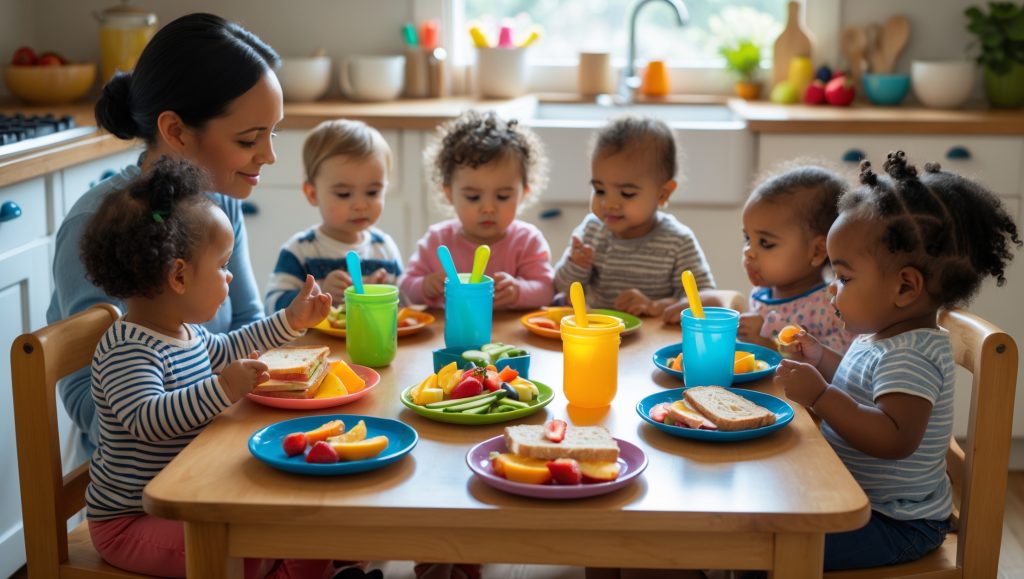
How We Chose
Selecting the top toddler food picks for 2026 involved a careful review of ingredient quality, nutritional profile, convenience, flavor variety, and feedback from U.S. families. We prioritized options that promote positive mealtime routines and offer age-appropriate nutrition. Each pick is backed by up-to-date research and practical considerations for busy families.
#1 Stonyfield Organic YoBaby Yogurt – Everyday Probiotic Power
Why it stands out
Stonyfield YoBaby Yogurt is a trusted staple for families seeking gentle, nutritious dairy. With live active cultures and no artificial sweeteners, it supports digestive health and smooth transitions to self-feeding.
Best for
- Breakfast or snack routines
- Introducing probiotics
- On-the-go meals
Key notes
- Age/Stage: 6 months to 3 years
- Materials/Ingredients: Whole milk, organic fruit purée, live cultures
- Strengths: Mild taste, easy texture, individually portioned
- Trade-offs: Requires refrigeration; contains dairy
#2 Happy Family Organics Superfood Puffs – Snackable Nutrition
Why it stands out
These puffs combine whole grains and fruits or veggies, making them a smart snack that fits easily into daily routines. The melt-in-the-mouth texture is designed for toddlers practicing self-feeding.
Best for
- Snack time transitions
- Fine motor skill development
- On-the-go snacking
Key notes
- Age/Stage: 8 months and up
- Materials/Ingredients: Organic grains, vegetable and fruit powders
- Strengths: Portable, encourages pincer grasp, minimal added sugar
- Trade-offs: Not a meal substitute; some flavors may be less popular
#3 Once Upon a Farm Organic Fruit & Veggie Blends – Fresh Flavors, Minimal Fuss
Why it stands out
Cold-pressed and never heated, these pouches preserve nutrients and taste. The blends offer a variety of flavors to keep toddlers interested and help establish routine exposure to fruits and vegetables.
Best for
- Meal supplements
- Travel-friendly snacks
- Introducing new flavors
Key notes
- Age/Stage: 6 months to 3 years
- Materials/Ingredients: Organic fruits and vegetables
- Strengths: No added sugar, fresh taste, easy to serve
- Trade-offs: Must be refrigerated; more expensive than shelf-stable options
#4 Little Spoon Plates – Balanced Meals Made Easy
Why it stands out
Little Spoon Plates are fresh, ready-to-serve meals designed for toddlers. They feature a wide range of flavors and textures, making them an ideal choice for building mealtime consistency and variety.
Best for
- Lunch and dinner routines
- Busy families
- Introducing new proteins and veggies
Key notes
- Age/Stage: 1-5 years
- Materials/Ingredients: Fresh, minimally processed whole foods
- Strengths: Balanced nutritional profile, allergy-friendly options
- Trade-offs: Subscription model; perishable
#5 Once Again Organic Sunflower Seed Butter – Nut-Free Protein Boost
Why it stands out
This spread offers a safe, nut-free protein source for toddlers and is suitable for many settings where nuts are restricted. Its creamy texture and mild taste make it easy to include in daily meals.
Best for
- Daycare or preschool lunches
- Sandwich routines
- Protein variety
Key notes
- Age/Stage: 12 months and up
- Materials/Ingredients: Organic sunflower seeds, minimal salt
- Strengths: Nut-free, versatile, no added sugar
- Trade-offs: Potential for seed allergies; check for added oil
#6 Dr. Praeger’s Littles – Veggie-Packed Finger Foods
Why it stands out
Shaped like little animals and stars, Dr. Praeger’s Littles sneak in veggies while making mealtime playful. They bake quickly and can be part of a reliable lunch or dinner routine.
Best for
- Picky eaters
- Vegetable exposure
- Fun, engaging meals
Key notes
- Age/Stage: 12 months and up
- Materials/Ingredients: Mixed vegetables, potato, whole grains
- Strengths: Kid-friendly shapes, hidden veggies, easy prep
- Trade-offs: Frozen; some varieties contain wheat and/or eggs
#7 Sprout Organic Curlz – Crunchy, Plant-Based Snacking
Why it stands out
Sprout Curlz are crunchy, plant-based snacks made from lentils and chickpeas, offering a savory option for snack routines. Their shape and crunch appeal to toddlers developing oral skills.
Best for
- Afternoon snacks
- Plant-based diets
- Finger food practice
Key notes
- Age/Stage: 12 months and up
- Materials/Ingredients: Organic lentils, chickpeas, rice flour
- Strengths: Plant protein, no artificial flavors
- Trade-offs: Not a complete meal; some toddlers may prefer softer textures
#8 Annie’s Organic Bunny Pasta – Wholesome Comfort Food
Why it stands out
This familiar favorite features organic ingredients and fun shapes, making it a reliable choice for building positive lunchtime routines. Easy to customize with added veggies or protein.
Best for
- Quick lunches
- Comfort food routines
- Picky eaters
Key notes
- Age/Stage: 12 months and up (with appropriate texture modifications)
- Materials/Ingredients: Organic wheat pasta, real cheese
- Strengths: Familiar taste, easy prep, customizable
- Trade-offs: Contains dairy and gluten
#9 Earth’s Best Organic Mini Waffles – Breakfast, Simplified
Why it stands out
Mini waffles are a fun, familiar breakfast choice, and Earth’s Best makes theirs with organic ingredients and whole grains. They toast quickly and can be topped with fruit or yogurt.
Best for
- Morning routines
- Self-feeding practice
- Breakfast variety
Key notes
- Age/Stage: 12 months and up
- Materials/Ingredients: Organic wheat, whole grains
- Strengths: Fast prep, freezable, portioned for little hands
- Trade-offs: Contains gluten; add sides for balanced nutrition
#10 Fresh Cut Fruits & Veggies – Simple, Evidence-Based Staples
Why it stands out
Pre-cut fresh fruits and vegetables are convenient and evidence supports their role in healthy toddler routines. Keep a rotation of seasonal produce to encourage daily exposure and reduce prep time.
Best for
- Meal sides
- Snack routines
- Building healthy eating habits
Key notes
- Age/Stage: 12 months and up (with safe sizes and textures)
- Materials/Ingredients: Seasonal fruits and vegetables
- Strengths: Nutrient-dense, customizable, supports variety
- Trade-offs: Perishable; requires supervision for choking hazards
Buying Tips
When choosing foods for toddler routines:
- Read ingredient lists for added sugars, salt, and artificial additives.
- Opt for organic or non-GMO options when possible, especially for produce.
- Rotate food choices to promote exposure to new flavors and nutrients.
- Consider convenience factors—look for individually portioned or easy-to-prep items for busy days.
- Always supervise toddlers during meals and snacks for safety.
Verdict
Building healthy toddler routines doesn’t have to be complicated. The top picks above offer a mix of nutrition, convenience, and fun, helping families establish positive mealtime habits in 2026. Choose a variety of options to keep your toddler interested, and don’t be afraid to adjust as your child’s preferences and skills evolve. Remember, routine exposure to different foods is key to raising adventurous eaters.
FAQ
+How often should I introduce new foods to my toddler?
+What are some signs a food is not appropriate for my toddler?
+How can I encourage my toddler to eat more vegetables?
+Are packaged toddler foods healthy?
+What should I do if my toddler is a picky eater?
+How can I make meals less stressful?
+Is organic food necessary for toddlers?

Building healthy eating routines for toddlers is both a joy and a challenge for many families. In 2026, the focus continues to shift toward whole, minimally processed foods that encourage adventurous palates and balanced nutrition. From my experience, the key is variety, consistency, and making mealtimes positive. Offering a colorful array of fruits and vegetables, protein-rich foods like beans and eggs, and whole grains such as quinoa or brown rice, supports both growth and curiosity. Yogurt and cheese remain excellent sources of calcium, while nut butters (where allergies allow) provide healthy fats and flavor. Newer favorites include veggie-based pastas and fortified cereals, which make nutritious eating easier for busy parents. Remember, toddlers learn by example, so enjoying these foods together helps reinforce lifelong habits. Make food fun with bite-sized portions, playful shapes, and dips, and be patient with new foods—sometimes it takes several tries before acceptance. These top 10 picks provide a foundation for healthy routines, ensuring your toddler thrives in both body and taste adventure.
- Offer a rainbow of fruits and veggies daily
- Choose whole grains and lean proteins
- Include calcium-rich dairy or fortified alternatives
- Make meals interactive and family-focused
We just started potty training my toddler, and sometimes meals get interrupted for bathroom trips. Are any of these foods especially suited for quick, easy cleanup if things get messy during or after eating?
It’s completely normal to worry about mealtime messes, especially during potty training. From the list, try offering finger foods like steamed veggie sticks, cheese cubes, or cut fruit, which are easy to pick up and less likely to smear if dropped. Avoid yogurt or sauces when you expect interruptions, as these can be harder to clean. Use a washable bib and a splat mat under the highchair for extra protection. Choose foods in small, non-sticky pieces to minimize clean-up. Always supervise closely to ensure safety and prevent choking. This isn’t medical advice; if you have concerns, please check with your pediatrician.