
How We Chose
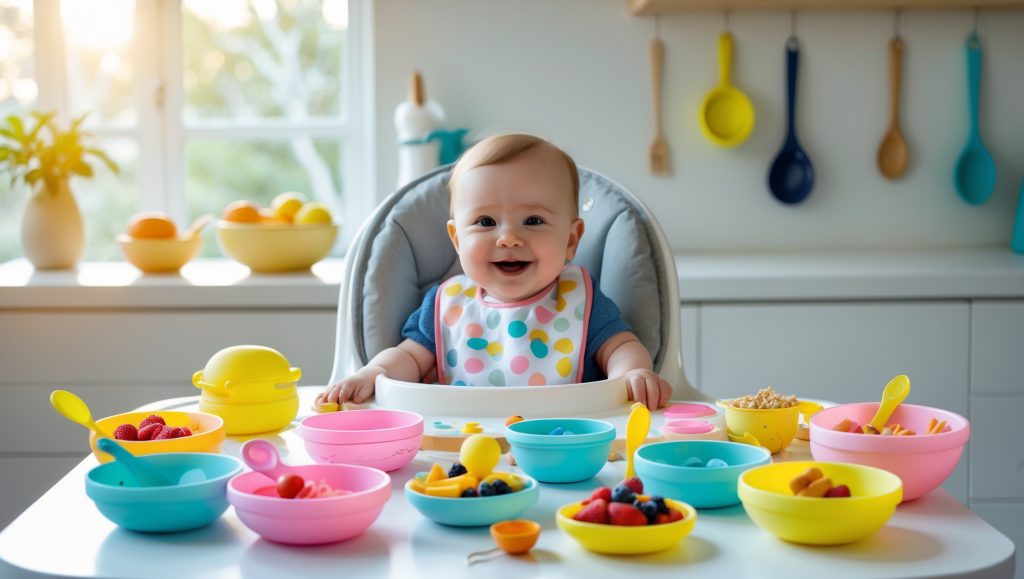
Introducing solids is a milestone filled with curiosity and a little mess! Our team reviewed dozens of feeding toys, utensils, and sensory tools designed for babies starting solids. We prioritized items that are easy to clean, promote self-feeding skills, and help families make mealtime engaging and less stressful. Our picks reflect trusted brands, innovative designs, and feedback from parents across the US in 2026.
#1 ezpz First Foods Set — Self-Feeding Made Simple
Why it stands out
The ezpz First Foods Set includes a tiny cup, bowl, and spoons made from food-grade silicone. Designed to empower babies learning to self-feed, its weighted, grippy base helps prevent spills and frustration as little hands master new skills.
Best for
- Babies 6+ months starting solids
- Families seeking easy-clean, dishwasher-safe gear
- Encouraging hand-eye coordination and independence
Key notes
- Age/Stage: 6+ months
- Materials/Ingredients: 100% food-grade silicone
- Strengths: Non-slip, durable, soft on gums, BPA-free
- Trade-offs: Silicone can attract lint if air-dried
#2 NumNum Pre-Spoon GOOtensils — No-Scoop, No-Spill Feeding
Why it stands out
GOOtensils are starter spoons with a flat, textured design that holds purees and soft foods without requiring scooping or balancing. Easy to grip and intuitive, they help babies practice bringing food to their mouths safely.
Best for
- Babies 6–18 months
- Families exploring baby-led weaning or purees
- Children with limited fine motor skills
Key notes
- Age/Stage: 6–18 months
- Materials/Ingredients: Food-grade silicone, BPA-free plastic
- Strengths: Promotes safe self-feeding, easy to clean, gentle on gums
- Trade-offs: Not ideal for firmer foods
#3 Mushie Silicone Placemat — Mess-Containing Table Fun
Why it stands out
This soft, flexible placemat helps contain spills and makes mealtime cleanup easier. Its playful designs encourage sensory exploration and help babies associate food with fun.
Best for
- Babies and toddlers starting solids
- Families valuing easy cleanup
- Encouraging tactile exploration
Key notes
- Age/Stage: 6+ months to preschool
- Materials/Ingredients: Food-grade silicone
- Strengths: Non-slip, colorful, easy to wipe or wash
- Trade-offs: May not fit all high chair trays
#4 Bumkins Sleeved Bib — Full Coverage for Messy Eaters
Why it stands out
The Bumkins Sleeved Bib provides full arm and chest coverage, keeping clothes clean during those first hands-on food adventures. Lightweight and waterproof, it’s a favorite among parents embracing the mess.
Best for
- Babies 6+ months
- Families wanting minimal laundry
- Messy, sensory-driven eaters
Key notes
- Age/Stage: 6 months–2 years
- Materials/Ingredients: Waterproof polyester, BPA/PVC-free
- Strengths: Quick-dry, machine-washable, vibrant prints
- Trade-offs: Velcro closures may catch hair
#5 Learning Resources Spike the Fine Motor Hedgehog — Sensory Mealtime Play
Why it stands out
While not a feeding tool, Spike the Hedgehog is a favorite for pre- and post-meal play. It encourages fine motor skills crucial for self-feeding and helps babies explore textures, shapes, and colors.
Best for
- Babies and toddlers working on grasping and pinching
- Families incorporating play into mealtime routines
- Siblings who want to join in
Key notes
- Age/Stage: 18 months+
- Materials/Ingredients: Durable plastic, BPA-free
- Strengths: Develops hand strength and coordination
- Trade-offs: Not for direct food use
#6 Olababy Soft-Tip Training Spoon — Gentle First Bites
Why it stands out
Designed to mimic the feel of a parent’s finger, this spoon’s soft, flexible tip is perfect for first purees and soft solids. The ergonomic handle fits small hands, fostering independence and confidence at the table.
Best for
- Babies 6+ months
- Families focused on gentle transitions to solids
- Babies with sensitive gums or teething
Key notes
- Age/Stage: 6+ months
- Materials/Ingredients: 100% food-grade silicone
- Strengths: Bendable, safe, dishwasher-safe
- Trade-offs: May stain with certain foods (e.g., carrots)
#7 Munchkin Stay Put Suction Bowls — Less Tipping, More Tasting
Why it stands out
These bowls feature strong suction bases that stick to most high chair trays, minimizing spills and letting babies focus on tasting and playing with new textures.
Best for
- Babies and toddlers who love to toss dishes
- Families seeking practical, affordable options
- Encouraging solo eating
Key notes
- Age/Stage: 6+ months
- Materials/Ingredients: BPA-free plastic
- Strengths: Secure suction, stackable, comes in sets
- Trade-offs: Suction may loosen on uneven surfaces
#8 Infantino Textured Multi-Ball Set — Sensory Play to Prime Eaters
Why it stands out
These soft, textured balls inspire tactile exploration and mouth play—prepping babies for new sensations at the table. They can be chilled for teething, too.
Best for
- Pre-feeding and feeding-stage babies
- Families supporting sensory integration
- Babies who need oral stimulation
Key notes
- Age/Stage: 6+ months
- Materials/Ingredients: BPA-free plastic
- Strengths: Versatile, easy for small hands, washable
- Trade-offs: Not intended for direct food use
#9 Lalo Suction Plate — Stylish, Modern Mealtime
Why it stands out
This minimalist suction plate is made from premium silicone and features divided sections, making it easier to introduce a variety of flavors and textures without foods mixing—a win for picky eaters.
Best for
- Babies ready for finger foods
- Families who value aesthetics and function
- Introducing multiple food groups
Key notes
- Age/Stage: 6+ months
- Materials/Ingredients: 100% food-grade silicone
- Strengths: Strong suction, easy to clean, microwave-safe
- Trade-offs: Higher price point
#10 Green Sprouts Learning Cup — Transition to Sipping
Why it stands out
The Green Sprouts Learning Cup helps babies move from bottle or breast to cup drinking. Its soft spout and easy-grip handles support oral development and self-confidence at mealtime.
Best for
- Babies 6+ months
- Families introducing water or milk with solids
- Promoting open-cup or straw use
Key notes
- Age/Stage: 6+ months
- Materials/Ingredients: Silicone, polypropylene, BPA-free
- Strengths: Leak-resistant, ergonomic design, dishwasher-safe
- Trade-offs: Some babies may prefer open cups
Buying Tips
- Look for feeding tools and toys labeled as BPA-free and made from food-grade materials.
- Choose items that are dishwasher-safe or easy to clean. Messy meals are part of the process!
- Suction bases or non-slip surfaces help minimize spills and keep focus on the food, not the floor.
- Consider divided plates or sectioned trays to offer a variety of tastes and textures.
- Soft, flexible spoons and cups can ease the transition for teething babies or sensitive mouths.
- Pair feeding with sensory play (textured toys, squishy balls) to build comfort with new sensations.
- Rotate bibs and mats to keep gear clean and ready for the next meal.
Verdict
Introducing solids is as much about play and exploration as it is about nutrition. The right toys and feeding tools can turn messy meals into joyful learning experiences for babies and parents alike. Our top picks for 2026 blend safety, functionality, and fun—supporting self-feeding skills, sensory development, and family mealtime memories. Remember: every baby’s journey is unique, and the best feeding tools are the ones that fit your family’s needs, style, and rhythm.
FAQ
+When should I start using feeding toys and tools?
+Are silicone feeding products safe for babies?
+How do I clean feeding toys and utensils?
+What if my baby throws or rejects new feeding tools?
+Are sensory toys necessary for introducing solids?
+Can I use these feeding tools for baby-led weaning?
+How many spoons, bowls, or bibs do I really need?

Introducing solids is a milestone for every family, and the right toys and tools can make it a joyful, confidence-building journey for your little one. In 2026, playful feeding essentials go beyond basic spoons and plates; they’re designed to encourage self-feeding, sensory exploration, and family bonding at the table.
Look for silicone suction plates in bright colors that stick to highchairs and keep messes contained. Soft-tipped, easy-grip spoons are gentle on gums and just right for tiny hands learning to scoop independently. Food-grade silicone teething feeders are fantastic for introducing new textures and flavors safely, letting babies enjoy fruits and veggies without the risk of large chunks. Weighted straw cups and open training cups help your child practice sipping skills, a key part of the feeding transition.
Don’t forget playful bibs with catch pockets, and high-contrast placemats that double as visual stimulation. For families who love a little extra fun, musical feeding spoons and animal-shaped snack containers add a dose of delight to every meal. These top 10 essentials make introducing solids less stressful and more playful, setting the stage for a lifetime of happy, healthy eating.
- Bright silicone suction plates and bowls
- Soft, easy-grip training spoons
- Food-grade silicone teething feeders
- Fun, spill-resistant training cups
I noticed that most of the toys and utensils on your list are made of silicone or plastic. How do these compare to wooden options in terms of sustainability and environmental impact? Are there any eco-friendly brands you’d recommend for parents who want to avoid plastic altogether?
It’s great that you’re thinking about sustainability when choosing feeding tools for your child. Silicone and plastic are popular for being durable and easy to clean, but they do have a higher environmental footprint compared to sustainably sourced wood. Wooden utensils, when unfinished or finished with non-toxic sealants, are biodegradable and often crafted from renewable resources—just be sure they’re smooth and free of splinters for baby safety. Look for eco-friendly brands that use FSC-certified wood and avoid harmful finishes. This isn’t medical advice; if you’re concerned or have questions about material safety, check in with your pediatrician.