
Overview
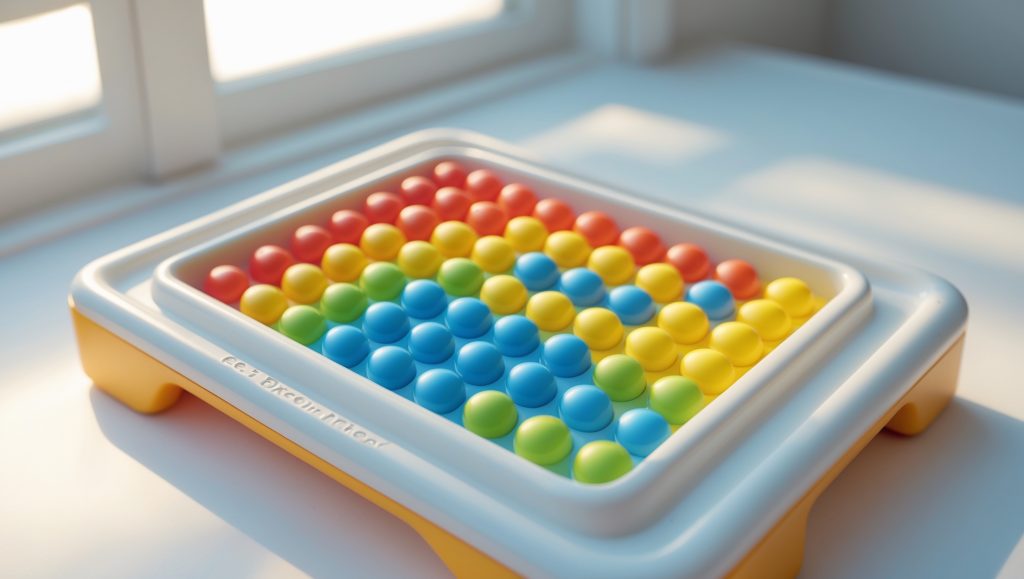
Sensory play is a cornerstone of early childhood development, and the Fat Brain Toys Dimpl Sensory Toy has become a staple recommendation among parents and early childhood specialists in 2025. Designed for infants and toddlers, Dimpl offers simple, captivating tactile play through brightly colored silicone bubbles that can be pushed and popped. But does this bestselling fidget toy live up to the hype? In this review, we take a deep dive into the Dimpl’s construction, developmental value, ease of use, and how it stacks up against similar toys for families seeking evidence-informed recommendations.
What’s Inside / Build Quality
The Fat Brain Toys Dimpl arrives as a single-piece toy, measuring roughly 5 inches wide. Its solid ABS plastic frame houses five brightly colored, food-grade silicone bubbles of varying sizes. Each bubble is securely anchored in the frame and can be pushed from either side, making a satisfying, gentle “pop” sound. The overall design is intentionally simple—there are no small detachable parts, batteries, or electronics.
Build Quality Highlights:
- Materials: BPA-free, food-grade silicone bubbles; sturdy ABS plastic frame
- Finish: Smooth, seamless edges; no sharp corners
- Durability: Withstands drops, teething, and repeated use without warping or splitting
- Maintenance: Easily wipes clean with a damp cloth; silicone resists stains and odors
Parents will appreciate the Dimpl’s high-quality construction and attention to safety, making it suitable for mouthing babies and energetic toddlers alike.
Learning & Development Benefits
The Dimpl Sensory Toy is deceptively simple, but packs significant developmental value for infants and toddlers. Here’s how:
- Fine Motor Skills: Pressing, poking, and popping the bubbles encourages finger strength, pincer grasp, and hand-eye coordination.
- Sensory Exploration: The contrasting textures and vibrant colors stimulate tactile, visual, and (for mouthing babies) oral sensory systems.
- Cognitive Development: Babies learn cause-and-effect by discovering that their actions make the bubbles pop in and out.
- Soothing & Regulation: The repetitive action can help calm fussy infants, offering a gentle fidget for busy hands.
- Open-Ended Play: There are no rules, allowing children to play at their own pace and invent their own games as they grow.
While not a traditional educational toy, Dimpl supports early milestones for babies (6+ months) and continues to engage toddlers through preschool age.
Setup & Use
One of Dimpl’s greatest strengths is its simplicity. There’s no setup required—just remove from the packaging and it’s ready to go. Here are some tips for maximizing play:
- Age Range: Best for 6 months to 3 years, but older children may enjoy it as a fidget.
- How to Play: Place in baby’s lap, on a high chair tray, or on the floor. Encourage them to press, poke, and explore each bubble.
- Travel-Friendly: Compact and lightweight, Dimpl fits in a diaper bag for on-the-go entertainment (restaurants, car rides, waiting rooms).
- Cleaning: Wipe with a damp cloth or wash with mild soap and water. Let air dry.
Unlike many sensory toys, Dimpl does not require supervision for typical use, though always follow age recommendations for safe play.
Pros & Cons
Pros
- Exceptional build quality: durable materials withstand heavy use
- Supports key developmental milestones (fine motor, sensory, cause-and-effect)
- Easy to clean and maintain
- Travel-friendly and lightweight for on-the-go play
- No batteries or electronic parts to worry about
- Safe for mouthing with BPA-free, food-grade silicone
Cons
- Limited play variety—may not engage older children for long periods
- Single-piece design means less versatility compared to multi-component sensory kits
- Price point may feel high for such a simple toy
- Does not include a storage pouch or case
Alternatives & Similar Toys
If you’re seeking sensory toys with similar benefits, consider these options:
- Fat Brain Toys Dimpl Duo: Expands on the original Dimpl with dual-sided bubbles featuring embossed shapes and colors—adds a language-learning element.
- Manhattan Toy Skwish Classic: A wooden and elastic rattle/teether that squishes and returns to shape, offering tactile and visual exploration.
- Munchkin Float and Play Bubbles: Smaller, water-safe sensory balls with rattles and moving pieces, great for bath time sensory play.
- Melissa & Doug Soft Activity Books: Fabric books with crinkly textures, flaps, and mirrors that promote sensory exploration and early literacy.
Each of these toys offers its own take on sensory play, with varying complexity and age suitability. For families with multiple children, combining different options can keep playtime fresh and stimulating.
Verdict
The Fat Brain Toys Dimpl Sensory Toy stands out as a thoughtfully designed, high-quality toy for babies and toddlers in 2025. Its simplicity is its superpower: Dimpl provides safe, open-ended sensory play that supports fine motor and cognitive development without batteries, screens, or small parts. While older children may outgrow it, for infants and young toddlers, it’s a parent-approved favorite that’s easy to recommend for at-home or on-the-go play. If you’re looking for a durable, easy-to-clean sensory toy that delivers core developmental benefits, Dimpl is a timeless choice worth considering for your family’s playroom or diaper bag.
FAQ
+Is the Dimpl Sensory Toy safe for teething babies?
+What age is best for the Dimpl Sensory Toy?
+How do I clean the Dimpl Sensory Toy?
+Does the Dimpl make noise?
+Can the Dimpl be used in the bath?
+Is the Dimpl easy to pack for travel?
+Is there a warranty or replacement policy?

Review: Fat Brain Toys Dimpl Sensory Toy – Tactile Fun for Little Hands (2025)
The Fat Brain Toys Dimpl Sensory Toy continues to stand out as a must-have for babies and toddlers seeking tactile exploration. Its simple yet ingenious design—a sturdy, brightly colored plastic frame with five silicone bubbles to poke and pop—captures little hands and curious minds instantly. Parents will appreciate how durable and easy to clean the Dimpl is, making it a practical choice for everyday play at home or on the go. The soft silicone bubbles are perfectly sized for tiny fingers, encouraging fine motor development, sensory engagement, and even early color recognition.
What truly sets the Dimpl apart is its universal appeal across a wide age range—from infants fascinated by the popping sensation to older toddlers who enjoy the repetitive action. It’s lightweight, portable, and free from small parts, so it ticks all the safety boxes for young children. In a market crowded with noisy, flashing toys, the Dimpl’s quiet, tactile focus is refreshing and calming. For parents seeking a screen-free, frustration-free toy that supports real developmental skills, the Dimpl Sensory Toy is a smart and joyful investment.
- Promotes fine motor skills and sensory development
- Durable, easy-to-clean, and perfectly sized for little hands
- Safe, portable, and ideal for on-the-go play
- Encourages screen-free, calming engagement
I noticed the Dimpl appears to be a single-piece design without detachable parts, which is great for safety and storage. In your experience, is this toy easy to toss into a diaper bag for travel or does it end up taking up valuable space compared to foldable alternatives?
You’re right to think about convenience and safety for on-the-go play. The Dimpl’s single-piece, chunky design means there are no loose or detachable parts, which is ideal for little ones and minimizes choking risks. However, it is a bit bulkier and rigid compared to some foldable or soft toys, so it can take up more space in a diaper bag. For most diaper bags, it should fit without issue, but if space is tight, you might need to pack strategically. This isn’t medical advice; if you have concerns about safety or suitability, check with your pediatrician.
If I wanted to pack the Dimpl for use during our bedtime wind-down when we travel, does it fit easily into the average diaper bag or suitcase? We try to keep our bedtime rituals consistent even on the go and need something compact.
It’s great that you’re keeping bedtime rituals consistent while traveling. The Fat Brain Toys Dimpl is small and lightweight, so it should easily fit into most diaper bags or suitcases. To make bedtime transitions smoother, pack the Dimpl in an outside pocket for quick access, and wipe it down before and after use for cleanliness, especially if it’s been in your bag. Always supervise younger children (especially under 3) during play to prevent mouthing or chewing. This isn’t medical advice; if you’re concerned, check in with your pediatrician.
I have limited space for toys and prefer items that are multipurpose or can last through several developmental stages. Compared to classic Montessori materials like cylinder blocks, does the Dimpl offer enough long-term value to justify adding it to a small collection?
It’s great that you’re thinking carefully about long-term value and versatility for your child’s toys. The Dimpl is compact and durable, making it ideal for small spaces, and its simple design supports sensory exploration, fine motor skills, and early cause-and-effect learning for infants and toddlers. However, unlike Montessori cylinder blocks, it offers less open-ended or advanced challenge for preschoolers and older children. For maximum longevity, you might pair the Dimpl with a few classic Montessori items, or rotate toys as your child grows. Always supervise young children, and check for wear over time. This isn’t medical advice; if you’re concerned, check in with your pediatrician.
We have a child who sometimes gets overstimulated by loud noises or flashy lights. Would you recommend integrating the Dimpl more frequently into our rotation because of its simplicity, or should we still keep a regular mix with other toys?
You’re thoughtful to consider your child’s sensory needs. The Dimpl’s simple, quiet design makes it a great choice for children who are easily overstimulated, especially if bright lights and loud sounds are triggers. You might try offering the Dimpl during playtimes when your child seems sensitive, and gradually mixing in other gentle toys that don’t have strong lights or sounds. Watch your child’s reactions: if they seem calmer with simpler toys, it’s perfectly fine to prioritize those. Always supervise play, and remember each child’s tolerance is unique. This isn’t medical advice; if you’re concerned, check in with your pediatrician.
Our child is very sensitive to certain sounds and textures. Since the Dimpl makes a gentle popping noise, do you find it generally well tolerated by children with tactile or sound sensitivities, or is there a risk it could be overwhelming for some kids?
It’s thoughtful to consider how your child’s sensitivities might interact with a new toy. Many children with tactile or sound sensitivities find the Dimpl’s soft silicone texture and quiet popping sound tolerable, but each child is unique. Start by introducing the toy in a calm environment, let your child explore at their own pace, and watch for signs of discomfort. You can press the bubbles together the first few times to model and gauge their reaction. Always supervise play, especially for younger children due to small parts in some versions. This isn’t medical advice; if you’re concerned, check in with your pediatrician.
We are really trying to limit the number of toys in our playroom. If I already have a couple of other sensory toys, do you think the Dimpl offers something different enough to justify adding it to our collection, or is it likely to feel redundant?
It’s thoughtful to curate your playroom and consider what each toy offers. The Dimpl stands out for its simple design and focus on finger isolation and fine motor skills, which some other sensory toys may not target as directly. If your current toys already offer pop-and-push or silicone textures, the Dimpl may feel redundant. However, if your existing toys focus more on lights, sounds, or varied textures, the Dimpl’s unique popping action could add something new. It is safe for babies and toddlers, but always supervise for mouthing. This isn’t medical advice; if you’re concerned, check in with your pediatrician.
My 3-year-old sometimes gets pretty wound up before bedtime. Have you seen families use the Dimpl toy as part of their nightly wind-down routine, and does it actually help kids settle before sleep, or does it tend to hype them up before bed?
It’s understandable to want a calming bedtime routine for your 3-year-old. Many families do find that the Dimpl toy, with its gentle popping action and soothing textures, can help some children relax if used quietly before bed. Try dimming the lights and encouraging slow, gentle pushes together, making it part of a calm storytime or cuddle. Keep sessions short—about 5 to 10 minutes—to avoid overstimulation. If your child gets more energetic, it may be better for daytime play. Always supervise to ensure your child uses the toy safely. This isn’t medical advice; if you’re concerned, check in with your pediatrician.
As someone thinking ahead to when my baby transitions between stages, is there an ideal order to introduce iron-fortified cereals versus iron-rich purees to maximize iron absorption and prevent picky eating down the road?
It’s wonderful that you’re planning ahead for your baby’s nutrition and healthy eating habits. Start with iron-fortified single-grain cereals around 6 months, offering just a spoonful or two daily. Next, introduce well-cooked, pureed iron-rich foods like meats or beans, gradually mixing them with cereals. Alternate between cereals and purees to vary textures and flavors, which may help prevent picky eating. Always observe your baby for readiness cues and signs of allergies. This isn’t medical advice; if you’re concerned, check in with your pediatrician.
For families on a budget, do you think the Dimpl provides enough ongoing value to justify the purchase, or would you recommend a different sensory toy for quiet solo mornings that offers a similar developmental benefit?
It’s thoughtful to consider the long-term value of toys, especially on a budget. The Dimpl is quite durable and genuinely engaging for babies and toddlers, supporting fine motor skills and sensory exploration over time. For quiet solo play, rotate it with other simple items like silicone stacking cups or a homemade sensory basket (using safe household objects) to keep things fresh. Always supervise play, especially with babies under 12 months, to ensure safety with any objects. If you’re concerned about cost, know that there are many affordable, safe alternatives that nurture the same skills. This isn’t medical advice; if you have specific concerns, check with your pediatrician.
You note that Dimpl is best for ages 6 months to 3 years. If my child is almost 4 and still loves fidgeting and sensory activities, is Dimpl still stimulating enough for that age? Or should I consider a different sensory toy as they get older?
It’s great that you want to keep supporting your child’s love of sensory play as they grow. While the Dimpl is safe and engaging, by age 4 many children crave more complex challenges. If your child enjoys Dimpl, you can certainly let them keep using it, but you might also introduce sensory toys made for older kids—like fidget spinners, pop tubes, or building sets with varied textures. Always check for small parts and supervise play. This isn’t medical advice; if you’re concerned, check in with your pediatrician.
You mention Dimpl is suitable for babies as young as 6 months, but can this toy be adapted for older siblings during quiet time? We often struggle with finding toys that both a toddler and a preschooler can enjoy together without causing squabbles.
It’s great that you’re looking for ways to include both your toddler and preschooler during quiet play. To adapt the Dimpl for older siblings, try setting up turns to press the bubbles, encourage them to make up games—such as popping bubbles in color order—or use the toy as a storytelling prop. You can also introduce counting or color-naming challenges based on each child’s age, making it engaging for both. Always supervise play to ensure that shared toys are used safely and respectfully. This isn’t medical advice; if you’re concerned, check in with your pediatrician.
Sometimes my toddler gets overwhelmed by bright colors and too much sensory input. Is the Dimpl gentle enough for children who are sensitive, or are there visual or tactile features I should be aware of before introducing it?
It’s great that you’re tuned in to your toddler’s sensory needs. The Dimpl’s soft silicone bubbles offer gentle tactile feedback, but the bright colors may be stimulating for some sensitive children. To introduce it gently, start in a quiet space, and let your child explore it at their own pace. You can cover some bubbles with a cloth to reduce visual impact. Always supervise play to watch for signs of overstimulation. The Dimpl is free of small parts and generally safe for toddlers, but every child is unique. This isn’t medical advice; if you’re concerned, check in with your pediatrician.
Some traditional foods we serve can have strong colors or leave oily residue. Has the Dimpl been tested against stains from things like turmeric or tomato sauce, which are common in our family’s cuisine?
It’s thoughtful to consider how vibrant foods might affect your child’s toys. While the Dimpl is made from high-quality, food-grade silicone that’s generally stain resistant, strong pigments like turmeric or tomato sauce can sometimes leave marks if left on for long periods. To help prevent staining, wipe the Dimpl with a damp cloth soon after exposure to colored foods. For more stubborn spots, try washing it with mild soap and warm water. Always air dry thoroughly before the next use. The Dimpl is safe for babies but should be checked regularly for wear. This isn’t medical advice; if you’re concerned, check in with your pediatrician.
You mention the Dimpl is best for ages 6 months to 3 years—would a four- or five-year-old still get enough out of it as a fidget toy, or does it start to feel too basic for most preschoolers?
It’s thoughtful to consider whether a toy will still engage an older preschooler. While the Dimpl’s simple design is most stimulating for babies and young toddlers, some four- or five-year-olds may still enjoy using it as a quiet fidget, especially if they like repetitive tactile play. If your child often seeks more complex activities, the Dimpl might feel a bit basic at this age, but it remains safe and durable for preschoolers. Observe your child’s interest—if they seem drawn to it, it’s fine to let them use it under supervision. This isn’t medical advice; if you’re concerned, check in with your pediatrician.
I love that the Dimpl is durable and has no small parts, but do you see any potential safety issues if it’s stored in a basket with other hard toys? Should I be careful about what I store it next to when space is limited?
It’s great that you’re thinking about safety and storage. When storing the Dimpl with other hard toys, make sure it isn’t pressed tightly against sharp or rigid edges, as this could potentially damage the silicone bubbles or create small tears over time. Try to place softer or similarly textured toys close to it if possible. For babies under 3, always check that no pieces have come loose before play. Regularly inspect the toy for signs of wear. This isn’t medical advice; if you’re concerned, check in with your pediatrician.
Does the Dimpl need to be cleaned in any special way before or after using it during meals or allergen tastings to make sure it stays safe for a mouthing baby?
It’s great that you’re thinking ahead about keeping your baby’s toys clean and safe. For the Dimpl, wash it with warm, soapy water before and after any use during meals or allergen tastings, since food residue can harbor germs or allergens. Rinse thoroughly to remove soap. Pat dry with a clean towel or let it air dry. Inspect for any stuck food particles, especially in the silicone bubbles. Always check that the toy is fully dry before your baby plays with it again to avoid mold. This isn’t medical advice; if you’re concerned, check in with your pediatrician.
For parents dealing with nap refusals or bedtime struggles, do you think the Dimpl can be part of a sensory wind-down routine, or is it too stimulating for use right before sleep? Would it be better suited for earlier playtime in the day?
You’re thoughtful to consider how toys like the Dimpl fit into your child’s sleep routine. For most babies and toddlers, the Dimpl’s bright colors and popping action can be energizing, so it’s usually better for daytime play or as a calming tool earlier in the evening—well before the bedtime wind-down. For sleep prep, opt for softer lighting and quieter, slower sensory experiences. If your child finds the Dimpl soothing, try it briefly under your supervision to see their response. Always check for age-appropriate use and avoid overstimulation close to sleep. This isn’t medical advice; if you’re concerned, check in with your pediatrician.
When introducing the Dimpl as part of a toy rotation, should I remove other sensory toys at the same time to avoid overstimulation, or is it better to give my toddler multiple tactile options in one cycle?
It’s thoughtful of you to consider your toddler’s sensory experience and avoid overwhelming them. For most toddlers, offering two or three different tactile toys (including the Dimpl) in a rotation is developmentally appropriate and keeps play interesting. You might start with just the Dimpl and one other toy, observing how your child engages before adding more options. Watch for signs of overstimulation, such as fussiness or withdrawal, and adjust the variety as needed. Always supervise play, especially with toys that have removable parts, and check age recommendations for each item. This isn’t medical advice; if you’re concerned, check in with your pediatrician.
The article mentions the Dimpl is safe for mouthing babies, but what about older kids who still like to chew on toys? Can this cause any issues with long-term durability or hygiene for toddlers who are rougher with their toys?
It’s understandable to want reassurance about durability and hygiene if your older child still enjoys chewing on toys. For toddlers who chew vigorously, inspect the Dimpl regularly for any signs of wear, such as cracks or loose parts. Clean the toy frequently with mild soap and water to maintain hygiene, since chewed toys can harbor germs. Remind older kids that the Dimpl is for hands, not mouths, but supervision may still be necessary. The toy is made from food-grade silicone, but no toy is indestructible, so replace it if you notice damage. This isn’t medical advice; if you’re concerned, check in with your pediatrician.
Can you clarify if the silicone bubbles ever come loose after repeated use or teething? I have a little one who really puts toys through their paces, so long-term safety is a big concern for us.
It’s great that you’re thinking about long-term safety for your little one, especially with a toy that gets so much hands-on (and mouth-on) use. The Dimpl’s silicone bubbles are securely set into the plastic frame and designed to withstand regular pushing and popping, even some teething. For extra safety, always check for wear and tear, especially if your child is a strong chewer. If you notice any loosening or damage, it’s best to set the toy aside. Supervised play is recommended for babies and toddlers. This isn’t medical advice; if you’re concerned, check in with your pediatrician.
My toddler is delayed with language and sometimes gets overwhelmed with new toys. Would you recommend introducing the Dimpl during quiet time or as part of our daily play routine, and do you have tips for helping language development while we play with it?
You’re thoughtful to consider how best to introduce new toys, especially for a toddler with language delays. The Dimpl’s simple design makes it a gentle option to try during quiet time, where your child can explore at their own pace. Sit together and model simple words like “push,” “pop,” or color names as you play, pausing so your child can imitate or respond. Use short phrases and positive encouragement. Let your toddler lead if they seem interested, but don’t force interaction if they feel overwhelmed. The Dimpl is safe for toddlers, but supervise play to avoid mouthing or tossing. This isn’t medical advice; if you’re concerned, check in with your pediatrician.
I see that the Dimpl is marketed as travel-friendly. For parents who use it on-the-go, does it keep energetic toddlers occupied in places like waiting rooms or restaurants? Or do you find it works best at home as part of your regular play routine?
It’s completely understandable to want toys that help keep toddlers engaged while out and about. The Dimpl’s compact size and simple bubble-popping action do make it easy for travel, and many parents find it provides a few minutes of focus in places like waiting rooms or restaurants. To maximize its benefit, offer it with your full attention first, model popping the bubbles, and use encouraging language. For energetic toddlers, rotating toys, bringing a small selection, or combining the Dimpl with songs or finger games can help extend their interest. Always supervise to ensure safe use, especially with children under 18 months. This isn’t medical advice; if you’re concerned, check in with your pediatrician.
If you have a child who is older than the recommended age range but still seeks tactile toys for fidgeting, do you think the Dimpl holds their interest or would they quickly outgrow it?
It’s understandable to want a tactile toy that keeps older children engaged, especially if they enjoy fidgeting. While the Dimpl is designed for babies and toddlers, some older kids may still enjoy its satisfying push-and-pop action as a simple fidget tool. For longer-lasting interest, consider offering a variety of sensory toys—like textured fidget spinners or putty—that better match their developmental stage. Always check for durability and avoid tiny parts if your child tends to mouth objects. This isn’t medical advice; if you’re concerned about sensory needs, check in with your pediatrician.
You mention the Dimpl is travel-friendly. Is it quiet enough for use at restaurants or on public transport, or does the popping sound draw a lot of attention?
You’re thoughtful to consider whether the Dimpl is quiet enough for outings. The Dimpl makes a soft popping sound when pressed, but it’s much quieter than typical bubble pop fidgets or clicky toys. For most restaurants or buses, it shouldn’t draw much attention. If your child is under supervision and not banging it on hard surfaces, it remains discreet. For very quiet settings like libraries, you might want to test it at home first. This isn’t medical advice; if you’re concerned, check in with your pediatrician.
I noticed the Dimpl is recommended for ages 6 months to 3 years. As my child is almost 2, do you think the toy remains engaging enough on longer car rides, or is there a point when toddlers might lose interest sooner than expected?
It’s completely reasonable to wonder if a nearly 2-year-old will stay interested in the Dimpl during car rides. At this age, many toddlers still enjoy simple sensory toys, especially for fidgeting and soothing, but attention spans can be brief and interests may shift quickly. Try offering the Dimpl alongside a couple of other safe, quiet toys to mix things up on longer trips. Rotate toys every so often to keep experiences fresh. Always supervise play in the car to prevent dropping or throwing. If your child seems to lose interest, that’s normal—variety often helps. This isn’t medical advice; if you’re concerned, check in with your pediatrician.
You mentioned the Dimpl is easy to clean, which is a plus. In your experience, do wooden sensory toys require more maintenance or have any hygiene concerns compared to this plastic and silicone design?
—keeping toys clean is a real concern for many parents. Wooden sensory toys can be harder to sanitize thoroughly because wood is porous and absorbs moisture, while plastic and silicone (like the Dimpl) can be washed with soap and water or even wiped down quickly. For wooden toys, wipe them with a damp cloth and mild soap, then let them air dry fully to prevent mold. Never soak wood or use harsh disinfectants. Always check for splinters or cracks. For babies and toddlers, regular cleaning and careful inspection are key. This isn’t medical advice; if you have specific worries, check in with your pediatrician.
You noted that Dimpl is suitable for babies 6 months and up, but have you seen older preschoolers or even early elementary kids enjoy using it as a fidget? I’m curious if it continues to hold their interest during afterschool downtime or if they outgrow it quickly.
—it’s understandable to wonder if a toy like the Dimpl stays engaging as kids get older. Many older preschoolers and even some early elementary children do enjoy using the Dimpl as a simple, soothing fidget, especially during downtime or when they need something to keep their hands busy. 1. Try offering the Dimpl as an option during homework breaks or car rides. 2. Observe your child’s interest—some may use it briefly, while others may return to it often. 3. For older kids, you can invite them to create games with the Dimpl, like speed popping or pattern challenges, to boost engagement. Always supervise younger children and check regularly for wear and tear to ensure safety. This isn’t medical advice; if you’re concerned, check in with your pediatrician.
Could using the Dimpl after our bedtime story help calm my toddler, or would you recommend saving it just for playtime during the day? We’re working on a consistent sleep routine and want soothing, not energizing, activities.
It’s great that you’re being intentional about your toddler’s bedtime routine. The Dimpl’s simple popping action can be soothing for some children, but for others, it might be a bit too stimulating right before sleep. If you’d like to try it, offer the Dimpl after your bedtime story for just a few quiet minutes, watching if it helps your child settle or if it seems to perk them up. Keep the lights low and encourage gentle, slow popping. If you notice excitement or restlessness, shift Dimpl play to the daytime instead. As always, watch for safe use (no mouthing, supervised play) and trust your intuition. This isn’t medical advice; if you’re concerned, check in with your pediatrician.
the tip about the Dimpl being easy to wipe clean. How does it hold up if it becomes part of our nightly routine, like taking it into bed or having it around during story time? Any concerns with keeping it hygienic long-term?
It’s great that you’re thinking about keeping your child’s toys clean, especially if the Dimpl becomes a nightly comfort item. The Dimpl’s smooth silicone surface is easy to wipe down—just use a damp cloth with mild soap and let it air dry. If it goes to bed or gets handled during story time, try to clean it every few days or if it looks dirty. For younger children, make sure no small parts are present or loose. This isn’t medical advice; if you have hygiene concerns or your child has allergies, consult your pediatrician.
The article mentions it’s easy to wipe clean—does the silicone ever trap dirt or crumbs in the edges over time, and are there any special cleaning tricks you’d recommend for busy parents?
You’re wise to think about keeping toys hygienic, especially for little ones who explore with their mouths. The Dimpl’s silicone bubbles can sometimes collect crumbs or dirt around the edges, but regular cleaning can help prevent buildup. Try wiping it down with a damp cloth after each use, and for deeper cleans, hand-wash with warm soapy water, making sure to get into the crevices with a soft brush if needed. Let it air dry thoroughly. It’s generally safe for babies and toddlers, but always inspect for trapped debris before play. This isn’t medical advice; if you’re concerned, check in with your pediatrician.
You mention that Dimpl helps with fine motor development, but are there specific activities or routines you’d recommend to get the most motor skill benefits during daily play?
It’s great that you want to make the most of your child’s fine motor development with the Dimpl toy. Try setting up short play sessions where your child pushes each bubble with different fingers, or encourage them to use thumb and forefinger pinches—this targets specific muscle groups. You can create simple games like ‘pop the blue one first’ or ask your child to pop bubbles in a sequence, adding a memory or sequencing element. For toddlers, supervised play is best, and always check the toy for wear or loose parts. This isn’t medical advice; if you’re concerned, check in with your pediatrician.
We often spend afternoons at my parents’ house, where there are lots of different toys. Do you think the Dimpl would work well as a calming or transitional activity before meals when my toddler is overstimulated from playing and helping with family recipes?
You’re thoughtful to look for ways to help your toddler transition calmly during busy family times. The Dimpl’s simple, repetitive pressing can be soothing and is usually engaging without being overstimulating, making it a good fit for winding down before meals. Try offering the Dimpl in a quieter spot, guiding your child to sit and explore the bubbles together for a few minutes as a gentle transition. Always supervise closely, especially if your toddler is under 3, to ensure safe play. This isn’t medical advice; if you have concerns about sensory needs or regulation, it’s a good idea to check in with your pediatrician.
In your review, you recommend the Dimpl for babies as young as 6 months. Would you say it’s still safe for younger infants who might put the whole toy in their mouth, or is 6 months the absolute minimum age you’d suggest for safety?
It’s completely understandable to want to be extra cautious about toy safety for younger infants. The Dimpl is designed with large, single-piece silicone bubbles and no small parts, making it generally safe under close supervision. However, most manufacturers recommend it for 6 months and up, partly because younger infants have a higher risk of mouthing and may not have the head and neck control needed for safe play. If you do introduce it earlier, always supervise play, check for wear or damage, and avoid leaving your baby unattended with the toy. This isn’t medical advice; if you’re concerned, check in with your pediatrician.
You mention the Dimpl is durable and easy to clean, which is great for everyday use. For families with a smaller toy budget, do you think it’s versatile enough to justify being one of the few toys in a nap-time calming kit?
It’s a thoughtful question to consider versatility when selecting toys on a budget. The Dimpl can be a calming choice during nap-time wind-down, as its simple popping action supports gentle fidgeting and sensory soothing, especially for infants and toddlers. To make it more versatile, you might use it as part of a cozy routine: let your child explore it while reading a quiet story or practicing deep breaths together. Always supervise young children, as mouthing is common, but the one-piece design helps minimize safety risks. Every child is different, so observe your little one’s response. This isn’t medical advice; if you’re concerned, check in with your pediatrician.
The age range says 6 months to 3 years, but could it still be engaging for a nearly 4-year-old who enjoys fidget toys? Or would you recommend something more challenging at that stage?
It’s great that you want to keep your child engaged as they grow. While the Dimpl can still be appealing for a nearly 4-year-old who likes fidgeting, it may not provide as much challenge or novelty as more complex fidget toys or activities. You might try offering the Dimpl during quiet times or on-the-go, but also consider options with more intricate movements, textures, or problem-solving for this age. Always check for small parts and supervise play, especially with newer items. This isn’t medical advice; if you’re concerned, check in with your pediatrician.
I noticed the Dimpl is described as suitable for mouthing babies, which is great since my little one puts everything in her mouth. Do the silicone bubbles ever show bite marks or wear over time, especially with a teething baby?
It’s completely understandable to want reassurance about toy durability when your baby is teething and exploring with their mouth. The Dimpl’s silicone bubbles are designed to withstand regular mouthing, but over time, especially with strong or persistent chewing, you may notice some mild bite marks or wear. To keep things safe, check the bubbles for any tears or loose pieces before each use, and always supervise play—especially if your child is an aggressive chewer. Silicone is generally safe, but discard the toy if you see significant damage. This isn’t medical advice; if you’re concerned, check in with your pediatrician.
As a parent concerned with both sustainability and safety, I wonder whether a wooden version of this toy would offer similar tactile benefits without as much plastic. Have you seen wooden sensory toys that are comparable in function and development value?
It’s great that you’re thinking about both sustainability and your child’s development. Wooden sensory toys can be wonderful, especially if they feature different textures, shapes, or movable parts, but they usually don’t replicate the unique silicone popping experience of the Dimpl. You might try wooden toys with embedded pegs, sliders, or spinning pieces for similar fine motor engagement. Always check that wooden toys are made with non-toxic finishes and have no small parts if your child is under three. This isn’t medical advice; if you’re concerned, check in with your pediatrician.
The review mentions that Dimpl is travel-friendly. Could you share any tips on keeping it clean and germ-free when bringing it to places like playgrounds or restaurants, especially since toddlers love to put toys in their mouths?
You’re right to want to keep your toddler’s toys clean, especially when traveling or visiting public places. First, bring a small zip-top bag to store the Dimpl when not in use, keeping it away from other surfaces. Wipe it down regularly with baby-safe, fragrance-free disinfectant wipes after each outing. At home, wash the toy with warm soapy water and let it air-dry completely. Always check for soap residue or wear before giving it back to your child. Since toddlers explore with their mouths, supervise play to prevent sharing with other children. This isn’t medical advice; if you’re concerned, check in with your pediatrician.
My child is nearly four and we mostly use Spanish and English at home. Is the Dimpl still engaging for preschoolers, or is it likely to feel too simple once they’re past toddlerhood? Would you recommend something else for keeping bilingual routines interactive at that age?
It’s great that you’re thinking about keeping your preschooler engaged, especially in a bilingual environment. At nearly four, many children still enjoy the Dimpl’s sensory features for fidgeting or calming, but its play value might feel limited for longer periods as their interests and skills expand. You could use it as a tool during language games—like naming colors in both languages—but for richer language learning, consider toys that spark storytelling, pretend play, or cooperative games. Look for age-appropriate puzzles, simple board games, or playsets with small parts only if your child no longer mouths objects. This isn’t medical advice; if you’re concerned, check in with your pediatrician.
I have a 10-month-old who tends to throw toys or drop them in food during mealtimes. How well does the Dimpl actually clean up if food gets into the silicone bubbles, and do the colors show stains or discoloration over time?
It’s understandable to want toys that stay clean and safe for your little one, especially at mealtimes. The Dimpl’s silicone bubbles can usually be wiped clean with warm soapy water, and most food messes wash off easily. For stuck-on bits, gently scrub with a soft brush or cloth, making sure to rinse thoroughly. The silicone is non-porous, so stains are uncommon, but lighter colors may show some discoloration after frequent exposure to strong-colored foods. Always check the toy for wear or trapped debris before returning it to your child. This isn’t medical advice; if you’re concerned, check in with your pediatrician.
How well does the Dimpl work for kids who are a bit older than preschoolers but still struggle with fine motor skills or sensory needs? Would it still hold their attention, or is it mostly best for the under-three crowd?
It’s great that you’re thinking about supporting your older child’s fine motor and sensory needs. While the Dimpl is designed for younger children, its simple push-and-pop action can still be engaging for some older kids, especially those who benefit from tactile input. Try introducing it during homework breaks or calm-down times to see if it helps. Let your child use it in different ways—pressing, sequencing colors, or timing themselves. Make sure they’re supervised if they tend to mouth objects, as the toy is technically rated for ages 10 months and up. This isn’t medical advice; if you’re concerned, check in with your pediatrician.
You mention open-ended play, which sounds great for imagination, but I wonder if some kids might need a bit more structure. Are there any simple games or activities you suggest to encourage different types of play with the Dimpl?
It’s thoughtful of you to want both open-ended and guided play for your child. Here are some simple activities for the Dimpl: 1) Try a ‘color call-out’ game—name a color and have your child pop that bubble; 2) For toddlers, play a turn-taking game by taking turns pushing bubbles; 3) Make patterns together, like ‘push two blue, one green’; 4) For older toddlers, count the bubbles aloud as you push them. These are safe for ages 6 months and up, but always supervise to avoid mouthing or rough play. This isn’t medical advice; if you’re concerned, check in with your pediatrician.
My 14-month-old gets bored with most toys really quickly. Does the Dimpl toy actually keep toddlers engaged for longer stretches, or do they lose interest after a few minutes? I’m looking for something that holds his attention while I prep meals.
It’s understandable to want a toy that truly keeps your toddler engaged, especially when you need a few minutes to get things done. Many parents report that the Dimpl toy holds attention longer than basic rattles or blocks because of its satisfying popping action and the variety of colors and textures. For a 14-month-old, you can encourage longer play by sitting with him at first to model pushing the bubbles, describing the colors, or making a game out of it. Rotate the Dimpl with other toys so it stays novel, and place it on his highchair tray or a safe play area while you prep meals, always supervising. The Dimpl is designed for this age and is free of small parts, but supervision is still key. This isn’t medical advice; if you’re concerned, check in with your pediatrician.
If my older toddler plays a bit rough, is there a chance the silicone bubbles could pop out or get damaged over time? I’m mostly juggling attention between two kids, so I need toys that can survive some enthusiastic play.
It’s completely understandable to want sturdy toys when you have an energetic toddler and a busy household. The Dimpl Sensory Toy is designed with durable silicone bubbles that are securely encased in a hard plastic frame, making them difficult to remove or pop out during regular use. However, rough or forceful play over time may cause some wear or stretching. To help the toy last, encourage your child to push and pop the bubbles gently, and check the toy regularly for any signs of damage. Always supervise play, especially if your child tends to chew on toys, since damaged pieces can become a hazard. This isn’t medical advice; if you’re ever unsure, reach out to your pediatrician.
I’m curious if the simple one-piece design really makes it easier to avoid lost parts, especially compared to similar toys with detachable pieces. Does this aspect make cleanup or storage noticeably easier for busy parents?
You’re absolutely right to consider how toy design impacts everyday cleanup and lost pieces. The Dimpl’s single-piece construction truly minimizes the risk of losing parts, unlike toys with detachable buttons or blocks. For busy parents, this means tidying up is as easy as grabbing the toy and putting it away—no hunting for missing pieces under the couch. Its smooth surface is also easy to wipe clean, making maintenance simple. Plus, the all-in-one design is safer for babies and toddlers, as there are no small parts to pose a choking hazard. This isn’t medical advice; if you have concerns about toy safety, please check with your pediatrician.
We have a child who is sensitive to loud or unpredictable noises, especially in the morning. Would the popping sound from the Dimpl be considered very noticeable or disruptive in a quiet house?
It’s completely understandable to want a calm, quiet environment for a noise-sensitive child, especially early in the day. The Dimpl’s popping sound is quite soft—much gentler than bubble wrap and generally not sharp or startling. Try pressing a few bubbles yourself to judge the sound; some families find it barely noticeable, while others with very quiet homes hear a faint pop. For sensitive children, use the toy during active playtimes or when background noise is present. Always supervise younger children to ensure safe play. This isn’t medical advice; if you’re concerned, check in with your pediatrician.
My son is sensitive to textures and sometimes drools a lot, especially when we try new foods. Do the Dimpl’s silicone bubbles pick up food particles or become sticky easily, and is there a risk of them retaining smells from strong foods like peanut butter?
You’re thoughtful to consider how toys interact with your child’s sensory needs and drooling. The Dimpl’s silicone bubbles are non-porous, so they generally resist absorbing smells or retaining sticky foods. To keep them clean, wash the toy with warm, soapy water after use, especially if it’s been in contact with food or saliva. Avoid harsh cleaners and check for any trapped bits along the creases. Always supervise if your son is mouthing toys, and remember some foods (like peanut butter) can be harder to fully remove, so extra cleaning might be needed. This isn’t medical advice; if you’re concerned, check in with your pediatrician.
Do you think this would still be interesting for a toddler closer to three, or do they lose interest as they get older? My kiddo loves tactile stuff but gets bored quickly once she figures something out.
It’s great that you’re paying attention to your child’s interests and need for sensory stimulation. Many three-year-olds may still enjoy the Dimpl’s pop-and-push action, especially if they are drawn to tactile experiences, but curiosity can shift quickly at this age. Try rotating the Dimpl in and out of toy cycles, pairing it with games (like counting pops), or using it as a calm-down tool during transitions. Supervise to ensure safe play, particularly if your child likes to explore with their mouth. Every child’s attention span varies, so follow their lead. This isn’t medical advice; if you’re concerned, check in with your pediatrician.
If a child has heightened sensitivity to certain textures or sounds, have you found the popping sensation of the Dimpl to be soothing or overwhelming? I’d love to know if you recommend this for kids with sensory sensitivities.
It’s thoughtful of you to consider your child’s sensory needs when choosing toys. Many children with sensory sensitivities find the gentle, repetitive popping of the Dimpl to be soothing, but some might find the sensation or sound overwhelming, especially if they are sensitive to surprise noises or tactile input. I recommend letting your child explore the Dimpl at their own pace, possibly starting with supervised play for just a few minutes. Watch their reactions closely, and if they seem uncomfortable, it may be best to try again later or choose a different texture. The Dimpl is generally safe for ages 6 months and up, with no small parts. This isn’t medical advice; if you’re concerned, check in with your pediatrician.
How does the Dimpl compare to other silicone-based sensory toys in terms of keeping babies entertained during mealtime without making cleanup harder for parents? I am trying to minimize both clutter and extra laundry.
You’re wise to look for sensory toys that keep babies engaged without adding to your cleanup routine. The Dimpl stands out because it’s a single, solid piece of silicone, so there are no tiny crevices for food or liquids to get trapped—unlike some fidget or teether toys with multiple parts. You can wipe it clean quickly with a damp cloth or pop it in the dishwasher. For mealtime, offer the Dimpl only when your baby is safely in the high chair, and remove it once they finish eating to prevent dropping or smearing. Keep an eye on your child, especially under 12 months, to ensure safe use. This isn’t medical advice; if you’re concerned, check in with your pediatrician.
For children with strong sensory preferences or sensitivities, do you think the Dimpl’s popping sound or texture could be too distracting during quiet bedtime routines? We want something that helps our little one settle, not get more alert.
It’s very thoughtful that you’re considering your child’s sensory needs around bedtime. For children with strong sensory sensitivities, the Dimpl’s popping sound and stimulating texture might be too engaging and could make some kids more alert rather than calm. You might try offering the Dimpl earlier in the evening, then switch to a quieter, softer comfort item before bed. Pay attention to your child’s reactions—if they seem more wound up, it may be best to keep the Dimpl out of the bedtime routine. Always supervise to ensure safety, especially for younger children. This isn’t medical advice; if you’re concerned, check in with your pediatrician.
For children with sensory sensitivities, do you find the popping sound or silicone texture of the Dimpl to be soothing or overwhelming? I’d love to hear if other parents have noticed any strong reactions positive or negative.
You’re thoughtful to consider how sensory sensitivities might affect your child’s experience with the Dimpl. Some children find the soft silicone texture and gentle popping satisfying and calming, while others may be startled by the sound or feel. I suggest: 1) Introduce the Dimpl in a quiet, familiar space; 2) Watch your child’s reaction to both the texture and sound; 3) Let your child explore at their own pace, without pressure; 4) If your child is easily overwhelmed, limit initial playtime to just a few minutes. Always supervise young children, especially under age 3, to ensure safe play. This isn’t medical advice; if you’re concerned, check in with your pediatrician.
Our newborn seems really sensitive to certain sounds. Is the Dimpl’s popping noise loud enough to startle a baby, especially during quiet playtime, or is it generally pretty subtle compared to other sensory toys?
You’re right to consider your baby’s sensitivity during playtime. The Dimpl’s popping noise is much softer and more muted than most clicky or crinkly sensory toys, but some newborns might still notice it in a very quiet room. Try gently pressing one bubble yourself during nap or calm time to gauge the volume. If your baby startles, wait a few weeks and reintroduce the toy gradually, watching their cues. Always supervise newborns closely with any sensory toy. This isn’t medical advice; if you’re worried about sound sensitivities, your pediatrician can help.
My toddler sometimes gets very excited before naptime, and I’m looking for sensory toys that help him shift into a calmer mood. Based on your review, do you think the Dimpl works well as part of a quiet, pre-nap routine for toddlers, or could it be too stimulating?
It’s completely understandable to want a calming routine before naptime. The Dimpl sensory toy can be a good fit for quiet time because its simple push-and-pop action is repetitive and gentle, which many toddlers find soothing. Try offering it in a calm space, modeling slow pressing motions, and using soft voices as you play together. Keep sessions short—just a few minutes—to avoid overstimulation. Always supervise your toddler and watch for signs they’re winding down rather than getting more excited. This isn’t medical advice; if you’re concerned, check in with your pediatrician.
We’re trying to gradually move away from plastic toys for environmental reasons. Are there comparable tactile toys made from wood that still offer the same level of safety, durability, and sensory benefits for babies under 18 months?
It’s great that you’re considering both your baby’s development and the environment. For babies under 18 months, look for wooden sensory toys with smooth, rounded edges and non-toxic finishes—think grasping rings, textured blocks, or wooden bead mazes. Ensure the toys are large enough to prevent choking and check for any loose parts or splinters. While wood doesn’t offer the same squish as silicone, it provides valuable tactile, visual, and auditory input. Always supervise play at this age, especially with new materials. This isn’t medical advice; if you’re concerned, check in with your pediatrician.
We’re always on the go, and I’m trying to keep our diaper bag from overflowing. Does the Dimpl Sensory Toy actually fit nicely in most diaper bags, or is it a bit bulky compared to other on-the-go fidgets for toddlers?
It’s great that you want to keep your diaper bag streamlined while having helpful toys on hand. The Dimpl Sensory Toy is designed to be compact and lightweight, generally fitting well into most diaper bags without taking up too much space. To make it work for your travels: first, choose the original Dimpl (not the larger multi-bubble versions); second, slip it into an outer pocket or alongside diapers for quick access; and third, wipe it down regularly since it’s often handled on the go. It’s safe for babies and toddlers, with no small parts, but supervision is always recommended. This isn’t medical advice; if you have concerns, check in with your pediatrician.
I noticed the age recommendation goes up to 3 years, but have you seen older preschoolers still benefit from using the Dimpl, maybe as a fidget during quiet activities? I’d like something versatile that might grow with my child for a little longer.
It’s great that you want a toy that supports your child as they grow. While the Dimpl is designed for children up to 3 years, some older preschoolers do enjoy using it as a quiet fidget, especially during story time or car rides. To make it age-appropriate, supervise its use and check regularly for any wear that could make small parts come loose. Encourage your child to use it during calm moments, but also offer other fidget options as interests change. This isn’t medical advice; if you’re concerned, check in with your pediatrician.
If my child is almost 4 and already enjoys puzzles and matching games, do you think the Dimpl would still provide enough challenge, or is it mostly for younger toddlers?
It’s great that your child enjoys puzzles and matching games—those are wonderful for cognitive growth. The Dimpl is primarily designed for younger toddlers, focusing on simple cause-and-effect and sensory exploration. For a nearly 4-year-old, it might not offer much challenge or sustained engagement compared to more complex puzzles or games. However, if your child enjoys repetitive, soothing activities, it could still be calming in short bursts. Always supervise play, especially with new toys. This isn’t medical advice; if you’re concerned, check in with your pediatrician.
For families trying to minimize toy clutter, how does the Dimpl compare to other popular sensory toys in terms of storage and long-term play value? Does it tend to get outgrown quickly or do kids come back to it over time?
It’s understandable to want toys that earn their keep without adding to clutter. The Dimpl is compact and lightweight, so it’s easier to store than many bulkier sensory toys. Its simple design appeals most to babies and young toddlers (around 6 months to 2 years), and it’s easy to clean or toss in a diaper bag. Some older toddlers might revisit it for fidgeting, but most children tend to outgrow it as they move on to more complex toys. Always check for damage or loose parts as your child grows. This isn’t medical advice; if you’re concerned, check in with your pediatrician.
As a parent who often leaves my baby with grandparents who love to share cultural foods, I wonder how well the Dimpl Sensory Toy holds up if little hands are sticky or have bits of food on them. Does repeated exposure to different food residues impact the silicone bubbles or cause staining over time?
Your concern about how the Dimpl Sensory Toy holds up to sticky hands and food residues is completely understandable. The silicone bubbles are designed to be durable and easy to clean, but repeated contact with foods—especially those with strong colors or oils—may cause staining or buildup over time. After play, gently wash the toy with warm soapy water and dry thoroughly to help prevent residue. Avoid using harsh cleaners or soaking it in very hot water, as that could damage the materials. Supervise play to minimize exposure to foods that stain easily, and check for wear and tear regularly. This isn’t medical advice; if you’re concerned, check in with your pediatrician.
For families on a tight budget, do you think the Dimpl offers enough long-lasting value compared to other sensory toys, or does it mostly appeal to younger babies before they move on to more complex activities?
It’s understandable to wonder whether a single toy like the Dimpl will be a worthwhile investment over time, especially when budgets are tight. The Dimpl’s simple design is most engaging for babies and young toddlers (ages 6–24 months), supporting sensory exploration and fine motor skills. As children grow, their interest may shift toward toys with more complexity or varied activities. To stretch its value, you can rotate it with other toys or introduce it during travel or waiting times. For older toddlers, you might supplement with homemade sensory activities using safe household items. This isn’t medical advice; if you’re concerned, check in with your pediatrician.
I’ve seen other sensory popper toys in stores that look similar but cost less. How does the Dimpl compare in terms of quality and safety, and do you think it’s worth paying a bit more for this brand?
It’s thoughtful to weigh quality and safety when choosing toys for your child. The Dimpl stands out for its sturdy, BPA-free materials and smooth, well-secured silicone bubbles, which help prevent breakage or choking hazards—especially important for babies and toddlers who mouth toys. Some less expensive poppers may use lower-quality plastics or have parts that loosen with use. If your budget allows, the Dimpl’s durability and safety-tested design might justify the extra cost for peace of mind. This isn’t medical advice; if you’re concerned, check in with your pediatrician.
Can the Dimpl toy be used in a quiet time routine instead of active play, especially for calming a three-year-old before naps or bedtime? I’m wondering if it’s gentle enough to soften transitions without creating too much excitement at night.
It’s thoughtful to consider how toys like the Dimpl can help ease transitions to rest. For a three-year-old, the Dimpl’s simple popping action and soft silicone texture can be soothing if used calmly. Try dimming the lights, speaking in quiet tones, and offering the Dimpl as a gentle fidget, limiting popping to slow, rhythmic presses. Keep other stimulating toys out of reach during this time. Monitor your child’s response; if the Dimpl seems to energize rather than calm, reserve it for other times. Always supervise, and remember that every child reacts differently. This isn’t medical advice; if sleep issues persist, check in with your pediatrician.
We’re considering a few different tactile toys for calming down before bed. How does the Dimpl compare to other popular sensory fidgets for three-year-olds when it comes to promoting relaxation or winding down at night?
It’s great that you’re looking for ways to help your child relax before bedtime. The Dimpl is a simple, quiet fidget toy with soft silicone bubbles that are easy for three-year-olds to press, offering soothing tactile feedback without lights or loud clicks. Compared to busier fidget spinners or pop tubes, Dimpl’s gentle popping is less stimulating and better suited for winding down at night. Try offering it during your bedtime routine, limiting other distractions, and watching how your child responds. Always supervise play and check the toy for wear or loose parts. This isn’t medical advice; if you’re concerned, check in with your pediatrician.
I noticed you mention the Dimpl is suitable for kids up to about 3 years old, but have you found it still holds their interest on longer car or plane trips as they get closer to preschool age, or do older toddlers tend to lose interest?
You’re thoughtful to consider whether the Dimpl will keep your older toddler engaged on long trips. As children approach preschool age, their attention span and play needs grow, so the Dimpl may only hold their interest for short bursts—usually 5 to 10 minutes at a time. To make it more engaging, try offering it alongside other toys, encouraging pretend games (like ‘feeding’ the bubbles to animals), or letting your child invent tapping rhythms. Always supervise to prevent mouthing or tossing in confined spaces. This isn’t medical advice; if you’re concerned, check in with your pediatrician.
For families on a budget, how does the Dimpl compare in price and developmental benefits to other simple fidget or sensory toys that are also travel-friendly? I’m weighing whether it’s worth investing in for upcoming trips.
It’s completely sensible to weigh cost and value for toys, especially when traveling. The Dimpl tends to cost a bit more than many basic fidget toys, such as pop-its or textured rings, but its sturdy design and smooth, silicone bubbles make it durable and easy to clean—important for little ones on the go. Developmentally, it supports fine motor skills and sensory exploration for babies and toddlers, with no small parts and food-grade materials. Simpler fidgets may be cheaper, but might not last as long or be as safe for younger kids. This isn’t medical advice; if you have concerns about what’s best for your child, check in with your pediatrician.
If my child is nearing 3 years old and already shows a strong pincer grasp, do you think the Dimpl still has developmental value, or is it mostly beneficial for younger babies?
It’s great that you’re thinking about your child’s continued development as they approach age 3. While the Dimpl is especially helpful for building early fine motor skills like the pincer grasp, older toddlers can still benefit from its tactile play, color exploration, and opportunities for simple cause-and-effect learning. To keep things engaging, you can encourage your child to name colors, make up games, or use the Dimpl as part of imaginative play. Just supervise to ensure safe play, since the toy is designed for little hands and doesn’t have small parts. This isn’t medical advice; if you’re concerned, check in with your pediatrician.
My toddler tends to chew on everything. Based on your review, is the silicone truly resistant to teeth marks and biting over time, or have you heard from parents that the bubbles eventually get damaged?
It’s very common for toddlers to explore toys with their mouths, so your concern is completely understandable. The Dimpl’s silicone bubbles are BPA-free and designed for mouthing, but over time and with heavy chewing, parents sometimes notice teeth marks or even some wear. To help, supervise your child while playing, inspect the toy regularly for damage, and clean it often. If you see any tears or small pieces coming loose, it’s safest to remove it until you can replace it. As always, this isn’t medical advice; please check with your pediatrician if you have concerns about your child’s chewing habits or safety.
Our child has some mild sensory sensitivities and tends to avoid certain textures. Have you heard from other parents if the Dimpl’s silicone bubbles are likely to bother tactile-sensitive kids, or do most find it soothing?
It’s understandable to wonder how a new texture might affect your child’s sensory experience. Many parents of tactile-sensitive kids report that the Dimpl’s smooth, soft silicone bubbles are soothing and easy to explore, but responses can vary. If your child is sensitive to rubbery or squishy textures, introduce the toy slowly—let them press or touch it at their own pace. Offer it during calm moments, and watch their reactions; there’s no need to push if they seem uncomfortable. Always supervise play, especially if your child is mouthing objects, to ensure safety. This isn’t medical advice; if you’re concerned, check in with your pediatrician.
We’re trying to keep bedtime routines simple and clutter-free. Does the Dimpl fit easily in a small nighttime basket alongside a couple of bilingual books, or is it bulky compared to other sensory toys?
It’s great that you’re aiming for a calm, clutter-free bedtime routine. The Dimpl is compact—its simple, single-piece design is smaller than many sensory toys with multiple loose parts, so it should slide easily into a small basket with a couple of books. For babies and toddlers, its lightweight build and soft edges make it safe to use with supervision during wind-down time. If you notice your child gets too stimulated by sensory play before bed, consider offering the Dimpl earlier in the evening. This isn’t medical advice; if you have concerns about bedtime routines, check in with your pediatrician.
If my child is fascinated by pushing the Dimpl bubbles for long stretches, should I set time limits, or is it fine for sensory play to take up a big part of our indoor routine? How do you recommend balancing toys like this with screen-based activities?
It’s understandable to wonder about balancing sensory play and screen time for your child. For toddlers and preschoolers, open-ended sensory play like pushing Dimpl bubbles is both age-appropriate and developmentally beneficial, supporting fine motor skills and calming sensory input. Letting your child engage with the toy for extended periods is generally fine, as long as they’re safe and supervised. To encourage a healthy routine, try alternating sensory play with other activities like reading, pretend play, or outdoor time, and keep screen time brief and purposeful. This isn’t medical advice; if you’re concerned, check in with your pediatrician.
We have limited space for toys, so storage is always on my mind. Is the Dimpl small enough to keep in a diaper bag or a small basket, and does it clean up easily after it’s been used in messy places like outside or during snack time?
It’s great that you’re thinking about space and cleanliness—those can make a big difference in daily routines. The Dimpl is compact enough for most diaper bags or a small basket, so it’s very portable. After messy play outdoors or during snacks, you can easily wipe it clean with a damp cloth or mild soap and water; just make sure it’s fully dry before storing. Its simple design means there aren’t crevices where dirt gets trapped. Supervise young children to prevent mouthing after outdoor play. This isn’t medical advice; if you’re concerned, check in with your pediatrician.
I noticed the Dimpl toy has no detachable parts, which is great for safety. But could the silicone bubbles potentially pop out or wear loose after months of energetic play? I want to be sure it’s truly secure for unsupervised morning play sessions.
You’re absolutely right to think about toy durability and safety during solo play. The Dimpl’s silicone bubbles are securely fixed within the sturdy plastic frame and are designed to withstand frequent pushing, poking, and prodding by young children. For toddlers and babies, this reduces risks since there are no small or detachable parts. Still, check the toy regularly for any signs of loosening, tearing, or damage—especially with heavy use. For unsupervised sessions, always make sure the toy is clean and in good condition. This isn’t medical advice; if you notice any wear or have safety concerns, check in with your pediatrician.
For parents with older toddlers who still mouth toys, would you recommend periodically checking the Dimpl for any signs of wear or loosening parts? If so, what specifically should we be looking out for to avoid any safety risks?
It’s completely understandable to want to keep playtime safe for older toddlers who still mouth toys. Yes, it’s wise to regularly inspect the Dimpl for any signs of wear, especially since mouthing can increase wear and tear. Look for cracks, small tears, or loosening around the silicone bubbles and the plastic frame. Also check for any parts that might be coming apart or feel less secure than before. If you notice any changes, set the toy aside until it can be assessed further. This isn’t medical advice; if you’re concerned, check in with your pediatrician.
You mention the Dimpl is best for kids up to 3 years old. Do you find it still holds your toddler’s interest around 18 months, or do they start looking for something more challenging at that age?
It’s completely normal to wonder if your 18-month-old will stay interested in simpler toys like the Dimpl. Around this age, many toddlers still enjoy the satisfying popping and bright colors, but some may begin seeking toys that offer new challenges. You can keep the Dimpl fresh by introducing it during different routines (like diaper changes), naming colors together, or letting your child experiment with pushing from both sides. Always supervise play, as little ones are still exploring texture and cause-and-effect. Every child is different—if you notice your toddler losing interest, try rotating in toys with more complex features. This isn’t medical advice; if you have concerns, check in with your pediatrician.
You suggest the Dimpl is suitable for ages 6 months to 3 years, but do you think it stays engaging and safe as children get closer to that upper age range? I sometimes find that toys designed for babies can develop new risks as kids get stronger or more curious.
You’re absolutely right to consider how children’s changing abilities can affect toy safety and engagement. For two- to three-year-olds, the Dimpl can still be engaging, especially for fidgeting or practicing color naming, but supervision remains important. Check regularly for signs of wear or damage, as stronger hands may pull at the silicone bubbles more forcefully. Encourage new ways to play, like simple sorting games or using it as a calming tool. If your child seems ready for more complex activities or puts toys in their mouth less, you can gradually introduce other age-appropriate options. This isn’t medical advice; if you’re concerned, check in with your pediatrician.
For families with children who have oral sensory sensitivities, is the silicone texture soft enough not to irritate gums but sturdy enough not to pose any risk if chewed on regularly?
It’s thoughtful of you to consider your child’s oral sensory needs. The Dimpl’s silicone bubbles are soft and smooth, designed to be gentle if mouthed, but sturdy enough to resist typical baby chewing. Always supervise chewing, since no toy is completely resistant to persistent biting, and inspect for any wear or damage over time. For children under 3, regularly check for loose pieces to avoid choking hazards. If your child has specific sensitivities or chews with great force, you might want to consult your pediatrician or occupational therapist about the best sensory tools. This isn’t medical advice; if you’re concerned, check in with your pediatrician.
My child has sensory sensitivities and can get overwhelmed by certain textures or sounds. Since the Dimpl’s bubbles make a popping noise, have you seen any children get overstimulated by it, or is it generally soothing for most kids?
It’s very thoughtful of you to consider how sensory toys might affect your child’s sensitivities. Most children find the Dimpl’s gentle popping sound and smooth silicone bubbles soothing, but responses can vary—some kids with sound sensitivities may find even soft pops overstimulating. I suggest introducing the toy in a calm, quiet space and letting your child try it at their own pace. Watch for any signs of discomfort, and use the toy for short periods at first. The Dimpl is free of small parts and harsh textures, making it generally safe for toddlers and preschoolers. This isn’t medical advice; if you’re concerned, check in with your pediatrician.
Do you have any insights on how Dimpl compares to similar silicone popper toys when it comes to long-term durability and developmental value? We’re trying to choose just one for our toy rotation and want to make sure we’re picking the most engaging option.
It’s great that you’re thoughtfully choosing a toy for your rotation. Compared to many generic silicone popper toys, the Dimpl stands out for its sturdy frame and thick, high-quality silicone, which often holds up well to repeated use—even with active toddlers. Developmentally, its simple, large bubbles encourage fine motor skills and sensory exploration, especially for babies 6 months and up. If your child is younger or tends to mouth toys, Dimpl’s size and materials are reassuring. For older toddlers or kids who want more challenge, multi-bubble poppers with patterns might hold their attention longer. This isn’t medical advice; if you’re concerned, check in with your pediatrician.
I am trying to set up a toy rotation routine. Would you keep Dimpl available year-round or rotate it out for a bit when introducing new sensory toys, especially if space is limited?
It’s great that you’re thinking about an intentional toy rotation routine. The Dimpl is simple, durable, and often loved by babies and toddlers for ongoing tactile play, so it’s fine to keep it available year-round—especially since it takes up little space and encourages sensory exploration. However, if your child seems less interested or you’re introducing new sensory toys, it’s okay to rotate the Dimpl out for a while to keep play experiences fresh. For safety, always supervise infants and check that all toy parts remain securely attached. This isn’t medical advice; if you’re concerned, check in with your pediatrician.
How does the Dimpl compare with other sensory toys like Pop-It fidget pads or textured balls for engaging a toddler’s hands during potty routines? If we’re only getting one toy for this purpose, is Dimpl versatile enough to hold their interest through the whole process?
It’s great that you’re looking for ways to keep your toddler’s hands busy during potty routines. The Dimpl is especially well-suited for this age because its large, silicone bubbles are easy for little fingers to push and pop, offering simple, satisfying tactile input. Compared to Pop-It pads (which can be a bit tricky for younger toddlers) or textured balls (which might roll away), the Dimpl stays put and is less distracting. Try introducing it at the start of the potty routine, showing your child how to press each bubble. You can also narrate the steps (“Let’s pop a bubble while we wait!”). Always supervise closely during use. Every child’s interests vary, but the Dimpl’s design tends to engage toddlers well for short periods. This isn’t medical advice; if you’re concerned, check in with your pediatrician.
We have limited space for toys and I’m mindful about bringing new items into our home. Does the Dimpl easily fit into a small toy bin or diaper bag, and have you found it holds up well in travel situations like car rides or stroller walks?
It’s so thoughtful to consider both space and durability when choosing toys for your child. The Dimpl is compact and lightweight, making it easy to tuck into a small toy bin or slip into a diaper bag without taking up much room. For on-the-go use, it’s sturdy enough to handle being tossed in a bag or played with during car rides and stroller walks, and its one-piece design means there are no small parts to worry about for little ones. Just be sure to check for any wear after frequent use. This isn’t medical advice; if you’re concerned, check in with your pediatrician.
You noted the Dimpl is recommended for 6 months and up, but if my baby shows more interest in biting than pressing at 9 months, do you see any downside to letting her mouth the bubbles as we continue trying new foods?
It’s completely understandable to notice your 9-month-old mouthing toys as she explores her world. At this age, mouthing is a normal way for babies to learn about textures, and the Dimpl’s food-grade silicone bubbles are generally safe if she chews or bites them. Make sure to supervise play to prevent any attempt to bite off pieces, and regularly inspect the toy for signs of wear or damage. Clean the toy often to keep it hygienic, especially as she’s trying new foods. This isn’t medical advice; if you’re ever unsure or notice your baby chewing very aggressively, please check in with your pediatrician.
My toddler splits time between our home and their grandparents’, and sometimes schedules shift unexpectedly. Is the Dimpl compact enough to just toss in a diaper bag, or does it need its own case to stay clean from other food items and things when we’re on the go?
It makes sense to want a toy that’s truly grab-and-go, especially with a busy schedule. The Dimpl is lightweight and compact enough to fit in most diaper bags or purses, so you can easily bring it between homes. To keep it clean around snacks or other items, consider storing it in a resealable plastic bag or small pouch within your diaper bag. This helps prevent crumbs or spills from sticking to the silicone bubbles. For toddlers, frequent cleaning with mild soap and water keeps it safe for little hands and mouths. This isn’t medical advice; if you’re concerned, check in with your pediatrician.
How does the Dimpl compare to other sensory or fidget toys in terms of developmental value for preschoolers? I’m deciding what to buy and would love to know if this one really stands out.
It’s thoughtful that you want to choose a toy with real developmental value for your preschooler. The Dimpl stands out because it offers multisensory play: the silicone bubbles are easy for little hands to push, encouraging fine motor skills, coordination, and sensory exploration. For preschoolers, this kind of simple, durable design helps them focus—unlike some fidget toys with complex mechanisms or small parts, which can be distracting or even a choking risk. The Dimpl is also easy to clean and free from allergens, making it safe for supervised play. This isn’t medical advice; if you’re concerned, check in with your pediatrician.
Since the Dimpl can be soothing during fussy moments, do you have any suggestions for how to incorporate it into a daily routine alongside screen time, especially when trying to transition a preschooler away from a tablet or TV?
It’s great that you want to help your preschooler transition smoothly from screen time. Try giving a gentle five-minute warning before turning off the tablet, then offer the Dimpl as a fun, hands-on alternative. You might sit together and play with the toy for a few minutes, talking about what they feel or see. Incorporate the Dimpl into calm-down spaces or routines, like after lunch or before quiet time. Remember, the Dimpl is safe for preschoolers, but stay nearby in case your child is still mouthing objects. This isn’t medical advice; if you’re concerned, check in with your pediatrician.
For parents who are concerned about cleaning toys that go in babies’ mouths, how does the Dimpl hold up to frequent washing—can you fully submerge it or should you only wipe it down?
It’s completely understandable to want to keep toys clean when babies put everything in their mouths. The Dimpl is made from food-grade silicone and a solid plastic frame, so it can handle frequent cleaning. You can safely submerge the entire toy in warm, soapy water, then rinse and air-dry—there are no electronic parts to worry about. For quick cleanups, wiping it down with a baby-safe disinfectant is fine too. Always check for any cracks or trapped water before giving it back to your baby. This isn’t medical advice; if you’re concerned, check in with your pediatrician.
We’re about to start daycare next month, and I’m thinking of sending a Dimpl Sensory Toy along with my 1-year-old. Is it usually allowed in group daycare settings, or could it be a distraction during transitions and routines there?
It’s great that you’re thinking ahead about your child’s comfort and routines at daycare. Policies on personal toys like the Dimpl Sensory Toy vary—some centers allow familiar items for comfort, while others limit toys to avoid distractions or sharing concerns, especially with items safe for 1-year-olds (no small parts, easy to clean). I recommend asking your daycare directly about their rules. If allowed, label the toy clearly, and let staff know when it’s best used (for calming vs. group time). This isn’t medical advice; if you have specific concerns, checking with your pediatrician can help.
My child is turning two soon and seems to be outgrowing some of her baby toys. Based on your review, do you think the Dimpl still holds interest for a two-year-old, or does it become less engaging as kids approach preschool age?
It’s great that you’re noticing your child’s changing interests as she grows. The Dimpl can still offer value for many two-year-olds, who often enjoy repetitive pushing and popping motions for sensory and fine motor play. To keep her engaged, try introducing simple games, like naming colors or counting pops together. Rotate the Dimpl with other toys to keep it fresh, and supervise play to ensure safety, especially if your child likes to mouth objects. Every child develops at their own pace, so interest may vary. This isn’t medical advice; if you’re concerned, check in with your pediatrician.
Could you clarify if the Dimpl’s food-grade silicone bubbles are more eco-friendly or recyclable than standard plastics used in other baby toys? I’m trying to balance safety with environmental responsibility when choosing between wooden and plastic sensory toys.
It’s great that you’re considering both safety and environmental impact in your toy choices. The Dimpl’s food-grade silicone is generally durable and free from BPA, making it safer for mouthing than some plastics. However, silicone isn’t biodegradable and can be more challenging to recycle than standard plastics—most curbside programs don’t accept it. Wooden toys are typically more biodegradable and eco-friendly, provided they’re finished with non-toxic materials. Always check for age-appropriateness and make sure parts can’t be swallowed. This isn’t medical advice; if you have concerns about allergies or safety, consult your pediatrician.