
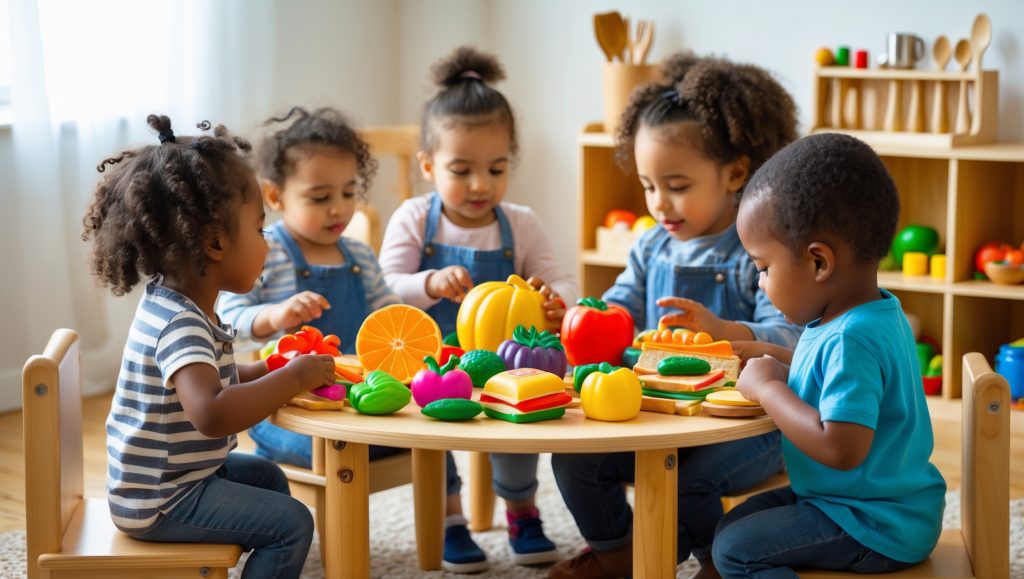
Overview
Picky eating is a common challenge for many families with toddlers and preschoolers. While there’s no one-size-fits-all solution, experts often recommend repeated, low-pressure exposure to a variety of foods — even through pretend play. The Learning Resources New Sprouts Munch It! Food Set is designed to bring healthy foods into children’s daily play, supporting positive food experiences and easing mealtime stress. In this review, we explore how this thoughtfully designed toy can help parents and caregivers guide picky eaters toward a more adventurous palate in 2025.
What’s Inside / Build Quality
The New Sprouts Munch It! Food Set includes 20 vibrant, realistic-looking pieces representing a range of healthy foods: a sandwich, fruit, veggies, chips, and a cookie. Each item is made from soft, durable plastic with smooth, rounded edges perfect for little hands. Unlike many pretend food sets, these pieces are chunky and lightweight, making them safe for toddlers as young as 18 months.
- Contents: 20 food items (e.g., apple, carrot, sandwich, banana, grapes, broccoli, chips, cookie), plus a sturdy storage basket
- Materials: High-quality BPA-free plastic; easy to clean with soap and water
- Design: Bright colors and realistic details spark curiosity without overwhelming children
- Safety: Pieces are sized to prevent choking hazards and meet US safety standards
The included storage basket is robust and attractive, helping families keep play areas tidy and making it easy to take the set on the go.
Learning & Development Benefits
Beyond simple entertainment, the New Sprouts Munch It! Food Set offers important developmental advantages, especially for picky eaters:
- Food Familiarity: Children can explore new foods in a stress-free, pretend setting, reducing anxiety about unfamiliar tastes and textures at the table.
- Language Development: Parents and kids can use the set to name foods, describe colors, talk about nutrition, and role-play mealtime routines, boosting vocabulary and conversational skills.
- Imaginative Play: Open-ended play encourages creativity, social interaction, and cooperative play — children can “cook,” “share,” and “serve” meals to friends, dolls, or parents.
- Fine Motor Skills: Handling the pieces, stacking sandwiches, and filling plates strengthen hand-eye coordination and dexterity.
- Positive Food Attitudes: Research shows that pretend play with food can lead to more willingness to try new foods in real life, particularly when paired with gentle encouragement.
While the set is not a substitute for real exposure, it’s a valuable tool for supporting positive conversations and routines around healthy eating.
Setup & Use
Setting up the New Sprouts Munch It! Food Set is as simple as opening the box. There’s no assembly required — simply unpack the pieces, give them a quick wash if desired, and invite your child to play. The storage basket doubles as a play prop (e.g., for grocery shopping or picnics) and makes cleanup straightforward.
Introduce the set by joining your child in play. Pretend to prepare meals together, ask open-ended questions (“What should we make today?”), and encourage your child to “serve” you different foods. If your child is hesitant about certain foods, use the play pieces to tell stories or act out silly scenarios that make those foods less intimidating.
For families managing picky eating, the set can be paired with books about food, real mealtime routines, or even real ingredients for a multi-sensory experience. Just remember: the focus should be playful exploration, not pressure.
Pros & Cons
Pros
- Durable, easy-to-clean materials stand up to frequent use and toddler roughhousing
- Realistic, non-cartoonish food designs encourage genuine curiosity about healthy foods
- Large, rounded pieces are safe for toddlers and easy for little hands to grasp
- Encourages imaginative play, language development, and social-emotional skills
- Comes with a sturdy, attractive storage basket for easy organization
- Supports positive food attitudes in a low-pressure, playful way
Cons
- Limited variety compared to larger or more specialized pretend food sets
- Some foods (like the chips and cookie) may not align with every family’s nutritional messaging
- Colors, while vibrant, may fade slightly with heavy sun exposure over time
- Not dishwasher safe — requires hand-washing for optimal longevity
Alternatives & Similar Toys
Depending on your child’s interests and your family’s approach to food play, you might also consider:
- Melissa & Doug Cutting Fruit Set: Wooden fruit pieces that can be “sliced” with a safe play knife, supporting fine motor skills and more interactive pretend play.
- KidKraft Tasty Treats Pretend Food Set: A larger set with over 100 pieces, including a wider variety of foods (but with more small parts, better for older preschoolers).
- B. Toys Picnic Basket: Combines play food with picnic accessories for themed pretend play, suitable for indoor and outdoor use.
- Hape Healthy Basics Food Set: Wooden food pieces focusing on nutritious options, with an eco-friendly design for families seeking sustainable toys.
Each set has its own strengths; the New Sprouts Munch It! Food Set stands out for its toddler-safe design and focus on healthy food exposure.
Verdict
The Learning Resources New Sprouts Munch It! Food Set is a strong choice for families seeking to encourage healthy attitudes toward food in a playful, pressure-free way. Its realistic designs and durable construction make it a favorite for children ages 18 months to 4 years, especially those who are hesitant around new foods. While it won’t solve picky eating overnight, repeated, joyful play with these pretend foods can help lay the groundwork for more adventurous eating and positive mealtime routines.
For parents and caregivers navigating the ups and downs of picky eating in 2025, this set offers a practical, evidence-informed addition to your playroom — supporting developmental milestones and turning food exploration into a joyful, shared experience.
FAQ
+Is the New Sprouts Munch It! Food Set safe for toddlers?
+How can this set help with picky eating?
+Are the pieces easy to clean?
+Can the set be used outdoors?
+Does the set include only healthy foods?
+Is this set compatible with play kitchens?
+What age group is best for this toy?
+Can this set be used in classrooms or therapy settings?

Review: Learning Resources New Sprouts Munch It! Food Set – Encouraging Healthy Food Play for Picky Eaters (2025)
The Learning Resources New Sprouts Munch It! Food Set is a delightful addition to any playroom, especially for families navigating the challenges of picky eating. This thoughtfully curated set features a variety of colorful, realistic play foods designed to spark curiosity and conversation around healthy eating. The tactile, durable plastic pieces are perfectly sized for little hands, making them easy to grasp and manipulate, which is ideal for toddlers and preschoolers honing their fine motor skills.
What truly sets this set apart is its focus on familiar, nutritious foods—fruits, veggies, grains, and proteins—encouraging children to explore a balanced plate through imaginative play. Parents report that incorporating these play foods into pretend meals can help reduce food aversions and open the door to trying new dishes at the dinner table. The set is also easy to clean and sturdy enough for everyday use, ensuring it stands up to enthusiastic play sessions. In summary, the Munch It! Food Set is a practical and engaging way to nurture healthy habits and make mealtime less stressful for everyone.
- Features realistic, kid-friendly healthy foods
- Supports fine motor and social skills through role play
- Durable, easy-to-clean pieces perfect for daily use
- Helps encourage openness to new foods in picky eaters
Would you recommend using this set while my younger child is still putting everything in their mouth, or would it be better to wait until they’re a bit older? Wondering about any potential choking risks if my baby grabs a piece during play.
It’s wise to think about safety when little ones are still in the mouthing phase. The New Sprouts Munch It! Food Set pieces are designed larger than real food, but some can still pose a choking hazard for babies under three. If your younger child is likely to grab and mouth the pieces, I recommend waiting until they’re past this stage, or playing only when you can closely supervise and keep small parts away. Always check toy age recommendations and inspect pieces regularly for wear. This isn’t medical advice; if you’re concerned, check in with your pediatrician.
How easy is it to clean the individual food pieces after an afternoon with multiple kids? I often watch children with different allergies and sensitivities, so making sure every piece is truly clean between play sessions is important to me.
You’re absolutely right to prioritize thorough cleaning, especially when caring for children with allergies and sensitivities. The New Sprouts Munch It! Food Set pieces are made of durable plastic, so you can wash them with warm, soapy water and a soft brush to ensure all surfaces are clean. Let the pieces air dry completely before the next play session to avoid moisture buildup. If you prefer, you can sanitize them in a dishwasher on the top rack, but double-check for any manufacturer instructions. Always inspect pieces for cracks or damage where allergens might linger. This isn’t medical advice; if you have concerns about specific allergens, consult your pediatrician or an allergist.
My toddler is very active and always on the go, so sometimes the play pieces end up all over the house. Do you have any tips for making cleanup a part of our play routine with this food set, especially when attention spans are short?
It’s so common for active toddlers to leave toys everywhere, and it’s great that you want to make cleanup part of play. Try turning cleanup into a game—set a short timer and see if you can both find all the pieces before it rings. Use a small basket or bin for the food set so your child can help sort and put items away. Keep cleanup steps simple and consistent, and gently narrate the process to keep their attention. These pieces are toddler-safe, but always supervise to be sure nothing gets missed or left in unsafe spots. This isn’t medical advice; if you’re concerned, check in with your pediatrician.
If my child is easily startled by loud sounds, does the storage basket make much noise when used in play, like when kids dump the pieces out? Is it sturdy yet quiet, or should I expect clattering that might bother a noise-sensitive preschooler?
It’s thoughtful of you to consider your child’s sensitivity to loud sounds. The New Sprouts Munch It! storage basket is made of lightweight plastic, so emptying the food pieces can create some clattering, especially on hard floors. To reduce noise, you can encourage your child to take out pieces gently or place a soft mat or rug under the play area. Supervising play can help remind them to pour slowly. The basket itself is sturdy for preschool use but not soundproof. This isn’t medical advice; if you’re concerned, check in with your pediatrician.
We already use another pretend food set, but it has a lot of small parts and some are starting to crack. Does the Munch It! Food Set seem sturdier, and is it safe enough to leave out if I’m not always able to supervise close play?
You’re right to be concerned about toy durability and safety, especially with pretend food sets. The Munch It! Food Set is designed for toddlers and preschoolers, with larger, one-piece foods made of sturdy plastic to reduce choking hazards and breakage. Still, even with safer, bigger pieces, I recommend checking for any new cracks or loose parts regularly and supervising younger children whenever possible. For children under three, it’s always safest to tidy up after play or keep sets out of reach when you aren’t nearby. This isn’t medical advice; if you’re concerned, check in with your pediatrician.
With a toddler who is very sensitive to food textures and a newborn at home, I’m wondering if you have any tips on introducing the pretend food set during our busy daily routine. Is there a best time of day or way to structure this type of play to keep things low-pressure for everyone?
It’s understandable to want a smooth, low-pressure way to introduce new play with your toddler while juggling a newborn. Try offering the pretend food set during a calm moment, such as after a nap or snack, when your toddler isn’t hungry or tired. Start by exploring just a few pieces, letting your child touch and name them without any expectation to imitate real eating. Keep sessions short—5 to 10 minutes is plenty for toddlers—and supervise to ensure small parts stay away from your newborn. Allow your toddler to lead, which helps keep things positive and low-stress. This isn’t medical advice; if you’re concerned, check in with your pediatrician.
My child is especially sensitive to certain textures and sometimes avoids pretend food that feels too hard or rough. In your experience, how do the Munch It! Food Set pieces feel to the touch, and do they work well for kids with mild sensory sensitivities?
It’s thoughtful of you to consider your child’s sensory sensitivities when choosing play food. The Munch It! Food Set pieces are made of smooth, soft plastic and are lightweight, which most children find comfortable to touch—they are not rough or rigid like some wooden sets. To help your child, introduce a few pieces at a time and let them explore each texture at their own pace. Offer praise for engaging, but don’t push if they hesitate. Always supervise young children, and remember these pieces are sized for ages 2 and up to minimize choking risks. This isn’t medical advice; if you’re concerned, check in with your pediatrician.
I noticed the set includes a cookie and chips along with the healthy foods. Do you think pretend junk foods could make it harder to encourage positive eating habits, or does including them actually help picky toddlers feel less pressured?
You’re raising a thoughtful point about encouraging balanced attitudes around food. Including a cookie and chips in pretend play can actually help toddlers feel less restricted and more open to exploring all foods. Here are some gentle ways to use the set: 1) Model language like, “All foods fit, but fruits and veggies help us grow strong,” 2) Invite your child to make pretend meals with a mix of foods, 3) Avoid using the pretend junk food as a reward, and 4) Supervise play to prevent mouthing of small pieces if your child is under 3. This isn’t medical advice; if you’re concerned, check in with your pediatrician.
I noticed the set is recommended for ages 18 months and up. Would you adjust how you use it or the types of pretend play activities suggested for a four-year-old versus a younger toddler?
—you’re thoughtful to tailor play to your child’s age. For four-year-olds, try encouraging more complex pretend scenarios, like running a pretend restaurant, sorting foods by food group, or inventing creative recipes together. You can also invite your child to serve family members or narrate their own cooking show. For younger toddlers, focus on naming foods, basic pretend eating, and simple sorting or matching games. Always supervise to make sure small pieces aren’t mouthed, and check for wear. This isn’t medical advice; if you’re concerned, check in with your pediatrician.
Our play area is pretty small, so storage is always a concern for us. Does the included basket fit all the pieces neatly, or do you find that you end up needing extra bins to keep everything organized and tidy?
It’s great that you’re thinking ahead about keeping your play area organized. The included basket with the New Sprouts Munch It! Food Set is designed to hold all the play food pieces, and most families find that everything fits inside if you stack items neatly. For very small spaces, encourage your child to help clean up by sorting items as they put them away. If you prefer a super tidy look or want everything easily visible, you might choose a shallow bin or drawer instead. Always keep small pieces out of reach of children under age 3 to avoid choking risks. This isn’t medical advice; if you’re concerned, check in with your pediatrician.
I have a three-year-old and a five-year-old. Do you recommend any age-specific adjustments or extra games to help both children benefit from pretend food play when rotating the set between them?
It’s wonderful that you want both your three-year-old and five-year-old to benefit from pretend food play. For your three-year-old, keep play simple by naming foods, sorting by color, or playing “feed the teddy bear” together. For your five-year-old, add more complex games like menu-making, restaurant role-play, or letting them “serve” snacks to family. When they play together, encourage turn-taking and sharing. Always supervise to ensure safe play, as some play foods can be small or tempting to mouth. This isn’t medical advice; if you’re concerned, check in with your pediatrician.
You mentioned pretend food sets can help picky eaters, but how does this set compare to rotating in real kitchen items like measuring cups or spoons for playtime? Is one approach more helpful than the other for encouraging food exploration?
Your interest in encouraging your picky eater’s food exploration is wonderful. Pretend food sets like the New Sprouts Munch It! are specifically designed for young children, with safe sizes, bright colors, and soft textures, reducing choking risks and making food play inviting. Real kitchen tools like measuring cups or spoons can add variety, support motor skills, and introduce real-life cooking, but always supervise closely due to potential hazards or sharp edges. Mixing both approaches works well: offer pretend foods for open-ended, safe play, then gradually add real utensils as your child grows and learns. This isn’t medical advice; if you’re concerned, check in with your pediatrician.
For families trying to encourage siblings of different ages to play together, are the pieces in this set engaging enough for a 4- or 5-year-old, or do they seem a bit too simple for older preschoolers?
It’s great that you want your children of different ages to play together. The Munch It! Food Set is mainly designed for toddlers, but four- and five-year-olds can still enjoy it, especially if you encourage pretend restaurant games or ask them to help set up a ‘meal’ for the family. Try inviting older siblings to invent menus, take orders, or teach younger ones about healthy eating through role play. Supervise play to ensure all pieces are used safely, especially with younger children. This isn’t medical advice; if you’re concerned, check in with your pediatrician.
Our baby sometimes dislikes the feeling of different materials and textures. Are the plastic pieces in this food set soft and easy for sensitive little hands to handle, or might they be overwhelming for a baby who is cautious about textures?
It’s understandable to want toys that feel comfortable for a baby sensitive to textures. The New Sprouts Munch It! Food Set uses soft, slightly flexible plastic that is generally gentle to the touch and sized for small hands, which can help reduce overwhelm. Introduce the pieces gradually, letting your baby explore one item at a time at their own pace. Watch for any discomfort, and remove any piece your baby dislikes. Always supervise play, especially with babies who mouth toys, to ensure safety. This isn’t medical advice; if you’re concerned, check in with your pediatrician.
My preschooler is drawn to softer, squishy toys and occasionally avoids harder plastic. Are the New Sprouts pieces flexible enough, or do they feel very firm to the touch?
It’s completely understandable to notice and support your child’s texture preferences. The New Sprouts Munch It! Food Set pieces are made from durable plastic, but they’re softer and more flexible than many traditional play foods—think lightly squeezable, rather than hard. If your preschooler prefers very squishy, plush textures, these might still feel somewhat firm yet less rigid than standard plastic. Always supervise play to ensure safety, especially if your child mouths toys. This isn’t medical advice; if you have sensory or safety concerns, check in with your pediatrician.
We have limited storage in our apartment. How big is the basket, and does everything fit inside easily when playtime is over?
It’s completely understandable to want toys that won’t take up too much space. The New Sprouts Munch It! Food Set’s basket is about 7 inches long and 4.5 inches wide, and all 20 pieces are designed to fit inside it when playtime ends. For easier cleanup, encourage your child to help put each item back—this can even be a fun sorting game. The food pieces are lightweight and chunky, which makes them easy and safe for toddlers. This isn’t medical advice; if you have concerns about toy size or safety, it’s always good to consult your pediatrician.
Our picky eater is very drawn to sweets, so I am a little hesitant about pretend cookies being included. Do you notice if playing with pretend sweets increases kids’ interest in real ones, or does it mostly balance out with exposure to healthy foods in pretend play?
It’s completely understandable to feel cautious about pretend sweets if your child already prefers them. In most cases, pretend play with a mix of foods—including sweets—lets kids explore and talk about different foods without pressure. Here are some ideas: 1) Join the play and model choosing a variety of pretend foods, not just cookies. 2) Encourage your child to make pretend meals that include fruits, veggies, and proteins alongside treats. 3) Use playtime to spark conversations about what different foods do for our bodies. 4) Supervise to be sure small pieces stay out of mouths if your child is young. This isn’t medical advice; if you’re concerned, check in with your pediatrician.
I’m trying to introduce new foods to my daughter, but she gags a bit even with certain textures during real mealtime. Do you think the Munch It! Food Set could help if she’s sensitive to how things feel in her hands, or might that overwhelm her more?
It’s understandable to worry when your child is sensitive to food textures. The Munch It! Food Set uses soft, lightweight plastic pieces that are generally comfortable for toddlers and preschoolers to handle, which can help desensitize them to various textures in a low-pressure, playful way. Start by letting her simply explore or play with the pieces at her own pace, without any pressure to pretend-eat. You might model touching or stacking the foods to show it’s safe and fun. Always supervise young children to prevent mouthing or chewing on the pieces. This isn’t medical advice; if you’re concerned about gagging or sensory issues, please consult your pediatrician.
My toddler is obsessed with putting things in his mouth. Are any of these food pieces small enough to be a choking risk, or are they larger than standard play food sets?
It’s completely understandable to worry about choking hazards with a toddler who mouths toys. The New Sprouts Munch It! Food Set pieces are designed for young children and tend to be chunkier and larger than many traditional play food sets, which helps reduce choking risks. Still, always check each piece to ensure it’s bigger than your child’s mouth and examine for any loose or broken parts before play. Supervise closely during playtime, especially if your toddler puts things in their mouth often. This isn’t medical advice; if you’re concerned or notice persistent mouthing, check in with your pediatrician.
My two-year-old still puts toys in her mouth sometimes. Are all pieces in this set truly large enough to avoid choking hazards, even for younger toddlers who mouth objects?
It’s completely normal to worry about choking hazards with a two-year-old who still mouths toys. The New Sprouts Munch It! Food Set is designed for toddlers and generally features larger, chunky pieces, but it’s always best to double-check the size of each item before play. Supervise your child closely, especially if she’s prone to mouthing objects. Remove any pieces you feel are too small or resemble real food closely enough that they might be tempting to bite. Ensure safe play by keeping tiny or detachable parts out of reach. This isn’t medical advice; if you’re concerned, check in with your pediatrician.
My toddler tends to put toys in her mouth. Are the New Sprouts Munch It! food pieces large enough to not be a choking hazard for especially young kids, or should I wait until she’s a bit older before introducing this set?
It’s completely understandable to be cautious about choking hazards with toddlers who mouth toys. The New Sprouts Munch It! Food Set is designed for ages 2 and up, and the pieces are larger than most real foods, which helps reduce choking risk. Still, always check each piece for size and durability, and supervise closely during play—especially if your child is under 3 or tends to mouth objects often. Avoid play when your child is tired or unsupervised. This isn’t medical advice; if you’re concerned, check in with your pediatrician.
Can you recommend any specific routines or games with this set that help a language-delayed child practice requesting or naming foods during play?
It’s wonderful that you want to use play to support your child’s language development. Try setting up a pretend kitchen where your child has to ask for specific foods to ‘cook’ or ‘serve.’ You can also play a restaurant game: take turns being the customer and the chef, encouraging your child to name or point to foods they want. Keep language simple, model clear requests, and pause to give your child time to respond. For safety, supervise play and check for any allergy risks, especially if your child mouths toys. This isn’t medical advice; if you have concerns, check in with your pediatrician or speech-language pathologist.
Our living space is pretty limited—does the basket actually help keep all 20 pieces contained, or do you find that cleanup is still tricky with a set of this size?
It’s understandable to want toys that don’t create extra mess, especially in a small space. The basket included with the New Sprouts Munch It! Food Set is a helpful way to keep the 20 pieces together—most families find it contains everything, making cleanup easier for toddlers and adults alike. Encourage your child to help put pieces back in the basket after play, turning cleanup into a simple game. Store the basket on a low shelf for easy access and quick tidying. Always supervise young children to prevent lost or misplaced pieces. This isn’t medical advice; if you have specific concerns, consult your pediatrician.
My child reacts differently to textures, especially when we try moving from iron-fortified cereals to purees. Would using pretend food toys make it easier for her to accept these foods at mealtime, or is there a better way to bridge that gap?
It’s understandable to want to ease your child’s transition between textures. Pretend food toys like the New Sprouts Munch It! set can help your child explore new textures in a no-pressure, playful way, making real foods feel less intimidating. Try playing together with the pretend foods, talking about their look and feel, and encouraging your child to imitate scooping or tasting motions. Offer lots of praise for curiosity, not just eating. Gradually introduce real pureed foods alongside playtime, starting with tiny tastes. Always supervise young children during play to prevent mouthing of non-food items. This isn’t medical advice; if you’re concerned, check in with your pediatrician.
I noticed the set includes foods like chips and a cookie along with healthier items. Do you think that confuses the message when we’re trying to encourage positive attitudes toward healthy eating?
It’s thoughtful to consider how play foods might shape your child’s attitudes about eating. Mixed food sets can be a great way to spark conversations about balance and moderation—children learn best when they see all foods as part of a varied diet. You might: 1) Use pretend play to talk about how all foods fit into meals, focusing on variety; 2) Model healthy choices yourself during play; 3) Gently limit pretend ‘servings’ of treats, just as you would with real snacks. For toddlers and preschoolers, supervision is important to avoid mouthing small pieces. This isn’t medical advice; if you’re concerned, check in with your pediatrician.
Could you clarify if the Munch It! Food Set stays engaging for older preschoolers, or is it mostly designed for the younger end like 18 months to two years? I have a four-year-old and wonder if it would still hold his interest for calm play before breakfast.
It’s great that you’re looking for ways to encourage calm, engaging play before breakfast. While the Munch It! Food Set is safe and sized for toddlers (18 months and up), many four-year-olds still enjoy pretend food sets, especially if you join their play or add new challenges—like ‘cooking’ different meals or sorting foods by color or group. Try rotating other play kitchen tools or adding story scenarios to boost interest. Just supervise for any rough play that could damage the pieces. This isn’t medical advice; if you’re concerned, check in with your pediatrician.
We live in a small apartment with limited storage. Does the included storage basket hold all the food pieces neatly, or does it tend to overflow? I want to make cleanup manageable for my child.
It’s thoughtful of you to consider cleanup and storage, especially in a small space. The included storage basket is designed to hold all the food pieces from the New Sprouts Munch It! set, and most families find it fits everything with a bit of careful arranging. To make cleanup manageable, show your child how to sort the pieces and gently place them in the basket—this encourages responsibility and keeps things tidy. For younger children, supervise to prevent rough handling or overstuffing. This isn’t medical advice; if you’re concerned, check in with your pediatrician.
I’m curious how this set compares to other pretend food toys when it comes to encouraging real-life food exploration. Have you seen any noticeable differences in how children respond or in their willingness to try new foods?
You’re asking a great question about bridging pretend play and real food curiosity. Many children do become more open to trying new foods after exploring realistic, varied pretend food sets like the New Sprouts Munch It! Food Set. Compared to some other pretend foods, this set’s lifelike shapes and bright, non-branded pieces can make it easier for kids to recognize and talk about real foods, which sometimes builds confidence to taste them. Try playing together, naming foods, and pretending to prepare meals as a safe, low-pressure way to build skills. Always supervise younger kids (especially under 2) to avoid choking hazards. This isn’t medical advice; if you’re concerned, check in with your pediatrician.
My child has some sensory sensitivities and sometimes avoids certain textures, even in toys. Are the plastic pieces in this set smooth enough for kids who are picky about how things feel, or could they be overwhelming?
It’s completely understandable to want to make sure toys feel comfortable for your child with sensory sensitivities. The New Sprouts Munch It! Food Set features plastic pieces that are generally smooth, with soft edges and no rough or sharp parts. However, some items have gentle molded details to resemble real foods, which could feel different to touch. I recommend letting your child explore one or two pieces first under supervision to gauge their response before introducing the full set. Always monitor for any signs of discomfort, and remember to check for any small parts if your child is under three. This isn’t medical advice; if you’re concerned, check in with your pediatrician.
We live in a small apartment and need to maximize storage. Can you give more details about the size and practicality of the included basket? Could all 20 pieces really fit easily, and does it work well for quick clean-up with a toddler helping out?
It’s great that you’re thinking about storage and involving your toddler in clean-up. The included basket is compact—about the size of a large shoebox—so it fits easily on a low shelf or in a closet. All 20 food pieces can fit inside without forcing or jamming, making it practical for quick tidy-up sessions. The open design and lightweight plastic mean toddlers (ages 18 months and up) can help gather and carry pieces safely, with no small parts to worry about. Just watch for any rough edges and supervise to keep clean-up safe and positive. This isn’t medical advice; if you have concerns, check in with your pediatrician.
Do you have any tips for using this food set with children who are especially sensitive to textures or smells, even in pretend play? One of the children I care for sometimes avoids certain types of play food because it reminds them of real-life aversions.
It’s completely understandable to want pretend play to feel safe and positive for sensory-sensitive children. Start by introducing just one or two food pieces that match your child’s comfort level—avoid items resembling foods they dislike. Let them explore new pieces with their hands only at first, without pressure to ‘cook’ or smell them. You might also try incorporating beloved toys (like a favorite stuffed animal) into the play, so your child can ‘feed’ them instead of themselves. Always supervise closely, and check for any small parts. Remember, it’s okay to skip any pieces that feel overwhelming. This isn’t medical advice; if you’re concerned, check in with your pediatrician.
My child is sensitive to certain textures and tends to avoid some real foods because of that. Would this play set help with sensory challenges, or are there other toys you recommend that are even better for easing those sensitivities?
It’s understandable to want to gently support your child with food texture sensitivities. The New Sprouts Munch It! Food Set uses soft, smooth plastic pieces, which can introduce food shapes without overwhelming textures—this might help your child feel more comfortable exploring food play. Try joining your child in pretend cooking and tasting games, letting them lead at their own pace. You can also look for sensory-friendly play foods made from different materials, like fabric or wood, to see what feels best for your child. Always supervise play to ensure safety, especially for younger kids. This isn’t medical advice; if you’re concerned, check in with your pediatrician.
My child sometimes resists new foods at dinner but is more relaxed during storytime. Do you think it would work to use the New Sprouts Munch It! Food Set as part of our calming pre-nap or bedtime routine, or is it too stimulating for winding down?
You’re thoughtful to consider your child’s comfort and bedtime readiness. For many toddlers and preschoolers, gentle pretend play with soft, familiar toys like the New Sprouts Munch It! Food Set can actually help ease anxiety around new foods. If your child is relaxed during storytime, you might introduce the food set in a calm, low-key way—perhaps while talking about the foods in a favorite book. Keep sessions short and soothing, avoid any pressure to ‘eat,’ and put away the toys if your child gets too energized. Always supervise to prevent mouthing or choking hazards. This isn’t medical advice; if you’re concerned, check in with your pediatrician.
Can this set be used effectively with older preschoolers or even kindergarteners, or is it mainly designed for younger toddlers? I’m trying to find something that could grow with my child as her pretend play skills develop.
It’s great that you’re thinking ahead about toys that will support your child’s development over time. While the New Sprouts Munch It! Food Set is safe and easy to handle for toddlers, it also works well for older preschoolers and kindergarteners, especially as their pretend play becomes more imaginative and social. Try introducing simple restaurant or grocery store games, encouraging your child to invent stories or menus, and inviting friends or siblings to join in. Always supervise play to ensure small pieces aren’t a choking hazard, especially if younger children are around. This isn’t medical advice; if you’re concerned, check in with your pediatrician.
My little one sometimes struggles with certain textures due to sensory preferences. Are the food pieces all the same smooth plastic, or do they have varying textures to help kids get used to different tactile experiences in a gentle way?
It’s great that you’re thinking about your child’s sensory needs and texture preferences. The New Sprouts Munch It! Food Set features mostly smooth, soft plastic pieces that are uniform in texture, designed to be easy to grip and clean for toddlers. While this consistency helps with safety and hygiene, it doesn’t offer a wide range of tactile experiences. For gentle exposure to new textures, you might supplement play with safe, real foods or textured fabrics during supervised pretend meals. Always watch for small parts and ensure the play is age-appropriate. This isn’t medical advice; if you’re concerned, check in with your pediatrician.
My child just turned one and is about to start daycare, but he still puts everything in his mouth. Are the pieces in the New Sprouts Munch It! Food Set truly safe for children who are still mouthing toys, or should I wait a bit longer before introducing this kind of pretend food?
It’s completely normal to worry when your little one is still exploring the world by mouthing objects. The New Sprouts Munch It! Food Set is designed for toddlers, and the pieces are larger to reduce choking risks, but the manufacturer typically recommends it for ages 2 and up due to mouthing concerns. If your child is still in the heavy mouthing stage, consider waiting a bit longer or using the set only under close adult supervision. Always check each piece for wear or damage before play. For now, sturdy, one-piece toys that can’t fit in your child’s mouth are the safest. This isn’t medical advice; if you have concerns, talk with your pediatrician.
We often have traditional foods at family gatherings that don’t look like the foods in most play food sets. How can I use the New Sprouts Munch It! Food Set to talk about or incorporate cultural dishes my child may see at grandparent visits, even if the set doesn’t include those foods?
You’re thoughtful to want your child to feel connected to your family’s foods and traditions. One idea is to use the play set as a starting point: together, match pretend foods with real dishes when possible, or talk about similarities and differences. Encourage your child to pretend that one play food represents a special family dish, and describe its color, texture, and taste. You can also draw or craft simple versions of your cultural foods to add alongside the play set, always supervising if using small parts. This approach helps build familiarity and pride in your traditions. This isn’t medical advice; if you’re concerned, check in with your pediatrician.
Does this set include enough variety to help a toddler with strong food aversions warm up to new vegetables over time, or would you suggest adding more pretend foods to the mix for greater exposure?
It’s great that you’re looking for ways to help your toddler feel more comfortable with new foods. The New Sprouts Munch It! Food Set offers a decent variety of pretend foods, but if your child has strong aversions, it may help to add more pretend vegetables for increased exposure and pretend play opportunities. Try introducing new pretend veggies gradually and let your child lead the play, naming, touching, and ‘feeding’ the foods to toys or family members. Always supervise play to avoid choking hazards, especially with younger toddlers. This isn’t medical advice; if you’re concerned, check in with your pediatrician.
Is there an age when pretend food sets like this become less effective for picky eaters, or can older preschoolers and even kindergartners still benefit from this kind of food play?
Your question about when pretend food sets might lose effectiveness for picky eaters is a thoughtful one. Many preschoolers and even kindergartners can still benefit from food play, as imaginative play continues to support healthy attitudes toward new foods and reduces anxiety around eating. For older children, you might involve them by adding more complex pretend scenarios or cooking role-play to keep them engaged. Always supervise play to ensure safety, especially if younger siblings are present. This isn’t medical advice; if you’re concerned about your child’s eating habits, check in with your pediatrician.
We have limited storage space, and keeping toys organized is always a challenge. Is the included basket large and sturdy enough to hold all the food pieces securely, or do parents usually end up needing extra storage containers?
It’s understandable to want toy storage to be simple and tidy. According to the article, the included basket is just big enough to hold all the food pieces, but it can be a tight fit and younger kids might find it tricky to clean up independently. To keep things organized: 1) Show your child how to fit the pieces in together, 2) Store the basket on a low shelf for easy access, 3) Consider a small extra container if you add more pretend food later. The basket is sturdy for its size and safe for toddlers, but supervision helps with clean-up. This isn’t medical advice; if you’re concerned, check in with your pediatrician.
We have limited storage space in our apartment. How bulky is the included storage basket, and do you find that all 20 pieces actually fit inside when playtime is over?
I hear how important space-saving is for your family. The storage basket included with the New Sprouts Munch It! set is modest in size—about the size of a small shoebox. All 20 pieces are designed to fit neatly inside, though it helps to nest the pretend foods and place the largest items on the bottom. For ages 18 months and up, the lightweight basket is easy for toddlers to help tidy up, and none of the pieces are overly bulky. This isn’t medical advice; if you have concerns about safety or storage, your pediatrician can offer guidance.
Do you think this set is a worthwhile investment for families on a tight budget, or would homemade pretend food using recycled materials serve a similar purpose for picky eaters?
Your thoughtfulness about spending and supporting your picky eater is so important. The New Sprouts Munch It! set offers safe, durable pieces sized for toddlers, which removes choking and allergen concerns and can last for years. Homemade pretend food from recycled materials can also be fun and creative—just be sure there are no sharp edges, choking hazards, or toxic residues, especially for kids under 3. Whichever you choose, focus on joining your child in play and talking about different foods to build familiarity. This isn’t medical advice; if you have concerns about your child’s eating, check in with your pediatrician.
I noticed the set is made of BPA-free plastic, but I’m curious how it compares to wooden food toys in terms of environmental impact and long-term durability. Do you have any insight into how parents can weigh sustainability against practicality when choosing pretend food sets?
Your thoughtfulness around sustainability and safety is so important. When weighing plastic versus wooden pretend food sets, consider these steps: First, look for any safety certifications and ensure all pieces are large enough to avoid choking hazards. Wooden toys are often biodegradable and can be more eco-friendly if sourced from sustainably managed forests, but check for smooth finishes and non-toxic paints. BPA-free plastic sets, like the New Sprouts set, are lightweight, washable, and may hold up better to rough play or moisture. Think about your child’s age and play style: plastic pieces may be safer for toddlers who still mouth toys. This isn’t medical advice; if you’re unsure, your pediatrician can help guide you.
Is this food set easy to keep organized in smaller living spaces, or does the storage basket take up a lot of room? I’m trying to minimize clutter with multiple playsets around the house.
It’s great you’re thinking about minimizing clutter while supporting your child’s play. The New Sprouts Munch It! Food Set comes with a small storage basket that holds all the food pieces and is compact enough for most shelves or cubbies—perfect for tighter spaces. Consider keeping the basket in a designated play bin or on a low shelf so cleanup becomes part of your child’s routine. Rotate out a few food pieces at a time to reduce visual clutter and keep interest fresh. Always supervise younger children during play to avoid misplaced pieces. This isn’t medical advice; if you’re concerned, check in with your pediatrician.
My toddler is almost 4 and getting more curious about new foods. Would you suggest adjusting the pretend play routine as kids get older to keep promoting positive food attitudes, or should the play approach stay the same?
It’s wonderful that your toddler is showing more curiosity about food. As children approach age 4, you can update pretend play by inviting them to help plan pretend meals, introduce play around shopping or cooking, and talk more about food groups or textures in simple terms. Let your child take the lead in play scenarios and offer new pretend foods to explore. Always supervise play to prevent mouthing or rough play with small parts. This isn’t medical advice; if you’re concerned, check in with your pediatrician.
We have a very small apartment with limited storage. How big is the storage basket, and does it keep everything contained neatly when not in use? Space-saving tips would be really helpful.
It’s understandable to want toys that fit well in a small space. The New Sprouts Munch It! Food Set comes with a basket about 7 by 8 inches, which does contain all the play food pieces, though the lid doesn’t snap shut. To maximize space, you could store the basket on a low shelf or in a drawer, use stackable bins for similar toys, or rotate playsets to keep clutter down. Remember to supervise play and check that all pieces are gathered after use, especially with younger children. This isn’t medical advice; if you’re concerned, check in with your pediatrician.
We have limited storage in our apartment, so I’m curious — how big is the storage basket, and does it actually fit all 20 pieces neatly, or do you end up with loose pieces scattered everywhere after a few uses?
It’s understandable to want neat and compact storage for toys, especially in a small space. The included basket is about the size of a large shoebox and is designed to hold all 20 food pieces, though after repeated play, younger children may need help to fit everything back neatly. To keep things tidy, you can show your child how to stack or nest certain items, make clean-up a daily game, and supervise for safety, as small pieces could be tempting for children under 2. If you notice the basket lid popping open, consider storing just the food and keeping bulkier items elsewhere. This isn’t medical advice; if you’re concerned, check in with your pediatrician.
My child is sensitive to textures and sometimes refuses to touch certain toys or foods. Are the plastic pieces in this set slick or rubbery, and do you think their texture could help or hinder kids with mild sensory challenges?
It’s understandable to want toys that are comfortable for your child’s sensory needs. The New Sprouts Munch It! Food Set pieces are made from smooth, lightly textured plastic—not sticky or rubbery, but not too slick either. For kids with mild sensory challenges, this neutral texture can feel less overwhelming than sticky or bumpy materials. I recommend offering a single piece first, and letting your child explore at their own pace, always supervising young children for safety. This isn’t medical advice; if you’re concerned, check in with your pediatrician.
My child sometimes becomes fixated on one pretend food and ignores the others, especially if the textures feel too similar or too different from her favorites. Are there enough variety and tactile options in this set to keep sensory-sensitive kids engaged?
You’re thoughtful to consider your child’s sensory preferences during play. The Munch It! Food Set includes a range of textures—smooth fruits, crinkly leafy greens, and bumpy bread—which can appeal to sensory-sensitive children, but every child is unique. Try introducing new pieces slowly, letting your child touch and explore at her pace, and maybe mix in real-life foods or other textured toys. Supervise closely, especially with younger children, to ensure safety with small parts. This isn’t medical advice; if you’re concerned about your child’s sensory needs, check in with your pediatrician or an occupational therapist.
We live in a small apartment, so storing toys for twins can get overwhelming. How much space does the Munch It! Food Set actually take up, including the basket, and is it easy to clean up when we’re in a rush before nap time?
It’s understandable to want toys that don’t take over your living space, especially with twins. The Munch It! Food Set comes with a small basket (roughly 7 x 5 inches), and all the play food pieces fit inside, so it’s compact and easy to store on a shelf or in a cabinet. For cleanup, just gather the pieces and toss them in the basket—most families find it takes under a minute. The pieces are lightweight with smooth edges, so little ones can help put things away safely. This isn’t medical advice; if you’re concerned, check in with your pediatrician.
Our evening routine is pretty short, and I worry about adding more activities. Would you say the New Sprouts Munch It! Food Set is easy to store and clean up quickly if we only have a small window before bedtime?
It’s understandable to want a simple routine, especially before bedtime. The New Sprouts Munch It! Food Set is made of lightweight, durable plastic pieces that are easy to gather and store in a small bin or basket, making cleanup fast. You can keep the set in a dedicated storage container nearby for quick access, and the pieces can be wiped clean or rinsed as needed. For younger children, supervise to ensure all pieces are accounted for and put away, especially if you have younger siblings around. This isn’t medical advice; if you have specific concerns, it’s always okay to check with your pediatrician.
We have a really small apartment with limited storage. Does the storage basket actually fit all the pieces neatly, and is it compact enough to tuck away easily when playtime is over?
It’s understandable to want toys that don’t take over your living space, especially in a small apartment. The New Sprouts Munch It! Food Set does come with a storage basket that holds all the food pieces, and most parents find it keeps things fairly tidy. After playtime, show your child how to gather the pieces and place them back in the basket—this can even become a fun cleanup routine. The basket itself is lightweight and compact enough to fit on a shelf or in a closet, so it shouldn’t be too hard to tuck away. Always supervise younger children to avoid misplacing small pieces. This isn’t medical advice; if you have more questions about storage or safety, ask your pediatrician.
We are dealing with some sensory sensitivities at mealtimes. Are the textures and colors of the food pieces in the New Sprouts Munch It! set very bold or intense? I wonder if it might be overstimulating for a baby who’s sensitive to bright colors or unusual textures.
It’s great that you’re considering your baby’s sensory needs around mealtimes. The New Sprouts Munch It! set features food pieces made of smooth, soft plastic with bright but not neon colors—think cheerful, but not overwhelming. The textures are simple and uniform, without rough or bumpy surfaces, which can help avoid sensory overload for sensitive children. For babies under 18 months, always supervise play, as some pieces may pose a choking risk. You might introduce just one or two items at a time to gauge your child’s response. This isn’t medical advice; if you have specific concerns, check in with your pediatrician.
My child is sensitive to certain food textures and even pretend foods can sometimes overwhelm him. Are the Munch It! Food Set pieces soft or hard to the touch, and how would you suggest introducing them to a sensory-sensitive toddler?
It’s understandable to want to make pretend food play comfortable for your sensory-sensitive child. The Munch It! Food Set pieces are made from soft, slightly squishy plastic, but every child’s reaction to texture is unique. Start by letting your toddler explore one piece at a time at their own pace, without pressure to touch or play. You can model gentle play yourself and describe how the food feels. Keep early sessions short, and praise any curiosity or small steps. Always supervise to ensure the pieces stay out of mouths, especially for toddlers. This isn’t medical advice; if you’re concerned, check in with your pediatrician.
We have two kids a few years apart, ages 18 months and 4 years. Do you think this set works well for siblings to share, or is it mainly sized and designed for younger toddlers? Would an older preschooler stay engaged with it?
It’s great that you want both your toddler and preschooler to enjoy pretend play together. This set is safe for children 18 months and up, with chunky, soft pieces that reduce choking risks and are easy for small hands to hold. While the design is tailored for toddlers, many 4-year-olds still love imaginative food play and can use the set for more complex role-play—like restaurant or picnic games with their sibling. To keep your older child engaged, invite them to lead pretend scenarios, add storylines, or ‘teach’ their younger sibling about different foods. Always supervise play, especially when children of different ages are involved. This isn’t medical advice; if you’re concerned, check in with your pediatrician.
My child has some sensory sensitivities and sometimes avoids certain textures in both real food and toys. Are the pieces in this set all made from the same type of plastic, or are any noticeably different in feel?
It’s completely understandable to want to know about toy textures when your child has sensory sensitivities. The New Sprouts Munch It! Food Set pieces are all made from the same soft, durable plastic, and they have a smooth, slightly textured finish to mimic real foods, but none have sharp edges or dramatically different surfaces. Always supervise play and introduce new textures slowly if your child is sensitive. This isn’t medical advice; if you’re concerned, check in with your pediatrician.
My preschooler has mild sensory sensitivities, especially with different textures and colors. Based on your review, do you think the bright colors and the feel of the plastic pieces might be overwhelming for some sensitive children?
It’s very thoughtful of you to consider your child’s sensory sensitivities when choosing play food. The New Sprouts Munch It! set features bright colors and a variety of plastic textures, which can be stimulating for some sensitive preschoolers. I suggest introducing just a few pieces at a time, observing your child’s reactions, and letting them handle the toys at their own pace. If certain textures or colors seem overwhelming, set those aside and use the pieces your child enjoys most. Always supervise play, especially with new materials, and encourage your child to express how they feel. This isn’t medical advice; if you’re concerned, check in with your pediatrician.
We have a small apartment, so storage is always tricky. Is the included basket big enough to hold all the food pieces neatly, or do parents usually end up needing an extra container for this kind of toy?
It’s completely understandable to want toys that fit well in a small space. The included basket with the New Sprouts Munch It! Food Set is designed to hold all the food pieces, and most families find it sufficient for storage if everything is placed neatly. To keep things tidy, encourage your child to put each piece back after play, making clean-up a fun routine. For added safety, make sure small food pieces are stored securely and out of reach of younger siblings. If you have very limited shelf space, a soft bin or zippered pouch can work as an alternative. This isn’t medical advice; if you’re concerned, check in with your pediatrician.
I noticed the set is recommended for kids as young as 18 months. Does the play approach or suggested activities change at all for two-year-olds, or should I look for more advanced kits as my child grows?
It’s great that you’re thinking ahead about your child’s developmental needs. At two years old, children can still benefit from the New Sprouts Munch It! Food Set, but you can increase the challenge a bit. Try encouraging your child to sort foods by color or type, pretend to serve meals, or identify food names to build language skills. For added engagement, you might introduce simple role-play scenarios like ‘grocery shopping.’ As always, supervise play to ensure all pieces are safe and appropriate for your child’s age. This isn’t medical advice; if you’re concerned, check in with your pediatrician.
My child is curious about kitchen tools and likes to pretend cook, but sometimes wants to use real utensils. Do you have any tips for combining this set with safe household items to expand pretend play, while keeping things age-appropriate and safe?
It’s wonderful that your child is eager to explore kitchen tools through pretend play. To blend the New Sprouts Munch It! Food Set with safe household items, start by offering sturdy, child-safe utensils like plastic measuring cups or wooden spoons (avoid anything sharp or breakable). Supervise play and avoid items with small parts or potential choking hazards, especially for toddlers. You might let your child help stir water in a plastic bowl or sort safe, clean containers with lids for stacking. Set clear boundaries about which items are for play and which are off-limits. This isn’t medical advice; if you have any concerns, check with your pediatrician.
If I already have a few plastic food toys at home, what makes the New Sprouts Munch It! Food Set stand out for picky eaters? Is it different from less expensive sets at big box stores in terms of helping with food variety?
It’s great that you’re looking for ways to encourage your picky eater to try new foods. The New Sprouts Munch It! Food Set stands out because its pieces are true-to-life in size, texture, and color, which can help kids feel more comfortable with real foods. The set features a variety of familiar and less common foods, supporting gentle exposure without pressure. All pieces are toddler-safe (no small parts, BPA-free plastic, easy to clean), and the realistic textures can help with sensory learning. While big box sets may have fewer food options or less realistic details, this set can make pretend play about food variety more inviting. This isn’t medical advice; if you’re concerned, check in with your pediatrician.
My preschooler sometimes gets fixated on just one or two pretend foods and ignores the others. Are there specific strategies you recommend for encouraging kids to interact with the full variety in the set, especially if they are already picky eaters?
It’s understandable to want your preschooler to explore a variety of pretend foods, especially when real-life eating is a challenge. Try rotating which foods are available during play so only a few are out at a time, introducing new pieces gradually. You can create simple games, like a pretend picnic or restaurant, where each participant ‘orders’ or ‘prepares’ something different. Modeling curiosity by playing alongside them and showing interest in the less-used items helps too. Make sure all pieces are age-appropriate and supervise to prevent mouthing. This isn’t medical advice; if you’re concerned, check in with your pediatrician.
For families dealing with sensory processing sensitivities, do the various textures or the scent of the plastic in these food pieces present any challenges? I am curious if children who are sensitive to how things feel or smell might have trouble with this set.
Your concern about sensory sensitivities is completely understandable. The New Sprouts Munch It! Food Set pieces are generally smooth and lightweight, with no strong artificial scent from the plastic when new, but some children with heightened sensory awareness may still notice subtle odors or dislike the texture. To help, try washing the pieces with mild soap and airing them out before play. Let your child explore the toys at their own pace and observe their reactions. If your child rejects a certain piece, remove it from play without pressure. Always supervise young children, as pieces are safe but could pose a risk if mouthed. This isn’t medical advice; if you’re concerned, check in with your pediatrician.
If my child has a habit of putting toys in their mouth, how easy is it to clean the pieces in the Munch It! set, and do the bright colors ever fade or wear off after frequent washing?
It’s very understandable to want safe and easy-to-clean toys for kids who mouth objects. The Munch It! set pieces are made from smooth, durable plastic, which you can wash with warm soapy water and rinse thoroughly—just be sure to dry them well. Frequent hand-washing shouldn’t cause the bright colors to fade, as they’re molded in, not painted on. Avoid using harsh chemicals or dishwashers, as these might affect the surface over time. Always supervise play for young children (especially under 3) due to mouthing habits. This isn’t medical advice; if you’re concerned, check in with your pediatrician.
My toddler is very active and likes to throw toys sometimes. Are the food pieces and the storage basket sturdy enough to withstand a bit of rough play without breaking or cracking?
It’s understandable to want durable toys for an active toddler who sometimes throws things. The New Sprouts Munch It! Food Set is designed with young children in mind, so the food pieces are made of flexible, tough plastic, and the basket is sturdy enough for typical toddler play. While occasional tossing shouldn’t cause damage, it’s wise to supervise active play and remove any toys that show cracks or sharp edges. Always check toys regularly to ensure they stay safe for little hands and mouths. This isn’t medical advice; if you’re concerned, check in with your pediatrician.
Since the set is recommended for ages 18 months and up, I’m curious how you would advise introducing it to kids who are at the younger end of that range. Are there particular ways to supervise play, or should certain items be avoided for especially mouthy toddlers?
It’s great that you’re thinking about how to safely introduce pretend food toys to your young toddler. For 18–24 month olds, always supervise play and start with just a few larger, easy-to-handle pieces to reduce overwhelm and choking risk. Watch for any mouthing of pieces and gently redirect as needed; some items may be smaller or have detachable parts, so set those aside at first. Clean the food pieces regularly since little ones may put them in their mouths. Let your child explore by pretending to feed dolls or you, keeping the play gentle and simple. This isn’t medical advice; if you have safety concerns, check in with your pediatrician.
Some children are sensitive to how toys feel or smell. For kids with mild sensory processing concerns, did you find the texture and firmness of the food items in this set acceptable, or are there pieces that might be overwhelming for sensory-sensitive toddlers?
You’re right to consider sensory sensitivities when choosing play food. The New Sprouts Munch It! set is designed for toddlers, so most pieces are smooth, lightweight, and have a soft-but-firm texture that’s generally comfortable for little hands. There are no strong odors or unusually rough or sticky surfaces. For children with mild sensory concerns, I recommend letting your child explore a few pieces at their own pace, watching for any discomfort. Offer the softer, rounder fruits or bread first, and remove any item your child resists. Always supervise to ensure safety, especially if your child mouths toys. This isn’t medical advice; if you’re concerned, check in with your pediatrician.
Are there concerns about older siblings, who may be rougher with toys, causing damage to the plastic pieces over time? How do the durability and safety features of this set hold up under more energetic play compared to other pretend food options?
It’s understandable to want toys that can handle the energy of older siblings. The New Sprouts Munch It! Food Set is made of thick, BPA-free plastic designed for durability, but very rough play—like stepping on pieces or bending them—could eventually cause damage or warping. Encourage gentle play by modeling how to use the food set, and set age-appropriate play boundaries, especially for children over age 7 who may play more vigorously. Regularly inspect pieces for cracks or sharp edges, and remove damaged items right away. Always supervise younger children to prevent mouthing or accidental biting. This isn’t medical advice; if you’re concerned, check in with your pediatrician.
The article mentions that the set helps language development during play. Do you have specific tips for how to use the pieces at bedtime to encourage calm conversation or storytelling instead of getting my child too excited?
It’s wonderful that you want to encourage calm, language-rich moments at bedtime. Try these steps: First, select a few soft, quiet pieces from the set and invite your child to pick one. Use it as a prompt for a soothing story—ask gentle questions like, ‘What adventure did the carrot have today?’ or ‘How did the bread feel at the picnic?’ Keep your voices low and let your child lead the story, taking turns to add details. Wrap up with a ‘goodnight’ to each food piece. For toddlers over 18 months, ensure all pieces are too large to be choking hazards and avoid rough play. This isn’t medical advice; if you’re concerned, check in with your pediatrician.
Is it okay to let my 9-month-old start pretend play with this set a little early, even though it’s labeled for 18 months and up? I’m cautious about safety but would love tips for adjusting the play experience for younger babies who are just beginning to try new textures.
It’s wonderful that you want to support your baby’s exploration and play. For a 9-month-old, supervision is key since this set is labeled for 18 months and up, mostly due to small parts and potential choking hazards. You can hand-pick the largest, simplest pieces without detachable parts, and always stay close during play. Let your baby touch, mouth, and explore the textures while you describe each item, then put the pieces away together. For now, avoid any smaller or detailed pieces. This isn’t medical advice; if you’re ever unsure about safety, your pediatrician can offer personalized guidance.
My child can be sensitive to textures and sometimes avoids toys made from certain plastics. Have you noticed whether the material of these pieces is especially smooth or rubbery, or if they have any strong odors when new?
It’s understandable to be cautious about textures and odors if your child is sensitive to them. From my observations, the New Sprouts Munch It! Food Set pieces are made from smooth, lightweight plastic that feels soft but not rubbery or sticky. Most families report minimal odor when new, though a very faint plastic smell may be present at first—this usually fades after airing out overnight. Since every child is different, I recommend inspecting and washing the pieces before play, and supervising to ensure your child feels comfortable. This isn’t medical advice; if sensitivities persist, check in with your pediatrician.
Do you have any suggestions for using the Munch It! Food Set with siblings of different ages, especially if one child is still mouthing toys? I want to encourage shared play but worry about safety and developmental appropriateness for both kids.
It’s wonderful that you want both siblings to enjoy playtime together while staying safe. For younger children who are still mouthing toys, always supervise play closely and check that all pieces are large enough to prevent choking. Set aside any smaller items for now, and let older siblings take turns with the full set during separate play. Encourage shared activities like pretend picnics, where the younger child can safely explore larger pieces while the older one helps ‘serve’ food. Remind older siblings to keep pieces out of their brother or sister’s mouth. This isn’t medical advice; if you have concerns about safety or development, check in with your pediatrician.
Since our toddler sometimes puts toys in her mouth, I’m always a bit cautious about safety. Are all the food pieces in the Munch It! set large enough to avoid choking hazards if left out during unsupervised play, especially in a busy home with little ones of different ages?
It’s very wise to think about safety with toddlers who mouth toys, especially in a busy home. The New Sprouts Munch It! Food Set is designed for children ages 2 and up, and the pieces are generally large and chunky—intended to minimize choking risk. Still, as with any play food, it’s best to check each piece for size and avoid leaving smaller items, like the crackers or grape clusters, out when unsupervised, especially if younger siblings are present. Regularly inspect pieces for wear or breakage. This isn’t medical advice; if you’re concerned, check in with your pediatrician.
My toddler still occasionally puts toys in their mouth. Are the cookie and chip pieces in this set large enough to avoid choking risks for younger siblings, or should I supervise more closely when both are playing together?
It’s completely understandable to be concerned about choking risks, especially with little ones who still mouth toys. The New Sprouts Munch It! Food Set is designed for toddlers and the pieces, including the cookie and chip, are generally larger than typical choking hazards. However, for younger siblings under age 3, close supervision is still important, as even larger pieces can pose risks if mouthed or bitten. Always check for any damage or loose parts before play. This isn’t medical advice; if you’re concerned, check in with your pediatrician.
Does the plastic material of the pretend food ever pose a concern for children who might want to chew on or mouth the pieces? My toddler is still in that phase, so I’m extra cautious.
Your caution about what your toddler mouths is very understandable at this stage. The New Sprouts Munch It! Food Set is made from BPA- and phthalate-free plastic, which is a safer choice for young children. Still, since toddlers often chew on toys, supervise play to watch for any signs of wear or broken pieces that could become a choking hazard. Wipe down the toys regularly to keep them clean. Always check the recommended age—this set is designed for ages 18 months and up, but every child is different. This isn’t medical advice; if you’re concerned, check in with your pediatrician.
I noticed the set only includes one cookie, but my daughter often gravitates toward the dessert pieces and ignores the healthy ones in sets like this. Is it better to remove the treat pieces entirely or try to redirect her during pretend play?
It’s understandable to want your child to focus on pretending with healthier foods during play. Instead of removing the cookie, you might try these steps: First, join her in play and model interest in the fruits and veggies by pretending to eat and enjoy them yourself. Second, ask open-ended questions about all the foods, like how they taste or where they come from, to spark curiosity. Third, gently offer pretend scenarios where the healthy foods are the main part of a meal and the cookie is a special treat at the end. This set is safe for toddlers, but always supervise play to avoid mouthing. This isn’t medical advice; if you’re concerned, check in with your pediatrician.
If a child has strong preferences against certain textures, like squishy fruit or crunchy veggies, do you have any suggestions for using this set to gently encourage exploration without overwhelming them during playtime?
It’s thoughtful of you to support your child as they explore different textures at their own pace. Try starting with the food pieces that most closely match their current comfort zone, inviting gentle, non-pressured play. You can model touching or pretending to taste the new textures yourself, describing what you notice, without pushing your child to join in. Let them use utensils or toy dishes to interact with the food set if direct contact feels too much. Always supervise play to ensure pieces are safe and age-appropriate, especially for children under three. This isn’t medical advice; if you’re concerned, check in with your pediatrician.
You mentioned the food pieces are realistic and chunky, but I’m wondering if they are easy for younger toddlers to hold and manipulate. Would this set still be engaging and manageable for an 18-month-old, or is it better for slightly older kids?
It’s great that you’re thinking about what will be comfortable and fun for your toddler. The New Sprouts Munch It! Food Set is designed with chunky, easy-to-grasp pieces that fit well in small hands, making it generally suitable for 18-month-olds. To encourage engagement, start by offering just a few pieces at a time and join in with simple pretend play. Always supervise play at this age to watch for mouthing or chewing, since even larger pieces can be a concern. Check each piece for loose parts or damage before play. This isn’t medical advice; if you’re concerned, check in with your pediatrician.
My child is almost three but tends to get bored quickly with some toys. Do you think the variety in the New Sprouts Munch It! set is enough to hold a toddler’s interest, or would you recommend rotating the pieces to keep things fresh?
It’s completely normal to want toys that will keep your toddler engaged. The New Sprouts Munch It! Food Set does offer a nice variety of colorful, soft play foods, which can help maintain interest, but young children often benefit from rotating toys to prevent boredom. Try offering just a few pieces at a time, and swap them out every few days. You can also invite your child to help ‘shop’ for new foods from the set, adding an element of choice and surprise. Always supervise play to avoid mouthing or throwing pieces, even though the set is designed for toddlers. This isn’t medical advice; if you’re concerned, check in with your pediatrician.
Do you have any advice on how to use this pretend food set as part of a daily mealtime routine to reinforce trying real foods, without making my child feel pressured or overwhelmed?
It’s thoughtful that you want to encourage your child to try new foods in a gentle way. Try setting up the pretend food alongside real mealtime, letting your child serve you or their toys while you model curiosity about both pretend and real foods. You can play simple matching games where your child finds the toy that looks like the real food on their plate. Offer lots of praise for participation, not for eating. Keep the tone light and avoid requiring bites—just let them explore and play. The New Sprouts set is safe for toddlers, but always supervise to prevent mouthing small pieces. This isn’t medical advice; if you’re concerned, check in with your pediatrician.
This pretend food set looks helpful for introducing new foods, but I’m wondering how realistic it is for helping a baby get comfortable with new textures and shapes of real foods when doing allergy introductions. Is there a way to extend the pretend play to support actual food tasting?
You’re thoughtful to connect pretend play with real food introductions for your baby. While the New Sprouts set helps babies get familiar with the look and idea of new foods, it doesn’t offer real textures, tastes, or smells. You might try pairing pretend food play with real food exploration—after play, offer safe, soft pieces of the real food for touching, smelling, and tasting together. For allergy introductions, always use age-appropriate foods (soft, small, easy-to-hold) and supervise closely. Keep the mood light and let your baby explore at their own pace. This isn’t medical advice; if you’re introducing allergens or have concerns, please check in with your pediatrician.
I noticed the set is recommended for ages 18 months and up. Do you think the food pieces are still engaging enough for older siblings (maybe 4 or 5 years old) to join in, or would this be mostly for my younger child?
It’s great that you want both your younger and older children to play together. While the New Sprouts Munch It! Food Set is designed with toddlers in mind, many 4- and 5-year-olds still enjoy pretend play, especially if they can take on more complex roles like ‘chef’ or ‘customer.’ Encourage your older child to help set up a pretend restaurant, create menus, or invent stories around mealtime. Make sure play stays supervised to avoid rough handling or mouthing of pieces. This isn’t medical advice; if you have safety concerns, check with your pediatrician.
Since the set includes a toy cookie and chips alongside fruits and veggies, do you think including those less healthy pretend foods might make it harder to encourage real-life healthy eating habits for little ones who are just learning about food choices?
You’re thoughtful to consider how pretend foods might shape your child’s real-life eating habits. For toddlers and preschoolers, pretend play is about exploring the whole world of food in a safe, low-pressure way. You can use the toy cookie and chips to talk about treats as special sometimes foods, while giving extra attention to fruits and vegetables during play. When playing together, model excitement about healthy foods and let your child ‘prepare’ balanced meals for dolls or stuffed animals. Always supervise young children with play food to prevent choking, and remember, a little pretend variety usually won’t undermine healthy habits. This isn’t medical advice; if you’re concerned, check in with your pediatrician.
Is this set truly appropriate for kids under two if I supervise closely, or is it better to wait until they’re closer to the suggested age range due to any possible sensory or mouthing concerns?
It’s understandable to want to encourage healthy food play early on. While close supervision does help, the New Sprouts Munch It! Food Set pieces may still pose a risk for children under two who are in the mouthing stage, as some parts might be tempting to chew or could present a choking hazard. For little ones under two, consider offering larger, soft-textured play food specifically designed for infants, and always supervise play. If you do try the set, inspect pieces regularly for wear, and remove any items that seem too small or firm. This isn’t medical advice; if you’re concerned, check in with your pediatrician.
My preschooler gets a little overstimulated before nap and sometimes resists calming down. Do you think the New Sprouts Munch It! Food Set is gentle and quiet enough to use for some low-key pretend play right before naptime as part of a bilingual story or routine?
It’s completely understandable to want a gentle, calming routine before naptime, especially for a sensitive preschooler. The New Sprouts Munch It! Food Set is made from soft, lightweight plastic pieces that are quiet and safe for preschoolers, with no small parts or harsh textures. For a soothing pre-nap routine, you might try: 1) Limiting the number of food pieces so play stays simple, 2) Using them with a cozy bilingual story, like pretending to make a snack for a story character, 3) Keeping the play slow and narrating softly in both languages. Always supervise, and watch for signs your child is becoming more active again. This isn’t medical advice; if you have concerns, please check in with your pediatrician.
Do you have suggestions for incorporating the New Sprouts Munch It! Food Set into daily routines or mealtime prep to help make the connection between pretend and real food? I’d like to use it to ease some tension around meal transitions.
It’s great that you want to make meal transitions easier and help your child connect pretend play with real food. Try inviting your child to help ‘prepare’ meals with the food set right before actual mealtime—this can serve as a fun warm-up. Match pretend foods with real items on the menu, letting your child ‘serve’ or plate pretend versions, then compare them together. Use the set to play gentle guessing games about textures and colors, connecting play to what’s on the table. Always supervise to ensure safe play, especially for children under 2. This isn’t medical advice; if you’re concerned, check in with your pediatrician.
My child is super sensitive to certain textures, even in pretend play. Are any of the pieces in this set especially soft or different in texture that might bother a sensory-sensitive toddler?
It’s very thoughtful to consider your child’s sensory sensitivities with pretend play food. The New Sprouts Munch It! set is made of smooth, soft, BPA-free plastic without rough edges or mixed textures. Most pieces feel similar—light, squeezable, and not sticky or fuzzy—so sudden texture surprises are unlikely. For a sensory-sensitive toddler, start by introducing one piece at a time, letting them touch and explore at their own pace. Always supervise play to watch for any discomfort. If your child reacts strongly to even smooth plastic, consider observing their response and pausing if needed. This isn’t medical advice; if you’re concerned, check in with your pediatrician.
My toddler tends to throw food toys when he gets frustrated, especially during late afternoon playtime right before his nap. Do you have any strategies for keeping play with this set positive and calming so it doesn’t impact our naptime routine?
It’s completely normal for toddlers to throw toys when they’re tired or frustrated. Try offering the Munch It! Food Set earlier in the day when your child is less fatigued, and save calm, soothing activities before nap. Set clear limits by gently saying, ‘Food toys stay on the table,’ and model placing them down softly. If your toddler throws a toy, calmly pause play and redirect attention to a quiet activity. Stay nearby for supervision, as food toys can be tempting to chew or toss. This isn’t medical advice; if you’re concerned about behavior or safety, check in with your pediatrician.
Do you have any suggestions for gradually introducing this pretend food set to twins who have very different likes and routines for meals? I’d like to use it to ease our lunchtime power struggles, but their interests are not always in sync.
It’s great that you want to use pretend play to make lunchtime smoother for your twins, even with their different preferences. Start by inviting both children to help unpack and explore the food set together, letting them each pick one or two favorite items. During play, offer turns choosing which foods to ‘serve’, respecting their individual meal routines. Encourage them to create shared pretend meals, but let each child decide what’s on their own plate. Always supervise to prevent sharing of small pieces if under 3 years old. This isn’t medical advice; if you’re concerned, check in with your pediatrician.
My toddler sometimes gets overstimulated close to bedtime. Is the pretend play with this set calming enough for an evening routine, or could it be too stimulating right before sleep?
You’re wise to consider how evening play affects your toddler’s wind-down before sleep. Pretend play with the New Sprouts Munch It! Food Set can be calming if kept gentle and structured: keep sessions short, use soft voices, and focus on simple, quiet activities like ‘serving’ bedtime snacks to stuffed animals. Avoid high-energy or competitive play late in the day. The pieces are toddler-safe but supervise closely to avoid excitement. Watch your child’s reactions; if play seems to hype them up, save it for earlier. This isn’t medical advice; if sleep troubles continue, check in with your pediatrician.
How do you recommend integrating pretend food play with real mealtime? Is there a schedule or routine that works best for gently exposing picky eaters to new foods using this set?
It’s great that you’re looking for gentle ways to help your picky eater become more comfortable with new foods. Try starting with five minutes of pretend play using the Munch It! Food Set before meals, letting your child explore and ‘serve’ the toy foods. Afterward, offer a real meal that includes something similar to what they played with. Keep the mood light and let your child touch or smell the real foods without pressure to eat. For very young children (18 months and up), supervise closely and make sure all real foods are safe in size and texture. This isn’t medical advice; if you’re concerned, check in with your pediatrician.
For families with more than one child or kids at different developmental stages, do you find the New Sprouts Munch It! Food Set holds interest for older preschoolers too, or is it mainly best for toddlers under three?
It’s great that you’re thinking about engaging all your children in play, regardless of age. While the New Sprouts Munch It! Food Set is designed with safety in mind for toddlers, many older preschoolers also enjoy using it for imaginative play, such as making ‘meals’ or running a pretend restaurant. To keep older kids interested, you can encourage more complex role-play scenarios or involve them in teaching younger siblings about different foods. Just supervise shared play to ensure pieces are used safely and appropriately. This isn’t medical advice; if you’re concerned, check in with your pediatrician.
The set sounds great for imaginative play, but I always worry about safety since my child still occasionally puts toys in her mouth. Are there any small pieces in the set that you think would require extra supervision for 4-year-olds, or does it really feel completely toddler-safe?
It’s completely understandable to be cautious about toy safety, especially with little ones who still mouth objects. The New Sprouts Munch It! Food Set is designed for toddlers and preschoolers, and the pieces are generally large, chunky, and free from sharp edges—making them less likely to pose a choking hazard for a typical 4-year-old. Still, always inspect the pieces for any damage or wear, and supervise play if your child tends to mouth toys. Make sure to store all pieces together to avoid losing any smaller items. This isn’t medical advice; if you have specific safety concerns, it’s best to check in with your pediatrician.
I noticed the set includes a cookie and chips along with fruits and veggies. Have you seen any confusion with kids thinking these treats are just as healthy as the other foods, or is it helpful for discussing balanced meals?
It’s thoughtful to consider how play food might shape your child’s ideas about nutrition. Including both treat foods and healthy options can actually help kids learn about balance in a hands-on way. Try sorting the foods together, talking about which ones help our bodies grow strong and which are just for sometimes. Let your child ‘plan’ a meal, pointing out variety and making healthy choices together. Always supervise young children during play to prevent mouthing or choking. This isn’t medical advice; if you’re concerned, check in with your pediatrician.