
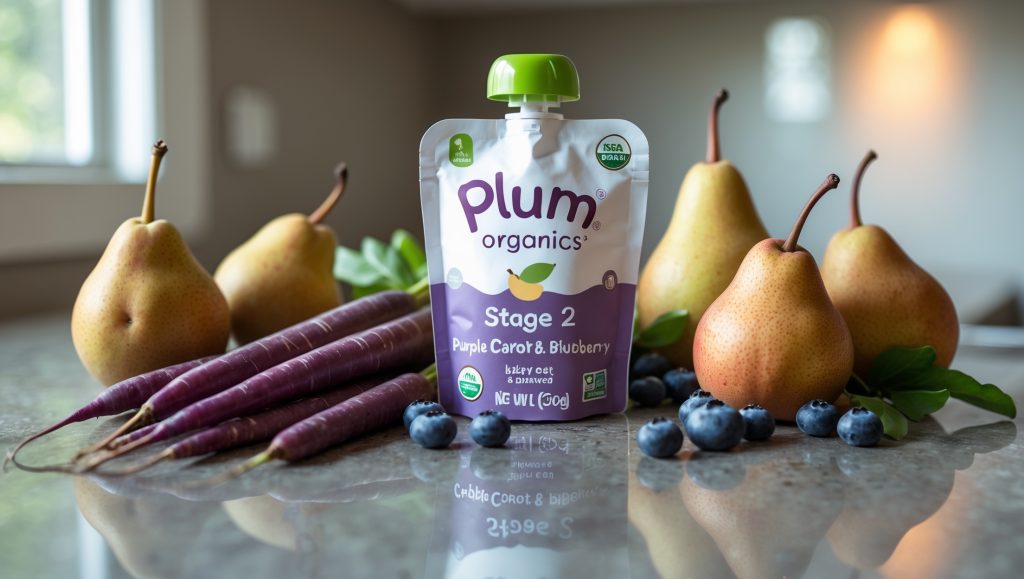
Overview
Introducing solids is a milestone packed with excitement, curiosity, and a dash of uncertainty for many parents. As families seek nourishing, convenient, and developmentally supportive foods, fruit and vegetable blends in squeezable pouches have become a staple in many American households. In this review, we take a closer look at the Plum Organics Stage 2 Pear, Purple Carrot & Blueberry Baby Food Pouch—a popular choice for babies ready to explore new flavors and textures. We’ll dig into what sets this pouch apart in 2025, analyze its ingredients, assess its taste and texture, and offer practical tips for busy caregivers.
Language development and sensory exploration go hand-in-hand during the early years. Exposure to a variety of tastes, textures, and colors can spark curiosity and support growing communication skills. Whether you’re introducing this pouch as a standalone snack or as part of a larger mealtime routine, our evidence-informed guide will help you make an informed decision for your family.
Ingredients & Nutrition
Plum Organics emphasizes simple, organic ingredients, and this pouch is no exception. The ingredient list is refreshingly short:
- Organic pear puree
- Organic purple carrot puree
- Organic blueberry puree
- Organic lemon juice concentrate (to preserve freshness)
No added sugars, artificial colors, or preservatives are present—a significant plus for families seeking minimally processed options. Each 4-ounce (113g) pouch delivers:
- Calories: ~60 per pouch
- Sugars: 10g (naturally occurring from fruit)
- Dietary Fiber: 2g
- Vitamin C: 20% Daily Value (DV)
- Potassium: 120mg
For parents mindful of allergens, this pouch is free from dairy, gluten, nuts, and soy. The blend’s vibrant colors and subtle flavors offer a gentle introduction to purple carrots—a less common veggie—while providing antioxidants from blueberries. As always, check the label for the most current ingredient and nutrition information, as formulations can vary.
Taste & Texture
Flavor variety can inspire early language skills as babies learn to communicate likes, dislikes, and preferences. This blend offers a naturally sweet taste profile, driven by ripe pears and blueberries, with a mild earthiness from purple carrots. Most babies seem to enjoy the familiar fruit-forward flavor, with the carrot providing a subtle, non-bitter undertone that eases even cautious eaters into trying veggies.
The texture is smooth and consistent—a hallmark of Stage 2 foods. It’s thin enough to squeeze easily onto a spoon, yet thick enough to stay put, making self-feeding practice less messy. The deep purple hue adds visual interest, and the overall experience is thoughtfully tailored to babies 6 months and up who are ready for more complex flavor combos.
Convenience & Storage
Plum Organics’ squeezable pouches are a win for on-the-go families. The resealable cap means you can offer a portion now and refrigerate the rest for later (up to 24 hours after opening, according to the label). The pouch format allows for feeding directly from the pouch (with supervision) or squeezing onto a spoon or bowl. They’re lightweight, portable, and require no heating or prep.
Unopened pouches can be stored at room temperature in a cupboard or diaper bag, making them easy to pack for outings, daycare, or travel. Always check for integrity of the pouch and expiration dates before serving.
Pros & Cons
Pros
- Certified organic ingredients with no added sugars or preservatives
- Simple, recognizable ingredient list
- Appealing flavor and vibrant color for sensory exploration
- Smooth, spoon-friendly texture ideal for early eaters
- Convenient, portable pouch with resealable cap
- Free from common allergens (dairy, nuts, gluten, soy)
Cons
- Relatively high natural sugar content from fruit
- Pouch feeding can reduce opportunities for oral-motor skill practice compared to spoon feeding
- Not suitable as a sole source of nutrition—should be part of a varied diet
- Pouch packaging is not always recyclable in standard curbside programs
Alternatives & Similar Products
If your baby enjoys Plum Organics Pear, Purple Carrot & Blueberry, you may also want to explore other Stage 2 blends featuring creative fruit and vegetable pairings. Some options include:
- Happy Baby Organics Stage 2 Apples, Blueberries & Spinach – A slightly tangier alternative with leafy greens
- Earth’s Best Organic Pear & Broccoli – For introducing green veggies with a sweet twist
- Gerber Organic 2nd Foods Banana Blueberry – A fruit-only blend for babies who prefer sweeter flavors
- Beech-Nut Naturals Apple & Pumpkin – Mild flavors and a smooth texture, with a fall-inspired profile
Homemade purees are also an option for parents who prefer full control over ingredients and texture. For those focused on language development, mealtime conversations and describing flavors, colors, and textures can enrich the experience, regardless of the brand.
Verdict
Plum Organics Stage 2 Pear, Purple Carrot & Blueberry Baby Food Pouch stands out as a thoughtful, convenient, and nutritious choice for babies beginning their journey with solids in 2025. The flavor profile is both approachable and interesting, with a smooth texture that supports early eating skills. Its simple ingredient list and organic certification appeal to parents seeking transparency and quality. While pouch foods should not replace the varied textures and interactive aspects of traditional spoon feeding or family meals, they are a valuable tool for busy families or as an addition to a balanced diet. For caregivers hoping to encourage healthy eating habits and language development, this pouch can be part of a positive, evidence-informed feeding routine.
FAQ
+At what age can I introduce Plum Organics Stage 2 pouches?
+Do I need to heat the pouch before serving?
+Is the pouch packaging recyclable?
+Can my baby eat directly from the pouch?
+How long does the pouch last after opening?
+Is this baby food suitable for babies with allergies?
+Can this pouch be used for baby-led weaning?

Plum Organics Stage 2 Pear, Purple Carrot & Blueberry Baby Food Pouch (2025 Edition) stands out as a thoughtfully crafted option for parents seeking nutritious and convenient meal solutions for their babies. This blend introduces little ones to a vibrant mix of flavors, combining the gentle sweetness of pear with the earthy notes of purple carrot and the subtle tartness of blueberry. It’s an ideal choice for expanding your baby’s palate during the crucial Stage 2 feeding period, when new tastes and textures are essential for development.
Parents will appreciate the pouch’s portability and mess-free design, making it easy to offer wholesome nutrition whether at home or on the go. The ingredient list is refreshingly simple, with no added sugars or artificial additives, reflecting Plum Organics’ commitment to clean, organic food. Babies seem to enjoy the smooth texture and balanced taste, while caregivers can feel confident about the nutritional value. Overall, this pouch is a practical, parent-approved addition to any feeding routine, supporting healthy growth and adventurous eating habits.
- Organic ingredients with no added sugars or artificial flavors
- Convenient, resealable pouch for easy feeding anywhere
- Balanced blend supports palate development in Stage 2 eaters
- Trusted by parents for quality and taste
I noticed there’s lemon juice concentrate listed. My baby hasn’t had citrus yet—could this small amount trigger any discomfort or reactions, or is it generally safe at 7 months?
It’s completely understandable to be cautious about new ingredients like citrus. At 7 months, most babies can tolerate small amounts of citrus in mixed foods, and the lemon juice concentrate in this pouch is used mainly for freshness and is present in tiny amounts. To be extra careful, offer a small taste and watch for any signs of discomfort or reactions, such as rash, vomiting, or diarrhea. If your baby has a history of food allergies or eczema, introduce new foods one at a time. Always supervise closely during feeding. This isn’t medical advice; if you’re concerned, check in with your pediatrician.
You mention the pouch is free of common allergens. For families with older siblings who have food restrictions, is there anything we should double-check on the label to ensure cross-contact risks are really low?
It’s understandable to be extra cautious when older siblings have food restrictions. While this pouch is free from common allergens, I recommend carefully reading the ingredient list each time you buy, as formulations can change. Look for statements about facility practices—such as ‘produced in a facility that also processes…’—which can indicate cross-contact risk. Contacting the manufacturer for up-to-date info can also provide peace of mind. Always supervise little ones during meals and introduce new foods one at a time. This isn’t medical advice; if you’re concerned, check in with your pediatrician.
Is there any concern about using the resealable pouch more than once during pretend play sessions, especially if my child wants to practice ‘feeding’ toys or dolls? I want to balance safe food handling and creative play at home.
It’s great that you want to encourage creative play while keeping things safe and clean. For pretend play, rinse the empty pouch thoroughly with warm, soapy water and allow it to dry completely before each use. Supervise your child during play to ensure the pouch isn’t chewed, mouthed, or filled with non-food substances. For children under age 3, be mindful of choking hazards or small parts detaching. Avoid reusing the pouch for actual food storage after play. This isn’t medical advice; if you have concerns about hygiene or safety, consult your pediatrician.
If I am planning a long drive with my toddler, can I safely use this Plum Organics pouch as a snack during travel, or do I need to keep it refrigerated the whole time before opening? How long can it stay unrefrigerated before use?
It’s great that you’re planning ahead for your toddler’s needs on a long drive. Unopened Plum Organics Stage 2 pouches are shelf-stable and don’t need refrigeration before opening, as long as they are kept in a cool, dry place and not exposed to extreme heat. For travel, keep the pouch in a bag away from direct sun, and avoid leaving it in a hot car. Once opened, the pouch should be refrigerated and used within 24 hours. Always supervise your toddler while eating to prevent choking. This isn’t medical advice; if you’re concerned, check in with your pediatrician.
How do open-ended, self-feeding experiences with pouches like this compare developmentally to more structured feeding with a spoon, especially when it comes to fostering independence?
You’re thoughtful to consider how different feeding methods can support your child’s independence. Letting your baby self-feed with pouches encourages motor skills, autonomy, and can make eating more fun, but it’s best to balance this with spoon feeding. Start by letting your child hold and explore the pouch while you supervise, then alternate with spoon feeding to build coordination and expose them to different textures. For babies around 6–9 months, spoon feeding helps practice lip closure and tongue movement, while pouch self-feeding is better suited for slightly older babies with good hand control. Always watch closely to avoid choking. This isn’t medical advice; if you’re concerned, check in with your pediatrician.
Is it okay to occasionally mix this Plum Organics pouch with oatmeal or plain yogurt for breakfast, or would that change the texture too much for a toddler just learning to self-feed?
—wanting to help your toddler self-feed is wonderful. Mixing the Plum Organics pouch with oatmeal or plain yogurt can actually make breakfast more nutritious and interesting for your little one. Start with a small amount of the pouch, stirring it into oatmeal or yogurt to check the consistency. If your toddler is new to self-feeding, keep the mixture thick enough so it sticks to a spoon but is still easy to scoop. Always supervise during meals, and watch for any discomfort with new textures. This isn’t medical advice; if you’re concerned about your toddler’s eating or choking risk, check in with your pediatrician.
For parents watching their grocery budget, how does this pouch compare to making a similar blend at home in terms of cost, convenience, and nutritional value?
It’s understandable to want the best for your baby while being mindful of your budget. Making your own pear, purple carrot, and blueberry puree at home is often less expensive per serving, especially if you buy ingredients in bulk, but it takes extra time and effort. The pouch is very convenient for busy days or travel. Nutritionally, both options can be similar if you use fresh produce and skip added sugars or salts at home. Always ensure homemade purees are smooth, cooked well, and free of choking hazards for babies starting solids. This isn’t medical advice; if you’re concerned, check in with your pediatrician.
Does this Plum Organics pouch provide enough iron for a baby around 8 months, or should I make sure to add iron-rich foods to balance out the more fruit-forward pouches in our routine?
It’s great that you’re thinking about your baby’s iron needs at this age. Plum Organics Stage 2 Pear, Purple Carrot & Blueberry is primarily fruit and veggie-based, and while it offers vitamins and fiber, it is not a significant source of iron. At 8 months, babies benefit from iron-rich foods like pureed meats, iron-fortified cereals, or cooked lentils alongside fruit pouches. Aim to include these foods daily, and pair them with vitamin C-rich options (like fruit purees) to help with absorption. This isn’t medical advice; if you’re concerned, check in with your pediatrician.
How do you recommend fitting a pouch like this into a two-year-old’s daily meal routine? Is it better as a snack between meals or as part of lunch, given the naturally occurring sugars?
It’s great that you’re thinking about how to balance your child’s nutrition and snack timing. For a two-year-old, you can use a fruit-and-vegetable pouch like this as part of a meal (for example, alongside protein and grains at lunch) or as an occasional snack if your child is hungry between meals. Since it contains naturally occurring sugars, pairing it with foods rich in healthy fats or protein can help steady energy levels. Always supervise your toddler with pouches to avoid choking. This isn’t medical advice; if you’re concerned, check in with your pediatrician.
If I open a pouch and my toddler only eats a little, is there any risk of the texture or nutrition changing before the 24-hour refrigeration period is up? My child is sensitive to changes in texture and sometimes notices even small differences.
You’re right to be thoughtful about texture and nutrition changes, especially with a sensitive toddler. After opening, reseal the pouch tightly and refrigerate it right away—this helps slow any changes. Before serving again, check for any signs of separation or unusual appearance, and stir well to restore a uniform texture. Always use a clean spoon or bowl to avoid introducing bacteria. Most brands recommend using within 24 hours, but if your child is very sensitive, you may consider offering smaller, fresh servings instead. This isn’t medical advice; if you’re concerned, check in with your pediatrician.
How do you recommend incorporating this pouch into an early morning routine for active little ones who wake up hungry but need a slow, calming start to the day?
It’s great that you want to support your child’s morning routine with a nourishing option. Try offering the Plum Organics pouch as soon as your little one wakes up, either while cuddling together or during a calm, seated moment to ease into the day. For older babies (6+ months), let them self-feed by squeezing onto a spoon so they can explore at their own pace. Watch for any signs of rushing or swallowing too quickly, and encourage slow sips with breaks in between. Always supervise closely, especially with pouches, to prevent choking. This isn’t medical advice; if you’re concerned, check in with your pediatrician.
Since you mention the blend’s role in supporting language development and sensory exploration, do you have any suggestions for incorporating this pouch into a calming pre-bedtime routine that encourages conversation or storytelling?
What a thoughtful idea to connect bedtime routines with sensory learning and language growth. To use the pouch in this way, you might: 1) Offer the pouch during a quiet, dimly lit wind-down time, narrating the colors and flavors as your child tastes them. 2) Use gentle voices to name each fruit and vegetable, asking your child to point or babble in response. 3) Turn the pouch’s ingredients into a short, soothing bedtime story featuring a pear, carrot, and blueberry on an adventure. 4) Let your child gently squeeze the pouch if developmentally appropriate (supervised, age 6+ months), describing the textures. Always supervise for safety and check for allergies. This isn’t medical advice; if you’re concerned, check in with your pediatrician.
Are there similar pouches from other brands that offer a comparable nutrient profile and price point? I’m trying to stick to a tight grocery budget but want to provide variety.
It’s great that you’re looking to balance nutrition, variety, and budget for your baby. Many brands offer Stage 2 fruit and veggie blends—consider trying Happy Baby, Earth’s Best, or Beech-Nut, which typically have similar nutrient profiles and pricing to Plum Organics. Always check the ingredient list to ensure there are no added sugars or allergens, and confirm the pouches are appropriate for your baby’s age and developmental stage. Watch for sales or store-brand equivalents, too. This isn’t medical advice; if you have specific nutrition concerns, your pediatrician can help.
We are following a Montessori-inspired approach at home and I try to involve my 8-month-old in food prep when possible. Do you have suggestions on how to present this Plum Organics pouch in a way that encourages more hands-on exploration and independence, rather than just squeezing it directly into a spoon?
It’s wonderful that you’re encouraging your baby’s independence with a Montessori-inspired approach. For an 8-month-old, you might let them hold the pouch with your guidance, practicing gentle squeezing together. You could also squeeze a small amount onto their highchair tray or a shallow silicone dish, allowing them to touch, smell, and finger-feed the puree at their own pace. Offer a pre-loaded spoon so they can try self-feeding, supporting their grip if needed. Always supervise closely to prevent choking and ensure the pouch cap stays out of reach, as it poses a choking risk. This isn’t medical advice; if you have concerns about feeding, check in with your pediatrician.
If I am preparing a travel kit for my toddler, how long can I safely keep an opened Plum Organics pouch in a cooler bag before it needs to be refrigerated? I want to make sure I am following best practices while on long car rides.
It’s great that you’re thinking ahead about food safety on the go. Once opened, Plum Organics pouches should be refrigerated and used within 24 hours, but while traveling, keep the pouch in a cooler bag with ice packs. For toddlers, try to use the opened pouch within 1–2 hours if it’s not kept very cold, or up to 4 hours if the cooler bag stays below 40°F (4°C). Discard any pouch that has been left out longer, especially since young children are more sensitive to spoiled food. This isn’t medical advice; if you’re concerned, check in with your pediatrician.
Does this Stage 2 pouch work for toddlers over 2 years old who still love purees, or should I be moving my child to more textured foods now? My kid tries new foods better in pouches, but I worry about missing out on important chewing practice.
It’s completely understandable to want the best for your toddler’s eating skills, especially if they love purees. For children over 2, it’s helpful to gently introduce more textured foods, as chewing helps develop oral muscles and supports speech. Try offering soft finger foods alongside the pouch, like ripe banana pieces or steamed vegetables, always supervising to prevent choking. You can also encourage your child to dip these foods into the puree. If your toddler resists, start with very soft textures and gradually increase as they become more comfortable. This isn’t medical advice; if you’re concerned, check in with your pediatrician.
Is this Stage 2 blend appropriate for a baby who has just started solids at 6 months, or should I wait until my child has tried single-ingredient purees first? I want to make sure I’m introducing new foods at the right pace.
You’re wise to think carefully about how and when to introduce new foods. For babies just starting solids at 6 months, it’s generally safest to begin with single-ingredient purees, offering one new food at a time for a few days to watch for possible allergies or reactions. After your baby tolerates a few single foods like pear, carrot, and blueberry individually, you can try blends like this Stage 2 pouch. Always ensure the texture suits your baby’s developmental stage and supervise feeding. This isn’t medical advice; if you’re concerned, check in with your pediatrician.
As the article mentions the benefits for language development, do you have suggestions for how parents can encourage their baby to communicate preferences during mealtime with these pouches?
It’s wonderful that you want to support your baby’s communication during meals. Try offering your baby the pouch and a spoon, and watch for any gestures or sounds that signal interest or dislike. Pause occasionally to ask simple questions like, ‘Do you want more?’ and wait for their response, even if it’s just eye contact or reaching. For babies around 6 months and older, you can label flavors or colors as you serve them, encouraging your baby to mimic sounds or gestures. Always supervise closely to ensure safety with pouches and avoid choking. This isn’t medical advice; if you’re concerned, check in with your pediatrician.
With the resealable cap and the ability to refrigerate leftovers for 24 hours after opening, I wonder how best to manage offering pouches throughout a busy day. Should I worry about nutrient loss or texture changes if the pouch is opened and refrigerated in the morning but finished later that evening?
You’re wise to consider how storage and timing might affect your baby’s food. After opening, keep the pouch tightly resealed and refrigerated below 40°F to maintain freshness. Before offering again, squeeze the pouch gently to check for any separation or unusual texture—stir or shake if needed. Most nutrients remain stable over 24 hours, though some vitamin loss (like vitamin C) can occur, but it’s usually minor. Always discard if you notice off smells or your baby’s saliva went into the pouch, as bacteria can grow. For infants under 1, supervise feeding to prevent choking. This isn’t medical advice; if you’re concerned, check in with your pediatrician.
We are always on the go and often split up meals throughout the day. Is it safe to let my little one self-feed from the pouch, or is spoon-feeding still better for sensory and developmental reasons at this stage?
It’s great that you’re thinking about both convenience and your child’s development. For babies around Stage 2 age (usually 6+ months), practicing self-feeding with a pouch can help with independence and hand coordination, but it’s also valuable to offer some meals by spoon. Spoon-feeding encourages oral motor skills and gives your baby exposure to different textures, which is important for sensory development. If you use pouches, supervise closely to prevent choking and avoid leaving your baby with a pouch unattended. Try to balance both methods when possible. This isn’t medical advice; if you’re concerned, check in with your pediatrician.
Are there any concerns with storing a partially used pouch in the fridge for up to 24 hours and offering the rest during potty breaks later in the day? I want to make sure I am handling it safely since sometimes my toddler only takes a few bites at a time.
You’re being thoughtful about food safety, which is so important with toddlers. Once your child has eaten from the pouch, bacteria from their mouth can mix with the puree. If you need to store a partially used pouch, seal it tightly and refrigerate right away, but use within 24 hours. For toddlers, always check for changes in smell, taste, or texture before offering leftovers. Avoid letting the pouch sit at room temperature for long, and never reuse if your child shows any signs of illness. This isn’t medical advice; if you’re concerned, check in with your pediatrician.
Do you have any advice for introducing new flavors like purple carrot to a baby who is just starting daycare? My son is still adjusting to the changes, and I am wondering if new tastes might make the transition harder or easier for him.
It’s understandable to want your son’s daycare transition to go as smoothly as possible. When introducing new flavors like purple carrot, try offering them at home first, where he feels secure. Start with a small taste alongside familiar foods, allowing him to explore at his own pace. Share your approach and the foods you’ve tried with daycare staff so they can continue consistency. Watch for any signs of allergy and always supervise during feeding. At his age, new experiences can sometimes be comforting if they’re predictable and familiar. This isn’t medical advice; if you have specific concerns, your pediatrician can help.
You talk about the naturally occurring sugars in this blend. How does Plum Organics’ sugar content compare to similar fruit and veggie pouches, and should parents watch out for hidden sweeteners in other brands?
It’s thoughtful to consider sugar content in baby foods. Plum Organics Stage 2 has sugar from whole fruits and veggies, which is typical for pouches with similar blends—no added sugar here. Compared to other brands, the total sugar level is about average for fruit-based pouches, but always check the ingredient list: some brands do add juice concentrates or sweeteners that increase sugar. For babies under 12 months, stick with pouches that list only fruits and veggies to avoid unnecessary sugars. As always, read labels carefully and supervise your baby during feeding. This isn’t medical advice; if you’re concerned, check in with your pediatrician.
My toddler has some language delays and struggles with new textures. Do you have any tips on how to use this pouch to gently encourage trying new flavors and engaging in more sensory food play?
It’s great that you’re looking for gentle ways to help your toddler explore new textures and flavors. Start by offering a tiny amount of the pouch on a spoon or your finger, letting your child touch and smell it first. You can also squeeze a little onto a plate and encourage messy play—smearing, poking, or even painting with the puree can make it less intimidating. Model tasting it yourself and describe the texture and taste in simple words. Always supervise closely to ensure safety, and keep sessions short and positive. This isn’t medical advice; if you’re concerned, check in with your pediatrician.
For parents trying to limit exposure to small parts, would you recommend transferring the puree to a bowl instead of letting babies handle the pouch directly? Or is it generally considered safe to let them work on squeezing with supervision?
—wanting to limit your baby’s exposure to small parts is very thoughtful. Plum Organics pouches do come with caps that could be a choking hazard, so transferring the puree to a bowl is a safe option for younger babies or little ones who still mouth objects. If you’d like your child to practice squeezing skills, you can supervise closely and remove the cap yourself. For babies under 12 months or those prone to putting things in their mouths, the bowl-and-spoon method is safest. This isn’t medical advice; if you’re concerned, check in with your pediatrician.
I noticed this blend uses purple carrot, which we haven’t tried yet—are there any flavor reactions or sensitivities I should be aware of when serving this for the first time to my 13-month-old?
It’s great that you’re thinking ahead about introducing new flavors and checking for possible reactions. For most babies, purple carrot is safe and similar to orange carrot, but some little ones may be sensitive or react to new foods. Try offering a small amount the first time and watch for signs of rash, hives, or tummy upset over the next day. Serve the pouch alone, not mixed with other new foods, so you can identify any reaction. At 13 months, this blend is an age-appropriate texture, but always supervise for swallowing safety. This isn’t medical advice; if you’re concerned, check in with your pediatrician.
For families with mixed schedules, we sometimes share care between our home and the grandparents’ house. How long can these pouches be stored unopened, and does refrigerating an opened pouch for those 24 hours impact the taste or safety if it sits at a different house?
It makes sense to want clear guidelines when care is shared across homes. Unopened Plum Organics Stage 2 pouches can be stored at room temperature until their use-by date, typically found on the package. Once opened, any unused portion should be refrigerated immediately and used within 24 hours. Refrigeration may slightly change the texture or flavor, but it does not affect safety as long as the pouch is well-sealed and stays cold. Always check for spoilage before serving. This isn’t medical advice; if you’re concerned, check in with your pediatrician.
Do you have any advice on incorporating these pouches into a daily routine without relying on them too much? I want to make sure my baby gets variety but also enjoys the convenience for travel or busy days.
It’s great that you want both convenience and variety for your baby’s meals. Try offering pouches like Plum Organics Stage 2 mainly during busy times, travel, or outings, but at home, serve mashed or soft-cooked fruits and vegetables to give exposure to different tastes and textures. Rotate between homemade purees, small pieces of soft foods, and pouches to keep meals interesting. For babies around 6 months and up, always supervise eating and watch for signs of readiness for more solid foods. This isn’t medical advice; if you have any concerns about nutrition or feeding, please talk to your pediatrician.
How well does the pouch keep after being in a diaper bag for a few hours on a warm day if we haven’t opened it yet? I want to avoid carrying a cooler for short outings but want to make sure the food stays safe.
It’s great that you’re thinking about food safety for your little one during outings. Unopened pouches like Plum Organics Stage 2 are shelf-stable and designed to handle room temperature, so a few hours in a diaper bag on a warm—but not hot—day is generally safe. Avoid leaving it in direct sunlight or in a very hot car. Before serving, check for any swelling, leaks, or unusual smells. For babies under one year, extra caution is important. This isn’t medical advice; if you’re concerned, check in with your pediatrician.
I am starting potty training with my 2.5-year-old, and sometimes she snacks on pouches in the car. Do you think the texture of this Plum Organics pouch is helpful for kids practicing some independence, or would you suggest offering it only at certain times as part of a potty training routine?
It’s great that you’re supporting your child’s independence during potty training. The smooth, puree texture of the Plum Organics pouch is easy for most toddlers to handle and can encourage self-feeding. For a 2.5-year-old, you can offer the pouch during snack times, but it’s best to avoid giving it right before or during potty time to help your child focus on the new routine. Always supervise snack times, especially in the car, to prevent choking. This isn’t medical advice; if you’re concerned, check in with your pediatrician.
If my baby sometimes gets overwhelmed by new flavors or colors, would this blend’s deep purple hue and mix of tastes be too much for winding down before nap or bedtime? Do you have tips for introducing this pouch slowly as part of a calming nighttime routine?
It’s completely understandable to want your baby’s nighttime routine to feel soothing and not overstimulating. If your baby is sensitive to new flavors or colors, try offering just a small spoonful of the pouch during the day first, when your baby is alert. Gradually introduce it earlier in the evening, rather than right before bed, so your baby gets used to the tastes and color in a low-pressure setting. For nighttime, keep the rest of the routine calm and predictable—dim lights, gentle voices, and familiar cues. Always supervise closely, especially with pouches, and watch for any signs of food sensitivities. This isn’t medical advice; if you’re concerned, check in with your pediatrician.
Does this Plum Organics pouch work well for babies who are a bit older, say around 9–10 months, and might be starting to prefer chunkier textures or finger foods? Or would you recommend transitioning to something with more texture at that stage?
It’s great that you’re paying attention to your baby’s changing preferences and developmental stage. By 9–10 months, many babies are ready for more texture and may enjoy finger foods or chunkier purees. The Plum Organics Stage 2 pouch is smooth and best suited for earlier eaters. You might offer this pouch as a snack or mix it with soft, mashed foods like banana or cooked sweet potato for added texture. At meal times, try introducing safe, soft finger foods such as small pieces of ripe fruit or well-cooked veggies. Always supervise closely and check for any choking hazards. This isn’t medical advice; if you’re concerned, check in with your pediatrician.
With the convenience of the resealable cap, how long can an opened pouch safely stay in the fridge before it loses flavor or quality? Sometimes my little one eats just a few bites at a time and I want to avoid waste.
It’s great that you’re trying to minimize waste while keeping your baby’s food safe. After opening a Plum Organics Stage 2 pouch, refrigerate it right away and use within 24 to 48 hours—this helps maintain flavor and quality while reducing the risk of spoilage. Always make sure the cap is tightly sealed and store the pouch upright. Before serving again, check the texture and smell for any changes. If your child eats from the pouch directly, bacteria from their mouth may shorten safe storage time, so consider squeezing portions into a clean bowl instead. This isn’t medical advice; if you’re concerned, check in with your pediatrician.