
Key Takeaways
- A Montessori-inspired play space fosters independence, order, and focused play.
- Choose child-sized furniture and simple, natural-material toys for accessibility and engagement.
- Limit the number of toys available and rotate them regularly to support your child’s development.
- Involve your child in organizing and caring for the play area to build responsibility and self-confidence.
Introduction
Designing a play space that supports your child’s development can feel overwhelming, especially with so many toys and trends on the market. Montessori-inspired environments have gained popularity for their focus on independence, order, and natural curiosity. Creating such a space at home doesn’t require a complete overhaul or expensive materials. Instead, it’s about intentional choices that nurture your child’s growth, confidence, and joy in learning. This article explores practical ways to bring Montessori principles into your home play area, offering evidence-informed tips and age-appropriate suggestions for families.
Understanding Montessori Principles in Play Spaces
Why Environment Matters
Maria Montessori believed that a thoughtfully prepared environment is key to supporting children’s learning and self-motivation. In practice, this means offering a space that is accessible, organized, and rich in opportunities for hands-on exploration. When children can reach their toys, choose their activities, and return items independently, they develop both autonomy and responsibility. A calm, orderly space also helps reduce overstimulation and supports focused play.
Core Elements of a Montessori-Inspired Space
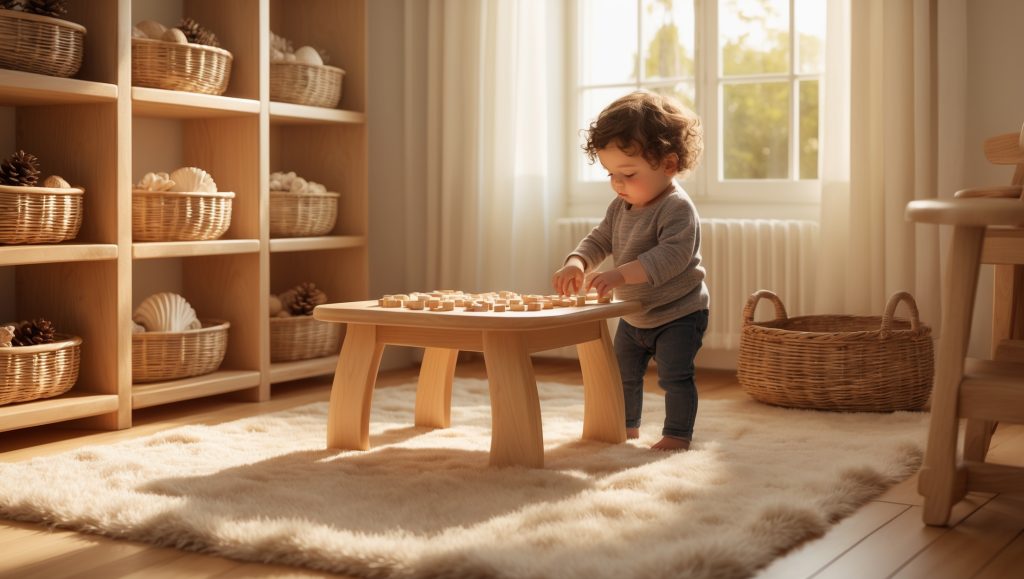
Montessori environments typically feature child-sized furniture, open shelving, and a limited selection of toys made from natural materials. The goal is to promote independence and concentration by making everything within easy reach and visually accessible. Toys and materials are rotated regularly to maintain interest and support developmental needs. Clutter is minimized, helping children learn to care for their environment and make thoughtful choices.
Setting Up Your Montessori Play Space
Choosing the Right Location
Select a quiet, well-lit area in your home where your child can play safely and comfortably. It might be a corner of the living room, a dedicated playroom, or even part of your child’s bedroom. Consistency is key—having a defined area helps children know what to expect and builds a sense of security.
Furniture and Organization
Opt for low shelves and child-sized tables and chairs, so your child can access materials independently. Use baskets or trays to organize toys, grouping similar items together. Keep only a few toys out at a time to avoid overwhelming choices. Store the rest in a closet or bin for future rotation. A soft rug or mat provides a comfortable spot for floor play and defines the play area.
Selecting Montessori-Aligned Toys and Materials
Characteristics of Montessori Toys
Look for toys that are simple, purposeful, and made from natural materials like wood, metal, or fabric. Montessori toys often focus on one skill at a time—such as stacking, sorting, or fitting objects together—encouraging deep concentration. Avoid toys with flashing lights, loud sounds, or too many features, as these can distract from meaningful play.
Age-Based Recommendations
- Infants: Soft fabric balls, wooden grasping toys, simple rattles, and mirrors.
- Toddlers: Stacking cups, shape sorters, simple puzzles, and practical life tools (like small pitchers or brooms).
- Preschoolers: Building blocks, threading beads, child-safe scissors, and open-ended art supplies.
Supporting Independent Play
Encouraging Choice and Responsibility
Invite your child to select their own activities from the available options. Show them how to return toys to their place when finished, modeling care for the environment. Involve your child in tidying up, making it a collaborative and positive part of the routine. This not only fosters independence but also supports executive function and self-regulation skills.
Rotating Toys and Refreshing the Space
Every few weeks, observe your child’s interests and swap out toys to keep the environment engaging. Introducing new materials or changing the arrangement can spark curiosity and support new stages of development. Pay attention to what your child is drawn to, and adjust the space to meet their evolving needs.
Common Mistakes
- Overfilling the play area with too many toys or materials
- Choosing toys that are too complex or overstimulating
- Placing shelves or furniture out of the child’s reach
- Not involving the child in organizing or caring for the space
- Neglecting regular rotation of toys and materials
Quick Checklist
- Select a quiet, well-lit play area
- Use low shelves and child-sized furniture
- Offer a limited selection of simple, natural-material toys
- Organize toys in baskets or trays for easy access
- Rotate toys regularly to match your child’s interests and development
- Encourage your child to choose and put away their own toys
Conclusion
Creating a Montessori-inspired play space is a rewarding way to support your child’s independence, confidence, and love of learning. By making intentional choices about the environment and materials, you can foster focused, joyful play without overwhelming your home or your child. Start small, observe what works for your family, and remember that a supportive, responsive approach is the heart of Montessori at home. Your efforts will help nurture curiosity, self-reliance, and a lifelong enthusiasm for discovery.
FAQ
What makes a play space ‘Montessori-inspired’?
A Montessori-inspired play space is designed to promote independence, order, and hands-on learning. It features child-sized furniture, open shelves, and a curated selection of simple, natural-material toys that are easily accessible to the child.
How many toys should I keep out at once?
It’s best to offer a limited selection—usually 6 to 10 toys or activities—at a time. This helps prevent overstimulation and encourages deeper engagement with each material.
What are some affordable Montessori toy options?
Simple wooden blocks, stacking cups, shape sorters, and practical life tools like small pitchers or brooms are affordable and align well with Montessori principles.
How often should I rotate toys in a Montessori play space?
Rotating toys every few weeks, or when you notice your child losing interest, helps keep the environment fresh and engaging. Observe your child’s interests and adjust accordingly.
Can I create a Montessori play area in a small space?
Yes, even a corner of a room can become a Montessori-inspired play area. Focus on organization, accessibility, and a limited selection of toys to maximize the space you have.
Are electronic toys suitable for a Montessori play space?
Montessori environments typically avoid electronic toys with lights or sounds, as these can distract from focused, hands-on exploration. Simple, open-ended toys are preferred.
How do I involve my child in caring for the play space?
Encourage your child to help tidy up and return toys to their places. Show them how to handle materials gently and make organizing part of the daily routine.

This post beautifully highlights how Montessori-inspired play spaces can nurture your child’s independence, creativity, and calm. An often-overlooked aspect is how the types and organization of toys directly influence a child’s ability to focus and engage deeply. Thoughtfully curating toys and their presentation can make the environment both inviting and developmentally rich.
- Rotate toys regularly: Offering a few well-chosen toys at a time reduces overwhelm and sparks renewed interest as items are swapped out.
- Choose open-ended materials: Blocks, simple dolls, and art supplies encourage imagination and problem-solving far beyond single-purpose toys.
- Keep shelves low and accessible: Children feel empowered to select and return toys independently, supporting their sense of order and autonomy.
- Include natural elements: Baskets, wooden objects, and even small plants can create a soothing, grounded atmosphere.
My toddler gets overwhelmed by loud or very bright toys. How can I adjust a Montessori play area to be calming for a kid who seems a little more sensitive to noise and colors?
It’s understandable to want a peaceful space when your child is sensitive to noise and colors. Start by choosing toys in soft, muted tones and natural materials to create a soothing atmosphere. Limit the number of toys out at once, displaying just a few on open shelves to reduce visual clutter. Opt for items that don’t make loud sounds or have flashing lights—Montessori toys are usually quiet and simple in design. Use gentle lighting, like soft lamps or natural daylight, to avoid harsh brightness. Always supervise your toddler and check toys for safety, especially with small parts. This isn’t medical advice; if you’re concerned, check in with your pediatrician.
When selecting child-sized furniture, is there an age range you recommend it for, or should we plan on updating as our child grows? I want to invest in pieces that will last but also stay appropriately sized.
Your desire to invest in long-lasting, appropriately sized furniture is very thoughtful. For most Montessori-inspired spaces, child-sized furniture is best suited for ages 1 to 6, depending on the specific item and your child’s height. Look for adjustable or modular pieces that grow with your child, such as tables with height-adjustable legs. Regularly check that chairs and tables allow your child’s feet to rest flat on the floor for both comfort and safety. Avoid furniture with small detachable parts for younger toddlers. This isn’t medical advice; if you’re concerned, check in with your pediatrician.
My child is particularly sensitive to sensory input and can get overwhelmed easily. How can I adapt the Montessori approach to create a calm play area that minimizes sensory overload but still encourages exploration?
It’s completely understandable to want a play space that helps your sensitive child feel comfortable and engaged. Start with a neutral color palette and soft lighting to reduce visual stimulation. Choose a few carefully selected toys with gentle textures and natural materials, rotating options so the area stays uncluttered. Provide a cozy retreat or tent where your child can take breaks if things feel overwhelming. Limit noise by using rugs and soft furnishings, and supervise closely to ensure all items are age-appropriate and safe—especially if your child is still mouthing objects. This isn’t medical advice; if you’re concerned, check in with your pediatrician.
How do you balance keeping only a few toys out with having options for siblings of different ages in one shared play space? It seems like each child’s needs and interests might be very different.
You’re right to want a space that supports each child’s unique interests and developmental stage. Try creating clearly defined areas or baskets for each child’s toys, limiting each to a few high-quality, age-appropriate items out at once. Use shelves or low bins so both kids can access their own materials safely. Rotate toys regularly, choosing options that can engage both children together (like blocks) and those tailored to each age. Always supervise play with small parts if one sibling is very young. This isn’t medical advice; if you’re concerned, check in with your pediatrician.
I am trying to create a calm bedtime routine for my toddler and we speak both Spanish and English at home. Do you have any tips for integrating Montessori principles into a bilingual story time or bedtime setup within our play space?
It’s wonderful that you’re nurturing a calm bedtime routine and supporting both languages at home. Try offering a small, accessible basket with a few favorite Spanish and English books, allowing your toddler to choose each night. Keep the reading area cozy and uncluttered—soft lighting and a simple mat or cushion work well. Use gentle, consistent routines: signal bedtime with a special song or phrase in both languages. Let your child turn pages or name pictures, encouraging active participation. For safety, choose board books or cloth books for toddlers, and supervise story time. This isn’t medical advice; if you have any concerns about sleep or development, consult your pediatrician.
I noticed you recommend rotating toys regularly, but how often is ideal for a one-year-old? I’m worried that changing things too frequently might make it harder for my child to feel secure, especially since daycare will be a big change too.
You’re thoughtful to consider your child’s need for security, especially with big changes like starting daycare. For a one-year-old, rotating toys every 2–4 weeks works well—this gives enough time for your child to explore and master each toy, while also keeping things fresh. Keep a few favorite, comforting items out all the time to provide consistency. When you do swap toys, involve your child if possible and keep the environment predictable. Always check that toys are age-appropriate and safe for mouthing. This isn’t medical advice; if you have concerns, check in with your pediatrician.
Do you have any advice on adjusting the rotation schedule for toys with a subscription service, since we might get new items monthly rather than rotating our own collection on our own timeline?
It makes sense to wonder how to adapt toy rotation when using a subscription service instead of your own set. Try briefly observing which new toys your child is most interested in, and keep out only a few at a time to avoid overwhelming them. Store others out of sight and gradually swap them in every week or two, depending on your child’s engagement. For infants and toddlers, ensure all toys meet safety standards and check for small parts. Remember, it’s okay to adjust the schedule based on your family’s routine. This isn’t medical advice; if you’re concerned, check in with your pediatrician.
How do you recommend organizing Montessori play spaces in smaller homes or apartments where storage is limited? What are some space-saving ideas for families who want to avoid clutter but still follow these principles?
It’s understandable to want a calm, organized play space even when you have limited room. Start by rotating toys and materials—keep only a few out on low, accessible shelves and store the rest elsewhere, swapping them every couple of weeks. Use baskets or trays for grouping similar items, which helps maintain order and supports independent play. Choose multipurpose furniture, like a small table for both work and snack time. Wall-mounted shelves or hooks can display materials without taking up floor space. Always ensure shelves are sturdy and avoid items with small parts if you have babies or toddlers. This isn’t medical advice; if you’re concerned, check in with your pediatrician.
One of my twins is very sensitive to noise and certain textures. Are there particular Montessori-aligned materials or sensory strategies that can help create a more comfortable environment for kids with different sensory needs?
You’re thoughtful to support your twins’ different sensory needs. For a noise-sensitive child, consider soft rugs, fabric wall hangings, or felt baskets to help absorb sound and reduce echoes. Choose Montessori materials made of smooth wood, avoiding rough or scratchy textures that might bother your child. Create a small quiet corner with cozy pillows and dim lighting for sensory breaks. Offer a variety of sensory bins, but keep textures gentle and simple—like dry rice or fabric scraps—while supervising play. Always observe how each twin responds and adjust as needed. This isn’t medical advice; if you’re concerned, check in with your pediatrician.
How do you balance the idea of keeping the play space calm and minimal with making sure it still feels interesting enough for a child who gets bored easily but is easily overstimulated?
You’re thoughtful to want both calm and engagement for your child. Start by rotating a few carefully chosen toys or materials every week to keep things fresh without overwhelming your child. Display items on low shelves so your child can choose independently, but keep the number limited (4–6 options works well for most toddlers). Choose open-ended toys with different textures and colors, but stick to a simple color palette to maintain a soothing atmosphere. For easily overstimulated children, add a cozy reading nook or a soft mat as a retreat spot. Always supervise play to ensure safety, especially with small items. This isn’t medical advice; if you’re concerned, check in with your pediatrician.
Could you elaborate on how often you recommend rotating toys for a two-year-old, especially if we’re packing a small travel kit for a weekend trip or family vacation?
It’s great that you’re thinking about keeping your two-year-old engaged while traveling. For this age, rotating toys every few days helps sustain interest and supports development. For a weekend trip, pack 4 to 6 small, open-ended toys or activities, and swap them out once or twice during your stay. Choose safe, durable options without small parts that could pose choking risks, and include a variety of textures and skills (like stacking cups, a simple puzzle, or board books). Always supervise playtime, especially in new environments. This isn’t medical advice; if you’re concerned, check in with your pediatrician.
If I go with a toy subscription, how can I make sure the toys fit the Montessori principles of simplicity and natural materials, since some boxes send a mix of plastic and electronic items?
You’re thoughtful to want your child’s toys to align with Montessori values. First, before subscribing, review the company’s sample boxes and ask if you can exclude certain materials. When a box arrives, sort out toys made of wood, metal, or fabric and set aside electronic or flashy plastic items. Rotating in only the simple, open-ended toys supports focus and creativity. Always check for safe finishes, smooth edges, and age-appropriate sizes to avoid choking hazards. This isn’t medical advice; if you’re concerned, check in with your pediatrician.
Is it okay to have a small table for eating new foods in the same room as the Montessori play area, or should I keep food introduction and play totally separate to avoid confusion and mess?
It’s thoughtful to consider how your child’s environment supports healthy routines. Having a small table for food introduction in the same room as the Montessori play area can work well, especially for toddlers, as long as you establish clear boundaries. Try designating the table visually (a placemat or child-sized chair) so your child knows food happens only there. Offer new foods one at a time and supervise to prevent choking and minimize mess. After meals, gently encourage handwashing before returning to play. Keeping food and toys separate supports focus and cleanliness. This isn’t medical advice; if you’re concerned, check in with your pediatrician.
Are there particular materials or toy types you recommend to support children with sensory sensitivities while still following Montessori principles?
It’s great that you’re thinking about how to support your child’s sensory needs within a Montessori-inspired space. Choose materials made from natural, non-toxic substances like wood or cotton, as these are less likely to overwhelm sensitive children. Opt for toys with gentle colors and simple designs—avoid bright, flashy, or noisy items. Offer a variety of textures, but introduce them slowly and observe your child’s reactions. Keep play spaces uncluttered and organized, allowing your child to choose what feels comfortable. Always supervise, especially with smaller items, and adapt based on your child’s individual responses. This isn’t medical advice; if you’re concerned, check in with your pediatrician.
If my living space is limited and I cannot dedicate a full room to a Montessori play area, what are some practical ways to incorporate the core elements into a shared family area without making it feel cluttered or overwhelming?
It’s understandable to want a peaceful, child-friendly space even when room is limited. You can use low shelves or baskets to store a few select toys and rotate them regularly to keep the area tidy and interesting. Choose materials made of wood or fabric, and avoid small parts if your child is under three. Define a play area with a rug or mat so your child knows where to explore, and keep everything at their height for independence. Remember to check for choking hazards and supervise as needed. This isn’t medical advice; if you have concerns, please consult your pediatrician.
Do you have any advice for sticking to a tidy routine with organizing the play space when we are both working parents and our schedules are unpredictable?
It’s completely understandable to find routines challenging with unpredictable work schedules. Try setting aside just 5–10 minutes at the end of each day for a quick tidy with your child—make it a calming routine together. Use simple baskets or low shelves, labeled with pictures, so your child can help put things away even when you’re tired. Rotate toys weekly instead of daily to cut down on clutter and clean-up. Keep organization methods age-appropriate: toddlers can match toys to bins, while older children can help sort. This isn’t medical advice; if you’re concerned, check in with your pediatrician.
How often should I rotate toys for a 7-month-old? Should I follow a set schedule, or are there signs I should look for in my baby to know when it is time to introduce new materials?
It’s great that you want to keep your 7-month-old’s play space fresh and engaging. At this age, rotating toys every 1–2 weeks can help maintain interest, but it’s even more important to watch your baby’s cues. If they seem bored, ignore certain toys, or focus on just one or two items, it may be time to switch things up. Always choose age-appropriate toys without small parts or choking hazards, and supervise play. This isn’t medical advice; if you’re ever unsure, your pediatrician can help.
Is it safe to let preschoolers access all their toys independently in the early morning? Sometimes I worry about supervision if I am still waking up while they start to play.
Your concern about supervision is very understandable, especially with curious preschoolers. To support safe independent play in the morning, consider setting up a limited selection of age-appropriate, safe toys within easy reach, avoiding items with choking hazards or small parts. Secure shelves or storage to prevent tipping, and keep any art supplies or messy materials out of reach until you can supervise. Remind your child of clear morning rules and check in frequently, even if it’s just with your voice. This isn’t medical advice; if you’re concerned, check in with your pediatrician.
My child sometimes has trouble focusing when there are multiple colors or textures in the play area. Are there specific toy materials or colors that work best for creating a calm and focused play environment?
It’s understandable to want to support your child’s focus in their play space. Try choosing toys and materials in soft, neutral colors like beige, light gray, or pastels, which can help minimize visual overstimulation. Opt for natural materials such as wood or cotton instead of brightly colored plastics, as these tend to be more calming. Keep the play area uncluttered, displaying only a few toys at a time on low shelves. Rotating toys every week or two can keep interest up without overwhelming your child. Always check that toys are age-appropriate, free from small parts if your child is under three, and safe for mouthing. This isn’t medical advice; if you’re concerned, check in with your pediatrician.