
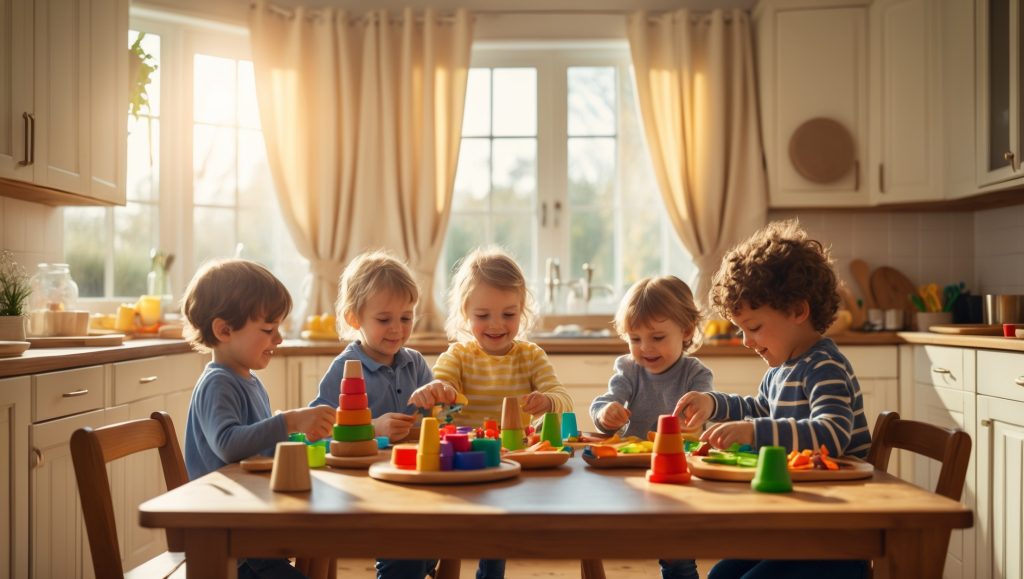
Introduction
In 2026, families are increasingly seeking ways to support their children’s development holistically—going beyond academic milestones to nurture curiosity, problem-solving, and healthy habits. Open-ended toys and food play have emerged as powerful tools not only for creativity but also for building healthy relationships with food and fostering family connection. This guide explores the intersection of open-ended play and food, offering evidence-informed recommendations and practical strategies for families with children of various ages.
What Are Open-Ended Toys and Food Play?
Open-ended toys are items that have no single “right” way to play. They invite children to use their imagination and creativity, allowing for endless possibilities. Examples include wooden blocks, stacking cups, play silks, pretend food sets, and loose parts like pebbles or shells. These toys adapt to your child’s developmental stage, offering new challenges and opportunities as they grow.
Food play involves the use of real or pretend food in play and learning. It can range from simple pretend grocery shopping to hands-on cooking and sensory experiences with various textures, tastes, and smells. Food play supports familiarity with new foods, builds confidence, and can encourage healthy eating habits.
Why Open-Ended Play Matters for Development
Cognitive Benefits
Open-ended play stimulates critical thinking, problem-solving, and executive function. When a child builds a tower using blocks or creates a pretend meal, they are planning, testing hypotheses, and learning from trial and error. This kind of play supports language development as children narrate their actions or engage in pretend scenarios with others.
Social and Emotional Growth
Imaginative play encourages cooperation, negotiation, and emotional expression. Children learn to share, take turns, and resolve conflicts. When food is included in play, children can act out family meals, practice manners, and gain a sense of belonging and cultural identity.
Sensory and Motor Skills
Manipulating open-ended toys and ingredients during food play enhances fine motor skills, hand-eye coordination, and sensory processing. Squeezing play dough, pouring pretend tea, or stirring a real batter helps children explore different textures and builds the foundation for writing and self-care tasks.
Integrating Food Play into Family Life
Age-Based Recommendations
- Infants (6–12 months): Soft, safe objects to grasp and mouth; simple stacking cups; exploring mashed fruits and vegetables on a highchair tray.
- Toddlers (1–3 years): Pretend fruits and vegetables, kid-safe kitchen tools, simple sorting or matching games with play food, supervised mixing or pouring.
- Preschoolers (3–5 years): Play kitchens, role-play meals, collaborative block building, food-themed story time, basic cooking tasks like washing produce or stirring batter.
- School-age children (5+ years): More complex cooking projects (measuring, following recipes), collaborative meal planning, building elaborate structures with open-ended sets, or creating menus and pretend restaurants.
Practical Strategies for Successful Play
- Designate a play area in the kitchen or dining space for pretend food and open-ended toys.
- Rotate toys and materials regularly to keep play fresh and engaging.
- Involve children in real-life food prep to bridge the gap between pretend and practical skills.
- Encourage storytelling and role-play, asking questions like, “What’s on your menu today?” or “Can you show me how you made this soup?”
- Model curiosity and flexibility—there’s no “wrong” way to play with open-ended toys.
Supporting Healthy Eating Habits Through Play
Food play can be a gentle, pressure-free way to introduce children to new foods and textures. Exploring pretend food can make real foods less intimidating, and involving children in meal prep increases their willingness to try unfamiliar items.
Ideas for Food Play That Support Healthy Habits
- Use play food to talk about colors, shapes, and food groups. “Can you find all the green foods?”
- Encourage sorting and matching games (e.g., matching real produce to play versions).
- Read food-themed picture books and act out the story with toys.
- Create a pretend restaurant or grocery store, letting your child take orders or shop for healthy ingredients.
- Offer opportunities for real food prep—washing, tearing, assembling sandwiches, or decorating snack plates.
- Let children describe the taste, smell, and feel of foods, building sensory vocabulary without pressure to eat.
Common Mistakes
- Over-structuring play: Directing every step or insisting on specific outcomes can limit creativity and engagement.
- Focusing on appearance over experience: Worrying about mess or perfection can prevent children from exploring and learning.
- Offering too many toys at once: An overwhelming selection can distract from deep, focused play. Rotate toys for variety.
- Missing opportunities for real-life connection: Not involving children in actual food prep or family meals may limit learning and bonding.
- Rushing developmental stages: Expecting young children to engage in complex pretend play before they are ready can cause frustration. Let children lead at their own pace.
- Neglecting safety: Failing to supervise age-appropriate food play or providing unsafe materials can pose risks. Always ensure toys and ingredients are suitable for your child’s age.
Quick Checklist
- Do you have a variety of open-ended toys (blocks, cups, pretend food) accessible to your child?
- Is there a safe, inviting space for creative play and food exploration?
- Are you rotating toys and materials to maintain interest?
- Do you involve your child in age-appropriate food prep or pretend cooking?
- Have you modeled curiosity and flexibility during play?
- Are you allowing your child to play freely, without strict instructions?
- Do you check that all toys and play foods are safe and appropriate for your child’s age?
- Are you using food play as a way to talk about colors, textures, and healthy choices?
FAQ
+How do I choose the best open-ended toys for my child’s age?
+Can food play really help picky eaters?
+How often should I rotate toys and play materials?
+Is there a way to combine real food with pretend food play safely?
+What should I do if my child is more interested in electronic toys?
+How can I keep open-ended toys organized?
+Should food play be messy?
Conclusion
Open-ended toys and food play offer families in 2026 a powerful, evidence-informed way to nurture creativity, support healthy eating habits, and strengthen family bonds. By embracing imaginative exploration and involving children in both pretend and real-life food experiences, parents can lay the foundation for lifelong curiosity, resilience, and a positive relationship with food. Remember: There is no perfect way to play—give your child space, encouragement, and a variety of opportunities, and watch their confidence and skills grow.

Open-ended toys and food play are powerful tools for nurturing children’s creativity, healthy habits, and family connection. In the US, families are increasingly seeking ways to encourage imaginative play and positive relationships with food. Open-ended toys—such as play kitchens, food sets, and pretend grocery stores—invite children to explore endless scenarios, sparking curiosity and problem-solving skills. When paired with food play, these toys help children learn about nutrition, textures, and flavors in a low-pressure, joyful environment.
Food play naturally encourages conversation and cooperation, especially when the whole family gets involved. Through playful meal prep or pretend picnics, children develop confidence in making choices and expressing preferences. These activities also provide opportunities for parents to model healthy eating and mindful habits, laying the groundwork for lifelong wellness. In 2026, the emphasis is on making these experiences accessible and inclusive, reflecting the diversity of American families and cuisines. By weaving together creativity, learning, and connection, open-ended food play toys remain a cornerstone of healthy, happy homes.
- Boosts creativity and problem-solving with imaginative scenarios
- Promotes healthy eating habits through playful exposure to foods
- Strengthens family bonds via shared activities and conversations
- Supports cultural awareness and inclusivity in food choices
As a parent on a limited budget, are there any recommendations for affordable open-ended toy options that still provide the same developmental benefits as more expensive sets?
It’s great that you’re looking for budget-friendly ways to support your child’s creativity and development. Everyday items like wooden spoons, plastic containers, cardboard boxes, or fabric scraps can become wonderful open-ended toys for pretend play and building. Involve your child in safe food play by letting them scoop, pour, or sort dry beans or pasta (supervised, especially for under-threes to avoid choking hazards). Rotate these items to keep play fresh and interesting. Homemade playdough is another affordable option, as long as you check ingredients for allergies. This isn’t medical advice; if you have concerns, check in with your pediatrician.
You mention that food play helps with building healthy eating habits. Can you share specific examples of how pretend or real cooking together might support a child who is going through a picky eating phase?
It’s completely normal to want to support your child during a picky eating phase. Try inviting your child to safely help wash or mix real ingredients—even simple tasks like stirring batter or arranging fruit. Use pretend play with toy foods to explore new foods without pressure, such as making silly sandwiches together. Let your child choose how to decorate a pretend or real pizza, which helps them feel in control. Describe textures, colors, and smells together to build comfort through curiosity. Always supervise closely, especially with small items or kitchen tools. This isn’t medical advice; if you’re concerned, check in with your pediatrician.
We already have lots of stacking cups and blocks at home. Would adding a pretend food set provide different benefits, or will my 18-month-old get similar developmental advantages just using what we already own in imaginative ways?
It’s great that you’re thinking about how different toys can support your toddler’s development. While stacking cups and blocks already encourage problem-solving and creativity, adding a pretend food set can nurture new skills like role play, language development, and learning about healthy foods. You can start simple with safe, chunky pretend food pieces designed for toddlers—watch out for small parts. If you prefer, you can also use your existing toys for food play by using cups and blocks as ‘ingredients’ and encouraging your child to pretend-cook. This isn’t medical advice; if you have any concerns, please consult your pediatrician.
If we only have a short window before bed, which type of open-ended play—building toys, pretend cooking, or sorting games—do you find works best for helping children wind down for sleep?
It’s great that you’re thinking about a calming bedtime routine. For winding down before sleep, pretend cooking or gentle sorting games usually work best as they encourage quieter, focused play and can signal to your child that it’s almost time to rest. Try a simple pretend tea party or sorting soft, safe objects by color or size. Avoid high-energy building sessions right before bed, as they can be too stimulating. Always supervise, and choose age-appropriate materials without small parts or allergens. This isn’t medical advice; if you’re concerned, check in with your pediatrician.
We live in a small apartment and I worry about accumulating too many toys. Do you have suggestions for multifunctional open-ended toys that are suitable for a 7-month-old and also easy to store?
It makes sense to want toys that won’t take over your space, especially with a young baby. For a 7-month-old, try soft stacking cups—they’re great for mouthing, stacking, scooping, or even bath play, and nest neatly for storage. Silicone or fabric blocks are another option; they can be squeezed, chewed, or knocked over for sensory and motor play. A simple set of large wooden rings or interlocking links can offer grasping, shaking, and teething fun, and can be clipped together or onto a stroller. Always make sure toys are large enough to avoid choking and free from small parts or loose stuffing. This isn’t medical advice; if you’re concerned, check in with your pediatrician.
When introducing real food play with toddlers, how do you decide which kitchen tools are safe for little hands to use? I want to involve my two-year-old but worry about accidental cuts or spills.
It is completely understandable to want your two-year-old to join in food play while also keeping them safe. To start, choose tools with rounded edges, like plastic mixing spoons, silicone spatulas, or wooden spoons, and always avoid anything sharp or heavy. Let your toddler handle unbreakable bowls or measuring cups, and give them simple tasks such as stirring or pouring with your close supervision. Keep all sharp or hot items far from reach, and use a stable, easy-to-clean workspace at your child’s height. This isn’t medical advice; if you’re concerned, check in with your pediatrician.
The article highlights wooden blocks and stacking cups but does not compare the environmental impact of wooden versus plastic toys. Are there specific sustainability certifications or manufacturing practices I should look for when choosing between wooden and plastic open-ended toys for my toddler?
You’re thoughtful to consider the environmental impact of toys for your toddler. For wooden toys, look for certifications like FSC (Forest Stewardship Council) or PEFC, which ensure the wood is sustainably sourced. For plastic toys, seek out those labeled with certifications such as Green Dot, or made from recycled or BPA-free plastic. Also, check if the manufacturer follows ethical labor practices and uses non-toxic finishes. Always verify that toys are age-appropriate, free from small parts or sharp edges, and safe for mouthing. This isn’t medical advice; if you’re concerned, check in with your pediatrician.
When integrating food play into daily routines for toddlers, do you have suggestions on how to make iron-rich options like cereals or purees appealing without forcing the issue during meals or snacks?
It’s great that you want to encourage iron-rich foods in a positive, low-pressure way. Try letting your toddler scoop or stir iron-fortified cereal during pretend kitchen play, or use small cookie cutters to shape purees on a plate for sensory fun. You can offer dips—like iron-rich hummus—alongside favorite finger foods, so your child can explore at their own pace. Keep textures soft and portions toddler-sized to avoid choking risks, always supervising closely. This isn’t medical advice; if you’re concerned, check in with your pediatrician.
How can I encourage my preschooler to join in with real food play at family mealtimes when her attention usually only lasts a few minutes? Any tips on making it a regular part of our routine?
It’s understandable to want your preschooler more engaged and present during mealtimes. Try inviting her to help with simple tasks like washing veggies, tearing lettuce, or arranging food on plates—make these playful and brief to match her attention span. Use colorful utensils or fun shapes to pique her curiosity, and offer choices so she feels involved. Set up a predictable routine by having her do the same small job each meal. Always supervise closely for safety, especially with foods that could be choking hazards or allergy concerns. This isn’t medical advice; if you’re concerned, check in with your pediatrician.
Are there affordable ways to create homemade open-ended toys or food play experiences, especially when budgeting for two little ones? I’d love creative ideas that don’t require buying a lot of new things.
You’re thoughtful to look for creative, budget-friendly ways to support your children’s play. Try saving clean containers, jars, or boxes for stacking, sorting, or pretend kitchen play—these everyday items spark imagination and are safe for toddlers with supervision. Homemade play dough (flour, salt, water) is another age-appropriate option and can become everything from pretend food to sculpting material. For food play, let your kids wash veggies, tear lettuce, or spoon dry rice between bowls (always supervise and watch for choking hazards). Rotate materials to keep things fresh. This isn’t medical advice; if you have safety or developmental concerns, check with your pediatrician.
I’m concerned about safety with real food during play, especially since my child still puts a lot in his mouth. Do you have tips on what foods or materials to use for safe food play at this age?
It’s completely understandable to worry about safety if your child is still mouthing objects. For little ones, stick to large, soft foods that don’t pose a choking risk—think banana slices, steamed carrot sticks, or thick cucumber rounds. Avoid hard, small, or sticky foods, and skip common allergens if your child hasn’t tried them before. Supervise play closely and keep all play surfaces clean. You can also use edible play dough made from simple, allergy-safe ingredients. This isn’t medical advice; if you’re concerned, check in with your pediatrician.