
Introduction
In a world overflowing with high-tech gadgets and trending toys, open-ended toys have become a cornerstone of modern parenting and early childhood development. These simple, versatile playthings—ranging from wooden blocks to fabric scarves—invite children to use their imagination, solve problems, and explore their world at their own pace. In 2025, with growing awareness about the value of self-directed learning and creative play, open-ended toys are more relevant than ever for families seeking to nurture holistic growth.
This article will guide you through the essential concepts behind open-ended toys, their benefits, practical tips for choosing and introducing them at home, and common pitfalls to avoid. Whether you’re a new parent or a seasoned caregiver, you’ll find evidence-informed insights to help your family make the most of open-ended play.
What Are Open-Ended Toys?
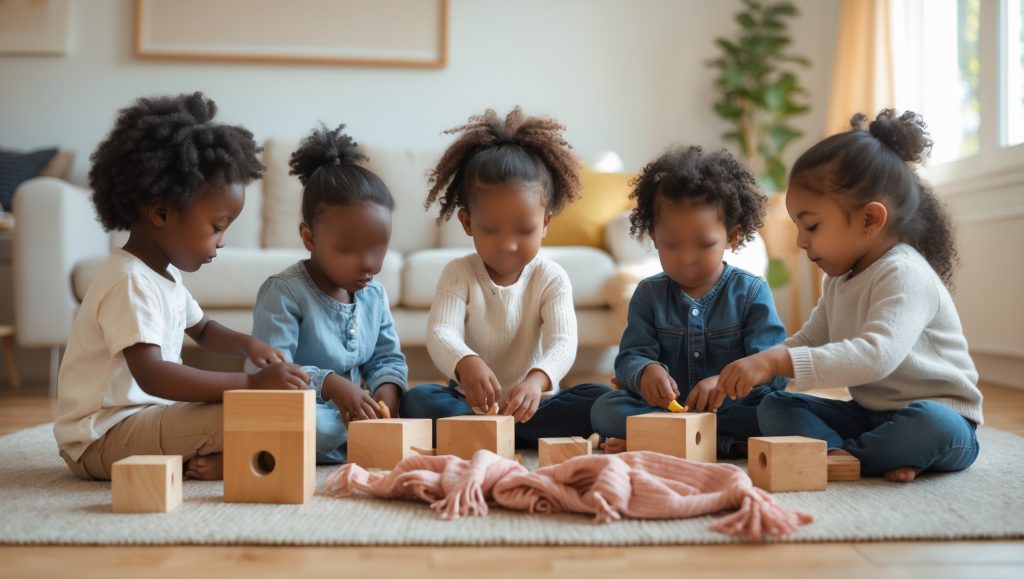
Open-ended toys are designed to have no single, defined purpose or outcome. Unlike toys with preset rules or limited functions (such as electronic games or single-use kits), open-ended toys can be used in countless ways according to a child’s interests, developmental stage, and creative impulses. Some classic examples include:
- Wooden building blocks
- Plush or fabric dolls without detailed facial expressions
- Scarves, play silks, or pieces of fabric
- Stacking cups and rings
- Loose parts (shells, pinecones, stones, corks)
- Simple vehicles and animals with minimal features
The magic of open-ended toys lies in their simplicity. They invite children to invent stories, construct worlds, and experiment without boundaries. One day, a set of blocks may become a mighty castle; the next, they’re a bustling city or a family of animals. This adaptability supports a wide range of developmental needs and interests.
Benefits of Open-Ended Play
Cognitive and Creative Growth
Open-ended play fosters imagination and creativity, providing opportunities for children to create, hypothesize, and invent. Research suggests that children who engage with open-ended materials demonstrate stronger problem-solving skills and greater cognitive flexibility. By exploring new possibilities, kids learn to think outside the box, adapt to challenges, and generate original ideas.
Social and Emotional Development
When children play together with open-ended toys, they negotiate rules, share ideas, and collaborate on stories or constructions. This process builds essential social skills—cooperation, compromise, communication, and empathy. Open-ended play also supports emotional regulation, as children can express their feelings and experiment with different roles or scenarios in a safe space.
Physical and Motor Skills
Manipulating blocks, stacking rings, or arranging loose parts helps develop fine motor skills and hand-eye coordination. For younger children, the tactile experience of handling different materials—smooth wood, soft fabric, cool stones—engages the senses and supports sensory integration. Larger-scale open-ended toys, such as cardboard boxes or play tunnels, encourage gross motor movement and spatial awareness.
How to Choose Open-Ended Toys for Your Child
Consider Age and Developmental Stage
While open-ended toys are appropriate for a wide age range, it’s important to select materials that match your child’s current abilities and interests. For infants and toddlers, look for toys that are easy to grasp, safe to mouth, and stimulating to the senses—like large stacking blocks or fabric scarves. Preschoolers and older children may enjoy smaller loose parts, magnetic tiles, or simple figures that support more complex storytelling and construction.
Prioritize Quality and Safety
Choose toys made from durable, non-toxic materials such as solid wood, organic fabrics, or food-grade silicone. Avoid items with small parts for children under three, and always check for safety certifications. Simplicity is key: the less a toy does on its own, the more your child will do with it.
Encourage Versatility and Longevity
Look for toys that can grow with your child and adapt to different types of play. For instance, wooden blocks can be used for stacking in the toddler years, then for building elaborate cities or math games in early elementary school. Versatile toys offer more value over time and support sustained engagement.
Integrating Open-Ended Toys into Daily Life
Rotate and Refresh
To maintain interest and spark creativity, try rotating your child’s open-ended toys every few weeks. Store some toys out of sight and bring them back periodically—this makes old favorites feel new again and encourages fresh ideas.
Create an Inviting Play Space
Set up a dedicated area for open-ended play, with toys displayed on low shelves or in accessible baskets. An organized, clutter-free environment empowers children to choose materials independently and take charge of their play.
Join In—But Don’t Take Over
While adult involvement can enrich play (especially for younger children), try to follow your child’s lead. Offer gentle prompts or model new ways to use toys if needed, but resist the urge to direct the action. The goal is to support your child’s creativity—not to steer it.
Common Mistakes
- Choosing toys that are too advanced or too simple for your child’s developmental stage
- Prioritizing trendy or branded items with limited play possibilities over simple, versatile toys
- Overloading the play space with too many options, leading to overwhelm and reduced focus
- Assuming open-ended toys must be expensive—everyday household objects can be just as valuable
- Frequently interrupting or directing play, rather than observing and supporting from the sidelines
- Neglecting to check toys regularly for wear, damage, or safety concerns
Quick Checklist
- Is the toy safe, durable, and age-appropriate?
- Can it be used in more than one way?
- Does it invite imagination and creativity?
- Is it made from non-toxic, high-quality materials?
- Will it grow with my child and support different types of play?
- Is the play space organized and accessible?
- Am I allowing my child enough freedom and time for unstructured play?
FAQ
+Are open-ended toys suitable for all ages?
+What’s the difference between open-ended and educational toys?
+Can digital or electronic toys be open-ended?
+How can I encourage my child to use open-ended toys?
+What if my child loses interest in open-ended toys?
+Are open-ended toys expensive?
+How do I know if a toy is truly open-ended?
Conclusion
Open-ended toys are a powerful tool for nurturing your child’s development in 2025 and beyond. By offering opportunities for creative expression, problem-solving, and collaborative play, these simple materials lay the foundation for lifelong learning and emotional well-being. With thoughtful selection, an inviting play space, and mindful support, you can empower your child to explore, invent, and grow—one block, scarf, or story at a time.

Open-ended toys are poised to play an even more significant role in American households in 2025, as parents increasingly recognize the value of unstructured, imaginative play. Unlike toys with a singular purpose or outcome, open-ended toys—such as building blocks, magnetic tiles, and art supplies—invite children to explore, invent, and problem-solve. This kind of play not only nurtures creativity but also builds critical thinking skills and resilience, essential qualities for the rapidly changing world our children will inherit.
One of the greatest strengths of open-ended toys is their adaptability. A set of wooden blocks can become a castle, a spaceship, or a bustling city, depending on a child’s interests and imagination. This flexibility encourages kids to take the lead in their play, fostering independence and confidence. Parents, too, benefit by witnessing their children’s unique ideas come to life, strengthening the parent-child bond through shared discovery. As we look forward to 2025, investing in open-ended toys is a practical, joyful way to support our children’s growth, creativity, and lifelong love of learning.
- Encourages imaginative, independent play
- Adapts to children’s changing interests and ages
- Builds problem-solving and social skills
- Creates meaningful family bonding moments
As a parent trying to create a more Montessori-inspired environment at home, I’m wondering how to balance open-ended toys with more structured activities. Is there an ideal ratio or schedule you recommend when it comes to incorporating open-ended play throughout the day?
What a thoughtful question—balancing open-ended toys with structured activities shows how much you care about your child’s development. Try starting your day with a predictable routine, then offer one or two blocks of open-ended play (like building or pretend play) for every structured activity (such as puzzles or guided crafts). For toddlers and preschoolers, short, alternating periods—around 30–60 minutes each—work well, but follow your child’s cues. Always supervise young children, and check toys for age-appropriate safety. There’s no perfect ratio; flexibility helps meet your child’s needs. This isn’t medical advice; if you’re concerned, check in with your pediatrician.
As a parent of twins with very different sleep schedules, I’m wondering how to make open-ended play work for both of them when only one is awake much of the time. Do you have any advice on keeping open-ended toys interesting for each child without creating conflict or boredom?
It’s understandable to want both twins to enjoy play without friction, especially with different sleep schedules. Try rotating open-ended toys so each child gets a turn discovering new possibilities while the other sleeps. Store favorite toys out of sight when not in use to keep them feeling fresh. You can set up individual play stations with different materials tailored to each child’s interests and developmental stage. Supervise play for safety, making sure small parts are age-appropriate and any materials are non-toxic. This isn’t medical advice; if you’re concerned, check in with your pediatrician.
Do you have any suggestions for adapting open-ended play for a sensory-seeking child who craves more tactile or movement-based experiences? I want to make sure playtimes meet his sensory needs without feeling overwhelming.
It’s wonderful that you want to support your child’s sensory needs in play. Try offering a mix of open-ended toys with varied textures—think kinetic sand, soft blocks, or water beads, ensuring all materials are age-appropriate and non-toxic. Incorporate movement by using items like balance boards or soft climbing cushions, and set up safe spaces for jumping or spinning. Let your child take the lead but watch for signs of overstimulation, taking breaks if needed. Always supervise play, especially with small parts or messy materials. This isn’t medical advice; if you’re concerned, check in with your pediatrician.
For families trying Montessori at home on a limited budget, which open-ended toys would you consider most essential as a starting point? How can parents prioritize which items to invest in first?
It’s wonderful that you’re exploring Montessori at home, especially with a focus on open-ended play. To start on a budget, I’d suggest prioritizing simple, versatile items like wooden blocks, stacking cups, and a set of nesting bowls—these support creativity, problem-solving, and fine motor skills for toddlers and preschoolers. Everyday household objects (spoons, scarves, baskets) can also serve as open-ended toys. Choose materials that are sturdy and free from small, loose parts or choking hazards, especially for children under three. Remember, fewer well-chosen items encourage deeper, more focused play. This isn’t medical advice; if you’re concerned, check in with your pediatrician.
You mention sensory benefits with materials like wood and fabric. For kids who are sensitive to textures or get overwhelmed easily, are there certain toys or approaches that work better to ease them into open-ended play?
It’s wonderful that you’re thinking about your child’s sensory needs when choosing toys. Start with smooth, unfinished wooden toys and soft natural fabrics, as these are usually less overwhelming. Offer just one or two textures at a time and observe your child’s reactions, allowing them to explore at their own pace. Consider joining in play so your presence can reassure them. Keep play sessions short at first, gradually lengthening as your child becomes more comfortable. Always supervise closely and avoid small parts or materials that could cause irritation. This isn’t medical advice; if you’re concerned, check in with your pediatrician.
For families with limited space or budget, what are some versatile, cost-effective open-ended toys that offer the most play value without taking up too much room?
You’re thoughtful to look for toys that fit both your space and budget. A set of wooden blocks, a collection of scarves or fabric squares, and stackable cups are all classic open-ended toys that encourage creative play in many ways but don’t require much storage. For toddlers and up, consider magnetic tiles or a small set of animal or people figurines—these are endlessly adaptable and easy to tidy away. Always check for age-appropriate pieces to avoid choking hazards, and supervise younger children during play. This isn’t medical advice; if you’re concerned, check in with your pediatrician.
I’m curious how often you recommend rotating open-ended toys to keep things fresh without overwhelming kids. Should I rotate them weekly, or is it better to leave a smaller set out for longer periods?
—finding the right balance with toy rotation can really support your child’s engagement without causing overwhelm. For most young children, rotating open-ended toys every two to four weeks works well, but you can adjust based on your child’s interest and age. Start with a small, manageable set (3–6 toys) and watch how your child plays; if toys seem ignored, swap one or two out. Make changes together, so your child feels involved. Always ensure that toys are age-appropriate, safe, and free from small parts for younger kids. This isn’t medical advice; if you’re concerned, check in with your pediatrician.
Sometimes our play area gets crowded with both open-ended toys and traditional cultural items from the grandparents’ visits. Do you have practical tips for organizing or rotating materials to keep things accessible but not overwhelming for young children?
It’s understandable to want a play area that feels inviting, not overwhelming, for your child. Try grouping toys and cultural items by type or theme on low shelves or in clear bins for easy access. Rotate a few toys and items every couple of weeks—store the rest out of sight, then swap them in to keep things fresh. For young children, limit the number of toys out at once to just a handful to support focused play. Always check that stored and displayed items are age-appropriate and safe for your child. This isn’t medical advice; if you’re concerned, check in with your pediatrician.
Is there an ideal time of day or length of time for open-ended play to get the full developmental benefits mentioned in the article? I’m wondering how to fit this kind of play into a busy family routine without making it feel forced.
It’s wonderful that you want to make the most of open-ended play, even with a busy schedule. Aim for short, consistent sessions—15–30 minutes is enough for toddlers and preschoolers, while older children may engage longer. Try to offer playtime when your child is rested, such as after a snack or before dinner, but it’s okay if timing varies. Let your child take the lead and join in when you can, keeping the mood relaxed and pressure-free. Always supervise young children, especially around small parts. This isn’t medical advice; if you’re concerned, check in with your pediatrician.
My child is turning four and loves building, but we have limited storage at home. Do you have tips for choosing open-ended toys that are compact or easy to store, especially if I’m on a tight budget?
It’s wonderful that you want to support your child’s love of building, even with space and budget limitations. Consider smaller sets of classic blocks, magnetic tiles, or interlocking discs, which stack or nest easily in a bin. Look for toys with multiple uses—like wooden planks or silicone building pieces—that can work for both construction and pretend play. A lidded storage box or drawstring play mat can keep pieces tidy and contained. Always check age recommendations to avoid small parts, and supervise play for safety. This isn’t medical advice; if you’re concerned, check in with your pediatrician.
Should I structure specific times of day for open-ended play with my baby, or is it better to just leave these toys accessible and let them explore as they want? I’m wondering what works best for supporting independent, creative play.
It’s wonderful that you want to support your baby’s independent and creative play. For babies, a mix of loosely structured and unstructured time works well: 1) Try setting aside short, predictable periods for open-ended play, so your baby learns when to expect these opportunities. 2) Keep open-ended toys safely accessible (with no small parts or choking hazards), encouraging exploration whenever they’re interested. 3) Supervise closely, especially with babies who are still mouthing objects or learning to sit and crawl. 4) Follow your baby’s cues—if they seem engaged, let play continue; if not, switch activities. Every child is different, and finding a rhythm that suits your family is key. This isn’t medical advice; if you’re concerned, check in with your pediatrician.
Do you have suggestions on how to introduce open-ended toys to siblings of different ages so that everyone stays engaged and safe? We have a toddler and a six-year-old, and I worry about finding toys that work well for both.
It’s very thoughtful to want both your toddler and six-year-old to enjoy and safely use open-ended toys together. Try choosing larger toys without small parts, like big blocks or soft play scarves, to avoid choking hazards for your toddler. Set up joint playtime with simple, shared activities such as building towers or making pretend scenes, encouraging your older child to help your toddler. Offer some toys with flexible uses—like wooden animals or play dough (non-toxic and supervised)—so each child can play at their own level. Always supervise their play, especially when your toddler is involved. This isn’t medical advice; if you’re concerned, check in with your pediatrician.
Do you have any advice on working open-ended play into a daily routine when two kids are often on different nap or sleep schedules? I worry that one twin misses out when the other is asleep or needs quiet time.
It’s understandable to want both of your twins to benefit equally from open-ended play. Try setting up individual play stations so each child can enjoy open-ended activities during their awake time, even if it’s solo play. Rotate toys and materials to keep things fresh and engaging for both kids. Schedule joint play sessions during overlapping awake periods, even if they’re brief, to encourage shared exploration. Ensure toys are age-appropriate and safe for both twins, especially if they differ in developmental stages. This isn’t medical advice; if you’re concerned, check in with your pediatrician.
With so many options out there, how can I prioritize which types of open-ended toys to invest in on a tight budget? Are there essentials you would suggest starting with for a language-delayed toddler to support both play and development?
It’s understandable to want to choose the best toys for your child’s growth while staying within your budget. For a language-delayed toddler, start with a few versatile, open-ended toys like simple wooden blocks, chunky animal figurines, or a set of stacking cups. These encourage pretend play, naming, and turn-taking, which all boost language skills. Choose toys large enough to avoid choking hazards and easy to clean. Look for items that can be used in multiple ways to get the most value. This isn’t medical advice; if you’re concerned, check in with your pediatrician.
Do you have advice for setting up an open-ended toy rotation or storage system that makes it easy for kids to choose quiet activities themselves in the morning without making a mess or waking anyone up?
It’s great that you want to encourage independent, quiet play in the mornings. Try setting up a low, accessible shelf with 3–5 open-ended toys or activities, rotating them weekly to keep interest fresh. Use clear or labeled bins to make clean-up simple and quick. Choose toys with quiet textures (like soft blocks, felt pieces, or puzzles) that are safe for your child’s age—avoid anything with small parts if your child is under 3. Practice together a few times so your child knows how to play quietly and tidy up. This isn’t medical advice; if you’re concerned, check in with your pediatrician.
Is there an ideal daily or weekly routine for incorporating open-ended play at home, especially for families balancing work and other commitments? I’m curious how much unstructured playtime is enough for supporting growth without feeling overwhelming.
It’s great that you’re thinking about balancing open-ended play with a busy family schedule. Aim for 30–60 minutes of unstructured play daily, or a few longer sessions each week—whatever fits your routine and your child’s age. For toddlers, shorter, more frequent play times work well, while preschoolers may engage for longer stretches. Try setting up a safe, accessible play area with a few open-ended toys, and let your child lead the play. Remember, quality matters more than the exact amount of time, and it’s fine if some days are shorter than others. This isn’t medical advice; if you’re concerned, check in with your pediatrician.
Are there ways to gradually incorporate open-ended play into a daily routine if my child prefers predictable activities and can get stressed by too many choices or open-ended scenarios?
It’s understandable to want to gently introduce open-ended play when your child prefers predictability. Start by offering one open-ended toy alongside their usual activities, allowing them to explore at their own pace. You might model simple ways to use the toy without overwhelming them with options. Set aside a short, consistent time each day—just a few minutes at first—so it becomes a safe, expected part of the routine. Choose toys appropriate for their age and interests, avoiding small parts or complex pieces if your child is younger. This isn’t medical advice; if you’re concerned, check in with your pediatrician.
My child has a pretty short attention span and tends to jump from one activity to another. Do you have advice on how to gently transition a preschooler from their favorite show or tablet game to engaging with open-ended toys, especially on busy weekdays?
It’s completely normal to want smooth transitions from screens to play, especially when your child is drawn to digital activities. Try giving a gentle five-minute warning before screen time ends, so your preschooler can prepare for the change. Offer a choice between two open-ended toys—like blocks or animal figures—so they feel involved. Start play together for a few minutes to help them get engaged, then gradually step back. Keep initial play sessions short, matching their attention span, and build up over time. Always supervise with small parts, and choose age-appropriate toys. This isn’t medical advice; if you’re concerned, check in with your pediatrician.
When it comes to calming down before bed, do you find that some open-ended toys or materials are better suited than others? For example, would scarves and silks be a better choice than blocks or loose parts to encourage quiet play in the evening?
You’re thoughtful to consider how play materials affect your child’s bedtime routine. For winding down in the evening, soft, sensory-rich items like scarves and silks often encourage gentle, soothing play—think slow movement, draping, or pretend snuggling—which can help calm the body and mind. In contrast, blocks or small loose parts might spark more active or noisy building, which can be stimulating before sleep. For toddlers and preschoolers, make sure fabrics are large enough to avoid choking hazards and supervise to prevent covering faces. This isn’t medical advice; if you’re concerned, check in with your pediatrician.
Are there any guidelines for choosing budget-friendly open-ended toys that still provide the same developmental benefits as more expensive brands or materials?
It’s great that you want to support your child’s development while being mindful of your budget. Look for toys that are simple in design, like wooden blocks, scarves, or stacking cups—these don’t need to be expensive to inspire creativity. Choose items made from safe, non-toxic materials and avoid small parts if your child is under three. Repurposing household items like cardboard boxes or plastic containers can also encourage imaginative play. Always supervise young children and check for sharp edges or choking hazards. This isn’t medical advice; if you’re concerned, check in with your pediatrician.
When introducing open-ended toys to a two-year-old, is there an ideal time of day or a routine that helps maintain their interest without overwhelming them? I want to balance playtime with other daily activities.
It’s thoughtful that you want to create a balanced and enjoyable play routine for your two-year-old. At this age, children often benefit from shorter, predictable play periods, such as after a snack or nap when they are well-rested and alert. Start with 10–20 minutes of open-ended play, joining in to model how to use the toys without directing too much. Rotate toys every few days to keep things fresh and avoid clutter. Watch for signs of overstimulation—like fussiness or wandering away—and let your child lead the pace. Always supervise play to ensure safety, especially if any toy parts are small or textured. This isn’t medical advice; if you’re concerned, check in with your pediatrician.
Is there a checklist or rule of thumb you suggest for parents to evaluate if a particular open-ended toy might be a choking hazard? For example, should we strictly avoid certain sizes for kids under three?
You’re absolutely right to be cautious about choking hazards with young children. For kids under three, avoid toys with parts smaller than 1.25 inches in diameter and 2.25 inches long—anything that can fit entirely into a toilet paper roll is too small. Check for detachable or breakable pieces that might come loose over time. Choose toys made from non-toxic materials with smooth, rounded edges. Always supervise play, especially with new toys or if siblings are around. This isn’t medical advice; if you’re concerned, check in with your pediatrician.
Are there specific types of open-ended toys that tend to work better for children with sensory sensitivities, and would subscription boxes allow for enough choice to accommodate those needs?
It’s wonderful that you’re thinking about sensory needs in play. For children with sensory sensitivities, look for open-ended toys made of soft, natural materials like silicone or wood, and offer varied but gentle textures—think play silks, smooth blocks, or sensory bins with rice or beans (always monitor for choking hazards and allergies). Subscription boxes can be helpful if they let you customize or skip items that might overwhelm your child, but it’s wise to check their flexibility before subscribing. Keep play simple and observe what your child enjoys or avoids. This isn’t medical advice; if you’re concerned, check in with your pediatrician.
For a child who gets overstimulated by a lot of sensory input, are there some open-ended toys or materials you would suggest avoiding or favoring?
It’s thoughtful of you to consider your child’s sensory needs when choosing toys. For children sensitive to sensory input, favor open-ended toys with calming textures and muted colors, such as plain wooden blocks, soft fabric dolls, or simple stacking cups. Avoid toys with flashing lights, loud sounds, or complex tactile features like sticky or gritty materials. Limit the number of toys available at once to reduce clutter and overwhelm. Always supervise play to ensure safety, especially with small parts. This isn’t medical advice; if you’re concerned, check in with your pediatrician.
Do you have tips for storing open-ended toys in a small apartment? We want to offer a good selection for our toddler, but clutter quickly becomes a problem and we also want to keep things organized and accessible.
It’s wonderful that you want to keep your toddler’s play space both inviting and organized. Try rotating toys: keep only a few types out and store the rest in labeled bins or baskets, swapping them every week or two. Use low, open containers so your child can see and reach toys easily, and choose bins with lids only for toys with many small pieces to reduce mess. Consider vertical storage, like wall shelves or over-the-door organizers, to save floor space. Always check that storage units are stable and safe for toddlers—avoid anything that could tip over. This isn’t medical advice; if you’re concerned, check in with your pediatrician.
How do you recommend adjusting open-ended toy options for a toddler who puts everything in their mouth, especially when it comes to loose parts or natural materials like shells and stones mentioned in the article?
You’re right to be mindful about what your toddler mouths during play—it’s a common and important safety concern. For toddlers, choose large, single-piece open-ended toys (like big wooden blocks or silicone cups) with no small parts. Avoid shells, stones, or any loose parts that could pose a choking risk. Opt for smooth, sealed, non-toxic materials that are easy to clean and too big to fit in your child’s mouth. Always supervise play and regularly check toys for wear. This isn’t medical advice; if you’re concerned, check in with your pediatrician.
My toddler has a language delay and sometimes gets frustrated with toys that require instructions. Are there specific open-ended toys you’d recommend starting with for children who aren’t yet using many words?
You’re thoughtful to seek out toys that reduce frustration and support your toddler’s language growth. For children with emerging language, start with simple open-ended toys like chunky wooden blocks, soft stacking cups, play scarves, or large animal figurines. These are easy to manipulate, don’t require verbal instructions, and invite hands-on, imaginative play. Always choose toys without small parts and supervise play to keep things safe. Focus on joining in with your child, narrating actions with simple words to model language. This isn’t medical advice; if you’re concerned, check in with your pediatrician.
My 10-month-old is very sensitive to different textures and sometimes refuses to touch certain materials. From a developmental perspective, is it better to offer a variety of open-ended toy textures, or focus on ones my child already seems comfortable with?
It’s understandable to want to support your baby’s comfort while also encouraging growth. For a 10-month-old, it’s helpful to gently introduce a variety of safe, age-appropriate textures through open-ended toys. Start with materials your child enjoys, then slowly add new ones, letting them explore at their own pace without pressure. Use positive reinforcement when they try touching new textures, and always supervise to ensure safety and prevent mouthing of unsafe objects. Remember, gradual exposure can help build tolerance and curiosity over time. This isn’t medical advice; if you’re concerned, check in with your pediatrician.
I’m curious about safety—are there any types of open-ended loose parts that are safe for babies who still put everything in their mouths, like mine? How do I choose materials that are both stimulating and baby-friendly?
You’re right to be thoughtful about safety when your baby is mouthing objects. For babies, choose large, solid loose parts like smooth wooden rings, big silicone blocks, or chunky fabric shapes—avoid anything small enough to fit through a toilet paper tube. Check that materials are free from sharp edges, splinters, toxic paints, or small detachable parts. Natural materials like untreated wood or food-grade silicone are often safe and stimulating for sensory play. Always supervise closely during play, since babies explore with their mouths. This isn’t medical advice; if you’re concerned, check in with your pediatrician.
With all the options out there, do you find that natural materials like wooden blocks offer noticeably more sensory and fine-motor benefits compared to plastic or commercial sets, especially for little hands developing coordination?
You’re thoughtful to consider how toy materials impact your child’s development. Natural materials like wooden blocks often provide richer tactile feedback—their varied textures, weight, and subtle scent can engage a child’s senses more deeply than many plastics. For fine-motor skills, wooden blocks’ shapes and surfaces encourage grip strength, stacking, and coordination. When choosing, ensure blocks are smooth, non-toxic, and appropriately sized to avoid choking hazards for younger children. Supervise play to keep things safe. This isn’t medical advice; if you’re concerned, check in with your pediatrician.
Are there any health or safety concerns parents should know about regarding materials used in wooden versus plastic open-ended toys? For example, finishes, paints, or possible chemical exposure? I want to make sure I’m picking the safest options for my toddler.
You’re absolutely right to want the safest materials for your toddler’s toys. For wooden toys, look for those finished with non-toxic, water-based paints or natural oils; avoid lacquered or varnished surfaces unless they’re certified safe for children. With plastic toys, choose BPA-free and phthalate-free options, as these chemicals may be harmful if mouthed. Always check for third-party safety certifications and age recommendations. Inspect toys for small parts or splinters that might pose a choking hazard. This isn’t medical advice; if you’re concerned, check in with your pediatrician.
With so many options out there, I am curious whether there are affordable open-ended toys that still support holistic development. Could you share some budget-friendly recommendations for families who want the benefits of open-ended play without spending a lot?
It’s wonderful that you’re looking for ways to nurture your child’s growth without breaking the bank. Many open-ended toys can be simple and affordable—think wooden blocks, stacking cups, scarves, or even homemade playdough (supervised for younger children). Repurposed household items like cardboard boxes or kitchen utensils also encourage creativity and problem-solving. When choosing or making toys, watch for small parts with children under 3 and avoid potential allergens in craft materials. This isn’t medical advice; if you have specific concerns about your child’s play or development, check in with your pediatrician.
With so many options out there, how do I balance budget and quality when choosing open-ended toys for a young toddler? Are there certain types that offer more versatility or longevity for this age group?
It’s so thoughtful that you’re aiming to get the most value and benefit for your toddler. To balance budget and quality, look for durable, non-toxic materials like wood or food-grade silicone, which tend to last through rough toddler play. Choose toys with simple designs, such as blocks or stacking cups, since they can be used in many different ways as your child grows. Multi-piece sets without small parts are usually more versatile and safe for young toddlers. Consider how easily the toy can be cleaned and whether it will stay interesting as your child’s skills develop. This isn’t medical advice; check in with your pediatrician if you have specific concerns.
We have limited space and a budget to consider. Which types of open-ended toys would you prioritize for a 9-month-old that offer the most versatility and long-term use as my child grows?
It’s great that you’re thinking about both space and value as you choose toys for your 9-month-old. For versatility and long-term use, I recommend starting with a set of soft stacking cups, simple wooden blocks, and a set of nesting bowls. These items can be used for stacking, sorting, knocking down, pretend play, and even in the bath. Make sure any toys are large enough to avoid choking hazards and free from small parts, as well as made from non-toxic materials. Always supervise play at this age. This isn’t medical advice; if you’re concerned, check in with your pediatrician.
What strategies would you recommend for storing and organizing open-ended toys in a small apartment, especially when two kids are on different nap schedules and I need to quickly switch out toys without waking one up?
You’re juggling a lot with two kids and tight space—organization matters. Try using soft, lidded fabric bins for quiet access and storing toys by type (blocks, dolls, art supplies) so switching is quick. Keep a few current favorites on a low shelf and rotate with bins you stash in a closet or under the bed. Use a rolling cart for toys you move between rooms; rubber wheels are quieter. Label bins with pictures for easy cleanup and to help kids know where things go. Always check that storage solutions don’t have sharp edges or small parts. This isn’t medical advice; if you’re concerned, check in with your pediatrician.
Is there an ideal daily routine or amount of time a 2-year-old should spend with open-ended toys, or is it more about following their cues and interests? I worry I might not be doing enough.
It’s very natural to wonder if you’re doing enough for your child’s development. For a 2-year-old, following their cues and interests is key—at this age, attention spans are short and play should feel joyful, not forced. Aim for several short play sessions each day with open-ended toys, even just 10–15 minutes at a time, letting your child lead. Rotate toys to keep things fresh, and join in with gentle supervision to ensure safety with small parts. Remember, quality of play matters more than the exact amount of time. This isn’t medical advice; if you’re concerned, check in with your pediatrician.
Is it possible to blend open-ended toy time into our mealtime routine for my 10-month-old, who often gets distracted or bored in the high chair? What are safe ways to do this without creating more mess or choking hazards?
You’re thoughtful for wanting mealtimes to be engaging and positive for your 10-month-old. Try offering a few easy-to-clean, large open-ended toys like silicone stacking cups or chunky rings on the high chair tray—these are safe and less likely to be choking hazards. Rotate toys each meal to keep interest high and only give one or two at a time to limit mess and overwhelm. Always supervise closely, since babies this age love mouthing objects. Wipe toys before and after meals to keep things hygienic. This isn’t medical advice; if you’re concerned, check in with your pediatrician.
For families on a tight budget, do you have advice on whether investing in wooden toys really pays off in the long run, especially when compared to more affordable plastic alternatives?
It’s thoughtful to consider both your child’s development and your family’s budget. Wooden toys often last longer and grow with your child, but well-chosen plastic toys can also encourage open-ended play. If you opt for wooden toys, select versatile items—like blocks or stacking sets—that adapt to different ages. For plastic options, look for durable, non-toxic materials and avoid small parts for young children. Both types can nurture creativity if used intentionally and safely. This isn’t medical advice; if you’re concerned, check in with your pediatrician.
My child sometimes gets frustrated when there are too many choices during playtime. Is there an ideal number or type of open-ended toys to have available so play stays engaging, but not overwhelming?
It’s understandable to want playtime to feel fun, not overwhelming, for your child. Try setting out just 2–4 open-ended toys at a time, rotating them every few days to keep things fresh but manageable. Focus on different types, like blocks, sensory materials, or pretend play items, to offer variety without overload. Watch how your child reacts and adjust the number if needed. For younger children, simpler toys and fewer options are usually best for safety and engagement. This isn’t medical advice; if you’re concerned, check in with your pediatrician.
I’m curious about storage solutions. Since open-ended toys can include a range of objects and loose pieces, how do you suggest organizing them so they’re accessible for kids but not too overwhelming or messy?
It’s great that you want to keep open-ended toys accessible without letting things get chaotic. Try grouping toys by type (like blocks, scarves, or figurines) in clear bins or baskets at your child’s eye level. Use labels with pictures for younger children to help them identify where things go. Limit the number of toys out at once by rotating selections every week or two. For small pieces, choose containers with secure lids to prevent choking hazards for toddlers. Always supervise young kids with loose parts. This isn’t medical advice; if you’re concerned, check in with your pediatrician.
I noticed the article mentioned sensory integration benefits. If a child is averse to certain textures, like rough wood or scratchy fabric, how can parents adapt open-ended play to suit their child’s comfort without limiting developmental opportunities?
It’s wonderful that you’re mindful of your child’s sensory preferences. Start by introducing open-ended toys made with smooth, soft materials, like silicone blocks or cloth play scarves, to help your child feel comfortable. Gradually offer new textures in small doses, letting your child explore at their own pace without pressure. Involve your child in choosing or touching new toys at the store, turning it into a collaborative experience. Always supervise play to ensure safety, especially with younger children or those who might mouth objects. This isn’t medical advice; if you’re concerned, check in with your pediatrician.
You talk about the benefits for physical and motor skills development by handling different materials. My child tends to avoid certain textures like wool or rough wood. Do you have advice for supporting sensory-sensitive kids with open-ended play?
It’s understandable to want your sensory-sensitive child to enjoy open-ended play. Start by introducing new textures very gradually—offer materials in small doses alongside familiar favorites. Let your child lead; never force contact, but gently encourage exploration with tools (like spoons or tongs) before hands-on play. Opt for smoother, non-irritating materials first (such as soft silicone or polished wood), and keep play sessions short at the beginning. Always supervise, and ensure toys are age-appropriate and free from small parts or allergens. This isn’t medical advice; if you’re concerned about your child’s sensory responses, check in with your pediatrician.
Would you recommend having a daily routine for open-ended play, or is it better to let toddlers choose when they want to play with these toys? I’m curious how much structure actually benefits creativity and growth.
You’re asking a thoughtful question about balancing structure and free choice for your toddler’s playtime. Offering a flexible daily routine with open-ended play works well: set aside a consistent block of time each day for play, but let your child choose how and when to use the toys within that window. This approach gives toddlers the predictability they need while encouraging autonomy and creativity. Always supervise for safety, especially with small parts or new toys. Remember, every child is different—some may thrive with more structure, others with more freedom. This isn’t medical advice; if you have concerns about your child’s development, check in with your pediatrician.
Since my child is sensitive to certain fabrics and textures, do you have advice on safe or sensory-friendly open-ended toys for incorporating into our bilingual bedtime routine?
It’s great that you’re looking for sensory-friendly options to support your child’s comfort and bilingual learning at bedtime. Try open-ended toys made from smooth, hypoallergenic materials like silicone or untreated wood, checking for any seams or rough edges. Soft plush toys or fabric books should be labeled for sensitive skin, and pre-washed to remove any residues. Consider sensory bins with large, dry objects (like wooden blocks) for gentle exploration, always under supervision. Choose toys that support language, such as simple puppets or story stones, to weave both languages into your bedtime routine. This isn’t medical advice; if you’re concerned, check in with your pediatrician.
We spend weekends with my child’s grandparents, and they have many loose parts like shells and stones. How can we ensure these materials are safe for a toddler who still mouths objects, especially compared to standard wooden blocks or cups?
It’s great that you want to encourage your toddler’s creativity while staying mindful of safety. For toddlers who mouth objects, choose loose parts that are too large to fit entirely in their mouth (at least 1.25 inches across), and avoid sharp edges or rough textures. Clean natural items like shells and stones thoroughly to remove dirt and potential allergens. Supervise play closely, and store smaller or fragile pieces out of reach. Traditional wooden blocks or cups designed for young children often meet strict safety standards, so they’re generally safer for unsupervised play. This isn’t medical advice; if you have concerns about choking or allergies, check with your pediatrician.
Do you have advice for structuring daily routines around open-ended play at home? I want to encourage independent play but also make sure my child is balancing it with other activities. How much time each day is recommended for this kind of unstructured play?
It’s wonderful that you’re looking to support both independent and balanced play for your child. Try setting aside a consistent time each day—30 minutes to 2 hours depending on your child’s age and temperament—for open-ended play, making sure it’s free from screens and interruptions. Rotate toys and materials weekly to keep things interesting, and let your child choose how to use them. Mix open-ended play with daily routines like meals, reading, and outdoor time, so your child experiences structure but also freedom. For toddlers and preschoolers, supervision is important for safety, especially with small parts. This isn’t medical advice; if you have concerns about your child’s development or routines, please check in with your pediatrician.
We are a Montessori-inspired family and I’m wondering about finding the right balance between introducing open-ended toys and guiding my toddler during playtime. Should I just let her explore the toys on her own, or is it helpful to model a few ideas at the beginning?
It’s wonderful that you’re mindful about supporting your toddler’s play and creativity. At this age, a gentle balance works best: start by modeling a few simple ways to use open-ended toys—show how blocks stack or how scarves can become capes—then step back and let her explore. Stay nearby for safety and encouragement, especially with small parts or unfamiliar textures. Observe her interests, and only step in with ideas if she seems stuck or asks for help. This approach supports independence while offering the reassurance and inspiration young children often need. This isn’t medical advice; if you’re concerned, check in with your pediatrician.
Can you suggest ways to incorporate sensory-friendly materials into open-ended play for a child who tends to get overwhelmed by certain textures or sounds? I would love to use household items but want to keep things comfortable for my son.
It’s wonderful that you want to create a comfortable play environment for your son. Start by selecting household items with textures he enjoys—like smooth scarves or soft sponges—avoiding rough or sticky materials that may overwhelm him. Introduce new textures gradually, letting him explore at his own pace without pressure. For sound sensitivity, choose quieter play options, like stacking plastic cups or using felt pieces, and avoid items that clatter or make loud noises. Always supervise to ensure safety and keep small parts away from younger children. This isn’t medical advice; if you’re concerned, check in with your pediatrician.
Do you have suggestions for storing and organizing open-ended toys? Our small apartment gets cluttered fast, and I worry about having too many loose pieces lying around.
It’s understandable to feel overwhelmed by clutter, especially in a small apartment. Try using clear bins or baskets to group similar open-ended toys, and label each container so your child can help with cleanup. Shelves at your child’s height make it easy for them to reach and return toys themselves, supporting independence. Consider rotating toys—store some away and swap them out every few weeks to reduce mess and keep play fresh. Always check that storage solutions are sturdy and safe for your child’s age, with no sharp edges or small detachable parts for toddlers. This isn’t medical advice; if you’re concerned, check in with your pediatrician.
We are slowly introducing top allergens in our baby’s diet and I’m worried about residue on toys. Are wooden blocks or fabric play silks easier to keep allergen-free in case my nine-month-old mouths them after eating?
It’s completely understandable to worry about allergen residue when your baby is mouthing toys, especially during food introductions. Wooden blocks are generally easier to wipe clean thoroughly with a damp cloth or mild soap and water, making them a safer choice for keeping allergen-free. Fabric play silks can absorb moisture and food particles, and often require machine washing, which may not be as convenient after each use. For a nine-month-old, always supervise play and clean toys regularly. This isn’t medical advice; if you’re concerned, check in with your pediatrician.
When looking at options for encouraging creativity, how do open-ended toys compare in long-term developmental benefits to more high-tech or themed toys? I’m trying to prioritize our budget and wonder if a mix is recommended or if sticking mostly to open-ended toys is best.
It’s thoughtful of you to consider how your toy choices support your child’s growth. Open-ended toys, like blocks and art supplies, allow children to use their imagination and problem-solving skills over time, adapting as they grow. High-tech or themed toys can offer specific educational moments but may limit creative exploration. For most children, especially toddlers and preschoolers, prioritizing open-ended toys is usually more beneficial for long-term development, with a few themed or tech toys added in for variety if your budget allows. Always check for age-appropriate materials and supervise play. This isn’t medical advice; if you’re concerned, check in with your pediatrician.
We already have several electronic toys that attract my toddler’s attention quickly, but they tend to lose interest fast. Are there signs to look for when introducing open-ended toys to help make a smooth transition away from more structured, tech-based options?
It’s understandable to want your toddler to stay engaged without relying on electronic toys. When introducing open-ended toys, start by offering just one or two at a time and play together at first, modeling creative use. Watch for curiosity—does your child touch, stack, or try new things with the toy? Allow for unhurried exploration, and don’t step in too quickly if attention shifts; toddlers often return after brief breaks. Make sure the toys are safe for your child’s age—no small parts or choking hazards. This isn’t medical advice; if you’re concerned, check in with your pediatrician.
You mention loose parts like stones and shells as open-ended play options. For younger toddlers who still mouth objects, what are some safe alternatives that still provide rich sensory experiences without the choking risk?
You’re right to be cautious about choking hazards for younger toddlers who mouth objects. For rich sensory play, try larger loose parts that cannot fit fully in a toddler’s mouth, such as big wooden rings, chunky fabric beanbags, or oversized silicone blocks. You can also offer sensory baskets with items like large natural sponges or soft, textured balls. Always supervise closely and regularly check for wear or breakage. Choose materials that are non-toxic and free from small detachable pieces. This isn’t medical advice; if you’re concerned, check in with your pediatrician.
Does the article suggest any guidelines for balancing wooden versus plastic open-ended toys at home in terms of sustainability? For families trying to reduce their environmental footprint, should we prioritize one material completely or is a mix recommended?
It’s great that you’re thinking about sustainability in your toy choices. The article highlights that both wooden and plastic open-ended toys can support creativity, but it encourages prioritizing sustainably sourced wooden toys when possible, due to their lower environmental impact and durability. However, it also acknowledges that a mix is often practical—using durable, high-quality plastics (like recycled plastic) can add variety and longevity to your collection. Always check for age-appropriate finishes, smooth edges, and avoid small parts for younger children. This isn’t medical advice; if you’re unsure about toy safety or materials, check in with your pediatrician.
Do you have any advice on storing and organizing open-ended toys between rotations? I want to keep things tidy and make it easy to rotate without losing pieces or forgetting what we have.
You’re thoughtful to want a tidy and organized play space that supports easy toy rotations. First, use clear bins or labeled containers so you can see or quickly identify what’s inside—this helps prevent missing pieces and forgotten toys. Take a photo inventory or keep a simple list on your phone to track what you have stored away. Group toys by type or play theme (like blocks, loose parts, dolls), and store small pieces in zippered pouches inside larger bins for added safety, especially for little ones. Always check for age-appropriate items and store anything with small parts out of reach of younger children. This isn’t medical advice; if you’re concerned, check in with your pediatrician.
Open-ended toys sound great, but some of the nicer ones like wooden blocks or play silks seem expensive. Are there budget-friendly alternatives you’d suggest for families who still want to encourage this type of play?
It’s completely understandable to want options that fit your budget while supporting open-ended play. First, consider everyday household items like cardboard boxes, plastic containers, or safe kitchen utensils for imaginative building and pretend play. Second, you can make your own play silks by cutting and hemming inexpensive fabric scarves or old sheets. Third, look for secondhand toys—thrift stores often have quality blocks or loose parts at a fraction of the cost. Always check items for sharp edges or small detachable parts if your child is under three. This isn’t medical advice; if you’re concerned, check in with your pediatrician.
If I want to add open-ended play to our bedtime routine, how long should the play session ideally last for a 3-year-old? Is there a recommended amount of time that supports winding down rather than getting more stimulated before sleep?
It’s thoughtful to consider how open-ended play fits into your bedtime routine. For a 3-year-old, keeping play sessions short—about 10 to 20 minutes—can help transition to sleep without over-stimulating your child. Choose gentle, calming activities like building with soft blocks, pretend play with stuffed animals, or quiet drawing together. Avoid toys with lots of lights or noise near bedtime. Watch for signs your child is getting tired or wound up, and use that as your cue to shift toward bedtime steps like reading. This isn’t medical advice; if you’re concerned, check in with your pediatrician.
My four-year-old tends to drift toward tablet games, especially on weekends. Is there a recommended way to introduce more open-ended toys without it feeling like I’m just taking away screen time? I’d love some guidance on finding the right balance so playtime is still enjoyable for him.
It’s great that you want to encourage more creative play while respecting your child’s enjoyment of screens. Try setting up an inviting play space with a few open-ended toys like blocks or play figures before tablet time starts. Offer to play together at first, following his interests—this can help the transition feel fun, not like a punishment. You might also create a routine where screen time is balanced with hands-on play, letting him help choose what comes next. For a four-year-old, choose toys large enough to avoid choking hazards and check for safe, non-toxic materials. This isn’t medical advice; if you’re concerned, check in with your pediatrician.
Open-ended play sounds wonderful, but with so many options on the market, I’m not sure how to prioritize which toys to invest in first, especially on a tight budget. Are there a few essentials that offer the biggest benefit for overall development?
It’s completely understandable to want to make thoughtful choices, especially when working within a budget. To start, consider a set of simple wooden blocks—they encourage problem-solving and imagination for toddlers and older children alike. A set of sturdy stacking cups or nesting bowls is another versatile option, great for sensory play and early math concepts. Play silks or scarves can inspire dramatic play and movement for ages 1 and up, as long as you supervise for safety. Look for toys made from safe, non-toxic materials and avoid small pieces for children under three. This isn’t medical advice; if you have specific concerns, check in with your pediatrician.
I’m interested in incorporating more open-ended toys at home, but do you have any tips on how to introduce them gradually to a 9-month-old who is used to toys with lights or sounds? Should I remove electronic toys completely or allow both for a period?
It’s wonderful that you’re supporting your baby’s development by introducing open-ended toys. To ease the transition, start by offering just one or two simple toys, like soft blocks or textured balls, alongside familiar favorites. Let your baby explore both types at first—there’s no need to remove electronic toys right away. Gradually shift your focus during playtime to the new toys by demonstrating how they can be used in different ways. Always supervise play to ensure safety, especially with toys that could pose a choking risk. This isn’t medical advice; if you’re concerned, check in with your pediatrician.
Do you have any advice for how to introduce open-ended toys to kids who are used to more electronic or structured toys? I worry about my child losing interest quickly.
It’s understandable to worry that your child might not engage with open-ended toys if they’re used to electronic or structured play. You might start by introducing one or two open-ended toys alongside their favorites, inviting your child to explore together and showing a bit of interest yourself. Create simple play scenarios, like building a house or pretending to cook, to spark ideas without rigid rules. For younger children, make sure toys are age-appropriate and free of small parts. Allow your child some control over how they play, and offer encouragement rather than instructions. This isn’t medical advice; if you’re concerned, check in with your pediatrician.
My toddler is extremely active and tends to lose interest quickly. Do you have tips for introducing open-ended toys in a way that keeps their attention for longer stretches? Should I rotate the toys or set up specific play stations?
It’s understandable to want playtime to hold your toddler’s attention, especially with their boundless energy. Try introducing just one or two open-ended toys at a time, and join your child in play to model different ways to use them. Create simple play stations—like a block corner or a sensory bin—and rotate toys every few days to keep things fresh. Keep sessions short and flexible; it’s normal for toddlers to move between activities quickly. Always ensure the toys are age-appropriate, free from small parts, and safe for independent handling. This isn’t medical advice; if you’re concerned, check in with your pediatrician.
I noticed some suggested open-ended toys involve small parts like stones or corks. For twins who still mouth objects, which materials or toy types are considered safest to avoid choking hazards?
It’s great you’re thinking ahead about safety for your twins who still mouth objects. For children under three or those who mouth toys, choose open-ended toys made of large, single pieces—think big wooden blocks, chunky stacking cups, or soft fabric items. Avoid anything small enough to fit inside a toilet paper tube, as that’s a good test for choking hazards. Regularly inspect toys for wear or loose parts, and always supervise play at this age. This isn’t medical advice; if you’re concerned, check in with your pediatrician.
Do you have any tips for introducing open-ended toys to a toddler who gets easily frustrated or seems uninterested if a toy doesn’t have lights or sounds? I’m curious how to make these toys more appealing for a child used to more interactive playthings.
It’s understandable to want your toddler to enjoy new types of toys, especially if they’re used to lights and sounds. Start by introducing just one open-ended toy at a time and play alongside your child, showing simple ways to use it. Suggest easy actions, like stacking blocks to knock them down or making pretend animal sounds with figures. Celebrate their ideas, no matter how small, to build confidence. Keep sessions short at first, making sure toys are safe for your toddler’s age and free of small parts. This isn’t medical advice; if you’re concerned, check in with your pediatrician.