
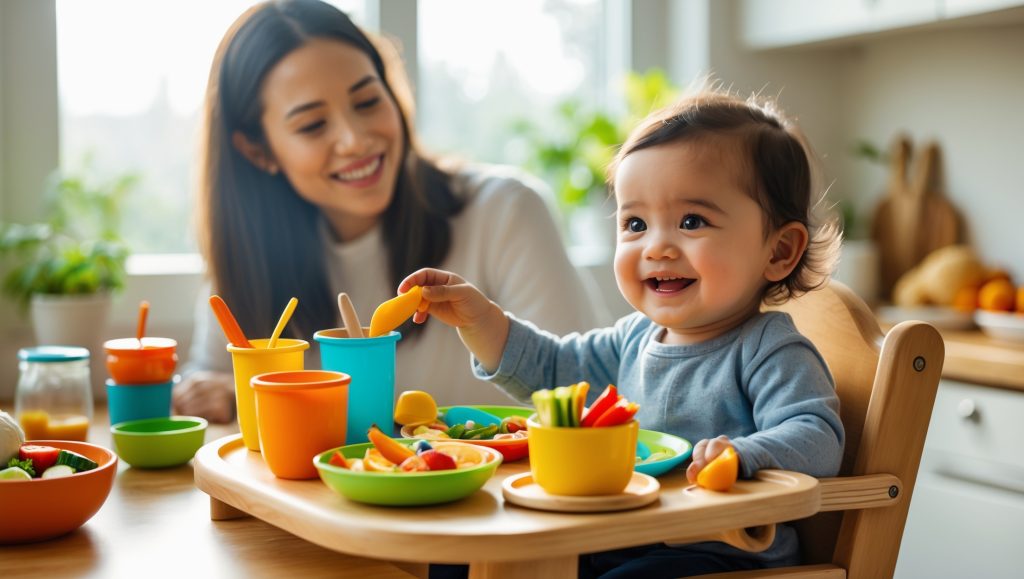
How We Chose
We spoke with dozens of US parents, surveyed evidence-based recommendations, and tested a variety of products to find tools and foods that make mealtime routines smoother for toddlers. We focused on items that support independence, encourage healthy eating, and are easy for families to incorporate into busy days. Our top picks offer practical value, durability, and adaptability for different toddler stages.
1. Ezpz Mini Mat — The All-in-One Placemat Plate
Why it stands out
This suction-based silicone mat stays put on most tables, containing messes while giving toddlers a defined space for meals. Its all-in-one design helps kids learn to self-feed and minimizes clean-up headaches for parents.
Best for
- Mess-prone eaters
- Toddlers learning to feed themselves
- Parents seeking hassle-free clean-up
Key notes
- Age/Stage: 12 months and up
- Materials/Ingredients: 100% food-grade silicone, BPA/PVC/Phthalate free
- Strengths: Suctions securely, dishwasher safe, encourages independent eating
- Trade-offs: May not stick to all surfaces; higher price than basic plates
2. Lalo Little Cup — Easy-Grip Open Cup
Why it stands out
This weighted silicone cup helps toddlers learn to drink from an open cup with fewer spills. The grippy texture and short, wide base suit tiny hands and encourage fine motor development.
Best for
- Toddlers transitioning from bottles or sippy cups
- Families practicing baby-led weaning principles
Key notes
- Age/Stage: 9 months and up
- Materials/Ingredients: Food-grade silicone, BPA free
- Strengths: Easy for small hands, dishwasher safe, top-rated for durability
- Trade-offs: Initial spills are common while learning
3. Stonyfield Organic YoBaby Yogurt — Nutrition in a Pinch
Why it stands out
This organic, whole-milk yogurt is sized for toddlers and contains live active cultures. It’s a source of protein, calcium, and probiotics, making it a convenient snack or breakfast option.
Best for
- Busy weekday breakfasts
- On-the-go snacks
- Toddlers needing healthy dairy options
Key notes
- Age/Stage: 6 months and up (consult your pediatrician for dairy introduction)
- Materials/Ingredients: Organic whole milk, live cultures, fruit purée (varieties)
- Strengths: Convenient, no artificial flavors, supports gut health
- Trade-offs: Contains natural sugars; may not suit dairy-sensitive kids
4. Bumkins Waterproof Sleeved Bib — Clothing Saver
Why it stands out
This lightweight, full-coverage bib protects sleeves and laps during even the messiest meals. The material is wipeable, machine washable, and quick to air dry.
Best for
- Self-feeding toddlers
- Families tired of frequent outfit changes
Key notes
- Age/Stage: 6–24 months
- Materials/Ingredients: Waterproof polyester, BPA/PVC free
- Strengths: Lightweight, long sleeves, easy to clean
- Trade-offs: May feel warm in hot weather
5. OXO Tot Stick & Stay Bowl — Toddler-Proof Suction Bowl
Why it stands out
This bowl suctions to the table, resisting little hands that love to toss dishes. The curved design encourages successful spoon scooping, and the bowl is easy to clean.
Best for
- Toddlers prone to flipping bowls
- Learning to self-feed with a spoon
Key notes
- Age/Stage: 6 months and up
- Materials/Ingredients: BPA-free plastic
- Strengths: Strong suction, dishwasher safe, sturdy
- Trade-offs: Suction can weaken on uneven surfaces
6. Dr. Brown’s Training Fork & Spoon Set — Practice Utensils
Why it stands out
With short, easy-to-grip handles and a wide base to keep tips off the table, this set helps toddlers master the basics of self-feeding while minimizing messes.
Best for
- Toddlers developing fine motor skills
- Families who want dishwasher-safe options
Key notes
- Age/Stage: 12 months and up
- Materials/Ingredients: BPA free plastic, stainless steel tips
- Strengths: Ergonomic, stable, gentle for gums
- Trade-offs: May be outgrown quickly as skills advance
7. Once Upon a Farm Organic Fruit & Veggie Blends — Grab-and-Go Nutrition
Why it stands out
These refrigerated pouches blend organic fruits and veggies with no added sugar. They’re handy for meals out, travel, or days when time is short.
Best for
- Parents needing portable meal options
- Picky eaters
Key notes
- Age/Stage: 6 months and up (check specific flavors for age guidance)
- Materials/Ingredients: Certified organic produce, cold-pressed
- Strengths: No added sugar, USDA Organic, easy to serve
- Trade-offs: Must be refrigerated; higher price per serving
8. Re-Play Recycled Plates — Durable Everyday Dinnerware
Why it stands out
Made from recycled milk jugs, these sturdy plates are virtually indestructible, dishwasher safe, and available in cheerful colors that make mealtime fun for toddlers.
Best for
- Families seeking eco-friendly options
- Homes with multiple young kids
Key notes
- Age/Stage: 9 months and up
- Materials/Ingredients: Recycled HDPE plastic, BPA/BPS/Phthalate free
- Strengths: Durable, stackable, sustainable
- Trade-offs: No suction; may slide on some surfaces
9. Yumbox MiniSnack Leakproof Snack Box — Snacktime Organizer
Why it stands out
This compact, leakproof box keeps snacks fresh and separated. It’s perfect for prepping healthy snacks ahead or for on-the-go routines like daycare drop-offs.
Best for
- Families on the go
- Toddlers who like variety at snack time
Key notes
- Age/Stage: 12 months and up
- Materials/Ingredients: BPA-free plastic, silicone seal
- Strengths: Leakproof, easy-open latch, portion control
- Trade-offs: Not microwave safe; hand-washing recommended for longevity
10. Annie’s Homegrown Cheddar Bunnies — Fun, Familiar Snack
Why it stands out
Made with organic ingredients and real cheese, these bunny-shaped crackers are a toddler favorite for snacks or lunchboxes. Their playful shape encourages self-feeding and makes snack time fun.
Best for
- Picky eaters
- Families seeking organic snack options
Key notes
- Age/Stage: 2 years and up (due to choking hazard)
- Materials/Ingredients: Organic wheat, real cheddar cheese
- Strengths: No artificial flavors, fun shapes, portable
- Trade-offs: Contains wheat and dairy; not suitable for allergies
Buying Tips
When choosing mealtime tools and foods for your toddler, prioritize easy cleaning, safety (BPA/PVC/Phthalate free), and age-appropriate features. Look for products that help your child build independence and fit your family’s daily flow. If you’re introducing new foods, offer them alongside familiar favorites and keep portions small. For routine success, consistency matters more than perfection: a predictable set-up, even with simple foods, can help toddlers feel secure and eager to eat.
Verdict
Building a smooth toddler mealtime routine in 2025 is about finding tools and foods that fit your family’s needs, reduce stress, and encourage healthy habits. The products above are parent-tested, highly rated, and designed to make everyday meals easier, cleaner, and more enjoyable. Remember: routines are most effective when they suit your unique family—so start with what feels manageable, and adjust as you go. Happy eating!
FAQ
+How many meals should my toddler have each day?
+What are some quick, healthy snack ideas for busy mornings?
+How can I encourage my toddler to try new foods?
+Are suction plates and bowls worth it?
+What’s the best way to clean toddler mealtime gear?
+How do I handle picky eating phases?
+What if my toddler refuses to sit at the table?

Creating a smooth mealtime routine with toddlers can feel like a daily puzzle, but the right tools and foods make all the difference. In 2025, parents have more options than ever to foster positive eating habits and reduce stress at the table. Start with divided plates and suction bowls—these encourage self-feeding while minimizing spills. Silicone bibs with deep pockets catch dropped food, cutting down on cleanup. Child-sized utensils with easy-to-grip handles empower little ones to practice their skills.
For foods, think nutrient-rich and easy to handle: soft-cooked veggies, bite-sized fruit, and whole grain mini pancakes are perennial favorites. Yogurt pouches and cheese sticks offer protein on busy mornings. Don’t overlook the value of routine—serving meals at consistent times and involving toddlers in simple prep tasks promotes both independence and curiosity. A visual schedule can help toddlers understand what to expect, making transitions to the table smoother. With patience, the right gear, and a little creativity, mealtimes can become enjoyable family moments rather than daily battles.
- Suction bowls and plates to reduce messes
- Easy-grip toddler utensils for self-feeding
- Nutritious finger foods like soft fruits and veggies
- Visual mealtime schedule for smoother transitions
I’m curious about the recommended routine for introducing new foods like the Stonyfield Organic YoBaby Yogurt. Do you suggest including it in a set mealtime schedule, or is it fine to offer it during snacks as part of encouraging independence and choice?
It’s great that you want to make introducing new foods a positive experience for your toddler. At this age, including foods like Stonyfield Organic YoBaby Yogurt in a predictable meal or snack routine helps toddlers feel secure and know what to expect. You can offer yogurt at either mealtime or snack time—just keep it consistent and involve your child in choosing when possible, to build independence. Make sure to supervise for safety and serve age-appropriate portions. This isn’t medical advice; if you’re concerned, check in with your pediatrician.
I noticed the Ezpz Mini Mat is a little pricier compared to regular plates. Are there any more budget-friendly alternatives that still offer strong suction and easy clean-up for parents on a tight budget?
It’s completely understandable to want practical mealtime solutions without overspending. You might try searching for no-name or generic silicone suction plates at big box stores or online—they often provide strong suction and are dishwasher-safe, just check reviews for durability. Bamboo plates with detachable silicone bases can also be cost-effective and easy to clean, though always check they’re BPA- and phthalate-free. For safety, ensure the suction fits securely to your child’s high chair or table and avoid small parts that could come loose. This isn’t medical advice; if you’re concerned, check in with your pediatrician.
Do you have any tips on introducing open cups like the Lalo Little Cup early in the morning when my toddler is still waking up? I am worried about spills before we are fully awake, but I want to encourage independence during breakfast.
It’s wonderful that you want to foster your toddler’s independence with open cups, especially during those sleepy mornings. Try starting with just a small amount of liquid to minimize spills. Use a placemat or towel under the cup for easy cleanup and less stress. Offer the cup when your child is seated securely in a high chair or booster, and stay close by for gentle support. Remember, some mess is part of learning, and this skill builds with practice. For safety, avoid hot liquids and supervise closely to prevent choking or accidents. This isn’t medical advice; if you’re concerned, check in with your pediatrician.
How do you suggest storing all these mealtime tools efficiently, especially in small kitchens? The placemats, bibs, and suction bowls seem helpful, but I worry about clutter.
It’s understandable to want to keep your kitchen organized, especially with all the toddler gear involved. Try hanging bibs on adhesive hooks inside a cabinet or pantry door, and roll up silicone placemats to store them upright in a basket or tall container. Stack suction bowls by size and keep them in a clear bin or drawer for easy access. Use a small caddy or basket just for daily mealtime tools to limit clutter on countertops. Always double-check that items are dry and safely stored to prevent mold or accidents. This isn’t medical advice; if you’re concerned, check in with your pediatrician.
For busy mornings, do you have suggestions for storing and preparing Stonyfield YoBaby Yogurt ahead of time? I want to avoid reaching for packaged snacks, but need something quick and easy during our rushed breakfast routine.
You’re doing your best to make mornings smoother and healthier—what a thoughtful goal. To prepare Stonyfield YoBaby Yogurt ahead: pre-portion yogurt into small, airtight, toddler-safe containers the night before; store them in the fridge within easy reach. For variety, try adding soft fruit or oats to the containers, ensuring all mix-ins are age-appropriate and cut to reduce choking risk. You can also keep chilled spoons next to the yogurt for grab-and-go convenience. Stick to small portions to avoid waste, and supervise eating, especially if your toddler is under two. This isn’t medical advice; if you’re concerned, check in with your pediatrician.
We sometimes eat dinner close to bedtime due to our schedule. Are any of these products particularly good or not recommended for late meals when we want bedtime to go smoothly?
It makes sense to want calm, easy bedtime routines after a late dinner. From the article’s list, opt for easy-clean suction plates and spill-proof cups to streamline cleanup and avoid mess stress before bed. Stick with simple, familiar foods from the recommended options, as new or rich foods right before sleep can sometimes upset tummies. Avoid utensils or dishes with lots of small parts at this hour to prevent distractions or accidents. Soft silicone bibs are gentle for late meals, but skip noisy or light-up products that might overstimulate. This isn’t medical advice; if you’re concerned, check in with your pediatrician.
We just started potty training our toddler, and I’m wondering if introducing the open cup at mealtimes can help with overall independence, or if it might create more messes to clean up during an already challenging routine?
It’s understandable to want smoother routines while tackling potty training. Introducing an open cup can actually encourage your toddler’s independence, but it often comes with a few extra spills at first. Try offering the open cup with just a small amount of water, stay nearby to supervise, and use a sturdy, easy-to-grip cup designed for toddlers. Place a towel or mat under the eating area to catch spills. If your child seems overwhelmed, switch back to a lidded cup for a while and try again later. Every child’s readiness is different, so go at your toddler’s pace. This isn’t medical advice; if you’re concerned, check in with your pediatrician.
Our toddler is sensitive to certain textures and gets overwhelmed easily at mealtime. Which of these tools or foods have you found to work best for picky or sensory-sensitive eaters, and are there ways to adapt the routine for bilingual families?
It’s understandable to want mealtimes to feel less stressful for your sensory-sensitive toddler. Soft silicone utensils and divided plates from the article often help, as they offer predictable, gentle textures and let you keep foods separate. Choose foods with smooth textures—like yogurt, mashed sweet potato, or soft-cooked veggies—for easier chewing and less overwhelm. For bilingual families, narrate routines in both languages to provide comfort and consistency, and label foods in both tongues for familiarity. Always supervise your toddler and adjust based on their unique reactions. This isn’t medical advice; if you’re concerned, check in with your pediatrician.
For families with limited storage in the kitchen, which of these mealtime tools would you say are truly essential versus nice-to-have? I want to be practical about what to buy as our space is tight.
It’s smart to prioritize essentials when kitchen space is limited. Focus on a sturdy, easy-to-clean highchair or booster seat, a few toddler-sized plates and utensils, and spill-proof cups—these are usually all you need for safe, age-appropriate mealtimes. Items like divided plates, suction mats, or specialized snack containers can be helpful but aren’t must-haves. Stick to basics that stack or nest easily to save space. Always check that any products are free from choking hazards and BPA. This isn’t medical advice; if you’re concerned, check in with your pediatrician.
My toddler tends to throw their plate no matter what I use, and I noticed the Ezpz Mini Mat works on most tables. Are there certain table surfaces it sticks to best, or ones it definitely won’t work on? I want to avoid another mealtime mess if possible.
It’s completely understandable to want to prevent plate-throwing and messy mealtimes. The Ezpz Mini Mat sticks best to smooth, flat, and non-porous surfaces like glass, polished stone, or sealed wood. It may not adhere well to textured, rough, or porous tables—unfinished wood, grainy plastic, or tablecloths can break the suction seal. Before each meal, wipe the surface and mat clean and dry for a stronger hold. Supervise your toddler during meals, as persistent pulling can still lift the mat. This isn’t medical advice; if you’re worried about your child’s mealtime behaviors, check in with your pediatrician.
Are there any alternatives to the Bumkins Waterproof Sleeved Bib that are lighter for warmer weather? Sometimes the little one I care for gets fussy when it’s hot, and I worry about overheating during messy meals.
You’re thoughtful to consider your little one’s comfort during mealtimes, especially in warmer weather. For a lighter alternative, try soft muslin or cotton snap-on bibs—they’re breathable and less bulky but still offer some coverage. Silicone bibs are another good choice; they’re lightweight, easy to clean, and don’t trap heat. You can also use a simple oversized cotton tee as a makeshift smock for messy meals. Always supervise to prevent any choking or entanglement risks, and make sure the fabric is gentle on sensitive skin. This isn’t medical advice; if you’re concerned, check in with your pediatrician.
When budgeting for mealtime tools, do you find that monthly subscription boxes for toddler gear are more cost-effective in the long run compared to just selecting your own favorites from this list? I am concerned about ongoing versus one-time expenses.
You’re right to weigh the ongoing cost of subscription boxes against choosing your own mealtime tools. Subscription boxes can spread out expenses monthly and introduce you to new, age-appropriate items, but you might receive things you don’t need. Selecting your favorites from the list means a higher up-front cost, but you control quality and safety, especially with food-contact items for toddlers. Consider your budget, storage space, and how often you want to refresh supplies. Always check safety standards and avoid items with small parts or potential allergens. This isn’t medical advice; if you’re concerned, check in with your pediatrician.
For parents on a tighter budget, do you have any suggestions for affordable options that offer similar benefits as the higher-priced tools, especially for things like suction plates or spill-proof cups?
It’s understandable to want helpful mealtime tools without straining your budget. For suction plates, look for basic silicone versions without extra features—they often work just as well and are easy to clean. Some sturdy plastic bowls with wide bases can also reduce spills even if they aren’t labeled as ‘suction.’ For spill-proof cups, try simple straw cups or cups with snap-on lids, which are often more affordable than name-brand options. Always check that any materials are BPA-free and age-appropriate for your toddler’s developmental stage. This isn’t medical advice; if you have concerns about safety or materials, consult your pediatrician.
Some of these toddler plates and bowls with suction bases haven’t stuck well to our wooden table at home. Do you have tips for getting them to work better, or are there materials or brands that hold more securely on textured surfaces?
It’s understandable to want mealtime tools that actually stay put and help reduce mess and frustration. First, try wiping both the bottom of the suction base and your table with a damp cloth to remove dust or oils—this can make a big difference. Press down firmly on the center of the plate or bowl for a better seal, and add a small amount of water to the suction base if the surface isn’t glossy. For heavily textured or unfinished wood, even the best suction bases may struggle—consider using a smooth silicone placemat underneath as a base for suction. Always supervise toddlers, as they can sometimes pry up even secure plates. This isn’t medical advice; if you’re concerned, check in with your pediatrician.
How do you recommend storing items like the Bumkins sleeved bibs and silicone mats between meals, especially for parents with limited counter or cabinet space? I’m always looking to keep clutter minimal in our kitchen.
It’s completely understandable to want a tidy, clutter-free kitchen with a little one at home. For Bumkins sleeved bibs, try hanging them on adhesive hooks inside a pantry door or on the side of a cabinet—just make sure they’re fully dry first to prevent mildew. Roll up silicone mats and tuck them upright in a narrow basket or bin inside a drawer, or use a file organizer to keep them accessible but out of sight. These solutions help keep items clean and off surfaces, and are safe for daily use. This isn’t medical advice; if questions come up, your pediatrician can help.
Can Stonyfield YoBaby Yogurt be safely stored in an insulated lunch bag for a few hours when we’re out and about, or is it best served immediately after refrigeration?
It’s great that you’re thinking about keeping your toddler’s food safe when you’re on the go. Stonyfield YoBaby Yogurt can be stored in an insulated lunch bag with an ice pack for up to 4 hours, which is generally considered safe for perishable foods. Make sure the yogurt stays cool to the touch and avoid leaving it in direct sunlight or warm environments. Always check the yogurt for any changes in smell or texture before serving. This isn’t medical advice; if you’re concerned, check in with your pediatrician.
Our family tries to keep our kitchen gear minimal. Out of the items listed, which ones would you say are truly essential for a smoother mealtime routine if we are short on storage space?
It’s great that you want to keep things simple while making mealtimes easier. For a minimal kitchen, I suggest prioritizing a sturdy, easy-to-clean divided plate and a non-slip, weighted cup—these help toddlers eat independently with less mess. Choose a silicone bib or wipeable cloth bib to cut down on laundry. If space allows, a compact booster seat can be helpful for safe, comfortable seating. Skip specialty gadgets and stick to these basics. Always supervise young children at meals, and double-check that gear is free of small parts or potential allergens. This isn’t medical advice; if you’re concerned, check in with your pediatrician.
My toddler sometimes struggles with sensory issues and dislikes certain textures, especially silicone. Do you have advice on helping kids get used to the feel of silicone mealtime products, or alternative material suggestions that still meet the criteria you described?
It’s understandable to want meals to feel comfortable and stress-free for your toddler, especially with sensory sensitivities. Start by letting your child explore silicone items outside of mealtimes, perhaps using them for play with dry snacks or water so there’s no pressure. If they resist, consider alternatives like stainless steel, bamboo, or BPA-free plastic, all of which are recommended for safety and durability. Always check for age-appropriate features and avoid small parts or coatings that could peel. Remember, gradual exposure works best, and honoring your child’s preferences helps. This isn’t medical advice; if you’re concerned, check in with your pediatrician.
If my toddler tends to toss dishes onto the floor during meals, would the Ezpz Mini Mat really stay put, or is there another plate or mat you’d recommend that handles this behavior even better?
It’s understandable to want a solution for tossed dishes at mealtimes. The Ezpz Mini Mat does have a strong suction base, but some toddlers with determination can still loosen it. Try these steps: use the mat only on completely clean, flat surfaces; press down firmly to seal the suction; offer just a little food at a time to reduce temptation; and sit close by to calmly redirect if your child tries to pull. You could also look at silicone mats with divided sections or built-in suction plates like the Bumkins Suction Plate, which some families find even harder to remove. Always supervise meals, and check that no small parts can break off. This isn’t medical advice; if you’re concerned, check in with your pediatrician.
We often need to pack snacks for the car or stroller when one twin is hungry but the other is napping. Are any of your top picks especially portable or easy to store, and do you have storage tips for small kitchens?
It’s thoughtful that you’re planning ahead for your twins’ different needs. From our top picks, snack containers with secure lids and silicone pouches are especially portable—they’re lightweight, spill-resistant, and fit easily into diaper bags or cup holders. For storage in a small kitchen, try stacking containers, using over-the-door racks, or dedicating a small basket for grab-and-go snacks. Choose snacks that don’t require refrigeration and are safe for your twins’ ages, like soft, easy-to-chew finger foods. Always supervise to prevent choking, especially if one is eating while the other naps. This isn’t medical advice; if you’re concerned, check in with your pediatrician.
Do you have recommendations for ways to encourage a picky toddler to actually use open cups or plates like these? My son is very resistant to switching from his favorite sippy and sometimes refuses to eat if we try something new.
It can be really tough when your toddler resists changes at mealtime, especially if they have strong preferences. Try introducing open cups and plates slowly by offering them alongside his usual sippy and familiar foods, without any pressure to use them. Let him explore and play with the new items outside of mealtimes so they feel less intimidating. Model their use yourself, showing how you drink or eat from them, and offer lots of praise for any small attempts. Keep in mind that many toddlers need repeated, low-pressure exposure before accepting something new, and always supervise closely with cups to prevent spills or choking. This isn’t medical advice; if you’re concerned, check in with your pediatrician.
Do you have any recommendations for more budget-friendly alternatives to the Ezpz Mini Mat that still offer similar features like secure suction and easy cleaning? I want something that encourages independent eating but fits a tighter budget.
It’s great that you’re looking for practical, budget-friendly tools to support your toddler’s independent eating. Consider silicone suction plates and bowls from less expensive, reputable brands—many offer strong suction and are dishwasher safe. Look for products labeled BPA-free and sized for toddlers to ensure safety and easy handling. Test the suction on your own surfaces before use, and always supervise at mealtimes to prevent spills or choking hazards. These options can support self-feeding just like pricier mats. This isn’t medical advice; if you’re concerned, check in with your pediatrician.
I noticed a lot of the recommended mealtime tools are made of silicone or plastic. When it comes to choosing between wooden versus plastic (or silicone) options, especially for plates and bowls, how do they compare in terms of safety, overall durability, and sustainability as toddlers grow?
It makes sense to want the safest and most sustainable options for your toddler’s mealtime. Generally, silicone and plastic plates are lightweight, shatter-resistant, and easy to clean, but check for BPA-free and food-grade labels. Wooden plates avoid plastics but can crack or harbor bacteria if not cleaned and dried carefully. Silicone is durable and less likely to stain, while wood can be more eco-friendly if responsibly sourced. Always supervise toddlers during meals and inspect for wear. This isn’t medical advice; if you’re concerned, check in with your pediatrician.
I noticed that a few of these products are recommended starting as early as 6 or 9 months, but our bedtime routine happens in both English and Spanish with our two-year-old. Would you suggest any adjustments to the listed routines or tools to support language learning for older toddlers?
It’s wonderful that you’re nurturing your child’s language development in both English and Spanish. For a two-year-old, you might consider choosing mealtime tools that encourage conversation, like picture plates or cups with animals, prompting words in both languages. Involve your child in setting the table, labeling items in each language as you go. Reading bilingual books during snack time can also reinforce vocabulary. Ensure all tools are age-appropriate—avoid items with small parts and sharp edges, and supervise closely. This isn’t medical advice; if you’re concerned, check in with your pediatrician.
Budget-wise, do you find that families spend less sticking to store-brand iron-fortified cereals versus using pureed meats for iron? I’m trying to plan ahead for both cost and kitchen storage, so any insights would be helpful.
You’re being thoughtful about both nutrition and your family’s budget, which is so important. Store-brand iron-fortified cereals are usually much more affordable per serving than pureed meats, and they also take up less freezer or fridge space. If your toddler is just starting solids, cereals are easy to portion and store safely. For older toddlers, you could also occasionally add small amounts of iron-rich meats if your budget allows. Always check for age-appropriate textures and avoid any choking risks. This isn’t medical advice; if you’re concerned about your child’s iron intake, check in with your pediatrician.
Do you have any tips for getting the Ezpz Mini Mat to suction better on textured or wooden tables? We have a farmhouse-style table and I’m concerned it might not work as well for us.
It’s understandable to worry about suction mats not sticking well to textured or wooden surfaces at mealtime. Try wiping both the table and the Mini Mat with a damp cloth to remove crumbs and dust, as clean surfaces improve suction. Press down firmly in the center of the mat to create a seal. Using a slightly damp mat can sometimes help it grip better, but avoid excess water. If possible, place a smooth placemat or tray under the Mini Mat for added stability. Always supervise your toddler, as mats can become loose if pulled. This isn’t medical advice; if you’re concerned, check in with your pediatrician.
For families just starting to introduce dairy, how do you recommend using the Stonyfield YoBaby Yogurt—should we offer it on its own or mix it into other foods to start? I want to go slow with new allergens but still encourage my baby’s independence at meals.
It’s great that you want to introduce dairy carefully while fostering your baby’s independence at the table. Start by offering a small amount of Stonyfield YoBaby Yogurt on its own with a baby-safe spoon—let your child try self-feeding, even if it gets a bit messy. Watch for signs of allergic reaction each time you serve it. If your baby seems hesitant or you want to slow the introduction, mix a spoonful into familiar purees like mashed banana or oatmeal and gradually increase the amount of yogurt. Always supervise closely and keep portions small at first. This isn’t medical advice; if you’re concerned about allergens or reactions, check in with your pediatrician.
Does anyone else have a toddler with sensory sensitivities to certain textures? I’m wondering if the silicone of the Ezpz mat or Little Cup bothers any kids, and if so, how do you help them adjust to using these tools at mealtime?
It’s completely understandable to wonder how silicone products might affect toddlers with sensory sensitivities. If your child resists the Ezpz mat or Little Cup, try letting them explore these items outside of mealtime first—touching, playing, or even carrying them around. Gradually introduce food on a familiar plate placed on the mat before transitioning fully. You can also offer choices between different textures (like silicone versus plastic) to see what feels best for your child. Always supervise closely to ensure safety and prevent mouthing large or non-food items. This isn’t medical advice; if you’re concerned, check in with your pediatrician.
When you’re choosing between the OXO Tot bowl and the Ezpz Mini Mat, what are the biggest differences as far as durability and cleaning go? I am trying to keep extras to a minimum and want to pick just one.
It’s great that you want to simplify and choose the best fit for your toddler’s mealtime. The OXO Tot bowl is sturdy, often less prone to staining, and can withstand frequent drops, but it’s a separate piece that may slide unless it has a non-slip base. The Ezpz Mini Mat is made of silicone, suctions to most surfaces for less mess, and is dishwasher-safe, but it can sometimes stain with certain foods and may not fit all high chair trays. Both are generally safe for toddlers, but always check for wear over time. This isn’t medical advice; if you have specific concerns, please ask your pediatrician.
I noticed the Stonyfield Organic YoBaby Yogurt is mentioned as a good snack, but we are watching our budget. Are there any equally nutritious yet less expensive yogurt options you recommend for toddlers?
It’s great that you’re mindful of both nutrition and budget for your toddler’s snacks. You can look for plain, whole milk yogurt from store brands, which is often more affordable and just as nutritious—simply add fresh fruit for natural sweetness. Greek yogurt can be a good option too, as long as it’s plain and whole-milk. Always check the label to ensure there’s no added sugar and that it’s pasteurized. For toddlers, stick to whole milk versions to support growth. This isn’t medical advice; if you have concerns about your child’s diet, check in with your pediatrician.
Do you have tips on how to store or organize some of these mealtime items so that my child can help set up their own eating space, especially when we use different plates and cups for English versus Spanish language meals?
It’s wonderful that you want your child to be part of setting up their own eating space, especially in a bilingual context. Try color-coding bins or shelves for English and Spanish mealtime items, so your toddler can easily distinguish between them. Place dishes, cups, and utensils on a low shelf or in labeled baskets within easy reach. You might add simple picture labels to help with recognition. Always check that items are lightweight and free from small, detachable parts to ensure safety. This isn’t medical advice; if you’re concerned, check in with your pediatrician.
Do you have advice on how to store the silicone mats and bowls when kitchen space is limited? With all these potty training and toddler accessories, the clutter adds up fast.
You’re definitely not alone in feeling overwhelmed by all the toddler gear! For storing silicone mats, try rolling them up and keeping them in an upright container, like a repurposed oatmeal canister, to save drawer space. Stackable silicone bowls can nest inside each other—just make sure they’re dry to prevent mold. Consider using a small basket or bin on a low shelf for all mealtime items, so they’re easy to reach but contained. Always keep items out of reach if your toddler is likely to grab and play with them unsupervised. This isn’t medical advice; if you’re concerned, check in with your pediatrician.
Are these dishware items like the silicone cups and mats easy to store if you have a smaller kitchen? Stackability and space are huge concerns for us since we already have lots of toddler gear.
You’re not alone—many parents worry about kitchen space with all the toddler gear around. Silicone cups and mats are generally quite flexible, making them easy to stack, fold, or tuck into tight spaces. Try nesting cups inside each other and rolling or folding mats after washing. Store them in a dedicated bin or drawer to keep things organized. Always check that the items dry thoroughly before storing to prevent mold. This isn’t medical advice; if you’re concerned, check in with your pediatrician.
For families on a tight budget, are there any household items that can substitute for the Ezpz Mini Mat or OXO Tot suction bowl while still supporting independent eating? I’m looking for practical alternatives before investing in specialized toddler products.
It’s great that you’re finding budget-friendly ways to support your toddler’s independence at mealtimes. You can use a silicone baking mat or placemat under a lightweight plate to help prevent sliding, or opt for heavier ceramic or tempered glass dishes that are harder for toddlers to tip. Small, shallow plastic containers (with smooth edges and no sharp corners) can double as bowls. Make sure any item is BPA-free, easy to clean, and safe for little hands. Always supervise mealtimes, and avoid anything breakable if your child is under three. This isn’t medical advice; if you’re concerned, check in with your pediatrician.
My toddler gets pretty sweaty during meals, especially in summer. Does the Bumkins waterproof sleeved bib get uncomfortable or sticky for kids in warmer climates, or is there a lightweight alternative you would recommend for hot days?
It’s understandable to want your toddler to stay comfortable during hot mealtimes. While the Bumkins waterproof sleeved bib is lightweight and easy to clean, some children may find any synthetic material warm or sticky in high temperatures. Try rotating with a sleeved bib made from breathable muslin or soft cotton for sweaty days. Look for options labeled as lightweight and quick-drying, and change bibs if your child seems uncomfortable. Always supervise to ensure bibs don’t restrict movement or cause overheating. This isn’t medical advice; if you’re concerned, check in with your pediatrician.
My toddler gets really wound up if dinner is rushed or too noisy. Do you have any tips for using these mealtime tools to help the routine feel calmer, especially in the hour leading up to bedtime?
It’s understandable to want a peaceful dinner, especially before bedtime. Try setting up your toddler’s place with a familiar silicone mat and soft-grip utensils from the list, which can create a sense of predictability. Use a timer or gentle music to signal the start of mealtime, helping your child transition calmly. Offer soft, easy-to-eat foods that don’t require a lot of effort, minimizing frustration. Keep distractions low by dimming lights and limiting background noise. For toddlers under three, always supervise closely and avoid any tools with small parts. This isn’t medical advice; if you’re concerned, check in with your pediatrician.
As a first-time parent with a tight budget, I’m debating which mealtime tool makes the biggest difference at this age. If I had to pick just one of these products for a 7-month-old, which would you suggest starting with?
It’s completely understandable to want to make the most of your budget while supporting your 7-month-old’s mealtime journey. If you choose just one tool, I’d recommend starting with a sturdy, easy-to-clean high chair with a secure harness. This helps your baby sit safely upright for eating, supports self-feeding, and keeps mealtime mess contained. Make sure the chair is age-appropriate, stable, and free of small removable parts. You can use regular spoons and bowls from home at this early stage. This isn’t medical advice; if you’re concerned, check in with your pediatrician.
For toddlers with mild dairy sensitivity, are there any non-dairy yogurt alternatives that you would recommend as a substitute for the Stonyfield Organic YoBaby Yogurt, or do you have tips for finding similar nutritional benefits?
It’s thoughtful to look for safe and nutritious swaps if your toddler has a dairy sensitivity. Consider unsweetened or lightly sweetened plant-based yogurts made from coconut, almond, or soy, and always check labels for added sugars and potential allergens. Look for options fortified with calcium and vitamin D, since these are key nutrients in dairy yogurt. Add a little pureed fruit or a drizzle of nut butter for flavor and healthy fats. For protein, soy-based yogurts tend to be most comparable to dairy. Always supervise for possible allergies, and introduce new foods one at a time. This isn’t medical advice; if you’re concerned, check in with your pediatrician.
Our daily routine is pretty packed, and sometimes mealtime feels rushed. Would you suggest introducing all these tools at once, or is it better to gradually incorporate them into a busy family’s mealtime rhythm to support independence?
It’s understandable to want smoother mealtimes, especially with a busy schedule. For most toddlers, gradually introducing new tools—one at a time—works best, so your child can get used to each step and become confident and independent at their own pace. Start with the most essential tool for your needs (like a non-slip plate or easy-grip utensils), and add more only when your child seems comfortable. Always supervise, especially with new items, and check for age-appropriateness and safety (for example, avoid choking hazards or sharp edges). This isn’t medical advice; if you’re concerned, check in with your pediatrician.
Meal time can get expensive with twins. For families needing to stick to a tighter budget, are there any items from your top ten list that you would say are truly essential, and which ones might be okay to skip or substitute?
You’re doing a lot juggling twins and sticking to a budget—I hear you. The essentials from the top ten are likely the sturdy, easy-to-clean bibs and toddler utensils, as they save time and mess daily. You can skip or substitute pricier items like specialized plates or branded cups—simple, BPA-free options work just as well. For foods, focus on affordable staples like soft fruits, steamed veggies, and whole grains, avoiding costly snacks. Always check that items are safe for toddlers (no small pieces, non-toxic materials), and supervise meals. This isn’t medical advice; if you have feeding concerns, check in with your pediatrician.
You mentioned that the Ezpz Mini Mat is best for ages 12 months and up, but we are hoping to start introducing allergenic foods earlier as advised by our pediatrician. Is the mat safe to use for a 9-month-old, or are there other plates you suggest?
It’s great that you’re being thoughtful about safe food introduction. The Ezpz Mini Mat is made from food-grade silicone and doesn’t have small parts, so with supervision, it can be used with younger babies learning to self-feed. For a 9-month-old, always supervise to prevent plate tipping or chewing on the mat. Alternatively, divided silicone plates with strong suction bases and smooth edges are also safe for this age. Make sure any feeding gear you use is free from BPA, phthalates, and other harmful chemicals. This isn’t medical advice; if you’re concerned, check in with your pediatrician.
My toddler is almost 2 and loves to throw everything off the table. Would you suggest trying different suctions mats and bowls from your list, or just sticking to one and reintroducing it periodically?
It’s completely normal for toddlers around age 2 to test boundaries by tossing things off the table. You might try out a couple of different suction mats and bowls from the list to see which ones hold best and spark your toddler’s interest, but it’s also helpful to keep routines consistent by reintroducing the same item regularly. Make sure the products you use are made from toddler-safe materials and don’t have small parts. Stay nearby for supervision. This isn’t medical advice; if you’re concerned, check in with your pediatrician.
I watch my neighbor’s toddler who is almost 2 and sometimes struggles with texture or temperature changes in foods. Do any of the tools or foods you reviewed help kids who are sensitive to those sensory aspects at mealtime?
It’s thoughtful of you to notice and support the toddler’s sensory needs at mealtime. From the article, silicone divided plates can help by keeping different textures separate, making meals less overwhelming. Serving food at room temperature and using insulated bowls or cups prevent surprises with hot or cold foods. Soft silicone spoons and easy-to-hold utensils can also make new textures less alarming. Always supervise closely and avoid foods that could be a choking risk for under-twos. This isn’t medical advice; if you’re concerned, check in with your pediatrician.
My toddler tends to be sensitive to certain textures and gets overwhelmed by new utensils. Are any of these recommended tools particularly good for kids with mild sensory sensitivities, especially when it comes to the materials used?
It’s understandable to want meals to feel comfortable for your sensory-sensitive toddler. From the article, silicone-tipped spoons and soft-grip forks are gentle and less likely to trigger discomfort than metal or hard plastic. Look for utensils with smooth, rounded edges and avoid tools with rough seams or textured handles. You might also introduce new items one at a time, letting your child explore them outside mealtimes. Always supervise, and check for BPA-free, food-grade materials to ensure safety. This isn’t medical advice; if you’re concerned, check in with your pediatrician.
My toddler is pretty sensitive to certain textures and strong smells. Are any of the tools or foods on your list better suited for kids with sensory challenges during meals?
You’re thoughtful to consider your toddler’s sensory sensitivities at mealtime. From the list, silicone divided plates can help keep foods separate, reducing overwhelming smells and mixed textures. Soft-tipped spoons and easy-grip cups are gentle on sensitive mouths and hands. For foods, start with plain, mild flavors and smooth or uniform textures, like steamed veggies or mashed fruits, avoiding strong-smelling cheeses or spicy snacks. Always supervise to prevent choking, and choose age-appropriate items without small parts. This isn’t medical advice; if you’re concerned, check in with your pediatrician.
My toddler throws plates off her highchair, and I see the Ezpz Mini Mat is supposed to suction well. Do you have any tips for getting it to really stick? Our table has a slight wood grain and most suction plates do not stay put.
It’s so understandable to want a plate that actually stays put during mealtimes. For better suction with the Ezpz Mini Mat on a textured wood-grain table, try these steps: First, clean both the mat and table thoroughly so they’re free of crumbs and oils. Dampen the underside of the mat slightly before pressing it down—sometimes a bit of moisture helps create a seal. Press firmly across the whole mat, especially around the edges. If the surface is very textured, placing a smooth placemat or tray underneath can help. Always supervise your toddler during meals for safety. This isn’t medical advice; if you’re concerned, check in with your pediatrician.
Could you share any tips on how many of each product, like bibs or suction plates, you recommend having on hand to make a busy week run smoother? I watch a toddler several times a week and want to avoid last-minute washes.
It’s great that you want to stay prepared during busy weeks with your toddler. For bibs, having 5–7 on hand allows for daily changes and the occasional mess without urgent laundry. Suction plates and bowls—2 to 3 is usually enough, so there’s always a clean one ready for meals and snacks. Consider 2–3 sets of toddler utensils and at least 2 cups, rotating as needed. Always check that items are age-appropriate (BPA-free, no small parts, easy to clean). This isn’t medical advice; if you’re concerned, check in with your pediatrician.
How do the OXO Tot Stick & Stay Bowl and the Ezpz Mini Mat compare for travel or eating out? I’d love something that packs easily but still keeps the mess under control on restaurant tables.
Your wish for convenience and less mess when eating out is completely understandable. The OXO Tot Stick & Stay Bowl is more compact and fits easily in most diaper bags, but it works best on smooth, flat surfaces and may not suction well to textured or small restaurant tables. The Ezpz Mini Mat is wider and covers more surface area (helpful for mess), but it’s bulkier to pack and also requires a flat table to stick properly. For travel, you might prefer the OXO bowl for portability, but always supervise to avoid spills. Remember to check both items for food-safe, BPA-free materials and clean them thoroughly after each use. This isn’t medical advice; if you’re concerned, check in with your pediatrician.
We have limited storage space in our kitchen, so I’m curious if any of these tools are especially easy to store or stack. Are there any space-saving options you recommend for parents with small kitchens?
It’s great that you’re thinking about making mealtime routines work in a small space. Many of the recommended tools—like silicone divided plates and collapsible snack cups—are designed to stack or fold flat, saving valuable cabinet room. Opt for stackable bowls and cups, and consider a caddy or small bin to keep utensils organized. Always check that items are easy for your toddler to handle and safe (BPA-free, no sharp edges). This isn’t medical advice; if you’re concerned, check in with your pediatrician.
Does your research suggest that educationally labeled feeding products actually improve toddler mealtime routines more than simple, versatile tools? I’d love to hear if there is evidence or experiences that show a clear advantage one way or the other.
—it’s thoughtful to consider what really makes mealtimes smoother for toddlers. Research generally shows that the simplicity, safety, and usability of feeding tools matter most, rather than whether they’re labeled as educational. For most toddlers, using easy-to-grip, durable utensils and open cups supports independence just as well as ‘learning’ or themed products. Focus on consistency and letting your child practice, regardless of branding. Always check for age-appropriate sizes and materials to avoid choking hazards or allergens. This isn’t medical advice; if you’re concerned, check in with your pediatrician.
Do you have any tips for helping toddlers transition from sippy cups to open cups like the Lalo Little Cup when they’re resistant to change? We’re worried about lots of spills but still want to support independent drinking.
It’s understandable to want a smoother switch to open cups while minimizing spills. Start by modeling: let your toddler see you drinking from an open cup and invite them to copy you. Offer the open cup with just a small amount of water at first to reduce mess. Try using the open cup alongside the sippy during meals, so the transition feels less pressured. Choose a sturdy, easy-to-grip cup suited for little hands, and supervise closely, especially if your toddler is under three. Remember, spills are part of learning—keep a towel handy and encourage your toddler to help with cleanup. This isn’t medical advice; if you’re concerned, check in with your pediatrician.
How does the long-term sustainability of silicone mealtime products like the Ezpz Mini Mat compare to wooden alternatives when it comes to environmental impact? I’m trying to balance easy cleaning with making an eco-conscious choice for our family.
It’s thoughtful to consider both convenience and environmental impact in your choices. Silicone products like the Ezpz Mini Mat are durable, easy to clean, and resist staining, making them low-maintenance and reusable for years, which reduces waste. However, silicone is not biodegradable and recycling options are limited. Wooden alternatives are often biodegradable and renewable, but they may wear out faster and require more careful cleaning to avoid bacteria buildup. For toddlers, always check that products are food-safe, BPA-free, and have smooth finishes. There’s no perfect option, but balancing longevity, cleaning ease, and eco-credentials can help you make the best choice for your family. This isn’t medical advice; if you’re concerned, check in with your pediatrician.
My toddler gets really distracted by bright colors and strong textures. Do you think the silicone products recommended here are suitable for kids with mild sensory sensitivities?
It’s understandable to want mealtime tools that won’t overwhelm your toddler’s senses. Silicone products can be a good choice because they’re soft and generally odorless, but for a child with mild sensory sensitivities, try choosing neutral-colored options and avoid overly textured designs. Introduce new items slowly, letting your child touch and explore them when not eating. Watch for signs of discomfort and switch to smooth, simple materials if needed. Always supervise meals to ensure safety, especially with new products. This isn’t medical advice; if you’re concerned, check in with your pediatrician.
Our twins tend to swipe each other’s food, so I’m curious whether the OXO Tot Stick & Stay Bowl or Ezpz Mini Mat is more secure for siblings who love to test limits during meals. Has any parent shared which one actually stays put better with rough toddlers?
It’s understandable to want mealtime tools that can withstand enthusiastic toddlers, especially with twins. Both the OXO Tot Stick & Stay Bowl and the Ezpz Mini Mat are designed to help prevent spills, but parents often report that the Ezpz Mini Mat generally has a stronger suction on flat, smooth surfaces, making it a bit harder for little hands to lift. Try pressing each product firmly onto a clean, dry table and check if either is easier to dislodge. Always supervise twins during meals to prevent choking hazards and ensure safety. This isn’t medical advice; if you’re concerned, check in with your pediatrician.
With our bilingual bedtime and nap routines sometimes extending past mealtime, I’m wondering if any of these products work well for snacks before sleep. Do you have any tips on including both languages in the bedtime feeding routine without overstimulating a toddler?
It’s great that you’re thoughtfully weaving both languages into your toddler’s routines while considering their need for calm before sleep. For snacks, silicone snack cups and soft-tip spoons from the article can help keep things tidy and easy if you offer small, familiar foods like banana slices or oat-based puffs—always supervise closely and avoid choking hazards for children under 3. To include both languages, try singing a gentle lullaby or naming each snack in both languages using a soft, soothing tone. Keep the environment dim and quiet, and keep conversation brief to minimize stimulation. This isn’t medical advice; reach out to your pediatrician if you have concerns about feeding or sleep habits.
Do you have suggestions for storage or organization with these mealtime essentials, especially for small kitchens? We end up with so many toddler dishes and bibs that it sometimes feels chaotic, which doesn’t help our evening routine.
You’re not alone—keeping toddler mealtime items organized in a small kitchen can definitely feel overwhelming. Try using a shallow basket or bin in a lower cabinet just for toddler plates and bowls, and stack them by type for easy access. Hang bibs on hooks or a small over-the-door rack near the eating area to keep them off counters. Store utensils in a divided container within a drawer or on the counter. Rotate out extra cups and dishes every week so only what you use daily is on hand. Make sure storage options are within your child’s reach for safe, supervised self-service if age-appropriate. This isn’t medical advice; if you’re concerned, check in with your pediatrician.
My toddler sometimes gets overwhelmed by new textures and tools at meals. How would you recommend introducing something like the OXO Tot Stick & Stay Bowl or the silicone mats if a child is sensitive to change? Any tips to make the transition smoother?
It’s understandable to want mealtimes to feel less stressful for your sensitive toddler. Start by letting your child explore new tools like the OXO Tot Stick & Stay Bowl or silicone mats outside of mealtime—let them touch, play, or even use them with toys first. At meals, introduce just one new item at a time alongside familiar favorites. Keep early experiences low-pressure and positive; your toddler can simply watch if they’re not ready to use the new bowl or mat yet. Always supervise and make sure products are safe and age-appropriate (no small parts, food-grade materials). This isn’t medical advice; if you’re concerned, check in with your pediatrician.
The Lalo Little Cup sounds interesting, but my daughter has some sensory sensitivity and dislikes certain textures. Can you share more about the feel of the silicone cup and whether picky kids generally tolerate it?
It’s completely understandable to be cautious about new textures with a sensory-sensitive toddler. The Lalo Little Cup is made from soft, food-grade silicone that feels smooth and flexible—some children find this comforting, while others may take time to adjust. To help your daughter, you might let her explore the cup with her hands first, show her how you use it, and introduce a small amount of a familiar drink. If she resists, try again later without pressure. Always supervise her while using it, as with any cup. This isn’t medical advice; if you’re concerned, check in with your pediatrician.
Our family tries to buy wooden toys and tableware for environmental reasons, but I see plastic and silicone options here are popular for ease and safety. Do you have advice on striking a balance between reducing plastic use and having toddler-friendly, easy-clean tools?
It’s wonderful that you’re mindful of both the environment and your toddler’s needs. You might try keeping wooden bowls and spoons for dry or non-messy foods, while using silicone or BPA-free plastic for liquids or foods that stain, since they’re easier to clean and less likely to harbor bacteria. Choose wood tableware with smooth finishes and non-toxic sealants to make cleanup safer and easier. Always supervise mealtimes with wooden items to watch for splinters or wear. This isn’t medical advice; if you have specific concerns, your pediatrician can help guide you.
My toddler sometimes gets bothered by the feel of silicone, especially on dishes and cups. Do you have any advice on introducing these materials gradually for children who are sensitive to different textures?
It’s understandable to want your toddler to feel comfortable with new textures at mealtime. Try letting your child explore clean silicone items with their hands first, without food, so they can get used to the feel. Gradually introduce small silicone items, like a spoon handle, before moving on to dishes or cups. Offer choices—if possible, let your toddler pick between silicone and another safe material. Avoid pressure and keep experiences positive and brief. For young toddlers, always supervise closely to prevent chewing on or biting pieces off. This isn’t medical advice; if you’re concerned, check in with your pediatrician.
For caregivers juggling supplies between two homes, which of these tools save the most space in a diaper bag or are easiest to keep at both places? I find myself packing and unpacking a lot, so compact options are really helpful.
You’re doing a great job managing supplies between households—it’s not easy. From the tools discussed, foldable silicone bibs, collapsible snack cups, and a multi-compartment bento box are the most space-saving for your diaper bag. Consider keeping a set of toddler utensils and a small sippy cup at each home to minimize daily packing. For safety, check that all items are age-appropriate, easy to clean, and free from small detachable parts. This isn’t medical advice; if you’re concerned, check in with your pediatrician.
For toddlers who are extra sensitive to textures or changes in routine, do subscription services for feeding tools help introduce new items gradually, or is it better to stick with consistent, familiar products like those on your list for smoother mealtimes?
It’s understandable to want mealtimes to feel smooth and safe for a sensitive toddler. For children who are extra sensitive to textures or routines, sticking with familiar, consistent tools and foods—like those recommended in the article—is usually less overwhelming. If you want to try new items, introduce just one at a time alongside favorites, letting your child explore at their own pace. Subscription services can be helpful if you use them this way, not all at once. Always consider age-appropriate materials, avoid small parts, and supervise your child closely. This isn’t medical advice; if you have concerns, talk with your pediatrician.
My toddler is really energetic and loves to explore textures, so we try a lot of sensory play around meals. Do you have advice on how to balance mealtime tools like the Ezpz Mini Mat with sensory activities at the table without making too much of a mess or overwhelming him?
It’s great that you’re supporting your toddler’s curiosity and sensory needs at mealtime. Try offering just one sensory element per meal, such as a textured fruit or a silicone mat, to avoid too much stimulation. Use easy-to-clean, non-slip tools like the Ezpz Mini Mat to help contain messes. Introduce new textures slowly and watch for cues that your child is getting overwhelmed. Limit sensory play to the start or end of the meal, so there’s a clear structure. Always supervise closely to ensure safety with small items or choking hazards. This isn’t medical advice; if you’re concerned, check in with your pediatrician.
For families really trying to minimize kitchen clutter, do you recommend investing in multi-use items like the Ezpz Mini Mat over separate plates and bowls, or is it actually more cost-efficient to buy standard plates for different stages?
It makes sense to want fewer items in your kitchen with a busy toddler. Multi-use products like the Ezpz Mini Mat can cut down on clutter since they serve as both a plate and placemat, and are often suitable for a range of toddler ages. If you choose this route, look for items that are dishwasher-safe, non-toxic, and easy for little hands to use. For families with older kids or multiple children, a few stackable, basic plates and bowls may be more cost-effective long-term. Whichever you choose, supervise mealtimes and ensure all materials are safe for your child’s age. This isn’t medical advice; if you’re unsure, ask your pediatrician.
Do you have any suggestions for parents trying to include more iron in a toddler’s diet if they don’t always finish iron-fortified cereals? Would fruit or veggie purees be just as helpful, or is cereal still the preferred go-to?
It’s understandable to worry if your toddler doesn’t always finish iron-fortified cereals. You can offer soft, cooked beans or lentils, finely chopped cooked spinach, or pureed meats like turkey or beef as iron-rich options, making sure they’re age-appropriate in texture and size to prevent choking. Pair these foods with vitamin C-rich fruit purees like strawberry or mango to help your child absorb iron better. While cereals are convenient, a variety of iron sources is helpful, and purees can fit in nicely. This isn’t medical advice; if you’re concerned, check in with your pediatrician.
My toddler is just starting daycare and we’re struggling with mealtime routines. Do you have any suggestions for transitioning these tools—like the Ezpz mat and Lalo cup—between daycare and home, so routines stay consistent for my child?
It’s understandable to want mealtime routines to feel consistent for your toddler during this big transition. First, talk to your daycare provider to see if they can use similar tools like the Ezpz mat and Lalo cup, or let you bring them from home. Practice with these items at home so your child gains confidence. Label your child’s mealtime tools clearly to avoid mix-ups. Try to keep mealtime rituals (like hand washing or a familiar song) the same in both settings. Be sure the tools are safe and approved by the daycare for your child’s age. This isn’t medical advice; if you’re concerned, check in with your pediatrician.
I noticed you focus a lot on independence and ease of use in your picks. Do you have any advice on how to balance open-ended play with educational mealtime tools, especially for toddlers who get distracted easily during meals?
It’s so thoughtful that you want to balance play and learning at mealtimes, especially with an easily distracted toddler. Try setting up a simple mealtime routine—keep fun, open-ended toys away from the table and use mealtime tools that encourage independence, like easy-grip utensils or sectioned plates, which are both engaging and practical. You can invite your toddler to help with safe, age-appropriate tasks like pouring water or choosing which healthy foods to try. Keep the table environment calm and consistent to minimize distractions. Remember, it’s normal for toddlers’ attention to wander; patience and gentle redirection help. This isn’t medical advice; if you’re concerned, check in with your pediatrician.
My toddler sometimes gets overwhelmed by too much sensory input, especially right before naps or bedtime. Are the silicone mats and cups mentioned here suitable for kids who prefer softer, quieter mealtime setups, especially in a bilingual family setting?
It’s so thoughtful that you want to create a calm mealtime environment for your toddler, especially when they’re sensitive to sensory input. Silicone mats and cups are generally quiet, soft, and gentle to the touch, making them a good option for children who prefer less noise and smoother textures. Try offering just one or two items at a time on the mat to avoid visual overwhelm, and keep mealtime language simple—using familiar words from both languages can help provide comfort. Always supervise to ensure your child doesn’t chew on or bite pieces off the mat or cup. This isn’t medical advice; if you’re concerned, check in with your pediatrician.
For families with limited kitchen storage, which of these tools would you say is most compact for putting away between uses? We are looking for something that won’t add clutter, especially with all the other toddler gear we have.
It’s understandable to want mealtime tools that won’t overwhelm already limited space. From the article, the silicone placemat and collapsible snack cup are the most compact options—they can be rolled or folded and stored in a drawer or even a diaper bag. Stackable divided plates and a small bib with a pocket also take up minimal room compared to larger high chair accessories or bulky dishware. Always check that materials are food-safe and easy to clean. This isn’t medical advice; if you’re concerned, check in with your pediatrician.
Do you have any tips for introducing open cups like the Lalo Little Cup to toddlers who are especially prone to throwing their cup or tipping it over repeatedly? We struggle with a lot of spills during transition times.
It’s so understandable to feel frustrated when spills disrupt the transition to open cups. Try introducing the cup during calm, seated snack times, with a small amount of water to minimize mess. Practice hand-over-hand guidance to show your toddler how to hold and tilt the cup. Offer lots of gentle reminders and praise for careful attempts, and consider using a washable mat underneath. For little ones under 18 months, always supervise closely to prevent choking or accidents. This isn’t medical advice; if spills seem excessive or you have concerns about motor skills, check in with your pediatrician.
My son can be sensitive to certain textures, especially when trying new foods at his grandparents’ house. Do the products you listed work well for kids who might prefer a specific texture or need more encouragement to explore new tastes?
It’s wonderful that you’re noticing your son’s texture preferences—this is very common for toddlers. Many of the mealtime tools in the article, such as divided plates and silicone mats, can help by keeping foods separate and making textures less overwhelming. You might try introducing one new texture alongside a familiar food, using a soft-tipped spoon or fork for comfort. Let him touch or play with new foods first, since exploring with hands is safe and age-appropriate. Always supervise closely and avoid foods that could be choking hazards. This isn’t medical advice; if you’re concerned, check in with your pediatrician.
Do you have any tips for storing these toddler feeding items, especially the larger bibs and silicone mats, when kitchen space is limited? We are trying to stay organized but always running out of room.
It’s understandable to want to keep mealtime tools organized, especially in a small kitchen. Try hanging larger bibs and silicone mats on adhesive hooks inside cabinet doors or on a wall to save drawer space. Roll up silicone mats to store them in a basket or upright container. Use clear bins or baskets for grouping smaller items—labeling helps everyone find things quickly. Just make sure bibs and mats are fully dry before storing to avoid mildew. This isn’t medical advice; if you have concerns, check with your pediatrician.
My toddler is extremely picky about textures and gags on anything slippery. Would the Stonyfield Organic YoBaby Yogurt be a good option for a child like this, or are there ways to serve yogurt to make it less messy and more palatable for sensitive eaters?
It’s understandable to worry when your toddler struggles with food textures. For sensitive eaters, you could try freezing small dots of YoBaby yogurt on parchment paper to create firmer, bite-sized pieces; mix yogurt into oatmeal or mashed banana to change the texture; or spread a thin layer on toast for more control. Always supervise and watch for choking hazards, and choose age-appropriate serving sizes. This isn’t medical advice; if you’re concerned, check in with your pediatrician.
My child tends to get hot easily, especially in summer. You mentioned the Bumkins Waterproof Sleeved Bib might feel warm in hot weather. Are there other lightweight options you’d recommend for messy eaters during warmer months?
It’s thoughtful to consider your child’s comfort during mealtimes, especially in warm weather. For messy eaters, try sleeveless or short-sleeve smocks made from lightweight polyester or quick-dry nylon—these are usually breathable and protect clothing well. Large silicone bibs with crumb catchers are another good option; they’re easy to wipe clean and don’t trap heat. Keep an extra shirt handy for quick changes if things get extra messy. Always supervise toddlers to make sure they don’t overheat or chew on bib fasteners. This isn’t medical advice; if you’re concerned, check in with your pediatrician.
My toddler is really sensitive to different textures and sometimes refuses to touch silicone cups or placemats. Are there any alternative materials you would recommend that still support independence but might feel more comfortable for sensory-sensitive kids?
It’s understandable to want mealtime tools that feel comfortable for your sensory-sensitive toddler. You might try stainless steel or bamboo cups and plates, which tend to have smoother, harder surfaces and a different tactile feel than silicone. Lightweight melamine dishes are another option, but always supervise closely to ensure safety and check for any chips. Let your child help pick materials, and introduce new items slowly alongside familiar favorites. This isn’t medical advice; if you’re concerned, check in with your pediatrician.
Does the Stonyfield Organic YoBaby Yogurt texture tend to be smooth enough for babies still working through texture aversions, or is it chunkier compared to regular whole milk yogurt?
It’s great that you’re thinking carefully about textures for your baby’s comfort and progress. Stonyfield Organic YoBaby Yogurt is generally quite smooth and designed for babies, so most children with mild texture aversions tolerate it well. For extra caution, stir the yogurt thoroughly before serving to ensure there are no lumps. You can even pass it through a fine mesh sieve if your baby is especially sensitive. Always supervise closely during mealtimes, and introduce new foods gradually. This isn’t medical advice; if texture issues persist or worsen, check in with your pediatrician.
My child has sensory sensitivities and dislikes certain textures, especially with silicone. Are any cups or plates on your list made from alternative materials that might feel better for sensitive kids?
It’s completely understandable to seek mealtime tools that respect your child’s sensory needs. From the list, several cups and plates are made from stainless steel and bamboo, which tend to feel smoother and firmer than silicone. You might start by offering a stainless steel cup or a bamboo plate, letting your child touch and explore them before mealtime. Always check for finishes—choose items free from varnishes or coatings that could irritate sensitive skin. Stay nearby to supervise, especially with bamboo if your toddler still likes to chew. This isn’t medical advice; if you’re concerned, check in with your pediatrician.
Do you have any suggestions for adapting these mealtime tools for toddlers who struggle with certain textures or sounds at the table? My child is easily bothered by slippery surfaces and the feel of silicone, so I’m wondering if there are alternatives or workarounds you recommend.
It’s understandable to want mealtime to feel comfortable for your child, especially if they are sensitive to certain textures or sounds. Try using non-slip mats made from fabric or cork instead of silicone to help with slippery surfaces. Opt for stainless steel or wooden utensils and cups, which feel different in the hand and can be less bothersome. For plates and bowls, consider unbreakable ceramic or bamboo options, which offer a firmer, more familiar texture. Always supervise your toddler with new materials to ensure safety, and let them help choose what feels best. This isn’t medical advice; if you’re concerned, check in with your pediatrician.
For toddlers who have sensory issues and really dislike the feeling of silicone, do you have any suggestions for alternative mealtime tools that still promote independence? I noticed most of your top picks are silicone-based, so I’m wondering if there are other materials that work just as well.
It’s completely understandable to look for alternatives when your toddler has sensory sensitivities. Consider stainless steel or BPA-free hard plastic utensils and plates, which are smoother and firmer than silicone. Light, natural bamboo or wood dishes are also popular and can feel more comfortable in little hands—just supervise to check for splinters and avoid soaking them. Suction-based options come in both stainless steel and plastic, supporting self-feeding. Always choose products sized for toddlers and free of sharp edges. This isn’t medical advice; if you’re concerned, check in with your pediatrician.
My toddler is curious about open cups but always ends up spilling. Is the Lalo Little Cup better for practicing during mealtimes only, or could it work throughout the day when I’m juggling both kids and not always able to supervise closely?
It’s great that you want to support your toddler’s interest in open cups. For independent practice, the Lalo Little Cup is sized for toddler hands, but it’s still an open cup, so spills are likely if your child uses it unsupervised—especially around the house. For safety and less mess, try reserving the open cup for seated mealtimes when you can supervise, and offer a spill-resistant cup during busy parts of the day. Always watch for choking hazards or slippery spills. This isn’t medical advice; if you’re concerned, check in with your pediatrician.
My toddler is easily bothered by different textures. Do you have suggestions for helping sensitive kids get used to silicone cups and mats like the ones mentioned in your list, or would you recommend alternatives made from other materials?
It’s understandable to want mealtime tools your toddler will accept, especially if they’re sensitive to textures. Start by letting your child explore silicone items with their hands before using them for eating. Gradually introduce the new cup or mat alongside familiar ones, increasing use as comfort grows. If the texture still bothers your toddler, consider alternatives like smooth plastic or stainless steel, which sometimes feel less ‘grippy.’ Always supervise, check for small parts, and select BPA-free, food-safe materials. This isn’t medical advice; if you’re concerned, check in with your pediatrician.
My child is fascinated with pouring and transferring foods, which can get messy fast. Do any of the recommended tools help teach boundaries while still encouraging that sensory play, or should I look for something more open-ended to support their curiosity?
It’s great that you want to nurture your toddler’s curiosity while keeping mealtimes manageable. To balance boundaries and exploratory play, try offering a divided suction plate or a small, lidded snack cup from the article’s list—these help contain spills and create clear spaces for pouring. Supervised practice with age-appropriate, soft foods (like peas or cereal) teaches control without risk of choking. Use a child-sized spoon or scoop to guide their motions, and set a simple rule—like pouring only from one compartment to another. Most importantly, always supervise, and remember to keep small, hard foods out of reach for safety. This isn’t medical advice; if you’re concerned, check in with your pediatrician.
For parents focused on sustainability, would you recommend investing in wooden mealtime tools despite their potential need for more careful maintenance compared to silicone? It would be helpful to hear if they support the same kind of independent eating skills you mention.
It’s great that you’re thinking about both sustainability and fostering independence at mealtimes. Wooden tools can absolutely support independent eating skills just like silicone ones, as long as they’re sized for toddler hands and have smooth edges. Consider choosing unfinished or food-grade finishes to avoid allergens. Regularly inspect wooden items for splinters, and hand-wash them to prevent warping. Supervision is important, especially with utensils or plates that could break if dropped. This isn’t medical advice; if you’re concerned, check in with your pediatrician.
My toddler is very sensitive to new textures and sometimes refuses silicone or rubbery-feeling utensils. Did you find any sensory challenges with these top picks, and are there alternatives that work well for kids with texture sensitivities?
It’s understandable to be concerned when your toddler resists certain textures at mealtime. In reviewing the top picks, some toddlers did find soft silicone or rubbery utensils off-putting due to sensory sensitivities. For children like yours, I suggest trying stainless steel or smooth bamboo utensils, which offer a firmer, less ‘grippy’ feel. Let your child help choose their spoon or fork, and introduce new utensils alongside familiar ones to reduce anxiety. Always supervise to ensure safety, especially with metal or wooden tools. This isn’t medical advice; if you’re concerned, check in with your pediatrician.
Our toddler struggles with certain textures and is sensitive to new foods. If we’re aiming for good iron intake, are cereals typically better accepted than purees for picky eaters, or is it worth trying both depending on the day?
It’s understandable to want your toddler to get enough iron while navigating texture sensitivities. Many picky eaters do find iron-fortified cereals more acceptable due to their familiar, consistent texture, but others may prefer smooth purees, especially if textures are a challenge that day. You might offer a taste of each—cereal on some days, puree on others—and watch for your child’s cues. Always choose age-appropriate products to avoid choking hazards and supervise meals. This isn’t medical advice; if you’re concerned, check in with your pediatrician.
My toddler is sensitive to new textures, especially with foods from our culture that grandparents like to serve. Have you heard how the recommended foods or utensils support toddlers with sensory hesitations when introducing less familiar foods?
It’s understandable to want mealtimes to be positive, especially when new textures or traditional foods can feel overwhelming for a sensitive toddler. Try introducing new foods alongside familiar favorites, using divided plates so nothing touches, which can reduce sensory overload. Soft-tipped utensils or silicone spoons from the article are gentle on sensitive mouths and let your child explore at their own pace. Letting your toddler touch and play with new foods before eating is age-appropriate and builds comfort. Always supervise to avoid choking hazards, especially with unfamiliar textures. This isn’t medical advice; if you’re concerned, check in with your pediatrician.
Do you have advice on storing all these toddler mealtime tools efficiently in a small kitchen? I love the idea of using several of these, but I worry about clutter and the extra washing up involved.
It’s understandable to want to keep your kitchen clutter-free while using multiple toddler mealtime tools. Try stacking or nesting bowls and plates to save space, and use a small, clear bin or basket to group utensils and cups together in one spot. Consider a drying rack just for toddler items to keep them organized after washing, and rotate tools so only daily essentials stay out. Regularly check for duplicates or outgrown items to minimize what you store. Make sure all storage solutions are easy for you to access but out of reach of young children for safety. This isn’t medical advice; if you’re concerned, check in with your pediatrician.
If my child gets hot and uncomfortable in a full-sleeved bib, are there alternatives that still offer enough coverage for messy eaters, especially during summer months?
It’s understandable to want your child comfortable at mealtimes, especially in warmer weather. You can try short-sleeved or sleeveless bibs that still cover the chest and lap—many are made of lightweight, waterproof fabric. Look for apron-style bibs or smocks with open backs for better airflow. Silicone bibs with deep pockets also catch food but feel less restrictive. For younger toddlers, make sure fastenings are secure and the fabric is gentle on sensitive skin. Always supervise meals for safety. This isn’t medical advice; if you’re concerned, check in with your pediatrician.
My toddler tends to get frustrated with spills and will sometimes throw the cup when it tips. Are there alternative cups that work for kids who have sensory issues with certain textures, or is the Lalo Little Cup a good option for them?
It’s understandable to want a cup that supports your toddler’s sensory needs and reduces frustration. For children with sensory sensitivities, look for cups with soft, silicone textures or a matte finish to avoid slippery surfaces—these are often gentler on hands and easier to grip. Consider weighted-bottom cups that are harder to tip over, or cups with handles for extra stability. The Lalo Little Cup is made from soft silicone and is easy to clean, which can work well for many toddlers, but every child is different. Always supervise young children with any new cup, and check for small parts or wear. This isn’t medical advice; if you’re concerned, check in with your pediatrician.
After reading your recommendations, I wondered how the costs add up for buying these products separately versus joining a monthly subscription for toddler kitchenware. Has anyone compared the expenses or found one option to be more budget-friendly over a full year?
It’s great that you’re thinking carefully about your budget when choosing mealtime tools for your toddler. Costs can vary: buying items separately means you can prioritize essentials and possibly shop sales, while subscriptions often offer convenience and themed kits but may include items you don’t need. For many families, comparing the price of a full year’s subscription (including shipping) to the total cost of just the core items is helpful. Keep in mind what your toddler truly needs based on age and development—skip extras that might go unused. This isn’t medical advice; if you have concerns about specific products, your pediatrician can help.
For families with kids who find meal mess stressful, do you have advice on portioning food or presenting new foods using these tools so it doesn’t feel visually overwhelming to the child?
It’s understandable to want mealtimes to feel less overwhelming for your child. Try using divided plates or small silicone snack cups to separate foods—seeing defined portions can make meals less intimidating. Offer just a few pieces of each new food at a time, refilling if needed, rather than filling the plate. Place new foods alongside familiar favorites, rather than mixing everything together. For toddlers, keep portions small—about a tablespoon per food per year of age—to help prevent overwhelm. Always supervise closely to ensure safety with small items. This isn’t medical advice; if you have ongoing concerns, consult your pediatrician.
I noticed that some silicone plates and cups can have an odd smell after repeated dishwasher cycles. Have you found the Ezpz Mini Mat or Lalo Little Cup hold up well, scent-wise, with heavy use? Is there a cleaning method that works better for sensory-sensitive toddlers?
You’re absolutely right to be sensitive to smells, especially if your toddler finds them overwhelming. The Ezpz Mini Mat and Lalo Little Cup generally hold up well, but some silicone products can develop a lingering scent after many dishwasher cycles. Try washing these items by hand with fragrance-free soap and thoroughly air-drying them. Occasionally, soak them in a baking soda and water solution to neutralize odors—rinse very well after. Always check for signs of wear or residue, and replace if the smell persists. This isn’t medical advice; if you have concerns, ask your pediatrician.
My toddler gets pretty distracted during early morning breakfasts, sometimes wanting to play more than eat. Have you found that the Ezpz Mini Mat or similar suction plates actually help keep little ones focused on the meal itself, especially when they’re still waking up?
It’s understandable to want breakfast time to feel calmer and more focused for your toddler. Suction plates like the Ezpz Mini Mat can help by keeping dishes steady, which may reduce spills and limit opportunities for play with the plate itself. Try setting out only a few food choices at once to prevent overwhelm, and keep non-food items out of reach to minimize distractions. You might also gently narrate the meal or use simple routines—like a special breakfast song—to signal it’s time to eat. These plates are safe for toddlers, but always supervise meals and check for wear. This isn’t medical advice; if you’re concerned, check in with your pediatrician.
My toddler tends to have sensory issues with silicone, especially when it’s wet or has certain textures. Has anyone found that the grippy texture of the Lalo Little Cup bothers their child or makes them less willing to use it?
It’s understandable to worry about how textured silicone might affect your toddler’s willingness to use a cup if they have sensory sensitivities. Try letting your child explore the empty Lalo Little Cup with dry hands first to gauge their reaction. If they seem bothered, consider cups with smoother or non-silicone surfaces, like stainless steel or hard plastic. Offering a choice between textures can help your toddler feel more in control and comfortable. Always supervise closely to ensure safety, especially with new materials. This isn’t medical advice; if you’re concerned about sensory processing, check in with your pediatrician or an occupational therapist.
Do you have any suggestions on how to incorporate a second language into toddler mealtime routines using some of these tools, especially for families trying to raise bilingual children in the US?
It’s wonderful that you’re supporting bilingual language development at mealtimes. Try labeling mealtime tools like plates or cups with words in both languages and name them together with your toddler. Use mealtime as a chance to introduce simple food words, colors, or phrases in the second language—repeat them naturally as you pass or serve food. Read short bilingual books at the table or sing simple songs using utensil rhythm. Always supervise closely, especially with small items or books at the table, to prevent choking. This isn’t medical advice; if you’re concerned, check in with your pediatrician.
Our family is on a bit of a budget and lives in a small space, so storage is always a concern. Are there particular tools from your list that you would recommend starting with if we can only pick one or two to test the Montessori approach?
It’s great that you’re thinking about both space and budget as you support your toddler’s independence at mealtimes. To try a Montessori-inspired approach, I recommend starting with a sturdy, child-sized cup and a small plate or bowl—these promote self-feeding and are easy to store. Focus on items that are easy to clean and stack, avoiding those with many pieces or hard-to-wash parts. Always supervise your toddler with breakable items and choose materials that are safe for their age. This isn’t medical advice; if you’re concerned, check in with your pediatrician.
My toddler has pretty strong sensory preferences and avoids certain food textures. Are there particular tools from your list that might help make new foods less intimidating or support sensory-sensitive kids during meals?
It’s so thoughtful that you’re considering your toddler’s sensory needs at mealtimes. From our list, soft silicone utensils and divided plates can help by keeping foods separate and textures distinct, reducing overwhelm. Using a suction bowl may also offer stability for kids sensitive to unexpected movement. Offer familiar and new foods side by side, and let your child touch or play with new textures without pressure to eat. Always supervise closely, and choose tools free from allergens and choking hazards. This isn’t medical advice; if you’re concerned, check in with your pediatrician.
For families with limited kitchen space, which among these tools is the easiest to store away between meals? I want to encourage independence, but I also need to keep clutter to a minimum.
It’s great that you want to foster your toddler’s independence while keeping your space organized. Compact options like suction plates or silicone placemats can be stacked or rolled, making them easy to tuck into a drawer. Collapsible cups or bowls are also practical—they flatten for storage but pop open for meals. Utensils with built-in storage cases help keep things tidy and hygienic. For safety, always choose BPA-free, non-breakable materials suitable for your child’s age. This isn’t medical advice; if you’re concerned, check in with your pediatrician.
My child is just turning one and tends to throw bowls and cups for fun. Would you recommend starting with the suction products now, or waiting until a certain age or developmental stage for better results?
It’s completely normal for new one-year-olds to explore by throwing things at mealtime. At this age, starting with sturdy suction bowls and cups can help minimize spills and make cleanup easier. Choose products labeled safe for 6+ months and always supervise to prevent choking or accidents. Keep mealtimes consistent, and redirect gently if your child tosses items—repetition helps them learn. Suction products don’t prevent all messes but do support new eaters. This isn’t medical advice; if you’re concerned, check in with your pediatrician.
My toddler’s really sensitive to different textures, especially with new cups and bowls. Do you have any suggestions for how to introduce items like the Ezpz Mini Mat or the OXO Tot Bowl so the transition is less overwhelming for kids with sensory sensitivities?
It’s so thoughtful that you want to make mealtimes more comfortable for your sensitive toddler. Try showing the new cup or bowl alongside familiar items first, letting your child touch and explore them at their own pace without pressure. You might fill new dishes with favorite, familiar foods so the novelty is just the item, not the taste or smell. Gradually increase exposure, keeping mealtimes short and positive—praise their curiosity, even if they just hold the new bowl. For sensory-sensitive toddlers, keep an eye out for any small parts, and always supervise closely. This isn’t medical advice; if you’re concerned, check in with your pediatrician.