
Introduction
Sensory play is more than just fun for babies and young children—it’s a crucial part of their growth and development. Through sensory toys and activities, children explore the world around them using their senses: touch, sight, sound, taste, and smell. In 2025, families continue to seek out evidence-informed guidance for choosing toys that nurture curiosity, foster skills, and support healthy development. In this article, we’ll explore what sensory play is, the benefits it offers, how to select and use sensory toys, and practical tips for making sensory play a joyful part of everyday life.
What Is Sensory Play?
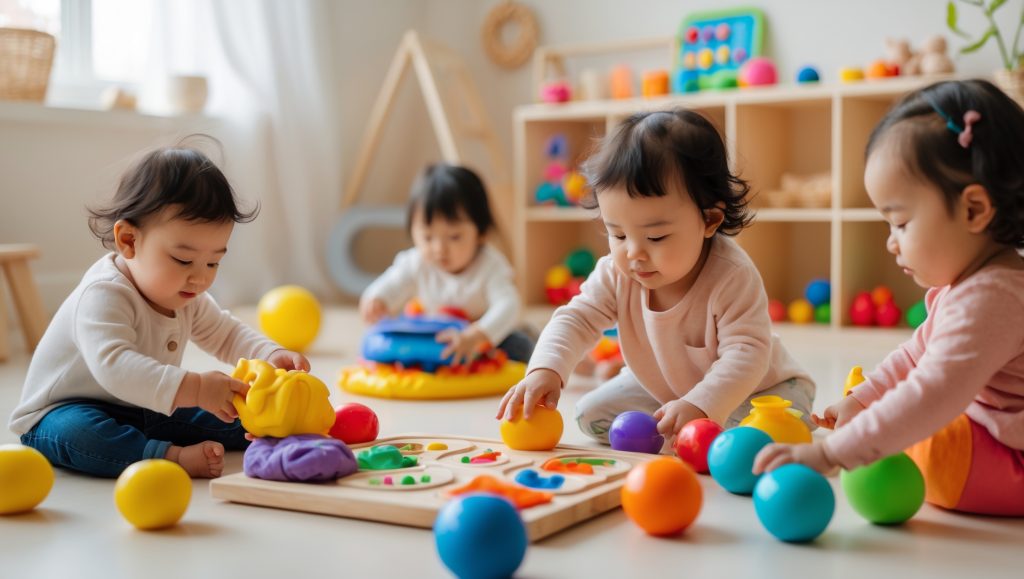
Sensory play refers to activities that stimulate a child’s senses. This includes tactile experiences (like squishing playdough or feeling different textures), visual stimulation (bright colors and patterns), auditory input (bells, shakers, or crinkly materials), olfactory exploration (safe, scented items), and even taste (where appropriate and safe). Sensory toys are designed to encourage this type of exploration in a safe, engaging way.
For babies and toddlers, sensory play supports brain development by helping them build neural connections as they process and respond to new experiences. It also lays the foundation for later skills in language, problem-solving, and social interaction.
Benefits of Sensory Play for Babies and Young Children
- Supports Brain Development: Sensory play encourages children to use scientific processes while they play, investigate, and create new connections in the brain.
- Builds Fine and Gross Motor Skills: Activities such as squeezing, pouring, or stacking help strengthen hand muscles and coordination.
- Encourages Language Development: Describing sensations, actions, and objects boosts vocabulary and communication skills.
- Promotes Social Skills: Group sensory play teaches sharing, cooperation, and turn-taking.
- Supports Emotional Regulation: Sensory activities can help children manage emotions by offering calming or stimulating experiences.
- Fosters Creativity and Problem-Solving: Open-ended sensory toys invite imaginative play and experimentation.
Types of Sensory Toys and Materials
The market offers a wide range of sensory toys, each designed to promote exploration of different senses. Here are some common types:
Tactile Toys
- Textured Balls and Blocks: Soft, bumpy, or ridged toys help children explore through touch.
- Playdough and Sensory Dough: Moldable materials encourage squeezing, rolling, and shaping.
- Fabric Books and Sensory Blankets: Different textures sewn into cloth books or blankets provide varied tactile feedback.
Visual and Auditory Toys
- Colorful Stacking Rings and Sorting Toys: Brightly colored, high-contrast toys stimulate sight.
- Light-Up Toys: Toys that glow or flash in response to touch or movement.
- Musical Instruments: Shakers, bells, and drums allow children to explore sounds and rhythms.
Other Sensory Materials
- Water and Sand Tables: Pouring, scooping, and sifting offer both tactile and visual experiences.
- Scented Toys (for older babies and toddlers): Scented playdough or scratch-and-sniff books introduce safe olfactory experiences.
- Mirrors: Safe, shatterproof mirrors help babies observe their own movements and expressions.
Choosing Safe and Developmentally Appropriate Sensory Toys
When selecting sensory play toys, safety and developmental stage are key. Here are evidence-informed tips for choosing the right sensory toys for your child:
- Check for Age Recommendations: Always follow manufacturer guidelines regarding age appropriateness.
- Look for Non-Toxic Materials: Choose toys made from BPA-free plastics, untreated wood, or food-grade silicone, especially for babies who mouth toys.
- Avoid Small Parts: For children under three, avoid toys with parts smaller than 1.25 inches in diameter to reduce choking risk.
- Easy to Clean: Babies and toddlers often put toys in their mouths. Select sensory toys that can be easily washed or wiped down.
- Sturdy Construction: Well-made toys withstand mouthing, squeezing, and dropping.
- Inclusive and Accessible: Consider toys that engage multiple senses and are usable by children with varying abilities.
Integrating Sensory Play into Daily Routines
Making sensory play a natural part of your family’s day doesn’t require elaborate setups or expensive toys. Here are practical ways to integrate sensory experiences:
- Bath Time: Water play with cups, sponges, and floating toys offers tactile and visual stimulation.
- Outdoor Exploration: Touch leaves, feel grass, listen to birds, and play with sand or mud.
- Kitchen Play: Use safe kitchen tools for scooping, pouring, and mixing with dry beans, rice, or pasta (always supervise closely).
- DIY Sensory Bins: Fill bins with safe materials like pom-poms, fabric scraps, or large pasta shapes for babies and toddlers to explore.
- Music and Movement: Dance to music, shake homemade maracas, or move scarves through the air.
- Storytime: Choose books with textures, flaps, or sound buttons.
Supporting Individual Needs Through Sensory Play
Every child is unique, with their own sensory preferences and sensitivities. Some children may seek out certain sensations, while others may avoid them. Observe your child’s reactions and follow their lead, offering a range of sensory experiences at their own pace. Sensory play can be especially supportive for children with sensory processing differences, providing both stimulation and soothing opportunities tailored to their needs.
Common Mistakes
- Choosing toys with small parts that present choking hazards for babies and toddlers.
- Overstimulating with too many bright lights or loud sounds at once, which can overwhelm sensitive children.
- Relying solely on store-bought toys and missing out on everyday sensory opportunities (e.g., nature, household materials).
- Not supervising closely during sensory play, especially when using loose parts or messy materials.
- Ignoring manufacturer age guidelines or safety recommendations.
- Expecting all children to engage in the same way—sensory preferences vary widely.
- Neglecting to clean sensory toys frequently, increasing risk of germs or allergens.
Quick Checklist
- Have I checked the age and safety recommendations on all sensory toys?
- Am I supervising my child during play, especially with small or messy materials?
- Are the toys and materials clean and in good repair?
- Do the toys provide a variety of sensory experiences (touch, sight, sound)?
- Have I included some homemade or everyday items for sensory exploration?
- Am I following my child’s lead and observing their preferences?
- Do I rotate toys to keep play fresh and stimulating?
- Have I created a safe, comfortable play space for sensory activities?
FAQ
+What age should I start sensory play with my baby?
+Are sensory toys necessary, or can I use household items?
+How do I know if a sensory toy is safe?
+My child seems overwhelmed by sensory play—what should I do?
+How often should I clean sensory toys?
+What if my child isn’t interested in sensory toys?
+Can sensory play help with my child’s development?
Conclusion
Sensory play toys are powerful tools for supporting your child’s exploration and growth. By choosing safe, age-appropriate materials and making sensory play part of your daily routine, you nurture curiosity, creativity, and lifelong learning. Remember, sensory play doesn’t have to be complicated or expensive—follow your child’s lead, use what you have, and delight in the discoveries you make together. With thoughtful choices and a supportive environment, you can help your child thrive through the simple, joyful power of sensory play.

Sensory play is a cornerstone of early childhood development, offering children hands-on opportunities to explore, discover, and learn about the world around them. In 2025, the US toy market continues to innovate with a wide array of sensory toys designed to engage children’s senses—touch, sight, sound, smell, and even taste. These toys do more than entertain; they nurture cognitive growth, fine motor skills, and emotional regulation.
Parents and educators are increasingly recognizing the value of sensory play in supporting language development and social skills. Simple activities like squishing playdough, sorting textured blocks, or exploring water tables encourage curiosity and problem-solving. The latest sensory toys also emphasize inclusivity, catering to children of all abilities and ensuring that everyone can benefit from multisensory experiences.
When selecting sensory toys, it’s important to consider a child’s age, interests, and developmental needs. Look for toys made from safe, durable materials that invite open-ended play. By incorporating sensory play into daily routines, caregivers can create joyful, meaningful moments that support healthy development while fostering creativity and self-confidence.
- Encourages curiosity and hands-on learning
- Supports motor and language development
- Promotes emotional regulation and social skills
- Inclusive options for children of all abilities
I’m curious about balancing sensory play with our daily routine. How much time should a preschooler spend on sensory activities each day to get the developmental benefits without feeling overwhelmed?
It’s wonderful that you want to find a healthy balance for sensory play. For preschoolers, 20 to 40 minutes a day of sensory activities—broken into shorter sessions—can support development without causing overload. Try weaving sensory play into other parts of your routine, like letting your child help wash veggies or play with sand after lunch. Watch for signs of fatigue or overstimulation, and offer breaks or quiet time as needed. Always supervise closely and choose age-appropriate materials free from choking hazards or allergens. This isn’t medical advice; if you’re concerned, check in with your pediatrician.
I love the idea of sensory play but am concerned about the cost and storage. Are there budget-friendly or DIY sensory toys you recommend that also don’t take up much room in a small home?
It’s completely understandable to want sensory play options that fit your budget and limited space. You can create simple sensory bins using items like dry rice, pasta, or beans in a small container—just supervise closely with toddlers to prevent choking. Fill a zip-top bag with hair gel and small buttons for safe, squeezable fun, sealing the edges with tape. Reusable silicone muffin cups are great for sorting activities and take up little room. Rotating a few homemade sensory items also keeps things fresh without clutter. This isn’t medical advice; if you have safety concerns or questions about age-appropriateness, check in with your pediatrician.
We just started introducing different sensory toys to our 9-month-old, and I wonder if you have tips for safely including edible or taste-based sensory play at this age, especially since we are slowly introducing allergens like peanut or egg. What precautions should parents take when combining sensory play and allergen exposure?
You’re thoughtful to consider both sensory exploration and allergen safety with your 9-month-old. Start by introducing only one new allergen at a time, outside of play, to watch for possible reactions. For edible sensory play, use very small amounts of single-ingredient foods and supervise closely to avoid choking. Avoid small, hard pieces and stick to soft, safe textures. Clean hands and surfaces before and after play, especially when allergens are involved. If your baby has known allergies or reactions, discuss safe introduction with your pediatrician. This isn’t medical advice; if you’re concerned, check in with your pediatrician.
With sensory play being such a daily part of development, how do you recommend balancing the convenience and affordability of plastic toys with the environmental benefits of wooden ones, especially for families trying to stay on a budget?
You’re thoughtful to consider both your child’s development and the environment. Try mixing a few classic wooden toys with affordable, safe plastic options—both can support sensory play. Repurpose household items like measuring cups or safe containers for tactile activities. Prioritize toys that are durable, easy to clean, and age-appropriate, especially for children under three (avoid small parts and ensure smooth finishes). You might also explore secondhand stores or toy swaps for budget-friendly, sustainable choices. This isn’t medical advice; if you’re concerned, check in with your pediatrician.
My twins have different reactions to textures—one loves soft fabrics while the other prefers firmer materials. Should I try to find toys to suit each preference individually, or is it better to encourage exposure to a wider range of textures despite their differences?
It’s completely normal for twins to have different sensory preferences, and recognizing these differences is an important first step. You can support each child’s comfort by offering toys that match their individual texture preferences—soft for one, firmer for the other—while also gently encouraging them to explore new textures at their own pace. Try introducing unfamiliar textures through play, with supervision, making sure all toys are age-appropriate, safe, and free from small parts or allergens. Respect their boundaries and celebrate small steps as they try new things. This isn’t medical advice; if you’re concerned or notice strong aversions, check in with your pediatrician.
If my toddler sometimes gets overwhelmed by lots of noise or bright colors, how can I help the daycare staff adjust sensory play so it’s still enjoyable for him? Are there ways to introduce sensory activities more gradually or tailor them to his comfort level?
You’re thoughtful to notice your toddler’s sensory sensitivities and want to help him enjoy play. First, talk with daycare staff about starting with quieter, softer sensory materials—like playdough, water play, or gentle textures—rather than noisy or visually busy toys. Suggest introducing new activities one at a time and watching for your child’s cues. Allow him to observe before joining in and give him a quiet space to take breaks if needed. Remind staff to avoid small items or strong scents for safety and age-appropriateness. This isn’t medical advice; if you’re concerned, check in with your pediatrician.
You mentioned sensory activities can help with emotional regulation. Could you expand on which sensory play ideas work best for winding down when my child resists bedtime or post-nap quiet time?
It’s completely normal to want smoother transitions to bedtime or quiet time, especially if your child has trouble winding down. Try gentle sensory activities like playing with soft, squishy playdough, exploring a bin filled with cool water and sponges, or letting your child sift dry rice or beans in a shallow tray. Dim the lights and play calming music while offering a basket of textured fabrics for them to touch or wrap around themselves. For toddlers and preschoolers, a slow rocking motion in a cozy chair can also help. Always supervise, and make sure small objects are kept away from children under three. This isn’t medical advice; if you’re concerned, check in with your pediatrician.
How can I adapt your sensory play suggestions for children of different ages during our bedtime routine? I have both a baby and a preschooler, and we do bilingual activities together, so I want to make sure the toys are appropriate and engaging for both.
It’s wonderful that you’re fostering bilingual sensory play during bedtime with both your baby and preschooler. For the baby, choose soft, washable sensory toys like fabric books or textured balls, always supervising for safety and avoiding small parts. For your preschooler, add more complex items like matching games, scented playdough, or simple puzzles, narrating in both languages. Consider shared activities—like singing bilingual lullabies with gentle hand motions—so both ages can participate safely. Keep sessions short and calming to support winding down for bed. This isn’t medical advice; if you’re concerned, check in with your pediatrician.
For children who are sensitive to certain textures or sounds, how can parents introduce sensory play in a way that is comfortable and doesn’t feel overwhelming to the child?
It’s completely natural to want your child to feel comfortable as they explore new sensory experiences. Start by introducing one new texture or sound at a time, allowing your child to observe or touch it at their own pace—sometimes just having it nearby is enough. Use familiar, favorite toys or objects to create a sense of safety. Offer messy play options in small, contained ways, like a sealed bag with a textured material inside. Always supervise closely and watch for signs of distress, adjusting the activity as needed. Every child’s sensitivities are unique, so gentle patience is key. This isn’t medical advice; if you’re concerned, check in with your pediatrician.
If daycare offers sensory activities during the day, is it still beneficial to include more sensory play at home in the evening, or could that be too much stimulation for a 1-year-old?
It’s thoughtful to consider how much sensory play is right for your 1-year-old. At this age, short, low-key sensory activities at home can still be beneficial, provided they match your child’s mood and energy level in the evening. Try calming options like water play, soft textures, or gentle music if your child seems alert and interested. If your child appears tired or overstimulated, it’s okay to skip extra activities and focus on quiet bonding instead. Always supervise closely and ensure materials are safe for mouthing. This isn’t medical advice; if you’re concerned, check in with your pediatrician.
If space is tight and we can only keep a small selection of sensory toys, how can we rotate or organize them so my toddler does not get bored while still benefiting from sensory play?
It’s great that you want to keep sensory play fresh and engaging even with limited space. Try storing most toys out of sight and selecting 3–4 to keep accessible each week, swapping them regularly. Use small bins or cloth bags to group toys by texture or type for easy rotation. You might also create a ‘surprise basket’ to reintroduce forgotten favorites. Keep toys age-appropriate and check for broken parts during rotation. This isn’t medical advice; if you’re concerned, check in with your pediatrician.
Are there any safety concerns I should watch out for when using sensory toys near the bathroom during potty training? For example, are certain sensory materials better suited for the bathroom environment, where things might get wet?
You’re wise to consider safety when using sensory toys during bathroom-based potty training. Choose waterproof or washable sensory toys, avoiding items with fabric, small parts, or electronics that could get damaged or pose a choking hazard. Favor silicone, rubber, or plastic toys without holes that trap water and grow mold. Always supervise your child in the bathroom to prevent slipping or accidental ingestion. Double-check that any sensory materials are non-toxic and easy to clean. This isn’t medical advice; if you’re concerned, check in with your pediatrician.
You mention water and sand tables as sensory materials. Are there simpler, indoor alternatives for sensory play that do not require much space or involve a big mess? I live in a small apartment.
It’s understandable to want sensory play options that suit a small space and are easy to clean up. You might try fillable bins with dry pasta, rice, or beans—just keep a mat underneath and supervise closely to prevent choking in toddlers. Soft fabric scraps, textured balls, or silicone kitchen tools can offer tactile variety without much mess. Try scent jars (cotton balls with a drop of safe extract) for olfactory play, or a shallow tray with water and sponges, using towels for quick clean-up. Always check for age-appropriateness, especially with items that could be swallowed. This isn’t medical advice; if you’re concerned, check in with your pediatrician.
What are some storage solutions for all the different sensory toys and loose materials? I find it a bit challenging to keep everything organized and accessible while making sure it’s safe for my little one.
It’s completely understandable to want sensory toys organized yet safe for your child. Try using clear, lidded plastic bins for different materials—this keeps items visible and dust-free. Label each bin with words or pictures, so even young kids can help tidy up. Store choking hazards or messy materials up high or in locked cabinets if your child is under three. For easy access, set up a low shelf with just a few age-appropriate options at a time, rotating them regularly. Always check storage areas for broken toys or spills to keep everything clean and safe. This isn’t medical advice; if you’re concerned, check in with your pediatrician.
As a parent wanting to be mindful of environmental impact, how do I balance my concern about plastic waste with practical factors like durability and cleaning when picking sensory toys for young children?
It’s thoughtful to consider both your child’s needs and the planet when choosing sensory toys. First, look for toys made from natural materials like wood, cotton, or silicone, which are often more eco-friendly and still durable. Second, choose items that are easy to wash—machine-washable fabrics or toys that can be wiped clean are practical for young children. Third, opt for open-ended toys that can be used in many ways as your child grows, reducing waste over time. Finally, always check for non-toxic finishes and avoid small parts for safety. This isn’t medical advice; if you’re concerned, check in with your pediatrician.
Given the wide range of sensory toys on the market, is it better to invest in a few high-quality items or to rotate lots of smaller, budget-friendly options for variety? I want to support my child’s development while also managing costs and storage.
It’s thoughtful of you to balance your child’s sensory needs with practical concerns like cost and space. A good approach is to invest in a few high-quality sensory toys that are safe, age-appropriate, and easy to clean, then supplement them with simple, budget-friendly items (like textured household objects) that can be rotated for variety. Rotating toys keeps play fresh and can help prevent overstimulation. Always check toys for safety—no small parts for infants or toddlers, and avoid allergens. This isn’t medical advice; if you have concerns about your child’s development, consult your pediatrician.
Do you have tips for adapting sensory activities for toddlers who are sensitive to loud sounds or certain textures? I want to make sure playtime remains enjoyable and not overwhelming for my 2-year-old.
It’s wonderful that you want to make sensory play comfortable for your sensitive toddler. Start by introducing new textures or sounds slowly—let your child observe or touch at their own pace, and always offer choices. Use quieter activities like water play, playdough, or soft fabrics instead of noisy toys. You can also create a calm space with familiar, cozy items where your child can take breaks if needed. Always supervise closely to ensure safety, especially with small objects and water. This isn’t medical advice; if you’re concerned, check in with your pediatrician.
How can I incorporate sensory play into our daily routine without having to set up and clean up elaborate activities every time, especially with a busy schedule and more than one child?
It’s completely understandable to want easy sensory play options, especially with a busy household. Try adding sensory elements to daily activities—for example, let your kids help stir oatmeal or pasta (with supervision) or play with a bowl of dry rice at the table. Keep a small basket of safe sensory toys, like textured balls or soft fabric, within easy reach. Bathtime is a natural sensory play opportunity—offer cups or sponges for pouring and squeezing. For safety, always watch younger children with small items and check materials for allergens. This isn’t medical advice; if you’re concerned, check in with your pediatrician.
When choosing between water tables and sand tables for a small apartment, which one tends to be less messy or easier to clean up? Storage space is pretty limited where I live.
It’s completely understandable to want to keep mess manageable in a small apartment. Water tables usually create less mess than sand tables, as water spills are easier to wipe up and don’t linger on floors or furniture. Choose a compact water table with a secure drain plug for simple emptying and drying. Place towels or a mat underneath to catch drips, and always supervise play to prevent slips. For storage, many water tables are lightweight and can fit in a closet or bathtub when not in use. This isn’t medical advice; if you’re concerned, check in with your pediatrician.
Do you have tips for adapting sensory play for children of different ages, especially when older and younger siblings want to do activities together but have different skill levels and interests?
It’s wonderful that you’re supporting sensory play for siblings of different ages. Try setting up a large, shared activity (like a sensory bin) but provide age-appropriate tools—safe spoons for toddlers, tweezers or cups for older kids. Offer materials with varied textures but avoid small parts, especially for children under three. Encourage older siblings to model and help with simpler tasks, making them feel involved. Rotate activities so each child gets to choose sometimes. Always supervise closely to keep everyone safe and engaged. This isn’t medical advice; if you’re concerned, check in with your pediatrician.
How much time each day do you recommend spending on sensory play with a 2-year-old? My toddler jumps from one thing to the next super quickly, so I’m curious what’s actually realistic to aim for, especially on busy weekdays.
It’s completely normal for toddlers to have short attention spans, so your question is a great one. For a 2-year-old, aim for two or three short sensory play sessions of 10–15 minutes each, rather than a single long activity. Let your child lead—sometimes they’ll explore for just a few minutes, and that’s okay. Everyday moments like bath time or snack prep can count as sensory play. Always supervise and ensure toys or materials are safe for their age, avoiding small parts and potential allergens. This isn’t medical advice; if you’re concerned, check in with your pediatrician.
My 2-year-old seems to get easily overwhelmed by loud sounds. Are there certain types of sensory toys or materials you suggest for children who may be sensitive to noise?
It’s understandable to want to support your little one when sounds feel overwhelming. Try offering quiet sensory experiences like soft fabric books, water play with supervision, and bins filled with smooth rice or large, safe beads for gentle scooping. Playdough and textured balls also allow for exploration without added noise. Stick to toys without electronic sounds, and always supervise to prevent choking hazards. This isn’t medical advice; if you’re concerned, check in with your pediatrician.
If my child seems sensitive to certain textures or noises, how can I use sensory play to help them with both their development and the challenges that come with learning to use the potty?
It’s understandable to want to support your child through sensory sensitivities and potty learning. Start by gently introducing potty-related textures and sounds during play, like letting your child explore soft toilet paper, clean wipes, or the sound of running water in a relaxed setting. Use pretend play with dolls or toys to act out potty routines at your child’s own pace, focusing on encouragement rather than pressure. Offer choices of clothing materials for undressing, and create a calm, familiar potty environment to reduce overwhelm. Always supervise closely, especially with young children, and adapt activities to your child’s comfort level. This isn’t medical advice; if you’re concerned, check in with your pediatrician.
Do you have advice on how to safely introduce scented sensory items to a 3-year-old who likes to put things in his mouth? I am interested in offering more olfactory play, but I worry about the risks if he tries to taste them.
It’s completely understandable to want to encourage your child’s sense of smell while keeping him safe. For a 3-year-old who mouths objects, start by using edible or food-based scents, like vanilla or cinnamon, in supervised sensory play. You could scent homemade playdough with safe ingredients, making sure it’s non-toxic and prepared together so he knows not to eat it. Always supervise closely and use larger sensory bins to discourage tasting. Avoid essential oils or small items that could be choking hazards. This isn’t medical advice; if you’re concerned, check in with your pediatrician.
Some of the toys listed seem similar, like textured balls versus playdough. For a two-year-old, is it better to have a variety of different types or focus on a few favorites that really capture their attention?
It’s great that you’re thinking about what will best support your two-year-old’s sensory development. For this age, offering a few different types of sensory toys—like both textured balls and playdough—can encourage exploration of different textures, movements, and fine motor skills. Start with 2–3 options and see what your child naturally gravitates toward, then rotate toys to keep the experience fresh. Make sure all toys are age-appropriate, non-toxic, and don’t have small parts. Most importantly, follow your child’s lead—favorite toys often get the most use and learning. This isn’t medical advice; if you have any concerns, check with your pediatrician.
Are there budget-friendly or DIY sensory play ideas using everyday cultural items from home that grandparents can enjoy with my child, especially if we want to avoid buying a lot of commercial sensory toys?
What a thoughtful idea to involve grandparents and use meaningful items from home for sensory play. You might try making a rice or dried bean sensory bin using kitchen staples or fabrics with different textures from old clothing and scarves for tactile exploration. For auditory play, fill small containers with buttons, seeds, or coins from your family’s culture and make shakers together. Cooking activities, like kneading dough or sorting spices, also involve rich sensory experiences and can spark cultural conversations. Always supervise closely, especially with small items, if your child is under three. This isn’t medical advice; if you’re concerned, check in with your pediatrician.
With a three-year-old who tends to put most things in her mouth, what are the safest types of sensory toys or materials that still offer a rich sensory experience without a choking risk or harmful chemicals?
You’re right to be mindful about safety with a three-year-old who mouths objects. Choose large, solid toys (like silicone stacking blocks) that can’t fit fully in her mouth and are labeled for ages 3 and up. Look for toys made from food-grade silicone or BPA-free plastic, and avoid items with small parts or loose fillings. Supervise sensory activities and consider edible sensory play, such as cooked pasta or homemade playdough (checking for allergens). Always check toys for wear and wash regularly. This isn’t medical advice; if you’re concerned, check in with your pediatrician.
How much time per day would you suggest dedicating to sensory play for a highly active 2-year-old? Is it better to schedule one long session or several shorter playtimes throughout the day?
It’s great that you want to support your active toddler’s sensory exploration. For a 2-year-old, several shorter sensory playtimes—about 10 to 20 minutes each—can fit their attention span and energy levels better than one long session. Aim for a total of 30 to 60 minutes spread across the day. Sensory play can be as simple as water play, sandbox time, or exploring textured toys, always supervised and using age-safe materials. This isn’t medical advice; if you’re concerned, check in with your pediatrician.
The section on sensory play supporting language and social skills was interesting. If a child has delays in these areas, is there evidence that increasing sensory play can make a meaningful difference, or should parents focus on specific types of activities?
You’re right to wonder about the best way to support a child with language or social delays. Research suggests that sensory play can help, especially when activities encourage turn-taking, shared attention, or naming objects and actions. Try simple games like rolling textured balls back and forth, playing with water and cups, or exploring play dough together—narrate what you’re both doing to strengthen language links. Always supervise and choose age-appropriate, non-choking items. For some children, targeted activities (like practicing gestures, or interactive story time) may also be needed. This isn’t medical advice; if you’re concerned, check in with your pediatrician.
If my child mainly prefers musical toys and ignores tactile and visual options, is it important to encourage them to branch out, or is following their lead just as beneficial at this age?
It’s great that you’re noticing your child’s interests and want to support their development. Following your child’s lead is wonderful, but gently introducing new sensory experiences can help round out their sensory development. Try offering brief, low-pressure opportunities—like letting them touch soft scarves during music time or playing with lights while music plays. Keep it playful and optional, and supervise closely if your child is under three or if small parts are involved. Every child has preferences, and that’s okay, but a variety of experiences can be beneficial. This isn’t medical advice; if you have concerns, connect with your pediatrician.
Are there certain sensory toys or materials mentioned here that are better suited for younger babies compared to toddlers, especially when it comes to safety and choking hazards? I always worry with two different ages playing nearby.
Your concern about safety with different ages playing together is very valid. For younger babies, stick to large, soft sensory toys like fabric books, silicone teethers, and textured blankets—these avoid choking hazards and are easy to clean. Avoid any toys with small parts or loose pieces, which are safer for toddlers but not for infants. Always supervise playtime, especially if toddlers’ toys (like building blocks or beads) are nearby. Check toys regularly for wear and follow age recommendations on packaging. This isn’t medical advice; if you’re concerned, check in with your pediatrician.
If my child seems overwhelmed by certain household textures or sounds during playtime, should I keep trying those items or look for alternative ways to engage their senses?
It’s completely understandable to want to support your child when certain textures or sounds feel overwhelming. Try introducing new sensations slowly and in small doses, giving your child the chance to observe before touching or listening. Offer alternatives that match their comfort level, such as softer fabrics or quieter toys. Always supervise closely, especially with younger children and items that could pose choking hazards. Respect their signals—if they continue to resist, it’s okay to pause and revisit later. This isn’t medical advice; if your child’s reactions seem intense or persistent, consider consulting your pediatrician.
Some sensory toys can be quite expensive or take up a lot of space. For parents with a tight budget or limited storage, what are a few versatile or homemade sensory play options you suggest for pre-bedtime routines?
It’s understandable to want sensory play options that are affordable and fit your space, especially for winding down before bed. Try a simple sensory bin using dry rice or oats in a small container with a few spoons or cups—easy to store and calming to touch. You can also fill a ziplock bag with hair gel and a few buttons, then tape it shut for a mess-free squish bag (supervise closely for safety). Soft fabric scraps or scarves for gentle tactile play can also work well for calming routines. Always supervise young children to avoid choking hazards, and choose materials that are safe for your child’s age. This isn’t medical advice; if you’re concerned, check in with your pediatrician.
Are there any safety concerns with water or sand tables for babies who are just starting to stand or crawl? What should we look out for to keep playtime safe but still engaging?
It’s wonderful that you want to keep playtime both safe and fun for your little one during this exciting stage. For babies who are crawling or just starting to stand, always supervise closely during water or sand table play. Ensure the water level is very shallow to prevent any risk of drowning, and avoid tiny toys or objects that could be choking hazards. Use clean, filtered water and check sand for debris or sharp items. Make sure the table is stable and the play area is non-slip to help prevent falls. This isn’t medical advice; if you’re concerned, check in with your pediatrician.
My toddler seems overwhelmed by loud sounds and bright lights. Are there certain sensory toys you would recommend for children who are more sensitive, or should we stick to specific types of sensory play?
It’s very understandable to want to support your toddler if they are sensitive to loud sounds and bright lights. Try offering sensory toys that are soft and quiet, such as textured fabric books, squishy balls, or water play with supervision. Playdough or kinetic sand can also be calming, as long as your child is past the mouthing stage and you’re careful about allergens. You might create a cozy play space with gentle lighting and limit electronic toys that flash or make noise. Let your child guide the pace, and watch for cues that they need a break. This isn’t medical advice; if you’re concerned, check in with your pediatrician.
Are there specific features I should look for when choosing sensory toys to help support both language and fine motor skills for my toddler, or are most sensory toys equally beneficial in these areas?
You’re thoughtful to look for toys that nurture both language and fine motor skills. Choose sensory toys that invite your toddler to manipulate pieces, such as stacking cups or textured blocks, which strengthen small hand muscles. Look for toys that encourage naming colors, shapes, or actions; toys with animal figures or objects your child can label are especially helpful. Simple cause-and-effect toys, like pop-up boxes, spark language about actions and results. Always check that pieces are large enough to avoid choking hazards and made from safe materials for your toddler’s age. This isn’t medical advice; if you’re concerned, check in with your pediatrician.
How can I tell if a sensory toy is safe for my toddler who still puts things in his mouth? Are there specific materials or features I should avoid when shopping for sensory toys?
It’s completely understandable to want extra reassurance about toy safety for a toddler who mouths objects. First, always check the age recommendation and look for toys labeled as non-toxic and BPA-free. Choose sturdy toys with no small, detachable parts that could pose a choking hazard. Avoid toys with batteries, loose beads, or sharp edges. Soft, seamless toys made from food-grade silicone or untreated wood are often safest at this stage. Always supervise play and inspect toys regularly for signs of wear. This isn’t medical advice; if you’re concerned, check in with your pediatrician.
I noticed you mentioned both water tables and sand tables as options for sensory play. If we can only get one, which would you suggest for an 18-month-old, and what skills does each support at this age?
It’s great that you’re thinking carefully about the best sensory play option for your toddler. For an 18-month-old, a water table may be slightly easier to start with—it’s usually less messy, simple to clean, and can be used with close supervision for safe splashing and pouring. Water play encourages fine motor skills, early science concepts, and social turn-taking if other children join in. Sand tables are wonderful too, offering scooping, digging, and tactile exploration, but you’ll need to be extra watchful since little ones may try to eat sand. Whichever you choose, always supervise closely. This isn’t medical advice; if you’re concerned, check in with your pediatrician.
My child tends to reject certain textures and seems sensitive to some sensory experiences at mealtimes. Would you recommend focusing on cereals or purees first for iron intake, or does it depend more on their sensory preferences?
It’s completely understandable to be concerned when your child is sensitive to textures at mealtimes. For iron intake, both cereals and purees can work, so it’s helpful to start with the texture your child is more comfortable with. If they gag or refuse lumpier foods, smooth iron-fortified purees may be less overwhelming. Offer very small tastes and let them explore at their own pace. You can gradually introduce new textures as they become more confident, always staying attentive to any signs of distress. Ensure all foods are age-appropriate—smooth and free of choking hazards for infants. This isn’t medical advice; if you have concerns about nutrition or sensory sensitivities, it’s best to check in with your pediatrician.
Do you have any suggestions for including sensory play as part of a bilingual bedtime or nap routine, especially for toddlers just starting to learn a second language? I am interested in calming sensory activities that could support both relaxation and language development before sleep.
It’s wonderful that you want to support both relaxation and language learning at bedtime. Try introducing calming sensory activities like gently rubbing soft fabrics or stuffed animals while naming the textures in both languages. You can also use scented playdough with soothing scents (like lavender), describing colors and smells together. Soft, rhythmic water play or a warm washcloth can help, too—talk about temperature and sensations. Keep all materials safe and non-toxic, and supervise closely. These routines work well for toddlers, inviting quiet conversation and sensory comfort. This isn’t medical advice; if you’re concerned, check in with your pediatrician.
Are there budget-friendly sensory play options you recommend for families, especially for sending to daycare, since we want to keep things simple but still provide good stimulation?
It’s wonderful that you want to support your child’s sensory development in a simple, budget-friendly way. You can try sending resealable bags filled with safe materials like dry rice, pasta, or soft fabric scraps for tactile play (always supervise to avoid choking or spills). Homemade playdough is another great option—just ensure it’s made from non-toxic ingredients and check for allergies. Sensory bottles filled with water and glitter or beads (securely sealed) can be calming and captivating for young children. For daycare, label everything clearly and discuss your choices with staff to ensure safety and age-appropriateness. This isn’t medical advice; if you’re concerned, check in with your pediatrician.
Do you have suggestions for easy sensory play activities using everyday household items? We are on a limited budget and would love ideas that do not involve buying specialized toys.
It’s wonderful that you’re looking for budget-friendly ways to support your child’s sensory exploration. Here are a few ideas using everyday household items: 1) Fill a shallow bin with dry rice or pasta for scooping and pouring (for children over 18 months—supervise closely to prevent choking). 2) Let your child crumple and tear newspaper or tissue paper for tactile and auditory stimulation. 3) Use plastic containers and spoons for water play in the sink, always supervising for safety. 4) Make homemade playdough with flour, salt, and water, keeping it away from mouths if your child has allergies. These activities are generally safe for toddlers and preschoolers with supervision. This isn’t medical advice; if you have concerns, check with your pediatrician.
Some of the sensory toys seem to get quite expensive. Are there any budget-friendly options or household items you’d suggest that can still provide a rich sensory experience for a 4-year-old?
It’s great that you’re looking for ways to nurture your child’s sensory exploration without breaking the bank. For a 4-year-old, many everyday items can offer fantastic sensory experiences: Try filling a bin with dried rice or beans for scooping and pouring (just supervise to prevent tasting), or use playdough made from flour, salt, and water for tactile play. Water play with cups and sponges in the sink is always a hit, and safe kitchen tools like whisks or measuring spoons add interest. Remember to watch out for small parts to avoid choking hazards. This isn’t medical advice; if you’re concerned, check in with your pediatrician.
Should sensory play be a daily part of my child’s routine, or is it okay to just offer sensory activities a few times a week? I’m curious how often is ideal for promoting development.
It’s wonderful that you’re thinking about how often to include sensory play for your child. Daily sensory play can be beneficial, but a few times a week is also supportive of healthy development. Try to follow your child’s lead—offer sensory activities regularly, but don’t worry if you skip a day due to a busy schedule. Even brief, simple sensory experiences (like playing with water or textured toys) count, as long as they’re safe and age-appropriate. Always supervise, watch for allergens, and avoid small parts for young children. This isn’t medical advice; if you have specific concerns about your child’s development, check in with your pediatrician.
When looking at sensory toys marketed as educational in US stores, is there any research showing that these are more effective for language or motor development than open-ended toys? Or do simple, everyday household items work just as well for sensory play?
Your thoughtful question about the real benefits of ‘educational’ sensory toys is very valid. Current research suggests that while many marketed toys offer engaging features, open-ended toys and even safe household items can support language and motor development just as well, especially for infants and toddlers. Try offering a mix—rotating between purpose-made sensory toys, textured household items like soft cloths or measuring cups, and materials like play dough (under supervision). Always consider choking hazards, especially for children under three, and avoid items with sharp edges or allergens. This isn’t medical advice; if you have specific concerns about your child’s development, please check in with your pediatrician.
How do you recommend fitting sensory play into a busy daily routine? Is there an ideal frequency or duration for these activities, or can short sessions throughout the day still be beneficial?
It’s great that you want to include sensory play even with a packed schedule. Short sessions—just 5 to 10 minutes—spread throughout the day can absolutely be beneficial for young children. Try simple activities like giving your toddler a textured ball during bath time or letting them explore a bin of dry rice while you cook. Aim for daily exposure, but there’s no strict rule—consistency matters more than duration. Always supervise, especially with small objects or messy materials, and adapt activities for your child’s age. This isn’t medical advice; if you’re concerned, check in with your pediatrician.
Are there specific types of sensory toys or activities you recommend avoiding for babies who are just starting to try common allergenic foods? I am a bit nervous about accidental exposure while they play.
It’s completely understandable to feel cautious about allergen exposure during play, especially with little ones just starting new foods. For babies in this stage, avoid sensory toys and activities that use common food allergens—like wheat-based playdough, nut butters, or dairy products—as ingredients. Opt for commercial sensory toys labeled non-toxic and allergen-free, and always check the packaging for any warnings. Supervise closely to prevent mouthing of unfamiliar materials. Keep hands and surfaces clean if your baby has recently eaten or played. This isn’t medical advice; if you’re concerned, check in with your pediatrician.
I noticed the article talks about open-ended sensory toys as a way to foster creativity and problem-solving. How do these compare to more structured educational toys in terms of supporting language and social development in toddlers?
You’re thoughtfully considering how different toys can help your toddler’s growth. Open-ended sensory toys, like blocks or textured balls, allow toddlers to use their imagination and interact with others, which encourages language and social skills through shared play and conversation. Structured educational toys can teach specific concepts, but might limit creative back-and-forth or pretend scenarios that build vocabulary. For best development, try offering both types: guide your child to describe what they’re doing with open-ended toys, and play alongside them to model social exchanges. Always choose age-safe options without choking hazards and supervise playtime. This isn’t medical advice; if you’re concerned, check in with your pediatrician.
How can I balance sensory play between my newborn and my toddler, especially when they have such different needs and attention spans? Is it possible to set up one activity that works for both ages or should I plan separate sensory playtimes?
It’s thoughtful to want both your newborn and toddler to benefit from sensory play, even with their different needs. Try setting up a simple activity like a soft play mat with textured toys for your newborn, while offering your toddler safe items like larger blocks or shakers nearby. Supervise closely to keep small parts away from your newborn. You can also rotate who gets your focused attention, or stagger short sessions for each child. It’s normal if some activities work better separately. This isn’t medical advice; if you’re concerned, check in with your pediatrician.
The article highlights water and sand tables. Is there a safer way to allow my 1-year-old to explore these materials without worrying about swallowing or inhaling small grains? What precautions would you suggest for those messy sensory play options?
It’s great that you want your 1-year-old to explore safely. For water play, use just a small amount of water in a shallow container and always supervise closely to prevent slips or swallowing. For sand, consider using edible alternatives like cooked oats or cornmeal to avoid choking or inhaling small grains. If you do use sand, choose a non-toxic, fine play sand and keep it damp to limit dust. Make sure your child is seated and not putting materials in their mouth, and clean hands thoroughly after play. This isn’t medical advice; if you’re concerned, check in with your pediatrician.
If I am looking for sensory toys that are both affordable and effective for a toddler, do you have any recommendations for specific materials or types of toys that offer the best value but still encourage exploration and development?
It’s wonderful that you want to support your toddler’s development while staying mindful of cost. Simple materials like textured balls, homemade playdough, and scarves for peekaboo can offer rich sensory experiences without being expensive. You might also consider safe kitchen items (like measuring cups or wooden spoons) for supervised water or sand play. Look for toys that are large enough to avoid choking hazards and made from non-toxic materials. Rotate a few items at a time to keep things interesting and stimulating. This isn’t medical advice; if you’re concerned, check in with your pediatrician.
Should sensory play be a daily activity at this age, or is it okay to go a few days without it? Is there a recommended amount of time to spend on sensory activities for young toddlers, or should we just follow our child’s cues?
Your thoughtfulness about daily sensory play shows such care for your toddler’s growth. Sensory activities are wonderful for young children but do not need to happen every single day—short breaks are perfectly okay. For toddlers, aim for 10–20 minutes when you do offer sensory play, keeping sessions relaxed and child-led. Watch your child’s cues; some days they may want more, others less. Always supervise closely, especially with water, small items, or messy materials, and choose age-appropriate textures and objects. This isn’t medical advice; if you’re concerned, check in with your pediatrician.
I noticed you mentioned water and sand tables, but I am a little concerned about cleanup and safety since our kids play at different times. Are there any low-mess alternatives that work well for sensory play and are safe for unsupervised moments when I’m helping the other twin?
It’s understandable to want sensory play options that are safe and easy to manage, especially with twins playing at different times. Try dry sensory bins with large items like chunky wooden blocks, fabric scraps, or big pom-poms—these offer tactile variety without tiny parts or mess. Silicone stacking cups and textured balls are also good for independent play and easy to clean up. For extra safety, avoid items that could be choking hazards and check materials for any potential allergens. Always supervise closely when possible, but these options are generally safer if you need to step away briefly. This isn’t medical advice; if you’re concerned, check in with your pediatrician.
Are there ways to adapt sensory activities if one twin is already showing signs of sensory aversion while the other dives right in? I’d love to keep them both engaged and supported even though their responses are so different.
You’re doing a wonderful job noticing your twins’ different sensory needs. Try offering parallel activities, letting each child choose their level of involvement—one might touch materials while the other observes or uses tools like spoons instead of hands. Introduce new textures gradually and respect when the sensitive twin wants to take a break. Choose safe, age-appropriate materials, keeping choking hazards in mind, and supervise closely. Remember, each child’s comfort level is valid; the goal is positive, pressure-free exploration. This isn’t medical advice; if you’re concerned, check in with your pediatrician.
Our family is trying to reduce plastic use at home, but some plastic sensory toys seem more affordable than wooden ones. Are there budget-friendly ways to choose sustainable tactile toys without sacrificing variety for sensory play?
It’s wonderful that you’re mindful of both your budget and the environment. Consider making simple sensory toys at home with everyday materials—rice, dried beans, fabric scraps, and cardboard can become tactile bins or textured boards. Look for secondhand wooden toys at thrift shops or online swap groups, which reduces waste and cost. Use natural elements like smooth stones, pinecones, and leaves for supervised play, as these offer rich sensory experiences. Always supervise young children with small parts to prevent choking and avoid allergens. This isn’t medical advice; if you’re concerned, check in with your pediatrician.
You mentioned that sensory play can help with emotional regulation. How might I incorporate short sensory activities into an already busy daily routine with toddlers?
It’s understandable to want easy ways to fit sensory activities into a hectic day. Try offering a shallow container with dry rice or beans for a few minutes before lunch, or let your toddler squish playdough while you prep dinner. A quick handwashing routine with warm and cold water or a short bubble-blowing session after bath time can also be calming. Keep activities brief (5–10 minutes), always supervise closely, and avoid small items that could be choking hazards. This isn’t medical advice; if you’re concerned, check in with your pediatrician.
You mention that sensory play fosters creativity and problem-solving. How can we adapt sensory play to fit into a daily routine that includes potty training, especially if our child tends to become easily fixated on certain toys or activities?
It’s understandable to want sensory play to support your child’s development without disrupting important milestones like potty training. Try scheduling short sensory play sessions before or after potty times, so transitions are predictable. Use a timer or a gentle verbal cue to help your child shift from play to potty, which can ease fixation. Offer portable sensory activities, like a textured ball or soft cloth, that can briefly accompany them to the bathroom if needed. For young children, choose materials that are easy to clean and safe for their age—avoid small pieces and potential allergens. This isn’t medical advice; if you’re concerned, check in with your pediatrician.
With so many sensory play options available, how should families prioritize which toys or materials to buy if they are on a budget? Are there simple DIY alternatives that can be just as beneficial for sensory development?
It’s understandable to feel overwhelmed by choices, especially when budgets are tight. Start by choosing a few basic items that engage different senses, like a bin for water play, homemade playdough, or textured fabrics. Everyday kitchen items such as measuring cups, rice, or beans (for children over age three to avoid choking hazards) can be wonderful sensory materials. Focus on open-ended items that can be used in many ways to spark creativity. Always supervise young children, especially with small or edible items. This isn’t medical advice; if you’re concerned, check in with your pediatrician.
You mention musical instruments as sensory toys, but I worry about noise levels in a small apartment. Are there any silent or low-noise alternatives that offer similar benefits for sensory development?
It’s completely understandable to be concerned about noise in a small space. For quieter sensory play, you might try instruments like hand drums with soft beaters, fabric-covered shakers, or xylophones played with felt mallets. Homemade options, like tapping wooden spoons on pillows or exploring textured rhythm scarves, can also engage your child’s sense of rhythm and touch without much sound. Always supervise play to ensure safety, especially with small parts or loose materials. This isn’t medical advice; if you’re concerned, check in with your pediatrician.
Is there an ideal time of day or routine for sensory play with toddlers, or should I just offer these activities whenever my child seems interested? Sometimes my daughter gets overstimulated and has trouble winding down after play.
It’s great that you’re tuned in to your daughter’s needs and looking for ways to support her. For toddlers, sensory play works best when woven into a predictable routine—late mornings or after naps are common times when many children are rested and ready to explore. Try to avoid sensory play right before naptime or bedtime if your daughter tends to get overstimulated. Keep sessions short and calm, especially if she seems sensitive, and always supervise for safety due to potential small parts or messy textures. Every child is different, so watch her cues and adjust as needed. This isn’t medical advice; if you’re concerned, check in with your pediatrician.
You mention taste as part of sensory play for babies where it’s safe. Could you clarify what kinds of taste-based sensory activities are actually safe for younger babies who are still mouthing everything, and how to avoid choking hazards?
It’s great that you’re thinking carefully about safety with taste-based sensory play for babies. For young babies, you might try edible sensory bases like smooth, unsweetened yogurt, or mashed banana spread thinly on a tray for finger exploration. Let your baby taste and squish soft foods under close supervision. Avoid any hard, chunky, or sticky foods that could pose a choking risk, and steer clear of common allergens unless your pediatrician has advised otherwise. Always supervise closely, and make sure all foods are age-appropriate in texture and size. This isn’t medical advice; if you’re concerned, check in with your pediatrician.
When organizing sensory play in a small living area, what are some practical ways to set up and store sensory toys so they do not take over our apartment?
You’re not alone in wanting to keep sensory play manageable in a small space. Try using clear, lidded bins or stackable containers to store different sensory materials; label them for quick access. Choose compact or multi-use sensory toys—think playdough, sensory bags, or nesting cups—that can be put away easily. Set up a designated sensory play mat or tray to help contain messes and signal playtime boundaries. Always ensure toys are safe for your child’s age, especially avoiding small parts for toddlers. This isn’t medical advice; if you’re concerned, check in with your pediatrician.
For a 2-year-old who tends to put everything in their mouth, which types of sensory toys are considered safest for travel situations where I may not be able to supervise every second? Any specific materials or brands that you trust for this age group?
You’re right to consider safety first when your toddler still mouths objects, especially during travel. Choose large, one-piece sensory toys made from food-grade silicone or solid, BPA-free plastic—avoid any toys with small parts, loose fillings, or detachable components. Sensory balls, textured rings, and chunky stacking cups are generally safe options for this age. Look for products labeled for ages 2+ and check for safety certifications like ASTM or EN71. Even with safer toys, regular supervision is important, and always inspect toys for wear or damage. This isn’t medical advice; if you’re concerned, check in with your pediatrician.
I am curious how open-ended sensory toys compare with more ‘educational’ toys that are designed to teach specific skills. For babies and toddlers, is one better for supporting development, or should we aim for a mix of both? Would love your perspective as we build our toy collection.
Your thoughtful approach to building a balanced toy collection is wonderful. For babies and toddlers, open-ended sensory toys—like textured balls or soft blocks—encourage exploration, creativity, and problem-solving, letting little ones learn at their own pace. Educational toys with clear goals, like shape sorters, can help build specific skills such as matching or fine motor control. Both types have benefits, and a mix allows children to practice new abilities while also following their interests. Always look for age-appropriate, safe options (no small parts, non-toxic materials, easy to clean). This isn’t medical advice; if you’re concerned, check in with your pediatrician.
Are there recommended ways to incorporate sensory play into a weekly routine without it taking over the whole afternoon, especially when time is limited after school?
It’s great that you want to include sensory play even with a busy schedule. Try setting up a simple sensory bin with dry rice or pasta that your child can explore for 10–15 minutes after school. Use resealable bags or containers for easy cleanup and storage. Rotate sensory materials once a week to keep things interesting—think playdough one day, water play another. For preschoolers and up, always supervise closely and avoid small items that could be choking hazards. This isn’t medical advice; if you’re concerned, check in with your pediatrician.
My 1-year-old is starting daycare soon, and I’m wondering how I can continue supporting sensory play at home when most of her day will be spent at the center. Are there quick and easy sensory activities we can do together in the evenings that don’t involve a lot of setup?
It’s wonderful that you want to keep supporting your toddler’s sensory development, even with a busy schedule. For quick, simple activities, you can try a water play session with a shallow bowl and a few safe cups or spoons, or a texture walk where she explores different fabrics and objects around the house. Singing songs with hand motions and gentle dance can also engage her senses. Always supervise closely, and avoid small parts or choking hazards. This isn’t medical advice; if you have concerns, please check in with your pediatrician.
Are there specific types of sensory toys you would recommend avoiding for infants who are still mouthing everything, especially regarding possible choking hazards or toxic materials? I want to make sure our choices are safe as well as engaging.
You’re absolutely right to be cautious about toy safety for infants who mouth everything. For this age, avoid toys with small parts that could detach and pose a choking hazard—stick to items larger than your baby’s mouth. Choose toys made of non-toxic, BPA-free materials, and skip anything with loose fibers or stuffing that might come loose. Always check for wear or damage before play. Supervised play is key at this stage to ensure safety. This isn’t medical advice; if you’re concerned, check in with your pediatrician.
Do you have advice for adjusting sensory activities for younger versus older toddlers? For example, are some toys more suitable for a 3-year-old than for a 1-year-old, especially when it comes to safety or engagement level?
It’s great that you’re thinking about how to match sensory play to your child’s age and needs. For younger toddlers (around 1 year), focus on larger, soft toys without small parts to avoid choking hazards, and always supervise activities. Choose simple sensory bins with edible or non-toxic materials like cooked pasta. For older toddlers (closer to 3), you can introduce more complex textures, puzzles, and toys that encourage problem-solving, as well as supervised use of safe craft materials. Always check for age recommendations on toys and watch for potential allergens. This isn’t medical advice; if you’re concerned, check in with your pediatrician.
What advice do you have for parents of older infants who are especially curious and tend to mouth everything during sensory play? Should we avoid certain types of sensory toys until a certain age, or are there safe ways to introduce things like textured balls and small musical instruments?
It makes sense to feel cautious when your older infant explores by mouthing everything during sensory play. Choose toys that are specifically labeled for your child’s age, ensuring they are too large to be swallowed and have no small, detachable parts. For textured balls, pick ones made of non-toxic, easy-to-clean materials and always supervise play. Musical instruments like baby-safe shakers or drums can be introduced, but avoid anything with loose pieces or sharp edges. Regularly inspect toys for wear and tear. This isn’t medical advice; if you’re concerned, check in with your pediatrician.
Do you have any tips for fitting sensory play into an already busy family routine? I’d love to know how much time per day is recommended, and whether consistent sensory activities help with skill development.
It’s wonderful that you want to support your child’s development, even with a full schedule. Just 10–15 minutes a day of sensory play can be beneficial—consistency matters more than duration for building skills. Try adding sensory elements to daily activities, such as letting your child play with textured foods during mealtime, using bath time for water play, or keeping a small sensory bin handy for quick use. Always supervise closely, especially with young children, and choose safe, age-appropriate materials. This isn’t medical advice; if you have specific concerns about your child’s development, please consult your pediatrician.
How would you suggest adapting sensory play ideas for a baby with heightened sensitivity to loud sounds? Some of the musical or crinkly toys seem a little overstimulating for our little one, and I want to help my parents know what alternatives are best.
It’s so thoughtful that you want to support your baby’s comfort with sensory play. Try quieter sensory toys, like soft fabric books, textured balls, or silicone teethers. You can experiment with gentle water play using a shallow bowl and supervision, or let your baby explore cool, smooth objects like wooden rings. Always watch for signs that your baby feels overwhelmed, and let them take breaks as needed. It’s great to involve your parents in observing what seems calming versus too much. This isn’t medical advice; if you’re concerned about sensitivity, check in with your pediatrician.
A lot of the sensory toys I see online feel expensive or bulky. Are there affordable or easy-to-store options for caregivers who have limited space but still want to encourage sensory play?
It’s understandable to want sensory play options that fit your space and budget. Try making simple sensory bins using household items like dry rice, pasta, or beans (for children over age 3 to avoid choking hazards). Fill a small container and add measuring cups or spoons. You can also use resealable bags for mess-free squishing with hair gel or paint, or let your child explore textures with safe kitchen tools and fabrics. Rotate a few materials at a time to keep things interesting without clutter. Always supervise young children during play, especially with small parts. This isn’t medical advice; if you’re concerned, check in with your pediatrician.
With so many sensory toys on the market, how do I determine which ones are genuinely beneficial for my child’s age? Should I be looking for certain features for a one-year-old versus a three-year-old to support healthy development at each stage?
It’s great that you want to choose the right sensory toys to support your child’s development. For a one-year-old, look for toys that are safe to mouth, easy to grasp, and have different textures, sounds, or bright colors—think soft blocks or textured balls. For a three-year-old, consider toys that invite more complex play, like sorting shapes, building, or role play, with pieces large enough to avoid choking hazards. Always check age recommendations and supervise play to ensure safety. Remember, each child is unique—watch how your child responds to new toys. This isn’t medical advice; if you’re concerned, check in with your pediatrician.
Between budget-friendly sensory toys and higher-priced options, do you think there is a significant developmental difference for babies around 10 months? Would homemade sensory materials provide the same value as store-bought ones for supporting exploration and growth?
You’re thoughtful to consider the impact of toy choices on your baby’s development. For a 10-month-old, simple, safe sensory play is most important, not the price tag. You can offer homemade items like textured fabric squares, safe kitchen utensils, or water play under close supervision—these can engage touch, sight, and sound just as well as many store-bought toys. Always ensure homemade materials are large enough to prevent choking and free of small detachable parts or allergens. Whether homemade or purchased, the key is variety and responsive play. This isn’t medical advice; if you’re concerned, check in with your pediatrician.
We have a small apartment with limited storage. Are there versatile sensory toys that can serve as both open-ended play items and educational tools, so we don’t need to buy as many different types?
It’s understandable to want versatile toys that fit both your child’s needs and your space. Try items like silicone stacking cups, soft sensory balls, or textured blocks—they work for open-ended play, building, sorting, and even simple counting games. A small sensory bin with rice or beans (supervised for toddlers) lets you swap in household items for different tactile experiences without more storage. Fabrics like scarves or a playmat can double as pretend play props and sensory exploration. Always check for age-appropriate sizes and avoid small parts for young children. This isn’t medical advice; if you have concerns, check in with your pediatrician.
Is there an optimal way to schedule sensory play during a busy weekday? I sometimes struggle to fit it in with meals and naps, so I am curious if short, frequent sessions are as beneficial as longer play periods.
It’s completely understandable to feel challenged fitting sensory play into a busy day. Short, frequent sessions—just 10-15 minutes—are very beneficial, especially for toddlers and preschoolers, as young children often engage best in brief bursts. Try weaving sensory play into everyday routines, like letting your child explore textures while helping cook or during bathtime. Prepare a small sensory bin that’s quick to set up and clean, so play can happen easily between meals or before naps. Always supervise to ensure safety, especially with small objects or messy materials. This isn’t medical advice; if you’re concerned, check in with your pediatrician.
If I am on a tight budget, are there simple household items that can substitute for sensory toys and still support the same developmental benefits mentioned in the article?
You’re thoughtful to look for affordable ways to support your child’s sensory development. Many common household items can provide wonderful sensory experiences: 1) Fill a bin with dry rice or beans for scooping and pouring (supervise closely and avoid small parts for children under 3). 2) Use safe kitchen tools like silicone spatulas, wooden spoons, or measuring cups for tactile and pretend play. 3) Let your child explore different fabric textures with old scarves or washcloths. 4) Water play in a shallow bowl with cups and sponges offers safe, supervised sensory fun. Always ensure items are clean and age-appropriate. This isn’t medical advice; if you’re concerned, check in with your pediatrician.
When introducing sensory play to toddlers who tend to mouth everything, do you have recommendations for safe materials or toys that minimize choking risks? It can be tough to find sensory options that feel engaging but are still safe for our little ones.
You’re absolutely right to prioritize safety when your toddler mouths everything—this is a normal stage, but it does call for extra care. Try using large, taste-safe items like chunky silicone blocks, big wooden rings, or homemade playdough made from edible ingredients. Offer textured washcloths or sponges for water play, avoiding anything that can fit through a toilet paper roll (as that’s a choking risk). Always supervise closely, and skip toys with small parts or loose beads. This isn’t medical advice; if you have specific concerns about your child’s development or safety, check in with your pediatrician.
When it comes to sensory toys for toddlers, is there an ideal time of day or frequency you recommend for sensory play? I want to create a routine that isn’t overwhelming for my 2-year-old.
It’s wonderful that you’re mindful about creating a balanced sensory play routine for your toddler. For most 2-year-olds, short, frequent sessions—about 10 to 20 minutes once or twice a day—work well. Try offering sensory play after naps or meals when your child is rested and fed, as tiredness or hunger can make activities overwhelming. Watch for signs of overstimulation, like fussiness, and respond by pausing or switching activities. Always supervise, and choose toys free from small parts or choking hazards. This isn’t medical advice; if you’re concerned, check in with your pediatrician.
Do you have tips for creating simple homemade sensory toys that are budget-friendly but still effective for supporting my child’s development?
It’s wonderful that you want to support your child’s development with homemade sensory toys. Try filling a resealable plastic bag with hair gel and small items (like buttons or sequins), sealing it, and taping the edges for a squishy sensory bag—always supervise to prevent leaks or choking. Fill a bin with dried rice or pasta for scooping and pouring; for babies under 2, use larger items and monitor closely. Make simple shakers with dry beans in a tightly sealed plastic bottle, ensuring the lid can’t be opened. Each activity encourages tactile exploration, coordination, and cause-and-effect thinking. This isn’t medical advice; if you’re concerned, check in with your pediatrician.
Do you have any recommendations for incorporating sensory play into a daily routine for working parents? I would love some practical ideas on how to make sensory activities a regular, easy part of our day without needing a lot of set-up time.
It’s wonderful that you want to include sensory play even with a busy schedule. Try designating a sensory bin with dry rice or pasta that your child can use independently while you prep dinner—just supervise for safety if your child is under 3. Bath time can double as water play with cups and sponges. Sensory bags (zip-top bags with gel, beads, or safe items) can be prepped ahead and used on-the-go. Even a quick nature walk where your child touches leaves or stones counts. These activities require minimal set-up and work for toddlers and preschoolers. This isn’t medical advice; if you’re concerned, check in with your pediatrician.
How can I adapt sensory play activities to help my toddler feel more comfortable using the potty? He seems a bit anxious about new routines, so I’m curious if certain textures or toys are helpful during this stage.
It’s so understandable to want to ease your toddler’s anxiety about potty training. Try introducing soft, familiar textures—like a favorite small plush or a gentle washcloth—for comfort during bathroom routines. Sensory bins with water, cotton balls, or play dough near the potty (with supervision) can help your child associate the space with positive, calming sensations. You might also create a simple routine, such as letting your child choose a special sensory toy to hold while trying. Always check that any toys are large enough to avoid choking and easy to clean. This isn’t medical advice; if you’re concerned, check in with your pediatrician.
Do you have guidance for how often to switch out different types of sensory toys to keep things interesting for kids, or is it okay to leave the same favorite toys available for long periods?
It’s great that you want to keep sensory play interesting for your child. You can rotate sensory toys every 1–2 weeks to introduce novelty while still allowing your child time to deeply explore each item. Keep one or two favorites available at all times for comfort and familiarity, especially with toddlers and preschoolers. Always check toys for age-appropriate safety, such as avoiding small parts for young children and watching for wear. Watching your child’s interest is key—if they’re still engaged, it’s fine to leave a toy out longer. This isn’t medical advice; if you’re concerned, check in with your pediatrician.
We’re raising our child bilingual and I’m curious if certain types of sensory toys support language development in both languages. Do you recommend focusing on toys that encourage conversation or songs during the bedtime routine?
It’s wonderful that you’re supporting your child’s bilingual development and looking for ways to do so thoughtfully at bedtime. Sensory toys that prompt conversation—like soft puppets or textured picture books—can support language in both languages, especially when you narrate, ask questions, or sing together. During bedtime, choose calming sensory toys such as plushies or light-up toys that invite gentle interaction and language use. Alternate songs and stories between both languages to help your child connect words with soothing routines. Always supervise play and make sure toys are safe for your child’s age. This isn’t medical advice; if you’re concerned, check in with your pediatrician.
You mention fabric books and blankets with sewn-in textures. Are there any safety standards or tips for making sure small sewn parts or embellishments are not a choking risk for younger babies?
It’s wonderful that you’re thinking about safety with fabric toys for your baby. For young babies, always choose fabric books and blankets where any embellishments—like tags or textured patches—are securely stitched on and cannot be easily pulled off. Avoid loose buttons, beads, or small parts entirely, as they can pose a choking risk. Check seams regularly for wear and tear, and wash items frequently to keep them clean. Look for products that are labeled for your child’s age group and meet recognized safety standards. This isn’t medical advice; if you’re concerned, check in with your pediatrician.
When looking for sensory toys, I see a lot of options labeled as suitable for all ages. Are there signs that a particular sensory toy might be too advanced or not stimulating enough for a specific age group, especially for kids with sensitivities?
It’s wise to consider both your child’s age and sensitivities when choosing sensory toys. Look for signs a toy may be too advanced, such as small parts for under-threes (choking risk), complex instructions, or fine motor demands your child can’t yet manage. If a toy isn’t stimulating enough, your child may quickly lose interest or ignore it. For sensitive children, avoid toys with strong smells, loud noises, rough textures, or bright flashing lights. Always supervise play, and introduce new toys gradually to gauge your child’s response. This isn’t medical advice; if you have concerns about your child’s development or reactions, check with your pediatrician.
Would sensory play activities need to be adjusted as my child grows, or are most of these toys and ideas suitable from babyhood through toddler years? I want to make sure the things we choose last and grow with my child.
It’s great that you want activities and toys to grow with your child. Sensory play does need to be adjusted as children develop: for babies, prioritize soft textures, simple shapes, and toys without small parts to avoid choking hazards. As your child becomes a toddler, you can introduce more complex activities like scooping, pouring, or matching games, always supervising closely. Look for open-ended materials (like scarves, large blocks, or water play) that can be used in new ways as your child gets older. Always check the recommended age and inspect toys for wear. This isn’t medical advice; if you’re concerned, check in with your pediatrician.
You mentioned sensory play can help with emotional regulation. If my 7-month-old seems to get overstimulated by certain textures or sounds, should I limit those sensory toys, or is it better to introduce them slowly? How can I tell if she is just fussy or genuinely overwhelmed?
It’s understandable to worry when your baby seems overstimulated during sensory play. For a 7-month-old, try introducing new textures and sounds slowly, starting with gentle, familiar sensations. Watch closely for signs like turning away, crying, or stiffening—these usually mean she’s feeling overwhelmed rather than just fussy. Limit playtime with challenging toys and offer plenty of breaks. Always supervise, and avoid toys with small parts or loud noises. This isn’t medical advice; if you’re concerned, check in with your pediatrician.
When comparing sensory toys made from natural materials versus those made from plastic or synthetic components, do you notice any differences in terms of benefits or engagement for children, or is it more about personal preference and safety standards?
Your question about natural versus synthetic sensory toys is thoughtful and important. Many children enjoy both types, but natural materials like wood, cotton, or silicone can offer unique textures and smells, which might enrich sensory experiences, especially for babies and toddlers. However, plastic toys are often easier to clean and may be more durable. The key considerations are age-appropriateness, avoiding choking hazards, and ensuring all materials meet safety standards. Ultimately, choose toys that suit your child’s interests and needs, and supervise play for safety. This isn’t medical advice; if you’re concerned, check in with your pediatrician.
With so many different sensory toys out there, how can I choose just a few to send to daycare without spending too much or taking up too much space in their cubby? Any tips on what is most beneficial for a 1-year-old?
You’re being thoughtful about both your child’s development and practical needs, which is wonderful. For a 1-year-old, small, easy-to-clean sensory toys with different textures—like soft balls, silicone stacking cups, or crinkly fabric squares—are great options. Look for toys that are free from choking hazards and large enough not to fit fully in your child’s mouth. Choosing items that stimulate touch, sound, and visual interest can support exploration without overwhelming their cubby or your budget. Always label toys with your child’s name and check with daycare for their safety policies. This isn’t medical advice; if you’re concerned, check in with your pediatrician.
How can I tell if a sensory toy is too advanced or too simple for my toddler? Are there signs I should watch for to make sure the activity is at the right developmental level?
You’re thoughtful to consider whether a sensory toy matches your toddler’s needs. Watch how your child interacts: if they seem frustrated, bored, or lose interest quickly, the toy may be too advanced or too simple. A good fit keeps your child engaged and challenged but not overwhelmed. For toddlers, choose toys without small parts and supervise closely, especially with messy or textured items. Adjust activities if your child needs more support or seems ready for new challenges. This isn’t medical advice; if you’re concerned, check in with your pediatrician.
You mention sensory activities as part of everyday life. Do you have suggestions for fitting sensory play into a busy routine when I’m juggling a newborn’s schedule and my older child’s needs at the same time?
It’s completely understandable to feel stretched when balancing a newborn and an older child’s needs. Try quick sensory activities like letting your older child explore a bowl of dry rice or pasta while you feed the baby, or offer a bin of safe, textured toys for independent play nearby. Bath time is a great opportunity for water play with cups or sponges. Even involving your child in simple meal prep—like squishing soft fruit—can count as sensory play. Always supervise closely, especially with small parts or messy materials. This isn’t medical advice; if you’re concerned, check in with your pediatrician.
When considering sensory toys, how does the sustainability of materials—like wooden versus plastic—affect their safety or longevity for infants and toddlers? I would love to offer eco-friendly options but want to be sure they still provide the same developmental benefits you describe.
It’s wonderful you’re thinking about both your child’s development and the environment. For infants and toddlers, wooden sensory toys can be a safe, long-lasting choice if they’re smooth, splinter-free, and coated with non-toxic finishes. When choosing wooden toys, check for age recommendations and ensure they’re too large to be a choking risk. Plastic toys can be durable but look for BPA-free options and avoid any with small detachable parts. Both materials can support the sensory development described in the article if chosen thoughtfully. This isn’t medical advice; if you have specific concerns about safety or allergies, check in with your pediatrician.
When choosing sensory toys for a toddler who puts everything in their mouth, what should parents look for to ensure the toys are safe, especially for items designed for tactile or olfactory play?
It’s understandable to want safe sensory toys when your toddler explores with their mouth. Choose toys labeled for ages 1–3, as these are designed without small parts that could be choking hazards. Opt for large, one-piece toys made from non-toxic, BPA-free materials and check for smooth edges. For olfactory play, select scents designed for young children, and avoid items with loose parts or small beads. Always supervise sensory play, especially with textured or scented materials. This isn’t medical advice; if you’re concerned, check in with your pediatrician.
If my toddler is always drawn to household items like pots and spoons instead of store-bought sensory toys, is it okay to encourage pretend play with those, or should I try to guide them back to actual sensory products?
It’s completely normal to wonder if household items are as beneficial as sensory toys for your toddler’s play. Everyday objects like pots and spoons can be wonderful sensory and pretend play tools—exploring different sounds, textures, and imaginative scenarios supports learning just as well. Make sure items are clean, non-breakable, and free of small parts to prevent choking. Offer a mix: let your child lead with their interests, and occasionally introduce other sensory materials for variety. Supervise play for safety, especially with metal or heavier objects. This isn’t medical advice; if you’re concerned, check in with your pediatrician.
Do you have any insights on how sensory routines differ for babies versus toddlers at bedtime? I want to be sure I’m not doing too much or too little when my children are different ages and speak both English and Spanish at home.
It’s great that you want to support both your baby’s and toddler’s bedtime routines thoughtfully, especially in a bilingual home. For babies, keep bedtime sensory play very gentle—soft music or lullabies, dim lighting, and soothing textures like a favorite blanket help signal sleep and should be simple and calm. For toddlers, you can add brief, predictable activities like a bilingual bedtime story or a gentle massage, but avoid overstimulation close to sleep. Always supervise and ensure toys or objects are safe for each age group—babies’ items should be free of small parts. This isn’t medical advice; if you’re concerned, check in with your pediatrician.