
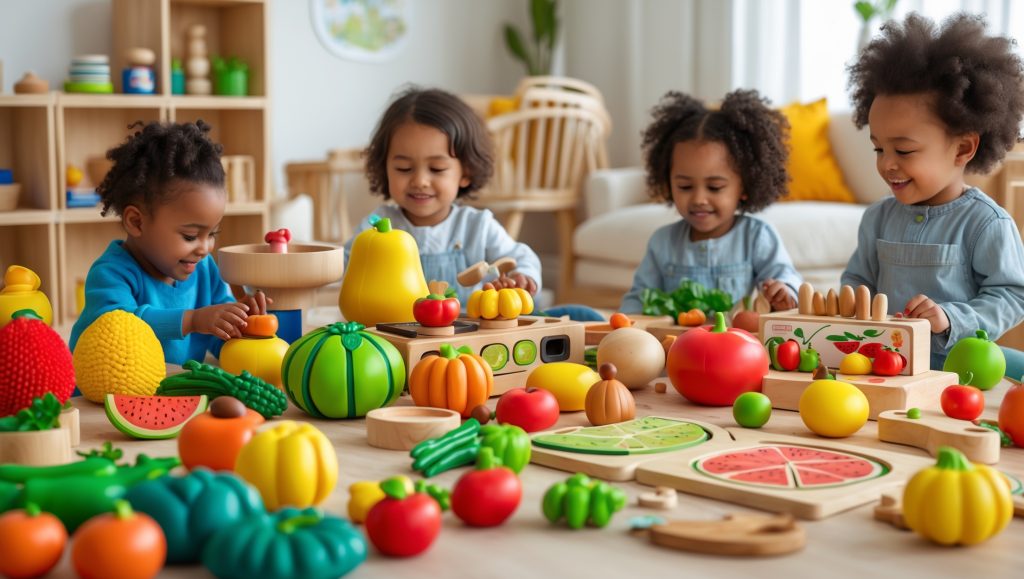
Introduction
Picky eating is a common concern for many families, often leading to stress and mealtime battles. However, research has shown that playful exposure to foods—especially through toys—can help children become more comfortable with new tastes, textures, and mealtime routines. Food-themed toys are more than just fun; they serve as powerful learning tools that encourage curiosity, reduce anxiety around unfamiliar foods, and foster positive associations with healthy eating. This article explores how U.S. families in 2025 can use food-themed toys to support picky eaters, offering evidence-informed strategies, age-appropriate recommendations, and practical tips for success.
Understanding Picky Eating: A Developmental Perspective
Picky eating typically peaks in toddlerhood and early childhood, coinciding with developmental leaps in independence and sensory awareness. While some children are naturally more cautious with new foods, repeated positive exposure—both at and away from the table—can help broaden their acceptance. Food-themed toys provide a low-pressure way to interact with the idea of different foods, supporting sensory exploration and imaginative play.
Key developmental benefits of food-themed toys include:
- Sensory Desensitization: Handling toy foods helps children become familiar with colors, shapes, and the concept of different foods without the pressure to taste.
- Language Development: Naming, describing, and role-playing with toy foods expand vocabulary and communication skills.
- Social-Emotional Skills: Playing “kitchen” or “grocery store” encourages sharing, turn-taking, and understanding of mealtime routines.
- Fine Motor Development: Manipulating toy fruits, vegetables, and utensils strengthens hand muscles and coordination.
Types of Food-Themed Toys That Support Picky Eaters
Food-themed toys come in many forms, each offering unique benefits. Here are some popular options for families:
Pretend Play Sets (Kitchen & Grocery)
- Pretend Kitchens: Miniature stovetops, ovens, and sinks let children “cook” meals, encouraging experimentation with new foods in a playful setting.
- Grocery Store Kits: Cash registers, shopping baskets, and shelves with toy produce help children role-play food shopping and selection.
Food Puzzles and Sorting Games
- Wooden Food Puzzles: Puzzles shaped like fruits, vegetables, and meals teach recognition, matching, and categorization.
- Sorting Games: Colorful bins and toy foods make sorting by type, color, or food group engaging and educational.
Plush and Soft Food Toys
- Plush Fruits and Vegetables: Soft, squeezable toys are approachable for younger children and soothe sensory sensitivities.
- Food-Themed Dolls and Accessories: Dolls with feeding sets or plush meal accessories integrate food play into broader imaginative scenarios.
Interactive and Sensory Food Toys
- Velcro & Magnetic Foods: Toys that can be “cut” and reassembled foster fine motor skills and demonstrate how foods are prepared.
- Textured Food Toys: Toys with varied surfaces (bumpy, smooth, squishy) help children acclimate to different food textures.
Choosing Age-Appropriate Food-Themed Toys
Selecting the right toys depends on your child’s age, interests, and developmental needs. Here’s a general guide for U.S. families in 2025:
- Infants (6–12 months): Soft, chew-safe plush foods and simple nesting cups.
- Toddlers (1–3 years): Large wooden puzzles, chunky plastic play foods, and beginner kitchen sets.
- Preschoolers (3–5 years): More detailed pretend kitchens, grocery carts, sorting games, and magnetic food sets.
- Early Elementary (5–7 years): Advanced cooking sets, role-play games involving recipes, and food-themed board games.
Always supervise play, especially with toys that include small parts, and ensure they meet current U.S. safety standards.
How to Incorporate Food-Themed Toys into Daily Routines
Food-themed toys are most effective when integrated naturally into your child’s day. Here are some practical ways to maximize their benefits:
- Mealtime Prep Play: Set up a pretend kitchen next to the real one. Let your child “cook” while you prepare the family meal.
- Storytelling: Create stories about toy foods—where they come from, how they grow, and how they’re cooked.
- Food Sorting Challenges: Use sorting games to group foods by color, shape, or type, sparking curiosity and discussion.
- Role Reversal: Let your child “serve” you a meal with toy foods, giving them control and confidence around food.
- Grocery Store Pretend Play: Turn a corner of the playroom into a mini market, encouraging your child to explore new foods through shopping and selling games.
Remember, the goal is not to pressure your child to eat but to create positive, playful exposure to foods in a low-stakes environment.
Common Mistakes
- Using toys as bribes: Offering a toy as a reward for eating can create pressure and negative associations with mealtime.
- Forcing food themes during play: Allow your child to lead. If they use a pretend banana as a phone, that’s okay!
- Focusing only on “healthy” foods: Including a variety of food toys (including occasional treats) encourages balanced food attitudes.
- Overloading with too many toys: Too many choices can be overwhelming. Rotate toys to keep play fresh and engaging.
- Not modeling play: Join in! Children learn by watching adults interact with toys and model positive attitudes toward food.
- Ignoring safety guidelines: Always check age recommendations and inspect toys for loose parts or damage.
Quick Checklist
- Choose age-appropriate, safe food-themed toys
- Rotate toys to maintain interest
- Incorporate toys into daily routines, not just playtime
- Encourage sensory exploration (touch, sight, smell)
- Model positive food talk and curiosity during play
- Let your child lead the play and follow their interests
- Include a variety of food types in your toy collection
- Observe for any signs of frustration or overwhelm and adjust as needed
FAQ
+How do food-themed toys actually help with picky eating?
+What age is best to introduce food-themed toys?
+Do food-themed toys replace the need for real food exposure?
+How can I encourage my child to play with food toys if they seem uninterested?
+Is it okay to include pretend treats and desserts in our toy collection?
+Can food-themed toys support children with sensory sensitivities?
+How do I ensure toy safety for my child?
Conclusion
Food-themed toys are an evidence-informed, playful approach to supporting picky eaters and building positive food relationships. By choosing age-appropriate toys, integrating them into everyday routines, and letting your child lead the way, you can help reduce mealtime struggles and foster a lifelong curiosity about food. Remember: the goal isn’t to make every child love every food, but to create a supportive environment where exploration is encouraged and pressure is minimized. With patience, play, and creativity, families in 2025 can turn picky eating into an opportunity for growth, connection, and joyful learning.

Supporting picky eaters can be a daily challenge for families, but recent evidence suggests that food-themed toys offer a playful and effective way to encourage openness to new foods. By integrating pretend play with familiar and novel foods, children can explore textures, colors, and the idea of tasting in a low-pressure setting. This approach is especially beneficial for U.S. families, where mealtime stress is common and the pressure to “just try a bite” can backfire. Toys such as play kitchens, plastic fruits and vegetables, and food puzzles help children build positive associations with food, fostering curiosity rather than anxiety. Research highlights that repeated, relaxed exposure—through play as well as at the table—can increase acceptance of a wider range of foods over time. Importantly, parents and caregivers are encouraged to join in the play, modeling enthusiasm and gentle curiosity without expectation. Food-themed toys can also support language development, fine motor skills, and social-emotional learning, making them a holistic tool for early childhood growth. Ultimately, these playful strategies can transform mealtimes from battlegrounds into opportunities for connection and learning.
- Encourage food play: Use pretend food sets to normalize new foods.
- Model curiosity: Join your child in play, showing interest without pressure.
- Build routines: Incorporate food-themed toys into daily activities for repeated exposure.
- Celebrate progress: Focus on exploration, not just eating, to foster positive attitudes.
For parents worried about choking, how can we balance using food-themed toys to build mealtime skills while still keeping playtime safe, especially if our kids still tend to put things in their mouths?
It’s completely understandable to be concerned about choking risks, especially with little ones who explore by mouthing objects. First, choose food-themed toys that are large, sturdy, and labeled safe for your child’s age—avoid any with small parts or detachable pieces. Offer play only under close adult supervision and store toys out of reach when not in use. You might also model safe play by showing how to pretend-cook or serve, rather than pretend-eat, the toy foods. If your child is still mouthing often, consider soft, easy-to-clean play foods designed for toddlers. This isn’t medical advice; if you’re concerned, check in with your pediatrician.
You mention that food-themed toys can help with picky eating by reducing anxiety and encouraging curiosity. At what age should I start introducing these toys to my nine-month-old, and are there specific types that work best for younger babies versus older toddlers?
It’s wonderful that you’re thinking about supporting your little one’s relationship with food early on. For a nine-month-old, you can start introducing simple, soft food-themed toys made of safe, non-toxic materials—look for larger pieces to avoid choking hazards. Plush fruits and vegetables or silicone sensory toys are great for this age, letting your baby explore textures without any small parts. As your child grows into toddlerhood, you can gradually add pretend play foods and simple kitchen sets. Always supervise play, and check toys regularly for wear and tear. This isn’t medical advice; if you’re concerned, check in with your pediatrician.
With pretend play sets like kitchen or grocery store kits, do you have advice for setting up routines at home so the benefits transfer to real mealtimes? For example, should we schedule play before dinner or just keep it unstructured?
It’s wonderful that you’re thinking about how to connect pretend food play with real meals. Try scheduling short, playful sessions—10 to 20 minutes—before dinner, so your child can explore foods in a low-pressure way. Invite your child to ‘prepare’ or ‘serve’ pretend versions of dinner foods, then gently transition to the real meal. Keep routines flexible, but consistent mealtime play can help the benefits transfer more easily. Always supervise young children with small toy pieces. This isn’t medical advice; if you’re concerned, check in with your pediatrician.
Are the smaller pieces in typical pretend food sets safe for 2-year-olds, or should I look for age-specific sets to avoid choking hazards? I’ve noticed some kits with tiny parts and worry about safety.
It’s completely understandable to be concerned about choking hazards with small toy pieces for your toddler. For 2-year-olds, it’s best to choose food-themed toy sets specifically labeled as safe for ages 2 and up, since these will avoid small parts that could pose a risk. Always check the manufacturer’s age recommendations and inspect sets for any detachable, bite-sized pieces. Supervise play sessions and regularly look for wear or broken pieces that could break off. Opt for larger, single-piece foods made from non-toxic materials. This isn’t medical advice; if you’re concerned, check in with your pediatrician.
My twins are almost preschoolers. Should I be updating the kind of food-themed toys we use as they get older, or do these strategies stay effective as kids transition out of toddlerhood?
Your thoughtfulness about supporting your twins as they grow is wonderful. As children approach preschool age, it helps to update food-themed toys to match their maturing interests and developmental skills. Try choosing play foods with more detail or variety, encourage pretend cooking or restaurant play, and involve them in simple food-related games. Supervise closely to ensure small parts are safe for their age. These activities keep the strategies engaging and age-appropriate. This isn’t medical advice; if you have concerns about your twins’ eating or play, check in with your pediatrician.
With so many types of pretend play sets available, is there any research or guidance on which are most effective for encouraging a cautious eater’s willingness to try new foods, or is it just about variety?
You’re thoughtful to wonder which pretend play sets actually help with picky eating. Research suggests that any food-themed toys can be useful, but sets that mimic real mealtime routines—like play kitchens and pretend grocery shopping—may be especially effective. Offer a range of pretend foods, including ones your child avoids, so they can interact with them in a low-pressure, playful way. For younger children, choose sets with large, easy-to-clean pieces and always supervise to prevent choking. Ultimately, variety helps, but how you use the toys—gentle, child-led play—matters most. This isn’t medical advice; if you’re concerned, check in with your pediatrician.
With so many pretend play options out there, I’m not sure whether to start with a kitchen set, grocery store kit, or puzzles. Is one type generally more effective for encouraging picky eaters to try new foods?
It’s very normal to feel unsure about which pretend play toys might help your picky eater most. Research suggests that all three—kitchen sets, grocery store kits, and food puzzles—can support food exploration, but a play kitchen often allows kids to act out preparing and tasting foods, which may encourage curiosity and reduce anxiety about real foods. For younger children, start with simple, chunky food puzzles to build comfort with food shapes and names. For toddlers and preschoolers, a kitchen set or grocery store kit lets them role-play food-related activities in a safe, pressure-free way. Always supervise play, especially with small parts, and watch for any allergy concerns with toy materials. This isn’t medical advice; if you’re concerned, check in with your pediatrician.
My child has strong sensory preferences and is at the stage where we’re starting potty training. Are plush food toys better than wooden ones for kids who might struggle with certain textures, especially during new routines like toilet learning?
It’s great that you’re thinking about your child’s sensory preferences during big transitions like potty training. For children sensitive to textures, plush food toys are often more comforting and less overwhelming than wooden toys, especially when introducing new routines. Try offering soft plush toys during potty time for calm comfort, and let your child explore at their own pace. Always supervise play, especially with any small parts or loose stitching. Choose hypoallergenic materials if your child has sensitivities. This isn’t medical advice; if you’re concerned, check in with your pediatrician.
How much time each day or week do you suggest setting aside for food-themed toy play to see benefits in picky eating? Is there an ideal routine, or can it be more spontaneous depending on the child’s interest?
It’s great that you’re thinking about building a routine to help with picky eating. For most toddlers and preschoolers, 10–15 minutes of food-themed toy play a few times a week can be effective—consistency matters more than long sessions. You can certainly keep it flexible and follow your child’s interest; some kids engage better with spontaneous, playful moments. Make sure toys are age-appropriate and safe—avoid small parts for children under 3. Remember, this isn’t medical advice; if you’re concerned, check in with your pediatrician.
If we already have basic kitchen pretend sets, which sorting games or puzzles would add something new for a 10-month-old? Are any of these suitable for babies still developing fine motor skills, or are they better for older children?
It’s great that you want to add variety while considering your baby’s developmental stage. For a 10-month-old, choose large, easy-to-grasp food puzzles or sorting toys with chunky pieces—avoid small parts to reduce choking risk. Basic fruit or veggie shape sorters with big shapes are safe and can support fine motor development, especially with your gentle guidance. Avoid puzzles requiring precise placement or stacking, which are more suited to toddlers over 18 months. Always supervise play at this age. This isn’t medical advice; if you’re concerned, check in with your pediatrician.
What are some safety features I should look for when buying food-themed toys for a two-year-old who still puts things in their mouth? I worry about choking hazards with smaller parts.
It’s completely understandable to be concerned about choking hazards, especially at age two when mouthing is still common. Look for toys labeled for ages 2 and up, as these should avoid small detachable parts. Choose one-piece, sturdy food toys made from non-toxic, BPA-free materials, and avoid sets with pieces smaller than 1.25 inches in diameter. Regularly check for wear or loose parts that could break off. Always supervise playtime with pretend food, even with larger toys. This isn’t medical advice; if you’re concerned, check in with your pediatrician.
Do you have any advice for storing or organizing food-themed toys to keep them easily accessible but not cluttered? Our play space is small, and I want to avoid losing track of pieces or having things mixed together.
It’s great that you want to keep your play space tidy and organized for your child. Try using small, clear containers or labeled bins to sort food-themed toys by type (fruits, veggies, utensils), which helps kids find and put away items easily. Stackable drawer units or hanging shoe organizers can save floor space while keeping pieces visible and within reach. For very small pieces, consider zippered pouches or boxes with secure lids to prevent choking hazards, especially for toddlers. Rotate a few sets at a time to minimize clutter. This isn’t medical advice; if you’re concerned, check in with your pediatrician.
Could you offer any advice on how to include food-themed toys in a daily routine without making it feel forced or like another therapy activity for kids who resist structured play?
It’s understandable to want playtime to feel fun and natural, especially if your child resists structured activities. Try leaving food-themed toys out in common play areas rather than setting specific times to use them. Join in occasionally by modeling pretend play—like making a silly sandwich—without any pressure to participate. Let your child lead the play and use the toys however they like, even if it’s not related to food. Rotate toys to keep things interesting, and always supervise younger children in case of small parts. This isn’t medical advice; if you’re concerned, check in with your pediatrician.
Are there certain types of pretend kitchen or grocery store sets that are better suited for younger babies under one year, or should we mainly introduce these after toddlerhood?
It’s great that you’re thinking about age-appropriate ways to support your little one’s comfort with food. For babies under one year, choose food-themed toys that are soft, large, and free from small parts to avoid choking hazards. Simple pretend food, textured play mats, and oversized kitchen items (like plastic bowls or spoons) are safest at this age. Always supervise play closely. More detailed kitchen or grocery sets with removable pieces are better suited for toddlers who don’t put everything in their mouths. This isn’t medical advice; if you’re concerned, check in with your pediatrician.
How can I make sure the pretend foods and utensils we choose are safe for toddlers who still sometimes mouth or chew on toys? Are there specific materials or brands you recommend avoiding?
It’s great that you’re thinking about toy safety for your toddler who is still mouthing objects. Choose pretend foods and utensils labeled for ages 1–3, as these are designed without small parts or choking hazards. Look for toys made from BPA-free plastic, untreated wood, or food-grade silicone, and avoid items with loose paint, fabric stuffing, or glued-on decorations. Skip vintage or hand-me-down toys that might not meet current safety standards. Always supervise play, and regularly check toys for wear or damage. This isn’t medical advice; if you’re concerned, check in with your pediatrician.
Should I be concerned about my three-year-old putting plush or wooden food toys in her mouth, especially before bedtime? How do I make sure the toys are safe and age-appropriate?
It’s very normal to worry when your three-year-old mouths toys, especially before bed. First, choose plush and wooden food toys labeled for ages 3 and up, making sure there are no small parts that could be a choking risk. Check that wooden toys have non-toxic, lead-free finishes, and plush toys are washable and free from loose fibers. Supervise playtime, especially if your child is tired and more likely to mouth toys. Before bed, gently remind your child that toys stay out of their mouth, and offer a safe comfort item instead. This isn’t medical advice; if you’re concerned, check in with your pediatrician.
Do you have any recommendations for families on a tight budget who want to use food-themed toys to help with picky eating? Are there homemade options or brands that you find effective without being expensive?
It’s wonderful that you want to support your picky eater, even on a budget. You can make food-themed toys at home using clean recyclables—try cutting out food pictures from magazines for pretend meals, or use felt or fabric scraps to sew simple play foods (just be mindful of choking hazards for little ones). Homemade salt dough can be shaped and painted to look like fruits and veggies (with supervision and non-toxic materials). Dollar stores sometimes have safe, simple food toy sets. Always check items for small parts or sharp edges if your child is under three. This isn’t medical advice; if you’re concerned, check in with your pediatrician.
My child often loses interest in new toys quickly. Can you share any tips on how parents can keep food-themed toy play engaging over time or change up the routines?
It’s understandable to want to keep your child curious and engaged during playtime, especially if they lose interest quickly. Try rotating the food-themed toys so only a few are out at a time, switching them every week or so. Create simple pretend-play scenarios, like running a restaurant or grocery store, and let your child help invent the story. Mix in real kitchen tools (safe for their age, no sharp edges or small parts) to add novelty. Invite your child to lead the play and choose roles or recipes. This isn’t medical advice; if you’re concerned, check in with your pediatrician.
In your experience, are plush or wooden food toys better for children who are sensitive to certain textures or sounds? I want to encourage sensory exploration in the mornings without overwhelming my child or waking anyone up.
It’s great that you want to support your child’s sensory needs thoughtfully. For children sensitive to textures or sounds, plush food toys are usually a gentler choice—they’re soft, quiet, and less likely to cause sensory overload or wake others. You might start by offering a few plush items and observing your child’s reactions, then gradually add wooden toys if they seem interested. Always check for age-appropriate features, like securely sewn seams for younger kids. Supervise play to ensure safety, especially if your child still mouths objects. This isn’t medical advice; if you’re concerned, check in with your pediatrician.
Should food-themed toys be used only during certain times of day, or can they be left out for free play whenever? Do you find that having a set routine around food play helps with picky eating habits?
It’s great that you’re thinking about how routines and access to food-themed toys might support your picky eater. For most kids, leaving food-themed toys out for open-ended play is safe and developmentally appropriate, as long as they’re age-appropriate and free from choking hazards. However, creating a gentle routine—such as inviting your child to play with these toys before meals or snacks—can help connect positive food experiences to real eating times. Just watch for signs of boredom or resistance, and adjust as needed. This isn’t medical advice; if you’re concerned, check in with your pediatrician.
You mention that pretend play kitchens help with picky eating. At what age can I realistically expect my child to start engaging with these toys, or should I start with something simpler like plush food before introducing the bigger sets?
It’s great that you’re thinking about the right time to introduce pretend play kitchens to support your picky eater. Most children show interest in simple pretend food (like plush or wooden pieces) around 12–18 months, enjoying basic exploration and mouthing. Larger play kitchen sets are often best introduced from age 2, when toddlers begin more complex pretend play and role modeling. Start with soft, safe toy foods for younger toddlers, and always supervise play to prevent choking hazards. Gradually add kitchen accessories as your child’s skills and interests grow. This isn’t medical advice; if you’re concerned, check in with your pediatrician.
Do you find that wooden food puzzles or plush foods are more effective in getting reluctant eaters involved in mealtime conversations during play, especially for kids who are cautious with new foods?
It’s great that you’re thinking creatively about ways to involve your cautious eater at mealtimes. Both wooden food puzzles and plush foods can help, but the best choice often depends on your child’s age and sensory preferences. For toddlers and preschoolers, plush food toys may feel safer and invite imaginative play without pressure. Wooden puzzles, meanwhile, offer structure and can help with naming and sorting foods. Try inviting your child to ‘serve’ or ‘cook’ with these toys as you talk about real foods together. Always supervise play and check for small parts or loose fibers. This isn’t medical advice; if you’re concerned, check in with your pediatrician.
Do interactive toys with magnets or Velcro pose any safety risks for toddlers who are still mouthing things? I want something engaging but safe.
It’s wonderful that you’re thinking carefully about safety while choosing engaging toys for your toddler. For children who still mouth objects, both magnetic and Velcro play food sets need extra caution. Magnets—especially small or easily detachable ones—can be very dangerous if swallowed, as they may cause serious internal injuries. Velcro is generally safer, but check that pieces are large enough not to be choking hazards and that no small parts can come loose. Always supervise play closely at this age. Opt for toys labeled for ages 3 and up only if you’re confident your child won’t mouth the pieces. This isn’t medical advice; if you’re concerned, check in with your pediatrician.
My toddler just turned two and a half, and we’re starting potty training while also dealing with picky eating. Do food-themed toys help with routines like using the potty, or are they mostly for mealtimes? Would mixing the two routines confuse her?
It makes sense to want helpful tools for both potty training and picky eating at this age. Food-themed toys are most effective for building comfort around new foods and routines at mealtimes, rather than during potty training. To avoid confusion, keep mealtime and potty routines separate—use food-themed toys only at the table or play area. For potty training, try books or toys specifically about toileting. This helps your toddler learn what to expect from each routine. Always supervise play, and pick toys that are safe for her age. This isn’t medical advice; if you’re concerned, check in with your pediatrician.
My daughter is very sensitive to certain textures and even fabric types. Are there any specific materials you recommend when choosing plush or soft food toys for kids with these sensory sensitivities?
It’s completely understandable to want the right materials for your daughter’s comfort and sensory needs. Look for plush food toys made from ultra-soft, hypoallergenic fabrics like cotton velour or microfiber, as these tend to be gentle on sensitive skin and less likely to irritate. Avoid toys with rough embroidery, sequins, or synthetic fur that might feel scratchy. If possible, let your child touch different fabrics before purchasing to see what she prefers. Always check for small parts and secure stitching for safety, especially for younger children. This isn’t medical advice; if you’re concerned, check in with your pediatrician.
At what age do you recommend introducing pretend kitchen or grocery store kits for picky eaters? My son is almost two, and I want to make sure the toys are both safe and developmentally helpful for him at this stage.
It’s wonderful that you’re thinking about both safety and your son’s development. For most children, simple pretend kitchen or grocery store kits can be introduced around 18 months, as long as all pieces are large enough to avoid choking risks and are free from small parts. Look for sturdy, easy-to-clean sets made of wood or BPA-free plastic. At almost two, your son may enjoy basic pretend play, like stirring, stacking, or naming foods. Supervise closely, especially during early play, and choose toys with smooth edges. This isn’t medical advice; if you’re concerned, check in with your pediatrician.
How do you recommend storing and organizing food-themed toys so they stay appealing and easy for children to access during free play? Any tips for keeping the sets together without making cleanup overwhelming for the child?
It’s great that you want food-themed toys to stay inviting and easy to use. Try sorting toys by type (fruits, veggies, utensils) into shallow, open bins or trays at your child’s level, so they can see and choose what interests them. Use picture labels to help with cleanup, especially for toddlers or preschoolers. Keep sets small and rotate some toys every few weeks to prevent overwhelm and spark new interest. Remember to avoid small pieces for children under 3 and regularly check for wear. This isn’t medical advice; if you’re concerned, check in with your pediatrician.
Sometimes the wooden puzzles and toy foods have small pieces—how can I be sure which ones are safest for a two-year-old, especially with younger cousins around during family visits?
You’re right to be cautious about toy safety with toddlers and even younger children nearby. For a two-year-old, choose food-themed toys and puzzles labeled for ages 2 and up, and check that all pieces are larger than 1.25 inches in diameter to prevent choking. Avoid items with detachable small parts, magnets, or loose decorations. Supervise play closely, especially with younger cousins present, and store toys safely out of reach when not in use. Always inspect toys for wear or damage. This isn’t medical advice; if you’re concerned, check in with your pediatrician.
For children of different ages or developmental levels in the same family, how can we adapt the use of food-themed toys so both kids stay interested and challenged without needing to buy separate sets?
It’s great that you want to keep both children engaged while supporting their development. Try rotating the same set of food-themed toys, letting older kids set up pretend restaurants or cooking games, while younger ones explore sorting by color or shape. Encourage shared play where the older child teaches or narrates, building their confidence and language skills. Supervise closely with small parts if one child is under age 3, removing any choking hazards. Adapt play to each child’s level—simple matching for little ones, complex role-play for older kids. This isn’t medical advice; if you have concerns about safety or development, check in with your pediatrician.
My toddler seems to get easily overwhelmed by certain textures, especially during meals. Would plush food toys or wooden food puzzles be a better starting point for her age and sensory needs?
It’s completely understandable to want to support your toddler when textures feel overwhelming. For most toddlers, plush food toys are often a gentler starting point—they’re soft, safe, and less likely to trigger sensory discomfort. Start by introducing one or two plush foods during play, encouraging gentle touch and pretend bites, always with supervision. If she becomes curious and comfortable, you might gradually try wooden food puzzles, watching for any signs of distress. Both options can help, but begin with what feels safest for her sensory needs and age. This isn’t medical advice; if you’re concerned, check in with your pediatrician.
Do you have any advice about how to clean or sanitize plush and fabric food toys? My child sometimes chews on them, and I want to keep things safe but I’m worried about washing them too often ruining the toys.
It’s great that you’re thinking about both safety and the longevity of your child’s toys. To keep plush and fabric food toys clean, spot-clean with a damp cloth and mild soap for everyday messes. For deeper cleaning, use a gentle, fragrance-free detergent and wash on a delicate cycle in a mesh bag, then air-dry thoroughly. If your child chews on them often, check for labels that mention machine-washability and avoid harsh chemicals. Inspect toys regularly for wear or loose stuffing. This isn’t medical advice; if you’re concerned, check in with your pediatrician.
Do you find that food puzzles or pretend play sets work better for introducing new foods to toddlers who are extremely picky? I’m trying to decide which type to invest in first given our limited space and budget.
It’s great that you’re thinking carefully about how to help your picky eater. For extremely picky toddlers, food-themed pretend play sets often offer more opportunities for imaginative, low-pressure exposure to new foods, which research suggests can ease anxiety around trying them. However, if your child enjoys puzzles and structured play, food puzzles can also be helpful for building positive associations. If space and budget are tight, I’d recommend starting with a small, age-appropriate pretend play set, making sure there are no small parts for choking risk. This isn’t medical advice; if you’re concerned, check in with your pediatrician.
I noticed that iron intake can be a challenge for picky eaters. Should I look for food toys that specifically model iron-rich foods, like certain cereals or purees, or does the type of toy food not really make a difference in helping with iron acceptance?
You’re absolutely right to be thinking about iron intake for your picky eater. Using play food that looks like iron-rich options—such as toy meats, beans, or leafy greens—can help familiarize your child with these foods in a low-pressure, playful way. Try rotating these specific toy foods into your child’s pretend kitchen, naming them together, and making up silly games about serving or cooking them. For toddlers and younger children, ensure play food pieces are large enough to avoid choking hazards. While toy foods alone won’t boost iron intake, they can gently reduce resistance to trying new foods later. This isn’t medical advice; if you’re concerned, check in with your pediatrician.
We have a small apartment with limited storage, so I’m wondering if you have suggestions for compact or multipurpose food-themed toys that don’t take up too much space but are still effective for encouraging picky eaters?
It’s understandable to want effective tools that fit your living space. For small apartments, consider soft food-themed plushies that double as comfort items, or a compact set of wooden play food that stores neatly in a small box. Reusable felt food pieces can be used for pretend play and easily packed away. You might also try food-themed puzzles or stacking toys that encourage fine motor skills and discussion about foods. Make sure any toys are age-appropriate—avoid small pieces for children under three, and supervise play to ensure safety. This isn’t medical advice; if you have concerns, check in with your pediatrician.
If I have a limited budget and space in our apartment, which single type of food-themed toy would you recommend starting with for a 7-month-old to get the most developmental benefits?
You’re wise to consider both budget and space while supporting your 7-month-old’s development. For this age, a soft, textured food-themed teether or plush toy shaped like a common fruit or vegetable is a great choice. It encourages sensory exploration, safe mouthing, and early recognition of healthy foods. Look for one that’s easy to clean, free of choking hazards, and made from non-toxic materials. Always supervise play at this stage and check for wear and tear. This isn’t medical advice; if you have concerns about your child’s development or safety, please ask your pediatrician.
Safety is a big concern for us since our child still mouths some toys. Are the plush or wooden food toys mentioned in the article suitable for a 2.5-year-old who is just starting potty training, or should we look for specific safety certifications when shopping?
It’s completely understandable to prioritize safety, especially with a young child who is still mouthing toys. For a 2.5-year-old, look for plush food toys labeled as safe for ages 2 and up, and ensure they have securely stitched parts with no loose pieces or beads. If considering wooden toys, choose those with smooth, splinter-free finishes and non-toxic, lead-free paints, and always check for small parts that could pose a choking hazard. Certifications like ASTM F963 or CPSIA compliance are helpful indicators of safety. Always supervise play, and regularly inspect toys for wear or damage. This isn’t medical advice; if you’re concerned, check in with your pediatrician.
As parents, we’re always concerned about the safety and durability of toys, especially for younger toddlers who might mouth everything. Are there specific safety guidelines or certifications we should look for when choosing food-themed toys for this purpose?
It’s so wise to prioritize safety when choosing toys for young toddlers, especially those who explore with their mouths. Look for toys labeled as meeting ASTM F963 or CPSIA standards—these ensure the toy is tested for choking hazards and toxic substances. For under-threes, avoid toys with small parts or removable pieces. Choose food-themed toys made from non-toxic, BPA-free materials and opt for those with smooth, easy-to-clean surfaces. Always supervise play, especially with pretend food items. This isn’t medical advice; if you’re concerned, check in with your pediatrician.
If our family is on a budget, is it better to invest in a comprehensive pretend kitchen set or to focus on a few high-quality food puzzles for a picky eater?
It’s great that you’re thinking carefully about supporting your picky eater within your budget. For younger children (toddlers and preschoolers), a few high-quality food puzzles can be a practical, safe, and developmentally appropriate choice, as they help with food familiarity and fine motor skills. Choose puzzles with large, easy-to-grasp pieces and non-toxic finishes. For older toddlers or preschoolers with more advanced pretend play, a basic pretend kitchen set adds variety but doesn’t have to be elaborate—simple pots, pans, or food items can encourage role-play and exposure to new foods. Always supervise play, especially with small parts, and remember that a few thoughtfully chosen toys can be just as helpful as a big set. This isn’t medical advice; if you’re concerned, check in with your pediatrician.
The family I help is on a tight budget and short on space. Are there specific food-themed toys that offer the most benefits for picky eaters but are also affordable and easy to store?
It’s great that you’re looking for practical ways to support the family within their budget and space limits. Simple play food sets made of soft plastic or felt, especially fruits and vegetables, can spark interest in new foods without taking up much room. Consider stacking food puzzles or compact play kitchen accessories—these usually fit in a small bin. Homemade options like painted rocks or laminated food pictures also work well. Always check for age-appropriate sizes to prevent choking hazards and supervise little ones during play. This isn’t medical advice; if you’re concerned, check in with your pediatrician.
Is there a major difference in the effectiveness of pretend kitchen playsets versus grocery store kits for encouraging openness to new foods? We have limited space, so I’m trying to decide which would have more impact.
It’s completely understandable to want the most effective use of your space when choosing toys to help with picky eating. Both pretend kitchen playsets and grocery store kits encourage food exploration, but research suggests kitchen sets may offer more opportunities for hands-on, sensory-rich play—like chopping, cooking, and serving—mirroring real meal routines. Try starting with a compact kitchen set that lets your child ‘prepare’ and ‘taste’ play foods, focusing on age-appropriate, safe pieces without small parts for younger kids. Whichever you pick, join in the pretend play to model curiosity and acceptance. This isn’t medical advice; if you’re concerned, check in with your pediatrician.
My child is really sensitive to certain textures and even gets uncomfortable touching some soft or squishy toys. Are there any suggestions for how to introduce food-themed toys gradually for kids who are cautious about sensory experiences?
It’s completely understandable to want to help your child feel comfortable with new textures. Try starting with food-themed toys that match your child’s preferred textures, like firm plastic instead of soft or squishy materials. Introduce one new toy at a time, allowing your child to look, hold, or play with it at their own pace. You might play alongside them, modeling gentle exploration, and offer opportunities to use tools (like a spoon or tongs) if direct touch is too much at first. Always supervise play to ensure safety and choose toys labeled for your child’s age. This isn’t medical advice; if you’re concerned, check in with your pediatrician.
I notice that some food-themed toy sets are made of wood while others are plastic, and I am curious if the material makes a difference in terms of safety and long-term sustainability, especially as my child tends to chew or mouth pieces. Would one be preferable over the other in this situation?
You’re right to think carefully about toy materials, especially for children who mouth or chew. For younger kids, wood toys can be safer if they are well-made, non-toxic, and have smooth, sealed surfaces, but check for splinters or chipping paint. Plastic toys should be BPA-free and labeled as non-toxic; avoid small detachable parts that could pose a choking risk. Always supervise play, and regularly inspect toys for wear or damage. Both can be sustainable if chosen thoughtfully, but wooden toys often last longer and can be more eco-friendly. This isn’t medical advice; if you’re concerned, check in with your pediatrician.
You mention that food-themed toys can broaden food acceptance, but how often should I incorporate these kinds of toys into my child’s routine for them to be effective? Is there a recommended frequency or time of day that works best based on what you’ve seen in research?
It’s great that you’re thinking about how to use food-themed toys to help your child with picky eating. Research suggests that regular, playful exposure helps—aim for short sessions (10–15 minutes) a few times per week. You might try incorporating these toys during relaxed playtimes, not just before meals, to keep things low-pressure. For toddlers and preschoolers, supervision is important, especially with small toy parts. Consistency matters more than the exact time of day, so choose moments when your child is engaged and receptive. This isn’t medical advice; if you’re concerned, check in with your pediatrician.
My child is easily overstimulated, especially with toys that make sounds or have bright colors. How can I introduce food-themed toys in a way that supports their sensory needs without overwhelming them?
You’re thoughtful to consider your child’s sensory needs alongside their eating experiences. Start by choosing food-themed toys with soft textures, muted colors, and no electronic sounds to create a calm play environment. Introduce one toy at a time during quiet moments instead of busy or noisy parts of the day. Allow your child to explore the toy at their own pace, without pressure or expectation. Observe and gently join their play, letting them lead. Always supervise play to ensure safety, especially with younger children who may mouth toys. This isn’t medical advice; if you’re concerned, check in with your pediatrician.
Could you suggest a reasonable playtime schedule for gradually introducing food-themed toys to a child who prefers routine and might resist new activities? I want to help my child build comfort without making play feel like another demand.
It’s wonderful that you want to support your child’s comfort with new play experiences while respecting their need for routine. To ease your child into food-themed toy play, consider starting with very short sessions—just 5–10 minutes, 2 or 3 times a week, at the same time each day. Begin by having the toys visible during regular play without any expectation to interact. Gradually invite your child to explore at their own pace, joining in role play only if they seem interested. Offer lots of praise for curiosity, not just participation. Always supervise play, especially with toys for younger children, to ensure safety. This isn’t medical advice; if you’re concerned, check in with your pediatrician.
Do you have any advice on how to include food play in our daily routine? My son is pretty resistant to structured activities, so I wonder if there’s an ideal time of day or way to introduce food-themed toys so it feels less forced.
It’s understandable to want food play to feel natural for your son, especially if structured activities aren’t his favorite. Try offering food-themed toys during free play, rather than as a set activity—leave them accessible in his usual play area and let him discover them on his own. You might also use them for pretend play together after meals, when he’s already engaged with food in a low-pressure way. Follow his lead, and if he shows interest, join in with simple pretend scenarios. Always supervise to ensure toys are safe for his age, especially if they have small parts. This isn’t medical advice; if you’re concerned, check in with your pediatrician.
I’m curious how to safely clean plush food toys, since my twins tend to mouth everything and sometimes chew on toys during play. Are there certain materials or brands you’d recommend from a hygiene and safety perspective?
You’re absolutely right to prioritize cleanliness and safety, especially with little ones who mouth their toys. For plush food toys, look for options labeled machine-washable and hypoallergenic—avoid small parts or glued-on embellishments that could come loose. Wash them regularly in hot water using gentle, fragrance-free detergent, and dry thoroughly to prevent mold. Materials like cotton or polyester blends are typically safest; avoid toys with beads, sequins, or electronic components. Supervise play to watch for wear and tear. This isn’t medical advice; if you’re concerned, check in with your pediatrician.
My toddler is really sensitive to certain textures and tends to avoid anything sticky or squishy. Would plush or wooden food toys be better for introducing new textures, or should we start with something else?
It’s understandable to want gentle ways to help your toddler with texture sensitivities. If sticky or squishy textures are a challenge, start with wooden food toys—they’re smooth, firm, and less likely to overwhelm sensitive children. Introduce plush toys next, as they’re soft but still non-sticky, letting your child explore without discomfort. Always supervise play to ensure safety, and let your child lead the pace—never pressuring them to touch anything they resist. If your toddler becomes more comfortable, you can gradually add more varied textures. This isn’t medical advice; if sensitivities persist or worsen, it’s a good idea to check in with your pediatrician.
Do you recommend incorporating food-themed toys throughout the day, or is it better to keep them just for scheduled playtimes to make sure my daughter doesn’t get overwhelmed?
It’s thoughtful to consider your daughter’s comfort and avoid overwhelming her with new experiences. Try introducing food-themed toys during scheduled playtimes at first, so she can predict when to expect them. Watch her reactions—if she enjoys them and asks for more, you can gradually add short, spontaneous play sessions. Keep the toys age-appropriate and check for small parts to ensure safety. If she seems hesitant, give her breaks and let her choose when to engage. This isn’t medical advice; if you’re concerned, check in with your pediatrician.
Could you clarify how to involve older siblings in food-themed play without making my younger child feel overwhelmed? My older child likes imaginative games, but my sensitive eater can get easily overshadowed.
It’s wonderful that you want everyone to feel included and comfortable during play. Try setting up clear turns so each child gets to lead a food-themed game for a few minutes. Choose simple games first—like matching toy foods—before moving into imaginative play, giving your younger child time to warm up. Encourage your older child to role-model gentle language and ask questions that include their sibling, like ‘What should we cook together?’ Use toys without small parts and supervise closely to ensure safety and a positive experience. This isn’t medical advice; if you’re concerned, check in with your pediatrician.
If my toddler is especially sensitive to certain textures, do you recommend starting with plush food toys over the wooden or magnetic sets, or should we offer a mix right away to help gradually build their comfort with more textures?
You’re thoughtful to consider your toddler’s texture sensitivities when choosing food-themed toys. For many toddlers who react strongly to textures, starting with soft, plush food toys can feel less overwhelming and more inviting. Once your child is comfortable, you might gently introduce a wooden or magnetic toy—one at a time—so they can explore new sensations at their own pace. Watch closely for any discomfort and always supervise play, especially with smaller or detachable parts. Remember, every child is different; moving slowly and making it fun can build confidence. This isn’t medical advice; if you’re concerned, check in with your pediatrician.
If a family is on a budget, is it more cost-effective to focus on cereal-based or puree-based sources of iron for picky eaters in the US? And would choosing themed toys to match those foods make a difference in their willingness to try them?
It’s great that you’re considering both nutrition and engagement for your picky eater. For many families in the US, iron-fortified cereals are often more cost-effective and shelf-stable than purees, and they’re usually easy to find. You can gradually introduce these by offering just a spoonful alongside familiar foods. If you choose themed toys—like play food cereals or vegetables—these can encourage curiosity and reduce anxiety about trying new foods, especially for toddlers and preschoolers. Make sure toys are age-appropriate, avoiding small parts for children under 3. This isn’t medical advice; if you have concerns about iron intake or your child’s eating habits, check with your pediatrician.
Do you have any tips on rotating food-themed toys so my child stays interested, but our play area does not get too cluttered? We have a small space and I also want to keep our toy collection budget-friendly.
Wanting to keep your child engaged while managing space and budget is a thoughtful approach. Try selecting a few food-themed toys to display each week, storing the rest out of sight; a small box or bin works well. Every week or two, swap toys in and out so play feels fresh and exciting. You can also use everyday items, like clean containers or pretend kitchen tools, to supplement the set without extra cost. For toddlers and preschoolers, ensure toys are free of small parts and easy to clean. This isn’t medical advice; if you’re concerned, check in with your pediatrician.
For families on a budget, which type of food-themed toy offers the most versatile developmental benefits for picky eaters without needing to buy multiple different sets?
It’s great that you’re looking for budget-friendly ways to support your picky eater’s development. A single set of durable, pretend play food—like soft plastic or wooden fruits and veggies—usually offers the most versatility. You can use them for color sorting, counting, pretend cooking, or role-play meals. For ages 2 and up, these toys are generally safe with supervision; just avoid small or detachable pieces for younger children. Involve your child in selecting foods, naming them, and ‘cooking’ together to boost familiarity. This isn’t medical advice; if you’re ever concerned about your child’s eating or development, check in with your pediatrician.
Are the wooden food puzzles and Velcro play food pieces safe for toddlers who still like to put things in their mouths, or should I avoid certain kinds until my child is a bit older?
It’s completely understandable to want to keep your toddler safe while encouraging healthy eating habits through play. For children who still mouth toys, choose food-themed toys that are large enough not to be a choking hazard—wooden puzzles with chunky pieces are usually safer, but always check the manufacturer’s age recommendations. Avoid any items with small detachable parts or loose Velcro bits, as these can come off and be swallowed. Supervision during play is key at this stage. This isn’t medical advice; if you’re concerned, check in with your pediatrician.
My child’s play area is already packed with toys, so I am trying to avoid adding more clutter. Do you have suggestions for a minimal set of food-themed toys that still offers the developmental benefits mentioned, or ways to incorporate these ideas using what we already have at home?
It’s completely understandable to want to minimize clutter while still supporting your child’s development. Choose 3–5 versatile food-themed toys, like felt fruits, stacking wooden vegetables, or a simple pretend plate and utensils set—these support pretend play, sorting, and naming foods. Alternatively, use real kitchen items (clean cups, spoons) and safe pantry items (plastic containers, empty boxes) for play, or draw and cut out pretend foods together. For toddlers, always supervise play and avoid small or sharp pieces. This isn’t medical advice; if you have concerns about your child’s eating or play, check in with your pediatrician.
Between wooden food puzzles and plush food toys, which type tends to be better for encouraging language development in preschool-age children who are hesitant to try new foods?
You’re thoughtful to consider how toy choice can support your child’s language growth around food. For preschoolers, both wooden food puzzles and plush food toys can spark conversation, but plush food toys often invite more pretend play and storytelling, which research links to richer language development. Try offering plush foods for imaginative play—let your child ‘cook,’ serve, and name foods. Join in by describing colors, textures, and tastes. Ask open-ended questions about the foods to encourage your child to talk. Always check for small parts or loose stitching on plush toys to ensure safety. This isn’t medical advice; if you’re concerned, check in with your pediatrician.
My child seems especially sensitive to new textures at mealtimes; do plush or soft food toys help with easing that transition compared to more realistic or rigid toy foods?
It’s understandable to want to ease your child’s discomfort with new food textures. Plush or soft food toys can be a gentle, non-threatening way to introduce the idea of different textures, especially for children who are sensitive or anxious about touch. Start by letting your child play with soft food toys during pretend play, allowing them to squeeze, touch, and ‘taste’ without pressure. Gradually introduce more realistic or slightly firmer toy foods as your child becomes comfortable. Always supervise young children, as even plush toys can have small parts. This isn’t medical advice; if you’re concerned, check in with your pediatrician.
For a 9-month-old, I am concerned about safety with toy foods that have small parts or detachable pieces. Are there particular brands or materials you suggest that are safest for this age group?
You’re right to focus on safety with toy foods for a 9-month-old, as little ones explore with their mouths. Choose toys labeled for under 12 months, made of solid, non-toxic materials like soft silicone or fabric, with no small or loose parts. Avoid wooden or plastic foods that can break into pieces. Supervise play and inspect toys regularly for wear. While I can’t recommend specific brands, opt for those meeting U.S. safety standards (ASTM, CPSC). This isn’t medical advice; if you have worries, check in with your pediatrician.
Is there a suggested age when it is best to introduce more complex food play sets, like pretend kitchens or grocery kits, or should I start with puzzles and soft toys first for toddlers?
It makes sense to wonder about the right timing for introducing more complex food play sets. For toddlers under age 3, simpler toys like food puzzles or soft plush foods are ideal—these are safer (no small parts) and easier for little hands to explore. As your child’s fine motor skills and imagination grow, usually around age 3 or older, pretend kitchens and grocery kits become more appropriate and engaging. Always check age recommendations and supervise play to ensure safety. This isn’t medical advice; if you have concerns about your child’s development or safety, check in with your pediatrician.
My toddler is very sensitive to new smells and textures, even with toys. You mentioned plush food toys being good for sensory sensitivities—do you have tips for easing kids into the harder or more detailed play food types once they’re comfortable?
It’s understandable to want your child to feel more comfortable with a wider range of play food types. Start by placing the new, harder or more detailed toys near their favorite plush ones, letting your child explore at their own pace. Gradually introduce the new textures by allowing brief touches or letting them help pick out which toy to try next. Narrate what you feel and see together to make it less intimidating. For toddlers, always supervise play and avoid small parts that could be a choking hazard. This isn’t medical advice; if you’re concerned, check in with your pediatrician.
How much time each day or week do you suggest using food-themed toys to help with picky eating? Is there an ideal routine or schedule for making these playful exposures effective without overwhelming my child?
It’s great that you’re thinking about the right balance for supporting your picky eater. Aim for short, low-pressure sessions—about 5 to 15 minutes, 2 to 4 times a week, is effective for most preschoolers and young children. Focus on relaxed, playful exploration rather than daily repetition, and let your child’s interest guide how long you play. Always supervise, especially with small parts or pretend food, and remember that it’s okay to take breaks if your child seems uninterested or overwhelmed. This isn’t medical advice; if you’re concerned, check in with your pediatrician.
My toddler loves food-themed play, but my newborn tries to grab and mouth everything her big sister uses. Do you have any suggestions for safe food-themed toys that work for families with both a toddler and a baby in the same play area?
It’s great that you want both siblings to play safely together. Choose larger, one-piece food-themed toys made of soft, non-toxic materials like silicone or plush, since these are less likely to be choking hazards and can withstand mouthing. Avoid sets with small pieces or detachable parts, which aren’t safe for babies under three. Supervise play and regularly check toys for wear or loose parts. Consider rotating toys, offering baby-safe versions when both children are together. This isn’t medical advice; if you’re concerned, check in with your pediatrician.
Do you have any advice for choosing food-themed toys that work for siblings of different ages? For example, is there a way to use one type of toy with a preschooler and a 7-year-old together to support both of their developmental needs?
It’s great that you want toys that engage both your preschooler and your 7-year-old while supporting their eating habits. Look for food-themed toys without small parts to ensure safety for younger kids, such as larger play food sets or pretend cooking kits. Set up joint play where your preschooler can explore textures and colors, while your older child leads pretend restaurant games or helps “teach” recipes. Rotate roles so both feel included and challenged at their level. Always supervise play, especially if your preschooler still mouths toys. This isn’t medical advice; if you have specific concerns, your pediatrician can help.
My child sometimes gets overwhelmed by bright colors or certain textures, even in toys. Are there specific types of food-themed toys that tend to be gentler for kids who are extra sensitive to sensory input, or should we focus on plush and soft options only?
It’s completely understandable to want toys that won’t overwhelm your child’s senses. Start by choosing food-themed toys made from soft, neutral-colored fabrics, like plush fruits or vegetables, which are usually calming for sensitive kids. Avoid toys with overly bright colors or rough, rubbery textures, and opt for those with simple designs. Introduce new textures gradually, observing your child’s reactions, and always supervise play to ensure safety, especially with younger children. Remember, what feels gentle can vary, so follow your child’s cues and comfort level. This isn’t medical advice; if you’re concerned, check in with your pediatrician.
Are there specific types of food-themed toys that work better for kids who have strong sensory sensitivities, and how can I tell which ones will be soothing rather than overwhelming for my toddler?
It’s great that you’re considering your toddler’s sensory needs while choosing toys. For children with strong sensory sensitivities, try starting with soft, fabric food toys or silicone items, as these tend to have gentle textures and are less likely to be overwhelming. Avoid toys with strong smells, loud crinkling, or rough surfaces at first. Watch your child’s reactions: signs of comfort include curiosity and gentle touching, while withdrawal or distress means the toy may be too stimulating. Always choose toys labeled safe for your child’s age, and supervise play to prevent choking risks. This isn’t medical advice; if you’re concerned, check in with your pediatrician.
I worry about my toddler putting small toy foods in her mouth. Are there specific safety guidelines or types of food-themed toys you recommend for very young children to avoid choking hazards?
Your concern about choking hazards is very important and shows your careful approach to your child’s safety. For toddlers, choose food-themed toys that are large enough so they cannot be swallowed or become lodged in the throat—generally, avoid any pieces smaller than 1.25 inches in diameter or 2.25 inches long. Look for toys specifically labeled for ages 1–3 that pass U.S. safety standards, and check for sturdy, non-toxic materials without detachable small parts. Always supervise playtime, and inspect toys regularly for wear or damage. This isn’t medical advice; if you’re concerned, check in with your pediatrician.
Do you have any suggestions for how to fit food-themed toy play into our daily routine? My toddler gets cranky right before dinner, so I’m wondering when is the best time for these activities to support picky eating?
It’s very normal for toddlers to get cranky before dinner, and you’re wise to look for ways to support positive mealtime experiences. Try setting up a short, food-themed toy play session about 20–30 minutes before dinner, when your child is a bit more relaxed but not overly hungry. Keep it brief—5 to 10 minutes is enough for a toddler’s attention span. Offer safe, easy-to-clean toys with no small parts, and supervise closely. Use this time to talk about colors and shapes of pretend foods, not about eating. This isn’t medical advice; if you have ongoing concerns, check in with your pediatrician.
How do you recommend incorporating food-themed toys into our daily routine without making it feel forced? Should play with these toys happen before meals, after, or at a totally separate time?
It’s great that you want to make play around food feel natural and enjoyable for your child. Try setting up food-themed toys during open-ended playtimes, not tied directly to meals, so your child explores them without pressure. You might invite your child to a pretend picnic or grocery store game in the afternoons or on weekends. Occasionally, you can loosely connect the play to real foods (like making ‘pizza’ with play dough and then helping with homemade pizza later), but always keep it light and child-led. For young children, supervise for safety and avoid small pieces. This isn’t medical advice; if you’re concerned, check in with your pediatrician.
Our child has some sensory sensitivities and tends to avoid plush or soft food toys. Would you recommend starting with sorting games or pretend play sets instead, or is it better to stick to what they’re comfortable with and slowly expand from there?
It’s completely understandable to want to support your child’s comfort while gently encouraging exploration. Start with food-themed toys that match your child’s preferred textures—if they avoid plush, try harder plastic or wooden play foods. Sorting games with firm objects are a great way to get them engaged without overwhelming their senses. Gradually introduce new textures only when your child shows readiness, and always watch for any signs of distress. Let your child lead the pace, and keep all toys age-appropriate and free of small parts if they’re younger. This isn’t medical advice; if you’re concerned, check in with your pediatrician.
Does it make a big difference for picky eaters if we use wooden food puzzles compared to plush or magnetic food toys, or should I just pick whatever fits our budget and my child’s interests?
It’s great that you’re thinking carefully about which toys might best support your picky eater. According to the article, both wooden food puzzles and plush or magnetic food toys can help kids become more comfortable with new foods by encouraging play and exploration. The most important factor is choosing toys that match your child’s age, developmental stage, and interests—while also ensuring they are safe from small parts or sharp edges. If your child is under three, avoid small magnetic pieces due to choking risks. Letting your child help choose their preferred toy can also boost engagement. This isn’t medical advice; if you’re concerned, check in with your pediatrician.
My child’s grandparents live with us and have their own mealtime routines, which include a lot of hands-on food preparation. How can we involve them in the pretend play without overwhelming my child or disrupting our daily schedule?
It’s wonderful that you want to include grandparents in supporting your child’s food experiences. To help, invite grandparents to join short, simple pretend play sessions with food-themed toys, keeping them to 10–15 minutes to avoid overwhelming your child. Let your child lead the play and encourage grandparents to follow your child’s pace and interests. You might set aside consistent times, such as before real mealtimes, for these gentle play sessions. Remind grandparents to use age-appropriate, non-toxic toys and supervise closely, especially if your child is under 3. This isn’t medical advice; if you’re concerned about your child’s adjustment, check in with your pediatrician.
If my child has a strong aversion to certain textures, like mushy foods, do you suggest using food-themed toys that mimic those textures, or is it better to start with something less similar and work up to it gradually?
It’s understandable to want to help your child feel more comfortable with challenging textures. Start with food-themed toys that are less similar to the disliked texture, such as firmer play foods or wooden models, to build familiarity without overwhelming your child. Gradually introduce toys with slightly softer or mushier textures as your child grows more comfortable, always letting your child take the lead. Make sure all toys are age-appropriate, free of choking hazards, and safe for mouthing. If you have ongoing concerns about sensory aversions, this isn’t medical advice; please consult your pediatrician for personalized guidance.
You mention that pretend kitchens and grocery sets encourage experimentation, but how often should these types of play sessions be incorporated into our weekly routine for the best results with picky eating?
It’s wonderful that you’re thinking about how to best support your picky eater. Aim to include pretend kitchen or grocery play two to four times a week, keeping sessions relaxed and enjoyable—about 10 to 20 minutes each is plenty. Let your child lead the play, and occasionally introduce new food toys or play foods to spark curiosity. Always supervise young children, especially those under 3, to prevent choking hazards from small parts. Consistency is helpful, but flexibility matters too—there’s no one perfect schedule. This isn’t medical advice; if you’re concerned, check in with your pediatrician.
Would you recommend using the same food-themed toys for a child with strong sensory sensitivities, or are there particular materials or textures that might be especially helpful or overwhelming?
It’s great that you’re thinking about your child’s sensory needs. For kids with sensory sensitivities, choose food-themed toys made of soft, smooth materials like silicone or plush, avoiding rough, sticky, or overly scented options that might feel overwhelming. Introduce one new texture at a time and watch your child’s reactions closely, offering the option to explore or step back. Be sure toys are age-appropriate, free of small parts for choking risk, and easy to clean. If your child dislikes a certain material, respect their cues and try another. This isn’t medical advice; if you’re concerned, check in with your pediatrician.
Do you notice a difference in how children respond to food-themed puzzles versus pretend kitchen sets in terms of expanding their willingness to try new foods? We have mostly puzzles at home, but I wonder if switching things up could help.
It’s thoughtful that you’re considering different ways to help your child become more open to new foods. Both food-themed puzzles and pretend kitchen sets can support positive attitudes toward food, but they work a bit differently. Puzzles help children learn food names and shapes, but pretend kitchen sets offer more immersive, hands-on play—like ‘cooking’ and serving—which can make new foods seem less intimidating. Try gradually introducing a few kitchen play items, encourage your child to play chef, and let them ‘prepare’ pretend meals. Always supervise play to prevent choking hazards with small pieces. This isn’t medical advice; if you’re concerned, check in with your pediatrician.
My son has some sensory sensitivities and is hesitant to touch certain textures, even with toys. Are there specific types of food-themed toys that work better for kids who are easily overwhelmed by new sensations?
It’s understandable to want to help your son feel more comfortable exploring new textures. Start with smooth, easy-to-clean food-themed toys made from materials like soft silicone or wood, avoiding toys with sticky or rough surfaces at first. Choose larger pieces to prevent choking and make handling less overwhelming. Let him observe or play alongside you before encouraging him to touch the toys himself. Gradually introduce new textures as he becomes more comfortable, always watching his reactions and offering praise for small steps. This isn’t medical advice; if you’re concerned, check in with your pediatrician.
How often should we integrate food-themed play into our routine for it to be effective with a picky eater? Is daily play important, or can occasional sessions still support progress?
You’re thoughtful to consider how often to use food-themed play for your picky eater. Evidence suggests that regular, low-pressure exposure helps, so aiming for a few times a week—rather than daily—can still be effective. Try weaving food play into your routine 2–4 times weekly, keeping sessions short and fun. Let your child lead, and avoid forcing participation. For young children, choose toys that are safe, non-toxic, and free of small parts. This isn’t medical advice; if you’re concerned, check in with your pediatrician.
Can you recommend any specific types of food-themed toys that work well for children who are particularly sensitive to certain food textures or smells? My toddler tends to avoid unfamiliar foods because of texture, and I wonder which toy materials or designs might be less overwhelming.
It’s understandable to want toys that feel safe for your toddler who is sensitive to textures and smells. Try starting with food-themed toys made from smooth, solid materials like high-quality plastic or silicone, as these are less likely to trigger texture aversions and are usually odorless. Choose simple designs without fuzz, plush, or sticky coatings, and avoid scented toys for now. Begin with larger pieces to reduce choking risk and supervise play, especially under age three. This isn’t medical advice; if you’re concerned, check in with your pediatrician.
How often should food-themed playtime be scheduled to actually help with picky eating? For example, is it better to play daily, or is a few times a week enough to see benefits?
Your thoughtfulness about how often to use food-themed play is spot on—consistency can really help with picky eating. For most children, aiming for food-themed play two to four times a week is a great start. Keep each session short and positive, around 10–15 minutes, to avoid overwhelming your child. Daily play is fine if your child enjoys it, but a few times a week is enough to build familiarity without pressure. Always use age-appropriate toys and supervise closely, especially if there are small parts. This isn’t medical advice; if you’re concerned, check in with your pediatrician.
My child tends to avoid even touching real fruits and vegetables during meals. Would starting with plush or soft food toys be more helpful for her sensory sensitivities, or should we try wooden food puzzles first?
It’s understandable to want a gentle starting point for your child’s sensory sensitivities. Beginning with plush or soft food toys can be especially helpful—they’re less likely to overwhelm children who are sensitive to textures, making it easier for her to explore new shapes and colors without discomfort. Once she’s comfortable, you might gradually introduce firmer toys like wooden food puzzles. Always supervise play and check toys for age-appropriate safety, such as avoiding small pieces that could be a choking risk. This isn’t medical advice; if you’re concerned, check in with your pediatrician.
For families who are concerned about both budget and sustainability, how do wooden food-themed toys stack up against plastic ones? Is it worth spending extra on wood for the potential environmental benefits, or are certain plastics acceptable?
It’s thoughtful to weigh both cost and the environment when choosing toys for your child. Wooden food-themed toys are generally more sustainable and durable, often made without harmful chemicals, which matters for young kids who might mouth them. However, some plastics are now BPA-free and labeled non-toxic, making them safer, and they’re often more budget-friendly. Check for safety certifications and avoid toys with tiny parts for children under three. If budget is tight, consider buying secondhand or swapping with other families to reduce waste. This isn’t medical advice; if you have specific safety or health concerns, check in with your pediatrician.
If my child seems to resist pureed foods more than cereals, could targeted pretend play with toy versions of those foods make a difference? I’m interested to know if kids respond better to toy cereals versus toy purees, or if the type of real food doesn’t matter as much.
It’s understandable to wonder if pretend play with specific food toys might help your child’s acceptance of pureed foods. Research suggests that playing with toy versions of less-preferred foods, like purees, can gently increase familiarity and reduce anxiety. You might try offering pretend pureed foods in a play kitchen, modeling positive interactions, and allowing your child to lead the play. Offer a variety of toy foods but focus more on making play fun and pressure-free than on matching the exact food type. Always supervise young children to prevent mouthing small toy parts. This isn’t medical advice; if you’re concerned, check in with your pediatrician.