
How We Chose
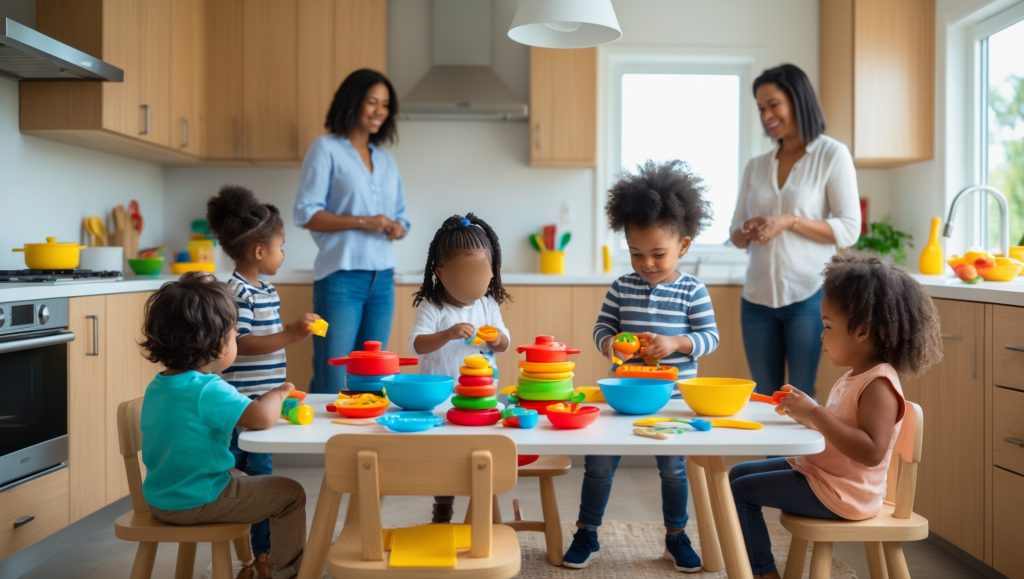
Picky eating can be a stressful phase for families, but playful approaches are often recommended by child development specialists. For this guide, we focused on toys that invite food exploration, sensory play, and role-play, all of which can help children feel more comfortable around new foods. We considered safety, materials, developmental benefits, and real-world parent feedback to select toys that are widely available in the US in 2026. Our list includes options for toddlers through early elementary ages, with an emphasis on products that encourage creativity and curiosity—never pressure.
1. Learning Resources New Sprouts Munch It! Food Set — Realistic Pretend Play Food
Why it stands out
This classic set features soft, toddler-safe plastic foods in realistic shapes and colors. It’s ideal for introducing food play without mess, letting children “taste” new foods through pretend meals. The variety of foods can spark conversations and reduce unfamiliarity.
Best for
- Kids hesitant to try new foods
- Families seeking durable, easy-to-clean toys
- Play kitchens and group play
Key notes
- Age/Stage: 18 months–5 years
- Materials/Ingredients: BPA-free plastic
- Strengths: Realistic, durable, easy to sanitize
- Trade-offs: Not edible; may require adult guidance for food identification
2. Hape Healthy Basics Wooden Food Set — Colorful Wooden Food for Sorting & Pretend Play
Why it stands out
Wooden foods provide a tactile, sturdy alternative to plastic sets. Hape’s set features familiar fruits, veggies, eggs, and milk, encouraging sorting, naming, and pretend cooking. The smooth finish and vibrant colors are appealing for picky eaters wary of real food’s textures.
Best for
- Kids who enjoy hands-on, open-ended play
- Eco-conscious families
- Montessori-inspired homes
Key notes
- Age/Stage: 3–6 years
- Materials/Ingredients: Sustainably sourced wood, non-toxic paint
- Strengths: Durable, classic, supports sorting and role-play
- Trade-offs: Heavier than plastic; not suitable for mouthing
3. Melissa & Doug Slice & Toss Salad Set — Build-Your-Own Pretend Salad
Why it stands out
This interactive set lets kids “make” salads by tossing, slicing, and serving wooden and felt veggies. The hands-on approach mimics real-life food prep, which can reduce anxiety about unfamiliar foods. It also supports fine motor skills and food vocabulary.
Best for
- Kids interested in kitchen role-play
- Encouraging independence and choice
- Introducing variety in a low-pressure way
Key notes
- Age/Stage: 3–7 years
- Materials/Ingredients: Wood, felt, safe adhesives
- Strengths: Interactive, encourages variety, supports autonomy
- Trade-offs: Small parts can get lost; some pieces may show wear over time
4. Learning Resources Farmer’s Market Color Sorting Set — Colorful Food Sorting Fun
Why it stands out
This set includes baskets and a variety of plastic fruits and veggies for color sorting, counting, and imaginative play. Sorting activities let hesitant eaters interact with “foods” non-judgmentally, building familiarity through play.
Best for
- Toddlers and preschoolers who love sorting
- Classroom or group play
- Building food vocabulary
Key notes
- Age/Stage: 18 months–5 years
- Materials/Ingredients: BPA-free plastic
- Strengths: Multi-sensory, educational, supports group play
- Trade-offs: Less realistic than some sets; baskets are small
5. Green Toys Tea Set — Pretend Snacks and Social Mealtime
Why it stands out
Hosting a pretend tea party with this eco-friendly set can help picky eaters practice mealtime routines and social skills. Pouring, serving, and sharing can reduce pressure and make food-related scenarios fun.
Best for
- Kids anxious about mealtime
- Encouraging social play
- Families seeking eco-friendly products
Key notes
- Age/Stage: 2–6 years
- Materials/Ingredients: 100% recycled plastic, dishwasher-safe
- Strengths: Durable, non-toxic, supports group interaction
- Trade-offs: No pretend food included; add your own or pair with other sets
6. PlanToys Fruit & Vegetable Play Set — Wooden Foods for Cutting and Sharing
Why it stands out
This set allows children to “cut” fruits and veggies with a wooden knife, helping demystify food prep and textures. The tactile Velcro connection adds sensory feedback, fostering comfort with the idea of food being prepared and shared.
Best for
- Kids nervous about food prep
- Developing fine motor skills
- Eco-friendly households
Key notes
- Age/Stage: 2–6 years
- Materials/Ingredients: Sustainably harvested rubberwood, non-toxic colors
- Strengths: Durable, sensory-rich, supports imitation play
- Trade-offs: Velcro may wear out over time; smaller set than some
7. Fat Brain Toys Squigz — Sensory Suction Toy for Food Play Extensions
Why it stands out
Although not a food toy per se, Squigz are soft, suction-cup builders that stick to tables and plates. They’re excellent for sensory seekers and can be used to bridge anxiety at the table—build “food towers” or use them as playful utensils to explore textures alongside real or pretend foods.
Best for
- Sensory-seeking kids
- Reluctant eaters needing distraction
- Creative snack-time play
Key notes
- Age/Stage: 3+ years
- Materials/Ingredients: BPA- and latex-free silicone
- Strengths: Versatile, easy to clean, open-ended
- Trade-offs: Not food-themed; small pieces for younger toddlers
8. Mudpuppy Taste Test Puzzle — Food-Themed Floor Puzzle
Why it stands out
This extra-large puzzle features vibrant illustrations of diverse foods. Puzzles are a low-pressure way to introduce new foods visually, helping children feel more familiar with what they see on their plates.
Best for
- Toddlers and preschoolers
- Visual learners
- Families seeking screen-free activities
Key notes
- Age/Stage: 2–5 years
- Materials/Ingredients: Recycled cardboard, non-toxic inks
- Strengths: Engaging, educational, inclusive food images
- Trade-offs: Not a tactile food experience; best for visual exposure
9. KidKraft Ultimate Corner Play Kitchen — The Hub for Food Pretend Play
Why it stands out
A play kitchen creates a dedicated space for children to experiment with food-related play at their own pace. The KidKraft Ultimate features realistic knobs, shelves, and appliances—providing endless opportunities for role-play and food exploration.
Best for
- Kids who love imaginative play
- Families with space for a larger toy
- Sibling or group play
Key notes
- Age/Stage: 3–8 years
- Materials/Ingredients: MDF, plastic, metal hardware
- Strengths: Highly interactive, grows with child, encourages autonomy
- Trade-offs: Bulky, assembly required, food accessories sold separately
10. MindWare Sensory Stepping Stones — Movement-Based Food Play Extensions
Why it stands out
These textured stepping stones aren’t food toys, but they can be used to set up “food-themed” obstacle courses—like walking on “tomato slices” or “lettuce leaves.” Physical play helps some children reduce mealtime stress and builds positive associations with food.
Best for
- Active, sensory-seeking kids
- Families seeking whole-body play
- Integrating movement with food themes
Key notes
- Age/Stage: 3–7 years
- Materials/Ingredients: PVC, non-slip rubber
- Strengths: Durable, supports gross motor skills, creative uses
- Trade-offs: Not food-shaped; requires adult creativity for food tie-ins
11. Djeco Role Play Chef Set — Dress-Up for Food Exploration
Why it stands out
Dress-up play lets children step into the role of chef, which can make food prep and tasting less intimidating. The Djeco set includes a chef’s hat, apron, and safe utensils—great for encouraging participation in family cooking or pretend play.
Best for
- Kids hesitant to help in the kitchen
- Building confidence around food
- Group or solo play
Key notes
- Age/Stage: 3–7 years
- Materials/Ingredients: Fabric, plastic
- Strengths: Supports role-play, builds self-esteem, versatile
- Trade-offs: No pretend food included; best paired with play food sets
Buying Tips
- Prioritize safety: Look for toys that meet US safety standards, especially for toddlers who mouth objects.
- Choose open-ended sets: Toys that can be used in multiple ways keep kids engaged and allow for creative approaches to food play.
- Think about storage: Pretend food sets can get messy—opt for toys with bins or baskets for easy cleanup.
- Match your child’s interests: Some kids prefer role-play, while others enjoy sorting, building, or movement-based play. Let their preferences guide you.
- Consider longevity: Select toys that can grow with your child or be used in group settings for longer-lasting value.
Verdict
There’s no single solution for picky eating, but playful, low-pressure food exposure is supported by many child development experts as a helpful approach. The toys on this list foster curiosity, comfort, and creativity around food without resorting to pressure or rewards. By weaving food play into everyday routines, families can make mealtime more positive and less stressful for everyone. Remember, the goal is to create joyful, relaxed opportunities for food exploration, not to “fix” picky eating overnight. Use these toys as tools to start conversations, build confidence, and support your child’s unique journey with food.
FAQ
+Are food play toys safe for toddlers who put things in their mouths?
+Will food play toys make my child less picky?
+How should I introduce food-themed toys to a hesitant eater?
+What if my child only wants to play with food toys and not real food?
+Can these toys be used for group activities or therapy sessions?
+Are there any toys to avoid for picky eaters?
+How do I clean pretend food toys?

Helping picky eaters discover new foods can feel like a daily challenge, but the right toys can transform mealtime from a battleground into an adventure. In 2026, the top toys for picky eaters are all about playful engagement, sensory exploration, and positive food associations. These innovative picks go beyond the plate, offering interactive experiences that spark curiosity and encourage kids to touch, smell, and even taste new things—without pressure. From pretend play kitchens that let little chefs take the lead, to food-themed puzzles and tactile games, these toys foster confidence and familiarity with a variety of foods. Parents are finding success with creative options like play food sets featuring realistic textures, colorful bento box kits, and story-based games where fruits and veggies are the heroes. The key is to make food fun, not forced. When children are empowered to explore at their own pace, they’re more likely to expand their palates naturally. With these top toy picks, you’ll turn picky eating into playful learning—and maybe even discover a budding foodie in your family.
- Interactive play kitchens and utensils for hands-on exploration
- Food-themed sensory toys and puzzles for tactile learning
- Story-driven games starring fruits and vegetables
- Realistic play food sets to build familiarity with new foods