
Overview
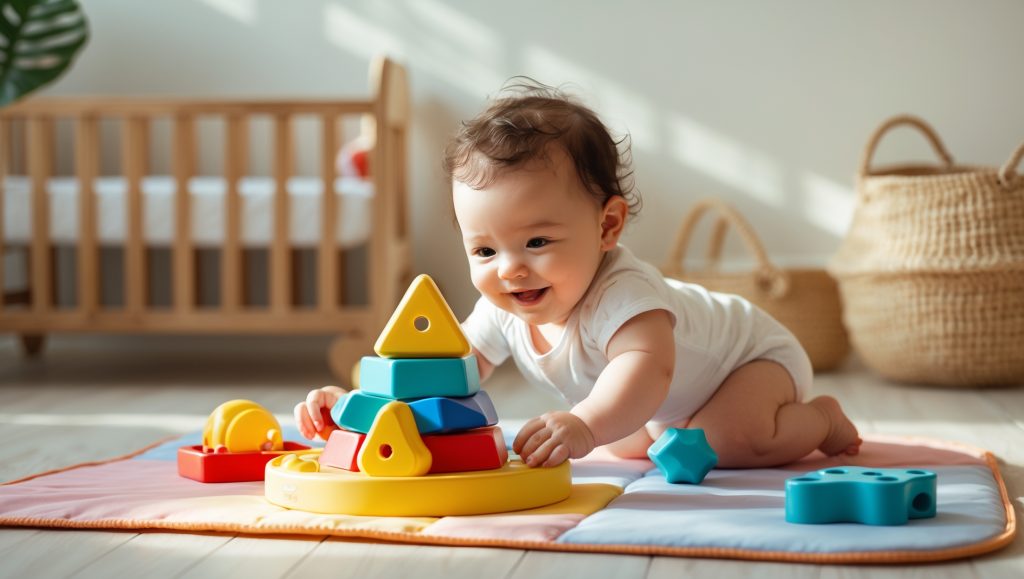
Introducing solids to your baby is a major milestone, and playtime can be a wonderful way to support their growing skills during this transition. The Green Toys Shape Sorter stands out as an eco-friendly, thoughtfully designed toy that encourages fine motor development, problem-solving, and early shape recognition—skills that complement the mealtime journey. In this in-depth 2025 review, we examine the Green Toys Shape Sorter’s design, learning benefits, setup, usability, and how it fits into the everyday life of families with little ones starting solids.
What’s Inside / Build Quality
The Green Toys Shape Sorter comes with a sturdy, two-piece sorting dome and eight chunky, colorful shapes (two each of circle, square, star, and triangle). The entire set is constructed from 100% recycled plastic milk jugs, making it free from BPA, phthalates, and PVC. This not only reassures parents about safety, but also means the toy is dishwasher-safe—an important feature when sticky hands meet early food exploration.
Each shape is sized for little hands, with smooth, rounded edges that prevent scratches or discomfort. The locking mechanism that joins the two halves is simple yet secure, ensuring the toy stays together during play but opens easily for cleaning or retrieving shapes. The colors are bright but not garish, and the plastic feels solid without being heavy, offering a satisfying tactile experience for babies and toddlers alike.
Learning & Development Benefits
The Shape Sorter is more than a classic toy—it’s a developmental powerhouse for babies and toddlers, especially during the stage of introducing solids:
- Fine Motor Development: Picking up, grasping, and maneuvering shapes into their corresponding slots strengthens hand-eye coordination and dexterity, skills also used when self-feeding.
- Problem-Solving: Babies learn to experiment, persist, and match shapes, supporting early cognitive flexibility and perseverance.
- Cause and Effect: The satisfaction of dropping a shape through its slot and hearing the clatter inside reinforces the concept of cause and effect—a foundational cognitive milestone.
- Language Development: Naming shapes and colors during play can build receptive and expressive vocabulary, especially when parents narrate the activity.
- Safe, Sensory Play: The tactile quality of the pieces and the satisfying “click” of shapes sliding into place offer sensory input without overwhelming stimulation.
These benefits align with the skills children are developing as they explore new foods—such as hand-mouth coordination and attention to novel experiences.
Setup & Use
Setting up the Green Toys Shape Sorter is straightforward. Simply unbox, separate the two halves, and insert the eight shapes. The toy is ready for play in seconds. It’s light enough to travel from room to room or even outdoors, and the entire set can be submerged in soapy water or run through the dishwasher for quick cleaning after messy play sessions.
For babies just starting solids (typically around 6 months), supervised floor play with the shapes (without the dome) is a great way to encourage reaching and grasping. As your child’s coordination improves, introduce the sorting dome and model inserting shapes, gradually allowing your child to attempt matching and posting independently.
The dome’s size is ideal for tabletop, highchair, or floor play. Since all pieces are too large to pose a choking hazard, parents can feel confident about safety during supervised play. When not in use, shapes store inside the dome for tidy storage.
Pros & Cons
Pros
- Made from 100% recycled, non-toxic plastic; eco-friendly and safe for babies.
- Supports fine motor, cognitive, and early language development.
- Easy to clean—dishwasher safe and simple to disassemble.
- Durable construction withstands drops, mouthing, and everyday play.
- Bright, engaging colors promote visual exploration without overstimulation.
- Perfect size for travel and easy storage—shapes fit inside the dome.
Cons
- Limited number of shapes and colors may not hold older toddlers’ interest for long.
- Some children may master posting quickly, reducing challenge over time.
- No sound or light features—may not engage children who crave multi-sensory play.
- Plastic construction, while eco-friendly, lacks the warmth of wooden alternatives.
Alternatives & Similar Toys
If you are looking for alternatives to the Green Toys Shape Sorter, several options cater to similar developmental needs:
- B. toys by Battat Shape Sorter: Features soft, squeezable pieces and a whimsical design, ideal for younger babies who enjoy mouthing toys.
- Melissa & Doug Take-Along Shape Sorter: Combines fabric and plastic elements with a zippered carry case, offering a travel-friendly option and more shape variety.
- Hape Wooden Shape Sorter: For families preferring natural materials, this wooden sorter provides a classic look and smooth finish, though it’s not dishwasher-safe.
- Fisher-Price Baby’s First Blocks: A budget-friendly, high-contrast alternative with a carrying bucket, suitable for tossing, stacking, and sorting.
All these toys promote similar fine motor and cognitive skills, but vary in material, number of shapes, and portability.
Verdict
The Green Toys Shape Sorter earns top marks for sustainability, safety, and developmental value, making it an excellent choice for families introducing solids and seeking toys that nurture early skills. While it may not offer the sensory bells and whistles of some alternatives, its simplicity, durability, and ease of cleaning are ideal for busy, eco-conscious households. For parents who want a toy that supports fine motor growth, early problem-solving, and safe, tactile exploration—especially during the messy, milestone-rich months of starting solids—the Green Toys Shape Sorter stands out as a reliable, thoughtful pick in 2025.
FAQ
+What age is the Green Toys Shape Sorter recommended for?
+Is the Shape Sorter safe for babies who mouth toys?
+Can the Green Toys Shape Sorter be washed in the dishwasher?
+Does the toy require batteries?
+How does this toy support skills related to starting solids?
+Does the sorting dome come apart easily for cleaning?
+Are the colors and shapes visually stimulating?

Review: Green Toys Shape Sorter – Eco-Friendly Fun for Early Learners (2025)
The Green Toys Shape Sorter is a thoughtfully designed educational toy that stands out for its commitment to both child development and environmental responsibility. Crafted entirely from recycled plastic, this shape sorter is safe, durable, and free from BPA, phthalates, and PVC—making it a trustworthy choice for parents who value sustainability. The design is simple yet engaging, featuring two halves that easily twist apart and ten colorful shapes that encourage matching, sorting, and problem-solving. As children manipulate each piece, they naturally develop fine motor skills and hand-eye coordination, while also learning to identify shapes and colors. The sturdy construction ensures it withstands enthusiastic play, and its dishwasher-safe feature means cleanup is a breeze. Green Toys’ approach proves that eco-friendly products can be just as fun and functional as traditional toys. Ultimately, this shape sorter is more than a plaything; it’s an opportunity for early learners to discover, grow, and make a positive impact on the planet. Parents looking for a meaningful, practical gift will appreciate its blend of learning, play, and environmental stewardship.
- Made from 100% recycled plastic and dishwasher safe
- Encourages shape recognition, sorting, and fine motor skills
- Safe, non-toxic, and durable for everyday play
- Perfect for eco-conscious families and curious toddlers
Since the Shape Sorter is made from recycled plastic, I wonder how it holds up after repeated dishwasher cleaning sessions. Have you noticed any wear and tear or fading after regular sanitizing, especially with messy little ones in the house?
It’s understandable to want toys that withstand both messy play and frequent cleaning, especially with young children. In my experience and based on user reviews, the Green Toys Shape Sorter generally holds up well after repeated cycles in the dishwasher—colors tend to remain vibrant and the sturdy, BPA-free recycled plastic resists warping or cracking. To prolong its life, use the top rack, avoid high-heat drying cycles, and let pieces air dry fully before reassembling. Always check for loose parts or rough edges after washing, especially for babies and toddlers. This isn’t medical advice; if you’re concerned, check in with your pediatrician.
We struggle with sensory overload at home. Do the colors or the sound of the shapes dropping inside the sorter seem overwhelming, especially for babies sensitive to noise or bright visuals? Or is it generally calming and gentle enough for most little ones?
It’s understandable to be mindful of sensory sensitivities when choosing toys. The Green Toys Shape Sorter uses soft, muted colors rather than bright, high-contrast ones, which tends to be less visually overwhelming for most babies. The sound of the shapes dropping inside is relatively quiet and muffled due to the thick, recycled plastic—much gentler than many similar toys. Try introducing the sorter during calm times, offering one shape at a time, and observing your child’s reactions. If needed, place a soft cloth inside to further dampen the noise. This isn’t medical advice; if you have ongoing concerns, check in with your pediatrician.
We usually incorporate toys into our calming nap routine, and I wonder if the shape sorter could fit in without overstimulating my sensitive child right before sleep. Have you noticed whether the sounds or colors from this toy are generally soothing or too stimulating for winding down?
You’re thoughtful to consider how toys might affect your child’s nap routine, especially with a sensitive little one. The Green Toys Shape Sorter is made from muted, non-flashy colors and doesn’t make electronic sounds, so it’s less likely to overstimulate compared to many toys. For calming use, try offering just one or two shapes at a time and keep the activity slow and gentle, focusing on quiet play together. Watch your child’s body language—if you notice signs of excitement or restlessness, it may be better saved for awake times. Always supervise to ensure safe use, especially for under-threes. This isn’t medical advice; if you have concerns, check in with your pediatrician.
With limited storage space in our apartment, I’m always weighing which toys are worth keeping out versus putting away. Do you have recommendations for how to rotate the Green Toys Shape Sorter with other toys, or is it versatile enough to stay out all the time for daily play?
It’s understandable to want to make the most of your limited space while supporting your child’s development. The Green Toys Shape Sorter is quite versatile for toddlers, offering practice with fine motor skills, problem-solving, and color/shape recognition, so it can stay out for regular play. To keep things fresh, try rotating other toys every week or two, but leave the Shape Sorter accessible, especially if your child is 1–3 years old. If interest fades, tuck it away for a few weeks before reintroducing. Always supervise play, especially with younger toddlers, and check for wear or loose parts. This isn’t medical advice; if you’re concerned, check in with your pediatrician.
I’ve seen other shape sorters with more shapes or sound features. For a language-delayed toddler, do you think simpler is better, or would a sorter with extra features provide more opportunities for vocabulary building?
You’re thoughtful to consider how toys can support your child’s language development. For toddlers with language delays, a simpler shape sorter like the Green Toys model can actually be very helpful: it limits distractions, lets you focus on naming each shape and color, and allows plenty of repetition, which is important for early word learning. Use the pieces to model simple language, like “circle in” or “find the star.” Sit together and take turns, describing actions out loud. If your child enjoys it, you can gradually introduce sorters with more shapes or features. Always supervise play to ensure safety with small parts. This isn’t medical advice; if you’re concerned, check in with your pediatrician.
I noticed the Green Toys Shape Sorter uses recycled plastic milk jugs, which sounds great for the environment, but does the material ever pick up lingering smells from dishwashing or certain foods? I’m curious if repeated washing, especially with strong-smelling foods, affects the toy at all.
It’s thoughtful to consider both cleanliness and sensory experiences with your child’s toys. Green Toys’ recycled plastic is designed to be durable and non-porous, so odors from dishwashing or foods are unlikely to linger after washing with mild soap and water. To minimize any risk, avoid washing the sorter with heavily scented detergents or alongside strong-smelling foods. Let the toy air dry thoroughly between uses, and store it in a clean, dry area. For infants and toddlers, always check for any changes in smell or texture before play, as safety and comfort are key. This isn’t medical advice; if you’re concerned, check in with your pediatrician.
Does the shape sorter provide enough challenge for a four-year-old, or would it be better suited for younger toddlers? I want to make sure the activities still help develop problem-solving skills at this age.
It’s thoughtful that you want to keep your four-year-old challenged and engaged. The Green Toys Shape Sorter is generally designed for children around 12 to 36 months, so by age four, it may feel quite easy unless your child has developmental delays or limited experience with shape sorters. To support ongoing problem-solving, you could introduce more complex sorting activities, such as sorting by color or size, timing the activity for added fun, or encouraging your child to create their own patterns and challenges. Always supervise for safety, especially with younger siblings around. This isn’t medical advice; if you’re concerned, check in with your pediatrician.
We’re adding toys to our daycare routine now that our toddler is trying solids. Do you think the Green Toys Shape Sorter is still appropriate for a young 1-year-old, or would it be better suited for slightly older children? I’m curious about how adaptable it is for different skill levels.
It’s great that you’re choosing toys thoughtfully as your toddler explores solids and new skills. The Green Toys Shape Sorter is generally safe for children 12 months and up, with large, easy-to-grasp pieces and no small parts. For a young 1-year-old, start by letting them explore the shapes freely, even if they’re just mouthing or banging them together at first. Guide their hands to help match shapes to holes as their coordination grows. As toddlers get older, you can encourage sorting by color or counting, making the toy more challenging. Always supervise play, especially with new toys and younger toddlers. This isn’t medical advice; if you’re concerned, check in with your pediatrician.
We are just starting daycare with our 1-year-old and I’m looking for toys that balance learning and safety, especially since everything goes in her mouth. Does the Green Toys Shape Sorter actually hold up to frequent chewing or mouthing, or does it show bite marks quickly?
It’s completely understandable to want toys that are both safe and durable for a 1-year-old who mouths everything. The Green Toys Shape Sorter is made from sturdy, food-safe recycled plastic with no BPA, phthalates, or PVC, so it’s designed for frequent handling and occasional mouthing. While it generally withstands chewing without breaking or splintering, you might notice some cosmetic bite marks over time, which is typical for most plastics. Always supervise closely during play, and check regularly for any signs of wear or damage. This isn’t medical advice; if you’re ever concerned about toy safety, it’s a good idea to check in with your pediatrician.
that the article mentions safety, but could you share if there have been any parental reports or safety recalls related to small parts with this toy?
It’s completely understandable to want reassurance about toy safety, especially with small parts. According to available information, there have not been any parental reports or official safety recalls related to small parts with the Green Toys Shape Sorter. The toy is designed for toddlers and adheres to strict safety standards, with large, easy-to-handle pieces that reduce choking risks. Always supervise young children during play, and regularly check the shape sorter for any signs of wear or damage. This isn’t medical advice; if you’re concerned, check in with your pediatrician.
I noticed the shapes are described as chunky, but I’m still a bit concerned about choking hazards since my child loves to put everything in their mouth. Can you share the exact size of the smallest piece and whether there’s any risk for babies under one year old?
It’s completely understandable to worry about choking hazards, especially with little ones who mouth everything. The Green Toys Shape Sorter’s smallest piece measures over 2 inches across, which is larger than the standard choking hazard threshold set by safety guidelines. Still, for babies under one year, even large pieces should be used with close supervision since mouthing is natural at this stage. Always check each piece before play for wear or damage, and store the toy out of reach when not in use. This isn’t medical advice; if you’re concerned, check in with your pediatrician.
Does the tactile feel or the clatter of the shapes inside the dome ever seem overwhelming for more sensitive children? I’m looking for toys that are stimulating but not too noisy or distracting for a toddler who can get overstimulated.
You’re thoughtful to consider how sensory input might affect your toddler. The Green Toys Shape Sorter has firm plastic pieces that can make a noticeable clattering sound, which some sensitive children may find overstimulating. To help, try introducing the toy gradually in a quiet space, and allow your child to explore just one or two shapes at a time. You can place a soft cloth inside the dome to muffle the noise or use the pieces on a carpeted surface. Always supervise closely, especially with toddlers, and watch for signs of discomfort. This isn’t medical advice; if you’re concerned, check in with your pediatrician.
the insight on language development through play. Do you have any tips for how parents might incorporate shape or color vocabulary with this toy during everyday routines, like right before or after mealtime?
It’s wonderful that you want to support your child’s language development during daily routines. Try naming each shape and color as you hand them to your child or as they fit pieces into the sorter—say things like, ‘Here’s the blue square,’ or ‘You found the yellow star!’ Encourage your child to repeat words or point when you ask, ‘Can you find the green circle?’ Mealtime transitions are a good moment: invite your child to match a shape before washing hands or to put away a color after eating. For toddlers, stick to simple words and supervise play to prevent mouthing. This isn’t medical advice; if you’re concerned, check in with your pediatrician.
I’m trying to make our pre-bedtime routine calmer for my 3-year-old who sometimes gets overstimulated close to bedtime. Would playing with the Green Toys Shape Sorter be soothing at this time, or could the clatter and bright colors make winding down harder?
You’re wise to consider how toys impact your child’s bedtime routine. For some 3-year-olds, quiet hands-on play like shape sorting can be calming, especially if you join in gently and keep the mood soft. Try dimming the lights and using a calm voice while playing. If the clatter is too noisy, place a soft mat or blanket underneath to muffle the sound. Observe your child’s response—if excitement builds, it may help to choose a quieter activity. Since every child is different, adjust based on what helps yours feel most settled. This isn’t medical advice; if you’re concerned, check in with your pediatrician.
My child sometimes gets really focused on lining up the pieces or playing with just one shape for a while. Do you think this toy works well for kids who like to explore at their own pace, or does it need adult guidance to get the most out of it?
It’s great that you notice and support your child’s unique play style. The Green Toys Shape Sorter is well-suited for children who like to explore shapes at their own pace, as the pieces are large, safe, and easy for little hands to handle independently. Allowing your child to line up pieces or focus on a favorite shape is developmentally appropriate and encourages curiosity. You can occasionally join in to model new ways to play, but there’s no need to direct every moment. Just supervise to ensure safe play, especially with younger toddlers. This isn’t medical advice; if you’re concerned, check in with your pediatrician.
My toddler is sometimes sensitive to certain textures or noises. Do you think the tactile experience and the sound the Green Toys Shape Sorter makes when dropping shapes might be overwhelming, or is it generally well tolerated by sensory-sensitive children?
It’s great that you’re tuned in to your toddler’s sensory needs. The Green Toys Shape Sorter is made from smooth, recycled plastic and doesn’t have sharp edges or rough surfaces, which tends to be gentle on sensitive hands. The sound when dropping shapes is a soft plastic clunk, not loud or harsh, and is usually well tolerated by sensory-sensitive children. If your child is especially sensitive, you could introduce the toy gradually, letting them touch and explore the pieces before using the sorter. Always supervise play and observe your child’s reactions, adjusting as needed. This isn’t medical advice; if you’re concerned, check in with your pediatrician.
My child sometimes gets frustrated with shape sorters and wants to switch to a tablet quickly. Do you have any tips for encouraging longer stretches of play with toys like this before moving to screen-based activities?
It’s understandable to want your child to engage longer with hands-on toys, especially when screens are so tempting. Try playing alongside your child and model how to use the shape sorter, celebrating small successes together. Break the task into smaller steps, like sorting just a few shapes at a time, and praise effort rather than completion. Rotate the toy in and out with other favorites to keep interest fresh. For toddlers, keep sessions short and positive, and always supervise for safety. This isn’t medical advice; if you’re concerned, check in with your pediatrician.
How does the Green Toys Shape Sorter compare to wooden shape sorters, especially when considering durability, ease of cleaning, and supporting different stages of skill development?
—it’s thoughtful to compare options for your child’s learning and safety. The Green Toys Shape Sorter is very durable since it’s made from recycled plastic, which means it won’t splinter or crack like some wooden versions might. It’s also dishwasher-safe, making cleaning much simpler than with wood. For skill development, both types support shape and color recognition, but the Green Toys Sorter’s lightweight parts are easier for toddlers to handle. Always supervise play with young children, and check for any wear on toys over time. This isn’t medical advice; if you have concerns, please check in with your pediatrician.
I am wondering if the Green Toys Shape Sorter is suitable for younger babies who may not be able to match shapes yet, or should I wait until my child shows more interest in problem-solving to introduce this toy?
It’s thoughtful to consider timing when introducing new toys to your baby. For younger babies, the Green Toys Shape Sorter can still be used as a safe, supervised sensory toy—let your child explore the large, smooth pieces with their hands and mouth, always watching for safe play. Around 6 months, babies enjoy banging, grasping, and mouthing, even if they can’t yet match shapes. As your child grows (typically 12–18 months), they’ll start to enjoy sorting and matching. There’s no harm in offering the toy early, just adjust how it’s used to fit your child’s stage. This isn’t medical advice; if you have concerns, check in with your pediatrician.
I noticed there are lots of shape sorters on the market. What sets this one apart for families looking for eco-friendly options, and does it stack up well against wooden alternatives in terms of durability and storage convenience?
It’s great that you’re looking for an eco-friendly shape sorter for your child. The Green Toys Shape Sorter stands out because it’s made from 100% recycled plastic, free of BPA and phthalates, and is dishwasher safe for easy cleaning. Unlike some wooden alternatives, it won’t splinter or crack with rough toddler play, making it a safe and durable choice for ages 6 months and up. The sorter’s two-part design offers simple storage, and its lightweight build makes it easy to transport. This isn’t medical advice; if you have concerns about materials or safety, check in with your pediatrician.
Is this shape sorter easy to set up quietly if I want to prepare it for my child the night before? Sometimes toys with multiple parts are noisy to assemble, and I want to avoid waking anyone up early in the morning.
It makes sense to want a quiet setup, especially when preparing toys ahead of time. The Green Toys Shape Sorter comes in just two main pieces (the lid and the base) and a handful of chunky shapes, so assembly is simple and can be done quietly. You can place the sorter and shapes on a soft surface, like a towel, to further muffle any sounds. Arrange the shapes inside the container or lay them out for your child to discover—both are silent steps. Since the pieces are large and made of smooth plastic, there’s little clattering compared to toys with small or metal parts. This isn’t medical advice; if you have specific concerns, check with your pediatrician.
My little one is quite sensitive to loud noises and certain textures. Did you find the sound of the shapes falling into the sorter to be particularly noticeable or jarring? Also, are the pieces slippery when wet or do they maintain a good grip for little hands?
It’s completely understandable to want toys that won’t overwhelm your child’s senses. In our review, the Green Toys Shape Sorter produced only soft, muted sounds when the pieces dropped in—unlikely to startle noise-sensitive little ones. The plastic pieces have a smooth but slightly matte finish, which helps with grip even if they get a little damp, though as with any toy, wet surfaces can be a bit more slippery. Always supervise play, especially if your child mouths or chews on toys. This isn’t medical advice; if you’re concerned, check in with your pediatrician.
How does the Green Toys Shape Sorter compare to other shape sorters in terms of safety for preventing choking incidents? I want to choose the safest option for my teething and curious little one.
It’s wonderful that you’re prioritizing your child’s safety, especially during the teething stage. The Green Toys Shape Sorter is made with larger shapes that are specifically designed to be too big for a child’s mouth, helping to minimize choking risks compared to some brands with smaller pieces. All materials are BPA-free and free from sharp edges, making it suitable for babies and toddlers over 6 months old. Always supervise play, particularly with teething children who explore by mouthing toys. Every child is different, so if you have any concerns about choking hazards, check in with your pediatrician for personalized guidance. This isn’t medical advice.
My little one just started daycare and is having a tough time with transitions, so we’re trying to introduce new toys at home to help her adjust. Do you think using the Green Toys Shape Sorter in our morning routine would help her feel more comfortable before drop-off?
It’s understandable to want to help your child feel secure during daycare transitions. Using the Green Toys Shape Sorter as part of your morning routine can offer a calming, predictable activity that may ease anxiety. Try setting aside 10 minutes after breakfast for relaxed play together, narrating what you’re doing to create connection. Allow her to explore the sorter at her own pace without pressure. This toy is safe for toddlers, but always supervise play, especially if she’s under 18 months. This isn’t medical advice; if you’re concerned, check in with your pediatrician.
Our little guy gets easily frustrated with toys that are too challenging, especially in the evenings. Can the Green Toys Shape Sorter be easily adapted for younger toddlers or modified for kids who get overwhelmed by lots of shapes at once?
It’s understandable to want playtime to be enjoyable, not frustrating, especially when little ones are tired. For younger toddlers or those who get overwhelmed, you can start by offering just one or two shapes at a time, putting the rest aside. Show your child how each shape fits, using gentle encouragement and lots of praise for effort. You might also sort the shapes by color first or use only the larger, easier-to-grasp pieces. Always supervise, particularly with younger toddlers, and watch for signs of fatigue. This isn’t medical advice; if you’re concerned, check in with your pediatrician.
How does this Shape Sorter compare to wooden or fabric options when it comes to storage and keeping play areas organized? I’m always trying to choose toys that are easy to clean up and put away.
It’s great that you’re thinking about how toys fit into your family’s routines. The Green Toys Shape Sorter is lightweight and has a two-piece design—so all the shapes can be stored inside the sorter itself, making cleanup simple. Compared to many wooden sorters, it tends to be less bulky and doesn’t splinter, so stacking and storing it is easy. Unlike fabric options, its hard plastic surface wipes clean quickly, which helps keep things tidy. Just be sure to supervise younger toddlers, as with any shape sorter, and check for small pieces. This isn’t medical advice; if you’re concerned, check in with your pediatrician.
We’re looking for toys that will last a while as our toddler grows—does the Green Toys Shape Sorter still engage kids as they get closer to preschool age, or does interest tend to drop off after the early toddler phase?
It’s great that you’re thinking about long-lasting play value as your child grows. The Green Toys Shape Sorter is most engaging for toddlers around 1 to 3 years old, supporting shape recognition and fine motor skills. As children approach preschool age (about 3 to 4 years), some may lose interest as the challenge decreases, but others enjoy using the pieces for pretend play or sorting games. To extend interest, you can introduce new games—like timed sorting challenges or color matching. Always supervise play, especially with younger toddlers, and check for wear over time. This isn’t medical advice; if you’re concerned, check in with your pediatrician.
I noticed the sorter is made from recycled plastic milk jugs, which is great. Are there any parts of the toy that could pose a choking hazard for a three-year-old, especially if they still mouth things occasionally?
It’s completely understandable to be cautious about choking hazards, especially for three-year-olds who still mouth objects. The Green Toys Shape Sorter pieces are designed to be larger than the standard choking risk size, making them generally safe for children aged 1 and up. Still, always inspect each piece for wear or damage that could create small parts over time. Supervise play to ensure your child doesn’t try to fit pieces in their mouth. Store the toy out of reach when not in use if mouthing is frequent. This isn’t medical advice; if you’re concerned about your child’s safety, check in with your pediatrician.
I noticed you mentioned the shape sorter helps with hand-eye coordination, which we’re working on with self-feeding and potty skills. Would you recommend letting a potty-training child use all eight pieces at once, or is it better to start with just a couple of shapes for focus?
It’s wonderful that you’re supporting your child’s hand-eye coordination during potty training and self-feeding. For toddlers, especially during busy learning phases like potty training, starting with just two or three shapes can help them focus without feeling overwhelmed. As your child gains confidence, you can gradually add more pieces. Always supervise play, especially with younger toddlers, to ensure safety with small parts. This isn’t medical advice; if you’re concerned, check in with your pediatrician.
Does this shape sorter offer any specific advantages over similar eco-friendly toys when it comes to supporting hand-eye coordination and language development during the early self-feeding stage?
—it’s thoughtful to consider your child’s developmental needs at this stage. The Green Toys Shape Sorter stands out because its larger, easy-to-grasp pieces and smooth edges make it well-suited for toddlers who are also beginning self-feeding, supporting safe hand-eye coordination practice. The simple, distinct shapes allow you to label and talk about colors and shapes while your toddler plays, encouraging early language skills. Since the toy is free from small parts and toxic materials, it’s appropriate for supervised play from about 12 months onward. This isn’t medical advice; if you’re concerned, check in with your pediatrician.
Is the Green Toys Shape Sorter appropriate for younger babies just starting to grasp toys, or is it better to wait until they have a certain level of hand-eye coordination before adding it into the toy rotation?
It’s great that you’re thinking about the right timing for introducing new toys. The Green Toys Shape Sorter is generally best for babies around 6 months and older, once they can grasp and mouth larger objects safely. While younger babies may enjoy exploring the chunky shapes with supervision, most won’t be able to fit the pieces into the slots until their hand-eye coordination improves, typically closer to 12 months. Always supervise play to prevent mouthing or chewing, and check for any signs of wear. This isn’t medical advice; if you’re concerned, check in with your pediatrician.
Are there ways to make this shape sorter more engaging for children who are just starting to say single words? For example, would you suggest focusing on colors, shapes, or pairing the toy with songs to boost language support during playtime?
It’s wonderful that you want to support your child’s language skills during play. For toddlers starting to say single words, you can name the shapes and colors out loud as you play together, pausing to let your child try saying the word. Try using simple songs or rhymes about shapes and colors to keep things fun and repetitive. You might also encourage your child to request shapes by name or point, which supports both language and communication. Always supervise play to ensure safe use, especially if your child is still mouthing objects. This isn’t medical advice; if you’re concerned, check in with your pediatrician.
My toddler is very sensitive to loud noises and textures. Are the shapes and dome quiet in use, and would you say the tactile experience is gentle enough for sensory-sensitive children?
It’s thoughtful of you to consider your toddler’s sensory sensitivities when choosing toys. The Green Toys Shape Sorter is made from smooth, recycled plastic with rounded edges, so the tactile experience is generally gentle and not rough or scratchy. The shapes and dome do not have moving parts that rattle or clang—placing shapes in or taking them out is very quiet. Supervise initial play to observe your child’s reactions, and introduce the toy gradually, allowing them to explore at their own pace. Always check for comfort with any new toy’s texture. This isn’t medical advice; if you’re concerned, check in with your pediatrician.
Are the shapes large enough to avoid choking risks with a teething baby? I’m cautious about anything that could go in my daughter’s mouth, especially since she’s exploring foods and toys at the same time.
It’s completely understandable to be extra vigilant when your baby is teething and exploring with her mouth. The Green Toys Shape Sorter is designed for toddlers, and each shape is intentionally made larger than typical choking hazard size—none can fit fully inside a standard toilet paper roll, which is the test for choking risks. Supervise playtime closely, especially if your daughter is under 12 months or still mouthing objects. Always check shapes for wear or damage that could create smaller pieces. If your baby is younger than the recommended age (usually 12 months and up), wait until she’s ready. This isn’t medical advice; if you’re concerned, check in with your pediatrician.
I noticed the article mentions building hand-eye coordination, which is great for self-feeding. As a parent choosing between iron-fortified cereals and purees, do you find either option better suited for babies practicing these skills with toys like the shape sorter?
It’s wonderful that you’re thinking about supporting your baby’s hand-eye coordination in both play and mealtimes. For babies developing these skills, iron-fortified cereals and purees each offer different opportunities: cereals can be offered as thicker, scoopable foods to encourage self-feeding with a spoon (building coordination similar to toy play), while purees can help with early tastes and simple spoon practice. You might try offering small, manageable portions of cereal that hold their shape, so your baby can practice picking them up or scooping. Always supervise closely, ensure the texture is safe for your baby’s age, and avoid choking hazards. This isn’t medical advice; if you’re concerned, check in with your pediatrician.
How does this Green Toys Shape Sorter compare to wooden shape sorters in terms of durability and learning benefits for toddlers just starting with finger foods?
It’s great that you’re thinking about both durability and learning benefits for your toddler’s early play. The Green Toys Shape Sorter, made from sturdy recycled plastic, is typically more resistant to water and drool than many wooden sorters, making cleanup after finger foods easier and safer. Its rounded edges and larger pieces are well-suited for little hands learning to grasp and mouth objects, reducing choking risks. Both plastic and wooden sorters support fine motor and problem-solving skills, but the Green Toys version is lightweight and easy to handle for young toddlers. Always supervise play, especially when food is involved. This isn’t medical advice; if you’re concerned, check in with your pediatrician.
I noticed the sorter is made of recycled plastic and is dishwasher-safe, which is a big plus. I’m curious if the colors or material ever absorb food odors or stains, especially after repeated exposure during snack times?
It’s great that you’re thinking about both cleanliness and safety for your little one. With the Green Toys Shape Sorter, the recycled plastic is designed to be durable and non-porous, which means it is less likely to absorb odors or stains from food. To help prevent any lingering smells or discoloration, rinse off any food residue before placing the toy in the dishwasher, and allow it to dry completely. Avoid leaving the sorter in direct sunlight for long periods, as this can sometimes affect color over time. Always supervise your child during snack play, especially under age 3, to prevent choking. This isn’t medical advice; if you’re concerned, check in with your pediatrician.
We rotate toys at our house and grandparents’ to save space, but sometimes forget pieces. Do you know if Green Toys offers replacement shapes separately in case some get left behind, or what might be the best way to store all parts together when visiting family?
It’s great that you’re being proactive about keeping toys organized across different homes. As of now, Green Toys doesn’t typically sell replacement shapes for their Shape Sorter separately, so keeping track of all pieces is important. Try storing the sorter and shapes together in a zippered pouch or clear plastic container that’s easy to spot and carry. Label the bag with your child’s name and a piece count to help with quick checks before leaving. For toddlers, always supervise play to ensure no pieces are lost or become a choking risk. This isn’t medical advice; if you’re concerned, check in with your pediatrician.
Could this toy reasonably fit into a small bedtime basket in the bedroom, or is it too bulky to store away easily with other quiet evening toys?
It’s great that you’re thinking about creating a calm, organized bedtime routine. The Green Toys Shape Sorter is compact compared to many shape sorters, but it’s a bit chunkier than soft or stackable toys. To help, try measuring your basket first—its dimensions are roughly 8 x 8 x 5 inches. If space is tight, you might store the shapes inside the sorter itself to save room. This toy is quiet and safe for toddlers, but always double-check for any stray pieces before bedtime. This isn’t medical advice; if you have concerns, touch base with your pediatrician.
I have seen shape sorters made of wood and others with bells or lights. Does the Green Toys version engage babies as much as these, especially given its simple design, or do you find some kids prefer more interactive features?
You’re right to wonder if simpler toys like the Green Toys Shape Sorter hold a child’s attention as well as flashier options. Many babies enjoy bright lights or sounds, but a classic, hands-on sorter supports focus and problem-solving without overstimulation. Try sitting with your child and naming shapes or cheering small successes to make it interactive. For babies 6 months and up, safe, chunky pieces encourage grasping and mouthing. If your little one seems less interested, rotate toys periodically to renew excitement. This isn’t medical advice; if you’re concerned, check in with your pediatrician.
For families like mine with a toddler and a younger infant around, I’m interested in whether the shapes are large enough to avoid choking worries if the pieces get left around the house. Have you seen any official safety warnings or had experience with siblings sharing this toy?
It’s wise to think about safety when you have both a toddler and a younger infant at home. The Green Toys Shape Sorter is designed with large, chunky pieces, and the manufacturer states that it meets standard choking hazard safety guidelines for ages 6 months and up. However, always inspect the pieces yourself—if any piece can fit through a toilet paper roll, keep it away from infants under 3. Supervise playtime and check that all shapes are put away after use. Remind older siblings not to give pieces to the baby. This isn’t medical advice; if you’re concerned, check in with your pediatrician.
the focus on eco-friendly materials and sensory play, but I am always on the lookout for any possible choking hazards. Are there any warnings on the packaging about the risk of small pieces, or have you heard of any safety issues with this shape sorter?
It’s great that you’re so attentive to safety when choosing toys. The Green Toys Shape Sorter is designed for toddlers and is made with large, chunky pieces that are difficult for small children to put in their mouths. The packaging clearly states the toy is suitable for ages 6 months and up, and there are no small parts that pose a choking hazard under normal use. I haven’t come across any reported safety issues or recalls for this product. Always supervise play and regularly check the pieces for any wear or damage. This isn’t medical advice; if you’re concerned, check in with your pediatrician.
Plastic toys often get criticized for being less environmentally friendly than wood, even with recycled content. Have you seen any research or practical evidence about how Green Toys’ recycled plastic compares to sustainably sourced wooden toys when it comes to carbon footprint or recyclability after their life with us?
You’re asking a thoughtful question about the real impact of recycled plastic versus wood toys. Research suggests that Green Toys’ use of recycled plastic (like milk jugs) significantly reduces their initial carbon footprint compared to new plastic, and may even rival sustainably sourced wooden toys, especially when factoring in durable use and local manufacturing. However, wood toys can be composted or biodegrade if untreated, while most municipal recycling programs don’t accept used plastic toys—even from recycled sources—so end-of-life recyclability is limited. For safety, both options from reputable brands are generally fine for toddlers, but always check for smooth edges and non-toxic finishes. This isn’t medical advice; if you’re concerned, check in with your pediatrician.
The review highlights the tactile sensory benefits of the shape sorter. For parents whose babies are sensitive to textures or sounds at mealtime, do you think the ‘clatter’ of the shapes or the plastic feel could be overwhelming?
You’re right to be mindful about how sensitive little ones can be to textures and sounds, especially during mealtimes. To help, you might first introduce the shape sorter outside of mealtime when your baby is calm. Let your child touch and play at their own pace, observing their reactions to the plastic feel and sounds. If the clatter seems too much, try placing the toy on a soft surface like a play mat to dampen noise. Always supervise closely, and remember this toy is best for babies who can safely handle larger shapes (usually 6 months and up). This isn’t medical advice; if sensitivities are causing stress, check in with your pediatrician.
If my child is just starting to sit up and has smaller hands, is this shape sorter still manageable, or should I wait until they’re a bit older before introducing it? Have you seen success with younger babies using it safely?
It’s wonderful that you’re thinking about your child’s abilities and safety. The Green Toys Shape Sorter is best for babies who can sit up independently and are starting to grasp and manipulate objects, usually around 9 to 12 months. For younger babies just learning to sit and with smaller hands, the sorter might be a little challenging—especially coordinating the shapes and openings. You could offer the shapes for holding and banging at first, then gradually introduce the sorting part as your baby’s fine motor skills improve. Always supervise closely to ensure safe play and prevent frustration. This isn’t medical advice; if you’re concerned, check in with your pediatrician.
We are on a budget and want toys that will last through toddlerhood. Do you think the Green Toys Shape Sorter continues to be engaging for kids as they get closer to age two, or will they lose interest quickly once they master basic shapes?
It’s thoughtful to look for toys that keep your child’s interest as they grow. Many toddlers return to the Green Toys Shape Sorter even after they master basic shapes, using it in new ways—like sorting by color, stacking, or including it in pretend play. To keep it engaging, you can introduce challenges, name shapes and colors, or hide pieces for a simple scavenger hunt. The sturdy design makes it safe for ages 6 months and up, with no small parts to worry about. This isn’t medical advice; if you’re concerned, check in with your pediatrician.
We are about to introduce peanut butter and scrambled eggs to our 9-month-old, and I’m looking for playtime routines that keep her occupied before or after meals. Do you think the Green Toys Shape Sorter works better as a pre-meal distraction or as a post-meal calming activity during this messy phase?
It’s great that you’re thinking ahead about playtime routines during this busy feeding stage. For a 9-month-old, the Green Toys Shape Sorter can work well either before or after meals. Pre-meal, it can serve as an engaging distraction while you prep food, but just be mindful of hungry fussiness. Post-meal, it can be a calming activity while your baby is settled and clean, helping with transition time. Always supervise closely, especially with messy hands, and clean the toy regularly to keep it safe. This isn’t medical advice; if you’re concerned, check in with your pediatrician.
Aside from iron-fortified cereals, are there specific pureed foods commonly available in US grocery stores that offer good amounts of iron? I want to be sure I’m not missing any easy options during this stage.
It’s great that you want to support your baby’s iron needs during this stage. Beyond iron-fortified cereals, you can look for pureed meats like beef, turkey, or chicken, as these are naturally rich in iron and are often sold in jars or pouches at most US grocery stores. Pureed beans (like lentils or black beans) and green vegetables such as spinach are also good plant-based options, but keep in mind that plant iron is absorbed better when paired with vitamin C-rich foods like pureed fruits. Always check the age recommendations and ingredients for potential allergens, and introduce new foods one at a time. This isn’t medical advice; if you’re concerned, check in with your pediatrician.
If a child is in the process of dropping their last nap, would you suggest any adjustments to when or how long they play with the Green Toys Shape Sorter to avoid interfering with their sleep schedule?
You’re right to think about how playtime can affect your child’s sleep, especially during nap transitions. Try offering the Shape Sorter earlier in the day, ideally after breakfast or lunch, rather than late in the afternoon, to avoid overstimulation close to bedtime. Limit play sessions to about 20–30 minutes so your child doesn’t get overtired. Watch for signs of tiredness and pause play if your child seems cranky or unfocused. Since this toy is safe for toddlers, supervised morning play is a good fit. This isn’t medical advice; if you’re concerned, check in with your pediatrician.
Our child is interested in both blocks and puzzles, and we are prioritizing eco-friendly toys. In your experience, how does the Green Toys Shape Sorter compare to other classic shape sorters or wooden puzzles for supporting problem-solving and creativity at this age?
It’s great that you’re nurturing your child’s curiosity and care for the environment. The Green Toys Shape Sorter encourages problem-solving by helping toddlers match shapes, similar to classic sorters, but its lightweight, recycled plastic design is especially easy for little hands and safe for mouthing. Unlike many wooden puzzles, this sorter is durable, washable, and free from splinters or toxic finishes, making it suitable from 6 months and up under supervision. You might also rotate it with open-ended blocks to spark creativity in building and storytelling. This isn’t medical advice; if you’re concerned, check in with your pediatrician.
You mentioned the pieces are dishwasher safe, which is a huge plus! Does frequent washing lead to fading or warping of the plastic over time, especially since we like to keep everything extra clean after mealtimes?
It’s great that you’re prioritizing cleanliness, especially with toys little ones use after meals. Green Toys are designed for frequent dishwasher cleaning and are made from durable, high-quality recycled plastic that generally resists warping and fading. For best results, place pieces on the top rack and use gentle or normal cycles, avoiding high-heat drying. Allow toys to fully air dry before play to avoid moisture buildup. Always inspect toys for signs of wear, like cracks or rough edges, to ensure safety for small hands and mouths. This isn’t medical advice; if you’re concerned, check in with your pediatrician.
Is the locking mechanism on the shape sorter secure enough to prevent my toddler from opening it and dumping all the shapes, or should I expect a little mess when we use it outside or on trips?
It’s understandable to want a toy that keeps pieces contained, especially on the go. The Green Toys Shape Sorter has a simple latch that is secure enough for most toddlers, but determined little hands may still figure it out and spill the shapes. To minimize mess, double-check the lid after each use, supervise closely outdoors, and consider packing the sorter in a zippered pouch during travel. For children under 3, the shapes are sized to avoid choking hazards, but always keep an eye on playtime. This isn’t medical advice; if you’re concerned, check in with your pediatrician.
For toddlers who are sensitive to certain sounds, does the clatter of the shapes inside the dome seem loud or startling, or is it a fairly gentle noise? I’m wondering if it might be too stimulating for some kids.
It’s so thoughtful of you to consider your toddler’s sensory sensitivities. The Green Toys Shape Sorter tends to make a soft, plastic-on-plastic clatter when shapes drop inside, but most parents describe it as a gentle sound rather than sharp or startling. To ease your child in, you might: 1) let them explore the sorter with the lid off to control the noise, 2) place a small cloth inside to muffle the sound, and 3) supervise closely for any signs of discomfort. Every child is different, so observe your toddler’s reactions and adjust as needed. This isn’t medical advice; if you’re concerned, check in with your pediatrician.
If we mostly play in shorter bursts throughout the day, how do you recommend incorporating the Green Toys Shape Sorter into a natural routine alongside meals and snacks, without it feeling forced for a busy toddler?
It’s great that you want playtime to feel natural and fun for your busy toddler. Try keeping the Green Toys Shape Sorter within easy reach, like on a low shelf or near your child’s playmat, so they can explore it when curious. Offer it after meals or snacks as a gentle transition activity, inviting them to match just a few shapes rather than expecting a long session. You might also use it as a calming activity before naptime or when settling down. Always supervise to ensure safe play, especially if your child is under three. This isn’t medical advice; if you’re concerned, check in with your pediatrician.
Montessori emphasizes following the child’s lead and rotating toys. Would you recommend keeping all the shapes out at once, or is it more beneficial to introduce just one or two shapes at a time to support focus and prevent overwhelm with this particular sorter?
You’re thoughtful to consider your child’s focus and engagement with the shape sorter. For toddlers, especially those 12–24 months, starting with just one or two shapes at a time can help them build confidence and prevent overwhelm. Once they master those, gradually add more shapes. Observe your child’s interest—if they’re eager, you might offer more at once. Always supervise play, as smaller pieces may be mouthing hazards for younger children. This isn’t medical advice; if you’re concerned, check in with your pediatrician.
Could you share more details about the size of the shapes? I worry about choking hazards, especially for babies who still put everything in their mouths. Are the pieces large enough that there’s no risk if my little one tries to chew on them?
Your concern about choking hazards is completely understandable, especially with little ones who explore with their mouths. The Green Toys Shape Sorter pieces are designed to be too large to fit entirely into a child’s mouth; each shape is over 2 inches in diameter, making them bigger than the standard choke test cylinder. For babies under 3, always supervise play to ensure safety, as even large toys can sometimes pose risks if used unexpectedly. Check the pieces regularly for any signs of wear or damage. This isn’t medical advice; if you’re concerned, check in with your pediatrician.
We like to incorporate sensory bins and messy play with different materials at home. Would the Green Toys Shape Sorter handle being used with sand, water, or even edible sensory bases, or could that affect the locking mechanism or usability?
It’s wonderful that you’re encouraging sensory exploration at home. The Green Toys Shape Sorter is made from sturdy, washable plastic, so it can generally handle sand, water, or even edible sensory bases like cooked pasta. To keep the locking mechanism working smoothly, rinse and fully dry all parts after messy play to prevent buildup or warping. For toddlers under three, supervise closely to avoid choking hazards with small pieces or edible bases. If any part seems sticky or hard to open, wash with mild soap and let it air dry before next use. This isn’t medical advice; if you’re concerned, check in with your pediatrician.
With limited space in our apartment, I am curious about how bulky the Green Toys Shape Sorter is when stored. Can all the pieces fit inside the dome for tidier storage, or do the shapes tend to get separated and lost easily?
It’s understandable to want toys that don’t add to clutter in a small space. The Green Toys Shape Sorter is designed so all the shape pieces fit snugly inside the dome, making storage neater and helping prevent pieces from getting lost. After playtime, encourage your child to place each shape back inside with the dome closed. For toddlers, supervision is helpful to ensure all pieces are accounted for and safely stored. This isn’t medical advice; if you have further concerns, check in with your pediatrician.
We live in a small apartment with limited toy storage space. How bulky is the Green Toys Shape Sorter when it’s fully assembled, and do you have any tips for storing it so it doesn’t take up too much room?
It’s understandable to want toys that fit comfortably in a small space. The Green Toys Shape Sorter is fairly compact—about the size of a small shoebox—so it shouldn’t take up too much room when assembled. For storage, try keeping all the shapes inside the sorter itself to minimize clutter. You can also place the whole toy in a basket or on a shelf within reach for easy cleanup. Always supervise young children during play, especially with smaller pieces, and check for safe storage to avoid tripping hazards. This isn’t medical advice; if you’re concerned, check in with your pediatrician.
I noticed the sorter comes with pairs of each shape. Are there activities or learning extensions you’d recommend for older toddlers to keep the toy challenging as they grow, maybe beyond the basic sorting?
—it’s wonderful that you want to keep your toddler engaged as they develop new skills. For older toddlers, try these ideas: group shapes by color or create simple patterns and challenge your child to match or continue them. Hide the shapes around the room for a shape scavenger hunt, encouraging movement and memory. For early math, count pairs together or introduce basic addition and subtraction using the shapes. Always supervise play, especially to prevent throwing or mouthing pieces. This isn’t medical advice; if you’re concerned, check in with your pediatrician.
Do you think this shape sorter is a better option than fabric or wooden sorts for soothing end-of-day play, especially for kids with mild sensory sensitivities who might react to textures or materials?
It’s great that you’re thinking about your child’s sensory comfort, especially during winding-down play. The Green Toys Shape Sorter’s smooth, BPA-free plastic is generally less likely to irritate kids with mild sensitivities than some wooden toys with grainy finishes or fabric sorters with varied textures. For a soothing experience, try introducing the sorter during quiet time, letting your child explore at their own pace, and watch for any signs of discomfort. Regularly check for any rough edges or residue, and supervise play for children under three due to small parts. This isn’t medical advice; if you’re concerned, check in with your pediatrician.
With two babies at different stages—one just starting solids and the other already crawling—would the Green Toys Shape Sorter still be interesting and safe for both, or should I consider toys with more varied features for their different development levels?
It’s great that you want both babies to have safe and engaging play experiences. The Green Toys Shape Sorter is designed for little ones and is made from non-toxic, food-safe materials, so it’s safe even if your baby who is starting solids mouths the pieces. For the crawler, the sorter encourages problem-solving and fine motor skills, and crawling after shapes adds movement fun. To meet both kids’ needs, supervise play to avoid sharing drooled-on pieces. You can also rotate in other toys with different textures or sounds for variety as they grow. This isn’t medical advice; if you’re concerned, check in with your pediatrician.
If my toddler gets a bit frustrated and tries to force the shapes in the wrong slots, is the plastic sturdy enough to withstand a little rough treatment? I’m always juggling attention between my toddler and a newborn, so durability is a big concern for us.
It’s completely understandable to want toys that can handle a toddler’s enthusiasm, especially when you’re busy caring for a newborn too. The Green Toys Shape Sorter is made from durable, BPA-free recycled plastic and is designed to withstand typical toddler play, including some rough handling during learning moments. For safety, supervise play when possible, especially if your toddler tries to use excessive force, to prevent pinched fingers or frustration. Encourage gentle matching and celebrate small successes to keep things positive. This isn’t medical advice; if you’re concerned about the toy’s durability or your child’s reactions, it’s always okay to ask your pediatrician.
With budgets being tight, I’m considering this shape sorter versus some less expensive, non-eco-friendly options. Do you feel the recycled materials or build quality make a noticeable difference in durability, especially with daily use?
It’s completely understandable to weigh budget against durability, especially with toys that get daily use. The Green Toys Shape Sorter is made from thick, recycled plastic, which tends to resist cracking and chipping better than many thin or brittle plastics in lower-cost options. If your child is in the typical age range (12 months and up), sturdy construction can help the sorter withstand drops or rough play. Check for smooth edges and that pieces are too large to be a choking hazard, regardless of brand. While budget-friendly sorters can work, the Green Toys build quality does seem to hold up well over time. This isn’t medical advice; if you’re concerned, check in with your pediatrician.
For families with limited storage space, how compact is the Green Toys Shape Sorter when not in use, and do all the pieces fit securely inside the dome for easy organization?
It’s understandable to want toys that don’t take up much space or create extra clutter. The Green Toys Shape Sorter is designed so that all the shape pieces fit inside the dome, helping keep things tidy when not in use. After play, encourage your child to help put each shape back inside; this can turn cleanup into a learning moment. Make sure the dome is properly closed to keep pieces secure, especially if you have little ones under 3 around (as small shapes can be a choking hazard). This isn’t medical advice; if you’re concerned, check in with your pediatrician.
My toddler sometimes puts toys in their mouth out of habit. Are the shapes large enough to prevent choking risks, and do they hold up well to chewing or biting, considering they’re made from recycled plastic?
It’s completely normal to worry when toddlers mouth their toys. The Green Toys Shape Sorter pieces are designed to be large enough to reduce choking risks, making them generally suitable for children over 12 months. Always supervise play to ensure safety, especially if your child is a frequent mouther. The recycled plastic used is durable and free of BPA, phthalates, and PVC, so it should withstand light chewing, but no toy is entirely chew-proof. Regularly inspect for wear, and remove any damaged pieces. This isn’t medical advice; if you’re concerned, check in with your pediatrician.
We are tight on space at home, so I always worry about toy clutter. How does the Green Toys Shape Sorter stack up in terms of storage? Do all the pieces fit inside the dome, or do parents need a separate bin to keep it tidy?
It’s understandable to want to keep toy clutter to a minimum, especially in a small space. The Green Toys Shape Sorter is thoughtfully designed: all the shape pieces fit neatly inside the dome when playtime is over, so you don’t need a separate bin. Just make sure all pieces are gathered before storing and keep the set out of reach of children under 6 months to avoid any risk of mouthing small parts. This isn’t medical advice; if you have concerns, check in with your pediatrician.
My toddler sometimes gets very excited and likes to throw toys. Are the shape pieces solid enough that they wouldn’t break into smaller parts that could pose a choking hazard, or do they stay intact even if dropped repeatedly?
It’s understandable to worry about toy safety, especially with energetic toddlers. The Green Toys Shape Sorter pieces are designed as sturdy, single-molded shapes, which means they don’t break apart or splinter under normal play, including being dropped or gently thrown. For toddlers (typically 12 months and up), these pieces are sized to be too large for a choking risk, but always supervise play to prevent unexpected hazards. If you ever notice damage like cracks or sharp edges, remove the piece right away. This isn’t medical advice; if you’re concerned, check in with your pediatrician.
For families working with a tight budget, do you think rotating just one or two high-quality toys like the Shape Sorter provides the same developmental benefits as having several different toys in rotation?
It’s completely understandable to want to maximize your child’s development while working within a budget. Rotating one or two high-quality toys, like the Shape Sorter, can absolutely support strong learning: try introducing the toy in short, focused play sessions, changing how you use it (such as sorting by color one day and by shape the next), and exploring related activities like naming shapes or mimicking them with household objects. For toddlers, this focused play can build problem-solving and fine motor skills just as well as having many toys. Always supervise for safety, especially with younger children. This isn’t medical advice; if you’re concerned, check in with your pediatrician.
With sensory sensitivities in mind, do the bright colors or the sound of the shapes dropping inside the dome ever overwhelm some children? Have you observed any issues with overstimulation compared to wooden sorters?
You’re thoughtful to consider how sensory sensitivities might affect your child’s play. The Green Toys Shape Sorter uses bright, saturated colors and the shapes do make a clattering noise when dropped, which can be more stimulating than some muted wooden sorters. If your child is sensitive, try introducing the sorter in a quiet, familiar space and model gentle play, helping your child drop just one piece at a time. Observe your child’s reactions closely and limit play if signs of distress appear. Always supervise toddlers, especially if they’re exploring with their mouth. This isn’t medical advice; if you’re concerned, check in with your pediatrician.
If my toddler is on the younger side of the recommended age, are there ways to adjust how we play with the Shape Sorter so it is not too challenging or frustrating for her? Would just handling the shapes still be helpful before she actually tries to sort them?
It’s wonderful that you want to make playtime enjoyable and supportive for your younger toddler. At this stage, letting her simply hold, mouth, and explore the shapes is very helpful for learning about texture, color, and size. You can name each shape and talk about its features as she plays. Instead of sorting right away, try placing a couple of shapes next to their matching holes and gently guide her hand if she shows interest. Always supervise closely to ensure safety, especially if she still mouths objects. This isn’t medical advice; if you’re concerned, check in with your pediatrician.
Can you clarify if the shapes meet the U.S. small parts regulations for children under 3? I like the eco-friendly aspect, but safety is my top concern and I want to be sure the pieces are appropriately sized for babies just starting solids.
It’s great that you’re prioritizing safety as your little one explores new toys. The Green Toys Shape Sorter is specifically designed for children ages 6 months and up, and its shapes are intentionally made large enough to meet U.S. small parts regulations for children under 3—reducing the risk of choking. All pieces are smooth and free from sharp edges, but supervision is still important, especially with babies who like to mouth objects. If you have any concerns about choking or allergens, or if your child has special needs, please check in with your pediatrician. This isn’t medical advice.
When cleaning the sorter and pieces after a messy play session, do you have any tips to make sure no small parts come loose in the dishwasher that could later end up in a child’s mouth?
It’s great that you’re thinking carefully about safety during cleanup. When washing the Green Toys Shape Sorter in the dishwasher, place all pieces in a secure, closed-top dishwasher basket to prevent small parts from getting loose. Use the top rack only, as it’s gentler and reduces the risk of warping or loosening parts. After washing, inspect each piece for any signs of damage or loose parts before giving them back to your child. Always supervise young children during play to ensure safety. This isn’t medical advice; if you’re concerned, check in with your pediatrician.
My toddler sometimes likes to explore with his mouth, especially when his baby sibling is around. Are the shape pieces big enough to prevent any choking risk if both are playing nearby?
It’s very wise to think about safety, especially when little ones of different ages play together. The Green Toys Shape Sorter pieces are designed to be larger than standard choking hazard limits, making them less likely to fit fully in a child’s mouth. Still, always supervise both your toddler and baby during play to prevent mouthing or sharing small items. Regularly inspect the pieces for wear and avoid play if any parts become damaged. For babies under three, close supervision is always safest, even with larger toys. This isn’t medical advice; if you’re concerned, check in with your pediatrician.
I’m trying to decide between this and some wooden shape sorters. Besides the eco-friendly factor, have you noticed any differences in how children engage with the Green Toys plastic version compared to wooden options, especially in terms of independence or clean-up after messy play?
That’s a thoughtful question—finding toys that encourage independence is so important. In my experience, the Green Toys plastic shape sorter is lightweight and easy for toddlers to handle on their own, which can boost confidence during solo play. The smooth edges and simple design also make it less frustrating for little hands. When it comes to clean-up, the plastic can be rinsed or wiped down quickly after messy play, which is helpful for younger children learning to tidy up. Just be sure to supervise under-threes due to small pieces. This isn’t medical advice; if you’re concerned, check in with your pediatrician.
My toddler gets overwhelmed by loud or overly bright toys. From your review, do you find that the Green Toys Shape Sorter is gentle enough in terms of sensory input for children who might be sensitive during or after mealtimes?
You’re thoughtful to consider your child’s sensory comfort, especially during or after mealtimes when they may be more sensitive. The Green Toys Shape Sorter is made from smooth, durable plastic with muted colors and contains no lights, electronic sounds, or harsh textures, making it gentle on the senses. To support your toddler, introduce the toy in a calm space, let them explore at their own pace, and supervise in case of mouthing. This toy is age-appropriate for toddlers and designed with safety in mind. This isn’t medical advice; if you’re concerned, check in with your pediatrician.
Does the Green Toys Shape Sorter feel too easy or repetitive for older toddlers, or do you find it holds their attention as they get closer to preschool age? I’m debating whether to buy or rent and want to avoid clutter from quickly outgrown toys.
It’s thoughtful to consider whether a toy will engage your child as they grow. The Green Toys Shape Sorter is wonderful for introducing shapes and coordination around 1 to 2.5 years old, but many older toddlers (closer to preschool age) may master it quickly and lose interest. To extend its play value, you could: use it for color sorting games, encourage timed challenges, create simple scavenger hunts with the shapes, or involve imaginative play like ‘mail delivery.’ Still, it likely won’t hold attention as long as toys designed for ages 3 and up. This isn’t medical advice; if you’re unsure, consult your pediatrician about appropriate developmental toys.
You mentioned that the pieces are chunky and have smooth edges. I’m a bit concerned about the safety of the locking mechanism when my baby tries to open the toy herself. Have you seen any issues with pinched fingers or access to small parts while cleaning or playing?
It’s understandable to worry about your baby’s safety when exploring new toys, especially with moving parts. The Green Toys Shape Sorter’s locking mechanism is designed without tight hinges or springs, so pinched fingers are unlikely with normal use. When opening or closing, always supervise babies under 18 months to guide their hands and practice together. Before cleaning, check that all parts are intact and that no small pieces are loose. The toy’s pieces are too large to be a choking hazard, but it’s still best to inspect regularly. This isn’t medical advice; if you’re concerned, check in with your pediatrician.
How would you recommend adapting shape sorting play for a younger toddler who might still be mouthing toys, especially during the transition to solids? Is the Green Toys Shape Sorter suitable for kids who haven’t quite reached the 2-year mark yet?
It’s very thoughtful to consider both learning and safety for your toddler during this stage. The Green Toys Shape Sorter is made from non-toxic, BPA-free plastic and has large, chunky pieces, making it generally safe for supervised play even as little ones explore with their mouths. For younger toddlers (around 12-18 months), I suggest: 1) Always supervise play to prevent any risk of choking, 2) Offer just a couple of shapes at a time to avoid overwhelming, 3) Encourage mouthing as part of sensory exploration, but wash pieces regularly, and 4) Pause play if your child gets frustrated, as patience grows with time. This isn’t medical advice; if you’re concerned, check in with your pediatrician.
My toddler sometimes gets frustrated when the shapes do not fit easily. Are there any developmental tips for adjusting the difficulty or encouraging persistence with this sorter at different ages?
It’s completely normal for toddlers to feel frustrated when learning new skills like shape sorting. Try showing your child how to gently turn and match the shapes, narrating your actions out loud. For younger toddlers, start by offering just two shapes at a time and gradually add more as their confidence grows. Celebrate small successes with positive words, and if frustration builds, take a break together. Always supervise play to ensure safety, especially with small parts. This isn’t medical advice; if you’re concerned, check in with your pediatrician.
For families with limited storage space, does the Green Toys Shape Sorter nest or come apart easily for compact storage when not in use? We’re trying not to crowd our mealtime area with too many large toys.
It’s great that you’re thinking about keeping your space comfortable and safe for your family. The Green Toys Shape Sorter consists of two main halves that come apart, and all eight colorful shapes can be stored inside the sorter when it’s not in use. This makes it fairly compact for storage and helps prevent loose pieces around the house. Just be sure to keep the sorter latched closed and supervise younger toddlers, as the shapes themselves are chunky but not suitable for children under 6 months. This isn’t medical advice; if you’re concerned, check in with your pediatrician.
Since my child is starting to show some sensory sensitivities, I wonder if the tactile feel or weight of the Green Toys Shape Sorter pieces has ever been overwhelming for toddlers. Is the plastic texture smooth enough for kids who might have mild aversions?
It’s great that you’re tuning in to your child’s sensory experiences. The Green Toys Shape Sorter pieces are made from recycled, BPA-free plastic with a smooth, matte finish—most toddlers find them gentle to the touch. If your child is sensitive, introduce one piece at a time and let them explore it at their own pace, watching for signs of discomfort. The pieces are lightweight and sized for toddler hands, but every child’s preferences are unique. Always supervise play to ensure safety and comfort. This isn’t medical advice; if you’re concerned, check in with your pediatrician.
You mentioned the sorting dome opens for cleaning and access. Is there any risk of the smaller pieces getting loose or lost during use, or does the locking mechanism keep everything secure when the toy is in play around younger siblings?
It’s thoughtful to consider the safety and security of small parts, especially with younger siblings around. The Green Toys Shape Sorter has a dome that locks securely during play, so the shapes shouldn’t spill out accidentally. To keep everything safe: always check that the dome clicks shut before play, supervise children under three as the shapes could pose a choking risk, and store the toy out of reach of babies when not in use. This isn’t medical advice; if you’re concerned, check in with your pediatrician.
How does this shape sorter compare to wooden or fabric alternatives for babies who still like to mouth everything? I want to make sure I’m choosing something safe and practical for our stage.
It’s great that you’re thinking carefully about safety for a mouthing baby. The Green Toys Shape Sorter is made from BPA- and phthalate-free recycled plastic, which is smooth, non-splintering, and dishwasher-safe for easy cleaning—this makes it a practical choice for babies who put toys in their mouths. Wooden sorters can sometimes splinter or have paints that chip, so always check for smooth finishes and non-toxic coatings. Fabric sorters are soft and safe for mouthing but can absorb drool and may need frequent washing to prevent germs. Always supervise play, make sure pieces are too large to be swallowed, and regularly inspect all toys for wear. This isn’t medical advice; if you’re concerned, check in with your pediatrician.
Are there any similar shape sorters you can compare the Green Toys model to, especially in terms of storage, ease of cleaning, or developmental benefits? I’m not sure if I should invest in this one or look at other popular options first.
It’s great that you’re considering developmental value, storage, and cleaning before choosing a shape sorter. The Green Toys Shape Sorter stands out for being dishwasher-safe and made from recycled plastic, which is rare among wooden sorters like Melissa & Doug’s or Hape’s—those often require surface wiping only. Both Green Toys and wooden versions help with fine motor skills and shape recognition, but the Green Toys model is especially lightweight and easy for little hands, and its parts are less likely to splinter. For infants and toddlers, always supervise play and check for small parts. This isn’t medical advice; if you’re concerned, check in with your pediatrician.
With the sorter being dishwasher safe, do you recommend cleaning it after every play session when kids are transitioning between snacks and playtime, or is a weekly wash enough for the plastic pieces?
It’s understandable to want to keep toys clean, especially during snack and play transitions. For healthy children over 6 months, washing the Green Toys Shape Sorter weekly is generally enough, unless it’s visibly soiled or sticky from food. If your child tends to mouth the pieces or has allergies, a quick rinse after messy play is wise. Always let the pieces dry completely before next use to prevent mold. This isn’t medical advice; if you have hygiene concerns or your child has health issues, ask your pediatrician for guidance.
I occasionally rotate between different shape sorters for variety. In your experience, how does the Green Toys Shape Sorter compare to wooden options in terms of encouraging problem-solving and fine motor skills, especially for kids who get frustrated easily?
It’s great that you’re looking for ways to support your child’s development and reduce frustration. The Green Toys Shape Sorter is lightweight and smooth-edged, which can make it easier for little hands to grasp and maneuver the shapes compared to some heavier wooden sorters. Its simple design encourages problem-solving without overwhelming kids, which is helpful for children who get frustrated easily. For variety, you might rotate it with a wooden sorter that has differently sized or textured pieces to challenge different skills. Always supervise play to ensure safety, especially with younger toddlers. This isn’t medical advice; if you’re concerned, check in with your pediatrician.
My child sometimes gets overwhelmed by bright colors and loud toys. The article mentions the Green Toys Shape Sorter offers bright but not garish colors. In your experience, is this toy typically calming or could it sometimes overstimulate sensitive toddlers during potty learning?
It’s very thoughtful to consider your child’s sensitivity during potty learning, which can be a stressful time. The Green Toys Shape Sorter uses gentle, non-glaring colors and no electronic noises, making it generally less likely to overwhelm compared to flashier toys. Try introducing it in a calm space, showing one shape at a time, and letting your child explore at their own pace. If you notice signs of overstimulation, take breaks and use the toy only for short periods. Always supervise toddlers to ensure safety with any toy. This isn’t medical advice; if you’re concerned, check in with your pediatrician.
Could you compare the Green Toys Shape Sorter with any wooden shape sorters you’ve seen in terms of durability and educational value? I’m weighing my options since I’ve heard mixed things about plastic versus wood toys for babies.
It’s great that you’re thoughtfully comparing toy options for your baby’s play and development. Both Green Toys’ plastic shape sorter and most wooden shape sorters are durable, though the Green Toys version is especially resilient to drops, moisture, and rough handling, making it practical for everyday play and easy cleaning. Wooden sorters can develop dents or splinters over time if not finished smoothly. Educationally, both types teach shape recognition, fine motor skills, and problem-solving; what matters most is clear, appealing shapes and safe size. For babies, ensure all pieces are large enough to avoid choking hazards, with no small parts. This isn’t medical advice; if you’re concerned, check in with your pediatrician.
We have limited storage in our apartment and like to keep a few toys handy for both play and pre-nap routines. How well does the Green Toys Shape Sorter pack away, and is it portable enough for families on the go?
It’s great that you’re thinking about both storage and routines that help your little one wind down. The Green Toys Shape Sorter is compact—the two halves nest together, and all the shapes store inside, making cleanup quick and storage efficient. For portability, its lightweight design and sturdy handles mean you can easily move it from room to room or take it along to the park or grandma’s house. Just be sure to supervise toddlers under 18 months, as they may mouth the smaller shapes. This isn’t medical advice; if you have concerns about toy safety, check in with your pediatrician.
We are trying to build our sensory play rotation without accumulating too much clutter. How does the Green Toys Shape Sorter compare in size and storage convenience to similar shape sorters or stacking toys for toddlers?
It’s great that you’re mindful about clutter while supporting your child’s sensory play. The Green Toys Shape Sorter is compact—about 8 inches across and lightweight—so it’s easier to store than many bulkier stacking toys or larger plastic sorters. The shapes fit inside the sorter itself for tidy storage. You can rotate it in and out of play by keeping all pieces together in a small storage bin. This design helps minimize lost parts and mess. Always supervise toddlers during play, especially with small parts. This isn’t medical advice; if you’re concerned, check in with your pediatrician.
that the toy is made with safe materials, but are there any precautions parents should take with younger siblings in the house who might get into the pieces and potentially choke on them?
It’s great that you’re thinking about safety for younger siblings around the shape sorter. Even though Green Toys uses non-toxic, BPA-free materials, the shapes themselves can still pose a choking risk for children under 3. Keep the toy out of reach of babies and toddlers who are still mouthing objects. Supervise playtime if younger children are nearby, and store pieces in a secure container when not in use. Regularly check the shapes for any signs of damage or loosening that could make them smaller or break apart. This isn’t medical advice; if you’re concerned, check in with your pediatrician.
With limited space in our toddler’s room, storage is always a challenge. Does the Shape Sorter come apart for compact storage, and do the pieces stay contained when not in use?
You’re right to consider storage when choosing toys for a small space. The Green Toys Shape Sorter does not come apart for flat storage, but the pieces can be kept inside the sorter when playtime is over. To keep everything contained, make sure the sorter’s doors are securely closed before putting it away, and store it within your child’s reach for independent clean-up. For toddlers, always supervise to ensure none of the pieces go missing or end up in unsafe places. This isn’t medical advice; if you’re concerned, check in with your pediatrician.
My 3-year-old gets pretty active before bedtime and sometimes has trouble winding down. Do you think the Green Toys Shape Sorter could be a good part of a calming bedtime routine, or is it too stimulating for pre-bed play?
It’s understandable to want bedtime activities that help your child wind down. The Green Toys Shape Sorter is safe and age-appropriate for a 3-year-old, but shape sorting can be a bit stimulating for some children—especially if they get excited by problem-solving. If you want to include it, try using it in a calm, quiet way: dim the lights, use a soothing voice, and keep play gentle and slow. Watch if your child seems more energetic or relaxed during play. If it revs them up, save it for earlier in the evening. This isn’t medical advice; if you’re concerned, check in with your pediatrician.
Are there ways to use the Green Toys Shape Sorter alongside mealtime routines to help my little one who is resistant to new textures? For example, would it help if we used the shapes before or after snack times?
It makes sense to look for creative ways to ease your child’s texture worries at mealtimes. You could invite your child to handle the shape sorter before snacks to get their hands used to different shapes and surfaces, which can gently build tactile confidence. Try placing foods with varying textures cut into shape-like pieces on their plate and encourage matching them to the sorter as a playful pre-snack activity. After meals, let your child clean shapes or wipe them down, further normalizing touch. Always supervise closely to avoid any mouthing or choking risks, especially with toddlers. This isn’t medical advice; if you’re concerned, check in with your pediatrician.
We try to keep our routines calm, especially after meals, since my little one can be easily overstimulated. Would you recommend using the Shape Sorter before or after eating to support sensory regulation?
It’s wonderful that you’re mindful of your little one’s sensory needs and routines. For children who are easily overstimulated, using the Shape Sorter before meals is usually a gentler choice, since they’re less likely to be tired or irritable. Try offering it as a calm, focused playtime with just a few pieces at first, sitting together quietly. After eating, opt for quieter, less hands-on activities to help with digestion and winding down. Always supervise closely, especially if your child is under three, to avoid any small part risks. This isn’t medical advice; if you’re concerned, check in with your pediatrician.
Is this shape sorter engaging enough for a 12-month-old, or is it better suited for slightly older toddlers? I want to make sure my child won’t lose interest quickly if it is a bit challenging at first.
It’s thoughtful of you to consider your child’s engagement and developmental stage. At 12 months, many babies enjoy exploring larger shapes and slots, but may not have the fine motor skills to sort all the pieces independently yet. Start by playing together—show your child how to fit pieces and celebrate small successes. Encourage open-ended play, like banging or stacking the shapes, which is completely age-appropriate. Always supervise closely to ensure safety with any toy. If your child seems frustrated, it’s okay to take breaks and reintroduce the sorter later. This isn’t medical advice; if you’re concerned, check in with your pediatrician.
I’m currently weighing the benefits of open-ended toys versus structured educational toys for my 15-month-old. Does the Green Toys Shape Sorter allow for much creative, open-ended play, or is it more about specific skill-building tasks like matching shapes?
It’s thoughtful that you’re considering how different toys support your child’s play and development. The Green Toys Shape Sorter is mainly designed for skill-building—matching shapes, problem-solving, and fine motor practice. However, many toddlers enjoy using the chunky pieces in open-ended ways, such as stacking or pretending they’re foods or treasures. For a 15-month-old, always supervise play and check for any wear or loose parts to ensure safety. It’s great to balance both types of toys, and you might find your child uses the shape sorter in creative ways, too. This isn’t medical advice; if you’re concerned, check in with your pediatrician.
I’m trying to cut down on the number of toys we have out at once. Do you think the Green Toys Shape Sorter is versatile enough to keep my toddler engaged for longer periods, or do kids usually move on from it quickly when it’s their only toy during playtime?
It’s great that you’re thinking about reducing toy clutter and encouraging meaningful play. The Green Toys Shape Sorter is versatile for toddlers (around 12-36 months), supporting shape recognition, hand-eye coordination, and problem-solving. To extend engagement, try introducing new challenges: hide the shapes for a mini treasure hunt, use the sorter for color sorting with other safe objects, or narrate stories using the shapes. Rotate the toy with others every few days to maintain novelty, and always supervise for safe play. Every child’s attention span varies, so observe your toddler’s cues. This isn’t medical advice; if you’re concerned, check in with your pediatrician.
My toddler is starting to get interested in sorting, but sometimes she gets frustrated if things feel too challenging. Is the Green Toys Shape Sorter easy to adapt for younger or less coordinated kids, maybe by starting with just one or two shapes at a time?
It’s completely normal for toddlers to feel frustrated as they practice new skills like sorting. The Green Toys Shape Sorter is a good fit for younger children because you can easily offer just one or two shapes at a time, making it less overwhelming and more manageable. Start by demonstrating how to fit a single shape, then let her try with lots of encouragement. Take breaks if she seems upset and celebrate small successes. Always supervise closely, since toddlers can explore with their mouths. This isn’t medical advice; if you’re concerned, check in with your pediatrician.
For families who have babies close to the age of starting solids, is the Shape Sorter easy enough for younger infants to handle, or is there an ideal minimum age where the toy becomes most engaging and safe?
It’s great that you’re thinking about both safety and engagement for your little one. The Green Toys Shape Sorter is best suited for babies around 12 months and older, when they can sit up, grasp shapes, and start developing problem-solving skills. For infants just starting solids (around 6 months), the pieces may be too large or challenging to manipulate, and mouthing is very common at this age. Always supervise play to prevent choking risks, even though the shapes are generally sized to avoid this hazard. This isn’t medical advice; if you’re concerned, check in with your pediatrician.
that the sorter is made from recycled plastic, but can you share more about how it compares in durability and safety to silicone or wooden shape sorters, especially since my baby loves to chew on everything during mealtime?
It’s great that you’re thinking about both durability and safety, especially with a baby who loves to chew. The Green Toys Shape Sorter’s recycled plastic is sturdy, resists cracking, and is free from BPA, phthalates, and PVC, making it safe for mouthing with supervision. Compared to silicone, it’s firmer and less flexible, so always check for rough edges. Wooden sorters are durable but may chip or splinter over time and should have a non-toxic finish. For teething phases, supervise closely and clean all parts regularly, regardless of material. This isn’t medical advice; if you’re concerned, check in with your pediatrician.
My child sometimes gets overwhelmed by strong colors or noisy toys. Since you described the colors as bright but not garish and mentioned the sound, do you think this Shape Sorter would be a good fit for a sensory-sensitive toddler?
It’s great that you’re thinking about your child’s sensory comfort when choosing toys. The Green Toys Shape Sorter uses colors that are vivid but not overly intense, and the pieces make only soft sounds when placed, so it could be suitable for a sensory-sensitive toddler. Start by introducing the toy during calm, quiet playtimes, and let your child explore at their own pace. Watch for signs of overstimulation, and if needed, limit play to a few pieces at first. Always supervise toddlers under three due to small parts. This isn’t medical advice; if you’re concerned, check in with your pediatrician.
Is this Shape Sorter best suited for a certain age range, or do you find that it grows with children through different developmental stages like toddlerhood and preschool, especially if choosing between buying and subscribing?
—it’s thoughtful to consider how long a toy will engage your child. The Green Toys Shape Sorter is generally best for ages 12 months to about 3 years, as it supports early fine motor skills, spatial reasoning, and color recognition. For younger toddlers (around 1 year), start with simple demonstration and encourage basic shape-matching under supervision. As your child grows into preschool age, you can add sorting games or timed challenges for extra learning. However, most children may outgrow solo play with this toy by age 4. Always supervise play, especially if your child still mouths objects. This isn’t medical advice; if you’re concerned, check in with your pediatrician.
My little one often gets excited and likes to play with toys on the hardwood floor. Are the shapes heavy or hard enough that they might make a lot of noise if dropped early in the day, or are they relatively soft and quiet?
It makes sense to wonder about noise, especially if your child is an early riser. The Green Toys Shape Sorter pieces are made from lightweight, recycled plastic, so they are less likely to be noisy compared to wooden toys, but they can still make some sound when dropped on hardwood. To minimize noise, try laying down a soft play mat or rug in the play area. Always supervise young children to ensure safe play, especially if they get excited and throw pieces. This isn’t medical advice; if you’re concerned, check in with your pediatrician.
How easy is it to clean the Green Toys Shape Sorter if we use it right after snack time during our evening wind-down, especially since we try to keep bedtime routines in both English and Spanish? I’m wondering about food residue and dishwasher fit.
It’s great that you’re thinking about cleanliness and routine when using the shape sorter with your child. The Green Toys Shape Sorter is made from sturdy, dishwasher-safe plastic, so after snack time you can place all the pieces on the top rack of your dishwasher to handle most food residue. If you prefer, hand-washing with warm soapy water and a soft brush works well for stuck-on bits. Be sure to fully dry the pieces before your next play session to prevent any mold, especially since young children often put toys in their mouths. This sorter is safe for toddlers, with no small parts, but always supervise play. This isn’t medical advice; if you’re concerned, check in with your pediatrician.
I try to limit my 4-year-old’s screen time, but sometimes she resists switching to toys like a shape sorter instead of watching videos. Do you have advice on making the Green Toys Shape Sorter more appealing for kids who are used to lots of digital entertainment?
It’s understandable to want to make off-screen play more engaging for your daughter. Try turning the shape sorter into a story or challenge, like pretending each shape is a special treasure she has to deliver to the right home. Play alongside her and celebrate small successes together to boost her interest. You could also let her hide shapes and give you clues to find them, which invites playful teamwork. At age 4, she’ll enjoy short, energetic bursts of play, so keep sessions light and fun. Always supervise to ensure pieces are used safely. This isn’t medical advice; if you’re concerned, check in with your pediatrician.
You mentioned the Shape Sorter is dishwasher safe, which is great for parents starting solids. Are there any cleaning tips or precautions you recommend to keep the toy safe and in good condition through frequent washings and food messes?
It’s understandable to want cleaning to be easy and safe, especially during messy feeding times. To keep the Shape Sorter in good condition, rinse off food bits before putting it in the dishwasher, and use the top rack to avoid warping. Let all parts air dry completely to prevent mold. Inspect regularly for cracks or loose pieces, especially if your child is under three. Avoid harsh chemicals, as they can degrade the recycled plastic. This isn’t medical advice; if you have concerns about cleaning or safety, check with your pediatrician.
Could you compare the Green Toys Shape Sorter with wooden alternatives in terms of durability and ease of cleaning after sticky play sessions? I am trying to choose the best low-maintenance option for my baby’s early mornings.
It’s understandable to want a durable, low-maintenance toy for busy mornings with your baby. The Green Toys Shape Sorter, made from recycled plastic, is very sturdy and doesn’t splinter, even after frequent drops. It’s also dishwasher safe, so sticky messes clean up easily. In contrast, wooden shape sorters are generally durable but may show wear over time, especially if exposed to moisture; cleaning sticky residue usually requires gentle hand-washing and thorough drying to prevent warping. For babies under three, always check for any small parts or loose pieces. This isn’t medical advice; if you’re concerned, check in with your pediatrician.
Our family tries to pack light for trips. Does the Shape Sorter fit easily into a diaper bag or backpack, or is it more of a stay-at-home toy in terms of size and storage convenience?
It’s thoughtful to consider travel convenience when choosing toys. The Green Toys Shape Sorter is sturdier and a bit bulkier than some travel toys—about the size of a small lunchbox—so it may take up significant space in a diaper bag but can fit in a larger backpack. If you bring it, try packing just a few of the shapes in a zip bag or pouch to save space, or use the sorter as a storage box for small essentials. Always check that all parts are accounted for when on the go, as the pieces are safe for toddlers but could be lost easily. This isn’t medical advice; if you’re concerned, check in with your pediatrician.
My little one sometimes gets overstimulated with bright toys or noisy play. Do the colors and clattering sounds from this shape sorter seem to bother sensitive toddlers, or have you found it gentle enough for children who are easily overwhelmed during snack or playtime?
It’s understandable to want a gentle play experience for a sensitive toddler. The Green Toys Shape Sorter uses muted, natural colors rather than bright or flashy ones, which many children find less overwhelming. The pieces make a soft clattering sound when dropped in, but it’s not loud or jarring. To support a sensitive child, you might introduce the toy during calm times, offer one shape at a time, and always supervise closely. If your child seems uneasy, you can remove a few pieces or play together quietly. This isn’t medical advice; if you have ongoing concerns, check in with your pediatrician.
There are several shape sorters out there. Besides the eco-friendly materials, are there clear advantages to the Green Toys version that would make it worthwhile for a first-time parent, or is a less expensive option just as effective for development?
Your thoughtful approach to choosing the best toys for your child is so important. Beyond eco-friendly materials, the Green Toys Shape Sorter stands out for its sturdy construction, smooth edges, and easy-to-grasp shapes, which are ideal for babies and toddlers who are still developing fine motor skills. Its simple two-color design can also help reduce overstimulation for young children. Because it’s made without small parts, it’s safe for little ones as young as 6 months under supervision. Still, many shape sorters can support development if they’re safe and age-appropriate, so choose what fits your family best. This isn’t medical advice; if you’re concerned, check in with your pediatrician.
I noticed the Shape Sorter is recommended for early learners, but is it still engaging for an 18-month-old who already recognizes basic shapes? Should I look for something more advanced to keep her challenged as she gets older, or does this toy grow with them?
It’s great that your 18-month-old is already recognizing shapes—that shows wonderful development. The Green Toys Shape Sorter can still be engaging by encouraging her to sort more quickly, name colors, or match shapes with her eyes closed for an added challenge. You might also introduce simple counting or group similar shapes together. As she grows, she may outgrow the basic features, so you could gradually add more advanced puzzles or building toys when she seems ready. Always supervise play to ensure safety. This isn’t medical advice; if you’re concerned, check in with your pediatrician.
Since my little one sometimes puts toys in his mouth and has sensitive skin, I was relieved to see the mention of BPA-free materials. Have you noticed the shapes standing up well to chewing or vigorous play, and are there any small parts that could be a concern?
It’s completely understandable to be cautious, especially with a child who mouths toys and has sensitive skin. The Green Toys Shape Sorter is made from BPA-free, food-safe recycled plastic, which holds up well to typical chewing and rough play. The shapes and sorter pieces are solid and durable, without sharp edges or coatings that might irritate sensitive skin. There are no small parts—all pieces are large enough to avoid choking risks for toddlers over 6 months. As always, supervise playtime and check toys regularly for signs of wear. This isn’t medical advice; if you’re concerned, check in with your pediatrician.
Could you share if the Shape Sorter is suitable for younger toddlers who are still mouthing toys? I watch a little one who puts everything in her mouth, so I wonder if the shapes are large enough to be safe from choking hazards.
You’re absolutely right to be cautious about choking risks for toddlers who mouth toys. The Green Toys Shape Sorter is designed for children 6 months and up, and the pieces are larger than the typical choking hazard cutoff (about 1.25 inches in diameter). Still, always supervise play, since determined little ones can surprise us. Check each piece regularly for cracks or wear, and avoid play if any part becomes damaged. This toy is made from non-toxic, BPA-free plastic, which is reassuring for mouthing, but supervision is always safest. This isn’t medical advice; if you have specific concerns about choking or allergies, please reach out to your pediatrician.
I love that this toy is dishwasher-safe, but we have limited kitchen space. How bulky is the Shape Sorter for storing in a small kitchen or diaper bag, especially when we’re dealing with all the feeding gear that comes with starting solids?
It’s understandable to want toys that won’t take over your limited kitchen space, especially with all the extra items that come with starting solids. The Green Toys Shape Sorter is compact for a shape sorter—about the size of a small mixing bowl—so it can usually fit in a lower cabinet or even in some diaper bags if you separate the pieces. Try storing the shapes inside the sorter when not in use to keep everything together. For outings, you might pack just a few shapes for play on the go. As always, supervise play for children under 3, as smaller pieces may pose a choking risk. This isn’t medical advice; if you’re concerned, check in with your pediatrician.
Would you recommend using the shape sorter before or after meals when we are trying new foods with potential allergens, or does the timing not really impact my child’s engagement or developmental benefits?
It’s great that you’re thinking carefully about both playtime and introducing new foods with potential allergens. You can use the shape sorter before or after meals—timing typically doesn’t impact your child’s engagement or developmental progress with this toy. However, if your child tends to get messy or distracted by new foods, you might want to separate mealtime and playtime to monitor for any allergic reactions without distractions. Always supervise closely during both activities, especially with younger children. This isn’t medical advice; if you’re concerned about allergies, check in with your pediatrician.
Is the Green Toys Shape Sorter versatile enough to work for both potty time play and independent floor play afterward, or would I be better off looking for a more specialized toy for keeping my 2.5-year-old motivated during potty training?
You’re thoughtful to consider how a toy supports both play and potty training motivation. The Green Toys Shape Sorter is easy to clean, lightweight, and safe for a 2.5-year-old, making it practical for supervised potty time and independent floor play. To keep potty sessions engaging, try using just a few shapes at a time, offering a piece as a reward, or encouraging your child to sort while waiting. Later, move the whole toy to the play area for free exploration. If your child craves novelty during potty training, rotating toys or using small surprises might help. This isn’t medical advice; if you’re concerned, check in with your pediatrician.
If my child is on the younger side, just starting solids around 6 months, do you recommend any extra precautions when introducing this shape sorter? Should it always be used under direct supervision given the size of the pieces?
It’s wonderful that you’re thinking ahead about your baby’s safety and playtime! For a 6-month-old just starting solids, always use the shape sorter with close supervision, as little ones at this age love to explore objects with their mouths. While the Green Toys Shape Sorter pieces are larger and designed to minimize choking risk, check each piece for cracks or wear before every use. Limit play to short sessions and provide the toy on a clean, soft surface. Remove any smaller packaging parts or tags before offering it. This isn’t medical advice; if you’re concerned, check in with your pediatrician.
My 3-year-old sometimes gets frustrated if a shape does not fit after a few tries. Do you have any suggestions for how to support their patience and keep playtime positive with the Green Toys Shape Sorter when they seem stuck?
It’s completely normal for young children to feel frustrated when a toy challenge doesn’t go as planned. Try sitting nearby and encouraging your child by naming the shapes together, then gently guiding their hand toward the correct slot if they’re open to help. Take breaks if frustration builds, or model how to try a new piece yourself, narrating your thinking out loud. Celebrate effort rather than just success, saying things like, ‘You worked hard to find the right spot.’ For a 3-year-old, close supervision ensures safe play and a supportive environment. This isn’t medical advice; if you’re concerned, check in with your pediatrician.
If my toddler gets frustrated quickly and gives up on new toys, do you have any suggestions for introducing the Shape Sorter in a way that keeps them engaged? Would breaking playtime up into shorter sessions work better at this age?
It’s understandable to want to help your toddler enjoy new toys without becoming discouraged. For the Green Toys Shape Sorter, try introducing it during relaxed, short play sessions—just a few minutes at a time to avoid overwhelm. Sit with your toddler and show them how to fit one or two shapes at first, offering lots of encouragement for effort, not just success. You might also focus on free play with the pieces—stacking or handling them—before expecting them to match shapes. At this age, brief, supported play is often more engaging and age-appropriate. Stay nearby for safety, as small parts can still be a concern even with toddler-safe toys. This isn’t medical advice; if you’re concerned, check in with your pediatrician.
I noticed you mentioned the set is dishwasher safe, which is great. But in a cramped apartment, I wonder: can it fully dry out easily after washing, or does moisture tend to get trapped between the two halves?
It’s thoughtful to consider drying in a small space, especially since lingering moisture can be a concern with toys. After washing, separate the two halves completely and wipe down with a clean towel to remove most of the water. Let both pieces air dry standing up, with the inner sides exposed, in a well-ventilated area. This helps prevent any moisture from getting trapped. For safety, always check that all parts are thoroughly dry before reassembling and giving to your child, especially for little ones under 3. This isn’t medical advice; if you’re concerned, check in with your pediatrician.
We have a small living space and not much storage. Do the pieces store neatly inside the sorter itself, or do I need to find an extra container to keep everything together after playtime?
It’s great that you’re thinking about tidiness and storage in a small space. The Green Toys Shape Sorter is designed so all the shapes can fit neatly inside the sorter when playtime is over—just open the sorter, place the pieces inside, and close it up. This helps minimize clutter and keeps small pieces from getting lost or becoming choking hazards for younger children. Always supervise children during cleanup to ensure all parts are collected and stored safely. This isn’t medical advice; if you’re concerned, check in with your pediatrician.
If my child tends to get overwhelmed by too many colors or pieces at once, would you suggest rotating just a few shapes at a time from the Green Toys set instead of offering all eight? Have you seen this work well for sensitive kids?
You’re thoughtful to notice how your child responds to too much visual input. Rotating just a few shapes at a time can be very helpful for sensitive kids—many parents find this reduces overwhelm and builds confidence. Start with two to three shapes in similar colors, and introduce new ones gradually as your child gets comfortable. Always supervise play, especially with younger toddlers, to ensure safety with any new toy. Every child is unique, so adjust the number and color of shapes based on your child’s reactions. This isn’t medical advice; if you’re concerned, check in with your pediatrician.
I’m debating between the Green Toys Shape Sorter and wooden versions for my one-year-old who eats with his fingers a lot. Is the plastic material here noticeably easier to clean, and have you found the durability compares well to wood after frequent washing?
It’s great that you’re thinking carefully about cleanliness and durability for your little one. The Green Toys Shape Sorter is made from sturdy, food-safe recycled plastic, which is generally easier to clean thoroughly—just soap and water, or even the dishwasher, compared to most wooden shape sorters that can warp or crack if soaked. In my experience, this plastic holds up very well after repeated washing and doesn’t splinter. For a one-year-old who still mouths toys, choosing easy-to-clean, non-toxic materials is wise. As always, this isn’t medical advice; if you’re concerned, check in with your pediatrician.
My little one sometimes gets frustrated with toys that require a lot of precision. Based on your review, does the locking mechanism or the fit of the shapes make it challenging for younger babies, or is it forgiving for clumsy little hands?
It’s completely normal for little ones to feel frustrated when toys are tricky to use. Based on my review, the Green Toys Shape Sorter has a forgiving fit—the shapes and slots are generously sized and do not require exact precision, making them approachable for babies around 12 months and up. The locking mechanism is gentle and does not require much force or dexterity. Always supervise play, especially with children under 18 months, to ensure safety with larger pieces. This isn’t medical advice; if you’re concerned, check in with your pediatrician.
How long did your child stay engaged with the Green Toys Shape Sorter before they seemed to outgrow it, and do you have tips on extending its play value as toddlers get older?
It’s great that you’re thinking about how to get the most out of toys as your child grows. Many toddlers stay interested in the Green Toys Shape Sorter from about 12 months up to 2.5 or even 3 years, though some lose interest sooner. To extend its play value, try adding new challenges, like timing how fast your child can sort the shapes, encouraging color or shape sorting races, or using the pieces for pretend play (like making ‘food’). For older toddlers, you can invent stories involving the shapes or play simple matching games. Always supervise young children to avoid misuse. This isn’t medical advice; if you’re concerned, check in with your pediatrician.
Do you have any creative storage solutions for keeping all the small shape pieces together, so they do not end up lost around the house or under the furniture? I worry about losing track of them over time.
It’s completely understandable to want to keep those little shape pieces organized and out of hard-to-reach places. Try keeping the sorter and its pieces in a clear, lidded plastic container that’s easy for your child to open and close. Designate a consistent shelf or basket for toy storage, making clean-up part of your play routine. You might also use a labeled drawstring bag, which is simple for toddlers to manage and reduces lost items. Always supervise younger children to avoid choking hazards from small parts. This isn’t medical advice; if you’re concerned, check in with your pediatrician.
For parents on a tighter budget, how does the Green Toys Shape Sorter compare to cheaper, non-eco brands in terms of durability and play value? Is the material really worth the higher price for everyday sensory play?
It’s great that you’re thinking carefully about both value and quality for your child. The Green Toys Shape Sorter is made from sturdy recycled plastic, which tends to hold up well to drops and rough handling—cheaper brands sometimes use thinner plastics that can crack more easily. Its smooth edges and large shapes are safe for toddlers, and the colors and textures offer strong sensory play value. While the upfront price is higher, you may find it lasts through multiple children or playgroups. Still, any shape sorter should be inspected regularly for wear, especially if used by kids under three. This isn’t medical advice; if you’re concerned, check in with your pediatrician.
My little one loves learning new words in both English and Spanish. How might we incorporate the Shape Sorter into our nap or bedtime routine to reinforce shape and color vocabulary in both languages without disrupting the pre-sleep calm?
It’s wonderful that you want to nurture your child’s language learning in a gentle way before sleep. Try quietly naming shapes and colors in both English and Spanish as you slowly hand each piece to your child, keeping your voice soft and the pace unhurried. Let your child simply touch or hold the pieces rather than playing an active game, focusing on calm observation. Make a brief, soothing routine—perhaps choosing just a couple of shapes to look at together each night. For toddlers under 3, supervise closely to prevent mouthing of pieces. This isn’t medical advice; if you’re concerned, check in with your pediatrician.
If a child isn’t yet strong with fine motor skills or is overwhelmed by bright colors and new textures, could the Shape Sorter be too stimulating at first? Any tips on how to introduce it gradually for sensitive little ones adjusting to daycare?
You’re thoughtful to consider how sensitive children might react to a new toy in a busy daycare setting. To help a child adjust, first let them explore the Shape Sorter with the lid off so they can handle the pieces without matching pressure. Introduce just one or two shapes at a time, using calm encouragement and describing each item. Keep play sessions short and supervised, pausing if your child seems overwhelmed. The Green Toys Shape Sorter uses muted colors and smooth, safe materials, but watch for any signs of sensory overload. This isn’t medical advice; if you’re concerned, check in with your pediatrician.
For parents concerned about toy safety, have you found that the locking mechanism on this sorter ever pops open during rough toddler play, or does it stay secure even if dropped repeatedly?
It’s completely understandable to want toys that stay safely closed, especially with active toddlers. The Green Toys Shape Sorter’s locking mechanism is designed to stay secure during regular play and even when dropped, according to manufacturer testing and my observations. However, no lock is foolproof—vigorous prying or intentional twisting by determined little hands might eventually open it. Always supervise toddlers under three, check the sorter for damage after rough play, and remove loose parts if anything seems amiss. This isn’t medical advice; if you’re concerned, check in with your pediatrician.
Since the article mentions the toy is dishwasher-safe, is it okay to heat dry the pieces, or should I stick to air drying to ensure the plastic stays in good shape?
It’s great that you’re thinking about keeping the toy safe and in good condition for your child. While Green Toys are made from sturdy recycled plastic and labeled dishwasher-safe, using the heat dry function can sometimes warp or weaken plastic over time, especially with repeated cycles. To help the toy last longer, I recommend washing the pieces on the top rack and letting them air dry instead of using high heat. This is especially important for toys used by babies and toddlers to avoid any risk from damaged edges or changes in texture. This isn’t medical advice; if you’re concerned, check in with your pediatrician.
My 3-year-old sometimes gets frustrated with shape sorters and throws the pieces. Is the Green Toys version sturdy enough to survive occasional tossing, and do you have ideas for encouraging more positive play if they get upset?
It’s understandable to feel concerned when your child gets frustrated during play. The Green Toys Shape Sorter is made from durable, recycled plastic and generally stands up well to occasional tossing by toddlers. To support more positive play, try playing alongside your child, showing how to match shapes together, and using encouraging words when they succeed. If frustration rises, suggest taking a break and returning later. You can also offer choices, like picking which shape to try next, to give your child a sense of control. Always supervise closely, and check the toy for any loose pieces after rough play. This isn’t medical advice; if you’re concerned, check in with your pediatrician.
My 4-year-old loves both tablet games and toys like the Green Toys Shape Sorter. Is there an ideal balance of screen-free play like this sorter versus supervised learning apps for a preschooler, especially during the busy after-dinner routine?
It’s wonderful that you’re mindful about balancing screen time and hands-on play for your preschooler. For a 4-year-old, aim for most after-dinner play to be screen-free—engaging with toys like the Green Toys Shape Sorter builds fine motor skills and spatial reasoning. You might set a routine, such as 20–30 minutes of supervised app use followed by open-ended, tech-free play. Prioritize interactive toys right before bedtime to promote calm and restful sleep. Always supervise both kinds of activities for safety and age-appropriateness. This isn’t medical advice; if you’re concerned, check in with your pediatrician.
I’m wondering if this toy is quiet enough for calm, after-nap play without triggering sensory overload. Can you describe the noise level when the shapes are dropped inside, and if it can be muffled for sensitive kids?
It’s great that you’re considering your child’s sensory needs, especially after naptime. The Green Toys Shape Sorter is made from lightweight, recycled plastic, so when shapes are dropped inside, the sound is more of a soft clatter than a loud bang. For extra quiet, you can place a folded cloth or soft towel inside the sorter to muffle the noise, and always supervise play to avoid any safety concerns with added fabrics. This toy is generally gentle enough for toddlers, but every child’s sensitivity is different. This isn’t medical advice; if you’re unsure or your child reacts strongly to sounds, check in with your pediatrician.
My little one is still mouthing toys a lot and sometimes has trouble with textured objects. Given the Green Toys Shape Sorter’s materials and smooth design, do you have advice on how to introduce it gradually for kids with mild sensory sensitivities during our rotation routine?
It’s thoughtful to consider your child’s sensory needs while introducing new toys. Start by offering just one or two shapes at a time, letting your child explore them with hands and mouth under close supervision. The Green Toys Shape Sorter’s smooth plastic is generally gentle, but always check for wear or cracks. Gradually introduce textured pieces from other toys nearby so your child can retreat to familiar shapes if needed. Keep sessions short and positive, watching your child’s cues for comfort. This isn’t medical advice; if you’re concerned, check in with your pediatrician.
My toddler is sensitive to certain textures and sounds—would the tactile feel and sound of the shapes inside the dome be overstimulating on a quiet car trip, or is it fairly subtle?
Thank you for sharing your concern—it’s so important to consider sensory sensitivities when choosing toys. The Green Toys Shape Sorter is made of smooth, recycled plastic, so the tactile experience is gentle and not rough or squishy. The sound of the shapes moving inside the dome is a soft rattle rather than a loud clatter, but in a quiet car, sensitive toddlers might still notice it. You could try introducing the sorter at home first to see how your child reacts, remove a few shapes to reduce noise, or reserve it for supervised play outside the car. This isn’t medical advice; if you’re concerned, check in with your pediatrician.
Is there a recommended age range for starting with this shape sorter, and are there ways to adapt the play to keep it interesting as my child grows past the toddler years?
It’s great that you want to make play both safe and engaging as your child grows. The Green Toys Shape Sorter is generally best for children ages 6 months to 3 years, as the pieces are large enough to avoid choking hazards and the activity supports early motor skills. For older toddlers, try naming shapes and colors together or sorting by categories. As your child enters preschool, you can create simple games, like timing how fast they can sort or using the pieces for pretend play (like building). Always supervise young children and check the toy regularly for wear. This isn’t medical advice; if you have concerns, check in with your pediatrician.
My 4-year-old gets really focused on screen time, so I’m looking for hands-on toys to balance things out. How do you suggest fitting the Green Toys Shape Sorter into a daily routine alongside screen limits for preschoolers?
It’s great that you want to encourage hands-on play to balance out screen time. Try setting up the Shape Sorter as part of a daily routine, like morning play before breakfast or quiet afternoon time. Offer it as an engaging alternative when screen time ends, and play alongside your child to model how fun it can be. Make sure the play area is inviting and distraction-free. Since the Green Toys Shape Sorter is safe and suitable for preschoolers, you can let your child explore it independently while supervising nearby. This isn’t medical advice; if you’re concerned, check in with your pediatrician.