
Overview
Introducing solids is a big milestone for both babies and parents. The Munchkin Fresh Food Feeder turns this moment into a playful, confidence-building experience by letting little ones safely explore new foods, colors, and textures. Part feeding tool, part developmental toy, this feeder is designed to make early food discovery fun and low-stress for families. In this 2025 review, we’ll take a detailed look at how the Munchkin Fresh Food Feeder fits into the world of toy-assisted feeding, focusing on its build quality, developmental benefits, ease of use, and how it compares to similar products.
What’s Inside / Build Quality
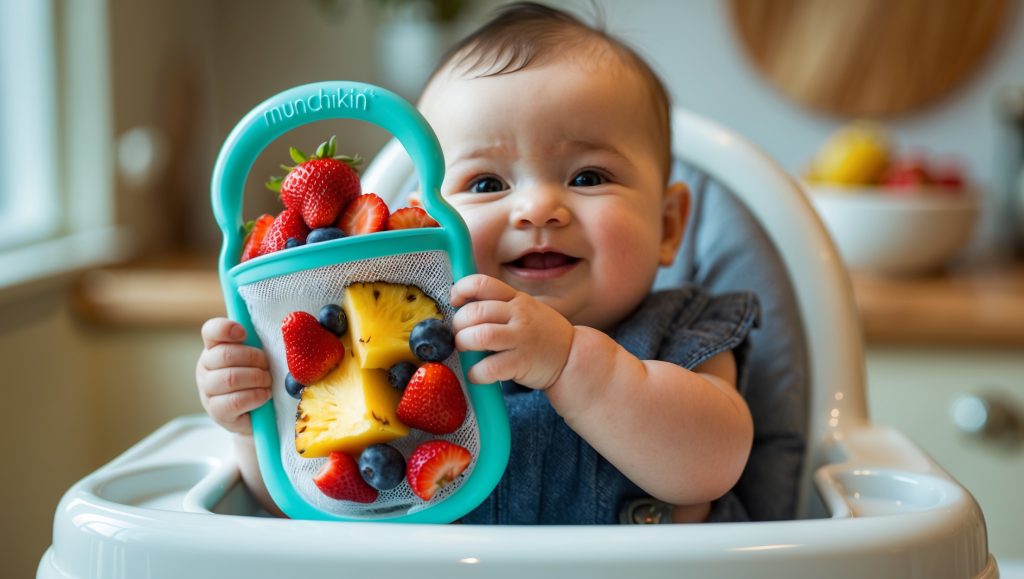
The Munchkin Fresh Food Feeder is a thoughtfully designed baby feeding accessory made with food-safe, BPA-free plastic and a soft, fine mesh pouch. The feeder consists of three main components:
- Ergonomic Handle: A chunky, ring-shaped handle that’s easy for small hands to grip and maneuver.
- Snap-Lock Ring: Securely fastens the mesh pouch to the handle, preventing accidental opening and messes.
- Mesh Pouch: The food-grade mesh pouch holds fresh fruits, veggies, or soft foods, allowing only tiny, chewable bits to pass through.
The build quality is robust—designed to withstand gnawing, squeezing, and repeated washing. The mesh is durable enough to last through many uses, yet soft and gentle on sensitive gums. No small parts detach during normal use, and the materials are free from BPA, phthalates, and latex. The feeder is available in bright, engaging colors that catch babies’ eyes and encourage repeated use.
Learning & Development Benefits
While it’s not a traditional toy, the Munchkin Fresh Food Feeder is a powerful tool for sensory play and early learning. Here’s how it benefits development:
- Fine Motor Skills: Grasping the handle, bringing food to mouth, and manipulating the feeder builds hand-eye coordination and dexterity.
- Oral Motor Skills: Sucking, chewing, and mouthing the mesh pouch develop the muscles needed for speech and safe eating.
- Sensory Exploration: Babies experience new flavors, textures, temperatures, and colors in a safe, controlled way—laying the groundwork for adventurous eating.
- Self-Feeding Confidence: The feeder empowers babies to control their own feeding, supporting autonomy and positive associations with food.
- Soothing Teething Pain: Cold or chilled foods in the mesh pouch can help alleviate gum discomfort during teething.
These learning opportunities make the feeder an excellent addition to routines as babies begin to explore solids, typically around six months and older. Always supervise feeding sessions to ensure safety.
Setup & Use
Getting started with the Munchkin Fresh Food Feeder is simple. Here’s a quick guide:
- Open the snap-lock ring to reveal the mesh pouch.
- Fill the pouch with age-appropriate, soft foods—such as banana, steamed carrot, ripe avocado, or chilled mango. Never use hard, raw foods or foods that pose a choking hazard.
- Secure the ring until you hear a click. This ensures a tight seal and prevents spills.
- Hand the feeder to your baby and supervise as they explore the new taste and texture.
- After use, disassemble and thoroughly wash all parts. The feeder is top-rack dishwasher safe, but handwashing the mesh prolongs its life.
Parents recommend having at least two feeders on hand for alternating between meals and for backup when one is being cleaned. The feeder is compact and easy to toss into a diaper bag for on-the-go snacks.
Pros & Cons
Pros
- Enables safe, mess-minimized introduction to a wide variety of solids
- Supports sensory, fine motor, and oral development
- Encourages self-feeding and confidence around food
- Soothes teething discomfort with chilled foods
- Easy to clean and dishwasher safe
- Affordable and widely available in stores and online
Cons
- Mesh pouch may stain with highly pigmented foods (e.g., berries)
- Frequent cleaning needed to prevent food buildup in mesh
- Some babies may outgrow the feeder quickly once they master chewing
- Mesh can wear out over time, requiring replacement
Alternatives & Similar Toys
Several products offer a comparable approach to food exploration and early solids introduction:
- Boon Pulp Silicone Feeder: Uses a soft silicone pouch instead of mesh, easier to clean and less prone to staining.
- NatureBond Baby Fruit Feeder Pacifier: Offers both mesh and silicone options, with a twist-lock design for added security.
- Nuby Nibbler: Similar mesh design, available with a protective cap for travel.
- Haakaa Silicone Feeder: 100% food-grade silicone, doubles as a teether, and is dishwasher safe.
Each has its own pros and cons regarding cleanability, durability, and baby preference, but the Munchkin feeder’s ergonomic handle and widely available replacement mesh set it apart for many families.
Verdict
The Munchkin Fresh Food Feeder bridges the gap between feeding tool and developmental toy. It encourages babies to experiment with new foods in a playful, safe way while supporting key motor and sensory milestones. Its thoughtful design, affordability, and popularity among U.S. families make it a standout choice for those beginning solids in 2025. While the mesh may require diligent cleaning and occasional replacement, the developmental benefits and mealtime fun it offers far outweigh these minor drawbacks. If you’re searching for a safe, confidence-boosting way to introduce solids and spark a love of food play, the Munchkin Fresh Food Feeder is an excellent place to start.
FAQ
+What age is the Munchkin Fresh Food Feeder recommended for?
+How do I clean the mesh pouch?
+What foods work best in the feeder?
+Is the feeder dishwasher safe?
+Can I buy replacement mesh pouches?
+Does the feeder help reduce choking risks?
+Will the mesh stain with certain foods?
+Is the feeder easy for babies to hold?

Munchkin Fresh Food Feeder: A Gentle Introduction to Solids Through Play
The Munchkin Fresh Food Feeder offers a delightful and practical way for parents to introduce their little ones to solid foods. Designed with safety and exploration in mind, this feeder allows babies to taste fresh fruits and soft vegetables without the risk of choking. Its simple mesh pouch holds small food pieces, letting babies safely gnaw and suck on foods while developing important oral and motor skills. Parents will appreciate the easy-grip handle, perfect for tiny hands eager to assert their independence. The feeder also encourages sensory play, helping babies get accustomed to new flavors and textures in a fun, low-pressure setting. Cleanup is straightforward—just rinse or pop it in the dishwasher. While it’s not a toy in the traditional sense, the playful colors and hands-on experience make the Munchkin Fresh Food Feeder a staple for curious, growing babies. With durable construction and thoughtful design, it’s a must-have for families beginning the solids journey. The feeder turns mealtime into an adventure, fostering healthy habits from the very first bite.
- Safe way to introduce solids and new flavors
- Promotes sensory and motor skill development
- Easy for babies to hold and use independently
- Simple to clean and dishwasher safe
Can this feeder be used for every snack time, or is it better kept for occasional sensory play sessions? I wonder if using it too often could make my 16-month-old less interested in trying solids from a spoon or directly with her hands.
You’re thoughtful to consider how frequent use might affect your toddler’s eating habits. The Munchkin Fresh Food Feeder is wonderful for safe sensory exploration, but it’s best used as an occasional tool rather than at every snack time. Offer regular opportunities for your 16-month-old to eat with a spoon and her hands to build self-feeding skills and texture acceptance. Try reserving the feeder for introducing new flavors or for messy play, always supervising closely to prevent choking. This approach keeps mealtimes varied and supports healthy feeding development. This isn’t medical advice; if you’re concerned, check in with your pediatrician.
Could you share your perspective on whether the developmental benefits of this plastic mesh feeder outweigh any concerns about microplastics or disposal compared to wooden, reusable options for baby-led weaning in the US?
You’re thoughtfully weighing your baby’s development with environmental concerns, which is so important. Mesh feeders like the Munchkin can help babies practice self-feeding and explore new textures safely, especially if you supervise and check for wear. For most infants (typically 6+ months), these feeders support motor and sensory skills, but if you’re worried about microplastics, you might alternate with silicone or wooden options—just ensure all parts are food-safe and easy to clean to reduce choking or allergy risks. Always inspect for damage and hand-wash thoroughly. This isn’t medical advice; if you’re concerned, check in with your pediatrician.
If I’m trying to stick to a tight budget for birthday gifts, is the Munchkin Fresh Food Feeder practical as a stand-alone present, or would it make more sense as part of a bundle with other food-related toys for a baby turning six months?
It’s understandable to want a thoughtful gift while staying within your budget. For a six-month-old, the Munchkin Fresh Food Feeder is a practical stand-alone present—many parents appreciate it for safe, supervised exploration of solids at this age. You could pair it with a handwritten card or a single bib if you want to add a small touch, but bundling isn’t necessary. Just ensure the item is BPA-free and suitable for babies six months and up. This isn’t medical advice; if you have concerns, please check in with your pediatrician.
How does the Munchkin Fresh Food Feeder compare to silicone feeders in terms of durability and ease of cleaning? I’m debating which to try first, considering my limited storage space and cleaning routine.
It’s thoughtful that you’re weighing durability and cleaning ease, especially with limited space and time. The Munchkin Fresh Food Feeder uses a mesh bag, which can trap food particles and may require more thorough cleaning—either by hand or in the top rack of the dishwasher. Silicone feeders tend to be sturdier, resist staining, and are generally easier to clean, as food doesn’t stick as much. Both types are typically safe for babies around 6 months, but always check for wear and clean thoroughly to avoid mold. This isn’t medical advice; if you have specific concerns, your pediatrician can help.
I try to keep our toy and feeding gear minimal in our apartment. Does the Munchkin Fresh Food Feeder take up much space, and do you have any storage tips to keep it clean and organized when not in use?
It’s great that you’re mindful about keeping things minimal and organized. The Munchkin Fresh Food Feeder is quite compact—each feeder is about the size of a baby’s rattle and fits easily in a small drawer or container. After washing and drying, you can store it in a clean, resealable bag or a small basket with other feeding supplies. Keeping the feeder disassembled until use also helps it dry thoroughly and saves space. Always ensure all parts are fully dry to prevent mold, and keep out of reach of little ones when not supervised. This isn’t medical advice; if you have concerns about cleaning or storage, your pediatrician can offer guidance.
For families introducing solids a little before or after the six-month mark, do you suggest any adjustments to feeder use with twins who might be at slightly different readiness stages?
It’s great that you’re tuning into each twin’s unique pace with starting solids. For twins at different readiness stages, consider introducing the feeder to the more ready twin first, watching closely for cues like sitting up well and showing interest in food. Offer the feeder with smooth, soft foods and always supervise to prevent choking. For the less ready twin, let them explore the feeder empty or with breastmilk or formula before offering solids. Keep sessions short and positive, and avoid any foods that pose allergy or choking risks. This isn’t medical advice; if you’re concerned, check in with your pediatrician.
We do a lot of feeding on-the-go or in the stroller. How easy is it to clean the mesh pouch when you’re out and about, or is this something you’d recommend sticking to at home only?
It’s great that you’re thinking about convenience and hygiene while feeding your baby on-the-go. The Munchkin Fresh Food Feeder can be a bit tricky to clean thoroughly when you’re out, especially since bits of food can get stuck in the mesh. If you use it outside, try filling it with less sticky foods and bring extra feeders or a small container with water for a quick rinse. A sealed bag for the used feeder can help keep things tidy until you get home for a deeper clean. Always supervise your baby during use to prevent choking. This isn’t medical advice; if you’re concerned, check in with your pediatrician.
If I want to pack several feeders for snacks during a day trip, how should I store filled feeders safely in a diaper bag to keep food fresh and prevent leaks or messes?
It’s great that you’re thinking ahead about safe, mess-free snacks for your day trip. After filling the feeders, place each one in a separate, well-sealed zip-top bag or small airtight container to prevent leaks. Pack them in an insulated lunch bag with an ice pack to keep perishable foods fresh, especially if you’re using fruit or chilled foods. Only fill as many feeders as your child will eat within a couple of hours, and discard any leftovers afterward. Always supervise your child while eating and check for any signs of spoilage before use. This isn’t medical advice; if you’re concerned, check in with your pediatrician.
How does the Munchkin Fresh Food Feeder compare to silicone feeders? I am considering which option would hold up better to a curious toddler while still being safe for my baby just starting solids.
It’s great that you’re thinking about both durability and safety as your little one starts solids. The Munchkin Fresh Food Feeder uses a mesh bag, which can fray over time with strong chewers or curious toddlers, so regular checks are important. Silicone feeders are often sturdier and easier to clean, but look for ones labeled safe for infants, with no small removable parts. Either option should always be used under adult supervision and cleaned thoroughly after use. Make sure the feeder is age-appropriate (usually 6 months and up) and free from allergens. This isn’t medical advice; if you’re concerned, check in with your pediatrician.
Have you noticed if babies with mild sensory sensitivities react negatively to the feeling of mesh in their mouth? I want to encourage adventurous eating but worry the texture might put my son off trying new foods.
You’re thoughtful to consider how the mesh texture might affect your son’s willingness to try new foods. Some babies with sensory sensitivities may find the mesh unfamiliar or uncomfortable at first. Try letting him explore the feeder with his hands before putting it in his mouth, and start with familiar, smooth foods inside. Watch his reactions closely and don’t force it if he seems upset. If he resists, you can pause and offer solids in other ways, coming back to the feeder in a few weeks. Always supervise closely, especially with sensory concerns. This isn’t medical advice; if you’re concerned, check in with your pediatrician.
My baby is a bit sensitive to new sensations, especially when it comes to food textures and temperatures. Does the mesh pouch material feel gentle enough on gums for babies who are cautious eaters, or might it add to sensory challenges?
It’s completely understandable to want a gentle, non-overwhelming experience for your sensitive baby. The Munchkin Fresh Food Feeder uses a soft mesh pouch designed to be gentle on gums, making it suitable for babies who are cautious about new textures. To introduce it, try placing a small amount of familiar, room-temperature food inside at first, and let your baby explore at their own pace. Supervise closely to ensure your baby feels safe, and inspect the mesh for any rough edges before each use. Every baby is different, so watch for your child’s cues and stop if they seem distressed. This isn’t medical advice; if you’re concerned, check in with your pediatrician.
I’m trying to minimize clutter and only buy items that have long-term value. Do you think the Munchkin Fresh Food Feeder is worth keeping as my baby moves beyond the purees stage, or is it something most families outgrow quickly?
It’s great that you’re thinking ahead about practical, lasting baby gear. The Munchkin Fresh Food Feeder is most valuable during the transition from purees to soft solids, usually for babies 6–12 months old. As your child becomes more skilled at eating whole foods, many families use it less, but some keep it for teething relief or offering messy foods like berries. If your baby enjoys it or isn’t ready for bigger textures yet, it can still be useful. Always supervise and check for wear. This isn’t medical advice; if you’re concerned, check in with your pediatrician.
You mention that the mesh pouch is gentle on sensitive gums, but I’m wondering how well it holds up with repeated use if my baby likes to gnaw a lot, especially during teething. Have you noticed any wear and tear over time, or does it stay effective for several months?
It’s great that you’re thinking about durability and your baby’s teething needs. Based on the review and user feedback, the mesh pouch on the Munchkin Fresh Food Feeder does show some wear if used frequently, especially with strong gnawing. To keep things safe and effective, inspect the mesh after each use for signs of fraying or holes, and replace it if you see any damage. Rotate between two feeders if your baby is a frequent chewer, and always supervise to prevent any small mesh pieces from breaking off. Remember, this isn’t medical advice; if you’re concerned, check in with your pediatrician.
I’m comparing the Munchkin Fresh Food Feeder to silicone-based feeders I’ve seen. Is there a noticeable difference in durability or ease of cleaning, especially with repeated daycare use and washing every evening?
It makes sense to want a feeder that holds up to daily use and is easy to clean, especially for daycare routines. The Munchkin Fresh Food Feeder uses a mesh pouch, which can stain or trap food residues more easily than silicone-based feeders; scrubbing or soaking may be needed, especially after fibrous foods like berries. Silicone feeders tend to be more durable over time, resist staining, and are simpler to rinse thoroughly or pop in the dishwasher. For daycare, you might find silicone a bit more convenient both for cleaning and long-term wear. Always ensure all pieces are completely dry and intact before reuse to keep things safe for your little one. This isn’t medical advice; if you’re concerned, check in with your pediatrician.
Can the mesh pouch be replaced separately if it gets stained or worn out, or do you need to buy a whole new feeder when the mesh starts to degrade?
It’s completely understandable to want a practical solution if the mesh pouch becomes stained or worn. With the Munchkin Fresh Food Feeder, the mesh pouch is not designed to be replaced separately; you’ll generally need to purchase a whole new feeder when the mesh degrades. To help it last longer, rinse and clean the mesh thoroughly after each use and inspect for any tears or wear, especially if your child is teething or chewing vigorously. Always supervise babies during use and dispose of the feeder if you notice damage or persistent stains, as these can harbor germs. This isn’t medical advice; if you’re concerned, check in with your pediatrician.
With daycare routines being quite structured, I wonder if the mesh feeder is suitable for sending in my child’s lunchbox. Do you have any tips for preparing and storing soft foods in the feeder so they stay fresh until meal times?
It’s great that you’re thinking ahead about your child’s meals at daycare. To keep soft foods fresh in the Munchkin Fresh Food Feeder, try these steps: chop and chill fruits or veggies just before packing, fill the feeder and store it in a sealed container or plastic bag, and use an insulated lunchbox with an ice pack to maintain a safe temperature. For safety, ensure foods are age-appropriate and avoid potential allergens or choking hazards. Remind daycare staff about supervision during feeder use. This isn’t medical advice; if you’re concerned, check in with your pediatrician.
Storage space is a concern for our family. Does the design of the Munchkin Fresh Food Feeder allow for compact storage, or are there specific cleaning and drying steps that require more room than typical feeding tools?
It’s completely understandable to want feeding tools that don’t take up extra space. The Munchkin Fresh Food Feeder is fairly compact and can usually fit in a small kitchen drawer or container. After washing, it’s best to let the mesh or silicone part air dry completely to prevent mold, so you might need to set it upright or hang it, which takes a bit more room than some spoons or cups. For safety, make sure all parts are fully dry before storing to avoid mold or bacteria. This isn’t medical advice; if you’re concerned, check in with your pediatrician.
What’s your advice for parents deciding between the Fresh Food Feeder and other compact self-feeding tools when minimizing clutter is a top priority?
You’re thoughtful to consider both feeding tools and clutter. First, choose multi-use feeders or tools that can handle different textures and stages—this keeps your supplies minimal. Second, look for items that are easy to clean and store, like stackable or collapsible feeders. Third, consider safety: for infants 6 months and up, opt for feeders that prevent choking and avoid small removable parts. Finally, keep just one or two reliable options rather than several gadgets. This isn’t medical advice; if you’re concerned, check in with your pediatrician.
If I’m introducing solids mainly through play with a mesh feeder but know that iron is important at this stage, do you suggest offering cereal separately, or have you seen success with adding iron-rich purees into the feeder itself?
You’re thoughtful to focus on both playful exploration and iron needs at this stage. For most babies, iron-fortified cereal can be offered separately by spoon for better nutrition tracking and texture practice. If your child enjoys the feeder, you can try adding iron-rich purees (like lentils or meat purees thinned with water), but be sure the mesh is securely closed and that the texture is smooth, with supervision to avoid choking. Watch closely for any mess or frustration, and always check for allergies. This isn’t medical advice; if you’re concerned, check in with your pediatrician.
My toddler is super active and loves getting really hands-on with sensory activities, so I’m curious—does the mesh stay secure even when little hands squeeze or tug pretty hard? I want to make sure it won’t pop open and make a big mess during play.
It’s great that you want to encourage your toddler’s sensory play while keeping things safe and tidy. The Munchkin Fresh Food Feeder is designed with a snap-on ring that generally stays secure, even with active squeezing and tugging. For extra peace of mind, double-check that the ring clicks tightly before handing it to your child. Supervise closely, especially with toddlers who like to pull things apart. Consider offering soft fruits and avoid overfilling to reduce potential mess. This isn’t medical advice; if you’re concerned, check in with your pediatrician.
I love the idea of encouraging self-feeding, but I worry about extra mess at mealtime. How well does this feeder contain juicy fruits like watermelon or berries, and is cleanup pretty easy afterward?
Your concern about mealtime mess is completely understandable. The Munchkin Fresh Food Feeder is designed to help minimize spills by keeping juicy fruits like watermelon and berries contained within the mesh pouch, although some juice may still leak, especially with very ripe fruit. To reduce mess, try offering small pieces and avoid overfilling. Place a washable bib or mat underneath your child for easy cleanup. The feeder itself comes apart for washing—rinsing right after use helps prevent stains and buildup. Always supervise your baby during use and check parts for wear. This isn’t medical advice; if you’re concerned, check in with your pediatrician.
For parents juggling staggered nap routines with twins, do you have any advice on offering fresh foods in the feeders without food sitting out too long? Are there tips for safely pre-filling and refrigerating the mesh pouches between sessions?
Managing twin schedules is truly a challenge, and food safety is important with mesh feeders. You can pre-fill clean, dry pouches with cut fruits or veggies, then seal and refrigerate them in a covered container until needed. Before offering, check that the food is still fresh and not too cold for baby’s gums. Always supervise closely to prevent choking, and clean pouches thoroughly between uses to avoid bacteria buildup. For babies under 12 months, use single-ingredient foods and watch for allergens. This isn’t medical advice; if you’re concerned, check in with your pediatrician.
How often should I be offering the feeder as part of our daily routine without overwhelming my toddler or disrupting regular meal times? Should it be reserved for snack times or used with most meals when introducing new foods?
It’s great that you’re thinking about balancing new food experiences with your toddler’s comfort and routine. Offer the Munchkin Fresh Food Feeder once a day to start, ideally during a calm snack time, so your toddler feels safe and not pressured. You can gradually use it with meals if your child shows interest, but keep it separate from main mealtimes to avoid disrupting their appetite or routine. Always supervise closely and monitor for signs of fullness or frustration. Make sure the foods are age-appropriate—soft fruits or steamed veggies—and watch for any signs of allergies. This isn’t medical advice; if you’re concerned, check in with your pediatrician.
How many feeders would you recommend having on hand for a typical day? I’m thinking about how often I might need to wash or rotate them if I plan to offer different foods throughout our routine.
It’s great that you’re planning ahead for a smooth feeding routine. For most families, having two to three Munchkin Fresh Food Feeders on hand works well—this lets you offer a variety of foods without needing to wash a feeder immediately after each use. You can prep one for each meal or snack, and always have a clean one ready if a feeder gets messy. Be sure to wash them thoroughly between uses to prevent bacteria growth, and check for signs of wear, especially if your baby is teething. This isn’t medical advice; if you’re concerned, check in with your pediatrician.
I’m wondering if you have any tips on introducing new foods using this feeder for a toddler who has a history of refusing fruits and vegetables. Should I offer just one new food at a time or try mixing them together?
It’s understandable to feel concerned when your toddler refuses fruits and veggies. Start by offering just one new food at a time in the feeder, as this helps your child get used to each taste and texture without feeling overwhelmed. Let them explore and play with the feeder during low-pressure times, like after a meal. Praise any interest or attempts, even if they don’t eat much. For a hesitant eater, consistency and patience matter more than quantity. Always supervise closely to ensure safety, especially with new foods. This isn’t medical advice; if you’re concerned, check in with your pediatrician.
We’re introducing solids along with formula feeds. Have parents found the feeder helpful for keeping a consistent schedule, or does it tend to encourage snacking and make it harder to stick to regular meal times?
It’s understandable to want a consistent feeding schedule as you introduce solids. Many parents find the Munchkin Fresh Food Feeder most helpful for supervised snack times or sensory play, rather than as a replacement for full meals. Try offering the feeder at set times between meals, not right before formula feeds, to maintain routine. For babies around 6 months, always supervise and ensure pieces inside are safe sizes for their age. If you notice your baby filling up on snacks and eating less at mealtimes, adjust how often you use the feeder. This isn’t medical advice; if you’re concerned, check in with your pediatrician.
Does the feeder work well with purees as well as soft chunks of food? Sometimes I want to use up leftover stewed fruit, but I am unsure about what texture is best for the mesh pouch.
It’s great that you want to make the most of your stewed fruit and are mindful of texture for your baby’s safety. The Munchkin Fresh Food Feeder works best with soft chunks or very thick purees, as thin or watery purees can leak through the mesh, creating a mess and making it harder for your baby to self-feed. For stewed fruit, try mashing it so it’s soft but not runny. Always supervise your child during use and avoid foods with skins, seeds, or hard bits. This isn’t medical advice; if you’re concerned, check in with your pediatrician.
In a Montessori routine where we try to respect the child’s independence, would you recommend using the feeder at specific meals or offering it during snack and play times as a form of sensory exploration? I’m trying to fit it naturally into our daily rhythm without making it feel forced.
It’s wonderful that you want to respect your child’s independence while introducing new experiences. To keep things natural, consider offering the Munchkin Fresh Food Feeder during regular snack times or relaxed play sessions, letting your child choose when and how long to engage with it. Allow them to explore it at their own pace—this aligns well with Montessori principles. Ensure foods are age-appropriate and supervise closely to prevent choking hazards. Avoid pressuring your child to use the feeder at specific meals; instead, present it as one option among others. This isn’t medical advice; if you’re concerned, check in with your pediatrician.
If my child has mild sensory sensitivities, could the different textures and temperatures of foods offered in the mesh pouch make bedtime routines harder? How do you recommend approaching the introduction of such feeders with more sensitive little ones?
You’re thoughtful to consider how new textures and temperatures might affect your child’s bedtime, especially with sensory sensitivities. Start by introducing the feeder earlier in the day so your child has time to adjust before winding down at night. Offer familiar or favorite foods first to build comfort, and use small amounts to avoid overwhelming their senses. Watch for signs of overstimulation, and stop if your child seems unsettled. Always supervise and choose age-appropriate foods to prevent choking. This isn’t medical advice; if you have concerns about sensory responses or sleep disruptions, connect with your pediatrician.
Do you have tips on which fruits or veggies work best for relieving teething pain with the feeder? I want to make sure I’m giving my baby foods that are soothing without being too cold or messy.
It’s wonderful that you want to soothe your baby’s teething pain safely. For the feeder, try peeled cucumber sticks, chilled (but not frozen) apple slices, or steamed carrot pieces, as these are gentle on gums and less likely to be messy. Avoid citrus and berries at first, since they can irritate sensitive mouths or stain. Always supervise your baby, check for allergies, and make sure pieces are soft enough for your baby’s age. This isn’t medical advice; if you’re concerned, check in with your pediatrician.
How easy is it to clean and dry the mesh pouch between uses? We have to be extra careful about lingering food smells and residues since they can overwhelm my child’s senses.
You’re right to be careful about lingering smells and residues, especially for sensory-sensitive children. To clean the mesh pouch, rinse it immediately after use under warm running water to dislodge bits of food. Use a small brush or toothbrush with mild, fragrance-free soap to gently scrub the mesh. Thoroughly rinse to remove any soap residue. Let the pouch air dry completely in a well-ventilated area—hanging it open helps prevent trapped moisture and odors. Always check for signs of wear or trapped particles. This isn’t medical advice; if you’re concerned, check in with your pediatrician.
How would you recommend fitting the Munchkin Feeder into a typical feeding schedule for a 10-month-old who’s also nursing? Should it be offered before or after regular meals?
It’s great that you’re thoughtfully considering how to introduce new textures alongside nursing. For a 10-month-old who is still breastfeeding, the Munchkin Feeder can be used as a playful addition rather than a main source of nutrition. Try offering it after regular meals, as a safe way for your baby to explore different tastes and practice self-feeding skills without replacing nursing or table foods. Always supervise closely, use age-appropriate foods (avoid choking hazards), and watch for signs of fullness or fatigue. This isn’t medical advice; if you have feeding concerns, check in with your pediatrician.
My neighbor’s child has pretty sensitive gums and usually dislikes textured toys—do you think the mesh pouch would be too stimulating? Have you seen any tips for helping babies who are wary of new oral sensations adjust to this kind of feeder?
It’s understandable to worry about how a sensitive baby might react to textured feeders. If your neighbor wants to try the Munchkin Fresh Food Feeder, they could start by letting the baby explore the feeder empty, so there’s no pressure. Gradually introducing very smooth, mild flavors—like chilled pureed pear or breastmilk—can help, as these are less likely to irritate sensitive gums. Always supervise closely and look for any signs of discomfort. For some babies, gentle introduction and repeated, low-pressure exposure can help build comfort with new textures. This isn’t medical advice; if you’re concerned, check in with your pediatrician.
We have a very sensitive little one who reacts to certain textures. Do you find that the fine mesh softens the feel of most foods enough to prevent strong reactions, or are there foods you would avoid putting in for babies with sensory aversions?
It’s wonderful that you’re tuned in to your child’s sensory needs. The fine mesh of the Munchkin Fresh Food Feeder does soften most foods, creating a smoother, less intense texture that can help minimize strong reactions. For babies with sensory aversions, start with softer, mild foods like ripe banana or steamed pear, and avoid stringy, fibrous, or highly acidic foods (like pineapple) that might still feel odd through the mesh. Always supervise closely, and introduce new foods slowly to observe any response. This isn’t medical advice; if you have concerns or notice persistent reactions, consult your pediatrician.
You mentioned the mesh is durable and gentle on gums, but I worry about proper cleaning since we use mesh feeders a lot. Do you have any tips to make sure the mesh stays hygienic and lasts longer, especially when rotating between different fruits and vegetables?
It’s great that you’re proactive about keeping your baby’s feeding tools clean and safe. To keep mesh feeders hygienic, rinse them immediately after each use to prevent food from drying out. Gently scrub the mesh with a soft brush and mild baby-safe soap, paying attention to crevices. For deeper cleaning, you can soak the mesh in a mix of water and white vinegar, then rinse thoroughly. Rotate feeders so each has plenty of time to air dry fully, which helps prevent mold. Always check for wear or tears; replace if you notice damage. This isn’t medical advice; if you’re concerned, check in with your pediatrician.
Do you have any tips for parents whose babies have a strong gag reflex or get overwhelmed with new textures? I want to introduce different foods in the feeder, but I am not sure how to pace it or alternate with regular spoon-feeding during our weekly routine.
It’s great that you’re mindful about your baby’s comfort with new textures. Start by offering very small amounts of smooth or mashed foods in the feeder, giving your baby time to explore at their own pace. Alternate between the feeder and familiar spoon-feeding within a single meal, keeping sessions calm and brief—just a few minutes at first. Watch for cues of stress or fatigue, and pause if your baby seems overwhelmed. Always supervise closely and choose age-appropriate foods that don’t pose a choking risk. This isn’t medical advice; if you’re concerned, check in with your pediatrician.
How does the Munchkin Fresh Food Feeder compare with other developmental toys when it comes to fostering self-feeding confidence? Have you noticed a difference in how quickly babies transition to finger foods if they regularly use this feeder?
—fostering self-feeding confidence is such a common hope for parents at this stage. The Munchkin Fresh Food Feeder offers babies aged 6 months and up a safe way to explore new tastes and practice holding and chewing, since there’s no risk of choking on large pieces. Unlike some developmental toys that focus on fine motor skills or sensory play, this feeder gives babies direct, hands-on experience with real food. Many families notice that consistent use can make babies more comfortable with textures and the act of self-feeding, sometimes leading to a smoother transition to finger foods, but each child’s pace varies. This isn’t medical advice; if you’re concerned about readiness or feeding challenges, check in with your pediatrician.
My toddler had some sensory aversions when starting solids. For families whose babies are sensitive to textures, does the mesh pouch make things easier, or could it be overwhelming for certain babies?
It’s completely understandable to want to ease your child’s transition to new textures. The mesh pouch in the Munchkin Fresh Food Feeder can help some sensory-sensitive toddlers by creating a barrier between their mouths and unfamiliar textures, making the experience less intense. Start with familiar, smooth foods in the feeder, and let your child explore it at their own pace—no pressure. Watch for signs of discomfort, and always supervise closely, since some children may dislike the mesh sensation itself. Every child is different, so gentle, gradual exposure is key. This isn’t medical advice; if you’re concerned, check in with your pediatrician.
Do you have any advice for parents who are worried about whether mesh feeders make it harder for babies to get enough iron compared to traditional purees or cereals, since only small bits pass through the mesh?
It’s completely understandable to wonder if mesh feeders might limit your baby’s iron intake compared to spoon-fed purees or iron-fortified cereals. To help with this, offer iron-rich foods (like cooked meats, beans, or iron-fortified foods) both in the feeder and by spoon, alternating methods as your baby gets used to textures. Mesh feeders are best for exploration and practice with whole foods but may not deliver as much iron per bite as purees. For babies under 12 months, closely supervise and make sure all foods are soft and safe. This isn’t medical advice; if you’re concerned about iron or nutrition, check in with your pediatrician.
When choosing between a plastic feeder like this and a wooden alternative, what are the main tradeoffs in terms of storage, hygiene, and long-term budget for families trying to be eco-friendly? I want to balance practicality with sustainability at home.
It’s wonderful that you’re considering both practicality and sustainability for your family. Plastic feeders like the Munchkin are generally easier to clean thoroughly and can be safely stored in the fridge or dishwasher, reducing germ risks. Wooden alternatives are more eco-friendly but may be harder to sterilize and can absorb moisture, which might lead to cracks or mold if not dried carefully. Long-term, wooden feeders could last if well-cared-for, but plastic often holds up better to frequent washing. Always check for small parts and wear, regardless of material, and supervise use to ensure safety. This isn’t medical advice; if you have concerns, speak with your pediatrician.
Since my twins have different routines, I’m curious if the Munchkin Fresh Food Feeder can handle frequent cleanings and sterilizations during back-to-back uses. Are there any tips for making sure the feeder stays hygienic if I’m refilling it multiple times a day for different babies?
It’s understandable to want a safe and clean feeding routine for twins with different schedules. The Munchkin Fresh Food Feeder is designed to be durable and can withstand frequent washing. After each use, rinse the feeder thoroughly to remove any food residue, then wash it in warm, soapy water or place it on the top rack of the dishwasher. For extra sterilization, you can occasionally boil the silicone parts or use a baby-safe sterilizer, but avoid exposing plastic components to high heat too often to prevent warping. Always inspect for wear and replace feeders if any parts look damaged. This isn’t medical advice; if you’re concerned, check in with your pediatrician.
Our toddler has some sensory sensitivities and refuses a lot of finger foods. Based on your review, do you think the mesh pouch texture could be soothing for kids who are sensitive to different food textures, or might it become overwhelming for them?
It’s understandable to worry about how your toddler’s sensory sensitivities will affect their eating experiences. The mesh pouch in the Munchkin Fresh Food Feeder can sometimes be soothing for children who dislike slippery or mushy textures, as it creates a barrier between their mouth and the food. You might start by letting your toddler explore the empty mesh with their fingers, then gradually introduce familiar purees or soft foods inside. Watch your child’s reactions closely—if they seem uncomfortable with the mesh, take a break and try again later. Always supervise and check for any wear or loose threads. This isn’t medical advice; if you’re concerned, check in with your pediatrician.
For families concerned about kitchen clutter, how much storage space does the Munchkin Fresh Food Feeder require, especially if you want to have more than one on hand for convenience?
It’s understandable to want to keep kitchen clutter to a minimum while supporting your baby’s feeding journey. The Munchkin Fresh Food Feeder is small—each feeder is about the size of a pacifier or baby rattle—so even if you own two or three, they won’t take up much drawer or cabinet space. Consider storing them in a shallow basket or a dedicated small container to keep them organized and separate from other utensils. Make sure they’re clean and dry before storing to prevent mold. This isn’t medical advice; if you have specific concerns about storage or hygiene, check in with your pediatrician.
We’re starting to introduce solids and my toddler bites down pretty hard on everything. Is the mesh pouch sturdy enough to handle a strong chewer without tearing, or should I be extra careful with harder foods like cold sweet potato?
It’s understandable to be cautious when your toddler is a strong chewer. The Munchkin Fresh Food Feeder’s mesh pouch is designed to withstand enthusiastic biting, but it can wear down over time, especially with frequent use or harder foods. For safety, always inspect the mesh before each use for any signs of tearing. Stick with softer, steamed foods and avoid very hard chunks even if they’re cold, as these can strain the mesh and pose choking risks. Supervise closely while your child uses the feeder. This isn’t medical advice; if you’re concerned, check in with your pediatrician.
How does the Munchkin Fresh Food Feeder compare to silicone feeders for older toddlers who still like sensory play but need a bit more bite resistance? Is there an age when you recommend transitioning away from the mesh style?
It’s great you’re thinking about your toddler’s sensory needs and safety as they explore new foods. For older toddlers, silicone feeders often offer more bite resistance than mesh feeders, making them better suited for stronger jaws and emerging teeth. You might transition to silicone feeders around 12–18 months, or when your child seems able to handle firmer textures without frustration. Watch for signs like wanting to chew through the mesh, or difficulty with cleaning. Always supervise, ensure there are no small parts, and check for wear. This isn’t medical advice; if you’re concerned, check in with your pediatrician.
If I want to rotate different feeders and other sensory toys in my baby’s play area, how often should I introduce the Munchkin Fresh Food Feeder without overwhelming her? I’m trying to build a routine that keeps things fresh but not chaotic.
You’re thoughtful to want variety without overwhelming your baby. Try introducing the Munchkin Fresh Food Feeder once or twice a week, alternating with other sensory toys. Watch your baby’s cues—if she seems fussy or uninterested, it’s okay to pause and revisit later. Keep feeder sessions short—about 10–15 minutes for younger babies, always with supervision to prevent choking. For very young babies (around 6 months), remember to check the feeder for wear and clean it thoroughly. This isn’t medical advice; if you have concerns, check in with your pediatrician.
My baby is very sensitive to new textures and tends to refuse lumpy foods. Does using the feeder with allergenic foods change how they experience those textures compared to offering a small spoonful?
It’s completely normal for babies to show sensitivity to new textures. Using a feeder like the Munchkin Fresh Food Feeder can help your baby explore different foods more gradually, since the mesh or silicone barrier controls the texture and prevents large lumps from reaching their mouth. Start by filling the feeder with a very smooth puree of an allergenic food, and let your baby hold and mouth it at their own pace. Always supervise, especially with allergenic foods, and introduce just one new food at a time to monitor for reactions. This method may feel less overwhelming than a spoonful of lumpy food. This isn’t medical advice; if you’re concerned, check in with your pediatrician.
Is this feeder large and easy to store, or does it take up a lot of space in the kitchen? I am planning for a small apartment and want tools that are practical to keep on hand for everyday use.
It’s great that you’re thinking about practicality and storage in a small space. The Munchkin Fresh Food Feeder is compact and lightweight, usually about the size of a pacifier or small rattle, so it won’t take up much room in your kitchen drawers or cabinets. For everyday use, you can store it in a small container or even a resealable bag. Just remember to let it dry completely after washing before putting it away to prevent mold. This isn’t medical advice; if you have safety concerns, check in with your pediatrician.
If my child is already pretty independent with utensils but struggles with trying new foods, could the feeder still help build confidence, or is it mainly for babies just starting solids?
It’s great that your child is independent with utensils—trying new foods can still be tricky for many kids. The Munchkin Fresh Food Feeder can be helpful beyond just starting solids by making unfamiliar foods less intimidating and more playful. You might fill the feeder with small pieces of new fruits or veggies and let your child explore at their own pace, free from pressure. This can build confidence as they experience new tastes and textures in a safe, familiar way. Always supervise to ensure safety, and check that the feeder is in good condition. This isn’t medical advice; if you have concerns, check in with your pediatrician.
Does the Munchkin Fresh Food Feeder work well for bedtime routines if we want to offer a soothing snack in both English and Spanish speaking households? I am curious if it helps babies settle down for naps or if it might make them too excited before sleeping.
It’s thoughtful to consider how a soothing snack might fit into your bedtime routine. Using the Munchkin Fresh Food Feeder can be calming if you fill it with soft, mild foods like chilled banana or steamed apple, and offer it during a quiet, dimly lit wind-down period. For both English and Spanish speaking households, you can gently talk or sing in your preferred language to reinforce calmness. However, some babies may find the novelty exciting, so observe your little one’s response—if they become more alert or playful, it may be better to use the feeder earlier in the evening. Always supervise closely to ensure safety, especially for babies under 12 months. This isn’t medical advice; if you’re concerned, check in with your pediatrician.
Does the Munchkin Fresh Food Feeder work with purees, or is it mainly for small, soft chunks? I’m planning meal prep for both baby and toddler, and I’m hoping to simplify our feeding routine by using the same foods when possible.
It’s great that you’re looking to streamline mealtime for both your baby and toddler. The Munchkin Fresh Food Feeder is mainly designed for small, soft chunks rather than purees—purees can leak or be difficult for your baby to access through the mesh. For babies starting solids (usually around 6 months), use soft fruits or steamed veggies cut into small, safe pieces to reduce choking risk. Always supervise closely and check for mesh wear and tear. For purees, spoon-feeding or a silicone pouch might work better. This isn’t medical advice; if you’re concerned, check in with your pediatrician.
For families introducing solids at different ages, do you recommend adjusting the types of foods or the way the feeder is used as the baby gets older? I’m interested in how this might grow with my child over time.
It’s wonderful that you’re thinking about how to adapt introducing solids as your baby grows. For younger babies (around 6 months), start with soft, mild foods like steamed carrots or bananas in the feeder and always supervise closely. As your child gets older and more experienced with textures, you can try firmer fruits or cooked veggies cut into small pieces, still using the feeder to reduce choking risk. By toddlerhood, you might use the feeder for snack-time independence with chunkier foods, but always check for wear and clean thoroughly. Remember, all changes should be based on your child’s development and readiness. This isn’t medical advice; if you’re concerned, check in with your pediatrician.
Is it still developmentally appropriate to use this feeder with an older toddler who is four years old but struggles with trying new foods? I am curious whether it can help encourage more adventurous eating at this age or if it’s best suited just for younger babies.
It’s thoughtful of you to support your four-year-old’s eating challenges. While the Munchkin Fresh Food Feeder is designed mainly for babies and younger toddlers (typically under age two), it can still be a safe, playful way to introduce new textures to hesitant older children, provided your child doesn’t put the feeder in their mouth too forcefully and is supervised. Try offering small, soft pieces of new foods inside the feeder, encourage curiosity without pressure, and let your child decide whether to taste. Always inspect the feeder for wear and tear. If picky eating is causing stress or impacting nutrition, a pediatrician or feeding therapist can guide you further. This isn’t medical advice; if you’re concerned, check in with your pediatrician.
I see the feeder is made with BPA-free plastic and a mesh pouch, but I’m still a little worried about small parts. Is there any chance the mesh or snap-lock ring could come loose and become a choking hazard over time, especially with babies who love to chew on everything?
It’s completely understandable to worry about small parts, especially with teething babies who love to gnaw on everything. Start by inspecting the feeder before each use—look for any signs of wear, loose mesh threads, or weakened snap-lock areas. Always supervise your baby during use and stop immediately if you notice any damage. Choose age-appropriate feeders and avoid using them if your child is beginning to bite through the mesh. Clean the feeder thoroughly but gently to extend its life and safety. This isn’t medical advice; if you’re concerned, check in with your pediatrician.
Since my little one is teething and still learning to feed herself, would the Munchkin feeder work equally well for both soothing sore gums and developing eating skills during daycare meals, or is it better suited for home use?
It’s great that you want to support both your baby’s teething comfort and self-feeding skills. The Munchkin Fresh Food Feeder can be helpful for soothing sore gums and encouraging self-feeding, whether at home or daycare, as long as caregivers supervise closely. To use it safely in daycare, make sure staff know how to assemble and clean the feeder, provide bite-sized soft foods, and check for any allergies. Always monitor for signs of wear and tear, especially with frequent use. These feeders are generally safe from about six months, but supervision is important wherever you use them. This isn’t medical advice; if you’re concerned, check in with your pediatrician.
If my 9-month-old has a mild sensitivity to certain textures, do you think the mesh pouch changes how they experience the food inside, especially for sticky or grainy solids? I am wondering if it might help reduce any resistance to new foods during this stage.
It’s completely understandable to want to make trying new textures easier for your baby. The mesh pouch of the Munchkin Fresh Food Feeder can soften and filter out some of the texture differences, especially with sticky or grainy foods, which may help reduce resistance during this sensitive stage. Start with small amounts of familiar foods inside the feeder, always supervising closely. Gradually introduce new textures by varying what you put inside, making sure foods are age-appropriate and free from choking hazards. If your baby shows distress or ongoing sensitivity, pause and try again later. This isn’t medical advice; if you’re concerned, check in with your pediatrician.
Given the emphasis on sensory exploration, do you have suggestions for accommodating a child who is sensitive to certain textures or is more hesitant with new foods when using the feeder?
It’s wonderful that you want to support your child’s sensory needs as they try new foods. Start by offering purees or foods with familiar textures in the feeder, so it feels less overwhelming. Introduce new foods gradually, mixing small amounts with favorites. Let your child explore the feeder when empty first, so they get used to holding and mouthing it. Always supervise closely, and avoid sticky or hard foods that could frustrate sensitive little ones. Remember that discomfort with new textures is common in early feeding. This isn’t medical advice; if you’re concerned, check in with your pediatrician.
How do you recommend introducing iron-rich foods with the Fresh Food Feeder, especially compared to giving baby cereals or purees? Is there an age or stage where it’s better to prioritize cereals for iron before exploring solids with the feeder?
Your attention to introducing iron-rich foods is so important for your baby’s growth. Around 6 months, you can use the Fresh Food Feeder safely for soft, iron-rich foods like cooked, mashed beans, well-cooked shredded meats, or soft cooked lentils—always cut into safe sizes to avoid choking. Iron-fortified baby cereals are often recommended as an early iron source, especially if your baby is just starting solids; you might prioritize cereals for a few weeks, then gradually add foods in the feeder as your baby’s eating skills progress. Always supervise and check for allergens. Every baby is different—this isn’t medical advice, so consult your pediatrician for personalized guidance.
Is the mesh pouch easy to clean thoroughly, especially after using foods like banana or avocado that can get stuck in small spaces? I want to make sure it will not develop odors or build up over time, since we are on a tight budget and would prefer something durable.
It’s great that you’re thinking ahead about hygiene and durability, especially with sticky foods like banana and avocado. After each use, rinse the mesh pouch under warm running water right away to loosen residue. You can gently scrub the mesh with a soft bottle brush or toothbrush, paying extra attention to the seams. Soaking the pouch in a mixture of warm water and mild baby-safe soap for a few minutes can help with stubborn bits. Allow it to air dry completely to prevent odors or mildew. Always check for wear or tears, as mesh can weaken over time. This isn’t medical advice; if you have concerns about hygiene or safety, check in with your pediatrician.
For families on a budget, is it necessary to purchase several Munchkin feeders to rotate between foods and cleanings, or is having one sufficient for daily use if you wash and refill right away?
It’s understandable to want to manage costs while introducing solids safely. For most families, one Munchkin feeder is sufficient as long as you clean and refill it promptly after each use—this helps keep things hygienic and ready for your baby. If you plan to offer several different foods at one meal, you might find it convenient to have a second feeder, but it’s not strictly necessary. Always check for any wear or damage before reusing, and supervise your baby during feeding. This isn’t medical advice; if you’re concerned, check in with your pediatrician.
My baby is almost six months old but still developing their grip. Are there any tips for helping younger babies hold onto the ergonomic handle, especially during those sleepy early mornings when their coordination is a bit off?
It’s completely normal for younger babies to have an unsteady grip, especially when they’re sleepy. Try placing the feeder handle into your baby’s palm and gently wrapping their fingers around it, offering hand-over-hand support. You can also let your baby try holding the feeder while seated securely in your lap for extra stability. If their grip slips, simply guide their hands back or hold the feeder together for a few moments. Always supervise closely to keep things safe, and make sure the feeder is clean and free from any small parts. This isn’t medical advice; if you have concerns about your baby’s grip or development, check in with your pediatrician.
For families on a tighter budget, is the Munchkin Fresh Food Feeder durable enough to last through multiple rounds of introducing different allergens, or should we expect to replace the mesh pouch periodically?
It’s completely understandable to want a budget-friendly option that holds up over time. The Munchkin Fresh Food Feeder’s mesh pouch can handle a variety of soft foods, including common allergens, but regular cleaning and the natural wear from chewing may mean it needs replacing occasionally—especially if used daily or with fibrous foods. To help it last, rinse immediately after each use and hand-wash gently. Always inspect the mesh for small tears before offering it to your baby to ensure safety and prevent choking hazards. This isn’t medical advice; if you’re concerned, check in with your pediatrician.
Assembling and cleaning time matters on road trips. How easy is it to rinse out the mesh pouch after sticky foods if we do not have access to a full kitchen sink? Any recommendations for cleaning on-the-go?
You’re right to think ahead about cleaning while traveling—it can be tricky with baby gear. The mesh pouch on the Munchkin Fresh Food Feeder can be rinsed with bottled water right after use, which helps prevent buildup from sticky foods like banana. Try using a small travel brush or even a new, soft toothbrush to gently scrub out bits. Pack a few extra feeders or mesh inserts if you expect multiple uses before a thorough wash is possible. Always check for leftover food to avoid mold, and let the feeder air-dry as much as you can. This isn’t medical advice; if you’re concerned, check in with your pediatrician.
My baby mostly eats store-bought iron-fortified purees. If I switch to using the feeder with homemade foods, will it be harder to meet daily iron needs, or is there a way to fill the pouch with iron-rich ingredients that are just as effective?
It’s great that you’re thinking about your baby’s iron intake and exploring new ways to introduce solids. Homemade foods can offer iron too—try steaming and mashing iron-rich options like cooked lentils, finely minced beef, or pureed beans to fill the feeder, making sure textures are safe for your baby’s age. You could also blend iron-containing veggies like spinach with vitamin C-rich fruits to help absorption. Watch for any choking hazards and always supervise feeder use. This isn’t medical advice; if you’re concerned about iron levels, check in with your pediatrician.
My child has some sensory sensitivities to certain textures and temperatures. Have you noticed if the mesh pouch can help introduce new sensations gradually, or does it sometimes overwhelm sensitive babies? Any advice for a gentle introduction using the feeder?
It’s great that you’re thinking about your child’s sensory comfort with new foods. The mesh pouch in the Munchkin Fresh Food Feeder can be helpful because it limits direct contact with challenging textures and lets babies explore flavor and temperature at their own pace. To introduce it gently, start with familiar foods at room temperature, then gradually add slightly chilled options. Offer just a small amount at first, and watch your child’s reactions closely. Always supervise for safety, as mesh feeders are meant for babies around 6 months and up. This isn’t medical advice; if you’re concerned, check in with your pediatrician.
The article says the feeder is for babies starting at six months, but my 13-month-old is still really picky and gags with texture sometimes. Is it still appropriate to offer it at this age, or is there a point when it’s better to move on?
It’s understandable to wonder about continuing with the feeder when your toddler is still sensitive to textures. At 13 months, it’s perfectly fine to use the Munchkin Fresh Food Feeder as a gentle way to explore new flavors and reduce choking risk. You can try offering different soft fruits or cooked veggies in the feeder to help your child get used to new tastes and smells. Gradually, when they seem more comfortable, give them small, supervised bites of soft foods outside the feeder. Always watch for any allergy risks, and keep the feeder clean to prevent mold. This isn’t medical advice; if you’re concerned, check in with your pediatrician.
Do you have any tips for cleaning the mesh pouch thoroughly? Sometimes I struggle with fruit bits getting stuck, especially after using bananas or cooked carrots.
It’s understandable to want the mesh pouch as clean as possible for your baby’s safety. First, rinse the feeder right after use with warm water to loosen any stuck food. Use a small bottle brush or toothbrush to gently scrub the mesh, paying special attention to corners. For stubborn bits, soak the pouch in warm, soapy water for 10–15 minutes before scrubbing again. Let it air dry completely to prevent mold. Always check the mesh for tears or residue before reusing, as infants are prone to mouthing everything. This isn’t medical advice; if you’re concerned, check in with your pediatrician.
I’ve been reading a lot about iron needs for babies, and I’m debating between iron-fortified infant cereals and purees for starting solids. Does the Munchkin Fresh Food Feeder work better with one of these for iron intake, or do you have a recommendation on which option helps babies absorb more iron when using the feeder?
It’s wonderful that you’re being thoughtful about your baby’s iron intake. Both iron-fortified cereals and purees can be offered in the Munchkin Fresh Food Feeder, but keep in mind that the mesh can make thick cereals a bit messy, while purees—especially those with heme iron sources like pureed meats—can be easier for babies to suck and chew. To boost absorption, pair iron-rich foods with a vitamin C source, such as pureed berries. Always supervise closely, and introduce new foods one at a time for safety. This isn’t medical advice; if you’re concerned, check in with your pediatrician.
For families who like to batch-prep foods, can the mesh pouch be filled ahead of time and stored in the fridge, or does that affect freshness and safety? I wonder what’s most practical for busy days with grandparents caring for our baby.
Your focus on convenience and safety is so important, especially when others are helping care for your baby. You can fill the mesh pouch with cut or mashed fresh fruits or veggies and store it in the fridge for a few hours, but use a clean, airtight container to keep it as fresh as possible. Always label with the date and time, and discard any leftovers after one day to reduce risk of bacteria. Avoid pre-filling with foods that brown quickly, like bananas or avocados, as texture and taste may change. Supervise closely during feeding, and make sure all parts are thoroughly cleaned before use. This isn’t medical advice; if you’re concerned, check in with your pediatrician.
If I want to introduce traditional foods from my culture, like mashed plantains or sweet potato, does the Munchkin Fresh Food Feeder handle those well? Are there any tips for preparing softer foods from different backgrounds to make them work better in the mesh pouch?
It’s wonderful that you want to share your cultural foods with your baby. The Munchkin Fresh Food Feeder works well with mashed plantains and sweet potatoes as long as they’re cooked until very soft and mashed smoothly, without chunks. To help foods pass through the mesh, let them cool, mash thoroughly, and if needed, add a little breast milk, formula, or water for a smoother consistency. Always check that there are no hard bits or peels left. Supervise closely, especially with new foods, and be mindful of potential allergens. This isn’t medical advice; if you’re concerned, check in with your pediatrician.
Do you have any advice for cleaning and storing the feeder to keep it sanitary if my child wants to use it during outings or travel? I worry about food residue and odors if it sits too long before washing.
It’s understandable to want your child’s feeder to stay clean and safe, especially while on the go. After your child finishes, wipe away any visible food right away if possible. Bring a small, sealable bag or container to store the used feeder separately from clean items. Once you’re home, thoroughly wash all parts with warm soapy water, using a small brush to reach any crevices. Allow the feeder to air dry completely before storing to prevent odors or mold. For babies under 12 months, make sure all parts are rinsed thoroughly to remove soap residue. This isn’t medical advice; if you’re concerned, check in with your pediatrician.
My kid has some sensory sensitivities, so I’m curious—does the fine mesh make the food come out in a way that feels gritty or weird in their mouth? Or does it keep everything pretty smooth?
It’s thoughtful of you to consider how textures might feel to your child. The Munchkin Fresh Food Feeder’s mesh is designed to keep large chunks out, but some foods (like strawberries or peas) might still feel a bit pulpy or grainy as your child chews or sucks. To keep things smoother, try softer foods (like well-mashed banana) and check the feeder often for buildup. Always supervise, and remember not all kids like mesh textures—observe your child’s reaction and pause if they seem uncomfortable. This isn’t medical advice; if you’re concerned, check in with your pediatrician.
I noticed you mentioned cold foods in the feeder can help with teething. Is there a risk that using chilled fruits right before sleep could make it harder for my baby to settle down for naps or at night?
You’re wise to consider how cold foods might affect your baby’s sleep routines. Offering chilled fruits in the Munchkin Fresh Food Feeder can feel stimulating or refreshing, which may briefly perk your baby up rather than soothe them for sleep. If teething relief is needed before naps or bedtime, try using the feeder at least 30–60 minutes ahead of sleep to allow your baby time to settle. Stick to age-appropriate, soft fruits without added sugars, and supervise to ensure safe chewing. Every baby responds differently, so observe your little one’s reactions. This isn’t medical advice; if you’re concerned, check in with your pediatrician.
How do you recommend parents balance using the feeder in daily routines? Is it helpful to offer it at every mealtime, or does overuse affect a baby’s willingness to try new foods outside of the feeder?
It’s great that you want to support your baby’s healthy eating habits with the feeder. Try offering the Munchkin Fresh Food Feeder once per day, ideally during a calm mealtime, so your baby can explore flavors and textures without becoming dependent on the feeder alone. Pair the feeder with opportunities to touch or taste soft solids by hand, and occasionally skip the feeder to encourage self-feeding skills. Always supervise, especially with younger babies, and ensure foods are age-appropriate and safe. This isn’t medical advice; if you’re concerned, check in with your pediatrician.
I noticed the feeder has a mesh pouch. Are there any concerns with cleaning and drying it thoroughly between uses, or could moisture buildup become an issue? I’m always cautious about mold with baby products.
Your caution about mold and moisture is completely understandable, especially with baby products. To keep the mesh pouch safe, rinse it right after each use to remove all food particles, then wash thoroughly with warm soapy water. Squeeze out excess water and let it air-dry fully in a well-ventilated spot—never store it damp. Regularly check for signs of wear, residue, or mold, and replace the pouch if you notice anything concerning. For young babies, making sure all feeding items are clean and dry is essential for safety. This isn’t medical advice; if you’re concerned, check in with your pediatrician.
If I’m trying to avoid too much plastic in our home, are there wooden alternatives to the Munchkin feeder that offer similar developmental and safety features? How do these options stack up when it comes to ease of cleaning and durability?
It’s thoughtful to consider both your baby’s safety and your family’s values around materials. Currently, true wooden alternatives to mesh or silicone feeders are rare, since wood can splinter and is harder to sanitize after exposure to fresh foods. Some parents use unfinished wooden teethers or ring handles paired with organic cloth pouches, but these require close supervision and careful washing to prevent mold or bacteria. Silicone feeders—while not wood—are often more durable and much easier to clean than fabric or mesh. For now, prioritize options that meet safety standards for your baby’s age and always inspect for wear. This isn’t medical advice; if you’re concerned, check in with your pediatrician.
Since the feeder focuses on fresh produce, should I still incorporate purees or cereals known for iron content, or is there a way to adapt the feeder for iron-rich foods like soft cooked legumes or meats?
You’re thoughtful to consider your baby’s iron needs as you introduce solids. The Munchkin Fresh Food Feeder is great for fresh produce, but iron-rich purees and cereals are still important, especially for babies around 6 months. You can adapt the feeder for iron-rich foods by mashing very soft, well-cooked legumes or meats until smooth, then placing small amounts in the feeder for supervised tasting. Always check texture to prevent clogging or choking, and avoid hard or stringy foods. Remember to introduce one new food at a time to watch for allergies. This isn’t medical advice; if you’re concerned, check in with your pediatrician.
We are on a pretty tight budget with daycare costs. Do you think having two or three of these feeders is necessary for easy daily rotation and cleaning, or would one be enough for most families?
It’s completely understandable to want to balance your baby’s needs with your budget. For most families, one Munchkin Fresh Food Feeder is typically enough, as long as you wash it thoroughly between uses. If your baby is eating multiple times per day or if drying time is an issue, having a second feeder could make life easier and help ensure cleanliness. Always inspect the feeder for wear and follow age and safety guidelines, especially with small parts. This isn’t medical advice; if you have concerns, check in with your pediatrician.
If my toddler gets frustrated with the mesh pouch because the food does not come through easily, do you have any tips for what types of foods or food sizes work best with the Munchkin Fresh Food Feeder?
It’s understandable to want feeding tools to work smoothly for your toddler’s comfort. For the Munchkin Fresh Food Feeder, try using softer foods like ripe bananas, steamed sweet potato, or peeled, juicy fruits, which pass through the mesh more easily. Cut food into small, manageable pieces so your toddler doesn’t have to work too hard. If needed, mash foods slightly before placing them in the pouch. Always supervise your child and check that the mesh remains intact to prevent choking hazards. This isn’t medical advice; if you’re concerned, check in with your pediatrician.
How does this feeder compare to silicone feeders in terms of mess and ease of cleaning? I am trying to choose an affordable, low-maintenance option for introducing solids.
It’s great that you’re looking for a low-mess, low-maintenance way to introduce solids. Compared to silicone feeders, the Munchkin mesh feeder can be a bit messier because purees and juices may seep through the mesh, and it can be tougher to rinse out sticky bits. Silicone feeders are generally easier to clean since food doesn’t cling as much, and most are dishwasher safe. For either type, always check that all parts are fully cleaned and free of trapped food for safety. Whichever you choose, supervise feeding closely, and check the manufacturer’s age guidelines. This isn’t medical advice; if you have specific concerns, talk with your pediatrician.
Is there a certain age when you’d suggest transitioning away from the feeder completely? My toddler loves using it, but I’m wondering when it’s time to encourage more traditional self-feeding.
It’s great that you want to support your toddler’s feeding skills. Most children are ready to transition away from feeders between 12 and 18 months, as they develop better chewing and hand coordination. Try offering soft finger foods alongside the feeder, encourage self-feeding with supervised utensils, and observe for signs of readiness, like chewing well and less gagging. Always supervise to prevent choking, and avoid foods that are choking hazards. This isn’t medical advice; if you’re concerned, check in with your pediatrician.
My little one is just seven months old, and we’re only starting to explore solids. Should I introduce the mesh feeder at this age quietly in the mornings, or is it better to reserve it for when they’re more alert and active later in the day?
It’s great that you’re tuning in to your baby’s cues as you start solids. At seven months, babies are often more curious and coordinated when they’re well-rested and alert, so introducing the mesh feeder during an active time—like mid-morning or after a nap—may lead to a safer and more enjoyable experience. Always supervise closely to prevent choking, and start with soft foods to reduce risk. If your baby seems tired or disinterested, you can try again later. This isn’t medical advice; if you have concerns or your baby has feeding difficulties, check in with your pediatrician.
My little one is teething and often chews very vigorously. Is there any risk of the mesh tearing or small pieces coming loose, and are there any signs I should look out for to ensure continued safe use?
It’s understandable to worry about your little one’s safety, especially with vigorous chewing during teething. To keep things safe, always inspect the mesh before and after each use for any holes, fraying, or weakened spots. Replace the feeder if you see any damage, even tiny tears. Only use age-appropriate foods that are soft and cut into small pieces to prevent choking hazards. Supervise your baby while they use the feeder, and make sure all parts are securely assembled. This isn’t medical advice; if you’re concerned, check in with your pediatrician.
How do you suggest introducing the feeder to a baby who is sensitive to textures or seems hesitant about new items in their mouth? Our first child was picky with sensory play and I’d love tips for easing my second baby into using this feeder.
It’s completely understandable to want a gentle approach for a baby who is sensitive to textures or new sensations in their mouth. Start by letting your baby explore the feeder with their hands first—no food inside, just to get familiar. Next, try placing a small piece of washed muslin cloth inside so they can mouth a very mild texture. Gradually introduce smooth purees or breastmilk popsicles in the feeder, supervising closely. Always go at your child’s pace and offer lots of encouragement without pressure. The Munchkin feeder is designed for safety, but always supervise and check for wear. This isn’t medical advice; if you’re concerned, check in with your pediatrician.
I’m trying to figure out the best way to blend learning and play during mealtimes for my 7-month-old. Do you have any advice for balancing time spent using the food feeder with more open-ended toys to encourage a well-rounded learning experience?
It’s wonderful that you want to make mealtimes playful and educational for your 7-month-old. Try alternating between the food feeder and open-ended toys: offer the feeder for safe, supervised sensory exploration of tastes and textures, then introduce simple toys like soft blocks or stacking cups at the table for brief, hands-on play. Use high-contrast toys and talk about colors or shapes as your baby explores. Limit feeder use to about 10-15 minutes per meal to avoid fatigue and ensure variety. Always supervise closely to prevent choking hazards. This isn’t medical advice; if you’re concerned, check in with your pediatrician.
My toddler has some oral motor delays and tends to gag easily on new textures. Would the Munchkin Fresh Food Feeder help lessen this, or might the mesh frustrate him if he can’t get enough flavor or food out?
It makes sense to want a gentle tool for introducing new textures when your toddler has oral motor delays and gags easily. The Munchkin Fresh Food Feeder can allow safe exploration of flavors and textures without large chunks, which may help build confidence. Try starting with soft, juicy foods like ripe banana or melon, and supervise each session. Watch to see if the mesh frustrates your child—some children find it hard to extract enough food, which can be discouraging. If frustration arises, offer encouragement or try alternating with smooth purees. Use only age-appropriate foods and check for allergies. This isn’t medical advice; if you’re concerned, check in with your pediatrician.
How does the Munchkin Fresh Food Feeder compare to silicone feeders in terms of ease of cleaning and overall durability? Are there pros and cons that might be more noticeable with older toddlers still interested in self-feeding?
—it’s smart to think about both cleaning and durability, especially as children grow. Mesh feeders like the Munchkin can be trickier to clean thoroughly, since food gets stuck in the mesh, and over time, the material may stretch or fray. Silicone feeders are generally easier to rinse and scrub, and often last longer, especially with repeated toddler use. For older toddlers who bite harder, silicone is less likely to tear. However, some parents find silicone feeders let through bigger food pieces, so supervision is important. This isn’t medical advice; if you’re concerned, check in with your pediatrician.
Can the Munchkin Fresh Food Feeder be safely used for babies who are just starting solids at 6 months, or is it better for slightly older infants with more hand control? How do you know when your baby is ready?
It’s great that you’re thinking carefully about when to introduce new feeding tools. The Munchkin Fresh Food Feeder can be used from around 6 months if your baby can sit upright with support and shows interest in reaching or mouthing objects. Start by offering the feeder during supervised, seated mealtimes with very soft foods like banana or steamed pear. Watch for signs your baby can grasp and hold the feeder with some control, even if a bit clumsy at first. Always supervise to ensure safety and check for any signs of choking or difficulty. This isn’t medical advice; if you’re concerned, check in with your pediatrician.
You mention the mesh is durable and gentle, but I wonder how often it really needs replacing with regular use. Does frequent washing affect the integrity, and is it easy to find replacement pouches?
It’s thoughtful to consider mesh wear and hygiene when using feeders regularly. With daily use, inspect the mesh after each wash for thinning, fraying, or stretched areas—most families find they need to replace it every 1–2 months. Frequent washing doesn’t usually harm a quality mesh if done gently with warm, soapy water, but avoid harsh scrubbing or dishwashers to preserve integrity. Replacement pouches for the Munchkin feeder are widely available and simple to swap out. Always ensure the mesh is fully intact before each use to keep feeding safe for little ones. This isn’t medical advice; if you’re concerned, check in with your pediatrician.
Is there a certain age or developmental stage where you’d recommend transitioning away from the feeder for evening snacks, or can this be a long-term part of winding down routines for toddlers?
It’s great that you’re thinking about your child’s routines and developmental needs. The Munchkin Fresh Food Feeder is often most helpful between about 6 and 18 months, when little ones are learning to manage textures and self-feeding. As your toddler develops stronger chewing skills and becomes more comfortable with a variety of finger foods, you can gradually transition to offering soft solids without the feeder for evening snacks. This shift usually happens between 1 and 2 years, but every child is different—just watch for cues that they can safely handle more complex textures. Always supervise snack time, especially as new foods are introduced. This isn’t medical advice; if you have concerns, check in with your pediatrician.
This feeder sounds great for teething relief, but I worry about the snap-lock ring coming loose if my baby is an aggressive chewer. Have you encountered any issues with the lock mechanism or mesh tearing under heavy use, and how can parents ensure it stays secure?
It’s completely understandable to worry about safety when your baby is a strong chewer. Many parents find the Munchkin Fresh Food Feeder’s snap-lock ring stays secure, but always double-check that it clicks firmly into place before each use. Inspect the mesh for signs of wear or small tears, especially after cleaning. For babies who chew very aggressively, supervise closely and limit feeder time to short sessions. If you ever notice the mesh weakening or the ring not locking properly, stop using it right away. This isn’t medical advice; if you’re concerned, check in with your pediatrician.
How does cleaning the mesh pouch hold up over time? If we use sticky fruits or veggies regularly, will it start to stain or get smelly, and is there an affordable way to replace just the mesh part?
—keeping baby feeders clean can be a real concern, especially with sticky foods. Over time, the mesh pouches can stain or hold odors, especially with frequent use of fruits like berries or bananas. Rinse the feeder immediately after each use, scrub gently with warm soapy water, and let it air dry fully to help prevent buildup. Occasionally soaking in a diluted vinegar solution can help with odors. Most brands, including the Munchkin feeder, sell affordable replacement mesh inserts—just double-check they fit your model. Always inspect for wear and tear, and supervise use to ensure safety. This isn’t medical advice; if you’re concerned, check in with your pediatrician.
How does the feeder fit into a consistent daily routine? Is it best used during afternoon playtimes or could it work as a quiet activity right before naptime to help with winding down?
It’s great that you’re thinking about how to smoothly include the feeder in your baby’s daily routine. The Munchkin Fresh Food Feeder can be used during afternoon playtimes, allowing your baby to explore new tastes and textures when they’re most alert. Alternatively, offering it as a quiet pre-nap activity might help some babies relax, but be sure to supervise closely due to the mess and excitement it can create. For most infants, it’s best used when they’re awake and engaged, rather than winding down for sleep. Always check the feeder for wear, use age-appropriate foods, and supervise to ensure safety. This isn’t medical advice; if you’re concerned, check in with your pediatrician.
If my child is already showing strong interest in solid foods before six months, is it still appropriate to introduce the feeder earlier, or is it best to wait until that age milestone even if they seem ready?
It’s wonderful that your baby is curious about new experiences. Most experts recommend waiting until around six months before introducing solids, including using a feeder, because a baby’s digestive system and swallowing reflexes are better developed by then. If your little one is showing interest, you can let them explore safe textures with a spoon or teether while you wait. Always supervise closely, and avoid foods with choking risks or allergens. This isn’t medical advice; if you’re concerned or your baby has special needs, check in with your pediatrician for guidance on the best timing.
My baby tends to gag when trying new textures. Would using a mesh feeder actually help with introducing more challenging foods like scrambled eggs or soft fish, or could it make things more confusing for sensitive eaters?
It’s completely normal to worry when your baby gags on new textures. A mesh feeder can help sensitive eaters get used to flavors and gentle food contact without the full texture, which may reduce gagging over time. Try placing small amounts of very soft scrambled egg or well-cooked, flaked fish in the feeder, and let your baby explore at their own pace. Always supervise closely and watch for any signs of allergy. Remember, the mesh feeder isn’t a substitute for learning to handle real textures, so gradually offer small, soft bites by hand too. This isn’t medical advice; if you’re concerned about gagging, check in with your pediatrician.
You mention the feeder is designed for babies around six months and older. Is it still developmentally appropriate or beneficial for a 3-year-old, or is there a point when children usually outgrow this kind of feeding tool?
Your question about the right age for the Munchkin Fresh Food Feeder is thoughtful. By age three, most children have developed the oral skills needed to safely eat regular foods, so this kind of mesh feeder is usually no longer necessary. If your 3-year-old enjoys it or uses it for sensory play, supervise closely to avoid any choking risks or frustration with the feeder’s size and texture. Generally, children outgrow this tool as soon as they can manage soft solids on their own, which often happens well before age three. This isn’t medical advice; if you have concerns about your child’s feeding skills or safety, please talk to your pediatrician.
If I need to prep snacks ahead for outings with both kids, can I fill the feeder in advance and keep it chilled, or does that affect the texture or safety of the foods? Any tips for on-the-go feeding with this tool?
It’s great that you’re planning ahead for safe and easy snacks while out with your kids. You can fill the Munchkin Fresh Food Feeder ahead of time and keep it chilled in an insulated bag to maintain freshness and safety, especially for perishable foods like fruits. Pack feeders just before leaving, use soft foods that hold up well when chilled (like banana or melon), and check textures before offering to your child. Always supervise feeding and avoid foods that could become mushy or spoil easily. This isn’t medical advice; if you’re concerned, check in with your pediatrician.
Does the feeder tend to leak juice or make a significant mess, especially with softer fruits? I’m looking for something that won’t add too much extra cleanup to our daily routine.
Your goal to minimize extra cleanup is completely understandable. The Munchkin Fresh Food Feeder does allow some juice to escape, especially with very soft fruits like ripe pears or watermelon. To reduce mess, try filling it with slightly firmer fruits and avoid overfilling the feeder. Always supervise your baby, and offer the feeder while they’re seated in a high chair with a bib or mat underneath. After use, rinse the feeder right away to keep cleanup easier. This isn’t medical advice; if you notice any issues or have concerns, check in with your pediatrician.
I noticed the feeder is recommended from six months old, but is there a point when it’s no longer necessary or recommended for older toddlers, especially if we’re focusing on independent eating and potty training?
It’s great that you’re thinking about your child’s independence and development. The Munchkin Fresh Food Feeder is most helpful for babies just starting solids, typically from 6–12 months. As your toddler becomes more skilled with chewing and self-feeding—usually by 18 months—you can gradually transition away from the feeder toward offering soft finger foods. This supports both fine motor skills and independence. Always supervise, and make sure foods are age-appropriate and safe to avoid choking hazards. This isn’t medical advice; if you’re concerned, check in with your pediatrician.
My baby is just over six months but not quite sitting independently yet. Do you think supervised use of this feeder while she’s propped up in my lap is appropriate, or should I wait until she’s a bit steadier?
You’re right to consider your baby’s stability before introducing something new. At just over six months, many babies are still developing trunk and neck strength. If you choose to use the Munchkin Fresh Food Feeder, make sure she’s upright, fully supported in your lap, and never left unattended. Offer only soft, age-appropriate foods in small amounts, and watch closely for any signs of gagging or discomfort. Waiting until she can sit more independently may make feeding safer and less stressful for both of you. This isn’t medical advice; if you’re concerned, check in with your pediatrician.
My little one loves exploring food, but our budget is tight. Would you say the Munchkin Fresh Food Feeder is durable enough to last through daily use for one or more children, or should we expect to replace it frequently?
It’s completely understandable to want a feeder that’s both budget-friendly and long-lasting. The Munchkin Fresh Food Feeder is generally sturdy for regular daily use, provided it’s cleaned well after each meal and not exposed to very hot water that can weaken plastic. Check the mesh or silicone for tears, especially if your baby is teething—replace the feeder if you notice damage, for safety. Most families find one or two feeders can last through several months, sometimes longer if handled gently. If you have more than one child using it, wash thoroughly between uses to maintain hygiene. This isn’t medical advice; if you’re concerned, check in with your pediatrician.
Does the mesh pouch stain easily from foods like berries or carrots, and is there a specific way to clean it thoroughly? I’m worried about lingering smells or colors after repeated use.
It’s understandable to worry about stains and odors on baby feeders, especially with colorful foods like berries and carrots. The mesh pouch can develop stains over time, but rinsing it immediately after each use helps reduce this. Use warm soapy water and a soft brush to clean inside the mesh, making sure to reach all crevices. For stubborn stains or smells, soaking the pouch in a mixture of baking soda and water for 15–30 minutes is usually effective and safe. Always check that the mesh is intact before each use to ensure safety, and allow it to air dry thoroughly to prevent mildew. This isn’t medical advice; if you’re concerned, check in with your pediatrician.
Is the mesh pouch replaceable or dishwasher-safe? We often need to clean baby items multiple times a day, and I want to make sure washing the feeder won’t be a hassle, especially if my child decides to use it frequently.
It’s understandable to want cleaning to be as easy as possible, especially with frequent use. The Munchkin Fresh Food Feeder’s mesh pouch is generally dishwasher-safe (top rack), but it’s important to check the manufacturer’s guidelines for your specific model. For day-to-day use, rinse the feeder immediately after each use to prevent food from drying in the mesh. If you notice stains or lingering odors, soak the pouch in warm soapy water before dishwashing. The mesh pouches are designed for durability but will eventually need replacing; replacements are available. Always inspect the mesh for wear to keep your baby safe. This isn’t medical advice; if you’re concerned, check in with your pediatrician.
If I wanted to introduce the feeder for a slightly older child, say closer to three years old, would it still provide enough developmental benefits, or should I look for something more advanced at that stage?
It’s thoughtful that you want to match your child’s needs as they grow. For a child closer to three, the Munchkin Fresh Food Feeder may offer less developmental challenge since most children at this age are ready for more complex textures and independent eating. You could involve your child in prepping food, offer safe utensils, and encourage self-feeding with bite-sized pieces. If you use the feeder, try firmer fruits or veggies for fun, but supervise closely to avoid choking. Ultimately, following your child’s readiness cues is key. This isn’t medical advice; if you’re concerned, check in with your pediatrician.
How often do you suggest introducing new foods with the feeder during a week to encourage sensory exploration without overwhelming my baby?
It’s wonderful that you want to encourage your baby’s sensory exploration with the feeder while being mindful not to overwhelm them. Start by offering a new food in the feeder 2 to 3 times per week, watching your baby’s reactions and interest. Stick to one new food at a time and repeat that food for a few days before switching, as this helps watch for allergies. Always supervise closely and choose soft, age-appropriate foods that are safe for your baby’s developmental stage. This isn’t medical advice; if you’re concerned, check in with your pediatrician.
Is the mesh pouch easy to clean and dry after using foods like banana or avocado, or do you find it holds on to smells or stains over time? We’re trying to keep everything as simple as possible during potty training.
You’re right to want cleanup to be simple, especially during busy phases like potty training. The Munchkin Fresh Food Feeder’s mesh pouch can be trickier to clean thoroughly after sticky foods like banana or avocado—rinsing right away and scrubbing with a soft brush under warm water helps prevent residue and odors. Let it air dry fully before storing to avoid mildew. While some faint stains may remain over time, regular cleaning keeps it hygienic for little ones. Always check for wear or leftover bits to keep it safe and age-appropriate. This isn’t medical advice; if you’re concerned, check in with your pediatrician.