
Overview
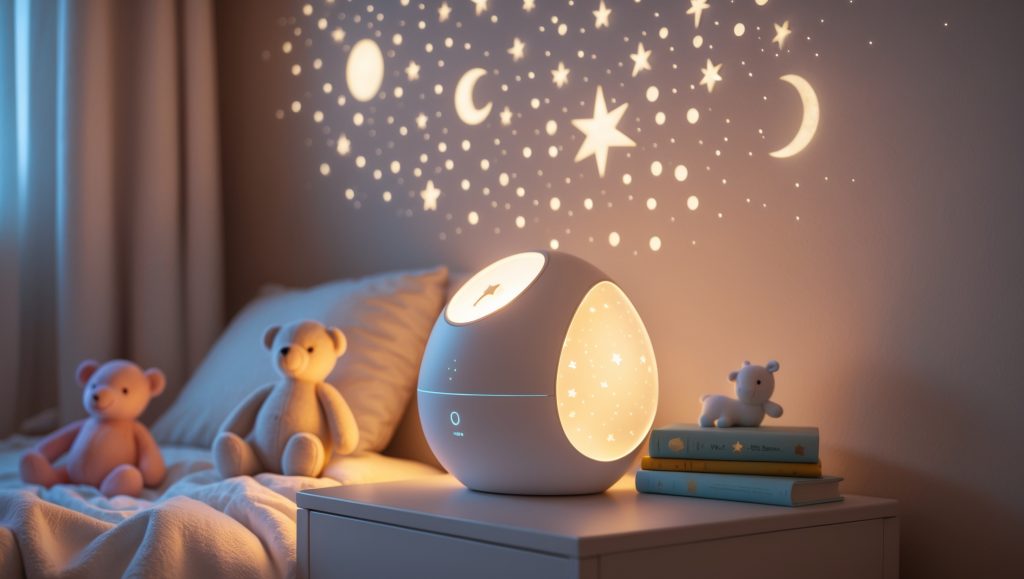
Establishing a consistent bedtime routine is a cornerstone of healthy child development, and the right tools can make the journey smoother for both children and caregivers. In 2025, the Skip Hop Moonlight & Melodies Nightlight Soother stands out as a popular bedtime companion for infants and toddlers. Combining gentle music, soothing sounds, a dimmable nightlight, and star/moon projections, this all-in-one device is designed to create a calming sleep environment. But does it live up to the promise? In this in-depth review, we’ll unpack features, developmental benefits, user experiences, and alternatives to help families make an informed choice for their child’s bedtime routine.
What’s Inside / Build Quality
The Skip Hop Moonlight & Melodies Nightlight Soother arrives securely packaged with the following in the box:
- The owl-shaped nightlight soother unit
- AC power adapter
- Quick-start instruction guide
Immediately notable is the soother’s sturdy build. Crafted from BPA-free, phthalate-free plastic with soft-touch accents, it’s designed to be both safe and durable for nursery use. The owl design is visually appealing and neutral, blending in with a wide range of décor styles. Buttons are large and responsive, with icons that are intuitive for sleep-deprived parents. The speaker is neatly integrated at the back, and the nightlight lens and projector are firmly fitted to withstand gentle handling. The overall impression is one of quality, safety, and thoughtful engineering—backed by Skip Hop’s reputation in the baby product space.
Learning & Development Benefits
Though not a traditional “educational toy,” the Moonlight & Melodies Nightlight Soother delivers several evidence-informed developmental benefits:
- Supports Sleep Routines: Consistent cues like soft music and dim lights help signal to infants and toddlers that it’s time for sleep, easing transitions and reducing bedtime resistance.
- Promotes Sensory Regulation: Gentle sounds (lullabies, white noise, nature sounds) and calming light projections can soothe overstimulated senses, helping children settle down after busy days.
- Encourages Visual Tracking: Rotating star and moon projections engage infants’ and toddlers’ developing vision, supporting visual tracking and focus in a non-overstimulating manner.
- Offers Predictability: Repeating the same bedtime cues every night fosters a sense of security, which is important for emotional regulation and healthy sleep patterns.
It’s worth noting that experts recommend using nightlights and sound machines at moderate volumes and avoiding overly bright or stimulating lights at bedtime.
Setup & Use
Families consistently praise the soother’s plug-and-play simplicity. Setup is straightforward:
- Plug in the AC adapter and connect to the soother.
- Position the unit on a flat, stable surface, safely out of reach of little hands.
- Choose your preferred settings using the clearly labeled buttons: select a sound (lullabies, nature sounds, or white noise), adjust volume, turn the nightlight on/off, and control the projector.
- Set the auto-off timer (15, 30, or 60 minutes) as desired.
Parents can easily adjust settings even in the dark, thanks to tactile buttons. The device remembers your last-used settings, minimizing disruption during nighttime wake-ups. Cleaning is as simple as wiping with a damp cloth—no small parts to disassemble or lose.
Pros & Cons
Pros
- All-in-one solution: sound machine, nightlight, and projector in a single device
- High-quality, soothing sound options (lullabies, nature sounds, white noise)
- Gentle, dimmable nightlight with adjustable star and moon projection
- User-friendly controls and clear icons, even for sleep-deprived parents
- Durable, safe materials (BPA & phthalate free)
- Memory function saves last-used settings for quick nighttime use
Cons
- Requires access to a power outlet (no battery operation)
- Projector brightness may not fill large rooms
- Limited music customization (cannot upload your own songs)
- Not a toy for independent play—primarily a sleep aid
- Some users report projector lens can be prone to smudging if touched
Alternatives & Similar Toys
While the Skip Hop Moonlight & Melodies Nightlight Soother is a standout, it’s not the only bedtime gadget on the market. Here are some popular alternatives for U.S. families in 2025:
- Hatch Rest 2nd Gen: A smart sound machine and nightlight with app-controlled features, customizable colors, and more sound options. Best for tech-savvy parents.
- VTech Soothing Slumbers Elephant: Combines a plush design with lullabies, sounds, and a star projector. Portable and cuddly for toddlers who want to hold their sleep aid.
- Fisher-Price Soothe & Glow Seahorse: A classic plush soother that emits gentle music and calming lights when hugged—especially beloved for infants who enjoy tactile comfort.
- Cloud b Twilight Turtle: Projects stars in multiple colors and has a calming light show, though music options are limited compared to the Skip Hop model.
When choosing among these, consider your child’s age, whether you prefer app-based controls, and if you want a plush or hard-shell design.
Verdict
The Skip Hop Moonlight & Melodies Nightlight Soother remains a favorite for families seeking a reliable, easy-to-use bedtime companion in 2025. Its combination of soothing sounds, gentle lighting, and whimsical projections creates a comforting sleep environment that supports healthy routines. While it isn’t a toy for open-ended play, its developmental benefits in sensory regulation and sleep cueing are well established. For families prioritizing simplicity, quality, and gentle bedtime transitions, this soother is an excellent addition to the nursery.
FAQ
+Is the Skip Hop Moonlight & Melodies Nightlight Soother safe for newborns?
+Can I use the soother for daytime naps as well as bedtime?
+Does the nightlight or projector stay on all night?
+Is the volume adjustable?
+How do I clean the soother?
+Can I play my own music or white noise tracks?
+Is the projector bright enough for large rooms?
+Will this help my child sleep through the night?

Skip Hop Moonlight & Melodies Nightlight Soother – Creating Calming Bedtime Routines (2025) Review
Establishing a soothing bedtime routine is essential for both children and parents, and the Skip Hop Moonlight & Melodies Nightlight Soother stands out as a practical, comforting tool in this process. This delightful soother combines gentle lullabies, calming nature sounds, and a soft nightlight to help little ones wind down after a busy day. The projection feature, which casts subtle starry skies on the ceiling, creates a magical atmosphere that encourages relaxation and sleep. Parents will appreciate the easy-to-use controls, adjustable volume, and timer settings, making it simple to tailor the experience to each child’s needs.
Designed with both function and aesthetics in mind, the soother’s friendly animal shapes fit seamlessly into modern nurseries and playrooms. Its portable size means it’s just as useful for travel as it is at home. For families seeking to make bedtime a more peaceful, predictable ritual, the Skip Hop Moonlight & Melodies Nightlight Soother is a thoughtful, reliable addition to the nightly routine, promoting restful sleep and sweet dreams for little ones.
- Soothing lullabies, nature sounds, and soft lighting support relaxation
- Starry ceiling projection creates a calming bedtime atmosphere
- Easy controls and timer settings for customized routines
- Adorable design blends with nursery décor and is travel-friendly
For twins who are sensitive to sensory input, have you seen any issues with the light projections being too stimulating or disruptive to one child while calming the other?
You’re thoughtful to consider how sensory sensitivity might affect your twins’ sleep experience. For twins with different reactions, try starting with the lowest brightness and simplest projection pattern, observing each child’s response. You can position the soother so one twin is less exposed, or use a sleep mask for the more sensitive child if appropriate for their age. Monitor both children for signs of overstimulation, such as restlessness or vocalizing. Always supervise closely and avoid using small parts or strong fragrances. This isn’t medical advice; if you’re concerned about sleep or sensory issues, check in with your pediatrician.
Is the Skip Hop Moonlight & Melodies Soother safe to keep plugged in all night in a toddler’s room, especially with a curious older sibling around? I worry my toddler might try to play with the cords when I’m busy with the newborn.
It’s completely understandable to want your toddler’s room to be safe, especially with a newborn and an inquisitive sibling. To reduce risks, place the soother out of your child’s reach—on a high shelf or wall-mounted if possible. Use cord shorteners or covers to hide or secure any exposed wires. Check that the outlet has safety plugs and that the soother is certified for overnight use. Always supervise playtime near plugged-in devices, and teach your older child about safe boundaries. This isn’t medical advice; if you’re ever unsure, your pediatrician can help review your setup.
If my toddler gets overstimulated by sounds or light, are there enough customization options to adjust the volume, change the sound, or turn off the projector? Or would you recommend a more basic soother for sensitive children?
It’s completely understandable to want a gentle, adaptable soother for a sensitive toddler. The Skip Hop Moonlight & Melodies Nightlight Soother does let you adjust the volume, choose from different sound options, and turn the projector off independently, which helps you control the sensory environment. To help your child, start with the lowest volume and use only the nightlight at first, adding sounds or projections gradually if tolerated. Always supervise, especially if your toddler puts objects in their mouth or is bothered by lights. If your child stays sensitive even with these adjustments, a simpler soother with just soft light or gentle music might be a better fit. This isn’t medical advice; if you’re concerned, check in with your pediatrician.
Is there a breakdown of how each piece is attached, especially the more visually appealing parts like the owl’s eyes or wings? I just want to be certain nothing can be bitten off or removed by an adventurous toddler.
It’s great that you’re thinking about safety with your toddler’s bedtime routine. The Skip Hop Moonlight & Melodies Nightlight Soother is designed as a single, solid unit with securely attached decorative features like the owl’s eyes and wings; these parts are molded or firmly affixed, minimizing the risk of being bitten or pulled off. Before use, inspect the soother for any loose parts and keep it out of your child’s crib or reach if your toddler is especially determined. Supervision is always best, especially for children under three. This isn’t medical advice; if you’re concerned, check in with your pediatrician.
How do you recommend adjusting the settings for a one-year-old versus an 18-month-old who might start noticing more of the projections and sounds? Are some features better for certain ages?
It’s thoughtful to consider how your little one’s age affects their response to sleep soothers. For a one-year-old, keep sounds gentle and quiet, and select a single projection (like soft stars) to avoid overstimulation. For an 18-month-old, you might introduce simple lullabies or nature sounds and vary the projections as curiosity grows, but still keep the volume low. Always supervise, check for secure placement out of reach, and avoid prolonged bright lights. Adjusting features gradually lets you see what soothes best. This isn’t medical advice; if you’re concerned, check in with your pediatrician.
If my child gets up in the night and tries to reach for the soother, is the unit heavy or sturdy enough to stay put on a dresser, or should it be placed somewhere extra secure?
It’s understandable to want to keep your child safe during nighttime wakings. While the Skip Hop Moonlight & Melodies Nightlight Soother is designed to be stable on most surfaces, curious toddlers may still manage to tip or pull it down. Place the soother on a flat, stable dresser well out of your child’s reach, and consider securing cords or accessories. For extra safety, avoid placing it near crib edges or where small hands can grab it. Always supervise use, and double check that any small removable parts are not accessible to young children. This isn’t medical advice; if you’re concerned, check in with your pediatrician.
For parents like me who share a room with their toddler, does the Skip Hop Moonlight & Melodies take up much space, and is it easy to move around if we need to rearrange or bring it along for travel?
Room sharing with a toddler often means space is at a premium, so it’s understandable to want a soother that fits easily and is portable. The Skip Hop Moonlight & Melodies Nightlight Soother is compact and designed to sit on a nightstand or dresser, so it shouldn’t take up much room. Its lightweight build and simple plug-in design make it easy to move if you decide to rearrange your room or need to pack it for travel. Just be sure any cords are kept safely out of reach of little hands. This isn’t medical advice; if you have specific concerns, feel free to check in with your pediatrician.
Do you have any tips for transitioning a toddler from a busy bedtime routine to using this soother as a main cue for sleep? I’m curious how long it usually takes for a 3-year-old to settle into new bedtime habits with this type of device.
It’s great that you’re looking for ways to ease your toddler’s bedtime transition. To help your 3-year-old adjust, start by gradually making the routine calmer—dimming lights and limiting activities leading up to bedtime. Introduce the soother at the same point each night, letting your child help turn it on so it becomes a predictable cue. Keep other bedtime steps simple and consistent, like a short story and cuddles, before using the soother. Most toddlers adjust within 1–3 weeks, but each child is different. Always supervise use, and check that the soother is placed safely out of reach. This isn’t medical advice; if you’re concerned, check in with your pediatrician.
Does the owl-shaped soother get hot if it runs for a long time during naps or bedtime? My parents tend to let it run longer and I want to be sure it stays safe for overnight use.
It’s completely understandable to want to be sure your child’s sleep environment stays safe, especially during overnight use. According to my review, the Skip Hop Moonlight & Melodies Nightlight Soother uses energy-efficient LED lights, which typically do not get hot, even after several hours. For extra caution, place the soother on a stable, flat surface away from bedding and soft materials. Check it regularly to ensure the exterior stays cool, and always follow the manufacturer’s guidelines. If you ever notice unusual warmth or malfunctions, turn it off and contact customer service. This isn’t medical advice; if you’re concerned, check in with your pediatrician.
Our twins share a room but have different nap times. Would using two of these soothers in the same room cause any issues with overlapping sounds, or have you found a way to adapt the setup for siblings with offset routines?
It’s understandable to want both twins to rest well, even with different nap schedules. Using two Skip Hop soothers in one room could overlap and create a mix of sounds, which might make it harder for each child to settle. You might try placing one soother closer to the sleeping twin and keeping the volume low, or using the projector feature only for the child napping. Consider using white noise for one and lullabies for the other if they respond differently. Always check that cords and small parts are out of reach for safety. This isn’t medical advice; if you’re concerned, check in with your pediatrician.
The routine advice in this review is helpful. If a child gets used to the soother every night, do you find transitions away from the device more challenging than with something like a wooden music box or natural bedtime cues?
It’s thoughtful to consider how your child may adjust to changes in bedtime routines. If your child relies on the soother, try weaning gradually by lowering its volume or using it for shorter periods over a week or two. Pair the soother with consistent, calming activities like reading or cuddling so the routine doesn’t depend on the device alone. For older toddlers, involve them by letting them help turn off the soother. Natural cues and simple music boxes may be easier to phase out, but transitions can be gentle with patience and consistency. This isn’t medical advice; if you’re concerned, check in with your pediatrician.
Is there a recommended minimum age for safely starting to use the projections, or is it generally fine for 9-month-olds as long as the device is kept out of reach? I’m also curious if the sound levels are low enough for a nursery setting.
Your attention to safety and your baby’s environment is wonderful. For a 9-month-old, it’s generally fine to use the nightlight’s projections as long as the device is securely out of reach and cords are well managed to prevent any hazards. Start with a gentle, brief introduction to see how your baby responds to the lights and sounds. Keep the volume low—Skip Hop’s soother is designed for nursery use, and parents report the minimum sound level is soft enough for sensitive ears. Always supervise initial uses and adjust settings as needed. This isn’t medical advice; if you’re concerned, check in with your pediatrician.
My toddler is really active and sometimes gets overstimulated before bed. Do you have any tips on adjusting the Skip Hop soother’s light and sound settings to help calm an energetic child rather than accidentally making bedtime more stimulating?
It’s completely understandable to want bedtime to be restful, not more stimulating for your energetic toddler. Try setting the Skip Hop soother to its dimmest nightlight option—bright lights can keep little ones alert. Choose gentle lullabies or the soft white noise setting instead of more upbeat sounds, and keep the volume low. Use the timer so the soother turns off after your child falls asleep. Always supervise to ensure the soother stays out of reach, especially for toddlers under three. This isn’t medical advice; if you’re concerned about your child’s sleep, please check in with your pediatrician.
Can you comment more about the safety, especially with toddlers who like to grab and move things? Does the unit stay stable, and is the cord placement safe enough to prevent accidents if little hands get curious?
Your concern about toddlers and safety around the nightlight soother is very important. For toddlers who like to grab and explore, place the unit well out of reach, ideally on a high shelf or dresser. The Skip Hop soother is stable when on a flat surface, but curious hands could still pull or tip it. Make sure to secure or hide the cord behind furniture, using cord covers or clips, to prevent tugging or tripping. Always supervise if your child is near the device, and regularly check for any damage to the cord or plug. This isn’t medical advice; if you’re concerned, check in with your pediatrician.
If we already have a portable white noise machine, would adding the Skip Hop Soother offer additional benefits for our bedtime routine, or could it be redundant?
It’s thoughtful to consider whether another device would truly help your child’s sleep routine. The Skip Hop Soother combines white noise with gentle lullabies, adjustable nightlight, and a soft projection—all in one unit. If your child is under 3, the soft light and music can provide extra comfort and signal that it’s time to wind down. For older toddlers, the light projection can be a soothing bedtime cue. If your current white noise machine lacks these features, the Soother may enhance your routine; but if you already use music and a nightlight, it might feel redundant. This isn’t medical advice; if you’re concerned, check in with your pediatrician.
Cost is a big factor for us, and wooden toys are sometimes much pricier. Do you think the developmental and sensory benefits of a wooden soother outweigh the lower price and extra features of a plastic one like the Skip Hop?
It’s understandable to weigh costs when making choices for your baby. Both wooden and plastic soothers can support healthy sleep routines, but the Skip Hop offers multi-sensory features (music, nightlight, projection) that many families find soothing for infants and toddlers. Wooden soothers may offer a different tactile experience and fewer distractions, but they’re not necessarily better for development. For babies under 3, always check for safety (no small parts or sharp edges) no matter the material. Choose what fits your budget and feels calming for your child. This isn’t medical advice; if you’re concerned, check in with your pediatrician.
Our little one likes to reach for anything with buttons. Is the owl nightlight safe to put on a low shelf, or should it always stay completely out of reach? I wonder if the buttons are toddler-proof or if they could be a choking hazard if removed.
It’s great that you’re thinking about both safety and your child’s curiosity. The Skip Hop Moonlight & Melodies Nightlight Soother’s buttons are designed for adult use and typically aren’t meant to be removed by little hands. For toddlers, especially those under three, keeping the soother out of direct reach is safest to prevent accidental detachment of parts or cords. If you want your child involved, you can let them press buttons together during supervised routines. Always double-check for any loose pieces, and avoid placing electronic items where they can be pulled down. This isn’t medical advice; if you’re concerned, check in with your pediatrician.
I’m curious if the soother’s music and nightlight settings can be programmed for a short nap versus a longer overnight sleep. Is it easy to adjust the routine if our baby naps at different times each day?
It’s great that you’re thinking ahead about flexible nap and sleep routines for your baby. The Skip Hop Moonlight & Melodies Nightlight Soother lets you manually choose music duration and light settings each time, so you can set shorter or longer times based on nap or overnight sleep—just tap the controls to adjust before each use. If your baby’s nap schedule changes day to day, you’ll need to quickly reset the timer and light at the start of each rest; it’s straightforward, but not fully automatic. Always supervise your baby with any electronic device, and keep cords out of reach for safety. This isn’t medical advice; if you have specific sleep concerns, check in with your pediatrician.
If my toddler shares a room with an older sibling, can the nightlight and sound machine features be set to support both children’s sleep routines, or is it better suited for infants?
It’s thoughtful to consider both children’s sleep needs when sharing a room. The Skip Hop Moonlight & Melodies Nightlight Soother is designed with adjustable brightness and sound settings, so you can tailor it for a toddler and an older child. Try starting with a low light setting and gentle lullabies or white noise, then adjust volume and timer features for each child’s bedtime. Check with your older child about their comfort with the light or sounds, and make sure the device is safely out of reach for your toddler. This isn’t medical advice; if you’re concerned, check in with your pediatrician.
We have a toddler who is very sensitive to lights and sounds. Are there tips for adjusting the Moonlight & Melodies Soother’s settings for kids with sensory differences, or would another approach be better for a calming bedtime routine?
It’s great that you’re mindful of your toddler’s sensory needs at bedtime. For sensitive children, start by setting the soother’s light to its dimmest level or turning the light off entirely—many toddlers find even soft lights overwhelming. Lower the volume to the quietest setting, or use only the gentle lullabies or white noise, avoiding sudden or complex sounds. You might also introduce the soother gradually, using it for short periods during the day so your child can get used to it. If your toddler still seems distressed, a simpler routine with no electronic devices might be more soothing. This isn’t medical advice; if you’re concerned, check in with your pediatrician.
If I am trying to keep bedtime routines as consistent as possible while traveling, do you have suggestions for using this soother in unfamiliar places? For example, does it work well in different kinds of lighting or room setups?
You’re wise to keep bedtime routines consistent while traveling, as this helps children feel secure. With the Skip Hop Moonlight & Melodies Nightlight Soother, try setting it up in a similar spot in each room, such as near your child’s crib or bed, to create a familiar environment. Use the same sounds and light settings your child is used to at home. The soother works in most lighting conditions, but for unfamiliar or bright rooms, consider using blackout curtains or dimming the main lights to help the calming effects stand out. Always keep cords and small parts out of your child’s reach for safety. This isn’t medical advice; if you’re concerned, check in with your pediatrician.
Do you have any guidance on how to build the soother into a bedtime routine without it becoming a crutch? For parents trying to balance predictability and not being too dependent on technology, what’s a good approach?
It’s great that you’re mindful about helping your child self-soothe without over-relying on gadgets. Try starting your bedtime routine with calm activities like a bath or story, then use the soother’s gentle light or music briefly as a cue that sleep is near. Gradually lower the volume or shorten its use over days, so your child learns to fall asleep with less support. For young babies, always supervise and ensure settings are age-appropriate (avoid small parts, keep cords away). This isn’t medical advice; if you’re concerned, check in with your pediatrician.
Are there any budget-friendly alternatives that offer similar music and nightlight features? We’re trying to stick to a tight budget but still want something to help with our toddler’s bedtime routine.
It’s wonderful that you’re prioritizing a calming bedtime routine for your toddler, even on a budget. You might consider simple plug-in nightlights paired with a portable white noise machine—many budget-friendly options play lullabies or soothing sounds. Some Bluetooth speakers can also stream gentle music from your device, allowing you to choose age-appropriate bedtime playlists. If your child is past the mouthing stage, soft-glow LED nightlights shaped like animals can be both comforting and affordable. Always check for safety certifications, avoid small detachable parts, and supervise use if your child is under three. This isn’t medical advice; if you’re concerned, check in with your pediatrician.
My toddler has some sensory sensitivities and sometimes finds certain nightlight colors or sounds overstimulating. Are there any settings on the Skip Hop Moonlight & Melodies Soother that are especially gentle or calming for kids who can get easily overwhelmed?
It’s wonderful that you’re attuned to your toddler’s sensory needs. The Skip Hop Moonlight & Melodies Soother offers soft white and warm amber nightlight settings, which many sensitive children find less stimulating than bright or changing colors. For sounds, you might start with the gentle lullabies or quiet nature sounds, and keep the volume on the lowest setting. Try introducing one feature at a time, watching how your child responds, and avoid using both lights and sounds together if that seems overwhelming. Always supervise your toddler with electronic devices and ensure cords are out of reach. This isn’t medical advice; if you’re concerned, check in with your pediatrician.
Would you recommend the Moonlight & Melodies Nightlight Soother for toddlers who like to use household items in their imaginative play after bath time, or should we keep it strictly as a bedtime cue to avoid confusion about sleep routines?
It makes sense to wonder how best to use the nightlight soother, especially with a toddler who enjoys imaginative play. To reinforce clear sleep routines, I recommend using the soother only as part of your calming bedtime ritual—turn it on when you start winding down, and keep it off or out of reach during playtimes. If your child is tempted to use it as a toy, explain its special bedtime purpose and offer safe, age-appropriate household items for their play instead. This helps the nightlight remain a consistent sleep cue. Always supervise to ensure safety with cords or small parts. This isn’t medical advice; if you have concerns, check in with your pediatrician.
My toddler can get pretty wound up at the end of the day, and sometimes calming down for bed feels impossible. Have you found the Skip Hop soother’s music and lights effective for especially energetic or sensory-seeking kids, or would you recommend pairing it with other calming strategies?
It’s understandable to want extra support when bedtime feels challenging with an energetic toddler. The Skip Hop soother’s gentle music and soft lights can be soothing for many children, but pairing it with other calming strategies may help even more. Try dimming the room lights, using the soother as part of a predictable bedtime routine, and offering a calming activity like deep breathing or gentle massage before bed. For sensory-seeking toddlers, provide soft textures or a cozy blanket, and always supervise use of any device. This isn’t medical advice; if you’re concerned, check in with your pediatrician.
Does the Skip Hop Moonlight & Melodies Nightlight Soother have any settings or modes that are recommended for younger babies versus toddlers? I am curious if I should adjust the brightness or volume as my baby gets older or if one setting works for all ages.
It’s great that you’re thinking about how to best use the soother for your child’s age. For younger babies, set the nightlight to its dimmest setting and keep the volume low, as newborns are more sensitive to light and sound. As your baby grows into a toddler, you can gradually increase brightness and volume to match their comfort. Always supervise and check for overstimulation—if your child seems restless, lower the settings. Make sure the soother is placed out of reach to avoid cords or small parts. This isn’t medical advice; if you’re concerned, check in with your pediatrician.
Does the soother work well for naps during the day, or is it mainly designed for bedtime routines? I’m wondering if using it for both nap and nighttime sleep could help create a more predictable schedule for my toddler.
It’s thoughtful that you’re looking to build a predictable sleep routine for your toddler. The Skip Hop Moonlight & Melodies Nightlight Soother can be used for both naps and bedtime, helping signal when it’s time for sleep. Try using the same sounds or light settings at each sleep time, keep the soother nearby but out of your child’s reach, and use it consistently for both naps and nighttime. This will help your toddler associate the soother with sleep, which is helpful around ages 1–4. Always supervise and check for any small parts or electrical cords. This isn’t medical advice; if you’re concerned, check in with your pediatrician.
My child sometimes likes to press buttons and explore gadgets. Are all the controls on this soother safe for little hands, or is it best to keep it completely out of reach? Would love tips on preventing accidental changes during bedtime.
It’s natural to want your child to explore, but also to keep bedtime routines smooth and safe. The Skip Hop Moonlight & Melodies Nightlight Soother is generally designed with child-safe materials and rounded edges, but some buttons are small and could be tempting for curious fingers. For toddlers or young children, I recommend placing the soother just out of reach, using the volume limiter, and setting your preferred sounds before bedtime. If possible, tape over or cover controls you don’t want them to access. Always supervise if your child is near the device, and regularly check for any loose parts. This isn’t medical advice; if you’re concerned, check in with your pediatrician.
I’m curious how Montessori families might incorporate the Moonlight & Melodies Nightlight Soother into a bedtime routine without it becoming a sleep crutch. Do you have any advice for gradually reducing reliance on sound and light so the child learns to settle independently?
It’s wise to consider how soothing aids fit into a Montessori-inspired bedtime routine. To reduce reliance, try using the nightlight and sound soother as part of a winding-down period before sleep, but switch them off as your child gets drowsy. Gradually lower the volume or brightness and shorten the duration over several nights. Offer a consistent, simple bedtime routine with comforting, independent tasks (like putting on pajamas or choosing a book). For toddlers and preschoolers, remind them gently that the soother helps us get ready for sleep, not stay on all night. Always ensure settings are age-appropriate, and supervise young children around cords and small parts. This isn’t medical advice; if you’re concerned, check in with your pediatrician.
We have a small nursery and already store baby feeding gear for allergen exposures. How bulky is this Skip Hop soother, and does it need its own shelf space, or could it sit safely near our feeding area during wind-down time? Any tips for sharing space?
It’s understandable to want to make the most of your nursery space while keeping things safe for your baby. The Skip Hop Moonlight & Melodies Soother is compact—about the size of a small lamp—and can sit on a flat surface like a dresser or sturdy shelf. If placing it near your feeding area, make sure it’s well out of reach of your baby and any food or bottles to avoid spills. Avoid placing it where it could be knocked over during nighttime routines. Keep cords tucked away and supervise when it’s on. This isn’t medical advice; if you’re concerned, check in with your pediatrician.
Are all the projector and sound features safe to use for a 2-year-old who sometimes tries to reach up and touch things? I’m wondering about durability and safety if the unit gets bumped or handled.
It’s great that you’re thinking about both safety and durability for your toddler’s bedtime environment. For a 2-year-old, always place the nightlight soother out of your child’s reach, ideally on a stable surface and away from crib edges. The Skip Hop Moonlight & Melodies Nightlight Soother is designed for nursery use, but it’s not meant to be handled by little ones—there are small parts and electronic components inside. Check that cords are fully secured and keep the unit away from water or dampness. If your child does manage to handle or bump it, inspect for cracks or exposed wiring before reusing. This isn’t medical advice; if you’re concerned, check in with your pediatrician.
How did you find the process of setting consistent sleep cues with this soother over time? Do children tend to become dependent on the music or projection features, or do they transition well if you change routines later?
It’s great that you’re thinking ahead about your child’s sleep cues and transitions. In my experience and research, setting consistent cues with the Skip Hop soother—like using the same music or projection nightly—can help children understand when it’s time to wind down. To avoid over-dependence, keep other calming elements in the routine, like reading or cuddling. As your child grows, you can gradually lower the volume, dim the projection, or reduce use, watching your child’s response. Most toddlers adapt well if changes are made gently and predictably. Always supervise use, especially with babies, to ensure safety. This isn’t medical advice; if you’re concerned, check in with your pediatrician.
If my child is sensitive to noise, do you recommend sticking with the white noise or nature sounds, or is there a completely silent or only-light option? I want to avoid triggering any discomfort right before bedtime.
It’s so thoughtful of you to consider your child’s sensitivity to sound at bedtime. The Skip Hop Moonlight & Melodies Nightlight Soother allows you to use just the nightlight feature without any sound, which can create a calming environment without the risk of audio triggers. If you do want to experiment, set the volume to its lowest setting and try gentle white noise or soft nature sounds briefly during the day to see how your child responds. Always supervise the first few uses to watch for signs of discomfort. For younger children, ensure the nightlight is placed safely out of reach. This isn’t medical advice; if you’re concerned, check in with your pediatrician.
Is there a way to run this soother on batteries when an outlet isn’t available, like at a campsite, or do you recommend an alternative for off-the-grid bedtime routines?
It’s great that you’re thinking ahead for soothing routines away from home. The Skip Hop Moonlight & Melodies Nightlight Soother is designed to be plugged into a wall outlet, so it doesn’t have a built-in battery option. For camping or places without power, you could use a portable power bank with an appropriate adapter, but always check for safe voltage and supervise use. Alternatively, consider battery-powered sound machines made specifically for travel—they tend to be compact and safe for little ones. This isn’t medical advice; if you’re concerned, check in with your pediatrician.
Are there any tips to keep the device stationary and safe in a shared nursery, especially if we have limited shelf space and want to avoid clutter?
It’s thoughtful to want your shared nursery to be both safe and organized. First, place the soother directly on a sturdy, flat surface out of reach of little hands to prevent accidental knocks. If shelf space is tight, consider wall-mounting a small shelf specifically for the device—securely anchored and high enough to avoid toddler access. Use cable ties or adhesive clips to keep cords tidy and away from curious fingers. Always check for small detachable parts or overheating, and supervise if older siblings are around. This isn’t medical advice; if you have safety concerns, check in with your pediatrician.
For parents juggling different budgets, is the Skip Hop Moonlight & Melodies really worth the investment compared to more basic nightlights or sound machines? Are there any features that especially stand out for families managing two young kids at bedtime?
You’re thoughtful to consider both budget and the needs of two young children at bedtime. The Skip Hop Moonlight & Melodies stands out for its combination of gentle melodies, adjustable volume, soft projecting lights, and a timer, which can help siblings wind down together or separately. If your children have different sleep preferences, the adjustable settings can be helpful. A basic nightlight or sound machine may work for a single child, but the added features here may reduce bedtime struggles for families with multiple kids. Always ensure cords and small parts are out of reach for safety. This isn’t medical advice; if you’re concerned, check in with your pediatrician.
We try to limit sensory input at night because my child can get overstimulated. Should I rotate out toys with lights and sounds, or is consistency more important for bedtime routines?
You’re thoughtful to consider how sensory input affects your child’s sleep. For little ones who get overstimulated, keeping the bedtime routine calm and predictable is usually more helpful than introducing variety. Try to limit toys with lights and sounds at night, or use the nightlight soother on its most gentle settings only if it seems soothing. Consistency with a low-stimulation environment tends to help children wind down for sleep. Always supervise, and make sure toys and soothers are safe for your child’s age. This isn’t medical advice; if you’re concerned, check in with your pediatrician.
How long do the lullabies and sounds play before shutting off automatically? I am trying to set up a consistent sleep routine, so I’m curious how the timer works and whether it matches typical toddler sleep patterns.
It’s great that you’re thinking about consistent routines to help your toddler sleep. The Skip Hop Moonlight & Melodies Nightlight Soother offers timer settings so the lullabies and sounds can play for 15, 30, or 60 minutes before shutting off automatically. For most toddlers, a 15 to 30-minute window aligns well with how long it takes to settle into sleep, but you can adjust based on your child’s needs. Always use soothing sounds at a low volume and keep the soother out of reach for safety. This isn’t medical advice; if you’re concerned, check in with your pediatrician.
Our toddler is pretty sensitive to noise and light changes before bed. Do you find the dimmest light setting and lowest volume on this device gentle enough for children who get overstimulated easily in the evenings?
You’re thoughtful to consider your toddler’s sensitivities when choosing a nightlight soother. The Skip Hop Moonlight & Melodies has a very soft, dimmest light option as well as a low volume setting, which most parents find gentle for easily overstimulated children around ages 1 and up. Start by introducing the device during calm daytime play to let your child get comfortable. At bedtime, use the lowest settings and keep the device a few feet from the crib or bed. Always supervise use, and check that the volume and brightness feel comfortable for your child. This isn’t medical advice; if you’re concerned, check in with your pediatrician.
For children with sensory processing issues, can you adjust both the sound and light levels separately to suit their comfort? Are there features that help to avoid overwhelming them during bedtime?
You’re absolutely right to consider how sensory input affects bedtime comfort. The Skip Hop Moonlight & Melodies Nightlight Soother lets you adjust both sound and light levels separately, so you can keep things gentle for children with sensory sensitivities. Start with the lowest volume and dimmest light, then observe how your child responds. The soother also features gradual light transitions and a variety of sound options—including lullabies and white noise—so you can choose what feels least overwhelming. Always supervise use, and double-check that settings remain soothing for your child’s age and needs. This isn’t medical advice; if you’re concerned, check in with your pediatrician.
Is the brightness of the nightlight dim enough for a toddler who tends to wake easily if the room is too light? I’d like to avoid anything that could mess with my daughter’s sleep, but I want her to feel secure too.
It’s great that you’re thinking carefully about your daughter’s sleep environment. The Skip Hop Moonlight & Melodies Nightlight Soother offers adjustable brightness settings, including a very dim option that should be gentle enough for toddlers who are sensitive to light. I suggest: 1) Start with the lowest brightness level and observe her sleep for a few nights. 2) Place the nightlight across the room to reduce direct light near her bed. 3) Use the timer function so it turns off after she falls asleep. Always check for small parts and keep out of reach for safety. This isn’t medical advice; if you’re concerned, check in with your pediatrician.
Are there any practical storage tips you recommend for keeping this device handy but out of reach during the day? Our nursery has pretty limited space and I am hoping for ideas to keep things tidy.
It’s great that you want to keep the soother accessible but safely out of your child’s reach. Try mounting a small wall shelf just above crib height, making sure it’s stable and the device’s cord is secured and out of reach. Use adhesive cable clips to keep cords tidy against the wall. Consider placing the soother inside a fabric storage caddy attached to the side of a dresser, well above floor level. Always double-check that the placement doesn’t allow for pulling or climbing. This isn’t medical advice; if you’re concerned, check in with your pediatrician.
I’m curious if this soother can be easily incorporated into a bedtime routine with multiple children of different ages. For example, could it work in a shared room, or is it best suited for solo sleepers?
It’s great that you’re thinking about how to support a peaceful bedtime for siblings of different ages. The Skip Hop Moonlight & Melodies Nightlight Soother can work in a shared room, as its volume and light levels are adjustable so you can tailor it to suit infants and older children. Try setting a gentle lullaby or white noise that all children find soothing, and dim the projection to avoid overstimulation. Let older kids help choose sounds or patterns to encourage shared ownership. Always position the soother out of reach of younger children for safety, and monitor for any sensory sensitivities. This isn’t medical advice; if you have concerns, check in with your pediatrician.
Our family is trying to reduce plastic use at home, so I’m curious about the environmental impact of this nightlight soother compared to similar wooden bedtime products. Are there any wooden alternatives that offer comparable calming features for bedtime routines?
It’s great that you’re mindful of reducing plastic use and considering environmental impact. Most nightlight soothers like the Skip Hop model are made with plastic, which isn’t as eco-friendly or biodegradable as wood. While wooden alternatives may be more sustainable, they often don’t offer as many electronic calming features, like lullabies or projector lights. You might try a wooden music box or gentle wooden mobiles for soothing bedtime routines; just ensure there are no small parts if your child is under three. Always check for non-toxic finishes on wooden items. This isn’t medical advice; if you have concerns, check in with your pediatrician.
Does the review address how the Skip Hop Moonlight & Melodies compares to more budget-friendly or compact alternatives when it comes to storage space and overall cost-effectiveness? We’re trying to stay minimalist but still want good value.
It makes sense to want a minimalist, cost-effective choice for your child’s bedtime routine. The review focuses mainly on the features and calming benefits of the Skip Hop Moonlight & Melodies, but does briefly mention that it’s larger and pricier than some compact soothers. If space and budget are priorities, consider step-by-step: measure your available space, compare dimensions of several soothers, check if you really need all the extra features, and weigh durability against price. Always make sure any soother you pick is age-appropriate and has no small or loose parts for safety. This isn’t medical advice; if you’re concerned, check in with your pediatrician.
Can you comment on whether the device automatically shuts off after a set period or if it needs to be turned off manually each night? I am concerned about energy use and leaving devices on while my toddler sleeps.
It’s completely understandable to want to minimize energy use and keep your toddler’s sleep space as safe as possible. According to the article, the Skip Hop Moonlight & Melodies Nightlight Soother does have an automatic shut-off feature, allowing you to set a timer so it turns off by itself after a selected period—no need to turn it off manually each night. This can help reduce unnecessary energy use and ease your mind about leaving electronics on overnight. Always ensure cords are out of reach, and supervise initial use. This isn’t medical advice; if you’re concerned, check in with your pediatrician.
My child usually sleeps with traditional lullabies in our family’s language, but I noticed the soother has its own selection. Is there a way to introduce or blend our cultural music with the device for bedtime routines?
It’s wonderful that you want to keep your family’s cultural lullabies as part of your bedtime routine. With the Skip Hop Moonlight & Melodies Soother, you can’t upload your own music, but you can blend both by playing your traditional songs softly from a separate device while the soother projects lights or gentle sounds. Try alternating nights between the soother’s melodies and your family’s lullabies, or use the soother’s ambient sounds as a gentle background under your music. Always keep volume low and ensure no small parts or cords are within your child’s reach for safety. This isn’t medical advice; if you have concerns, please consult your pediatrician.
We are trying to keep bedtime cues the same at home and daycare for consistency. Can you share if the soother stores your preferred settings, or do we need to reset sounds and lights every time we plug it in?
You’re wise to focus on consistent bedtime cues—it really helps little ones feel secure. The Skip Hop Moonlight & Melodies Nightlight Soother does not automatically remember your last sound or light settings after being unplugged; you’ll need to reselect your preferred options each time you plug it in. To keep things easy, consider choosing a simple routine with the same sound and light combination, and show caregivers how to set it up. Always check that the soother is placed safely out of reach of children, especially in daycare. This isn’t medical advice; if you have concerns about bedtime routines, your pediatrician can help.
For children with sensory sensitivities, do you recommend using just the nightlight function at first, or starting with both sound and light? I want to make sure we’re not overwhelming our son during wind-down time.
You’re so thoughtful to consider your son’s sensory needs at bedtime. For children with sensory sensitivities, it’s often best to introduce one feature at a time—starting with just the nightlight allows your child to adjust gradually. Observe how he responds to the gentle light before adding soothing sounds. If you decide to add sound later, keep the volume low and choose the most calming option. Always supervise at first, and make sure the soother is out of reach for younger children. This isn’t medical advice; if you’re concerned, check in with your pediatrician.
For families with children who are extra sensitive to sounds or lights, can the volume and brightness be finely tuned enough to avoid overstimulation? I’m interested in whether it accommodates kids with mild sensory sensitivities.
Your attention to your child’s sensory needs is so important. The Skip Hop Moonlight & Melodies Nightlight Soother does allow you to adjust both the volume and brightness in small increments, which can help you find a comfortable level for kids with mild sensitivities. Start with the lowest settings, and gradually increase only if your child seems comfortable. Try using the projector without sound, or vice versa, to see which features your child prefers. Always supervise use at first, especially with very young children. This isn’t medical advice; if you’re concerned, check in with your pediatrician.
Do you have any tips on integrating the soother into a bedtime routine for siblings of differing ages? For example, can older toddlers use the projector or sound features in a shared room without overstimulating a younger baby?
It’s thoughtful to want both siblings to benefit from the soother without disrupting each other’s sleep. Start by setting the projector to a low brightness and choosing gentle lullabies or white noise to minimize overstimulation, especially for your younger baby. Keep volume low and avoid using features like moving projections during the baby’s wind-down period. Let your older toddler help pick the sound or light each night for a sense of involvement, while keeping the routine predictable. Always supervise use, check for small parts, and ensure the nightlight is placed out of reach. This isn’t medical advice; if you have concerns about sleep or development, check in with your pediatrician.
For a toddler who is in the habit of waking up during the night, do you think the calming sounds from this soother are enough to help them resettle while away from home, or would you suggest bringing additional comfort items?
It’s understandable to want your toddler to sleep well, even when away from home. While the soothing sounds from the nightlight soother can create a familiar, calming environment, many toddlers benefit from bringing extra comfort items like a beloved blanket or soft toy—these can help them feel secure in a new setting. Make sure any comfort item is safe for your child’s age, with no small parts and breathable materials. Try to keep the rest of your bedtime routine consistent, too. This isn’t medical advice; if sleep issues persist or you have concerns, check in with your pediatrician.
Do you have suggestions for adjusting the routine as toddlers grow, especially for those who need extra time with transitions before sleep? I’m hoping this device can adapt as my child’s needs change.
It’s wonderful that you’re thinking ahead about your growing toddler’s changing bedtime needs. As your child gets older, try gradually lengthening the wind-down routine: use the nightlight soother’s music or sounds while sharing a story together, then dim the lights further as you move toward quiet cuddles. Let your toddler help choose a lullaby or light pattern to give them a sense of control. For children who need more transition time, start the routine earlier and use consistent cues, like turning on the soother at the same time nightly. Always supervise use, especially for younger toddlers, to ensure safety around cords or small detachable parts. This isn’t medical advice; if you’re concerned, check in with your pediatrician.
Does the review touch on how the Skip Hop compares to other all-in-one nightlight soothers in a similar price range? I want to make sure we’re investing in a product that has good value and longevity.
It’s great that you’re looking for value and longevity in your bedtime tools. The review briefly mentions that the Skip Hop Moonlight & Melodies stands out for its combination of gentle light, soothing sounds, and thoughtful design, which are features also found in other all-in-one soothers at a similar price point. However, it doesn’t provide a side-by-side comparison or extensive details about competitors. For investing wisely, you can check for durability (like sturdy construction and easy-to-clean surfaces), ongoing battery or plug needs, and whether sound and light levels are easily adjustable. Always ensure features are age-appropriate and safe for your child’s sleeping environment. This isn’t medical advice; check with your pediatrician if you have specific concerns.
Do you have any advice for integrating the Moonlight & Melodies Soother into an already established bedtime routine without causing confusion or disruption for a toddler?
It’s thoughtful to want to introduce something new without upsetting your toddler’s bedtime flow. Try adding the Moonlight & Melodies Soother at a consistent point in the routine—perhaps after pajamas, before stories—so it becomes a predictable signal. Keep the rest of your routine unchanged at first, and use the soother’s features on a gentle setting. Stay with your child for a few nights to offer reassurance. For toddlers, supervise initial use and avoid placing the soother directly in the crib to ensure safety. As always, this isn’t medical advice; if you notice sleep disruptions or concerns, reach out to your pediatrician.
Do you have any suggestions for rotating bedtime soothing devices like the Skip Hop Nightlight Soother so kids stay engaged and don’t become too dependent on one item every night? I am curious if mixing things up could help with flexibility in our bedtime routine.
It’s great that you want to encourage flexibility and avoid dependence on one bedtime soother. Try introducing a rotation schedule: for example, use the Skip Hop Nightlight Soother some nights, and on others, swap in soft music, a favorite book, or guided breathing exercises. Give your child a simple choice when possible; for toddlers and older children, this can help them feel secure. Keep the routine predictable—same order and timing—even as you vary the soothing tool. Always supervise with devices, and ensure items are age-appropriate and safe for sleep environments. This isn’t medical advice; if you’re concerned, check in with your pediatrician.
Can the music and projections operate independently? For example, if one child is soothed by music but the other falls asleep better with just the nightlight and projections, is it possible to customize the settings for different kids’ preferences during bedtime routines?
It’s great that you’re thinking about each child’s unique bedtime needs. The Skip Hop Moonlight & Melodies Nightlight Soother does allow you to use the music, projections, and nightlight independently or together, so you can choose just music, just projections, or both. This lets you tailor the routine: for example, play only music for one child or turn on only the nightlight and projection for another. Always make sure the projector is placed safely out of reach, especially for young children. This isn’t medical advice; if you have ongoing sleep concerns, check in with your pediatrician.
Budget-wise, I’m weighing the Skip Hop Nightlight Soother versus a basic white noise machine since we are making room in the nursery for other items related to introducing solids and allergen-safe feeding. Do parents find the extra features really helpful for routine, or could a simpler device be just as effective?
It’s thoughtful to consider what will truly support your baby’s sleep and feeding routines as you plan your nursery. Many parents find that the extra features of the Skip Hop Nightlight Soother—like the gentle light projection and lullabies—help signal bedtime and soothe some babies, but for others, a simple white noise machine is just as effective. If your baby responds well to sound alone and you’re mindful of budget or space, a basic machine may be enough. Whichever you choose, ensure it’s age-appropriate (no small parts, cords out of reach), and supervise during use. This isn’t medical advice; if you’re concerned, check in with your pediatrician.
My toddler is very active and tends to touch or throw things whenever he can reach them. How sturdy is the Skip Hop Nightlight Soother if it gets knocked off a table, and does the projector lens scratch easily?
It’s understandable to want a safe and sturdy nightlight for an active toddler. The Skip Hop Nightlight Soother has a fairly solid build, but like most nursery electronics, it isn’t designed to withstand repeated drops or rough handling. If placed on a low, stable surface out of reach, it’s less likely to be knocked over. The projector lens is made of plastic and may scratch if scraped against hard surfaces, so supervise use and wipe gently with a soft cloth. For children under 3, always check for broken parts after any falls. This isn’t medical advice; if you’re concerned, check in with your pediatrician.
Sometimes my child is slow to adjust to new routines or tools, especially if they light up or make sounds. Can this nightlight be introduced during playtime before bed so it feels more familiar, or is it best reserved just for sleep time to keep bedtime cues strong?
It’s completely normal for children to need time to adapt to new routines or devices, especially those involving lights or sounds. To help your child feel comfortable, you can introduce the nightlight soother during calm playtime in the evening. Let your child explore it while you talk about how it works and what to expect. After a few days, begin using it as part of the bedtime routine, gradually linking its use to sleep cues. For young children, always supervise to ensure safety and avoid handling small parts. This isn’t medical advice; if you’re concerned, check in with your pediatrician.
For parents whose children might try to dismantle or bite on their toys, do you have insight into whether any part of this nightlight could break off and become a small parts hazard?
You’re right to be cautious about small parts, especially with curious toddlers. The Skip Hop Moonlight & Melodies Nightlight Soother is designed to be sturdy, but it’s always important to check for loose or detachable pieces before use. Place the soother out of reach of children under 3, as it’s not intended for mouthing or active play. Regularly inspect the device for wear, especially around moving parts or battery compartments, and supervise use. This isn’t medical advice; if you’re concerned, check in with your pediatrician.
My little one is very sensitive to both sounds and lights. Are there settings to adjust the brightness of the projections or the volume of the music so I can make sure it is not too stimulating before bedtime?
You’re thoughtful to consider your child’s sensitivities at bedtime. The Skip Hop Moonlight & Melodies Nightlight Soother does offer adjustable volume levels as well as multiple brightness settings for the nightlight and projector, so you can start at the lowest settings and increase only as needed. Try these steps: begin with the softest light setting, gradually introduce the sound at its lowest volume, and observe your child’s comfort. Always supervise to ensure the environment feels calming. For children under 3, monitor for overstimulation and avoid placing the device within reach. This isn’t medical advice; if you’re concerned, check in with your pediatrician.
Can this soother grow with my child as they get older, or is it really only effective for infants and younger toddlers? Wondering if it’s worth it for the long term as my child approaches preschool age.
It’s thoughtful to consider whether a nightlight soother like the Skip Hop Moonlight & Melodies will be helpful as your child grows. While its lullabies and gentle sounds are especially effective for infants and toddlers, older preschoolers may still benefit from the soft nightlight if they feel uneasy in the dark. You can gradually transition to using only the light or quieter sounds for older children. Always supervise young kids and be sure the device is placed safely out of reach, especially if your child is under three. This isn’t medical advice; if you’re concerned about sleep routines or your child’s sleep habits, check in with your pediatrician.
If you have experience with other nightlight soothers, how does the Moonlight & Melodies unit compare in terms of the subtlety of its lights and sounds for kids who can get easily overstimulated?
It’s great that you’re thinking about your child’s sensitivity to lights and sounds at bedtime. Compared to many other nightlight soothers, the Skip Hop Moonlight & Melodies unit offers softer, adjustable light settings and gentle sound options, which can help avoid overstimulation. Try starting with the dimmest light and the lowest volume, and observe how your child responds. Use the timer function to limit exposure, and always supervise younger children to ensure safety with cords or small parts. Children under 3 should not have nightlights within reach. This isn’t medical advice; if you’re concerned, check in with your pediatrician.
How long does the sound and light function stay on before turning off automatically, or do you need to manually switch it off after the child falls asleep? I am curious how this fits into a consistent bedtime routine.
It’s great that you’re thinking about how the soother fits into your child’s bedtime routine. The Skip Hop Moonlight & Melodies Nightlight Soother features an automatic timer that lets you set the sound and light functions to turn off after 15, 30, or 60 minutes, so you don’t need to manually switch it off once your child is asleep. This can be helpful for establishing consistent bedtime cues without disrupting your little one. Always follow manufacturer guidelines for age appropriateness and place the soother out of reach, especially for babies under 12 months. This isn’t medical advice; if you’re concerned, check in with your pediatrician.
Our twins are growing rapidly and starting to move around more. Is the owl-shaped unit stable enough if bumped, or should we look for something wall-mounted to avoid any safety issues with curious toddlers?
You’re right to think ahead about safety with your active twins exploring more. The Skip Hop Moonlight & Melodies Nightlight Soother is designed to sit on a flat surface, but as toddlers become mobile, it could be knocked over if within their reach. To reduce risks: 1) Place the unit well out of reach, such as on a high dresser or shelf. 2) Consider securing cords out of sight. 3) If your twins can access surfaces easily, a wall-mounted soother or nightlight may be a safer choice at this age. 4) Always supervise use during playtime. This isn’t medical advice; if you have specific safety concerns, check in with your pediatrician.
Curious if the star and moon light projections can be turned off separately from the music. For a sensitive child easily distracted by visual stimuli, is there a way to only use the sound functions without activating the lights?
It’s thoughtful of you to consider your child’s sensitivity to light at bedtime. With the Skip Hop Moonlight & Melodies Nightlight Soother, you can use only the sound functions without activating the light projections—both features operate independently. To help your child wind down, simply press the music button and leave the projection light off. Always supervise young children with electronic devices and keep the soother out of reach of babies under 3 for safety. This isn’t medical advice; if you’re concerned, check in with your pediatrician.
My toddler is super active and gets easily overstimulated before bed. How well does the Skip Hop Moonlight & Melodies help kids who have trouble winding down after a busy day, and are there any specific sound or projection settings you would recommend for that kind of energy?
It’s understandable to want a calmer bedtime for an active toddler. The Skip Hop Moonlight & Melodies can support winding down by providing consistent, gentle sensory cues. Try starting with the softest lullaby or white noise setting about 20 minutes before bedtime. Keep the volume low and use the star projection only if your toddler finds it soothing, not stimulating. Dim the room lights and avoid switching between sounds or lights during the routine, so your child can focus on relaxing. Always supervise use and check for any small parts if your child is under three. This isn’t medical advice; if you’re concerned, check in with your pediatrician.
My child is very curious and likes to handle her bedtime gadgets. How durable is the nightlight if she manages to reach it, especially compared to some of the other brands you may have seen?
It’s understandable to want bedtime gadgets that can withstand curious little hands. The Skip Hop Moonlight & Melodies Nightlight Soother feels sturdy, but like most nursery electronics, it isn’t designed for rough play or dropping. I recommend placing it just out of direct reach, supervising when your child is nearby, and teaching gentle use. Unlike some brands with removable or small parts, this soother’s buttons and housing are generally secure, but always check for loose pieces. For toddlers and preschoolers, safety comes first—avoid gadgets with breakable parts or batteries that aren’t secured. This isn’t medical advice; if you’re concerned, check in with your pediatrician.
If a child is used to traditional lullabies or calming cultural music at bedtime, would this soother’s pre-set sounds be helpful or could it disrupt an established routine with grandparents? Any tips for blending both approaches?
It’s great that you want to honor your child’s existing bedtime routine with grandparents. You might try introducing the soother’s pre-set sounds at a different time of day first, so your child becomes familiar with them. At bedtime, consider alternating nights between traditional music and the soother, or play both together at a low volume if the device allows. You could also record your family’s favorite lullabies and play them using the soother’s audio function, if available. Always keep bedtime predictable, as consistency is especially important for young children’s sense of security. This isn’t medical advice; if you’re concerned, check in with your pediatrician.
While the soother is described as sturdy, have there been any user reports of pieces coming loose with regular handling? I am always on alert for potential choking hazards around my kids’ bedtime gear.
Your vigilance about choking hazards is so important, especially at bedtime. According to user feedback and the article’s review, the Skip Hop Moonlight & Melodies Nightlight Soother is generally well-constructed, with no widespread reports of parts coming loose during normal use. To keep things safest: inspect the soother regularly for signs of wear or damage, ensure all parts are securely attached before giving it to your child, and avoid letting babies or toddlers handle it unsupervised. For younger children (under 3), keeping all bedtime gear out of the crib is best. This isn’t medical advice; if you’re concerned, check in with your pediatrician.
My toddler is sometimes sensitive to light and sound, especially after a busy day. With the Skip Hop soother, is there a way to adjust the brightness and volume low enough to avoid overstimulation, or would you recommend another product for kids with mild sensory sensitivities?
You’re thoughtful to consider your toddler’s sensory needs at bedtime. The Skip Hop Moonlight & Melodies Soother allows you to dim the nightlight and lower the volume on its sound options, which can help minimize overstimulation for many children. Try starting with the lowest settings, and introduce one feature at a time (just the light, or sound alone) to see how your toddler responds. Always supervise and observe your child for signs of discomfort. If your little one still seems sensitive, a simple, dim nightlight or a plush, silent comfort item may be even better. This isn’t medical advice; if you’re concerned, check in with your pediatrician.
If our child is particularly sensitive to textures and sounds, do you think plastic nightlights could be overstimulating compared to more neutral wooden toys? Is there any evidence that the material type impacts their ability to settle down for sleep?
It’s completely understandable to think about how materials and sensory input affect your child’s sleep routine. While there’s little direct evidence that plastic versus wood specifically impacts sleep, children sensitive to textures or sounds may find plastic nightlights overstimulating, especially if buttons or surfaces feel unpleasant or the device emits mechanical sounds. Consider minimizing extra features, keeping sound and light settings gentle, and always supervise use. For very texture-sensitive children, simpler, neutral designs (regardless of material) may be less distracting. This isn’t medical advice; if you’re concerned about sleep or sensory sensitivities, check in with your pediatrician.
Is the brightness of the nightlight adjustable enough for toddlers who might be more sensitive to light, or does the lowest setting still seem a bit bright for some children?
It’s understandable to want just the right level of light for a sensitive toddler’s sleep. The Skip Hop Moonlight & Melodies nightlight has multiple brightness levels, and many parents find the lowest setting gentle enough, but some children who are very sensitive to light may still find it a bit bright. Try starting with the lowest setting during your child’s bedtime routine, and if it still seems too much, you could partially cover the nightlight with a thin cloth (away from bulbs and ventilation for safety) or reposition it further from the crib. Always supervise and avoid loose fabrics near where your child sleeps. This isn’t medical advice; if you’re concerned, check in with your pediatrician.
We already use a white noise machine for naps, but bedtime is still a struggle. Would adding the visual star and moon projections from this soother help reinforce a nighttime routine for a 10-month-old, or might it disrupt their sleep?
It’s understandable to want bedtime to feel calmer for your little one. At 10 months, gentle visual cues like soft star and moon projections can help signal the start of nighttime, especially when used consistently as part of a soothing routine. If you try the projection, keep it dim and short—just for winding down—not left on all night, as too much light or stimulation could make it harder for babies to fall or stay asleep. Always supervise and check that the soother is out of reach. This isn’t medical advice; if you’re concerned, check in with your pediatrician.
If my budget is tight, do you think the Skip Hop Moonlight & Melodies is worth the investment compared to using a simple nightlight and a playlist of lullabies, or does the combination of features make a big difference for settling a busy toddler?
It’s understandable to want the best for your toddler while sticking to a budget. For many children, a simple nightlight and a consistent playlist of gentle lullabies can be very effective for bedtime, especially if you create a calm routine around them. The Skip Hop soother adds extras like moving projections and nature sounds, which may help some busy toddlers, but these features aren’t essential for every child. Consider what soothes your child already and whether they are sensitive to light or need special comfort. Always check that any nightlight is safe for your toddler’s age. This isn’t medical advice; if you’re concerned, check in with your pediatrician.
My toddler responds well to routines, but she sometimes gets overstimulated by lights and sounds before sleep. For families dealing with sensory sensitivities, do you think the adjustable settings on this soother are gentle enough, or would something simpler, maybe a wooden music box, work better?
It’s thoughtful that you’re considering your toddler’s sensory needs at bedtime. The Skip Hop Moonlight & Melodies Nightlight Soother does offer adjustable brightness and volume, which can help you tailor it to your child’s tolerance—start with the dimmest light and lowest volume, and observe her response. If she still seems overstimulated, a simpler, non-electronic option like a wooden music box might be more calming and less likely to overwhelm her senses. Always supervise at this age, and choose objects without small parts or sharp edges. This isn’t medical advice; if your daughter’s sensitivities disrupt sleep or daily life, consult your pediatrician for guidance.
Do you have any advice for tailoring the bedtime routine with this soother for both a newborn and toddler? I want to encourage good sleep habits for each, but their needs are so different at this stage.
You’re thoughtful to consider both your newborn’s and toddler’s sleep needs. For your newborn, keep the soother’s volume low and use gentle lullabies or white noise, avoiding bright projections that may overstimulate. Hold or rock your newborn in a dimly lit room to signal sleep time. For your toddler, involve them in choosing the nightlight color or melody, and set the soother as part of a simple routine (like story, cuddles, then lights-off with the soother on). Always supervise use, keep cords out of reach, and use age-appropriate settings. This isn’t medical advice; if you’re concerned, check in with your pediatrician.
I noticed the soother has rotating star and moon projections which seem great for development, but do you find that they keep children awake longer or are they truly calming for bedtime? I want to avoid anything that would make winding down harder for my toddler.
It’s thoughtful of you to consider whether the star and moon projections could be too stimulating for your toddler at bedtime. Some children find gentle projections calming, while others might become more alert or want to interact with the lights. You could try turning on the projections during your usual routine and observe if your child seems soothed or more awake. Keep the room dim and avoid other bright or animated distractions. If you notice it delays sleep, try using only the soft nightlight or lullabies instead. For toddlers, supervision and moderation are important, and always avoid small detachable parts. This isn’t medical advice; if you’re concerned, check in with your pediatrician.
Is it possible to adjust the brightness of the nightlight to make it dim enough for babies who are especially sensitive to light? My toddler tends to get distracted by too much illumination at bedtime.
It’s completely understandable to want a dimmer light if your toddler is sensitive or easily distracted at bedtime. The Skip Hop Moonlight & Melodies Nightlight Soother does allow you to adjust the brightness—there are several levels, so you can set it to a very gentle glow. Start with the lowest setting and observe how your child responds. Place the nightlight across the room for an even softer effect. Always supervise cords and ensure the device is out of reach of little hands. This isn’t medical advice; if you’re concerned, check in with your pediatrician.
I’m wondering if the nightlight brightness and projection settings can be adjusted for younger toddlers who might be more sensitive to light, or if there’s just one intensity? My two-year-old is easily distracted by bright lights at bedtime.
It’s completely understandable to want a gentle bedtime environment for your sensitive two-year-old. The Skip Hop Moonlight & Melodies Nightlight Soother offers adjustable brightness settings and you can dim the nightlight to a softer glow, which helps minimize distractions for little ones. The projector can also be turned off independently if needed. For toddlers, always ensure the nightlight is placed out of reach and cords are safely secured. Every child’s response to light is different, so observe how your child reacts and adjust as needed. This isn’t medical advice; if you’re concerned, check in with your pediatrician.
We are on a bit of a budget and already have a basic white noise machine. Does the Skip Hop offer enough additional features, like the nightlight and projections, to justify replacing what we have for our child’s daily sleep routine?
It’s wise to think carefully before replacing a product that already works. The Skip Hop Moonlight & Melodies adds gentle lullabies, adjustable nightlight options, and ceiling projections—features that can be helpful if your child seems comforted by soft lights or visual cues at bedtime. For toddlers and preschoolers, these extras may support a calming routine, but not every child needs them. If your current setup is meeting your child’s sleep needs, you might wait until you notice a clear need before investing. This isn’t medical advice; if you’re concerned, check in with your pediatrician.
I watch a little boy who sometimes gets overstimulated easily, especially by lights or changing sounds. Have you found that the star and moon projections are subtle enough, or do they ever seem too stimulating for certain children?
You’re absolutely right to consider how lights and sounds might affect a sensitive child. While the Skip Hop Moonlight & Melodies Nightlight Soother is designed to be gentle, some children do find projections or varying sounds too stimulating. Try using the soother with only the dimmest light setting and turning off the projection feature at first. Keep the volume very low or use just the lullabies—or skip sound entirely if needed. Watch his reactions closely, and if he seems unsettled, pause and try again later. Every child is different, so gradual introduction is safest. This isn’t medical advice; if you’re concerned, check in with your pediatrician.
I’m curious about building a predictable bedtime routine, as you describe. Do you suggest always using the same sound or light setting each night, or is it beneficial to let children pick and help set up their own favorites?
It’s great that you’re thinking about a predictable bedtime routine—consistency helps children feel safe and ready for sleep. For toddlers and older children, letting them help choose their preferred sound or light setting can foster a sense of control and comfort, as long as their choices remain calming and consistent from night to night. For babies, keeping the routine and settings the same is often more soothing. Always ensure any nightlight or sound machine is used safely, away from reach and with supervised setup. This isn’t medical advice; if you’re concerned, check in with your pediatrician.
We share a room with our toddler when traveling, and packing space is tight. How bulky is the Skip Hop Moonlight & Melodies Soother compared to more compact options, and how easy is it to store when it’s not in use?
It’s understandable to want calm bedtime routines without lugging bulky gear. The Skip Hop Moonlight & Melodies Soother is larger than many travel sound machines—about the size of a small stuffed animal—so it does take up more space in a suitcase or bag. If you pack it, try wrapping it in soft clothing to protect its shape and nightlight lens. For storage when not in use, it sits well on a shelf or can be tucked in a dresser drawer, but it doesn’t fold down. If space is very limited, a smaller, travel-specific sound machine may be easier. This isn’t medical advice; if you’re concerned, check in with your pediatrician.
Our bedtime routine changes a bit on weekends and holidays. Do you have any tips for adjusting the soother’s use if bedtime doesn’t always happen at the same time, or does the product work best with a very strict nightly schedule?
It’s completely normal for bedtime routines to shift on weekends and holidays. The Skip Hop Moonlight & Melodies Nightlight Soother can still be helpful even if the timing varies. Try keeping the sequence of events consistent: for example, dim the lights, turn on the soother, then read a story, even if it’s a bit later than usual. You can also use the soother as a calming cue for naps or quiet time during the day. Adjust the volume and brightness to suit your child’s mood and environment. Always supervise young children around cords or small parts. This isn’t medical advice; if you’re concerned, check in with your pediatrician.
Our bedtime schedule sometimes changes due to family routines. Would using the soother at different times or skipping it on some nights affect the child’s sense of security or sleep cues?
It’s understandable to worry about how changes in routine might affect your child’s sleep and sense of comfort. Young children benefit from predictability, but occasional shifts or skipping the soother won’t harm their overall security if bedtime remains gentle and consistent in spirit. When you can, try to keep a few calming cues the same—like a lullaby or dim lighting—even if the timing or use of the soother varies. If you skip it, offer another comfort object or extra cuddles. For babies and toddlers, supervise their use of any nightlight or soother to ensure safety. This isn’t medical advice; if you’re concerned, check in with your pediatrician.
Since the Moonlight & Melodies Soother has rotating projections, do you think it might be distracting for a baby who is sometimes sensitive to visual changes, especially after a day of trying new foods? How do you suggest balancing sensory input at bedtime?
You’re thoughtful to consider how sensory input might affect your baby’s bedtime, especially after a stimulating day. For sensitive babies, try starting with the soother’s projection turned off and use only the gentle sounds or dim light. If you want to introduce projections, do so gradually and observe your baby’s reaction—keep sessions short and avoid patterns that move quickly or are too bright. Always supervise to make sure your baby feels calm and safe. Remember, every child is different, and it’s okay to skip features that seem overstimulating. This isn’t medical advice; if you’re concerned, check in with your pediatrician.
My toddler is sensitive to certain sounds and lights and sometimes gets overstimulated before bedtime. Does the Skip Hop soother let you control the brightness of the nightlight or the volume of music enough to avoid overwhelming a child who is already wound up?
You’re thoughtful to consider your toddler’s sensitivities at bedtime. The Skip Hop Moonlight & Melodies Nightlight Soother allows you to adjust both the nightlight brightness and the music volume, so you can set them to the lowest levels if your child is easily overstimulated. Start by dimming the light and setting the volume very low, then observe how your toddler responds. Choose the gentlest lullabies or nature sounds, and avoid using projection features if your child is sensitive to moving lights. Always supervise, and make sure the soother is out of reach. This isn’t medical advice; if you’re concerned, check in with your pediatrician.
My toddler is very sensitive to lights and sounds, especially at bedtime. Can the brightness and volume on the Skip Hop Nightlight Soother be adjusted gradually enough for a child who gets overstimulated easily, or are there only a few basic settings?
It’s understandable to want a soother that won’t overstimulate a sensitive toddler, especially at bedtime. The Skip Hop Moonlight & Melodies Nightlight Soother allows you to adjust both brightness and volume with a range of settings, not just a few presets. You can start with the lowest light and softest sound, and increase only if your child seems comfortable. For very sensitive children, try introducing features one at a time and always supervise, especially if your toddler is under three. This isn’t medical advice; if you’re concerned, check in with your pediatrician.
Managing bedtime routines with both kids can be hectic. Is it possible to preset favorite sound and light combos so we do not have to reselect them every night, especially with a newborn fussing in the background?
You’re not alone—bedtime can feel overwhelming, especially with little ones needing different things. The Skip Hop Moonlight & Melodies Nightlight Soother unfortunately does not let you preset favorite sound and light combinations, so settings do need to be adjusted each night. To make things easier: 1) Try setting up the soother before starting your bedtime routine, 2) Keep it plugged in and placed where you can reach it with one hand, and 3) If possible, have an older sibling help choose their favorite options. Always supervise young children around cords and small parts. This isn’t medical advice; if you’re concerned, check in with your pediatrician.
My toddler is easily overstimulated by lights and sounds at bedtime. Is there any risk that the projector or sound settings might be too much for sensitive kids, and can everything be adjusted low enough to avoid disrupting sleep?
You’re right to be cautious about overstimulation, especially for sensitive toddlers. The Skip Hop Moonlight & Melodies Nightlight Soother does allow you to adjust both volume and light brightness. Start by setting the projector to its dimmest level or turning it off, and use the quietest sound setting or choose a gentle lullaby or white noise. Watch how your child responds and adjust as needed. For some toddlers, skipping lights altogether and only using a soft sound may work best. Always supervise to ensure your child is comfortable and not disturbed. This isn’t medical advice; if you’re concerned, check in with your pediatrician.
For families on a tight budget, would this soother replace the need for a separate nightlight and sound machine, or do you think parents would still need to buy anything else for a consistent bedtime routine?
It’s completely understandable to want to simplify and save money when setting up your child’s bedtime space. The Skip Hop Moonlight & Melodies Nightlight Soother combines a nightlight and sound machine, so for most families, it could cover both needs in one device. To create a consistent bedtime routine, focus on using the soother in the same way each night—set the sound and light, dim other lights, and add a calming activity like reading. For babies or toddlers, always keep the device out of reach for safety. You likely won’t need to buy another nightlight or sound machine unless your child has very specific needs. This isn’t medical advice; if you’re concerned, check in with your pediatrician.
Some bedtime routines change as children get older. Is this soother still appropriate if my child is transitioning from a crib to a toddler bed, or would you recommend something else for that age group?
It’s thoughtful to consider how bedtime routines and tools might need to change as your child grows. The Skip Hop Moonlight & Melodies Nightlight Soother can still be appropriate for toddlers transitioning to a bed, as its gentle lights and sounds continue to offer comfort. To use it safely, keep the soother on a nightstand or out of direct reach to prevent handling small parts or cords. You might also involve your toddler in choosing the music or light setting to encourage independence. If your child seems ready, you can gradually shift to using only the nightlight or a favorite story. This isn’t medical advice; if you’re concerned, check in with your pediatrician.
We have a small nursery, so I’m wondering how much space the soother takes up and if it’s easy to store when not in use. Can this device be placed on a narrow shelf safely out of reach of curious toddlers?
It’s completely understandable to want to keep things tidy and safe in a small nursery. The Skip Hop Moonlight & Melodies Nightlight Soother is compact enough for a narrow shelf, but make sure the shelf is secure and out of your child’s reach to prevent accidents. Place the soother away from edges to avoid it being knocked off, and tuck cords out of sight if possible. When not in use, its lightweight design makes it easy to move or store in a drawer. This isn’t medical advice; if you’re concerned, check in with your pediatrician.
If you have used other brands’ nightlight soothers before, how does this one compare in terms of durability and ease of use for sleep-deprived parents juggling more than one little one?
You’re right to want something sturdy and straightforward when bedtime is a juggling act with more than one child. The Skip Hop Moonlight & Melodies Nightlight Soother stands out for its solid build—its buttons and casing hold up well to frequent use and the occasional fall. The controls are easy to use even in dim light, and it has clear icons, which helps when you’re tired or holding a baby. Unlike some soothers with tiny switches or complicated menus, this one is simple to operate one-handed. Always place the soother out of reach of young children and check regularly for wear. This isn’t medical advice; if you’re concerned, check in with your pediatrician.
Since quiet time is pretty important for us before the rest of the family wakes up, I’m wondering if the soother can run on a low setting for background noise or if the music is always prominent.
It’s great that you’re considering quiet time to support your child’s regulation in the morning. The Skip Hop Moonlight & Melodies Soother does allow you to adjust both the volume and the light intensity, so you can set it to a very low level for gentle background sound rather than prominent music. Try starting with the lowest volume and white noise or lullabies, then observe if your child remains comfortable. Always place the soother out of reach and check for safe cord placement, especially for babies and toddlers. This isn’t medical advice; if you’re concerned, check in with your pediatrician.
If our bedtime routine sometimes shifts between grandparents’ house and home, is it easy to pack and set up the Skip Hop soother in another room? Have you found it to be portable for travel or does it require a special setup?
It’s completely understandable to want consistency in your bedtime routine, even when staying at grandparents’ homes. The Skip Hop soother is designed to be portable: you can unplug it, pack it, and set it up in a new room without any special tools. Make sure to bring the power adapter and choose a safe, stable surface out of baby’s reach. Some families find it helpful to set up the soother before bedtime to give little ones a familiar cue. This isn’t medical advice; if you have concerns about sleep routines or your child’s comfort, please check with your pediatrician.
I have a toddler who loves pressing buttons and a newborn who is super sensitive to sounds. Is the Skip Hop soother quiet enough for a newborn and sturdy enough to handle an enthusiastic toddler pressing the controls?
You’re clearly tuned in to both your toddler’s curiosity and your newborn’s needs. The Skip Hop Moonlight & Melodies Nightlight Soother is generally quiet and offers adjustable volume, so you can set it low for a newborn’s sensitive ears. For your toddler, the buttons are sturdy and built to withstand frequent pressing, though gentle supervision is a good idea. Be sure to place the soother out of reach of your newborn and check regularly for any loose parts. Every child is different—if you notice your newborn startling or your toddler getting too rough, consider adjusting how they interact with it. This isn’t medical advice; if you’re concerned, check in with your pediatrician.
My toddler is obsessed with pressing buttons, so I’m wondering if the controls on the Skip Hop Moonlight & Melodies are easy for little hands to mess with during the night? Is it safe to leave within arm’s reach, or should it always be placed out of reach?
It’s understandable to want your toddler to enjoy bedtime gadgets while keeping safety in mind. The Skip Hop Moonlight & Melodies Soother has buttons that are easy to press, which can sometimes tempt curious hands to play during the night. For toddlers, especially under age 3, it’s safest to place the soother just out of reach to avoid potential choking hazards from small parts, tangled cords, or nighttime disruptions. Try positioning it on a nearby dresser where your child can see and hear it, but not touch it during sleep. Always supervise use if your child interacts with it directly. This isn’t medical advice; if you’re concerned, check in with your pediatrician.