
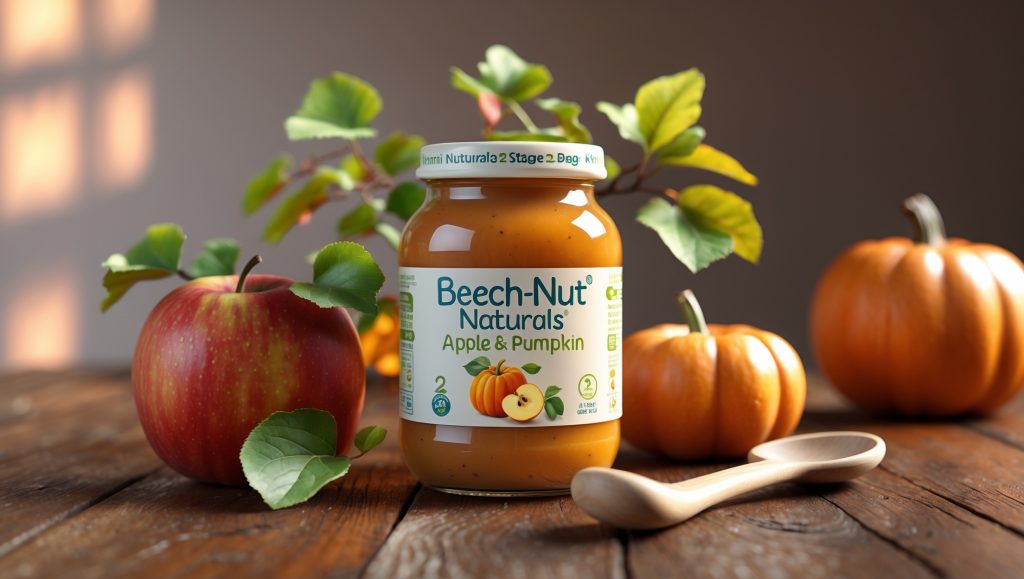
Overview
As the leaves turn and cool breezes signal autumn, many families look for seasonal flavors to introduce to their little ones. Beech-Nut Naturals Stage 2 Apple & Pumpkin Baby Food Jar brings the comfort of apple orchards and pumpkin patches into the high chair. This review takes a close look at how this simple blend caters to babies—especially those with picky eating habits—in 2025, examining its ingredients, taste, convenience, and more.
Brand: Beech-Nut Naturals
Product: Stage 2 Apple & Pumpkin Baby Food Jar
Recommended Age: Around 6 months and up, for babies ready for Stage 2 purees.
Format: Glass jar (4 oz)
Ingredients & Nutrition
Beech-Nut Naturals lives up to its name with a short, transparent ingredient list. The Apple & Pumpkin variety contains:
- Apples
- Pumpkin
- Lemon juice concentrate (for freshness)
No added sugar, salt, or artificial preservatives. The ingredients are non-GMO and the product is free from common allergens like dairy, soy, and gluten. Both apples and pumpkin are rich in vitamins, especially vitamin C and beta-carotene (a precursor to vitamin A), and supply a gentle source of fiber.
Nutrition Highlights (per 4 oz jar):
- Calories: ~50
- Sugars (naturally occurring from fruit): ~9g
- Vitamin C: 20% DV
- Vitamin A: 70% DV
- Fiber: ~2g
- No added sodium
This blend offers a mild way to introduce veggies with a touch of natural sweetness, supporting a varied palate from the start.
Taste & Texture
Many parents of picky eaters struggle with strong flavors or unfamiliar textures. The Apple & Pumpkin blend strikes a balance: the apple delivers familiar sweetness while the pumpkin adds a creamy, earthy undertone. The overall flavor is gentle—not as bold as a straight pumpkin or veggie puree, but less sugary than apple-only options.
Texture: This Stage 2 puree is smooth with a slight thickness, making it easy for babies transitioning from Stage 1 foods but still learning to manage more substantial consistencies. There are no chunks or stringy bits, which is especially important for texture-sensitive eaters.
Parents report that the flavor profile seems to appeal to babies who are wary of plain vegetables, plus the orange hue piques visual interest at mealtime.
Convenience & Storage
Beech-Nut’s glass jars are both a plus and a minus. They feel sturdy and eco-friendly, are widely recyclable, and allow you to see the contents before serving. However, glass is heavier and less portable than pouches or plastic containers. The jars are easy to open and reseal if your baby doesn’t finish in one sitting.
Storage: Unopened jars are shelf-stable and can be stored in a cool, dry place for months. Once opened, any leftovers should be refrigerated and used within 2 days. The 4 oz serving size is practical for most babies at the Stage 2 level.
Pros & Cons
Pros
- Very simple, transparent ingredient list
- Natural sweetness with veggie nutrition—a good “bridge” for picky eaters
- No added sugars, salt, or artificial preservatives
- Non-GMO and free from common allergens
- Glass jar is eco-friendly and lets you see the food
- Smooth, consistent texture for easy eating
Cons
- Glass jars are heavier and less travel-friendly than pouches
- Flavor may be too mild for babies who enjoy bolder tastes
- Not as convenient for self-feeding practice compared to squeeze pouches
- Limited variety—only combines apple and pumpkin
Alternatives & Similar Products
For families looking for variety or alternative packaging, consider these options:
- Earth’s Best Organic Apple & Pumpkin Pouch: Similar flavor, but in a convenient pouch for on-the-go feeding.
- Happy Baby Organics Clearly Crafted Apples, Pumpkin & Carrots: Adds carrot for a slightly more complex flavor and extra nutrition; available in clear pouches.
- Homemade Purees: Steaming and blending apples and pumpkin at home allows for full control over flavor and texture, and can be adjusted to suit your baby’s preference.
- Beech-Nut Naturals Stage 2 Just Apple: For babies who lean strongly toward fruit flavors, but want to stay in the same brand family.
Verdict
Beech-Nut Naturals Stage 2 Apple & Pumpkin Baby Food Jar delivers on its promise of clean, simple nutrition. The gentle combination of apple and pumpkin is ideal for babies (and parents!) navigating picky eating phases, offering a comforting flavor without overwhelming the senses. While the glass jar may not be the best fit for every family’s lifestyle, the product itself stands out for its ingredient integrity and appealing texture.
Final Thoughts: If you’re introducing vegetables or want a mild, autumn-inspired puree that bridges the gap between fruit and veggies, this Beech-Nut blend is a solid pick in 2025. It’s a particularly good option for little ones hesitant about new flavors or textures, and a nice addition to a broader rotation of baby foods.
FAQ
+Is Beech-Nut Apple & Pumpkin suitable for babies with food allergies?
+How does the taste compare to other vegetable or fruit purees?
+Is the glass jar recyclable?
+Can I freeze leftover puree?
+How long does the opened jar last in the fridge?
+Is this product appropriate for baby-led weaning?
+Does this contain any added sugar?

Beech-Nut Naturals Stage 2 Apple & Pumpkin Baby Food Jar offers a delightful autumn-inspired option for parents seeking wholesome flavors for their little ones. As the leaves turn crisp, this blend of apple and pumpkin provides a gentle introduction to seasonal tastes while maintaining a smooth, palatable texture ideal for babies advancing to Stage 2 foods. The natural sweetness of apples pairs seamlessly with the mild earthiness of pumpkin, making it particularly appealing for picky eaters who might shy away from bolder flavors.
Parents will appreciate that Beech-Nut emphasizes transparency and simplicity in their ingredients, using real fruits and vegetables with no added sugars or artificial additives. This not only supports healthy eating habits but also allows parents to confidently serve a product that closely mirrors homemade purées. The convenient glass jar packaging is easy to store and recycle, adding another layer of practicality for busy families.
Overall, Beech-Nut Naturals Apple & Pumpkin stands out as a comforting, nutritious choice for autumn mealtimes, encouraging little ones to explore new flavors in a gentle, approachable way.
- Simple, transparent ingredients: just apple and pumpkin
- Appealing flavor for selective eaters
- Convenient, eco-friendly glass jar packaging
- No added sugars or artificial additives
My little one is very sensitive to textures and sometimes refuses anything that’s not super smooth. Does this puree have any noticeable grittiness or seeds from the pumpkin, or is the consistency reliably uniform in each jar?
It’s completely understandable to be concerned about texture when your little one is sensitive. The Beech-Nut Naturals Stage 2 Apple & Pumpkin puree is generally known for its smooth, uniform consistency without noticeable grittiness or seeds, as the pumpkin is well strained and blended. When introducing any new food, start with a small amount on a spoon and observe your child’s reaction, offering encouragement but not pressure. Always check each jar before serving to ensure consistency and safety, especially for sensitive eaters. This isn’t medical advice; if you’re concerned about texture issues or reactions, consult your pediatrician.
My little one sometimes has a strong reaction to new textures, especially at bedtime when he’s tired. Since you mentioned the puree is thicker than Stage 1, do you have any advice for easing picky or sensory-sensitive babies into routines that involve new foods like this before naps or bedtime?
It’s completely understandable to want mealtime to feel calm, especially when your baby is tired and sensitive to textures. To help, try introducing the thicker puree earlier in the day, when your little one is more alert and less fussy, and gradually offer small tastes before bedtime. Let your baby touch and play with the puree to get used to the feel, and offer plenty of praise for any attempt. Keep pre-bedtime feedings brief and low-pressure, stopping if your child gets upset. Always watch for signs of choking and ensure your baby is developmentally ready for thicker purees. This isn’t medical advice; if you’re concerned, check in with your pediatrician.
Is it okay to introduce this Stage 2 puree to a baby who is a little younger than six months but has already shown readiness signs, or should I stick strictly to age guidelines regardless of their interest in thicker foods?
It’s great that you’re paying close attention to your baby’s cues and interest in new foods. While signs of readiness—like good head control, sitting with support, and showing interest in eating—are important, most pediatricians recommend waiting until around six months to introduce Stage 2 purees due to their thicker texture and more complex ingredients. If your baby is just under six months, you might start with single-ingredient, thinner purees first, watching closely for any signs of difficulty swallowing or allergic reactions. Always supervise mealtimes and introduce new foods one at a time. This isn’t medical advice; if you’re concerned, check in with your pediatrician.
My two-year-old sometimes refuses anything with a thicker texture. Is this Apple & Pumpkin blend still smooth enough at Stage 2 for sensitive eaters, or should I mix it with something else to thin it out?
It’s understandable to worry when your toddler is sensitive to texture changes. The Beech-Nut Naturals Stage 2 Apple & Pumpkin blend is designed to be smooth, but some two-year-olds still find it thick. You can try stirring in a little breast milk, formula, or water to thin it to your child’s preferred texture. Always check the temperature and mix well to prevent lumps. Supervise your child while eating, and watch for any signs of discomfort. This isn’t medical advice; if you’re concerned, check in with your pediatrician.
As we start potty training and our grocery budget shifts, do you find these glass jars last long enough to justify buying them, or do purees in pouches or homemade options store better for older toddlers?
You’re thoughtfully balancing nutrition, cost, and convenience during a big transition like potty training. Glass jars like Beech-Nut Naturals keep purees fresh when unopened and, once opened, should be refrigerated and used within 1–2 days—similar to pouches. For older toddlers, homemade purees can be made in larger batches and safely frozen in small portions, which may stretch your budget further. Always check for signs of spoilage and allergens as kids grow. This isn’t medical advice; if you’re concerned, check in with your pediatrician.
the breakdown about the glass jars being more eco-friendly but less portable. For families on a tight budget who need something safe for daycare or travel, do you think it’s practical to transfer this puree into reusable containers, or would that affect the freshness or safety?
It’s thoughtful to find the safest and most practical way to offer healthy food on a budget. If you decide to transfer Beech-Nut Naturals puree from the glass jar to a reusable, BPA-free container, use a clean spoon and close the new container tightly. Refrigerate immediately if not serving right away, and use within 48 hours to maintain freshness and safety. Choose containers designed for baby food to avoid leaks and keep portions manageable. Always label with the date, and make sure your daycare can refrigerate the food. This isn’t medical advice; if you’re concerned, check in with your pediatrician.
Does the glass jar make this apple and pumpkin puree tricky to bring along on a long road trip? I wonder if there are tips for keeping it safe and easy to serve when we are on the go, since my toddler sometimes eats in the car.
You’re thoughtful to plan ahead for safe, easy mealtimes on the road. For glass jars like the Beech-Nut Naturals Stage 2, wrap them in a towel or use a padded cooler to prevent breakage. Keep the jars chilled with an ice pack until serving, since purees need refrigeration once opened. Bring a small spoon and a wipeable bib for less mess, and always supervise your toddler while they eat in the car to prevent choking. If you’re worried about glass, you might pre-portion into a shatterproof container before you leave. This isn’t medical advice; if you have concerns, check in with your pediatrician.
Can you share any advice for parents whose babies dislike the orange color of this puree? Sometimes my child refuses foods just because of how they look, even if the taste is mild and appealing.
It’s completely understandable to feel concerned when your baby rejects foods based on color, not taste. Try offering the puree in a covered or opaque spoon to hide the color at first. You can also mix a small amount with a familiar, more neutral-colored food your baby likes, gradually increasing the orange puree over time. Sometimes, serving the food in low lighting or on colorful plates can shift focus away from the puree’s color. Remember, for babies around 6–9 months, new food aversions are common, and safety is key—always supervise and avoid pressure. This isn’t medical advice; if you’re concerned, check in with your pediatrician.
My little one is quite sensitive to new textures, and I saw that you mentioned the Apple and Pumpkin blend is smooth but slightly thick. Would you suggest thinning it out with a little breast milk or formula when first transitioning from thinner Stage 1 purees, or is the consistency generally accepted by most babies?
It’s completely understandable to want the transition to new textures to be gentle for your baby. If your child is used to very thin Stage 1 purees, it’s perfectly fine to thin the Beech-Nut Naturals Apple & Pumpkin blend with a bit of breast milk or formula at first. Try mixing in small amounts until it reaches a familiar consistency, and gradually reduce the added liquid as your baby gets comfortable. Always supervise feeding and watch for any signs of gagging or difficulty swallowing, especially with thicker foods. Every baby is different, so go at your child’s pace. This isn’t medical advice; if you’re concerned, check in with your pediatrician.
My 7-month-old is starting to show more interest in different colors and tastes, but he’s suspicious of plain veggies. Do you think the apple in this Beech-Nut blend is enough to help him get used to more savory flavors, or is it still mainly sweet?
It’s great that you’re tuning into your baby’s curiosity and preferences. This Beech-Nut blend balances apple’s natural sweetness with pumpkin’s earthier flavor, so it can gently introduce your 7-month-old to new tastes without overwhelming him. Offer a small spoonful at first, watching for his reactions, and keep mealtimes low-pressure. You can also alternate bites of this blend with plainer veggies to help broaden his palate. Make sure all foods are smooth and free of lumps at this age to prevent choking. This isn’t medical advice; if you’re concerned, check in with your pediatrician.
We’re starting to plan some travel this fall. Since these jars are glass and a bit heavier, do you have any tips for packing them in a diaper bag or keeping them from breaking on the go?
You’re right to think ahead about keeping glass jars safe while traveling. Try wrapping each jar in a soft baby washcloth or burp cloth to cushion it. Place the jars in the center of your diaper bag, surrounded by diapers or clothing for extra padding. Consider packing only what you’ll need for the day to reduce weight. Make sure the lids are tight and store the jars upright to prevent leaks. Always supervise feeding, and if a jar chips or cracks, don’t use it. This isn’t medical advice; if you’re concerned, check in with your pediatrician.
Do you have suggestions for how to gradually introduce more veggie-forward purees after babies get used to the apple and pumpkin blend? We want to make sure our little one stays open to new vegetables as we try more flavors.
It’s great that you want to help your baby enjoy a variety of vegetables early on. Try introducing veggie-forward purees one at a time, starting with milder flavors like sweet potato or carrots before moving on to stronger tastes like peas or green beans. Mix a small amount of a new veggie puree into the familiar apple and pumpkin blend, gradually increasing the proportion over several days. Offer the new puree when your baby is calm and hungry, and allow your child to explore the flavors without pressure. Always ensure the texture is smooth and age-appropriate, and supervise closely to prevent choking. This isn’t medical advice; if you’re concerned, check in with your pediatrician.
The blend sounds gentle, but our picky eater reacts strongly to even small flavor changes. Was there feedback from parents who successfully transitioned their babies from single-ingredient purees to this combo, and what seemed to help most with acceptance?
You’re right to be thoughtful about introducing new blends to a picky eater. Some parents in our review found success by mixing a spoonful of the Beech-Nut Apple & Pumpkin with a familiar single-ingredient puree at first, then slowly increasing the amount of the new blend over several days. Others offered the new food alongside a favorite, so baby could explore at their own pace. Keeping portions small and maintaining a relaxed, pressure-free mealtime helped many little ones accept the change. Always watch for any signs of allergies and consult your pediatrician if you’re unsure—this isn’t medical advice.
Do you find the glass jars are easy to store in the fridge if opened, especially when juggling several foods for a picky eater? I worry about leftovers going to waste if we only use a little at each meal.
You’re right to think about how to manage leftovers, especially with a picky eater who may not finish a jar in one sitting. After opening, cover the glass Beech-Nut jar tightly (the original lid works) and store it in the fridge—generally for up to 2 days. Label jars with the date opened, and organize them in one fridge spot so you can find and use them before they spoil. For less waste, you can spoon a portion into a bowl and refrigerate the rest, reducing contamination. Always check for spoilage signs and follow safety guidelines for babies 6 months and older. This isn’t medical advice; if you’re concerned, check in with your pediatrician.
With the glass jars being a bit bulkier, do you have tips for organizing and storing different flavors during toy and food rotation? I want to avoid overcrowding our pantry but still have variety on hand for my little one.
It’s great that you want to keep your pantry organized while offering your child a variety of flavors. Try sorting jars by flavor or mealtime in shallow bins or baskets, labeling each for easy access. Store only a week’s worth of jars within reach and keep extras on a higher shelf, rotating new jars to the back. If space is tight, consider removing outer packaging but always check jar seals for safety. For added safety, place jars out of your child’s reach to prevent breakage. This isn’t medical advice; if you’re concerned, check in with your pediatrician.
The article mentions the puree being a bridge for picky eaters. My son refuses anything orange, even sweet potatoes. Do you think the apple in this blend is strong enough to mask the pumpkin flavor, or should I expect him to notice right away?
It’s understandable to worry when your child refuses foods based on color or flavor. In this blend, the apple adds a noticeable sweetness and lightness, which can soften the pumpkin taste, but most sensitive eaters may still detect the earthy notes of pumpkin. You might try offering a very small taste first, letting your son explore without pressure. Serve it alongside a familiar favorite, and watch his reaction. For a milder introduction, you could mix the puree with plain applesauce. Always supervise closely, and remember that some food refusals are just a phase. This isn’t medical advice; if you’re concerned, check in with your pediatrician.
For toddlers who are just getting into potty training routines, do you have tips on how to fit snacks like this into the day so it does not interfere with meal times or toilet practice?
You’re thoughtful to plan snacks around new potty training routines. You might try offering the Beech-Nut apple and pumpkin jar as a mid-morning or mid-afternoon snack, at least 1.5–2 hours after meals so your toddler stays hungry for main meals. Serve the snack after a successful potty attempt to help reinforce the routine. Keep everything relaxed and unhurried, reminding your child to try the toilet before eating. For toddlers, supervise eating to prevent choking and always check for food allergies. This isn’t medical advice; if you have concerns about potty training or feeding, check in with your pediatrician.
How does this apple and pumpkin blend compare, taste-wise and nutritionally, to mixing my own cooked apples and canned pumpkin at home? I’m weighing store-bought convenience against costs and homemade options.
It’s great that you’re thoughtfully weighing convenience, taste, and nutrition for your baby. The Beech-Nut Naturals blend offers consistent texture and no added sugar, but homemade cooked apples with canned pumpkin let you adjust flavors and textures to your baby’s preference, and you’ll know exactly what’s inside. Nutritionally, both options are similar if you avoid added sugar and salt at home. Store-bought jars are tested for safety and lack added preservatives. For babies around 6 months and older, both choices are safe with supervision and attention to texture. This isn’t medical advice; if you have concerns about allergies or nutrition, check with your pediatrician.
I try to balance introducing new veggies with my child’s need for familiar flavors. Would this apple and pumpkin blend be a good first step for easing a picky eater into more vegetable-based purees, or do you suggest pairing it with something else?
It’s great that you’re mindful of balancing new foods with familiar tastes for your picky eater. The apple and pumpkin blend is a gentle introduction since apple offers natural sweetness while pumpkin adds a mild veggie note. Start by offering small spoonfuls on their own to gauge your child’s reaction. If accepted, gradually mix in a little plain pumpkin or another mild veggie puree over time. For babies around 6 months and older, always supervise meals and check labels for any potential allergens. This isn’t medical advice; if you’re concerned, check in with your pediatrician.
Do you have tips for offering this apple and pumpkin puree to a toddler who has outgrown jars but still refuses to eat most vegetables at the table?
It’s understandable to want your toddler to eat more vegetables, especially as they become picky. Try using the apple and pumpkin puree as a dip for whole grain crackers or soft-cooked veggie sticks. Mix a spoonful into oatmeal, yogurt, or pancake batter for extra flavor and nutrition. You can also spread it thinly on toast or swirl it into smoothies. For toddlers, ensure all additions are age-appropriate in size and texture to prevent choking. This isn’t medical advice; if you’re concerned, check in with your pediatrician.
My baby is almost 10 months but still struggles with transitioning to chunkier foods. Would it make sense to stick with this Stage 2 puree a bit longer, or should I encourage a switch to Stage 3 varieties even if it’s hard for her?
It’s understandable to feel uncertain about moving to chunkier foods when your baby is still having trouble with texture transitions. At 10 months, it’s common for some babies to prefer smooth purees, and the Beech-Nut Naturals Stage 2 is safe and appropriate if she’s not ready for Stage 3 yet. You can gently introduce thicker textures by mashing soft foods or mixing small amounts of Stage 3 into her usual puree, always watching for choking risks and making sure food pieces are very soft. Let her go at her own pace, and keep mealtimes positive and low-pressure. This isn’t medical advice; if you’re concerned, check in with your pediatrician.
We’re often on the go, and glass jars make me nervous in the diaper bag. Does Beech-Nut offer this apple and pumpkin flavor in pouches, or do you have any tips for safely carrying glass baby food jars when traveling?
It’s completely understandable to worry about carrying glass jars when you’re out and about with your baby. Currently, Beech-Nut’s apple and pumpkin combo is mainly available in glass jars, not pouches. For safer travel, try wrapping jars in a thick cloth or placing them inside a padded lunch bag to prevent breakage. Always check jars for cracks before use, and keep them separate from hard or sharp items. If you’re concerned about glass, you might consider transferring the food to a reusable, BPA-free silicone pouch before leaving home. This isn’t medical advice; if you’re unsure, your pediatrician can help you find the safest option for your baby.
If my baby likes both apples and pumpkin separately but is hesitant with new combinations, should I introduce this blend on its own, or offer it right after familiar single-ingredient purees to help her warm up to mixed flavors?
It’s completely normal to want to help your baby feel comfortable with new flavor combinations. Start by offering the Beech-Nut Naturals Apple & Pumpkin blend right after she’s had a small amount of her favorite single-ingredient puree, so she’s already in a positive, familiar tasting mode. Offer just a tiny spoonful of the new blend at first, and watch for her cues. Keep mealtimes relaxed and don’t pressure her to finish. At this stage, introducing blends is age-appropriate as long as your baby is already managing Stage 2 textures, and always supervise to ensure safety. This isn’t medical advice; if you’re concerned, check in with your pediatrician.
I noticed the texture of these jars is a bit thicker than Stage 1 purees. One of my twins is extra sensitive to texture changes. Would mixing in a little breast milk or formula make this blend easier to introduce without diluting the nutrition too much?
It’s completely understandable to want to make texture transitions gentle for your sensitive twin. Mixing a little breast milk or formula into the Beech-Nut Naturals Stage 2 puree can help thin it slightly, making it more familiar and easier to accept without significantly diluting the nutrition. Start with a small amount, stir well, and observe how your baby responds. Always offer new textures in a calm, positive way and watch for any signs of discomfort or allergy. Just ensure you prepare only what will be eaten in one sitting to avoid food safety concerns. This isn’t medical advice; if you’re concerned, check in with your pediatrician.
I noticed the article mentions glass jars are less portable. Do you have any tips for storing opened jars safely on-the-go, or is it best to transfer leftovers to another container for daycare?
You’re right to think carefully about safe storage for your little one’s food. If you need to bring opened Beech-Nut glass jars on-the-go, make sure the lid is tightly sealed and the jar is kept upright in an insulated bag with an ice pack. However, for daycare, it’s often safer and more convenient to transfer leftovers into a BPA-free, leakproof plastic container to prevent glass breakage and maintain freshness. Always label with your child’s name and the date, and discard any food left at room temperature for over two hours. This isn’t medical advice; if you’re concerned, check in with your pediatrician.
Would this apple and pumpkin flavor still be appropriate to offer to an older toddler who struggles with vegetables, or is it better suited only for the typical Stage 2 age range?
It’s understandable to want to expand your older toddler’s diet, especially with a familiar flavor like apple and pumpkin. This puree is safe for older toddlers, though it may be less filling than textured options. Try offering it as a dip for soft veggie sticks, mixing it into oatmeal or yogurt, or spreading it on toast to introduce new textures. Always supervise your child during meals and watch for any food sensitivities. This isn’t medical advice; if you’re concerned, check in with your pediatrician.
We sometimes travel or visit grandparents—are there any tips for bringing these glass jars along safely, or is it better to look for a similar puree in a pouch for portability?
It’s great that you’re planning ahead for safe and easy feeding on the go. If you choose glass jars, wrap each one in a soft cloth or use padded sleeves to prevent breakage, and keep them upright in a sturdy lunch bag or cooler. Always check that lids are tightly sealed before packing. For travel, purees in pouches can be more convenient and lighter, but watch for age recommendations and potential choking hazards—supervise closely if your baby self-feeds from a pouch. This isn’t medical advice; if you’re concerned, check in with your pediatrician.
Is it OK to give this Stage 2 blend to my 13-month-old, or is she past the age where these purees are useful? I want to keep offering veggies, but I’m not sure if I should start offering chunkier foods at this stage.
It’s great that you want to keep offering veggies and are thinking about your child’s developmental stage. At 13 months, most children are ready for more textured, finger foods, but it’s still perfectly safe to offer Stage 2 purees like Beech-Nut Naturals, especially if your child enjoys them or is easing into new textures. You can start offering small, soft-cooked veggie pieces alongside purees, and let her practice self-feeding with a spoon or fingers. Always supervise meals and watch for any choking hazards. This isn’t medical advice; if you have concerns about textures or feeding skills, check in with your pediatrician.
Is there any concern about glass jar safety if I need to toss one in the diaper bag for daycare, or should I stick to pouches for on-the-go feedings?
It’s understandable to want safe, easy options for feeding your baby on the go. Glass jars like the Beech-Nut Naturals Stage 2 can break if dropped or banged around in a diaper bag, which could be dangerous due to sharp shards. If you must use a glass jar, wrap it securely with a cloth or keep it in a padded compartment, and always check for cracks before opening. For daycare and travel, pouches may be safer and more convenient since they’re less likely to break and easier for caregivers to use. This isn’t medical advice; if you’re concerned, check in with your pediatrician.
Do you think the natural sweetness from apples in this Beech-Nut jar might make it too exciting as a pre-nap snack for babies, especially if we’re trying to establish calm routines in both English and Spanish? I want to avoid any sugar spikes before sleep.
You’re thoughtful to consider how snack choices affect your baby’s nap routine. The natural sugars in apples are milder than added sugars, but some sensitive babies may perk up from fruity flavors. To support calm before naptime, offer this Beech-Nut jar at least 30–60 minutes before sleep, and try pairing it with quieter activities and gentle language in both English and Spanish. Observe how your baby responds, as every child is different. Always supervise feeding and introduce solids in age-appropriate portions. This isn’t medical advice; if you have specific concerns, check in with your pediatrician.
My baby seems intrigued by the bright color of the Apple & Pumpkin blend but sometimes resists new foods. Do you have advice on using visual interest as part of a rotation strategy, maybe pairing toys or bibs with the colors of the current puree?
It’s great that you’re noticing your baby’s curiosity and want to use it to encourage trying new foods. Try offering the Apple & Pumpkin blend when your baby is alert and calm, placing an orange or yellow bib or safe, textured toy nearby to gently highlight the food’s color. Let your baby touch and explore the puree (with supervision), making it a low-pressure, playful experience. Rotate purees with other colorful options, using similarly colored baby-safe items to build positive associations. Always check toys and bibs for small parts and allergens. This isn’t medical advice; if you’re concerned, check in with your pediatrician.
With twins on different nap schedules, sometimes I warm a jar for one but the other isn’t ready to eat right away. Is it safe to re-refrigerate the unused portion if it sat at room temperature for about an hour before resealing?
You’re doing your best managing twin schedules, and that’s not easy. For safety, it’s best not to re-refrigerate baby food that’s been at room temperature for over an hour, as bacteria can grow quickly once the jar is opened. Instead, try scooping out just the needed portion into a bowl before feeding and immediately returning the rest to the fridge. Always use a clean spoon to avoid introducing germs. Since babies are more vulnerable to bacteria, especially under 12 months, these steps help keep feeding safer. This isn’t medical advice; if you’re concerned, check in with your pediatrician.
I noticed the article mentions the vitamin content in the Beech-Nut Apple & Pumpkin puree, but how does the iron content in this jar compare to fortified baby cereals? I am trying to prioritize iron-rich foods but love the idea of more natural purees.
It’s great that you’re mindful about your baby’s iron intake, especially during this important growth stage. Beech-Nut Naturals Apple & Pumpkin puree, like most fruit and vegetable purees, is naturally low in iron compared to fortified baby cereals, which are specifically enriched to support infants’ iron needs. To boost iron, you can pair the puree with iron-rich foods like pureed meats or serve fortified cereal as a meal or snack. From around 6 months, iron needs rise, so aim to offer variety while making sure foods are soft and age-appropriate. This isn’t medical advice; if you’re concerned, check in with your pediatrician.
We’re trying to avoid too much sugar early on—does the naturally occurring 9 grams of sugar per jar seem high for this age, especially since apples are the main ingredient? I’m unsure how that compares to other veggie-based options for Stage 2.
It’s great that you’re mindful about sugar in your baby’s diet. For Stage 2 foods, 9 grams of naturally occurring sugar from apples is typical, but it is higher than most veggie-only blends, which usually have 2-5 grams per jar. To balance things out, you might try alternating with lower-sugar, veggie-focused purees, offering water between meals, and checking labels for added sugars (this product has none). At this age, variety and moderation are key, and naturally occurring sugars from whole fruits are generally safe in reasonable amounts. This isn’t medical advice; if you’re worried about your baby’s sugar intake, please consult your pediatrician.
For families planning to introduce this baby food earlier than 6 months, is there any adjustment you suggest in terms of portion size or mixing with breast milk for younger babies who are showing interest in solids?
It’s understandable to want to follow your baby’s cues, especially if they seem interested in trying new foods early. If you decide to introduce solids before 6 months, start with just a small spoonful—about half a teaspoon—once a day, and you can thin the apple and pumpkin puree with breast milk to make the texture smoother and easier to swallow. Always offer breast milk or formula first, as it remains the main source of nutrition. Watch closely for any signs of allergies or tummy upset, and supervise your baby during feeding. This isn’t medical advice; if you’re concerned or unsure, please check in with your pediatrician first.
Is it practical for families on a budget to use mostly pre-made purees like this one, or would cereal be better since it’s usually fortified with iron? I want to balance nutrition with cost, especially as my baby grows.
Balancing cost and nutrition is such a thoughtful approach for your growing baby. Pre-made purees like Beech-Nut are convenient and often have simple ingredients, but they can be pricier over time. Iron-fortified baby cereal is budget-friendly and supports your baby’s iron needs, especially after 6 months when iron stores run low. You might try offering cereal daily and using purees as a supplement or for variety. Homemade purees from affordable produce can also stretch your budget. Always check for age-appropriate textures and supervise meals to keep feeding safe. This isn’t medical advice; if you’re concerned, check in with your pediatrician.
Since the jars need to be used within 2 days after opening, do you have any advice on storing leftovers so they stay fresh and safe, especially if I want to offer a small portion as part of a bedtime wind-down snack?
It’s great that you’re thinking ahead about safe storage for your baby’s bedtime snacks. To keep leftovers fresh, immediately refrigerate the jar after each use—scoop out what you need with a clean spoon rather than feeding straight from the jar to prevent introducing bacteria. Keep the lid tightly closed and label the jar with the opening date. When serving again, take out a portion into a separate bowl so the rest stays cold, and discard any food your baby doesn’t finish. Always check for changes in smell or texture before re-serving. This isn’t medical advice; if you’re concerned, check in with your pediatrician.
My baby is really sensitive to new textures and even a bit of thickness can be challenging. Would it be possible to thin out this puree with water or breast milk, or would that affect the nutrition or flavor?
It’s completely understandable to want to make new foods easier for your sensitive eater. You can definitely thin out Beech-Nut Naturals Stage 2 Apple & Pumpkin puree by stirring in small amounts of breast milk, formula, or water until you reach a consistency your baby accepts. Add liquid gradually and mix well to avoid lumps. While this may dilute the flavor slightly, it won’t significantly affect nutrition if you’re only adding a little. Always supervise your baby during feeding and ensure the puree stays smooth to reduce choking risks. This approach is appropriate for babies ready for Stage 2 foods, but if you have concerns about nutrition or feeding challenges, please consult your pediatrician. This isn’t medical advice.
Our child is sensitive to strong smells and gets overwhelmed by new foods, especially during potty training. Does the apple and pumpkin combo have a mild aroma and color, or could the pumpkin be off-putting for kids with sensory sensitivities?
It’s understandable to want gentle, sensory-friendly options for your child, especially during potty training. The Beech-Nut Naturals Stage 2 Apple & Pumpkin blend is generally mild in both aroma and color—the apple helps soften the pumpkin scent, making it less intense than some pure pumpkin foods. To ease your child in, try offering a small spoonful at room temperature, which can further reduce aroma. Present the jar in natural daylight so the color isn’t surprising. Let your child smell and touch the food with their fingers before tasting, and avoid pressuring them to eat. This isn’t medical advice; if you’re concerned about sensory sensitivities, check in with your pediatrician.
With the jars being made of glass, I wonder if it’s practical to pack these in a diaper bag for daycare or trips. Have you found any good tips for keeping them safe and avoiding leaks or breaks?
—keeping glass jars safe on the go is a real concern for busy parents. Try wrapping the jar in a small burp cloth or sock to cushion it before placing it in your bag. Use an insulated bottle bag or sturdy lunch pouch to help prevent bumps and leaks. Keep the jar upright and away from heavier items to avoid accidental cracks. Always check lids for tightness to prevent spills. For daycare, ask if they have a safe storage spot for glass. Remember, glass can break, so consider these precautions for babies over six months, and always supervise closely. This isn’t medical advice; if you’re concerned, check in with your pediatrician.
For babies who are used to stronger spices in family meals with grandparents, do you think this flavor would seem too plain? Have you found any gentle ways to introduce more complex flavors alongside this puree without discouraging picky eaters?
It’s thoughtful to consider your baby’s taste preferences, especially if they’re used to bolder flavors with family. You could try gently mixing a small amount of the Beech-Nut Naturals Stage 2 Apple & Pumpkin puree with a teaspoon of pureed cooked lentils, mild herbs like parsley, or a dash of cinnamon. Gradually increasing the amount of new flavors can help babies adjust without overwhelming them. Always introduce one new ingredient at a time to watch for allergies, and make sure anything added is age-appropriate and smooth in texture to avoid choking hazards. This isn’t medical advice; if you’re concerned, check in with your pediatrician.
Our little one sometimes refuses new flavors unless we introduce them alongside familiar favorites. Would you suggest mixing this apple and pumpkin blend with other fruits or grains, or is it best served alone to support picky eaters?
It’s completely normal to want to make new foods less intimidating for a picky eater. You can try mixing the apple and pumpkin blend with a familiar fruit or a mild grain like baby oatmeal to help your little one feel more comfortable. Start with mostly the favorite food and a small spoonful of the new blend, then gradually increase the new flavor. Always watch for any signs of allergy or sensitivity when combining foods, and keep textures age-appropriate to avoid choking risks. This isn’t medical advice; if you’re concerned, check in with your pediatrician.
My toddler sometimes has reactions to acidity. With the lemon juice concentrate in the ingredients, have you ever noticed any sensitivities or tummy upset, or is it generally well tolerated for most babies?
It’s understandable to be cautious if your toddler is sensitive to acidic foods. Most babies tolerate the small amount of lemon juice concentrate in Beech-Nut Naturals Stage 2 jars, but some with sensitive tummies might experience mild discomfort or diaper rash. If you’re trying it, start with a small spoonful and watch closely for any reaction for 24 hours. Always serve the purée at room temperature, as cold foods can sometimes irritate sensitive stomachs. This food is age-appropriate for older babies and toddlers, but if your child has a history of food sensitivities, it’s okay to wait or consult your pediatrician. This isn’t medical advice; if you’re concerned, check in with your pediatrician.
If my toddler tends to get pretty energetic after sweet foods, even if the sugars are naturally occurring, would you suggest offering this Apple & Pumpkin blend earlier in our bedtime routine rather than right before sleep?
You’re thoughtful to notice how sweet foods can affect your toddler’s energy, even with natural sugars. It’s a good idea to serve the Apple & Pumpkin blend earlier in the evening—try offering it with dinner or as an afternoon snack, rather than right before bedtime. This gives your child time to wind down before sleep. Always supervise during meals, and check the texture to ensure it’s safe for your toddler’s age. Every child reacts differently, so keep an eye on how your little one responds. This isn’t medical advice; if you’re concerned, check in with your pediatrician.
I noticed the product is in a glass jar. We like to let our baby self-feed with a pre-loaded spoon. Does the weight or shape of the jar make it awkward to use for Montessori-style independent eating compared to pouches?
It’s great that you’re encouraging your baby to self-feed in a Montessori-inspired way. Glass jars, like the Beech-Nut Naturals Stage 2, are heavier and more breakable than pouches, so for safety, it’s best to scoop a portion into a small, unbreakable bowl your baby can access. Provide a short-handled, easy-grip spoon for your baby to practice with, and supervise closely to prevent any accidents. While pouches are lighter and less messy, using a bowl and spoon supports fine motor development. Always check for glass fragments when opening jars. This isn’t medical advice; if you have concerns, chat with your pediatrician.
My little one is almost 18 months but eats smaller portions and still prefers purées. Is this Stage 2 jar still appropriate at her age if she resists chunkier foods, or should I start encouraging more variety in texture?
It’s very common for toddlers to prefer purées longer than expected, and your concern about texture progression is understandable. At 18 months, most children are ready to explore thicker or mashed foods, but it’s OK if your child needs a slower transition. You can serve the Stage 2 jar while gradually mixing in small, soft chunks of cooked fruit or veggies, always watching for signs of readiness and safety. Offer finger foods alongside purées to encourage self-feeding, and keep mealtimes positive without pressure. This isn’t medical advice; if you’re concerned, check in with your pediatrician.
My baby is almost ready for Stage 2 foods, but we travel a lot. Since these come in glass jars, are they safe for packing in a diaper bag, or is there a better way to bring them on the go without worrying about breaking?
It’s great that you’re planning ahead for your baby’s feeding needs while traveling. Glass jars like the Beech-Nut Naturals Stage 2 are safe if handled carefully, but they can break if dropped or jostled. To minimize risk, try packing jars in a padded lunch bag or wrap them in soft baby clothes for extra cushioning. Always keep the jars upright and away from heavy items in your diaper bag. Alternatively, you might consider transferring the food into a BPA-free, food-grade plastic container before heading out. For babies just starting Stage 2, always supervise to prevent mess and check for any glass chips if a jar was dropped. This isn’t medical advice; if you’re concerned, check in with your pediatrician.
My baby has a strong preference for orange-colored foods right now but often refuses anything green. Would mixing this Apple & Pumpkin puree with another veggie, like spinach, change the texture or make it less appealing to a picky eater?
It’s completely normal for babies to show strong color or flavor preferences. If you mix Beech-Nut’s Apple & Pumpkin puree with spinach, the texture may become thicker or slightly fibrous, which can be off-putting for some picky eaters. To help, try pureeing the spinach very smoothly and start with a small amount, gradually increasing as your baby gets used to the taste and color. You might also serve the mixed puree alongside the plain apple-pumpkin blend to offer choice. Always check for any reactions and supervise meals, especially with new combinations. This isn’t medical advice; if you’re concerned, check in with your pediatrician.
My child is very sensitive to new textures and sometimes even colors. Have you noticed if the bright orange of the apple and pumpkin blend ever causes hesitation, or is the taste and consistency gentle enough for very texture-averse toddlers?
It’s completely understandable to be mindful about how new foods might affect a sensitive eater. The Beech-Nut Naturals Stage 2 Apple & Pumpkin blend has a smooth, even consistency and a mild, gently sweet flavor, which many texture-averse toddlers tolerate well. However, the bright orange color can sometimes prompt hesitation, especially in children wary of new-looking foods. Try offering a tiny taste on a familiar spoon, mixing a bit with a favorite food, or letting your child explore with sight and touch before tasting. Always supervise closely, and remember that patience and repeated gentle exposures can help. This isn’t medical advice; if you’re concerned, check in with your pediatrician.
Do you find that this Beech-Nut blend is a cost-effective option for families who are introducing variety but still on a budget? I’m weighing the price per jar against making my own purees, especially since my 10-month-old is only just starting to try mixed flavors.
It’s understandable to want both variety and affordability as your baby begins exploring new flavors. To compare costs, try calculating the price per ounce of the Beech-Nut jars versus homemade purees, factoring in the cost of fresh produce and your time. For a 10-month-old just starting mixed flavors, buying a few jars can reduce waste and save effort, especially if you’re unsure what your baby will like. The Beech-Nut blend is safe for this age, but always check for any sensitivities and supervise closely. This isn’t medical advice; if you have any dietary concerns, check in with your pediatrician.
Since my 2-year-old likes thicker textures now, would it be okay to mix this Apple and Pumpkin puree with oatmeal or yogurt, or is there a better way to make it more filling for an older toddler?
It’s great that you’re tuning in to your toddler’s changing texture preferences. For a 2-year-old, it’s safe and developmentally appropriate to mix the Apple and Pumpkin puree with oatmeal or full-fat plain yogurt to create a heartier meal. Start by stirring in a small amount and adjust to your child’s preferred consistency. You could also add mashed banana or soft, finely chopped fruit for more texture and nutrition. Always supervise meals to prevent choking, and keep an eye on possible allergens if introducing new foods. This isn’t medical advice; if you’re concerned, check in with your pediatrician.
My little one sometimes gags on new textures—do you think stirring this into oatmeal or yogurt could help transition them to more complex consistencies without overwhelming them?
You’re thoughtful to look for gentle ways to help your baby adjust to new textures. Mixing Beech-Nut Naturals Stage 2 Apple & Pumpkin into oatmeal or yogurt can create a smoother blend, making it easier for babies—especially around 6-9 months—to handle slightly thicker foods. Start with a small amount of puree mixed in and gradually increase as your child gets used to it. Always supervise and offer small spoonfuls, watching closely for signs of discomfort. Make sure any added foods are age-appropriate and free from potential allergens. This isn’t medical advice; if you’re concerned, check in with your pediatrician.
The 4 oz serving is a bit more than my baby usually eats in one sitting. Would it be possible to freeze leftover portions instead of refrigerating, or does freezing change the taste or texture noticeably?
It’s thoughtful to want to minimize waste and keep your baby’s food safe. Freezing leftover Beech-Nut Naturals Stage 2 Apple & Pumpkin is generally safe, but you might notice some changes in texture—purees can become a bit watery or grainy when thawed. To freeze, transfer the unused portion (that hasn’t been touched by your baby’s spoon) into a clean, airtight container or ice cube tray, then thaw only what you need later. Always check the taste and texture before serving, and discard if it seems off. For younger babies, extra smoothness is important, so stir well after thawing. This isn’t medical advice; if you’re concerned, check in with your pediatrician.
I see that the apple and pumpkin blend is recommended for babies around 6 months and up. Would you suggest waiting until my baby is a certain age before combining this with other flavors, or is it okay to mix it with other Stage 2 foods right away?
It’s great that you’re thinking carefully about introducing new flavors to your baby. Once your baby has tolerated single-ingredient foods like apple and pumpkin without any sign of allergy or sensitivity, it’s generally safe to combine them with other Stage 2 foods. Try introducing one new food at a time, waiting about 3–5 days between new additions to watch for reactions. At around 6 months, most babies are ready to explore gentle blends, but always supervise them and check for appropriate texture. This isn’t medical advice; if you’re concerned, check in with your pediatrician.
If I’m signed up for a monthly baby food subscription that mainly sends pouches, do you think it’s worth buying these Beech-Nut glass jars individually for the added variety? Or would sticking to the subscription’s standard flavors be just as helpful for a picky eater?
It’s great that you’re thinking about variety for your picky eater. Offering different types of containers, like glass jars alongside pouches, can help some babies explore new tastes and textures and may spark their interest in eating. You might try introducing a Beech-Nut Naturals jar once or twice a week alongside your regular subscription to see how your child responds. Always supervise feeding, especially with glass jars, and check for any food allergies. This isn’t medical advice; if you’re concerned, check in with your pediatrician.
You mention that this is good for picky eaters, but would you suggest it for a two-year-old who is mainly eating finger foods? Or is Stage 2 puree mainly intended for younger babies who still prefer smooth textures?
—many parents wonder about purees for toddlers who prefer finger foods. At age two, most children are ready for more textured, self-fed foods, but smooth purees like Beech-Nut Naturals Stage 2 can still be useful. You might use the puree as a dip for soft fruit slices or whole grain crackers, or swirl it into oatmeal or yogurt for added nutrition and flavor. Always supervise to prevent choking, and avoid any foods your child is allergic to. This isn’t medical advice; if you’re concerned about nutrition or feeding skills, check in with your pediatrician.
Are there other stage 2 or toddler-friendly purees with similar simple ingredients that also bridge the gap between sweet and savory? I’d love advice on rotating flavors to keep my picky eater’s palate interested.
It’s wonderful that you want to expand your picky eater’s palate with simple, balanced flavors. Look for other Stage 2 purees like pear and butternut squash, sweet potato with spinach, or carrot and apple—they offer that gentle mix of sweet and savory. Try rotating these flavors every few days, and consider blending your own combinations at home for more variety. Always check for age-appropriate textures and potential allergens, and supervise your toddler during meals. This isn’t medical advice; if you’re ever unsure about introducing a new food, reach out to your pediatrician.
Is it OK to introduce this puree to a baby who is just starting on Stage 2 foods, especially during evening routines? I want to make sure it won’t upset his stomach or disrupt sleep.
It’s great that you’re being thoughtful about easing your baby into new foods and routines. For little ones just starting Stage 2 foods, Beech-Nut Naturals Apple & Pumpkin has a smooth texture and simple ingredients, making it generally suitable after single-ingredient purees are tolerated. Start by offering a small amount earlier in the day to watch for any reactions or tummy upset. If your baby digests it well, you can gradually try it during the evening routine. Always supervise, and make sure your baby is developmentally ready for Stage 2 foods. This isn’t medical advice; if you have concerns about digestion or sleep, check in with your pediatrician.
My toddler is very sensitive to new textures and usually refuses anything with even a hint of graininess. Have you found that the texture of this apple and pumpkin blend truly stays as smooth as described, even after refrigeration?
It’s understandable to be extra careful when your toddler reacts strongly to new textures. The Beech-Nut Naturals Stage 2 Apple & Pumpkin blend is known for its smooth purée straight from the jar, and in my experience, it generally remains silky—even after refrigeration, provided it’s stirred well before serving. If you notice slight thickening, you can mix in a teaspoon of breast milk, formula, or water to restore the original consistency. Always check for any separation or changes in appearance, and serve at room temperature if that’s your child’s preference. This food is appropriate for toddlers, but supervise closely to watch for any textural surprises. This isn’t medical advice; if you’re concerned, check in with your pediatrician.
My child tends to get bored with repetitive flavors. Do you have any tips for mixing this puree with other foods or snacks to keep things interesting for a picky eater?
It’s understandable to want more variety for your picky eater. For babies already eating Stage 2 foods, you can mix the Beech-Nut Naturals Apple & Pumpkin puree with plain whole-milk yogurt for creaminess, or stir in a bit of warm oatmeal or baby rice cereal for different textures. You could also blend in mashed banana or a small amount of pear puree to gently change the flavor. For older babies (around 8 months and up), try spreading a thin layer on toast strips or offering it as a dip for soft-cooked veggie sticks. Always supervise and watch for any new food reactions. This isn’t medical advice; if you’re concerned, check in with your pediatrician.
My child easily gets bored with routine. Would rotating this Beech-Nut blend with other Stage 2 fruits and veggies help encourage more adventurous eating, or can too many flavors overwhelm a sensitive toddler?
It’s great that you’re mindful about encouraging variety while also considering your child’s sensitivity. Rotating a few Stage 2 blends, like Beech-Nut’s apple & pumpkin, with other gentle single-ingredient or simple fruit and veggie combos can help prevent boredom and support a more adventurous palate. Try introducing one new flavor at a time every few days, and watch for any signs of overwhelm, like refusing to eat or making faces. Always supervise meals and avoid blends with potential allergens or unfamiliar textures for your child’s age. This isn’t medical advice; if you’re concerned, check in with your pediatrician.
With all the talk about eco-friendly packaging, how does the sustainability of these Beech-Nut glass jars compare to plastic or pouch options when it comes to overall environmental impact and what’s most practical for busy families?
You’re raising an important point about balancing sustainability with convenience. Glass jars like Beech-Nut’s are often more eco-friendly since they’re widely recyclable and don’t leach microplastics, but they are heavier to transport and can break. Plastic tubs and pouches are lighter and less breakable, making them practical for travel or quick feeds, but they’re less likely to be recycled and can contribute to landfill waste. For busy families, consider reusing jars at home or recycling when possible, and use pouches only when needed for outings. Always supervise babies around glass to avoid accidents. This isn’t medical advice; if you have questions about safety or environmental impact, your pediatrician can help.
For a child who is starting potty training and has texture sensitivity, does the smooth consistency of this Stage 2 puree help avoid resistance at meals? Or could the natural sweetness make it harder to move them towards more complex flavors later?
You’re thoughtful to consider both texture sensitivity and future flavor preferences during potty training. The smooth texture of this Stage 2 puree can make mealtimes less stressful for children who are sensitive, supporting positive eating experiences right now. To help with future flavor and texture acceptance, try gradually introducing small bits of soft, mashed foods alongside the puree. You can also offer tiny tastes of less sweet fruits or mild veggies to gently expand their palate. Always supervise closely and watch for any signs of choking or discomfort. This isn’t medical advice—if you have concerns about texture sensitivity or nutrition, it’s best to discuss them with your pediatrician.
With food prices rising, I’m curious if you think the 4 oz jar size is enough for a meal, or do most parents end up needing to open two at once for hungrier babies? Wondering how that impacts waste and food budget.
It’s understandable to want to make the most of your baby food budget, especially as costs go up. For many babies around 6-8 months, a 4 oz jar like Beech-Nut Naturals Stage 2 is typically enough for one meal, but hungrier or older babies (closer to 8-10 months) might need more. Try offering one jar first and see if your baby seems satisfied—watch for cues like turning away or closing their mouth. If they’re still hungry, it’s fine to open a second jar, but refrigerate any leftovers right away and use within 24 hours. Always supervise and avoid overfeeding. This isn’t medical advice; if you’re concerned, check in with your pediatrician.
Our family does a lot of batch shopping, so having foods that store well is important. After opening a jar of this puree, have you found any clever ways to use up leftovers within the two-day window, especially if my baby doesn’t finish a whole serving?
It’s great that you’re thinking about minimizing waste while keeping your baby’s food safe. To use up leftover Beech-Nut Naturals Stage 2 puree within two days: 1) Refrigerate any unused puree in a sealed container right after serving. 2) Use leftovers as a spread on soft toast strips for older babies (8+ months) under supervision. 3) Stir into plain yogurt or infant cereal for a new flavor. 4) Freeze small portions in an ice cube tray to add to future meals, if you haven’t already fed from the jar. Always check for signs of spoilage and avoid re-feeding leftovers that were in contact with a spoon your baby used. This isn’t medical advice; for safety concerns, ask your pediatrician.
If my baby is closer to 10 months and starting to take bigger bites, is this Stage 2 puree still suitable, or should I be looking for chunkier options even for a picky eater?
It’s great that you’re paying close attention to your baby’s readiness for new textures. At 10 months, many babies are ready to explore chunkier foods, but stage 2 purees can still be a safe option—especially for picky eaters who are hesitant with texture. You might try gradually mashing soft foods or mixing small, soft pieces into the puree to encourage acceptance. Always supervise closely to prevent choking. Watch for signs your baby is handling new consistencies well, like chewing motions and tongue control. This isn’t medical advice; if you’re concerned, check in with your pediatrician.
With the glass jars, do you have any tips for safely storing leftovers in the fridge when you have a busy toddler around? I worry about accidents if glass is within reach, so I’d love some practical suggestions from parents.
It’s very thoughtful to consider your toddler’s safety with glass jars in the kitchen. To store leftovers safely, place the Beech-Nut jar well out of your child’s reach—on a high shelf toward the back of the fridge. If you’re worried about accidental drops, consider transferring any unused baby food to a small, airtight plastic or silicone container before refrigerating. Always use containers labeled as food-safe and check for proper sealing. When reheating, only use microwave-safe dishes and never heat glass jars straight from the fridge. This isn’t medical advice; if you’re concerned, check in with your pediatrician.
With a picky eater who resists anything too sweet or too savory, I’m curious if the apple and pumpkin combo seems more appealing than single-fruit or veggie jars for older toddlers trying new foods?
You’re thoughtful to look for gentle flavors for your picky toddler. The apple and pumpkin blend in Beech-Nut Naturals Stage 2 offers a mild, balanced taste—not too sweet or savory—which might be less overwhelming than single-fruit or veggie jars. Try offering a small spoonful alongside familiar favorites, and allow your child to explore the texture at their own pace. For older toddlers, you can mix it with oatmeal or yogurt for variety. Always supervise mealtimes and watch for any signs of allergy. This isn’t medical advice; if you’re concerned, check in with your pediatrician.
I noticed this jar is a bit more expensive than some larger packs of baby food pouches. Does the convenience or quality make it worth the higher price, or are there good alternatives for budget-conscious parents?
It’s understandable to weigh cost versus quality when choosing baby food. Beech-Nut Naturals Stage 2 jars offer simple, recognizable ingredients and a gentle texture, which can be reassuring for parents of picky eaters. If you’re looking to save money, consider buying larger jars or multipacks, or making your own apple-pumpkin puree at home (just make sure to use age-appropriate textures and avoid added sugar or salt). Always supervise your baby during mealtimes for safety. This isn’t medical advice; if you’re concerned, check in with your pediatrician.
The storage info mentions using leftovers within two days. If my baby eats only a couple of spoonfuls each meal, does it stay fresh if I portion out servings ahead of time, or should I just use a new jar every day?
It’s understandable to want to avoid waste while keeping your baby’s food fresh and safe. To prevent contamination, it’s best to spoon out a portion into a clean bowl rather than feeding directly from the jar, then promptly refrigerate the unused portion. Make sure to use a clean spoon each time, and tightly reseal the jar. The leftover food should still be used within two days, as recommended. For babies under 12 months, always check for changes in smell, texture, or color before serving. This isn’t medical advice; if you’re concerned, check in with your pediatrician.
If my baby is sensitive to texture changes and is used to mostly smooth, single-ingredient purees, is the transition to this apple and pumpkin blend likely to be easier than moving to something with small chunks or more complex flavor combos?
You’re thoughtful to consider your baby’s comfort with texture changes. The Beech-Nut Naturals Stage 2 Apple & Pumpkin blend offers a smooth texture with just a subtle increase in thickness, which is often easier for babies sensitive to texture than chunky or multi-ingredient blends. Start by offering a small amount alongside your usual purees, watching for your baby’s reaction. Mix a little of this blend into the familiar puree at first if needed, then gradually increase the amount. Always supervise during feeding and watch for any signs of discomfort or allergies. This isn’t medical advice; if you’re concerned, check in with your pediatrician.
My baby tends to get constipated with some pureed foods. With the fiber amount listed for this apple and pumpkin option, have other parents noticed it helps keep digestion regular, or is it better as an occasional meal?
It’s understandable to want to support your baby’s digestion, especially if constipation has been an issue. Apple and pumpkin both contain gentle fiber, and some parents do find that these ingredients help keep things moving, but every baby reacts differently. To try this jar, start with a small portion and offer water with meals if your baby is old enough. Watch for any signs of tummy discomfort or changes in bowel movements. Make sure the texture suits your baby’s age and supervise meals to prevent choking. This isn’t medical advice; if constipation continues, or you’re unsure, reach out to your pediatrician.
I noticed the Beech-Nut jars are made of glass and you mention they’re more eco-friendly than plastic, but a bit heavier. As a parent trying to reduce plastic waste, do you have thoughts on whether glass jars or wooden toys actually make a bigger difference for sustainability at home?
It’s wonderful that you’re thinking about sustainability in your parenting choices. To make a practical impact: 1) Prioritize reusable or recyclable materials like glass jars for food storage, but always check for chips and supervise use to avoid breakage. 2) Choose wooden toys certified as non-toxic and age-appropriate (watch for small parts for babies). 3) Reuse or repurpose glass jars for crafts or storage when possible. 4) Reduce overall consumption—using fewer, well-made items matters most. Both glass and wood have advantages, but focusing on fewer, durable products is often the biggest step. This isn’t medical advice; if you’re concerned, check in with your pediatrician.
I’m wondering about cost—do you find glass jars like these to be more expensive or wasteful compared to pouches, especially when my baby only eats half at a time? Are there better storage methods to avoid wasting leftovers from jars?
You’re right to think about both the cost and waste when your baby doesn’t finish a whole jar. Glass jars can be slightly more expensive than pouches, and if leftovers aren’t stored well, it can feel wasteful. After opening, use a clean spoon to serve and refrigerate any unused portion right away—glass jars seal well, keeping food safe for about 1–2 days. You could also portion leftovers into small, airtight containers, which may help manage portions and freshness. Always check for spoilage before re-serving, and supervise to prevent any glass breakage. This isn’t medical advice; if you have concerns about feeding or storage, please consult your pediatrician.
My toddler will only eat purees with a certain texture, and sometimes even small lumps set off a mealtime meltdown. Does this Beech-Nut apple and pumpkin blend stay totally smooth if you stir it, or have you noticed any grittiness at the bottom of the jar?
It’s understandable to worry when texture changes can upset your toddler’s meals. In my testing, the Beech-Nut Naturals Stage 2 Apple & Pumpkin blend was consistently smooth throughout, even after stirring—no grittiness or lumps at the bottom of the jar. For extra caution, I recommend stirring thoroughly and checking the texture before serving. You could also press it through a fine mesh sieve if your child is especially sensitive. Always supervise closely and introduce new textures slowly as your child is ready. This isn’t medical advice; if your concerns continue, please check in with your pediatrician.
Would this Stage 2 jar still be a good option for an 18-month-old who has mostly outgrown purees but still prefers smooth textures due to sensory sensitivities? Or should I be transitioning to chunkier foods at that point?
It’s understandable to want to respect your child’s sensory preferences while also supporting their development. At 18 months, it’s typical to encourage more textured foods, but if your toddler prefers smooth purees like Beech-Nut Naturals Stage 2 due to sensory sensitivities, it’s okay to continue offering them for now. Try gradually introducing slightly thicker or mashed foods alongside purees to gently expand your child’s comfort with new textures. Always supervise meals and avoid foods that pose choking risks. If sensory challenges persist or cause stress around eating, consider consulting a pediatrician or feeding therapist for personalized guidance. This isn’t medical advice; if you’re concerned, check in with your pediatrician.
How does the glass jar compare to the convenience of pouches if we’re often eating on the go or sending food to daycare? I worry about breakage, but love the idea of eco-friendly packaging.
It’s great that you’re thinking about both convenience and sustainability for your baby’s meals. For on-the-go or daycare, glass jars can be heavier and do pose a breakage risk, so pack them in a padded lunch bag and double-check daycare policies about glass. Always supervise your child while eating from glass and consider transferring food to a reusable silicone or stainless steel container if needed. Pouches are lighter and easier for little hands but may not be as eco-friendly. Each option has trade-offs, so consider what works best for your family’s routines. This isn’t medical advice; if you’re concerned, check in with your pediatrician.
Given that this blend is for Stage 2 eaters, would it still be okay to offer a small taste to a 3-year-old who is very picky and not interested in table foods yet, or is it strictly meant for younger babies?
It’s understandable to want to find gentle foods your picky 3-year-old might accept. While Beech-Nut Naturals Stage 2 blends are marketed for babies, it’s generally safe for an older child to have a small taste, provided there are no allergies and your child tolerates purees. Offer a spoonful alongside familiar foods, encourage self-feeding if possible, and keep feeding pressure low. Be aware that Stage 2 textures are thinner and less varied than what’s ideal for most preschoolers, but as a step toward accepting new foods, this is okay. This isn’t medical advice; if you’re concerned about picky eating or nutrition, check in with your pediatrician.
If my baby only eats half of the Beech-Nut Apple & Pumpkin jar at a time, is it safe to keep the rest in the fridge for a second meal the next day, or should I discard leftovers after opening?
It’s great that you’re paying attention to food safety for your baby. Once you’ve opened a Beech-Nut Stage 2 jar and your baby has eaten from it, bacteria from their spoon can get into the food. To keep leftovers safe, spoon out the portion you need into a separate bowl and refrigerate the unused part right away. Store the jar with the lid tightly closed in the refrigerator, and use any leftovers within 1–2 days. Always check for changes in smell or texture before serving again. This isn’t medical advice; if you’re concerned, check in with your pediatrician.
If my 3-year-old is mostly past purees but still struggles with new textures, do you think mixing this Apple & Pumpkin blend into oatmeal or yogurt could be a good bridge in our bedtime routine?
It’s so thoughtful that you want to ease your child’s transition to new textures. Mixing the Beech-Nut Apple & Pumpkin puree into oatmeal or yogurt is a gentle way to introduce more complex textures while keeping familiar flavors. You might try starting with a small amount of puree blended into the oatmeal or yogurt, then gradually increase the chunkiness or decrease blending over time. Let your child explore with a spoon, and offer plenty of praise for trying. At 3, supervision is still important to ensure safe swallowing, especially with new foods. This isn’t medical advice; if you’re concerned, check in with your pediatrician.
My baby is almost ready to transition from Stage 1 to Stage 2 purees. How do I know if the thicker consistency in this apple and pumpkin jar won’t overwhelm him? Any tips for easing the transition?
It’s so normal to feel cautious about moving your baby to thicker textures. Start by offering a small spoonful of the Stage 2 apple and pumpkin puree alongside their usual Stage 1 food, watching for how your baby handles the thicker consistency. You can thin the puree with a bit of breast milk or formula at first to make it less of a jump. Give your baby plenty of time to explore and practice, letting them set the pace. Always supervise closely and make sure your baby is upright during meals to reduce choking risk. Every baby is different, so if you notice signs of gagging or discomfort, take it slow. This isn’t medical advice; if you’re concerned, check in with your pediatrician.
If my baby isn’t quite 6 months yet but seems interested in what we’re eating at family gatherings, is it okay to give tiny tastes of this Stage 2 blend, or would you recommend waiting until she’s regularly eating other single-ingredient purees?
It’s great that you’re noticing your baby’s interest in family meals. For babies under 6 months, it’s generally safest to wait before introducing blended combinations like Stage 2 foods, as their digestive systems are still developing and single-ingredient purees help spot any reactions. Start with smooth, single-ingredient purees when your pediatrician says your baby is ready, and introduce one new food at a time, waiting a few days before adding another. This reduces allergy risks and helps identify sensitivities. Supervise all tastes closely and avoid foods with added sugar or salt. This isn’t medical advice; if you’re concerned, check in with your pediatrician.
With the unopened jars being shelf-stable for a while, could you give tips on how to tell if the jar has gone bad before its listed expiration date, especially after storing it in the diaper bag during outings?
It’s smart to be cautious about baby food safety, especially when jars have been out and about. Before opening, check that the lid is still tightly sealed and hasn’t popped up—this means the vacuum seal is intact. Look for any bulging, rust, or leaks, which can signal spoilage. If you open the jar and notice an off smell, unusual color, or a change in texture, don’t feed it to your baby. Always avoid jars that have been left in heat for too long, as this can reduce safety. This isn’t medical advice; if you’re concerned, check in with your pediatrician.
Have you compared this Apple & Pumpkin blend to similar seasonal flavors from other brands in terms of texture and baby acceptance? My child gets overwhelmed by strong pumpkin flavors, so I wonder if alternatives might be milder or even smoother.
It’s very understandable to want a milder, smoother option for your little one, especially if strong pumpkin flavors can be overwhelming. In my experience, Beech-Nut Naturals Stage 2 Apple & Pumpkin does have a gentle flavor profile and a smooth, not-too-thick texture, which many babies accept well. If you’re looking for something even milder, consider blends where pumpkin is paired with sweeter fruits like pear or banana from brands such as Gerber or Earth’s Best—they often use a lighter hand with pumpkin and offer a very fine texture. Always check the ingredient list for allergens and supervise your child during feeding. This isn’t medical advice; if you’re concerned, check in with your pediatrician.
For parents with limited fridge space, how many opened jars can realistically be stored at once, given the two-day window for leftovers? Is it possible to safely use up partial jars across multiple meals?
Your concern about fridge space and safe storage is very valid. Since opened jars of Beech-Nut Naturals Stage 2 should be used within two days, it’s best to only open as many jars as your baby will eat in that timeframe—usually two to four jars, depending on your baby’s appetite. You can safely use partial jars across multiple meals, as long as you refrigerate them right after each use, use a clean spoon every time, and check for any signs of spoilage before serving. Always supervise your baby when eating, and if you’re unsure about safety or your baby’s needs, consult your pediatrician. This isn’t medical advice.
For parents on a budget looking to buy baby food in advance, how long can the unopened jars be stored safely in a pantry, and is there any change in taste or texture as they approach the expiration date?
It’s great that you’re planning ahead for your baby’s meals and thinking about safety. Unopened Beech-Nut Naturals Stage 2 jars can usually be stored in a cool, dry pantry until the ‘best by’ date printed on the lid, which is often about 12-18 months from manufacture. Make sure jars stay away from heat and direct sunlight. As jars get closer to their expiration date, the taste or texture may become slightly less fresh, but they’re generally safe if unopened and undamaged. Always check for bulging lids or odd smells before serving. This isn’t medical advice; if you’re concerned, check in with your pediatrician.
With the glass jars being a little heavier and less portable, do you have any advice for storing or serving Beech-Nut Apple & Pumpkin when we’re out and about, like during errands or park visits?
It’s understandable to want feeding on the go to be as smooth as possible. Try transferring the Beech-Nut Apple & Pumpkin puree into a BPA-free, shatterproof reusable pouch or a small airtight container before you leave. Keep it chilled in an insulated bag with an ice pack if you’ll be out for more than an hour. Bring a clean spoon and some wipes for easy, safe feeding outdoors. Always check for leaks and ensure the container is toddler-safe with no loose parts. This isn’t medical advice; if you have food safety concerns, your pediatrician can help.
With the glass jar packaging, is there any risk if my baby tries to self-feed or grab the container? I like the idea of eco-friendly packaging, but I worry about safety during messy meals.
It’s completely understandable to want both eco-friendly options and safety at mealtime. For babies who might grab or try to self-feed, glass jars can pose a breakage risk if dropped or knocked over. Consider spooning the puree into a baby-safe bowl before serving. Always supervise your baby during meals and keep the glass jar out of reach. Check for chips or cracks in the jar before use. For toddlers learning to self-feed, silicone or BPA-free plastic containers may be safer choices. This isn’t medical advice; if you’re concerned, check in with your pediatrician.
Our family is trying to cut down on single-use plastics, so I like the idea of the glass jar. For busy days out, though, do you think pouches are more convenient, or does the jar format actually work well with some planning?
It’s great that you’re thinking about both convenience and reducing single-use plastics. For outings, glass jars can work with a little preparation: pack a small spoon and a cloth, and keep the jar upright in an insulated bag. If your baby eats solids, portioning some food into a reusable container may be easier. Always check that glass jars are intact, and supervise closely—glass can break if dropped. Pouches are handy but less eco-friendly. This isn’t medical advice; if you’re unsure about the best option for your family, a pediatrician can help.
I noticed the product is packaged in glass jars. Is there any concern about glass breaking during travel or outings? How do you recommend safely packing these jars in a diaper bag or cooler if we want to feed on the go?
You’re wise to think ahead about glass jars and traveling with little ones. For outings, wrap each jar in a soft cloth or small towel and place them upright in a padded section of your diaper bag. Use a cooler bag with dividers or insulated bottle sleeves to prevent clinking and breakage. Always check for cracks before opening, and supervise feeding to avoid sharp edges if a jar is damaged. For babies under 12 months, be extra cautious with small glass pieces and always clean up thoroughly. This isn’t medical advice; if you’re concerned, check in with your pediatrician.
My baby is fascinated by bright colors and new textures, but sometimes gets overwhelmed by unfamiliar foods. Would you recommend gradually mixing this apple and pumpkin blend with her usual purees, or is it better to offer it as a separate new flavor?
It’s wonderful that you notice your baby’s curiosity, but also her sensitivity to new foods. For babies who can be cautious with new tastes or textures, it often helps to introduce a new blend like apple and pumpkin gradually. You could start by mixing a small amount into her usual puree, increasing the proportion over several days. Once she seems comfortable, try offering it on its own. This approach lets her adjust at her own pace. Always make sure the texture is smooth and age-appropriate for her developmental stage, and supervise her during meals. This isn’t medical advice; if you’re concerned, check in with your pediatrician.
The ingredient list looks great, but I am curious if there is any risk of the glass jar breaking during shipping or in a diaper bag. Have you heard of this happening, and do you have storage tips?
It’s understandable to worry about glass jar safety, especially when you’re on the go with your baby. While breakage is rare, it can happen if jars are dropped or knocked around. For storage, try keeping jars in the original packaging during transport, or wrap them in a soft cloth or padded pouch in your diaper bag. Always inspect the jar for chips or cracks before opening, and discard any damaged jars. Store unopened jars in a cool, dry place, and refrigerate after opening. As always, supervise your baby to ensure safety with any glass item. This isn’t medical advice; if you’re concerned, check in with your pediatrician.
My baby is on the pickier side, and I noticed you mentioned the texture can help with sensory sensitivities. Have you found that this puree is tolerated better by babies who usually refuse typical veggie flavors or thicker consistencies?
It’s completely normal to worry when your baby is picky about flavors and textures. The Beech-Nut Naturals Stage 2 Apple & Pumpkin puree has a smooth, thinner consistency and a naturally sweet taste from apple, which can be more appealing for babies sensitive to strong veggie flavors or lumps. Try offering a small spoonful at room temperature, as some babies dislike cold purees. Introduce it slowly alongside familiar favorites, watching for any reaction. Always supervise for signs of discomfort or allergy, and keep in mind every baby’s preferences may change with time. This isn’t medical advice; if you’re concerned, check in with your pediatrician.
I noticed the jars need to be refrigerated after opening and used within two days. For parents on a tight budget who want to prevent waste, do you have any tips for using up leftovers creatively within that timeframe?
You’re wise to want to avoid waste, especially with little ones going through baby food quickly. Here are a few ideas: Use leftover Beech-Nut Naturals Stage 2 Apple & Pumpkin as a spread on whole grain toast or stirred into oatmeal for a toddler snack. Mix it into plain yogurt for extra flavor, or freeze small portions in an ice cube tray for teething relief later. Always make sure your child is old enough for mixed textures and that everything stays safely refrigerated, using clean utensils. This isn’t medical advice; if you’re concerned, check in with your pediatrician.
If my toddler doesn’t finish a jar during a long car trip, is it safe to refrigerate any leftovers and serve them again the next day? I want to be sure I am following the best practices for freshness and safety, especially when we are on the go.
You’re wise to prioritize your toddler’s food safety, especially while traveling. If your toddler eats directly from the jar, bacteria from their mouth can contaminate the leftovers, so it’s safest to discard any uneaten portion. If you spooned food out into a separate bowl or spoon before serving, you can refrigerate the unused portion in the tightly closed jar and use it within 24 hours. Always check for changes in smell or texture before serving again. Both steps help keep things safe for your toddler’s age and developmental stage. This isn’t medical advice; if you’re concerned, check in with your pediatrician.
With the glass jars being less portable than pouches, do you have any tips for storing or transporting these when traveling or sending baby food to daycare, especially to avoid breakage or spoilage?
It’s great that you’re thinking ahead about keeping your baby’s food safe and fresh. For travel or daycare, place the glass jars in a padded insulated lunch bag or cooler with an ice pack to prevent spoilage. Wrap each jar in a small towel or use reusable silicone sleeves to cushion against bumps and reduce the risk of breaking. Always label the jars with your child’s name and the date opened. Double-check that lids are tightly sealed before packing. Glass is best for older babies who won’t be handling the jars themselves. This isn’t medical advice; if you’re concerned, check in with your pediatrician.
I’m building a travel kit for my toddler, and I wondered if the Beech-Nut apple and pumpkin jars are sturdy enough to withstand being in a diaper bag all day, or do they risk breaking more easily than pouches when we’re on the go?
It’s smart to think about durability when packing snacks for travel with a toddler. Glass jars like the Beech-Nut apple and pumpkin are generally sturdy, but they’re more prone to breaking if dropped or knocked around compared to flexible pouches. To minimize risk, you could wrap the jar in a soft cloth or keep it in a padded section of your diaper bag. Try to store it upright and away from heavy objects. Always check the lid before serving to make sure it hasn’t loosened during travel. This isn’t medical advice; if you’re concerned, check in with your pediatrician.
Do you have any tips for introducing the apple and pumpkin blend to a toddler who has a strong aversion to new flavors and textures? I usually care for a neighbor’s little one after preschool, and I want to help broaden their palate gently.
It’s so thoughtful of you to help your neighbor’s child explore new flavors. Start by offering tiny tastes of the apple and pumpkin blend alongside foods they already enjoy to make it less intimidating. Let the toddler touch, smell, or even play with a small spoonful before tasting, so they get comfortable with the texture. Stay neutral and relaxed during meals—pressure can increase reluctance. If the child refuses, try again another day, as it can take several exposures for acceptance. Always supervise eating to avoid choking, and be mindful of any food allergies. This isn’t medical advice; if you’re concerned, check in with your pediatrician.
With twins on different sleep schedules, sometimes one wakes up hours after the other. If I open a jar in the morning for one twin, is it okay to refrigerate the rest and use it for the second twin later in the day or even the next morning?
You’re doing your best to juggle your twins’ unique needs, and food safety is a real concern. Once you’ve opened a Beech-Nut Naturals jar, it’s safe to refrigerate the unused portion for up to 2 days as long as you use a clean spoon and seal the jar tightly. For the second twin, scoop out a serving into a clean dish rather than feeding directly from the jar to avoid introducing germs. Always check the smell and appearance before serving, and discard if anything seems off. This isn’t medical advice; if you’re concerned, check in with your pediatrician.
We try to rotate between glass and pouch packaging since my child finds opening glass jars a bit startling. Do you know if Beech-Nut offers this same apple and pumpkin blend in a pouch, or if not, would transferring it before serving affect the texture?
It makes sense to want a packaging option that feels comfortable and familiar for your child. Currently, Beech-Nut’s apple and pumpkin blend in the Naturals line is only available in glass jars, not pouches. If you’d like, you can transfer the puree into a reusable or disposable pouch before serving; this won’t noticeably change the texture as long as you use a clean spoon and avoid excessive stirring. Always check for any glass fragments when opening jars, transfer with clean hands, and supervise your child during feeding. This isn’t medical advice; if you’re concerned, check in with your pediatrician.
For a two-year-old who is already eating table foods but still enjoys purees sometimes, would this apple and pumpkin blend still be suitable as a snack, or is it mainly for younger babies?
It’s great that your two-year-old enjoys a variety of textures and flavors. While Beech-Nut Naturals Stage 2 Apple & Pumpkin is designed for younger babies, it can still be a safe snack for a toddler who likes purees. You can serve it on its own, swirl it into oatmeal, or use it as a dip for soft fruit pieces to encourage more adventurous eating. Just keep supervising snack times to prevent choking, and watch for any signs of food allergies. This isn’t medical advice; if you’re concerned, check in with your pediatrician.
Since apples and pumpkin are both sweet in their own way, do you find this blend makes it tougher for picky eaters to accept less sweet vegetables later on, or does it help gradually get them used to more complex flavors?
That’s a thoughtful question, and many parents wonder about how sweetness affects future food preferences. Offering a blend like apple and pumpkin can be a gentle way to introduce new flavors, but it’s best to balance sweeter purees with more savory or less-sweet vegetables over time. You might try offering single-ingredient purees of veggies like peas or green beans in between sweeter blends. Gradually mix a bit of these less-sweet vegetables into the apple and pumpkin jar as your baby gets used to new tastes. Always watch for age-appropriateness and potential allergies, and supervise mealtimes. This isn’t medical advice; if you’re concerned, check in with your pediatrician.
My toddler is obsessed with apples but tends to reject veggies. Since this blend has a mild pumpkin flavor, would it be a good way to help him branch out, or might he catch on and refuse it too? Any tips for keeping it interesting if he gets bored?
It’s completely normal to worry about your toddler’s veggie intake, especially if they have strong food preferences. This apple and pumpkin blend is a gentle introduction, since the familiar apple taste can help mask the veggie flavor. Try offering it alongside apple slices or letting your child dip crackers into the puree for variety. You can also mix it with yogurt or oatmeal to change up the texture and taste. Always supervise meals and check for any allergies. This isn’t medical advice; if you’re concerned, check in with your pediatrician.
I noticed the product comes in a glass jar, and I worry about breaking glass when we are out and about. Do you have any tips for safely transporting glass baby food jars, or is it better to transfer the contents to another container for daycare?
It’s completely understandable to be cautious about glass jars around little ones. For outings or daycare, you can wrap the jar in a soft cloth or place it inside a padded lunch bag to reduce the risk of breakage. Alternatively, transferring the baby food into a BPA-free, shatterproof container can be safer and lighter for travel. Always check that the container seals tightly to prevent leaks. Make sure to label the container with your child’s name and the date. This isn’t medical advice; if you’re concerned, check in with your pediatrician.
My little one has some texture sensitivities, especially with stringy or lumpy foods. Have you or other parents experienced any unexpected texture issues with this jar, or is the consistency reliably smooth every time?
It’s completely understandable to be cautious about texture when your little one is sensitive. In my review and from feedback from other parents, Beech-Nut Naturals Stage 2 Apple & Pumpkin is generally described as smooth and free of lumps or stringy bits. Still, I recommend checking each jar before serving: stir the contents, inspect for any inconsistencies, and do a small taste test yourself. For babies under one year, always supervise feeding and avoid serving if you notice any unusual clumping or separation. This isn’t medical advice; if you’re concerned, check in with your pediatrician.
We are on a pretty tight grocery budget, and I noticed some Stage 2 purees cost a lot more than others. In your experience, is the Beech-Nut apple and pumpkin jar worth paying extra for compared to the store brand versions with similar ingredients?
It makes sense to want the best for your baby while also sticking to your budget. If store brand versions list similar simple ingredients (like just apples and pumpkin) with no added sugar or salt and pass safety standards, they can be a good choice for most babies around 6–8 months old. You might notice small differences in texture or taste, so consider buying one jar of each to see how your baby responds. Always check for safe, age-appropriate sealing and packaging, and supervise feedings. This isn’t medical advice; if you have concerns about ingredients or allergies, talk with your pediatrician.
If my baby only eats a few spoonfuls of the Beech-Nut Apple & Pumpkin jar at a time, can I freeze the leftovers instead of refrigerating for just two days, or does freezing affect the texture or safety of the puree?
It’s great that you’re thinking carefully about storing your baby’s food safely. You can freeze leftover Beech-Nut Apple & Pumpkin puree if your baby hasn’t eaten directly from the jar (to avoid saliva contamination). Transfer the unused portion to a clean, airtight container and freeze as soon as possible; this helps maintain freshness and safety. Thawed purees may have a slightly different texture, but most babies do fine with a little extra stirring. Always thaw in the refrigerator and use within 24 hours. Make sure your baby’s food is smooth and safe for their age. This isn’t medical advice; if you’re concerned, check in with your pediatrician.
My child seems to get bored of single-flavor purees quickly. Can you suggest some safe, simple mix-ins that would work well with the apple and pumpkin jar to add variety without overwhelming a picky eater?
It’s great that you want to offer more variety while respecting your child’s preferences. For little ones ready for Stage 2 foods, you might try stirring in a small spoonful of plain whole-milk yogurt for creaminess, or a pinch of finely mashed banana for extra sweetness and a different texture. Mildly spiced oatmeal (unsweetened) mixed in can add gentle flavor and make the puree more filling. Always introduce one new ingredient at a time, watching for any signs of allergy, and avoid any chunks or mix-ins that are not fully smooth for babies under 8–9 months. This isn’t medical advice; if you’re concerned, check in with your pediatrician.
If my baby is on the younger end of Stage 2 (just over 6 months), would diluting this puree with a bit of breast milk or formula be helpful for texture sensitivity, or does it already blend smoothly enough?
It’s great that you’re tuned in to your baby’s texture preferences as you start Stage 2 foods. The Beech-Nut Naturals Stage 2 Apple & Pumpkin puree is generally quite smooth, but every baby’s comfort with new textures differs. If your little one is just past 6 months and seems sensitive to thicker purees, mixing in a bit of breast milk or formula is a safe way to thin the texture and add familiar flavor. Start with a small amount and adjust as needed, checking for any signs of difficulty swallowing. Always supervise your baby during feeding and watch for signs of readiness. This isn’t medical advice; if you have concerns or notice feeding issues, check in with your pediatrician.
If my baby enjoys this apple and pumpkin puree but is still not ready for chunkier textures, is it okay to keep offering Stage 2 jars for a bit longer than average, or should we be moving to Stage 3 by a certain age?
It’s completely understandable to want to go at your baby’s own pace with textures. If your baby prefers Stage 2 purees, you can continue offering them while gently introducing thicker textures alongside, as long as your baby is over 6 months and has no feeding concerns. Offer tiny tastes of mashed foods on the side, watch for cues of readiness, and never force new textures. Always supervise meals and avoid foods that pose a choking risk. This isn’t medical advice; if you notice ongoing difficulties or have concerns, check with your pediatrician.
My little one is sensitive to textures and sometimes gags on thicker purees. Do you find this Stage 2 Apple & Pumpkin blend is smooth enough for that transition, or should I thin it with a little water?
It’s understandable to want mealtimes to feel comfortable for your texture-sensitive little one. Beech-Nut Naturals Stage 2 Apple & Pumpkin is smoother than some chunkier Stage 2 options, but it can still be thicker than Stage 1 purees. If your baby tends to gag, it’s perfectly safe to thin the puree with a bit of breast milk, formula, or water to achieve a consistency your child tolerates. Start with a small amount and mix well. Always supervise feeding and watch for any signs of difficulty. This isn’t medical advice; if you’re concerned, check in with your pediatrician.
In terms of convenience for travel, are there any hacks for packing these glass jars in a diaper bag to limit spills or breakage? I love the see-through option, but worry about them being practical on the go.
You’re right to think ahead about spills and breakage when packing glass jars for travel. Try wrapping each jar in a clean baby sock or small cloth to cushion against bumps. Place jars upright in a separate zippered pouch or a hard-sided container inside your diaper bag, away from heavy items. Check that lids are tightly sealed before packing, and keep jars out of direct sunlight or extreme heat. For quick access, bring a small spoon and a wipe for easy clean-up. This isn’t medical advice; if you’re concerned, check in with your pediatrician.
My baby responds more to colors and seems interested in brightly colored foods. Do you think the orange hue of this apple and pumpkin puree can help with picky eating, or is it more about taste and smell at this age?
It’s great that you notice your baby’s interest in colorful foods—visual appeal can truly matter. At this age, babies are drawn to bright colors, so the orange hue of apple and pumpkin puree might catch your baby’s eye and encourage a first taste. However, taste, smell, and texture are usually more important for ongoing acceptance. Try offering the puree on a white spoon or plate to highlight the color, and let your baby touch and smell it before eating. Always supervise closely and ensure the texture is safe for your baby’s developmental stage. This isn’t medical advice; if you’re concerned, check in with your pediatrician.
For parents who want to offer homemade purees as well as store-bought options, how would you compare the taste and texture of this apple and pumpkin jar to something freshly made at home? Is there a big difference that picky eaters might notice?
It’s great that you’re considering both homemade and store-bought purees for your little one. Homemade apple and pumpkin purees often have a fresher, sometimes chunkier texture, and a more pronounced natural taste, depending on how you prepare and blend them. The Beech-Nut Naturals jar is very smooth and mild, which many babies accept easily, but some picky eaters may notice a slight difference in flavor depth or sweetness. If your child is sensitive to texture or flavor changes, try mixing small amounts of homemade and jarred puree to help them adjust gradually. Always ensure both options are age-appropriate, smooth for younger babies, and free from added salt, sugar, or allergens. This isn’t medical advice; if you’re concerned, check in with your pediatrician.
If my 7-month-old only eats a few spoonfuls at a time, does the apple and pumpkin puree stay fresh in the fridge for the full 2 days, or would you recommend finishing it sooner for the best taste and safety?
It’s completely normal to wonder about freshness when your baby only eats small amounts. Once opened, the Beech-Nut Naturals Stage 2 Apple & Pumpkin puree can be safely refrigerated for up to 2 days, as long as you use a clean spoon each time and keep the lid tightly sealed. For best taste and texture, you might notice it’s freshest within the first 24 hours. Always check for any changes in smell or appearance before serving. As your baby is just 7 months old, careful handling is important to avoid any risk of spoilage. This isn’t medical advice; if you’re concerned, check in with your pediatrician.
My baby is very sensitive to orange-colored foods—she sometimes refuses them because of the color. Has anyone noticed if the bright orange of this Beech-Nut apple and pumpkin puree causes issues for visually picky eaters?
It’s completely understandable to notice your baby’s sensitivity to certain food colors. Some babies do react to the bright orange shade in this puree, especially if they’re visually particular. You could start by offering a tiny amount mixed with a more familiar, neutral-colored puree to soften the color. Presenting the puree in a nontransparent spoon or bowl can also help minimize the focus on color. Stay patient and avoid any pressure—sometimes repeated, relaxed exposure helps. Always supervise closely, and if your child’s refusals seem extreme or are paired with other feeding concerns, it’s wise to consult your pediatrician. This isn’t medical advice; if you’re concerned, check in with your pediatrician.
My baby just turned 7 months but we’re still on mostly Stage 1 purees because of texture sensitivity. Do you think this Stage 2 Apple & Pumpkin jar would be too thick, or is it soft enough for a cautious eater? Any tips for making the transition smoother?
It’s great that you’re tuned in to your baby’s cues around texture. The Beech-Nut Naturals Stage 2 Apple & Pumpkin puree is generally smooth and soft, but it may be a bit thicker than Stage 1 purees. To help your cautious eater, try thinning the puree with a little breast milk, formula, or water at first. Offer just a small spoonful and let your baby explore at their own pace. Watch closely for any signs of gagging or discomfort, and always supervise during feeding. Every baby is different, so it’s okay to go slowly. This isn’t medical advice; if you’re concerned, check in with your pediatrician.
My toddler had trouble with orange foods due to texture issues. Does this blend’s smoothness really help with picky eaters who might be sensitive to texture, or does the pumpkin introduce any stringiness or grit that could cause pushback?
You’re right to consider texture when offering new foods to a toddler with sensory sensitivities. The Beech-Nut Naturals Stage 2 blend is designed to be very smooth, and most parents report it has a creamy, lump-free consistency with no noticeable stringiness or grit from the pumpkin. To help your toddler, try offering a small spoonful at room temperature, let them explore with their hands first, and watch their cues closely. Always supervise closely to avoid choking risks. If your child is over 12 months, you can also gently warm the puree to enhance the aroma and appeal. This isn’t medical advice; if you’re concerned, check in with your pediatrician.
As a parent on a budget, I’m always looking at serving size versus cost. Do you find the 4 oz jars are filling enough for toddlers closer to 18 months, or do you need multiple jars per meal at that age?
You’re wise to think about both nutrition and value for your growing toddler. By 18 months, many children need more food volume than a single 4 oz jar provides, especially as their appetites and activity levels increase. Consider offering the jar alongside soft finger foods, such as diced fruit, vegetables, or whole grain toast, to make meals more filling. Always supervise to avoid choking and watch for any signs of food sensitivities. If you find your toddler consistently wants more, using two jars or supplementing with other healthy options is common at this stage. This isn’t medical advice; if you’re concerned about your child’s intake or growth, check in with your pediatrician.
My toddler is really sensitive to textures and usually refuses anything with tiny lumps. Based on your description, do you think the Beech-Nut Apple & Pumpkin puree is consistently smooth enough for texture-sensitive eaters, or are there ever bits or stringy parts from the pumpkin?
It’s understandable to want the smoothest possible texture for a little one sensitive to lumps. Based on my experience and the review, Beech-Nut Naturals Stage 2 Apple & Pumpkin puree is generally very smooth, though pumpkin can sometimes have tiny, soft fibers. To be extra cautious, you could stir the puree thoroughly before serving, and if needed, push it through a fine mesh sieve to check for bits. Always supervise your toddler while eating, and if they have a strong gag reflex or ongoing feeding issues, it’s a good idea to consult your pediatrician. This isn’t medical advice; if you’re concerned, check in with your pediatrician.
If my 4-year-old wants a taste of this baby food while his little brother eats it, is there any reason not to give a preschooler a few spoonfuls? Or is it best to keep these purees only for babies?
It’s understandable to want to include your preschooler when he’s curious about his little brother’s food. For healthy children, there’s generally no harm in letting a 4-year-old have a few spoonfuls of plain fruit and vegetable baby purees like Beech-Nut Naturals, as these contain simple ingredients and no choking hazards. Just be aware that purees are not a substitute for the more textured, nutrient-dense foods preschoolers need for growth and development. Make sure your child doesn’t fill up on the puree and continues to eat age-appropriate meals. This isn’t medical advice; if you have dietary concerns, please consult your pediatrician.
I noticed the jar needs to be refrigerated and used within 2 days after opening. If my baby only eats a couple of spoonfuls at a time, can I portion and freeze the rest safely, or would that affect the taste or nutrition?
It’s great that you’re thinking about safe storage for your baby’s food. You can portion the unused Beech-Nut Naturals Stage 2 Apple & Pumpkin into clean, airtight containers and freeze them right after opening. Thaw portions in the refrigerator and use within 24 hours. Freezing may slightly change the texture, but the nutrition should remain mostly intact. Always check for changes in smell or appearance before serving. Make sure your baby is eating age-appropriate textures and that reheated food is not too hot. This isn’t medical advice; if you’re concerned, check in with your pediatrician.