
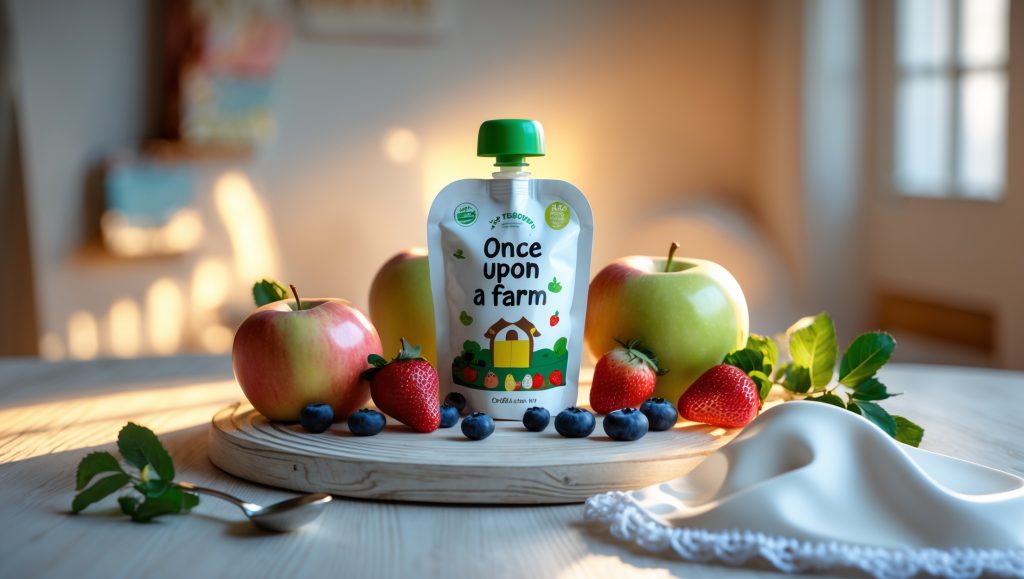
Overview
When it comes to choosing a nutritious and convenient baby food, parents are met with countless options. In this in-depth review, we take a close look at the Once Upon a Farm Organic Apple, Strawberry & Blueberry Baby Food Pouch—a cold-pressed, organic blend designed for babies starting solids and beyond. With a focus on fresh ingredients and minimal processing, this pouch has caught the attention of many families who seek both convenience and a commitment to quality. Let’s dive into its features, nutritional value, taste, and how it fits into busy family life in 2025.
Ingredients & Nutrition
One of the main draws of the Once Upon a Farm pouch is its ingredient list. The company prides itself on using organic, non-GMO produce with no added sugar, preservatives, or artificial flavors. The Apple, Strawberry & Blueberry blend contains:
- Organic apple puree
- Organic strawberry puree
- Organic blueberry puree
- A touch of organic lemon juice concentrate (for freshness)
This simplicity appeals to many parents who want to keep their baby’s diet as close to nature as possible. Each pouch offers around 60 calories, 0g fat, 15g carbohydrates (of which 10–12g are naturally occurring sugars), 1g fiber, and 0g protein per serving (exact figures may vary by batch). The blend is a source of vitamin C, thanks to the fruit content, supporting immune health and iron absorption.
Allergen info: This pouch is dairy-free, gluten-free, and does not contain any of the top 9 allergens, making it suitable for most babies. Always check the packaging for the latest allergen and manufacturing details.
Taste & Texture
The Apple, Strawberry & Blueberry blend is designed to appeal to young palates with its naturally sweet, slightly tangy flavor profile. The apples provide a mellow base, while strawberries and blueberries deliver brightness and depth. Taste tests (with parental guidance) report that babies often enjoy the fruity aroma and the not-too-thick, not-too-watery texture.
The puree is smooth, making it appropriate for babies just starting solids (typically around 6 months, but always follow your pediatrician’s guidance). Older infants and toddlers may enjoy it as a snack or as a yogurt topping. There are no large bits or chunks—it’s entirely spoonable or squeezable, minimizing choking hazards.
Convenience & Storage
One of the biggest advantages of this product is its convenience. The pouch is resealable and portable, making it suitable for on-the-go snacking, daycare, or travel. Unlike shelf-stable pouches, Once Upon a Farm products are cold-pressed and refrigerated to preserve nutrients and flavor without heat-based pasteurization. This means:
- Pouches must be kept refrigerated until opened.
- Once opened, the pouch should be consumed within 24 hours.
- Unopened pouches can be kept in the fridge for several weeks; always check the best-by date.
- Pouches can be frozen for longer storage, though texture may change slightly after thawing.
The cold chain requirement does make it less flexible than shelf-stable options, but many families appreciate the tradeoff for freshness.
Pros & Cons
Pros
- Made from organic, non-GMO fruits with no added sugar or preservatives
- Cold-pressed to retain more nutrients and fresh flavor
- Simple, transparent ingredient list
- Convenient, resealable pouch—great for travel and busy days
- Suitable for babies, toddlers, and even older children as a healthy snack
- Dairy-free, gluten-free, and free from top 9 allergens
Cons
- Requires refrigeration, limiting portability compared to shelf-stable pouches
- Higher price point than some conventional baby foods
- Shorter shelf life once opened (must be consumed within 24 hours)
- Texture may be too smooth for babies ready for more textured foods
Alternatives & Similar Products
Parents looking for variety or different storage options might consider:
- Serenity Kids Organic Baby Food Pouches – Featuring veggie and fruit blends with added healthy fats; shelf-stable.
- Happy Baby Organics Clearly Crafted Pouches – A range of fruit and vegetable blends, shelf-stable, organic, and widely available.
- Peter Rabbit Organics Fruit Pouches – Simple, organic fruit blends in a convenient, shelf-stable pouch.
- Homemade fruit purees – For parents who prefer to make their own, blending fruits at home can offer total control over ingredients.
Each alternative has its own balance of convenience, nutrition, and storage requirements, allowing families to choose what best fits their routines and values.
Verdict
The Once Upon a Farm Organic Apple, Strawberry & Blueberry Baby Food Pouch stands out for its commitment to high-quality, organic ingredients and its cold-pressed, refrigerated process. It’s an excellent choice for parents who want to offer their babies fresh, minimally processed fruit blends and who are able to accommodate the refrigeration requirement. While it comes at a premium price and requires careful storage, the transparency, flavor, and nutrition profile make it a standout in the world of baby foods in 2025. As always, introducing new foods is a personal decision—consider your baby’s readiness, preferences, and any guidance from your healthcare provider.
FAQ
+Is Once Upon a Farm Apple, Strawberry & Blueberry suitable as a first food?
+Does it contain any added sugar or artificial ingredients?
+How should I store this pouch?
+Is the pouch recyclable?
+Can I serve it warm?
+Is it suitable for older children?
+Where can I buy Once Upon a Farm pouches?

Once Upon a Farm Organic Apple, Strawberry & Blueberry Baby Food Pouch (2025 Edition) is a standout choice for parents seeking convenient, nutritious options for their little ones. This blend features organic fruits grown on trusted U.S. farms, with no added sugar, preservatives, or concentrates. The pouch is easy for on-the-go feeding—perfect for busy families who want to offer wholesome snacks without the fuss.
The texture is smooth, making it suitable for babies transitioning to solids. The natural sweetness of apple and strawberry is balanced by the subtle tartness of blueberry, creating a flavor profile that most babies love. Parents will appreciate the transparency of the ingredient list and the brand’s commitment to cold-pressing, which preserves both flavor and nutrients. The 2025 edition also features a new, eco-friendly pouch design, reducing environmental impact while maintaining freshness.
While the price point is slightly higher than some conventional brands, the quality of the ingredients and the peace of mind it offers make it a worthwhile investment. For parents prioritizing organic, minimally processed foods, this pouch is an excellent addition to the pantry.
- Certified organic with no added sugar or preservatives
- Cold-pressed to lock in nutrients and flavor
- Eco-friendly, easy-to-use pouch design
- Ideal for on-the-go snacking and meal supplementation
For a baby just starting solids at 6 months, is it better to serve this fruit pouch on its own, or should I mix it with a little plain baby oatmeal to slow things down and help keep the morning routine calm and quiet?
It’s great that you’re thinking carefully about your baby’s first food experiences. For a 6-month-old starting solids, you can offer the fruit pouch alone to introduce single flavors, but mixing it with plain baby oatmeal can help slow down the feeding, make the texture more familiar, and support a calm routine. Start with a small amount of fruit puree mixed into the oatmeal, ensuring it’s smooth and easy to swallow. Always supervise feedings, watch for any signs of allergies, and remember all utensils and surfaces should be clean. This isn’t medical advice; if you’re concerned, check in with your pediatrician.
We try to limit added sugars and processed snacks. How does this pouch compare nutritionally to giving plain fruit slices after screen time, especially for an older toddler?
It’s wonderful that you’re mindful about sugar and snack choices for your toddler. The Once Upon a Farm pouch relies on pureed fruits without added sugars, which is a healthier option than many processed snacks, but it’s still more processed than handing over plain fruit slices. For an older toddler, offering fresh fruit slices provides natural fiber, helps with chewing skills, and may keep them feeling full longer. Pouches can be convenient on the go, but at home, fresh fruit is usually the more nutritious, age-appropriate choice—just make sure fruit is cut into safe, manageable pieces. This isn’t medical advice; if you’re concerned, check in with your pediatrician.
Since some babies are sensitive to certain food textures or flavors, have you come across any parents reporting reluctance or sensory aversions to this particular blend? I want to be sure before buying a pack.
It’s thoughtful of you to consider your baby’s sensory preferences before trying a new food. Some parents do mention that babies with texture sensitivities may hesitate with pouch blends, even smooth ones like this, though most find the texture appealing and easy to swallow. To introduce it safely, try offering a small spoonful first and watch for signs of discomfort or refusal. For babies under 12 months, supervise closely and stop if any gagging or strong aversion occurs. If your baby is new to berry flavors, you might try single-fruit purees first to check for preferences or reactions. This isn’t medical advice; if you’re concerned, check in with your pediatrician.
Since these pouches must stay refrigerated and used quickly after opening, do you think it makes sense to rely on them as our main snack or meal option compared to more shelf-stable options like iron-fortified cereal? Trying to figure out what’s best for busy mornings out.
It’s great that you’re thinking about practical options for busy mornings while keeping your baby’s nutrition in mind. Since Once Upon a Farm pouches need refrigeration and have a short window after opening, they may be less convenient when you’re on the go compared to shelf-stable, iron-fortified cereals. For busy outings, consider packing a cooler if you want to use these pouches, or use shelf-stable snacks that meet your baby’s age and nutritional needs. Always supervise meals to prevent choking and check for allergens. This isn’t medical advice; if you’re concerned, check in with your pediatrician.
We’re always on the go to playdates and appointments, and sometimes we’re out for a few hours. How long can the Once Upon a Farm pouch safely stay unrefrigerated in a diaper bag before it should be discarded?
It’s great that you’re thinking about food safety while managing a busy schedule. Once Upon a Farm pouches need refrigeration because they’re cold-pressed and don’t use preservatives. Generally, they can stay unrefrigerated for up to 4 hours safely, but if the pouch feels warm or has been out longer, it’s best to discard it. Always check for changes in smell or texture before serving. For infants and toddlers, freshness is especially important to avoid foodborne illness. This isn’t medical advice; if you’re concerned, check in with your pediatrician.
Since this pouch needs refrigeration and our family visits grandparents frequently—sometimes bringing homemade foods—do you have suggestions for transporting these pouches safely, especially on longer car rides or when access to a fridge might be limited?
It’s great that you’re thinking ahead about keeping your baby’s food safe during family trips. For these refrigerated pouches, use an insulated cooler bag with ice packs to keep them cold—aim for below 40°F (4°C). Pack the pouches next to the ice packs and limit the number of times you open the cooler. Try to serve the pouch within 4 hours if it’s kept cold, or sooner if it’s left out at room temperature. Always check the pouch for signs of spoilage before offering it to your child. This isn’t medical advice; if you’re concerned, check in with your pediatrician.
For families with small fridges or limited storage space, do you have any practical tips for keeping these refrigerated pouches fresh, especially if buying in bulk for a busy week ahead?
It’s understandable to want safe, fresh food for your baby while managing tight fridge space. Try storing unopened pouches in the coldest fridge section, stacked upright or in bins to save space. Rotate them so older ones are used first. Only refrigerate what you’ll use soon, and keep backups in a cool, dry pantry if allowed on the package. Once opened, seal tightly and use within 24 hours. Always check for signs of spoilage before serving. This isn’t medical advice; if you have concerns, ask your pediatrician.
I noticed there are no chunks in the puree, but would it work to mix the contents with oatmeal or chia seeds for more texture and nutrition as my child gets older? Any suggestions for gradually introducing more complex textures using this pouch?
It’s great that you want to help your child transition to more complex textures. You can mix the puree with iron-fortified oatmeal or pre-soaked chia seeds to thicken it, but introduce small amounts at first. For older babies (generally 8 months and up, if they’re already tolerating smooth purees), start with a slightly thicker mix and gradually increase the texture by mashing in soft fruits like banana or avocado. Always supervise meals and ensure added ingredients are age-appropriate to avoid choking risks. This isn’t medical advice; if you’re concerned, check in with your pediatrician.
Is the serving size and nutritional profile of this pouch suitable for a preschooler, or would you recommend it mainly as an occasional snack versus a regular part of their diet?
It’s great that you’re considering the right portion sizes and nutrition for your preschooler. This pouch is designed for babies, so its serving size is relatively small for a preschooler’s appetite and energy needs. You can offer it as an occasional snack, perhaps paired with other foods like whole grain crackers or cheese to make it more filling. For regular meals, aim for more variety and substance, including proteins, grains, and veggies. Always supervise snack time and watch for allergies. This isn’t medical advice; if you have concerns about your child’s nutrition, check in with your pediatrician.
We’re starting to potty train our 2.5-year-old and want healthy on-the-go snacks that won’t upset his tummy if schedules are unpredictable. Is this pouch easy for a toddler to eat somewhat independently, or is it still best suited for younger babies starting solids?
It’s great that you’re thinking ahead about healthy, tummy-friendly snacks during potty training. This pouch is designed with a soft spout, making it easy for most toddlers, including 2.5-year-olds, to eat with minimal help, though you may still want to supervise to avoid spills. The fruit blend is gentle on most stomachs, but introducing new foods gradually and in small amounts can help you watch for any sensitivities. Check the pouch for any potential allergens and always discard if it’s not fully consumed in one sitting. This isn’t medical advice; if you have concerns about digestion or readiness, it’s best to check in with your pediatrician.
How does the cost of using these organic cold-pressed pouches compare to preparing homemade purees from scratch, both in terms of price and time investment for families?
—balancing both budget and time is a real concern for many families. Organic cold-pressed pouches like Once Upon a Farm are often more expensive per serving than homemade purees, given the convenience, packaging, and sourcing. Making purees at home usually costs less per portion, especially if you buy fruit in bulk or seasonally, but it does require extra time for washing, peeling, blending, and cleaning up. For busy parents, ready-made pouches may save significant time, but homemade allows full control over ingredients and cost. Always supervise babies while eating and check for texture or allergens. This isn’t medical advice; if you’re concerned, check in with your pediatrician.
If I prep a small bowl with this pouch the night before for an early snack, how long can it safely sit outside the fridge before it needs to be eaten? Mornings can be hectic, so convenience and safety are both top priorities for us.
You’re doing your best to balance safety and convenience—both so important for busy mornings. For this pouch, once you’ve opened it and placed it in a bowl, it’s safest to keep it refrigerated until your child is ready to eat. If it sits out at room temperature, try to use it within 2 hours, as bacteria can grow quickly in fresh baby foods. For infants and toddlers, always discard any uneaten portion that’s been out longer. This isn’t medical advice; if you’re concerned, check in with your pediatrician.
Could this pouch work as part of a breakfast routine for a toddler who still mostly eats finger foods? I am wondering if it could be used as a dip or spread to encourage more variety in the mornings.
It’s great that you’re looking for ways to add variety to your toddler’s breakfast routine. You can use the Once Upon a Farm pouch as a dip for soft finger foods like toast strips, mini pancakes, or banana slices. Try spreading a thin layer on whole grain waffles or rice cakes for added flavor. Offer it alongside a few familiar favorites to help your toddler feel comfortable. Always supervise closely to prevent choking, and check for any sensitivities to the ingredients. This isn’t medical advice; if you’re concerned, check in with your pediatrician.
On busy mornings when our twins wake up at different times, is it safe to leave a pouch out for up to an hour while feeding the first twin, or should I put it back in the fridge until the second twin wakes up?
It’s understandable to want mornings to go smoothly with twins waking at different times. For safety, it’s best to keep the pouch in the fridge until your second twin is ready to eat—Once Upon a Farm pouches are meant to be refrigerated and can spoil if left out for over two hours, possibly sooner if your home is warm. To make things easier, you can pour half into a bowl for the first twin, then promptly reseal and refrigerate the rest for the second. Always check the pouch for any changes in smell, color, or texture before serving. This isn’t medical advice; if you’re concerned, check in with your pediatrician.
I noticed you mentioned this pouch is fridge-only. Sometimes we get home late from outings or daycare—how safe is it if it’s left in a diaper bag for a couple of hours? Would that impact freshness or increase a food safety risk?
That’s a thoughtful question, especially with busy schedules and kids on the go. The Once Upon a Farm pouch is designed to be kept refrigerated because it’s cold-pressed, not shelf-stable. If it stays out of the fridge in a diaper bag for more than 2 hours (or 1 hour if it’s very warm out), it may not be safe for your child due to potential bacterial growth. This is especially important for babies and toddlers, whose immune systems are still developing. To keep it fresh, use an insulated bag with an ice pack for outings. This isn’t medical advice; if you’re concerned or need more storage tips, your pediatrician can help.
My child sometimes prefers the chunkier textures in homemade foods that my mother prepares. Is the totally smooth consistency of this pouch suitable for babies with sensory sensitivities, or should we mix it with other foods to encourage different textures?
It’s great that you’re tuned in to your child’s texture preferences. The smooth consistency of this pouch is designed for easy swallowing and is generally safe for babies, but some little ones with sensory sensitivities do better when offered a range of textures. You could try mixing the pouch puree with a small amount of finely mashed fruit or soft-cooked grains to encourage exploration while keeping it safe. Always supervise closely and introduce new textures slowly, especially for babies under 12 months. If your child coughs, gags, or refuses certain textures, consider consulting your pediatrician or a feeding specialist. This isn’t medical advice; if you’re concerned, check in with your pediatrician.
My toddler sometimes gets overwhelmed by strong flavors. Does the combination of apple, strawberry, and blueberry make the taste especially tangy, or is it mild enough for more sensitive eaters?
It’s understandable to want gentle flavors for a toddler who is sensitive to strong tastes. The Once Upon a Farm Apple, Strawberry & Blueberry pouch tends to have a mild, naturally sweet flavor because apple is the main ingredient, which balances out the tanginess of the berries. To introduce it, offer a small spoonful first and watch your child’s reaction. You could also mix it with plain yogurt or oatmeal to further soften the taste. Always supervise your toddler while eating and check ingredient lists for possible allergens. This isn’t medical advice; if you’re concerned, check in with your pediatrician.
How long after opening a Once Upon a Farm pouch can it safely stay at room temperature if, for example, we’re out at the park with both my toddler and newborn and don’t have easy access to a fridge right away?
It’s great that you’re thinking about food safety while out with your little ones. After opening a Once Upon a Farm pouch, it’s best to use it within 1 hour if kept at room temperature, as the fresh, organic ingredients can spoil quickly. For toddlers and especially for newborns, bacteria can grow rapidly in opened, unrefrigerated food. If you think your child won’t finish the pouch right away, consider bringing an insulated cooler bag with an ice pack. Always discard any leftovers that weren’t eaten within the hour. This isn’t medical advice; if you’re concerned, check in with your pediatrician.
My child sometimes reacts to acidic foods with skin irritation around the mouth. Since this blend includes lemon juice, have you noticed any tips for minimizing irritation, or is this formula gentler than other fruity options?
You’re right to be cautious about acidic foods if your child has had skin irritation. To minimize irritation, try applying a thin layer of petroleum jelly or a barrier cream (like zinc oxide) around your child’s mouth before eating. Offer small amounts at first and gently wipe their face soon after feeding. This particular pouch does contain lemon juice, so the acidity is similar to other fruit blends—watch closely for a reaction. Always supervise to avoid choking and ensure proper texture for your child’s age. This isn’t medical advice; if you’re concerned, check in with your pediatrician.
How would you recommend serving this pouch to a 17-month-old who is starting to insist on feeding herself but still prefers squeeze pouches over a bowl and spoon? Should I be encouraging her to try it as a yogurt topping, or is that better for older toddlers?
It’s great that your toddler wants to self-feed—this is a big step in independence. At 17 months, squeezing pouches is still age-appropriate, but you can gently introduce new ways to serve the puree. Offer the pouch as usual, and occasionally model squeezing it onto a spoon or a small bowl. You can try adding a little to yogurt as a topping, but supervise closely, as managing mixed textures can be tricky at this age. Go slowly, and let her explore at her own pace. This isn’t medical advice; if you’re concerned, check in with your pediatrician.
We’re on a tight budget and my child eats a lot at daycare. Do you think it’s practical to send Once Upon a Farm refrigerated pouches daily, or are there more cost-effective options that are just as nutritious and daycare-friendly?
You’re doing your best to balance nutrition and budget, which is not easy. While Once Upon a Farm pouches are nutritious, they can be pricey and need refrigeration, which may not always be practical for daycare. You might consider making your own purees with similar fruits—using reusable pouches can save money and let you control ingredients. Check with your daycare about safe storage for homemade foods. For older infants and toddlers, cut fruit or unsweetened applesauce cups are easy, affordable alternatives. Always watch for choking hazards and allergens. This isn’t medical advice; if you’re concerned, check in with your pediatrician.
For families on a tighter budget, do you find that buying these refrigerated pouches in bulk and freezing them is practical, or does that end up compromising taste and texture compared to buying only what you can refrigerate short-term?
It’s great that you’re thinking carefully about both budget and nutrition for your little one. Freezing the Once Upon a Farm pouches is generally safe and preserves nutrients, but you might notice a slightly different texture after thawing, especially with fruit blends. To test, freeze just one pouch and see how your baby reacts before buying in bulk. Always thaw in the refrigerator, not at room temperature, to keep the food safe. For babies under 1 year, check that the thawed texture is still easy to swallow and hasn’t separated. This isn’t medical advice; if you’re concerned, check in with your pediatrician.
For parents on a budget, is there any notable difference in value or nutrition between this refrigerated, cold-pressed option and shelf-stable organic fruit pouches you find at most grocery stores?
Your question about balancing nutrition and budget is very thoughtful. Refrigerated, cold-pressed pouches like Once Upon a Farm may retain more vitamins because they skip heat pasteurization, but shelf-stable organic pouches are still nutritious and usually much more affordable. For babies starting solids (typically 6 months and up), both types can be part of a healthy diet. Check ingredient lists for added sugars or fillers, and always supervise to avoid choking. This isn’t medical advice; if you have concerns about your baby’s nutrition, please check in with your pediatrician.
I’m putting together a travel kit for my toddler, and I noticed these pouches need to stay refrigerated. How long can they safely be out of the fridge during a long car ride or layover before I need to worry about spoilage?
It’s great that you’re planning ahead for your toddler’s travel snacks. Once Upon a Farm pouches need to be kept cold and, once out of the fridge, they’re safe at room temperature for about 4 hours, according to current food safety guidelines. To be extra cautious, use an insulated bag with ice packs to keep the pouch cool during your trip. Always check the pouch for any swelling, off smells, or unusual texture before serving, and supervise your toddler while eating. This isn’t medical advice; if you’re concerned or have questions about food safety, check in with your pediatrician.
Is this pouch suitable for a baby who just turned 12 months, or would it be too sweet as a regular snack? I worry about sugar from fruit, even if it’s natural, and wonder if you have tips for including it in a balanced diet.
It’s very thoughtful to consider your 12-month-old’s sugar intake, even when it comes from fruit. At this age, a pouch like Once Upon a Farm’s can be part of a balanced diet, but moderation matters. Offer it as an occasional snack rather than every day, and pair it with protein or healthy fats like yogurt or nut butter (if safe) to support fullness and stable energy. Read ingredient labels to ensure there’s no added sugar—this pouch uses only fruit, which is appropriate in small amounts. Always supervise your child while eating and introduce a variety of textures at this stage. This isn’t medical advice; if you have concerns, check with your pediatrician.
For families with busy mornings, would you recommend packing an unopened pouch in a daycare lunchbox with an ice pack, or is it best to keep it refrigerated until right before serving?
It’s understandable to want your baby’s meals to be safe and convenient during busy mornings. For Once Upon a Farm pouches, the manufacturer recommends keeping them refrigerated because they are perishable. If you need to pack one in a daycare lunchbox, be sure to include a well-chilled ice pack and place the pouch next to it, then transport in an insulated bag. Double-check that the daycare can refrigerate it soon after arrival. This helps keep the food safe for infants and toddlers, who are more sensitive to foodborne bacteria. This isn’t medical advice; if you’re concerned, check in with your pediatrician.
Is this pouch suitable for older toddlers as an addition to yogurt, or would you recommend sticking with it just for babies who are newer to solids? I’m always searching for new snack ideas as the kids’ tastes are constantly changing.
It’s great that you’re looking for creative ways to offer snacks as your kids grow and their preferences shift. This pouch can be used as a topping or mix-in with yogurt for older toddlers, as long as your child doesn’t have sensitivities to the ingredients and is eating a varied diet. Try swirling some into plain yogurt, or even offering it with oats for added flavor. Keep in mind that the smooth texture is more geared to babies, so older toddlers may enjoy it more when paired with foods that offer different textures. Always supervise snacking and check for any signs of food allergies. This isn’t medical advice; if you’re concerned, check in with your pediatrician.
My baby is just starting solids but sometimes prefers chunkier textures, while my toddler still likes smooth purees. Does the texture of this pouch work for both age groups, or would I need to mash in extra fruit for the toddler?
It sounds like you’re thoughtfully balancing both your baby’s and toddler’s preferences as they explore new foods. The Once Upon a Farm pouch reviewed is quite smooth—intended for babies just starting solids and toddlers who still like purees. For toddlers who enjoy chunkier textures, you could mix in small, soft fruit pieces (like ripe banana or cooked apple) into their portion. Always supervise eating to prevent choking and ensure pieces are soft and small enough for a toddler. This isn’t medical advice; if you’re ever unsure about textures or safety, your pediatrician can help.
Our budget is a big consideration with twins, and we go through baby food quickly. How does Once Upon a Farm’s cold-pressed pouch compare cost-wise and shelf life-wise to traditional shelf-stable pouches for families who need to maximize both convenience and savings?
It’s totally understandable to keep a close eye on costs and convenience with twins. Once Upon a Farm’s cold-pressed pouches usually cost more per pouch than most traditional shelf-stable options, partly due to organic ingredients and the cold-pressing process. They also need refrigeration and have a shorter shelf life—typically a few weeks unopened, compared to months for shelf-stable pouches—which means less flexibility for bulk buying. If you need to stretch your budget, consider mixing shelf-stable pouches for when you’re out and about, and using cold-pressed ones at home. Always check expiration dates and store pouches safely. This isn’t medical advice; if you’re concerned, check in with your pediatrician.
Is this puree suitable for babies who are just starting solids at six months, or should we wait until they’re a little older for mixed blends like apple, strawberry, and blueberry?
It’s great that you’re thinking carefully about how to introduce solids. For most six-month-olds, single-ingredient purees are recommended at first so you can watch for any reactions to each new food. With this pouch, you might try offering plain apple first, then strawberry, then blueberry, waiting a few days between each. Once you’ve seen your baby tolerate each fruit separately, a mixed blend like this can be introduced. Always supervise closely and check the texture for smoothness to avoid choking risks. This isn’t medical advice; if you’re concerned, check in with your pediatrician.
Does this cold-pressed pouch need to be kept in a cooler when taking it to daycare, or is it okay at room temperature for a couple of hours? As grandparents, we help with pickup and often run errands, so I’m trying to see if this fits our schedule.
It’s great you’re thinking ahead about food safety during your busy days. Since the Once Upon a Farm pouch is cold-pressed and refrigerated, it should be kept cool to prevent spoilage and keep your grandchild safe from foodborne illness. If the pouch will be out for more than 2 hours, pack it in an insulated cooler bag with an ice pack. For shorter trips under 2 hours, room temperature is generally okay, but always check the pouch for freshness before serving. This isn’t medical advice; if you’re concerned, check in with your pediatrician.
My toddler has some language delays and oral-motor challenges, so we’re always looking for foods with smooth textures. Is this puree thin enough for kids who have trouble with thicker consistencies, or do you recommend thinning it further for sensory comfort?
It’s wonderful that you’re mindful of your toddler’s sensory and language needs. This puree is generally smooth and suitable for young children, but some toddlers with oral-motor challenges may still find it a bit thick. You can thin it further by mixing in a small amount of breast milk, formula, or water until it reaches a consistency your child can handle. Always serve in a safe environment and supervise to prevent choking. Check the pouch for any berry seeds, and strain if needed for extra smoothness. This isn’t medical advice; if you’re concerned, check in with your pediatrician or feeding specialist.
My child gets picky about textures sometimes. Would you say this pouch is smooth enough for kids who avoid any lumps, or could its consistency change after freezing and thawing?
It’s completely understandable to want a pouch with a reliably smooth texture for a picky eater. The Once Upon a Farm Organic Apple, Strawberry & Blueberry pouch is usually very smooth, with no noticeable lumps, making it suitable for babies and toddlers who are sensitive to textures. However, freezing and thawing may cause slight separation or a change in consistency—sometimes making it a bit grainy or watery. If you need to freeze it, thaw gently in the fridge and shake or knead the pouch well before serving. Always supervise, and check for any texture changes before offering it to your child. This isn’t medical advice; if you have concerns, talk to your pediatrician.
We have a busy household and sometimes end up buying in bulk. How well do these pouches hold up if frozen for longer storage? Are there any noticeable changes in taste or texture after thawing?
It’s completely understandable to want convenient storage options in a busy home. Once Upon a Farm pouches can be frozen for longer storage, and many parents report that the flavor stays pleasant after thawing. For best results, freeze them upright and thaw in the fridge to help preserve texture and prevent leaks. Some babies may notice a slight change in texture (it can get a bit thinner or slightly separated), so give the pouch a gentle shake before serving. Always check the pouch for any damage or spoilage after thawing, and supervise babies with pouches. This isn’t medical advice; if you’re concerned, check in with your pediatrician.
If I’m comparing this pouch with shelf-stable squeeze packs, are there any differences in safety features related to the packaging or cap size? I want to make sure that whatever I choose poses the least risk of a choking incident.
It’s great that you’re thinking about safety, especially regarding choking risks. The Once Upon a Farm pouches typically use similar cap sizes as most shelf-stable brands, which are larger and designed to be hard to swallow. Always check that the cap is at least 1 inch wide and meets safety standards for baby food packaging. No matter the brand, supervise your child during eating, and keep all caps out of reach of babies and toddlers. For extra caution, open and dispose of the cap before handing the pouch to your child. This isn’t medical advice; if you’re concerned, check in with your pediatrician.
For babies who are a little picky about sour tastes, does the lemon juice in the blend make the flavor noticeably tart? I’m curious if anyone’s little one hesitated or made a face with the first few tries due to the tanginess.
It’s understandable to wonder how your baby will react to new or tart flavors. The lemon juice in this pouch is present mainly to help preserve freshness, but it can add a subtle tang. Some babies, especially those new to solids or sensitive to sour tastes, might make a face or hesitate at first. Try offering a small spoonful alongside a familiar flavor, and watch your baby’s cues. If they seem unsure, you can mix the pouch with plain oatmeal or yogurt to mellow the tartness. Always supervise during feeding, and remember that taste preferences often change over time. This isn’t medical advice; if you’re concerned, check in with your pediatrician.
Are there any specific serving ideas you would recommend for sensory-sensitive children who might get overwhelmed by new foods? For example, is it better served on a spoon or mixed into something familiar?
It’s great that you’re thinking about how to support your sensory-sensitive child during mealtimes. For a gentle introduction, try offering a tiny amount of the pouch on a familiar spoon, so the texture and utensil feel safe. You could also mix the puree into a favorite food, like plain yogurt or oatmeal, to mellow the flavors and textures. Let your child explore the pouch with fingers if they enjoy tactile play, but always supervise closely. Start with small portions and observe your child’s cues. This isn’t medical advice; if you’re concerned, check in with your pediatrician.
For families with multiple toddlers in different stages, is this particular Apple, Strawberry & Blueberry blend appropriate for both younger babies and older kids, or would you suggest a different product for an older toddler?
It makes sense to want one snack that works for siblings at different stages. This blend is generally safe for both younger babies (after introducing solids, usually around 6 months) and older toddlers, as it’s smooth and free from common allergens and choking hazards. For older toddlers, you might serve it alongside finger foods or mix it with yogurt or oatmeal to add texture and variety. Always supervise younger kids while eating, and check with your pediatrician if your child has specific dietary concerns. This isn’t medical advice; if you’re unsure, your healthcare provider can offer more personalized guidance.
I am trying to offer more independence at snack time using Montessori principles. Do you have any tips for allowing babies or toddlers to self-serve with these pouches, while still keeping things tidy and safe?
It’s wonderful that you’re encouraging independence using Montessori principles. To help your child self-serve with the pouches, try setting up a small, easy-to-clean table and chair at their level. Demonstrate how to hold and open the pouch, then let your child practice squeezing gently. Offer a small bowl for them to squeeze the puree into if you want to limit mess. For younger toddlers, supervise closely to prevent choking and check that the cap is kept out of reach due to its small size. Always ensure hands are washed before and after snack time. This isn’t medical advice; if you’re concerned, check in with your pediatrician.
Our apartment kitchen is on the small side, and toy storage already takes up half the fridge! How much space do these pouches typically require compared to shelf-stable baby food, and do you have tips for efficient storage?
You’re not alone in juggling baby essentials with limited kitchen space. Once Upon a Farm pouches need refrigeration, so they’ll use up more fridge space than shelf-stable baby foods, which can be kept in a pantry or cabinet. To maximize efficiency, try grouping pouches in a clear container or small bin in the fridge door, stacking them flat if possible. Rotate older pouches to the front so they’re used first. If your child is under 12 months, supervise closely and check pouch seals before use. This isn’t medical advice; if you’re concerned, check in with your pediatrician.
My toddler is on a budget-friendly diet, and I’m wondering how these pouches compare to making something similar at home with fresh fruit, both nutritionally and cost-wise. Have you seen families using them in homemade sensory play activities like edible painting?
You’re thoughtfully balancing nutrition and budget for your toddler, which is wonderful. Homemade purees with fresh fruit can be just as nutritious as these pouches, often at a lower cost, but be sure to wash fruit thoroughly and avoid added sugars. Watch texture for toddlers under 2 and cut small pieces to reduce choking risk. Some families do use store-bought or homemade fruit purees for sensory play like edible painting—just supervise closely and use a washable surface. Always check for potential allergens. This isn’t medical advice; if you have concerns about your child’s nutrition or safety, reach out to your pediatrician.
Is this puree filling enough as a standalone snack for a two-year-old, or should I pair it with something with more protein or fat? I want to make sure my toddler isn’t hungry right after snack time.
It’s great that you want to keep your toddler satisfied between meals. Fruit-based purees like this one provide vitamins and natural sugars but are low in protein and fat, which help keep little ones full longer. For a two-year-old, consider pairing the pouch with a small serving of yogurt, cheese, or whole grain crackers with nut or seed butter if there are no allergies. Always supervise snack time and ensure foods are age-appropriate to prevent choking. This isn’t medical advice; if you’re concerned about your child’s nutrition, check in with your pediatrician.
I often struggle to balance convenience with routine, especially during our Spanish-English lullaby time before bed. Would you suggest serving this pouch during wind-down routines, or could it overstimulate children before sleep because of the fruity flavors?
Your concern about balancing routine and convenience at bedtime is very understandable. Generally, offering a fruit pouch like this right before sleep might not be ideal, since natural sugars and the act of eating can stimulate some children—especially if they’re toddlers or younger. If you find your child is sensitive to bedtime snacks, try serving the pouch at least 30–60 minutes before your lullaby routine. Keep bedtime snacks small and consistent, and always supervise young children to prevent choking. Every child is unique, so observe how yours responds and adjust as needed. This isn’t medical advice; if you’re concerned, check in with your pediatrician.
My family worries about waste and budget. Since the pouch must be refrigerated, is it practical to send it with grandparents who watch my baby for the day, or should we use shelf-stable options for outings with longer travel times?
It’s great that you’re thinking about both waste and your budget. For outings where refrigeration isn’t guaranteed, shelf-stable pouches are usually safer because they don’t need to be kept cold, reducing the risk of spoilage and waste. If you want to use the Once Upon a Farm pouch, you could pack it in a small insulated bag with an ice pack for short trips, but remember to check the temperature and use it within 4 hours. For longer days out, shelf-stable options are more practical. This isn’t medical advice; if you have food safety concerns, ask your pediatrician.
Do you have advice on how to store extra pouches for households trying to stick to a budget but also avoid last-minute runs to the store when nighttime snacks are suddenly in demand?
It’s wise to plan ahead and manage your baby food stash for both convenience and budget. First, store unopened pouches in a cool, dry pantry away from direct sunlight, always checking expiration dates. For opened pouches, refrigerate immediately and use within 24-48 hours. Consider designating a labeled bin in your fridge or pantry for easy access and to track inventory. Rotate older stock to the front so nothing goes to waste. Always supervise snack times and ensure little ones don’t access pouches without help, as caps may be a choking hazard. This isn’t medical advice; if you’re concerned, check in with your pediatrician.
Do you have any suggestions for introducing this pouch to a toddler with sensory sensitivities, especially since the texture is described as smooth but not too thick? I’m looking for relaxing bedtime snack ideas that won’t overwhelm them.
It’s great that you’re considering your toddler’s sensory needs around new foods. To introduce this pouch gently, first offer a small spoonful separate from the pouch, so your child can see and smell it before tasting. Try serving it slightly chilled or at room temperature to see which they prefer, as temperature can affect sensory responses. Allow your toddler to explore the pouch with their fingers if they like, and avoid pressure to eat. For bedtime, pair the pouch with a familiar calming routine in a quiet, dim environment. This isn’t medical advice; if you’re concerned, check in with your pediatrician.
With a toddler who is pretty sensitive to flavors and textures, have you found that this blend is accepted by picky little ones or do the tangy notes from the lemon juice sometimes make it less appealing for sensitive palates?
It’s completely understandable to be concerned about how a picky toddler will respond to new flavors and textures. Many parents have shared that the apple and berry blend is generally well-liked by little ones, but the hint of tanginess from lemon juice can be noticeable for some sensitive eaters. You might offer a small taste test first, watch your child’s reaction, and reassure them if they’re unsure. Mixing the pouch with familiar foods like plain yogurt or oatmeal can help mellow the flavor. Always supervise during eating, and be mindful of any allergies. This isn’t medical advice; if you’re concerned, check in with your pediatrician.