
Introduction
Sensory play is more than just fun and games—it’s a critical building block in your child’s development. In 2025, parents across the US are increasingly seeking ways to foster healthy growth, independence, and curiosity at home. Sensory play, which encourages children to use their senses of touch, sight, sound, smell, and even taste, is an evidence-informed approach to supporting cognitive, emotional, and physical milestones from infancy through early childhood. This guide will help you understand the value of sensory play, choose age-appropriate toys, and implement simple strategies to nurture your child’s natural curiosity.
The Science Behind Sensory Play
Research continues to confirm that sensory play is foundational for early learning and development. By engaging the senses, children build neural pathways that promote problem-solving abilities, language development, fine and gross motor skills, and social-emotional understanding. As your child explores different textures, sounds, or movements, their brain adapts and grows—laying the groundwork for skills they’ll use for life.
Sensory play can take many forms, from squishing playdough between little fingers to listening to musical toys or exploring the cool sensation of water. Each experience offers unique opportunities for your child to learn about the world in a hands-on, meaningful way.
Choosing Sensory Toys: Age-Based Recommendations
Infants (0–12 months)
- Soft textured toys: Look for rattles, plush balls, and crinkle cloths that encourage tactile exploration and grasping.
- High-contrast visuals: Toys with black-and-white or bold patterns stimulate visual development.
- Gentle sounds: Toys that chime, squeak, or rustle offer auditory interest and promote cause-and-effect understanding.
Toddlers (1–3 years)
- Stacking blocks: Wooden or silicone blocks with varied textures and shapes boost fine motor skills and spatial awareness.
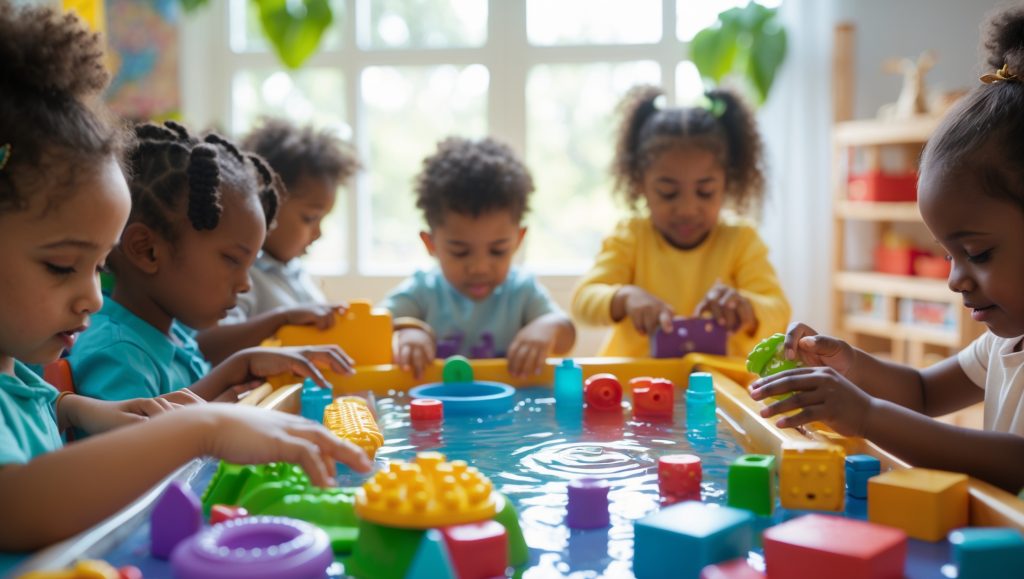
- Water and sand tables: Safe, supervised sensory bins can introduce pouring, scooping, and splashing as learning experiences.
- Musical toys: Simple instruments like drums or shakers let toddlers experiment with rhythm and sound.
Preschoolers (3–5 years)
- Modeling materials: Playdough, kinetic sand, and clay encourage creativity, hand strength, and imaginative play.
- Smell and scent games: Scented markers, scratch-and-sniff stickers, and herb jars can gently introduce olfactory exploration.
- Light tables and sensory boards: Toys that encourage sorting, matching, and manipulation further refine cognitive skills.
As always, check for safety certifications and age-appropriate labels before introducing any new toy. Simple household items—like pots, pans, scarves, or sponges—can become wonderful sensory tools with a bit of creativity and supervision.
Implementing Sensory Play at Home
Integrating sensory opportunities into daily routines doesn’t require expensive gear or elaborate setups. Here are some approachable ways to make sensory play part of your family life:
- Set up dedicated spaces: Use a washable mat or tray to contain messier activities, making cleanup easier and reducing stress.
- Rotate materials: Swap out toys and materials every week or two to maintain novelty and engagement.
- Join in the fun: Play alongside your child, modeling curiosity and providing gentle encouragement for new experiences.
- Observe and adapt: Notice which textures, sounds, or activities your child enjoys, and tailor future play accordingly.
- Respect sensory preferences: Some children may be sensitive to certain textures or sounds. Offer alternatives and avoid pressuring them into uncomfortable experiences.
Sensory play can easily become part of bath time, outdoor activities, or creative arts and crafts. The key is to follow your child’s lead, allowing them to explore their world at their own pace.
Benefits of Sensory Play for Development
Engaging in sensory play offers a wealth of developmental benefits:
- Language skills: Describing textures, actions, and sensations builds vocabulary and communication.
- Motor coordination: Manipulating small objects, pouring, or stacking enhances dexterity and hand-eye coordination.
- Problem-solving: Sensory experiences often involve trial and error, fostering flexible thinking and perseverance.
- Emotional regulation: Calming sensory inputs—like soft fabrics or gentle lights—can help soothe and center children.
- Social interaction: Group activities with sensory toys support sharing, turn-taking, and cooperation with peers or caregivers.
Recognizing these benefits can help you approach playtime with purpose and confidence, knowing you’re supporting your child’s holistic growth.
Common Mistakes
- Overloading the play space with too many toys or materials at once, causing overwhelm or distraction.
- Expecting children to engage in sensory play for long periods without breaks.
- Ignoring your child’s sensory preferences or sensitivities.
- Relying solely on screens or electronic toys for sensory input rather than hands-on exploration.
- Not supervising messy or water-based play, leading to safety hazards or stress.
- Assuming expensive, store-bought toys are always better than simple, homemade alternatives.
Quick Checklist
- Have I chosen age-appropriate, safe sensory toys?
- Is my play area easy to clean and comfortable for my child?
- Do I regularly rotate toys and materials to maintain interest?
- Am I observing and supporting my child’s unique sensory preferences?
- Do I supervise play, especially with water, small parts, or messy materials?
- Have I included sensory play in our daily or weekly routine?
- Am I engaging with my child, modeling curiosity and communication?
FAQ
+What is sensory play, and why is it important?
+How can I tell which sensory toys are right for my child’s age?
+Can household items be used for sensory play?
+What if my child dislikes certain textures or activities?
+How can sensory play be included in daily routines?
+Are electronic toys good for sensory play?
+How can I keep sensory play safe and manageable?
Conclusion
Sensory play is a powerful, evidence-informed way to nurture your child’s development in 2025 and beyond. By choosing age-appropriate toys, respecting your child’s preferences, and making sensory experiences part of your everyday routine, you’re laying the foundation for lifelong learning and discovery. Remember, you don’t need elaborate equipment or specialized training—curiosity, encouragement, and a willingness to get a little messy are all you need to support your child’s growth through sensory play.

A Parent’s Guide to Sensory Play: Unlocking Growth Through Everyday Toys in 2025
Sensory play is more than a buzzword—it’s a foundation for cognitive, emotional, and physical development in young children. In 2025, the range of toys supporting sensory exploration has grown, but the core principles remain timeless. Everyday objects like textured blocks, kinetic sand, or water tables invite children to touch, squish, pour, and manipulate, sparking curiosity and building neural connections. These experiences help with fine motor skills, language development, and even emotional regulation. As parents, you don’t need the latest gadget; what matters is providing safe, engaging opportunities for your child to explore with their senses. Pay attention to your child’s cues—some may crave more tactile input, while others prefer visual or auditory experiences. Rotate toys regularly and mix in household items like sponges, scarves, or kitchen utensils for fresh discoveries. Remember, the goal isn’t perfection but joyful learning. Sensory play is a chance to bond, observe growth, and celebrate each milestone. With a bit of creativity and responsiveness, parents can unlock a world of growth—right in the living room.
- Choose toys with varied textures, sounds, and colors for richer sensory experiences.
- Rotate toys weekly to keep playtime fresh and stimulating.
- Use safe household items to expand sensory play without extra cost.
- Observe your child’s preferences to tailor activities to their unique needs.
Is it okay to introduce playdough or kinetic sand to a 2-year-old, or should I wait until they’re closer to preschool age due to possible mess and safety concerns?
It’s completely understandable to want to keep play safe and manageable at this age. For most 2-year-olds, you can introduce playdough or kinetic sand with a few precautions: always supervise closely, as little ones may still try to taste or mouth materials. Choose non-toxic, ideally homemade playdough and avoid small accessories that could be choking hazards. Start with small amounts, use a washable mat or tray, and show your child how to keep materials out of their mouth. This kind of sensory play is great for toddlers’ development, but safety and supervision are key. This isn’t medical advice; if you’re concerned, check in with your pediatrician.
My toddler wakes up really early, and I’d like to offer quiet sensory activities while the rest of the house sleeps. Based on your guide, which sensory toys or materials would you recommend that won’t make too much noise at 6 a.m.?
It’s understandable to want quiet ways for your toddler to play in the early mornings. Soft sensory toys like silicone stacking cups, fabric sensory books, and textured balls are great options, as they make minimal noise and engage touch. You might also try homemade sensory bags filled with hair gel and small objects, or felt boards with shapes for creative play. Always supervise your toddler to ensure safety, especially with small pieces or if they’re still mouthing objects. This isn’t medical advice; if you’re concerned, check in with your pediatrician.
If we live in a small apartment, what are some simple sensory play setups that do not require a lot of storage space but still offer variety for a 2-year-old?
It’s great that you want to offer sensory play, even with limited space. Try using a shallow bin or tray for sensory bases: fill it with rice, dry beans, or water and swap contents for variety. Let your child explore textures with safe kitchen items like silicone spatulas, measuring cups, and small containers. Window gel clings or painter’s tape shapes on the floor provide tactile fun and clean up easily. Sensory bags (sealed plastic bags with hair gel and small toys inside) are mess-free and easy to store. Always supervise closely, especially with small parts, and adjust activities to your child’s age and needs. This isn’t medical advice; if you’re concerned, check in with your pediatrician.
When trying water and sand tables with my toddler, what are the best ways to keep things mess-free indoors? Are there specific tips for easy cleanup or minimizing spills that you could recommend?
It’s understandable to want sensory play indoors without feeling overwhelmed by the mess. Start by placing a large waterproof mat or shower curtain under the table to catch spills. Use only a small amount of water or sand at a time, and keep towels or a nearby mop handy for quick cleanups. Provide your toddler with smocks or old clothes to protect their clothing. For younger toddlers, always supervise closely and use larger toys or scoops to minimize scattering. This isn’t medical advice; if you’re concerned, check in with your pediatrician.
My toddler is especially sensitive to loud noises, so musical toys can sometimes overwhelm him. Are there quieter or more subtle sensory play options you’d recommend that still help with auditory development?
It’s completely understandable to want sensory play options that respect your toddler’s sensitivity to loud noises. Start with soft, fabric toys that make gentle crinkling sounds or toys with bells sewn inside for subtle auditory feedback. You could also use household items, like tapping wooden spoons or shakers filled with rice, where you control the volume. Try singing or humming softly together to encourage auditory exploration in a calm way. Always supervise closely and choose toys labeled safe for your child’s age, avoiding small parts or choking hazards. This isn’t medical advice; if you’re concerned, check in with your pediatrician.
Could you share some strategies for building sensory play into an unpredictable daily routine with twins? We often have to improvise, and I worry we’re not consistent enough for their development.
It’s completely understandable to worry about consistency, especially with twins and a busy, changing schedule. Try keeping a small sensory bin or basket with simple, safe items like scarves, soft balls, or textured blocks that you can grab quickly. Rotate the items every few days to keep things interesting. Use routine moments, like bath time or snack time, for sensory play—water play and exploring different food textures both count. Just a few intentional minutes a day is enough; flexibility is normal and perfectly okay for their development. Always supervise closely, especially with small parts or messy play. This isn’t medical advice; if you’re concerned, check in with your pediatrician.
Budget is a concern for us, so I’m wondering which types of sensory toys for a 12–18 month old offer the most benefit without taking up too much space or needing lots of setup?
It’s completely understandable to want affordable, simple options for sensory play at this age. For 12–18 month olds, try homemade sensory bins using rice, dry pasta, or water (always supervised to prevent choking). Stacking cups or plastic containers encourage tactile and fine motor skills and nest for easy storage. Soft balls or textured cloths help with sensory exploration and are safe for mouthing. Rotate a few items to keep things interesting without clutter. This isn’t medical advice; if you have concerns about materials or safety, check with your pediatrician.
Could you clarify how much time per day is ideal for a 7-month-old to spend on sensory play? I don’t want to overwhelm my baby, but I also want to make sure we’re supporting their development.
It’s wonderful that you want to support your baby’s development without overstimulating them. For a 7-month-old, aim for several short sensory play sessions, each lasting 5 to 10 minutes, spread throughout the day. Watch for signs your baby is tired or fussy, and let them take breaks as needed. Sensory activities at this age should be simple and safe—think soft toys, supervised tummy time, or exploring different textures with safe household items. Always supervise closely to prevent choking or other safety concerns. This isn’t medical advice; if you’re concerned, check in with your pediatrician.
Could you clarify how to distinguish between a typical sensory sensitivity to food textures and something that might need extra support? At 10 months, how much texture aversion is common, and when does it usually improve with sensory play?
It’s very natural to wonder about your baby’s reactions to food textures at this age. At 10 months, it’s common for babies to hesitate with new or lumpy foods, sometimes gagging or refusing certain textures as they learn. To support development, gently offer a variety of safe, age-appropriate textures—think mashed, soft-cooked, or dissolvable foods—without pressure. Encourage messy, supervised sensory play with non-food textures (like water or fabric) to build comfort. If your baby consistently refuses most textures, gags often, or shows distress even after repeated gentle exposure, consider reaching out to your pediatrician. This isn’t medical advice; if you’re concerned, check in with your pediatrician.
My toddler is really interested in musical toys, but at the same time I have a newborn who naps during the day. How can I support both their sensory play needs without disturbing the baby’s sleep or limiting my toddler’s exploration?
You’re doing a wonderful job trying to meet both of your children’s needs. Try offering your toddler musical toys with softer sounds or volume control during the baby’s nap, and encourage exploring rhythm with hand clapping or tapping on soft objects. Set up musical play in a separate room if possible, or use headphones designed for kids (supervised) so your toddler can enjoy music quietly. Save louder play for when your newborn is awake or you’re all outside. Always supervise musical toys, and check for age-appropriate parts to keep things safe. This isn’t medical advice; if you’re concerned, check in with your pediatrician.
If my preschooler tends to get overwhelmed by strong scents, are there alternative sensory activities you recommend that focus more on touch or sight, but still help with developing those other senses over time?
It’s completely normal to want to support your child’s sensory development in a way that feels comfortable for them. For a preschooler sensitive to strong scents, try tactile activities like playing with kinetic sand, soft clay, or textured fabrics, always supervising to ensure safety with small parts. Visual sensory play can include sorting colorful blocks, light tables, or simple shadow play. Gradually introduce gentle, natural scents in a calm setting if you wish, but never force it. Make sure all materials are age-appropriate and free from allergens. This isn’t medical advice; if you’re concerned, check in with your pediatrician.
With so many options for sensory play, how can I tell if my child is getting enough variety? Should I aim for a certain amount of sensory playtime each day, or is it more about following my child’s lead and interests?
It’s great that you want to ensure your child is getting a good mix of sensory play. Focus on offering a variety of textures, sounds, movements, and colors in your everyday activities—think soft fabrics, water play, simple musical toys, and outdoor exploration. Try to observe what your child enjoys and introduce new experiences gently, allowing them to guide the pace. There’s no strict daily quota; a few short sessions woven naturally into your routine can be enough. For young children, always supervise to ensure safety, especially with small objects or messy play. This isn’t medical advice; if you’re concerned, check in with your pediatrician.
Could you suggest ways grandparents can adapt sensory play when watching multiple young grandchildren at different ages, especially when they want to involve shared cultural games or activities?
It’s wonderful that grandparents want to nurture connection and learning through sensory play with grandchildren of different ages. Start by choosing safe, versatile materials (like play dough or fabric) that can be enjoyed at various developmental levels and supervise closely to prevent choking in younger children. Set up stations or mats for each child, allowing them to explore the materials at their own pace. Include a simple cultural game or story, adapting it with hands-on props or music so everyone can participate, even if in different roles. Encourage the older kids to help the younger ones, fostering teamwork and family traditions. This isn’t medical advice; if you’re concerned, check in with your pediatrician.
I noticed you suggest scented markers and herb jars for preschoolers. For families on a budget, are there safe, inexpensive household items we could use to create similar smell-based sensory experiences?
You’re thoughtful to seek affordable, safe ways to nurture your preschooler’s sense of smell. Try using orange or lemon peels, fresh herbs like mint or basil from the garden, or spices such as cinnamon sticks and cloves—just supervise closely and use only small amounts to prevent tasting or choking. You can place these in sealed jars with holes in the lid for sniffing. Let your child help gather and discuss the different scents. Always avoid anything irritating or allergenic. This isn’t medical advice; if you’re concerned, check in with your pediatrician.
Our small apartment has limited storage. Do you have any tips for organizing or rotating sensory toys to keep things manageable without sacrificing our child’s daily sensory experiences?
It’s understandable to want to balance your child’s sensory needs with the realities of limited space. Try storing sensory toys in clear bins or baskets, grouping similar textures or types together. Rotate a few toys out each week by keeping the rest tucked away—this keeps play fresh without overwhelming your space. Everyday household items like measuring cups or scarves can double as sensory materials and require no extra storage. Make sure toys are age-appropriate, avoid small parts for young children, and supervise play with messy materials. This isn’t medical advice; if you’re concerned, check in with your pediatrician.
My toddler loves to put toys in her mouth. You mention using household items like sponges and scarves for sensory play—are there any guidelines for choosing safe materials for children under 18 months?
It’s completely normal to be concerned about mouthing at this age—it’s how toddlers explore. For children under 18 months, choose items that are too large to swallow or choke on, with no small detachable parts. Opt for objects made from non-toxic, washable materials; avoid anything with loose fibers (like some scarves) or sponges that might tear. Always supervise closely, and check toys regularly for wear. Every child develops differently, so if you’re ever unsure or notice unusual mouthing behaviors, it’s best to consult your pediatrician. This isn’t medical advice; reach out to your doctor if you have concerns.
Do you have any suggestions for adapting sensory activities for a preschooler who gets overwhelmed by certain textures, especially when it comes to modeling materials like playdough or kinetic sand?
It’s understandable to want sensory play to feel safe and positive for your preschooler. Start by offering modeling materials in a container, so your child can touch them gradually or use tools like spoons or rolling pins. Let them wear gloves if direct contact feels too intense, and introduce new textures slowly, one at a time. Watch for signs of discomfort and allow breaks as needed. Always supervise closely, and double-check that materials are age-appropriate and free from choking hazards. This isn’t medical advice; if you’re concerned, check in with your pediatrician.
Is it safe to let my toddler and baby play with the same set of sensory toys if I supervise, or do I need to be picky about separating what each can access? Sometimes my toddler wants to hand toys to my infant, and I want to keep everyone safe.
It’s wonderful that you’re thinking ahead about keeping both your toddler and baby safe during play. For infants, avoid toys with small parts, rough textures, or anything that could be a choking hazard—even if your toddler can use them safely. Supervision helps, but it’s still best to set aside age-appropriate, easy-to-clean toys that are large enough not to fit in your baby’s mouth. Teach your toddler which toys are safe to share and gently redirect when needed. Always check toys for damage, as wear can create new risks. This isn’t medical advice; if you’re concerned, check in with your pediatrician.
The article talks about toys that crinkle or make gentle sounds for infants. If a baby seems startled by sudden noises, should we avoid sound-based toys entirely, or are there ways to gradually help them enjoy these types of toys?
It’s very normal to worry when your baby seems startled by certain sounds. Rather than avoiding sound-based toys completely, you can introduce them gradually: Start with very soft, gentle sounds and play with the toy at a distance. Watch your baby’s reactions, and let them approach the toy at their own pace. Try playing with the toy yourself so your baby sees it’s safe, and slowly increase exposure as they become more comfortable. Always supervise and make sure toys are age-appropriate and free of small parts. This isn’t medical advice; if you’re concerned, check in with your pediatrician.
My 11-month-old loves banging on pots and pans, but I’m worried about the noise level. Are there quieter sensory play ideas that would still help with motor skills and curiosity at this age?
It’s great that you’re noticing your baby’s enthusiasm for exploring sounds and movement. For quieter sensory play that still supports motor skills and curiosity, try giving your child soft silicone stacking cups, textured fabric squares, or crinkly baby-safe paper to squish and manipulate. You can also fill a plastic container with safe items like large pom-poms or scarves for gentle pulling and grasping. Always supervise closely at this age to prevent choking on small parts. This isn’t medical advice; if you’re concerned, check in with your pediatrician.
With so many sensory toys marketed these days, how can I tell if a toy is genuinely beneficial or just a marketing gimmick? Are there specific qualities I should look for according to Montessori principles?
You’re right to want meaningful toys that truly support your child’s development. Look for toys that are simple, made from natural materials like wood or cotton, and encourage open-ended play—these all align well with Montessori principles. Choose items that engage one or more senses without overwhelming your child, and avoid toys with loud sounds, flashing lights, or too many functions. For safety, ensure there are no small parts for children under three and check for non-toxic materials. This isn’t medical advice; if you’re concerned, check in with your pediatrician.
Do you have suggestions for simple, household-based sensory items we can safely pack for car or plane travel, especially those that do not create a mess?
It’s great that you’re looking for safe, mess-free sensory options for travel. Try packing a small zip bag with textured fabric swatches or soft scarves for touch exploration. Silicone muffin cups or stacking cups are lightweight and can be squished or stacked, engaging little hands. Pipe cleaners can be bent into shapes and are usually safe for older toddlers with supervision (avoid for under 3 due to poking risks). A small container of dry, large wooden beads works for stringing if your child is old enough (watch for choking hazards). Always supervise closely, and check in with your pediatrician if you have safety concerns. This isn’t medical advice.
Can you recommend simple bilingual prompts or routines that encourage sensory play at night, without making kids too awake right before sleep? We’d like ideas that support both Spanish and English without making bedtime too stimulating.
It’s wonderful that you want to support bilingual development and sensory play while keeping bedtime calm. Try using soft, textured toys or a gentle blanket, describing how they feel in both English and Spanish (for example: soft/suave, warm/cálido). You can also create a routine where you and your child take turns naming bedtime objects in both languages as you tidy up, or do quiet deep-breathing together while saying goodnight phrases (goodnight/buenas noches) and stretching arms or legs gently. Avoid bright lights and noisy toys to keep the atmosphere restful. This isn’t medical advice; if you’re concerned, check in with your pediatrician.
Some sensory toys seem big or messy, which I worry might add stress while focusing on potty training at home. Do you have advice for keeping things simple and easy to clean up during this stage?
It’s understandable to want things simple and low-stress while potty training. Try using easy-to-clean sensory toys like silicone stacking cups, textured balls, or fabric books, which wipe down quickly and have no small parts. Sensory bins can be filled with dry pasta or rice on a tray for quick cleanup—just supervise closely to avoid spills. You might also choose water play in the bathtub, confining mess to one space. Pick toys sized for little hands and skip anything with sharp edges or choking hazards. This isn’t medical advice; if you’re concerned, check in with your pediatrician.
I noticed you recommend sand and water tables for toddlers. Do you have suggestions for keeping these types of activities mess-free indoors or ways to easily clean up afterward? I want to try them but worry about sand getting everywhere in a small apartment.
It’s completely understandable to want sensory play indoors without a big mess, especially in a small apartment. Try placing a large, washable mat or shower curtain under the sand or water table to catch spills. Use only a small amount of sand or water, and offer large containers and scoops to limit splashing. Keep towels and a handheld vacuum nearby for quick clean-up, and consider using kinetic sand (which sticks together) for less mess. Always supervise, as toddlers may put materials in their mouths or spill. This isn’t medical advice; if you’re concerned, check in with your pediatrician.
I noticed you mentioned soft textured toys and crinkle cloths for infants. Would introducing more textured foods during meals be a good way to provide sensory input for a 10-month-old, or should I stick mostly to toys at this age?
You’re thoughtful to consider how sensory exploration can happen during meals as well as play. At 10 months, it’s perfectly appropriate to introduce a variety of safe, age-appropriate food textures—such as soft-cooked veggies, mashed fruits, or small pieces of well-cooked pasta—to support both sensory and oral-motor development. Always supervise closely, avoid choking hazards, and introduce new foods one at a time to monitor for allergies. Toys like crinkle cloths and soft blocks are also valuable, so mixing both approaches is ideal. This isn’t medical advice; if you’re concerned, check in with your pediatrician.
If my preschooler seems more interested in water and sand tables than playdough or scent games, is it okay to focus mostly on her preferred activities, or should I encourage a wider mix of sensory experiences?
It’s natural to want to support your child’s favorite ways of exploring. Focusing on water and sand play is absolutely fine, as these offer rich sensory experiences for preschoolers. You can gently introduce new textures or activities by adding small playdough pieces or scented objects to her water or sand table, making new experiences feel less intimidating. Rotate toys occasionally to spark curiosity, but don’t worry if she returns to her favorites. Just ensure items are age-appropriate, non-toxic, and safe for her supervision. This isn’t medical advice; if you’re concerned, check in with your pediatrician.
We need to travel light, so I am wondering if common household items could substitute for some sensory toys in your article. Are there any simple household objects you suggest including in a toddler’s travel kit for sensory play on the road?
It’s thoughtful that you’re looking for lightweight, sensory play options while traveling. Many everyday items can provide rich sensory experiences for toddlers. Try packing a small zip-top bag with soft fabric squares, a silicone spatula, or stacking plastic cups—these offer tactile and creative play and are safe for little hands. A few resealable containers filled with dry rice or pasta (supervised use only) can double as makeshift shakers. Always check items for choking hazards and keep an eye on your child during play. This isn’t medical advice; if you’re concerned, check in with your pediatrician.
Are there specific textures or toys from your toddler recommendations that could help a child who gets distracted easily during potty training? I’m hoping sensory play can support her focus and help her get comfortable with new routines.
It’s great that you want to use sensory play to support your child’s focus during potty training. Try offering soft, squishy toys or textured fabric squares for your toddler to hold while sitting on the potty—these can help keep little hands busy and provide calming input. Consider simple pop beads or large silicone fidget toys that are easy to clean and safe for toddlers (no small parts). You might also use a favorite sensory book with interactive textures to keep her engaged. Always supervise closely to ensure safety, especially with new toys in the bathroom. This isn’t medical advice; if you’re concerned, check in with your pediatrician.
My preschooler seems to get overwhelmed with too much sensory input sometimes. Do you have suggestions for starting slow or adapting sensory play ideas for a child who prefers quieter, less stimulating activities?
It’s completely understandable to want to support your preschooler if they feel overwhelmed by sensory input. Start with calm, simple activities like playing with soft play dough or sorting smooth stones, limiting to just one or two textures at a time. Try sensory bins with only a few objects, and offer headphones or a quiet space nearby in case your child needs a break. Always supervise to ensure safety, especially with small items. Pay attention to your child’s cues, and gradually introduce new experiences at their pace. This isn’t medical advice; if you’re concerned, check in with your pediatrician.
For families with budget constraints, what are some sensory play options that don’t require buying new toys? Can basic things from around the house provide the same developmental benefits?
It’s wonderful that you’re looking for affordable ways to support your child’s sensory development. Everyday items at home can absolutely offer rich sensory play. Try filling a shallow bin with dry rice or beans (for kids over age 3) for scooping and pouring. You can also make homemade playdough and let your child mold and squish it. Water play with cups and spoons in the sink is great for most toddlers, with supervision. Pots, pans, and wooden spoons become instruments for exploring sound. Always avoid small items for children under 3 due to choking risk, and supervise closely. This isn’t medical advice; if you’re concerned, check in with your pediatrician.
You mention using household items for sensory play. Could you share more ideas for safe options that do not take up too much space? I am looking for budget-friendly sensory toys that are also easy to clean and store.
It’s great that you’re seeking simple, space-saving sensory play options for your child. Try filling a shallow container with dry rice or beans, letting your child explore textures with spoons and cups—just supervise closely to prevent choking if your child is under three. Offer large silicone kitchen tools, like spatulas or muffin cups, for safe tactile and auditory exploration. You can also use a zip-top bag with hair gel or water and a few buttons (sealed well and always supervised) for mess-free squishing. Wipeable plastic containers or bins make cleanup easy and help keep play items organized. This isn’t medical advice; if you have concerns, please talk to your pediatrician.
For infants, you suggest high-contrast visual toys and gentle-sounding objects. At what age should I start introducing these, and how can I tell when my baby is ready for new sensory experiences as she grows?
It’s great that you want to support your baby’s sensory development right from the start. You can introduce high-contrast visual toys and gentle-sounding objects from birth, as newborns are naturally drawn to bold patterns and soft sounds. Watch for cues like your baby focusing on objects, tracking movement with her eyes, or showing curiosity by reaching out. As she grows (around 3-6 months), you can slowly add new textures and colors, always making sure toys are age-appropriate, non-toxic, and free from small parts. This isn’t medical advice; if you’re concerned, check in with your pediatrician.
You mentioned using everyday household items for sensory play. Are there any cost-effective sensory toys that also encourage healthy eating habits, especially for parents comparing cereals and purees for their child’s iron needs?
It’s wonderful that you’re looking to combine sensory play with healthy eating and iron-rich foods. For little ones (especially 6–12 months), try making a sensory bin with iron-fortified cereal—let your child explore textures by touching, scooping, or sprinkling, always under close supervision to prevent choking. You can also offer soft, iron-rich purees (like lentil or spinach) for finger painting or dipping, making mealtimes playful. For toddlers, set up taste tests with small, safe amounts of different iron-rich foods, encouraging them to describe flavors and textures. Always watch closely for allergies and choking hazards, and adjust activities for your child’s age. This isn’t medical advice; if you’re concerned, check in with your pediatrician.
Can sensory play routines be just as beneficial if we only have brief time slots each day, and do you have advice for building these activities into a busy family schedule in a small living space?
It’s completely understandable to wonder if short, daily sensory play can still help your child thrive, especially in a small and busy home. Even 10–15 minutes of focused sensory play each day can be valuable. Try designating a small bin or basket with a few safe, easy-to-clean sensory items like textured balls or scarves for quick access. Schedule sensory play right after meals or during wind-down time to make it a routine. Rotate activities to keep things fresh without needing extra space. Always supervise, especially with young children, to ensure safety. This isn’t medical advice; if you’re concerned, check in with your pediatrician.
Do you have any suggestions for fitting sensory play into an already busy daily routine? For example, are there quick activities that work well during meal prep or bath time?
It’s great that you’re looking to weave sensory play into your busy day. During meal prep, invite your child to explore safe kitchen items—let them stir with a spoon, squish dough, or help wash veggies (supervision is key). During bath time, offer sponges, plastic cups, or textured washcloths for splashing and pouring. For toddlers and preschoolers, these activities stimulate touch, sound, and movement without extra cleanup or special toys. Always supervise closely, especially near water or small objects. This isn’t medical advice; if you’re concerned, check in with your pediatrician.
When using sensory bins or water tables for toddlers, how can I make sure there are no accidental choking hazards, especially if older siblings bring smaller toys into the mix? Is there a recommended way to organize or separate these play items?
You’re right to be concerned about choking hazards, especially with toddlers and older siblings playing together. First, always supervise play closely and remove any small toys or objects that could fit through a toilet paper roll, as these are choking risks for children under three. Set a clear rule with older siblings that only large, toddler-safe items can go into sensory bins or water tables. Use separate labeled bins: one for toddler-safe items, another for older kids’ small toys, and store them out of reach when not in use. After play, do a quick sweep to double-check that all small pieces are put away. This isn’t medical advice; if you’re concerned, check in with your pediatrician.
For budget-conscious families, which simple household items do you find most effective for encouraging fine motor skills, and are there specific safety checks I should always keep in mind before letting my toddler use them?
It’s great that you’re looking for affordable ways to support your toddler’s fine motor development. Everyday items like empty cardboard boxes, plastic food containers, large wooden spoons, and safe kitchen tongs can be wonderful tools. Let your child stack, fill, and pour with these, or practice picking up cotton balls with tongs. Always check that items are too large to swallow, have no sharp edges, and are clean and free from any small parts or loose pieces. Supervision is important, especially with toddlers. This isn’t medical advice; if you’re concerned, check in with your pediatrician.
Do you have suggestions for incorporating sensory play into a busy daily routine without having to set up elaborate activities? I want to make it a natural part of our day, but sometimes struggle to find the time.
It’s so understandable to want sensory play to fit into your everyday life without adding stress. Try involving your child in daily routines—let them help rinse vegetables, scoop rice, or sort laundry by texture. Offer simple items like a bin of dried beans or water for scooping while you cook. Encourage barefoot time on different floor surfaces, or pause to listen for and name household sounds together. Always supervise closely, especially with small parts or water, and adapt activities to your child’s age. This isn’t medical advice; if you’re concerned, check in with your pediatrician.
How can I work sensory play into our daily schedule without it feeling overwhelming? I usually only have short windows between feeding my newborn and chasing after my toddler.
It’s completely understandable to feel stretched thin with a newborn and a toddler. Try weaving sensory play into routines you already have, like letting your toddler explore textures with a washcloth during bath time or helping with safe, soft foods at snack time. Keep activities short—just five minutes of play with playdough or textured balls is beneficial. Lay out a sensory basket for independent play while you feed your newborn. Always supervise, and choose age-appropriate, non-chokable materials. This isn’t medical advice; if you’re concerned, check in with your pediatrician.
Do you have any tips for organizing or rotating sensory toys so our home doesn’t get overwhelmed with stuff? I want to keep play engaging for my preschooler but don’t want to end up with every surface covered in toys.
It’s great that you want to keep sensory play engaging without getting overwhelmed by clutter. Try sorting toys into clear bins by type (texture, sound, movement), and store most out of reach, rotating 3–5 toys every week or so. Involve your preschooler in choosing which toys come out—this helps build decision-making skills. After play, encourage clean-up as part of the routine. Always check toys for age-appropriateness and possible choking hazards, especially with small pieces. This isn’t medical advice; if you have concerns, check in with your pediatrician.
How can parents make sensory play part of a daily routine without it feeling forced, especially for families with busy schedules or multiple children of different ages?
It’s understandable to want sensory play to feel natural, even with a busy family life. Try weaving sensory activities into everyday moments, like letting kids help with cooking (measuring, stirring, or kneading dough) or bath time (pouring, squeezing, and exploring water textures). Set up a small, shared sensory bin with items safe for all ages—think large pom-poms, fabric scraps, or safe kitchen tools—so siblings can join in together. Rotate materials weekly to keep things fresh and age-appropriate. Even ten minutes a day is valuable, and relaxed supervision ensures safety, especially with younger children. This isn’t medical advice; if you’re concerned, check in with your pediatrician.
If we notice our 2-year-old gets overwhelmed by loud sounds or certain textures during sensory play, how might we adapt our travel toy kit to be more comforting for sensitive kids?
It’s great that you’re noticing and supporting your child’s sensory sensitivities. Try including quieter, soft toys—like plush animals or fabric books—instead of toys that make noise or have rough textures. Choose toys with gentle, predictable textures such as smooth wooden blocks or silicone stacking cups. Offer new items slowly, letting your child explore at their own pace and watching for signs of discomfort. Keep a favorite comfort item handy for reassurance. Always supervise play to ensure safety, and avoid toys with small parts or harsh materials. This isn’t medical advice; if you’re concerned, check in with your pediatrician.
We have a very small apartment with limited storage. Can you suggest some everyday sensory play options that don’t take up much space but still cover different senses for a preschooler?
It’s understandable to want sensory play options that fit your space and your child’s needs. Try filling a small container with dry rice or beans for tactile play (always supervise to avoid choking risks). Use kitchen tools like a whisk or measuring cups for water play in the sink. Create sound shakers with sealed jars filled with different materials. For smell, let your child safely explore herbs or spices. A soft scarf or washcloth can provide gentle textures for touch and movement. These activities are age-appropriate for preschoolers with supervision. This isn’t medical advice; if you’re concerned, check in with your pediatrician.
Do you have suggestions for calming sensory toys that work well during winding down, especially for bilingual toddlers who might get overstimulated with transitions at nap or bedtime?
It’s completely understandable to want soothing transitions for bilingual toddlers, especially when they’re easily overstimulated. Try offering a soft textured stuffed animal or a small weighted blanket (child-sized and not for unsupervised sleep) to provide gentle pressure. Calm-down jars with swirling glitter can be mesmerizing and promote focus—just ensure they’re well-sealed and used with supervision. You might also try a simple sensory board with soft fabrics or silicone patches to touch, avoiding tiny parts. Keep language minimal and soothing during these activities, using familiar words in both languages. This isn’t medical advice; if you’re concerned, check in with your pediatrician.
Do you have advice on how to fit sensory play into daily routines when we’re also working on potty training? I’d like to support my toddler’s growth without our day feeling too hectic or overwhelming.
It’s wonderful that you want to nurture your toddler’s sensory development while potty training—both are important milestones. Try incorporating quick sensory play after potty time, like letting your child run their hands under water, squish play dough, or handle textured washcloths. This keeps activities short and manageable. Use bath time for sensory exploration with sponges or bubbles, providing supervision and choosing age-safe materials. Sensory bins or toys can also be ready for use during transition times, like after meals. Keep routines predictable to avoid overwhelm. This isn’t medical advice; if you’re concerned, check in with your pediatrician.
I see the article recommends different sensory toys for each age group. At what point should I transition a child from infant to toddler sensory play, especially if they seem ready for more advanced activities?
It’s great that you’re tuned in to your child’s readiness for new challenges. Generally, the shift from infant to toddler sensory play happens around 12–18 months, but it’s important to look for signs like walking, increased curiosity, and more coordinated hand movements. Start by introducing one new, slightly more advanced sensory activity at a time and watch your child’s interest and safety. Always avoid toys with small parts or choking hazards if your child is under age 3, and supervise closely as they explore new textures or materials. This isn’t medical advice; if you’re concerned, check in with your pediatrician.
My preschooler seems to lose interest in toys pretty quickly. Based on your recommendations, how can I tell when it’s time to switch out sensory toys, and are there signs I should watch for?
It’s understandable to wonder when to refresh your child’s sensory activities. If your preschooler stops engaging, seems bored, or uses toys in the same repetitive way, it may be time to introduce new textures, colors, or challenges. Try rotating toys every couple of weeks, bringing back older favorites occasionally. Watch for signs of frustration or disinterest—these signal it’s time for a change. Always ensure toys are safe for their age, with no small parts or potential allergens, and supervise messy play. This isn’t medical advice; if you’re concerned, check in with your pediatrician.
Could you clarify how to adapt some of these sensory play ideas if one of my twins is more sensitive to certain textures or sounds? I want both of them to benefit but sometimes they have such different responses.
It’s perfectly normal for twins to have different sensory responses, and your awareness is a great first step. Try offering choices: let each twin pick materials that feel comfortable, such as using soft fabrics instead of scratchy ones or quieter objects instead of noisy toys. Introduce new textures or sounds slowly, allowing your sensitive child to explore at their own pace, possibly just watching at first. Always supervise closely, and use age-appropriate, non-toxic, and choke-safe materials. If a reaction seems strong, it’s okay to skip that activity for now. This isn’t medical advice; if you’re concerned, check in with your pediatrician.
Our daily schedule can get a bit hectic. Do you have any suggestions for integrating short sensory play sessions that target fine-motor skill development without needing to set aside a large chunk of time?
It’s completely understandable to want practical ways to fit sensory play into a busy day. Try setting out a small basket of safe, age-appropriate objects like clothespins, chunky beads, or snap-together blocks that your child can use for a few minutes at a time. Invite your child to help you with simple kitchen tasks, like stirring with a spoon or sorting dry pasta, which both encourage fine-motor skills. Even five-minute play sessions—like squeezing playdough or using tongs to transfer cotton balls—can make a difference and are easy to clean up. Always supervise closely, especially with younger children and small items. This isn’t medical advice; if you’re concerned, check in with your pediatrician.
If my preschooler tends to get overstimulated with certain textures or bright lights, how can I adjust sensory play activities to suit a sensitive child’s needs, particularly during the calm hours before breakfast?
It’s completely understandable to want to make sensory play enjoyable and comfortable for your sensitive preschooler. Try offering choices of soft, familiar textures like smooth playdough or fabric squares, and avoid materials that your child has reacted to before. Use natural or dim lighting in the morning, steering clear of bright or flashing lights. Present one activity at a time—like gently running sand through fingers or sorting soft pom-poms—so your child isn’t overwhelmed. Stay close for reassurance and pause if your child shows signs of discomfort. This isn’t medical advice; if you’re concerned, check in with your pediatrician.
When choosing between musical toys and modeling materials for my toddler, how do I know which type might be more beneficial at this stage, especially if I want to limit the number of toys we own?
It’s great that you’re thoughtfully considering your toddler’s needs while keeping things simple. Both musical toys and modeling materials offer important sensory experiences: musical toys support auditory and rhythm development, while modeling materials (like clay or dough) encourage fine motor skills and creativity. For toddlers, start by noticing which activities your child is most drawn to, and consider rotating one or two toys at a time to prevent overwhelm. Make sure modeling materials are non-toxic and age-appropriate (avoid small pieces or choking hazards), and supervise play with any musical toys that have detachable parts. This isn’t medical advice; if you’re concerned, check in with your pediatrician.
Is there any guidance on how to balance eco-friendly choices, like wooden toys, with practical concerns such as durability and easy cleaning, compared to their plastic counterparts in sensory play setups?
You’re thoughtful to balance eco-friendly values with practical needs for your child’s sensory play. Choose high-quality wooden toys with smooth finishes to minimize splinter risks and ensure they’re safe for mouthing, especially for toddlers. Wipe wooden toys with a damp cloth and mild soap, avoiding soaking to prevent damage; opt for unfinished or naturally finished wood to reduce exposure to chemicals. For messy sensory activities, use wooden toys for dry play (like building or sorting) and stick with plastic for water, paint, or sticky textures since they’re easier to sanitize. Always supervise young children and check toys for wear. This isn’t medical advice; if you’re concerned, check in with your pediatrician.
If my toddler tends to get overstimulated easily in the mornings, are there any sensory toys or calming activities you recommend that are especially quiet? I want to encourage sensory play while keeping things peaceful for the rest of the family early in the day.
It’s thoughtful to support your toddler’s sensory needs while keeping mornings calm for your family. Try offering soft, textured fabrics or a small bin with cool water and a few safe, large objects for gentle exploration. Stacking blocks made of foam or cloth can invite quiet play, and simple sensory bottles (sealed plastic bottles with water and glitter) are visually soothing. Reading touch-and-feel books together can also provide calming sensory input. Always supervise closely, and make sure all items are free from small parts or potential allergens. This isn’t medical advice; if you’re concerned, check in with your pediatrician.
We have limited space in our apartment and two toddlers with a lot of energy. Do you have ideas for sensory play setups that are easy to clean up and store, but still cover multiple senses?
It’s great that you’re looking for sensory play ideas that fit your space and keep both toddlers engaged. Try using a large, shallow plastic bin for sensory bases like dry rice or beans—easy to scoop, pour, and sweep up. Rotate in different items: add measuring cups for touch and sound, or scented cotton balls for smell. Water play in the kitchen sink with a towel underneath can engage touch, sight, and sound with minimal mess. For quick cleanup, use a silicone baking mat as a play surface. Always supervise toddlers with small items to prevent choking. This isn’t medical advice; if you have specific concerns, please check in with your pediatrician.
I’m interested in how to fit sensory play into our daily routine now that we’re focusing on potty training. Should we schedule specific times for sensory activities, or is it better to incorporate them into bathroom routines somehow?
It’s great that you want to keep sensory play part of your routine during potty training. You can weave sensory experiences into bathroom time by letting your child feel different textures, like soft towels or warm water, while washing hands. Offering a squishy toy or textured seat cover can also help them relax on the potty. If your child enjoys routine, a short sensory activity before or after potty time—like finger painting or playing with dough—can help with transitions. Make sure all materials are safe, non-toxic, and age-appropriate, and supervise closely to avoid messes or choking risks. This isn’t medical advice; if you’re concerned, check in with your pediatrician.
You mention using playdough and kinetic sand for preschoolers, but my four-year-old sometimes dislikes messy textures on their hands. Are there any gentler texture alternatives or tips for gradually introducing these materials at home?
It’s completely normal for some four-year-olds to be sensitive to messy textures. You might start with less sticky options like modeling foam or dough wrapped in plastic wrap so your child can handle it without direct contact. Let them use tools (spoons, rolling pins) to explore before touching with their hands. Offer a damp cloth nearby so they can clean up quickly if needed. Go slowly and praise even small steps. For safety, always supervise and check for non-toxic, age-appropriate materials. This isn’t medical advice; if you’re concerned, check in with your pediatrician.
You mention using household items like pots and pans for sensory play. Are there any specific safety guidelines or materials I should avoid when trying these kinds of activities at home with toddlers?
It’s great that you’re thinking about safety while introducing sensory play with household items. For toddlers, always choose pots and pans with no sharp edges, and avoid anything that can break easily, like glass or thin metal. Make sure handles are secure, and supervise closely to prevent pinched fingers or loud noises that could startle your child. Skip any items with small detachable parts or loose screws that could pose a choking hazard. Also, avoid heavy lids or utensils that might be too difficult for little hands to manage. This isn’t medical advice; if you’re concerned, check in with your pediatrician.
How do I adjust sensory play activities for siblings of different ages, like a one-year-old and a four-year-old, so it is developmentally helpful for both but still fun together?
It’s great that you want both children to benefit and enjoy sensory play together. Try setting up a shared activity, like a bin with safe materials (e.g., water, cooked pasta), but give the four-year-old extra tools (like scoops or tongs) to challenge their fine motor skills. For your one-year-old, supervise closely and offer larger items to avoid choking hazards. Let the older sibling help model actions, but keep expectations flexible so each child can explore at their own pace. Always watch for safety, especially with small parts or messy textures. This isn’t medical advice; if you have concerns about development or safety, check in with your pediatrician.
As a parent who tries to keep screen time in check, I wonder how much of our daily playtime should ideally be devoted to sensory activities for a 4-year-old. Are there evidence-based guidelines for balancing sensory play and other types of activities during the preschool years?
It’s great that you’re mindful about balancing screen time and play for your child. While there aren’t strict evidence-based guidelines, experts often recommend that preschoolers like your 4-year-old get at least 1–2 hours of active, open-ended play daily, which can include sensory play. Aim to mix sensory activities—like playdough, sand, or water—with pretend play, outdoor time, and quiet story moments. Watch for your child’s cues: if they’re engaged and happy, you’re on the right track. Always supervise sensory activities to ensure safety, especially with small pieces or potential allergens. This isn’t medical advice; if you’re concerned, check in with your pediatrician.
If my baby is already starting to try new foods, is it okay to use textured toys that might include materials like wheat, soy, or dairy? How should I monitor for potential allergies during these sensory activities at home?
You’re thoughtful to consider allergy risks with sensory play as your baby explores new foods. If your baby hasn’t had a reaction to wheat, soy, or dairy in foods, it’s likely safe to use toys containing these materials, but always start slowly. Supervise closely during play, and watch for any signs of allergies—like hives, swelling, or trouble breathing. Keep play sessions short at first and have a damp cloth handy to clean hands and face afterward. Make sure toys are age-appropriate and free from small parts that could be a choking hazard. This isn’t medical advice; if you’re concerned or notice any symptoms, contact your pediatrician.
Our apartment does not have much storage, so I am worried about ending up with too many toys. Which sensory toy would you say is most versatile for a 2.5-year-old—something that supports both fine motor skills and independence like in potty training?
It’s very understandable to want a toy that does more with less space. For a 2.5-year-old, a set of stacking cups or nesting containers is a great all-around sensory toy—they build fine motor skills, can be used in water play, and support independence as your child learns to pour or scoop, which connects with potty training routines. Make sure the cups are large enough to avoid choking hazards and made from safe, non-toxic materials. You can also involve your child in simple tidy-up routines with these toys to encourage self-help skills. This isn’t medical advice; if you’re concerned, check in with your pediatrician.
When choosing between classic wooden toys and newer silicone sensory toys, is there any developmental difference in how kids engage with these materials, or do both types offer similar benefits for sensory play?
That’s a thoughtful question about selecting the right sensory toys for your child. Both classic wooden and newer silicone toys offer valuable sensory experiences, but kids may engage with them a bit differently. Wooden toys provide satisfying tactile feedback and are great for encouraging fine motor skills; silicone toys are softer, often chew-safe, and can be more flexible for squeezing or mouthing, especially for younger children. For infants and toddlers, always choose age-appropriate, non-toxic, and easy-to-clean options, and supervise play to prevent choking. Ultimately, a mix of both materials can enrich sensory play. This isn’t medical advice; if you’re concerned, check in with your pediatrician.
You mention water and sand tables for toddlers, but we have limited space indoors. Could you suggest compact alternatives that still provide the same sensory benefits without needing a dedicated play area?
I understand the challenge of finding space for sensory play indoors. For compact alternatives, you could try using a large, shallow baking tray or plastic storage bin for water or sand play—just lay down a towel underneath for easy cleanup. Fill small bowls with dried rice, beans, or pasta as sensory materials, letting your toddler explore textures with scoops and spoons. Sensory bags (sealed zip-top bags with water, gel, or small safe objects) are mess-free and easy to store. Always supervise closely, ensure materials are age-appropriate, and avoid choking hazards. This isn’t medical advice; if you’re concerned, check in with your pediatrician.
Some sensory play options can get pricey or take up a lot of space. Are there any budget-friendly or easy-to-store sensory activities that still provide the same developmental benefits as larger or more expensive toys?
You’re right to look for sensory play ideas that fit your budget and space. Try filling a shallow bin with rice or beans for scooping and pouring, which builds fine motor skills—just supervise closely if your child is under three to avoid choking hazards. Make simple homemade playdough using flour, salt, and water, letting your child explore textures. Use kitchen items like silicone spatulas and measuring cups in water play for tactile and auditory experiences. Sensory bags made with zip-top bags and hair gel can be squished safely by little hands with supervision. This isn’t medical advice; if you have specific concerns, check in with your pediatrician.
How can I safely introduce water and sand sensory activities indoors when I have limited space and am worried about the mess?
Your concerns about space and mess are completely understandable. Try using a shallow plastic bin or tray on a washable floor or a large towel to contain water and sand activities. Offer small amounts of sand or water at a time, and choose easy-clean tools like cups or spoons for scooping. Supervise closely to prevent spills or choking hazards, especially with younger children. Opt for sand labeled as safe for indoor play and ensure all materials are age-appropriate and non-toxic. This isn’t medical advice; if you’re concerned, check in with your pediatrician.
My preschooler loves sensory play in the afternoon, but sometimes it seems to mess up bedtime. Are there certain types of sensory activities you recommend avoiding close to nap or bedtime?
It’s understandable to want sensory play to support good sleep routines. In the hour before nap or bedtime, try avoiding high-energy sensory activities like jumping, rough-and-tumble play, or messy play with water and sand that can overstimulate. Instead, opt for calming sensory experiences such as playdough, gentle tactile bins with soft fabrics, or quiet music with dim lighting. For preschoolers, always supervise closely to ensure safety, especially with small objects or potential allergens. Every child is different, so observe how your child responds and adjust accordingly. This isn’t medical advice; if you’re concerned, check in with your pediatrician.
Could you clarify how to adapt some of the suggested sensory play activities for siblings of different ages so they can play together quietly in the morning?
It’s thoughtful to want siblings of different ages to share sensory playtime peacefully. Try setting up a large sensory bin with materials safe for all ages, like dry rice or fabric scraps, and provide scoops or cups for the older child while giving larger, easy-to-grasp items to the younger one. Offer parallel activities, such as stacking blocks for the toddler and building more complex structures for the older sibling. Rotate toys to keep interest high and model quiet play together. Always supervise closely, especially with small parts or if younger children tend to mouth objects. This isn’t medical advice; if you’re concerned, check in with your pediatrician.
How can I adapt some of the sensory play suggestions in your guide for a small apartment with limited space and storage? I’d love to keep things simple but still engaging for my preschooler.
It’s wonderful that you want to support your preschooler’s sensory play, even in a small space. Try using items like a shallow plastic bin for sand, rice, or water play, which can be stored easily and brought out as needed. Choose toys and materials that are multi-purpose, such as stackable cups or soft scarves. Rotate a few simple items to keep things fresh without clutter. Involve your child in setup and cleanup to make the process part of the play. Always supervise, especially with small items, to ensure safety. This isn’t medical advice; if you have concerns, please check in with your pediatrician.
Is it effective to rotate sensory toys instead of offering them all at once, and if so, how often should we switch them out to maintain our toddler’s interest and support their growth?
It’s great that you’re thinking about how to keep your toddler engaged and support their sensory development. Rotating sensory toys can be very effective as it prevents overstimulation and helps your child focus on and fully explore each item. Try offering a few toys at a time and switching them every one to two weeks, adjusting based on your child’s interest and attention span. Always choose age-appropriate, safe toys and supervise play, especially with small parts or new textures. This isn’t medical advice; if you’re concerned, check in with your pediatrician.
Our space is limited and I worry about adding too many new toys. Are there any multi-purpose household items that are both safe for a 2.5-year-old and could double as sensory tools to support potty training?
It’s understandable to want sensory play options without cluttering your space. For a 2.5-year-old, try using a small plastic bowl with water for hand washing play, encouraging comfort with bathroom routines. Soft washcloths are great for washing toys or body parts, helping your child get used to wiping. Measuring cups or stacking containers can be used for pouring and scooping activities related to potty steps. Always supervise closely, use age-appropriate objects, and avoid items with sharp edges or small parts. This isn’t medical advice; if you’re concerned, check in with your pediatrician.
Is there a good time of day to fit sensory play into a toddler’s routine, or can it be anytime? With our busy mornings and unpredictable naps, I’m not sure when to try more hands-on activities.
You’re not alone—finding the right time for sensory play can be tricky with a toddler’s busy and unpredictable schedule. Sensory play doesn’t have to happen at the same time every day and can fit into small windows, like after naps or during calm afternoons. Follow your child’s cues: choose times when they’re alert and not too hungry or tired. Even 10–15 minutes of hands-on activities counts, and it’s okay if it varies daily. Always supervise for safety and make sure materials are age-appropriate to avoid choking or allergic reactions. This isn’t medical advice; if you’re concerned, check in with your pediatrician.
If my baby seems sensitive to certain textures, should I keep offering those toys or focus more on the ones she enjoys? How do I know when to encourage exploration versus respecting her limits?
It’s completely natural to want to support your baby’s comfort while encouraging growth. If your baby seems sensitive to some textures, start by focusing on those she enjoys, which helps build confidence and positive associations with sensory play. Gradually introduce new textures in small, gentle ways—perhaps by placing the new toy next to a familiar one or letting her watch you explore it first. Always watch her cues; if she seems distressed, pause and try again another day. For babies, especially under 12 months, ensure all toys are safe, non-toxic, and supervised to avoid choking hazards. This isn’t medical advice; if you’re concerned, check in with your pediatrician.
With so many options for sensory toys, how can I tell if a toy is truly age-appropriate and safe for my toddler, especially with some cheaper brands found online?
It’s great that you’re thinking carefully about your toddler’s safety and development. First, always check the manufacturer’s recommended age on the packaging—this helps avoid choking hazards and ensures the toy is designed for your child’s stage. Look for toys made from non-toxic, BPA-free materials and avoid any with small, detachable parts. If buying online, research the brand and read reviews for red flags like breakage or poor quality. When introducing a new sensory toy, supervise playtime to ensure your child uses it safely. This isn’t medical advice; if you’re concerned, check in with your pediatrician.
My twins are in different developmental stages right now: one is just starting to walk while the other is more into stacking and sorting. Should I offer different sensory toys at the same time, or is it better to find shared activities even if it means one twin is less challenged?
It’s understandable to want both of your twins to feel engaged and supported during play. Try offering a mix: some sensory toys or activities can be shared, like a bin with safe objects of different textures, while others can be tailored to each child’s current interests—one can explore push toys for walking, and the other can focus on stacking cups. Just make sure all items are age-appropriate, without small parts or choking hazards, and supervise closely. It’s okay if one twin sometimes has a simpler activity; the key is rotating and balancing their needs over time. This isn’t medical advice; if you’re concerned, check in with your pediatrician.
If my budget is limited, would focusing on a few high-quality items be better than signing up for a monthly toy subscription that delivers a range of sensory toys?
You’re being thoughtful about getting the most value for your child’s sensory play. With a limited budget, choosing a few high-quality, versatile toys can be more beneficial than a subscription, as these can be used in many ways and grow with your child. Look for age-appropriate items that are safe, durable, and easy to clean. Everyday household objects—like pots, wooden spoons, or textured fabrics—can also inspire sensory play at no extra cost. Always supervise play, especially with young children. This isn’t medical advice; if you’re concerned, check in with your pediatrician.
I noticed the tips for using everyday items as sensory tools. Are there any safety considerations I should keep in mind for homemade sensory activities, especially around bedtime routines for young children?
You’re wise to consider safety when using homemade sensory tools, especially near bedtime. Always choose items that are too large to be swallowed to prevent choking, and avoid anything with sharp edges or small detachable parts for young children. Stick to non-toxic, washable materials (like cotton cloths or silicone kitchen tools) and avoid strong scents or messy substances close to bedtime, as these can overstimulate. Supervise closely, and keep activities gentle and calming, such as soft fabric touch or quiet water play. This isn’t medical advice; if you’re concerned, check in with your pediatrician.
Do you have any recommendations for calming sensory toys or activities that work well for winding down my toddler before naps or bedtime? I want to keep our bilingual bedtime routine soothing and not overstimulating.
You’re doing a wonderful job thinking about how to make bedtime soothing for your toddler. Try offering soft, textured objects like a plush fabric square or a small cuddle blanket during storytime to gently engage touch without overstimulation. Simple water play with warm water and a cup or two, supervised at the table, can be calming. Gentle, slow-motion activities like rolling a sensory ball along arms or legs can also help your child relax. Choose toys and materials that are safe for toddlers—no small parts and non-toxic fabrics. This isn’t medical advice; if you have ongoing concerns, please check in with your pediatrician.
My toddler sometimes gets overwhelmed by certain textures, especially wet or sticky things. While I want to offer more sensory play as suggested, how do you recommend introducing new activities without adding to that discomfort during potty training?
It’s very thoughtful that you want to support your toddler’s sensory development without causing extra stress, especially during potty training. Start by offering dry, familiar textures—think soft cloths or smooth blocks—before slowly adding slightly new sensations, like dry rice or play dough. Let your child watch or touch with just a finger, and always give them the choice to stop. Keep sessions brief and positive, and avoid introducing wet or sticky materials right before or after potty training times to prevent negative associations. Stay close for supervision, and remember, every child’s pace is different. This isn’t medical advice; if you’re concerned, check in with your pediatrician.
How do you recommend balancing open-ended toys like playdough with more structured educational toys for a preschooler? I want to encourage creativity but also help with things like numbers and letters.
It’s great that you want to support both creativity and early learning for your preschooler. Try alternating play sessions: offer open-ended toys like playdough on some days, and structured educational toys on others, or even mix them together. For example, use playdough to form letters and numbers, making learning hands-on and fun. Let your child lead playtime sometimes, which builds imagination, and gently guide activities at other times for skill-building. Always supervise play, especially with small parts or potential allergens. This isn’t medical advice; if you’re concerned, check in with your pediatrician.
My child is a little hesitant with new textures and smells. Is it better to start with household items before investing in sensory-specific toys, or do you find commercial sensory toys are gentler introductions for sensitive kids?
It’s completely normal to want a gentle approach when your child is sensitive to new textures and smells. Starting with familiar household items—like soft washcloths, dry pasta, or rice in a bowl—can be less overwhelming than commercial sensory toys and lets you control new experiences. Gradually introduce one new texture or scent at a time, allowing your child to explore at their own pace. Always supervise, especially with small objects, to ensure safety. Sensory-specific toys come in handy later, once your child feels more comfortable. This isn’t medical advice; if you’re concerned, check in with your pediatrician.
If my preschooler seems really sensitive to certain textures, like sticky playdough or rough sandpaper, are there specific sensory tools or materials that can help them gradually get more comfortable with these experiences?
It’s great that you’re tuned in to your preschooler’s sensory sensitivities. Try starting with softer, more neutral textures like smooth play silks, soft modeling clay, or water beads under close supervision. Gradually introduce more challenging textures by letting your child explore them at their own pace, perhaps using tools like brushes or spoons at first instead of direct hand contact. Praise small steps and respect their boundaries, avoiding pressure. Always supervise play to ensure safety and choose age-appropriate, non-toxic materials. This isn’t medical advice; if you’re concerned, check in with your pediatrician.
Do you have any tips for weaving sensory play into our daily routines? With work and daycare, I sometimes feel pressed for time and worry my toddler isn’t getting enough hands-on play.
It’s completely understandable to feel concerned about fitting sensory play into a busy schedule. Try adding simple sensory moments to daily routines, like letting your toddler help stir oatmeal at breakfast or splash during bath time. Offer a basket of safe household objects (like wooden spoons or silicone lids) for your child to explore while you prepare meals. Even a quick five minutes of finger painting or playing with playdough after daycare can make a big difference. Keep activities age-appropriate and always supervise, especially with small objects or messy textures. This isn’t medical advice; if you’re concerned, check in with your pediatrician.
If my preschooler is sensitive to certain smells or textures, do you suggest still offering those experiences or focusing only on the senses they enjoy? How can I support them without causing discomfort?
It’s completely understandable to want your preschooler to feel comfortable while exploring new sensations. Start by gently introducing new smells or textures in very small, controlled ways—like letting your child observe before touching, or using a tool (like a spoon or paintbrush) to interact from a distance. Always allow your child to say no and focus on senses they enjoy to build confidence. Over time, try revisiting less preferred sensations alongside their favorites, keeping sessions brief and positive. Always supervise closely, and avoid known triggers to keep play safe and age-appropriate. This isn’t medical advice; if you’re concerned, check in with your pediatrician.
Do you recommend adjusting the types of sensory play based on the time of day, like avoiding some activities close to bedtime to help avoid sleep struggles?
You’re wise to think about how sensory play can affect your child’s sleep. Stimulating activities like water play, loud music, or messy textures may energize kids, so it’s best to save those for earlier in the day. Before bedtime, shift to calming sensory options: soft playdough, gentle tactile toys, or quiet storytime with textured books. Keep lighting dim and sounds soothing in the evening. Always supervise sensory play, especially for younger children, and avoid small parts or allergens. This isn’t medical advice; if you’re concerned about your child’s sleep or sensory needs, check in with your pediatrician.
If my baby seems to get bored quickly with soft rattles or textured cloths, are there ways to keep sensory play engaging without needing a lot of different toys?
It’s understandable to want sensory play to stay fresh and fun for your baby. Try rotating toys every few days so each one feels new again, or introduce simple household items like wooden spoons or silicone measuring cups for different sounds and textures. You can also add variety by changing how you play—move rattles gently over baby’s skin, or play peekaboo with textured cloths. At this age, supervision is key to ensure safety and prevent choking. This isn’t medical advice; if you’re concerned, check in with your pediatrician.
If I want to include more sensory play in our daily routine but my child tends to get overwhelmed by certain textures or sounds, is it better to start with gentle, open-ended toys or choose educational toys with a clear structure and outcome?
It’s so thoughtful that you’re considering your child’s sensory sensitivities while adding sensory play. For children who get overwhelmed, it’s often helpful to start with gentle, open-ended toys like soft fabric blocks or simple water play, letting your child explore at their own pace. Choose materials with calming textures and avoid loud or unpredictable sounds. Offer just one or two items at a time to reduce overstimulation, and always watch closely for comfort cues. As your child becomes more comfortable, you can gradually introduce more structured or educational toys. This isn’t medical advice; if you’re concerned, check in with your pediatrician.
My toddler has an endless amount of energy and loves sensory activities, but sometimes gets overstimulated pretty quickly. Do you have suggestions for calming sensory play ideas, or ways to tell when it’s time to take a break?
It’s wonderful that you’re tuned in to your toddler’s sensory needs and energy levels. For calming sensory play, try activities like water play with warm water, kneading playdough, or exploring a bin with soft fabrics and large, safe objects—these tend to offer soothing input. Keep sessions short, around 10–15 minutes, and watch for signs your child needs a break, such as rubbing their eyes, turning away, or getting fussy. Always supervise closely and avoid small items that could be choking hazards. This isn’t medical advice; if concerns come up, your pediatrician can help.
Can you suggest how long before bed sensory play should stop, or any transition tips for moving from active play to a more peaceful nighttime routine?
It’s great that you’re thinking about how sensory play might affect your child’s bedtime routine. Aim to wrap up any active sensory play at least 45–60 minutes before bedtime, as this gives your child time to wind down. Try transitioning with calming activities like reading together, dimming the lights, or playing soft music. Offer a gentle reminder that bedtime is coming soon, so your child has time to adjust. For younger children, keep evening activities low-key and avoid stimulating textures or messy play near bedtime. This isn’t medical advice; if you’re concerned, check in with your pediatrician.
Are there specific safety certifications or features I should look for when buying musical sensory toys for infants? I want to make sure everything is as safe as possible.
It’s wonderful that you’re prioritizing your baby’s safety with sensory toys. When choosing musical toys for infants, look for certifications like ASTM F963 (U.S. toy safety) or EN71 (European standards), and confirm the toy is labeled non-toxic and BPA-free. Ensure all parts are securely attached and too large to be swallowed—avoid small removable pieces. Opt for toys with smooth edges and a sturdy design to prevent choking or injuries. Supervise your baby during playtime, especially with battery-operated toys to avoid access to batteries. This isn’t medical advice; if you’re concerned, check in with your pediatrician.
My 2-year-old seems especially sensitive to certain textures and sometimes refuses to touch things like playdough or sand. Based on your advice, are there gentle ways to introduce new textures and support her without making her uncomfortable?
It’s completely understandable to want to help your child feel more comfortable exploring new textures. Start by offering a range of textures through everyday activities, such as letting her squish soft bread or run fingers over a smooth scarf during playtime. Allow her to watch you touch different materials first, so she can see it’s safe. Offer tools like spoons or brushes to interact with textures before using her hands, and let her decide when or if she wants to try. Always keep sessions short and positive, stopping if she seems distressed. Make sure the materials are age-appropriate and safe for little ones. This isn’t medical advice; if you’re concerned, check in with your pediatrician.
When it comes to choosing between store-bought sensory toys and using everyday household objects, is there a developmental benefit to one option over the other for toddlers, or is it more about variety and exposure?
—it’s natural to wonder which option best supports your toddler’s growth. Both store-bought sensory toys and safe household objects can nurture sensory development; the main benefit comes from offering variety and new experiences. Try rotating different textures, shapes, and sounds, whether it’s stacking cups from the kitchen or a store-bought squishy ball. Always check for choking hazards and supervise play, especially with household items. The key is exposure and engagement, not the source. This isn’t medical advice; if you have concerns about your child’s sensory development, please consult your pediatrician.
Could you elaborate on whether stacking blocks or musical toys would be a better fit for promoting independent play in a two-year-old during travel downtime? I’m deciding what to pack and want something that will encourage solo, focused activity.
It’s great that you’re thinking carefully about travel toys that encourage your child’s independent play. For a two-year-old, stacking blocks tend to be a better fit for solo, focused activity during downtime: they’re quiet, require no batteries, and can be used in many creative ways. Choose blocks that are large enough to avoid choking hazards and easy to grip. Offer a small, contained set to minimize pieces getting lost. Supervise to ensure blocks don’t go in the mouth, and encourage your child by showing simple towers or shapes to spark ideas. Musical toys can be fun but may be overstimulating or disruptive in public spaces. This isn’t medical advice; if you’re concerned, check in with your pediatrician.
My child tends to get overstimulated by noise or strong smells. Are there sensory play activities or toys that encourage exploration but minimize overwhelming sensations for kids who might be more sensitive?
It’s completely understandable to want sensory play options that respect your child’s sensitivities. Try activities with gentle tactile input, like playing with soft fabric scraps, water play in a shallow bin, or exploring smooth wooden blocks. Choose toys that make little or no noise and avoid those with strong scents or flashing lights. You could also create a cozy sensory corner with pillows and a few textured, but muted, objects. Always supervise, especially with small parts or water, and adjust based on your child’s comfort. This isn’t medical advice; if you’re concerned, check in with your pediatrician.
If my child seems sensitive to certain textures or sounds during sensory play, how can I adapt activities or toys to help them feel more comfortable while still encouraging exploration?
It’s completely understandable to want your child to feel comfortable while exploring new sensations. Start by introducing one new texture or sound at a time, and let your child lead the pace. Offer options with familiar, gentle materials before trying more challenging ones. Keep sensory play sessions short and use positive encouragement, stopping if your child appears overwhelmed. For sounds, begin with quiet toys and gradually increase volume only if they seem ready. Always supervise, and ensure that toys are safe and age-appropriate, avoiding any small parts if your child is under three. This isn’t medical advice; if you’re concerned, check in with your pediatrician.
My toddler is constantly on the move and sometimes gets a little rough with water and sand tables. Are there specific materials or table designs you recommend for durability and easy cleanup in a sensory play area?
It’s completely normal for active toddlers to get energetic during sensory play, and you’re right to want sturdy options. Look for water and sand tables made from heavy-duty plastic with rounded edges for safety. Choose models with removable bins or drain plugs, which make cleanup much easier. Place a washable mat or towel underneath the table to catch spills and prevent slipping. Avoid tables with small detachable parts that could be choking hazards at this age. Always supervise play to keep it safe and fun. This isn’t medical advice; if you have concerns about sensory play, check in with your pediatrician.
Could you offer advice on selecting sensory toys for children who have strong preferences or sensitivities to certain textures or sounds, so playtime remains a positive experience instead of overwhelming?
It’s very thoughtful of you to consider your child’s unique preferences and sensitivities during playtime. Start by observing which textures or sounds your child seeks out or avoids, then introduce one new sensory toy at a time, watching for comfort or discomfort. Offer choices within familiar ranges—soft fabrics, smooth wooden objects, or gentle shakers, for example—and avoid toys with extreme or unpredictable sensations. Always supervise play, especially with younger children or those who may mouth toys, and check for safe, non-toxic materials. This isn’t medical advice; if you’re concerned, check in with your pediatrician.
With all the different sensory toys suggested, how do you recommend parents manage storage and avoid clutter, especially if space is limited? Are household items just as effective as store-bought options?
It’s understandable to want to encourage sensory play without feeling overwhelmed by clutter. Start by choosing just a few versatile toys or household items (like measuring cups, scarves, or sponges) and rotate them every week to keep things fresh. Store items in clear bins or baskets within easy reach, and involve your child in tidying up after play. Many everyday items are just as effective as store-bought toys, as long as they are safe—avoid small items for toddlers and check for sharp edges or potential allergens. This isn’t medical advice; if you’re concerned, check in with your pediatrician.
Do you have advice on how to keep sensory play activities tidy and organized in a small apartment? Sometimes it feels like the toys are taking over our living room.
It’s completely understandable to feel overwhelmed by sensory toys taking up space in a small apartment. Try using clear bins or baskets to group toys by type and keep them easily accessible but out of the way. Rotate a few toys at a time to reduce clutter and keep activities fresh for your child. Choose multi-use toys that offer several sensory experiences so you need fewer items overall. After playtime, involve your child in clean-up as part of the routine, making sure everything goes back in its place. Always store small parts out of reach if your child is under three. This isn’t medical advice; if you’re concerned, check in with your pediatrician.
How much time each day should I set aside for sensory play with my 7-month-old, and is it best to stick to a scheduled routine or just fit it in whenever possible?
It’s wonderful that you want to support your 7-month-old’s development through sensory play. At this age, aim for short sessions—10 to 20 minutes, once or twice a day, is usually enough, since babies can become overstimulated easily. You don’t need a strict schedule; it’s fine to fit sensory play into your day when your baby is alert and happy. Watch for cues—if your baby seems tired or fussy, take a break. Always supervise and make sure toys are age-appropriate, free of small parts, and safe to explore. This isn’t medical advice; if you’re concerned, check in with your pediatrician.
Do you find that household sensory items like pots and pans can be just as effective as specialized toys, or do certain skills only develop with actual sensory play products?
That’s a really thoughtful question about using household items for sensory play. Everyday objects like pots and pans can absolutely encourage sensory exploration, especially for infants and toddlers—think about the sounds, textures, and cause-and-effect learning they offer. Try supervised drumming, stacking, or filling and dumping with safe kitchenware. For certain fine motor or tactile experiences, such as squeezing or squishing, some specialized sensory products might offer textures or resistance that household items can’t match. Always supervise closely, check for sharp edges, and avoid small parts for children under three. This isn’t medical advice; if you’re concerned, check in with your pediatrician.
Do you have any advice on fitting sensory play activities into a busy daily routine, especially for working parents? Is it better to have a set time each day or incorporate small sensory moments throughout the day?
It’s understandable to want sensory play to fit smoothly into a busy family schedule. For most working parents, weaving small sensory activities into everyday routines—like bath time, mealtime, or the walk to school—can be just as beneficial as setting aside a specific block of time. Try giving your child a textured washcloth in the bath, letting them squish playdough while you cook, or encouraging them to feel leaves on a walk. For toddlers and preschoolers, these short, supervised moments are age-appropriate and safe. This isn’t medical advice; if you’re concerned, check in with your pediatrician.
Do you think investing in specialized sensory toys is necessary, or can everyday items provide the same developmental benefits? I’m trying to decide what’s worth purchasing for my toddler.
It’s wonderful that you’re considering the best ways to support your toddler’s development. Many everyday items—like wooden spoons, fabric scraps, or plastic containers—can offer rich sensory experiences just like specialized toys, as long as they’re safe and age-appropriate. Try creating simple activities, such as a homemade texture bin or safe kitchen utensil exploration, always supervising to avoid choking hazards. If your child has specific sensory needs or sensitivities, specialized toys might add extra value. This isn’t medical advice; if you’re concerned, check in with your pediatrician.
My 2-year-old is obsessed with dumping water everywhere, so I’m curious: how do I keep water and sand sensory play manageable indoors without turning my kitchen into a mess? Any practical tips for cleanup or boundaries so the play is fun but not overwhelming for us both?
It’s understandable to want sensory play to be enjoyable without causing stress or big messes. Try placing a large, washable tablecloth or tray under the play area to catch spills. Use shallow, sturdy tubs with just a small amount of water or sand, and consider offering tools like scoops or cups to give some structure. Set clear play boundaries—like only pouring inside the tub—and stay nearby to gently redirect as needed. For two-year-olds, close supervision is key for safety and to help them learn limits. This isn’t medical advice; if you’re concerned, check in with your pediatrician.
Is it necessary to use specific sensory toys for every age group, or can older toddlers and preschoolers benefit from the same household sensory items mentioned for infants? I’m trying to avoid clutter by using versatile materials.
You’re wise to look for versatile sensory play materials. Many common household items like soft cloths, measuring cups, or water can engage both infants and older toddlers, as long as activities are adapted for their developmental stage. For preschoolers, add simple challenges like pouring, sorting, or pretend play to keep them interested and learning. Always supervise closely, especially with small or breakable items, and avoid anything that could be a choking hazard. You don’t need separate toys for every age, but do adjust the play to fit your child’s skills and safety needs. This isn’t medical advice; if you’re concerned, check in with your pediatrician.
With so many sensory toy options out there, is there a particular feature or material you believe is most beneficial for babies’ early development, or is it better to rotate a variety to see what my child responds to best?
It’s wonderful that you’re thinking carefully about what will support your baby’s development. Rather than searching for one ‘best’ feature or material, offering a safe variety—like soft fabrics, smooth wood, silicone, or textured rubber—can help your baby explore different sensations and discover what they enjoy. Try rotating toys every few days to maintain interest and observe which textures or sounds your baby prefers. Always choose age-appropriate, non-toxic materials without small parts that could pose a choking risk. This isn’t medical advice; if you’re concerned, check in with your pediatrician.
How can I tell if a certain household item is truly safe for sensory play with my two-year-old? I want to use what we already have but worry about parts being too small or the materials not being appropriate.
It’s completely understandable to want to use household items while keeping your toddler safe during sensory play. First, check that each item is large enough to avoid choking hazards—anything smaller than a toilet paper tube should be avoided for two-year-olds. Second, ensure there are no sharp edges or points, and remove loose parts that could break off. Third, avoid items made of glass, metal with rust, or anything with potential allergens like latex. Finally, supervise play closely, as even safe items can become risky if misused. This isn’t medical advice; if you’re concerned, check in with your pediatrician.
If my toddler prefers simple household items like pots and pans over commercial educational toys, is that just as beneficial for their sensory development, or should I encourage more structured learning toys too?
It’s wonderful that you’re noticing your toddler’s interest in everyday household items—this is a normal and beneficial part of sensory development. Pots and pans offer rich opportunities for exploring sounds, textures, and cause-and-effect, which are all great for brain growth. You can encourage safe play by supervising closely and choosing items without sharp edges or small, detachable parts. To add variety, you might occasionally introduce structured toys, but following your child’s interests keeps play enjoyable and meaningful. This isn’t medical advice; if you’re concerned, check in with your pediatrician.
Do you have recommendations for toys that grow with a child—for example, sensory toys that will work for both a one-year-old and a three-year-old, so I can buy fewer items overall?
It makes sense to want toys that last through different developmental stages. Look for items like stacking cups, silicone building blocks, or textured balls—these are safe for one-year-olds (watch for choking hazards) and remain engaging for three-year-olds as their play becomes more complex. Large, washable scarves or fabric tunnels can also be used in many creative ways over the years. Always supervise younger children and check toys regularly for damage. This isn’t medical advice; if you’re concerned, check in with your pediatrician.