
Introduction
Bedtime is a cherished ritual for families, but it can also be a source of stress when sleep eludes little ones or routines become inconsistent. While many factors contribute to a restful night, one area often overlooked is the role of food and nutrition in bedtime routines. The foods children eat before bed, how mealtime is structured, and the atmosphere parents create around evening nourishment can all influence sleep quality and overall well-being.
This in-depth guide explores how to thoughtfully integrate food into your child’s bedtime routine. Drawing on current evidence and best practices, we’ll cover age-appropriate snack ideas, the science behind calming food rituals, practical steps for building consistent routines, and common pitfalls to avoid. Whether you have a toddler, preschooler, or older child, you’ll find actionable tips to help your family wind down, connect, and support healthy sleep habits in 2025.
Understanding the Connection: Food and Sleep
The Science Behind Bedtime Snacks
What children eat in the hours before bed can influence their ability to fall and stay asleep. Certain nutrients—such as tryptophan, magnesium, and complex carbohydrates—may promote relaxation and support the natural production of melatonin, the hormone responsible for regulating sleep-wake cycles. Conversely, sugary, caffeinated, or heavy foods can disrupt sleep or make settling down more difficult.
Role of Routine in Sleep Hygiene
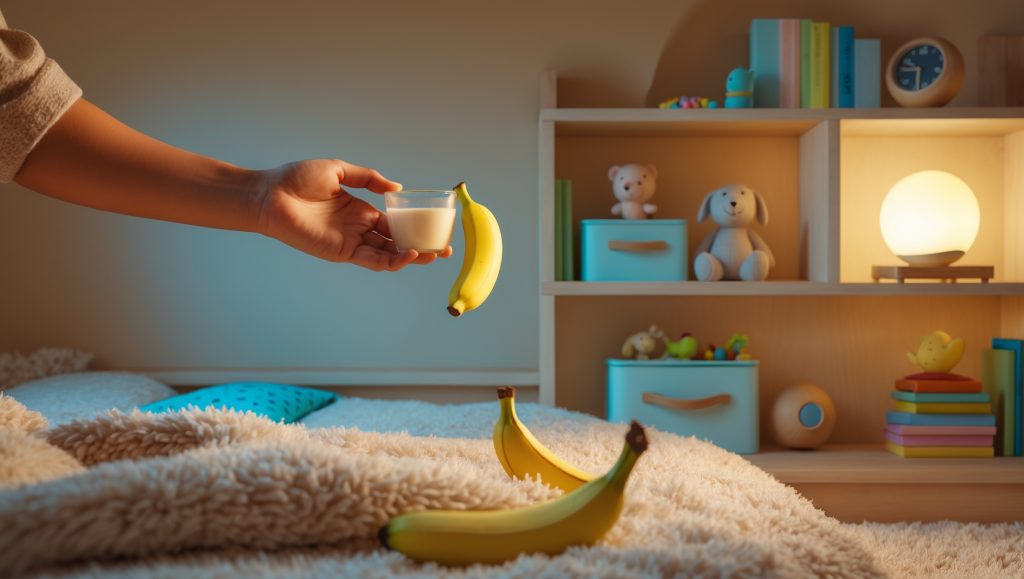
A consistent bedtime routine signals to a child’s brain and body that it’s time to transition from the busy day to restful sleep. Incorporating food as part of this routine—whether through a light snack, a soothing cup of warm milk, or a calming herbal tea (for older children)—can become a powerful cue for winding down.
Creating a Calm Evening Food Ritual
Choosing the Right Bedtime Snacks
Not all snacks are created equal when it comes to bedtime. The best options are:
- Rich in complex carbohydrates (e.g., whole grain toast, oatmeal, or low-sugar cereal)
- Contain some protein (e.g., nut butters, Greek yogurt, cheese)
- Include sleep-supportive nutrients (e.g., bananas or kiwi for tryptophan and magnesium)
Avoid foods high in added sugar, artificial flavors, or caffeine. These can stimulate rather than soothe, making it harder for children to settle.
Timing Matters
Aim to offer a light snack about 30–60 minutes before bedtime. Meals or snacks served too close to lying down can cause discomfort or digestive issues, while eating too early may leave your child hungry and restless.
Setting the Mood
A calm environment helps children transition from active play to rest. Dim the lights, turn off screens, and consider playing soft music or reading together during or after a bedtime snack. Using the same location—such as the kitchen table or a cozy nook—can reinforce the association between evening nourishment and winding down.
Age-Based Recommendations for Bedtime Snacks
Toddlers (1–3 Years)
- Offer simple, familiar foods in small portions—think half a banana, a small piece of whole grain bread, or a few slices of avocado.
- Milk (breastmilk, formula, or cow’s milk if age-appropriate) can be soothing, but it’s best to avoid bottles in bed to protect teeth.
- Keep snacks easy to eat and avoid choking hazards.
Preschoolers (3–5 Years)
- Expand options to include Greek yogurt with fruit, a mini whole grain muffin, or a small bowl of unsweetened oatmeal.
- Let your child help pick or prepare the snack to foster independence and enthusiasm for the routine.
- Encourage sitting at the table for snacks to reinforce positive eating habits.
School-Age Children (6+ Years)
- Involve kids in choosing and preparing snacks, making it a calming, collaborative ritual.
- Try air-popped popcorn, a slice of cheese with whole grain crackers, or apple slices with nut butter.
- For older children, a warm caffeine-free herbal tea may be comforting, but always check ingredients and consult with your pediatrician if you have concerns.
Integrating Food into the Bedtime Routine
Sample Bedtime Routine with Food
- Wind-down time: Turn off screens and start dimming lights about 30–60 minutes before bedtime.
- Bedtime snack: Offer a light, healthy snack at the kitchen table or a designated calm space.
- Clean-up: Encourage your child to help clear dishes or brush teeth after eating.
- Personal care: Bath, pajamas, and any other hygiene routines.
- Reading or quiet activity: Share a favorite book or story together.
- Bedtime: Tuck in with a final goodnight ritual—song, affirmation, or cuddle.
Tips for Consistency
- Keep the sequence of events the same each night to help anchor your child’s expectations.
- Be patient—new routines can take a few weeks to become comfortable for everyone.
- Watch for signs of hunger or fullness and adjust snack portions as needed.
Common Mistakes
- Offering snacks that are too heavy, sugary, or stimulating close to bedtime.
- Letting children eat in bed, which can create messes and dental concerns.
- Inconsistency in routine—skipping or varying bedtime rituals frequently.
- Using food as a bribe or punishment for bedtime cooperation.
- Allowing screens or high-energy play during or immediately after snacks.
- Ignoring signs that a child is not hungry or is too full before bed.
Quick Checklist
- Choose a light, nutritious bedtime snack if your child is hungry.
- Keep snack time calm and screen-free.
- Offer snacks 30–60 minutes before bedtime.
- Brush teeth after eating, before bed.
- Follow a predictable routine each night.
- Avoid using food to reward or punish bedtime behavior.
- Adjust portion sizes and snack choices based on your child’s age and appetite.
FAQ
+Should my child always have a bedtime snack?
+What are some quick, healthy snack ideas for bedtime?
+How do I know if my child’s snack is affecting their sleep?
+Is it okay for my child to drink milk before bed?
+Can a bedtime snack help with picky eating?
+How can I get my child involved in bedtime routines?
+Are there foods I should avoid before bedtime?
Conclusion
Bedtime routines that thoughtfully incorporate food and nutrition can transform evenings from chaotic to calming. By choosing age-appropriate, wholesome snacks and creating a consistent, soothing ritual, parents can support their child’s transition to sleep and nurture positive associations with mealtime. Remember, every family is unique—adjust routines to fit your child’s needs, and focus on creating a nurturing, predictable end to the day. With a little planning and patience, bedtime can become a peaceful opportunity for connection and rest in your home.

Bedtime Routines and Nutrition: Setting the Stage for Restful Nights in 2025
As our understanding of sleep and nutrition deepens, 2025 brings fresh insights into how food choices and bedtime rituals can work together to support restorative rest. A consistent bedtime routine, paired with mindful evening nourishment, helps signal the body that it’s time to wind down. In the US, many are embracing lighter, earlier dinners with a focus on foods that naturally promote relaxation—think magnesium-rich leafy greens, tryptophan-packed turkey, or a calming cup of herbal tea.
Limiting caffeine and heavy, spicy foods in the hours before bed can make a noticeable difference in both falling asleep and the quality of rest. Experts also recommend keeping screens out of the bedroom and incorporating simple rituals, such as gentle stretching or reading, to ease the transition to sleep. By making small, intentional changes to both what we eat and how we prepare for bed, families can set the stage for more restful nights and energized mornings.
- Enjoy a light, balanced dinner at least two hours before bedtime.
- Opt for sleep-supportive foods like bananas, almonds, and oatmeal.
- Establish a calming, tech-free bedtime routine.
- Avoid caffeine and heavy meals after late afternoon.
You mentioned that some foods can have magnesium or tryptophan to support sleep. Are there any budget-friendly options that keep well in the pantry? We do grocery runs just once a week and need snacks that will last.
It’s smart to look for pantry snacks that help with sleep and fit your grocery schedule. For magnesium, try unsalted pumpkin seeds or sunflower seeds—they’re shelf-stable and easy to portion for kids over age 3 (to avoid choking). For tryptophan, plain oats or whole grain crackers can be a good base; you could pair them with nut or seed butters if safe for your child’s age and allergies. Always supervise young children with seeds or chunky textures. This isn’t medical advice; if you’re concerned, check in with your pediatrician.
If we are avoiding dairy for allergy reasons, what are some safe and nutritious non-dairy options that will still support a calming bedtime routine for a toddler?
It’s great that you’re mindful of your toddler’s allergy and bedtime needs. For a soothing, non-dairy bedtime snack, try offering oat or almond milk (ensure it’s unsweetened and fortified, and that there are no nut allergies). A small bowl of unsweetened applesauce, banana slices, or soft-cooked pear can be calming and gentle on little tummies. Whole grain toast with a thin layer of sunflower seed butter is another nutritious option. Always supervise to prevent choking, serve age-appropriate textures, and introduce new foods one at a time. This isn’t medical advice; if you’re concerned, check in with your pediatrician.
You mentioned that dimming the lights and playing soft music can help set the mood for winding down. For children who are very sensitive to sensory changes, do you have specific advice on which soothing activities pair best with a bedtime snack?
It’s thoughtful to consider your child’s sensory sensitivities at bedtime. Try pairing a bedtime snack with gentle, predictable activities, like reading a favorite book in a cozy spot or doing simple breathing exercises together. You could offer a soft item to hold, like a favorite stuffed animal, and keep background noise and lighting consistent and low. For snack time, choose foods with familiar textures and mild flavors. Always supervise to ensure safety, especially with foods and small objects. This isn’t medical advice; if sensitivities affect sleep or daily life, please consult your pediatrician.
Are there any bedtime snack options that are easy to prepare ahead of time or store for a few days? I sometimes watch my neighbor’s child on short notice and want to be ready without much prep.
It’s thoughtful to plan ahead for bedtime snacks, especially when caring for another child on short notice. You could prepare small portions of whole grain crackers with mild cheese, plain yogurt with fruit, or homemade mini-muffins using low sugar and simple ingredients. Sliced bananas or apples (sprinkled with lemon juice to prevent browning) also store well in an airtight container. For safety, avoid foods that are choking hazards like whole grapes or nuts, especially for children under age 4, and be mindful of any allergies. This isn’t medical advice; if you’re concerned, check in with your pediatrician.
I noticed you mention offering a snack about 30–60 minutes before bedtime. If our family’s evening schedule varies a lot, how much does it impact sleep if the snack time isn’t always consistent? Should I prioritize the bedtime routine or stick to the timing of the snack?
You’re thoughtful to consider how evening routines affect your child’s sleep. If your schedule shifts, try to keep the sequence of bedtime steps the same—like snack, bath, story—even if the clock time changes a bit. Children benefit from predictable routines more than strict timing. Offer the snack when you can, focusing on calm, healthy options, and avoid large, sugary foods close to bedtime. For toddlers and preschoolers, supervise to prevent choking. This isn’t medical advice; if you’re worried about sleep or nutrition, check in with your pediatrician.
You mentioned offering bedtime snacks about 30 to 60 minutes before sleep. Our evenings are sometimes rushed. Would having the snack right after dinner, rather than closer to bedtime, still be helpful for sleep?
You’re doing your best to create a calm evening routine, even when things are rushed. Offering a snack right after dinner can still support sleep, especially if your child tends to get hungry again before bed. Choose something light and easy to digest, like a banana or a small serving of yogurt. Make sure the snack isn’t too filling, as heavy foods may disrupt sleep. For toddlers and preschoolers, keep portions small and avoid foods with added sugar or caffeine. Every child is different, so observe how your child responds. This isn’t medical advice; if you’re concerned, check in with your pediatrician.
I’m curious about suggestions for parents whose babies are sensitive to textures—my child often refuses foods like oatmeal or yogurt. Are there alternative snack ideas that still promote sleep but might be easier for texture-sensitive infants?
It’s understandable to feel challenged when your baby resists certain textures, especially when you want to support restful sleep. Try offering smooth purees like banana or avocado, which are naturally creamy but less sticky than oatmeal or yogurt. You can also mash cooked pears or sweet potatoes for a gentle, soft texture. If your baby shows interest, dissolvable puffs or teething wafers designed for infants may be easier to handle. Always supervise snacks to prevent choking, and introduce new foods one at a time to watch for allergies. This isn’t medical advice; if you’re concerned, check in with your pediatrician.
If we have a limited grocery budget, what are a few affordable bedtime snack options for a two-year-old that still offer those sleep-supportive nutrients you mentioned?
It’s understandable to want nourishing bedtime snacks without stretching your budget. For a two-year-old, consider offering a small bowl of plain yogurt with sliced banana, or whole grain toast with a thin spread of nut butter (if there are no allergies). Soft-cooked oatmeal with diced fruit is another affordable, calming choice. Always cut foods into small, age-appropriate pieces to prevent choking and supervise your child while eating. This isn’t medical advice; if you’re concerned, check in with your pediatrician.
Do you have recommendations for preparing and storing bedtime snacks ahead of time for busy weeknights? We don’t always have a lot of time before bed, so make-ahead options would be helpful.
You’re not alone—many parents need quick, nutritious bedtime snack options. Try prepping small containers of sliced fruit or soft veggies in the fridge for grab-and-go snacks. You can also make batches of mini whole-grain muffins or oatmeal bites ahead of time and freeze them; just thaw a portion as needed. For dairy, portion out plain yogurt with a bit of fruit puree in advance. Always choose age-appropriate foods—avoid choking hazards for little ones, and supervise eating, especially close to bedtime. This isn’t medical advice; if you’re concerned, check in with your pediatrician.
You mentioned soothing herbal teas for older children, but are there warm drink options that are safe and calming for a three-year-old? I want to avoid anything that might disturb her sleep or upset her stomach.
It’s great that you want a safe, gentle bedtime drink for your three-year-old. For this age, offer warm milk (dairy or unsweetened plant-based) or warm water—both are soothing and unlikely to disturb sleep or cause stomach upset. Avoid herbs, caffeine, honey (if under 1), and added sugars, as young children can be sensitive to these. Always check the drink’s temperature before serving to prevent burns. If you notice any stomach discomfort or sleep changes, pause the new routine. This isn’t medical advice; if you’re concerned, check in with your pediatrician.
You mentioned using calming herbal teas for older kids at bedtime. Is it safe to introduce any kind of soothing drink for a toddler, or should I stick to just milk and water at this age?
It’s great that you’re thinking carefully about what drinks are safe for your toddler at bedtime. For children under 2–3 years old, milk and water are generally the safest options—herbal teas, even gentle ones, can sometimes trigger allergies or interfere with digestion at this age. If you want to introduce a new bedtime drink, stick to plain milk or water and avoid honey, sweeteners, or herbal blends unless advised by your pediatrician. Always supervise your child when drinking, and avoid any hot beverages to prevent burns. This isn’t medical advice; if you’re concerned, check in with your pediatrician.
How can I create a calming snack ritual without adding more steps or clutter to our already busy and toy-filled bedtime routine? Are there routines that feel special but are simple and quick to clean up?
It’s great that you want to simplify bedtime while making it feel special for your child. Try serving a familiar, easy-to-clean snack like banana slices or whole grain crackers on a small plate, and enjoy it together in the same spot each night, such as the kitchen table or a quiet corner. Pair the snack with a short calming activity, like soft music or a dimmed light, to signal that bedtime is near. Keep utensils and dishes minimal and easy to wash. For younger children, always supervise to prevent choking, and offer age-appropriate foods. This isn’t medical advice; if you’re concerned, check in with your pediatrician.
If my 3-year-old wakes up very early and wants a snack before the rest of the family is up, do you have any quiet food ideas that won’t interfere with his next sleep stretch or the morning routine?
It’s understandable to want your child to have a peaceful early morning without disrupting their sleep or your routine. Try offering small, easy-to-eat snacks like a banana slice, a few plain rice crackers, or a small portion of unsweetened applesauce. These foods are gentle on the tummy and unlikely to spike energy or affect sleep. Prepare the snack in advance and keep it within reach—just make sure it’s cut into safe, age-appropriate pieces to avoid choking risks. Supervision is best, but if your child is awake alone, stick to very soft, low-allergen foods. This isn’t medical advice; if you’re concerned, check in with your pediatrician.
If my child prefers purees over cereals, can they still meet their iron needs with bedtime snacks, or should I be introducing cereal for that purpose as part of the nightly routine?
It’s understandable to want to make sure your child gets enough iron, especially if they prefer purees over cereals. You can offer iron-rich pureed foods like pureed meats, lentils, or beans at bedtime if your child’s age and chewing abilities allow. Pair these with vitamin C-rich options, like pureed fruits, to help with iron absorption. If you do offer iron-fortified baby cereal, ensure it’s age-appropriate and monitor for any signs of allergy. Always supervise bedtime snacks to ensure safety and avoid choking. This isn’t medical advice; if you’re concerned about iron intake, check in with your pediatrician.
In your recommendations about bedtime snacks, you mention foods like nut butters and Greek yogurt. What would you suggest for families whose children have allergies to dairy or nuts? Are there equally effective alternatives that still promote restful sleep?
It’s completely understandable to want safe, soothing bedtime snack options for children with allergies. For dairy and nut allergies, you might try offering a small serving of oat or soy yogurt (check for added sugars and allergens), or whole grain crackers with sunflower seed butter if seeds are tolerated. Slices of banana or apples can also provide gentle energy before bed. Always supervise young children with any spread to prevent choking, and choose unsweetened, simple ingredient foods. This isn’t medical advice; if you’re concerned, check in with your pediatrician.
I often hear about warm milk being soothing, but is there a difference between offering breastmilk, formula, or whole milk for a 7-month-old as part of a calming bedtime ritual?
It’s great that you want to create a soothing bedtime routine for your baby. For a 7-month-old, breastmilk or infant formula should still be their main drink, as whole cow’s milk is not recommended until after 12 months due to nutritional needs and the risk of allergies. If a bedtime feed helps your baby relax, continue with breastmilk or formula, offering it in a calm, dimly lit environment. Try to avoid letting your baby fall asleep while feeding, to help them learn to self-soothe. Always supervise your baby and ensure safe sleep practices. This isn’t medical advice; if you’re concerned, check in with your pediatrician.
Some of the snack ideas include nut butters and dairy. If one of my twins has a dairy allergy but the other does not, what are good alternatives that still provide the sleep-supportive nutrients you mention?
You’re thoughtful to find safe, nutritious options for both twins at bedtime. For the child with a dairy allergy, try calcium-fortified, unsweetened plant milks (like oat or soy) or non-dairy yogurts as a substitute. Sunflower seed butter or soy nut butter can replace nut butters if needed—just be sure there’s no allergy risk and the texture is safe for your twins’ age. Whole grain toast, banana, or oatmeal with a sprinkle of chia seeds can offer magnesium and tryptophan for sleep. Always supervise snacks and check labels for hidden allergens. This isn’t medical advice; if you’re concerned, check in with your pediatrician.
For families on a budget, do you have suggestions for simple, affordable snack options that still provide those sleep-supportive nutrients you mentioned?
You’re thoughtful to look for affordable ways to support your child’s sleep routine. Try offering a small bowl of plain yogurt with banana slices—both contain nutrients that can help promote sleep. Whole grain toast with a thin spread of peanut butter (watch for allergies) is another budget-friendly option. A hard-boiled egg or some oatmeal with a sprinkle of cinnamon are also simple, nourishing choices. Always serve age-appropriate portions, avoid choking hazards, and supervise young children while eating. This isn’t medical advice; if you have concerns about your child’s diet or sleep, please consult your pediatrician.
How do you handle kids with different bedtimes due to age or schedules? Should each child have a separate mini snack routine, or can a single evening food ritual work for siblings with staggered bedtimes?
You’re thoughtful to consider both routines and nutrition when siblings have different bedtimes. For younger children who need to sleep earlier, offer their bedtime snack first, focusing on age-appropriate options and safe food sizes. Older siblings can have a similar snack later, perhaps sharing part of the routine by preparing snacks together earlier. If allergies are a concern, stick to safe, familiar foods for all. A shared family ritual (like quiet time or storytime) before splitting off for snacks can help everyone wind down. This isn’t medical advice; if you’re concerned, check in with your pediatrician.
You mention calming foods like bananas and whole grain toast before bed. Are there any types of snacks I should avoid specifically for toddlers who have trouble settling down at night?
It’s great that you’re thinking carefully about your toddler’s bedtime snacks. To help with settling down at night, avoid snacks high in sugar (like cookies or sweetened yogurt), as these can cause energy spikes. Also steer clear of chocolate, which contains small amounts of caffeine, and very salty foods that might make your child thirsty or uncomfortable. Large or heavy meals close to bedtime can also make it harder to settle. Always offer age-appropriate, easy-to-chew foods and supervise to prevent choking. This isn’t medical advice; if you’re concerned, check in with your pediatrician.
Are there budget-friendly options for bedtime snacks that still meet the criteria you mentioned, or ways to prep them ahead to save time for busy evenings? Sometimes I struggle to keep things healthy and convenient during our routine.
It’s completely understandable to want bedtime snacks that are healthy, budget-friendly, and easy to prepare. Try prepping simple snacks like sliced bananas with a sprinkle of oats, whole grain toast with a thin layer of nut butter (for children over one year old and with no allergies), or plain yogurt with a few berries. You can portion these out in advance and keep them in the fridge for the week. For younger toddlers, soft fruits or unsweetened applesauce work well. Always supervise to avoid choking hazards and adjust textures for your child’s age. This isn’t medical advice; if you’re concerned, check in with your pediatrician.
You mention offering a light snack 30–60 minutes before bedtime, but what if our family’s evening schedule means bedtime is soon after dinner? Is it still helpful or necessary to offer a snack, or should we just focus on the routine cues instead?
You’re right to wonder how a snack fits when dinner and bedtime are close together. If your child has eaten a balanced dinner shortly before bed, it’s usually not necessary to add another snack—especially for toddlers or preschoolers. In this case, focus on calming, predictable bedtime cues like dim lighting, quiet activities, and gentle routines. Make sure dinner isn’t too heavy or sugary, and watch for signs of true hunger at bedtime. This isn’t medical advice; if you have ongoing concerns about your child’s eating or sleep, check in with your pediatrician.
When you mention giving toddlers a light snack 30 to 60 minutes before bed, how do you balance that with a newborn’s unpredictable feeding schedule? It always seems like one is finishing a bottle while the other is hungry again.
It’s completely understandable to feel pulled in different directions with a toddler and a newborn at bedtime. For your toddler, try to keep the snack time consistent, offering something simple like banana slices or whole-grain toast about 45 minutes before bed, while your newborn can continue to feed on demand. Create a flexible routine where the toddler’s snack and wind-down activities happen as you feed or settle your newborn nearby. Prioritize safety by keeping choking hazards away from both children and supervising all eating. With time, both routines will start to feel more manageable. This isn’t medical advice; if you’re concerned, check in with your pediatrician.
I noticed you mentioned herbal teas for older children as part of the evening routine. Are there specific types that are safest, or should I avoid them altogether for kids under a certain age?
It’s great that you’re thinking carefully about safe options for your child’s bedtime routine. For children under 12, most pediatricians recommend avoiding herbal teas unless a doctor approves, since even natural ingredients can cause allergies or interact with medications. If your child is older and your pediatrician says it’s okay, stick to gentle, caffeine-free teas like chamomile or rooibos, and serve only a small, lukewarm amount. Always check ingredient lists for potential allergens, and never use teas with multiple or unfamiliar herbs. This isn’t medical advice; if you’re concerned about herbal teas for your child, check in with your pediatrician first.
My toddler is always bouncing off the walls after dinner, so we usually wait an hour or more before bedtime. Is it still helpful to offer a light snack if they seem hungry before bed, or does that throw off their nighttime routine?
It’s understandable to want a calm bedtime after your toddler’s active evenings. If your child seems genuinely hungry before bed, a small, predictable snack can actually help them settle—just keep it light and consistent, like a banana slice or whole-grain toast, and avoid sugary or caffeinated foods. Offer the snack about 30 minutes before bedtime, then brush teeth and start your usual wind-down routine. This ensures hunger isn’t disrupting sleep, while the routine stays clear and calming. Always supervise to prevent choking and choose age-appropriate foods. This isn’t medical advice; if you’re concerned, check in with your pediatrician.
You mention offering snacks about 30–60 minutes before bedtime. If our family dinner runs late and is pretty close to bedtime, is it okay to skip the snack, or should I still offer a small bite?
It’s understandable to wonder about snacks when dinner and bedtime are close together. If your child has eaten a balanced dinner within an hour of bedtime, it’s usually fine to skip the pre-bedtime snack. If dinner was rushed or your child ate only a small amount, you might offer a light, age-appropriate option like a piece of banana or a few crackers. Always supervise young children to prevent choking and be mindful of any allergies. This isn’t medical advice; if you’re concerned about your child’s eating or sleep patterns, check in with your pediatrician.
We have a pretty busy evening schedule and sometimes bedtime is a rush. Any advice for quick, nutritious bedtime snacks that won’t add to the chaos but still support healthy sleep?
It’s understandable to want a bedtime snack that’s both healthy and easy during a busy evening. Try offering a small piece of banana with nut butter, plain yogurt with berries, or whole grain toast with a little cheese—these are quick to prepare and contain nutrients that may promote sleep. Keep portions small and finish snacks 30–60 minutes before bedtime to avoid tummy discomfort. For younger children, supervise closely and choose soft, easy-to-swallow foods to prevent choking. This isn’t medical advice; if you’re concerned, check in with your pediatrician.
If my 13-month-old has a mild dairy sensitivity, what non-dairy foods would give the same calming effect as warm milk or yogurt before bed?
You’re thoughtful to seek soothing, non-dairy options for your toddler’s bedtime routine. Try offering warm oat or almond milk (unsweetened and fortified with calcium and vitamin D) if your pediatrician approves these for your child’s age. Plain mashed banana or a small serving of cooked oats can also be comforting, gentle on tummies, and age-appropriate. Avoid added sugars and keep portions small to prevent stomach upset. Always supervise your child while eating to reduce choking risks, and introduce new foods one at a time to watch for sensitivities. This isn’t medical advice; if you’re concerned, check in with your pediatrician.
We struggle with timing since sometimes my baby’s dinner runs late and bedtime feels rushed. If the last meal ends less than 30 minutes before bed, should I still offer a separate snack, or is it fine to skip it?
It’s understandable to worry about your baby’s evening nutrition and bedtime routine. If dinner ends less than 30 minutes before bed, it’s usually fine to skip a separate snack, as offering food too close to bedtime may disrupt sleep or digestion. Try to keep the last meal light and easy to digest, especially for babies under 12 months. If your child seems satisfied after dinner, extra snacks aren’t necessary. Focus on a calming bedtime routine instead, like a warm bath or quiet cuddling. This isn’t medical advice; if you notice ongoing sleep problems or feeding issues, check in with your pediatrician.
You mention calming snacks, but my daughter is so sensitive to new food textures at night. Are there any tips for helping picky toddlers get the benefits of bedtime nutrition without disrupting the routine or causing more resistance?
It’s understandable to want bedtime snacks to be both comforting and stress-free for your daughter. Try offering familiar foods with calming qualities, like a small portion of banana or warm milk, served in a consistent way each night. Gradually introduce new textures by mixing them with favorites—think soft yogurt with a sprinkle of finely crushed cereal. Keep portions small and routine predictable to avoid overwhelming her. If she resists, let her skip the snack rather than pressuring her, which keeps bedtime positive. Always supervise for choking risks, and avoid foods that pose allergy concerns. This isn’t medical advice; if you’re concerned, check in with your pediatrician.
Some of the snack options you mention, like nuts or chunky fruits, can be small or hard. Do you have recommendations for modifying these snacks to make them safer for little ones who are still learning to chew properly?
You’re absolutely right to be cautious about snack textures for young children. To make nuts safer, consider grinding them finely or using smooth nut butters spread thinly on bread or soft fruit. For chunky fruits, offer soft, ripe options cut into very small pieces or mash them slightly. You can also gently steam firmer fruits to soften them. Always supervise your child during eating and avoid whole nuts or large chunks until they’re developmentally ready—usually after age 4. This isn’t medical advice; if you’re concerned, check in with your pediatrician.
For parents who are on a tight grocery budget, which of your snack suggestions would be the most cost-effective, and are there shelf-stable options that still support healthy, restful sleep?
It’s completely understandable to want healthy bedtime snacks that are also budget-friendly. Simple options like whole grain crackers with nut butter or a small bowl of unsweetened applesauce are generally affordable and shelf-stable. Plain oatmeal is another inexpensive choice and can be made with water or milk for extra comfort. For safety, choose nut butters without added sugar and ensure your child is old enough for their texture. Always supervise young children to prevent choking. This isn’t medical advice; if you’re concerned, check in with your pediatrician.
My child tends to get overstimulated by bright lights and noise in the evening. Do you have tips for setting up a calming snack environment for kids with sensory sensitivities as part of the bedtime routine?
It’s understandable to want a peaceful bedtime for your child, especially with sensory sensitivities. Try dimming lights and using soft, warm bulbs during snack time, and keep the environment quiet by turning off TVs or loud music. Offer simple snacks with gentle textures and mild flavors—think banana slices or plain yogurt—while avoiding crunchy or highly flavored foods that might feel overwhelming. Sit together at the table for a calm, predictable routine, and let your child choose a familiar cup or plate. Always supervise to ensure safety and watch for any food allergies. This isn’t medical advice; if you’re concerned, check in with your pediatrician.
How can I handle a situation where my baby is sensitive to certain food textures and refuses some of the calming snacks you recommend? Are there alternative snack ideas for infants who won’t eat things like oatmeal or yogurt before bedtime?
It’s understandable to feel concerned when your baby is sensitive to food textures and resists certain snacks. Try offering smooth purees, mashed fruits like banana or avocado, or gentle rice cereals—these are often easier for texture-sensitive infants. You might also experiment with serving foods at different temperatures or mixing in a small amount of breast milk or formula to create a familiar taste. Always supervise during eating and avoid foods that pose choking hazards. Every baby’s preferences are unique, so it’s okay to offer the same food a few times before moving on. This isn’t medical advice; if you’re worried about texture sensitivities or nutrition, check in with your pediatrician.
Does the timing of evening snacks change as children get older, especially for school-aged kids who might have later bedtimes?
That’s a thoughtful question—adjusting snack timing as children grow is important. As kids get older and their bedtimes shift later, you can move the evening snack a bit closer to their new bedtime—usually about 30 to 60 minutes before sleep works well for school-aged children. Offer something small, easy to digest, and low in sugar, like yogurt or banana slices. Always consider any allergies and avoid choking hazards. Supervise snack time, especially for younger siblings. This isn’t medical advice; if you’re concerned, check in with your pediatrician.
We usually have bedtime snacks in the kitchen, but sometimes our child asks for food in bed. Is it better to stick with eating in one spot to reinforce sleep cues, or does the location not matter as much for building a consistent routine?
It’s understandable to want clarity on how snack location affects your child’s bedtime routine. For most children, keeping snacks in a consistent spot like the kitchen helps separate eating from sleep and reinforces that bed is for resting, not for meals. Try to gently guide your child to finish snacks before heading to their bedroom. This also reduces food mess and choking risks, especially for younger kids. If your child is very young, always supervise eating to prevent choking. This isn’t medical advice; if you’re concerned, check in with your pediatrician.
Are there budget-friendly bedtime snack ideas that still meet the nutrition and sleep-supportive goals you mentioned? Trying to keep things healthy but not expensive can be challenging.
It’s great that you want to balance healthy, sleep-supportive snacks with budget concerns. Here are some practical ideas: Try plain yogurt with a sprinkle of oats or banana slices, whole wheat toast with nut butter (if age-appropriate and allergies cleared), or a small bowl of unsweetened applesauce. For toddlers and older kids, sliced cheese with whole-grain crackers works well. Keep portions small and offer these snacks about 30–60 minutes before bedtime. Always supervise young children with snacks to prevent choking. This isn’t medical advice; if you’re concerned, check in with your pediatrician.
Should bedtime snacks always be eaten in a specific spot, like the kitchen, or is it okay for the routine to occasionally happen elsewhere, like the living room?
It’s understandable to want your child’s bedtime routine to feel both consistent and flexible. Eating bedtime snacks in a specific spot like the kitchen can help signal winding down, but it’s okay to occasionally enjoy the snack elsewhere, like the living room, as long as the environment stays calm and screen-free. For younger children, supervise closely to prevent choking, especially if they’re eating outside the kitchen. Try to keep routines predictable most nights, since consistency helps with sleep cues. This isn’t medical advice; if you’re concerned, check in with your pediatrician.
I noticed you mention warm milk and herbal teas for older kids, but for younger toddlers like mine, what are some safe and quick bedtime snacks that support sleep and will not increase the risk of overnight accidents while potty training?
You’re thoughtful to consider both sleep and potty training needs at bedtime. For younger toddlers, try offering a small serving of banana slices, a few whole grain crackers, or plain unsweetened yogurt about 30–60 minutes before bed—these are easy to digest and less likely to cause nighttime accidents when served in modest portions. Avoid sugary or very salty snacks, and always supervise to prevent choking. Encourage a bathroom visit right before bed. Every child is different, so if you notice frequent accidents or unusual sleep issues, this isn’t medical advice; please check in with your pediatrician.
You mentioned calming herbal teas for older children. Are there particular herbs you’d recommend avoiding for kids under a certain age, and is there a safe way to introduce tea into the bedtime routine for a sensitive child?
You’re right to be cautious about introducing herbal teas to sensitive children. For kids under age 12, avoid herbs like valerian, kava, or anything with caffeine, as these may cause side effects or interact with medications. To safely introduce tea, start with a mild, unsweetened brew such as chamomile or rooibos, served lukewarm and in small amounts. Always check ingredient lists for allergens and avoid honey for children under 1 year. Supervise your child while drinking, and observe for any reactions. This isn’t medical advice; if you’re concerned, check in with your pediatrician.
My 10-month-old often makes a huge mess at dinner, especially with softer foods. Is it better to do a bedtime snack in a high chair or in a more relaxed space to help signal winding down, or should I stick to the kitchen to contain the cleanup?
It’s completely understandable to want dinnertime to be calmer as you approach bedtime. For a 10-month-old, it’s safest and developmentally appropriate to offer any bedtime snack in a high chair, both to prevent choking and to keep mess manageable. You can help signal winding down by dimming lights, lowering noise, and keeping conversation gentle, even while staying in the kitchen. After the snack, move to a quieter space for the rest of the bedtime routine. This isn’t medical advice; if you’re concerned, check in with your pediatrician.
We try to keep healthy snacks, but our grocery budget is tight. Any tips on simple, affordable bedtime snacks that still have the nutrients you mentioned, like tryptophan or magnesium?
It’s great that you want to provide healthy bedtime snacks within your budget. Try offering a small bowl of plain oatmeal or whole grain toast, both of which are affordable and contain magnesium. A banana or a few slices of apple with a thin layer of peanut butter can also be inexpensive sources of magnesium and tryptophan. Plain yogurt is another budget-friendly option if dairy is tolerated. Be sure to avoid choking hazards and watch portion sizes, especially for younger children. This isn’t medical advice; if you have concerns about specific foods or allergies, please check in with your pediatrician.
My toddler is a picky eater and tends to refuse most foods before bed, especially new textures. How can we balance introducing sleep-friendly snacks with his sensory sensitivities, especially as we juggle potty training at night?
It’s understandable to want your toddler to eat well before bed, especially when you’re also managing potty training and sensory sensitivities. Try offering a very small portion of a familiar, preferred food alongside a new, sleep-friendly snack—keep textures consistent to what your child accepts best. Serve snacks about 45 minutes before the bedtime routine to allow time for digestion and a bathroom break. Choose gentle options like yogurt or a slice of banana, avoiding foods that might upset their tummy or increase thirst overnight. Always supervise eating, and avoid choking hazards. This isn’t medical advice; if you’re concerned, check in with your pediatrician.
For families balancing budget and convenience, are store-bought iron-fortified cereals just as effective as freshly prepared purees for supporting iron intake as part of the bedtime routine?
You’re thoughtful to consider both nutrition and practicality at bedtime. Store-bought iron-fortified cereals can be an effective source of iron for babies, and they’re often just as beneficial as homemade purees, especially when convenience is important. To get the most benefit: 1) Choose cereals appropriate for your child’s age, checking for added sugars and allergens, 2) Prepare them with water, breast milk, or formula as recommended, 3) Offer them as part of a calm bedtime routine, and 4) Always supervise your baby to prevent choking. This isn’t medical advice; if you have any concerns or questions about your baby’s iron needs, check in with your pediatrician.
When serving things like oatmeal or toast as bedtime snacks, is it okay to prepare a larger batch in advance and store it, or does freshness play a role in how effective snacks are for sleep?
It’s thoughtful to plan ahead for bedtime snacks, especially on busy evenings. Preparing oatmeal or toast in advance is generally fine, as long as you store them safely—use airtight containers and refrigerate perishable items. When serving, reheat oatmeal thoroughly and check that it’s not too hot. For toast, consider adding spreads just before serving to avoid sogginess. While freshness may enhance taste and texture, it doesn’t significantly affect the snack’s sleep benefits as long as ingredients are wholesome and safe. Always supervise young children and avoid toppings that may be choking hazards or allergens. This isn’t medical advice; if you’re concerned, check in with your pediatrician.
You mention calming herbal teas for older children, but are there warm drink options that are safe and appropriate for toddlers around 12–18 months? I want to include something cozy without risking any ingredients that might not suit this age.
It’s wonderful that you want to create a cozy bedtime ritual for your toddler. For children 12–18 months, plain warm water or a small amount of warmed, unsweetened milk (breast milk, formula, or whole cow’s milk if over 12 months) are the safest options. Avoid herbal teas at this age, as some herbs can be unsafe for young children. Steer clear of added sugars, honey, and anything with caffeine. Always supervise your toddler with warm drinks to prevent burns. This isn’t medical advice; if you’re concerned, check in with your pediatrician.
You mention things like warm milk or calming herbal tea for older kids. Are there specific ingredients or foods you would avoid due to possible allergies or sensitivities, particularly for children with food intolerances?
That’s a thoughtful question—being mindful of allergies and sensitivities is so important. For children with food intolerances, avoid cow’s milk if there’s a dairy allergy or lactose intolerance; try lactose-free or plant-based milks but check for nut or soy allergies. Skip herbal teas with ingredients like chamomile or licorice if your child has pollen or herbal sensitivities, and always choose caffeine-free options. Watch for honey in any bedtime treat for kids under 1 year old due to botulism risk. Always introduce new bedtime snacks gradually and monitor for reactions. This isn’t medical advice; if you’re concerned, check in with your pediatrician.
You mention avoiding snacks too close to bedtime, but sometimes our evening runs late. Is it better to skip the snack altogether or offer something ultra-light if dinner happens just before bedtime?
It’s understandable to feel unsure about snacks when evenings run late. If dinner finishes just before bedtime, it’s usually fine to skip the extra snack—most children don’t need another bite if they’ve just eaten. But if your child is genuinely hungry or it’s part of their routine, offer something ultra-light, like a small piece of banana or a few whole grain crackers. For toddlers and preschoolers, watch for choking hazards and keep portions tiny. Try to keep the transition to sleep calm and avoid sugary foods. This isn’t medical advice; if you’re concerned, check in with your pediatrician.
If a child has sensory sensitivities and doesn’t like the feel of certain textures, what are some gentle, nutritious snack ideas that won’t be too overwhelming before bedtime?
It’s understandable to want bedtime snacks that are both soothing and suitable for a child with sensory sensitivities. Try offering smooth-textured options like plain yogurt, applesauce, or mashed banana, as these tend to be less overwhelming. Soft, mild cheeses or a small serving of oatmeal made with milk can also be gentle choices. If your child prefers crunchy snacks, thin rice cakes or soft crackers might be accepted, but always supervise for safety and avoid small, hard pieces. Each child’s preferences are unique, so experimenting within your child’s comfort zone is important. This isn’t medical advice; if you’re concerned, check in with your pediatrician.
If bedtime is already packed with reading and bath time, how can I practically fit a healthy snack into our evening routine without overwhelming my child or making bedtime feel rushed?
You’re wise to want a calm evening routine without feeling rushed. Try offering a small, healthy snack about 30–60 minutes before bed, perhaps just before bath time. Choose easy-to-eat options like a few banana slices or a small yogurt, and keep portions light to avoid interfering with sleep. Present the snack at the kitchen table to separate eating from winding down in the bedroom. Stick to familiar foods to avoid any late-night tummy troubles. This isn’t medical advice; if you’re concerned, check in with your pediatrician.
You mentioned bananas and whole grain toast as examples, but these can add up in cost if used every night. Are there budget-friendly snack alternatives that still provide those calming nutrients for a good bedtime wind-down?
It’s great that you’re looking for affordable ways to support your child’s bedtime routine. Try rotating in plain oatmeal, unsweetened applesauce, or low-fat yogurt as budget-friendly options—each can offer calming nutrients like tryptophan or magnesium. A small bowl of rice or a piece of whole wheat pita can also work, paired with a glass of milk or fortified soy beverage for extra protein. For younger children, ensure foods are cut into safe sizes and watch for any choking hazards. This isn’t medical advice; if you’re concerned, check in with your pediatrician.
For families with multiple age groups at bedtime, how can parents safely offer snacks that work for both a toddler and an older child, especially considering the different choking risks?
It’s understandable to want a safe, smooth bedtime routine when you have children of different ages. First, choose snacks that are safe for the youngest child—think soft, easy-to-swallow options like banana slices or yogurt—and serve the same to both kids. Cut foods into small, manageable pieces and supervise all eating closely, especially for toddlers. Remind older kids to model slow, careful eating. Avoid common choking hazards like whole grapes, nuts, and popcorn. This isn’t medical advice; if you’re concerned, check in with your pediatrician.
Could you clarify whether things like warm milk or herbal tea for older kids need to be caffeine-free and how to make sure those drinks are truly safe before bed?
Your question about bedtime drinks shows great care for your child’s safety and sleep quality. For older kids, any bedtime drink should be totally caffeine-free—avoid black, green, or most chai teas. Choose herbal teas labeled specifically as caffeine-free, and check ingredient lists for potential allergens or added sugars. Stick to age-appropriate options like chamomile or warm milk, and avoid honey for children under one year. Always supervise hot drinks to prevent burns. This isn’t medical advice; if you’re concerned, check in with your pediatrician.
You mentioned avoiding heavy or sugary foods before bed, but I am not sure what counts as too heavy for a baby who only recently started solids. Could you clarify what types of food should definitely be skipped for a 7-month-old at bedtime?
It’s understandable to want clear guidance on what foods are best for your 7-month-old at bedtime. For babies just starting solids, avoid foods that are fried, greasy, very creamy, or heavily seasoned, as these can be hard to digest. Skip desserts, sweetened yogurts, and anything with added sugar. Stick to simple, single-ingredient purees like plain fruits, vegetables, or iron-fortified baby cereals, and always supervise eating. Make sure pieces are soft and small enough to prevent choking. This isn’t medical advice; if you’re concerned, check in with your pediatrician.
You mentioned calming snacks like oatmeal or bananas for bedtime. Are there any foods you recommend specifically avoiding for toddlers who are sensitive to textures or flavors, especially if they are picky eaters?
You’re right to consider texture and flavor sensitivities when choosing bedtime snacks for picky toddlers. Avoid foods that are tough, crunchy, or sticky, like raw carrots, popcorn, or chewy granola bars, as these can be hard to manage and may increase resistance. Strong flavors—such as citrus, heavily spiced foods, or bitter vegetables—can also make bedtime more stressful for sensitive children. Stick with mild, soft foods that are easy to chew and swallow. Always watch for possible allergens or choking hazards, and supervise your child while eating. This isn’t medical advice; if you have concerns about texture aversions or nutrition, check in with your pediatrician.
My 4-year-old sometimes says she is hungry right before bed even after dinner and a light snack. Is it okay to let her eat again, or should I stick to a set cutoff time for evening snacks to avoid disrupting her sleep?
It’s understandable to wonder whether another snack close to bedtime will help or hinder your child’s sleep. If your 4-year-old is truly hungry, it’s okay to offer a small, healthy snack about 30 minutes before bed, such as a banana slice or yogurt, as long as it’s age-appropriate and easy to digest. Avoid sugary or caffeinated foods, and stick to familiar favorites that won’t cause tummy troubles. Keep the portions small to prevent discomfort during the night. If this becomes a regular request, try tracking meal and snack portions earlier in the day to ensure she’s getting enough nutrition. This isn’t medical advice; if you’re concerned, check in with your pediatrician.
Could you clarify which herbal teas are actually safe for older children in the evening? I worry about both safety and hidden caffeine, so any specific recommendations or red flags to look for would help.
It’s great that you’re looking out for both the safety and caffeine content in herbal teas for your child. For older children (usually over age 6), chamomile and rooibos teas are generally considered safe in moderation, as they are naturally caffeine-free and gentle. Avoid teas with added flavors, stimulants, or blends containing licorice root, peppermint, or hibiscus, as these can sometimes cause reactions or tummy upset. Always check the label for caffeine and unfamiliar herbs, and start with a small amount to watch for allergies. This isn’t medical advice; if you’re unsure, your pediatrician can offer personalized guidance.
We are concerned about ensuring our toddler has a calming snack before bed, but both sets of grandparents have different ideas about what is appropriate. Are there strategies for setting snack boundaries respectfully, especially when cultural foods are involved?
It’s understandable to want a calming, consistent bedtime snack while honoring family traditions. First, discuss with grandparents why a familiar, light snack helps your toddler settle—share your routine and reasoning. Second, invite grandparents to suggest cultural foods, then choose options that are age-appropriate (soft, cut small, low in sugar/salt). Third, set clear portions and timing, sticking to snacks about 30–60 minutes before bed. Fourth, supervise to ensure safety and avoid allergens or choking hazards. This isn’t medical advice; if you have ongoing worries, your pediatrician can help guide you.
We usually do bedtime snacks in the living room, but the article suggests picking one calming location. Is it really important to have a dedicated snack space, or is the consistency of the routine itself more critical for 3-year-olds?
You’re thoughtful to consider how your bedtime routine affects your 3-year-old’s sleep. While the article highlights choosing one calm location—like the kitchen or dining area—for bedtime snacks, the most important element at this age is consistency in your routine. If your living room is calm and snack time stays predictable, your child will likely still benefit. Just be sure snacks are safe for their age (small, soft pieces, supervised eating), and keep the environment relaxed and screen-free. This isn’t medical advice; if you have concerns about your child’s sleep or eating habits, check in with your pediatrician.
You mentioned avoiding foods high in added sugar before bed, but I sometimes use a bit of honey in warm milk for my 3-year-old. Is this small amount of natural sugar okay before bedtime, or should I switch to plain milk?
It’s understandable to want your child’s bedtime to feel cozy and soothing. For a 3-year-old, a small amount of honey in warm milk is usually fine as long as it’s used sparingly and not a daily habit. You might try gradually reducing the honey to help your child adjust to the natural taste of milk. Offer this drink earlier in the bedtime routine—about 30 minutes before teeth brushing—to help avoid tooth decay. Always supervise and ensure the milk isn’t too hot. This isn’t medical advice; if you have specific concerns about sugar or sleep, please consult your pediatrician.
I noticed you recommend low-sugar cereals or toast for bedtime snacks, but does the type of snack make a noticeable difference for little kids just starting potty training? Should we avoid any foods completely at this stage?
—supporting your child as they start potty training is a big step. Try offering easily digestible, low-sugar, and low-salt snacks like plain toast or unsweetened cereal about 30–60 minutes before bed, as these are less likely to upset little tummies or lead to excessive thirst. Avoid snacks with chocolate, caffeine, or a lot of sugar, since these can make kids more alert or prompt more bathroom trips. Also, steer clear of very salty or spicy foods, which might increase thirst and lead to more nighttime waking. Always supervise snack time and watch for potential allergens. This isn’t medical advice; if you’re concerned, check in with your pediatrician.
Some children have strong attachments to specific toys for comfort before sleep. Could regular introduction of new toys from a subscription disrupt this attachment, or does it help diversify soothing options for bedtime?
You’re thoughtful to consider how new toys might affect your child’s bedtime comfort. Children often form attachments to familiar objects because they provide a sense of security, especially at bedtime. To support your child, try introducing new toys slowly, allowing your child to explore them during the day rather than right before sleep. Keep their favorite comfort toy available at bedtime to maintain consistency. For younger children, make sure all toys are age-appropriate and free of small parts or choking hazards. Remember, each child is unique—some may enjoy variety, while others need routine. This isn’t medical advice; if you’re concerned, check in with your pediatrician.
When you mention including foods with tryptophan and magnesium, are there adjustments I should make for a preschooler who is sensitive to textures or won’t eat things like oatmeal or bananas?
It’s understandable to want to support your preschooler’s sleep even when they’re picky about textures. Try small portions of yogurt, cheese, or scrambled eggs for tryptophan, and consider nut butters (spread thinly) or whole grain toast for magnesium. If they dislike lumps or mushy foods, offer items with a firmer or smoother consistency, like slices of cheese or crunchy seed crackers (if age-appropriate). Always supervise to prevent choking, and avoid whole nuts for children under 5. This isn’t medical advice; if you’re concerned, check in with your pediatrician.
I have a toddler who sometimes refuses the bedtime snack even though I offer it at the same time every evening. Should I skip the snack if she says she’s not hungry, or is it still helpful to keep it as part of the routine?
It’s understandable to wonder what to do when your toddler turns down their bedtime snack. If she says she’s not hungry, it’s fine to let her skip it—forcing food can create stress around eating. Keep the routine consistent by offering the snack at the usual time, but let her decide whether to eat. Make sure snacks are age-appropriate, easy to digest, and safe from allergens or choking hazards. Offer water to keep her comfortable through the night. This isn’t medical advice; if you notice ongoing changes in appetite or sleep, check in with your pediatrician.
You mention avoiding snacks with added sugar before bed, but what about natural sugars from fruits like banana or kiwi? Should I be limiting how much fruit my toddler eats at night?
It’s thoughtful to consider how even natural sugars might affect your toddler’s sleep. Fruits like banana or kiwi are generally fine in moderation before bed, as their natural sugars are less likely to cause energy spikes than processed sugars. Offer a small serving—about half a banana or a few kiwi slices—and pair it with something containing protein or healthy fat, like a little yogurt, to slow sugar absorption. Always supervise to prevent choking, and avoid fruits your child hasn’t safely tried before. Every child is different, so watch for any changes in sleep. This isn’t medical advice; if you’re concerned, check in with your pediatrician.
I’m a bit nervous about offering yogurt or nut butters in the evening since those are new allergens for our 9-month-old. Would you recommend saving those introductions for earlier in the day instead of bedtime?
Your caution around introducing new allergens at bedtime is very thoughtful. For a 9-month-old, it’s safest to try potential allergens like yogurt or nut butters earlier in the day, when you can observe for any reactions and access help if needed. Introduce just one new food at a time, and wait a few days before adding another. Offer small amounts and watch for signs of allergy such as rash, vomiting, or swelling. Always supervise meals closely at this age due to choking risks—thin nut butters with breast milk or formula to avoid sticky textures. This isn’t medical advice; if you’re concerned, check in with your pediatrician.
If my toddler prefers cereal over pureed foods at bedtime, would that still provide sufficient iron, or should we be offering purees instead? I’m curious about which option supports both sleep and nutrition best.
You’re thoughtful to consider both your toddler’s nutrition and sleep habits. Many cereals are fortified with iron, but it’s important to check the label to be sure, as not all cereals offer enough. Pureed meats, beans, or iron-rich vegetables are naturally high in iron and can be a good option too. For bedtime, try pairing an iron-rich cereal with a source of vitamin C like strawberries or oranges to help with absorption. Make sure the cereal is age-appropriate—avoiding added sugars and small pieces that could be a choking hazard. This isn’t medical advice; if you’re concerned, check in with your pediatrician.
I saw you recommend options like nut butters for bedtime snacks. For a 9-month-old who is just starting solids, do you have suggestions on how to safely introduce potential allergens like peanut butter at bedtime?
It’s great you’re thinking carefully about introducing allergens like peanut butter to your 9-month-old. Start by offering a tiny amount (like a smear diluted with breast milk or formula) during the day, when you can observe for any reactions, rather than right before bedtime. Wait 2–3 days before offering again, watching for signs of allergy like rash or vomiting. Once tolerated, you can occasionally include a small, well-mixed portion into bedtime snacks, making sure it’s smooth and never in chunks to prevent choking. Always supervise closely. This isn’t medical advice; if you’re concerned, check in with your pediatrician.
You mention that bedtime snacks should be given 30–60 minutes before sleep. What’s the best way to make that work if my child’s dinner ends up being pretty late, or if evenings get hectic and schedules shift a lot?
It’s completely understandable to worry about fitting in bedtime snacks when evenings are unpredictable. First, if dinner is close to bedtime, you can usually skip a separate snack and focus on making dinner filling and balanced. If your child still needs a snack, try offering something light—like a small banana or yogurt—right after dinner rather than closer to sleep. Prepare easy, safe options in advance for busy nights. For toddlers and young children, always supervise to prevent choking. Routines don’t have to be rigid; even a shortened version helps. This isn’t medical advice; if you’re concerned, check in with your pediatrician.
You mention avoiding heavy foods close to bedtime, but what counts as ‘heavy’ for a preschooler? If my twins have a late dinner, should I skip the bedtime snack or just offer something extra light like a banana?
—it’s natural to want clarity on what ‘heavy’ means for little ones at bedtime. For preschoolers, heavy foods usually include items high in fat, fried foods, or large, protein-rich meals that take longer to digest (like burgers, pizza, or sausages). If your twins eat dinner late, you can usually skip the bedtime snack unless they’re hungry. If they do need a snack, go for something light and easy to digest, like half a banana or a few plain crackers. Always supervise to prevent choking and choose age-appropriate textures. This isn’t medical advice; if you’re concerned, check in with your pediatrician.
My child sometimes finds textures like oatmeal or yogurt overwhelming at night, even though I see they are recommended as good bedtime snacks. Do you have suggestions for alternatives with a more neutral texture that are still calming for sleep?
It’s completely understandable to want bedtime snacks that feel comfortable for your child. Try offering mild foods with a more neutral, less creamy texture, such as small banana slices, soft-cooked apple chunks, or plain toast cut into strips. Whole grain crackers with a little spread can also work well for many children. Always check that snacks are age-appropriate and easy to chew and swallow, especially for younger kids. This isn’t medical advice; if you’re concerned, check in with your pediatrician.
You mention warm milk or calming herbal teas for older kids as part of the bedtime routine. Are there any specific herbal teas that are safe and effective for young children, or should I be cautious about certain ingredients?
It’s thoughtful of you to consider safe bedtime drinks for your child. For young children, most pediatricians recommend caution with herbal teas. Chamomile is often considered gentle and safe in small amounts for kids over 1 year old, but always start with a small quantity to check for allergies. Avoid teas with caffeine, peppermint, licorice root, or blends with unknown herbs, as these can cause reactions or upset tummies. Always use plain, unsweetened teas and supervise drinking to prevent choking. This isn’t medical advice; if you have questions or your child has health conditions, please check with your pediatrician.
Does the timing of when I offer iron-rich foods, like cereal or purees, at bedtime affect iron absorption or energy levels for sleep? I’m curious how to balance nutritional benefits with your recommendations for structuring evening routines.
Your thoughtfulness about balancing nutrition and bedtime routines is wonderful. Offering iron-rich foods at dinner can support your child’s needs, but iron is absorbed best with vitamin C and less well with dairy, so keep this in mind when planning meals. Try to serve iron-rich foods earlier in the evening, at least an hour before sleep, to give little bodies time to digest without extra energy right before bed. Keep portions age-appropriate and be mindful of any potential allergens or choking hazards. Each child is different, so if you notice sleep disruptions, consider adjusting and observe how your child responds. This isn’t medical advice; if you’re concerned, check in with your pediatrician.
You mentioned calming herbal teas for older children—are there certain types that are safest, and at what age would you recommend introducing them as part of the bedtime routine?
It’s wonderful that you’re thinking about safe, calming bedtime habits for your child. For herbal teas, stick to mild options like chamomile or rooibos, which are generally considered safe for children over age 4 or 5. Start with a very weak brew—one bag steeped briefly in plenty of water—and serve it cooled. Always avoid teas with caffeine, strong herbs, or added sweeteners. Check for allergies and supervise your child while drinking. This isn’t medical advice; if you’re concerned or your child has health conditions, check in with your pediatrician.
With food prices going up, do you have suggestions for affordable bedtime snacks that offer those sleep-supportive nutrients? I want healthy choices for my 1-year-old but also need to stay within our family’s budget.
You’re doing a wonderful job prioritizing your toddler’s nutrition and sleep, even with rising food costs. For affordable and sleep-supportive snacks, try offering a small bowl of plain, whole-milk yogurt, a slice of banana, or unsweetened applesauce. Soft-cooked oats with a splash of milk can also work well—just be sure it’s cool enough and the texture is safe for your 1-year-old. Serve age-appropriate portions and supervise to prevent choking. Remember, this isn’t medical advice; if you have concerns about your child’s nutrition, please check in with your pediatrician.
You mention herbal teas for older children as part of a bedtime routine. Is it safe to offer herbal teas to preschool-age twins, or is there an age you recommend starting? Are there specific ingredients to avoid for younger kids?
It’s wonderful that you’re considering safe bedtime routines for your preschool twins. For most preschoolers, plain warm water or milk is safer than herbal teas, as many herbs haven’t been well studied for young children and can cause allergies or tummy upset. If you do want to try herbal teas, wait until your children are school-aged and always choose caffeine-free blends made specifically for kids, avoiding ingredients like peppermint, licorice root, and chamomile, which can sometimes cause reactions. Start with a very small amount and watch for any signs of sensitivity. This isn’t medical advice; if you’re concerned, check in with your pediatrician.
If we’re trying to keep grocery costs low, what are some affordable snacks that fit the nutrition recommendations for bedtime and still help our child get to sleep?
That’s a thoughtful question—finding affordable, bedtime-friendly snacks matters to many families. Try offering a small banana or a piece of whole wheat toast with nut butter (if age-appropriate and there’s no allergy). Plain yogurt with a sprinkle of oats is another calming, cost-effective choice, and unsweetened applesauce can work for younger children. Choose snacks low in added sugar and serve them about 30–60 minutes before bedtime. Always supervise young children with foods to avoid choking risks. This isn’t medical advice; if you’re concerned, check in with your pediatrician.
You mentioned using warm milk or herbal tea as part of the bedtime routine for older children. For a Montessori home, are there specific guidelines or safety considerations I should keep in mind when offering herbal tea to kids under six?
It’s great that you’re thinking carefully about bedtime routines and your child’s safety. For children under six, choose only caffeine-free, child-safe herbal teas (like chamomile or rooibos) in very small amounts, and avoid blends with honey for children under one year. Always supervise young kids when handling hot liquids to prevent burns, and serve tea lukewarm. In a Montessori setting, involve your child in safe parts of the process, like pouring cool tea, but handle hot water yourself. This isn’t medical advice; if you’re concerned or your child has allergies, check in with your pediatrician.
Would storing bedtime snacks like sliced bananas or whole grain toast in advance make the routine easier, or does preparing them fresh have a bigger calming effect for kids before sleep?
You’re thoughtful to consider how snack prep affects bedtime ease and calm. Preparing snacks like sliced bananas or toast ahead can streamline your routine, which is especially helpful if evenings are busy. For some children, though, the sensory experience of watching and helping prepare a fresh snack may be soothing and create a calming transition to bedtime. Try both approaches and see which helps your child wind down best. For toddlers, supervise closely to avoid choking hazards, and follow age-appropriate serving sizes. This isn’t medical advice; if you’re concerned, check in with your pediatrician.
You mentioned avoiding heavy foods at bedtime. Sometimes leftovers are the most convenient choice. Can reheated pasta or rice dishes count as a calming snack, or are they too heavy for toddlers before bed?
It’s great that you’re thinking about how evening meals affect your toddler’s sleep. Reheated pasta or rice dishes can work as a bedtime snack if you serve a small portion and choose lighter sauces—skip anything creamy, spicy, or very oily. Try plain rice or pasta with a bit of cooked veggies, making sure everything is soft and cut into toddler-friendly pieces to avoid choking. Offer the snack at least 45–60 minutes before bedtime so your child has time to digest. Always watch for any food allergies or sensitivities. This isn’t medical advice; if you’re concerned, check in with your pediatrician.
Are there budget-friendly or shelf-stable snack ideas you recommend for bedtime routines? I often shop in bulk and don’t always have fresh options on hand.
It’s great that you’re looking for practical bedtime snacks while sticking to a budget and shopping in bulk. Consider whole grain crackers with unsweetened applesauce, low-sugar instant oatmeal, or plain rice cakes with nut or seed butter (if age-appropriate and allergy-safe). Unsweetened canned fruit in water or 100% juice (drained) can work in a pinch. For toddlers and older children, shelf-stable milk boxes or yogurt pouches (store in the pantry until opened) are another option. Always supervise young children during snacks to prevent choking, and introduce new foods one at a time. This isn’t medical advice; if you’re concerned, check in with your pediatrician.
My toddler has some sensory aversions to certain food textures at night. Can calming evening routines work just as well with liquid options like smoothies, or do you find solid snacks to be more effective for supporting sleep cues?
It’s understandable to want bedtime routines that support your toddler’s comfort and sleep, especially with sensory sensitivities. Liquid options like smoothies can be just as effective as solids if they contain sleep-supporting nutrients like calcium, magnesium, or protein. Try offering a small smoothie with simple ingredients about 30 minutes before bed. Keep the texture familiar and avoid new flavors at night. Always supervise your child with any food or drink to prevent choking. This isn’t medical advice; if you’re concerned, check in with your pediatrician.