
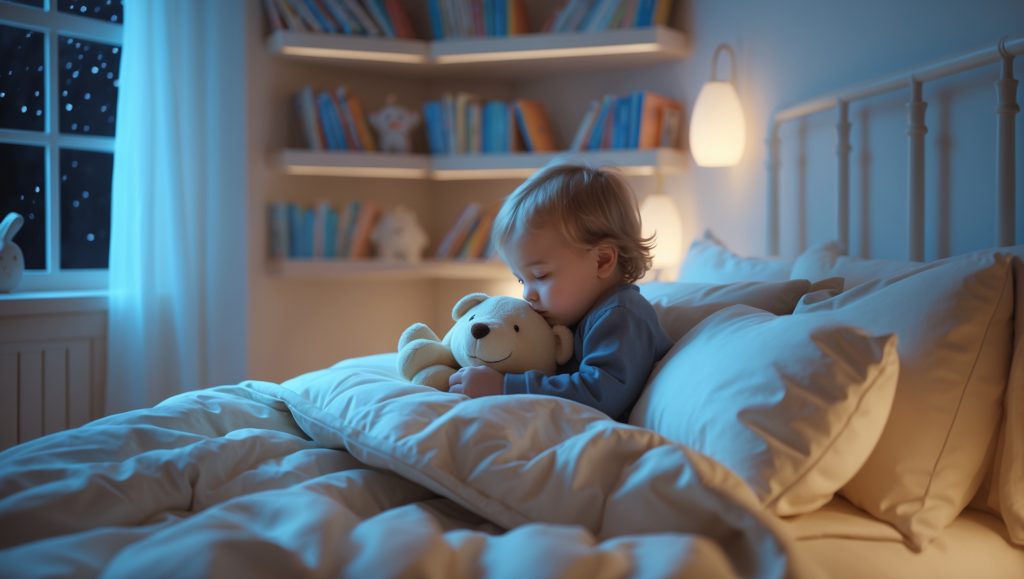
Introduction
Bedtime can be one of the most cherished—and sometimes challenging—parts of parenting. Establishing a consistent bedtime routine helps children of all ages wind down, feel safe, and get the rest they need for healthy development. In 2026, families have access to a wide variety of toys and bedtime tools designed to ease the transition from play to sleep. But which strategies and products truly support a calm, positive bedtime environment? This in-depth guide explores evidence-informed approaches to bedtime routines, offers age-based toy recommendations, and highlights practical steps to help your child embrace restful evenings.
Why Bedtime Routines Matter for Children
Research consistently shows that children benefit from predictable bedtime routines. These routines signal to a child’s brain and body that it’s time to transition from the stimulating activities of the day to the quiet needed for sleep. A reliable bedtime routine can help:
- Reduce bedtime resistance and nighttime awakenings
- Strengthen the parent-child bond
- Support emotional regulation and a sense of security
- Promote healthy sleep patterns, which are linked to cognitive and physical development
The American Academy of Sleep Medicine and other experts recommend routines that are consistent, calming, and developmentally appropriate. Toys and bedtime tools can play a supporting role when chosen thoughtfully and used intentionally as part of your family’s nightly rhythm.
Key Elements of an Effective Bedtime Routine
1. Consistency and Predictability
Children thrive on knowing what to expect. Your routine doesn’t have to be elaborate—simplicity is often best—but it should be repeated in the same order each night. For example, you might start with a bath, followed by pajamas, teeth brushing, a favorite story, and snuggling with a comfort object or bedtime toy.
2. Creating a Calming Environment
The sleep environment should be quiet, dimly lit, and free from distractions. Many families find that incorporating a soft night light, blackout curtains, or a white noise machine can make a big difference. The right toys—such as a favorite stuffed animal or a gentle musical mobile—can also help cue your child that it’s time to rest.
3. Mindful Use of Toys and Comfort Objects
Toys can be powerful bedtime allies when chosen with care. Here are some effective options by age group:
- Infants (0-12 months): Soft, safe loveys or security blankets (without loose parts), gentle crib mobiles with calming music, or a simple textured toy for tactile comfort. Always follow safe sleep guidelines—no loose items in the crib for babies under 12 months.
- Toddlers (1-3 years): Plush toys, bedtime storybooks with interactive elements, and toys that support bedtime routines (like toy toothbrushes or pajamas for dolls). A familiar stuffed animal can provide reassurance and continuity.
- Preschoolers (3-5 years): Story dice or bedtime story kits, calming sensory bottles, or soft dolls/animals that join the bedtime process. Some children enjoy a ‘bedtime box’ with a rotating selection of relaxing toys or books.
- School-age children (6+ years): Journals for gratitude or reflection, audio story devices, or small puzzles for quiet wind-down time. Personalized night lights or reading lamps can also help older kids feel cozy and secure.
Regardless of age, bedtime toys should be calming and non-stimulating. They’re not meant for active play, but to help your child relax and transition to sleep.
Evidence-Informed Strategies for Smoother Bedtimes
1. Gradual Wind-Down
Begin lowering lights and reducing noise 30-60 minutes before bedtime. Transition from active play to quieter activities, such as reading or listening to gentle music. Toys with soft textures, soothing lights, or calming sounds can support this process.
2. Incorporating Bedtime Stories and Songs
Reading a favorite bedtime story or singing a familiar song can anchor the routine and foster emotional closeness. Storytelling toys or audio devices with pre-recorded stories can be helpful, especially for children who enjoy listening to stories as they settle down.
3. Visual Schedules and Bedtime Charts
Some children benefit from visual reminders of the bedtime steps. Use picture charts, storyboards, or magnetic routine boards to help your child understand and anticipate what comes next. For kids who struggle with transitions, offering a choice between two bedtime toys or books can provide a sense of control and cooperation.
4. Positive Reinforcement
Praise your child for following the bedtime routine, and consider using reward charts or small tokens for consistent cooperation. The goal is to make bedtime a positive experience, not a battleground.
Age-Based Toy Recommendations for Bedtime
Infants (0-12 Months)
- Cloth books with high-contrast images for gentle story time
- Soft, breathable loveys or comfort blankets (ensure safety)
- Gentle crib mobiles with calming melodies and slow-moving elements
Toddlers (1-3 Years)
- Plush toys or dolls to cuddle in bed
- Interactive bedtime storybooks with textures or flaps
- Simple bedtime routine playsets (e.g., doll pajamas, mini toothbrushes)
Preschoolers (3-5 Years)
- Bedtime story dice or story cards for creating custom tales
- Calming sensory bottles with glitter or slow-moving liquids
- “Bedtime box” with a rotating selection of quiet toys and books
School-Age Children (6+ Years)
- Audio story devices or sound machines with nature sounds
- Small journals or gratitude diaries
- Personalized night lights or reading lamps for independent reading
Common Mistakes
- Inconsistency: Skipping or dramatically altering the bedtime routine can confuse and upset children.
- Overstimulation: Including toys with bright lights, loud noises, or screens can disrupt the wind-down process.
- Too Many Choices: Offering too many toys or activities at bedtime can lead to indecision and delays.
- Using Toys as Sleep Props: Relying on toys that distract rather than comfort (e.g., toys that require ongoing parental intervention) can create sleep associations that are hard to maintain.
- Ignoring Individual Preferences: Not all children find comfort in the same toys or routines. Observe your child’s cues and adjust accordingly.
- Skipping the Wind-Down: Jumping straight from active play to bed can be jarring and make falling asleep harder.
Quick Checklist
- Establish a consistent bedtime and stick to it
- Include 3-5 predictable steps (bath, pajamas, toothbrushing, story, comfort object)
- Choose calming, non-stimulating toys for bedtime
- Dim the lights and remove screens at least 30 minutes before bed
- Use visual schedules or charts if your child benefits from structure
- Offer praise for following the routine and provide gentle reminders as needed
- Observe your child’s cues and adjust the routine to fit their needs
- Keep bedtime positive, calm, and reassuring
FAQ
+How long should a bedtime routine take?
+Are night lights or sound machines helpful for sleep?
+What should I do if my child resists bedtime routines?
+Are screens or digital toys okay before bed?
+How many toys should be included in the bedtime routine?
+Can changing the routine help with sleep problems?
+What if siblings share a room and have different routines?
Conclusion
Establishing a bedtime routine that incorporates the right toys and strategies can transform evenings from stressful to soothing. By focusing on consistency, calming environments, and age-appropriate comfort objects, families can build positive associations with bedtime and help children of all ages get the sleep they need. Remember, every child is unique—observe your child’s responses and adjust routines as needed to support their sense of security and well-being. With patience, flexibility, and a little creativity, bedtime can become a cherished part of your family’s daily rhythm in 2026 and beyond.

Bedtime Routines and Toys: Building Calmer Nights for Children in 2026
Establishing a soothing bedtime routine has never been more important for families, especially as daily schedules become busier and screen time increases. In 2026, parents are turning to thoughtfully designed toys and routines to help children transition smoothly from playtime to sleep. The right bedtime toys—think soft, sensory-friendly plush animals, calming sound machines, or interactive storybooks—can become comforting signals that it’s time to wind down. These toys not only provide emotional reassurance but also help children associate specific objects with sleep, reinforcing a healthy routine.
Consistency is key. A predictable sequence—such as bath time, followed by quiet play with a favorite toy, then a bedtime story—can help children feel secure and ready for rest. Today’s market offers toys that support mindfulness and relaxation, such as plushies with gentle breathing cues or night lights with soothing color transitions. By integrating these tools into a nightly routine, parents can foster calm, connection, and better sleep for their children. The result is a more peaceful evening for the whole family and happier, well-rested kids come morning.
- Choose toys that promote calm and comfort (e.g., soft plush, gentle lights).
- Follow a consistent bedtime sequence each night.
- Limit stimulating activities and screens before bed.
- Use interactive bedtime toys to support relaxation and bonding.
My family incorporates traditional foods and evening tea during our bedtime routine when my child stays with grandparents. How can I balance these cultural traditions with the article’s suggestions for consistency, especially if transitions between homes create different bedtime cues?
It’s wonderful that you want to honor family traditions while supporting your child’s need for consistency. To help with transitions, you might agree on a set bedtime window both homes follow. Use a familiar object or bedtime storybook that travels between houses for a sense of continuity. Briefly preview any differences in routine with your child, so they know what to expect. If evening tea or certain foods are part of the routine, just ensure they’re age-appropriate, not overly sugary, and safe for sleep. This isn’t medical advice; if you’re concerned, check in with your pediatrician.
The article mentions keeping the sleep environment distraction-free, but my baby relies on a specific textured toy to self-soothe. Is it better to remove all toys at bedtime, or can an exception be made for one safe comfort item at this age?
It’s understandable to want your baby to feel secure and soothed at bedtime. In most cases, it’s safe to allow one well-chosen comfort item, especially if your baby is over 12 months old and the toy has no small parts, loose fabric, or choking hazards. Make sure the toy is washable and in good condition. Avoid items with strings or anything that could cover your baby’s face. Limiting the sleep area to just this one comfort object can help minimize distractions while still supporting your child’s need for soothing. This isn’t medical advice; if you’re concerned, check in with your pediatrician.
If my two-year-old tends to get overstimulated easily before bed, do you have suggestions for specific types of toys or activities that help signal bedtime without adding excitement?
It’s understandable to want a calmer bedtime for your little one, especially if they get overstimulated. Try introducing soft, cuddly toys or plush comfort objects that invite snuggling rather than active play. Gentle routines like looking at board books with soothing pictures, or simple activities such as singing a soft lullaby together, can signal it’s time to wind down. Avoid toys with lights, sounds, or lots of pieces—these can be too stimulating for a two-year-old. Always supervise closely and make sure toys are safe for their age. This isn’t medical advice; if you’re concerned, check in with your pediatrician.
What are your thoughts on using sound machines for both a toddler and a newborn sharing a room? I want to help them both wind down, but I’m not sure what sound settings or volumes are recommended for these ages.
It’s great that you’re thinking about helping both your toddler and newborn settle at bedtime. For shared rooms, sound machines can be helpful, but keep the volume low—no higher than 50 decibels, about the sound of a soft shower. Choose gentle, consistent sounds like white noise or rainfall, avoiding abrupt or stimulating noises. Place the machine across the room from sleeping areas, not in or right next to a crib. Check the baby’s and toddler’s responses over a few nights to ensure they’re comfortable and not disturbed. This isn’t medical advice; if you have concerns, especially about hearing or sleep, check in with your pediatrician.
We want to include a favorite stuffed animal in our child’s bedtime routine, but I’m concerned about small parts like eyes or buttons that could pose a choking risk. Are there particular materials or construction methods we should look for to avoid these hazards?
It’s very thoughtful to prioritize your child’s safety while making bedtime comforting. Choose stuffed animals made for your child’s age range, with embroidered or securely stitched features instead of plastic eyes or buttons. Check labels for non-toxic, hypoallergenic fabrics and fill. Give the toy a gentle tug to test for loose parts or seams. Wash new stuffed animals before use to reduce allergens, and always supervise infants and young toddlers with any soft toy. This isn’t medical advice; if you’re concerned, check in with your pediatrician.
How do you recommend adapting bedtime routines for a 10-month-old who is just starting to show anxiety about new textures, especially with plush toys? Should I keep introducing new comfort objects, or stick to only what they accept easily?
It’s completely normal to worry when your baby shows anxiety around new textures. At 10 months, many children are still building familiarity and trust with objects in their environment. Start by sticking to plush toys your baby already accepts, and introduce new textures slowly—let them touch or see a new toy at their own pace during the day, not just at bedtime. Avoid toys with small parts or loose fibers. Always supervise, and never force interaction. Bedtime is best kept calm, so keep comfort items consistent until your baby signals readiness for something new. This isn’t medical advice; if you’re concerned, check in with your pediatrician.
My baby seems really sensitive to textures and can get upset with certain blankets or stuffed animals. When you mention choosing textured toys for infants, are there guidelines for which textures are most soothing or safe for babies who are a bit picky?
It’s completely understandable to want bedtime to feel soothing, especially if your baby is sensitive to textures. Start by choosing plush toys and blankets made from very soft, hypoallergenic fabrics like organic cotton or bamboo that avoid fuzz, rough seams, or scratchy tags. Introduce one new texture at a time, watching your baby’s reaction—some infants prefer smooth, cool surfaces while others like gentle knits. Always avoid loose fibers or small decorative pieces that could pose a choking risk. For now, less variety is often best for sensitive babies. This isn’t medical advice; if you’re concerned, check in with your pediatrician.
You mention blackout curtains and white noise machines for creating a calming environment. What are some low-budget alternatives for families who may not be able to invest in these items but still want to help their kids sleep better?
It’s great that you want to create a restful environment for your child, even on a tight budget. Try using thick blankets or dark sheets to cover windows and block light—just make sure they are secured safely and kept away from heat sources. For white noise, a simple fan or a smartphone set to play gentle, continuous sounds (like rain or ocean waves) at a low volume can work well; keep devices out of reach for safety. Keeping the bedtime routine predictable and the room tidy can also help your child feel calm. This isn’t medical advice; if you’re concerned, check in with your pediatrician.
With so many bedtime products available now, is there any evidence that high-tech options like musical mobiles are more effective than simple stuffed animals when it comes to helping children settle at night?
It’s natural to wonder if newer, high-tech bedtime products really help children settle at night. Evidence suggests that simple routines and comfort objects, like stuffed animals, are just as effective as high-tech items for most children. Try offering your child a familiar, soft stuffed animal (safe for their age and free from loose parts) at bedtime, and keep the environment calm and predictable. If you use a musical mobile, choose gentle sounds and ensure it’s securely installed out of reach. Watch how your child responds to each option, as preferences and sensitivities vary. This isn’t medical advice; if you’re concerned, check in with your pediatrician.
Our family is on a tight budget—are there any suggestions for affordable or DIY bedtime toys that would be just as effective as store-bought options you mention for calming infants before sleep?
It’s great that you’re looking for calming bedtime options that fit your family’s budget. You can create simple DIY toys, like a soft sock stuffed with fabric scraps and securely sewn shut for a gentle cuddle toy—just make sure there are no loose parts for infants under 12 months. A small cotton cloth with your scent can also comfort your baby. For sensory soothing, try a homemade shaker using a tightly sealed plastic bottle with a few dry beans, always supervised to prevent choking. Remember, familiar and safe textures are key at this age. This isn’t medical advice; if you’re concerned, check in with your pediatrician.
The guide suggests blackout curtains and white noise machines for calming environments. Are there any specific recommendations for families in apartments who might have limited space or budget for additional sleep tools?
It is understandable to want a peaceful bedtime environment, even when space and budget are tight. Try covering windows with thick blankets or taped-up cardboard as a DIY blackout option. For white noise, a fan or a phone playing consistent soft sounds can work just as well as a machine. Keep electronics out of reach for toddlers and preschoolers for safety. Focus on keeping the sleeping area uncluttered and dimly lit. This isn’t medical advice; if you have concerns about your child’s sleep, check in with your pediatrician.
My twins are sensitive to different types of sensory input—one finds music soothing while the other gets overstimulated by it. In this situation, how can I balance creating a calming bedtime environment for both kids without causing bedtime battles?
It’s understandable to want bedtime to feel peaceful for both of your twins, even with different sensory needs. Try offering each child a choice: for example, use wireless headphones or a soft music pillow for the twin who enjoys music, while keeping the room quiet for the other. You can also establish visual signals, like dim lighting or a bedtime story, as shared calming cues. Make sure all toys or devices are age-appropriate and safe to use around sleep. This isn’t medical advice; if you’re concerned, check in with your pediatrician.
The guide mentions healthy development linked to good sleep. Do you have any insights on whether iron-rich cereals or purees are more effective for supporting children’s sleep as part of a bedtime routine?
You’re thoughtful to consider nutrition as part of your child’s sleep routine. Both iron-rich cereals and purees can support healthy development and, by extension, sleep, especially for infants starting solids after 6 months. You might start by offering small portions of iron-fortified cereal or pureed meats and beans at dinner, making sure the texture is age-appropriate and your child is ready for solids. Watch for any signs of allergies and avoid adding sweeteners. Remember, no single food guarantees better sleep, but meeting iron needs supports overall well-being. This isn’t medical advice; if you’re concerned, check in with your pediatrician.
If we are on a tight budget, what are some simple household items or DIY alternatives that can safely provide the same calming effect as store-bought sensory bedtime toys for babies?
It’s wonderful that you want to support your baby’s bedtime without added expense. For babies, you can try a soft washcloth as a comfort item (always supervise to prevent suffocation), fill a small bottle with rice for a gentle rattle, or offer a favorite cotton T-shirt that smells like you as a snuggly lovey. Soft music or a simple lullaby can also be very soothing. Always check items for loose parts or choking hazards, and avoid anything with sharp edges or small pieces. This isn’t medical advice; if you’re concerned, check in with your pediatrician.
If budget is a concern, are there affordable alternatives to specialized bedtime tools like white noise machines or blackout curtains that still help establish a calming nighttime environment for twins?
It’s completely understandable to seek affordable ways to create a calming bedtime for your twins. You can play soothing nature sounds or soft music from a phone or tablet on low volume instead of buying a white noise machine. For blackout curtains, try hanging a thick blanket or dark sheet over the windows, making sure it’s safely secured and out of reach. Consistent, gentle routines—like a bedtime story or quiet cuddle time—also help signal sleep. Always check for safe materials and keep any drapes away from cribs. This isn’t medical advice; if you’re concerned, check in with your pediatrician.