
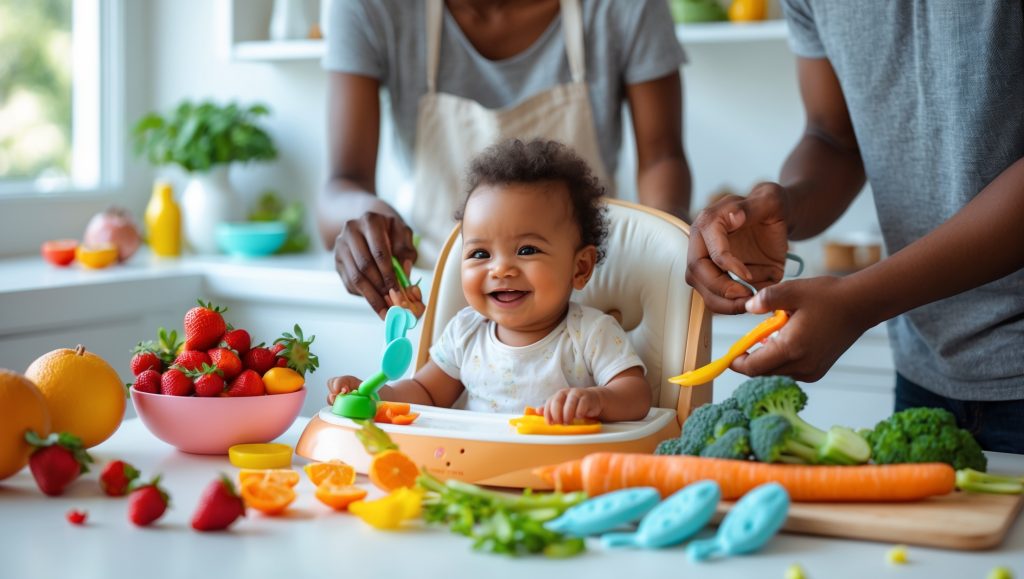
Introduction
Introducing solids is one of the most memorable milestones for parents and babies alike. As your child grows, transitioning from exclusive milk feeds to solid foods marks the beginning of a lifelong relationship with nourishment, taste, and independent eating. In 2025, with updated insights and a growing evidence base, US families have more resources than ever to help guide this exciting stage. This article explores what parents need to know about introducing solids—including signs of readiness, how to begin, which foods to try, and practical tips to make the process enjoyable and safe for the whole family.
Recognizing Signs of Readiness
Every baby develops at their own pace, but most are ready to start solids between 4 and 6 months. Rather than relying solely on age, it is important to watch for developmental signs of readiness. These include:
- Sitting with minimal support: Your baby should be able to maintain a seated position with little help, allowing for safe swallowing and exploration.
- Good head and neck control: This helps with swallowing and reduces choking risks.
- Loss of the tongue-thrust reflex: When the reflex that pushes food out of the mouth diminishes, babies are better able to move food to the back of their mouth and swallow.
- Interest in food: Signs include watching others eat, reaching for food, or opening their mouth when offered a spoon.
Not all babies will show every sign at the same time, so it’s helpful to consider their overall readiness rather than focusing on a specific age.
How to Introduce Solids: Methods and Approaches
There are several approaches to introducing solids, and the best method is the one that fits your family’s needs and your baby’s development. Common methods include:
Traditional Spoon-Feeding
This involves offering smooth purees by spoon, gradually progressing to thicker textures and soft lumps as your baby’s skills develop. Many parents find this method reassuring, as it provides more control over what and how much the baby eats.
Baby-Led Weaning (BLW)
BLW encourages self-feeding from the start, offering baby-safe pieces of soft, appropriately shaped foods. This method supports fine motor skills, independence, and family meals. Safety is paramount—foods should be soft enough to mash between fingers and cut into manageable shapes.
Combination Feeding
Some families blend both approaches, offering both purees and finger foods. This can make meals more flexible and responsive to your baby’s cues and preferences.
Whichever approach you choose, always supervise your baby while eating and introduce new foods one at a time to monitor for possible reactions.
First Foods: What to Offer and When
Choosing which foods to start with can feel overwhelming, but most babies are ready for a variety of flavors and textures from the beginning. Here are some age-based recommendations and practical ideas:
4–6 Months
- Single-ingredient purees (e.g., avocado, banana, sweet potato, pear)
- Iron-fortified infant cereals (such as oatmeal or rice)
- Well-cooked, pureed vegetables (carrot, squash, peas)
Start with a small amount (1–2 teaspoons) once a day and gradually increase based on your baby’s interest and appetite.
6–8 Months
- Mashed or soft finger foods (steamed carrot sticks, ripe banana strips, scrambled egg yolk)
- Pureed or shredded meats and legumes
- Full-fat yogurt (plain, unsweetened)
- Soft fruits and vegetables
8–12 Months
- Chopped or shredded foods (pasta, soft-cooked veggies, small pieces of soft fruit)
- Grated cheese
- Whole grain toast strips
- Family foods (as long as they are soft, cut appropriately, and free of added salt and sugar)
Continue to offer breast milk or formula as the main source of nutrition until at least 12 months, with solids gradually becoming a larger part of the diet.
Allergens: Introducing Common Food Allergens Safely
Recent research suggests that introducing common allergens (such as peanuts, eggs, dairy, wheat, soy, fish, and tree nuts) early—often within the first year—may help reduce the risk of developing food allergies. Here are some guiding principles:
- Introduce one new allergenic food at a time, and wait 2–3 days before trying another.
- Offer only small amounts at first, observing for any signs of reaction such as hives, vomiting, or difficulty breathing.
- Continue to include tolerated allergens in your baby’s diet regularly.
If you have a family history of allergies or concerns about introducing allergens, consult your pediatrician before starting.
Texture Progression and Responsive Feeding
Exposing babies to a variety of textures early on supports oral motor development and may help prevent picky eating later. Here’s what to keep in mind:
- Move from smooth purees to mashed, lumpy, and then chopped foods as your baby shows readiness.
- Allow your baby to touch, play with, and explore foods. Messy eating is part of learning!
- Practice responsive feeding—watch for your baby’s hunger and fullness cues. Avoid pressuring, distracting, or forcing them to eat.
Making mealtimes enjoyable and positive helps foster a healthy relationship with food.
Common Mistakes
- Rushing the introduction of solids before your baby shows readiness signs.
- Relying on age alone instead of developmental cues.
- Offering foods that are too thick, chunky, or hard for your baby’s stage.
- Adding salt, sugar, honey, or unpasteurized foods to your baby’s meals. (Honey should be avoided before age 1.)
- Introducing multiple new foods at once—this makes it harder to identify reactions.
- Pressuring babies to finish food or discouraging them from exploring new textures.
- Leaving babies unsupervised during meals, increasing the risk of choking.
- Delaying the introduction of common allergens without a clear reason.
- Offering cow’s milk as a main drink before 12 months (small amounts in foods are okay).
Quick Checklist
- Look for signs of readiness: sitting with support, good head control, loss of tongue-thrust, interest in food.
- Start with single-ingredient, iron-rich foods.
- Introduce new foods slowly—one every 2–3 days.
- Offer a variety of textures and flavors early on.
- Keep breast milk or formula as the main source of nutrition until 12 months.
- Supervise all meals and ensure proper seating (upright high chair).
- Avoid added salt, sugar, and honey in the first year.
- Practice responsive feeding—let your baby guide the pace and amount.
- Consult your pediatrician with any specific concerns or for personalized advice.
FAQ
+What are the best first foods to offer my baby?
+How can I tell if my baby is ready for solids?
+Should I offer purees, finger foods, or both?
+How do I introduce common allergens safely?
+What foods should I avoid in the first year?
+What if my baby refuses a new food?
+How do I prevent choking during meals?
+Is it okay to use packaged baby foods?
Conclusion
Introducing solids is a joyful, sometimes messy, and always meaningful step in your baby’s development. Whether you choose purees, finger foods, or a combination, the key is to follow your baby’s lead, offer a variety of safe and nutritious options, and create a positive mealtime environment. Stay flexible, trust your instincts, and enjoy the journey of exploring new flavors and textures together. For specific questions or concerns, connect with your pediatrician or a registered dietitian. Here’s to happy, healthy first bites in 2025!

Introducing solids is a milestone filled with excitement and curiosity—for both babies and parents. “Introducing Solids: A Parent’s Guide to Confident, Evidence-Informed First Foods (2025 Edition)” is an invaluable resource for families ready to embark on this journey. Drawing on the latest nutrition science and pediatric guidelines, this guide offers practical, up-to-date advice that empowers parents to make informed choices without the overwhelm.
What sets this edition apart is its balanced approach: it recognizes the individuality of every child, while grounding recommendations in robust evidence. Parents will find clear guidance on when and how to start solids, how to spot readiness cues, and how to introduce common allergens safely. The guide also addresses common concerns, such as choking hazards and picky eating, and encourages a relaxed, positive atmosphere at the table.
By blending expert insight with compassionate support, this guide helps parents foster lifelong healthy eating habits. It’s not just about what babies eat, but also how families enjoy meals together, setting the stage for a positive relationship with food. Every parent deserves to feel confident and supported during this exciting transition.
- Step-by-step readiness checklist for starting solids
- Evidence-based tips for introducing allergens safely
- Solutions for common feeding challenges
- Guidance on creating joyful, stress-free mealtimes
If my baby seems uninterested in eating solids and mostly pushes food out, should I pause for a few days before trying again, or just keep offering small tastes daily without pressure?
It’s completely normal to feel unsure when your baby shows little interest in solids at first. At this age, exploring food is a new skill, and many babies push food out as part of learning. You can continue gently offering small tastes daily without any pressure—keep mealtimes relaxed and stop if your baby turns away. Give plenty of time for your baby to touch, smell, and taste foods, and watch for signs of readiness. Make sure foods are age-appropriate, soft, and safe to prevent choking. This isn’t medical advice; if you’re concerned about feeding or growth, check in with your pediatrician.
There are so many products on the market aimed at first foods, like suction plates and baby-specific utensils. Are these necessary, or can families safely and effectively use regular kitchen items when starting solids?
It’s understandable to feel overwhelmed by all the baby feeding products out there. Many families safely use regular kitchen items, like small plates and teaspoons, when starting solids. If you do use household items, choose non-breakable plates and soft-tipped or small spoons to protect your baby’s gums. Always supervise meals and avoid anything that could pose a choking hazard or has sharp edges. Special baby products can be helpful but are not required for most families. This isn’t medical advice; if you’re concerned, check in with your pediatrician.
Is it okay to offer solids at dinner instead of breakfast or lunch when starting out, especially if our family’s routine makes evenings easier for shared meals?
It makes sense to want family meals to feel relaxed and connected, especially when starting solids. Offering solids at dinner is fine for most healthy babies around 6 months, as there’s no strict rule about time of day. Choose a time when your baby is alert—not overtired—and allow plenty of time for exploration. Supervise closely to watch for choking or reactions to new foods, and keep early meals calm and low-pressure. As always, this isn’t medical advice; if you have specific concerns about timing or your baby’s health, check in with your pediatrician.
For families who might not have time to prepare fresh purees every day, do you have any suggestions for safe and convenient ways to store homemade baby food? How long can different kinds of purees be kept in the fridge or freezer?
It’s completely understandable to want practical solutions for busy days. After preparing homemade purees, you can portion them into small, airtight containers or ice cube trays to freeze in single servings. Most fruit or vegetable purees stay safe in the fridge for up to 2 days, and in the freezer for about 1–3 months. Label everything with the date and type of puree to keep track. Always thaw in the fridge or with gentle warming, and discard any leftovers your baby doesn’t finish. For babies under one, avoid adding salt, sugar, or honey. This isn’t medical advice; if you have questions about storage or your baby’s needs, check in with your pediatrician.
My toddler just turned three and still struggles with certain textures and finger foods. Should I keep offering new foods following the introduction strategies from the article, or adapt things differently at this stage?
It’s understandable to feel unsure about how to help your three-year-old with new textures. At this age, it can still be helpful to gently offer a variety of foods, using positive exposure and low pressure, as described in the article. Let your child explore foods with their hands and mouth at their own pace, and try offering familiar favorites alongside new textures. Avoid forcing or bribing, and watch for choking hazards with firmer or small foods. If your child shows strong aversions or difficulty chewing and swallowing, it may help to consult your pediatrician or a feeding specialist. This isn’t medical advice; if you’re concerned, check in with your pediatrician.
Our baby sometimes spits out new textures or gags. Is this normal while trying different solids, and do you have suggestions for helping babies adjust to these new sensory experiences without forcing it?
It’s completely normal to worry when you see your baby spit out or gag on new foods. Most babies go through an adjustment period with new textures, and gagging is often a sign they’re learning how to manage solids safely. Try offering very small amounts of new foods alongside familiar ones, and let your baby explore at their own pace without pressure. Stay calm and offer lots of encouragement, modeling tasting and playing with food yourself. Always supervise meals to avoid choking, and make sure foods are soft and cut into safe, age-appropriate pieces. This isn’t medical advice; if you’re concerned about persistent gagging or feeding, check in with your pediatrician.
For parents who are using a combination approach, is there a recommended balance between introducing iron-fortified cereal and iron-rich purees to help meet iron needs without overwhelming the baby or causing digestive issues?
It’s great that you’re thinking carefully about meeting your baby’s iron needs without overloading their system. Try offering iron-fortified cereal and iron-rich purees on alternating days, or serve smaller amounts of each at different meals. Start with one new food at a time, allowing a few days before adding another, to watch for any digestive discomfort. For babies around 6 months old, 1–2 tablespoons per feeding is usually a good starting point. Always supervise, and be mindful of textures to avoid choking risks. This isn’t medical advice; if you’re concerned, check in with your pediatrician.
For parents trying both purees and baby-led weaning at the same meal, are there tips for keeping things safe and organized, especially when juggling multiple foods and textures?
It’s completely normal to want mealtimes to feel safe and manageable when offering both purees and finger foods. Try offering just one or two textures at a time and place foods on a large, easy-to-clean surface or plate with sections to prevent mixing. Always supervise closely, especially with new finger foods, and stick to age-appropriate sizes—soft, small, and easy to gum for babies around 6 months. Wipe hands between purees and solids to reduce mess and help your baby focus on each texture. This isn’t medical advice; if you have any concerns or questions, check in with your pediatrician.
My baby was born a little premature and is hitting developmental milestones slightly later. Should I go by adjusted age or actual age when looking for the signs of readiness you mention for starting solids?
It’s completely understandable to want to get this right for your baby. For babies born prematurely, it’s best to look at their adjusted age rather than their actual age when considering readiness for solids. Focus on the developmental signs mentioned in the article, such as good head and neck control, sitting with minimal support, and showing interest in food. Wait until your baby can safely manage food textures and always supervise mealtimes. Premature babies may have unique feeding needs, so consult your pediatrician before starting solids to ensure your baby is ready. This isn’t medical advice; if you’re concerned, check in with your pediatrician.
Our family uses both English and Korean at home, and we tend to talk through our bedtime routine in both languages. Would you suggest including solid foods as part of a calm, bilingual bedtime ritual, or is that not recommended for this age group?
You’re thoughtful to consider how solid foods fit into your family’s bilingual bedtime routine. For most babies, solids are best offered earlier in the day, as evening feeds may sometimes cause tummy discomfort or disrupt sleep, especially when trying new foods. Around 6 months, focus on keeping bedtime calm—include soothing activities like gentle talk or reading in both languages. If you choose to offer solids near bedtime, stick with familiar foods, supervise closely, and watch for signs of fullness or discomfort. This isn’t medical advice; if you’re concerned, check in with your pediatrician.
We’re starting solids a bit later because my child is behind on some milestones. How should we adjust the recommended first foods and textures if the developmental signs of readiness come closer to 8 months?
It’s completely understandable to want to adjust first foods when starting solids a bit later. Begin with very smooth purees or single-ingredient foods to match your child’s developmental stage, even if they’re closer to 8 months. Offer one new food at a time, watching for any allergic reactions. Let your child set the pace, gradually moving to thicker textures and soft finger foods only when they show clear signs of readiness, like sitting up and managing food in their mouth. Always supervise meals and avoid foods that pose choking risks. This isn’t medical advice; if you’re concerned, check in with your pediatrician.
My toddler is very hesitant with new textures and seems to gag even on soft purees. Is there a recommended order or strategy for introducing different textures to help a child with sensory sensitivities get comfortable with solids?
It’s understandable to feel concerned when your toddler struggles with new textures. Start by offering familiar flavors in slightly thicker purees, gradually increasing thickness over time to help your child adjust. Try letting your toddler touch and play with food before eating, as tactile exploration can ease sensory sensitivities. Offer tiny, soft finger foods only when your child is comfortable with thicker purees, and always supervise to ensure safety. Keep mealtimes calm and pressure-free, celebrating small steps. This isn’t medical advice; if you’re concerned or if gagging persists, check in with your pediatrician or a feeding specialist.
If my toddler shows a lot of interest in what we’re eating but is still a little unsteady when sitting, should I wait a bit longer to introduce solids, or are there tips for supporting them safely as we try? I want to make sure we start at the right time.
It’s wonderful that you want to support your toddler’s curiosity while keeping safety in mind. Before introducing solids, make sure your child can sit with minimal support and hold their head up steadily, as these are key readiness signs. If they’re still unsteady, try sitting them on your lap or in a well-supported high chair with a harness and rolled towels for extra side support. Always supervise closely and avoid foods that are choking hazards. Go slowly, offering soft, easy-to-hold foods and watching how they manage. This isn’t medical advice; if you’re concerned, check in with your pediatrician.
If my baby is independent with self-feeding but still gagging occasionally, how can I tell if it is from a texture issue or if the food size is too risky in terms of choking hazard? Is gagging always normal during this stage?
You’re thoughtful to watch for signs of safe eating as your baby explores self-feeding. Occasional gagging is very common when babies learn new textures and is usually a protective reflex, especially between 6 and 12 months. To tell if it’s about texture, notice if gagging happens with certain foods or lumpy bits; for size, check that pieces are soft, mashed, or cut into pea-sized bits that squish easily between your fingers. Always supervise closely, and avoid hard, round, or sticky foods. This isn’t medical advice; if you’re worried or the gagging seems severe, it’s best to check in with your pediatrician.
Sometimes the little one I look after gets really messy with baby-led weaning, and cleanup can be a challenge. Do you have practical tips for minimizing the mess or making cleaning up after solid food meals easier?
It’s completely normal to feel overwhelmed by the mess that comes with baby-led weaning. Try placing a washable mat or newspaper under the highchair to catch food that drops, and dress your little one in a bib with full coverage or a feeding smock. Offer easy-to-grasp foods cut into larger, soft pieces to help minimize spills, and use suction-bottom bowls or plates to keep dishes in place. For safety, always supervise your child during meals and avoid small, hard foods. This isn’t medical advice; if you’re concerned, check in with your pediatrician.
As my baby starts solids, I’m wondering how to time meals so they don’t disrupt our usual nap and bedtime routines. Do you have advice for balancing new meal times with sleep schedules, especially in a home where both English and Spanish are spoken?
Balancing new mealtimes with your baby’s sleep routine is a thoughtful concern. Try offering solids about 30–60 minutes after a nap, when your baby is well-rested and alert, but not too tired or hungry. Start with one meal a day at a calm, predictable time, then gradually add more as your baby adjusts. Keep meals relaxed and brief—about 10–20 minutes—especially at first, to avoid interfering with naps or bedtime. Using both English and Spanish during meals is great for language development and can be part of your routine. Always supervise, use age-appropriate foods, and watch for signs your baby is tired. This isn’t medical advice; if you’re concerned, check in with your pediatrician.
Our bedtime routine sometimes overlaps with dinnertime, especially since our baby prefers an early sleep schedule. Is it a problem if solids are offered right before a nap or bedtime, or should there be a certain time buffer after feeding solids?
You’re wise to think about how feeding and sleep routines interact. For most healthy babies starting solids (typically around 6 months), it’s okay to offer solids shortly before sleep, as long as your baby is alert and not rushed. To help digestion and reduce spit-up risk, try to allow 20–30 minutes between solids and lying down, especially if you notice discomfort or reflux. Stick to safe, age-appropriate textures and supervise your baby during eating. If you notice persistent feeding difficulties or sleep disruptions, consider adjusting the timing. This isn’t medical advice; if you’re concerned, check in with your pediatrician.
If our one-year-old strongly prefers eating with her hands and resists being spoon-fed, is it okay to ask the daycare to do only baby-led weaning, or is a mix of both approaches usually better in group settings?
It’s understandable to want consistency for your child, especially around mealtimes. At one year old, preferring self-feeding with hands is typical and supports independence and fine motor skills. You can ask your daycare to encourage baby-led weaning, but in group settings, flexibility helps—sometimes a mix of finger foods and spoon-fed options works best for safety, varied textures, and reducing mealtime stress. Make sure all foods offered are cut safely to avoid choking hazards, and check that staff are supervising closely. This isn’t medical advice; if you’re concerned, check in with your pediatrician.
When trying both spoon-feeding and baby-led weaning approaches, how should parents decide which foods to introduce in each format? Are there foods that are safer or more practical for one method versus the other?
You’re thoughtful to consider which foods fit best with spoon-feeding or baby-led weaning. For spoon-feeding, start with smooth purees like single-ingredient veggies or iron-fortified cereals, which are easy for young babies to swallow. For baby-led weaning, offer soft, graspable pieces—think avocado slices or well-cooked carrot sticks—that dissolve easily and are large enough to avoid choking. Avoid hard, round, or sticky foods (like whole grapes or nuts) for baby-led weaning, as they pose choking risks. Always supervise closely and introduce one new food at a time to watch for reactions. This isn’t medical advice; if you’re concerned, check in with your pediatrician.
We are considering baby-led weaning for our twins, but I’m a little worried about managing safety when two babies are self-feeding at the same time. Do you have tips for safe mealtimes with twins, particularly when I am the only adult present?
It’s completely understandable to feel cautious about keeping both twins safe during baby-led weaning. Try seating them side by side so you can monitor both easily and within arm’s reach. Prepare soft, easy-to-grasp foods cut into age-appropriate shapes to minimize choking risks. Offer just a few pieces at a time to reduce mess and watchfulness overload. Stay with them throughout the meal, watching closely for signs of difficulty. Avoid foods that are small, hard, or sticky, and always supervise—never leave them unattended. This isn’t medical advice; if you’re concerned, check in with your pediatrician.
My baby seems very interested in food but refuses anything from a spoon and only wants to touch or squish what’s offered. Is it okay to rely mostly on finger foods if purees are repeatedly rejected?
It’s understandable to wonder if finger foods are okay when your baby resists the spoon. Many babies prefer self-feeding and exploring food with their hands—this is normal and can support motor skills. Offer soft, safe-to-grasp foods cut into small pieces, such as steamed veggies or ripe fruit, appropriate for your baby’s age and ability to chew. Always supervise closely and avoid choking hazards like whole grapes or hard chunks. If your baby shows interest and manages these textures, it’s fine to lean on finger foods. This isn’t medical advice; if you’re concerned about nutrition or feeding progress, check in with your pediatrician.
My child sometimes hesitates with new textures and gags easily during meals. Should we stick with purees longer, or is it better to gradually offer new textures and let them explore at their own pace?
It’s understandable to worry when your child hesitates or gags with new textures. Gradually offering new textures while still including familiar purees is often helpful—start with thicker purees, then try soft, well-cooked pieces like mashed banana or avocado. Always supervise meals closely and avoid foods that pose choking risks. Allow your child to explore and touch their food at their own pace, as this can build confidence. Each child adapts differently, and moving slowly is okay. This isn’t medical advice; if you’re concerned about persistent gagging or feeding difficulties, check in with your pediatrician.
If I’m trying to keep our kitchen clutter-free, do you have any suggestions for essential feeding gear to have on hand for introducing solids without ending up with lots of extra baby stuff?
It’s great that you want to keep things simple while starting solids with your baby. Focus on just a few essentials: a sturdy, easy-to-clean high chair, a set of shallow baby spoons, a couple of small bowls, and a waterproof, wipeable bib. Choose suction-bottomed bowls or plates for less mess, and avoid items with many crevices for easier cleaning. Skip gadgets like baby food makers if you’re planning to serve mashed family foods. Always check that gear is age-appropriate and free from choking hazards, and supervise mealtimes. This isn’t medical advice; if you have specific feeding concerns, check in with your pediatrician.
Is it safe to freeze homemade purees and then thaw them for later, or are there any risks I should know about with storing and reheating first foods?
It’s great that you’re thinking carefully about food safety for your baby. You can safely freeze homemade purees for later use—just cool them quickly, store in clean, airtight containers, and label with the date. Thaw in the fridge, not at room temperature, and use within 24 hours after thawing. When reheating, make sure the puree is steaming hot all the way through, then let it cool before serving. Always check for changes in smell, texture, or color, and never refreeze thawed purees. This isn’t medical advice; if you’re concerned, check in with your pediatrician.
For families who prefer a combination of spoon-feeding and baby-led weaning, how can we offer both methods in a single meal while keeping it safe and manageable for first-time parents?
It’s great you want a flexible approach to starting solids, as it can support both your baby’s development and your family’s comfort. At each meal, offer a few soft, graspable finger foods (like well-cooked carrot sticks) alongside a small portion of mashed food you can spoon-feed. Let your baby explore self-feeding with their hands, but also give them the chance to accept spoons from you. Always supervise closely to reduce choking risk, and avoid hard, round, or sticky foods. Choose options that are age-appropriate—soft textures, no added salt or sugar, and common allergens introduced one at a time. This isn’t medical advice; if you’re concerned, check in with your pediatrician.
My child seems to dislike certain textures and gags easily, even with soft purees. What are some gentle ways to help with sensory sensitivities and encourage positive experiences with new foods?
It’s understandable to feel concerned when your child struggles with food textures and gagging. Start by offering tiny tastes of new foods on a clean finger or spoon, allowing your child to explore at their own pace. Let them play with and touch foods without pressure to eat, which helps build comfort. Try serving a familiar food alongside a new one to make the experience feel safe. Keep mealtimes relaxed and avoid forcing bites, as encouragement works better than pressure. Always supervise closely and avoid foods that pose choking risks. This isn’t medical advice; if you’re concerned, check in with your pediatrician.
I am curious about how to balance introducing both purees and finger foods early on. Is it better to offer them during separate meals or can they be presented together right from the start to encourage exploration?
It’s great that you’re thinking about how to make starting solids a positive, safe experience. Research suggests that offering both purees and safe, soft finger foods at the same meal can help babies practice different skills and explore a variety of tastes and textures. Start with very soft, easy-to-grasp finger foods (like steamed veggies) alongside smooth purees. Always supervise closely, and ensure foods are cut to minimize choking risk, especially for babies around 6 months. Watch your baby’s cues—some may prefer one texture at first. This isn’t medical advice; if you have concerns about readiness or safety, please check in with your pediatrician.
As we start potty training and keep introducing solids, I’d like to prepare healthy meals in advance. Do you have suggestions for first foods that are easy to prep, store, and serve for a busy family with a toddler in this stage?
It’s smart to plan ahead during the busy stages of introducing solids and potty training. Try prepping soft-cooked veggies like carrots or sweet potatoes, which you can mash or cut into small pieces and refrigerate. Cooked lentils or beans are protein-rich and easy to freeze in small portions. Unsweetened plain yogurt with finely chopped fruit is quick to serve and gentle on toddler tummies. For grains, batch-cook oatmeal or quinoa and keep portions handy for the week. Always check that pieces are appropriate for your child’s age and eating skills to reduce choking risk, and avoid common allergens if needed. This isn’t medical advice; if you have concerns, check in with your pediatrician.
Do you have any advice for parents whose babies seem very sensitive to new textures with solids? My son gags a lot when trying lumpy or soft finger foods, even though he’s fine with purees.
It’s completely understandable to feel concerned when your baby has a strong reaction to new textures. Try offering very soft, mashed foods that are just a bit thicker than purees to help him gradually adjust. Let him touch and play with the food so he can explore it with his hands first. Offer new textures alongside familiar purees, and stay calm if he gags—this is a common reflex and usually not dangerous. Always supervise meals and ensure foods are soft enough to mash easily between your fingers. This isn’t medical advice; if you’re worried about persistent gagging or choking, please consult your pediatrician.
Do you have any advice on handling food storage when trying out different single-ingredient purees? I often worry about making too much and not being sure how long baby foods safely last in the fridge or freezer.
It’s completely normal to wonder about safe food storage while experimenting with homemade purees. Prepare small batches to avoid waste, and store leftovers in airtight containers. Most single-ingredient purees are safe in the fridge for up to 48 hours and in the freezer for about a month. Label containers with the preparation date to keep track. Always reheat thoroughly and let food cool before serving, and discard any leftovers your baby hasn’t finished to avoid bacteria. This isn’t medical advice; if you’re concerned, check in with your pediatrician.
If a baby shows readiness signs closer to 4 months instead of 6, would you suggest starting solids earlier, or is it better to wait until later for developmental reasons? I am adjusting routines for a very active baby and want to be sure.
You’re right to consider your baby’s readiness and activity level when thinking about starting solids. While some babies show interest around 4 months, most guidelines recommend waiting until about 6 months to help ensure gut and immune system maturity. If you notice signs like good head control, sitting with support, and loss of the tongue-thrust reflex, these are positive signs, but it’s safest to talk with your pediatrician before starting early. Always introduce a single-ingredient, iron-rich food first, and supervise closely for any signs of allergy or choking. This isn’t medical advice; if you’re concerned, check in with your pediatrician.
I want to prepare purees in advance to save time, but I’m worried about how long homemade baby food stays safe in the fridge or freezer. Are there specific storage guidelines or tips you recommend for keeping everything fresh?
It’s great that you’re planning ahead and thinking about your baby’s safety. For homemade purees, refrigerate portions in airtight containers and use them within 2–3 days. For longer storage, freeze purees in small amounts (like ice cube trays), then transfer to freezer-safe bags or containers; these can be kept for up to 2–3 months. Always label with the date and type of food. Thaw in the fridge, not on the counter, and never refreeze thawed food. If your baby is under 6 months, extra care is needed with hygiene and ingredient choices. This isn’t medical advice; if you’re concerned, check in with your pediatrician.
You mention both traditional spoon-feeding and baby-led weaning—how can parents decide which method might match their baby’s temperament or developmental style? Are there signs that one approach could work better for a particular child?
It’s thoughtful that you want to match feeding style to your baby’s unique needs. Observe your baby’s interest in self-feeding—babies who reach for food or show curiosity at meals may enjoy baby-led weaning, while those who seem cautious might do better with spoon-feeding at first. Consider your child’s ability to sit up and bring food to their mouth, essential for safer self-feeding. Some babies prefer a mix of both methods, and that’s okay too. Always supervise meals, use age-appropriate foods, and avoid choking hazards regardless of approach. This isn’t medical advice; if you’re unsure, your pediatrician can help guide your choice.
With trying new fruits and veggies each week, how can families keep food preparation simple and budget-friendly, while minimizing waste if the baby decides they dislike a certain texture or flavor?
You’re wise to think about making meal prep easier and less wasteful as you introduce new flavors. Start by offering small portions—just a teaspoon or two at first—to see if your baby is interested. You can steam or roast fruits and veggies in batches, then freeze portions in ice cube trays for later use. Consider sharing soft-cooked pieces from family meals when age-appropriate and safe, so you’re not making separate dishes. If a new food isn’t accepted right away, try again in a few days, as it can take several exposures to build acceptance. This isn’t medical advice; if you’re concerned, check in with your pediatrician.
My baby sometimes struggles with the texture of certain cereals. Are there sensory-friendly alternatives to iron-fortified cereals that still ensure good iron intake, especially for babies who might be sensitive to new textures?
You’re thoughtful to notice your baby’s responses to textures and want to keep their nutrition on track. For sensory-sensitive babies, try offering pureed or mashed iron-rich foods like lentils, pureed meats (such as beef or chicken), or smooth beans. Soft, well-cooked egg yolks can also be mashed for a gentle texture. You can blend these with familiar foods or breast milk to improve acceptance. Always watch for signs of readiness and avoid choking hazards—start with very smooth textures and gradually introduce lumpier foods as your baby develops. This isn’t medical advice; if you’re concerned, check in with your pediatrician.
I’m a bit unsure about the texture progression you described for traditional spoon-feeding. How do I know when my baby is ready to move from purees to more solid foods or lumps, and what should I watch for during this transition?
It’s completely normal to feel unsure about moving from purees to lumpier textures. Watch for signs that your baby can sit up with support, shows interest in food, and can move food around their mouth without gagging excessively—these usually appear around 6-8 months. Start by thickening purees or mashing foods with a fork, offering small, soft lumps. Always supervise closely and avoid foods that pose a choking hazard. If your baby consistently manages these textures without difficulty, you can gradually increase complexity. This isn’t medical advice; if you’re concerned, check in with your pediatrician.
For families on a tighter budget, would you recommend homemade pureed meats as a good source of iron compared to store-bought iron-fortified cereals, or are there convenience and nutrition factors to consider?
You’re thoughtful to weigh cost, nutrition, and convenience when introducing iron-rich foods. Homemade pureed meats can be an excellent, budget-friendly source of iron for babies around 6 months and older, as long as they’re cooked thoroughly, blended well, and served plain (without added salt or seasonings). Store-bought iron-fortified cereals are convenient, safe, and consistent in iron content, but may cost more over time. Both options support healthy development, so you can choose what fits your family best. Always supervise your baby during meals, and introduce new foods one at a time to watch for allergies. This isn’t medical advice; if you’re concerned, check in with your pediatrician.
With two little ones at home, I’m curious how to handle introducing solids when my toddler wants to be involved in every meal. Are there tips for making mealtime safe and enjoyable for both my infant and my curious toddler, especially when my attention is divided?
It’s great that you want to make mealtimes positive for both your infant and toddler. Try setting up a safe, high chair space for your baby, and give your toddler a special ‘helper’ job, like fetching a spoon or singing a song. Serve infant-safe foods with soft textures and supervise closely, reminding your toddler about safe food sharing. Offer simple finger foods to your toddler so both can eat together with less stress. Always watch for choking risks and allergens, and keep small objects out of reach. This isn’t medical advice; if you have concerns, check in with your pediatrician.
For parents trying to stick to a budget, is there a notable difference in iron content between homemade vegetable purees and store-bought baby cereals? Would you suggest focusing on one over the other if iron is a main concern?
You’re thoughtful to prioritize iron while managing your food budget. Store-bought baby cereals are usually fortified with iron, making them a reliable source, while homemade vegetable purees—though healthy—generally contain much less iron. If iron is your main concern, you might consider offering iron-fortified cereal regularly and supplementing with homemade purees for variety. For babies around six months, ensure foods are soft and smooth to prevent choking. This isn’t medical advice; if you’re concerned about your baby’s iron intake, check in with your pediatrician.
You mention introducing solids around 4 to 6 months, but if a child was a late bloomer and started solids closer to 7 months, does that affect later eating habits, especially around bedtime routines for toddlers like my three-year-old?
It’s completely understandable to wonder if starting solids later affects your child’s eating habits now. Research shows that introducing solids between 4 and 7 months is generally safe and doesn’t usually influence long-term habits like bedtime eating routines. For your three-year-old, focus on consistent mealtimes, offer a balanced dinner, and limit snacks close to bedtime. Encourage a calming bedtime routine that doesn’t rely on food. Every child develops at their own pace, and late introduction of solids rarely causes lasting issues. This isn’t medical advice; if you’re concerned, check in with your pediatrician.