
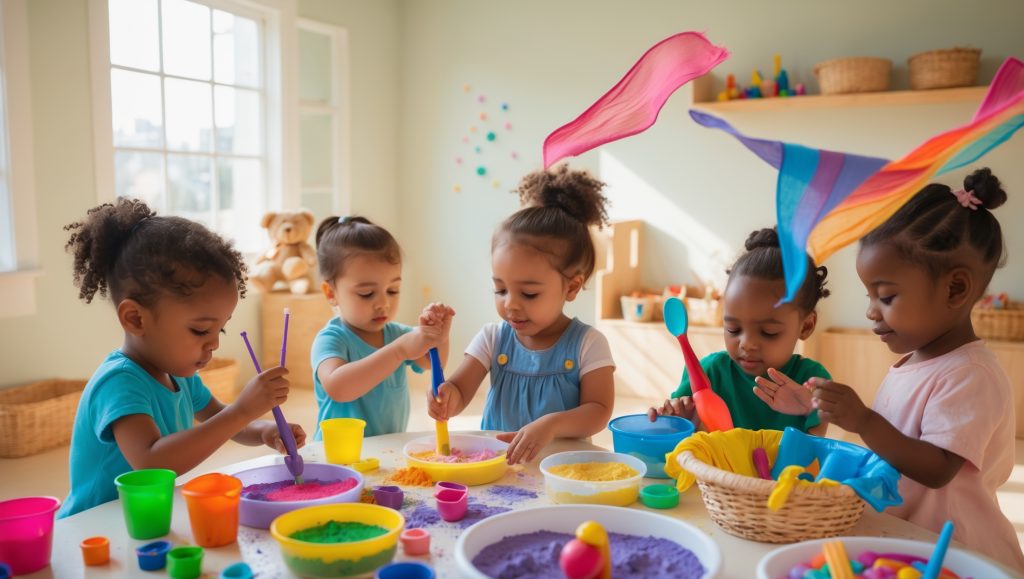
Introduction
Sensory play has become a cornerstone of early childhood development, celebrated for its ability to nurture cognitive, social, and emotional growth. In 2025, as research continues to highlight the importance of hands-on experiences, parents are seeking fresh, evidence-informed ways to incorporate sensory play at home. Whether you’re new to the concept or looking to deepen your understanding, this comprehensive guide explores the science behind sensory play, practical activity ideas, recommended toys, and expert-backed tips for making the most of these invaluable experiences.
Why Sensory Play Matters: Foundations in Child Development
Sensory play refers to activities that stimulate a child’s senses—touch, smell, taste, sight, hearing, and even balance and movement (proprioception and vestibular senses). These experiences lay essential groundwork for a child’s brain development, language skills, problem-solving, and emotional regulation. Here’s why it’s so impactful:
- Brain Connectivity: Sensory input helps build neural pathways, supporting everything from fine motor skills to executive function.
- Language and Communication: Sensory experiences provide rich vocabulary opportunities (“soft,” “squishy,” “cold,” “sticky”), which are vital for language development.
- Self-Regulation: Engaging the senses can help children manage anxiety and big emotions, offering a calming or energizing effect depending on the activity.
- Social Skills: Group sensory play encourages sharing, turn-taking, and cooperative problem-solving.
Getting Started: Sensory Play Activities by Age
Infants (0–12 Months)
- Texture Exploration: Soft fabric books, silicone teethers, and crinkle blankets stimulate touch.
- Water Play: Supervised splashing in a small basin or during bath time introduces new tactile and auditory sensations.
- Visual Engagement: High-contrast black-and-white cards or toys support visual development.
Toddlers (1–3 Years)
- Messy Play: Finger painting (using taste-safe, washable paints), edible dough, or cooked pasta for squishing and sorting.
- Sound Discovery: Homemade shakers, musical instruments, or listening walks outdoors.
- Scented Play: Smelling jars with safe scents like cinnamon, vanilla, or orange peel (under supervision).
Preschoolers (3–5 Years)
- Kinetic Sand and Playdough: Great for strengthening fine motor muscles while encouraging creativity.
- Nature Sensory Bins: Combine leaves, pinecones, pebbles, or shells for an open-ended sensory experience.
- Water Tables: Pouring, scooping, and floating objects build math and science concepts through play.
School-Age Children (5–8 Years)
- Cooking and Baking: Kneading dough, mixing, and smelling spices offer multi-sensory learning opportunities.
- Movement Games: Obstacle courses, balancing challenges, or yoga to engage the vestibular and proprioceptive senses.
- Art Exploration: Experimenting with textured paints, clay, or collage materials.
Recommended Sensory Toys and Materials for 2025
The right toys can enhance sensory play, but you don’t need to break the bank. Many effective tools are simple, safe, and affordable. Here are top recommendations for various age groups:
- Infants: Silicone teething rings, soft fabric cubes, and high-contrast rattles.
- Toddlers: Water tables, stacking cups, textured sensory balls, and large, non-toxic play dough.
- Preschoolers: Kinetic sand, magnetic tiles, sensory bins with rice or beans (supervised), and musical instruments.
- School-Age: Sensory swings, balance boards, building sets, and art kits with various textures.
When selecting sensory toys, prioritize materials that are safe, non-toxic, and easy to clean. Look for products that align with your child’s interests and developmental stage, and always supervise the use of small parts with younger children.
Safety Considerations in Sensory Play
While sensory play offers tremendous benefits, safety must always come first. Here are key considerations:
- Choking Hazards: Avoid small objects with children under 3, and supervise closely when using items like beans, beads, or buttons.
- Allergies and Sensitivities: Be aware of potential allergens in play materials (e.g., wheat in play dough, certain essential oils, or latex).
- Cleanliness: Wash hands before and after play, and regularly clean toys and sensory materials to prevent the spread of germs.
- Supervision: Always supervise young children during sensory play, especially with taste-safe or water-based activities.
- Environment: Set up play in a safe, contained area that’s easy to clean—ideally with a washable mat or tray.
Integrating Sensory Play Into Daily Routines
Sensory play doesn’t require elaborate setups or expensive toys. It can be woven seamlessly into everyday life:
- Mealtimes: Let children explore new textures and scents of foods (with appropriate supervision and awareness of choking hazards).
- Bath Time: Use sponges, cups, and floating toys for water-based sensory fun.
- Outdoor Adventures: Collect nature items, feel different surfaces (grass, sand, bark), and listen to ambient sounds.
- Household Tasks: Involve children in safe kitchen activities or sorting laundry by texture and color.
Short, regular sensory play sessions—just 10–20 minutes—can be highly beneficial. Tune in to your child’s cues and adjust activities to suit their interests and comfort level.
Common Mistakes
- Overcomplicating sensory play with elaborate or expensive setups.
- Not supervising young children, especially with small or taste-safe items.
- Using materials without considering potential allergies or sensitivities.
- Expecting every child to enjoy every sensory activity—each child has unique preferences.
- Forgetting to rotate activities and materials, leading to boredom.
- Neglecting cleanup routines, which can cause hygiene or safety issues.
- Misinterpreting reluctance as defiance, rather than a sign of sensory overload or discomfort.
Quick Checklist
- Choose age-appropriate, non-toxic materials and toys.
- Supervise children closely, especially with small or edible items.
- Watch for signs of sensory overload (covering ears, pulling away, etc.).
- Incorporate a variety of textures, sounds, scents, and movement activities.
- Clean and sanitize materials regularly.
- Offer both indoor and outdoor sensory play opportunities.
- Adapt activities to your child’s interests and developmental stage.
FAQ
+How much sensory play does my child need each day?
+Can sensory play help with picky eating?
+What if my child avoids certain sensory experiences?
+Are DIY sensory materials safe?
+What are signs of sensory overload?
+How can I keep sensory play mess under control?
+Can older children benefit from sensory play?
Conclusion
Sensory play is a powerful, accessible way to support your child’s growth in 2025. By offering a variety of safe, engaging experiences, you help build the foundation for learning, communication, and emotional well-being. Stay flexible, follow your child’s interests, and remember that the best sensory play is simple, joyful, and responsive to your family’s unique needs. With these evidence-informed strategies and practical tips, you’re well-equipped to make sensory play a meaningful part of your parenting journey.

Sensory play continues to be a cornerstone in early childhood development, and in 2025, evidence-informed strategies are making it more accessible and impactful for families across the US. Research highlights that engaging children in activities that stimulate touch, sound, sight, smell, and movement not only supports cognitive growth but also enhances emotional regulation and social skills. Sensory play can be as simple as exploring textures with homemade dough or as structured as guided sound walks in the neighborhood.
Parents are encouraged to observe their child’s reactions and preferences, tailoring activities to meet individual sensory needs. For example, some children may crave calming activities like water play, while others thrive with energetic movement, such as jumping or dancing. Experts recommend incorporating sensory play into daily routines, making use of household items—rice bins, textured fabrics, or scented herbs—so that enriching experiences are accessible without requiring special equipment. Most importantly, sensory play should be inclusive, allowing all children, regardless of ability, to participate and benefit from these meaningful interactions. With a thoughtful approach, parents can nurture curiosity, confidence, and resilience in their children through the power of sensory play.
- Use everyday objects like rice, beans, or sponges for easy sensory activities.
- Observe your child’s responses and adapt activities to their comfort level.
- Mix calming and active sensory experiences throughout the week.
- Include children of all abilities to foster inclusion and connection.
My toddler gets overwhelmed by loud noises, so I’m a bit nervous about introducing musical instruments or noisy sensory activities. What are some quieter sensory play ideas that still help with sound exploration?
It’s completely understandable to want to support your toddler’s sensory development while being sensitive to their reaction to loud noises. You can try offering soft-sounding instruments like rain sticks, fabric shakers filled with rice, or tapping wooden blocks together gently. Use everyday items like crinkly tissue paper or whispering into cups for quieter sound play. Play with sound at safe, low volumes and let your child control when and how long to listen. Always supervise and check that items are large enough to avoid choking hazards. This isn’t medical advice; if you’re concerned, check in with your pediatrician.
My toddler is a bit behind in language, and I want to make our sensory play time more focused on building communication skills. Can you share specific examples of activities from your list that naturally encourage more back-and-forth talking, even with a child who says very few words?
It’s wonderful that you’re looking for ways to use sensory play to support your toddler’s communication. Try activities like water play with cups and toys—narrate what you’re doing and wait for any response, even gestures or sounds. Sensory bins with textured items (like rice or fabric scraps) are great for naming objects, labeling actions, and prompting choices. Simple pretend play with toy food or animals lets you model short phrases and encourage imitation. For a child with few words, focus on turn-taking—pause and give them space to respond in any way. Always supervise closely, especially if small items are involved. This isn’t medical advice; if you’re concerned, check in with your pediatrician.
You mention activities that stimulate different senses. Are there specific sensory play ideas you recommend for children who tend to avoid certain textures or sounds, especially for kids who seem uneasy about messy or noisy play?
It’s understandable to want your child to enjoy sensory play, even if they’re hesitant about certain textures or sounds. Start by introducing less intense sensory experiences, such as playing with dry rice or soft fabrics, and allow your child to explore at their own pace. Offer tools like spoons or gloves so they can interact without direct contact. For sound-sensitive kids, try quieter activities, like listening to gentle music or playing with silent tactile toys. Always supervise and respect your child’s boundaries—never force participation. This isn’t medical advice; if you’re concerned, check in with your pediatrician.
I noticed my child seems to dislike certain textures, like cooked pasta or sticky materials, and avoids those activities. Is it okay to skip these, or should I keep gently encouraging him to try them as part of sensory play?
It’s understandable to want to support your child if they avoid certain textures during sensory play. It’s okay to skip or adapt activities for now—forcing exposure can increase discomfort. Instead, gently introduce new textures at your child’s pace, starting with less intense versions (like dry pasta instead of cooked). Offer tools like spoons or gloves to minimize direct contact, and praise any small effort. Always supervise, especially with young children or small objects. This isn’t medical advice; if you’re concerned about your child’s reactions or sensitivity, check in with your pediatrician for guidance.
Our living space is pretty limited, and storage is an issue. Are there any multi-use or compact sensory toys or materials that work well for toddlers without creating too much clutter?
It’s completely understandable to want to support your toddler’s sensory play while managing a smaller space. Consider stackable nesting cups—they’re great for water, sand, and sorting play, and store neatly together. Silicone kitchen utensils (like spatulas or muffin cups) double as sensory tools and real kitchen helpers. Sensory bags or bottles use inexpensive materials and can be tucked away easily. A small plastic bin can work for a mini sensory table, then store all pieces inside when playtime ends. Always supervise closely and check for choking hazards with toddlers. This isn’t medical advice; if you’re concerned, check in with your pediatrician.
You mention water play and kinetic sand as sensory options. Is there a big developmental difference between using water, sand, or playdough, or can I just pick whichever fits my budget best?
—it’s normal to want to choose sensory materials that fit both your child’s needs and your budget. While water, sand (like kinetic sand), and playdough all offer sensory benefits, each emphasizes slightly different skills: water play encourages pouring and cause-effect learning, kinetic sand supports tactile exploration and hand strength, and playdough can build fine motor skills through squishing and shaping. For most children, rotating between them or choosing one that suits your space and budget is absolutely fine. For younger kids, always supervise and avoid small parts or potential allergens. This isn’t medical advice; if you’re concerned, check in with your pediatrician.
My child sometimes gets overwhelmed during messy sensory play like finger painting or playdough. Do you have suggestions for introducing these activities more gradually, or are there less messy alternatives that still offer similar benefits?
It’s completely normal to want sensory play to feel comfortable and enjoyable for your child. Try introducing messier activities in small steps, like starting with dry materials (rice, beans) before moving to wet textures. Offer tools such as paintbrushes or rolling pins so your child can explore without using their hands at first. You might use a tray or mat to contain the mess and reassure your child that it’s okay to stop anytime. For less messy alternatives, consider sensory bags (sealed bags with paint or gel) or textured fabric swatches. Always supervise and choose age-appropriate, non-toxic materials. This isn’t medical advice; if you’re concerned, check in with your pediatrician.
When it comes to recommended sensory toys, do you have any advice for parents on choosing between buying multiple single-purpose items versus investing in one or two versatile options? We are working with a small budget and limited storage space.
It makes sense to want toys that fit both your budget and your space. Choosing one or two versatile sensory toys—like a textured play mat or a set of stacking cups—can offer many ways to engage your child without overwhelming your home. Look for items that can be used for different senses (touch, sight, sound) and are easy to clean. Check that toys are safe for your child’s age, with no small parts or harsh materials. Rotate how you use each toy to keep play fresh. This isn’t medical advice; if you have any concerns, check in with your pediatrician.
We sometimes have to set up sensory bins quickly because one twin wakes up before the other. Are there certain sensory toys or setups that are safe to leave unattended or that store well between uses without losing their sensory appeal?
It makes sense to want easy, safe sensory play options when routines are unpredictable. For quick setups, consider using large, sealable plastic bins with dry fillers like rice, pasta, or silicone beads, and chunky, easy-to-clean tools or scoops. Avoid items small enough to be a choking risk or that could trigger allergies. Store the whole bin sealed between uses to keep materials fresh and appealing. Always supervise young children closely, as even safe materials can pose risks if unsupervised. This isn’t medical advice; if you’re concerned, check in with your pediatrician.
Many sensory toys and setups can be expensive or take up a lot of space. Are there budget-friendly and compact alternatives that still offer meaningful sensory experiences, especially for families in apartments?
It’s understandable to look for sensory play options that fit both your budget and limited space. Try using household items like rice, beans, or oats in a small tray for tactile exploration—just supervise closely to prevent mouthing. Fill a plastic bin with water and add measuring cups for simple water play. Scarf dancing or homemade shakers with dry pasta in bottles offer engaging auditory and movement experiences and are easy to store. Always check for choking hazards and allergens, especially with younger children. This isn’t medical advice; if you’re concerned, check in with your pediatrician.
I noticed you recommended a wide range of sensory toys for different ages. As a parent who is considering a toy subscription service versus buying individual items, do you have any recommendations on which approach better supports ongoing sensory development, especially as my child’s interests change?
It’s thoughtful of you to consider how best to support your child’s sensory development as their interests grow and change. Toy subscription services can offer regular variety and new experiences without clutter, which is helpful for ongoing sensory exploration. If you choose this route, look for services that match toys to your child’s current age and developmental stage, and always review items for age-appropriate safety before use. Buying individual items gives you more control over quality, familiarity with materials, and your child’s unique preferences. Whichever you choose, rotating toys and supervising play keeps things fresh and safe. This isn’t medical advice; if you’re concerned, check in with your pediatrician.
Are there particular sensory toys or activities you recommend for small apartments where space and storage are limited? I’m hoping to create a morning routine but don’t want our living areas to feel cluttered.
It’s wonderful that you want to create a sensory-rich routine while keeping your space tidy. For small apartments, try activities like sensory bags (zip-lock bags with hair gel and small objects, always sealed and supervised), a simple tray for rotating tactile items (like fabrics, sponges, or silicone kitchen tools), or a basket for musical shakers and scarves that can be tucked away after use. Water play with a small bowl and cups at the table also works well. Always supervise closely, especially with small parts or liquids, and choose items safe for your child’s age. This isn’t medical advice; if you have concerns, please consult your pediatrician.
For sensory bins with nature items like pinecones and pebbles, how do you recommend keeping these activities safe and hygienic, especially if younger siblings in the house tend to put things in their mouths?
You’re right to be careful about safety and hygiene with sensory bins, especially when little ones still mouth objects. First, always supervise play closely to prevent choking. Choose larger, non-toxic items that cannot fit entirely in a child’s mouth. Wash nature items like pinecones and pebbles thoroughly with soap and hot water, and consider baking them at a low temperature to kill germs. Store sensory materials in a sealed container between uses. For toddlers under three, use edible sensory materials like cooked pasta or rice instead. This isn’t medical advice; if you’re concerned, check in with your pediatrician.
Do you have any advice for setting up a safe sensory play space at home, especially for younger siblings who may have access to small sensory objects? How can I keep everything age-appropriate and avoid choking risks?
Your concern about keeping sensory play safe for little ones is very important. Start by choosing larger sensory materials—think big blocks, soft scarves, or chunky textured balls—that cannot fit through a toilet paper roll, as this helps prevent choking. Always supervise play, especially when children of different ages are together. Consider separating activities for younger and older siblings or playing at different times. Store small objects well out of reach in secure containers. Clean play surfaces and check for broken items regularly to avoid hazards. This isn’t medical advice; if you’re concerned, check in with your pediatrician.
Do you notice a difference in benefits between store-bought sensory toys and homemade options using materials like pasta or rice, especially for a two-year-old? I’m wondering if homemade ideas are just as effective for my child’s development.
It’s thoughtful to consider what will best support your two-year-old’s development. Both store-bought sensory toys and homemade materials like pasta or rice can be very effective for sensory play at this age. Store-bought toys sometimes offer unique textures or features, but homemade options engage your child just as well—especially when you supervise and rotate materials for novelty. Be sure any small items like dried pasta or rice are used under close adult supervision to prevent choking. Always check for allergies and avoid items your child might mouth unsafely. This isn’t medical advice; if you’re concerned, check in with your pediatrician.
The article lists so many different types of sensory play activities and toys by age. If I subscribe to a toy service, will I get enough variety to cover all these senses, or would I need to supplement with purchases to make sure my child gets a well-rounded experience?
It’s great that you want to make sure your child gets a variety of sensory experiences. Many toy subscription services do offer a good mix, but it’s common to need a few supplements for full coverage—especially for senses like smell or taste, which are less often included in boxed kits. You can easily add variety with safe household items, like textured fabrics or homemade sensory bins, always keeping age and choking hazards in mind. Rotate toys and activities frequently for ongoing interest. This isn’t medical advice; if you’re concerned, check in with your pediatrician.
Is it a good idea to use sensory rewards, like letting my child play with kinetic sand or water after a successful potty trip, or could that create confusion about what the reward is for? I want to encourage positive association but keep things clear for my toddler.
You’re thoughtful to consider how rewards shape your toddler’s understanding. Sensory play can be a positive, motivating reward after potty success, but clarity is key: pair the activity directly and immediately with the desired behavior, using simple language like, ‘You used the potty—now you get to play with water!’ Keep rewards brief and consistent. For toddlers, always supervise sensory play, watch for choking hazards, and use non-toxic materials. This isn’t medical advice; if you have concerns about potty training or rewards, a pediatrician can help.
When putting together nature sensory bins, is there anything specific I should avoid for safety or allergy reasons, especially since the kids sometimes put things in their mouths even after being reminded not to?
It’s very thoughtful to consider safety and allergies when making nature sensory bins, especially with little ones who explore by mouthing. First, avoid small items like acorns or pebbles that could be choking hazards for children under three. Skip natural materials that are common allergens, like pinecones, nuts, or certain flowers. Always wash collected items thoroughly to remove dirt or bugs, and supervise play closely. Consider using larger, non-toxic items like smooth stones or big leaves for younger children. This isn’t medical advice; if you’re concerned, check in with your pediatrician.
Do you have any advice for choosing between homemade sensory bins and store-bought sensory toys for a preschooler? Are there specific developmental benefits to one type over the other based on current research?
It’s great that you’re considering the best sensory play options for your preschooler. Both homemade sensory bins and store-bought sensory toys can support development—current research suggests the key is variety and engagement. Homemade bins let you tailor textures and themes to your child’s interests and needs, but always supervise to avoid choking hazards or allergens. Store-bought toys are often designed for age-appropriateness and safety standards, and may offer unique tactile experiences. Try rotating between both options to encourage curiosity, motor skills, and problem-solving. This isn’t medical advice; if you’re concerned, check in with your pediatrician.
My child sometimes gets overwhelmed with messy play like finger painting or slimy textures. Are there low-mess sensory activities you suggest for kids who seem sensitive to touch?
It’s completely understandable to want sensory play options that respect your child’s comfort with touch. You can try sensory bins with dry materials like rice or beans, using tools like spoons or cups to avoid direct contact. Water play with cups and floating toys is another gentle, low-mess option. Playdough can be less overwhelming if you encourage your child to use cookie cutters or rolling pins instead of their hands. Swapping finger painting for drawing with crayons or chalk still offers sensory benefits without the mess. Make sure all materials are age-appropriate and supervise closely to prevent choking. This isn’t medical advice; if you’re concerned, check in with your pediatrician.
When introducing new textures to my 9-month-old, how long should I let him explore a new sensory object before switching to something else? Should I rotate textures within the same session, or focus on one item at a time to avoid overwhelming him?
It’s great that you’re tuning in to your baby’s sensory experiences and comfort. For a 9-month-old, start with just one new texture at a time, allowing him several minutes—anywhere from 3 to 10—so he can really explore without rushing. Watch his cues: if he seems engaged, let him continue; if he looks bored or fussy, you can gently switch to something new. Too many textures at once might be overwhelming, so rotating them within a session is fine, but introduce only one or two in a calm, unhurried way. Always supervise closely and avoid items that could pose a choking risk. This isn’t medical advice; if you’re concerned, check in with your pediatrician.
If my child is playing with a group and tends to get possessive over sensory toys like playdough, do you have strategies to help him practice sharing and cooperation during these activities?
It’s understandable to want your child to feel comfortable sharing sensory toys with others. Try narrating and modeling sharing by taking turns with your child during playdough time. Set up small portions or individual playdough balls so everyone has something to start with. Praise cooperative moments gently, like noticing when your child offers a shape or tool to a friend. Keep group sizes small and supervise closely, especially for younger children, to reduce overwhelm and help with guidance. Remind your child that it’s okay to ask for a turn when ready. This isn’t medical advice; if you’re concerned, check in with your pediatrician.
My toddler is just starting to show interest in the potty, but she sometimes gets overwhelmed by new sensations. Do you have advice on sensory play ideas that can help make potty training feel fun instead of scary for kids who might be sensitive to change?
It’s wonderful that you want to make potty training a positive experience for your sensitive toddler. Try introducing sensory play activities that mimic bathroom sensations, like letting her pour water between cups, play with soft washcloths, or sit fully clothed on her potty while reading a favorite book. Use unscented wipes or cloths and avoid strong fragrances to prevent overwhelming smells. Offer plenty of praise for simply exploring the potty, and keep new experiences brief at first. Always supervise closely to ensure safety with water play and small objects. This isn’t medical advice; if you’re concerned, check in with your pediatrician.
The section about scented play for toddlers sounds fun, but I wonder about safety—are there particular scents or ingredients parents should avoid to prevent allergic reactions or accidental ingestion during sensory activities?
It’s great that you’re thinking about safety during sensory play with your toddler. To minimize risk, avoid strong essential oils (like peppermint, eucalyptus, or cinnamon) and stick to mild, food-based scents such as vanilla, lemon zest, or diluted fruit extracts. Always supervise your child, since toddlers may try to taste materials. Choose non-toxic, taste-safe ingredients (like edible playdough) and avoid anything your child has shown sensitivities to before. Before first use, try a small skin patch test to check for reactions. This isn’t medical advice; if you’re concerned, check in with your pediatrician.
As I plan sensory play activities for my 9-month-old, I’m wondering how often you suggest switching up the types of textures or toys to keep things stimulating but not overwhelming. Is there a recommended routine or frequency for introducing new sensory experiences at this age?
It’s great that you want to find the right balance for your baby’s sensory play. At 9 months, it’s best to introduce new textures or toys every few days, watching how your baby responds—some may enjoy daily variety, while others need more repetition to feel secure. Offer 2-3 different textures during each session, but keep the environment calm and familiar overall. Always supervise and avoid small parts or potential allergens. Follow your baby’s cues—if they seem overwhelmed, slow down and revisit familiar items. This isn’t medical advice; if you’re concerned, check in with your pediatrician.
If my school-age child sometimes feels overwhelmed by the textures or sounds involved in sensory play, how can I adjust or simplify pretend play activities with things we have at home to make them more comfortable while still beneficial?
It’s completely understandable to want your child to feel comfortable and supported during sensory play. Start by involving your child in choosing which textures or sounds to use, giving them a sense of control. Use familiar, soft materials like cotton balls, scarves, or play dough with a smooth texture, and avoid items that are sticky, gritty, or unpredictable. Keep pretend play quieter by using soft voices or background noise, and let your child wear headphones if sounds become too much. Always supervise for safety, especially with younger children or small items. This isn’t medical advice; if you’re concerned, check in with your pediatrician.
You mention sensory bins and messy play for toddlers and preschoolers. What are some simple ways to keep the mess contained, especially in a small apartment? Do you recommend any easy clean-up routines or storage solutions?
It’s understandable to want to encourage sensory play while also keeping your living space tidy. Try spreading a large shower curtain or plastic tablecloth under the sensory bin to catch spills, and use shallow bins to limit how far materials can go. Keep wipes and a small dustpan nearby for quick clean-up, and involve your child in putting away materials as part of the routine. Store sensory items in lidded containers on a shelf or inside a storage ottoman for easy access. Always supervise play to ensure safety, especially with small parts for younger children. This isn’t medical advice; if you’re concerned, check in with your pediatrician.
My toddler tends to put everything in his mouth, including textured materials like playdough and pasta. What are the safest sensory play options at this age, and are there any specific toy brands you trust for this?
It’s completely normal to worry when your toddler mouths sensory materials. For this age, try taste-safe options like homemade playdough (using flour, salt, water, and food coloring), cooked pasta, or gelatin, always supervising closely. Large, edible sensory items like frozen peas or cereal can also be fun and reduce choking risk. Avoid small parts and commercial sensory toys with unclear ingredients until your child is older. Always check for any possible allergens before play. This isn’t medical advice; if you’re concerned, check in with your pediatrician.
Do you have suggestions for safely managing sensory play activities indoors during colder months, especially ones that minimize big messes but still offer plenty of sensory input?
It’s great that you want to keep sensory play engaging and manageable indoors during colder months. Try using large trays or shallow bins to contain materials like dry rice, beans, or kinetic sand—easy to clean and engaging for touch and pouring. Water play with a small basin, a towel underneath, and only a few cups or toys works well and keeps spills minimal. Playdough or soft modeling clay offers tactile input without much mess; just supervise for choking risks with young kids. For less cleanup, try sensory bags: fill a sealed zip bag with hair gel and small objects for squishing. Always supervise closely, especially with small parts or if your child is under three. This isn’t medical advice; if you’re concerned, check in with your pediatrician.
Sometimes my 10-month-old seems overwhelmed by messy play, especially with sticky or squishy things. Is there a way to gradually introduce more complex textures so she becomes more comfortable, or should I stick to smoother materials for now?
It’s completely normal to worry when your baby seems uneasy with certain textures. Start with smoother, dry materials like fabric or rice and let her explore at her own pace. Gradually introduce slightly more textured items—like soft sponges or damp cloths—before moving to sticky or squishy substances. Keep sessions short and always supervise, ensuring the materials are safe and non-toxic. Watch her cues and never force contact. Over time, her comfort level may grow as she learns that new sensations are safe. This isn’t medical advice; if you’re concerned, check in with your pediatrician.
When engaging in cooking or baking as sensory play for older kids, are there certain kitchen tasks that tend to be both safe and especially beneficial for sensory and motor development?
It’s great that you’re looking to make cooking and baking a meaningful sensory experience for your older child. For safety and developmental benefits, invite them to measure and pour ingredients, knead dough, stir batters, or use a hand whisk—these tasks encourage fine motor skills, proprioceptive feedback, and tactile exploration. Peeling fruits or vegetables with a safe peeler can build coordination. Always supervise closely, ensure tools are age-appropriate, and be mindful of hot surfaces and allergen exposure. This isn’t medical advice; if you’re concerned, check in with your pediatrician.
Is there a recommended daily or weekly schedule for sensory play with toddlers? I am wondering how much time I should set aside for these types of activities without it feeling overwhelming or too routine.
It’s great that you want to balance sensory play without overwhelming your toddler or your routine. For most toddlers, 15–30 minutes of sensory play a day, a few times a week, is both effective and manageable. Try weaving sensory activities into everyday moments, like water play at bath time or feeling different textures during a walk. Keep activities simple and follow your child’s interest—some days they’ll want more, some less. Always supervise, especially with small objects or messy play. This isn’t medical advice; if you’re concerned, check in with your pediatrician.
Does the research suggest that regularly rotating new sensory toys from a subscription box supports better brain development and engagement, or can using the same well-chosen toys over time provide the same benefits?
Your question about how often to introduce new sensory toys shows real thoughtfulness about your child’s development. Research suggests that regularly rotating toys—whether from a subscription box or your own selection—can boost engagement and curiosity by offering novel textures, shapes, and challenges. However, revisiting familiar, well-chosen toys also helps with mastery and deeper exploration. For toddlers and preschoolers, a balance works best: rotate a few toys every week or two, but keep favorites available. Always check for age-appropriateness, avoid small parts for children under three, and supervise sensory play. This isn’t medical advice; if you’re concerned, check in with your pediatrician.
Some of the suggested activities like kinetic sand and water play sound messy—do you have any tips for managing the cleanup in a small living area? I’m worried about sand and water getting everywhere with little room to spare.
It’s understandable to worry about messes, especially in a small space. Try laying down a washable play mat or an old sheet under the activity area to catch spills. Use shallow bins for kinetic sand and water play to help contain materials, and set clear boundaries with your child about keeping items inside the bin. Keep towels and wipes handy for quick cleanup, and supervise closely to guide your child as they play. Always check that materials are age-appropriate and safe for your child. This isn’t medical advice; if you’re concerned, check in with your pediatrician.
How often do you recommend scheduling sensory play for a 16-month-old? Should it be part of our daily routine or is a few times a week enough to see benefits in development?
It’s wonderful that you’re thinking about how often to include sensory play for your toddler. At 16 months, daily sensory play can be very beneficial, but even a few times a week offers developmental gains. Try to weave sensory activities into daily routines, like letting your child explore water at bath time or touch different textures during play. Sessions don’t need to be long—just 10 to 20 minutes of supervised, age-appropriate play is plenty. Always watch for small objects and potential allergens. This isn’t medical advice; if you’re concerned, check in with your pediatrician.
I’m curious how activities like water play or messy art projects can be adapted for families with only a small bathroom or kitchen area. Are there tips for containing the mess in tight spaces?
It’s understandable to want sensory play without overwhelming your small space. Try using a shallow plastic bin placed in the bathtub or sink for water play—easy to clean and keeps splashes contained. For messy art, spread a large towel or disposable tablecloth on the floor, and use washable, non-toxic materials. Encourage your child to wear an old shirt or apron, and keep wipes or a damp cloth nearby for quick cleanups. Always supervise closely, especially with younger children or slippery surfaces. This isn’t medical advice; if you’re concerned, check in with your pediatrician.
When incorporating sensory play at home, especially with the increasing popularity of both wooden and plastic toys, how can I ensure I’m making a sustainable choice that still provides a rich sensory experience? Are there particular activities or sensory benefits that wooden toys deliver better than plastic ones?
It’s great that you’re mindful about both sensory development and sustainability. To balance these, try choosing high-quality wooden toys from certified sustainable sources, and avoid coatings or paints that may contain allergens. Wooden toys often offer unique tactile experiences—different textures, natural warmth, and subtle sounds—that encourage open-ended play, stacking, or sorting. For toddlers, simple activities like building, tapping, or tracing shapes with wooden blocks can be richly sensory and safe under supervision. Plastic toys can still have a place, especially for wet or messy sensory play, but opt for durable, non-toxic options. This isn’t medical advice; if you have concerns about specific materials or your child’s needs, check in with your pediatrician.
Could you share some budget-friendly ideas for sensory toys or materials, especially for parents who might not have access to everything mentioned in the article? Are homemade items just as effective for stimulating sensory development?
It’s wonderful that you’re looking for accessible ways to support your child’s sensory development. Homemade sensory materials can be very effective and safe when chosen carefully. Try filling a bin with dry rice or pasta for scooping and pouring, or make simple playdough with flour, salt, and water—supervise closely, especially with toddlers. You can also offer textured fabric scraps or crinkly paper for touch exploration. Always check for choking hazards and avoid materials with strong scents or allergens if your child is sensitive. Remember, simple everyday objects can provide rich sensory experiences. This isn’t medical advice; if you’re concerned, check in with your pediatrician.
My toddler has some language delay and gets overwhelmed easily by too much mess. Are there any less-messy sensory play activities you recommend that still help with language development, or ways to make messy play more manageable for kids like mine?
It’s wonderful that you want to support your toddler’s language and sensory needs in a way that feels manageable. Try mess-free sensory play like exploring textured books, playing with dry pasta in a shallow bin, or using water painting on a mat. You can also put sensory materials like slime or playdough inside sealed plastic bags for squishing without the mess. Narrate what you’re doing together to encourage language skills. Always supervise, and adjust activities to your child’s age and sensitivities. This isn’t medical advice; if you’re concerned, check in with your pediatrician.
With the suggested cooking and baking activities for school-age kids, are there particular tasks that are safest or most developmentally appropriate to start with if my child is on the younger side of that range?
It’s great that you’re considering both safety and developmental readiness for your younger school-age child. To start, let your child wash fruits and vegetables, stir batter, or decorate baked goods—these tasks are low-risk and help build fine motor skills. You can also have them measure dry ingredients with your help and use child-safe utensils for mixing. Always supervise closely, especially around heat, sharp tools, or small objects that could be a choking hazard. This isn’t medical advice; if you’re concerned, check in with your pediatrician.
Is it okay for older siblings to join in on infant sensory activities, like water play or texture exploration, or should I set up separate experiences for my 7-month-old and my toddler?
It’s wonderful that you want all your children to enjoy sensory play together. You can absolutely include both your 7-month-old and your toddler in shared activities, as long as you supervise closely and choose materials safe for your infant, like large, non-chokable items and water at a shallow depth. Let your toddler help model gentle play, but set clear boundaries about not bringing small objects near the baby. If your toddler wants more complex activities, offer a few extras nearby to keep both engaged. This isn’t medical advice; if you have specific concerns, check in with your pediatrician.
My toddler is going through a very picky phase and refuses to touch anything slimy or sticky. Are there gentler sensory play activities you’d recommend for kids who seem sensitive to certain textures?
It’s understandable to feel concerned when your toddler is sensitive to certain textures during sensory play. Try starting with dry, less intense materials like rice, pasta, or soft fabrics, and let your child explore at their own pace. Offer tools like scoops, spoons, or brushes so they can interact without direct contact. You might also gently encourage hand washing before and after play to make the experience feel safer. Always supervise closely, especially with small objects, to prevent choking. This isn’t medical advice; if you’re concerned about sensory sensitivities, check in with your pediatrician.
Are there any recommendations for budget-friendly sensory play options that are still engaging for a two-year-old? Some of the sensory toys can get expensive, so I’m looking for ideas that work well without investing in a lot of new materials.
It’s completely understandable to want engaging sensory play without spending a lot. For two-year-olds, try filling a shallow bin with dry rice or pasta for scooping and pouring (supervise closely to prevent choking). You can also make homemade playdough with flour, salt, and water, letting your child explore textures. Simple water play with cups and spoons at the sink or in the bath is fun and safe with supervision. Use common items like fabric scraps or empty cardboard tubes for tactile play. Always watch for small parts and potential allergens, and adapt activities to your child’s interests. This isn’t medical advice; if you’re concerned, check in with your pediatrician.
As my child gets older, do I need to keep all the sensory toys from earlier years, or is it okay to pass them on? How do you decide which ones to keep that still support ongoing development?
Your question about keeping or passing on sensory toys as your child grows is thoughtful and common. Start by observing which toys your child still chooses and engages with—these likely still meet their developmental needs. Keep toys that can be used in new, creative ways or offer challenges suitable for their current age. Consider passing on items made for much younger children, especially if they have small parts or textures no longer safe or interesting for your child. Regularly rotate toys to see which ones hold your child’s attention. This isn’t medical advice; if you’re unsure, your pediatrician can help guide you.
If my toddler seems to dislike messy play like finger painting or edible dough, should I keep encouraging it or focus more on other types of sensory activities that are less hands-on?
It’s understandable to wonder how much to encourage sensory experiences your toddler resists. You can respect their preferences by offering less messy options like playing with textured fabrics, water play, or sensory bottles. Introduce small amounts of messy materials on a spoon or brush so your child can explore from a distance, and allow them to wash hands often. Always supervise closely and avoid any small parts or potential allergens. Over time, gentle exposure can help, but it’s perfectly fine to focus on other sensory play types your child enjoys. This isn’t medical advice; if you’re concerned, check in with your pediatrician.
Do you have suggestions for sensory play that supports relaxation before nighttime sleep for kids who get overstimulated easily? We often use both Spanish and English at home and I wonder if this affects the calming effect.
It’s wonderful that you’re looking for calming sensory play to help your child wind down at night. Try dim lighting and soft textures like a simple bin of dry rice or fabric squares, encouraging gentle, slow movements. You can guide your child in a quiet activity like matching objects by touch, narrating in both Spanish and English—research shows the language mix itself is not overstimulating if your tone and pace remain soothing. Stick to materials that are safe for your child’s age, avoiding small parts or scents if your child is sensitive. Remember, this isn’t medical advice; if you’re concerned, check in with your pediatrician.
My toddler sometimes gets overwhelmed with certain smells or textures, especially foods from our family’s traditional meals. Are there ways to gradually introduce these sensory experiences to make them more comfortable over time?
It’s completely understandable to want your toddler to feel more at ease with new or strong sensory experiences. Start by offering small exposures—let your child smell or touch a tiny amount of the food without any pressure to eat. You can also involve them in safe, age-appropriate meal prep to get hands-on with ingredients. Introduce one new smell or texture at a time, always respecting their cues and stopping if they seem distressed. Sometimes, playing with similar smells or textures in a non-eating context (like scented play dough or cooked rice) can help. Remember, this isn’t medical advice; if you’re concerned about sensory issues, check in with your pediatrician.
For parents on a budget, are simple household items used in sensory play just as beneficial as purchasing specialized educational toys? I’m interested in evidence-based opinions since I want the best for my child but also need to save.
It’s wonderful that you want the best for your child while being mindful of your budget. Evidence shows that simple household items—such as rice, dry beans, water, sponges, or pots and pans—can offer rich sensory experiences similar to specialized toys. Try filling a shallow bin with rice for scooping and pouring, or let your child explore different textures with safe kitchen tools. Always supervise closely to prevent choking or ingestion, especially with younger children. These activities can be just as developmentally beneficial when chosen carefully. This isn’t medical advice; if you have concerns, check in with your pediatrician.
My toddler sometimes gets overwhelmed by certain textures, especially anything sticky or slimy. Are there sensory play activities from your list that are better for kids who are sensitive, and how can I adjust them while we’re working on potty training?
It’s completely understandable to want sensory play to feel comfortable for your toddler, especially during potty training. Start with dry, familiar textures like soft fabrics, rice, or large wooden blocks. You can introduce new textures gradually: let your child touch with a spoon or wear gloves at first. Try activities where they control contact, such as pouring dry beans or sorting soft pom-poms. Watch for signs of distress and let your child lead the pace. For potty training, keep sensory activities separate from toileting routines to avoid confusion. This isn’t medical advice; if you’re concerned, check in with your pediatrician.