
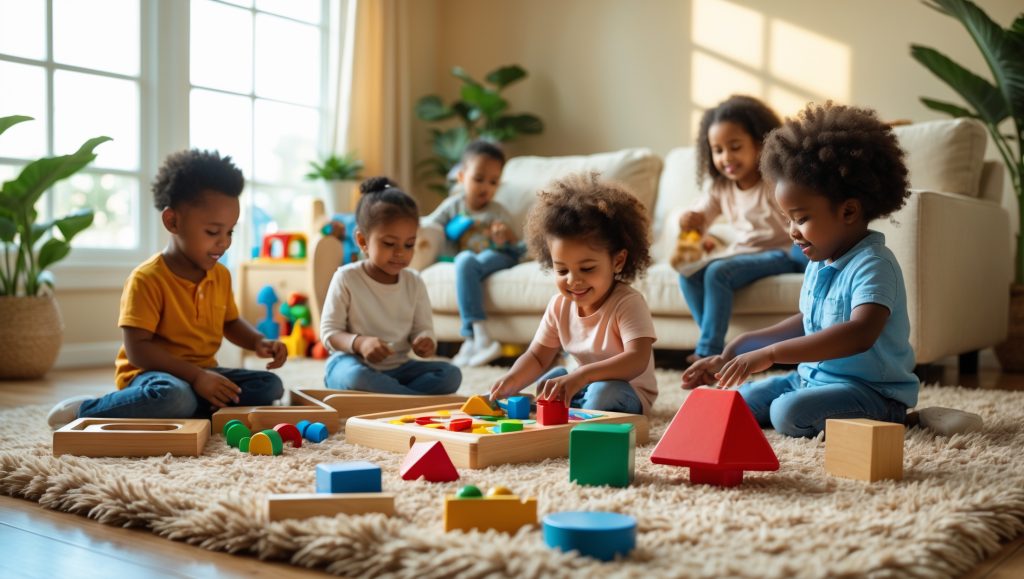
Introduction
Toys play a vital role in the growth and development of children. They foster creativity, motor skills, socialization, and imagination. However, not all toys are created equal when it comes to safety. With evolving manufacturing standards and a constant stream of new products on store shelves, U.S. families in 2025 face both exciting choices and new challenges. This guide offers up-to-date, evidence-informed advice on toy safety—helping you choose wisely, avoid common hazards, and create a safe play environment for your child at every stage.
Understanding Toy Safety Regulations and Standards
The United States enforces strict regulations to help ensure that toys sold domestically are safe for children. The Consumer Product Safety Commission (CPSC) oversees these standards, including limits on toxic chemicals, small parts, and mechanical hazards. Toys intended for children under 12 must comply with the ASTM F963 standard, which covers everything from flammability to labeling requirements.
Families should look for the following markers of safe toys:
- ASTM F963 Certification: Indicates compliance with U.S. toy safety standards.
- CPSC Recall Database: Regularly check for recalls or safety alerts on toys you own or plan to purchase.
- Clear Age Recommendations: Follow manufacturer guidelines, as these consider both physical and developmental safety.
Identifying Age-Appropriate Toys
Age recommendations on toys are more than suggestions—they are based on developmental milestones and potential hazards. Here’s how age relates to toy safety:
Infants (0-12 months)
- Avoid small parts: Choking is a leading risk for infants. Toys should be larger than a child’s mouth, with no detachable pieces.
- Choose soft, durable materials: Avoid toys with sharp edges or loose fibers.
- No strings or cords: Anything longer than 12 inches can pose a strangulation hazard.
Toddlers (1-3 years)
- Sturdy construction: Toys should withstand rough handling without breaking into small parts.
- Non-toxic materials: Toddlers often mouth toys; look for lead-free paint and BPA-free plastics.
- Proper labeling: Avoid toys with small batteries or magnets that can be swallowed.
Preschoolers (3-5 years)
- Safe arts and crafts: Choose washable, non-toxic supplies and supervise use of scissors or glue.
- Stable ride-on toys: Ensure they are age-appropriate and used with supervision.
School-Age Children (6+ years)
- Protective gear: For bikes, scooters, and sports toys, helmets and pads are essential.
- Monitor electronics: Check for secure battery compartments and screen time guidelines.
Recognizing and Avoiding Common Hazards
Despite regulations, some risks persist. Here are key hazards and how to avoid them:
- Choking hazards: Toys with small parts, removable eyes, or beads can be dangerous for children under three. Use a small parts tester or a toilet paper roll to check if pieces are too small.
- Button batteries and magnets: Swallowed batteries or high-powered magnets can cause serious injury. Only buy toys with secure battery compartments.
- Chemical exposure: Choose toys labeled as phthalate-free, lead-free, and BPA-free, especially for infants and toddlers.
- Strangulation risks: Avoid toys with long strings, cords, or ribbons for young children.
- Sharp edges and points: Ensure toys have smooth surfaces and rounded edges.
- Noise hazards: Toys that make loud sounds can damage hearing. Test toys in-store if possible.
- Recalls: Stay informed about current recalls by subscribing to CPSC alerts or checking their website regularly.
Best Practices for Toy Selection and Maintenance
Safe play starts with smart choices and ongoing care. Here’s how to create a safer toy collection:
Shopping Smart
- Buy from reputable retailers: Prioritize quality over quantity and avoid counterfeit or unbranded toys from unknown sources.
- Read labels: Look for recommended age, warnings, and certification marks.
- Skip recalled products: Always check for recalls before purchasing secondhand toys.
Home Safety and Toy Maintenance
- Inspect toys regularly: Discard broken or worn-out toys promptly.
- Clean toys often: Follow manufacturer cleaning instructions to reduce bacteria and allergens.
- Store safely: Keep toys for older siblings out of reach of younger children. Use bins or shelves to prevent trips and falls.
- Supervise play: Especially for children under five and during group play.
Common Mistakes
- Ignoring age recommendations on toy packaging, assuming your child is advanced enough for older toys.
- Purchasing toys from unverified online sources without checking for safety certifications.
- Allowing young children to play with toys containing small removable parts, magnets, or batteries.
- Overlooking product recalls or failing to register new toys for safety notifications.
- Mixing toys for different age groups in shared play areas, increasing access to unsafe items for younger children.
- Neglecting regular inspection and cleaning of toys, which can lead to broken pieces or hidden bacteria.
- Assuming that all toys sold in stores are equally safe without checking for certifications or warning labels.
Quick Checklist
- Double-check age recommendations before buying or gifting toys.
- Inspect toys for loose parts, sharp edges, and secure batteries before first use.
- Register new toys with the manufacturer for recall alerts.
- Supervise play, especially with new or electronic toys.
- Store toys intended for older children away from younger siblings.
- Remove broken or worn-out toys from play areas promptly.
- Regularly visit the CPSC recall database for updates on toy safety.
- Choose non-toxic, washable toys for infants and toddlers.
FAQ
+How can I tell if a toy is too small for my child?
+Are secondhand toys safe to use?
+What should I do if a toy breaks?
+Is it safe for babies to play with older siblings’ toys?
+How do I clean toys safely?
+What are signs of unsafe counterfeit toys?
+How often should I check for toy recalls?
Conclusion
Toy safety is an ongoing commitment, not a one-time checklist. By staying informed about regulations, choosing age-appropriate and well-made toys, and maintaining a safe play environment, families can foster healthy development and joyful play. Remember, supervision and regular inspection are just as important as your initial purchase. With a proactive approach, you can help ensure that playtime remains a source of fun, learning, and safety for your child in 2025 and beyond.

Safe Play Matters: A Comprehensive Guide to Toy Safety for Families in 2025
As parents, our children’s safety is always at the forefront of our minds, especially when it comes to playtime. With exciting new toys hitting the shelves each year, it’s essential to stay informed about toy safety standards and best practices. In 2025, advances in technology and materials have made toys more engaging, but they can also introduce new risks if not carefully evaluated. Always check age recommendations and look for labels from trusted safety organizations. Be mindful of small parts, especially for children under three, and regularly inspect toys for wear and tear. With the popularity of smart and interactive toys, remember to monitor for secure data practices and limit screen time. Involve your children in learning about safe play, empowering them to make smart choices. By staying proactive and informed, we can create a fun and secure play environment where our children can thrive and explore safely.
- Choose age-appropriate toys with safety certifications
- Inspect toys regularly for damage or loose parts
- Monitor use of smart toys and protect your child’s privacy
- Teach children about safe play habits early on
My child is almost three but is already interested in some simple arts and crafts activities. How can I safely encourage this early in the mornings without constant supervision? Are washable, non-toxic supplies truly safe enough for occasional independent use at this age?
It’s wonderful that your child is showing an interest in arts and crafts, and I understand wanting safe ways for independent play. For a child under three, even with washable and labeled non-toxic supplies, close supervision is still important because young children may mouth or misuse materials. If you’d like some early morning independence, try setting up a dedicated tray with only large, choke-proof crayons or markers and thick paper—avoid glue, scissors, or small craft pieces. Keep art materials in a spot only you can access and rotate what’s available for variety. Always check packaging for age recommendations and safety certifications. This isn’t medical advice; if you have concerns about your child’s readiness, ask your pediatrician.
My toddler loves sensory play with things like kinetic sand and water beads, but I worry about whether those kinds of toys meet the ASTM F963 standards. Are there trusted brands or markers I should look for to ensure sensory toys are safe for this age group?
It’s great that you’re thinking carefully about toy safety for your toddler’s sensory play. For children under three, look for sensory toys clearly labeled as ASTM F963 compliant—this standard covers choking hazards, toxic materials, and durability. Choose brands that are transparent about safety testing, and avoid products with small, loose parts or potential allergens. Always supervise closely, especially with water beads or kinetic sand, as these can pose a swallowing risk. Opt for larger, toddler-specific sensory items and check age recommendations on packaging. This isn’t medical advice; if you’re concerned, check in with your pediatrician.
Do you have advice on storing or organizing toys to help make sure only safe, quieter ones are available for early morning play? Sometimes my child wants to grab things before the rest of the house is up.
It’s great that you want to support safe, quiet play during those early mornings. Try designating a low, accessible bin just for soft, quiet, age-appropriate toys your child can independently choose from. Store noisier or less safe toys (with small parts or harder materials) out of reach or in closed bins. Rotate the quiet toy selection to keep it interesting. Make sure the storage area is free from heavy lids or sharp edges to prevent accidents. This isn’t medical advice; if you’re concerned, check in with your pediatrician.
My toddler is really into sensory play and loves exploring different textures. Are there specific types of sensory toys that are safer or more durable for kids who tend to mouth or chew on everything? I want to encourage play without having to worry about constant safety risks.
It’s wonderful that you’re encouraging your toddler’s curiosity through sensory play. For little ones who mouth or chew toys, look for sensory items made from food-grade silicone or sturdy, BPA-free plastics, as these are designed to be both safe and durable. Avoid toys with small parts, loose fillings, or those labeled for older children. Choose simple designs without detachable pieces and check toys regularly for signs of wear or damage. Always supervise closely, especially with new textures or materials. This isn’t medical advice; if you’re concerned, check in with your pediatrician.
Budget is a concern for us, and many safety-certified toys can get expensive. Are there safe, cost-effective alternatives or household items that align with Montessori principles and the latest safety guidelines?
It’s understandable to want safe, Montessori-friendly options that fit your budget. Many everyday objects can foster learning: try sturdy measuring cups, wooden spoons, or cloth napkins for pouring and sorting games. Offer large, simple objects (like chunky blocks or muffin tins) that can’t be swallowed, and skip anything chippable, sharp, or with small parts. Wash items first, and choose materials without strong odors or peeling paint. Always supervise play, especially for children under 3. This isn’t medical advice; if you’re concerned, check in with your pediatrician.
You mention that toys for infants shouldn’t have strings longer than 12 inches because of strangulation risk. If a toy has ribbons or fabric ties slightly over that, is there a safe way to modify it, or should I avoid those completely?
Your attention to safe play for your infant is so important. If a toy has ribbons or ties longer than 12 inches, it’s usually safest to remove or shorten them so nothing exceeds that length—use sharp scissors and double-check for any loose threads. Make sure any cut ends are securely sewn or heat-sealed to prevent fraying, and always inspect the toy for other hazards like small pieces or choking risks. Even with modifications, supervise play to ensure safety. This isn’t medical advice; if you’re concerned, check in with your pediatrician.
You mention checking the CPSC Recall Database regularly. Realistically, how often should families go online to check for toy recalls, and are there any convenient ways to keep up to date without missing important alerts?
You’re right to want a practical approach to staying updated about toy recalls. Checking the CPSC Recall Database once a month is a realistic routine for most families. For added convenience, you can sign up for email alerts from the CPSC so you’re notified automatically about new toy recalls. Some parenting apps also offer recall notifications. Always check recalls before accepting secondhand toys. These steps help keep play safe, especially for young children who are at higher risk from small parts or toxic materials. This isn’t medical advice; if you’re concerned, check in with your pediatrician.
The article mentions checking for recalls regularly. Is there a recommended schedule or easy way for busy parents to stay updated on CPSC safety alerts without missing anything important?
It’s completely understandable to want a simple way to stay on top of recalls with everything else on your plate. You might choose to sign up for automatic email alerts or mobile notifications from the CPSC, which sends updates as soon as a recall is announced. Setting a recurring reminder once a month to quickly scan recent recalls is another manageable option. For busy families, keeping a list of your child’s main toys and brands can help you check only relevant alerts. Always check that your notification settings are working so you don’t miss something important. This isn’t medical advice; if you’re concerned, check in with your pediatrician.
Could certain toys that encourage independence, like pretend cleaning sets, pose any unique risks in the bathroom during potty training, or are they generally safe if supervised?
Your attention to safety during potty training is very thoughtful. Pretend cleaning sets can inspire independence but do come with some unique risks in the bathroom. First, make sure all pieces are too large to be swallowed and free from choking hazards. Avoid toys with detachable small parts or realistic liquids that could be mistaken for real cleaning agents. Encourage play outside the bathroom unless you are present, as bathrooms have slippery floors and water that increase accident risks. Always supervise closely and keep real cleaning products out of reach. This isn’t medical advice; if you’re concerned, check in with your pediatrician.
As a parent of a 4-year-old who enjoys both tablet games and hands-on art projects, how can I best balance screen time with safe creative play using toys that meet the 2025 safety standards mentioned here?
You’re thoughtful to seek a healthy balance between digital and hands-on play for your 4-year-old. Try setting a daily routine that includes specific, predictable times for both tablet games and creative play. Choose art supplies and toys labeled for ages 3+ and certified to 2025 safety standards—look for nontoxic materials, secure small parts, and rounded edges. Encourage open-ended art projects together, supervising to ensure safe use of materials. Offer your child choices between different creative activities to build independence while keeping playtime safe and fun. This isn’t medical advice; if you’re concerned, check in with your pediatrician.
You mentioned avoiding toys with small parts for toddlers, but what about stuffed animals that have sewn-on features? Are those generally safe, or should I be cautious about anything specific with those at bedtime?
You’re right to think carefully about stuffed animals for toddlers, especially at bedtime. Sewn-on features are generally safer than plastic eyes or buttons, but check that all stitching is very secure and there are no loose threads or parts that could come off. Choose stuffed toys that are labeled for your child’s age group and are free from small or detachable pieces. For sleep, opt for smaller, lightweight stuffed animals without ribbons or accessories to reduce any risk of suffocation or strangulation. Always supervise, and regularly inspect toys for wear and tear. This isn’t medical advice; if you’re concerned, check in with your pediatrician.
My child has some sensory sensitivities and prefers toys with very smooth or soft surfaces. Are there extra safety considerations when it comes to textured or multi-part fine-motor tools for sensitive kids?
It’s great that you’re tuned in to your child’s sensory needs. For kids with sensitivities, choose fine-motor toys made from hypoallergenic, non-toxic materials and avoid items with rough, sharp, or uneven textures. Select toys with parts too large to swallow to prevent choking, and supervise play with multi-part tools to ensure your child doesn’t put pieces in their mouth. Washable, seamless, and soft-surfaced toys may be more comfortable for your child. This isn’t medical advice; if you’re concerned, check in with your pediatrician.
I noticed the article talks about non-toxic materials and labeling, but are there clear differences between wooden and plastic toys in terms of how often they get recalled or fail safety standards in the US?
It’s great that you’re thinking carefully about toy safety and recalls. Both wooden and plastic toys can be recalled if they fail safety standards, but recalls often relate to specific issues: wooden toys may be recalled due to splinters or small detachable parts, while plastic toys are more commonly recalled for chemical concerns or choking hazards. Always check for ASTM or CPSIA certification, watch for smooth finishes on wooden toys, and ensure plastic toys are free from BPA and phthalates. Supervise young children with any toy that has small or loose pieces. This isn’t medical advice; if you’re concerned, check in with your pediatrician.
You mention checking for recalls and age recommendations, but sensory play often involves homemade or non-traditional items. How can I safely incorporate things like rice bins or homemade dough into sensory play with an active two-year-old?
It’s great that you’re thinking carefully about how to make sensory play both safe and fun for your two-year-old. For rice bins, use large grains and supervise closely to prevent choking or mouthing. With homemade dough, choose recipes without salt or raw flour to avoid possible ingestion risks, and skip small, hard mix-ins. Always check for potential allergens, and wash hands before and after play. Keep sessions short, and store materials out of reach when not in use. This isn’t medical advice; if you have any concerns, please check in with your pediatrician.
Can wooden toys be considered as safe as plastic ones when it comes to small parts or choking hazards, especially since some wooden toys might have detachable pieces or looser construction? What should I check for when comparing the two materials for a toddler?
Your concern about wooden toys and choking hazards for toddlers is very valid. When comparing wooden and plastic toys, always check that any small parts cannot be easily detached or broken off, regardless of material. Look for toys labeled as suitable for your child’s age and specifically check if they meet current safety standards. Test the toy yourself by tugging gently on pieces to see if anything loosens. Smooth finishes are important to avoid splinters, and non-toxic paints or finishes are safest. Always supervise play with any toy that has movable or small components. This isn’t medical advice; if you’re concerned, check in with your pediatrician.
My 15-month-old loves playing with stacking toys, but sometimes he tries to put the rings in his mouth. I noticed some of these toys are labeled for ages 1-3. Should I be worried about any hidden choking hazards even when they are labeled as toddler-safe?
It’s completely natural to worry when your toddler mouths toys, especially at this age. Even with toys labeled for 1–3 years, always check each piece yourself—look for small, detachable parts, loose threads, or cracks that could break off. Make sure the rings are larger than your child’s mouth (bigger than a film canister, about 1.25 inches wide). Supervise closely during play, and regularly inspect toys for wear and tear. Opt for BPA-free plastic or unfinished wood to avoid harmful chemicals. This isn’t medical advice; if you’re concerned, check in with your pediatrician.
Do you have any advice for storing toys in a way that minimizes clutter and sensory overload? Sometimes too many toys out at once makes playtime difficult for my child.
It’s great that you’re noticing how toy clutter can affect your child’s play experience. Try rotating toys by keeping most stored away and only having a few options out at a time. Use clear bins or labeled boxes so your child can see or choose toys easily, reducing overwhelm. Store toys with small parts out of reach if your child is very young, and opt for soft bins to avoid bumps or injuries. Involve your child in clean-up to build routines and a sense of control. This isn’t medical advice; if you’re concerned, check in with your pediatrician.
You mention using a toilet paper roll to check for choking hazards with small parts. Could you clarify the best way to do this with a variety of toy shapes? Are there particular toy types where this test might not be enough to ensure safety for a 3-year-old?
You’re right to be thorough about choking hazards for your 3-year-old. To use the toilet paper roll test, try to pass each toy or part through the tube—if it fits completely, it’s too small for safe play. For irregularly shaped toys, test every angle and corner, not just the narrowest part. Be extra cautious with balls, marbles, coins, button batteries, and toys with removable parts, as these can still pose risks even if they don’t fit through the roll. Always supervise play and check for broken pieces. This isn’t medical advice; if you’re worried about specific toys, ask your pediatrician.
My 4-year-old loves both screens and building toys, but I worry about the tiny pieces that sometimes come with construction sets for older kids. Is there a recommended way to check if the pieces are safe besides using the toilet paper roll test mentioned? Sometimes packaging is confusing.
It’s great that you’re so mindful of your child’s safety while encouraging play. In addition to the toilet paper roll test, always check the manufacturer’s age recommendations and warnings on the packaging—look for labels like ‘3+’ or ‘not for under 3 years.’ Compare any loose parts to the size of a film canister or a choke tube if you have one; anything smaller can be risky. Supervise play and keep older siblings’ sets with smaller pieces stored separately. When in doubt, opt for sets specifically labeled for ages 4 and up. This isn’t medical advice; if you’re concerned, check in with your pediatrician.
Sometimes toys labeled for 3+ years seem too challenging or frustrating for my child at bedtime. Is it okay to select simpler toys from younger age ranges, or does that raise new safety concerns?
It’s understandable to want bedtime toys to be calming and not overwhelming for your child. Choosing simpler toys from younger age ranges is often fine, and many families do this to help children wind down. Just check that the toy doesn’t have small parts, loose strings, or materials that could pose a choking hazard, especially if your child still mouths things. Soft, plush toys or sturdy board books are usually safe for older toddlers and preschoolers at bedtime. Always supervise young children during play. This isn’t medical advice; if you’re concerned, check in with your pediatrician.
When it comes to choosing between wooden and plastic toys, which material is generally considered safer and more environmentally sustainable, especially with the current regulations discussed in the article?
It’s great that you’re thinking about both safety and sustainability in your child’s toys. Wooden toys are often favored for environmental reasons and typically contain fewer chemicals, but both wooden and plastic toys can be safe if they meet current safety standards, such as being free from small parts for young children and being labeled non-toxic. Always check for smooth finishes on wooden toys to avoid splinters, and ensure plastic toys are BPA- and phthalate-free. Regardless of material, supervise play and regularly inspect toys for damage. This isn’t medical advice; if you’re concerned, check in with your pediatrician.
Do you have any tips for storing toys with small removable parts, such as puzzle pieces or building sets, in a way that reduces choking risks when you have younger siblings in the house?
It’s great that you’re thinking about keeping toys with small parts safe around younger siblings. Try storing these items in clearly labeled, lidded containers placed out of reach or in high cupboards. After playtime, involve older children in cleaning up and remind them why it’s important. Consider designating a separate play area for toys with small pieces, away from toddlers. Always supervise little ones when older siblings play with these toys nearby. This isn’t medical advice; if you’re concerned, check in with your pediatrician.
My one-year-old is about to start daycare, and I’m nervous about the variety of toys other kids might bring from home. How can I make sure the toys at daycare meet these safety guidelines, or should I talk to the staff about specific standards?
It’s very understandable to be concerned about your child’s safety in a new environment. First, ask the daycare about their toy safety policies, including how they check for age-appropriateness, choking hazards, and broken parts. Second, confirm that toys from home are inspected before use and that small items are kept away from younger children. Third, make sure staff supervise play and sanitize toys regularly to reduce risk from germs. Finally, don’t hesitate to share your concerns or specific safety standards—open communication helps keep everyone on the same page. This isn’t medical advice; if you’re concerned, check in with your pediatrician.
My toddler loves craft activities, but our play area is small and often gets cluttered with supplies. Are there any strategies you recommend for organizing and storing arts and crafts materials safely in small spaces?
It’s great you want to nurture your toddler’s creativity while keeping things safe and organized. Try using clear, lidded containers or stackable bins for grouping similar supplies—this lets you see contents easily and keeps choking hazards out of reach. Rotate and limit the number of available items so your child isn’t overwhelmed, and store sharp tools or small parts up high. Label bins with pictures for easy clean-up together. Always supervise craft time, especially with toddlers, to ensure safe use of materials. This isn’t medical advice; if you’re concerned, check in with your pediatrician.
Do you recommend checking the CPSC recall database each time before putting toys back into our rotation, or is there a better way to ensure our collection remains up-to-date with current safety alerts?
Your dedication to keeping your child’s playthings safe is wonderful. Checking the CPSC recall database before rotating toys is a useful habit, especially if you have a large or older collection. You could also: 1) sign up for CPSC email alerts for automatic updates, 2) label toys with purchase dates to track age and recall risk, and 3) regularly inspect toys for wear, broken parts, or missing safety labels that could prompt a recall. Always supervise play for younger children and watch for choking hazards. This isn’t medical advice; if you’re concerned, check in with your pediatrician.
With so many ride-on toy options available now, how can I compare which ones are safest and most durable for repeated rotation in a multi-child household? Should I look for certain features or labels beyond the basic recommendations you mentioned?
It’s great that you’re thinking ahead about safety and durability for ride-on toys in your busy household. Start by checking for sturdy construction materials like reinforced plastic or metal, and look for high weight limits to suit multiple ages. Seek out certifications like ASTM or EN71, which indicate higher safety standards. Opt for toys with wide, stable bases and secure seat belts, and avoid small detachable parts for younger children. Always supervise play and regularly inspect for loose bolts or cracks. This isn’t medical advice; if you’re concerned, check in with your pediatrician.
My toddler tends to put everything in her mouth, and I know you mentioned being careful about toxic materials. Are there any quick home tests or specific labels I should look for beyond the ASTM F963 certification when buying toys?
You’re right to be cautious about what goes in your toddler’s mouth, as little ones are naturally curious and oral exploration is common. In addition to ASTM F963, look for labels like “BPA-free” and “phthalate-free,” and check for the CE mark if buying international products. Avoid toys with chipped paint or a strong chemical smell. At home, do a wipe test to ensure paint doesn’t rub off, and inspect for loose parts that could break off and be swallowed. Whenever possible, choose toys made for children under age three, as they have stricter safety standards. This isn’t medical advice; if you’re concerned, check in with your pediatrician.
We recently inherited a bunch of toys from older cousins, but I’m a bit nervous about whether older toys meet the current ASTM F963 standards. How can I tell if secondhand toys are still safe, or should I be avoiding older toys for my two-year-old?
It’s understandable to want your two-year-old to play safely, especially with secondhand toys. Start by checking if the toys are labeled with ASTM F963 or made after 2018, when updates improved safety. Look for damage, loose parts, or peeling paint, and discard anything broken or with small pieces that could be choking hazards. Avoid toys with cords longer than 12 inches, as these can pose a strangulation risk. Wash and sanitize all toys before use, and supervise play, especially with unfamiliar items. This isn’t medical advice; if you’re concerned, check in with your pediatrician.
I have a toddler and we try to rotate her toys every couple of weeks to keep things fresh. How can I make sure that the toys I store away in bins remain safe and clean during storage, especially when it comes to materials like plush or wood?
It’s great that you’re thinking ahead about keeping your toddler’s toys safe and clean during storage. First, wash plush toys according to the label before storing, and let them dry completely to prevent mold. For wooden toys, wipe them down with a damp cloth and mild soap, ensuring they’re fully dry too. Use airtight, labeled bins in a cool, dry place to keep dust and pests away. Check all toys for signs of wear, mold, or loose parts before rotating them back in. This isn’t medical advice; if you’re concerned, check in with your pediatrician.
For toddlers who love putting everything in their mouths, are there particular toy materials or finishes I should avoid entirely when assembling a small travel bag? I know to avoid lead and BPA, but are there other chemicals or textures that raise concern?
You’re right to be cautious about what goes into your toddler’s travel bag, especially since mouthing is common at this age. Besides avoiding lead and BPA, steer clear of toys with phthalates, formaldehyde, and PVC, as these chemicals can be harmful if ingested. Avoid painted finishes unless labeled as non-toxic and certified safe for children. Choose smooth, solid toys without small detachable parts or soft foam, which can break apart and pose a choking risk. Always supervise play, especially with new items. This isn’t medical advice; if you’re concerned, check in with your pediatrician.
Are there common household items that can be safely used for toddler sensory play without violating toy safety guidelines, or is it safer to stick with items marketed and labeled for toddler use?
It’s great that you’re thinking carefully about safe sensory play for your toddler. Many common household items, like large plastic bowls, wooden spoons, or clean fabric scraps, can be safely used with supervision—just avoid anything small enough to be a choking hazard, sharp edges, or materials that could splinter or contain allergens. Always check that items are clean and in good repair. For very young toddlers, it’s best to stick with items labeled for their age, especially if you’re unsure about safety standards. This isn’t medical advice; if you have concerns, check in with your pediatrician.
If a school-age child prefers quiet sensory toys to help relax before bed, are there specific features we should look for to ensure these toys are both soothing and meet the latest safety guidelines?
It’s great that you’re supporting your child’s need to unwind with sensory toys before bedtime. For school-age children, choose toys made from non-toxic, BPA-free materials and avoid anything with small detachable parts to prevent choking. Look for smooth, soft textures and quiet mechanisms—no loud vibrations or bright lights. Check that toys are labeled for your child’s age group and meet current safety standards like ASTM or CPSC. Supervise initial use to ensure your child uses the toy safely. This isn’t medical advice; if you’re concerned, check in with your pediatrician.
You mentioned looking for ASTM F963 certification and avoiding toys with certain hazards. For parents on a tighter budget, are there safe options in secondhand stores, or should we only buy toys new to guarantee those safety standards are met?
It’s understandable to want safe toys while also being mindful of your budget. If you shop secondhand, check toys for an ASTM F963 label or certification on the packaging or toy itself, as many quality toys retain this mark even when pre-owned. Inspect all toys carefully for loose parts, sharp edges, peeling paint, or broken pieces—especially with babies and toddlers, as small parts can be choking hazards. Clean and disinfect items thoroughly before use, and avoid toys that look homemade, very old, or lack labels, since they may not meet current safety standards or could contain harmful materials. This isn’t medical advice; if you’re concerned, check in with your pediatrician.
I’ve noticed that toys with electronic parts and batteries are becoming more common, even for toddlers. Are there any special storage tips for keeping these toys safe and out of reach when not in use in a small living space?
You’re right to be mindful about storing battery-operated toys safely, especially with toddlers around. First, always remove batteries from toys that are not being used frequently and store them separately. Second, keep a dedicated high shelf or lockable box for electronic toys when not in use—out of reach of little hands. Third, regularly check battery compartments for loose or damaged covers. Finally, supervise playtime and avoid toys with small, easily removable batteries for children under three. This isn’t medical advice; if you’re concerned, check in with your pediatrician.
Sometimes I find it hard to keep all the toys organized and check for broken or unsafe pieces. Do you have strategies or routines for regularly inspecting and safely storing toys for toddlers?
You’re not alone—keeping toys safe and organized with toddlers around can feel overwhelming. Try setting a weekly ‘toy check’ time where you and your child look for broken or loose parts together; this also teaches safety habits. Sort toys into labeled bins by type or size, and store smaller pieces out of reach to prevent choking risks. Regularly wipe toys with a damp cloth to spot wear and tear. Make a routine of rotating toys, so only a manageable number are out at once. Always supervise your toddler during play to catch any issues quickly. This isn’t medical advice; if you’re concerned, check in with your pediatrician.
I noticed you mentioned checking the CPSC recall database. Is it realistic to check for recalls every time we buy a new toy, or is there a recommended schedule for staying on top of recall alerts for parents of young toddlers?
It’s understandable to want to keep your toddler safe without feeling overwhelmed by constant checks. Instead of searching the CPSC recall database every purchase, consider setting a monthly reminder to review recent recalls, as this balances safety and practicality. You can also sign up for CPSC email alerts so you’re notified automatically about important recalls. Before giving your toddler any new toy, check for age-appropriate labels and inspect for hazards, especially small parts. This isn’t medical advice; if you have particular safety concerns, consult your pediatrician.
For a toddler who loves toys like building blocks and pretend play sets, are open-ended toys generally considered just as safe as age-specific educational toys? Should I be watching out for different types of hazards depending on the style of toy?
It’s wonderful that you’re thinking carefully about safe play as your toddler enjoys different types of toys. Open-ended toys like building blocks and pretend play sets can be just as safe as age-specific educational toys if they’re designed for your child’s age group. Always check for small parts that could pose a choking risk, especially for toddlers. Inspect toys for sharp edges or breakable pieces, and make sure pretend play sets don’t include tiny accessories. Supervise play to ensure your toddler uses the toys as intended. This isn’t medical advice; if you’re concerned, check in with your pediatrician.
The article mentions regularly checking the CPSC Recall Database. How frequently should parents do this in practice, and are there ways to receive alerts for products we already own?
You’re being proactive about toy safety, which is so important. Checking the CPSC Recall Database every 1–2 months is a reasonable routine for most families. You can also sign up for email alerts on the CPSC website to receive notifications about recalls, including for products you already own. For items you register (like baby gear), many manufacturers will contact you directly if a recall happens. Always inspect toys for damage or hazards during regular cleanups, especially for younger children. This isn’t medical advice; if you have specific concerns, check in with your pediatrician.
Can you share tips on organizing and storing toys safely? Our living room is a minefield of blocks and stuffed animals and I worry about tripping or missing broken pieces when I clean up after a long day.
It’s completely understandable to feel overwhelmed by toy clutter and safety concerns at the end of a busy day. Start by sorting toys into bins or baskets by type—use clear or labeled containers so everyone knows where things go. Store small or sharp items up high and out of reach of younger children to prevent choking or injuries. Do regular checks for broken or loose parts before putting toys away, and set aside a ‘repair or toss’ box for damaged items. Encourage a quick tidy-up routine with your child after playtime to make cleanup feel more manageable. This isn’t medical advice; if you’re concerned, check in with your pediatrician.
If my child is starting solids and we are slowly introducing allergens like peanut butter, should I avoid toys purchased secondhand or from older siblings that might have residue from foods on them?
You’re right to think about how food residues on toys might impact your child as you introduce new allergens. First, thoroughly clean all toys—especially secondhand or hand-me-downs—using hot, soapy water or a dishwasher if safe for the item. Focus on toys your baby puts in their mouth. Avoid plush or fabric toys that are hard to fully wash. Supervise play to ensure toys aren’t shared with older siblings during meals or snack times. With babies starting solids, extra caution reduces the risk of accidental exposure. This isn’t medical advice; if you’re concerned, check in with your pediatrician.
My toddler tends to put everything in her mouth, especially when she is in new environments like daycare. Are there particular materials or toy types I should specifically ask about with the daycare staff to minimize risks of exposure to unsafe substances?
It’s completely understandable to want to keep your toddler safe, especially in new settings like daycare. Ask staff about toys made from non-toxic, BPA-free plastics and solid wood finished with child-safe paints, as these are less likely to contain harmful chemicals. Ensure all toys are large enough to prevent choking and have no small, detachable parts. Check that soft toys are free from loose stuffing or beads and are regularly cleaned to avoid germ buildup. Always confirm that all materials meet current safety standards for your child’s age. This isn’t medical advice; if you’re concerned, check in with your pediatrician.
Our family often alternates bedtime stories and songs in English and Spanish. Do toys designed for bilingual learning, like talking stuffed animals or interactive books, have extra safety certifications in the US, or should we follow the same safety standards mentioned here?
It’s wonderful that you’re nurturing bilingual skills at bedtime. Bilingual toys, like talking stuffed animals and interactive books, generally follow the same safety standards as other toys in the US and are regulated for things like choking hazards, battery safety, and non-toxic materials. Look for age-appropriate labels, secure battery compartments, and sturdy construction. Always supervise younger children, especially if toys have removable parts or small pieces. There aren’t special certifications just for bilingual features, so the guidance from the article applies equally. This isn’t medical advice; if you’re concerned, check in with your pediatrician.
My toddler is becoming really interested in nature play, like picking up rocks and leaves when we go to the park. Are there specific toy safety guidelines I should consider when bringing natural items into playtime, since they are not labeled with age recommendations or certifications?
It’s wonderful that your toddler is curious about nature—exploring natural items can be a rich sensory experience. When bringing rocks, leaves, or similar items into play, first check for choking hazards by avoiding anything small enough to fit into your child’s mouth. Wash items to remove dirt, insects, or allergens, and avoid anything sharp, splintered, or with mold. Supervise closely during play to prevent accidental swallowing or injury. Keep in mind that toddlers are most safe with clean, large, and sturdy objects. This isn’t medical advice; if you’re concerned, check in with your pediatrician.
You mention checking the CPSC Recall Database regularly. Do you have any tips for keeping up with toy recall alerts without getting overwhelmed, especially for families who receive a lot of gifts from relatives?
It’s understandable to feel overwhelmed when you want to keep your child’s play environment safe but gifts keep arriving. Try these steps: 1) Sign up for automatic email alerts from the CPSC so you only get notified of new recalls. 2) Set a monthly calendar reminder to quickly scan recent recalls. 3) When opening gifts, check brand and model numbers right away—take a photo or make a list to reference later. 4) Keep a small ‘holding area’ for new toys until you’ve had a chance to check them. Remember, always supervise young children and watch out for small parts or allergens. This isn’t medical advice; if you’re concerned, check in with your pediatrician.
If a toy is labeled for ages 6 and up but seems developmentally appropriate for my advanced four-year-old, is it still unsafe due to possible hazards, or are there circumstances where age guidelines can be flexible?
It’s great that you’re considering both your child’s abilities and their safety. Even if your four-year-old seems ready for toys labeled 6+, age guidelines are usually based on choking hazards, sharp edges, and small detachable parts—not just skill level. First, inspect the toy for small pieces that could be swallowed. Second, check for materials or coatings that might cause allergies. Third, always supervise play closely if you decide to try it. Fourth, remember that physical coordination and impulse control are still developing at this age. This isn’t medical advice; if you’re ever unsure, your pediatrician can help you decide what’s safe.
We have a small play area at home and a tight budget. What are your suggestions for storing toys safely so that they remain accessible but don’t pose additional risks, like tripping or falling hazards, especially for toddlers?
It’s wonderful you’re thinking about making playtime both safe and accessible for your toddler. Try using shallow, open bins or baskets at ground level so your child can reach toys easily and put them away independently—avoid heavy lids or tall shelves. Keep the floor clear by storing toys after play, teaching clean-up as a routine. Anchor any shelving units to the wall to prevent tipping. Choose storage containers without sharp edges or small detachable parts. Always check for broken toys or loose pieces that could become choking hazards. Remember, this isn’t medical advice; if you’re concerned, check in with your pediatrician.
I noticed the article mentions avoiding toys with small parts for infants and toddlers, but what about toys that come with detachable food accessories, like play kitchen sets? At what age do those become safe to introduce?
You’re right to be cautious about detachable food accessories with play kitchen sets. For children under 3 years old, small parts—even those that are play food—pose a serious choking risk and should be avoided. Typically, once a child turns 3, and if they no longer mouth objects, larger play food accessories (over 1.25 inches in diameter) can be introduced under supervision. Always check packaging for age recommendations and inspect accessories for sturdiness and size. Remember, every child develops differently. This isn’t medical advice; if you’re concerned, check in with your pediatrician.
You mention the importance of avoiding toys with small batteries or magnets for toddlers. Some nature kits or science toys have these features. Are there safer alternatives for this age group that still encourage curiosity about nature and exploration?
You’re right to be cautious about small batteries and magnets, especially for toddlers who love to explore with their mouths. Instead, consider simple nature kits made just for young children, like magnifying glasses with large handles, soft bug viewers with secure lids, or sturdy buckets for collecting leaves and rocks. Go on outdoor scavenger hunts together, or try sensory bins with natural materials like sand, smooth stones, and safe plants. Always supervise play and avoid anything with small detachable parts. This isn’t medical advice; if you’re concerned, check in with your pediatrician.
If a toy is labeled for ages three and up, but it seems sturdy and appropriate, is it ever okay for my two-year-old to use it under supervision, or should I always follow the manufacturer’s age guidelines strictly even with close adult attention?
It’s understandable to want your child to enjoy toys that seem safe and fun. Manufacturers’ age guidelines are based on factors like choking hazards, sharp edges, and developmental suitability, so even if a toy looks sturdy, it may still pose hidden risks for a two-year-old. To stay safest, stick to the recommended age range, especially for children under three, when small parts are a concern. If you feel unsure, double-check for removable pieces, rough surfaces, or toxic materials. This isn’t medical advice; if you have concerns about a specific toy, it’s wise to talk with your pediatrician.
For families with children who have sensory sensitivities, are there certain safer toy materials or types to look for that avoid common irritants, while still staying within a reasonable budget?
It’s wonderful that you’re seeking safe, comfortable play options for your sensory-sensitive child. Start by choosing toys made from non-toxic, BPA-free plastics or untreated, smooth wood—these tend to avoid common irritants and rough textures. Opt for fabric toys labeled as hypoallergenic and free from fragrances or dyes, and wash them before use to remove any residues. For younger children, make sure toys don’t have small parts or loose fibers that could be choking hazards. Always supervise play and check for any signs of skin or respiratory irritation. This isn’t medical advice; if you’re concerned, check in with your pediatrician.
How should families balance concerns about small parts or hazardous materials when considering toy rental or subscription services versus purchasing toys, given the variety of manufacturers involved?
You’re right to weigh the risks of small parts and hazardous materials, especially with toys coming from different sources. First, always check the age recommendations for each toy, regardless of whether it’s rented or purchased. Second, inspect toys for wear and tear or missing safety labels before giving them to your child, as rented toys may have been used by others. Third, ask the rental service or subscription provider about their cleaning, inspection, and recall policies. Lastly, supervise play with unfamiliar toys and avoid renting items with small parts for children under three. This isn’t medical advice; if you’re concerned, check in with your pediatrician.
When it comes to toy safety for my 10-month-old who is just starting to get curious and explore, how can I tell if a plush toy is truly safe in terms of loose fibers or small stitched elements that could become a choking hazard?
It’s great that you’re thinking about safety as your little one starts exploring. For a 10-month-old, choose plush toys labeled safe for under 12 months to ensure age-appropriate materials. Gently tug on any stitched features like eyes or buttons—if they come loose easily, the toy is not safe. Check for loose seams or fibers by running your fingers over the fabric and pulling slightly; avoid toys that shed. Wash new toys before first use to remove any excess fibers. Always supervise play to catch any hazards early. This isn’t medical advice; if you’re concerned, check in with your pediatrician.
With so many toys arriving at once, either through a subscription or as gifts, how often should families check the CPSC recall database in a typical routine?
It’s understandable to feel cautious with frequent new toys coming into your home. I recommend setting a routine to check the CPSC recall database about once a month, especially after receiving several new items at once. You could also quickly scan the database whenever a new delivery arrives, making it part of your unboxing routine. If you have young children, pay extra attention to age-appropriateness, small parts, and recent recalls on toys for their age group. As always, this isn’t medical advice; if you’re concerned, check in with your pediatrician.
When it comes to toys for my 10-month-old, I struggle with finding options that are both easy to clean after mealtime messes and completely safe. Are there certain materials or finishes on toys that hold up better to frequent washing without compromising safety standards mentioned in the article?
You’re right to prioritize easy cleaning and safety for your 10-month-old’s toys. Look for toys made of solid silicone or hard, BPA-free plastic, as these can be washed frequently with soap and water or even run through the dishwasher. Avoid toys with fabric parts or intricate seams, since these can trap food and be harder to sanitize. Steer clear of toys with painted finishes unless they are labeled as non-toxic and meet current safety certifications. Always inspect toys for wear, loose parts, or cracks after cleaning. This isn’t medical advice; if you’re concerned, check in with your pediatrician.
Our routine includes switching between English and Spanish storytime. Do you have suggestions for how to store bilingual books and toys safely to avoid choking or tripping hazards at bedtime?
It’s wonderful that you’re fostering a bilingual environment at home. To store bilingual books and toys safely, use sturdy bins or baskets with smooth edges, placed at a low height so your child can access them without climbing. Store smaller toys or items with detachable parts in containers with secure lids, keeping them out of reach if your child is under three, to reduce choking risks. Tidy up together after storytime to model safe habits and check for any toys left on the floor that could cause tripping. This isn’t medical advice; if you’re concerned, check in with your pediatrician.
I noticed you mentioned checking for recalls and safety alerts. In a busy household, what is the most practical way to keep up with this for a growing toy collection without becoming overwhelmed?
You’re not alone in feeling overwhelmed by keeping up with toy safety in a busy home. Try setting a monthly reminder to quickly scan for recalls on official consumer safety websites, as this helps catch the most important updates without daily effort. Keep a running list or photo album of your child’s toys on your phone—this makes checking recalls much faster. Also, when buying new or secondhand toys, take a quick moment to check for recent recalls before bringing them home. Always supervise play with new additions, especially for young children. This isn’t medical advice; if you’re concerned, check in with your pediatrician.
My little one is starting to crawl and reach for things. Some of the toys in our house have strings or ribbons attached for pulling or carrying. Should those be removed to avoid risks, or are short ribbons considered safe for infants under a year old?
It’s great that you’re thinking carefully about your baby’s safety as they become more mobile. For infants under a year old, it’s best to remove or securely shorten any strings, ribbons, or cords on toys to less than 7 inches, as longer ones can pose strangulation risks. Regularly check all toys for loose attachments, and supervise your child closely during play. Opt for toys specifically labeled safe for infants, as they should meet current safety standards. This isn’t medical advice; if you’re concerned, check in with your pediatrician.
Our toddler sometimes gets distracted by toys during potty training. Do you have suggestions for toys that are both safe and appropriate for bathroom use without creating too much clutter or storage issues?
It’s understandable to want toys that help keep your toddler calm and engaged during potty training without making a mess. Try choosing one or two small, easy-to-clean toys—like rubber bath animals or silicone stacking cups—that can be wiped down after each use. Consider reserving these toys specifically for bathroom time so they stay special. Avoid toys with small parts or fabric, which can be hard to clean and may pose safety risks. Always supervise bathroom play and check toys regularly for wear. This isn’t medical advice; if you’re concerned, check in with your pediatrician.
My toddler loves to play outside with natural materials like sticks and rocks. Are there particular guidelines or safety checks for nature play items that are not traditional store-bought toys, especially for kids under three?
It’s wonderful that your toddler enjoys exploring nature, and your attention to safety is so important. For children under three, always supervise closely, as nature items like sticks and rocks can be choking hazards or cause injuries. Choose smooth, large objects (bigger than your child’s mouth) to minimize risks. Check for sharp edges, splinters, or dirt—clean items before play and avoid anything with signs of mold or animal droppings. Watch for possible allergens, like certain plants or tree sap. If you notice unusual reactions or injuries, consult your pediatrician. This isn’t medical advice; if you’re concerned, check in with your pediatrician.
Are there particular types of toys you would suggest avoiding for neurodiverse children who might be extra sensitive to textures or certain sounds, while still keeping safety as the top priority?
It’s so thoughtful that you want to support your child’s unique sensory needs while keeping playtime safe. For neurodiverse children sensitive to textures or sounds, avoid toys with rough surfaces, sticky materials, or unpredictable sound effects. Choose toys with smooth, familiar textures and opt for silent or volume-adjustable options. Steer clear of flashing lights and toys with strong scents, as these can also be overwhelming. Always check for age-appropriate labels, choking hazards, and make sure materials are non-toxic. This isn’t medical advice; if you’re concerned, check in with your pediatrician.
My son loves sensory play, but a lot of popular toys for sensory development seem to have multiple detachable parts or various textures. How do I balance the benefits of sensory toys with safety for a 9-month-old?
It’s wonderful that you want to support your son’s sensory development while keeping him safe. For a 9-month-old, choose toys that are large enough to avoid choking hazards and have securely attached pieces—avoid anything smaller than a ping-pong ball. Opt for single-piece toys or those with sewn-on textures, and check regularly for loose parts or wear. Always supervise sensory play at this age and introduce one new texture at a time to watch for any allergic reactions. This isn’t medical advice; if you’re concerned, check in with your pediatrician.
You mention checking for ASTM F963 certification and avoiding certain materials for toddlers. Can you clarify how often families should check their existing toy collection for recalls or safety standard updates?
It’s great that you want to keep your toddler’s toys as safe as possible. I recommend setting a regular schedule, such as every 3–6 months, to check your existing toys for recalls or changes to safety standards. Look at the Consumer Product Safety Commission website or your toy manufacturer’s updates for recall notices. Also, re-examine toys for signs of wear, broken parts, or peeling paint, which can create new hazards. Always ensure toys still meet ASTM F963 standards and are free from small parts, sharp edges, or harmful materials. This isn’t medical advice; if you’re concerned, check in with your pediatrician.
You mention that toddlers often mouth toys and that parents should look for BPA-free plastics and lead-free paint. Are there any specific labels or certifications, besides ASTM F963, that can help identify truly non-toxic options for everyday toys?
It’s great that you’re looking for extra assurance when choosing safe toys for your toddler. Beyond ASTM F963, look for certifications like CPSIA-compliant (Consumer Product Safety Improvement Act), EN71 (European Standard for toy safety), and Greenguard Gold (for low chemical emissions). The ‘Certified Organic’ label can also indicate safer textiles. Always check packaging or ask the manufacturer directly. For toddlers, stick to toys labeled for their age group, avoid small parts, and supervise play. This isn’t medical advice; if you’re concerned, check in with your pediatrician.
As a parent trying to limit clutter in a small apartment, how do you suggest balancing toy safety and minimalism? For example, are there specific types of multi-purpose toys that still meet all the safety standards mentioned in the article?
It’s great that you’re thinking about both safety and minimalism in your living space. Look for sturdy, open-ended toys like large wooden blocks, nesting cups, or soft stacking rings—these encourage creativity and adapt to different ages. Choose toys free of small parts, BPA, and phthalates, and check for smooth edges and secure construction. One or two versatile toys are often safer and easier to maintain than many single-use items. Always supervise young children during play and regularly inspect toys for wear or damage. This isn’t medical advice; if you’re concerned, check in with your pediatrician.
My child is easily overstimulated, so I’m curious if rotating toys less frequently would help with sensory overload. Does your guide have any insights on adjusting rotation strategies for kids who need a calmer play environment?
You’re thoughtful to consider how toy rotation might affect your child’s sensory experience. For children prone to overstimulation, our guide suggests offering fewer toys at once and slowing down rotation—perhaps every few weeks rather than days. Choose toys with simple designs and muted colors, and keep play spaces tidy to reduce visual clutter. Always supervise play, especially with small parts or textured items, and adjust based on your child’s cues. This isn’t medical advice; if you’re concerned, check in with your pediatrician.
You mention the risks of button batteries and magnets. Are there any tips for identifying toys that might hide these hazards, especially in multi-piece kits or electronic toys? I sometimes worry about the less obvious dangers.
Your concern about hidden hazards like button batteries and magnets is very understandable, especially with complex toys. First, check packaging and instruction manuals for warnings about small batteries or magnets. Second, inspect toys for battery compartments—ensure they are screwed shut and cannot be easily opened by children. Third, be cautious with toys marketed as ‘STEM kits’ or those with detachable parts, as these often include small magnetic pieces. For electronic toys, gently press on seams or panels to see if anything comes loose easily. Always supervise young children and regularly check toys for damage or missing parts. This isn’t medical advice; if you’re concerned, check in with your pediatrician.
For a two-year-old who still puts everything in her mouth, are there specific toy materials or finishes that parents should avoid beyond lead paint and BPA, especially with new products coming out in 2025?
You’re right to be cautious about toy materials for a curious two-year-old who mouths objects. Beyond avoiding lead paint and BPA, steer clear of toys with small detachable parts, toys labeled with phthalates, and any with loose or flaking finishes. Opt for solid wood toys finished with food-grade, non-toxic paints or untreated surfaces. Be wary of unfamiliar materials or finishes promoted as ‘innovative’ unless certified by recognized safety standards for young children. Always supervise play and inspect toys regularly for wear. This isn’t medical advice; if you’re concerned, check in with your pediatrician.
You mention checking the CPSC recall database before buying toys. How often do recalls actually happen, and do major retailers typically remove recalled items right away or could some still slip through?
It’s understandable to want reassurance about toy recalls and retailer practices. Recalls do occur regularly—sometimes a few times a month—whenever new hazards are identified, especially for toys with small parts, toxic materials, or choking risks. While major retailers usually act quickly to remove recalled products, there can be delays or errors, and secondhand items are especially at risk of slipping through. I recommend checking the CPSC recall database before each purchase, and also inspecting toys yourself for safety. This ensures an extra layer of protection for your child. This isn’t medical advice; if you’re concerned, check in with your pediatrician.
I noticed the article mentions regularly checking the CPSC recall database. How often would you recommend actually doing this as a busy parent, and do recalls typically apply more to certain types of toys?
It’s great that you want to stay on top of toy safety, even with a busy schedule. Checking the CPSC recall database about once a month is usually enough for most families, unless you hear about a news alert or buy new toys more frequently. Recalls tend to happen more often with battery-operated toys, toys with small parts (choking risk), and imported items. Always supervise play and check toys regularly for wear. This isn’t medical advice; if you have concerns about a specific toy, your pediatrician can help.
Do you have any tips for making playtime safe and fun on a budget using household objects, especially for families who might not be able to purchase new toys regularly?
It’s wonderful that you’re looking for creative, safe ways to make playtime enjoyable without extra expense. Start by gathering everyday items like plastic containers, wooden spoons, or cardboard boxes—check for sharp edges or small detachable parts to avoid choking hazards. For babies and toddlers, stick with large, unbreakable items and always supervise play, especially with things like pots or fabric. You can turn a laundry basket into a pretend car, or set up a treasure hunt with safe kitchen utensils. Remember to clean objects before use, especially if your child mouths items. This isn’t medical advice; if you’re concerned, check in with your pediatrician.
Since some toys have noise or light features, do you have advice on choosing bedtime-appropriate toys that won’t interfere with winding down or sleep, but are still considered safe and age-appropriate for a 3-year-old?
You’re right to consider how toys might affect your child’s bedtime routine. For a 3-year-old, choose soft, cuddly toys without electronic noise or lights to avoid disrupting sleep. Look for toys labeled as safe for your child’s age, and check for securely attached parts and hypoallergenic materials. Stick to simple comfort objects, like a small stuffed animal or breathable security blanket. Always supervise for any loose parts or wear, and avoid toys with batteries at bedtime. This isn’t medical advice; if you’re concerned, check in with your pediatrician.
My child sometimes gets attached to certain toys that I worry may not meet current safety standards, especially older hand-me-downs. How do you suggest parents phase out potentially unsafe toys without causing distress or meltdowns?
It’s very understandable to want to keep your child safe without upsetting them. First, start by quietly checking toys for hazards like loose parts, chipped paint, or recalled items, removing only those posing immediate risks. Next, involve your child in choosing new, safe alternatives, emphasizing the excitement of trying something special for their age. You can create a ‘goodbye’ ritual for letting go of an old toy, acknowledging its meaning and sharing memories. If possible, store rather than toss non-hazardous but outdated toys, so the transition feels less final. Always supervise play with older items and be mindful of choking hazards, especially for children under three. This isn’t medical advice; if you’re concerned, check in with your pediatrician.
My toddler is very active but also likes calm, sensory activities. Are there particular types of toys that are both safe for their age group and provide a soothing, quiet play experience?
It’s wonderful that you’re looking for toys that match your toddler’s energy and need for calm, sensory play. Try soft, textured balls or fabric sensory books that are designed for toddlers—these can offer quiet, hands-on exploration. Large, non-toxic silicone stacking toys or chunky puzzles are also good choices, as they’re satisfying to touch and safe from choking hazards. Water play mats or simple bean bags (with no small parts and securely stitched seams) can add a soothing sensory experience under supervision. Always look for toys labeled for your child’s specific age and be mindful of any potential allergens in materials. This isn’t medical advice; if you’re concerned, check in with your pediatrician.
When shopping with a limited budget, is it safer to choose fewer high-quality toys that meet the ASTM standard, or are there reliable budget options that still pass all the safety tests mentioned in your article?
It’s wise to prioritize safety when selecting toys, especially on a budget. First, always look for the ASTM label or certification, even on lower-cost toys—many budget-friendly brands meet these standards. Second, check for sturdy construction and avoid toys with small parts or sharp edges for children under three. Third, focus on simple, versatile toys like blocks or soft dolls that often meet safety standards and support development. Fourth, inspect toys regularly for wear and tear. This isn’t medical advice; if you’re concerned, check in with your pediatrician.
I notice my 3-year-old loves smaller puzzle pieces and beads, but I read about choking hazards. If she seems ready for more complex toys, is it ever safe to introduce these types before age 4, or should I strictly wait?
It’s great that you’re attuned to your child’s interests and abilities. For a 3-year-old, even if she seems ready, it’s safest to avoid small puzzle pieces and beads due to the real choking risk—recommendations are to wait until at least age 4. You can offer larger-piece puzzles and chunky beads designed for her age group to support her skills safely. Always supervise closely during play, and check toys for any parts that could break off. This isn’t medical advice; if you’re concerned, check in with your pediatrician.
If my toddler is starting to outgrow certain toys but still plays with them occasionally, should I remove them as soon as he reaches the recommended age, or can they still be safe if supervised? How strict should we be with those age guidelines?
It’s great that you’re thinking carefully about your toddler’s safety as they grow. Toy age guidelines are mainly based on choking hazards, small parts, and developmental suitability, so if you supervise play and the toy is still in good condition, occasional use can be safe. Check the toy for wear (like loose parts or cracks), remove anything that’s become a hazard, and watch for pieces that might break off. If your child tends to put toys in their mouth, be extra cautious with items labeled for older ages. This isn’t medical advice; if you’re ever unsure, your pediatrician can help you decide what’s safest.
My toddler has sensitive skin and sometimes reacts to different materials. Are there recommended brands or materials particularly safe for children prone to mild skin irritation when exploring new toys?
It’s completely understandable to want toys that are gentle on your toddler’s sensitive skin. Look for toys made of untreated wood, 100% organic cotton, or medical-grade silicone, as these materials are less likely to cause irritation and are generally safe for young children. Wash all new toys before giving them to your child to remove potential residue. Avoid toys with strong fragrances, dyes, or harsh plastics, and always supervise play to watch for any reaction. Opt for simple designs with minimal seams or glued parts. This isn’t medical advice; if you’re concerned, check in with your pediatrician.
You mentioned checking for ASTM F963 certification when picking new toys. Is there an easy way to confirm this when I’m buying secondhand toys at yard sales or from neighbors?
You’re right to be careful when buying secondhand toys. First, look for the ASTM F963 label or stamp on the toy or its original packaging, if available. If there’s no label, search the toy’s brand and model online to see if it met ASTM F963 standards when sold new. Inspect the toy for damage, small parts, or missing pieces that could pose safety risks, especially for children under 3. Finally, always clean and sanitize secondhand toys before use. This isn’t medical advice; if you’re concerned, check in with your pediatrician.
My toddler has a habit of chewing on anything, including toys labeled as safe. Are there any materials or certifications that are especially reliable when it comes to non-toxic toys for kids who mouth things frequently?
It’s completely understandable to want extra reassurance about toy safety when your toddler loves to chew on things. Look for toys made from food-grade silicone, untreated wood, or BPA- and phthalate-free plastics, as these materials are generally safest for frequent mouthing. Products certified by standards like ASTM F963 (US), EN71 (EU), or labeled with CPSIA compliance are usually tested for harmful chemicals. Always check for smooth finishes, no small parts, and strong construction to prevent choking hazards. Wash toys frequently to keep them hygienic. This isn’t medical advice; if you’re concerned, check in with your pediatrician.
If my toddler is really developmentally ahead for her age, is it okay to give her toys labeled for older children, especially things like art supplies or puzzles? How strict should I be about those age ranges from a safety perspective?
It’s wonderful that you’re noticing your toddler’s advanced development and want to support her growth. Age ranges on toys are mainly about safety, not just skills, so it’s important to consider risks like choking hazards, sharp edges, or small parts that could be swallowed. For art supplies, choose non-toxic, washable options and supervise closely, since toddlers may still mouth materials. With puzzles, avoid very small pieces and watch for pieces that could break off. Always supervise during play and give toys intended for older children only if all safety aspects seem manageable for your child’s age. This isn’t medical advice; if you’re concerned, check in with your pediatrician.
You mentioned using a toilet paper roll as a small parts tester for choking hazards. Could you explain exactly how that works? Are there any age groups where this method is particularly important?
—keeping your child safe from choking hazards is such a crucial concern. To use the toilet paper roll test, simply take an empty roll (about 1.25 inches in diameter) and try to pass the toy through it. If any part of the toy fits entirely inside, it’s considered a choking risk for children under age 3. This method is most important for babies and toddlers under 3, as they’re more likely to put objects in their mouths. Always supervise play and regularly check toys for wear and tear. This isn’t medical advice; if you’re concerned, check in with your pediatrician.
My child is very sensitive to loud noises and certain textures. Are there specific materials or types of toys that are less likely to overwhelm a sensory-sensitive child, while still meeting the safety standards you described?
It’s wonderful that you’re looking out for your child’s sensory needs and safety. Choose toys made from soft, natural materials like cotton, silicone, or smooth wood, which are gentle to the touch and less likely to irritate sensitive skin. Avoid toys with flashing lights, loud electronic sounds, or rigid plastics, as these can be overwhelming. Look for tactile toys with simple, soothing textures—like plush animals or smooth stacking blocks—while always checking for small parts or loose components for age-appropriateness. Introduce new toys one at a time and observe your child’s reactions. This isn’t medical advice; if you’re concerned, check in with your pediatrician.
My 17-month-old is really sensitive to noises and textures. Are there particular toy materials or features I should stay away from to keep playtime both safe and comfortable for my child?
It’s thoughtful to consider your child’s sensitivities when choosing toys. For a 17-month-old, opt for toys made from soft, non-irritating materials like smooth wood, silicone, or fabric, and avoid those with rough textures or scratchy surfaces. Skip toys with loud electronic sounds or sudden noises, and instead look for quieter, gentle options like soft rattles or plush toys. Make sure toys are labeled as safe for under 2 years, with no small parts or loose stuffing. Always supervise play to watch for discomfort or reactions. This isn’t medical advice; if you’re concerned, check in with your pediatrician.
The article mentions the importance of age-appropriate toys, but what about open-ended toys like blocks or play silks that can be used by a wide range of ages? How do you recommend parents assess safety for these kinds of toys, especially if siblings of different ages play together?
You’re thoughtful to consider safety when siblings of different ages play with open-ended toys. First, check the manufacturer’s recommended age and inspect toys for small parts that could be a choking hazard for younger children. Supervise play, especially if infants or toddlers are present, and separate pieces by size if needed. Choose materials that are non-toxic and washable in case they end up in mouths. Regularly check for wear or damage, like splinters on blocks or frayed silks. This isn’t medical advice; if you’re concerned, check in with your pediatrician.
When introducing simple household tools like large plastic tweezers or screwdrivers to help my preschooler develop fine-motor skills, what should I look out for in terms of potential hazards or labeling, especially if the tools are not traditional toys?
It’s great that you want to help your preschooler build fine-motor skills with real-life tools. Look for tools that are labeled as non-toxic, BPA-free, and suitable for children’s use—avoid anything without clear safety labeling. Choose items with no sharp edges, small detachable parts, or pinch points, and make sure they’re sturdy enough not to break under pressure. Always supervise closely, as household tools aren’t held to toy safety standards. If your child has allergies, check materials for potential triggers. This isn’t medical advice; if you have concerns, check in with your pediatrician.
Is it safer to buy used toys from friends or thrift stores if they seem sturdy, or should I stick to new toys to ensure they meet the latest safety standards for my toddler?
It’s great that you’re thinking carefully about toy safety for your toddler. If you consider used toys, check for small parts, loose pieces, peeling paint, and sharp edges, as older toys may not meet current safety standards. Buying new toys ensures compliance with the latest regulations, especially for age-appropriateness and materials. If you do choose used toys, clean them thoroughly and avoid any with unclear origins, especially if your child mouths objects. Always supervise play. This isn’t medical advice; if you have specific concerns, check in with your pediatrician.
Do you have suggestions for families with limited storage space who want to practice toy rotation? I’m interested in maintaining a safe play area, but I worry about clutter from storing toys that are not in use.
It’s completely understandable to want a safe, clutter-free play area while using toy rotation. First, choose a small set of versatile toys to keep out and store the rest in stackable, lidded bins on a high shelf or in a closet, away from your child’s reach. Label bins clearly so you know what’s inside and rotate toys every few weeks. For safety, avoid overfilled containers that could tip and keep toys with small parts or potential allergens separated and stored securely. Regularly check for broken or recalled items before rotating. This isn’t medical advice; if you’re concerned, check in with your pediatrician.
With so many toys having screens or electronic features now, how can I balance letting my 4-year-old enjoy tech toys while still making sure he gets enough safe, active play?
You’re thoughtful to want both tech fun and active, safe play for your 4-year-old. Try setting clear routines, like reserving tech toys for short, specific times each day. Offer screen-free toys that encourage movement—think building blocks, balls, or ride-ons. Join your child in active play to make it more engaging. For tech toys, supervise use to ensure age-appropriate content and safe handling. Always check for small parts and sturdy construction. This isn’t medical advice; if you’re concerned, check in with your pediatrician.
Do you have advice for families whose children get overwhelmed by bright lights or electronic sounds in toys, especially with all the interactive options available in 2025? How do we balance development and comfort?
It’s completely understandable to want toys that support your child’s development while also respecting their sensitivities. Start by choosing toys with adjustable lights and volume, or those that allow you to turn these features off. Opt for toys made of natural materials with softer colors and simple designs to reduce sensory overload. Offer just one toy at a time and observe your child’s reactions, gradually introducing new options. Always check age recommendations and supervise play to ensure safety, especially with new or complex toys. This isn’t medical advice; if your child’s sensitivities seem intense or concerning, reach out to your pediatrician.
Do you have any tips for helping a 1-year-old adjust to new sensory experiences with toys at daycare? My child can sometimes get overwhelmed by noisy or light-up toys and I worry about overstimulation in a group setting.
It’s completely understandable to worry about your child’s comfort with new and stimulating toys in daycare. Start by introducing similar toys at home in a calm setting, giving your child time to explore at their own pace. Gradually increase exposure and watch for signs of discomfort, pausing when needed. Let your daycare provider know about your child’s sensitivities so they can provide quieter or simpler toy options and offer breaks if needed. Always supervise closely with toys that light up or make noise, and ensure they are age-appropriate and free of small parts. This isn’t medical advice; if you’re concerned, check in with your pediatrician.
Is it ever okay to let a 10-month-old play with silicone kitchen utensils as toys at the table, or is it always better to stick to toys specifically labeled for their age group according to the safety regulations you mentioned?
It’s thoughtful that you’re considering what’s safe for your baby at mealtimes. Silicone kitchen utensils can sometimes be used for supervised play, but there are important things to keep in mind. First, check that the utensils are BPA-free and food-grade, with no loose parts or sharp edges. Always supervise your baby closely, as utensils aren’t tested for choking hazards like age-specific toys are. Avoid items with long handles or those small enough to fit entirely in your child’s mouth. Sticking mostly to toys labeled for under-1s ensures they meet safety standards, but occasional supervised exploration with safe kitchen tools can be fine. This isn’t medical advice; if you’re concerned, check in with your pediatrician.
I often watch a neighbor’s three-year-old who loves to play with building blocks. How can I be sure the set we use doesn’t have small parts that might be missed during cleanup, especially with younger siblings visiting sometimes?
You’re right to be careful about small parts, especially with toddlers and younger children around. First, always check the packaging for age recommendations and warnings about choking hazards. After play, count and match all blocks to a parts list or picture, so none are missing. Use a clear storage bin with a tight-fitting lid to keep stray pieces secure between uses. Before playdates with younger siblings, give the play area a quick sweep for overlooked pieces. Supervise closely, and consider using larger block sets designed for ages three and up. This isn’t medical advice; if you have concerns, talk with your pediatrician.
You mention checking the CPSC recall database for safety alerts. How often should parents do this for toys already in the house, especially if a 3-year-old is playing with older siblings’ toys that might not be age-appropriate?
It’s understandable to want to keep your 3-year-old safe, especially with older toys in the mix. Aim to check the CPSC recall database every couple of months, or whenever you bring new or hand-me-down toys into the home. If your child plays with older siblings’ toys, regularly inspect those for small parts, loose pieces, or broken edges that could pose a choking or injury risk. Store toys meant for older kids separately and supervise playtime as much as possible. Stay mindful of age-appropriateness—what’s safe for an older child may be risky for a toddler. This isn’t medical advice; if you’re concerned, check in with your pediatrician.
How can parents balance encouraging creativity with budget-friendly household objects for pretend play against the need for proper storage and keeping the play area safe from tripping hazards or clutter?
It’s great that you want to foster your child’s creativity while keeping play spaces safe and tidy. Try designating a specific bin or basket for household objects used in pretend play, choosing ones without sharp edges or small parts for younger children. Rotate a few items at a time to minimize clutter and keep things fresh. After each play session, make tidying up part of the routine by singing a cleanup song or turning it into a quick game. Regularly check items for wear or breakage, and always supervise little ones to ensure safety. This isn’t medical advice; if you’re concerned, check in with your pediatrician.
Does the article’s advice on storage apply differently for wooden versus plastic toys? I’ve noticed wooden toys can be heavier and bulkier, so I want to avoid any accidents when organizing play spaces at home.
You’re absolutely right to consider the weight and bulk of wooden toys when organizing play areas. For wooden toys, store heavier items on lower shelves or in bins on the floor to prevent them from falling and causing injury. Use sturdy, tip-resistant shelving and avoid piling wooden toys too high. For both wooden and plastic toys, choose bins without lids to reduce the risk of pinched fingers. Always supervise young children during cleanup, and regularly check for splinters or sharp edges on wooden toys. This isn’t medical advice; if you’re concerned, check in with your pediatrician.
My child has some sensory preferences and loves playing with things like kitchen utensils and fabric scraps instead of typical toys. Do you have any advice on ensuring these items are safe for creative play, especially since they are not specifically labeled for children?
It’s wonderful that you’re nurturing your child’s sensory interests and creativity. For safe play with household items, choose utensils and fabric scraps that are too large to be swallowed and have no sharp edges or points. Inspect for loose threads, rust, or small detachable parts that could pose choking hazards. Wash fabrics and utensils thoroughly to remove allergens or residues, and supervise play to help your child use items safely. Always avoid items with toxic coatings, glass, or batteries. This isn’t medical advice; if you’re concerned, check in with your pediatrician.
Can you suggest strategies for creating a safe and calming play area at home for a sensory-sensitive child, while still following all the latest toy safety recommendations from the article?
It’s wonderful that you’re considering both safety and your child’s sensory needs. Start by choosing a quiet area with soft lighting to help reduce sensory overload. Use soft mats and pillows to make the space comfortable and add toys made from safe, non-toxic materials, following the article’s guidance on age-appropriate and certified products. Keep the area uncluttered and store small or breakable items out of reach. Regularly inspect toys and play surfaces for sharp edges or loose parts. Always supervise playtime, especially with new toys. This isn’t medical advice; if you’re concerned, check in with your pediatrician.
When sorting toys for rotation, how can I best assess whether an item stored away for a while is still safe, especially regarding potential recalls or age recommendations as my child gets older?
You’re thoughtful to double-check toy safety during rotation. First, inspect each toy for cracks, loose parts, or sharp edges that may have developed while stored. Next, search for recall updates using the brand and model—recalls can happen after purchase. Review the manufacturer’s age recommendations, as your child’s developmental stage may have changed, and some toys may have small parts or features that aren’t safe for younger siblings. Always clean toys thoroughly before returning them to use. This isn’t medical advice; if you’re concerned, check in with your pediatrician.