
Introduction
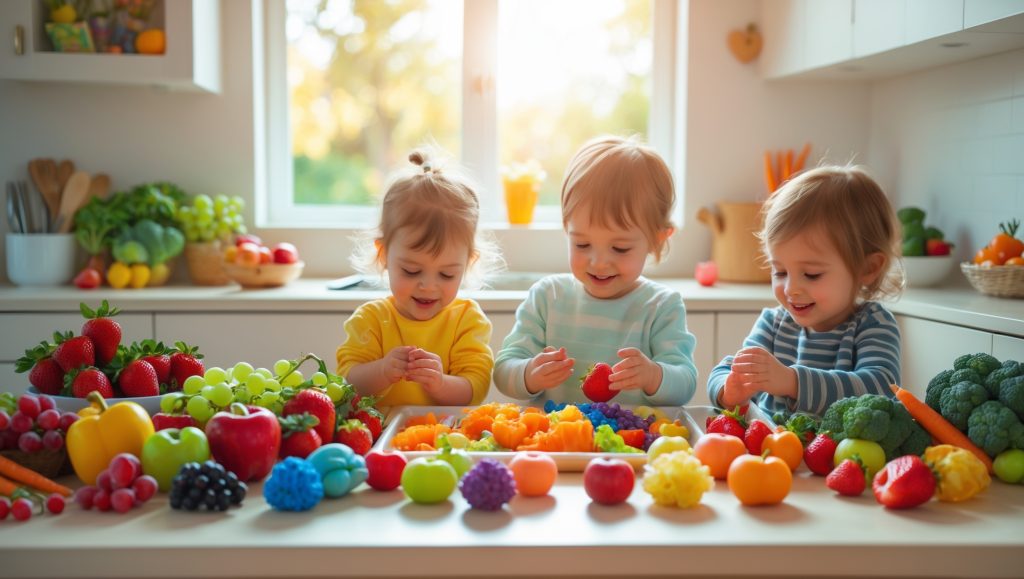
Sensory play is a cornerstone of early childhood development, offering children opportunities to explore their world through touch, taste, smell, sight, and sound. Among the most accessible and engaging forms of sensory play is food-based exploration. In 2025, U.S. families are increasingly turning to sensory food play to support their children’s growth, curiosity, and relationship with food. This evidence-informed guide will walk you through the benefits, simple strategies, common pitfalls, and expert-backed recommendations for integrating sensory food play into your family’s daily routine—no special products required.
Why Sensory Food Play Matters
From squishing ripe bananas between tiny fingers to exploring the snap of fresh green beans, sensory food play is more than just messy fun. Here’s why it matters for children’s development:
- Supports All Five Senses: Food play naturally engages taste, touch, smell, sight, and sometimes even sound (think of the crunch of celery or the fizz of seltzer on fruit).
- Builds Positive Food Associations: When children are allowed to investigate food without pressure to eat, they often become more open to trying new foods at mealtime.
- Promotes Fine Motor Skills: Activities like picking up peas, peeling oranges, or mashing potatoes strengthen small muscles in the hands and fingers.
- Encourages Language and Cognitive Development: Describing textures, colors, and flavors builds vocabulary and cognitive connections.
- Fosters Independence and Confidence: Giving children agency in how they explore food helps them feel in control and confident.
Getting Started: Age-Based Sensory Food Play Ideas
Babies (6–12 months)
- Texture Exploration: Allow babies to squish cooked sweet potato, avocado, or banana. Place small dollops on their highchair tray for safe, supervised play.
- Water Play with Edible Objects: Offer clean water with slices of cucumber or orange for safe mouthing and splashing.
Toddlers (1–3 years)
- DIY Edible Paints: Mix plain yogurt with natural food coloring or fruit purees. Let toddlers finger paint on a tray or plate.
- Sorting and Stacking: Use cut vegetables (like carrot coins or cucumber rounds) for simple stacking or sorting by color and size.
- Food Sculptures: Provide soft foods (like cooked pasta or berries) and encourage creative building.
Preschoolers (3–5 years)
- Food Art: Arrange fruit and veggie slices into faces, animals, or patterns on plates.
- Scent Jars: Fill small jars with herbs, citrus peels, or cinnamon sticks for safe smelling games.
- Texture Guessing Games: Blindfolded, have your child touch or taste (with permission) different foods and describe them.
Older Kids (5+ years)
- Recipe Experiments: Let children mix ingredients to create their own smoothie or snack, focusing on color and texture changes.
- Food Sounds: Explore the crackle of cereal, the snap of carrots, or the fizz of seltzer with fruit.
Evidence-Informed Benefits of Sensory Food Play
Recent research highlights several advantages of integrating sensory food play into everyday routines:
- Reduces Food Neophobia: Multiple studies show that repeated, pressure-free exposure to new foods—through touch and play—can gradually reduce reluctance to try unfamiliar foods.
- Enhances Social-Emotional Skills: Group sensory play (such as family snack time) can support turn-taking, communication, and emotional regulation.
- Encourages Mindful Eating: Exploring food with all senses helps children become more attuned to hunger and fullness cues.
- Supports Inclusive Play: Sensory food play is adaptable for children of diverse abilities and backgrounds, making it a valuable tool for inclusive family activities.
Importantly, all food-based play should be supervised by an adult and adapted for age-appropriate safety. Avoid foods that pose choking risks for children under four (such as whole grapes or hard raw vegetables).
Setting Up for Success: Safe and Simple Sensory Food Play at Home
Choosing Foods
- Select a variety of colors, textures, and shapes—think soft cooked carrots, ripe kiwi, mashed potatoes, or smooth applesauce.
- Choose foods that are easy to clean up and unlikely to stain if you’re concerned about mess.
- Encourage exploration of both familiar and unfamiliar foods, focusing on the experience rather than consumption.
Creating a Safe Environment
- Use a highchair, washable mat, or large tray to contain messes.
- Always supervise young children. Stay present to prevent choking and encourage safe exploration.
- Wash hands before and after play. Use clean, food-safe surfaces and utensils.
Managing the Mess
- Dress your child in old clothes or a large smock.
- Keep wipes, washcloths, or a damp towel nearby for quick clean-up.
- Embrace the mess as part of the learning process—growth and discovery are often a little untidy!
Common Mistakes
- Pressuring children to eat during play: Sensory food play is about exploration, not consumption. Avoid urging your child to taste or finish foods during playtime.
- Offering unsafe foods: Hard, round, or sticky foods can pose choking risks. Always adapt foods for your child’s age and abilities.
- Not supervising closely: Young children should never be left alone with food-based play materials.
- Skipping clean-up routines: Forgetting post-play hygiene (like washing hands and wiping surfaces) can lead to unwanted mess or lingering odors.
- Limiting play to “healthy” foods only: While nutritious options are great, occasional play with less conventional (but safe and age-appropriate) foods can spark curiosity and learning.
- Overcomplicating activities: Simple setups are often the most engaging. There’s no need for elaborate recipes or expensive supplies.
Quick Checklist
- Choose age-appropriate foods (soft, easy to handle, and not choking hazards)
- Gather washable surfaces, trays, and smocks
- Wash hands and prep a safe, clean area
- Supervise your child at all times
- Offer a variety of colors, textures, and shapes
- Encourage exploration without pressure to eat
- Talk about what your child sees, feels, and smells
- Clean up together, making it part of the routine
FAQ
+How is sensory food play different from regular mealtime?
+Is it okay if my child only plays and doesn’t eat the food?
+What foods should I avoid for sensory play with young children?
+Can sensory food play help with picky eating?
+What if my child doesn’t like getting messy?
+Do I need special toys or products for sensory food play?
+How often should we do sensory food play?
+Can children with food allergies participate?
Conclusion
Sensory food play is a powerful, evidence-informed tool for nurturing curiosity, confidence, and healthy relationships with food in children of all ages. By embracing the mess, focusing on the experience, and keeping safety at the forefront, U.S. families can make everyday moments more meaningful and fun. Whether you’re introducing your baby to their first squishy banana or inviting your preschooler to sculpt a vegetable rainbow, sensory food play is a simple, joyful way to support your child’s development in 2025 and beyond.

Sensory Food Play: Boosting Development Through Tasty Exploration is a dynamic approach that merges playtime with mealtime, transforming eating into a multisensory adventure. By encouraging children to touch, smell, taste, and even listen to their food, caregivers can nurture a positive relationship with new flavors and textures. This playful exploration isn’t just fun—it’s essential for cognitive and motor development. Sensory food play helps build fine motor skills as little hands squish, stack, and stir, and it also supports language development as children describe what they experience.
In the US, where picky eating and mealtime struggles are common, sensory food play offers a gentle way to introduce variety without pressure. Parents and educators can set up safe, inviting environments using everyday foods—think colorful fruit slices, textured grains, or aromatic herbs. The key is to let children lead, encouraging curiosity and creativity over perfection. By making food exploration a regular part of life, families can foster adventurous eating habits and lifelong appreciation for wholesome foods.
- Encourages healthy eating habits through positive, pressure-free exposure
- Develops fine motor skills and language as kids describe and manipulate foods
- Reduces mealtime stress by making food fun and interactive
- Supports sensory integration for children with diverse needs
Do you have any advice on how to transition sensory food play for a child who is moving from the toddler stage to preschool, especially as their interests and motor skills are changing?
It’s wonderful that you’re thinking about how to adapt sensory food play as your child grows. For preschoolers, try offering more complex textures, like building with cooked pasta or making simple edible art with cut fruits. Encourage self-feeding and safe use of child-friendly utensils to build motor skills. Invite your child to help with simple food prep tasks, such as mixing or spreading, always supervising closely. Choose age-appropriate foods to avoid choking hazards and allergens. This isn’t medical advice; if you have specific concerns, please consult your pediatrician.
For toddlers who are pretty hesitant with new textures or get overwhelmed by messy hands, do you have tips for introducing sensory food play slowly without causing stress? Should I stick to dry foods at first, or is it better to go right into squishier options like banana or avocado?
It’s understandable to want sensory food play to feel comfortable, not overwhelming, for your toddler. Start by offering dry or less-messy foods, like cereal or crackers, letting your child explore with just their hands or even utensils if they prefer. Gradually introduce slightly moister textures, such as soft bread or peeled cucumber, before moving to squishier options like banana or avocado. Let your child watch you play with the food first, and never force touch—let them decide their own pace. Always supervise closely and be cautious of choking hazards. This isn’t medical advice; if you’re concerned, check in with your pediatrician.
For families on a tight grocery budget, what are some affordable food items that work well for sensory play and are easy to clean up afterward?
It’s wonderful that you’re looking for budget-friendly options for sensory food play. Try cooked pasta, rice, or oats—they’re often inexpensive and can be used for scooping, squishing, or pouring. Dry foods like lentils or beans can be fun to sift and sort, but supervise closely and avoid with children under 3 due to choking risks. Sliced apples or carrots offer safe, textured finger foods for older toddlers. Lay down a mat or old sheet for easy cleanup, and remember that all foods should be age-appropriate and allergy-safe. This isn’t medical advice; if you’re concerned, check in with your pediatrician.
If my child seems uneasy about touching certain food textures, is it okay to skip those foods or should I keep reintroducing them in different sensory ways?
It’s completely understandable to worry when your child hesitates with certain food textures. Rather than skipping those foods entirely, try gently reintroducing them in a non-pressured, playful way—start by letting your child explore with tools like spoons, or encourage touching with just a fingertip. You might also offer the texture alongside familiar favorites, or use dry or less messy versions first. Always follow your child’s lead and stop if they seem overwhelmed. For young children, ensure all foods are age-appropriate in size and softness to prevent choking. This isn’t medical advice; if you’re concerned, check in with your pediatrician.
I noticed you suggested both cereals and purees for different sensory play activities with babies. When it comes to iron intake, do you generally recommend starting with infant cereals or pureed meats and veggies? Are there developmental or sensory play reasons to choose one over the other?
You’re clearly thinking carefully about both nutrition and sensory play for your baby. For iron intake, both iron-fortified cereals and pureed meats are solid early options from around 6 months, while pureed veggies can round out flavors and textures. Sensory-wise, cereals offer easy textures for scooping and mixing, while pureed meats introduce new tastes and aromas. Pureed meats are especially rich in easily absorbed iron, but cereals are often easier to handle as a first texture. Whichever you start with, offer safe, supervised opportunities for your baby to explore with their hands and mouth. This isn’t medical advice; if you’re unsure about feeding choices, your pediatrician can guide you.
If I want to use yogurt-based edible paints as my baby gets closer to toddler age, are there any budget-friendly alternatives to yogurt that are still safe for this kind of activity?
It’s great that you’re thinking about safe, affordable options for sensory food play. For older babies and young toddlers, you can try budget-friendly alternatives like unsweetened applesauce, instant pudding made with whole milk, or smooth mashed bananas as edible paint bases. These are generally safe, but always watch closely to prevent choking and check for any food allergies. Make sure the textures remain smooth and avoid adding small mix-ins. If you’re ever unsure about a new ingredient, or if your child has special dietary needs, this isn’t medical advice—please consult your pediatrician.
Can you explain the difference in developmental impact between food-based sensory activities and using traditional sensory toys for a 2-year-old?
—it’s wonderful you’re thinking about how different sensory play supports your toddler’s growth. Food-based sensory activities offer unique textures, tastes, and smells that can encourage curiosity, language, and positive food experiences. Traditional sensory toys, meanwhile, often focus on touch, sound, and visual exploration, building fine motor skills and problem-solving in a less messy way. For a 2-year-old, food play can also support early self-feeding and reduce picky eating, but always supervise for safety and watch for choking hazards and allergens. This isn’t medical advice; if you’re concerned, check in with your pediatrician.
My daughter is really sensitive to smells and strong flavors. For things like scent jars or edible paints, are there ways to use very mild options so she doesn’t get overwhelmed, or should I skip those activities altogether?
It’s completely understandable to want sensory play to feel safe and comfortable for your daughter. Try using unscented or very mildly scented items, like plain rice, dry cereals, or water for sensory jars. For edible paints, start with plain yogurt or unsweetened applesauce, adding just a hint of natural color from fruits or veggies without adding extra flavors. Always introduce new scents or tastes one at a time and watch her reactions closely. If she seems uneasy, it’s perfectly fine to pause or skip certain activities. This isn’t medical advice; if you’re worried about her sensitivities, check in with your pediatrician.
My son is super sensitive to sticky textures and immediately wipes his hands. Should I keep attempting activities like mashed bananas, or stick to foods he tolerates better for now?
It’s understandable to want your son to feel comfortable during sensory food play. Start by offering less sticky foods he already tolerates, like dry cereal or crunchy veggies, to help him build confidence. Gradually introduce slightly moist foods, letting him use utensils or his fingertips to touch at his own pace. Allow him to clean his hands often—having a towel nearby can make him feel more secure. Always supervise closely and avoid foods that could be choking hazards. This isn’t medical advice; if you’re concerned, check in with your pediatrician.
My 10-month-old is really into mashing and throwing food, but cleanup takes forever. Are there any practical tips for setting up sensory food play so it’s less overwhelming for parents and caregivers?
It’s completely normal to feel overwhelmed by the mess of food play at this age. Try using a large, washable mat or shower curtain under your child’s high chair to catch spills and make cleanup faster. Offer small amounts of food at a time to minimize the mess, and choose foods that are easy to wipe up (like steamed veggies or yogurt). Dress your baby in a smock or just a diaper during play, and keep wipes or a damp cloth handy. Always supervise closely at this age to ensure safety. This isn’t medical advice; if you’re concerned, check in with your pediatrician.
If my toddler seems hesitant to touch certain textures, like squishy fruits or sticky foods, should I keep offering them or try something else? Any tips for encouraging reluctant kids without pressuring them?
It’s completely normal to worry when your toddler is unsure about new textures. Try introducing tricky foods alongside familiar favorites, and let your child explore with just their fingers at first, without expecting them to eat. You might offer tools like spoons or tongs so they can interact from a distance, or play simple games like poking or squishing with your own hands as you narrate what you feel. Stay patient and keep play sessions short and positive, always respecting your child’s pace. For toddlers, make sure foods are cut safely and supervise closely to prevent choking or mess-related slips. This isn’t medical advice; if you’re concerned, check in with your pediatrician.
My parents sometimes care for our toddler and enjoy preparing their favorite spicy and aromatic recipes from back home. Are there any safety or allergy concerns we should consider when allowing sensory food play with unfamiliar or more intense flavors and ingredients?
It’s wonderful that your toddler can share in your parents’ cultural recipes, and your care about safety is important. When introducing unfamiliar or spicy foods during sensory play, start by checking if any ingredients are common allergens (like nuts, shellfish, or eggs). Offer new foods one at a time in small amounts to spot any reactions. Avoid very spicy or hot foods, as toddlers’ mouths and stomachs are sensitive. Supervise closely to prevent choking on small or hard pieces, and remind caregivers to keep foods at a safe temperature. This isn’t medical advice; if you’re worried about allergies or reactions, it’s best to talk to your pediatrician.
If my toddler tends to throw food or avoids touching anything messy, do you recommend easing into sensory food play differently or sticking with small portions of certain foods first?
It’s very normal to feel unsure when your toddler resists messy foods or throws food during sensory play. Start with very small portions of familiar, less-messy foods—think dry cereal or sliced fruit—so it feels less overwhelming. Gradually introduce new textures, letting your child watch or touch with just one finger if they prefer. Always supervise closely to ensure safety, especially with small or slippery foods. Offer praise for any interaction, even brief touches, and let your child set the pace. This isn’t medical advice; if you’re concerned, check in with your pediatrician.
You mentioned water play with edible objects for babies. Is there any guidance on which fruits or veggies are safest for mouthing at that age, especially for parents worried about choking hazards?
It’s completely natural to be worried about choking hazards as your baby explores new foods through play. For water play, choose soft, larger pieces of fruits or veggies that are too big to fit entirely in your baby’s mouth—think peeled cucumber spears, watermelon rinds (with most flesh removed), or thick banana slices. Always avoid hard, round, or small foods like grapes, cherry tomatoes, or raw carrots at this age. Supervise closely, and remember that textures should be soft enough to mash with gentle pressure. This isn’t medical advice; if you’re concerned, check in with your pediatrician.
If my baby seems unsure about new textures and sometimes gets upset when food feels sticky or slimy, should I keep offering those foods or wait until she’s older? How do you handle early sensory sensitivities without creating stress?
It’s understandable to worry when your baby reacts strongly to new textures. Start by offering one new texture at a time in very small amounts, letting her touch or play with it first without pressure to eat. Pair sticky or slimy foods with familiar favorites, and allow her to use utensils or her fingers to explore at her own pace. Keep mealtimes calm and low-key—if she gets upset, pause and try again another day. Always supervise closely to ensure safety, especially with slippery foods. This isn’t medical advice; if you’re concerned, check in with your pediatrician.
I noticed you mention food art and recipe experiments for older kids. Would you recommend these activities for preschoolers too, or are they better for school-age children? How do I know what’s age appropriate?
You’re wise to check what food play is right for your child’s age. Preschoolers can enjoy simple food art and easy recipe activities—think arranging fruit slices or stirring batter with help. Choose soft, bite-sized foods and avoid choking hazards like whole nuts or hard veggies. Let your child explore textures but always supervise closely, especially if tasting is involved. As children get older and motor skills improve, they can handle more complex tasks. This isn’t medical advice; if you’re concerned about safety or allergies, check in with your pediatrician.
Is it necessary to do a lot of prep or use special containers to store leftover food from these activities, or are there simple cleanup and storage tips for busy parents?
It’s totally understandable to want quick, easy cleanup after sensory food play. Try spreading a washable mat or towel under the play area and encouraging your child to help tidy up when you finish. For leftovers, basic airtight containers or resealable bags work fine—no need for anything fancy. Store perishable foods in the fridge and dispose of any items that have been heavily handled or mashed, especially for babies under 1 year. Always supervise to keep things safe and sanitary. This isn’t medical advice; if you’re concerned, check in with your pediatrician.
I love the idea of sensory food play, but mornings in our house need to stay pretty quiet so others can sleep. Do you have any suggestions for food-based activities that are engaging but won’t create a lot of noise for toddlers?
It’s great that you want to encourage sensory food play while keeping mornings calm for your household. Try setting up a quiet food exploration tray with soft foods like mashed banana, yogurt, or cooked pasta for your toddler to squish, scoop, and smear. Offer safe, age-appropriate kitchen tools like silicone spatulas or small spoons for added interest without noise. You could also try making simple food faces or patterns on a plate together, focusing on gentle touch. Always supervise closely to prevent choking and make sure foods are appropriate for your child’s age. This isn’t medical advice; if you’re concerned, check in with your pediatrician.
For babies who are still mostly mouthing rather than manipulating food with their fingers, should I wait until they’re older to try some of the ideas you mentioned, or can I adapt them for younger infants?
It’s great that you’re tuned in to your baby’s developmental stage and safety. Many sensory food play ideas can be adapted for young infants, even if they’re mainly mouthing. Try offering soft, age-appropriate foods like mashed banana or cooked sweet potato, always supervising closely. Use larger pieces that can’t be swallowed whole to reduce choking risk. Stick to single-ingredient foods to watch for allergies and avoid hard, sticky, or small items. You can also introduce sensory play by letting your baby touch and smell foods without needing to eat them. This isn’t medical advice; if you’re concerned, check in with your pediatrician.
If my child is hesitant to get messy or seems sensitive to certain textures during food play, how should I adapt the activities so it still supports their development?
It’s completely normal to worry when your child is hesitant or sensitive to certain textures during sensory food play. Start by offering less messy or dry foods, like crackers or cereal, and let your child touch these at their own pace. Encourage participation by using utensils or letting them wear gloves to reduce direct contact. Gradually introduce new textures, praising any attempt to try. Always supervise, especially with small or hard foods, and avoid common allergens. Remember, every child moves at their own pace and it’s fine to take it slow. This isn’t medical advice; if you’re concerned, check in with your pediatrician.
Is there any advantage to using basic kitchen foods for sensory play compared to buying commercial sensory toys, especially for a two-year-old? I want to keep things simple and budget-friendly.
It’s great that you want to keep things simple and affordable while supporting your child’s development. Using basic kitchen foods for sensory play can be just as beneficial—foods like cooked pasta, rice, or yogurt offer varied textures, smells, and even tastes, which are safe and engaging for most two-year-olds. You can easily control ingredients to avoid allergens and choking hazards, and supervision ensures safety. Plus, involving your child in simple food prep can add another layer of learning and connection. This isn’t medical advice; if you’re concerned, check in with your pediatrician.
I have limited counter space in my kitchen and worry about cleanup. Are there any food play activities for toddlers that are less messy but still support their sensory development?
It’s understandable to want sensory food play that doesn’t make a big mess in a small kitchen. Try offering dry foods like cereal, rice cakes, or cooked pasta in a shallow bin or tray—toddlers can explore textures with their hands or spoons. You might also use a muffin tin to sort different foods by color, shape, or texture. Another idea is to make edible play dough with simple ingredients, keeping portions small and easy to contain. Always supervise closely to prevent choking, and check for allergies before introducing new foods. This isn’t medical advice; if you’re concerned, check in with your pediatrician.
My child is allergic to dairy, so the yogurt paint activity isn’t an option for us. Are there other safe and easy edible paint ideas that work well for toddlers with allergies?
It’s great that you’re looking for safe sensory play options given your child’s allergy. You can try making edible paints with blended fruits (like strawberries or blueberries mixed with a bit of water), pureed vegetables (such as carrots or spinach), or thickened oat milk with natural food coloring. Unsweetened applesauce or mashed banana also work well as a paint base for finger painting. Always supervise toddlers during sensory play, and test any new ingredient on a small area first to watch for reactions. This isn’t medical advice; if you’re concerned, check in with your pediatrician.
Do you have advice for making sensory food play part of our routine when our twins’ eating and sleeping times are always a bit out of sync? I want to get the benefits without feeling overwhelmed.
It’s understandable to want the benefits of sensory food play even with twins on different schedules. Try choosing a flexible window (like late morning) when both are generally alert, even if it’s not mealtime. Set up simple, low-prep food sensory bins—think yogurt smears or banana slices—so you can easily rotate one twin in while supervising the other. Keep sessions brief (5–10 minutes) to prevent overwhelm, and remember to supervise closely, especially for choking hazards. Finally, it’s okay if it doesn’t happen daily; consistency over time is what matters most. This isn’t medical advice; if you’re concerned, check in with your pediatrician.
My preschooler is sensitive to strong smells and certain textures. For the scent jars and texture guessing games, can I tailor these ideas for kids who are easily overwhelmed by intense sensations? Would you suggest starting with specific foods or scents?
It’s thoughtful of you to support your preschooler’s sensitivities during sensory food play. Start with mild, familiar scents (like plain crackers or soft bread) and smooth textures (such as mashed potatoes or applesauce). Let your child choose, and introduce just one new scent or texture at a time, keeping portions small. Allow your child to observe before touching or smelling, and always respect their cues to pause or stop. Avoid strong-smelling foods, and supervise closely to ensure comfort and safety. This isn’t medical advice; if you’re concerned, check in with your pediatrician.
Are there particular foods you recommend avoiding for sensory play due to potential choking hazards or allergies, especially for babies and younger toddlers?
You’re right to be cautious about choking hazards and allergies during sensory food play. For babies and toddlers under three, avoid hard foods like whole grapes, raw carrots, popcorn, nuts, and chunks of cheese or meat. Skip sticky spreads like peanut butter in thick globs, and be mindful of common allergens—introduce one new food at a time and watch for reactions. Always supervise closely during play, and choose soft, mashable foods cut into small pieces. This isn’t medical advice; if you’re concerned, check in with your pediatrician.
If my preschooler is hesitant to touch certain foods, should I adapt the activities or wait until she’s more comfortable? Are there small steps you recommend for children who are especially cautious?
It’s understandable to want your preschooler to feel comfortable with sensory food play. For cautious children, start by involving her in non-touch activities, like washing veggies with a brush or using utensils to move food. Next, try placing foods in sealed bags to squish or poke, so she explores textures without direct contact. Gradually encourage touching foods with just a finger, then a whole hand, always letting her set the pace. Ensure all foods are age-appropriate and cut into safe sizes to prevent choking. This isn’t medical advice; if you’re concerned, check in with your pediatrician.
Is it easier to measure and track iron intake if I stick with iron-fortified cereals during sensory play sessions, versus using homemade purees from meats or beans, especially when the food might end up everywhere except in my child’s mouth?
It’s completely understandable to want a clear sense of your child’s iron intake, especially during messy sensory food play. Iron-fortified cereals usually have labeled nutrition info, which can make tracking amounts easier compared to homemade purees. Try offering small, measured portions so you know what’s available, and use shallow bowls to limit spillage. With meats or beans, estimating iron eaten is trickier, but you can still start with measured amounts and note leftovers after play. For babies under 1, ensure all food textures are safe and supervise closely. This isn’t medical advice; if you’re concerned, check in with your pediatrician.
I have a 2-year-old who tends to put everything in his mouth but is still a little picky at meals. Should I worry about encouraging food play if he isn’t actually eating much during these activities, or is just exploring enough at this age?
It’s understandable to wonder if food play is helpful when your toddler isn’t eating much yet. At age two, it’s very normal for children to explore food mainly by touching, smelling, and even mouthing rather than eating. Try offering a variety of safe, soft foods with different textures, and let your child explore at their own pace under supervision. Keep portions small and avoid foods that could be choking hazards. Celebrate curiosity and keep mealtimes low-pressure—exploring is actually a key part of learning to enjoy new foods. This isn’t medical advice; if you’re concerned about your child’s nutrition or growth, check in with your pediatrician.
When it comes to letting babies squish foods like cooked sweet potato or avocado, is there a guideline for the size or shape these should be to avoid any potential choking hazards during playtime?
—it’s understandable to want to keep sensory food play safe for your baby. For babies under 12 months, offer soft foods like cooked sweet potato or avocado in large, manageable pieces (think strips or wedges about the size of your finger). This lets them explore textures while reducing choking risks. Make sure foods are very soft and easily mashed with gentle pressure. Always supervise closely, and remove any small chunks that might break off. Remember, every baby develops at their own pace—if you have concerns about readiness or safety, it’s a good idea to check in with your pediatrician. This isn’t medical advice.
My toddler sometimes refuses to touch certain textures, like sticky banana or mushy potatoes. Should I keep offering those foods, or try introducing them differently to make sensory play more positive?
It’s completely normal to feel concerned when your toddler avoids certain textures. You can gently keep offering those foods, but pressure-free—let your child explore at their own pace. Try presenting tricky foods in different ways, like using utensils, serving them frozen or slightly chilled, or mixing them with favorite, less sticky foods. Offer tiny amounts and model touching or playing with the food yourself. Always supervise sensory play with food to prevent choking, and check for possible allergens. This isn’t medical advice; if you’re concerned, check in with your pediatrician.
I noticed you mention food art and DIY edible paints. Are there options for sensory play using budget-friendly foods that won’t go to waste if my child just explores and doesn’t eat them?
It’s great that you’re mindful about both budget and food waste. For sensory play, you can use items like cooked pasta, rice, or oats—foods that are inexpensive and can be composted after use if not eaten. Try making edible finger paints from yogurt or applesauce mixed with a bit of natural food coloring. Offer small portions to limit waste and encourage exploration with hands or safe utensils. Always supervise closely, especially with babies and toddlers, to prevent choking or allergic reactions. This isn’t medical advice; if you’re concerned, check in with your pediatrician.
I like the idea of sorting and stacking food with my 14-month-old, but how do you store leftover cut veggies after a session to keep them fresh and safe to reuse for another play round?
It’s great that you want to reuse veggies safely for sensory play. After your session, gather any uneaten, unchewed veggie pieces and store them in a clean, airtight container in the fridge—use within 1–2 days for freshness. Wash hands and surfaces before and after play to limit germs. Discard any veggies that have been mouthed or dropped on the floor to avoid contamination. For 14-month-olds, always supervise closely and use veggies cut into safe, manageable shapes to prevent choking. This isn’t medical advice; if you’re concerned, check in with your pediatrician.
My child is pretty sensitive to how things feel and gets overwhelmed if food is sticky or slippery. Do you have suggestions from your sensory food play ideas that work well for kids who might be hesitant to touch certain textures?
It’s understandable to want your child to feel comfortable exploring new foods without getting overwhelmed. Start by letting them use utensils or even gloves to interact with foods, so direct touch isn’t required at first. Gradually introduce dry or less messy textures like crackers, dry cereal, or cut veggies before moving to wetter or stickier foods. Offer opportunities to simply observe or smell new foods, participating at their own pace. Always supervise closely, especially if your child is very young, to avoid choking hazards. This isn’t medical advice; if you’re concerned, check in with your pediatrician.
Sometimes my preschooler seems hesitant to touch certain food textures, even though he enjoys others. Do you have suggestions for gently encouraging kids who are sensitive to specific textures during food play?
It’s completely normal to worry when your preschooler hesitates with certain textures—this is a common sensory response. Start by offering new textures alongside familiar favorites, letting your child watch and mimic you touching or playing with the food. Use tools (like spoons or tongs) at first to reduce direct contact, then gradually encourage fingertip exploration. Keep sessions short and pressure-free, praising curiosity over consumption. Always supervise closely and avoid foods that pose a choking risk or trigger allergies. This isn’t medical advice; if you’re concerned, check in with your pediatrician.
The article mentions water play with edible objects for babies. Are there specific safety tips or rules I should keep in mind to make sure my baby doesn’t choke or have any issues during sensory food play?
You’re right to be mindful about safety during sensory food play. Always supervise your baby closely—never leave them unattended with water or food objects. Use large, soft foods (like thick banana slices) that are easy to grasp and too big to fit completely in your baby’s mouth. Avoid hard, small, or round foods that could be choking hazards. Limit water depth to less than an inch, and dry your baby’s hands often to prevent slips. This advice is for babies around 6 months and up who are ready for solids. This isn’t medical advice; if you’re ever unsure or notice any trouble, please check in with your pediatrician.
I’m curious if you have suggestions for rotating different types of sensory food play across a week, especially for families with limited time. Is it better to focus on one sense each day or combine several in the same session for toddlers?
It’s great that you want to make sensory food play manageable and meaningful for your toddler. With limited time, try choosing 2–3 short sessions per week, alternating between focusing on one sense (like touch with soft fruits one day) and mixing senses (like texture, color, and smell with a fruit salad another day). You could prep small trays in advance and keep foods simple and safe—avoid choking hazards, use age-appropriate utensils, and supervise closely. Both approaches are beneficial, so see what your child enjoys most. This isn’t medical advice; if you have any safety concerns, check in with your pediatrician.
My 4-year-old loves sensory food play but tends to get really messy, and sometimes I worry about germs or food waste. Are there tips for keeping things relatively clean and safe, especially when using raw fruits and veggies?
It’s very normal to want to balance your child’s sensory play with your own need for cleanliness and safety. Try using a washable tablecloth or tray to contain the mess, and keep a damp cloth nearby for quick hand wipes. Offer bite-sized pieces of fruits and veggies that are easy to handle, and supervise closely to discourage food throwing. Wash produce well before play, and discard anything dropped on the floor. For less waste, set aside small portions just for play, and store leftovers promptly. This isn’t medical advice; if you’re concerned, check in with your pediatrician.
Do you have any tips for storing leftovers or partially used foods from sensory play sessions safely, so we are not wasting too much or risking spoilage?
It’s great that you’re thinking about both safety and reducing waste with sensory food play. For foods that will be reused, store them right away in clean, airtight containers in the fridge, and label them with the date. Only keep foods that are still fresh and haven’t been handled excessively or put in mouths—those should be discarded. For finger foods or cut produce, use them within 24 hours for children under 3, since little ones are more sensitive to foodborne germs. Avoid saving foods with dairy or eggs, as they spoil quickly. This isn’t medical advice; if you’re concerned, check in with your pediatrician.
For older kids who might find food play too childish, do you have tips for making these activities feel more engaging or age-appropriate without needing to buy a lot of extra supplies?
It’s great that you want to support your older child’s sensory exploration while respecting their maturity. Try involving them in kitchen tasks like blindfolded taste tests or flavor challenges to guess ingredients. Encourage creative food art, such as designing edible faces or landscapes with veggies. You can also set up ‘chopped’ style competitions using pantry items you already have. Let your child take the lead in planning activities to boost engagement and autonomy. Always supervise for safe handling of utensils and be mindful of any food allergies. This isn’t medical advice; if you’re concerned, check in with your pediatrician.
For working parents who don’t have much time during weekdays, what’s a realistic way to fit sensory food play into our daily routine without it becoming another source of stress?
It’s completely understandable to want sensory food play to enhance your child’s development without feeling overwhelmed by your busy schedule. Try integrating sensory play into existing routines, like letting your child explore textures and colors during snack prep or mealtime. Offer safe, age-appropriate finger foods and let your child touch, squish, or stack them before eating. Even a few minutes of hands-on exploration at the table counts. Use a damp cloth for quick clean-up and keep sessions short—consistency matters more than duration. This isn’t medical advice; if you have concerns about your child’s needs or allergies, check in with your pediatrician.
Do you have any tips for storing leftover prepared foods or DIY edible paints between play sessions, or is it better to make everything fresh each time to avoid spoilage or contamination?
You’re wisely thinking about safety and practicality with sensory food play. If you’d like to store leftovers, use airtight containers, label them with the date, and refrigerate promptly—most homemade edible paints and prepared foods last up to 2 days if kept cold. Always check for changes in smell, texture, or color before reusing. For babies and toddlers under 3, making fresh batches is safest to avoid bacterial growth, especially if little hands have touched the food. When in doubt, a quick remake is worth the peace of mind. This isn’t medical advice; if you’re concerned, check in with your pediatrician.
Could you explain the differences between food-based sensory play and regular craft sensory play when it comes to encouraging language development? I am curious if using real foods offers distinct benefits.
Your curiosity about how food-based sensory play might support language development is very thoughtful. Food play offers unique sensory experiences: children can describe tastes, smells, and textures, which often sparks more descriptive language than typical craft materials. Try narrating what your child is doing (“You’re squishing the banana; it feels mushy!”) and encourage them to label foods, colors, and sensations. In contrast, craft play usually involves naming colors and shapes but may not engage all the senses as deeply. Always supervise closely and ensure foods are safe for your child’s age and allergies. This isn’t medical advice; if you have concerns about language development, check in with your pediatrician.
You mention using scent jars and blindfolded texture guessing games for preschoolers. Are there ways to adjust these activities for a child who’s very sensitive to certain smells or touch sensations without making her uncomfortable?
It’s wonderful that you want to respect your child’s sensitivities while encouraging sensory exploration. Try offering your child choices about which jars or textures to explore, and allow her to opt out of anything she finds overwhelming. Start with familiar, mild scents and soft, non-sticky textures—perhaps fabric swatches or smooth fruits. You can model touching or smelling first, so she feels safe, and always use positive encouragement without pressure. For sensitive children, short, low-key sessions with plenty of breaks work best. This isn’t medical advice; if you’re concerned, check in with your pediatrician.
For parents who like to use educational toys for sensory development, how does sensory food play compare in terms of benefits for language and fine motor skills?
It’s great that you’re thinking about ways to support your child’s development. Sensory food play offers unique benefits compared to educational toys: 1. Handling a variety of food textures can strengthen fine motor skills like grasping, pinching, and scooping. 2. Naming foods, describing tastes, and talking about sensations during play builds rich, real-life language skills. 3. Messy play with food can encourage curiosity and flexible thinking, both important for communication. Always supervise closely, especially with babies or toddlers, and avoid foods that pose choking or allergy risks. This isn’t medical advice; if you’re concerned, check in with your pediatrician.
I noticed you recommend finger painting with yogurt for toddlers. Are there any common allergens I should avoid, or safe alternatives if my kids have mild dairy sensitivities?
It’s great that you’re thinking carefully about potential allergens during sensory food play. For toddlers with dairy sensitivities, try using non-dairy yogurts made from coconut, almond, or oat milk—just check the ingredients for other allergens like nuts or soy. Unsweetened applesauce, mashed bananas, or smooth pureed pumpkin also make safe and fun alternatives for finger painting. Always supervise closely to prevent choking, and introduce new foods one at a time to watch for reactions. This isn’t medical advice; if you’re concerned, check in with your pediatrician.
Some activities suggest using a lot of different fruits and veggies, which can get expensive and lead to leftovers. Do you have advice for keeping sensory food play budget-friendly and limiting food waste?
You’re right to want sensory food play to be fun without being wasteful or costly. Try using small amounts—just a few slices or pieces for each activity. Opt for in-season and local produce, which is usually less expensive. Save scraps and peels for other sensory tasks like texture exploration or composting. Repeat activities with the same foods across several days to maximize use. Always supervise closely and cut foods to prevent choking, especially for children under 3. This isn’t medical advice; if you’re concerned, check in with your pediatrician.
How often do you recommend including sensory food play in a weekly routine, especially if parents have tight schedules? Is once or twice a week enough to see benefits?
It’s great that you want to include sensory food play, even with a busy schedule. Once or twice a week can definitely be enough to see benefits, especially for toddlers and preschoolers, as long as the experiences are relaxed and engaging. Try setting aside 10–20 minutes during snack or meal prep, letting your child touch, smell, and explore new foods safely. Make sure foods are age-appropriate to avoid choking hazards, and supervise closely. Consistency is more important than frequency, so regular, positive experiences matter most. This isn’t medical advice; if you’re concerned, check in with your pediatrician.
How often do you recommend doing sensory food play activities each week for best results? Is there such a thing as too much, or should it just fit naturally into snack times?
It’s great that you want to make the most of sensory food play for your child’s development. Aim for 2–4 sensory food play sessions per week, keeping them short (10–20 minutes) and age-appropriate. Let activities fit naturally into routine snack or mealtimes, so it feels relaxed rather than forced. Watch for your child’s cues—if they seem overwhelmed or uninterested, scale back. Too much structured play can feel like pressure, so balance is key. Always supervise closely, especially with younger children or foods that could be choking hazards. This isn’t medical advice; if you’re concerned, check in with your pediatrician.
How late in the day is it okay to do sensory food play with my 3-year-old? I worry that it might get her too wound up before bed. What’s the best time to fit these activities into our schedule?
It makes sense to want to avoid overstimulating your child before bedtime. For a 3-year-old, sensory food play usually works best earlier in the day—late morning or right after lunch—when your child is alert but not too close to nap or bedtime. Try to finish these activities at least 2–3 hours before you start your bedtime routine so your child has time to wind down. After sensory play, offer calm activities like reading. Always supervise closely, and use age-appropriate foods that avoid choking hazards. This isn’t medical advice; if you’re concerned, check in with your pediatrician.
You mention using yogurt as edible paint for toddlers. Is there a budget-friendly, non-dairy alternative that works just as well for families avoiding dairy?
It’s great that you’re looking for inclusive, budget-friendly options for food play. For a non-dairy alternative to yogurt, you can try unsweetened applesauce or coconut milk yogurt as a base for edible paint—both are smooth, spreadable, and safe for toddlers over 12 months. You can tint them naturally with fruit or veggie purees. Always supervise closely to prevent choking, and double-check for any food allergies. This isn’t medical advice; if you’re concerned, check in with your pediatrician.
If my 3-year-old goes through phases of refusing to touch certain textures, like anything slimy or sticky, do you have tips for gently encouraging participation in sensory food play without causing more resistance?
It’s completely normal to worry when your child avoids certain textures. To encourage gentle participation, start by letting your child watch you play with the food—model curiosity without pressure to join. Offer a tool like a spoon or toy fork so they can interact without direct contact at first. Gradually introduce less challenging textures, keeping play short and positive. Always respect their limits and celebrate even small steps. For a 3-year-old, supervise closely and avoid foods that pose choking or allergy risks. This isn’t medical advice; if you’re concerned, check in with your pediatrician.
When starting sensory food play with common allergens, should I offer those foods earlier in the day, or does the timing (morning vs. evening) matter if my baby might react? I want to make this part of our daily routine but stay cautious.
You’re right to be cautious about introducing common allergens during sensory food play. It’s generally best to offer new allergenic foods earlier in the day, so you have plenty of time to observe your baby for any reactions and seek help if needed. Start with a small amount of one new allergen at a time and wait a few days before trying another. Keep the food texture safe for your baby’s age (smooth purees for younger infants, soft finger foods for older babies), and always supervise play. This isn’t medical advice; if you’re concerned, check in with your pediatrician.
If a toddler is a little hesitant to touch or squish new textures, like mashed potatoes or avocado, how can we gently encourage participation without causing more food aversion?
It’s understandable to want your toddler to feel comfortable exploring new foods. Start by letting them observe you play with the food first, showing that it’s safe and fun. Offer small amounts on a separate plate so they don’t feel overwhelmed. Let them use tools like spoons or forks at first, or even just poke with a finger, and praise any attempt to interact. Keep sessions brief and low-pressure, allowing your child to opt out if they seem distressed. Always supervise closely, and remember that every child’s pace is different—be patient and supportive. This isn’t medical advice; if you’re concerned, check in with your pediatrician.
With toddlers who are just learning about different foods, how can I encourage exploration without making them feel pressured to eat? Sometimes my child gets overwhelmed and refuses foods later on, and I want to avoid turning playtime into a struggle.
It’s wonderful that you want to encourage your toddler’s curiosity while respecting their comfort with new foods. Try offering a variety of colorful, soft, and safe foods for sensory play without any expectation to taste or eat. Let your child touch, squish, or smell foods at their own pace—participate with them, narrating textures and colors rather than urging bites. Keep portions small and the environment calm, stepping back if your child seems overwhelmed. Always supervise closely to prevent choking. Remember, positive exposure without pressure helps kids feel safe and curious around new foods. This isn’t medical advice; if you’re concerned, check in with your pediatrician.
Do you recommend specific routines or times of day that work best for sensory food play with toddlers? I am wondering if doing these activities before or after meals makes a difference for their experience or willingness to try new foods.
—it’s thoughtful to consider when sensory food play might be most helpful for your toddler. Try short, playful sessions at a time when your child isn’t overly hungry or tired—mid-morning or mid-afternoon usually works well. Doing sensory food play separate from mealtimes helps reduce pressure and keeps the experience fun, which can increase willingness to try new foods later. Always supervise closely, use safe, age-appropriate foods (watch for choking hazards), and keep portions small. This isn’t medical advice; if you have specific concerns, check in with your pediatrician.
If my baby shows more interest in playing with purees rather than cereals, does that impact how much iron they actually absorb? Should I be encouraging more cereal play, or is puree play just as beneficial?
It’s completely normal to wonder about iron intake if your baby prefers purees over cereals during sensory play. Puree play can be just as developmentally beneficial for sensory exploration as cereal play, but iron absorption depends on how much iron-rich food your baby actually eats, not just plays with. You can offer iron-fortified purees (like meat, beans, or iron-fortified vegetable purees) and let your baby explore those, making sure any play is supervised to prevent choking. If you’re concerned your baby isn’t eating enough iron-rich foods, check in with your pediatrician for personalized guidance. This isn’t medical advice; if you’re concerned, check in with your pediatrician.
You mention using yogurt-based edible paints with toddlers. Are there any safe, dairy-free alternatives for families dealing with allergies, and do they work just as well for sensory benefits?
It’s great that you’re looking for safe, inclusive options for sensory play. For dairy-free edible paints, try unsweetened coconut yogurt or oat-based yogurt as a substitute—make sure they’re free from added sugars or allergens. You can also use blended silken tofu or thick applesauce for a similar texture. Add natural food coloring like pureed berries or vegetable powders for color. These alternatives still offer valuable sensory experiences with taste, texture, and color exploration. Always supervise play, especially with younger toddlers, and check for any new ingredient sensitivities. This isn’t medical advice; if you’re concerned, check in with your pediatrician.
My toddler sometimes puts too much food in her mouth during play. Are there safer food textures or types that reduce the risk of choking for 2-year-olds?
It’s understandable to worry about choking when your toddler is exploring food through play. To help keep things safe, try offering soft foods like ripe banana, well-cooked pasta, or mashed avocado, which break apart easily. Serve foods in small, pea-sized pieces and always supervise closely during play. Avoid round, hard, or sticky foods like whole grapes, popcorn, or chunks of cheese, as these are higher choking risks for 2-year-olds. Remind your child to take small bites and chew slowly. This isn’t medical advice; if you’re concerned, check in with your pediatrician.
Can sensory food play be incorporated into mealtime, or is it more beneficial as a separate activity during the day? I’m wondering how best to fit it into our daily routine without creating power struggles around eating.
It’s great that you want to support your child’s development while keeping mealtimes positive. Sensory food play can be part of mealtime if it’s playful and low-pressure, like letting your child touch or explore new foods without expecting them to eat. Alternatively, setting aside a separate time just for sensory food play—using safe, age-appropriate foods and close supervision—can reduce stress around meals and keep eating routines relaxed. Watch for any signs of overwhelm, especially with younger children or those with allergies. This isn’t medical advice; if you’re concerned, check in with your pediatrician.
My child is currently very interested in sorting and stacking things, including bathroom items. Would encouraging more sensory food play, like sorting vegetables, help reinforce positive routines or independence in other areas, like potty training?
It’s great that you’re noticing your child’s interest in sorting and stacking, which shows developing cognitive and fine motor skills. Encouraging sensory food play, like sorting vegetables, can support your child’s independence by strengthening skills like following steps, making choices, and cleaning up—helpful for routines like potty training. Try offering bowls for sorting food items by color or shape, use safe, soft vegetables for little hands, and invite your child to help wipe up after play. Always supervise food play to avoid choking hazards, especially for children under three. This isn’t medical advice; if you’re concerned, check in with your pediatrician.
What are some cost-effective sensory food play ideas for families on a budget, especially when using fresh produce for play might feel wasteful?
It’s understandable to want your child to enjoy sensory food play without feeling wasteful or overspending. Try using food scraps like carrot tops, potato peels, or citrus rinds for safe exploration—just wash them first. Cook a small portion of dried beans or rice for scooping and pouring; you can store and reuse them. Save leftover oatmeal or mashed potatoes for squishing and shaping. Freeze water with bits of herbs or fruit for chilly sensory fun. Always supervise young children closely, especially with small or hard items, and adjust textures for your child’s age. This isn’t medical advice; if you’re concerned, check in with your pediatrician.
Could I give my toddler a small food item to explore during our bedtime story time, or would that disrupt winding down before sleep? I appreciate any insight into balancing sensory food play with bedtime quiet time.
You’re thoughtful to balance sensory play with your child’s need to wind down before sleep. While sensory food play supports development, bedtime routines are most restful when calm and predictable. Instead, offer food exploration earlier in the day, when your toddler can fully engage and you can safely supervise. Reserve bedtime for quieter, less stimulating activities like cuddling and reading. This helps signal to your child that it’s time for sleep. This isn’t medical advice; if you’re concerned, check in with your pediatrician.
Does integrating sensory food play at home reduce the need for specialized sensory toys or subscription boxes, or are there advantages to combining both approaches for well-rounded development?
You’re thoughtful to consider how best to support your child’s sensory development. Sensory food play at home can meet many needs—offering real-world textures, smells, and tastes—especially with age-appropriate, safe foods under close supervision. However, combining food play with some specialized sensory toys or activities can broaden your child’s experiences, introducing new materials (like kinetic sand or textured balls) that food might not provide. Rotate activities to keep things fresh and watch for any safety risks, such as choking hazards or allergens. This isn’t medical advice; if you have concerns about your child’s development, check in with your pediatrician.
For older kids who are already comfortable with basic food textures, are there creative ways to keep them engaged in food-based sensory activities, or should we focus more on cooking skills at that stage?
It’s great that your child is confident with basic textures—that’s a big milestone. For older kids, you can mix sensory fun with early cooking skills. Try letting them assemble their own snack platters, explore herbs and spices by smelling and tasting, or create playful food art with different ingredients. Encourage safe knife skills with soft foods like bananas or cucumbers, always supervising closely. Hands-on activities like making simple dough or kneading bread can be both sensory and skill-building. This isn’t medical advice; if you’re concerned, check in with your pediatrician.
Do you suggest setting aside a regular time each day for sensory food play, or is it more effective to incorporate these activities spontaneously based on my toddler’s mood or mealtime curiosity?
It’s great that you want to support your toddler’s sensory development. Both approaches have benefits: setting aside a regular time can help some children feel secure and anticipate the activity, while following your toddler’s cues may make sensory food play more engaging and reduce stress. You might try a flexible routine—offer sensory food play at a similar time daily, but be open to spontaneous moments when your child shows interest. Always supervise closely, especially with new foods or textures, and avoid small, hard foods to prevent choking. This isn’t medical advice; if you’re concerned, check in with your pediatrician.
My 2-year-old sometimes tries to eat everything during sensory play, even when it’s not mealtime. How can I set boundaries while still letting her enjoy the process without pressure to eat specific foods?
It’s completely normal to worry about your toddler eating during sensory play, especially at this curious age. Try setting up a clear routine: explain that sensory playtime is for exploring, not eating. Offer safe, edible items (like cooked pasta or sliced fruits) when possible, and always supervise closely to prevent choking or allergic reactions. Use gentle redirection if she tries to eat non-mealtime foods, saying, ‘We use our hands to play right now.’ Give lots of praise for touching, smelling, or squishing rather than eating. Remember, at age 2, exploration is key, but safety comes first. This isn’t medical advice; if you’re concerned, check in with your pediatrician.
When introducing textures like mashed potatoes or squished bananas to a toddler who resists touching messy foods, do you have tips for gradually building their comfort without overwhelming them?
It’s understandable to want to help your toddler feel more comfortable with messy foods. Try starting by letting them explore textures with a spoon or fork instead of their hands. Offer a small amount of food at first, and let them watch you touch and enjoy it yourself. Gradually encourage them to touch the food using just a fingertip, praising any attempt without pressure. Keep sessions short and relaxed, and always have wipes or a towel nearby so they know clean-up is easy. For toddlers, supervision is important to ensure safety and prevent choking. This isn’t medical advice; if you’re concerned, check in with your pediatrician.
How might these sensory food play suggestions be adjusted for children who are a bit older, say seven or eight years old? I want to keep things engaging as my child grows.
It’s wonderful that you want to keep sensory play engaging as your child grows. For seven- or eight-year-olds, try more complex food activities—invite them to prepare simple recipes, organize taste tests with new spices or cuisines, or challenge them to blindfolded food identification games. Encourage safe use of kid-friendly utensils to promote independence, and discuss textures, flavors, and cultural food stories together. Always supervise closely, especially with new tools or unfamiliar foods. This isn’t medical advice; if you’re concerned, check in with your pediatrician.
If I’m trying to reduce clutter and limit the number of dishes or tools involved, do you have any suggestions for keeping sensory food play tidy without losing the developmental benefits for my toddler?
It’s great that you want to support your toddler’s development while keeping things manageable. Try using a large, shallow tray or a washable tablecloth to contain mess and make cleanup easier. Offer just a few foods at a time, focusing on safe, soft textures that are easy to pick up and clean. You can use your child’s highchair tray as the play surface, minimizing extra dishes. Keep wipes or a damp cloth nearby, and supervise to make sure nothing unsafe goes in their mouth. This isn’t medical advice; if you’re concerned, check in with your pediatrician.
We live in a small apartment and don’t have much extra kitchen space. Do you have suggestions for storing leftover foods used in sensory play, especially those that get mashed or blended but aren’t finished in one session?
It’s understandable to want practical storage solutions when space is limited. Use small, airtight containers or reusable silicone bags to store leftover mashed or blended foods in the fridge—label them with the date so you know when to discard. Only save foods that are safe to be kept chilled and haven’t been overly handled to avoid germs. For safer, cleaner play, consider dividing out portions for play and discarding anything that’s become sticky or contaminated. Remember, some foods spoil quickly and are best used just once, especially with infants. This isn’t medical advice; if you have concerns about food safety, check with your pediatrician.
My child sometimes has a strong reaction to certain textures, like slimy foods or mashed potatoes. How can I gently introduce sensory food play without overwhelming or discouraging him?
It’s completely normal to want to help your child feel more comfortable with new food textures. Start by letting him explore non-food items with similar textures, like playdough or cooked pasta, using his hands or even tools if touching is tough. Gradually introduce foods with mild textures, such as smooth yogurt or soft bread, before moving to more challenging ones. Always let him decide how much he wants to touch or taste—no pressure. Keep sessions short and fun, and offer plenty of praise for trying. For young children, supervise closely and watch for small food pieces or allergens. This isn’t medical advice; if you’re concerned, check in with your pediatrician.
Do you have suggestions for affordable foods or ways to minimize food waste when offering sensory play to babies who might not actually eat what’s on the tray?
It’s great that you want to encourage sensory play while being mindful of waste and cost. Try offering small amounts of affordable foods like cooked pasta, rice, or oatmeal—start with just a tablespoon on the tray. Use leftover veggies or fruit peels for texture play, always checking for choking risks and allergens. You can also freeze small portions for future sessions, or offer food scraps that would otherwise be composted, such as carrot tops. Make sure all foods are soft, cut to appropriate sizes, and supervise closely. This isn’t medical advice; if you’re concerned, check in with your pediatrician.
Do you have any tips for storing leftover edible paints or prepared sensory food items safely if I use them for food play one day and want to reuse them the next afternoon?
It’s great that you’re thinking about how to make sensory food play both fun and safe for your child. For storing leftover edible paints or sensory food items, transfer them to clean, airtight containers right after playtime to limit bacteria growth. Label each container with the date made, and refrigerate them promptly, especially if they contain dairy, fruit, or cooked ingredients. Always check for changes in smell, texture, or color before reusing, and avoid keeping homemade items more than 24–48 hours. Use clean utensils to handle leftovers, and supervise your child closely, especially if they’re under age 3. This isn’t medical advice; if you’re concerned, check in with your pediatrician.
For toddlers who still tend to put everything in their mouths, how can I ensure that the foods used for sensory play are both safe in size and texture? Any specific foods you recommend completely avoiding because of choking risks?
It’s completely normal to be concerned about safety when your toddler is still mouthing objects. To help, cut foods into very small, soft pieces—think pea-sized—and avoid any hard, round, or sticky foods like whole grapes, raw carrots, popcorn, or marshmallows, as these are common choking hazards. Cook vegetables until they’re soft, and stick with easily mashable foods like ripe banana, avocado, or well-cooked pasta. Always supervise sensory food play closely, and remember, this isn’t medical advice; if you’re worried about your child’s eating or safety, please consult your pediatrician.
For families with kids of different ages, is it possible to set up a shared sensory food play experience, or should activities be kept separate to match each child’s developmental stage?
It’s great that you want to include all your children in sensory food play. Shared experiences can work well if you tailor foods and activities to each child’s age and abilities. For example, offer safe, soft foods for babies (like mashed banana) and small finger foods for toddlers, always watching for choking hazards. Give older kids tools like tongs or cups to add challenge. Set clear rules about sharing and boundaries, and always supervise closely. Separate activities may be needed if siblings have very different needs or sensitivities. This isn’t medical advice; if you’re concerned, check in with your pediatrician.
Can you clarify how often sensory food play should happen each week for best results? I’m wondering if daily sessions are important, or if once or twice a week is enough to see developmental benefits.
It’s great that you’re thinking about how often to offer sensory food play for your child’s development. For most young children, even one or two sessions per week can provide meaningful benefits, including exposure to new textures and supporting fine motor skills. If your schedule allows, brief daily sessions are wonderful, but not necessary for progress. Try to keep each session short (10–20 minutes) and always supervise, especially with younger children to avoid choking hazards. Watch for any food allergies or sensitivities. This isn’t medical advice; if you have concerns about your child’s eating or development, please consult your pediatrician.
Would you recommend any durable, easy-to-clean trays or containers for food play that are low-cost and don’t take up much storage space in a small kitchen?
It’s great that you’re looking for practical solutions to make sensory food play easier in a small kitchen. Try using silicone baking mats or placemats as flexible, non-slip trays—they’re easy to wipe down and can be rolled up for storage. Plastic or stainless steel muffin tins also work well for separating foods and are dishwasher-safe. Shallow, clear food storage containers with lids offer a contained play space and stack well when not in use. Always check that materials are BPA-free and have no sharp edges for safety. This isn’t medical advice; if you have concerns, check in with your pediatrician.
My child is often overwhelmed by strong smells and sticky textures, so even food play can be tricky for us. Are there specific starter foods that are usually less intense for kids who are extra sensitive, or should I introduce one sense at a time?
You’re thoughtful to consider your child’s sensitivities when starting sensory food play. Begin with mild-smelling foods like plain crackers, dry cereals, or cooked pasta, and choose dry or less sticky textures at first. Offer one new sensation at a time, perhaps exploring texture on a plate before touching or smelling. Let your child use utensils or tools so they can interact without direct contact until they’re comfortable. Always supervise and avoid small items that could be choking hazards. This isn’t medical advice; if you’re concerned, check in with your pediatrician.
My toddler mostly just throws the food or squishes it without trying any. Is this still helpful for development, or should I be doing something differently to encourage them to actually taste things during sensory food play?
It’s completely normal to feel unsure when your toddler seems more interested in throwing or squishing food than tasting it. Exploring food with their hands is actually a valuable sensory experience at this age, helping with motor skills and comfort around new textures. You can model tasting the food yourself, offer small, easy-to-handle pieces, and gently name the foods and textures without pressuring your child to eat. Keep mealtimes calm and playful, and let your toddler lead the pace. Always supervise closely and avoid foods that are choking hazards. This isn’t medical advice; if you’re concerned, check in with your pediatrician.
My preschooler is hesitant to touch foods with wet or mushy textures. Do you have advice for gently encouraging kids who seem sensitive to certain food sensations during sensory play?
It’s understandable to want your child to feel comfortable exploring new food textures. Try starting with foods that are only slightly damp, like peeled apple slices or cooked carrots, and let your child touch them with utensils or their fingertips only if they wish. Gradually introduce wetter or mushier options—like mashed banana—using play tools or by having your child dip just the tip of a finger. Always let your child set the pace, and praise any attempt, even if it’s just looking or smelling the food. Make sure activities are supervised and all foods are safe and age-appropriate to avoid choking hazards. This isn’t medical advice; if you’re concerned, check in with your pediatrician.