
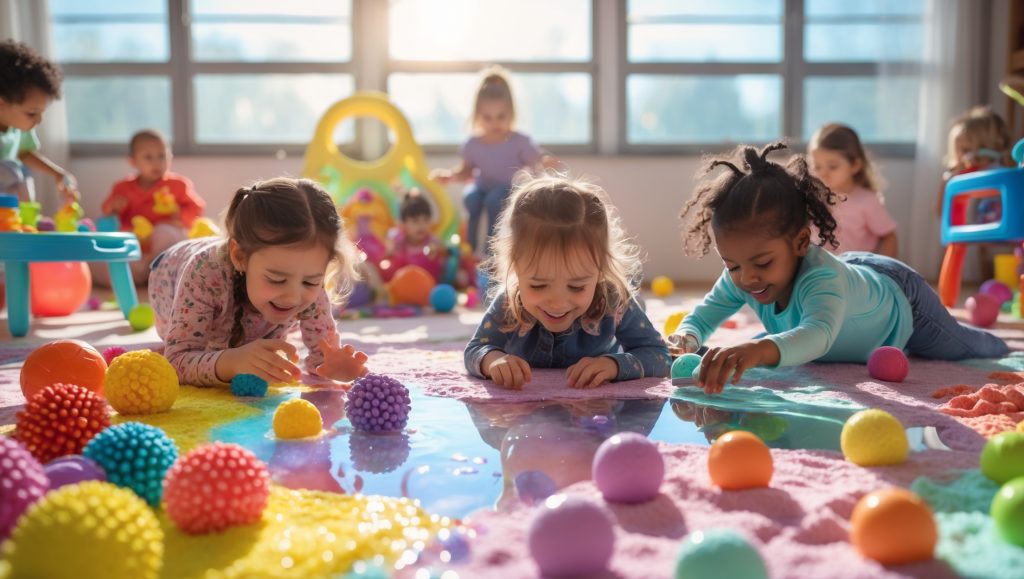
Introduction
Sensory play has become a cornerstone of early childhood development in the United States, with parents and educators alike recognizing its vital role in nurturing growing minds and bodies. In 2025, as research continues to highlight the benefits of hands-on, multi-sensory experiences, families are seeking practical ways to integrate sensory play into everyday routines. Whether you’re a new parent navigating the world of toys, or an experienced caregiver looking to enrich your child’s environment, understanding sensory play can transform your approach to learning at home.
This guide breaks down the what, why, and how of sensory play—offering evidence-informed insights, age-based recommendations, and practical tips for choosing and using sensory toys. We’ll explore the developmental benefits, highlight common pitfalls, and provide a helpful checklist to make the most of sensory play with your child in 2025.
What is Sensory Play?
Sensory play refers to activities that engage one or more of a child’s senses—touch, sight, hearing, taste, and smell—promoting exploration and discovery. While all play has sensory elements, dedicated sensory play is intentional in its focus on stimulating these senses and encouraging open-ended, hands-on learning. Examples include manipulating play dough, splashing in water tables, exploring textured objects, or listening to musical instruments.
Incorporating sensory play at home doesn’t require expensive equipment. Everyday materials such as rice bins, fabric scraps, or homemade “sensory bottles” can offer rich opportunities for sensory exploration. The key is to provide a safe, varied, and engaging environment that allows children to use their senses to make sense of the world around them.
Developmental Benefits of Sensory Play
Cognitive Skills
Through sensory play, children build foundational cognitive skills. When a toddler pours water from one cup to another or sorts objects by texture, they’re experimenting with cause and effect, measurement, and categorization—important building blocks for later learning. Sensory experiences also lay the groundwork for scientific thinking, problem-solving, and creativity.
Physical Development
Manipulating sensory materials strengthens both fine and gross motor skills. Squeezing play dough, pinching small beads, or running hands through sand can enhance dexterity, hand-eye coordination, and muscle development. For babies, tummy time on textured mats or reaching for crinkly toys supports early movement and muscle tone.
Language and Social-Emotional Growth
Sensory play is a natural context for building language skills. Describing sensations (“The rice feels soft!”), naming colors and shapes, and following instructions during play all contribute to vocabulary and communication. Additionally, sensory play often invites social interaction—whether it’s sharing tools in a sandbox or cooperating on a sensory art project. These moments foster turn-taking, empathy, and self-regulation.
Self-Regulation and Calming
Many families discover that sensory play can help children manage emotions and self-soothe. Activities like kneading dough, squeezing stress balls, or watching glitter settle in a sensory bottle may provide calming input, helping children cope with overstimulation or transitions.
Choosing Sensory Toys: Age-Based Recommendations for 2025
With an ever-growing market of sensory toys and materials, selecting age-appropriate options can feel overwhelming. Here’s a breakdown of considerations by developmental stage:
Infants (0–12 months)
- Materials: Soft, textured fabrics; high-contrast black-and-white toys; safe, chewable teethers; crinkly cloth books.
- Features: Easy to grasp, washable, non-toxic materials. Visual and auditory elements (like gentle rattles or mirrors) encourage exploration.
Toddlers (1–3 years)
- Materials: Play dough, water tables, nesting cups, textured balls, musical instruments.
- Features: Durable, easy to clean, varied textures and colors. Toys that support pouring, scooping, stacking, and sorting enhance fine motor development.
Preschoolers (3–5 years)
- Materials: Kinetic sand, sensory bins with rice or beans, sensory art supplies (like finger paint), balance boards, sound puzzles.
- Features: Promote imaginative play, cooperative activities, and more complex motor skills. Toys with open-ended possibilities encourage creativity and problem-solving.
School-Age Children (5+ years)
- Materials: Science kits, tactile building sets, fidget toys, musical instruments, clay modeling tools.
- Features: Allow for experimentation and self-directed play. Encourage persistence, focus, and social collaboration.
Always check age recommendations and safety information when selecting sensory toys, particularly with small parts or materials that could pose a choking risk.
Integrating Sensory Play Into Daily Routines
Sensory play doesn’t need to be a separate activity—it can be woven into mealtime, bath time, outdoor play, and art projects. Here are some practical strategies for U.S. families in 2025:
- Mealtime: Allow children to touch and explore different food textures (as appropriate for age), pour water, or use child-safe utensils.
- Bath time: Introduce sponges, cups, or floating toys for water play. Bath crayons and foams can add sensory fun.
- Outdoor play: Encourage barefoot walks on grass, digging in the garden, or collecting natural items like leaves and rocks for sensory bins.
- Art and crafts: Use finger paints, modeling clay, or textured paper for creative sensory experiences.
Remember to follow your child’s lead—some children may seek out certain sensations more than others, and preferences can change over time.
Common Mistakes
- Offering toys or materials that are not age-appropriate, leading to safety concerns or frustration.
- Over-scheduling sensory play, leaving little room for spontaneous or child-led exploration.
- Relying solely on commercial sensory toys and overlooking simple, household materials that can offer rich sensory experiences.
- Ignoring a child’s sensory preferences or sensitivities, which can lead to sensory overload or avoidance.
- Neglecting to supervise young children during sensory play involving small parts, water, or potentially messy materials.
- Expecting immediate developmental gains—sensory play is about exploration and enjoyment, not quick results.
Quick Checklist
- Choose sensory toys and materials appropriate for your child’s age and developmental stage.
- Rotate sensory play materials regularly to keep experiences fresh and engaging.
- Supervise sensory play with young children, especially when using small items or water.
- Encourage open-ended play—let your child lead and explore in their own way.
- Integrate sensory play into existing routines (mealtime, bath, outdoor activities).
- Watch for signs of sensory overload or discomfort and adjust activities as needed.
- Use simple, household materials when possible to foster creativity and reduce waste.
- Celebrate curiosity—ask questions, describe sensations, and join in the fun!
FAQ
+What are some inexpensive sensory play ideas for home?
+How much time should my child spend on sensory play each day?
+Is sensory play only for toddlers?
+What should I do if my child dislikes certain sensory activities?
+How do I clean up after messy sensory play?
+Are there sensory toys that support children with unique sensory needs?
+How can I make sensory play safe for my child?
Conclusion
Sensory play offers a world of opportunities for children to grow, explore, and connect with their environment. In 2025, U.S. families have a wide array of sensory toys and resources at their fingertips—but the heart of sensory play remains simple: provide safe, engaging experiences that foster curiosity, creativity, and connection. By understanding your child’s unique needs and interests, you can create a rich sensory environment that supports their development and brings joy to daily routines. Remember, the best sensory play happens when you join in, ask questions, and celebrate the wonder of discovery together.

Sensory play is a cornerstone of early childhood development, offering children opportunities to explore, discover, and learn through hands-on experiences. In 2025, the landscape of sensory toys has expanded, with innovative options designed to engage multiple senses and foster growth across cognitive, motor, and social-emotional domains. When children manipulate textured blocks, squish kinetic sand, or listen to musical toys, they’re not just having fun—they’re building neural pathways that support language, problem-solving, and self-regulation.
Parents and caregivers in the US are increasingly seeking toys that are both safe and developmentally appropriate. The best sensory toys encourage open-ended, screen-free play and adapt to a child’s interests and abilities. Look for products made from non-toxic materials and with features that stimulate touch, sight, hearing, and sometimes even smell or taste. Importantly, sensory play is inclusive—children of all abilities benefit from tactile and interactive experiences, making these toys valuable additions to any home or classroom. By intentionally choosing sensory toys, adults can nurture curiosity and confidence in children, helping them thrive in a rapidly changing world.
- Encourages brain development through hands-on exploration
- Supports fine and gross motor skills with interactive textures and movements
- Fosters social interaction and communication during group play
- Promotes calmness and focus with soothing sensory input
Are there specific sensory play activities or toys you would recommend for children who seem hesitant about messy or new textures? My preschooler sometimes avoids certain sensory bins and I’m not sure how to encourage participation.
It’s understandable to want your preschooler to feel comfortable exploring new textures, especially if they’re hesitant. Start with familiar, less messy textures—try dry rice, fabric scraps, or water beads under close supervision. Let your child watch you play first and invite them to join at their own pace, perhaps by handing you tools or scooping with a spoon. Gradually introduce new textures, offering a washcloth or wipes nearby for easy clean-up. Most importantly, respect your child’s limits and praise small steps. This isn’t medical advice; if you’re concerned, check in with your pediatrician.
Could you suggest some simple ways to introduce fine-motor activities like using tongs or small tools to a toddler who isn’t very interested in crafts? I’d love tips on how to make these kinds of sensory play more appealing to young children at home.
It’s wonderful that you want to support your toddler’s fine-motor skills, even if crafts aren’t their favorite. Try offering tongs or small tools alongside activities they already enjoy, like picking up pretend food, scooping pom-poms, or transferring water beads between bowls. Make it playful—set up a ‘rescue the animals’ game or create treasure hunts where they use tools to find small safe objects. Keep sessions short and praise their effort, not just the result. Always supervise closely to ensure small items are safe and age-appropriate, especially for children under three. This isn’t medical advice; if you’re concerned, check in with your pediatrician.
How often should sensory play sessions be included in a daily routine for a two-year-old? Is there an ideal duration or frequency to support development without overwhelming them?
It’s wonderful that you want to support your two-year-old’s development with sensory play. At this age, 1–3 short sensory play sessions per day (10–20 minutes each) is usually beneficial, but follow your child’s cues and keep things flexible. Aim for a mix of activities (like water play, playdough, or textured toys), and steer clear of overstimulation by watching for signs of fatigue or frustration. Always supervise closely to ensure safety, especially with small objects or messy materials. This isn’t medical advice; if you’re concerned, check in with your pediatrician.
Could you clarify how often and for how long you recommend doing sensory play with a one-year-old? I’m trying to balance it with our other routines, and I’m not sure what’s realistic for short mornings before daycare.
It’s great that you want to fit sensory play into your busy mornings. For a one-year-old, even 5 to 10 minutes of sensory play a day is beneficial—short, consistent sessions are enough at this age. Try simple activities like letting your child explore a textured toy or splash in water while supervised. Let your child’s interest guide you and don’t worry if some days are shorter than others. Always make sure play materials are age-appropriate, non-toxic, and safe from choking hazards. This isn’t medical advice; if you have concerns, check in with your pediatrician.
Is there any guidance on how long sensory play sessions should last for infants versus toddlers? My twins have very different attention spans, and I end up switching activities often. Can shorter, more frequent sessions still be effective?
It’s understandable to wonder about the ideal length for sensory play, especially with twins who have different attention spans. For infants, even just 5–10 minutes of sensory play at a time is beneficial, while toddlers may enjoy 10–20 minutes if they’re engaged—but both ages do well with shorter, more frequent sessions. Follow your children’s cues and switch activities when you notice signs of boredom or overstimulation. Always supervise closely, especially with materials that could be choking hazards or allergens. This isn’t medical advice; if you’re concerned, check in with your pediatrician.
There are so many sensory toys on the market now. Is there a real developmental advantage to buying specially designed sensory toys, or can homemade or simple household items be just as beneficial for a 7-month-old?
It’s thoughtful of you to wonder if specially designed sensory toys are necessary for your baby’s development. For a 7-month-old, simple household items like soft cloths, plastic measuring cups, or wooden spoons can be just as engaging as store-bought sensory toys, as long as you supervise play closely and avoid any choking hazards or sharp edges. Focus on varied textures, gentle sounds, and safe objects that encourage reaching, grasping, and mouthing—all important at this age. Rotate items to keep things interesting and always check for wear or small parts that could come loose. This isn’t medical advice; if you’re concerned, check in with your pediatrician.
The article talks about integrating sensory play into routines, but I sometimes struggle to find the right time. How long and how often should I aim to do sensory play with my preschooler to see meaningful benefits?
It’s completely understandable to want guidance on fitting sensory play into your busy days. For preschoolers, aim for 10–20 minutes of sensory play a few times a week—consistency matters more than duration. Try pairing sensory activities with daily routines, like after snack or before bath time. Rotate simple materials, such as playdough or water play, to keep things engaging without needing lots of prep. Always supervise for safety, especially with small items. This isn’t medical advice; if you’re concerned, check in with your pediatrician.
How might I incorporate sensory play into our daily potty training routine without it feeling forced or overwhelming? Are there particular times of day that work best for these types of activities?
It’s wonderful that you want to make potty training a positive, sensory-rich experience. Try letting your child play with a small sensory bin (like dry rice or soft cloths) right after a potty attempt, making it a gentle reward rather than part of the bathroom process itself. Reserve a favorite fidget or textured toy for potty time, but keep sessions brief to avoid overwhelm. Mornings or after naps work well, when children are more alert and less likely to be overstimulated. Always supervise closely and avoid items with small parts for children under three. This isn’t medical advice; if you’re concerned, check in with your pediatrician.
With so many sensory toys available now, is there a key difference between what’s needed for home versus what’s best for daycare environments? I want to make sure I’m not doubling up or missing something important.
It’s great that you want to choose the right sensory toys for both home and daycare. At home, focus on a few versatile, easy-to-clean toys that target your child’s current interests and developmental stage. For daycare, toys need to be extra durable, easily sanitized, and suitable for group play, with no small parts or choking hazards for younger children. Always check age recommendations and safety labels for both settings. Finally, ask your daycare about what they provide so you can complement, rather than duplicate, their resources. This isn’t medical advice; if you’re concerned, check in with your pediatrician.
My child sometimes puts everything in his mouth, so I’m worried about safety with homemade sensory bins or toys. Are there materials you especially recommend or avoid for one-year-olds with this habit, especially in a daycare environment?
It’s absolutely normal to worry about mouthing at this age—one-year-olds are very curious, and safety comes first. For sensory bins, stick to edible or taste-safe bases like plain cooked pasta, rice cereal, or chia seed pudding. Avoid anything small and hard (like beads, beans, or buttons), as these are choking hazards. Steer clear of common allergens such as nuts. Always supervise closely, especially in daycare settings. Check toy labels for age recommendations and avoid materials that can break into small pieces. This isn’t medical advice; if you’re concerned, check in with your pediatrician.
How much time each day is ideal for sensory play with a language-delayed toddler? Should it be part of our daily routine, or is a few times per week enough to see developmental benefits?
It’s wonderful that you want to support your toddler’s development through sensory play, especially with a focus on language skills. For toddlers, aiming for 20–30 minutes of sensory play daily can be very beneficial, but consistency matters more than exact minutes. Making sensory play a regular part of your daily routine allows frequent opportunities for language growth, social interaction, and exploration. If daily isn’t realistic, several sessions per week can still help—try shorter, engaging activities that fit your child’s attention span. Always supervise for safety and choose age-appropriate materials. This isn’t medical advice; if you’re concerned, check in with your pediatrician.
I often wonder how to tailor sensory play for siblings of different ages so everyone feels included. Would you recommend specific toys or activities that work well for both babies and older kids together without too much frustration?
It’s thoughtful of you to want both your baby and older child to feel included during sensory play. Try creating a shared sensory bin using safe materials like dry rice, large pom-poms, or scarves—older kids can scoop and pour, while babies explore textures with supervision. Water play with cups or floating toys can engage multiple ages, just ensure any small objects are kept out of reach of little ones. Art activities using large crayons or washable paints let everyone join in, with close supervision for babies who might mouth materials. Always watch for choking hazards and use non-toxic items. This isn’t medical advice; if you’re concerned, check in with your pediatrician.
Our apartment has very limited storage space, so I can’t keep large sensory toys around. Which smaller or multipurpose sensory play items would you recommend for families like ours who need to be mindful of clutter but still want to support our child’s development?
It’s great that you want to support your child’s sensory development while keeping your home uncluttered. Try small, versatile items like textured balls, stacking cups, or silicone pop fidgets—they’re compact and can be used in many ways, from water play to sorting and building. DIY sensory bags or bottles using household items are another option and can be stored easily. Play dough is a classic for tactile, creative play; just supervise for mouthing if your child is under three. This isn’t medical advice; if you have specific concerns, your pediatrician can help.
Is there an ideal amount of time to spend on sensory play each day for a two-year-old, or is it more about following my child’s lead? I sometimes worry about overdoing it or disrupting our usual routine.
It’s great that you’re mindful about balancing sensory play with your daily routine. For a two-year-old, there’s no strict rule—short sessions of 10 to 20 minutes, one or two times a day, are usually enough, but it’s perfectly fine to adjust based on your child’s interest and attention span. Watch for signs your child is losing interest or getting overstimulated, and let them set the pace. Always supervise closely and use safe, age-appropriate materials free from choking hazards. This isn’t medical advice; if you’re concerned, check in with your pediatrician.
Do you have any advice for organizing and storing sensory play materials at home, especially in small spaces? My 3-year-old’s toys already take up a lot of room!
It’s understandable to feel overwhelmed by toy clutter, especially with a curious 3-year-old. Try using clear bins or zippered pouches for sorting materials by texture or activity—this makes it easy for your child to see and choose while keeping items tidy. Stackable bins or drawers can maximize vertical space, and labeling each container (with pictures if your child can’t read yet) helps with cleanup routines. Store messy or small sensory items out of reach to ensure safety, and rotate toys regularly to keep things fresh without crowding your space. This isn’t medical advice; if you’re concerned, check in with your pediatrician.
For families with limited storage space, would you suggest buying individual sensory toys or using a subscription model that cycles toys in and out of the home? How might storage considerations affect the quality or consistency of sensory play experiences?
You’re thinking thoughtfully about balancing your child’s needs with your available space. A subscription model can help limit clutter by cycling toys in and out, offering your child a variety of sensory experiences without overfilling your home. If you prefer individual toys, select versatile items that engage multiple senses and are easy to store, like nesting cups or textured balls. Rotate a few toys at a time to maintain novelty and avoid overwhelm. Whichever you choose, consistency matters more than quantity—regular, supervised play with a few safe, age-appropriate toys can be just as beneficial. This isn’t medical advice; if you’re concerned, check in with your pediatrician.
My toddler is fascinated by textured objects, but I always worry about the size of the pieces. How do you balance providing stimulating sensory experiences with making sure everything is large enough to be safe from choking?
It’s wonderful that you’re noticing your toddler’s interest in textures and want to keep playtime safe. Choose sensory toys and objects that are at least 1.25 inches in diameter and 2.25 inches long—this is larger than the size considered a choking hazard for children under three. Opt for sturdy, one-piece items without detachable parts or loose fillings. Supervise closely during play, especially if you introduce household items. Rotate textures (like soft cloths, silicone mats, or rubber balls) to keep things novel, but always check for wear and tear. This isn’t medical advice; if you’re concerned, check in with your pediatrician.
I noticed the article says everyday items like rice bins are great for sensory play. Are there any safety tips or alternative materials you recommend if I’m worried about things like choking or mess with my toddler?
It’s great that you’re thinking ahead about safety and mess for your toddler’s sensory play. For little ones who still mouth objects, try using larger materials like cooked pasta or big pom-poms, always closely supervised. Sealed sensory bags filled with hair gel and glitter or water beads can offer tactile fun without the mess or choking risk. You might also use washable, non-toxic finger paints or water play with cups and sponges. Regularly inspect materials for wear, and always stay within arm’s reach during play. This isn’t medical advice; if you’re concerned, check in with your pediatrician.
Would you recommend rotating between open-ended sensory activities and more guided, educational games throughout the week, or is it better to focus mostly on one type to help my child build specific skills?
It’s great that you’re thinking carefully about how to support your child’s development with sensory play. Rotating between open-ended sensory activities and guided, educational games can offer a balanced approach—open-ended play builds creativity and problem-solving, while guided games help with specific skills and following instructions. Try alternating types during the week to keep your child engaged and notice what they enjoy most. For toddlers and preschoolers, choose age-appropriate, safe materials and always supervise activities. Every child is unique, so it’s fine to adjust the mix as you observe their interests and needs. This isn’t medical advice; if you have concerns about your child’s development, please check in with your pediatrician.
As someone working with a limited amount of space, are there sensory play setups or materials you’d recommend for families potty training a 2.5-year-old that are easy to store or put away quickly after use?
It’s great that you’re looking for space-saving sensory play ideas during potty training. Try using a small, shallow bin for sensory activities—fill it with easily contained materials like dry rice, water beads (supervised use), or play dough. Reusable zip-top bags can hold tactile items like fabric scraps or textured balls and are quick to store. A silicone baking mat or tray can serve as a mess-containing play surface, then roll up for storage. Always supervise closely, especially with small objects or water. This isn’t medical advice; if you’re concerned, check in with your pediatrician.
I’m concerned about keeping sensory toys clean when we travel since we won’t always have access to washing facilities. Are there any particularly hygienic or low-maintenance sensory play ideas that are suitable for a toddler on the move?
It’s understandable to want to keep your toddler’s sensory toys clean while traveling. Try bringing easy-to-wipe materials like silicone stacking cups or sealed water beads in a container—both can be quickly cleaned with a wet wipe. Sensory bags made from ziplock bags filled with safe, non-liquid items are also practical and low-mess. For dry play, consider textured scarves or crinkle paper, which are lightweight and can be replaced if needed. Always supervise play to prevent mouthing and choking, especially with small items. This isn’t medical advice; if you’re concerned, check in with your pediatrician.
Some toys seem marketed as sensory but might only focus on lights and sounds. How can caregivers tell the difference between quality sensory toys and those that are more about entertainment than development?
You’re right to look for toys that truly support your child’s sensory development. To tell quality sensory toys apart, first check if the toy encourages your child to touch, squeeze, move, or manipulate it—not just watch or listen. Look for a range of textures, weights, or shapes rather than only flashing lights or music. For infants and toddlers, avoid toys with small parts or harsh sounds. Choose toys that invite open-ended play, like blocks or textured balls, rather than those that only play songs at the push of a button. This isn’t medical advice; if you’re concerned, check in with your pediatrician.
My preschooler seems to get overwhelmed with too many textures or sounds at once. Do you have recommendations for modifying sensory play for kids who might be sensitive or easily overstimulated?
You’re thoughtful to notice when your preschooler feels overwhelmed. Try offering one sensory experience at a time, such as just playdough without adding extra scents or sounds. Use quiet or familiar toys, and let your child take breaks whenever they need. Consider a calm, clutter-free play space with soft lighting. Always supervise, and avoid small or harsh-textured items that could be uncomfortable. This isn’t medical advice; if you’re concerned, check in with your pediatrician.
My child sometimes gets a little overexcited or even overwhelmed by new textures during sensory play. Do you have any suggestions for gently introducing sensory materials to a child who is a bit sensitive, and what signs should I watch for to avoid discomfort?
It’s completely normal for some children to feel overwhelmed by new sensory experiences, and your awareness is important. Try introducing one new texture at a time, starting with materials your child is already comfortable with and gradually branching out. Let your child lead—offer choices and allow them to explore at their own pace, without pressure. Demonstrate touching the materials yourself to show it’s safe. Watch for signs of discomfort, like pulling away, frowning, or verbal protests, and pause if you notice these. Always use age-appropriate, non-toxic, and easy-to-clean materials, and supervise closely. This isn’t medical advice; if you’re concerned, check in with your pediatrician.
I am raising my toddler bilingual and we do bedtime stories in both English and Spanish. Do you have recommendations for sensory toys or activities that work well as part of a calming bilingual bedtime routine?
It’s wonderful that you’re building a calming, bilingual bedtime routine for your toddler. You might try a soft, textured plush toy that your child can cuddle while you read bedtime stories in both languages. Simple, scent-free playdough or a smooth sensory ball can be gently explored during storytime to help little hands stay busy and relax. Consider a bedtime song in each language, paired with a soothing sensory object like a fabric square for gentle stroking. Ensure toys are age-appropriate, free of choking hazards, and used under supervision. This isn’t medical advice; if you have concerns, check in with your pediatrician.
With limited space in our apartment and double the gear for twins, what are your top suggestions for sensory toys or materials that are easy to store but still offer a variety of sensory experiences?
It’s completely understandable to want sensory play options that won’t take over your space, especially with twins. Try using a small basket or bin to rotate a few versatile items: textured balls or silicone stacking cups offer tactile, visual, and motor experiences and nest together for compact storage. Zip-top bags with homemade sensory items like dry rice or fabric scraps can be tucked away when not in use. Water play with a shallow tray (supervised, of course) is easy to set up and clean. Always watch for choking hazards and ensure materials are baby-safe and age-appropriate. This isn’t medical advice; if you’re concerned, check in with your pediatrician.
Could you clarify how often you recommend incorporating sensory play into a daily routine for a preschooler? I’m curious about balancing sensory experiences with other types of unstructured play and quiet time.
It’s great that you’re thinking about balancing sensory play with other activities for your preschooler. Aim for 20–30 minutes of sensory play once or twice a day, woven naturally into your routine—this could be during art time, outdoor play, or even bath time. Balance is key: encourage unstructured play and quiet time too, as these help with imagination and self-regulation. Choose activities suitable for your child’s age and supervise to ensure safety with materials and small parts. This isn’t medical advice; if you’re concerned, check in with your pediatrician.
I’d like to add more sensory play into our daily routine, but I’m working with a tight budget and limited storage space. Could you share tips for low-cost, easily stored sensory play setups that don’t require a lot of cleanup?
It’s great that you want to include sensory play, even with budget and space limits. Try using household items like rice, dry pasta, or water in a shallow tray for simple sensory bins—just supervise closely and choose safe materials if your child is under three. Reusable zip-top bags filled with hair gel or cooked lentils make mess-free squishy bags. Homemade playdough or oobleck (cornstarch and water) store compactly in containers. A simple basket of fabrics with different textures also encourages exploration. Always supervise to prevent choking or spills. This isn’t medical advice—if you have safety concerns or questions, check in with your pediatrician.
Do you have suggestions for adapting toy rotation for different age groups within the same household? I have a preschooler and a baby, and I want to make sure both benefit from sensory play.
It’s great that you want to support both your preschooler and baby with sensory play. Try setting up separate baskets or shelves for each child’s toys, keeping baby-safe items (no small parts, soft textures) within reach for your infant. For your preschooler, offer more complex sensory toys like play dough or sorting activities, and rotate these weekly to keep things fresh. Occasionally, set up a joint activity—such as a supervised water play session—using materials safe for both. Always supervise closely, especially when the baby is near older toys. This isn’t medical advice; if you’re concerned, check in with your pediatrician.
My child sometimes seems overwhelmed when we introduce new sensory experiences, especially foods with strong smells from our family’s culture. How can we support him without pushing too much, and are there ways to gently encourage him to try these activities during sensory play?
It’s completely understandable to want your child to feel comfortable with new sensory experiences, especially those important to your family culture. Start by letting him observe from a safe distance—seeing and smelling foods without pressure can help him adjust. Offer small, non-threatening interactions first, like touching or smelling the food before tasting. Pair new foods or sensory items with familiar favorites to create a sense of security. Always honor his signals and allow him to take breaks if he seems overwhelmed. For young children, supervise closely and avoid small, hard foods that may pose a choking risk. This isn’t medical advice; if you’re concerned, check in with your pediatrician.
Our family is pretty cautious about allergens, so I’m wondering if you have any suggestions for storing sensory toys and materials separately or cleaning them after play, especially when food-based activities are involved with a 9-month-old.
It’s completely understandable to want to minimize allergen exposure for your 9-month-old. For safe storage, use clearly labeled, airtight containers for each sensory material, especially for items with potential allergens. After play with food-based materials, wash your baby’s hands and face right away, and clean all surfaces and toys thoroughly with soap and hot water. Avoid sharing bins or utensils between different materials to prevent cross-contact. Always supervise play at this age to ensure nothing goes in the mouth that could cause a reaction. This isn’t medical advice; if you have specific concerns, please check with your pediatrician.
I’m looking for sensory play activities that my toddler can do quietly in the early morning hours without waking the rest of the family. Can you suggest toys or setups that encourage independent, silent engagement but still offer good developmental benefits?
You’re thoughtful to look for quiet sensory play that supports your toddler’s development and keeps mornings peaceful. Try a bin with soft, textured objects like fabric squares, silicone blocks, or large pom-poms—these invite tactile exploration without noise. Simple puzzles with chunky pieces or stacking cups can encourage fine motor skills and independent play. Consider quiet books with felt shapes or touch-and-feel pages, which are engaging and safe for toddlers. Always supervise to prevent mouthing small parts. This isn’t medical advice; if you’re concerned, check in with your pediatrician.
Do you have suggestions for quiet sensory play activities suitable for early mornings that won’t disturb others in the house? My toddler wakes up before everyone else and I want to keep her engaged without making a lot of noise.
It’s wonderful that you’re looking for peaceful ways to keep your toddler engaged in the mornings. Try offering a basket of soft sensory toys like fabric squares, textured balls, or silicone stacking cups—these are quiet and safe for little hands. You can also set up a DIY sensory bin with dry rice or oats and a few scoops (supervise closely to avoid spills or mouthing). Finger painting with yogurt on a tray or exploring board books with textured pages are also gentle, quiet options. Always supervise to prevent choking or messes. This isn’t medical advice; if you’re concerned, check in with your pediatrician.
For families on a budget, are iron-fortified cereals typically a more reliable way to ensure babies get enough iron versus making a variety of purees at home? It would help to know which is more practical for daily nutrition as well as sensory experience.
You’re thoughtful to consider both nutrition and sensory development for your baby, especially with budget in mind. Iron-fortified cereals are often a practical, consistent source of iron, since homemade purees may vary in iron content unless made with specific iron-rich foods like meats or beans. For daily nutrition, cereals can offer reliability, but homemade purees allow more textures, flavors, and sensory play—important for older infants exploring new foods. You can combine both: offer iron-fortified cereal for nutrition and introduce homemade purees for sensory variety, always ensuring foods are age-appropriate and safe from choking hazards. This isn’t medical advice; if you’re concerned, check in with your pediatrician.
If my child tends to avoid noisy or brightly colored toys, are there quieter or more visually calming sensory play options that still offer meaningful developmental benefits? I’m curious how to balance her comfort with providing enough variety.
It’s so thoughtful that you want to respect your child’s sensitivities while encouraging development. Try offering soft fabric toys, textured balls, or water play with gentle supervision—these provide sensory input without overwhelming noise or bright colors. Books with different textures or simple wooden blocks can also engage touch and motor skills. Go slowly with new items, following her cues, and rotate toys to keep things interesting but comfortable. Always choose age-appropriate, non-toxic, and easy-to-clean materials. This isn’t medical advice; if you’re concerned, check in with your pediatrician.
I have a 3-year-old who loves playing with anything messy, especially rice bins and homemade dough. Are there any tips for keeping sensory play both engaging and reasonably tidy indoors without making cleanup overwhelming every day?
It’s great that your child enjoys sensory play—messy fun is so valuable at this age! To help keep things tidy, try designating a specific play area, like a washable mat or shallow plastic bin, to contain materials. Offer only a small amount of rice or dough at a time, which makes spills easier to manage. Keep wipes or a hand vacuum nearby for quick cleanups, and involve your child in the tidy-up routine, making it part of play. For homemade dough, use a tablecloth or tray to catch crumbs. Always supervise closely, especially with small items, to ensure safety. This isn’t medical advice; if you have concerns, check in with your pediatrician.
I’m about to start my 1-year-old at daycare and was wondering if there are specific sensory toys or activities I should look for in their classroom, based on what you mentioned about developmental benefits. Is there anything I should ask the daycare about their approach to sensory play for this age group?
It’s understandable to want the best sensory experiences for your 1-year-old at daycare. At this age, look for toys and activities that are safe to mouth, easy to grasp, and made from non-toxic materials—think soft blocks, textured balls, water play, and simple musical instruments. Ask if the daycare provides supervised opportunities for messy play like finger painting or sand, and if they rotate sensory materials to keep things interesting. Check that small parts are avoided to prevent choking and that all activities are closely supervised. This isn’t medical advice; if you’re concerned, check in with your pediatrician.
With a tight toy storage space at home, would you recommend prioritizing a few high-quality wooden sensory toys over several smaller plastic ones? I’d like to minimize clutter but still offer a range of sensory experiences.
You’re thoughtful to balance developmental needs with limited storage. Prioritizing a few high-quality wooden sensory toys is a great approach—these often offer open-ended, multi-sensory play and last longer. Choose toys that engage several senses, like textured blocks or stackers, to maximize versatility. Rotate toys every few weeks to keep experiences fresh. For infants and toddlers, always check for smooth finishes and secure parts to ensure safety. Remember, less can truly be more when it comes to quality play. This isn’t medical advice; if you’re concerned, check in with your pediatrician.
We’re on a pretty tight budget right now. Are homemade sensory activities really as effective as the store-bought ones? Any recommendations for the most meaningful DIY options for a two-year-old?
It’s completely understandable to want to support your child’s development while watching your budget. Homemade sensory activities can be just as effective as store-bought toys for two-year-olds, as long as they’re safe and age-appropriate. Try making simple sensory bins with dry rice or pasta (always supervise to avoid choking), let your child explore finger painting with yogurt or pudding, or fill a bag with hair gel and small toys for a squishy, tactile experience. Even collecting natural objects like leaves and pinecones for sorting and exploring works well. Just be sure to avoid small parts and allergens. This isn’t medical advice; if you’re concerned, check in with your pediatrician.
Is there an ideal time of day to weave sensory play into a routine for a child who can be sensitive to stimulation, or do you suggest letting the child lead based on their mood?
Your thoughtfulness about sensory sensitivities is wonderful. For children who are sensitive to stimulation, it’s helpful to choose times of day when your child is naturally calm, such as after a nap or snack, rather than when they’re already tired or overwhelmed. Start with short, gentle sessions—just a few minutes—and observe your child’s cues closely. Let your child take the lead in terms of interest and comfort; if they seem hesitant, offer choices and respect when they signal they need a break. Always supervise, especially with new textures or materials. This isn’t medical advice; if you’re concerned, check in with your pediatrician.
Are certain sensory activities better suited for younger children compared to older toddlers, especially if they’re hesitant to touch different textures? I’d appreciate more details on how to adjust for different ages.
It’s completely normal to wonder how to tailor sensory activities for different ages and sensitivities. For infants or young toddlers, start with simple textures like soft fabrics, smooth balls, or water play—always supervised and using larger objects to avoid choking hazards. For hesitant older toddlers, offer choices like dry pasta, play dough, or rice bins, encouraging gentle exploration without pressure. Gradually introduce new textures at their pace, celebrating small steps. Use washable, non-toxic materials, and watch for any allergic reactions. Adjust complexity and supervision as your child grows and gains confidence. This isn’t medical advice; if you’re concerned, check in with your pediatrician.
If my toddler often resists nap time and bedtime, could adding more sensory play during the day help with winding down, or do some sensory activities tend to overstimulate kids as bedtime approaches?
It’s understandable to want to help your toddler wind down for better sleep. Sensory play during the day can support healthy development and may help release energy, but stimulating activities close to nap or bedtime can sometimes make winding down harder. Try offering active sensory play (like water or sand) earlier in the day. Closer to sleep, choose calming sensory activities—think soft textures, gentle music, or quiet storytime. Keep bedtime routines predictable and soothing. Always supervise for safety, especially with small parts or messy materials. This isn’t medical advice; if you’re concerned, check in with your pediatrician.
Do you have any suggestions for sensory toys or activities that are small and easy to store? We have limited space at home, but I want to make sure my child gets a variety of sensory experiences.
It’s wonderful that you want to support your child’s sensory development despite having limited space. Try using simple items like textured balls, a mini sensory bin (using a lunch container and rotating safe fillers), or stacking cups that nest for storage. Playdough or kinetic sand can be kept in small airtight containers—just supervise closely if your child is under three to avoid choking hazards. Sensory scarves or beanbags also provide tactile experiences and pack away easily. This isn’t medical advice; if you’re concerned, check in with your pediatrician.
Are there specific sensory toys or materials you’d recommend for grandparents who want to encourage sensory development through cooking and food experiences but might have a limited budget or less space for toy storage?
It’s wonderful that you want to foster sensory development with your grandchildren, even with space or budget limits. Try simple activities like letting children explore flour, oats, or dry pasta in bowls—these offer texture, scooping, and pouring fun. Making dough together using safe, basic kitchen ingredients provides hands-on kneading and shaping experiences. Let kids help wash soft fruits or vegetables, discussing textures and scents. Always supervise closely and avoid choking hazards, especially with toddlers. This isn’t medical advice; if you have concerns, check in with your pediatrician.
Could you clarify how often sensory play should be part of our daily routine for noticeable benefits in motor skills? Is it better to do short sessions every day, or are longer, less frequent playtimes just as effective?
It’s great that you want to support your child’s motor skill development through sensory play. Daily, short sessions—about 10–20 minutes—are typically more effective than longer, less frequent playtimes, as consistency helps build skills and routines. For infants and toddlers, try offering a few brief sensory activities each day, always supervising closely to ensure safety and avoid choking hazards. Use age-appropriate materials with safe textures and sizes. Remember, every child is different, so watch how your child responds and adjust as needed. This isn’t medical advice; if you’re concerned, check in with your pediatrician.
I noticed you recommend using everyday items for sensory play. Are there specific household materials you advise against, either because of safety concerns or because they might be too stimulating right before sleep?
You’re wise to consider both safety and overstimulation when choosing household materials for sensory play. Avoid items that are choking hazards (like small beads or buttons) for young children, and steer clear of anything sharp, breakable, or toxic (such as detergents, coins, or certain craft glues). For infants and toddlers, stick to large, non-toxic, easy-to-clean objects. Before sleep, skip materials that make loud noises or have strong scents, as these can be too stimulating. Always supervise play, and remember every child is different. This isn’t medical advice; if you’re concerned, check in with your pediatrician.
We’re trying to keep things simple and affordable. From a sensory development standpoint, do homemade sensory activities offer the same bedtime benefits as store-bought sensory toys for preschoolers?
It’s great that you’re focusing on supporting your preschooler’s sensory development while keeping things simple and budget-friendly. Homemade sensory activities—like a bin of dry rice, homemade playdough, or a tray of water with measuring cups—can absolutely provide similar calming and bedtime-friendly benefits as store-bought toys, as long as they are age-appropriate and safe. Always supervise to prevent choking or messes, and choose materials that are non-toxic and easy to clean up. The key is a calming, predictable routine and gentle sensory input in the hour before bedtime. This isn’t medical advice; if you’re concerned, check in with your pediatrician.
How can I tailor some of the sensory play ideas from your guide for a child who dislikes certain textures like slime or sand but still needs sensory experiences for development?
It’s completely understandable to want to offer sensory play while respecting your child’s texture sensitivities. Start by introducing gentler textures, such as soft fabrics, water play, or dry beans, which can feel less overwhelming. Offer tools like scoops or brushes so your child can interact indirectly at first. Gradually introduce new materials by placing them in sealed bags or containers for safe exploration. Always follow your child’s lead and avoid pressuring them to touch anything uncomfortable. For younger children, supervise closely to prevent choking hazards. This isn’t medical advice; if you’re concerned, check in with your pediatrician.
How much does the type of sensory play matter for a two-year-old’s development? For example, is water play just as beneficial as textured object exploration, or should I make sure to rotate through different sensory experiences?
It’s wonderful that you’re considering how different types of sensory play support your two-year-old’s development. At this age, offering a variety of sensory experiences—like water play, textured objects, and exploring different sounds or scents—helps stimulate different senses and areas of the brain. Rotating activities keeps things interesting and gives your child chances to build new skills. Always supervise closely, especially with water or small objects, and choose age-appropriate, non-toxic materials. This isn’t medical advice; if you have concerns about your child’s development, check in with your pediatrician.
If my toddler is very sensitive to loud sounds and doesn’t like messy textures, how can I tailor sensory play to his comfort level without missing out on the benefits? Are there gentle ways to encourage him to try new sensory experiences?
It’s wonderful that you want to support your toddler’s sensory development while respecting his sensitivities. Start with quiet activities like exploring soft fabrics, water play with a washcloth, or simple stacking toys. Gradually introduce new textures by letting him touch them with a spoon or toy first, rather than his hands. Use sound toys with adjustable volume and let him control when and how they are used. Always follow his lead, stopping if he seems uncomfortable, and praise his curiosity. Keep play safe by supervising closely and avoiding small parts. This isn’t medical advice; if you’re concerned, check in with your pediatrician.
My parents look after my toddler several days a week and love bringing foods from our culture, which have strong smells and flavors. How can we include these sensory food experiences in play in a way that supports development as described in the article?
It’s wonderful that you want to celebrate your culture’s foods while supporting your toddler’s development. You could set up supervised food exploration sessions where your child touches, smells, and describes different ingredients with your parents. Let them squish, mash, or sort foods by color and texture—just be mindful of choking hazards and potential allergens. You can also encourage pretend play with safe kitchen tools or create simple art with edible materials. Always watch closely to ensure your toddler doesn’t put unsafe items in their mouth. This isn’t medical advice; if you have concerns, please consult your pediatrician.
Some sensory toys I see can be pretty pricey. Are there budget-friendly options or homemade alternatives that still provide the developmental benefits you outline in the article?
It’s understandable to want affordable ways to support your child’s sensory development. Many everyday items can become engaging sensory toys: try filling a bin with dried rice or pasta for pouring and scooping (supervise closely for mouthing with young toddlers), or use sponges, measuring cups, and water for a simple sensory bath. Homemade playdough (using flour, salt, and water) is another great tactile option—just check for allergies and supervise. Crinkly paper, fabric scraps, or safe kitchen utensils can also inspire exploration. Always consider your child’s age and ensure no small or sharp pieces are within reach. This isn’t medical advice; if you’re concerned, check in with your pediatrician.
If I have a limited budget, how can I tell which types of sensory toys or materials are actually worth buying versus what I can make or repurpose at home without missing important developmental benefits?
It’s understandable to want the best for your child while staying mindful of your budget. Focus on buying a few versatile, safe sensory toys—like textured balls or stacking cups—that target multiple senses and are easy to clean. For other activities, repurpose safe household items such as measuring cups, scarves, or homemade playdough for supervised sensory play. Make sure anything you use is large enough not to be a choking hazard and free from sharp edges or allergens, especially for babies and toddlers. Remember, variety and hands-on interactions matter more than expensive toys. This isn’t medical advice; if you’re concerned, check in with your pediatrician.
Is there a good way to incorporate sensory play into our daily routine without making clean up a huge chore? Bedtime often gets pushed back because play gets messy or takes too long to wind down.
It’s understandable to want the benefits of sensory play without extra stress at bedtime. Try using a large tray or washable mat to contain mess, and choose dry, easy-to-clean materials like kinetic sand or fabric scraps over liquids or sticky items. Set a timer for play to help with transitions, and involve your child in simple cleanup tasks—making it a game can help. Save messier activities for earlier in the day, and use calmer sensory options like soft brushes or textured balls closer to bedtime. Always supervise young children, especially with small parts. This isn’t medical advice; if you’re concerned, check in with your pediatrician.
Are there any specific sensory play activities you would recommend that are quiet enough for early mornings, especially when there are other siblings still sleeping nearby? I’m looking for ideas that won’t wake up the whole house but will still keep my toddler engaged.
It’s thoughtful of you to look for quiet sensory play to keep your toddler entertained without disturbing siblings. Try soft-textured sensory bins using dry rice or fabric scraps, and let your child explore with their hands. Playdough is another quiet, engaging option—set out cookie cutters or safe utensils for extra fun. Water painting with brushes on construction paper can also be silent and absorbing. For safety, supervise all activities, especially with small objects, and ensure materials are age-appropriate and non-toxic. This isn’t medical advice; if you have specific concerns, check in with your pediatrician.
One concern I have is making homemade sensory bottles or bins: are there certain materials you would recommend avoiding due to choking hazards or allergies, especially for younger children or kids with sensitive skin?
You’re right to consider safety and sensitivities when making sensory bottles or bins for little ones. For infants and toddlers, avoid small objects like beads, buttons, or anything that could fit inside a toilet paper roll, as these are choking hazards. Skip food items like wheat, oats, or nuts if your child has allergies or if you’re unsure. When it comes to fillers, use larger, sealed items (like big pom-poms or chunky plastic shapes) and always supervise play, especially for children under 3. Choose hypoallergenic, fragrance-free soaps or gels for wet sensory play if your child has sensitive skin. This isn’t medical advice; if you’re concerned, check in with your pediatrician.
Are there budget-friendly options for age-appropriate sensory play that won’t take up too much space at home or require a lot of supplies? With so many toys already, I’m looking for ideas that are both practical and beneficial for my 1-year-old’s development.
It’s great that you’re looking for simple, space-saving ways to support your 1-year-old’s development through sensory play. Try filling a shallow plastic container with safe household items like dry pasta or fabric scraps for supervised tactile exploration. Offer a bowl of water and a few measuring cups for scooping and pouring—this encourages fine motor skills and curiosity with minimal mess. Let your child crumple, tear, or squeeze different textures of paper or cloth. Sensory play doesn’t require fancy toys; just make sure all items are too large to swallow, free of sharp edges, and easy to clean up. This isn’t medical advice; if you’re concerned, check in with your pediatrician.
If my child has a strong sensory preference for touch and avoids certain textures, are there strategies to gently encourage more sensory variety without causing discomfort or frustration?
It’s completely understandable to want to support your child as they navigate sensory preferences. Start by introducing new textures slowly—let your child explore them with just a finger or on the back of their hand. Offer choices so your child feels some control, and use favorite toys or objects to bridge into new textures. You can also model touching new materials yourself, describing how they feel in positive, neutral language. Always respect your child’s limits and avoid pushing them to touch something they strongly dislike. For safety, ensure all materials are age-appropriate and non-toxic. This isn’t medical advice; if you’re concerned, check in with your pediatrician.
Some toys on the market are labeled as sensory but are pretty expensive. Are there budget-friendly alternatives or DIY sensory toys you suggest that are just as effective for supporting my baby’s development?
It’s understandable to want effective sensory toys without overspending. You can create simple, safe DIY sensory toys at home—try filling a clean plastic bottle with rice or pasta for a shaker, or let your baby explore textured household items like sponges, scarves, or silicone kitchen tools (always supervise and check for loose pieces). Water play in a shallow basin, supervised, or homemade play dough (using non-toxic ingredients) offer tactile experiences too. These alternatives support sensory development just as well as store-bought options, as long as they’re age-appropriate and safe. This isn’t medical advice; if you’re concerned, check in with your pediatrician.
Have you found that sensory play right before bedtime helps or hinders kids’ ability to wind down, especially in bilingual families? We sometimes struggle to balance engaging activities with establishing a calm nighttime routine.
You’re thoughtful to consider how sensory play affects your child’s bedtime routine, especially with the added layer of language learning at home. Sensory play can be stimulating, so try to choose calming, slow-paced activities—like gentle water play, soft music, or tactile storybooks—at least 30 minutes before bedtime. Keep sessions brief (10–15 minutes) and avoid messy or highly active play in the evening. Offer language in both languages during these activities to support bilingual development while maintaining a soothing atmosphere. Always supervise and make sure materials are age-appropriate and safe. This isn’t medical advice; if you’re concerned, check in with your pediatrician.
Are there particular sensory toys or activities that work well for babies who need to adjust to new daycare environments? I would love ideas that can ease separation and offer comfort during this time.
It’s completely normal to want to help your baby feel secure during daycare transitions. Comfort objects like soft textured loveys or a small blanket from home can provide familiar smells and sensations. Teething rings or silicone toys can offer calming oral and tactile stimulation. For babies old enough to sit, a sensory bottle filled with water, glitter, and beads (safely sealed) can be soothing to watch together with a caregiver. Always choose age-appropriate, non-chokable, and easy-to-clean items. Let daycare staff know which items bring comfort and ask them to use these for reassurance. This isn’t medical advice; if you’re concerned, check in with your pediatrician.
How can parents weigh the benefits of affordable, mass-produced plastic sensory toys against the environmental and long-term value of investing in a smaller number of higher-quality wooden options?
It’s thoughtful to consider both your child’s development and the broader environmental impact when choosing sensory toys. First, look for toys that are age-appropriate, safe from choking hazards, and free of harmful chemicals, regardless of material. Second, consider how your child interacts with toys: sometimes a few well-made wooden options offer lasting, open-ended play, while affordable plastic toys can provide variety and introduce new sensations. Third, inspect for durability—wooden toys often last longer and can be passed down. Finally, you might rotate toys to keep experiences fresh without accumulating excess. This isn’t medical advice; if you’re concerned, check in with your pediatrician.
You mentioned using everyday materials like rice bins for sensory play. Are there specific types of at-home sensory toys or materials that work well for twins with different sensory preferences, especially when I’m trying to keep things on a budget?
It’s great that you’re looking for affordable ways to support both of your twins’ unique sensory needs. Try offering a variety of textures—such as dry beans, rice, or pasta for touch and crinkly foil or fabric scraps for sound. You can use shallow baking trays so each child has their own space and materials. Rotating items like water beads (for supervised play) or homemade playdough can help discover what each child prefers. Always supervise closely, especially if your twins are under three or tend to put things in their mouths. This isn’t medical advice; if you have concerns about safety or sensitivities, check in with your pediatrician.
You mentioned that sensory play supports language and social-emotional growth. Could you give examples of specific activities that seem to work well for fostering cooperative play between siblings of different ages?
It’s wonderful that you want to encourage cooperative play and connection between siblings. Try setting up a sensory bin with rice or dried beans and include cups, scoops, and small figures for shared pretend play. Water play with cups, boats, and sponges is another great way for kids to collaborate and negotiate turns. Playdough is excellent too—offer cookie cutters and rolling pins so both can contribute to a shared creation. Always supervise closely, especially with younger children, to prevent choking or messes. These activities can help siblings communicate and work together. This isn’t medical advice; if you’re concerned, check in with your pediatrician.
You mention using materials like rice bins and sensory bottles, but I worry about possible choking hazards with small items. Do you have guidelines or tips for ensuring safety when using household materials, especially for babies and toddlers?
It’s so thoughtful that you’re prioritizing safety during sensory play with your little one. For babies and toddlers, always choose materials that are too large to fit entirely into your child’s mouth—think big blocks or chunky fabric scraps instead of beads or buttons. Supervise closely, never leaving your child alone with small or loose parts. If using rice or similar, consider sealing it inside a well-secured sensory bottle or bag. Regularly inspect materials for any signs of breakage or wear. This isn’t medical advice; if you’re concerned, check in with your pediatrician.
For families on a budget who might need to choose between open-ended sensory toys and educational toys with a specific learning goal, do you have advice on which offers more long-term developmental value for preschoolers?
It’s understandable to want to make the most impactful choice for your preschooler’s development, especially on a budget. Open-ended sensory toys often provide more long-term value, as they encourage creativity, problem-solving, and flexible thinking—skills that benefit children across many areas. To maximize benefits, select safe, age-appropriate items without small parts or choking hazards, and rotate toys to keep experiences fresh. Everyday household items like rice bins or scarves can also serve as sensory tools. Remember, play guided by your child’s interests is powerful for learning. This isn’t medical advice; if you’re concerned, check in with your pediatrician.
My toddler gets overwhelmed by loud or messy sensory activities, but my newborn seems to love exploring new textures. Do you have recommendations for low-stimulation sensory play ideas that can still engage both kids at once?
It’s great that you’re tuned in to your children’s different needs around sensory play. For low-stimulation activities, try exploring soft fabric swatches or scarves together—let your toddler pick favorites, and offer gentle, supervised exploration for your newborn. Simple water play with a shallow tray and a few smooth objects can be calming if you keep the noise and splashing minimal. You could also offer a bin of large, cool spoons, silicone baking cups, or soft brushes for quiet tactile play—avoiding anything small enough for your newborn to mouth. Always supervise closely for safety. This isn’t medical advice; if you’re concerned, check in with your pediatrician.
My preschooler seems hesitant with messy textures like finger paint or sand, but loves playing with musical instruments. Should I continue to encourage exposure to different textures, or focus on sensory activities he already enjoys? How can I introduce new sensations in a gentle way?
It’s understandable to wonder how much to encourage new experiences when your preschooler is sensitive to certain textures. It’s helpful to gently broaden their sensory world while honoring their preferences. Try offering new textures alongside familiar, enjoyed activities—like tapping a drumstick in a tray of dry rice or using paintbrushes instead of fingers. Let your child observe or touch with just a finger first, and avoid pressure or rushing. Always supervise with small items, and use non-toxic, washable materials. Over time, gradual, low-pressure exposure can build comfort. This isn’t medical advice; if you’re concerned, check in with your pediatrician.
When setting up a sensory play routine for after school, how long should each session ideally be for a preschooler? Is there a good balance between free play and more structured sensory activities?
It’s great that you’re thinking about a balanced sensory play routine for your preschooler. For most preschoolers, 20–30 minutes per session works well, adjusting for your child’s mood and energy that day. Start with 10 minutes of more structured sensory activity—like a guided texture exploration—then allow 10–20 minutes of free play with safe, age-appropriate materials. Always supervise closely and check that items are non-toxic and large enough to avoid choking hazards. This isn’t medical advice; if you’re concerned, check in with your pediatrician.
My toddler can sometimes get overwhelmed by loud or very bright sensory experiences. Do you have advice for selecting sensory toys or activities that are engaging but not overstimulating, especially in new environments like hotels or planes?
It’s very understandable to want sensory play that is gentle and comforting for your toddler, especially when routines change. Try choosing toys with soft textures, calming colors, and minimal sounds—like plush toys, silicone fidget shapes, or quiet books. Stick with familiar favorites rather than introducing new toys in unfamiliar settings. If you’re traveling, pack a small sensory kit with safe items your child already enjoys. Offer play in short, low-pressure bursts and watch for signs your child needs a break. Always supervise, and avoid items with small parts or strong scents to keep things safe and soothing. This isn’t medical advice; if you’re concerned, check in with your pediatrician.
Is there an ideal daily or weekly schedule for sensory play with young children, or is it better to integrate sensory activities into existing playtime routines? I’d love to know how much is considered enough for healthy development.
It’s wonderful that you’re thinking about how to best support your child’s sensory development. For most young children, sensory play doesn’t need a rigid schedule—integrating sensory activities into everyday routines usually works best. Aim for at least 15–30 minutes of sensory-rich play daily, but it’s okay if some days are longer or shorter. Watch your child’s cues: if they seem engaged, let them explore; if overwhelmed, take a break. Always supervise, and ensure materials are safe and appropriate for your child’s age and abilities. This isn’t medical advice; if you’re concerned, check in with your pediatrician.
How do I assess whether a sensory toy or homemade activity is truly safe from choking hazards, since packaging can be misleading and not all risks are obvious? Are there any reliable ways to test if something is too small or potentially unsafe?
Your caution about hidden choking risks is so important, especially for babies and toddlers. Always check if any part of the toy or material can fit inside a toilet paper roll—that’s about the size of a child’s windpipe and a good home test for choking hazards. Avoid small objects, loose parts, or anything that could break off easily. For homemade activities, use large, sturdy items and supervise closely. Watch out for materials that could swell with moisture (like water beads) or crumble into small pieces. This isn’t medical advice; if you’re concerned, check in with your pediatrician.
Are there significant differences in the developmental benefits of using store-bought sensory toys versus simple DIY items like homemade sensory bottles or bins? I’m trying to decide where to invest for our family.
It’s great that you’re considering the impact of sensory play options for your child’s development. Both store-bought sensory toys and DIY items like homemade sensory bottles or bins can support skills such as fine motor development, attention, and self-regulation. 1. Choose materials that are safe, non-toxic, and age-appropriate, especially for younger children who may put items in their mouths. 2. Store-bought toys sometimes offer specialized textures or features, while DIY options can be tailored to your child’s interests and needs. 3. Always supervise play to prevent choking or spills. There’s no strong evidence that one is better than the other—engagement and safety matter most. This isn’t medical advice; if you’re concerned, check in with your pediatrician.
Some sensory toys seem pricey or take up a lot of space, and our home is pretty small. Do you have ideas for affordable and easy-to-store sensory play options that can still support development and help with potty training readiness?
It’s completely understandable to want sensory play options that fit both your budget and your space. You can use items you already have at home, like a tray with dry rice or beans (for ages 3 and up, with supervision to avoid choking), or let your child play with water and sponges at the sink. Play dough, made from a simple homemade recipe, is easy to store and helps with fine motor skills needed for potty training. Swapping textures, like soft cloths, silicone brushes, or textured balls, encourages body awareness, which is also important for potty readiness. This isn’t medical advice; if you’re concerned, check in with your pediatrician.
The article mentions using everyday items like rice bins and fabric scraps for sensory play. Are there specific materials you recommend for 10-month-olds who are still putting most things in their mouths? I want to make sure everything is safe if tasted.
It’s great that you’re thinking about both sensory play and safety for your 10-month-old. At this stage, choose materials that are large enough not to be choking hazards and safe if mouthed. Consider using large silicone kitchen utensils, textured baby-safe teethers, fresh washcloths or soft cotton scarves, and homemade sensory bags securely sealed with double tape. You can also offer edible sensory experiences, like cooked pasta or oatmeal, under close supervision. Avoid small items, raw rice, or anything that could break into pieces. This isn’t medical advice; if you’re concerned, check in with your pediatrician.
Sometimes the little boy I babysit is more interested in musical toys than in tactile ones like play dough or sand. Should I encourage him to try the hands-on options more often, or is it okay to focus mostly on the senses he enjoys?
It’s great that you’re noticing his sensory preferences and want to support his development. Many children naturally gravitate toward certain types of sensory play, and that’s perfectly okay. You can gently introduce hands-on options by pairing them with music, like tapping play dough to a rhythm or making sand shakers, but there’s no need to push if he’s not interested. Following his lead supports confidence and enjoyment. Just make sure all play materials are age-appropriate and safe to handle. This isn’t medical advice; if you’re concerned, check in with your pediatrician.
You mention practical ways to integrate sensory play at home without needing expensive equipment. Could you clarify if regular exposure to new toys—like those from a subscription box—is important, or if children benefit just as much from a smaller, consistent collection of familiar sensory items?
It’s great that you want to make sensory play accessible at home. Children often benefit most from repeated, hands-on experiences with a familiar set of sensory toys or materials, as this consistency helps them practice skills and build confidence. You can rotate items from a small collection—like textured balls, playdough, or rice bins—to keep things interesting without needing constant novelty. For most ages, safe and supervised use of simple household items works well. New toys from subscriptions can add variety, but regular exposure to a few well-chosen, age-appropriate items is just as valuable. This isn’t medical advice; if you’re concerned, check in with your pediatrician.
Do you have any recommendations on how to safely clean and store sensory toys, especially if they’re coming from a subscription service and have been used by other families before? I worry about keeping things hygienic with younger children.
It’s completely understandable to want to keep sensory toys extra clean when little ones will be using them. Start by washing hard plastic or silicone toys in warm, soapy water and letting them air dry thoroughly; many can also be sanitized with a dilute bleach solution if the manufacturer allows. For soft or fabric items, use a hot wash cycle with a gentle, fragrance-free detergent and dry them fully before use. Avoid toys with small parts or loose fibers for younger children, as these can be choking hazards. Store clean toys in sealed bins away from dirt and moisture. This isn’t medical advice; if you have specific concerns, check in with your pediatrician.
Is there a significant developmental difference between using homemade sensory toys versus store-bought ones? For families short on storage space or budget, would focusing on DIY options still offer similar benefits as purpose-built sensory toys?
It’s great that you’re considering how best to support your child’s development, even with storage or budget limitations. Research shows that both homemade and store-bought sensory toys can offer similar developmental benefits as long as they safely engage your child’s senses. Try to use common household items like rice, sponges, or fabric scraps for supervised sensory play—just ensure materials are age-appropriate and free from choking hazards or allergens. Rotate a few activities to keep things fresh without needing lots of storage. Stay attentive to your child’s interests and developmental stage. This isn’t medical advice; if you have specific concerns, please check in with your pediatrician.
I live in a small apartment and clutter can get overwhelming pretty fast. Do you have any advice on how to store or rotate sensory toys to keep things organized without sacrificing variety for my toddler?
You’re absolutely right that clutter can add stress, especially with a curious toddler exploring sensory toys. Try storing toys in clear bins or pouches, grouped by type (like textures or sounds), and keep just a few out at once, rotating every week or two. Choose multipurpose items—like nesting cups or scarves—that offer a range of sensory experiences but take up little space. For safety, ensure storage is out of reach if toys have small parts, and regularly check for wear or hazards. Remember, simple setups can still provide rich sensory play. This isn’t medical advice; if you’re concerned, check in with your pediatrician.
With items like textured objects or rice bins, I always wonder how to keep sensory play enjoyable but also safe for younger siblings who might be around. Are there tips for setting up sensory activities when you have a mix of ages at home, particularly regarding choking risks?
It’s great that you’re thinking about both fun and safety with sensory play when you have children of different ages. For younger siblings, choose larger sensory items (like big wooden blocks or chunky fabric swatches) that can’t fit in their mouth. Keep small items like rice or beads in bins with tight lids, and use them only when older kids can play separately and under supervision. Consider using edible sensory fillers like cooked pasta or oats for under-threes to reduce choking risk. Supervise all sensory play closely, and clean up thoroughly after sessions. This isn’t medical advice; if you’re concerned, check in with your pediatrician.
If my child seems sensitive or even upset when exploring certain textures, like sticky foods or crinkly toys, should I keep encouraging exposure, or would it be better to avoid those sensations for now?
It’s understandable to worry when your child reacts strongly to certain textures. Try introducing new sensations slowly and in small doses, always watching for signs of distress. Offer your child control by letting them touch new textures with a spoon, brush, or even just one finger at first. Respect their limits—if they seem upset, it’s fine to take a break and try again later. Make sure any play materials are age-appropriate, free from choking hazards, and safe for their skin. This isn’t medical advice; if you’re concerned, check in with your pediatrician.
My one-year-old is starting daycare soon and I know every center has different routines. How much time should I try to set aside for sensory play at home if they’re getting some of it at daycare too? Should I adjust the types of sensory toys we use after a busy daycare day?
It’s wonderful that you’re thinking about balancing your child’s sensory play experiences, especially with this new transition. At age one, even 10–20 minutes of relaxed sensory play at home each day is beneficial, but it’s fine to adjust based on how your child seems after daycare. If your child seems tired or overstimulated, opt for calming sensory activities like water play, soft fabrics, or gentle music instead of messier or high-energy toys. Observe their cues and follow their lead. Always supervise closely, especially with small parts or new materials. This isn’t medical advice; if you’re concerned, check in with your pediatrician.
If I need to choose between buying one multi-sensory toy or several single-sense items because of budget limits, which would offer more developmental benefits for a two-year-old with a lot of energy?
You’re thoughtful to consider what will best support your energetic two-year-old’s development. At this age, a single well-designed multi-sensory toy can be especially valuable, offering opportunities to explore touch, sound, movement, and visual input all in one. This keeps play engaging and lets your child discover different senses as they play, which is helpful for their busy energy. Choose a toy that’s sturdy, easy to clean, and free of small parts for safety. Rotate it with household items (like pots or scarves) to add variety. This isn’t medical advice; if you’re concerned, check in with your pediatrician.
Are there simple sensory toys or homemade options you suggest for small spaces or when you have a limited budget, especially for activities designed to be relaxing before sleep?
It’s great that you’re looking for calming sensory play options that fit your space and budget. Try filling a small container with dry rice or lentils for a mini sensory bin, or make a homemade sensory bottle by sealing water, glitter, and a drop of food coloring in a sturdy plastic bottle—just supervise closely and ensure it’s tightly closed. Soft fabric squares or a simple bag of lavender-scented rice can offer soothing textures and scents before bed. Keep activities gentle and quiet, and always watch for any small parts or choking hazards, especially with little ones. This isn’t medical advice; if you’re concerned, check in with your pediatrician.
Are there particular types of sensory play or toys that help with language development? My toddler is slow to start talking, and I’d like to encourage more communication during play without overwhelming him.
It’s wonderful that you want to support your toddler’s language development in a gentle way. Sensory bins with soft objects, textured balls, or water play are great, as you can naturally name and describe items as you play together. Choose toys that invite back-and-forth, like simple musical instruments or puppets, since they encourage turn-taking and sound-making. Keep language simple and follow your child’s lead, pausing to let him respond nonverbally or with sounds. For toddlers, avoid small parts and supervise closely to ensure safety. This isn’t medical advice; if you’re concerned, check in with your pediatrician.
If my toddler has a speech delay, are there certain types of sensory play or toys that might help encourage more language development? I’m curious if you have suggestions for activities that naturally prompt more talking or communication during play.
It’s wonderful that you’re looking for ways to support your toddler’s language through play. Sensory bins with items like rice, water beads, or safe play dough can invite back-and-forth conversation as you describe textures and actions together. Try pretend play with simple puppets or soft dolls, using them to model short phrases and encourage your child to respond. Musical toys, like drums or shakers, can make play interactive and provide chances to practice sounds and words. Always supervise closely and choose age-appropriate, non-chokable materials. This isn’t medical advice; if you’re concerned, check in with your pediatrician.
My 15-month-old is very picky with textures and sometimes refuses to touch anything sticky or messy. Do you have recommendations for sensory play activities or toys that might ease her into new sensations without overwhelming her?
It’s completely understandable to want to help your toddler feel more comfortable with new textures. Start with sensory play that uses dry, familiar materials like soft fabric squares or chunky wooden blocks. Slowly introduce new sensations by letting her explore things like play dough or dry rice with a tool or spoon first, rather than her hands. Try offering a damp washcloth for her to hold while playing with slightly messier materials—this gives her a sense of control. Short, low-pressure sessions with lots of praise can help build her confidence. Always supervise closely at this age to ensure safety, especially with small items. This isn’t medical advice; if you’re concerned, check in with your pediatrician.
My preschooler sometimes avoids certain textures like sticky dough or gritty sand. Do you have tips for gently introducing sensory play that helps build fine motor skills without causing sensory overload or resistance?
It’s great that you want to support your preschooler’s sensory development while respecting their comfort. Start by offering non-threatening options, like letting your child explore new textures with tools (spoons, paintbrushes) instead of hands. Gradually introduce mildly textured materials next to familiar favorites, allowing your child to observe before touching. Encourage very brief, low-pressure play sessions—just a minute or two at first, and praise any attempt. Always supervise for age-appropriate safety and avoid small parts or allergens. Most importantly, let your child set the pace and never force contact. This isn’t medical advice; if you’re concerned, check in with your pediatrician.
I noticed the article talks about age-based recommendations. How should sensory play activities be adjusted as children get older? For example, are there differences in what works best for toddlers compared to preschoolers who might be more sensitive to noise or bright colors?
It’s great that you’re thinking about how sensory play needs change as children grow. For toddlers, focus on simple activities like soft textured toys, water play, or gentle shakers—always supervise and watch for choking hazards. As children become preschoolers, you can introduce more complex textures, sorting games, and safe art materials, but if they are sensitive to noise or bright colors, choose muted tones and quieter play options. Always observe your child’s reactions and adjust activities if they seem overwhelmed. This isn’t medical advice; if you’re concerned, check in with your pediatrician.
Can you compare the benefits of different sensory materials, like water beads versus play dough, specifically for toddlers going through potty training? I’m hoping to pick options that help with both fine motor skills and making potty time less intimidating.
It’s wonderful that you’re looking for ways to support your toddler through potty training with sensory play. Water beads can be soothing to touch and helpful for hand-eye coordination, but for toddlers, supervision is crucial due to choking risks and the temptation to put them in mouths. Play dough, on the other hand, is safer for this age group, encourages fine motor skills through squeezing and rolling, and can even be incorporated into pretend potty play—helping to normalize the process. Try setting up a small play dough station near the bathroom as a positive association. Remember, every child is different—if you have specific concerns about sensory play and potty training, check with your pediatrician.
Sometimes my 3-year-old gets overwhelmed by too many textures at once. How can I tell when sensory play is too much stimulation, and what can I do to help her stay comfortable during these activities?
It’s understandable to want sensory play to feel enjoyable, not overwhelming, for your child. Watch for signs like pulling away, covering ears or eyes, fussiness, or asking to stop—these can mean your daughter has had enough stimulation. Offer one texture or material at a time, and let her choose how much she wants to touch or explore. Set up a quiet, familiar play space, and always have a towel or wipes on hand if she needs a break. For a 3-year-old, supervision and choice are important for comfort and safety. This isn’t medical advice; if you’re concerned, check in with your pediatrician.
My toddler is almost two, and we live in a small apartment. Do you have any suggestions for compact or easily stored sensory toys that won’t create a lot of clutter?
It’s great that you want to support your toddler’s sensory development, even with limited space. You might try soft fabric sensory books or touch-and-feel cards, which are compact and easy to store. Stackable nesting cups offer tactile play and nest together afterward. Small bins with sensory materials like dry rice or beans (supervised play only, since these can be choking hazards) can be stored in a cupboard. Also, consider items like textured balls or silicone stacking toys that can fit in a basket. Always supervise closely with sensory materials and choose toys labeled safe for ages 2 and up. This isn’t medical advice; if you’re concerned, check in with your pediatrician.
Is there an ideal length of time to encourage sensory play while traveling, especially to avoid overstimulation or boredom on a long flight or drive? I want to make sure I’m balancing engagement with rest for my toddler.
It’s wonderful that you’re thinking about balancing stimulation and rest for your toddler during travel. For most toddlers, aim for short sensory play sessions—about 10-20 minutes at a time—followed by breaks or quieter activities. Watch for signs of tiredness or overstimulation, like fussiness or turning away. Rotate a few simple, safe toys to keep things fresh and avoid overwhelm (watch for choking hazards and supervise closely). Offer downtime with books or gentle songs between sensory play periods. This isn’t medical advice; if you’re concerned, check in with your pediatrician.