
Overview
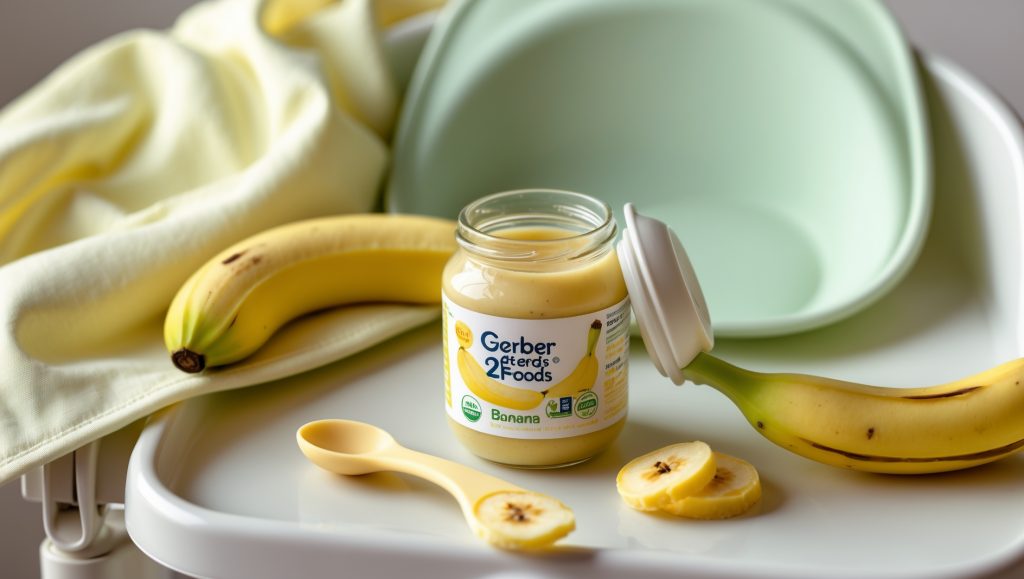
Bananas are often the go-to first fruit for parents introducing solids to their babies, and for good reason: they’re naturally sweet, easy to digest, and delightfully familiar in flavor. Gerber 2nd Foods Banana Baby Food is a classic, single-fruit puree aimed at babies who are ready to expand their palates beyond first tastes. In this detailed 2025 review, we’ll cover everything you need to know about this simple yet popular baby food—its ingredients, nutrition, taste, convenience, pros and cons, alternatives, and how it can even help support your child’s budding language skills.
For parents focused on evidence-informed choices and fostering their child’s development, Gerber’s banana puree is not just a tasty snack—it’s a gentle introduction to the world of flavors and family mealtimes. Let’s dig in.
Ingredients & Nutrition
When selecting baby food, parents are right to be cautious about what goes into each spoonful. Gerber’s 2nd Foods Banana is reassuringly simple, with a short ingredient list:
- Bananas
- Vitamin C (ascorbic acid) (to maintain freshness and color)
That’s it—no added sugars, artificial flavors, or preservatives. The puree contains only ripe bananas and a touch of vitamin C, making it a wholesome option for babies learning to enjoy new tastes and textures.
Nutritional highlights (per 4 oz jar):
- Calories: ~80
- Sugars: 14g (all naturally occurring from bananas)
- Fiber: 2g
- Potassium: 330mg
- Vitamin C: 35mg
- Fat: 0g
- Protein: 1g
Bananas are a source of potassium and vitamin C, both important for growing bodies. The lack of added sugar and salt fits current nutrition guidelines for babies in the US. Since it’s a single-fruit puree, this food is ideal for monitoring potential sensitivities and for parents following a gradual approach to introducing solids.
Taste & Texture
Gerber’s banana puree is celebrated for its mild, naturally sweet flavor—very close to mashed ripe banana, but with a smoother, more consistent texture. The puree is silky, with no lumps or fibrous bits, making it a safe and easily manageable choice for babies who are just starting to handle thicker foods.
The sweetness comes entirely from the bananas themselves, without the cloying aftertaste that can accompany added sugars. Many parents report that their babies eagerly accept this puree, making mealtime less of a struggle. The smooth consistency also encourages babies to use their lips and tongues in new ways, laying the groundwork for oral motor skills that are foundational to speech and language development.
Convenience & Storage
One of the standout features of Gerber baby foods is their convenience. The 2nd Foods Banana puree comes in resealable glass jars or BPA-free plastic tubs. Here’s how it fits into busy family routines:
- Ready-to-serve: No prep required—simply open and spoon-feed or let older babies self-feed with a spoon.
- Portable: The small jars and tubs travel well for daycare, outings, or visits to family.
- Storage: Unopened jars/tubs can be stored at room temperature; after opening, refrigerate and use within 1–2 days.
- Clear labeling: Clear expiration dates and batch codes for peace of mind.
Some parents prefer glass for environmental reasons, and both packaging types are recyclable in most US municipalities.
Pros & Cons
Pros
- Simple, single-ingredient recipe—just bananas and vitamin C
- No added sugars, artificial flavors, or preservatives
- Silky, lump-free texture ideal for babies developing oral motor skills
- Convenient, shelf-stable packaging for busy families
- Mild, naturally sweet taste widely accepted by babies
- Supports early feeding independence (great for practice with spoons)
Cons
- Limited to one flavor—may not engage babies seeking variety
- Natural sugars are high for a fruit puree (though not added)
- Texture may be too smooth for babies ready for more complex foods
- Glass jars can break if dropped; plastic tubs not always recyclable everywhere
- Not suitable for babies with banana allergies
Alternatives & Similar Products
If your baby enjoys Gerber’s banana puree, there’s a world of options to explore. Here are a few comparable products to consider:
- Beech-Nut Naturals Banana – Similar single-ingredient puree, often in glass jars.
- Plum Organics Stage 2 Banana & Pumpkin – Combines banana with pumpkin for a fiber boost and new taste.
- Happy Baby Organics Clearly Crafted Bananas, Raspberries & Oats – Features banana with added grains and berries for older babies seeking new textures.
- Homemade Banana Puree – Simply mash a ripe banana for a fresh, zero-waste option (always check with your pediatrician about introducing new foods).
For families seeking more variety in flavors or textures, look for mixed fruit purees or blends with grains, but start with single-ingredient options to monitor for any sensitivities.
Verdict
Gerber 2nd Foods Banana Baby Food remains a trusted staple for many US families in 2025. With its straightforward ingredient list, naturally appealing taste, and smooth texture, it’s an excellent choice for babies transitioning from first tastes to more substantial purees. The convenient packaging and ease of storage make it a reliable ally for parents juggling busy routines.
Beyond nutrition, offering single-ingredient purees like this one creates wonderful opportunities for responsive feeding—talking about the food’s color, taste, and smell during mealtimes. These language-rich interactions are vital for baby’s development, helping lay the foundation for future communication skills.
While it may not satisfy more adventurous eaters for long and isn’t suitable for babies with banana sensitivities, Gerber’s banana puree is a gentle, evidence-informed starting point for babies and caregivers alike.
FAQ
+Is Gerber 2nd Foods Banana safe for my 6-month-old?
+Does this puree contain any added sugar or preservatives?
+How can I use banana puree to support my baby’s language development?
+Can I mix Gerber banana puree with other foods?
+What is the shelf life of Gerber’s banana baby food?
+Is it better to make banana puree at home or buy it premade?
+Can my baby self-feed with this puree?

Gerber 2nd Foods Banana Baby Food stands out as a reliable choice for parents introducing their little ones to solid foods. The smooth, creamy texture is just right for babies transitioning from formula or breast milk, making it easy for tiny mouths to manage. With a single, familiar ingredient—banana—this baby food is gentle on young digestive systems and delivers a naturally sweet taste that most infants enjoy.
What sets this product apart is its commitment to quality and safety. Gerber sources non-GMO bananas and rigorously tests for heavy metals, offering peace of mind to parents concerned about purity. Conveniently packaged in BPA-free tubs, it’s easy to spoon-feed at home or on the go. The resealable containers help minimize waste and keep portions fresh, which is especially helpful during those unpredictable feeding sessions.
For parents eager to support early language development, mealtime can become a rich opportunity for interaction. Naming the food, describing its taste and texture, and encouraging baby to respond with sounds or gestures all foster communication skills. With Gerber 2nd Foods Banana, you’re not just nourishing your child’s body—you’re nurturing their mind as well.
- Single-ingredient recipe ideal for sensitive tummies
- Non-GMO, rigorously tested bananas
- Convenient, resealable packaging for busy families
- Supports interactive, language-rich mealtimes
I noticed the puree only contains bananas and vitamin C. For a baby who’s extra cautious about new flavors, would it be better to stick with plain mashed banana I prepare at home, or does the jarred version have a milder taste that might be easier for them?
It’s completely understandable to want the gentlest introduction for your cautious baby. Both homemade mashed banana and jarred Gerber 2nd Foods banana puree are age-appropriate for babies starting solids, usually around 6 months. The jarred version is typically smoother and may have a more consistent, mild taste due to processing, which can help some hesitant eaters. If you make banana at home, mash it very well to avoid lumps and offer thin textures first. Always supervise your baby during meals and watch for signs of readiness. This isn’t medical advice; if you’re concerned, check in with your pediatrician.
We’re slowly introducing new textures, and I’m wondering if Gerber’s banana puree is still suitable for a one-year-old who hasn’t started finger foods yet. Should I move on to chunkier options at this age, or is this smooth puree still a good choice for her development?
It makes sense to wonder about textures as your little one grows. At one year, many children are ready to explore lumpier purees or soft finger foods, but every child develops at their own pace. You can continue offering Gerber’s banana puree for comfort, while gently introducing thicker purees or very soft, mashed foods alongside it. Always supervise meals, and avoid choking hazards by making sure new foods are soft and in small pieces. If she’s hesitant, that’s okay—gradual exposure is fine. This isn’t medical advice; if you’re concerned or notice feeding challenges, check in with your pediatrician.
You mentioned that the smooth texture supports oral motor skills for language development. Are there any signs I should look for to know if my baby is ready to move from this ultra-smooth puree to something more textured without causing a feeding issue?
It’s great that you’re tuned in to your baby’s readiness for new textures. Signs your baby may be ready to try more textured foods include managing the current smooth puree without choking or gagging, showing interest in your food, moving food around in their mouth with their tongue, and starting to use a chewing motion. Gradually introduce thicker purees or soft mashed foods, always supervising closely to prevent choking. At this stage, avoid hard chunks or foods that could be a choking hazard. This isn’t medical advice; if you’re concerned or notice persistent feeding difficulties, check in with your pediatrician.
My little one can be quite sensitive to textures and sometimes avoids anything too smooth. If she’s hesitant with this silky banana puree, do you recommend mixing it with something a bit thicker to help her adjust?
It’s completely understandable to want to help your child feel comfortable with new textures. If your little one hesitates with the smooth Gerber banana puree, try gently mixing it with a bit of unsweetened baby cereal or mashed avocado to add some thickness and subtle texture. Start with just a small amount so the change isn’t overwhelming. You can also offer tiny, soft banana pieces alongside the puree if she’s ready for some finger foods, but always supervise closely to prevent choking. Every baby adjusts at their own pace, and offering variety can help. This isn’t medical advice; if you’re concerned, check in with your pediatrician.
If my baby tends to be sensitive to new textures, is there a best time in the day or specific way to offer Gerber’s banana puree to support both language learning and comfort during naptime wind-downs?
It’s thoughtful that you want to support your baby’s comfort and language growth with new foods. To help your texture-sensitive baby, try serving Gerber’s banana puree when your baby is well-rested—often after a nap or first thing in the morning—since they’re likely to be calm and open to new experiences. Use a soft spoon and start with tiny amounts, narrating what you’re doing to model simple language. Keep the setting quiet and relaxed, possibly as part of your wind-down routine, but avoid feeding right before sleep to prevent discomfort. Always watch for signs of fullness or distress, and supervise closely. This isn’t medical advice; if you’re concerned, check in with your pediatrician.
My child can be sensitive to smooth textures and sometimes resists purees. Do you have tips on making the transition to slightly chunkier foods while still supporting oral motor development?
It’s completely normal to worry when your child resists certain textures. To help your baby transition from purees to chunkier foods, start by mixing a small amount of mashed, soft banana (or another tolerated food) into their usual smooth puree to introduce gentle lumps. Gradually increase the chunkiness over time, watching for signs of readiness. Offer soft finger foods like ripe avocado or well-cooked sweet potato cubes for safe self-feeding. Supervise closely to prevent choking, and keep portions small. Every child develops at their own pace, so let your little one explore without pressure. This isn’t medical advice; if you’re concerned, check in with your pediatrician.
Does Gerber’s banana puree work well for babies with sensitive gag reflexes who are learning to handle thicker foods? My two-year-old still struggles with some textures, so I’m wondering if this would be gentle enough for her.
It’s understandable to want a gentle option for your child as she builds confidence with textures. Gerber’s 2nd Foods Banana puree is very smooth, which can be helpful for little ones with a sensitive gag reflex, but at two years old, your daughter may benefit from gradual exposure to slightly thicker purees. You could try mixing a small amount of the banana puree with a thicker food (like mashed banana) to slowly increase texture. Serve small spoonfuls and watch closely for her comfort and safety. Always supervise and avoid any chunks or mix-ins that could pose a choking risk. This isn’t medical advice; if you’re concerned, check in with your pediatrician.
My little one loves trying to feed herself, but sometimes she pushes food out of her mouth. Does the extra smooth texture of this puree help with self-feeding skill development, or should I occasionally offer chunkier textures for practice at this stage?
It’s wonderful that your baby is eager to feed herself—this is a big step in her development. The extra smooth texture of Gerber 2nd Foods Banana is great for safe swallowing at 6 to 8 months, but gradually introducing chunkier, soft foods can help her practice chewing and tongue movement. Try offering small, manageable pieces alongside the puree, always with close supervision. Watch for readiness cues, like sitting up and showing interest in new textures. This isn’t medical advice; if you’re unsure about advancing textures, your pediatrician can offer guidance.
How does the taste and texture of the Gerber banana puree compare to just mashing up a fresh banana at home, especially as my child is older and getting more involved at family meals?
It’s great you’re thinking about taste and texture as your child grows more curious at the table. Gerber banana puree is ultra-smooth and mild, designed for easy swallowing during early feeding stages. In contrast, mashed fresh banana can be chunkier with a more robust flavor, which can help older babies practice chewing and expand their palate. For an older baby ready for family meals, consider offering mashed banana in small, soft lumps (always supervise closely) to encourage self-feeding and oral skill development. If you notice any gagging or difficulty, go back to smoother textures and try again later. This isn’t medical advice; if you’re concerned, check in with your pediatrician.
I usually need something quiet for early mornings before everyone else wakes up. Is it okay to serve the Gerber banana puree cold straight from the fridge, or do babies generally prefer it at room temperature for that first meal of the day?
You’re thoughtful to consider your baby’s comfort and routine in the early mornings. It’s safe to serve Gerber banana puree cold right from the fridge, as long as your baby accepts it—many babies are happy with chilled purees, while others might prefer it closer to room temperature. Try offering a small spoonful cold and watch your baby’s reaction; if they seem hesitant, let it sit out for 10–15 minutes to take off the chill (but avoid leaving it out for over 2 hours). Always check the texture for any changes and make sure the puree isn’t too cold for sensitive gums. This isn’t medical advice; if you’re concerned, check in with your pediatrician.
If my baby doesn’t seem interested in eating from a spoon yet, could I use the Gerber banana puree in other ways, like spreading it on toast fingers, or is spoon-feeding really necessary for language development benefits?
It’s completely normal to wonder about alternatives if your baby isn’t keen on spoon-feeding. You can definitely spread Gerber banana puree on soft, age-appropriate toast fingers as long as your baby is developmentally ready for finger foods—usually around 6–8 months and able to sit up with good head control. Letting your baby self-feed can support both fine motor and early language skills through exploration. Always supervise closely to avoid choking, and ensure toast is soft enough to gum easily. Spoon-feeding can help with certain oral movements, but a mix of feeding methods is fine and can still be beneficial. This isn’t medical advice; if you’re concerned, check in with your pediatrician.
I noticed the ingredient list is pretty short—just bananas and vitamin C. Could the natural sugars in this puree cause a big energy spike for babies in the afternoon, or is it mild enough for a pre-nap snack?
It’s great that you’re thinking about how snacks might affect your baby’s energy and nap routine. Gerber 2nd Foods Banana puree contains only bananas and vitamin C, so while it does have natural sugars, the total sugar content is moderate and comes from the fruit itself. For most infants around 6–8 months, a small serving is unlikely to cause a significant energy spike, especially when offered as part of a balanced feeding schedule. Watch for your baby’s unique responses; some babies are more sensitive to fruit sugars. Always supervise eating and serve age-appropriate portions. This isn’t medical advice; if you’re concerned, check in with your pediatrician.
I notice you mention the importance of consistency for speech skills. Are there any pretend play ideas using everyday items that can further motivate babies to experiment with their lips and tongues during mealtime?
What a thoughtful way to support your baby’s speech development at mealtime. You might try simple pretend play: use a clean spoon as a ‘microphone’ and take turns making funny sounds or babbling together. Offer a soft, clean washcloth so your baby can ‘feed’ a favorite stuffed animal, narrating with playful lip and tongue sounds. Make a game of blowing gentle raspberries on a banana slice before eating, or encourage your baby to mimic exaggerated chewing and smacking noises. Always supervise closely to ensure safety, especially with small items. This isn’t medical advice; if you’re concerned, check in with your pediatrician.
You mentioned that the smooth texture of this puree helps with language development. Could you give suggestions for other sensory-friendly quiet activities I could combine with breakfast to support oral motor skills during those calm morning hours?
It’s wonderful that you’re looking to support your baby’s oral motor skills in a peaceful morning setting. Alongside offering smooth purees like Gerber’s, you can try simple activities such as letting your baby explore soft silicone teethers, singing gentle songs together to encourage babbling, offering safe baby spoons for self-feeding practice, or playing simple blowing games like blowing bubbles for older infants (over 9 months). Make sure all toys are age-appropriate, easy to clean, and free from choking hazards. Remember, this isn’t medical advice; if you have any concerns about your child’s development, check in with your pediatrician.
We pack meals for our little one to take to daycare, and budget is a concern. How does the price of Gerber’s 2nd Foods Banana puree compare with mashing fresh bananas ourselves? Is there a big difference nutritionally or in convenience?
It’s great that you’re thinking about both your child’s nutrition and your budget. Mashing fresh bananas yourself is usually less expensive per serving than buying pre-packaged Gerber 2nd Foods, and both are safe for babies about 6 months and older with proper preparation. Nutritionally, both offer similar benefits if you use ripe bananas, but jarred options are consistent in texture and less likely to contain allergens. Gerber’s puree is more convenient, especially for daycare—just open and serve, no prep or mess. Homemade means a bit more planning and clean-up, plus you’ll need to pack it in safe, airtight containers. This isn’t medical advice; if you’re concerned, check in with your pediatrician.
Do you have any tips for introducing Gerber’s banana puree during early morning routines so that it fits in smoothly without overstimulating my little one? I’m hoping for a calm start to the day but still want to encourage new foods.
It’s wonderful that you’re mindful of creating a calm morning while introducing new foods. Try offering the banana puree after a gentle wake-up, when your baby is alert but not overly hungry or sleepy. Keep the lights soft and limit distractions, perhaps feeding in a cozy spot. Use slow, gentle spoonfuls and watch your baby’s cues, pausing if they seem overwhelmed. For younger babies, always supervise closely and ensure the puree’s texture is smooth to prevent choking. This isn’t medical advice; if you’re concerned, check in with your pediatrician.
Do you have any suggestions for parents on a budget who want the same smooth texture but are considering mashing fresh bananas at home instead of buying the Gerber puree? How comparable are they in terms of flavor and consistency?
It’s great that you’re looking for affordable ways to provide your baby with smooth, safe foods. To mimic the Gerber puree’s texture, peel a ripe banana and mash it thoroughly with a fork or blend it until very smooth. Add a splash of breast milk, formula, or water if needed to thin the mixture further. Always check for lumps that could be a choking hazard, especially for babies under 8 months. Homemade mashed banana will taste slightly fresher and may be less sweet or uniform than store-bought, but it’s usually quite similar in texture if prepared carefully. This isn’t medical advice; if you’re concerned, check in with your pediatrician.
You mention the convenience of the resealable jars, but how many days does it stay fresh in the fridge once opened? We don’t always finish a container at bedtime, so I want to make sure I am storing it safely.
It’s great that you’re thinking about safe storage for your baby’s food. For Gerber 2nd Foods Banana, once opened, you can safely keep the jar in the refrigerator for up to 2 days. Make sure to close the lid tightly and place it near the back of the fridge, where it’s coldest. Always use a clean spoon to prevent introducing bacteria. If you notice any changes in smell, color, or texture, it’s best to discard the remainder. This isn’t medical advice; if you’re concerned, check in with your pediatrician.
We’re on a budget and often buy baby food in bulk. Does this puree freeze well for longer storage, or would that change the consistency and make it less appealing for toddlers who are sensitive to textures?
It’s great that you’re thinking ahead about both your budget and your toddler’s texture preferences. Gerber 2nd Foods Banana puree can be frozen, but freezing and thawing may change the texture, sometimes making it watery or grainy, which can be less appealing to toddlers sensitive to consistency. If you do freeze, try portioning it into ice cube trays, thawing individual servings in the fridge, and stirring well before serving. Always check for changes in smell or taste, and avoid refreezing. For toddlers, serve chilled or at room temperature, and watch for any signs of discomfort with the new texture. This isn’t medical advice; if you’re concerned, check in with your pediatrician.
Can you recommend any similar baby food options that are just as simple and free from additives, maybe even ones that are a bit more affordable or come in larger packages for families on tighter budgets?
It’s great that you’re looking for simple, budget-friendly baby foods with clean ingredients. Consider store-brand purees like Target’s Up & Up or Walmart’s Parent’s Choice, which often offer single-ingredient options at lower prices. Plain applesauce or unsweetened pear puree are usually sold in larger jars and can be portioned out at home for babies who have started solids. You can also steam and mash fruits like bananas or sweet potatoes yourself for a fresh, cost-effective option—just ensure the texture is smooth and appropriate for your baby’s age, and introduce new foods one at a time to watch for any reactions. This isn’t medical advice; if you’re concerned, check in with your pediatrician.
As we introduce new foods, how can I best manage the schedule so that banana puree fits in with introducing more allergenic foods like peanut, egg, or dairy? Should these be spaced far apart or can we overlap them in the feeding routine?
It’s great that you’re mindful about introducing new foods and managing allergens. When adding banana puree alongside more allergenic foods like peanut, egg, or dairy, try to introduce only one new allergenic food at a time, waiting 2–3 days before adding another. You can keep banana in your baby’s routine, since it’s rarely allergenic and not likely to interfere. Always watch closely for any signs of reaction, especially with allergens, and keep servings small at first. For babies around 6 months, supervising all feedings is important. This isn’t medical advice; if you’re concerned, check in with your pediatrician.
Balancing budget, sustainability, and safety feels tricky when choosing wooden or plastic toys for my child. Are there certain brands or certifications in the US that reliably signal a toy is both safe and eco-friendly?
You’re thoughtful to weigh safety, cost, and the planet in your toy choices. Look for toys certified by the ASTM F963 (American Society for Testing and Materials) and the JPMA (Juvenile Products Manufacturers Association)—these signal safety standards are met. For eco-friendliness, the GreenGuard and FSC (Forest Stewardship Council) labels indicate lower chemical emissions and responsibly sourced wood. Some US-based brands with strong safety and sustainability records include PlanToys, Green Toys, and Hape. Always check for age recommendations and avoid small parts for children under three. This isn’t medical advice; if you’re concerned, check in with your pediatrician.
Buying multipacks makes sense for our budget, but I’m concerned about waste. Do the unopened plastic tubs or glass jars stay fresh for a decent amount of time on the shelf, and is there a preferred way to store them in a small apartment pantry?
Your concern about avoiding waste while stocking up is very thoughtful. Unopened Gerber 2nd Foods—whether in plastic tubs or glass jars—generally have a long shelf life if kept in a cool, dry place, away from direct sunlight and heat. Always check the ‘best by’ date before purchase and use older items first (first-in, first-out). Store tubs or jars upright to prevent leaks, and consider using stackable bins or baskets to save space in your pantry. For safety, avoid storing near cleaning products or strong odors. This isn’t medical advice; if you’re concerned, check in with your pediatrician.
If my toddler is practicing self-feeding with a spoon, is the texture of this Gerber banana puree thick enough to help build those skills, or would it be too runny for a beginner to manage independently?
It’s wonderful that you want to support your toddler’s self-feeding skills. Gerber 2nd Foods Banana puree is generally quite smooth and on the thinner side, which can make it a bit tricky for beginners to keep on a spoon without spilling. To help your toddler, you might try chilling the puree briefly to thicken it slightly, mixing in a small amount of infant cereal for more body, or offering it in a shallow bowl with a sturdy, easy-grip spoon. Always supervise closely to ensure safe eating. This isn’t medical advice; if you’re concerned, check in with your pediatrician.
We have a small kitchen and limited pantry space, so I’m wondering if the Gerber 2nd Foods Banana jars stack well or if there’s a better way to store several at once without taking up too much room.
It makes sense to look for space-saving solutions, especially with baby food taking up precious pantry space. Gerber 2nd Foods Banana typically comes in plastic tubs rather than jars, which are designed to stack neatly. For even better organization, try placing them in a small plastic bin or basket so you can pull out several at once. Store them in a cool, dry spot, away from direct sunlight, and always check expiration dates. If space is especially tight, consider storing unopened tubs vertically. As with any baby food, keep them out of reach of young children. This isn’t medical advice; if you’re concerned, check in with your pediatrician.
If my baby is very sensitive to small lumps and is still learning to swallow properly, would you recommend sticking with this banana puree, or are there even safer stage 2 options when it comes to the potential for hidden small parts?
You’re right to be cautious—babies who are sensitive to texture or still learning to swallow benefit from very smooth purees. Gerber 2nd Foods Banana is designed to be lump-free, but always check each spoonful for consistency before feeding. If your baby struggles, try thinly mixing the puree with a little breast milk or formula for an even smoother texture. Always supervise closely and avoid foods with any chunks or seeds at this stage. If your little one shows persistent difficulty or gagging, pause and check in with your pediatrician for guidance. This isn’t medical advice—trust your instincts and ask your doctor when in doubt.
When introducing Gerber’s banana puree, would you recommend offering it with a spoon right away, or is it better to let babies try self-feeding for fine-motor skills practice? I’m curious if there’s a preferred approach to maximize both skill-building and safety.
It’s great that you’re thinking about both skill-building and safety as you introduce new foods. For most babies starting purees (usually around 6 months), you can begin with spoon-feeding to help them learn to swallow safely. Once they’re comfortable, you can offer pre-loaded spoons for them to try holding and bringing to their mouth, which supports fine-motor development. Always supervise closely, and be sure your baby is sitting upright to minimize choking risk. Both approaches—spoon-feeding and guided self-feeding—can be used together. This isn’t medical advice; if you’re concerned, check in with your pediatrician.
I have been prepping and freezing homemade purees, but busy mornings with twins make store-bought tempting. Do you find the resealable jars are really leakproof and keep well for a day or two once opened? I’m curious if buying in bulk is practical for twins on different schedules.
You’re juggling a lot with twins, and wanting convenience is completely understandable. In my experience and based on the review, Gerber’s resealable jars generally hold up well and can be safely stored in the fridge for up to 48 hours after opening, as long as you close them tightly and refrigerate promptly. Always check for any changes in smell or texture before reusing. For twins on different schedules, buying in bulk can work if you’re able to rotate stock and monitor expiration dates. Just be mindful of introducing only age-appropriate foods and watch for any sensitivities. This isn’t medical advice; if you have any worries, please talk to your pediatrician.
We’re on a tight budget with daycare costs, so I’m curious whether the store-bought Gerber banana puree is more cost-effective than mashing fresh bananas at home. Have you compared the price and convenience?
It’s smart to consider both your budget and convenience when choosing baby foods. Mashing fresh bananas at home is usually less expensive per serving and lets you control texture and freshness, but it does take extra time and cleanup. Store-bought Gerber banana puree is more convenient—especially for busy daycare mornings—and offers consistent texture and safety standards, though it typically costs more per ounce. For babies just starting solids, either option is appropriate as long as the texture is smooth and any utensils are baby-safe. This isn’t medical advice; if you’re concerned, check in with your pediatrician.
With two little ones and busy evenings, I’m wondering how long an opened jar of Gerber banana puree will stay fresh in the fridge, and if there are any budget-friendly tips for storing leftovers when using it regularly as part of a nightly wind-down routine.
It’s great that you’re planning ahead for your little ones’ routines. Once opened, Gerber banana puree can be safely stored in the fridge for up to 2 days—always use a clean spoon to avoid introducing germs. For budget-friendly storage, transfer leftovers into small, airtight containers or silicone freezer trays, so you only thaw what you need. Label containers with the date to track freshness, and always check for changes in smell or texture before serving. For babies under 12 months, make sure the puree is served cold or gently warmed, never hot. This isn’t medical advice; if you’re concerned, check in with your pediatrician.
We are on a budget and want to make sure we are choosing wisely during this potty training phase. Would you suggest sticking with the Gerber banana puree, or are there more cost-effective alternatives that would still support both language development and transition to solids?
It’s great that you’re thinking carefully about nutrition and costs during potty training. You can absolutely introduce cost-effective alternatives like mashed ripe bananas or other soft fruits, which provide similar textures and nutrients for babies ready for solids. Serve tiny pieces to encourage self-feeding and verbal interaction, supporting language and eating skills. Always supervise closely to prevent choking, and avoid added sugars or allergens. Store homemade purees safely to limit foodborne risks. This isn’t medical advice; if you have concerns about diet or readiness for new foods, check in with your pediatrician.
We’re on a budget and do a mix of homemade and store-bought baby foods. How does Gerber’s 2nd Foods Banana compare nutritionally to just mashing a fresh banana at home, especially when thinking about bedtime routines?
It’s great that you’re being thoughtful about both nutrition and routines for your baby. Gerber 2nd Foods Banana is similar in nutrients to a freshly mashed banana—both offer potassium, carbohydrates, and natural sweetness, but the jarred version is strained for smoothness and may have added vitamin C for preservation. For bedtime, either option is gentle on little tummies from around 6 months, as long as your baby has tried bananas before and you watch for any sensitivities. Homemade allows control over texture and freshness, while Gerber’s offers convenience and consistency. This isn’t medical advice; if you have concerns about nutrition or allergies, check in with your pediatrician.
My one-year-old is starting daycare next week, and I’m curious if these Gerber banana jars are usually accepted by daycare providers for snacks or meals. Do you know if there are best practices for sending store-bought purees like this for group care settings?
It’s wonderful that you’re thinking ahead about your child’s food needs at daycare. Most daycares do allow store-bought purees like Gerber banana jars, but it’s best to check their specific policies since some only accept unopened containers and may have rules about allergens or labeling. Make sure to label each jar with your child’s name and the date. Pack an appropriate spoon and alert caregivers to any allergies or dietary needs. For a one-year-old, purees are generally safe, but supervision is still important. This isn’t medical advice; if you’re concerned, check in with your pediatrician.
The review touches on fostering language skills during mealtimes. Could you share some pretend play activities using empty baby food jars or spoons at the table that might support speech development for little ones trying new foods like this?
It’s wonderful that you want to turn mealtimes into opportunities for language growth. Here are some simple pretend play ideas: First, wash and dry empty baby food jars, then use them for a “restaurant” game—invite your child to take turns being the chef or customer, naming foods and making choices together. Second, use spoons as microphones and take turns singing or naming favorite foods. Third, create a sorting game with clean jars, labeling them with color stickers and asking your child to match toy foods or objects by color. For toddlers, always supervise closely—avoid small items that could be a choking risk. This isn’t medical advice; if you’re concerned, check in with your pediatrician.
My baby has some mild texture sensitivities and sometimes refuses lumpier foods. Is the Gerber 2nd Foods Banana puree consistently smooth enough for babies who are picky about texture, or have you noticed any variation between batches?
It’s completely understandable to want reliably smooth textures if your baby is sensitive to lumps. In my experience and based on the Gerber 2nd Foods Banana puree review, this product is usually very smooth and uniform, making it a good choice for babies who are picky about texture. While manufacturing can sometimes lead to minor variations, I have not noticed significant inconsistencies between batches. Always check each serving before offering it, and supervise your baby to ensure safety. This isn’t medical advice; if you’re concerned, check in with your pediatrician.
Some wooden toys have finishes or paints that worry me, while plastic toys can contain BPA or phthalates. Are there specific safety guidelines or labels you recommend checking for either material when shopping in the US?
It’s great that you’re being thoughtful about toy safety for your child. When choosing wooden toys, look for labels that say “non-toxic” or “water-based paints” and check for ASTM F963 compliance, which sets US toy safety standards. For plastic toys, look for BPA-free and phthalate-free labels, and focus on toys marked with CPSIA compliance. Always avoid small parts for babies under three years old due to choking hazards. Keep in mind, this isn’t medical advice; if you have specific concerns, it’s best to talk with your pediatrician.
I read that Gerber’s banana puree can help with early oral motor skills. If my twins are on different sleep schedules and sometimes eat separately, should I be concerned about missing out on the social aspect of mealtimes for supporting language development?
Your thoughtfulness about supporting your twins’ language and social growth is wonderful. While shared mealtimes can encourage communication, one-on-one meals are still valuable. Try to narrate what you’re doing, describe the food’s texture, and respond to your twins’ cues during each feeding. When possible, bring them together for snacks or occasional meals to model turn-taking and social language. At this age, what matters most is responsive interaction, not a perfect schedule. This isn’t medical advice; if you have concerns about their development, check in with your pediatrician.
The jar says to refrigerate after opening, but how long is it safe to keep an opened container in the fridge before it should be thrown out? I often find we do not use a full jar in one sitting.
It’s great that you’re being careful about food safety for your baby. Once opened, Gerber 2nd Foods Banana Baby Food should be refrigerated promptly and used within 1–2 days for freshness and to reduce the risk of bacteria, especially since babies are more sensitive to spoilage. Always use a clean spoon when serving to avoid introducing germs, and discard any leftovers your baby has touched. Check for changes in smell, color, or texture before each use. This isn’t medical advice; if you have specific concerns, it’s a good idea to check in with your pediatrician.
My child is very sensitive to new flavors and sometimes refuses fruit purees. Is the naturally sweet taste of this banana puree generally appealing to picky eaters, or would you recommend trying to mash fresh bananas at home for more control?
It’s understandable to worry when your child is hesitant about new flavors. The Gerber 2nd Foods Banana puree is usually mild and naturally sweet, which many picky eaters find approachable. If your child is extra sensitive, you might try mashing a ripe banana at home first—this lets you control texture and freshness, and some children prefer familiar homemade versions. Offer small tastes without pressure, and try it at different temperatures to see what your child likes. Always supervise, and avoid adding sweeteners or mix-ins for babies under one year. This isn’t medical advice; if you’re concerned, check in with your pediatrician.
My toddler sometimes prefers chunkier textures. Is it okay to mix this banana puree with soft mashed table bananas, or will that affect its safety or taste for a two-year-old?
It’s great that you’re tuned in to your toddler’s texture preferences. Mixing Gerber’s banana puree with mashed fresh banana is generally safe for a two-year-old, as long as the fruit is ripe, properly mashed, and free from hard chunks or strings that could pose a choking risk. Introduce the mixed texture slowly and supervise your child while eating. If you notice any changes in taste, it’s usually due to the fresher flavor of homemade banana, but most toddlers accept this well. This isn’t medical advice; if you have concerns about allergies or swallowing, please check in with your pediatrician.
We’re on a pretty tight schedule with therapy and other routines. How long does an opened jar of the Gerber banana food stay safe in the fridge, and what’s the best way to store leftovers?
It’s completely understandable to want clear guidance when juggling routines. Once opened, Gerber 2nd Foods banana baby food should be tightly covered and refrigerated right away; it stays safe for up to 2 days in the fridge. Use a clean spoon each time to avoid introducing germs. Always check for changes in smell or appearance before serving. For babies just starting solids, safety is key, so avoid feeding directly from the jar if you plan to save leftovers. This isn’t medical advice; if you have specific concerns, ask your pediatrician.
How does the cost of Gerber 2nd Foods Banana compare with just mashing up a fresh banana at home over the course of a week? I’m trying to stick to a pretty tight budget and would love to know if the convenience outweighs the price difference for most parents.
It’s great that you’re considering both budget and convenience for your baby’s meals. Generally, mashing up a fresh banana at home is less expensive per serving than buying pre-packaged baby food like Gerber 2nd Foods, especially if you use bananas that are in season or on sale. Preparing bananas at home gives you control over freshness and texture, but remember to mash thoroughly for younger babies and check for stringy bits. Gerber jars offer easy portioning and longer shelf life, which some parents find helpful on busy days or while traveling. Always supervise to prevent choking, and discard any uneaten homemade mash after each meal. This isn’t medical advice; if you’re concerned, check in with your pediatrician.
For parents debating between glass and plastic containers, what considerations should we keep in mind when it comes to sustainability and potential impact on the environment here in the US?
It’s great that you’re considering the environmental impact of your baby’s food packaging. Glass containers are generally more recyclable and reusable than plastic, and they don’t leach chemicals, but they’re heavier and can break, so always supervise closely. Plastic containers are lighter and safer from breakage but often end up in landfills and may contain chemicals like BPA, though most baby food brands use BPA-free options now. If sustainability is your priority, look for brands that use recycled or recyclable materials and participate in local recycling programs. Always check that containers are food-safe and suitable for your baby’s age and needs. This isn’t medical advice; if you’re concerned, check in with your pediatrician.
If my baby struggles with slightly thicker foods or has some sensory sensitivities, do you think this puree would be a good option to prevent food refusal, or are there even smoother alternatives to consider?
You’re thoughtful to consider your baby’s comfort and sensory needs during feeding. Gerber 2nd Foods Banana puree is known for its very smooth texture, making it gentle for babies sensitive to thickness or lumps. Start with a small amount and watch your baby’s reactions, offering encouragement but never forcing. If your baby still seems hesitant, you can try thinning the puree with a little breastmilk or formula, or look for stage 1 (first foods) purees, which are often even smoother. Always supervise feedings and check ingredients for any potential allergens. This isn’t medical advice; if you’re concerned, check in with your pediatrician.
How does this commercially prepared banana puree compare, nutritionally and taste-wise, to simply mashing up a fresh ripe banana at home?
—it’s normal to want the healthiest and tastiest option for your baby. Nutritionally, Gerber 2nd Foods Banana puree is similar to a fresh mashed banana in terms of calories and potassium, but the commercial version is pasteurized for safety and shelf stability, which can slightly affect taste and texture. Homemade mashed banana may taste fresher and preserves more vitamin C, but always use a ripe fruit and serve immediately to minimize browning. For babies around 6 months, both options are age-appropriate and safe when prepared properly. Always watch for allergens or sensitivities. This isn’t medical advice; if you’re concerned, check in with your pediatrician.
Is it safe to introduce Gerber 2nd Foods Banana Baby Food to a baby a little earlier than the typical age, especially if they show readiness cues? Or is there an age minimum you recommend based on its consistency and ingredients?
It’s great that you’re paying close attention to your baby’s readiness cues for starting solids. Generally, most experts recommend introducing pureed foods like Gerber 2nd Foods Banana Baby Food around 6 months, when babies can sit with minimal support and have good head control. Its smooth texture is designed for this age, but starting earlier than 4 months is not recommended due to risks like choking and immature digestive systems. Always supervise feedings and introduce one new food at a time to watch for allergies. This isn’t medical advice; if you’re concerned or considering starting earlier, please consult your pediatrician.
We’re considering different brands and types of banana baby food. How does the taste and consistency of Gerber’s 2nd Foods Banana compare to homemade mashed banana or pouches from other brands in terms of supporting oral motor skill development?
It’s great that you’re thinking about how texture can help your baby develop oral motor skills. Gerber 2nd Foods Banana is very smooth and consistent, which makes it easy for babies around 6 months to swallow but offers less practice for mashing or chewing compared to homemade mashed banana, which is chunkier. Pouches from other brands range from thin purees to thicker blends—always check the label and texture. To support oral skills, you might offer a mix: start with smooth purees like Gerber for new eaters, then gradually introduce lumpier textures as your baby shows readiness. Always supervise closely and avoid added ingredients or choking hazards. This isn’t medical advice; if you’re concerned, check in with your pediatrician.
Convenience is a big factor for us, but so is minimizing waste. Do the glass jars or plastic tubs from Gerber seal well enough to store leftover puree safely in the fridge, and how long can I keep an opened container before it’s no longer safe for my baby to eat?
It’s great that you’re thinking both about convenience and reducing waste. Gerber’s glass jars and plastic tubs both seal tightly enough for short-term fridge storage after opening, but it’s best to transfer any leftovers to a clean, airtight container if you notice any damage to the original seal. For safety, use any opened puree within 1–2 days, and always refrigerate promptly. Discard any puree that was fed from directly, as saliva can introduce bacteria. Always check for changes in smell, color, or texture before serving. This isn’t medical advice; if you’re concerned, check in with your pediatrician.
My parents will be caring for my baby while I’m at work and are used to making traditional Caribbean fruit mashes. Can I mix Gerber banana puree with fresh papaya or mango, or could this affect texture or nutritional balance for babies this age?
It’s wonderful that you want your baby to enjoy both traditional and store-bought foods. You can safely mix Gerber banana puree with fresh papaya or mango for babies around 6 months and older, as long as the fruits are ripe, mashed very smoothly, and free of seeds or tough fibers. Watch for any signs of allergy when introducing new fruits, and keep the texture thin and lump-free to avoid choking risks. Mixing in moderation won’t disrupt the nutritional balance, but always introduce one new food at a time. This isn’t medical advice; if you’re concerned, check in with your pediatrician.
Given that daytime naps are a struggle and my baby is often cranky and refuses to eat solids before nap time, would serving Gerber 2nd Foods Banana puree at a different point in the day help support better sleep or feeding routines?
You’re doing your best to navigate nap and feeding challenges, and that’s not easy. Try offering the Gerber 2nd Foods Banana puree after naps, when your baby might be more alert and receptive to new tastes. Keep the feeding environment calm and low-pressure, watching for your baby’s cues of interest or fullness. For most little ones 6 months and up, it’s perfectly safe to adjust meal timing; just stay mindful of potential allergens and always supervise. Remember, routines often shift as babies grow. This isn’t medical advice; if you’re concerned, check in with your pediatrician.
My little one sometimes struggles with new textures and can be hesitant to try thicker foods. Based on your review, would the silky texture of the Gerber banana puree be gentle enough for babies with mild sensory sensitivities?
It’s completely normal to feel concerned when your baby is hesitant with new textures. Based on the review, Gerber 2nd Foods Banana Baby Food is quite smooth and silky, making it gentle for babies who are sensitive to thicker or lumpier foods. Start by offering a small spoonful while your baby is calm and hungry, and watch their cues. You can also let your baby touch or explore the puree with their hands first, making the experience less overwhelming. This puree is generally safe for babies around 6 months and up, but always supervise closely and introduce new foods gradually. This isn’t medical advice; if you’re concerned, check in with your pediatrician.
Since Gerber banana jars are resealable, how long do they actually stay fresh in the fridge after opening? I worry about wasting food if my baby only eats a little at each meal.
It’s completely normal to want to avoid waste while keeping your baby safe. Once opened, Gerber 2nd Foods banana jars should be kept tightly sealed in the refrigerator and used within 2 days for best freshness and safety. Always use a clean spoon to prevent introducing bacteria. If the food smells off, looks different, or has been left out at room temperature for over 2 hours, discard it. These guidelines help ensure your baby’s meals are both safe and tasty. This isn’t medical advice; if you’re concerned, check in with your pediatrician.
Since the main ingredient is banana and there are no added sugars, does the puree tend to brown quickly once opened? Do you have any tips for keeping it appealing if my child is a slow eater during mealtime?
You’re thoughtful to want to keep your baby’s food fresh and appealing during mealtime. Since Gerber 2nd Foods Banana puree doesn’t have added sugars or preservatives, it can start to brown once exposed to air. To help, try serving small spoonfuls at a time to limit air contact, and keep the rest covered tightly. Use a chilled spoon or bowl to slow browning, and refrigerate any unused portion immediately, using it within 24 hours. Always supervise your baby while eating and watch for changes in texture. This isn’t medical advice; if you have concerns about food safety or allergies, check in with your pediatrician.
In your experience, do all jars of Gerber 2nd Foods Banana maintain the same ultra-smooth texture, or have you ever come across a jar that had larger pieces or fibers? Consistency is really important to me for safety reasons.
It’s completely understandable to prioritize consistency and safety when choosing foods for your baby. In general, Gerber 2nd Foods Banana is processed to have a reliably smooth texture, suitable for babies around 6 months and older who are ready for purees. However, as with any mass-produced food, there can occasionally be minor variations in texture, such as a stray fiber or small lump. To be cautious: (1) Always stir the food well before serving, (2) visually inspect each jar, and (3) consider offering tiny spoonfuls at first to check for unexpected texture. If you ever notice significant inconsistency or anything unexpected, it’s safest not to serve it. This isn’t medical advice; if you’re concerned, check in with your pediatrician.
How does the consistency of this banana puree compare to Gerber’s mixed fruit blends for babies, especially for little ones who are sensitive to certain textures?
It’s thoughtful of you to consider your baby’s texture sensitivities. Gerber 2nd Foods Banana puree is typically smoother and a bit thinner than many mixed fruit blends, which sometimes have a slightly thicker consistency or tiny bits from fibrous fruits. Start with a small spoonful to see how your baby responds, and serve at room temperature for a consistent texture. If your little one is sensitive, you can gently stir or even strain the puree for extra smoothness. Always supervise your baby during feeding and check for any signs of discomfort. This isn’t medical advice; if you’re concerned, check in with your pediatrician.
My baby has shown some sensitivity to certain fruit purees in the past. Since this is a single ingredient with just bananas, do you think it’s a good choice for trying to identify possible food reactions, or should I look for something even more basic?
You’re being so thoughtful about introducing new foods with your baby’s sensitivities. Using a single-ingredient puree like Gerber’s banana can help you pinpoint which foods might trigger a reaction, since bananas are generally gentle and simple. Try offering a small amount and wait three to five days before introducing anything new, watching for signs like rash, tummy upset, or changes in stool. If your baby has reacted even to plain fruits before, you might consider starting with a different single-ingredient (like plain rice or oat cereal) under your pediatrician’s guidance. This isn’t medical advice; if you’re concerned, check in with your pediatrician.
If my baby has a mild sensitivity to certain fruits, would introducing this single-fruit banana puree help me identify reactions more clearly, or should I still wait a few days before trying any new food?
It’s great that you’re being so thoughtful about your baby’s sensitivities. Offering a single-fruit banana puree like Gerber 2nd Foods can indeed make it easier to spot any specific reactions, since there are no mixed ingredients. Even so, it’s best to introduce just one new food at a time and wait 3 to 5 days before adding another, which follows pediatric guidance for babies around 6 months and older. Watch closely for any signs of allergy or intolerance—like rash, vomiting, or diarrhea. This isn’t medical advice; if you notice any concerning symptoms, check in with your pediatrician.
We’re on a pretty tight budget and I’m wondering how this Gerber banana puree compares cost-wise to just making and freezing mashed banana at home. Are there benefits to buying the jars besides convenience?
It’s very reasonable to weigh cost and convenience when choosing baby foods. Making and freezing mashed banana at home is usually less expensive and lets you control ingredients and texture. However, store-bought Gerber jars offer consistent smoothness, safety-tested preparation, and clear labeling of allergens, which can matter for infants just learning to eat. Jars are also handy for travel or quick meals. If you make your own, be sure the texture is suitable for your baby’s age and avoid added sugar. This isn’t medical advice; if you’re concerned, check in with your pediatrician.
I’m curious about the storage part—once a jar is opened, how long is it safe to keep in the refrigerator before needing to toss it out? Sometimes I only use a little at a time with the child I watch, and I want to avoid any waste or safety risks.
That is a thoughtful concern—making sure baby food stays safe is so important. For Gerber 2nd Foods Banana Baby Food, once the jar is opened, it’s best to refrigerate any unused portion right away and use it within 1–2 days. Always use a clean spoon to prevent introducing bacteria, and tightly reseal the jar after each use. If you notice any change in smell, color, or texture, it’s safest to discard the remainder. These guidelines help protect little ones from foodborne illness. This isn’t medical advice; if you’re concerned, check in with your pediatrician.
My baby is just starting on solid foods and is sensitive to new flavors. Do you think offering a single-fruit puree like this is a better starting point than more complex blends, especially for monitoring reactions?
It’s completely understandable to want to introduce new foods gently, especially if your baby is sensitive to flavors. Starting with a single-fruit puree like Gerber 2nd Foods Banana is often recommended, as it lets you watch for any reactions and helps your baby adjust to new tastes one at a time. Offer just a small spoonful at first and wait 3 to 5 days before trying a different food. Always supervise feeding, and check the puree’s texture for age-appropriateness—banana is typically smooth for early eaters. This isn’t medical advice; if you’re concerned, check in with your pediatrician.
How does the taste and convenience of Gerber’s banana puree compare to simply mashing up a fresh banana at home in terms of texture and appeal to picky eaters?
You’re thoughtful to consider both taste and convenience for your little one. Gerber’s banana puree has a very smooth, lump-free texture, which is ideal for babies just learning to eat solids and can be less intimidating for picky eaters than a homemade mash that may have small lumps or fibers. The store-bought version is also consistent in flavor—milder and slightly sweeter—while fresh bananas can vary in ripeness and taste. Convenience-wise, Gerber’s puree is quick, portable, and reduces prep time. Both options are safe for babies around 6 months, but always supervise to prevent choking. This isn’t medical advice; if you’re concerned, check in with your pediatrician.
We are on a budget but want to offer nutritious snacks. Is it just as beneficial to mash our own ripe bananas at home, or does the Gerber option offer unique advantages for language development or safety for speech-delayed toddlers?
It’s great that you’re thinking about both nutrition and language development while staying mindful of your budget. Mashing ripe bananas at home is just as nutritious for most toddlers and can be a safe, cost-effective option—just ensure the banana is soft and free of lumps or strings for easy swallowing, especially for speech-delayed children. Serve in small amounts and supervise closely to reduce choking risk. The Gerber option is pre-screened for texture and allergens, which can be helpful for some families, but home-prepared bananas are usually fine if you follow safe prep. This isn’t medical advice; if you’re concerned, check in with your pediatrician.
I noticed Gerber offers both glass jars and plastic tubs. Are there any differences in freshness or taste between the two types of packaging that I should consider?
You’re thoughtful to consider how packaging might affect your baby’s food quality. Both Gerber glass jars and plastic tubs are designed to seal in freshness and maintain taste, but some parents notice that glass can sometimes preserve flavors slightly better over time. Plastic tubs are lighter and less breakable, which is safer for self-feeding or travel. Always check for intact seals regardless of packaging, and store opened portions in the refrigerator. For babies under 1, avoid letting them handle glass jars to prevent accidents. This isn’t medical advice; if you’re concerned, check in with your pediatrician.
If my baby is sensitive to new tastes and gets overwhelmed easily, is it okay to mix a bit of this banana puree with other fruits or oats, or could that affect how they learn to accept new flavors?
It’s understandable to want to help your sensitive baby enjoy new tastes without overwhelm. You can gently mix a small amount of the banana puree with other familiar fruits or oats to ease transitions—just introduce one new combination at a time so your baby can adjust slowly. Keep portions small, watch for reactions, and always supervise during eating. For babies around 6 months and older, simple blends are safe if all ingredients have been tried separately first. This isn’t medical advice; if you’re concerned, check in with your pediatrician.
My little one seems to get bored fast with the same foods. Is it okay to mix this Gerber banana puree with other fruits or maybe some yogurt, or does that mess up the benefits for language development that you mentioned?
It’s understandable to want to keep your baby interested in new tastes and textures. Mixing Gerber banana puree with other fruits or plain, unsweetened yogurt can actually add variety without taking away from the language benefits discussed in the article. At this stage (typically 6–8 months), offering safe, age-appropriate blends is fine—just introduce one new food at a time to watch for allergies, and avoid chunks or honey for safety. Engaging with your baby while they eat—talking about flavors, colors, or textures—remains the key for supporting language. This isn’t medical advice; if you’re concerned, check in with your pediatrician.
Does the Gerber 2nd Foods Banana puree need to be refrigerated after opening, and if so, how long is it safe to keep it before it should be discarded? I want to make sure leftover portions don’t take up too much space or go to waste in our packed fridge.
It’s great that you want to keep your baby’s food safe and avoid waste. After opening Gerber 2nd Foods Banana puree, you should refrigerate any unused portion right away. Store it in a clean, tightly sealed container and use it within 1–2 days for best quality and safety, as bacteria can grow quickly in purees. Only scoop out what you need for each feeding to avoid contaminating the rest. Remember, always check for changes in smell or appearance before serving again. This isn’t medical advice; if you’re concerned, check in with your pediatrician.
My little one is sensitive to textures and sometimes refuses even smooth purees. Have you come across any recommendations from speech or occupational therapists about introducing banana purees like Gerber’s to babies with oral sensory aversions?
It’s completely understandable to feel concerned when your baby is sensitive to textures. Therapists often suggest introducing new purees like Gerber’s banana gradually—start by letting your baby see and touch the puree without pressure to eat. You might offer tiny tastes on a fingertip rather than a spoon, and pair eating with calm play to reduce anxiety. Serving the puree slightly chilled or at room temperature can sometimes help with acceptance. Always supervise closely, and watch for any signs of discomfort or allergies. This isn’t medical advice; if you’re concerned, check in with your pediatrician or a feeding specialist.
Some baby foods have a strong smell or aftertaste. Have families noticed any sensory sensitivities with the Gerber banana puree, or is it generally well-tolerated by little ones with aversions?
It’s great that you’re considering your child’s sensory sensitivities when choosing baby foods. Based on family feedback and my clinical experience, Gerber 2nd Foods Banana puree is generally mild in both smell and taste, making it a popular choice for babies with aversions. If you’re introducing it, start with a small amount on a spoon and watch for your baby’s reactions. Serve it at room temperature, as colder or warmer foods can sometimes trigger sensitivities. Always supervise closely, and check for any changes in texture before feeding. This isn’t medical advice; if you’re concerned, check in with your pediatrician.
Is the Gerber 2nd Foods Banana puree still suitable for a three-year-old who sometimes likes to eat purees with her lunch, or should I be encouraging her to transition to more textured fruits at this stage?
It’s great that you’re thinking about your child’s eating habits at age three. At this stage, most children benefit from exploring a variety of food textures to support oral motor development and broaden their palate. You can gently encourage her to try soft, mashed, or diced fruits alongside purees, making it a fun, pressure-free experience. If she enjoys the banana puree, it’s safe as long as it fits well with the rest of her diet and she’s supervised while eating. Just be sure to balance purees with opportunities for more textured foods. This isn’t medical advice; if you’re concerned, check in with your pediatrician.
My toddler is sometimes sensitive to new textures and can be picky with purées. Does the smoothness of Gerber 2nd Foods Banana seem acceptable even for kids with mild sensory issues, or should we expect any differences compared to homemade mashed bananas?
It’s understandable to want the smoothest texture for a toddler who’s sensitive to new foods. Gerber 2nd Foods Banana purée is processed to be very smooth and consistent, often smoother than most homemade mashed bananas, which can have small lumps or stringy bits. You can introduce the purée in tiny spoonfuls and let your child explore at their own pace. Watch for any signs of discomfort and consider serving it slightly chilled or at room temperature, as some kids find temperature affects texture sensitivity. Always supervise to ensure safe swallowing. This isn’t medical advice; if you’re concerned, check in with your pediatrician.
Is there any guidance on how long the opened banana puree stays safe in the fridge, especially after it’s been used as part of a messy mealtime with a toddler who likes to touch everything?
You’re right to be careful about food safety with curious toddlers. Once opened, Gerber 2nd Foods Banana puree should be refrigerated and used within 1–2 days for best safety and quality. If your toddler has touched the food directly or double-dipped a spoon, it’s safer to discard any leftovers from that serving, as bacteria from hands or saliva can multiply quickly. Always use a clean spoon to portion out food before serving. Make sure the puree is sealed tightly and stored at 40°F (4°C) or below. This isn’t medical advice; if you’re concerned, check in with your pediatrician.
Does the natural sweetness of this banana puree make it difficult for little ones to accept less sweet fruits or veggies later on? I want to encourage a variety of flavors at home and at daycare.
You’re right to consider how early experiences with sweetness might shape your baby’s taste preferences. To encourage acceptance of less sweet fruits and veggies, try offering a variety of flavors alongside the banana puree—rotate in mild veggies like peas or squash. Offer new foods several times, even if your child doesn’t like them at first. Mix banana with less sweet options to gently introduce new tastes. For babies around 6 months and older, this variety supports healthy habits and reduces pickiness. Always supervise meals and watch for allergic reactions. This isn’t medical advice; if you’re concerned, check in with your pediatrician.
My toddler sometimes struggles with sticky textures and can be sensitive to foods that aren’t completely smooth. Is Gerber’s banana puree consistent enough for kids with mild sensory issues, or should I expect a slight variation between jars?
It’s understandable to want consistency for a toddler who is sensitive to textures. Gerber 2nd Foods Banana Puree is usually very smooth and uniform, designed for babies developing new eating skills. However, slight variations in thickness can happen from jar to jar, depending on batch or temperature. To help, you can stir each jar thoroughly before serving, serve at room temperature, and, if needed, blend the puree briefly to ensure smoothness. Always supervise your child during meals and check for any changes in appearance or smell. This isn’t medical advice; if you’re concerned, check in with your pediatrician.
Budget-wise, how does buying these single-fruit purees compare to mashing fresh banana at home, considering both convenience and possible food waste if a baby eats only a small amount each time?
You’re wisely considering both cost and minimizing waste as you feed your baby. Ready-made purees like Gerber are more convenient and have resealable packaging, which keeps leftovers safe for a day or two in the fridge. Mashing fresh banana is usually more affordable per serving, and you can prepare just what your baby needs, reducing food waste. However, mashed banana should be used immediately and any leftovers discarded to avoid spoilage. For young babies starting solids, always watch for choking hazards and keep textures smooth. This isn’t medical advice; if you’re concerned, check in with your pediatrician.
You mentioned the puree helps support early language development. Do you have tips on how to use mealtimes with this banana baby food to gently encourage more babbling or words from my toddler?
It’s wonderful that you want to use mealtimes for language growth. Mealtimes are a natural setting to encourage your toddler’s babbling and first words. Try labeling the food with simple words like ‘banana’ as you serve it, and pause to see if your child tries to repeat or respond. Imitate any sounds your toddler makes, and add simple comments like ‘yummy’ or ‘more.’ Offer choices verbally, such as ‘Do you want more banana?’ even if you know the answer. Always supervise closely, stick to soft purees like this for under-12-month-olds, and avoid distractions so your child can focus on you. This isn’t medical advice; if you’re concerned, check in with your pediatrician.
When it comes to fostering sensory exploration during feeding, do you think smooth purees like this Gerber product are sufficient, or would offering varied textures and formats (like banana pieces or DIY mashes) provide more developmental benefits for little ones?
—wanting to support your baby’s sensory development at mealtimes shows wonderful care. Smooth purees like Gerber 2nd Foods are ideal for early eaters (typically 6–8 months) as they learn to coordinate swallowing and explore new tastes. As your baby shows readiness—like sitting up, showing interest in food, and handling purees well—you can gradually introduce mashed bananas or soft, pea-sized pieces to encourage chewing, tongue movement, and tactile exploration. Always supervise closely and avoid chunks that could pose a choking risk. This isn’t medical advice; if you’re unsure about readiness or safety, your pediatrician can help guide you.
My toddler sometimes refuses foods with even the smallest lumps, especially when he’s tired at night. Is Gerber’s 2nd Foods Banana smooth enough for picky eaters who are sensitive to texture changes late in the day?
It’s completely normal to worry when your toddler is sensitive to food textures, especially at the end of a long day. Gerber 2nd Foods Banana is designed to be very smooth and pureed, making it a good choice for little ones who struggle with lumps. Try offering a small amount when your child is most relaxed, and keep the environment calm and low-pressure. If introducing new textures, do so gradually and only when your child is well-rested. Always supervise during meals to ensure safety. This isn’t medical advice; if you’re concerned, check in with your pediatrician.
My toddler is super active and loves to get messy during meals. Does the Gerber 2nd Foods Banana puree work well for sensory play, or would you suggest mixing in other safe textures to make it more engaging for hands-on eaters?
It’s wonderful that you’re supporting your toddler’s active, sensory exploration during meals. Gerber 2nd Foods Banana puree is smooth and safe for eating, but its thin texture may not give enough tactile feedback for hands-on play. You could try mixing in age-appropriate, soft finger foods like mashed avocado or small pieces of banana to add more texture. For sensory play, always supervise closely and avoid any choking hazards. Keep play surfaces clean and consider using a bib or mat for easy cleanup. This isn’t medical advice; if you have concerns about safe textures or allergies, it’s best to check in with your pediatrician.
Do you have any recommendations for parents whose babies might have a mild aversion to the texture of purees, including Gerber’s banana? My little one sometimes gags or refuses smooth foods but enjoys small soft chunks.
It’s understandable to feel concerned when your baby resists purees but accepts small soft chunks. You might try offering mashed banana with tiny, soft lumps instead of a fully smooth puree. Gradually mix small amounts of puree with chunkier textures to help your baby adjust. Let your baby self-feed using a spoon or their hands—this can increase comfort and control. Always supervise closely and ensure chunks are soft enough to squish easily between your fingers, which is safest for babies around 8 months and older. This isn’t medical advice; if you’re concerned, check in with your pediatrician.