
Introduction
In a world buzzing with electronic gadgets and toys that talk, walk, and light up, open-ended toys quietly hold their ground as some of the most powerful tools for children’s development. Unlike toys with a single predetermined purpose, open-ended toys are designed to be versatile, adaptable, and limited only by a child’s imagination. But what exactly makes these toys so valuable? How can parents harness their full potential in 2026 and beyond?
This guide delves into the benefits of open-ended toys, how to choose them for different ages, strategies for incorporating them into daily routines, and common mistakes to avoid. Whether you’re a seasoned parent or a new caregiver, you’ll find evidence-informed guidance to help your child grow, learn, and thrive through play.
What Are Open-Ended Toys?
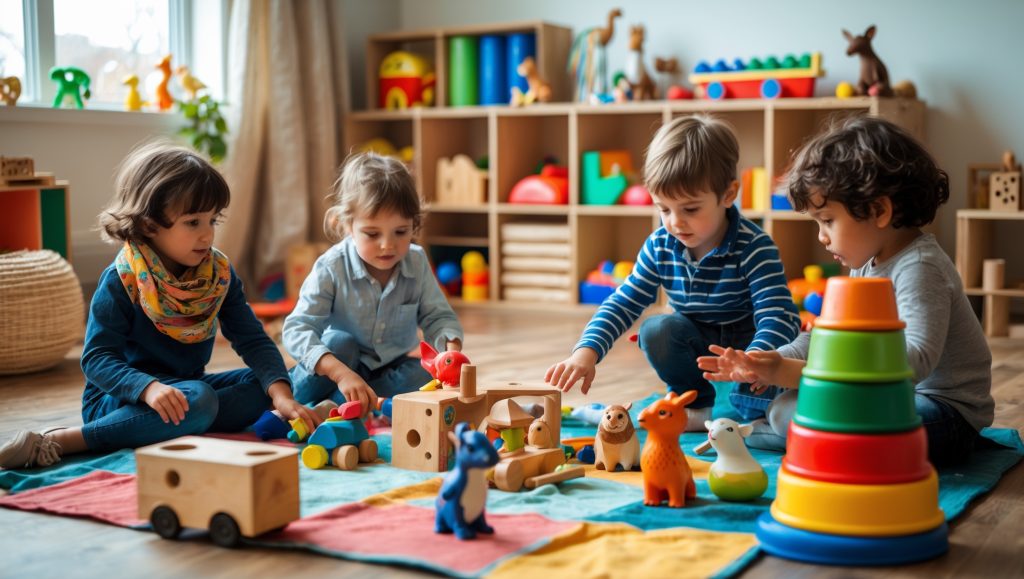
Open-ended toys are playthings that do not have a fixed outcome or single way to be used. They can be manipulated, combined, and reimagined in countless ways, inviting children to create their own stories, structures, and games. Classic examples include:
- Wooden blocks
- Building tiles
- Scarves and fabrics
- Animal and people figurines
- Stacking cups and rings
- Loose parts (such as shells, stones, corks, bottle caps, and sticks)
- Play silks
- Simple vehicles (cars, trains, boats)
These toys stand in contrast to closed-ended toys, which have a clear beginning and end (think puzzles, board games, or toys that perform a single function at the push of a button). Open-ended toys encourage children to become active creators rather than passive recipients.
Why Open-Ended Toys Matter: Key Benefits Backed by Research
1. Fostering Creativity and Imagination
With no right or wrong way to play, open-ended toys stimulate the imagination. A set of blocks can become a castle, a spaceship, or a zoo—sometimes all in the same afternoon. Research consistently links open-ended play to more creative thinking and problem-solving skills in children.
2. Supporting Cognitive and Social-Emotional Development
Open-ended toys encourage children to make decisions, test hypotheses, and solve problems independently. They also provide opportunities for cooperative play, negotiation, and sharing when used with peers or siblings. Through self-directed play, children gain confidence in their ideas and abilities.
3. Promoting Language and Communication
When children use figurines, animals, or dolls in open-ended scenarios, they narrate stories, voice characters, and develop language skills organically. This storytelling aspect often leads to richer vocabulary and more complex sentence structures.
4. Adaptable for Multiple Ages and Stages
One of the greatest strengths of open-ended toys is their longevity. A toddler may use stacking cups to bang together, while a preschooler builds a tower, and an older child turns them into a tea party set. The same set of blocks can engage children from infancy through elementary years in increasingly sophisticated ways.
How to Choose Open-Ended Toys in 2026
1. Look for Simplicity and Versatility
The best open-ended toys are simple in design but rich in possibilities. Choose toys made from durable materials like wood, silicone, or sturdy plastic, and avoid single-use or highly themed toys that limit imagination.
2. Consider Age Appropriateness
- Infants (0-12 months): Soft blocks, nesting cups, textured fabrics, and safe rattles encourage sensory exploration.
- Toddlers (1-3 years): Larger blocks, chunky figurines, stacking rings, and push vehicles are ideal for growing motor skills.
- Preschoolers (3-5 years): Building sets, play silks, animal/doll figures, and loose parts support storytelling and more elaborate construction.
- School-age (5+ years): Complex building sets, marble runs, creative craft materials, and role-play accessories offer challenge and depth.
3. Prioritize Safety and Quality
Check labels for age recommendations, non-toxic finishes, and sturdy construction. Avoid toys with small parts for children under three, and regularly inspect for wear and tear.
4. Encourage Diversity in Play Materials
Offer a mix of natural and synthetic materials, various shapes and sizes, and open storage so children can access and combine toys as inspiration strikes. Rotating toys periodically can also renew interest and spark fresh creativity.
Incorporating Open-Ended Toys Into Everyday Family Life
1. Create an Inviting Play Space
Designate a safe, accessible area where children can freely experiment with their toys. Low shelves, baskets, and trays allow children to see and select materials independently, fostering autonomy.
2. Follow the Child’s Lead
Let your child decide how to use the toys. Resist the urge to direct play or suggest outcomes. Open-ended play is most beneficial when adults act as observers or co-players, not instructors.
3. Mix and Match
Encourage combining different open-ended toys for richer play. For instance, blocks and animal figurines can become a zoo, while scarves and stacking cups might inspire a puppet show. The possibilities are endless.
4. Incorporate Play Into Daily Routines
Allow time each day for unstructured play with open-ended toys. Even short play sessions can support attention span and stress relief, especially after structured activities like school or appointments.
Common Mistakes
- Overloading the Play Space: Too many toys at once can overwhelm children and distract from deep, creative play.
- Choosing Toys That Are Too Complicated or Themed: Highly specific or electronic toys may limit open-ended exploration.
- Not Rotating Toys: Leaving out the same toys for months can lead to boredom; periodic rotation keeps play fresh.
- Directing Play Too Much: Constant adult guidance can stifle creativity and reduce intrinsic motivation.
- Neglecting Safety: Failing to check toys for age suitability or maintenance can pose risks, especially with younger children.
- Assuming Open-Ended Toys Are Just for Young Children: Older kids also benefit from creative, flexible play materials.
Quick Checklist
- Do the toys invite multiple uses and encourage imagination?
- Are materials safe, durable, and age-appropriate?
- Is the play space organized for easy access and self-directed play?
- Are you rotating toys to maintain interest?
- Do you allow your child to lead the play experience?
- Is there a balance of solo and social play opportunities?
- Are you engaging with your child as a supportive co-player when invited?
- Do you observe your child’s interests to guide future toy selections?
FAQ
+What makes a toy “open-ended”?
+Are open-ended toys suitable for all ages?
+How many open-ended toys should I have?
+How can I encourage my child to use open-ended toys?
+Can open-ended toys support learning?
+Are open-ended toys expensive?
+What if my child prefers electronic or themed toys?
Conclusion
Open-ended toys are timeless tools that foster creativity, resilience, and joy in children of all ages. By thoughtfully selecting, rotating, and supporting play with these versatile materials, families can create a rich foundation for lifelong learning and growth. In 2026 and beyond, as trends and technologies evolve, the value of simple, imaginative play remains—reminding us that sometimes, the best toys are those that leave room for a child’s dreams to take flight.

The Power of Open-Ended Toys: Inspiring Creativity and Growth in Children (2026 Guide)
In a world brimming with screens and scheduled activities, open-ended toys stand out as timeless tools for nurturing a child’s imagination. Unlike toys with a fixed purpose or outcome, open-ended toys—such as building blocks, art supplies, or simple figurines—invite children to invent their own stories and solutions. This play style not only sparks creativity but also cultivates essential life skills like problem-solving, collaboration, and resilience. As children explore possibilities without right or wrong answers, they learn to trust their instincts and pursue curiosity. Parents and educators in the US increasingly recognize that these toys support a wide range of developmental stages, making them valuable from toddlerhood through early adolescence. By providing open-ended toys, families empower children to transform everyday moments into opportunities for discovery and growth. The result is more than just fun: it’s a foundation for lifelong learning and adaptability in our ever-changing world.
- Encourages imaginative, self-directed play
- Supports social, cognitive, and emotional development
- Adapts to children’s growth and evolving interests
- Reduces reliance on screens and passive entertainment
Our play space is limited, so the idea of a toy subscription sounds appealing to keep clutter down. But are there specific types of open-ended toys you would recommend prioritizing for purchase versus borrowing or rotating through a service?
It’s great that you want to make the most of your space while supporting your child’s creativity. For purchase, consider classic open-ended toys like wooden blocks, play silks, or a set of figures—these are durable, versatile, and can be used in many ways over time. Items like large puzzles, themed kits, or sensory bins are perfect for borrowing or rotating, as kids may tire of them more quickly. Always check that toys are age-appropriate, free from choking hazards, and easy to clean. This isn’t medical advice; if you have specific concerns, consult your pediatrician.
My 3-year-old sometimes gets bored quickly with wooden blocks and ends up moving on to something else. Are there strategies to help keep her engaged with open-ended toys for longer periods, or is it normal for kids this age to have short play sessions?
It is completely normal for a 3-year-old to have short play sessions—attention spans at this age are typically brief. To help her stay engaged with wooden blocks or other open-ended toys, you might join in her play and build together, add new props like toy animals or cars, suggest simple building challenges, or rotate toys so they feel fresh. Ensure all pieces are age-appropriate and supervise to prevent choking hazards. This isn’t medical advice; if you’re concerned about her attention or play, check in with your pediatrician.
I would like to encourage my preschooler to play with natural items like stones or sticks, but I worry about safety and the potential for small parts. Are there ways to make open-ended play with loose materials safer for younger children?
It’s wonderful that you want to encourage your preschooler’s creativity with natural materials. For safety, choose larger items like smooth stones and chunky sticks, avoiding anything small enough to fit through a toilet paper roll (which helps prevent choking). Supervise play closely, especially outdoors, and check for sharp edges or splinters before playtime. Remind your child not to put items in their mouth and wash hands after handling natural objects. This isn’t medical advice; if you’re concerned, check in with your pediatrician.
My child sometimes gets frustrated when a structure falls down or doesn’t work as planned with blocks or stacking toys. Is there a way to support their persistence without interfering too much?
It’s completely normal to want to help when your child feels frustrated during play. You can support their persistence by first empathizing with their feelings—naming their effort and acknowledging the challenge. Encourage them to take a deep breath and try again, offering words like, ‘That was tough, but you’re working hard.’ Stay nearby and ask open-ended questions such as, ‘What do you think might help next time?’ For younger children, ensure the toys are age-appropriate and not too complex for their motor skills. Always supervise play to ensure safety. This isn’t medical advice; if you’re concerned, check in with your pediatrician.