
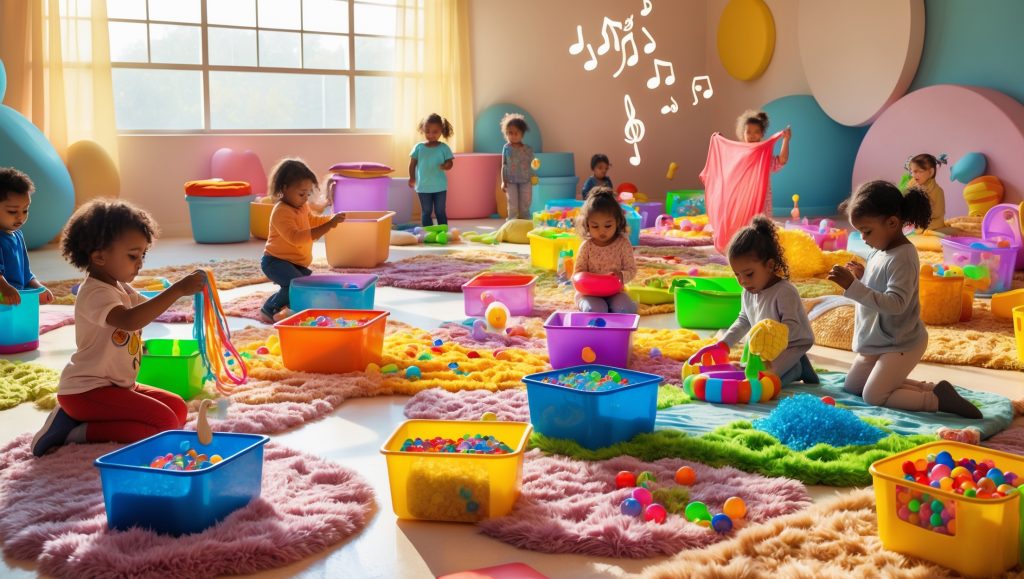
How We Chose
Our selection process blended child development research, parent feedback, and hands-on testing. We prioritized products that are widely available in the US, offer multisensory engagement, have clear age guidelines, and support practical, safe play at home. We also considered adaptability for different developmental stages, ease of cleanup, durability, and value for families.
#1 Kinetic Sand Play Set — Mesmerizing Texture Exploration
Why it stands out
Kinetic sand offers a captivating, mess-contained alternative to traditional sandboxes. It flows and shapes easily, never dries out, and provides satisfying tactile feedback, making it a staple for sensory bins and creative play sessions.
Best for
- Children who love tactile, hands-on activities
- Indoor sensory play, regardless of weather
- Fine motor skill development
Key notes
- Age/Stage: 3 years and up (supervised for younger children due to small pieces)
- Materials/Ingredients: Non-toxic, synthetic sand polymers
- Strengths: Easy cleanup, reusable, encourages creativity
- Trade-offs: Not suitable for children who mouth objects; sand can scatter if overzealous play
#2 Ooly Chunkies Paint Sticks — Vibrant, No-Mess Art
Why it stands out
Chunkies Paint Sticks provide bold color and smooth application without the mess of traditional paints. Their chunky design is easy for little hands to grip, and the fast-drying formula keeps playtime stress-free.
Best for
- Creative expression in small spaces
- Children hesitant to get ‘dirty’ but eager to create
- Building grip and pre-writing skills
Key notes
- Age/Stage: 3 years and up
- Materials/Ingredients: Non-toxic paint in plastic tubes
- Strengths: Portable, washable, minimal setup/cleanup
- Trade-offs: Not as open-ended as liquid paint; capped color range
#3 Fat Brain Toys Dimpl — Tactile Popping Sensation
Why it stands out
Dimpl’s colorful silicone bubbles invite endless poking and popping, engaging touch and sight. Its simple, sturdy design attracts babies and toddlers alike, and it’s easily portable for sensory on-the-go.
Best for
- Infants and toddlers exploring textures
- On-the-go sensory soothing
- Fine motor practice
Key notes
- Age/Stage: 10 months and up
- Materials/Ingredients: BPA-free silicone and plastic
- Strengths: Durable, easy to clean, visually appealing
- Trade-offs: Limited to tactile and visual stimulation; not as open-ended for older kids
#4 Edushape Sensory Balls — Multi-Texture Rolling Fun
Why it stands out
These soft, nubby balls stimulate touch, sight, and even auditory senses as they roll and bounce. Their gentle texture encourages grasping, fidgeting, and rolling, making them a perennial favorite for early sensory play.
Best for
- Babies and young toddlers
- Encouraging crawling and gross motor play
- Tactile exploration and sensory bins
Key notes
- Age/Stage: 6 months and up
- Materials/Ingredients: BPA- and phthalate-free plastic
- Strengths: Lightweight, washable, safe for mouthing
- Trade-offs: Limited play value for older children
#5 Water Beads — Colorful, Squishy Sensory Discovery
Why it stands out
Water beads expand into slippery, jelly-like spheres that delight kids during sensory bin play. Their vibrant colors and squishy texture make for hours of imaginative scooping, pouring, and sorting.
Best for
- Supervised play for preschoolers and up
- Sensory bins, sorting, and color recognition
- Fine motor tool practice (spoons, tweezers)
Key notes
- Age/Stage: 3 years and up (strictly supervised)
- Materials/Ingredients: Polymer beads, non-edible
- Strengths: Reusable, vibrant, engaging for groups
- Trade-offs: Choking hazard for young children; requires careful cleanup
#6 Play-Doh Classic Compound — Sculpting and Squishing
Why it stands out
This time-tested classic provides endless open-ended opportunities for squishing, rolling, sculpting, and sensory discovery. Play-Doh supports creativity, hand strength, and imaginative play for a wide age range.
Best for
- Creative play for siblings of different ages
- Fine motor skill building
- Quiet, focused play sessions
Key notes
- Age/Stage: 2 years and up
- Materials/Ingredients: Wheat-based dough, food-safe colors
- Strengths: Open-ended, classic, non-toxic
- Trade-offs: Not suitable for gluten-sensitive kids; can dry out if left open
#7 Rainbow Scarves — Movement and Visual Stimulation
Why it stands out
Lightweight, vibrant scarves encourage children to move, dance, and explore color and motion. They’re perfect for music time, peekaboo, or imaginative play, and they pack down small for travel or quick play sessions.
Best for
- Babies, toddlers, and preschoolers
- Gross motor and dance activities
- Visual tracking and coordination
Key notes
- Age/Stage: 6 months and up (supervised for infants)
- Materials/Ingredients: Polyester or silk
- Strengths: Versatile, machine-washable, durable
- Trade-offs: Supervision needed to avoid wrapping/tangling
#8 Hape Musical Instruments Set — Sound Exploration for Little Hands
Why it stands out
This wooden instrument set (shakers, tambourines, bells) introduces rhythm, pitch, and cause-and-effect in a hands-on way. The pieces are sized for small hands and built to last, supporting both solo and group play.
Best for
- Children interested in music and sound
- Early group play and sharing
- Developing coordination and auditory senses
Key notes
- Age/Stage: 12 months and up
- Materials/Ingredients: FSC-certified wood, non-toxic paints
- Strengths: Durable, eco-friendly, multi-child use
- Trade-offs: Can be loud; pieces may get lost if not stored together
#9 Learning Resources Sensory Fidget Tubes — Calm and Focus
Why it stands out
These visually engaging tubes are filled with swirling glitter, beads, and colored liquids. They offer soothing visual input and gentle auditory feedback, making them ideal for calming corners or transition times.
Best for
- Children who benefit from visual or fidget input
- Calming or sensory break spaces
- Travel or on-the-go focus tools
Key notes
- Age/Stage: 3 years and up
- Materials/Ingredients: BPA-free plastic, sealed contents
- Strengths: Portable, durable, mess-free
- Trade-offs: Passive play; not as open-ended as other options
#10 DIY Sensory Bins — Personalized, Budget-Friendly Exploration
Why it stands out
Assembling your own sensory bins with everyday materials (rice, beans, pasta, sponges, scoops) allows for endless customization to your child’s interests, seasons, or themes. It’s a cost-effective way to rotate and refresh sensory experiences at home.
Best for
- Families seeking variety and creativity
- Children with specific interests or sensory needs
- Budget-conscious setups
Key notes
- Age/Stage: Adaptable from 12 months and up (with age-appropriate materials and supervision)
- Materials/Ingredients: Food-grade or household items, storage bins
- Strengths: Highly customizable, cost-effective, great for siblings
- Trade-offs: Requires storage space; careful supervision needed for small parts
Buying Tips
- Check age recommendations: Always match the product to your child’s developmental stage and supervise as needed, especially with small parts or mouthable items.
- Consider clean-up and storage: Some sensory toys are messier than others. Opt for washable or easily contained items if you’re short on time or space.
- Rotate and refresh: Sensory play works best when materials are introduced in rotation, keeping interest and novelty high.
- Look for open-ended options: Toys that can be used in multiple ways grow with your child and maximize value.
- Prioritize safety: Seek out non-toxic materials, and avoid choking hazards for younger children.
Verdict
Sensory play is a foundational part of childhood development, offering opportunities for exploration, calm, creativity, and learning. The best picks for 2026 reflect a blend of classic favorites and new innovations, all grounded in evidence and family practicality. Whether you choose pre-made sets or DIY bins, remember that the real magic happens when children explore with all their senses — and when you join in, too.
FAQ
+What is sensory play and why is it important?
+How do I choose the right sensory play material for my child?
+Can sensory play be messy? How do I manage cleanup?
+Is sensory play suitable for children with sensory sensitivities?
+How often should I offer sensory play at home?
+Are there sensory play options for older children?
+What if my child puts sensory materials in their mouth?

Engaging children’s senses through play is more than just fun—it’s a crucial part of their development. In 2026, sensory play has evolved, blending timeless favorites with innovative tools designed to spark curiosity and support learning at home. For families, having the right sensory play essentials on hand can make daily routines smoother and create joyful, meaningful moments together.
When selecting sensory play must-haves, consider the unique needs and interests of your child. Classic tactile options like kinetic sand or textured play mats remain popular, while new tech-enhanced sensory kits offer multisensory experiences with light, sound, and movement. Don’t overlook the importance of items that encourage both independent exploration and shared family play—think water tables with interactive features or aroma-based activity kits for olfactory stimulation.
Safety and versatility are key. Choose products made from non-toxic materials and those that adapt as your child grows. Ultimately, the best sensory tools inspire kids to explore, create, and connect with their world—and each other—through play. With the right mix of classics and cutting-edge options, families can nurture every sense and foster a love of discovery at home.
- Opt for versatile kits that grow with your child’s abilities
- Include both tech and hands-on sensory toys for variety
- Prioritize safety with non-toxic, easy-to-clean materials
- Mix solo and family-friendly options to encourage connection
For a family traveling with a toddler, which of these sensory items would you say are the most compact and easy to clean up on the go? We want to engage our two-year-old during hotel stays but have limited space for gear.
It makes sense to want sensory play options that are tidy and travel-friendly with a toddler. For hotel stays, I suggest bringing a small set of silicone stacking cups, a soft textured sensory ball, or a mini water mat (if you can drain and wipe it easily). These items are lightweight, easy to clean, and generally safe for two-year-olds with supervision. Avoid anything with tiny pieces or messy fillers like sand or slime. Always supervise play in new environments. This isn’t medical advice; if you’re concerned, check in with your pediatrician.
Our play area is pretty small and we try to keep things minimal. Do any of these sensory toys double up as tools for other types of play, or do you have suggestions for how to maximize variety without adding extra clutter?
It’s great that you’re aiming for a minimal yet stimulating play space. Many sensory toys, like play scarves or textured balls, can be used for both sensory activities and imaginative play—think dress-up, tossing games, or building forts. Sensory bins with rice or beans can double as pretend cooking or treasure hunts. Rotating a few versatile items keeps things fresh without overcrowding. Always supervise young children, especially with small or loose parts. This isn’t medical advice; if you’re concerned, check in with your pediatrician.
If my child is a little hesitant with new textures, like the nubby sensory balls, are there any tips for introducing these types of toys gradually? I want sensory play to be positive and not overwhelming.
It’s great that you want sensory play to feel comfortable and enjoyable for your child. Start by letting your child watch you or a sibling explore the nubby balls without any pressure to join in. Place the ball nearby during playtime so your child can touch it when they’re ready. Try rolling it gently on their hand for just a second, and praise any small step toward interacting. Offer choices, like using a cloth between their hand and the ball at first. Always supervise, especially for younger kids, and keep sessions short and positive. This isn’t medical advice; if you’re concerned, check in with your pediatrician.
I noticed you mention supervision with kinetic sand for younger kids. Do you have any tips on minimizing sand scattering or keeping the play area contained when using it indoors?
—keeping kinetic sand contained can be tricky, and it’s understandable to want less mess indoors. Try using a large, shallow plastic bin or tray as a play station; this gives clear boundaries and catches stray sand. Lay down a washable mat or sheet underneath for easy cleanup. Limit the amount of sand provided at one time, especially for toddlers, and offer simple tools instead of many small accessories. Always supervise play, particularly for kids under three, to prevent ingestion or choking. This isn’t medical advice; if you’re concerned, check in with your pediatrician.
I noticed the Kinetic Sand set is listed for ages 3 and up, but my toddler just turned 2 and is still putting things in her mouth sometimes. Is there a safer alternative for the same tactile experience that’s actually recommended for younger kids?
It’s great that you’re being careful about sensory play safety at this age. For toddlers under 3 who still mouth objects, try homemade edible sensory bases like cooked and cooled plain pasta, chia seed pudding, or oobleck made with cornstarch and water. These options offer a similar squishy, tactile experience without the choking risk of small pieces. Always supervise closely, and use a clean play surface. Avoid small beads or commercial sands until your child is older. This isn’t medical advice; if you’re concerned, check in with your pediatrician.
I noticed the Kinetic Sand is recommended for ages 3 and up, but my almost 2-year-old is very drawn to sand play. Is there a safer way to introduce kinetic sand or a similar alternative for younger toddlers who are still in the mouthing phase?
It’s great that you’re noticing your toddler’s interest in sensory experiences. For children under 3 who are still mouthing, traditional kinetic sand isn’t safe due to choking risks and possible ingestion. Instead, make a homemade edible version using flour and a little oil, or try taste-safe sensory bases like cooked rice or oats. Always supervise closely, offer small amounts at a time, and watch for any allergies. As your child gets older and outgrows mouthing, you can gradually introduce more complex textures. This isn’t medical advice; if you’re concerned, check in with your pediatrician.
Some traditional foods we share have strong colors and occasionally stain little hands. Do the Ooly Chunkies Paint Sticks wash off easily if the kids get marker or paint residue on their hands before mealtime?
It’s great that you’re thinking ahead about keeping little hands clean, especially around mealtimes. Ooly Chunkies Paint Sticks are designed to be washable, so most paint residue should come off with soap and warm water. If there’s stubborn color, try a gentle, fragrance-free baby wipe or soak hands in soapy water for a few minutes before rinsing. Remind children not to put painted fingers in their mouths, and supervise closely with very young kids to prevent accidental ingestion. This isn’t medical advice; if you’re concerned, check in with your pediatrician.
Do you have any tips for rotating sensory toys for a child with sensory sensitivities who sometimes gets overwhelmed by too many textures or colors? I want to introduce variety without causing sensory overload.
You’re being thoughtful about your child’s sensory needs, which is so important. Try offering only 2–3 sensory toys at a time, choosing items with similar textures or muted colors to start. Swap out toys every few days, introducing new ones gradually so your child can adjust at their own pace. Create a calm play environment without visual clutter and watch for signs of overstimulation. Always supervise play, especially with small parts or messy materials, and choose age-appropriate toys. This isn’t medical advice; if you’re concerned, check in with your pediatrician.
With a tight budget, I’m wondering if you would recommend investing in the Ooly Chunkies paint sticks or going for something more multi-age like the sensory balls. Which do you find has the most staying power as kids grow or works best for siblings close in age?
It’s great that you’re thinking about both budget and versatility for your kids’ play. Sensory balls tend to have more staying power across ages: babies enjoy grasping and mouthing them, while older siblings can use them for tossing, rolling, or imaginative games. They also encourage gross motor skills and shared play, making them a good investment for families with children close in age. Just be sure to choose balls that are large enough to prevent choking and easy to clean. This isn’t medical advice; if you have concerns about safety, check in with your pediatrician.
My child tends to put everything in their mouth, so I am a little hesitant about the kinetic sand, even with supervision. Are there any similar tactile options on your list that are safer for kids who are still mouthing objects?
Your caution about kinetic sand is completely understandable, especially with little ones who are still exploring the world by mouthing objects. For toddlers and young children, consider options like large silicone sensory balls or textured fabric books, both of which are safer if mouthed and easy to clean. Water play with cups or sponges is another tactile option that avoids small parts and hazardous materials. Always supervise sensory play and choose items labeled as suitable for your child’s age group. This isn’t medical advice; if you’re concerned, check in with your pediatrician.
If my toddler still mouths objects but loves texture play, are there any safe alternatives to kinetic sand you would suggest that offer a similar experience?
You’re thoughtful to consider safety while encouraging your toddler’s love of texture play. For children who still mouth objects, try making edible sensory bases like cooked and cooled pasta, chia seed pudding, or homemade taste-safe play dough (without salt or artificial dyes). Another safe option is water play with sponges or silicone baking cups for squeezing and filling. Always supervise closely to prevent choking, and choose materials that are age-appropriate and non-toxic. This isn’t medical advice; if you’re concerned, check in with your pediatrician.
Would you recommend rotating these toys on a weekly schedule, or is it better to keep them all accessible for ongoing sensory experiences?
—finding the right balance helps keep sensory play fresh and meaningful. Try rotating most toys weekly to maintain your child’s interest and avoid overstimulation, but always keep a couple of familiar favorites available. For children under three, make sure small parts are safely stored away and supervise closely. Observe how your child responds—some kids need more choices, while others thrive with fewer options. This isn’t medical advice; if you’re concerned or unsure, check in with your pediatrician.
My little one sometimes gets overstimulated by bright colors or loud noises. Are there sensory toys from your list that offer a gentler experience or are better suited for kids who are sensitive to strong sensations?
It’s understandable to want sensory play options that don’t overwhelm your child. From the list, consider toys with muted colors and soft textures, like silicone stacking blocks or plush sensory balls. Water play mats also provide gentle tactile feedback and soothing movement without loud sounds or harsh visuals. Choose items made from non-toxic, hypoallergenic materials and supervise closely, especially with younger kids. Always adapt play to your child’s comfort, and remember, this isn’t medical advice—if sensitivities seem intense or disruptive, check in with your pediatrician.
Do you have any advice on fitting these sensory activities into a typical potty training day for a young toddler? For example, is it helpful to offer tactile play after a successful potty visit or as a reward? Would love practical ideas on routine.
It’s wonderful that you’re thinking about supporting your toddler’s sensory needs during potty training—a time full of new routines. Try offering brief sensory play, like water or playdough activities, right after a successful potty visit; this can act as a positive reinforcement and give your child something to look forward to. Keep sensory sessions short (5–10 minutes) and choose materials safe for toddlers—avoid small parts or strong scents. You might also use sensory play as a calm transitional activity before naps or meals. Remember, this isn’t medical advice; if you’re concerned, check in with your pediatrician.
My child is almost three and has some tactile sensitivity. Would you recommend starting with Dimpl or the Edushape Sensory Balls, or perhaps something else entirely to gently introduce sensory play?
It’s wonderful that you’re looking for gentle ways to introduce sensory play to your child. For tactile sensitivity at this age, start with softer, less intense textures like the Dimpl—its large, smooth bubbles are easy to press and not overwhelming. Offer it during calm moments, letting your child explore at their own pace. You can then try Edushape Sensory Balls, as they’re soft and textured, but supervise closely and watch for signs of discomfort. Remember to wash toys frequently and avoid any with small parts. Every child is different, so go slowly and praise even small steps. This isn’t medical advice; if you’re concerned, check in with your pediatrician.
We sometimes have younger toddlers playing alongside preschoolers. If a child is under three but closely supervised, do you recommend any modifications for using kinetic sand, or is it best to avoid it altogether?
It’s great that you’re thinking carefully about safety for your younger toddlers. For children under three, even with close supervision, kinetic sand poses a risk of mouthing and choking because of its small, crumbly texture. If you decide to use it, keep it strictly out of reach of children who might try to taste or eat it, and never leave them unattended. You could consider a safer alternative, like homemade edible sensory bases (such as cooked rice or oats). Always check for allergies and clean hands before and after play. This isn’t medical advice; if you’re concerned, check in with your pediatrician.
Can you share ideas for storing some of these bulkier sensory toys, like the Edushape sensory balls, in a small apartment? We want to include sensory play but have limited space.
It’s great that you want to make room for sensory play despite limited space. Try using soft-sided bins or collapsible baskets that tuck under beds or in closets for easy access and safe storage—just make sure they’re out of reach for very young children if the toys are large or could pose a tripping hazard. Over-the-door organizers with large pockets can hold lightweight sensory toys off the floor. Rotate a few items at a time, keeping the rest packed away to reduce clutter and keep play fresh. This isn’t medical advice; if you have concerns about toy safety or storage, check in with your pediatrician.
We live in a small apartment and I am concerned about storage. Which of these sensory toys takes up the least space or can be easily stored away when not in use, especially since two-year-olds’ interests change frequently?
You’re right to consider space and flexible interests at this age. Many sensory toys like silicone poppers, textured balls, or small sensory bottles are compact and can be stored in a basket, drawer, or bin when not in use. Sensory scarves or stacking cups also nest easily and take up little room. For messier options like kinetic sand, choose a lidded container that fits on a shelf. Always supervise two-year-olds during play to ensure safety, especially with small parts. This isn’t medical advice; if you’re concerned, check in with your pediatrician.
How would you suggest introducing something like the Fat Brain Dimpl if one twin seems hesitant about new textures, while the other dives right in? Any tips for balancing those different sensory comfort zones?
It’s wonderful that you’re attuned to both twins’ unique sensory preferences. Start by letting the hesitant twin observe or touch the Dimpl at their own pace, perhaps while watching their sibling play first. You can gently model using the toy, showing that it’s safe and enjoyable. Offer it alongside familiar objects and never force interaction—allow them to come back to it later if needed. For safety, supervise closely to ensure small parts aren’t mouthed. Remember, every child’s comfort with new textures grows at their own rate. This isn’t medical advice; if you’re concerned, check in with your pediatrician.