
Introduction
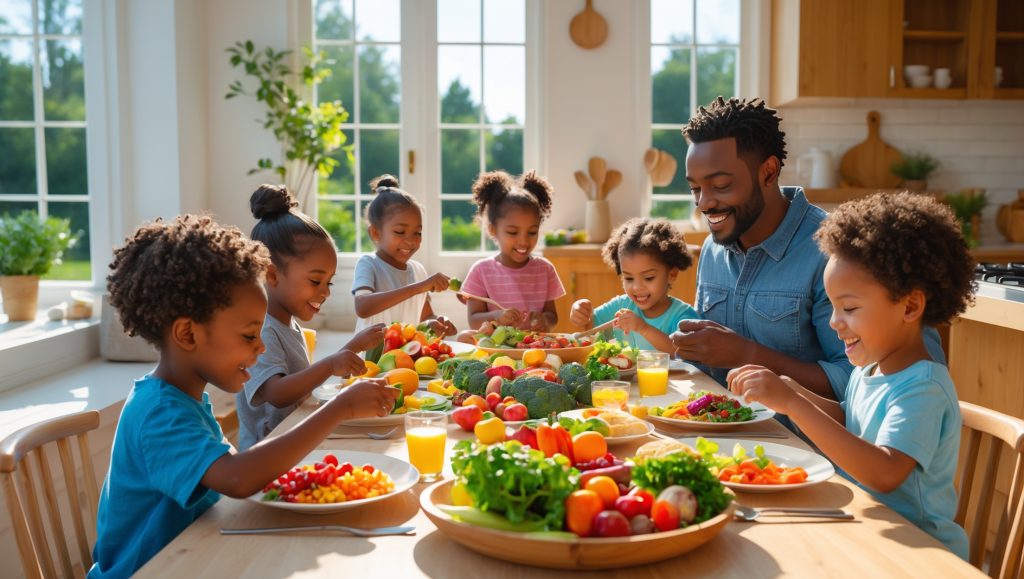
For many families, mealtimes are more than just opportunities to nourish growing bodies—they’re vibrant stages for learning, connection, and development. Sensory play, often associated with playrooms and craft tables, has a powerful and sometimes overlooked role at the kitchen table. When children explore tastes, textures, colors, and even the sounds of their meals, they’re engaging in a rich form of sensory learning that builds confidence, curiosity, and healthy eating habits. In this guide, we’ll unpack how sensory play and food intersect, why it matters, and how you can create developmentally supportive mealtime experiences for your child in 2026—no matter their age or stage.
Understanding Sensory Play in Food
Sensory play involves activities that stimulate a child’s senses—touch, taste, smell, sight, and hearing. While sensory bins and art projects are common examples, food itself is one of the most accessible and meaningful tools for sensory exploration. From squishy avocado slices to the crunch of fresh carrots, every meal can offer a new opportunity for children to learn through their senses.
Why is this important? Research shows that sensory experiences with food help children become more open to new tastes, reduce pickiness, and build comfort with different textures. Engaging the senses during mealtimes also supports fine motor skills, language development, and social-emotional confidence.
How Sensory Play Supports Development
- Texture Exploration: Handling foods with various textures encourages tactile learning and builds acceptance of new foods.
- Color and Visual Interest: Bright, varied colors on a plate stimulate visual curiosity and can spark conversations about food origins and nutrition.
- Smell and Taste: Smelling and tasting a range of flavors enhances sensory memory and widens a child’s palate.
- Sound: The crunch of an apple or the sizzle of stir-fry introduces a playful, auditory layer to mealtime.
- Social Skills: Family meals and shared food experiences foster turn-taking, patience, and language development.
Practical Strategies for Sensory Food Play at Home
Incorporating sensory play with food doesn’t have to mean extra mess or stress. Here are some practical ways to bring sensory experiences to the table, tailored to your child’s age and stage:
Infants (6–12 months)
- Offer soft, easy-to-handle foods in various shapes and colors—think avocado cubes, banana strips, or steamed sweet potato.
- Encourage self-feeding (with supervision), letting your baby squish, smear, and explore food with their fingers.
- Describe textures and tastes out loud: “This is cool and smooth!”
Toddlers (1–3 years)
- Serve a rainbow on the plate: bright bell peppers, blueberries, and whole grain crackers.
- Invite your child to help with simple food prep, like tearing lettuce or stirring yogurt.
- Use playful plates and utensils to add visual and tactile interest.
- Make snack time interactive—try taste-testing games with new foods.
Preschoolers (3–5 years)
- Explore textures by making your own veggie or fruit skewers (using safe, child-friendly picks).
- Let your child “paint” with purees or dips on their plate.
- Play guessing games with foods based on smell or touch (with eyes closed, if your child is comfortable).
- Encourage storytelling about where foods come from or what they look like.
School-Aged Children (6+ years)
- Involve kids in meal planning and grocery shopping—talk about colors, textures, and flavors as you choose ingredients.
- Experiment with international recipes to expand flavor horizons.
- Create build-your-own meals (like taco bars or salad bowls) to let kids explore combinations and preferences.
- Encourage kids to describe foods using as many senses as possible.
Evidence-Informed Benefits of Sensory Food Play
Research continues to highlight the positive impacts of sensory food play on children’s development. Key benefits include:
- Reduced Picky Eating: Children who regularly touch, smell, and interact with a variety of foods are often more accepting of new tastes and less likely to develop strong food aversions.
- Language Development: Sensory-rich mealtime conversations help build vocabulary related to texture, color, taste, and smell.
- Motor Skills: Picking up slippery foods, spooning yogurt, or spreading hummus helps refine both fine and gross motor abilities.
- Confidence and Independence: Allowing children to explore and make choices at mealtime nurtures self-esteem and a sense of autonomy.
- Family Bonding: Shared sensory experiences at the table can strengthen family connections and make meals more enjoyable for everyone.
Common Mistakes
- Expecting Cleanliness Over Exploration: Prioritizing a tidy table can sometimes stifle a child’s willingness to try new foods. Sensory play can be a little messy, and that’s okay!
- Pressuring Kids to Eat: Forcing children to taste or finish foods can backfire, leading to power struggles and increased pickiness. Instead, offer opportunities for gentle exploration without pressure.
- Limiting Choices: Offering the same foods repeatedly may reduce sensory variety and interest. Rotating foods and introducing new options can keep meals engaging.
- Overcomplicating Sensory Play: Elaborate set-ups aren’t necessary. Simple changes—like slicing foods differently or serving dips—can spark curiosity.
- Ignoring Sensory Preferences: Every child is unique. Some may be sensitive to certain textures or smells; it’s important to respect these preferences and introduce new experiences gradually.
Quick Checklist
- Am I offering a variety of textures, colors, and flavors each week?
- Does my child have chances to touch, smell, and interact with their food?
- Are meals relaxed and pressure-free, allowing for exploration?
- Do I describe foods using sensory language (“soft,” “crunchy,” “sweet,” “cool”)?
- Have I involved my child in food prep or selection recently?
- Is the eating environment calm and inviting, supporting curiosity?
FAQ
+How can I encourage my picky eater to try new foods using sensory play?
+Is sensory play with food appropriate for all ages?
+What if my child dislikes messes or certain textures?
+Do I need special tools or toys for sensory food play?
+How often should I introduce new foods or sensory experiences?
+Can sensory play with food help with feeding challenges?
+Is it okay if my child only plays with food and doesn’t eat much?
Conclusion
Sensory play isn’t just for the playroom—it can be a joyful, developmentally supportive part of every family meal. By inviting children to explore food with all their senses, parents can nurture curiosity, reduce pickiness, and foster positive mealtime memories. Whether your child is just starting solids or branching out into new tastes, simple, evidence-informed strategies can make meals a richer, more engaging experience. Remember: it’s not about perfection or Pinterest-worthy plates, but about creating space for learning, connection, and fun right at your own table in 2026.

Sensory play is an essential part of childhood development, and in 2026, families are increasingly recognizing how everyday meals can be a powerful tool for growth. The simple act of exploring food—touching, smelling, tasting, and even listening to the crunch or sizzle—engages children’s senses and supports brain development. As mealtimes become more intentional, parents are creating playful opportunities at the table, from “taste tests” with new fruits to letting little hands mash avocados or sprinkle herbs. These activities not only build fine motor skills and language but also foster a positive relationship with food, making children more adventurous and less picky eaters.
In today’s fast-paced world, it’s comforting to know that the daily ritual of eating can double as a rich learning experience. Encouraging kids to help prepare meals, describe textures, or guess ingredients turns the kitchen into a sensory playground. This practical approach doesn’t require special tools—just curiosity and patience. By embracing sensory play with food, families are laying the foundation for confident, healthy eaters and nurturing joyful, connected mealtimes.
- Encourage children to touch, smell, and describe new foods.
- Involve kids in meal prep for hands-on sensory experiences.
- Use playful activities like “taste tests” or food art.
- Celebrate curiosity and exploration at every meal.
When involving kids in food prep, like tearing lettuce or stirring yogurt, what are some safe ways to let toddlers participate without risking messes that might be overwhelming for the parent or dangerous for the child?
It’s understandable to want sensory food play to be enjoyable and safe without adding stress for you or your toddler. Try giving your toddler a dedicated workspace, like a washable mat or tray, to help contain messes. Offer only a small amount of ingredients at a time and use child-safe utensils with no sharp edges. For activities like tearing lettuce, pre-wash and break larger pieces so they are easy for little hands. Stirring yogurt works best with a sturdy, short-handled spoon to limit spills. Always supervise closely and keep potential choking hazards out of reach. This isn’t medical advice; if you’re concerned, check in with your pediatrician.
We try to offer a variety of foods, but my daughter is most interested in crunchy snacks. Is it okay if she mostly explores with crunchy foods, or should I keep encouraging her to try softer textures too?
It is completely normal to notice your child gravitating toward certain textures like crunchy foods. To support well-rounded sensory development, keep offering a mix of textures at mealtimes—gently encourage her to touch, smell, or taste soft foods, but avoid pressure. You might offer finger-friendly soft foods beside her preferred crunchy snacks, describe the differences together, and invite her to squish or play with soft foods to build comfort. Always supervise closely to avoid choking hazards, especially with crunchy items. This isn’t medical advice; if you’re concerned, check in with your pediatrician.
How do you suggest adapting sensory food play for children who get easily overwhelmed by strong smells or complex food textures, particularly when grandparents want to introduce traditional family meals?
It’s understandable to want family mealtimes to be enjoyable, especially when children are sensitive to smells or textures. Start by offering a small sample of the traditional food on a separate plate, so your child can explore at their own pace. Let them touch or smell the food without pressure to eat it. You can also involve your child in preparing the meal—handling less intense ingredients first. Offer familiar foods alongside new ones for comfort. Always supervise closely, and avoid foods with choking hazards for young children. This isn’t medical advice; if you’re concerned, check in with your pediatrician.
I notice my child sometimes resists washing hands after both meals and potty trips. Are there sensory play strategies with food that could help reinforce good hygiene habits alongside potty training?
It’s understandable to want handwashing to feel positive and routine for your child, especially during potty training. Try making handwashing playful: use foamy soap and let your child create ‘bubbles’ after meals, or encourage them to wash pretend ‘sticky’ food off their hands after sensory food play. You could set up a simple reward chart for consistent handwashing. Modeling the routine yourself and offering gentle reminders helps, too. For safety, supervise closely so soap and water are used properly, and avoid any harsh soaps that might irritate sensitive skin. This isn’t medical advice; if you’re concerned, check in with your pediatrician.
I usually prepare breakfast before my toddler wakes up, but sometimes early mornings are a bit chaotic. Do you have any suggestions for quiet sensory food activities that I can set up in advance so she can engage at the table while the house is still waking up?
It sounds like you’re looking for calm, independent activities to help your toddler ease into the morning. Try setting out a tray with pre-cut soft fruits for her to explore by touch and taste, or offer a bowl of dry cereal she can scoop and transfer between containers. You could also provide a small container with yogurt and a child-safe spoon for mixing. For extra quiet time, try a zip-top bag with spreadable foods like applesauce for squishing (well-sealed to avoid mess). Always supervise closely and avoid foods that pose choking risks. This isn’t medical advice; if you’re concerned, check in with your pediatrician.
Is it safe for infants who are just starting solids to explore foods with their hands, especially when it gets messy? Are there specific precautions parents should take to make sure the experience stays both fun and safe?
It’s wonderful that you want your infant to safely enjoy messy, hands-on food exploration. For babies just starting solids, always supervise closely and offer soft, age-appropriate foods in safe sizes to reduce choking risks. Clean hands and a clean eating area help minimize germs. Avoid foods with common allergens unless you’ve discussed introduction with your pediatrician. Let your baby explore textures, but watch for signs of gagging or distress. This isn’t medical advice; if you have specific concerns, check in with your pediatrician.
My child sometimes refuses to touch or eat foods that look too ‘mixed together’ or with unfamiliar smells. How do you recommend introducing new combinations at mealtime while respecting their sensory boundaries and still encouraging curiosity?
It’s understandable to want to support your child’s comfort while helping them try new foods. Start by serving new combinations alongside familiar, separate foods so your child can explore at their own pace. Offer small portions of mixed dishes and let your child touch or smell them without pressure to eat. Describe the sensory features together—like colors, textures, or aromas—to build curiosity. Involve your child in meal prep so they can see (and control) how foods are combined. Always respect their limits, and supervise closely to ensure safety, especially for young children. This isn’t medical advice; if you’re concerned, check in with your pediatrician.
My toddler sometimes gets overstimulated at dinner, especially with colorful or noisy foods. Could incorporating sensory food play in the evening make it harder for some kids to settle down for bed? Any suggestions for a calmer nighttime approach?
You’re noticing your toddler’s sensitivities, which is an important part of supporting their needs. For some children, stimulating sensory food play close to bedtime can indeed make winding down harder. Try shifting hands-on or messy food play to earlier in the day, and keep evening meals calm and predictable. Offer familiar, gentle-textured foods at dinner and minimize bright lights and noise. Encourage slow eating with soft conversation. Always supervise closely and avoid foods that pose choking risks. This isn’t medical advice; if you’re concerned about your child’s reactions, check in with your pediatrician.
You mentioned talking about textures and tastes during meals. How much should I describe what my baby is touching or tasting if she is not responding yet or making any sounds back?
You’re thoughtful to wonder how much to narrate sensory experiences when your baby isn’t responding yet. Even if she’s quiet, describing textures and tastes helps her brain build connections. Try using simple, positive words to label what she touches or tastes, like saying ‘This is smooth yogurt’ or ‘Crunchy toast.’ Pause after a few words to let her process, but don’t worry if she doesn’t react. Keep your tone warm, and stay attentive to her cues. For young babies, make sure foods are safe and cut to prevent choking. This isn’t medical advice; if you’re concerned, check in with your pediatrician.
My preschooler has some sensory aversions and resists trying foods with strong smells or unusual textures. Would you recommend introducing these foods gradually during snacks or sticking to the main family meals? What seems to work best for children with sensory sensitivities?
It’s understandable to want mealtimes to feel positive and support your child’s sensory needs. For many preschoolers with sensory sensitivities, gradual exposure works best—try introducing new foods in small, low-pressure ways during snack times when there’s less stress around eating. Let your child play with, smell, or touch the food first without expectation to eat. Offer just one new food at a time alongside familiar options, and keep portions tiny. Stay sensitive to choking hazards and avoid foods with challenging textures if your child is sensitive. This isn’t medical advice; if sensory issues disrupt eating or cause distress, a pediatrician or feeding specialist can help.
You mention encouraging infants to self-feed and explore with their hands. Are there any specific foods or shapes I should avoid for safety reasons, especially for babies just starting solids?
It is great that you are thinking about safety as your baby explores new foods. For infants just starting solids, avoid round, hard, and sticky foods like whole grapes, nuts, popcorn, chunks of raw vegetables, or large pieces of meat and cheese, as these can be choking hazards. Cut foods into very small, manageable pieces or offer soft, easily mashable options like ripe banana or steamed carrot sticks. Always supervise your baby during meals and let them explore textures with their hands. This isn’t medical advice; if you’re concerned, check in with your pediatrician.
When thinking about budget and storage space, do wooden or plastic toys and utensils work better for sensory food activities at home? Are wooden options more expensive or harder to maintain, and do they hold up as well to frequent use?
It’s insightful to consider budget and storage when choosing materials for sensory food play. Wooden toys and utensils can be pricier upfront and sometimes require extra care, like hand-washing and occasional oiling, to prevent cracking and mildew. Plastic options are usually less expensive, lightweight, easy to clean, and often dishwasher safe, making them practical for frequent, messy play. However, for babies and toddlers, always check that any material is non-toxic, free from small parts, and sturdy enough to withstand mouthing and rough use. Both types can work, so choose what fits your family’s needs best. This isn’t medical advice; if you’re concerned, check in with your pediatrician.
Is there an ideal frequency for structured sensory food play during the week, or should it be incorporated into every meal? I’d love advice on balancing routine meals with more intentional sensory experiences.
It’s great that you’re thinking about how to balance routine and sensory exploration at mealtimes. Most families find that 2 to 3 intentional sensory food play sessions per week work well, allowing kids to explore textures, colors, and smells without overwhelming them or disrupting daily routines. Routine meals can still be playful but focus more on eating together. For toddlers and preschoolers, keep sessions short and always supervise closely, especially with foods that could pose choking risks. This isn’t medical advice; if you have specific concerns, please check in with your pediatrician.