
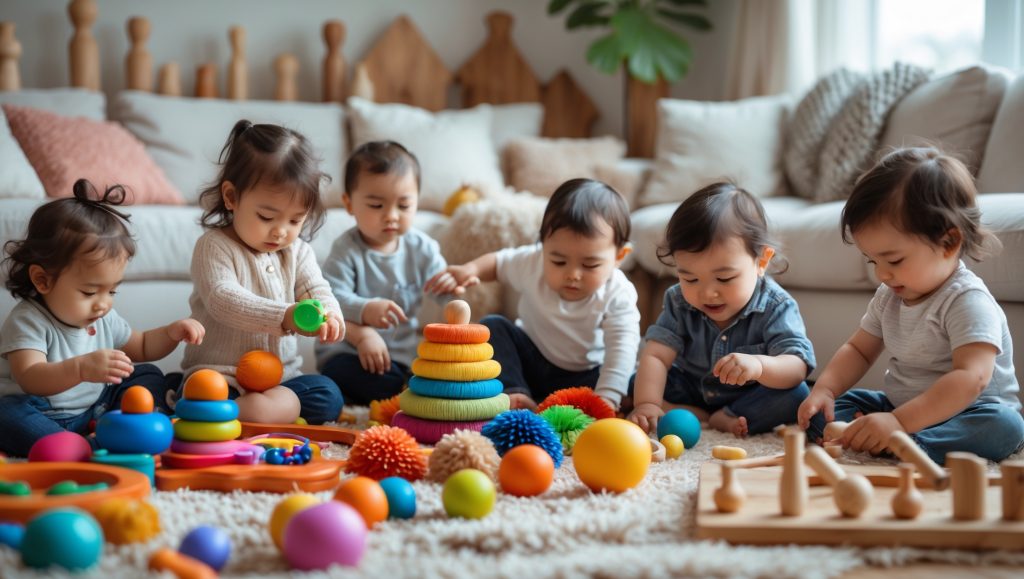
How We Chose
We evaluated dozens of sensory play toys and tools available in the U.S. market, focusing on evidence-informed benefits, developmental appropriateness, safety, versatility, and parent feedback. Our selections support a wide range of ages, sensory needs, and home environments, ensuring practical value and fun for families in 2025.
1. Kinetic Sand — Tactile Exploration Without the Mess
Why it stands out
Kinetic Sand offers a unique sensory experience, combining the moldability of wet sand with easy cleanup. It never dries out, making it a reusable favorite for creative tactile play.
Best for
- Children who love hands-on, squishy textures
- Parents seeking minimal-mess sensory play
Key notes
- Age/Stage: 3+ years (with supervision for younger siblings)
- Materials/Ingredients: Non-toxic, hypoallergenic sand and polymers
- Strengths: Open-ended play, fine motor skill development, stress relief
- Trade-offs: Not ideal for very young children who mouth objects; best used on a tray or mat
2. Fat Brain Toys Dimpl — Simple, Satisfying Popping Sensation
Why it stands out
The Dimpl offers irresistible silicone bubbles for little fingers to push and pop, supporting early sensory exploration and hand strength.
Best for
- Infants, toddlers, and children who seek tactile feedback
Key notes
- Age/Stage: 6+ months
- Materials/Ingredients: BPA-free silicone and plastic
- Strengths: Portable, easy to clean, durable
- Trade-offs: Limited to tactile and visual stimulation; no small parts for safety
3. Water Beads Sensory Set — Colorful, Squeezable Fun
Why it stands out
Water beads expand in water to create a squishy, bouncy texture that engages multiple senses. Great for sensory bins and scooping activities.
Best for
- Tactile seekers and children who enjoy sorting, scooping, and pouring
Key notes
- Age/Stage: 3+ years (with supervision)
- Materials/Ingredients: Non-toxic, biodegradable polymer beads
- Strengths: Highly engaging, reusable, supports fine motor skills
- Trade-offs: Choking hazard if swallowed; requires prep and cleanup
4. Edushape Sensory Balls — Textured Grasping and Rolling
Why it stands out
These soft, nubby balls are easy for small hands to hold, squeeze, and roll. The varied textures provide rich tactile feedback and support motor development.
Best for
- Babies and toddlers working on grasping, crawling, or rolling skills
Key notes
- Age/Stage: 6+ months
- Materials/Ingredients: BPA- and phthalate-free plastic
- Strengths: Lightweight, washable, durable, suitable for indoor/outdoor use
- Trade-offs: Not as engaging for older children; simple design
5. Melissa & Doug Deluxe Jumbo Knob Puzzle — Visual & Tactile Problem-Solving
Why it stands out
This sturdy wooden puzzle features large, easy-to-grasp knobs and chunky pieces for early problem-solving and sensory exploration.
Best for
- Toddlers strengthening fine motor skills and visual discrimination
Key notes
- Age/Stage: 12+ months
- Materials/Ingredients: Sustainably sourced wood, non-toxic paint
- Strengths: Durable, classic design, supports cognitive and sensory development
- Trade-offs: Limited to puzzle play; requires flat surface
6. Squigz by Fat Brain Toys — Suction Construction Sensation
Why it stands out
Squigz are bendable, suction-cup building shapes that stick to each other and smooth surfaces. They promote creative construction and satisfy sensory seekers with their popping sounds and stretchy feel.
Best for
- Children who love building, sticking, and pulling objects apart
Key notes
- Age/Stage: 3+ years
- Materials/Ingredients: BPA-free silicone
- Strengths: Open-ended, washable, great for bath time or travel
- Trade-offs: Pieces can get lost; may not stick on textured surfaces
7. Play-Doh Classic Compound — Endless Creation, Timeless Texture
Why it stands out
Play-Doh encourages squishing, rolling, and shaping, supporting creativity and fine motor skills. Its familiar scent and smooth texture are engaging for many children.
Best for
- Children who enjoy imaginative play and hands-on sculpting
Key notes
- Age/Stage: 2+ years (with supervision for younger children)
- Materials/Ingredients: Wheat-based dough, non-toxic colors
- Strengths: Affordable, variety of colors, easy to find
- Trade-offs: Can dry out or crumble; not suitable for children with wheat allergies
8. Sensory Scarves — Gentle Movement and Visual Stimulation
Why it stands out
Lightweight scarves offer opportunities for peekaboo, dancing, and tossing, engaging the senses of sight, touch, and movement without overwhelming small children.
Best for
- Infants, toddlers, and children who benefit from gentle, flowing sensory input
Key notes
- Age/Stage: 6+ months
- Materials/Ingredients: Sheer polyester or silk
- Strengths: Versatile, machine washable, encourages active play
- Trade-offs: Requires supervision to avoid entanglement; simple play concept
9. Hape Pound & Tap Bench with Xylophone — Multi-Sensory Music and Motion
Why it stands out
This combination pounding bench and xylophone offers opportunities for auditory, visual, and tactile exploration. Kids can make music by pounding balls or using the mallet.
Best for
- Toddlers interested in music, cause-and-effect, and energetic play
Key notes
- Age/Stage: 12+ months
- Materials/Ingredients: Wood, metal, water-based paints
- Strengths: Durable, engaging, encourages coordination and rhythm
- Trade-offs: Can be noisy; requires some space
10. Gonge Riverstones — Balance and Tactile Adventure
Why it stands out
These sturdy, grippy “stones” invite kids to step, jump, and balance, providing rich vestibular and tactile input during active play sessions.
Best for
- Preschoolers and older toddlers who crave movement and balance challenges
Key notes
- Age/Stage: 2+ years (with supervision for younger children)
- Materials/Ingredients: Non-slip plastic
- Strengths: Supports active play, gross motor skills, and confidence
- Trade-offs: Requires open floor space; larger investment than small toys
Buying Tips
- Consider age and stage: Match toys to your child’s current motor skills and sensory preferences.
- Prioritize safety: Look for non-toxic materials, check for small parts, and supervise young children during play.
- Choose open-ended options: Toys that can be used in multiple ways often provide longer-lasting engagement.
- Think about ease of cleaning: Sensory toys can get messy—washable or wipeable options are practical for busy families.
- Test textures and sounds: Some children prefer certain sensations or may be sensitive to others; observe your child’s reactions.
Verdict
Sensory play is foundational for early learning, exploration, and emotional regulation. The top toys and tools on this list offer a variety of textures, sounds, and movement opportunities, supporting children’s development through joyful discovery. By considering your child’s stage and interests, you can select sensory play resources that spark curiosity, skill-building, and family fun in 2025.
FAQ
+What is sensory play?
+How do I know if a sensory toy is safe?
+Can sensory play help with picky eating?
+Are DIY sensory play options safe?
+How often should I offer sensory play?
+What if my child avoids certain sensory experiences?
+Can older siblings benefit from sensory play too?

Sensory play is more than just fun—it’s a powerful way to support your child’s development. As we look ahead to 2025, U.S. families are seeking sensory toys and tools that engage multiple senses, encourage creativity, and promote calm. The best sensory play options are those that are safe, durable, and adaptable for different ages and needs. From classic tactile toys to tech-enabled sensory mats, today’s market offers something for every child. A well-chosen sensory toy can spark imagination, improve fine motor skills, and even help children self-regulate during stressful moments. When selecting sensory tools, consider your child’s unique preferences—some may love the soothing squish of a weighted lap pad, while others thrive with interactive light panels or textured puzzles. Investing in quality sensory play options builds not only skills but joyful family moments. Embrace a mix of open-ended toys, calming aids, and hands-on kits to nurture your child’s senses and foster growth at every stage.
- Choose toys with varied textures and sensory feedback for richer experiences.
- Prioritize easy-to-clean, non-toxic materials for safe daily use.
- Rotate sensory tools regularly to keep playtime fresh and engaging.
- Include family favorites like kinetic sand, fidget spinners, and light-up toys in your collection.
You mention supervision is needed for younger children with some toys. What are the best ways to involve a two-year-old with Kinetic Sand or water beads safely, or should we wait until they’re older?
It’s great that you’re thinking about how to safely include your two-year-old in sensory play. For Kinetic Sand, supervise closely and use only a small amount on a washable tray, keeping an eye out for any attempts to eat it. For water beads, I recommend waiting until your child is older, as they are a choking hazard and can cause harm if swallowed. Instead, try safer alternatives like water play with cups or soft, edible materials such as cooked pasta. Always supervise play sessions and check for any small parts. This isn’t medical advice; if you’re concerned, check in with your pediatrician.
If we are on a tight budget, which one or two of these sensory items would give us the most versatility and engagement across multiple ages? Are there any options that really grow with your child?
It’s thoughtful to look for sensory toys that offer lasting value and adaptability as your child grows. Based on the article, a sensory bin (like a plastic tub for rice, beans, or water) and a set of silicone stacking cups stand out for versatility. Sensory bins can be filled with age-appropriate materials, evolving with your child from scooping as a toddler to imaginative play as a preschooler. Silicone stacking cups are safe for babies (watch for mouthing) and support sorting, building, and water play for older kids. Always supervise young children and use non-toxic, choke-safe materials. This isn’t medical advice; if you’re concerned, check in with your pediatrician.
Could you share ideas about how to store sets like water beads and Kinetic Sand so they stay clean and safe between uses? We have limited space and are looking for practical storage tips.
It’s great that you want to keep sensory materials clean and safe, especially with limited space. For water beads, drain and dry them after play, then store them in a sealed, labeled container out of direct sunlight to prevent mold. Kinetic Sand should be kept in an airtight plastic box or resealable bag to avoid drying out and picking up dust. Store both on a high shelf or locked cupboard if you have young children, as these materials can be choking hazards. Stackable bins can save space. This isn’t medical advice; if you’re concerned, check in with your pediatrician.
Do you have suggestions for sensory toys that my three-year-old can enjoy without much cleanup, especially since my hands are often full with a newborn and I don’t always have time to supervise closely?
You’re doing so much juggling with a toddler and a newborn—wanting low-mess sensory play is very understandable. For your three-year-old, try textured silicone poppers or simple fidget spinners, which are engaging and easy to wipe down. Soft sensory balls or crinkle fabric books are also great since they don’t scatter pieces around. A sensory lap pad or tactile mat lets your child explore textures while sitting safely. Always check that toys are labeled for ages 3+, avoid items with small pieces, and supervise as much as possible. This isn’t medical advice; if you’re concerned, check in with your pediatrician.
Some of these toys seem reusable while others require more prep or cleanup. For parents looking for minimal setup, which options are the most hassle-free but still offer strong sensory benefits?
It’s completely understandable to want sensory play options that are both beneficial and easy to manage. For minimal setup, consider textured balls, silicone chewable toys, and sensory beanbags—these require no prep, just supervision for younger kids to ensure safe use. Another good choice is a sensory board with different fabrics or switches, which just needs a wipe-down after play. Avoid items with small parts for children under three and always check for wear. This isn’t medical advice; if you have specific concerns about your child, checking in with your pediatrician is a good idea.
If my child sometimes gets frustrated by toys that are too simple, like plain textured balls, would pairing a Dimpl with a puzzle be a good way to support both tactile and problem-solving play during trips?
It’s understandable to want toys that keep your child engaged and challenged, especially during trips. Pairing a Dimpl (for tactile input) with a puzzle (for problem-solving) can provide a nice balance of sensory and cognitive stimulation. Try offering both, letting your child choose, or even sequencing them—start with the Dimpl to meet sensory needs, then introduce the puzzle for a new challenge. For travel, choose age-appropriate puzzles without small, loose pieces and supervise as needed. Make sure the toys are easy to clean and safe for your child’s age. This isn’t medical advice; if you’re concerned, check in with your pediatrician.
For families on a budget, which of these sensory play items offer the most versatility for both solo and parent-guided play while also being easy to clean and durable enough for travel use?
It’s great that you’re looking for sensory toys that are practical and budget-friendly. From the article, silicone stacking cups and textured balls stand out—they’re durable, easy to wipe clean, and can be used for stacking, rolling, sorting, or water play. A simple sensory scarf set is also lightweight, highly portable, and can spark creative games together or alone. For all ages, supervise play to avoid choking hazards, especially for kids under three. This isn’t medical advice; if you’re concerned, check in with your pediatrician.
I noticed several toys on this list are labeled for ages 3 and up, but I have a very curious 2-year-old who still puts things in her mouth sometimes. Are there any specific products from your recommendations that are truly safe for this age group, or safer alternatives you suggest?
It’s great that you’re thinking about your child’s safety during sensory play. For a curious 2-year-old who still mouths objects, focus on larger, one-piece toys without small, detachable parts, such as soft textured balls, oversized stacking cups, or silicone sensory mats. Avoid items with beads, small parts, or loose fillers (like kinetic sand) that could be choking hazards. Always supervise play and check toy labels for age-appropriateness and non-toxic materials. This isn’t medical advice; if you’re concerned, check in with your pediatrician.
We rotate toys due to limited space, and our family gets together for meals with cultural foods every weekend. Which of these sensory play tools would you say stores most compactly and is easy to clean if playtime happens around food?
It makes sense to want easy-to-store, easy-to-clean sensory toys for family meals. From the article, silicone sensory balls, stacking cups, and textured scarves are especially compact and wipeable. Store them in a small bin or bag that can tuck away after play. Avoid items with small crevices (like kinetic sand or textured putty) since food can get stuck. Always supervise, especially with young children under 3, to prevent choking or mess. This isn’t medical advice; if you’re concerned, check in with your pediatrician.
I noticed that kinetic sand and water beads are recommended for older children, but some parents might be tempted to let their infants try them under supervision. Could you elaborate a bit more on what makes these less suitable for 9-month-olds, even with close adult supervision?
You’re right to think carefully about safety when choosing sensory toys for infants. Kinetic sand and water beads are both choking hazards for babies around 9 months, who naturally put objects in their mouths. Even with supervision, small pieces can break off or be swallowed quickly. Additionally, water beads can swell inside the body if swallowed, which could cause blockages. At this age, it’s best to offer large, soft, and edible sensory items instead. Always prioritize toys specifically labeled safe for under-1s. This isn’t medical advice; if you’re concerned, check in with your pediatrician.
Sensory activities seem helpful for keeping toddlers focused, but I’m wondering about mess and cleanup, especially if using these toys while potty training. Which of the top picks do you find easiest to manage in a small bathroom, both in terms of setup and quick storage?
It’s great that you’re thinking ahead about keeping sensory play manageable during potty training. For a small bathroom, water beads (supervised closely and only for ages 3+), silicone suction toys, and stacking cups are among the easiest from the article to set up and tidy quickly. These can be contained in a small basin or bathtub, and most dry off or rinse clean in seconds. Store in a mesh bag or plastic bin nearby for easy access. Always supervise closely, especially with water and small parts. This isn’t medical advice; if you’re concerned, check in with your pediatrician.
I’m looking to build a sensory play routine that transitions smoothly into nap or bedtime, ideally in both English and Spanish for my toddler. Do you have suggestions on which of these sensory toys would work best as part of a calming routine, and if any have been shown to help with winding down?
It’s wonderful that you want to create a soothing sensory play routine before nap or bedtime, especially in both English and Spanish for your toddler. From the article, soft-textured toys like plush sensory balls or textured fabric books are ideal, as their gentle touch can be calming. Water play with quiet pouring tools is also soothing—just be sure to supervise closely. Sensory bottles filled with slow-moving glitter or beads are helpful for winding down, and you can quietly label colors and movements in both languages as you play. Always keep the routine short, dim the lights, and avoid stimulating toys before sleep. This isn’t medical advice; if you’re concerned, check in with your pediatrician.
My child is sensitive to certain textures and gets overwhelmed with too many bright or noisy toys. Do you have advice on which of these sensory tools are more suitable for children who need gentle, calming input in the evening?
It’s understandable to want calming sensory options for a sensitive child, especially in the evening. From the article, consider soft, non-irritating sensory tools like weighted lap pads, plush textured balls, or fabric fidget strips. Start by introducing one item at a time in a quiet space, observing your child’s response. Choose toys in muted colors and avoid anything with flashing lights or loud sounds. Always supervise, and check for any small parts that could pose a risk if your child is under three. This isn’t medical advice; if you’re concerned about your child’s sensitivities, check in with your pediatrician.
My preschooler tends to get overwhelmed with brightly colored or noisy toys. Are any of these sensory toys especially suited for kids who are easily overstimulated by lots of colors or textures?
You’re thoughtful to look for sensory toys that won’t overwhelm your preschooler. For children sensitive to color or noise, start with options from the article like soft, neutral-colored play dough or silicone stacking cups in pastel shades—these provide gentle tactile input without extra stimulation. Try water play trays with only a few objects at a time and quiet, fabric-based objects like weighted lap pads. Always supervise closely for safety, especially with small parts or water. Each child is different, so introduce one toy at a time and watch their reactions. This isn’t medical advice; if you’re concerned, check in with your pediatrician.
We don’t have a dedicated play area and space is limited in our home. I’m trying to avoid clutter. Which of the sensory toys you recommend are easiest to store or double as on-the-go options for families with limited room?
It’s understandable to want sensory play options that won’t take over your living space. For small homes, consider sensory balls, textured scarves, or silicone fidget toys—these are soft, lightweight, and fit easily in a drawer or tote bag. Water beads and kinetic sand can be used in small containers and put away after play, but supervise closely and choose larger beads for toddlers to reduce choking risk. Sensory bottles are another portable, mess-free choice. This isn’t medical advice; if you’re concerned, check in with your pediatrician.
Budget and space are always a challenge for us. Out of the toys listed for younger babies, which option do you think offers the most value for families who want one versatile sensory toy that doesn’t take up too much room?
It’s understandable to want a sensory toy that’s both space-saving and budget-friendly for your baby. From the article, a soft textured sensory ball is an excellent option: it’s affordable, easy to store, and offers varied tactile, visual, and even gentle motor skill experiences. Try rolling it, squeezing it, and letting your baby explore the textures together. Always supervise play, especially with babies under 12 months, to avoid choking hazards. This isn’t medical advice; if you’re concerned, check in with your pediatrician.
Do you have any tips for keeping Kinetic Sand from ending up all over the floor? My 3-year-old is pretty energetic during playtime and we sometimes struggle to contain messes, even with a mat.
It’s understandable to want to keep playtime fun without too much cleanup, especially with energetic little ones. Try using a large, shallow bin or tray with high sides for kinetic sand play to help contain spills. Encourage your child to keep sand inside the bin and gently remind them as they play. You can also try playing at a table with a lip or edge to help catch stray sand. After play, use a dustpan or hand vacuum for easy cleanup. Always supervise closely to prevent mouthfuls or small parts getting lost. This isn’t medical advice; if you’re concerned, check in with your pediatrician.
Would you recommend subscribing to a sensory toy box service or buying individual toys like the ones listed for families who aren’t sure what their child will be drawn to? I’m trying to figure out the most budget-friendly and effective way to introduce a variety of sensory options.
It makes sense to want an affordable way to explore what your child enjoys. If you’re unsure of your child’s preferences, a sensory toy box subscription can offer a variety of textures, shapes, and activities without a big upfront investment, and you can see what captures their interest. Alternatively, you could start with a few carefully chosen individual toys from the article—look for multi-sensory options, and consider your child’s age for safety (like avoiding small parts for kids under 3). Whichever route you choose, supervise play and check for potential allergens. This isn’t medical advice; if you’re concerned, check in with your pediatrician.
For a toddler who gets easily overstimulated, would open-ended toys be better for self-regulation compared to more educational ones with a specific goal? Or does providing too many choices ever make it harder for some kids to focus during sensory play?
It’s great that you’re thinking about how play impacts your toddler’s self-regulation. Many toddlers who are easily overstimulated do benefit from open-ended toys, as these allow them to explore at their own pace without pressure to achieve a specific outcome. To avoid overwhelming your child, offer just one or two open-ended options at a time and rotate toys regularly. Keep the play environment calm and limit background noise. Make sure all toys are age-appropriate and free of choking hazards. Remember, every child is different—observe what seems to calm and engage your toddler best. This isn’t medical advice; if you’re concerned, check in with your pediatrician.
You mention some toys use sustainably sourced wood while others rely on BPA-free plastics. Are there any concerns about the safety or lifespan of wooden toys compared to plastic when it comes to cleaning them regularly, especially for sensory play?
You’re right to think about cleaning and safety for sensory toys, especially since little ones explore with their mouths and hands. Wooden toys are durable but can be harder to clean thoroughly—wipe them with a damp cloth and mild soap, then air dry; avoid soaking, as water can cause warping or splintering. Plastic toys (BPA-free) are easier to sanitize with soap and water or gentle disinfectants. For both types, check for small parts or wear, and supervise play to prevent choking. Choose age-appropriate toys with sealed finishes and avoid harsh chemicals. This isn’t medical advice; if you’re concerned, check in with your pediatrician.
I see that some of these sensory toys, like the water beads and kinetic sand, require a bit of setup and cleanup. Realistically, how much daily time commitment should parents expect if they want to incorporate these activities into their child’s routine?
It’s great that you want to include sensory play in your child’s routine while being mindful of your own time. Most sensory activities like water beads or kinetic sand take about 5–15 minutes to set up and similar time to clean up, so plan on 20–30 minutes total including play. You can store materials in sealed containers for quick reuse, and using a tray or mat can help with easy cleanup. Always supervise young children, especially under age 3, as small pieces and beads can be a choking hazard. This isn’t medical advice; if you’re concerned, check in with your pediatrician.
Which of these toys would you recommend most for a child who tends to get overstimulated easily, especially early in the mornings? Are there items here that offer calming sensory input instead of energizing them too much before school?
It’s thoughtful to look for sensory toys that help soothe rather than overstimulate your child, especially in the mornings. From the list, soft textured items like weighted plush animals and fidget putty are often calming—start with gentle squeezing or holding these for a few minutes. Noise-canceling headphones can also help create a quieter start to the day. Avoid high-energy toys like light-up spinners or loud musical buttons before school, as these might be too stimulating. Always supervise, and ensure toys are age-appropriate and free of small parts or strong scents. This isn’t medical advice; if you’re concerned, check in with your pediatrician.
My child is sensitive to sticky or gooey textures, especially when it comes to foods like oatmeal or mashed veggies. Would using something with firm textures, like the Edushape Sensory Balls, be a good strategy to gradually help him tolerate more mealtime mess?
You’re thoughtful to look for ways to gently support your child’s sensory needs. Starting with firm-textured toys like Edushape Sensory Balls is a good idea—let your child explore them at their own pace, with no pressure. Gradually introduce touch experiences: try placing the firm ball in a bin with a crumbly or dry material, then slowly add slightly stickier items as comfort grows. Always supervise play and avoid items that could pose a choking risk. Remember, small steps are best, and it’s okay if progress is slow. This isn’t medical advice; if you’re concerned, check in with your pediatrician.
My child tends to get overstimulated easily with lots of new toys at once. Do you have guidelines for introducing sensory toys gradually or ways to tell when to swap out certain items to avoid overwhelm?
It’s very thoughtful that you want to make sensory play enjoyable and not overwhelming for your child. Start by introducing just one new sensory toy at a time and give your child several days to explore it before adding another. Watch for signs like fussiness, turning away, or covering ears—these can mean your child is overstimulated and needs a break. Rotate toys every week or two, and stick with familiar favorites. Always supervise play, especially with small or textured items, to keep things safe and age-appropriate. This isn’t medical advice; if you’re concerned, check in with your pediatrician.
Do you have suggestions for integrating sensory play into our daily routine as a regular activity, rather than just an occasional treat?
It’s wonderful that you want to make sensory play a regular part of your child’s routine. Try setting up a small sensory bin or basket in a common area so your child can access it daily, rotating contents to keep things interesting and age-appropriate. Incorporate sensory activities into transitions, like squeezing a stress ball before meals or using textured mats during playtime. Let your child help with safe, tactile chores such as washing vegetables or folding soft laundry. Always supervise closely to ensure safety, especially with small parts or potential allergens. This isn’t medical advice; if you’re concerned, check in with your pediatrician.
At what age would you recommend introducing something like the Melissa & Doug Jumbo Knob Puzzle for a language-delayed toddler? Is there any evidence that using it earlier or later makes a difference?
It’s great that you’re thinking carefully about the right timing for introducing toys to support your child’s development. The Melissa & Doug Jumbo Knob Puzzle is generally safe and appropriate for children around 12 months and up, especially since its large pieces reduce choking hazards and are easy for small hands to grasp. For a language-delayed toddler, you can introduce this puzzle any time after your child is able to sit unsupported and use their hands to explore objects, often between 12–18 months. While there’s no strong evidence that introducing it much earlier or later makes a significant difference in language outcomes, using the puzzle together—labeling pieces, narrating actions, and responding to your child’s cues—can encourage communication skills. This isn’t medical advice; if you have concerns about your child’s development, check in with your pediatrician.
If a child is especially sensitive to certain textures or tends to avoid sticky or squishy sensations, are there particular toys on this list you’d recommend starting with to gently encourage tactile exploration without overwhelming them?
It’s great that you want to support your child’s sensory exploration while respecting their sensitivities. Start with toys that offer firmer or dry textures, like wooden sensory blocks, textured balls (not sticky), or fabric-based items like sensory scarves. Introduce new textures gradually—let your child watch or use a tool (like tongs) before touching with their hands. Always supervise play, and remember that gentle exposure over time helps build comfort. Avoid toys with small parts for children under 3 and check for allergens if your child has sensitivities. This isn’t medical advice; if you’re concerned, check in with your pediatrician.
The article mentions that the Fat Brain Toys Dimpl has no small parts for safety, but I am still concerned about potential pieces breaking off over time. How durable are these types of popper toys, especially if used daily by a teething toddler?
Your concern about durability and safety for teething toddlers is completely understandable. While popper toys like the Fat Brain Toys Dimpl are designed as single-mold pieces without small detachable parts, vigorous daily use or heavy chewing can eventually cause wear. To help, inspect the toy regularly for signs of damage or weak spots, and remove it if you notice any cracking or tears. Offer the toy only during supervised play, especially for children under 3 or those actively teething. Rotate with other safe teething items to minimize wear. This isn’t medical advice; if you’re concerned, check in with your pediatrician.
You mention that some items are made with BPA-free or phthalate-free plastics, while others, like the Melissa & Doug puzzle, use sustainably sourced wood. For families focused on minimizing plastic use, are there more wooden sensory toy options you would recommend for younger children?
It’s great that you’re being mindful of materials in your child’s toys. For families wishing to minimize plastic, consider wooden stacking blocks, Montessori-style shape sorters, or wooden pounding benches—these are often available in unfinished or non-toxic-painted versions and provide rich sensory input. Wooden activity cubes with beads and gears can also be engaging for toddlers, as long as there are no small parts that could pose a choking risk. Always check for splinters and ensure finishes are safe for mouthing. This isn’t medical advice; if you’re concerned, check in with your pediatrician.
Space is really tight in our apartment. Out of these top picks, which sensory toys are easiest to store away between uses and least likely to create clutter?
You’re thoughtful to consider storage and clutter when choosing sensory toys for your child. From the article’s list, compact options like sensory balls, textured bean bags, and stacking cups are easiest to tuck away in a bin or drawer. Play scarves can be folded flat and stored almost anywhere, and fidget toys usually fit in small containers. For safe play, make sure pieces are large enough to avoid choking hazards if your child is under 3, and keep small parts out of reach for babies. This isn’t medical advice; if you have concerns, check in with your pediatrician.
Can you share how to fit sensory play into a daily routine without it replacing outdoor time or screen-free activities? I want to be mindful of balancing screen use and hands-on play for my preschooler.
You’re thoughtful to balance sensory play, outdoor time, and screen use for your preschooler. Try weaving short sensory play sessions (10–15 minutes) into natural transitions, like after breakfast or before nap, rather than replacing outdoor play or screen-free family time. Use portable sensory tools—such as dough, textured balls, or water beads—and set them up near where you already spend time together. Let your child help pick activities, and always supervise, especially with small parts or messy materials. Keep outdoor and movement time a priority. This isn’t medical advice; if you’re concerned, check in with your pediatrician.
You mentioned the Dimpl is good for babies starting at 6 months. Are there any sensory toys on your list that can easily grow with a child into toddlerhood, so we do not have to buy new sets every few months?
—it’s wise to look for toys that last through several stages of development. Many sensory toys such as stacking cups, silicone building blocks, and textured balls from the list are designed to engage babies as young as 6 months and remain interesting into toddlerhood. Start with supervised play, focusing on safe sizes and easy-to-clean materials. As your child grows, show new ways to use the toys, like building, sorting, or imaginative play. Always check for wear and tear over time for safety. This isn’t medical advice; if you’re concerned, check in with your pediatrician.
If my toddler is drawn to squeezing and mouthing everything, including traditional food textures, how do the sensory balls or Dimpl compare to using real, safe-to-eat foods? Is one option better for developing fine motor skills, or should we rotate between both?
It makes sense to wonder which option best supports your toddler’s development when they love squeezing and mouthing things. Sensory balls and Dimpl toys offer safe, reusable ways to build fine motor skills—like grasping and poking—without the mess or choking risk, especially under supervision. Safe-to-eat foods add variety in texture, taste, and temperature, supporting sensory exploration and oral motor skills. Rotating between both can provide a richer sensory experience and help your child practice different movements. Always supervise, offer age-appropriate foods, and avoid small pieces that could be choking hazards. This isn’t medical advice; if you’re concerned, check in with your pediatrician.
I’m looking to add sensory play into our daily routine, but storage space is tight in our apartment. Which of these toys would you recommend for families who need compact or easy-to-store options for younger babies?
You’re smart to think about space as you add sensory play to your routine. For younger babies and small apartments, I suggest choosing compact items like textured balls, silicone stacking cups, or soft sensory scarves from the article. These toys can be stored in a small bin or bag, are lightweight, and offer a variety of textures and colors for tactile and visual development. Always supervise play and check toys for any loose parts or wear. This isn’t medical advice; if you’re concerned, check in with your pediatrician.
As a parent aiming to reduce plastic use, I’m drawn to wooden toys but wonder if they offer the same sensory range as some of the newer plastic tools. Do you see any developmental differences based on the materials’ sensory experiences?
Your thoughtful approach to reducing plastic is admirable. Wooden toys offer wonderful tactile, weight, and temperature sensations, and they support imaginative play, especially for toddlers and preschoolers. However, some plastic sensory tools can provide unique textures, colors, and flexibility that wood cannot, which can be especially engaging for certain sensory needs. Consider supplementing wood with safe, non-plastic textures like silicone or natural fabrics for variety. Always check that materials are non-toxic, smooth, and age-appropriate to prevent choking or splinters. This isn’t medical advice; if you have specific developmental concerns, check in with your pediatrician.
Do you have any suggestions for storing toys like kinetic sand and water beads to keep them contained and reusable? Our space is limited and I want to avoid making a mess or having pieces get lost around the house.
It’s understandable to want sensory play to stay fun without creating extra mess, especially in a small space. Try using clear, lidded plastic containers—these keep kinetic sand and water beads contained, and you can see what’s inside. Store each material in its own labeled box to avoid mixing. When in use, place a large tray or shallow bin underneath to catch spills. Make sure lids fit tightly so materials don’t dry out, and keep everything out of reach of young children when not supervised. This isn’t medical advice; if you’re concerned, check in with your pediatrician.
My toddler gets easily overwhelmed by noise and bright colors. Are any of these toys particularly suitable for children with sensory sensitivities, or would you recommend avoiding certain options on your list?
It’s great that you’re attuned to your toddler’s sensory sensitivities. From the list, choose toys with muted colors, soft textures, and quiet or silent operation—such as textured balls, silicone stacking cups, or water play mats. Avoid toys with flashing lights, loud sounds, or busy patterns, as these may be overstimulating. Always supervise play and inspect toys for small parts or potential allergens. Each child is unique, so introduce new toys slowly and watch your child’s cues. This isn’t medical advice; if you’re concerned, check in with your pediatrician.
We have a pretty small apartment and not much storage space for new toys. Of your top picks, which sensory play items work best in a limited space and can be packed away quickly between uses?
It’s completely understandable to want sensory play options that fit a smaller living space. Focus on items like textured balls, stacking cups, and silicone fidget toys—these are compact, easy to store in a bin or drawer, and quick to set up or put away. Sensory scarves or fabric squares also fold down very small but give lots of play possibilities. Always make sure toys are age-appropriate and free from small parts if your child is under three. This isn’t medical advice; if you have concerns about safety or development, check in with your pediatrician.
For toddlers who get frustrated by puzzles, like the Melissa and Doug jumbo knob one, do you recommend introducing it in shorter sessions or trying different sensory options first to build confidence?
It’s understandable to want to help your toddler feel more confident with puzzles. Try introducing the puzzle in very short sessions—just a few minutes—so it doesn’t feel overwhelming. You can also model how to use the puzzle and celebrate small successes together. If frustration continues, offer other sensory activities from the article, like textured balls or stacking cups, which can build problem-solving skills in a more relaxed way. Always supervise play and check that toys are safe and age-appropriate. This isn’t medical advice; if you’re concerned, check in with your pediatrician.
My child is sensitive to certain textures, so we avoid anything too sticky or wet before bed. Are there any options from your top picks that are less likely to cause a mess or need major cleanup, especially during evening wind-down?
It’s completely understandable to want calming, low-mess sensory play before bedtime, especially for a child with texture sensitivities. From the top picks in the article, consider dry sensory toys like silicone fidget cubes, wooden stacking blocks, or textured sensory balls. These options are tactile but not sticky or wet, and they’re easy to wipe clean if needed. For evening wind-down, keep activities brief and supervise closely, especially if your child is under 3 or tends to put items in their mouth. This isn’t medical advice; if you’re concerned about your child’s responses or sensitivities, check in with your pediatrician.
My child is 2 and tends to put things in her mouth still. Are there any sensory toys on your list that are especially safe for mouthy toddlers, or should I strictly stick to items labeled for 6+ months when packing for a trip?
You’re being thoughtful about your toddler’s safety, which is so important at age 2. For little ones who mouth toys, choose items from the list that are labeled for 6–18 months or have large, one-piece designs without small parts. Silicone stacking cups, large soft blocks, or textured balls made for infants are usually safer options. Avoid toys with removable pieces, batteries, or rough textures that could break off. Always supervise sensory play, especially when traveling. This isn’t medical advice; if you’re concerned or unsure, check with your pediatrician.
The article mentions that water beads can be a choking hazard. Have you found effective ways to keep water beads safe for kids who still mouth objects, or should we avoid them altogether until my child is older?
It’s a thoughtful concern to want safe sensory play for a child who mouths objects. For children under three or those still mouthing, it’s safest to avoid water beads entirely due to the choking and ingestion risks. If you want similar sensory experiences, try alternatives like sealed sensory bags filled with water and beads, or use larger, taste-safe items like cooked pasta under close supervision. Always follow age recommendations on packaging, and supervise any sensory play closely. This isn’t medical advice; if you’re concerned, check in with your pediatrician.
My toddler has some tactile sensitivities and sometimes gets overwhelmed with certain textures. Would you suggest starting with the Edushape Sensory Balls or is the Dimpl softer and more comforting for kids who are a bit hesitant?
It’s so thoughtful that you’re considering your toddler’s comfort with sensory play. For children with tactile sensitivities, the Dimpl is often a gentler choice—the smooth, soft silicone bubbles are easy to press and less likely to overwhelm. Start by introducing one bubble at a time, letting your child explore at their own pace and watching for their cues. If they seem curious, you can gradually try the Edushape Sensory Balls, but supervise closely since the nubby texture can feel intense for some kids. Always check the toys for age-appropriateness, safety certifications, and avoid small parts. This isn’t medical advice; if you’re concerned, check in with your pediatrician.
How well do water beads hold up if you want to store them for a few days of repeated play, or do they need to be discarded after each session for safety?
It’s great that you’re thinking about both fun and safety with water beads. After each play session, rinse the beads thoroughly with clean water and store them in a sealed container, away from direct sunlight. For repeated play, limit storage to 2–3 days; beyond that, they can become a breeding ground for mold or bacteria. Always supervise young children, as water beads are a choking hazard and should never be used with kids who mouth objects. If the beads look cloudy, slimy, or have an odor, discard them right away. This isn’t medical advice; if you’re concerned, check in with your pediatrician.
Our family often gathers around cooking and food traditions, and cleanup is a big deal. Between Kinetic Sand and water beads, which option would you recommend for easy setup and cleanup when grandparents help supervise activities with multiple children?
It’s great that you want sensory play to fit smoothly into your family’s routines, especially with grandparents and several kids involved. For easy setup and cleanup, Kinetic Sand is usually the better choice—it tends to stick to itself and is less likely to scatter widely, making tidying up simpler for adults of any age. Water beads can roll, bounce, and sometimes clog drains if spilled, so they require more careful supervision and cleanup. For both options, use a large tray or shallow bin to contain messes, and remind everyone to wash hands after play. Kinetic Sand is generally safe for ages 3 and up, with supervision to prevent mouthing. This isn’t medical advice; if you’re concerned, check in with your pediatrician.
We have a small living space and limited playtime between naps and meals. How would you suggest fitting sensory play into a daily routine with a toddler and an infant? Are there toys in your list that work well for quick, low-prep sessions?
It can be challenging to fit meaningful play into a busy day with limited space, and it’s great you’re looking for ways to support both children. For quick, low-prep sensory play, consider portable items from the list like textured balls, stacking cups, or sensory scarves—these are easy to pull out and clean up, and safe for both infants and toddlers with supervision. Try setting up a small basket with a couple of these toys for floor play right after naps or while you prep meals, so play feels manageable and doesn’t take up much room. Always supervise closely, especially with small parts or loose fabrics. This isn’t medical advice; if you’re concerned, check in with your pediatrician.
My three-year-old is very curious but also has a younger sibling who still puts things in their mouth. During quiet early hours, which of these toys can I safely set up while I’m half-awake, without a big safety worry?
It’s great that you’re thinking about both your preschooler’s curiosity and your younger child’s safety. For early hours when you need peace of mind, stick with larger, easy-to-clean sensory toys like silicone stacking blocks, big textured balls, or soft fabric books—these are less likely to pose a choking risk. Avoid anything with small parts, beads, or loose filler like rice or sand. Always do a quick double-check for loose pieces before play, and try to set up on a washable mat. If your younger child is awake, close supervision is still best. This isn’t medical advice; if you’re concerned, check in with your pediatrician.
Some sensory toys can be bulky or involve a lot of pieces. For families living in smaller spaces or apartments, which options from your list provide a good sensory experience without taking up too much storage room?
It’s understandable to want sensory play options that fit well in smaller living spaces. From the list, consider textured sensory balls, silicone pop fidget toys, and hand-held sensory tubes—these are compact, easy to store, and still engage touch, sight, and sound. Playdough in a sealable container is also a space-saving choice for tactile exploration. Always supervise young children with small parts and check for age-appropriate materials to ensure safety. This isn’t medical advice; if you’re concerned, check in with your pediatrician.
I noticed that some of the toys like Kinetic Sand and water beads are listed as best for ages 3 and up, but I have a curious 2-year-old who still mouths objects occasionally. Are there any safe ways to introduce these items earlier, or should I stick to the options marked for younger toddlers?
You’re right to be cautious about introducing sensory toys to a toddler who still mouths objects. For now, it’s best to avoid Kinetic Sand and water beads, as both can pose choking or ingestion risks for children under 3. Instead, try taste-safe sensory bins—like cooked pasta, gelatin, or homemade play dough—that are safer if mouthed. Always supervise your child closely during play, and choose materials labeled appropriate for under-3s. This isn’t medical advice; if you’re concerned, check in with your pediatrician.
How do you recommend introducing water beads safely to preschoolers who are still learning not to put things in their mouths? I want to encourage fine motor play but am concerned about the choking risk you mentioned.
It’s wonderful that you want to support your preschooler’s fine motor development while staying mindful of safety. For kids who may still mouth objects, always use water beads only with close adult supervision. Start by placing a small amount of fully hydrated (large, slippery) beads into a clear sensory bin, and model gentle scooping or sorting with tools like spoons or tweezers. After play, put the beads away immediately and out of reach. Remind children that these are not for eating, and watch for any signs that they’re tempted to mouth them. If your child is very curious about tasting, consider waiting a bit longer before introducing water beads or use larger, edible alternatives like cooked pasta. This isn’t medical advice; if you’re concerned, check in with your pediatrician.
We have limited space at home and a small budget. Which one or two sensory play items from your list do you think would offer the most variety and long-term use for a baby around 7 months old?
It’s great that you want to support your baby’s sensory development, even with space and budget constraints. At 7 months, a textured sensory play mat is an excellent choice—babies can explore different textures safely during tummy time or crawling, and it’s easy to clean and store. Another versatile option is a set of soft sensory balls; they offer tactile variety, can be rolled, squeezed, or mouthed, and grow with your child into toddlerhood. Always supervise play, check for choking hazards, and keep items clean. This isn’t medical advice; if you’re concerned, check in with your pediatrician.
If my preschooler still tends to put toys in their mouth occasionally, are any of these options safer or more appropriate under close supervision than others? I’m especially interested in tactile toys that aren’t a high choking risk.
It’s understandable to be cautious when your preschooler still mouths toys. For tactile play, look for larger items like silicone sensory balls, textured fabric squares, or chunky wooden blocks without small detachable parts. Avoid toys with beads, loose pieces, or anything that could fit fully into a child’s mouth. Always supervise closely, and check for any wear or damage that could create hazards. Make sure materials are non-toxic and easy to clean, as mouthing is still normal at this age. This isn’t medical advice; if you’re concerned, check in with your pediatrician.
Is there a recommended daily playtime or routine for sensory toys like these? My little one tends to move quickly from one activity to the next, and I want to make sure we’re getting the most out of these tools.
It’s understandable to want to make the most of sensory playtime, especially when your child is curious and active. Try setting aside two or three short sessions (10–20 minutes each) during the day, based on your child’s interest and energy level. Rotate different sensory toys to keep things fresh, and follow your child’s lead—if they lose interest, it’s okay to switch activities. For toddlers and preschoolers, brief, supervised play with age-appropriate, safe materials is ideal. Remember, it’s quality, not quantity, that matters most. This isn’t medical advice; if you’re concerned, check in with your pediatrician.
My child is sometimes overwhelmed by bright colors or unexpected textures. Are any of these recommended toys better suited for kids who are sensitive to certain sensory input, or can they be adapted to be less stimulating?
You’re thoughtful to consider your child’s sensory sensitivities. Start by choosing toys from the list with neutral colors and smooth, consistent textures—soft fabric blocks or silicone stacking cups can be good options. Introduce new toys slowly, letting your child explore with their hands first, and remove any pieces that feel too rough or visually busy. You might also dim the lights or play in a quiet space to reduce overall stimulation. Always supervise closely, especially with toys designed for older children that may have small parts. This isn’t medical advice; if you’re concerned, check in with your pediatrician.
Sometimes our living space is limited, so I am wondering if you have advice on how to store homemade sensory bins or materials created from items like rice, beans, or fabric scraps to keep things organized and safe between uses.
It’s completely understandable to want to keep sensory materials neat and safe, especially in a small space. Try using clear, lidded containers or resealable bags to separate items by type—these stack easily and let you see what’s inside. Label each container so you can quickly find what you need. Store bins up high or in locked cupboards if your child is under three, to prevent choking or swallowing. Make sure all materials are fully dry before sealing to avoid mold, and keep items like rice or beans away from pets. This isn’t medical advice; if you’re concerned, check in with your pediatrician.
Some sensory toys tend to overstimulate my daughter, making bedtime routines harder. Are there toys among your top picks that are especially suitable for kids who get overwhelmed easily, or should we limit sensory play to earlier in the day?
It’s understandable to want to avoid overstimulation near bedtime, especially if your child is sensitive. For children who get overwhelmed easily, focus on gentle sensory toys from the top picks, like soft-textured plushies, simple water play mats, or slow-moving liquid timers—these tend to offer calming input. Use sensory play earlier in the day, and keep bedtime routines low-stimulation with dim lighting and quiet activities. Always supervise to ensure toys are age-appropriate and safe for your child’s needs. This isn’t medical advice; if you’re concerned, check in with your pediatrician.
The Edushape Sensory Balls were listed as suitable for babies 6 months and up, which is great. Would you recommend incorporating these balls into mealtime as a way to distract or calm a little one who dislikes messy eating textures, or is it better to keep sensory play separate from meals?
It’s understandable to want to help your baby feel more comfortable at mealtimes, especially if they dislike messy food textures. While Edushape Sensory Balls are safe for babies 6 months and up and can provide calming tactile input, it’s generally best to keep sensory toys and mealtime separate. This helps your child focus on eating and learning about new food textures. Instead, try letting your baby explore the sensory balls before or after meals to regulate their senses. If you want to support texture acceptance during meals, offer safe foods with various textures and allow self-feeding at their own pace. This isn’t medical advice; if you’re concerned, check in with your pediatrician.
For families juggling budgets with twins, are there any options on your list that are particularly durable or can be easily shared, so we do not have to buy multiples of everything?
It’s completely understandable to want sensory toys that both twins can use together without stretching your budget. Look for sturdy options like large silicone stacking blocks and sensory balls—they’re easy for two children to share and built to last through lots of play. Water play mats and busy boards are also great because they offer enough space or activities for more than one child at a time. Always supervise play, especially with smaller pieces, and check suggested ages for safety. This isn’t medical advice; if you have concerns, your pediatrician can help.
My child sometimes gets overwhelmed by bright colors and noisy toys. Are any of the items on this list less visually or aurally stimulating while still providing good sensory input?
It’s very understandable to want sensory play options that aren’t too overwhelming for your child. From the article’s list, consider toys like simple kinetic sand, unscented play dough, and soft textured balls—these offer tactile input without loud sounds or bright lights. Water play sets can also be calming, especially if you use clear or lightly colored tools. Always check age recommendations and supervise for safety, especially with small parts or water. This isn’t medical advice; if you’re concerned about your child’s sensory needs, check in with your pediatrician.
For children who get overwhelmed by bright colors or strong sensory input, do you think any of these toys are particularly calming or more gentle to introduce for beginners?
It’s thoughtful of you to consider your child’s comfort around sensory input. For children sensitive to bright colors or strong sensations, start with toys that offer soft, neutral colors and gentle textures, such as silicone stacking cups or simple wooden puzzles. Water play mats with muted tones can also be soothing, and you can control the amount of water or movement. Always observe your child’s reactions and introduce new toys slowly in a quiet, familiar space. Avoid items with flashing lights, loud sounds, or intense fragrances. Supervision is important, especially with younger children, to ensure safety. This isn’t medical advice; if you’re concerned, check in with your pediatrician.
You mention that some toys are more engaging for younger or older children. What signs should I look for to know when my child is ready to move on from simple toys like sensory balls to more involved activities like puzzles or water play?
Your attention to your child’s development is wonderful. Look for signs like your child losing interest in simple toys, exploring objects in new ways, following multi-step directions, or showing curiosity about cause-and-effect activities. If they can grasp, stack, or sort objects, they may enjoy puzzles; if they like scooping and pouring, water play may be a good next step. Always supervise closely, especially with small pieces or water, and choose toys that match your child’s age and safety guidelines. This isn’t medical advice; if you’re concerned, check in with your pediatrician.
With a four-year-old who sometimes struggles with loud or unexpected textures, which of these recommended toys might be best for gently introducing new sensory experiences without overwhelming them?
It’s wonderful that you want to gently support your four-year-old with sensory experiences. Start with toys that offer soft, predictable textures, like silicone building blocks or water beads (used under supervision to prevent choking). Gradually introduce new items such as kinetic sand or textured play mats, letting your child explore them at their own pace. Try offering just one new texture at a time and allow your child to watch or touch with just a fingertip if they prefer. Always supervise play and stop if they seem distressed. This isn’t medical advice; if you’re concerned, check in with your pediatrician.
Some of these options, like the wooden puzzles, seem bulky. Are there travel-friendly alternatives you recommend for encouraging tactile and problem-solving skills for young toddlers on the go?
It’s great that you want to support your toddler’s tactile and problem-solving skills while traveling. For portable options, try small silicone stacking cups, which are lightweight and safe for mouthing. Soft fabric activity books with different textures and flaps also encourage fine motor skills without taking up much space. Consider bringing along a set of chunky wooden or foam lacing beads, which promote coordination and are easy to pack. Always supervise closely, especially with small pieces, and choose items labeled safe for your child’s age. This isn’t medical advice; if you’re concerned, check in with your pediatrician.
How would you suggest rotating these sensory toys into a weekly routine, especially if I want to support both fine motor skills and sensory exploration without overstimulating my child?
It’s great that you want to encourage sensory exploration and fine motor skills while being mindful of overstimulation. Try selecting 2–3 toys to set out each day, rotating them every few days to keep things fresh. Designate a quiet play area and limit sessions to 15–30 minutes, especially for toddlers or sensitive children. Mix toys that focus on different senses—like a tactile bin one day, and fine motor beads the next. Watch your child’s cues and adjust if they seem overwhelmed. Always supervise play, check for small parts if your child is under 3, and choose age-appropriate textures. This isn’t medical advice; if you’re concerned, check in with your pediatrician.
We’re on a pretty tight budget and can only get one new sensory toy this month. For a language-delayed toddler, which of these would offer the most versatility and long-term play value?
It’s wonderful that you’re prioritizing sensory play to support your toddler’s language development, even on a budget. For versatility and long-term use, a textured sensory bin (like a filled tub with beans, rice, or safe water beads) is a great choice from the article. Start by introducing simple objects to scoop, pour, or hide, and narrate actions to build language. Rotate the fillers and items to keep play fresh. Always supervise closely to prevent choking or mouthing of small parts. This isn’t medical advice; if you’re concerned, check in with your pediatrician.
My child sometimes gets overwhelmed by too much noise or bright colors during playtime. Are any of the featured sensory toys especially calming or better suited for kids who can be a little sensitive to overstimulation?
It’s so thoughtful of you to notice your child’s sensitivities during play. From the article, consider soft, neutral-colored sensory toys like weighted plush animals or simple tactile mats, which tend to be both calming and less visually or auditorily stimulating. Try setting up play in a quiet, softly lit space and introduce one toy at a time, watching your child’s reactions. Avoid toys with flashing lights or loud sounds, as these can add to overwhelm. Always check the recommended age and supervise play, especially with small parts or weighted items. This isn’t medical advice; if sensory issues persist or disrupt daily life, it’s wise to check in with your pediatrician.
My child is very sensitive to certain textures and often avoids anything squishy. Are any of the toys on this list better suited for kids with tactile defensiveness, or would you recommend approaching sensory play differently in this case?
It’s understandable to want sensory play to feel safe and comfortable for your child. For kids with tactile defensiveness, start with toys that offer firmer, dry, or smooth textures, like wooden blocks or silicone stacking cups from the list, rather than squishy or sticky items. Let your child observe or handle toys at their own pace, without pressure. You might introduce new textures gradually by placing a preferred toy near a new material, or by letting your child use a tool (like a spoon or tongs) to interact from a distance. Always supervise and watch for any signs of distress. This isn’t medical advice; if you’re concerned, check in with your pediatrician.
Some sensory toys can get pricey, especially when buying a few at once. Are there budget-friendly versions or household substitutes that still support the same kinds of sensory development you describe?
You’re right to look for affordable ways to encourage sensory play. Many household items work well: try dry rice or pasta in a bin for scooping, fabric scraps for texture exploration, or plastic containers and spoons for water play. Homemade playdough made from flour, salt, and water is another sensory favorite. For auditory input, fill small bottles with beans (secure lids tightly for safety). Always supervise closely, especially with toddlers, and avoid small parts for children under three. This isn’t medical advice; if you’re concerned, check in with your pediatrician.
My child is especially sensitive to certain textures and sometimes avoids tactile play. Do you have suggestions on how to gently introduce sensory balls or textured toys to kids who might be hesitant to touch new materials?
It’s completely understandable to want to support your child as they navigate new sensory experiences. Start by letting your child observe sensory balls or textured toys without any pressure to touch—model gentle exploration yourself. Offer the toys alongside a familiar comfort item, and invite your child to touch using a tool (like a spoon or cloth) first. Choose larger, easy-to-clean toys made from safe, non-toxic materials, and supervise closely, especially with younger children. Gradually work up to brief, positive contact, celebrating any small steps. This isn’t medical advice; if you’re concerned, check in with your pediatrician.
Could you elaborate on how these sensory play tools fit into a daily routine? Should sensory play be a set activity each day, or is it better to leave these toys available for open-ended play throughout the day?
It’s great that you’re thinking about how to weave sensory play into your daily routine. For most children, a mix of both structured and open-ended sensory play works well. You might set aside 10–20 minutes for focused sensory activities—like a sensory bin or textured mat—especially if your child is new to sensory play or benefits from routine. At other times, simply making safe sensory toys accessible lets your child explore at their own pace, building independence and creativity. Always supervise young children, especially with small parts or messy play. This isn’t medical advice; if you’re concerned, check in with your pediatrician.
We’re just starting potty training with our 2.5-year-old, and I’m curious if any of these sensory toys work well as positive rewards or distractions during bathroom time, especially something that is easy to clean and keeps little hands busy for a few minutes.
Starting potty training is a big milestone, and it’s great you’re thinking creatively about making it positive. From the article’s list, washable sensory balls or easy-to-rinse silicone fidget toys can work well as quick rewards or to keep hands busy while your child sits on the potty. Try offering the toy only during bathroom time, so it feels special. Make sure the toy has no small parts and can be cleaned easily after each use. Always supervise closely to prevent distraction from the potty task itself. This isn’t medical advice; if you have concerns, check in with your pediatrician.
My 20-month-old is transitioning away from a second nap and sometimes gets overtired before bed. Would you say the Edushape Sensory Balls or the Fat Brain Toys Dimpl are better for a sensory reset when she’s fussy but needs a calm-down activity?
It’s so common for toddlers to get extra fussy during nap transitions, and you’re wise to look for calming sensory options. For a 20-month-old, the Fat Brain Toys Dimpl is easy for little hands to press and pop, offering soothing, repetitive motion without overstimulation. The Edushape Sensory Balls are also a good choice, especially if she likes gentle rolling or squeezing, but they might encourage more active play. Try offering the Dimpl first as a quieter, sit-down activity before bed. Always supervise, and check for any loose pieces or wear. This isn’t medical advice; if you’re concerned about her sleep or regulation, check in with your pediatrician.
Do you have any tips for fitting sensory play into a busy daily routine? I would love to encourage my toddler’s sensory development, but I’m not sure how often or for how long you recommend using these tools each day.
It’s great that you want to make sensory play a priority, even with a busy schedule. Try setting aside just 10–15 minutes once or twice a day—this could be during bath time with water toys, or while preparing meals by letting your child explore textures like cooked pasta or rice. Keep a small basket of sensory tools handy for quick access. Rotate toys to keep things fresh, and always supervise closely to ensure safety, especially with toddlers who may mouth objects. Remember, short, consistent playtimes add up. This isn’t medical advice; if you have concerns about your child’s sensory development, please check in with your pediatrician.
My 3-year-old has recently started putting things in her mouth again. Should I hold off on water beads and kinetic sand entirely, or are there safer sensory toys among your list that still offer similar benefits for tactile play?
It’s completely understandable to be cautious when your child is mouthing objects again. For a 3-year-old who puts things in her mouth, it’s safest to avoid water beads and kinetic sand, as both pose choking and ingestion risks. Instead, try larger, non-toxic sensory toys like chunky silicone building blocks, textured balls, or fabric sensory mats, as featured in the article. Always supervise play closely and regularly inspect toys for wear. This isn’t medical advice; if you’re concerned, check in with your pediatrician.
We’ve been using a silicone popping toy like Dimpl during screen breaks, but I’m not sure how long a typical preschooler benefits from these before moving on. Is there an ideal age or activity level when children outgrow the sensory benefits?
Your thoughtfulness about your child’s development is wonderful. Most preschoolers (ages 3–5) enjoy silicone popping toys for both sensory input and calming breaks, and many find them engaging up through early elementary years. Watch for signs your child loses interest or uses it mainly for fidgeting rather than active play—this can mean it’s time to introduce new textures or more complex sensory activities. It’s fine to offer these toys as long as your child enjoys them, ensuring the toy is in good condition and free of small, breakable parts. This isn’t medical advice; if you’re concerned, check in with your pediatrician.
My child is very picky with textures, especially squishy or sticky items. Are any of the toys on your list particularly good for gradually introducing new tactile experiences to a cautious toddler?
It’s completely understandable to want to help your toddler feel more comfortable with new textures. To gently introduce tactile play, start with firmer sensory toys like wooden blocks or silicone stacking cups from the list, as these are less squishy and less likely to trigger discomfort. Offer the toy alongside a favorite familiar item for reassurance, and let your child explore at their own pace without pressure. You might also offer textured balls or soft fabric toys, which provide variety without being sticky. Always supervise closely to ensure safety, especially with young toddlers. This isn’t medical advice; if you’re concerned, check in with your pediatrician.
I am interested in starting sensory play with my baby, but we are also beginning to introduce common food allergens. Does playing with textured toys, like the Edushape Sensory Balls or silicone items, pose any risk of triggering an allergic response if my child mouths them?
It’s great that you’re thoughtfully combining sensory play with introducing new foods. Generally, textured toys like Edushape Sensory Balls or silicone items are designed to be safe for mouthing and should not contain common food allergens, but always check for manufacturer information about materials. Wash toys thoroughly before each use, especially if your baby might mouth them. Supervise closely to ensure no small parts or residues pose a choking or allergy risk. If your baby has already shown food allergies, be extra cautious with toys shared with others. This isn’t medical advice; if you’re concerned, check in with your pediatrician.
I noticed that the Melissa & Doug puzzle is recommended for 12 months and up. Would it be okay to let my 9-month-old try this puzzle with supervision, or are there developmentally better options for this age when it comes to puzzles or similar activities?
It’s great that you want to introduce puzzles early and are mindful of your baby’s development. While the Melissa & Doug puzzle is labeled for 12 months and up, at 9 months, your child may not have the fine motor skills needed yet, and even with supervision, pieces could pose a mouthing risk. Instead, try large, soft, textured blocks or simple shape sorters designed for infants under 12 months. These encourage similar problem-solving and sensory exploration in a safer, age-appropriate way. This isn’t medical advice; if you’re concerned, check in with your pediatrician.
I’d love to know if sensory benefits from open-ended toys like Kinetic Sand compare to more task-oriented options like the Melissa & Doug puzzles when it comes to skills like problem-solving or attention span.
—it shows you’re thoughtfully considering what toys best support your child’s growth. Open-ended toys like Kinetic Sand encourage creativity and sensory exploration, helping children build attention through free play and tactile engagement. Task-oriented toys such as Melissa & Doug puzzles give more structure, directly nurturing problem-solving and focused attention in a goal-directed way. For balance, offer both: invite your child to independently explore Kinetic Sand, then guide them through puzzles together. For young children, always supervise play, especially with small parts or messy materials. This isn’t medical advice; if you’re concerned, check in with your pediatrician.
I noticed the water beads are recommended for kids over 3, but I have a 13-month-old who is very curious about squishy things. Is there a safer alternative for younger toddlers who like that sensory feel but still mouth everything?
It’s wonderful that you’re noticing and supporting your toddler’s sensory curiosity. For 13-month-olds who still mouth items, consider large silicone sensory balls, textured teethers, or chilled wet washcloths for safe, squishy exploration. You can also offer cooked, cooled pasta (supervised), which is soft and unlikely to be a choking hazard if cut into small pieces. Always supervise closely, avoid small pieces, and check for non-toxic, BPA-free materials. This isn’t medical advice; if you’re concerned, check in with your pediatrician.
My little one sometimes gets overwhelmed by new textures. Are any of these sensory toys particularly gentle or calming for kids who might be sensitive, especially when introducing something new like potty training?
It’s completely normal to want gentle options when your child is sensitive to new textures. From the article, consider starting with soft, fabric-based sensory toys or plush textured balls—these are typically less overwhelming and easy to clean, especially around potty training routines. You might also offer water play with warm water and a soft washcloth, letting your child explore at their own pace. Always supervise and introduce one new texture at a time, watching for your child’s cues. Stick with larger items for safety, avoiding any small parts. This isn’t medical advice; if you’re concerned, check in with your pediatrician.
My 2-year-old is sensitive to loud noises and doesn’t like sudden squishy textures. Based on your list, would the Edushape Sensory Balls or the Dimpl be more appropriate for gradual sensory introduction?
It’s great that you’re looking for gentle ways to introduce sensory play to your toddler. Based on your child’s sensitivities, the Dimpl would likely be the better starting point—it offers firm, poppable bubbles with smooth textures and no unexpected noises or squishiness. Start by exploring together, letting your child watch or touch at their own pace. Keep sessions short and positive. The Edushape Sensory Balls are soft and squishy, which might be overwhelming for now. Always supervise play and ensure toys are free of small parts or harsh materials. This isn’t medical advice; if you’re concerned, check in with your pediatrician.
Our toddler sometimes gets overwhelmed with loud or visually busy toys. Based on your list, which of these sensory play tools would be the best pick for a child who is easily overstimulated but still enjoys tactile activities?
It’s completely understandable to want sensory toys that won’t overwhelm your toddler. From the list, consider soft, textured sensory balls or simple playdough kits, as these offer calming tactile input without bright lights or loud sounds. Water play mats are also soothing and visually gentle. Always supervise play and check for age-appropriate, non-toxic materials to avoid choking risks. Every child is different, so start with short sessions and observe your toddler’s reactions. This isn’t medical advice; if you’re concerned, check in with your pediatrician.
When it comes to storage, some of these options—like water beads and sensory balls—seem to take up more space. Do you have any suggestions for families with limited storage in smaller homes or apartments?
It’s completely understandable to want sensory play options that fit into smaller living spaces. Try storing water beads in small, airtight containers—once dried out, they take up much less room until you’re ready to rehydrate them. Sensory balls that deflate can be packed away flat in a drawer or bin. Consider rotating sensory toys: only keep one or two out while storing the rest in labeled boxes or bags. Multi-use bins under beds or stackable containers can help maximize space. Always ensure storage is child-safe to prevent choking or spills. This isn’t medical advice; if you’re concerned, check in with your pediatrician.
If my toddler is more into visual and auditory stimulation than tactile, would the Dimpl toy still offer enough interest? Or would another option on the list better suit his preferences?
It’s great that you’re tuning into your toddler’s sensory preferences. The Dimpl toy is mainly a tactile tool, so while it might engage some visual interest with its bright colors, it may not fully capture a child who prefers visual and auditory play. You might try options like musical instruments or light-up toys from the list, which offer more of the stimulation your child enjoys. Always supervise play and ensure toys are age-appropriate and free from small, detachable parts. This isn’t medical advice; if you’re concerned, check in with your pediatrician.
I see a few of these toys are aimed at older babies and toddlers. For a 7-month-old just starting to explore, which two or three from your list would you suggest for first sensory play options at home?
It’s wonderful that you’re looking for safe and engaging sensory play options for your 7-month-old. At this age, I’d recommend starting with soft fabric sensory blocks, textured silicone teething toys, or a baby-safe play mat with different textures. These options are easy for little hands to grasp, safe to mouth, and encourage exploration without small parts or choking hazards. Always supervise playtime closely to ensure safety. This isn’t medical advice; if you’re concerned, check in with your pediatrician.
We have a small playroom and are on a tight budget. Of the toys listed, which would you say offer the most versatility and long-term value for a 3-year-old?
It’s great that you want to make thoughtful choices for your 3-year-old’s playroom and budget. For versatility and lasting value, I’d suggest starting with sensory bins (using rice, beans, or water), play dough kits, and building blocks. These can be used creatively in many ways and support fine motor, social, and imaginative play. Choose non-toxic, age-appropriate materials, and always supervise sensory play to prevent choking hazards. This isn’t medical advice; if you have specific concerns about your child’s development or safety, check in with your pediatrician.
Do you think children get enough learning from open-ended sensory play, or should I try to include more educational toys for skill-building? I’m especially interested in how this balance works for preschoolers who seem to gravitate toward free play.
It’s wonderful that you’re thinking carefully about your preschooler’s learning and play balance. Open-ended sensory play is very valuable at this age—it supports creativity, problem-solving, and language in ways that are developmentally appropriate. To add skill-building, you can gently invite your child to try puzzles or matching games alongside sensory bins, or add simple counting and sorting activities to their play. Always supervise for safety with small parts and adapt activities to your child’s interests. There’s no single right balance—follow your child’s cues. This isn’t medical advice; if you’re concerned, check in with your pediatrician.
My child sometimes gets overwhelmed by loud noises and bright lights. Are any of the toys from your top 10 especially calming or suitable for quiet, solo play while traveling, such as on an airplane?
It’s so thoughtful to look for calming options when your child is sensitive to noise and lights. From the top 10 list, consider soft, textured fidget toys or plush sensory items—they’re quiet, portable, and comforting for solo play. Water beads or putty (in a sealed container) are also soothing and mess-free on planes. For children under three, avoid toys with small parts or choking hazards. Always supervise, especially with sensory materials. This isn’t medical advice; if you’re concerned about sensory sensitivities, your pediatrician or an occupational therapist can offer more support.
Since my twins have slightly different sensory preferences (one is a tactile seeker, the other gets overwhelmed easily), do any of these toys work well for both types of kids, or should I expect to need separate options?
It’s wonderful that you’re tuned into your twins’ unique sensory needs. Some toys from the list, like soft play doughs or textured balls, can often be enjoyed by both tactile seekers and kids who are more sensitive—just introduce them gradually and observe each child’s reaction. Offer choices and let each twin explore at their own pace, possibly using the same toy in different ways. You may need to have a few separate options on hand, but some versatile toys can bridge both preferences. Always supervise play and watch for small parts if your twins are young. This isn’t medical advice; if you’re concerned, check in with your pediatrician.
For toddlers who get bored quickly, which one of these toys have you seen hold their attention the longest? I’m looking for something that will keep my son engaged for at least a few minutes while I prep his meals.
It’s understandable to want a toy that truly captures your toddler’s interest during busy moments. From the list, water tables and kinetic sand kits tend to hold toddlers’ attention the longest because they offer hands-on, open-ended play. Try setting up a water table with cups and scoops, or lay out kinetic sand on a tray (watch closely to prevent mouthing). Rotating the toys or adding new objects can keep things fresh. Always supervise, especially with sand or water, and choose non-toxic materials. This isn’t medical advice; if you’re concerned, check in with your pediatrician.
My child occasionally puts things in her mouth, even at age three. Are any of these toys better than others in terms of safety for kids who still mouth objects, especially before bed when they’re tired and might forget the rules?
It’s completely understandable to be concerned when your three-year-old still mouths objects, especially when tired. For children who mouth toys, choose items specifically labeled as ‘for ages 3 and under’ or ‘mouthing safe,’ as these are less likely to have small detachable parts or harmful finishes. Prioritize silicone or soft, one-piece plastic toys without holes where saliva can get trapped—these can be cleaned more thoroughly. Avoid toys with fabric, beads, or textured pieces that could break off. Supervise closely during bedtime play and keep less safe items out of reach at night. This isn’t medical advice; if you’re concerned, check in with your pediatrician.
You mentioned that water beads are highly engaging but not recommended for younger children due to choking risks. Is there a way to safely introduce something similar in texture for a 9-month-old, or should we wait until she is older?
You’re right to be cautious about water beads with a 9-month-old—safety is the top priority at this age. For a similar sensory experience, you might try cooked, cooled tapioca pearls or gelatin cubes, always closely supervised and in a high chair. Another safe option is sensory play with well-cooked pasta or chia pudding (made with breast milk or formula), which are both edible and soft. Avoid small, hard, or slippery objects until your child is well past mouthing everything—typically after age 3. This isn’t medical advice; if you’re concerned, check in with your pediatrician.
My two-year-old still puts things in her mouth sometimes. I noticed the kinetic sand and water beads are recommended for ages 3 and up with supervision. Would you suggest skipping these completely, or is there a way to introduce them more safely for a younger toddler?
It’s very normal for two-year-olds to explore with their mouths, and your caution is wise. For kinetic sand and water beads, I’d suggest waiting until your child is older, since these items can pose a serious choking hazard and are not safe if swallowed. If you want to try sensory play now, consider alternatives like homemade taste-safe play dough or bins with cooked pasta, always under close supervision. As your child matures past this mouthing phase, you can gradually introduce more complex materials. This isn’t medical advice; if you’re concerned, check in with your pediatrician.
My child struggles with transitions and new routines. Have you found that using certain sensory toys at predictable times, like after nap or before meals, can help with smoother daily transitions or calm-down periods?
It’s understandable to want smoother transitions for your child, especially around new routines. Using sensory toys at predictable times—like after naptime or before meals—can create helpful cues that signal a change is coming. Try offering a calming sensory activity, such as kneading play dough or gentle fidget toys, right before transition moments. Keep the activity short and consistent, and use the same toy or tool each time so your child learns what to expect. For younger children, always supervise closely to avoid choking hazards or unsafe mouthing. This isn’t medical advice; if you’re concerned, check in with your pediatrician.
My toddler is always on the move and tends to get pretty messy. Between kinetic sand and water beads, which do you find is easier to keep contained during play, and do you have any clean-up tips for more active kids?
It’s completely normal for energetic toddlers to make a mess during sensory play. Between kinetic sand and water beads, kinetic sand is generally easier to contain because it clumps together and is less likely to scatter, while water beads can roll and bounce away quickly. For clean-up, try spreading a large tray or shower curtain under the play area, encourage play in a contained space like a shallow bin, and supervise closely, especially since both materials can be choking hazards for young children. Always ensure the toys are age-appropriate and watch for any allergic reactions. This isn’t medical advice; if you’re concerned, check in with your pediatrician.
You mention water beads are a choking hazard. Is there a safer alternative for tactile, squishy play that doesn’t carry the same risks, especially for a busy family with a curious toddler and a baby crawling around?
You’re right to be cautious about choking hazards with little ones at home. For safe, squishy sensory play, try cooked and cooled pasta, gelatin, or chia seed gel—they’re non-toxic and edible if accidentally tasted. Silicone sensory balls or soft sponges are another option, as they’re too large to swallow and easy to clean up. Always supervise closely, and keep tiny items well out of reach of both your toddler and baby. This isn’t medical advice; if you have specific concerns, check in with your pediatrician.
Could you suggest how to incorporate sensory toys like kinetic sand or the Dimpl into a daily routine for a busy toddler? Would it be better to have one longer playtime session or shorter bursts throughout the day?
It’s great that you want to make sensory play a regular part of your toddler’s day. Try offering sensory toys like kinetic sand or the Dimpl in short, supervised bursts—5 to 15 minutes—several times a day, which often suits busy toddlers’ attention spans better. Set up a safe, easy-to-clean play area so you can quickly transition in and out. Rotate toys to keep things fresh and watch for small parts or choking hazards, especially if your child is under three. Always supervise play to ensure safety. This isn’t medical advice; if you have specific concerns, check in with your pediatrician.
Do you have suggestions for more budget-friendly alternatives to Kinetic Sand that still provide a similar tactile experience without too much mess? I want something reusable but worry about the cost of constantly replacing specialty items.
It’s great that you’re looking for a sensory play option that’s both budget-friendly and reusable. You might try homemade sensory doughs, like salt dough or cloud dough (flour and oil), which offer a similar squishy texture and can be made with pantry staples. For less mess, try dry rice or beans in a shallow bin—these are easy to reuse and store. Always supervise young children to prevent choking, and avoid allergens if your child has sensitivities. This isn’t medical advice; if you’re concerned, check in with your pediatrician.
My toddler just turned two and is still in the habit of putting everything in her mouth. I noticed some of these toys are marked for 3+ with supervision. How realistic is it to use things like kinetic sand or water beads safely with a mouthing toddler?
You’re wise to be cautious about sensory toys when your toddler is still mouthing objects. For children under three, especially those who mouth, it’s safest to avoid items like kinetic sand and water beads, as these pose choking and ingestion risks even with close supervision. Instead, try taste-safe alternatives like homemade edible playdough, large rubbery blocks, or textured cloths. Always watch closely during play, and keep small or loose parts out of reach. This isn’t medical advice; if you’re concerned, check in with your pediatrician.
My toddler tends to put everything in her mouth, which has made our nap wind-down routine tricky. How safe are toys like water beads or kinetic sand during supervised play before naps, and do you have any suggestions for calming alternatives from your list?
It’s completely understandable to be concerned about safety when your toddler puts things in her mouth. Water beads and kinetic sand can pose a choking risk or cause digestive issues if swallowed, so they aren’t safe for toddlers who mouth objects, even with supervision. Instead, consider calming sensory toys from the list like soft textured blankets, plush sensory balls, or simple musical toys. These options are soothing, age-appropriate, and don’t have small parts. Always supervise, and if you’re ever unsure, consult your pediatrician before introducing a new toy—this isn’t medical advice.
When it comes to toys like Edushape Sensory Balls, would you say they’re engaging enough for older siblings to join in, or are they mainly appealing to younger toddlers?
It’s great that you want play to be fun for all your kids. Edushape Sensory Balls are designed mainly for babies and toddlers, but older siblings can still enjoy joining in by rolling, tossing, or inventing gentle games together. You can encourage older kids to create obstacle courses or play simple catch, always making sure younger children are closely supervised. Remind older siblings that these balls are soft but not meant for rough play. If your older child is looking for more complex activities, mixing these balls with larger motor skill games or crafts might help. This isn’t medical advice; if you’re concerned, check in with your pediatrician.
With my toddler, I sometimes wonder if toys designed for sensory play, like the Edushape Sensory Balls, provide enough educational value compared to puzzles or building sets. How do you recommend balancing open-ended sensory play tools with more overtly educational toys in a daily routine?
It’s natural to want the right mix of fun and learning for your toddler. Sensory toys like Edushape Sensory Balls nurture important skills: they support tactile exploration, fine motor development, and even emotional regulation. Try alternating open-ended sensory play with time spent on puzzles or building sets during the day. For example, set aside 15-20 minutes for each activity, observing which your child enjoys most. Mix and match based on their mood and energy levels. For toddlers, keep all toys age-appropriate—avoid small parts and supervise closely. This isn’t medical advice; if you’re concerned, check in with your pediatrician.
I noticed several of these toys mention specific age recommendations, but I have an active toddler and a baby who puts everything in his mouth. What’s your advice for keeping small parts out of reach while still including both kids in sensory play?
It’s great that you want both your toddler and baby to enjoy sensory play together. To keep play safe, try setting up a baby-friendly zone with larger, non-chokable items—think soft cloths or silicone blocks—while reserving small parts for your older child during supervised play. Use high chairs or playpens to separate activities if needed. Always check toy labels for age recommendations, and regularly inspect toys for loose parts. This isn’t medical advice; if you’re concerned, check in with your pediatrician.
My child sometimes gets overstimulated with intense colors or textures. Do you have recommendations from this list that are especially gentle for children who are sensitive to sensory input?
It’s completely understandable to want gentle options for a child who is sensitive to sensory input. From the list, consider soft, monochrome fabric balls or smooth wooden stacking toys, as these avoid intense colors and rough textures. You might also try water play mats with calming, single-color designs, always checking for leak-proof seals and non-toxic materials. Offer one toy at a time in a quiet space, and let your child explore at their own pace. Always supervise closely, especially with younger children or new toys. This isn’t medical advice; if you’re concerned, check in with your pediatrician.
If my child is very sensitive to textures—she refuses to touch anything sticky or slimy—would the Fat Brain Toys Dimpl or the Melissa & Doug puzzle be better for her? I’d like to try something gentle and not overwhelming as part of her wind-down routine before bed.
It’s great that you’re considering your child’s sensory sensitivities and bedtime routine. For a child who avoids sticky or slimy textures, the Fat Brain Toys Dimpl is likely a gentler option. Its soft silicone bubbles offer a smooth, consistent feel and can be pressed or popped without being overwhelming. Start by introducing it in short, relaxed sessions during your wind-down routine, letting her explore at her own pace. Always supervise, especially if your child tends to mouth toys. Avoid pressuring her to touch new textures; gentle encouragement works best. This isn’t medical advice; if you’re concerned, check in with your pediatrician.
When my child visits their grandparents, we often prepare and eat traditional foods from our culture, which can get a little messy. Do you have tips for using things like kinetic sand in homes where food prep or meals happen in the same play area, to keep everything clean and safe?
It’s great that you want to keep sensory play safe and clean, especially around food. First, set up a washable mat or tray under the kinetic sand to catch spills. Second, keep a clear boundary between play and eating areas, even if it’s just a placemat or a separate table section. Have children wash hands thoroughly before and after play to avoid food contamination. Always supervise closely to prevent mixing sensory materials with food, especially if there are younger siblings or guests present. This isn’t medical advice; if you’re concerned, check in with your pediatrician.
My child sometimes gets overwhelmed by too many options. Is it better to include just one type of sensory input per rotation or offer a mix (like squishy and popping toys together)?
It’s completely normal to want to help your child avoid overwhelm during sensory play. Try starting with just one type of sensory input per rotation—such as only squishy toys—so your child can focus and feel more in control. As your child gets comfortable, you can gradually introduce a second type, like popping toys, and observe their reactions. Always supervise, especially with younger children or toys that could be a choking hazard. Watch for signs of stress and scale back if needed. This isn’t medical advice; if you’re concerned about sensory sensitivities, check in with your pediatrician.
Do you have advice on setting up a sensory play routine with these toys if we only have short afternoon sessions and limited cleanup time before parents pick up? I want the kids to get the most benefit without things getting chaotic.
Your goal to create meaningful sensory play in a short, calm window is so thoughtful. Try choosing just one or two sensory toys per session, rotating each day to keep things fresh and manageable. Set up stations on washable mats or trays for easier cleanup, and encourage children to use one area at a time. Build in a few minutes at the end for group cleanup, making it part of the routine. Opt for toys without small parts or messy substances if your group is under age 3, and always supervise closely. This isn’t medical advice; if you’re concerned, check in with your pediatrician.
Do you have any suggestions for storing items like kinetic sand or water beads to keep mess and noise to a minimum during early morning play sessions?
It’s understandable to want a calm, mess-free start to your mornings. For kinetic sand, try storing it in a shallow, latching plastic bin—kids can play right in the bin with the lid nearby for easy cleanup. For water beads, use a container with a tight seal and a tray underneath for spills. Place a washable mat or towel on the floor to catch stray bits, and offer a few silicone or plastic utensils instead of noisy metal ones. Always supervise young children closely, as both materials can pose a choking risk. This isn’t medical advice; if you’re concerned, check in with your pediatrician.
My toddler absolutely loves getting messy but puts everything in his mouth. I noticed both kinetic sand and water beads require supervision for this age. Is there a sensory play option on your list that is almost completely mouth-safe for an adventurous two-year-old?
It’s wonderful that your toddler is eager to explore sensory play, and it’s so common at this age to mouth everything. For a two-year-old who still explores with their mouth, consider large, food-based sensory options like cooked pasta, rice, or chilled gelatin—these are safe if tasted (as long as there are no allergies), and you can supervise closely to prevent choking. You might also try water play with cups and spoons, which offers plenty of sensory fun and is generally safe when supervised. Always supervise sensory activities at this stage, and avoid any small or hard pieces. This isn’t medical advice; if you’re concerned, check in with your pediatrician.
Some sensory toys can get pricey. Do you have advice for parents trying to prioritize which sensory tools are most versatile or offer the best value for families trying to work within a budget?
It’s completely understandable to want the most value from sensory toys, especially on a budget. Start with open-ended items like a sturdy sensory bin—fill it with rice, beans, or water for countless play options. Simple textured balls and stacking cups can be used for different ages and activities. Homemade playdough is low-cost and great for tactile play. Always check toys for age-appropriate features like size (to avoid choking hazards) and make sure they’re easy to clean. This isn’t medical advice; if you’re concerned, check in with your pediatrician.
My child is sometimes overwhelmed by bright colors and intense textures. Are any of these sensory toys especially gentle or adaptable for kids with more subtle sensory preferences? Would the Dimpl or Edushape Sensory Balls be better suited for that?
It’s great that you’re mindful of your child’s sensory preferences, as some kids do find bold colors or strong textures overwhelming. Of the toys mentioned, the Dimpl is generally more gentle and adaptable—it offers soft silicone bubbles in calming color options and has a smooth, simple design. The Edushape Sensory Balls, while soft, feature pronounced textures and brighter colors, which may be too stimulating for sensitive children. Start by introducing one toy at a time in a calm environment, and watch your child’s reactions. Always supervise play, especially with new sensory materials. This isn’t medical advice; if you’re concerned, check in with your pediatrician.
How do you decide when a child is ready to move from simpler sensory toys, like the Dimpl, to more complex options like puzzles or water beads? Are there certain fine-motor milestones to look for?
It’s great that you’re tuned into your child’s development and want to support their sensory play. Watch for signs like your child being able to grasp, release, and manipulate small objects, as well as showing curiosity about new textures and activities. If your child can press and pop a Dimpl with ease, they might be ready to try larger-piece puzzles or supervised water bead play. Always supervise closely, especially with items that could be choking hazards for kids under 3. Every child develops at their own pace, so follow their cues and comfort. This isn’t medical advice; if you’re concerned, check in with your pediatrician.