
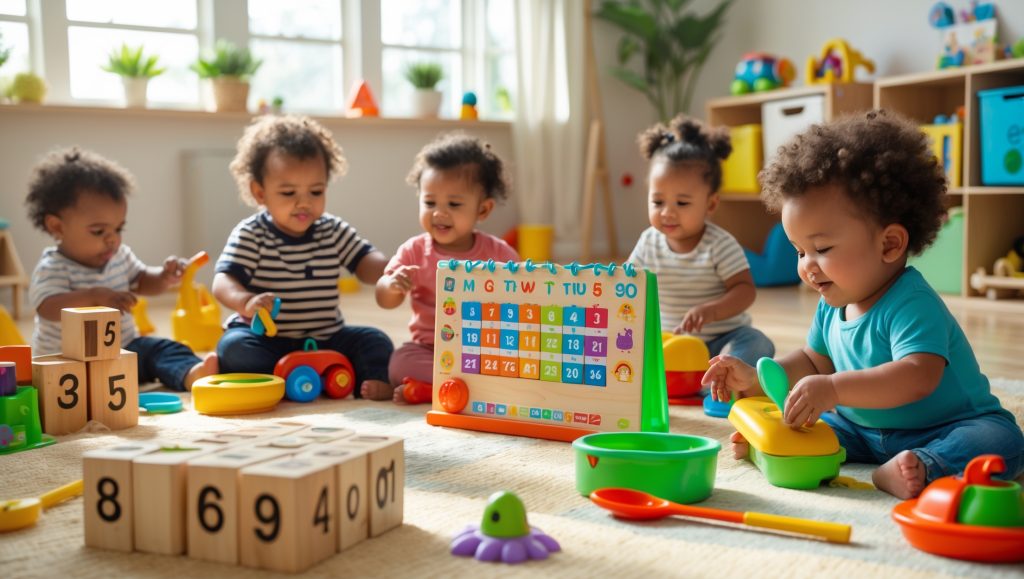
How We Chose
To uncover the most effective toys and tools for supporting toddler routines in 2025, we combined hands-on testing by real families with guidance from early childhood experts. Our selections prioritize age-appropriate learning, durability, ease of use, and the ability to foster independence. We focused on products that help toddlers navigate daily transitions—like getting dressed, cleaning up, and winding down—while making routines less stressful for caregivers.
#1 Melissa & Doug Daily Magnetic Responsibility Chart — Visual Routine Reinvented
Why it stands out
This magnetic chart transforms daily routines into engaging, colorful checklists. Toddlers love moving magnets to mark completed tasks, turning transitions into mini celebrations. It’s highly customizable—parents can swap magnets for different routines, chores, or behaviors, making it relevant all year long.
Best for
- Families seeking visual cues for routines
- Children who thrive with structure
Key notes
- Age/Stage: 3–6 years
- Materials/Ingredients: Wood, magnets, laminated paper
- Strengths: Visual learning, adaptable, reusable, encourages accountability
- Trade-offs: Small pieces (store away from younger siblings), requires wall space
#2 Yoto Mini Audio Player — Screen-Free Routine Aid
Why it stands out
The Yoto Mini offers guided stories, music, and timers—no screens required. Parents can program custom routines (like “brush teeth” or “tidy up” sounds), helping toddlers anticipate transitions with audio cues. Its intuitive design means even young children can operate it independently.
Best for
- Screen-free families
- Children who respond to auditory prompts
Key notes
- Age/Stage: 2–6 years
- Materials/Ingredients: BPA-free plastic, electronic components
- Strengths: Promotes independence, portable, grows with child
- Trade-offs: Requires charge, cards sold separately for extra content
#3 Learning Resources Time Tracker Visual Timer — Mastering Transitions
Why it stands out
This glowing, color-coded timer makes it easy for toddlers to “see” how much time remains for activities. It’s a game-changer for difficult transitions (like leaving the park or cleaning up). The gentle sounds and visual cues help children anticipate what comes next.
Best for
- Kids who struggle with change or transitions
- Parents aiming for smoother mornings or bedtimes
Key notes
- Age/Stage: 3–7 years
- Materials/Ingredients: Plastic, LED lights
- Strengths: Visual and auditory cues, customizable, teaches time concepts
- Trade-offs: Requires batteries, not silent
#4 Guidecraft Wooden See and Store Dress-Up Center — Organize for Independence
Why it stands out
This kid-sized wardrobe encourages toddlers to pick out their own clothes and tidy up after dressing. Open shelving, a low rod, and a child-safe mirror make it easy for little ones to build self-care habits and develop autonomy.
Best for
- Encouraging self-dressing
- Families working on morning routines
Key notes
- Age/Stage: 2–5 years
- Materials/Ingredients: Birch plywood, child-safe paint
- Strengths: Promotes independence, sturdy, stylish
- Trade-offs: Requires assembly, takes floor space
#5 OXO Tot Stick & Stay Suction Plate and Bowl Set — Mealtime Made Simple
Why it stands out
This clever plate and bowl set sticks firmly to highchair trays and tables, reducing spills and empowering toddlers to feed themselves. The curved design supports learning to scoop, while the durable silicone is easy to clean and dishwasher-safe.
Best for
- Self-feeding toddlers
- Families tired of floor-bound food
Key notes
- Age/Stage: 6 months–3 years
- Materials/Ingredients: BPA-free silicone/plastic
- Strengths: Spill prevention, easy to clean, supports independence
- Trade-offs: May not stick to all surfaces, outgrown by preschool age
#6 Little Partners Learning Tower — Safe Involvement in Daily Tasks
Why it stands out
This adjustable platform lets toddlers safely reach counters and sinks, inviting them to assist with meal prep, hand-washing, and more. Sturdy and stable, it supports a wide age range and fosters hands-on engagement with family routines.
Best for
- Families who encourage participation in chores
- Curious, busy toddlers
Key notes
- Age/Stage: 18 months–6 years
- Materials/Ingredients: Solid wood, non-toxic finish
- Strengths: Adjustable, durable, supports independence and safety
- Trade-offs: Bulky, higher price point
#7 Schylling Let’s Play House! Dust, Sweep & Mop Set — Tidy-Up Fun
Why it stands out
Designed for little hands, this set includes a broom, mop, duster, and more—realistic enough for genuine help, but light enough for play. It turns cleaning into a game, helping toddlers build responsibility and pride in caring for their space.
Best for
- Families emphasizing chores
- Kids who love to “help”
Key notes
- Age/Stage: 2–6 years
- Materials/Ingredients: Wood, plastic fibers
- Strengths: Durable, encourages teamwork, practical skills
- Trade-offs: Pieces may get lost, not for heavy-duty cleaning
#8 Onaroo Teach Me Time! Talking Alarm Clock & Night-Light — Smoother Wake-Ups
Why it stands out
This innovative clock uses color cues and gentle sounds to signal when it’s time to rise or wind down. Kids learn about time in a fun, hands-on way, and parents gain a helpful tool for sleep and nap routines.
Best for
- Families working on sleep independence
- Early risers or bedtime avoiders
Key notes
- Age/Stage: 3–7 years
- Materials/Ingredients: Plastic, LED lights
- Strengths: Visual and audio cues, grows with child, kid-friendly design
- Trade-offs: Needs power source, learning curve for youngest users
#9 PlanToys Activity Clock — Playful Time-Telling Practice
Why it stands out
This eco-friendly wooden clock introduces toddlers to the concept of time and daily schedules through hands-on play. Movable hands and illustrated activity cards help children connect time with routine events, laying the groundwork for self-management.
Best for
- Early preschoolers
- Families introducing time concepts
Key notes
- Age/Stage: 3–6 years
- Materials/Ingredients: Sustainable rubberwood, non-toxic dyes
- Strengths: Durable, educational, tactile
- Trade-offs: Not a functioning clock, requires adult involvement for learning
#10 Mudpuppy My First Daily Routine Puzzle — Building Routines Piece by Piece
Why it stands out
This chunky puzzle depicts familiar daily activities—wake up, brush teeth, eat breakfast—in a fun, accessible way. It’s perfect for sparking conversation about order and sequence, and for reinforcing routine through play.
Best for
- Introductory routine-building
- Young toddlers and visual learners
Key notes
- Age/Stage: 2–4 years
- Materials/Ingredients: Recycled cardboard, non-toxic inks
- Strengths: Affordable, visual, promotes sequencing
- Trade-offs: Limited challenge for older kids, pieces can bend
Buying Tips
- Match to your child’s stage. Consider current abilities and interests. Some tools are best for older toddlers, while others suit even young ones.
- Prioritize safety and durability. Look for non-toxic materials and sturdy construction, especially for items handled daily.
- Pick open-ended options. Items that grow with your child or adapt to new routines will have longer-lasting value.
- Think about your space. Some routine aids (like dress-up centers) require room, while others (like magnetic charts) go on the wall.
- Balance engagement and simplicity. Tools should be fun, but not so distracting they derail the routine itself.
Verdict
Supporting toddler routines doesn’t require reinventing the wheel—just the right mix of practical, engaging tools. Whether your child responds best to visual charts, hands-on puzzles, or audio cues, our top picks for 2025 are designed to reduce stress and nurture independence for the whole family. With each product, you’re investing in smoother days, stronger habits, and more joyful transitions—one routine at a time.
FAQ
+How can routine-supporting toys help my toddler?
+At what age should I introduce routine aids?
+Do visual charts work for all children?
+How do I keep my toddler engaged with routine tools?
+Are these products safe for younger siblings?
+What if my routine changes frequently?
+How do I choose the right tool for my family?

Establishing daily routines with toddlers can feel like a challenge, but the right toys and tools make all the difference. Our expert round-up for 2025 highlights parent-tested picks that do more than entertain—they empower little ones to participate in everyday tasks, foster independence, and build confidence. From interactive clocks that make bedtime predictable to playful kitchen sets that encourage healthy eating habits, these top toys blend learning and fun seamlessly into your daily rhythm. Parents report that visual schedules and reward charts help toddlers anticipate transitions, reducing meltdowns and making routines smoother for the whole family. Meanwhile, sensory-friendly timers, dress-up dolls, and musical clean-up cues transform chores into engaging activities. When selecting toys, look for durable, open-ended options that spark imagination while supporting specific routine needs. Whether it’s getting dressed, brushing teeth, or winding down for sleep, these tools are designed with real families in mind, making routines not just manageable but enjoyable. Embrace the journey—each small win with your toddler is a step toward lifelong skills and cherished family memories.
- Interactive visual schedules simplify transitions and routines
- Playful kitchen sets inspire healthy mealtime habits
- Musical timers and cues make clean-up time fun
- Dress-up dolls encourage independent dressing skills
If our toddler is just under two but shows lots of interest in dressing herself and helping with cleanup, could we safely introduce the Guidecraft Dress-Up Center a bit early, or is it best to wait until she is closer to the recommended age?
It’s wonderful that your toddler is eager to dress herself and help tidy up. If you want to introduce the Guidecraft Dress-Up Center before the recommended age, supervise closely and make sure it is anchored securely to avoid tipping. Remove any small or detachable parts that could be choking hazards, and choose clothes with large, easy-to-use fasteners. Keep other items like hangers or accessories out of reach unless you’re present. This helps her practice independence safely. This isn’t medical advice; if you’re concerned, check in with your pediatrician.
Could you share any tips on adapting routine charts or visual timers for children under two who are not quite verbal yet? I want to help my one-year-old understand daily transitions before and after daycare.
You’re thoughtful to support your one-year-old’s understanding of daily transitions. For children under two, keep visuals simple and use large, clear pictures rather than words. Try a basic chart with two or three photos (like a bed, a bowl, or a car) to show the upcoming steps. Use objects or toys as cues—show a stuffed animal when it’s time to get dressed, for example. For timers, use a large sand timer or play music to signal transitions, making sure both are safe and always supervised to avoid choking hazards. At this age, consistency and gentle narration help most. This isn’t medical advice; if you’re concerned, check in with your pediatrician.
I was curious if you have insights on whether subscribing to a toy rental service, where items rotate each month, works as well for establishing consistent routines as owning specific tools like the magnetic responsibility chart. Does the novelty of new items disrupt or help reinforce daily habits for toddlers?
You’re thoughtful to consider how rotating toys might affect your toddler’s routines. Novelty can boost engagement, but for routines, consistency is key—tools like a magnetic responsibility chart work best when used regularly and predictably. If you use a toy rental service, try to keep core routine helpers (like charts or timers) consistent, while rotating open-ended play items. Introduce new toys after daily routines are complete, to limit distractions. Always check new toys for age-appropriate safety and supervise your child’s play. This isn’t medical advice; if you’re concerned, check in with your pediatrician.
With the Yoto Mini and the Time Tracker being advised for kids starting at age 2 or 3, is it possible to adapt their use for a younger child who has trouble transitioning between meals and playtime, or would you suggest waiting until she’s older?
It’s great that you’re looking for tools to help your little one with transitions. For children younger than 2, the Yoto Mini and Time Tracker may have small parts or features designed for older toddlers, so supervision is essential. If you do try them, use them together—press buttons for her and keep explanations very simple. Alternatively, create a basic transition routine with music or a favorite song, or use a simple visual cue like a color card. With any gadget, closely supervise to ensure safety. This isn’t medical advice; if you have concerns about transitions or safety, please check with your pediatrician.
We are on a tight budget and living in a small apartment. Are there any routine-supporting tools here that would work for a younger baby but also not take up a lot of space or require frequent purchases as our child grows?
It’s completely understandable to want routine-supporting tools that are both budget-friendly and space-saving, especially in a small apartment. Consider simple visual routine cards or a magnetic daily schedule—they’re flat, reusable, and can be adapted as your child grows from infancy to toddlerhood. A small basket with a few open-ended toys (like soft blocks or stacking cups) can encourage self-play and routines like clean-up time, and these items are generally safe for babies under close supervision. Look for washable, non-toxic materials for young children. This isn’t medical advice; if you’re concerned, check in with your pediatrician.
How would you suggest modifying or adapting some of these tools for a two-year-old who is just starting with routines, since many picks seem geared toward slightly older kids?
It’s great that you’re thinking about how to make routines work for your young toddler. For a two-year-old, keep tools very simple with large, colorful visuals and minimal steps. Use picture-based routine charts instead of words, and introduce one routine at a time, like brushing teeth or putting on pajamas. Choose toys without small parts and with safe, easy-to-grip textures. Keep activities short—just a few minutes—so your child doesn’t get overwhelmed. Always supervise closely at this age. This isn’t medical advice; if you’re concerned, check in with your pediatrician.
We have limited wall space in our apartment, so I am wondering if the Melissa & Doug Daily Magnetic Responsibility Chart still works well if it is used flat on a table instead of being hung up. Has anyone tried adapting it this way with their toddler?
It’s great that you’re finding creative ways to make routines work in your space. Using the Melissa & Doug Daily Magnetic Responsibility Chart flat on a table is definitely possible and many parents have adapted it this way. Try placing the chart on a low, stable surface where your toddler can easily reach and move the magnets. Sit together to review the chart daily, making it a shared routine. Store the magnets in a shallow tray to prevent choking hazards if your child is under 3. Always supervise play to keep it safe. This isn’t medical advice; if you have concerns about your child’s development, check with your pediatrician.
We don’t have much wall space in our apartment, so I’m curious whether the Melissa & Doug chart can be used flat on a table or if hanging it is essential for effectiveness. Any creative storage or setup ideas for small spaces?
It’s understandable to want routine tools that fit your space constraints. The Melissa & Doug chart can be used flat on a table—simply lay it out during routine times, letting your toddler move the magnets with you. Store the chart and pieces in a shallow bin or large envelope under a bed or couch when not in use. If you want it visible, try propping it on a bookshelf or easel. Always supervise use, as small magnets can be a choking hazard. This isn’t medical advice; if you have concerns, please check in with your pediatrician.
I love the idea of the daily magnetic responsibility chart, but I’m concerned about the small pieces with a 15-month-old who still mouths everything. Are there safer visual routine options for younger or mouthy toddlers?
It’s wise to be cautious about small pieces with a 15-month-old who still mouths objects. For this age, try a large, laminated visual schedule with simple pictures and use Velcro strips instead of magnets. You could also use a sturdy flip-chart or poster on the wall, letting your toddler point or touch the items with supervision. Another idea is to create a routine board with big, fabric pockets and fabric cards. Always supervise interactions and keep any removable pieces out of reach when not in use. This isn’t medical advice; if you’re concerned, check in with your pediatrician.
Do routines like these actually help with evening wind-down for energetic toddlers, or do some tools work better for morning versus bedtime transitions? I am struggling to get my child to settle in the evenings.
It’s completely normal to feel challenged by evening wind-down with an energetic toddler. Routines really can help signal to your child that bedtime is approaching, but some tools, like calming sensory toys or soft music, tend to work better in the evenings compared to more stimulating morning tools (like activity charts or bright timers). Try keeping evening routines predictable—dim lights, offer a favorite comfort object, and use quiet, soothing activities. Limit stimulating toys or screens before bed. Always supervise for age-appropriate safety, especially with toys that have small parts or new sensory elements. This isn’t medical advice; if you’re concerned, check in with your pediatrician.
If a child is just turning two and a half but is very interested in picking out clothes, could the dress-up center or magnetic chart still be used safely and effectively, or would you recommend waiting until they’re a bit older?
It’s wonderful that your two-and-a-half-year-old is showing interest in picking out clothes—this is a great sign of growing independence. At this age, a dress-up center can be used safely if you choose clothing and accessories without small parts, sharp edges, or choking hazards, and supervise their play closely. A magnetic chart can also work well, provided the magnets are large enough not to pose a swallowing risk. Keep the activities simple: offer a few clothing choices and use clear, easy-to-understand visuals on the chart. This isn’t medical advice; if you’re concerned, check in with your pediatrician.
How do you suggest parents balance using the Learning Resources Time Tracker for set screen time with also encouraging enough free play during the day? I like the visual element, but I worry about relying on timers too much for a 4-year-old.
It’s great that you’re thinking about balancing structured tools like the Time Tracker with plenty of free play for your 4-year-old. Try setting the timer only for specific activities (like screen time) and let free play happen without timers, so your child can follow their own interests. Involve your child in deciding when to use the timer, teaching them about time while respecting their autonomy. Offer choices for open-ended play—blocks, art, or pretend play—within safe, supervised spaces. Remember, at this age, both predictability and unstructured time are important. This isn’t medical advice; if you’re concerned, check in with your pediatrician.
We have a very small apartment and limited wall space, so I’m curious if the Melissa & Doug Magnetic Responsibility Chart can be used flat on a table instead of hanging up. Would that still be effective for daily routines, or does the vertical placement make a big difference for toddlers?
It’s great that you’re thinking about how to make the routine chart work in your small space. You can absolutely use the Melissa & Doug Magnetic Responsibility Chart flat on a table—toddlers are often just as engaged when they can sit or stand next to the chart, especially if you invite them to help move the magnets. Try keeping it at your child’s eye level, guiding them through the chart together, and storing it within reach so they can participate daily. Always supervise with small magnets, as they’re a choking hazard for young children. This isn’t medical advice; if you’re concerned, check in with your pediatrician.
A lot of these tools have small pieces or require batteries. For a busy household with a baby around, how do you manage safety and avoid losing parts, especially with the responsibility chart and the timer?
You’re right to be mindful about small parts and battery safety, especially with a baby in the house. Try placing toys with tiny pieces or batteries out of baby’s reach, ideally stored up high or in a latchable box. During use, supervise closely and put away all pieces immediately after. For tools like the responsibility chart and timer, look for versions with larger, non-detachable parts or secure loose pieces with Velcro or magnets. Regularly check battery compartments to ensure they’re screwed shut. This isn’t medical advice; if you’re concerned, check in with your pediatrician.
I have a toddler and a newborn, so I’m always worried about small pieces from things like the magnetic responsibility chart. Do you have any suggestions for safely using it around younger siblings, or is there a similar routine tool without small parts?
You’re right to be cautious about small pieces with both a toddler and a newborn at home. To safely use a magnetic responsibility chart, try placing it high out of your toddler’s reach and only bringing down the magnets together during supervised times. Alternatively, consider printable or dry-erase routine charts that use stickers or check marks instead of loose pieces. You can also use Velcro-backed cards, which are less likely to become choking hazards. Always supervise closely during routine activities, and keep all small items stored away from little hands. This isn’t medical advice; if you’re concerned, check in with your pediatrician.
Could the Guidecraft Wooden See and Store Dress-Up Center fit in a small apartment? We’re really limited on space and I’m wondering if you have any compact alternatives that still support independent dressing routines.
It’s great that you’re supporting your toddler’s independence, even with limited space. The Guidecraft Wooden See and Store Dress-Up Center is sturdy but does take up some room, which might be a challenge in a small apartment. You could try a hanging closet organizer with labeled bins at toddler height, or low hooks on the wall for easy access to dress-up clothes. A small basket or open storage cube can also encourage independence without taking up much floor space. Be sure that any storage solution is stable and free from sharp edges for safety. This isn’t medical advice; if you’re concerned, check in with your pediatrician.
Does the use of visual and audio timers eventually lead to children managing transitions without them, or do they tend to become dependent on these tools? I’d like to know if they support long-term independence in following a routine.
You’re thoughtful to consider your child’s long-term independence with routines. Visual and audio timers can be really helpful early on, as toddlers learn what to expect and when transitions will happen. To encourage independence, try gradually reducing reliance—first by shortening timer cues, then practicing transitions with reminders alone. Model talking through transitions and praise your child when they manage changes without prompts. Choose timers with gentle sounds and clear visuals, and supervise their use for safety. Over time, most children do become less dependent as their sense of time and routine grows. This isn’t medical advice; if you’re concerned, check in with your pediatrician.
My child is very sensitive to sound and light. Do you have any recommendations for using the Learning Resources Time Tracker Visual Timer in a way that won’t be overstimulating during naptime wind-downs, especially if we want to pair it with a calming bilingual bedtime routine?
It’s great that you’re thinking about your child’s sensitivities during bedtime routines. For the Time Tracker Visual Timer, try dimming or covering the lighted displays with a soft cloth, and lower the volume or mute the sound features to minimize stimulation. Let your child pick a gentle color on the timer (if adjustable), and introduce the timer together during the day before using it at night. Pair it with soothing bilingual stories or songs, keeping both the timer and other devices at a low sensory level. Always supervise use and check for small parts if your child is under three. This isn’t medical advice; if you’re concerned, check in with your pediatrician.
that some of these items are designed to encourage independence, but they can be a bit pricey and take up space. Are there more budget-friendly or compact alternatives for building routine skills at home, especially if you have limited room for larger products like the dress-up center?
It’s completely understandable to want practical, affordable ways to encourage your toddler’s independence, especially when space is tight. Try using a low shelf or a small basket for self-serve clothing, rather than a full dress-up center. Hang a few hooks at toddler height for coats or bags. Use a visual routine chart made from paper or magnets on the fridge. Repurpose small containers for organizing essentials like toothbrushes or snack cups. Always check for loose parts and keep items age-appropriate—nothing small or sharp for under-threes. This isn’t medical advice; if you’re concerned, check in with your pediatrician.
How much wall space should I expect to dedicate for the Daily Magnetic Responsibility Chart? We have a smaller home and I’m wondering if there are space-saving alternatives for visual routine aids.
It’s thoughtful to consider space when setting up routine aids for your toddler. Most Daily Magnetic Responsibility Charts are about 12 x 16 inches but can vary, so check the product details before purchase. For smaller spaces, you could use a slim vertical chart hung on the fridge, a foldable binder with laminated pages for routines, or even place small magnetic strips on a metal door. Just make sure any magnets are safely out of reach for toddlers under 3 to prevent choking hazards. This isn’t medical advice; if you’re concerned, check in with your pediatrician.
We have a small apartment and limited wall space. Does the Melissa & Doug Magnetic Responsibility Chart have to be mounted on a wall, or have families found other ways to use it for daily routines?
It’s understandable to want routine tools that fit your living space. The Melissa & Doug Magnetic Responsibility Chart does not need to be mounted on a wall—many families use it on the fridge, a tabletop, or even propped on a shelf. Try laying it flat during play, or lean it against a sturdy surface at your child’s eye level. Just be sure to keep small magnetic pieces out of reach of children under three, as they can be a choking hazard. This isn’t medical advice; if you’re concerned, check in with your pediatrician.
My child gets easily overwhelmed by lights and sounds. For the timers you recommend, are there sensory-friendly options that offer just visual cues without noise, or can the sounds be turned off completely?
It’s understandable to want a routine tool that feels comfortable for your sensory-sensitive child. Many visual timers now have the option to mute sounds entirely or flash lights without any noise—look for models with adjustable volume or silent mode. Sand timers or liquid bubble timers are naturally quiet and very visual. If you use a digital timer, test it first to ensure the visual cue is clear but not too bright. Always supervise if the timer has small parts or liquid inside. This isn’t medical advice; if you’re concerned, check in with your pediatrician.
My toddler can get overwhelmed by too many sounds or visual cues during transitions, especially at bedtime. Are any of these routine helpers more suitable for children with sensory sensitivities or who get overstimulated easily in the evenings?
You’re thoughtful to consider your child’s sensory needs during evening routines. From the article’s list, look for visual timers with soft, dim lights instead of loud alarms, and routine charts with simple, clear pictures rather than busy designs. A gentle, sound-free cuddle toy or a soft-texture weighted blanket (if your child is over 2 and supervised) can also help soothe without overstimulation. Always avoid toys with flashing lights or multiple sounds at bedtime. This isn’t medical advice; if you’re concerned about sensory sensitivities, check in with your pediatrician.
My child struggles with sensory overload, especially with bright lights and sudden sounds. Is the Learning Resources Time Tracker Visual Timer adjustable enough for sensitive kids, or do you recommend a quieter alternative from your list?
You’re thoughtful to consider your child’s sensory sensitivities when choosing a timer. The Learning Resources Time Tracker Visual Timer does allow you to adjust both the volume and the brightness of its lights, but even at the lowest settings, some sensitive toddlers may still find it overwhelming. A quieter alternative could be a simple sand timer or the Time Timer, both of which use visual cues without sound or flashing lights. Always supervise to avoid small parts, and choose timers with smooth edges and safe materials. This isn’t medical advice; if you’re concerned, check in with your pediatrician.
For parents trying to stay within a budget, do any of these tools have a high DIY potential or are there similar low-cost alternatives you would recommend to help toddlers with their daily routines?
It’s great that you’re looking for budget-friendly ways to support your toddler’s routines. Many routine tools can be made at home: 1) Make a simple visual schedule using printed pictures or magazine cutouts on a poster board. 2) Use a kitchen timer or phone alarm for transitions instead of a specialty timer. 3) Craft a DIY reward chart with stickers or drawings for positive reinforcement. 4) Everyday household objects can become routine cues, like a shoebox for storing bedtime books. Always use non-toxic materials and avoid small parts for safety. This isn’t medical advice; if you have concerns about your child’s development, check in with your pediatrician.
Are any of the products you listed particularly helpful for bedtime routines? We struggle most with winding down in the evening and could use something that makes that transition less stressful.
It’s completely understandable to want a smoother bedtime routine for your toddler. Several products in the list are designed to support evening wind-down: try using the soft glow nightlight to create a calm atmosphere, and consider a bedtime story projector for a gentle, engaging transition. A weighted plush (age-appropriate and free of small parts) can offer comfort and tactile input, helping some children relax. Always supervise with new bedtime items, and check for any potential choking hazards. This isn’t medical advice; if you’re concerned, check in with your pediatrician.
For families with smaller homes, do any of the toys or tools you list take up less space or offer easier storage? I’m especially interested in something that wouldn’t clutter our bedtime area.
You’re wise to think about keeping your bedtime area calm and uncluttered. In the article, several options are space-saving, like the silicone nightlight—it’s compact and easy to move, and the visual timer is small enough to tuck into a drawer after use. Soft fabric books for wind-down routines also fold flat and store easily. Avoid bulky playsets or large stuffed animals near beds, as these can feel overwhelming in tighter spaces. Always ensure bedtime toys are age-appropriate and free from choking hazards. This isn’t medical advice; if you’re concerned, check in with your pediatrician.
As I plan our budget, I’m wondering if you have advice for parents about choosing between a pricier tech tool like the Yoto Mini and more affordable visual aids. Are there clear benefits to investing more in routine support tools?
It’s thoughtful to weigh your options and budget as you choose routine support tools. Both pricier devices like the Yoto Mini and simple visual aids can help toddlers, but their benefits differ. First, consider your child’s age—young toddlers often benefit from hands-on, simple visuals they can touch and move. Second, tech tools may engage older toddlers with music, stories, or interactive features, but always check for volume safety and avoid unsupervised use. Third, start with simple, affordable visual supports to build consistency, then add tech if it fits your routine and budget. Remember, your involvement and predictable structure matter more than the price tag. This isn’t medical advice; if you’re concerned, check in with your pediatrician.
Potty training seems to require a lot of reminders and praise. Which of these products do you think helps most with establishing a consistent potty routine at this age, especially for toddlers who are a bit resistant to change?
It’s completely normal to feel challenged when helping a resistant toddler settle into a new potty routine. Based on the article, a child-friendly potty seat with fun designs or built-in music can make the bathroom feel like a safe and inviting place. Try using a visual routine chart from the list to help your child see each potty step, offering gentle reminders and letting them move a marker as they complete each task. For safety, be sure all items are sturdy, easy to clean, and free from small detachable parts. This isn’t medical advice; if you’re concerned, check in with your pediatrician.
My toddler has some sensory sensitivities to loud noises and bright lights. Do any of these toys or tools have adjustable volume or light settings, particularly the Learning Resources Time Tracker Visual Timer?
It’s thoughtful of you to consider your toddler’s sensory sensitivities. The Learning Resources Time Tracker Visual Timer featured in the article does include adjustable volume settings, and the brightness of its lights can be dimmed or turned off. Before introducing any new toy, try the settings yourself to ensure they are comfortable for your child. Always supervise your toddler, especially when new lights or sounds are involved, to watch for any discomfort. Every child is unique—if you notice strong reactions, pause and adapt. This isn’t medical advice; if you’re concerned, check in with your pediatrician.
My child gets overwhelmed by loud or unexpected sounds. Are the timers or audio players mentioned here suitable for one-year-olds with sensory sensitivities, or would you recommend starting with purely visual supports?
It’s completely understandable to want to support your one-year-old’s sensory needs. For toddlers sensitive to sound, I recommend starting with purely visual supports, such as picture-based routine charts, instead of audio timers or players. If you try a timer, choose one with adjustable volume and gentle tones, and always introduce it gradually while sitting together. Supervise closely to ensure your child isn’t startled or distressed. Many one-year-olds find visual cues less overwhelming and easier to process at this stage. This isn’t medical advice; if you’re concerned, check in with your pediatrician.
My toddler is sensitive to sudden noises and bright lights. Would the Learning Resources Time Tracker Visual Timer be too stimulating for a calm start to the day, or is it gentle enough for kids who prefer a mellow morning?
You’re thoughtful to consider your toddler’s sensitivities when choosing a morning routine tool. The Learning Resources Time Tracker Visual Timer does use lights and sounds to signal time changes, so it could be a bit much for children who are sensitive to bright lights or sudden noises. If you try it, start on the lowest volume and dimmest setting, and introduce it gradually with your child beside you. Always supervise and watch for any signs of discomfort. For some toddlers, a simple sand timer or a quiet visual chart may work better. This isn’t medical advice; if you’re concerned, check in with your pediatrician.
My child sometimes gets overwhelmed by lights or sounds. Have you found that the audio player or visual timer listed here works well for sensory-sensitive toddlers, or would you recommend a different approach for kids who need calmer cues?
It’s completely understandable to want gentle routine cues for a sensory-sensitive toddler. For children who are easily overwhelmed, visual timers can work well if you choose models with soft colors and silent or subtle movements—avoid those with flashing lights or loud ticking. Audio players should be set to low volume and simple sounds; some parents use gentle chimes instead of songs. Always supervise and test devices yourself first, as each child’s sensitivities differ. You might also try picture cards or hand signals as non-intrusive cues. This isn’t medical advice; if you’re concerned, check in with your pediatrician.
My toddler sometimes gets overwhelmed by bright lights and loud sounds. Do you think the Learning Resources Time Tracker Visual Timer’s glowing lights and audio cues could be sensory overload for sensitive kids, or are there adjustable features to make it gentler?
You’re thoughtful to consider your toddler’s sensory sensitivities. The Learning Resources Time Tracker Visual Timer does use colored lights and sounds, but it has adjustable volume and light settings. Start by using the lowest volume or muting the sound entirely, and dim or cover the lights if they seem too bright. Introduce the timer during calm periods and watch your child’s reactions closely. Always supervise first uses to see how your child responds. This isn’t medical advice; if you’re concerned, check in with your pediatrician.
My toddler is younger than the recommended age for the Melissa and Doug chart, but she’s interested in routines. Has anyone used this with kids under three? Are there ways to adapt it so it’s safe and useful for a two-year-old?
It’s great that your two-year-old is showing interest in routines! While the Melissa and Doug chart is designed for older children due to small parts, you can adapt it by using simple visuals or larger, homemade cards that are safe for little hands. Try placing only a few basic routines on a low wall or fridge and involve your toddler in moving or pointing to each step. Always supervise to prevent choking hazards and keep loose pieces out of reach. This isn’t medical advice; if you have worries about safety or development, check in with your pediatrician.
My child sometimes gets overwhelmed by loud sounds and flashing lights. Is the Learning Resources Time Tracker adjustable for volume and brightness to fit kids with sensory sensitivities?
It’s understandable to want toys that support your child’s needs, especially with sensory sensitivities. The Learning Resources Time Tracker does let you adjust the volume, so you can lower the sound or mute it if needed. However, the light brightness isn’t adjustable—though you can choose between different light signals to find the least stimulating option. Always supervise play and watch for signs of discomfort. For some kids, covering bright lights with a semi-opaque material or using the visual cues only might help. This isn’t medical advice; if you’re concerned, check in with your pediatrician.
A lot of routine tools can be pricey, especially when you add in things like audio player cards or batteries. Which of these tools have you found to offer the most value over time, especially for families on a budget?
It’s understandable to want tools that truly earn their place in your routine without breaking the bank. Simple, durable items like visual schedules (which you can DIY with paper or magnets) and timer clocks tend to offer lasting value, helping toddlers anticipate routines and transitions. Reusable sticker charts are another budget-friendly way to encourage participation. For music or stories, a basic portable speaker can work with free playlists instead of pricier audio cards. Always check that any tool is age-appropriate—no small pieces for under-threes, and supervise as needed. This isn’t medical advice; if you’re concerned, check in with your pediatrician.
Our budget is pretty tight with daycare costs. Are there any lower-cost alternatives to some of these recommended tools, or tips for creating similar routines at home with everyday items for a 1-year-old?
It’s understandable to want to support your toddler’s routines without stretching your budget. Many daily routines can be built using household items: for example, use plastic containers or wooden spoons for stacking and pretend play, or fill a basket with safe kitchen items for sensory exploration. Make a simple routine chart using paper and stickers to help your child anticipate daily events. For story time, rotate a few favorite books or use the library. Always check that household objects are large enough not to be choking hazards and supervise closely. This isn’t medical advice; if you’re concerned, check in with your pediatrician.
The Guidecraft Wooden See and Store Dress-Up Center looks helpful, but I’m concerned about its size in our modest living space. Is there a more compact alternative that still encourages self-dressing and independence for toddlers?
You’re thoughtful to consider both your child’s independence and your available space. For a smaller setup, try using a low, sturdy hook-mounted rack or a toddler-height coat tree for easy access to a few outfits. Place a small open basket below for shoes or accessories. Encourage your child to pick out clothes the night before to simplify mornings. Always check that furniture is stable and has no sharp edges or pinch points, and supervise toddlers as they learn new skills. This isn’t medical advice; if you’re concerned, check in with your pediatrician.
Can the Guidecraft Wooden See and Store Dress-Up Center be easily taken apart and stored when not in use, or is it more permanent? I’m debating if it would work for our space if I need to make room in the play area for other activities.
It’s understandable to want flexible storage options in a busy play space. The Guidecraft Wooden See and Store Dress-Up Center is designed as a sturdy, semi-permanent piece—while you can disassemble it, it isn’t meant for frequent takedown and storage. If you need to move it, you’ll likely need tools and a bit of time. For multipurpose areas or when space is limited, consider using lightweight bins or garment racks that are easy to move. Make sure any furniture or storage is stable and safe for your toddler’s age. This isn’t medical advice; if you’re concerned, check in with your pediatrician.
My child is highly sensitive to sounds and lights. Would the Learning Resources Time Tracker Visual Timer be too stimulating for kids with sensory sensitivities, or is there a way to adjust the volume or brightness?
It’s understandable to want routines tools that won’t overwhelm a sensory-sensitive child. The Learning Resources Time Tracker Visual Timer does have both adjustable volume and light settings, so you can turn the sound down low or even mute it, and dim or turn off the lights. Start by trying the lowest settings and observe your child’s reactions. Always supervise closely at first and check for any signs of distress. For some children, using only one cue (like light or sound, but not both) can help. This isn’t medical advice; if you’re concerned, check in with your pediatrician.
Are the routines you suggest adaptable for toddlers younger than 2, or would you adjust any of these products or tips for an early walker who is still learning basic routines?
It’s great that you’re thinking about supporting your early walker’s routines. For toddlers under 2, keep routines simple and visual—try picture cards with just one or two steps. Choose toys without small parts and with easy-to-grip textures for safety. Focus on repetition and gentle guidance, modeling each step with lots of encouragement. Products like soft timers or large, easy-to-clean bins for sorting can help, as long as they’re age-appropriate. Always supervise closely and adapt activities to your child’s current abilities. This isn’t medical advice; if you’re concerned, check in with your pediatrician.
Are there any budget-friendly alternatives to the magnetic chart or audio player for families looking to encourage quiet, independent play during early mornings? We want to support routines but also be mindful of cost.
It’s wonderful that you’re looking to encourage your toddler’s independent play and routine while sticking to a budget. Here are a few practical suggestions: 1) Create a simple DIY routine chart using paper, stickers, and Velcro—toddlers enjoy moving pieces themselves. 2) Set up a ‘morning basket’ with safe toys, board books, and textured objects for solo play. 3) Record favorite songs or stories on your phone and play them on speaker, supervising as needed. 4) Use kitchen timers or simple egg timers as a visual cue for playtime length. Make sure all items are age-appropriate, with no small parts or choking hazards. This isn’t medical advice; if you’re concerned, check in with your pediatrician.
I noticed a few of these tools are officially listed for ages 3 and up, but we’re right at 2.5 years and just starting with potty training. Is there a product from this list that would be especially adaptable for introducing a new routine to a younger toddler?
It’s great that you’re looking for ways to ease your 2.5-year-old into new routines like potty training. From the list, visual routine charts with simple images (and no small parts) are usually very adaptable for younger toddlers, as you can modify the steps to match their abilities and keep things concrete. Try using removable stickers or magnetic pieces under close supervision to involve your child actively. Keep the language and visuals simple, and introduce only one or two steps at a time. Always supervise with any part that could pose a choking risk. This isn’t medical advice; if you have concerns, check in with your pediatrician.
My toddler prefers tactile and imaginative activities over visual charts. Would using everyday objects for pretend play work as a gentle introduction to some of these structured tools, or do you recommend starting with one approach over the other?
It’s wonderful that you’re tuning into your toddler’s interests and looking for gentle ways to introduce routines. Using everyday objects for pretend play is a fantastic and age-appropriate way to support routine learning, especially for tactile and imaginative children. Try acting out daily routines with toy dishes or stuffed animals, letting your child lead the play. Gradually introduce simple props, like a toy clock or soft timer, to help bridge to more structured tools later on. Always supervise play to ensure safety with small parts. This isn’t medical advice; if you’re concerned, check in with your pediatrician.
Our family has limited storage space. Which of the items on your list are easiest to store away when not in use, especially things like the dress-up center or visual timer?
It’s very understandable to want to maximize storage when living with a toddler. For easy stowing, look for collapsible dress-up options like a fabric garment bag or a hanging organizer instead of a standing dress-up center. Visual timers are usually compact and can fit in a drawer or on a shelf. Stackable or nesting toys (like cups or blocks) are space-saving, and magnetic routine charts can stick to your fridge, freeing up other surfaces. Always make sure storage bins close securely and that small parts are out of reach if you have younger children. This isn’t medical advice; if you’re concerned, check in with your pediatrician.
We are trying to build a breakfast routine, but my little one gets distracted if there are too many steps or choices. Is there a product on this list that would simplify the process and maybe help keep him interested in staying at the table?
You’re not alone—keeping breakfast simple and engaging can be challenging with little ones. From the article, a toddler-friendly divided plate or placemat (like the suction-based ones) may help by organizing food and limiting overwhelming choices. Using a visual routine chart with clear, simple pictures can guide your child through each breakfast step. Stick to just one or two favorite foods at first, and gradually add variety as your child gets more comfortable. Make sure all items are age-appropriate to avoid choking hazards and always supervise meals. This isn’t medical advice; if you’re concerned, check in with your pediatrician.
Do you have any tips for helping a toddler adjust to a new routine using the Yoto Mini, particularly if they’re already very attached to a video-based bedtime routine?
You’re thoughtful to help your toddler adjust to a new bedtime routine, especially when they’re used to videos. Try starting with short Yoto Mini stories or calming music before bedtime, gradually reducing video time over a week. Sit and listen together at first to make it special and model enjoyment. Let your child choose cards to foster a sense of control and comfort. Remember, some toddlers need time to transition, and it’s normal if there are a few bumps along the way. The Yoto Mini is safe for toddlers, but supervise use to avoid access to small parts. This isn’t medical advice; if you’re concerned, check in with your pediatrician.
My toddler shares a room with her big sister and space is pretty tight. Before we invest, do you know if the Guidecraft Dress-Up Center takes up a lot of floor space, or can it fit easily against a wall without getting in the way?
It’s great that you’re thinking ahead about space and how your toddler will use the dress-up center. The Guidecraft Dress-Up Center is designed to stand flush against a wall, which helps save floor space, but it is still about 3 to 4 feet wide and a bit over a foot deep. Before buying, measure the wall area where you plan to put it and compare to the product’s exact dimensions. Make sure there’s enough room for your toddler and her sister to move safely around it, and consider if it might block access to beds or doors. Always secure heavier furniture to the wall for safety. This isn’t medical advice; if you’re concerned, check in with your pediatrician.
We struggle with morning routines because our little one is slow to wake up and transitions are tough. Would the Yoto Mini or the Time Tracker Visual Timer be better for helping a 2-year-old get moving in the mornings? Is one more intuitive at this age?
It’s understandable to want smoother, less stressful mornings when your toddler has trouble waking up and transitioning. For a 2-year-old, the Time Tracker Visual Timer is likely more intuitive: its color signals and simple visuals help little ones grasp time passing, which is great for early routines. The Yoto Mini can be wonderful for older toddlers, but it often requires more understanding of audio cues and button use. For either tool, always supervise at this age and keep them out of reach when not in use to avoid small-parts hazards. This isn’t medical advice; if you’re concerned, check in with your pediatrician.
For parents with limited wall space or who share bedrooms between kids, are there creative ways to use the magnetic responsibility chart without needing to mount it permanently?
It’s great that you’re finding ways to make responsibility charts work in shared or small spaces. You might try placing the magnetic chart on the refrigerator or another large metal surface that’s accessible to your toddler. If that’s not possible, lay the chart flat on a low metal tray or cookie sheet so it can be used on a table or even the floor, then easily tucked away when not in use. For shared rooms, keep magnets out of reach of children under three, as they can be a choking hazard. This isn’t medical advice; if you have concerns, check in with your pediatrician.
We live in a small apartment and don’t have a lot of extra wall or floor space. Are there any compact alternatives to the dress-up center or the magnetic chart that still give my toddler some independence with routines?
It’s great that you want to foster your toddler’s independence, even in a small space. Try using a small basket or low cubby for dress-up items—just a few favorites your child can access safely. For routines, consider a portable, foldable routine card ring or a small clipboard with laminated routine cards your toddler can flip through. Both options can be tucked away when not in use. Always choose items without small parts to avoid choking hazards for little ones. This isn’t medical advice; if you have specific concerns, check in with your pediatrician.
My toddler is sensitive to certain sounds and lights, so I’m curious if the Learning Resources Time Tracker Visual Timer’s cues can be adjusted or muted for quieter transitions without losing its effectiveness.
It’s great that you’re considering your toddler’s sensitivities as you support routines. The Learning Resources Time Tracker Visual Timer does allow some customization: you can turn the volume down or mute the sound cues entirely, and the brightness of the light signals can be adjusted to suit your child’s comfort. Try introducing the timer during calm times so your toddler can get used to it gradually, and stay nearby to offer reassurance. Always supervise to ensure safety, especially with flashing lights. This isn’t medical advice; if you’re concerned, check in with your pediatrician.
We’re tight on space and our play area is also our living room. How bulky is the Guidecraft dress-up center in real life, and is it easy to move out of the way if we need to free up room for guests?
It’s understandable to want flexible solutions when space is limited. The Guidecraft dress-up center is about the size of a small bookshelf—tall rather than wide, but still noticeably present in a shared living space. It isn’t especially lightweight, but it can be moved by one adult if you clear off the hanging costumes and accessories first. To make it easier, consider attaching felt pads to the feet so it glides on hardwood or tile. Always check for secure assembly before shifting, especially around toddlers. This isn’t medical advice; if you’re concerned, check in with your pediatrician.
My toddler gets really overwhelmed by sounds and bright lights, so I’m wondering if the Time Tracker Visual Timer’s colors or beeping could end up being too much for sensory-sensitive kids. Is there a way to adjust the brightness or volume for those who need gentler cues?
You’re thoughtful to consider your toddler’s sensory needs. The Time Tracker Visual Timer has adjustable volume settings, so you can lower or mute the beeping if needed. While the light colors are preset, you can position the timer farther from your child or partially cover it to soften the brightness. Try introducing the timer during calm moments, and watch closely for any signs of discomfort. If your child still seems overwhelmed, visual-only timers or simple sand timers might be gentler alternatives. This isn’t medical advice; if you’re concerned, check in with your pediatrician.
I’m curious how the wooden toys like the Melissa & Doug chart and Guidecraft dress-up center compare to the plastic-based options when it comes to overall sustainability and safety, especially if my toddler still puts things in their mouth. Are there durability or maintenance differences I should consider?
It’s great that you’re thinking about both safety and sustainability for your toddler. Wooden toys like the Melissa & Doug chart and Guidecraft dress-up center are often more eco-friendly and made with fewer chemicals than many plastics, which is helpful if your child mouths toys. Check that wood items use non-toxic paints and finishes, and inspect regularly for splinters. Plastic options can be easier to wipe down, but make sure they’re BPA-free and sturdy. With both types, supervise play and clean them often. This isn’t medical advice; if you’re concerned, check in with your pediatrician.
I have a one-year-old who is just starting daycare, and we’re struggling with drop-off transitions. Most of these tools seem to start at age two or three. Are there any ways to adapt the responsibility chart or timer for younger toddlers, or do you have suggestions for similar products safe for one-year-olds?
Starting daycare can be a big change for both you and your one-year-old, and it’s normal to look for ways to ease the transition. At this age, visual tools like responsibility charts can be simplified—for example, use a basic photo chart with pictures of each step in your morning routine, or bring a familiar comfort item for drop-off. Timers aren’t usually meaningful for one-year-olds, but a short goodbye ritual (like a special hug or wave) can help provide predictability. Always ensure any tools or toys are safe for under-twos, with no small parts or choking hazards. This isn’t medical advice; if you’re concerned, check in with your pediatrician.
My toddler gets easily distracted and sometimes frustrated with lots of sounds or lights. Would the Yoto Mini or the Time Tracker Visual Timer be better for a child sensitive to sensory input, especially when introducing something like potty time?
You’re thoughtful to consider your child’s sensory needs when choosing routine tools. For a toddler who is easily overwhelmed by lights and sounds, the Time Tracker Visual Timer may be a gentler choice—it uses simple visual cues and can usually be adjusted to lower volume or no sound. To introduce potty time, try setting the timer together, narrating what’s happening, and keeping other distractions minimal. Always supervise and avoid timers with small parts. The Yoto Mini, while appealing, may have more auditory features than your child prefers right now. This isn’t medical advice; if you’re concerned, check in with your pediatrician.
My toddler often gets distracted and has trouble following routines, especially during the transition to bedtime. Do you have any tips for using the Melissa & Doug Magnetic Responsibility Chart with kids who have a shorter attention span or need extra encouragement?
It’s understandable to want smoother bedtime routines, especially when your toddler is easily distracted. Try using the chart for just one or two steps at first, like brushing teeth or putting on pajamas, so it feels manageable. Keep the chart visible and let your child move the magnets themselves for a hands-on experience. Offer specific praise for each step completed, such as “You put on your pajamas all by yourself!” For safety, supervise the use of magnets, especially with very young children. This isn’t medical advice; if you’re concerned, check in with your pediatrician.
Transitioning to daycare is tough for my toddler, especially saying goodbye in the mornings. Would any of the gadgets or toys you mentioned help build a consistent drop-off routine for a one-year-old, or are these suggestions mainly for older kids?
It’s completely understandable to want smoother daycare drop-offs for your one-year-old. From the toys we discussed, soft comfort items like a familiar lovey or a sensory blanket can help a young toddler feel secure during goodbyes. If you choose a fidget or busy board, make sure it’s age-appropriate—no small pieces and soft textures are best for this age. Try creating a short, predictable goodbye ritual with the item, such as a hug and a special wave. Always check daycare policies on bringing items from home. This isn’t medical advice; if you’re concerned, check in with your pediatrician.
My budget is pretty tight right now. If I wanted to invest in just one tool for routine building at this age, which pick would be most practical and grow with my baby as he becomes a toddler?
It’s smart to look for a versatile, lasting tool when you’re budgeting for your child. From the article, a simple visual schedule board stands out—it helps babies and toddlers understand routines, encourages independence, and can be updated as your child’s needs change. Start with basic pictures for daily steps, adding more as your child grows. Make your own with safe, chew-resistant materials, or use a magnetic board for easy changes. Always keep small pieces out of reach for younger children. This isn’t medical advice; if you have concerns about your child’s development, check with your pediatrician.
My toddler just turned two and is obsessed with moving magnets around, but I noticed the magnetic responsibility chart is listed for ages three and up. Is there a safe way to use it with younger toddlers, or should we wait till she’s older?
It’s great that you’re noticing your child’s interest in magnets and want to nurture her curiosity. Since responsibility charts often include small magnets that can be a choking hazard, close supervision is essential with a two-year-old. If you choose to use the chart, remove any small or loose pieces and only allow play while you are watching. You could also make large homemade magnets using safe, non-toxic materials as an alternative. Waiting until she’s older is safest if you have any concerns about swallowing or mouthing. This isn’t medical advice; if you’re concerned, check in with your pediatrician.
I noticed the Melissa & Doug Daily Magnetic Responsibility Chart is recommended for ages 3 to 6 and mentions small pieces. How big are the magnets exactly, and would they pose a choking risk if a younger sibling accidentally got hold of them?
It’s great that you’re thinking ahead about safety for younger siblings. The Melissa & Doug magnetic pieces are usually about 1 inch across, but some may be smaller and could pose a choking risk if mouthed by a child under 3. For homes with toddlers and babies, keep the chart and magnets out of reach of little ones, and always supervise use. This toy is best for children ages 3 and up due to small parts. This isn’t medical advice; if you’re concerned, check in with your pediatrician.
Do you recommend starting these visual timers or routine charts with toddlers who nap and wake at very different times from each other, or should we wait until they’re more in sync with their sleep schedules?
It’s understandable to wonder about the right timing for starting visual timers or routine charts when your toddlers’ nap and wake times aren’t consistent yet. You can gently introduce routine tools even if their schedules are a bit unpredictable—just keep them very flexible at first. Start with simple visuals for key daily moments like mealtime or getting dressed, and let your toddlers help move the marker or flip the card when the activity happens, no matter the exact time. This builds familiarity without pressure. As their sleep patterns become more regular, you can gradually add more structure. Always supervise young children with charts or timers, especially if they have small parts or magnets. This isn’t medical advice; if you’re concerned, check in with your pediatrician.
Can you share more about how to store toys that come with small or detachable parts to minimize choking risks, especially if you have a mixed-age household with babies or toddlers?
It’s wise to be proactive about keeping small toy parts away from younger children. First, use clear, lidded storage bins placed on high shelves or in locked cabinets that only older kids can reach. Second, get in the habit of having older children play with toys containing small pieces in a separate, supervised area. Third, after playtime, do a quick floor scan for stray pieces. Finally, regularly check toys for loose or broken bits that could become hazards. Always supervise play when babies or toddlers are nearby. This isn’t medical advice; if you’re concerned, check in with your pediatrician.
My child is just turning two and barely meets the lower end of the age ranges for some of these products. Do you have suggestions for adjusting routines or activities to fit younger toddlers?
It’s great that you’re thinking about how to adapt routines for your younger toddler. For two-year-olds, try shortening activities to match their brief attention spans, and use simple language or visual cues when introducing new tools. Choose toys without small parts and supervise closely to ensure safety. Focus on routines like simple clean-up, washing hands together, or picking out bedtime books. Remember, it’s normal if your child isn’t ready for every activity yet—follow their pace. This isn’t medical advice; if you’re concerned, check in with your pediatrician.
We live in a small apartment and I worry about storage space for some larger routine-support tools, like the Guidecraft Dress-Up Center you mentioned. Are there more compact alternatives that still help toddlers build independence with their morning routines?
It’s completely understandable to be concerned about space in a small apartment. You might try using over-the-door hooks for clothes or backpacks so your toddler can reach their items independently. A low, sturdy basket or small cubby can hold shoes and accessories beside their bed or entryway. Consider a compact wall-mounted mirror at your child’s height to help with self-care routines. Always ensure items are safely secured and free from sharp edges or tipping hazards. This isn’t medical advice; if you’re concerned, check in with your pediatrician.
When it comes to encouraging independence, is it better to invest in the dress-up center or try the magnetic chart first? We have limited space and budget, so I’d like to choose the most impactful tool for two toddlers at once.
It’s great that you’re looking to support your toddlers’ independence within your space and budget. For most families, a magnetic chart is the more impactful starting point—it offers visual cues for routines, allows both children to participate at once, and encourages shared responsibility. Place it at toddler eye level and use simple images for clarity. You can add small dress-up elements, like a basket of hats, nearby if space allows. Always supervise for safety, especially with small magnets. This isn’t medical advice; if you’re concerned, check in with your pediatrician.
I watch a toddler who sometimes struggles with transitions, especially when it is time to clean up or get ready to leave. Do you have suggestions for how to introduce the Time Tracker Visual Timer without overwhelming a child who is sensitive to sound or lights?
It’s understandable to want transitions to feel smoother, especially for a sensitive toddler. Start by introducing the Time Tracker Visual Timer with the sound and lights turned off, letting your toddler explore it at their own pace. Use the timer in low-stakes situations first, like snack time, so it feels safe and predictable. Narrate what you’re doing, for example, ‘I’m turning on the timer so we know when snack is done.’ Slowly introduce soft visual or auditory cues only if your child seems comfortable. Always supervise closely, and make sure the timer is out of reach of children under 3, as it may contain small parts. This isn’t medical advice; if you’re concerned, check in with your pediatrician.
We sometimes struggle with nap drop and sometimes bedtime takes over an hour. Would any of these tools help create a more predictable wind-down routine, or should we be focusing on other strategies?
Your concern about making naptime and bedtime smoother is very valid and common for many parents. From the article’s list, items like a soft toddler clock or a calming sound machine can give visual and auditory cues that gently signal wind-down time. Try using a consistent routine: dim lights, offer a favorite snuggly toy (age-appropriate and safe), and read a short book before bed. Keep transitions predictable and avoid stimulating toys before sleep. Remember, every child responds differently, and some days will still be a challenge. This isn’t medical advice; if you’re concerned, check in with your pediatrician.
My toddler has some sensory sensitivities and sometimes gets overwhelmed by music or loud sounds. Are there ways to adjust the audio prompts on the Yoto Mini or visual timer to be softer or less stimulating, especially when the grandparents are following a quieter routine?
It’s great that you’re thinking about your toddler’s sensory comfort, especially with changing caregivers. For the Yoto Mini, try lowering the volume to its minimum or muting audio prompts if your child prefers quiet, and choose cards with gentle sounds. For visual timers, look for ones that allow you to turn off or adjust sound cues, using just the visual countdown instead. Make sure any device is age-appropriate and free from small removable parts. Always supervise your toddler during use. This isn’t medical advice; if you’re concerned, check in with your pediatrician.
I noticed that the Yoto Mini requires cards for extra content. How essential do you think those are for building good morning routines, or is the built-in functionality enough for most toddlers?
You’re asking a thoughtful question about what’s really necessary to support your toddler’s morning routine. The built-in features of the Yoto Mini, like the clock, daily podcast, and simple sounds, are usually enough for most toddlers to cue routines and transitions. If your child enjoys repetition, you can start with these basics. If you want more variety, or if your toddler thrives with specific music or stories, adding a few cards can help. For toddlers under three, always supervise use and avoid cards with very small parts. This isn’t medical advice; if you’re concerned, check in with your pediatrician.
Is there a notable price difference between wooden and plastic routine tools featured in your list? I want to choose something sustainable but also manageable for our budget.
It’s thoughtful to balance sustainability and budget when choosing routine tools for your toddler. In the article, many of the wooden options tend to cost more upfront than similar plastic versions, largely due to materials and craftsmanship. If you’re aiming for sustainability, consider starting with one high-quality wooden tool for key routines and supplementing with budget-friendly plastic tools for less frequent use. Always check that items are age-appropriate—wooden tools should have smooth finishes and no small detachable parts. This isn’t medical advice; if you’re concerned, check in with your pediatrician.
For toddlers who struggle with sensory sensitivities, would screen-free options like the Yoto Mini or the visual timer be a better fit than more hands-on items? I am looking for routines that do not overwhelm my child.
It’s great that you’re looking for ways to support your toddler’s routines without overwhelming them. For children with sensory sensitivities, screen-free tools like the Yoto Mini (using gentle audio stories or music) and visual timers can help build routines in a predictable and less stimulating way. Start by introducing one tool at a time in a quiet space, observe your child’s comfort, and adjust volume or visuals as needed. Always check that items have no small parts or harsh sounds. Hands-on items can still work if they are soft, simple, and have calming textures, but every child’s sensory profile is unique. This isn’t medical advice; if you’re concerned, check in with your pediatrician.
How do you suggest using the Yoto Mini or responsibility chart for picky eaters, especially since mealtime is such a challenge for us? Any tips for making routines like eating less stressful with these tools?
You’re not alone—mealtimes can be tricky for many families with picky eaters. For the Yoto Mini, try playing gentle music or short, encouraging stories during meals to create a calm mood; just keep the volume low and content simple for toddlers. With a responsibility chart, make ‘trying one bite’ a goal and let your child put up a sticker or magnet when they do—it’s motivating and visual. Be sure to choose child-safe charts and supervise small parts. Keep mealtime routines short and predictable, and praise effort, not just eating. This isn’t medical advice; if you’re concerned, check in with your pediatrician.
We have a really sensitive kiddo who tends to get overwhelmed by loud sounds and bright lights. How gentle are the audio cues on the Yoto Mini and the Time Tracker Visual Timer—are there volume and brightness controls?
It’s great that you’re considering your child’s sensitivities when choosing routine tools. The Yoto Mini has adjustable volume controls and you can use it at a very low level or even mute it, making it gentle for sensitive ears. The Time Tracker Visual Timer also allows you to adjust both the sound level and the brightness of its lights, and you can turn off the alarm entirely if needed. Always supervise use and introduce these tools gradually so your toddler feels comfortable. This isn’t medical advice; if you’re concerned, check in with your pediatrician.
My child is easily overstimulated by sounds and lights. Would the Learning Resources Time Tracker Visual Timer work for kids with sensory sensitivities, or do you have quieter, less flashy alternatives for helping with transitions?
It’s understandable to want tools that won’t overwhelm a sensory-sensitive child. The Learning Resources Time Tracker Visual Timer uses lights and optional sounds, which might be too stimulating for some kids. Instead, try a simple sand timer, a silent visual timer app with muted colors, or a paper chart with pictures. You could also create a gentle transition routine using a soft verbal cue or a favorite calm song. Always supervise, check that any tool is safe for your toddler’s age, and avoid small parts. This isn’t medical advice; if you’re concerned, check in with your pediatrician.
My child is pretty sensitive to loud sounds and bright lights. Are the timers or audio players you listed adjustable for volume and brightness? I want to introduce these tools but want to be sure they won’t be overwhelming for a sensory-sensitive toddler.
It’s great that you’re thinking ahead about your child’s sensory sensitivities. Many toddler-friendly timers and audio players do offer adjustable volume and dimmable displays. Before introducing one, test the lowest settings yourself, and let your child explore with you in a calm moment. Start with short play sessions and observe their reactions, adjusting as needed. Always supervise to ensure small parts or buttons are safe, especially for younger toddlers. This isn’t medical advice; if you’re concerned, check in with your pediatrician.
With all the great tools listed for routines, are there any options that avoid small removable pieces altogether? I am specifically concerned about choking risks since we have little ones of varying ages under one roof.
It’s very understandable to prioritize choking safety, especially with younger siblings in the home. From the article, look for toys like routine boards with attached magnets or Velcro tabs instead of separate pieces, as well as plush dolls or sturdy picture books—all of which can support routines without small, loose parts. Choose items that are labeled safe for ages under 3, and regularly check for wear and tear. Always supervise playtime with multiple ages to ensure no stray pieces go unnoticed. This isn’t medical advice; if you’re concerned, check in with your pediatrician.
The timer sounds useful for keeping mornings on track. Have you found differences in how kids respond to countdown timers versus more flexible, cue-based transitions? Would you recommend trying both, or is there a type that tends to work better for strong-willed toddlers?
You’re wise to consider which transition tools work best for your toddler’s temperament. For strong-willed toddlers, predictable countdown timers can help set clear boundaries, but some children may resist feeling controlled. Try offering choices: use a timer some mornings and verbal cues or a visual schedule on others, observing which leads to less pushback. Involve your child by letting them help set the timer, making it feel collaborative. Whichever method you use, keep transitions calm and give a few minutes’ warning. Always supervise timer use, and choose a device without small parts for safety. This isn’t medical advice; if you’re concerned, check in with your pediatrician.
How much hands-on support do the tools like the Yoto Mini or the Time Tracker Timer really require from a parent to get started? I’m wondering if working parents can easily incorporate these into busy morning and bedtime routines.
It’s completely understandable to want tools that fit seamlessly into a busy family’s routine. For devices like the Yoto Mini and the Time Tracker Timer, you’ll typically need to handle the initial setup—such as charging, loading content, or programming timer intervals. Once set up, most toddlers ages 2 and up can interact with these independently, though some may need help at first. For safety, supervise younger toddlers and check for small parts. After a few practice runs together, many parents find these tools can support routines with minimal daily hands-on help. This isn’t medical advice; if you’re concerned, check in with your pediatrician.
Do you recommend rotating these routine-supporting toys and tools throughout the week, or is it better to keep them all available to help practice consistency with routines?
—finding the right balance between novelty and consistency can be tricky. For most toddlers, having just a few routine-supporting toys or tools out at a time can prevent overwhelm and keep activities engaging. Try rotating toys every few days; this keeps things fresh without disrupting daily routines. If your child relies on a particular item for comfort or skill-building, keep that one consistently available. Always check toys for age-appropriateness and supervise play, especially with small parts. This isn’t medical advice; if you have concerns about routines or development, consulting your pediatrician is a good idea.
For the Time Tracker Visual Timer, do you think the gentle sounds are appropriate for sensitive kids who get overwhelmed with noise, or can the volume be adjusted to suit a child who is easily startled?
Your concern about gentle sounds and sensory sensitivity is very valid. The Time Tracker Visual Timer typically allows you to adjust or mute the sound; try starting with the lowest volume or just using the visual cues. Introduce the timer gradually, and watch your child’s reaction the first few times. For very sensitive toddlers, consider turning off the sound completely and relying on the colored lights. Always supervise to make sure your child is comfortable and not startled. This isn’t medical advice; if you’re concerned, check in with your pediatrician.
My toddler is easily overstimulated by sounds and lights. Do you have any tips on using the Learning Resources Time Tracker Visual Timer in a way that keeps transitions smooth without overwhelming sensitive kids?
It’s understandable to want smoother transitions that respect your toddler’s sensitivity. Try starting with the Time Tracker’s sound and light settings turned off, using only the visual timer display. Introduce it during calm, predictable moments so your child can get used to it without pressure. Stand nearby and gently narrate what’s happening, offering reassurance as the timer changes. If you add any alerts later, keep them quiet and steady—not flashing or loud. Always supervise and check that the toy’s materials and size are safe for your child’s age. This isn’t medical advice; if you have ongoing concerns, please consult your pediatrician.
Does the Guidecraft Dress-Up Center help encourage independence for children who have sensory sensitivities to certain clothing textures? If not, are there tools on your list that better support sensory needs during dressing routines?
You’re thoughtful to consider sensory needs in your child’s dressing routine. The Guidecraft Dress-Up Center mainly organizes clothing and accessories, which can help toddlers practice picking out and putting away clothes, but it doesn’t directly address sensitivities to clothing textures. For children with sensory concerns, look for tools like soft, tag-free garment bins or visual choice boards (some picks on our list) so your child can preview and select comfortable options. Practice dressing during calm times, and always supervise for safety. This isn’t medical advice; if you’re concerned, check in with your pediatrician.
For a toddler who is easily overwhelmed by bright lights and sounds, would the Learning Resources Time Tracker Visual Timer be too stimulating or distracting? Are there more low-sensory options among your recommendations?
It’s great that you’re mindful of your toddler’s sensory sensitivities. The Learning Resources Time Tracker Visual Timer does use lights and sounds, which can be overwhelming for some children. You might consider simpler visual timers, like sand timers or color-blocked clock faces, which are low-stimulation and still help toddlers understand routines. Objects like soft visual schedule cards or a gentle egg timer can also support transitions without sensory overload. Always supervise timer use to ensure safety, and adjust based on your child’s reactions. This isn’t medical advice; if you’re concerned, check in with your pediatrician.
My child is highly sensitive to loud noises and some electronic toys can be overwhelming. How gentle are the sounds on the Yoto Mini and the Visual Timer? Is it possible to adjust the volume or turn sounds off entirely if needed?
It’s completely understandable to want gentle, adjustable sound options for a noise-sensitive toddler. Both the Yoto Mini and most visual timers featured in the article are designed with young children in mind. The Yoto Mini has adjustable volume settings and can be set very low or even muted, which many parents find helpful. Many visual timers either have a soft, optional beep or are entirely silent, and most allow you to turn sounds off if they are overwhelming. Always supervise use and check product instructions to confirm safety and adjustability. This isn’t medical advice; if you’re concerned, check in with your pediatrician.
For a younger toddler who is about 2 years old and not quite ready for small magnets, do you have recommendations for adapting the Daily Magnetic Responsibility Chart safely or is there an alternative visual routine tool you would suggest?
You’re wise to think about safety with magnetic charts for a 2-year-old. For this age, consider using a simple visual schedule with laminated cards and Velcro dots instead of magnets. You can make or buy cards showing daily activities—let your child help move each card after finishing a task. Choose sturdy, mouth-safe materials and supervise use. Alternatively, a fabric chart with pockets and picture cards can be safe and engaging. Always keep small parts out of reach, and observe your toddler during use. This isn’t medical advice; if you’re concerned, check in with your pediatrician.
My toddler loves music but gets overstimulated easily by bright lights or beeping sounds. Which of these tools would be gentler for a child who has some mild sensory sensitivities, especially during transitions?
It’s great that you’re mindful of your child’s sensory needs during transitions. For a toddler sensitive to bright lights and beeping sounds, try choosing toys from the list that use gentle, acoustic sounds—like a simple wooden xylophone or soft hand drums—rather than electronic toys. Look for routine tools that use calming visuals, such as picture cards or soft-textured timers, instead of flashing lights. Establish a predictable routine with these tools, giving your child a moment to explore them in a quiet space before transitions. Always supervise play and check for small parts. This isn’t medical advice; if you’re concerned, check in with your pediatrician.
For the Melissa & Doug Responsibility Chart, do you have any suggestions for using it with two kids of different ages? I often care for siblings and wonder if it works well for mixed-age groups or if I should get one chart per child.
It’s great that you want to encourage responsibility for both children, even with their age differences. One chart can work for siblings if you assign each child their own row or color, but make sure the tasks are age-appropriate—simpler chores for younger kids, more responsibility for older ones. A shared chart can foster teamwork, but if competition or frustration arises, having separate charts may be better. Always supervise to prevent small pieces from becoming a choking hazard, especially with toddlers. This isn’t medical advice; if you’re concerned, check in with your pediatrician.
My toddler tends to put everything in his mouth. Are there any small parts or choking hazards in the Melissa & Doug Magnetic Responsibility Chart or other recommended tools that I should keep in mind?
You’re right to be cautious about choking hazards at this age. The Melissa & Doug Magnetic Responsibility Chart does include small magnetic pieces, which can pose a choking risk for toddlers who mouth objects. For toddlers under 3, it’s safest to keep small parts out of reach and use charts with larger, non-detachable pieces or visual cues instead. Always supervise closely during play and routine activities. Double-check any tool for loose or tiny parts before introducing it. This isn’t medical advice; if you’re concerned, check in with your pediatrician.
For a caregiver on a budget, which item from your list would you say offers the most flexibility for different ages and routines? I only work with kids a few afternoons a week, so multi-use would be helpful.
It’s great that you’re looking for flexible, budget-friendly options to support the kids’ routines. Of the toys on the list, a set of stackable cups or nesting blocks is usually very versatile—they work for toddlers as young as 12 months and can be used for stacking, sorting, pretend play, or even simple counting games as kids grow. They’re easy to clean, generally safe under supervision (watch for small parts with younger toddlers), and adapt well to many daily routines. This isn’t medical advice; if you have concerns about safety or development, check in with your pediatrician.
Do any of these routine tools work well for families trying to help twins learn to share tasks, but who are at slightly different developmental stages? I want something adaptable enough that both my kids can feel included, even if their routines need to be a bit different.
You’re thoughtful to look for tools that include both of your twins, even with their different needs. Many routine tools from the article, like visual schedules with movable icons or color-coded task charts, can be easily adapted: assign each child their own color or symbol, and adjust the tasks or steps to their abilities. For shared tasks, use larger, safe pieces—no small parts if either twin is under 3—to let both participate together or side-by-side. Praise each child’s effort, not just completion, to keep things positive. Always supervise closely, and if you’re unsure about your children’s readiness for a particular tool, it’s wise to check in with your pediatrician. This isn’t medical advice.
For the Melissa & Doug magnetic responsibility chart, do you have any tips on keeping the magnets organized when not in use? I’m worried the smaller pieces might get lost quickly, especially with a younger sibling around.
It’s understandable to worry about keeping small magnets organized, especially with little ones who might put things in their mouths. Try using a small, lidded container or zipper pouch to store unused magnets out of reach of younger siblings. You can also label sections of the chart or a nearby box for different types of magnets, which helps older toddlers put things away themselves. Always supervise play with the chart, since magnets can pose a serious risk if swallowed. This isn’t medical advice; if you’re concerned, check in with your pediatrician.
I find that my child struggles with sudden changes in schedule, even when we use timers. Between the time tracker and audio cues from devices like the Yoto Mini, which has been more effective for families with sensitive or anxious toddlers?
It’s understandable to want smoother transitions for a sensitive or anxious toddler. Many parents in our community report that visual time trackers tend to help young children more than audio cues alone—they can watch the time pass, which makes the change less abrupt and more predictable. Try pairing a simple visual timer with gentle verbal reminders and, if your child seems comfortable, add a soft audio cue as a warning just before the change. Always supervise to ensure safety with electronic devices, and choose options with no small parts or loud sudden sounds. This isn’t medical advice; if you’re concerned, check in with your pediatrician.
Routines are still pretty new for us. Do you have suggestions from your tested picks that work well for meals when a baby is still in the high chair and is prone to food play or throwing? I’m especially interested in anything that can make clean-up easier or turn messes into a learning opportunity.
It’s completely normal for little ones to explore food by touching and throwing, and it’s great you want to make the most of this stage. Try using a silicone suction plate or bowl (like some of our top picks) to help keep dishes in place, and opt for easy-wipe bibs with a catch pocket for less mess. Placing a washable mat under the high chair can simplify cleanup and turn dropped food into a fun color or shape naming game. For safety, always supervise and choose items free from small parts and BPA. This isn’t medical advice; if you’re concerned, check in with your pediatrician.
For toddlers who get really upset when it’s time to switch activities, do you recommend starting with the Time Tracker Visual Timer or something more hands-on like the magnetic responsibility chart? I wonder which would be less overwhelming for a three-year-old who is sensitive to sounds and lights.
You’re thoughtful to consider your child’s sensitivities when choosing tools to support transitions. For a three-year-old who is sensitive to sounds and lights, starting with the magnetic responsibility chart may feel less overwhelming. Try introducing it together, placing magnets for completed tasks as a visual cue. Keep the chart simple—just two or three steps at first. Use gentle reminders and consistent language about what comes next. If you do later try a timer, look for one with adjustable volume or mute options, and demonstrate it before using it in real situations. This isn’t medical advice; if you’re concerned, check in with your pediatrician.
My toddler can get overstimulated by sounds and bright lights. How adjustable are the audio prompts on the Yoto Mini and the visual cues on the Time Tracker timer? Can they be made subtle enough for kids who are sensitive to noise or flashing lights?
It’s understandable to want routine tools that don’t overwhelm a sensitive toddler. The Yoto Mini has adjustable volume settings, so you can keep audio prompts at a very low level or even use headphones for more control. The Time Tracker timer allows you to dim or switch off its lights and turn the sound volume down, making the cues less intense. Always supervise your child to see how they respond and adjust settings as needed. For very young toddlers, keep settings subtle and avoid using the loudest or brightest modes. This isn’t medical advice; if you’re concerned, check in with your pediatrician.
We’re beginning to establish consistent routines around meals and naps as we introduce new foods. Would any of these tools help support a daily allergy exposure schedule for infants, or are they mostly geared toward older toddlers?
It’s wonderful that you’re focusing on routines and safe food introductions. Most tools in the article are designed for toddlers, so some may include small parts or features meant for children over 12 months. For infants, stick with simple, easy-to-clean plates, high chairs, and soft spoons—always under supervision—to safely manage allergy exposure. If you’re considering products like divided plates or silicone mats, check for age recommendations and allergen-free materials. This isn’t medical advice; if you’re concerned, check in with your pediatrician.
The Guidecraft Dress-Up Center sounds helpful for encouraging independence, but space is tight in our shared living area. Do you recommend any more compact or portable alternatives for promoting self-dressing routines with toddlers?
It’s great that you want to encourage your toddler’s independence, even with limited space. Try using a low, sturdy basket or small fabric bin for clothing, so your child can easily access and choose outfits. Over-the-door hooks or wall hooks at their height can be used to hang tomorrow’s clothes. A foldable step stool can help them reach drawers or closet rods safely. Keep only a few clothing options out at once to avoid overwhelm. Always supervise for safety, especially with anything that could tip or has small parts. This isn’t medical advice; if you have questions or concerns, consult your pediatrician.
My toddler sometimes gets overwhelmed by lights or sounds. For the Learning Resources Time Tracker Visual Timer, is there a way to turn off the sounds or dim the lights? Or would you recommend a different routine tool for kids with sensory sensitivities?
You’re thoughtful to consider your toddler’s sensory sensitivities around routine tools. The Learning Resources Time Tracker Visual Timer allows you to adjust the volume and even turn off the sound completely, which can help with sensitivity to noise. However, the lights cannot be fully dimmed—they cycle through colors as a visual cue. For some children, this may be too stimulating. You might try a simple sand timer or a visual schedule chart with pictures instead, as these are quiet and non-intrusive. Always supervise toddlers with any tool, and ensure small parts are out of reach. This isn’t medical advice; if you’re concerned, check in with your pediatrician.
For families with twins, is there a budget-friendly way to introduce these routine tools without having to buy two of everything, especially when the products have small pieces or require sharing?
It’s great that you’re thinking ahead about routines and practicality with twins. For budget-friendly options, try rotating toys or tools between your twins rather than giving them both the same item at once—this can also help teach turn-taking. Choose larger, shareable items like routine charts or musical timers, and avoid products with small pieces that could be a choking hazard or hard to keep track of. Use color-coding or labels to give each child a sense of ownership when sharing. Always supervise closely, especially with toddlers. This isn’t medical advice; if you’re concerned, check in with your pediatrician.
Are there any budget-friendly alternatives to the dress-up center mentioned, or creative DIY suggestions that still support self-dressing and independent morning routines?
It’s great that you’re looking for affordable ways to support your toddler’s independence. You can repurpose a low bookshelf or a sturdy cardboard box as a mini wardrobe—just add baskets, hooks, and labels for organization. Let your toddler help decorate it to boost engagement. Lay out clothing choices on a mat or in bins each night, so mornings feel manageable. Velcro or large-button garments are practical for little hands. Always check that DIY set-ups are stable and free of sharp edges or choking hazards. This isn’t medical advice; if you’re concerned, check in with your pediatrician.
If my toddler is on the younger side at just three years old, how do we know if they’re ready for the Guidecraft Wooden See and Store Dress-Up Center or if we should wait until they are a bit more independent with dressing?
It’s great that you’re tuning in to your child’s readiness for new routines and independence. For a three-year-old, start by offering the Guidecraft Dress-Up Center with only a few easy-to-reach, simple clothing options. Supervise at first to help them learn how to use the storage and handles safely, and watch for any signs of frustration or difficulty. If your child enjoys choosing and trying on clothes with your help, it’s an encouraging sign to keep the Center accessible. If not, you can always wait a few months and try again as their skills grow. This isn’t medical advice; if you’re concerned, check in with your pediatrician.
My toddler just turned two, and I noticed that some of these toys, like the responsibility chart and the time tracker, are listed as suitable for ages 3 and up. Are there safe or practical ways to adapt these tools for younger kids who are just starting to understand routines?
It’s great that you want to encourage routines with your two-year-old. For younger toddlers, try using responsibility charts with simple visuals—like pictures instead of words—and focus on just one or two routine steps at a time. With time trackers, use them as a visual cue (for example, changing colors) rather than expecting your child to fully understand elapsed time. Always supervise closely, make sure any small parts are out of reach, and check for choking hazards. At this age, keep routines playful and brief. This isn’t medical advice; if you’re concerned, check in with your pediatrician.
I noticed that some of the recommended items are for ages 2 and up, but my child just turned one. Did the families testing these products have any tips for adapting them for younger, pickier eaters who might not yet follow structured routines?
It’s thoughtful that you want to help your one-year-old build routines, even with picky eating. Families suggested starting with just one new tool at a time, like a soft, easy-grip spoon or a suction plate, to help little ones feel more comfortable. Keep meal routines very simple and flexible—short mealtimes, lots of encouragement, and allowing your child to explore food at their own pace. Always supervise closely, avoid anything with small detachable parts, and choose products made from safe, non-allergenic materials. This isn’t medical advice; if you’re concerned, check in with your pediatrician.